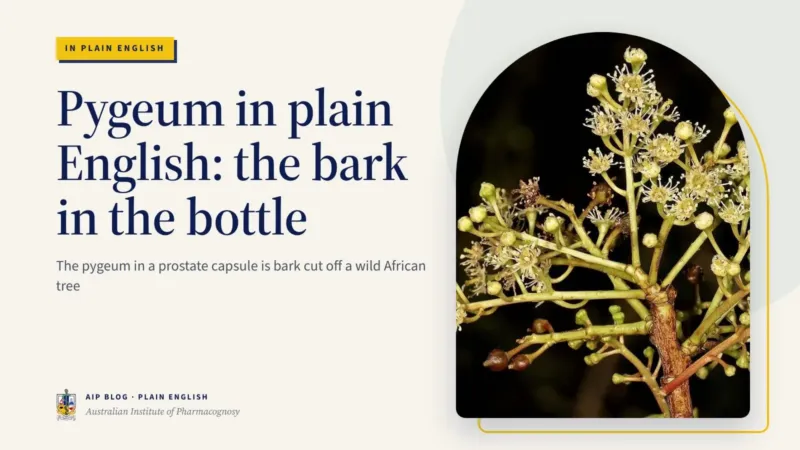
Pygeum in plain English: the bark in the bottle
The pygeum in a prostate capsule is bark cut off a wild African tree. What it honestly does for night-time trips, and what nobody has tested.
Department
Outreach articles from the Australian Institute of Pharmacognosy about its work, its publications and how readers can follow and support its research.
The pygeum in a prostate capsule is bark cut off a wild African tree. What it honestly does for night-time trips, and what nobody has tested.
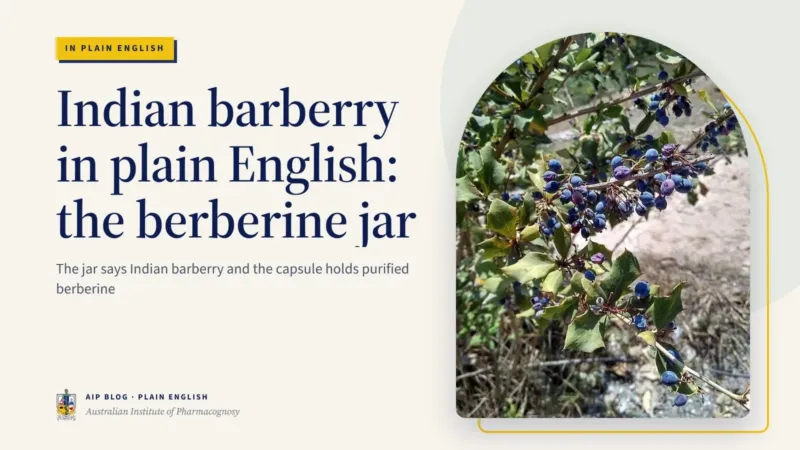
The jar says Indian barberry and the capsule holds purified berberine. What it does, what it does to your other medicines, and who must not take it.
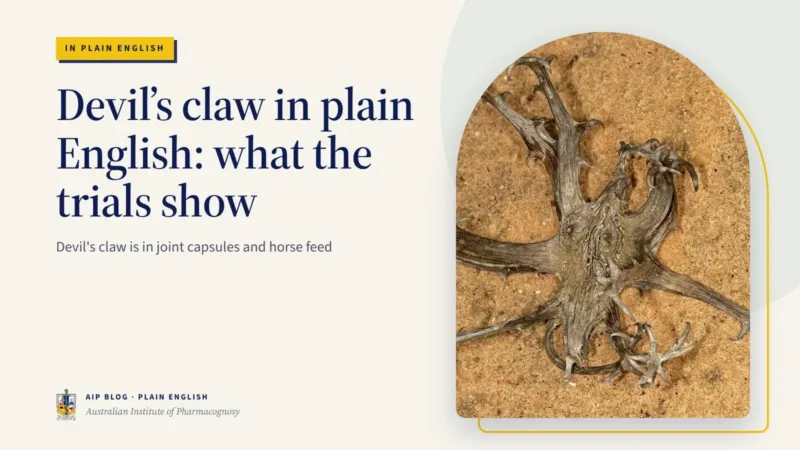
Devil's claw is in joint capsules and horse feed. What the trials really found, who has to leave it alone, and what the label omits.
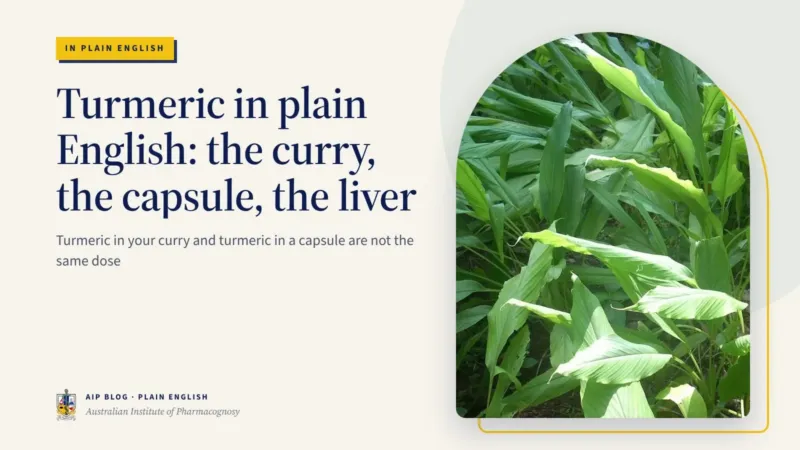
Turmeric in your curry and turmeric in a capsule are not the same dose. What the rare liver warning means, who should skip the pills, what to watch.
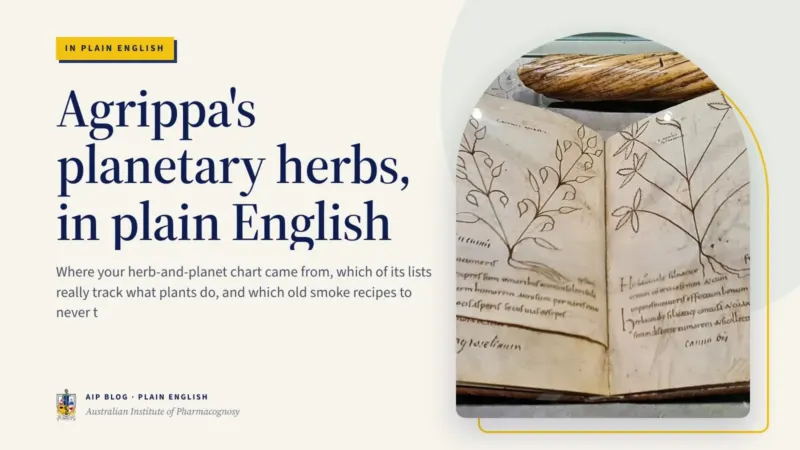
Where your herb-and-planet chart came from, which of its lists really track what plants do, and which old smoke recipes to never try.
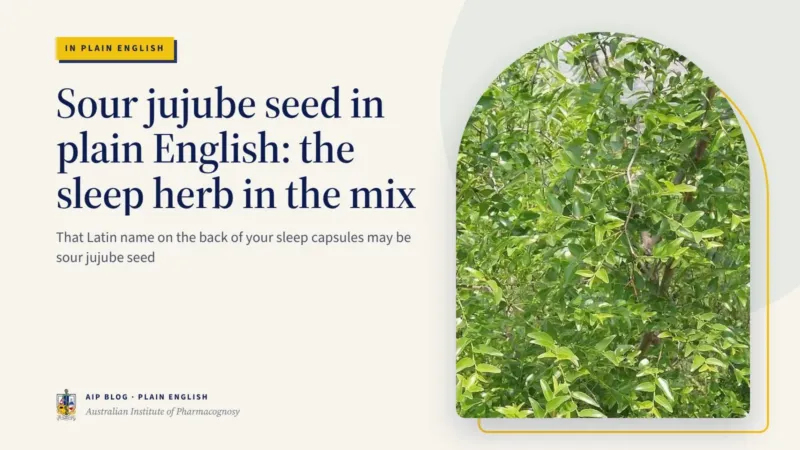
That Latin name on the back of your sleep capsules may be sour jujube seed. What it is, what the trials really tested, and who should take care.
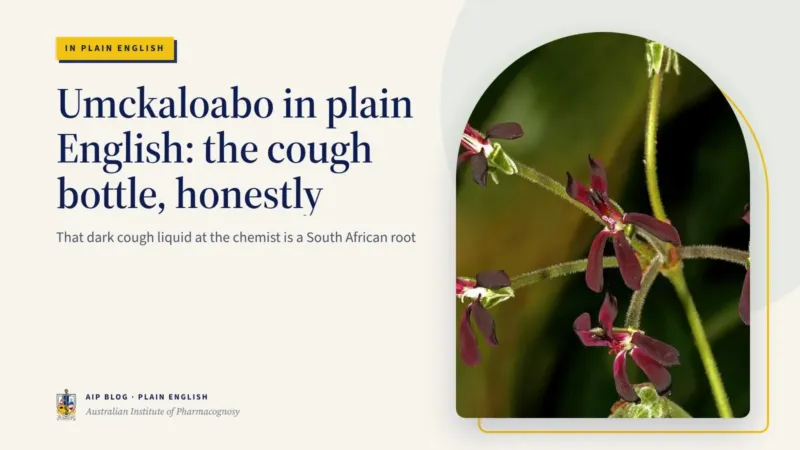
That dark cough liquid at the chemist is a South African root. What the trials found, the warning signs to know, and what to check on the box.
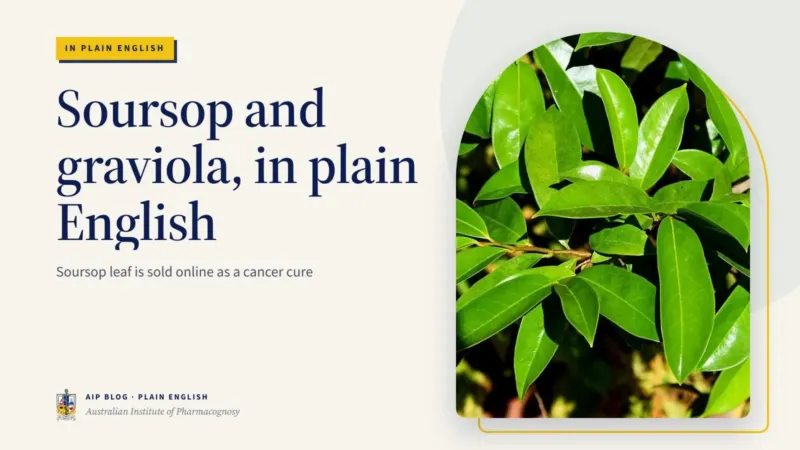
Soursop leaf is sold online as a cancer cure. What the fruit and leaf really are, what an island in the Caribbean found, and who to ask.
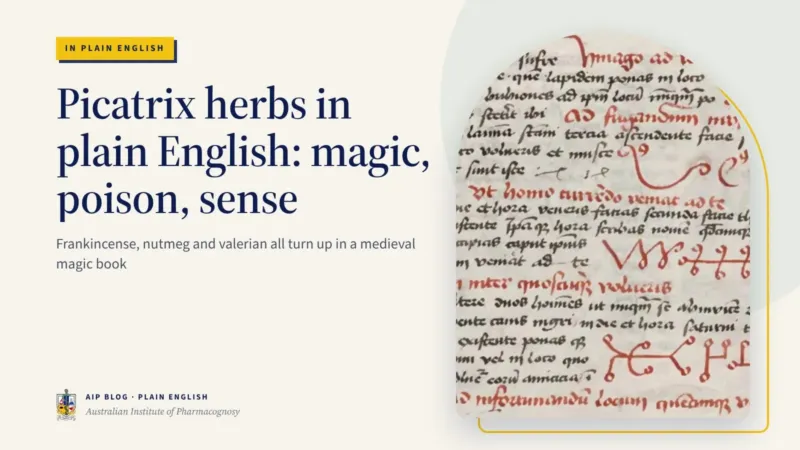
Frankincense, nutmeg and valerian all turn up in a medieval magic book. What it got right about poisons, and the snakebite charm that could kill.
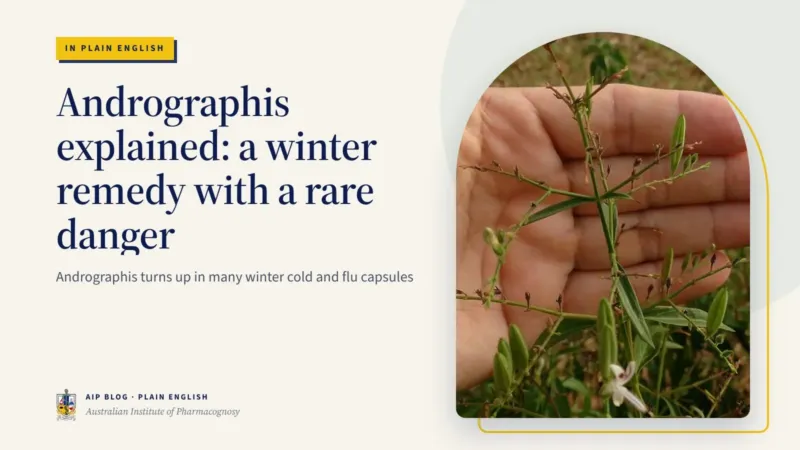
Andrographis turns up in many winter cold and flu capsules. Why a few people react within minutes, and what to do if it's in your cupboard.
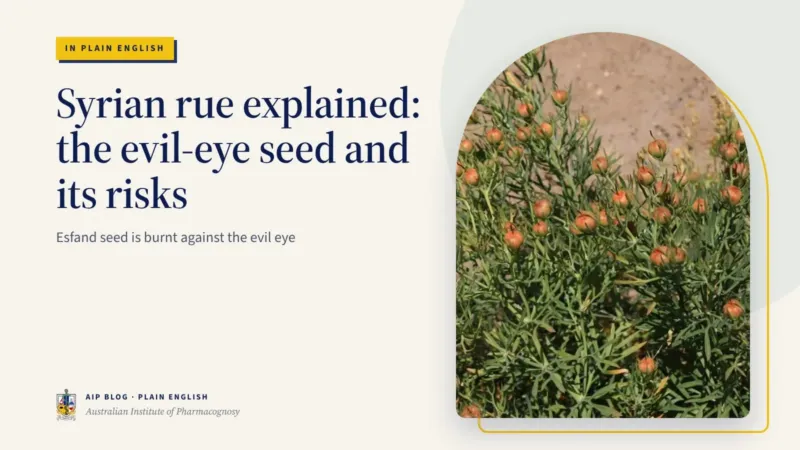
Esfand seed is burnt against the evil eye. What it does if swallowed, which household medicines it clashes with, and who to ring.
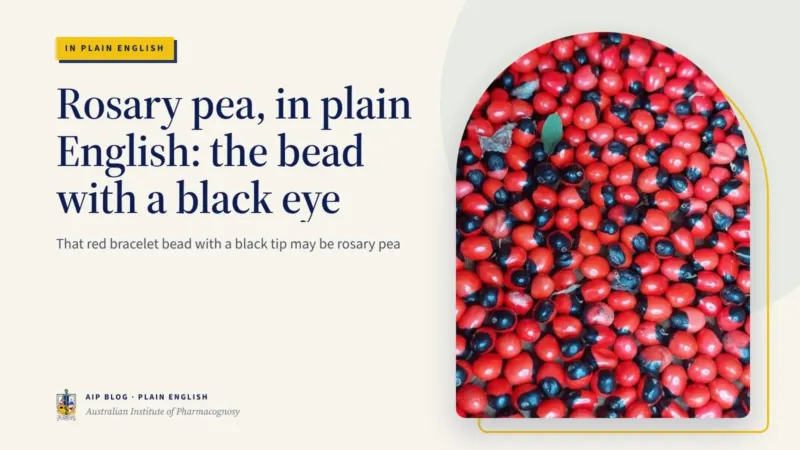
That red bracelet bead with a black tip may be rosary pea. How to tell it apart, why a broken seed is the danger, and who to phone.