
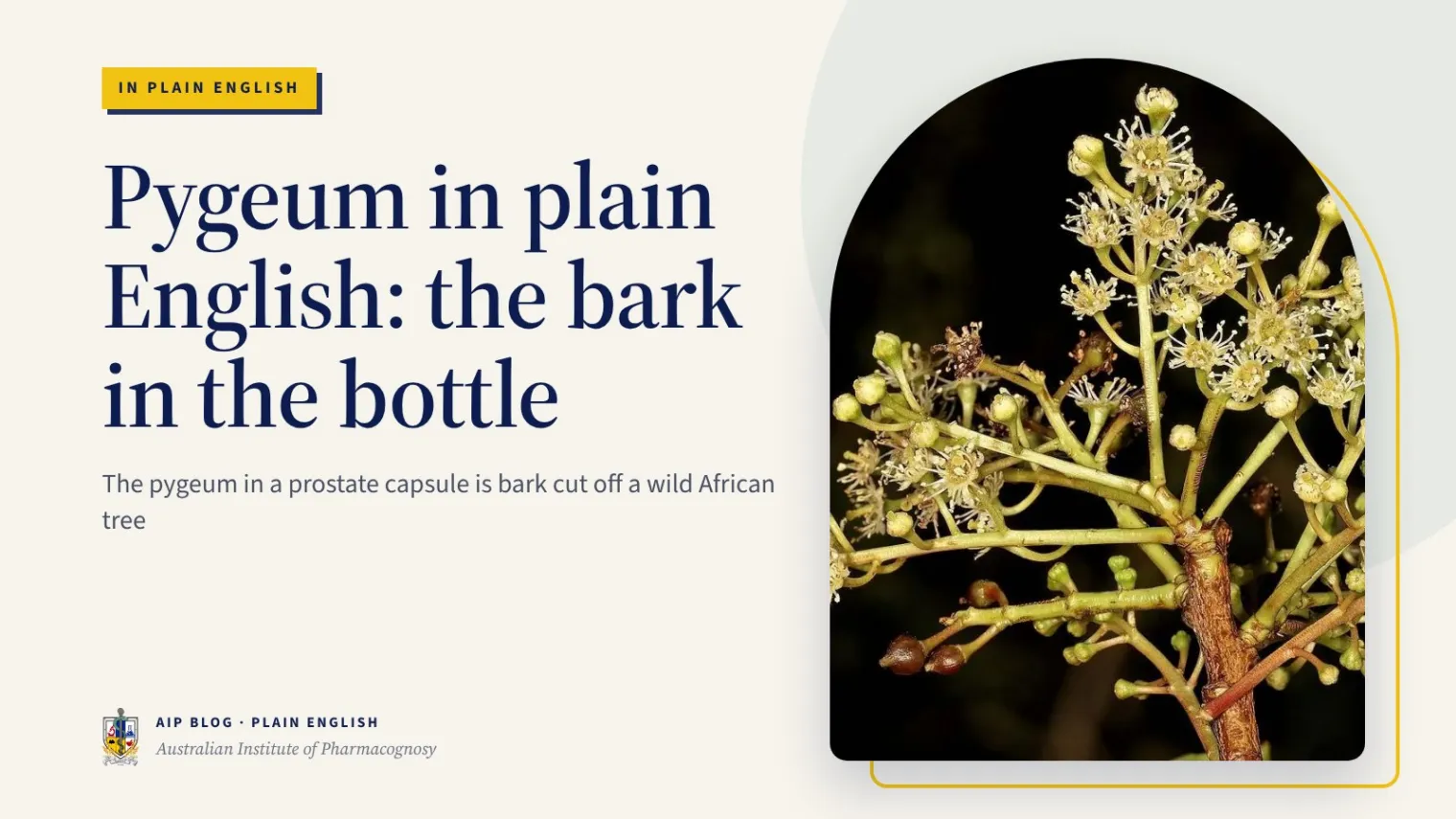
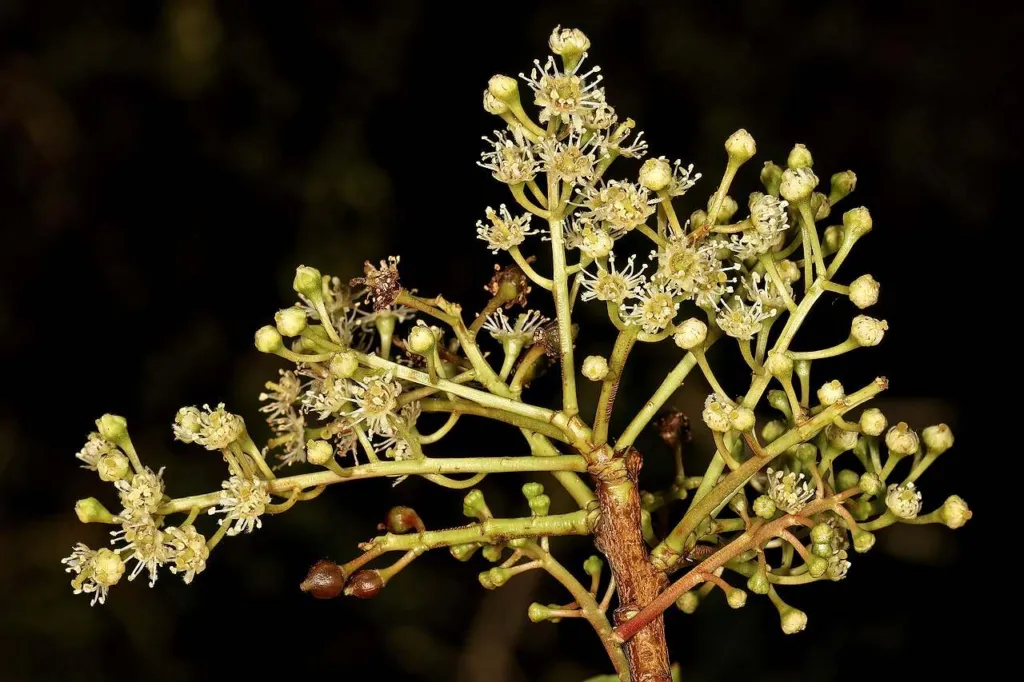
Cover: pygeum in flower, Kirstenbosch. Photograph: SAplants, CC BY-SA 4.0, via Wikimedia Commons
The bottle sits above the basin with the toothpaste, the word prostate across the front. On the back, in small type: pygeum.
Hardly anyone swallowing one after dinner knows that means bark, cut by hand off a tree in a Cameroon mountain forest. It may help a little. What it cannot tell you is why you are up at night, and a capsule that eases the nights makes it easy to stop asking.
Educational only: no doses, no preparations, no advice. Anything on Australian rules is the Institute’s own reading, 28/09/2026.
If a man cannot pass urine at all, that is an emergency: phone 000 or get to an emergency department. It is treated within hours and waiting risks the kidneys. For a suspected poisoning or overdose, phone the Poisons Information Centre on 13 11 26, any hour, Australia-wide.
Six things mean assessment today and never at home: blood in the urine, fever, spasms, pain on passing urine, being unable to pass urine at all, and symptoms getting worse. The European monograph for this bark names those six and sends the patient for assessment.
Symptoms need a diagnosis before they need a herb. A swollen prostate and a prostate cancer feel the same from the inside, and so do a stone, an infection or a narrowing. Putting off finding out which one you have is the largest avoidable harm here.
A cancer diagnosis is a reason to stop, not to start. If a PSA test is coming up, say you take this before the blood is drawn, and have it written down.
Not for women and not for anyone under eighteen. The European monograph enters pregnancy and breastfeeding as not relevant, which describes who the medicine is for. It does not mean anybody looked and found the bark harmless.
No interactions have been reported and no interaction study has ever been done, so nobody knows. Tell whoever writes your prescriptions. For any question about a herbal medicine, consult a degree-qualified herbalist with competencies and adequate training in pharmacognosy. Nothing home-made from raw bark sits inside these controls.
- Pygeum is bark, cut by hand off wild African forest trees. None is grown here.
- It seems to help a little with getting up at night, on small, short, old trials.
- It has never been tested against the medicines a man is actually offered.
- The online prostate cancer claim has never been tried in a person.
- Well tolerated, and almost nothing is tested, including its effect on a PSA reading.
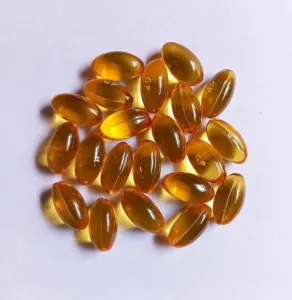
The word on the pack means bark
Not the fruit, leaf or root.
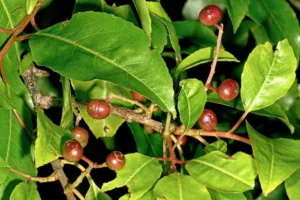
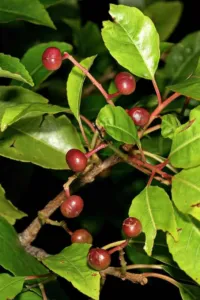
Pygeum is dried bark off the stems and branches of a tall evergreen tree of the African mountains. The fruit is no medicine; root and leaf differ again. Nothing is grown here, no herbarium here holds a specimen, and every Australian capsule is imported extract.
In all four Australian products the bark travels with three or four other plants, most of the reason a man takes it for years without learning the tree’s name. Only one was assessed on its evidence, so only it may name the condition: night-time trips to the toilet, in men already diagnosed with an enlarged prostate. The other three draw on the regulator’s fixed list of general claims instead, prostate health and urinary frequency, and none of them may refer to a serious condition at all.
Powdered bark keeps nothing you can recognise by eye, and no Australian record names the solvent or the sterol content, so you cannot tell whether your capsule matches anything trialled.
Read the panel on the back: this is four or five plants and you take all of them. Keep the box for whoever you ask.
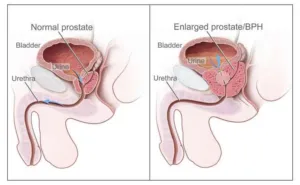
It seems to help a little, and the evidence is old
Better than nothing, and behind the prescriptions.
The honest answer is yes, a bit, for some men, over six to twelve weeks. In the old trials, pooled, men got up less at night and passed urine with more force.
Then the awkward part. Those trials are small, short and mostly done before the year two thousand, and none put the bark against the medicines a man is actually offered. Through a year of ordinary European practice, fewer than half the men on pygeum improved much; on the drug class usually prescribed, about two in three did. No European or American urology guideline includes it.
Australia’s own trial is why that one label says what it says, and it tested a capsule with five actives in it, this bark among them, so nobody can say which did the work. Nor has anyone measured what becomes of this extract inside a person, so every account of how it works describes a dish or an animal.
Give it a few months and no more faith than that: the trials ran weeks, not years, and nobody has looked at what years of it do. If the nights are no different, take that back to the herbalist in the red box. In the one big European survey of everyday practice the prescription medicines did better, and the two have never been tried head to head.
The cancer claim, and the blood test nobody has measured
The most repeated thing about this bark has never been tried in a person.
Search the name and you will be told, carefully, that this bark fights prostate cancer. No Australian pack says it and none may.
Healers in Kenya and Uganda have used the bark against cancers, which is evidence of a practice, not of an effect. The laboratory work is real: extracts slow prostate cancer cells in a dish, and two bark compounds block the male hormone receptor those cells lean on.
What is missing is the part that counts. Nobody has ever run a trial of pygeum in men with prostate cancer: no small study, no series of cases, nothing. Whether the extract causes cancer has never been tested either.
Then there is PSA, the blood-test number that decides whether a man gets investigated for cancer. The two bark compounds turn down the gene that makes it, in cells, in a dish. In a man, nobody knows: PSA has never been measured in anybody taking this bark, in any trial, anywhere. An odd sort of risk: you would never feel it.
PSA has never been measured in anybody taking this bark, in any trial, anywhere.
Before a PSA test, say you take this and see it written down. If a prostate cancer has been diagnosed, stop and talk to the team treating you.
Kind to the body, and almost entirely untested
Both are true at once.
Pygeum bark is one of the gentle ones. The European monograph lists digestive upset, rarely, and nothing else. Decades of prescription use in France brought no reported interactions, no reported overdose and no reported deaths.
Now the other half. No interactions reported describes the literature: there is no absorption study in humans and no interaction study at all, while the men taking this are commonly on blood pressure tablets, a statin or a blood thinner. Gene-damage tests have gone both ways and the European assessors left that open. Harm to reproduction has never been properly tested either. And nobody has followed men through years of it: every safety study on this bark is months long at most, while the European licence sets no limit on how long you may keep taking it.
Australian law has made a decision buyers never hear about. This group of trees is cyanogenic (the almond smell of fresh-cut wood), and two cyanide-related substances in the bark are capped by name in the finished medicine; over the cap it is prescription-only or banned. Two of the four products also carry selenium, toxic in high doses, and a man taking one on top of a multivitamin is the real overdose risk here.
Give whoever prescribes for you a written list of everything you take, and add up the selenium if a multivitamin is on it. Trying for a baby: nobody has tested this bark for that, and it carries compounds that work on male hormones, so put it down and ask the herbalist in the red box.
The tree at the other end of the capsule
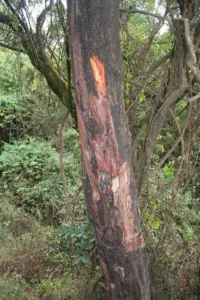
Somebody cut it, on a mountain, by hand.
Bark is barely skin: the layer under it carries sugar from leaves to roots, and a tree cannot spare it. Cut a strip off a standing trunk and the tree spends years closing the wound, and often never does. The supply is wild, all of it, with no plantation industry of any size, and the species is on the international list of wild plants whose trade must be permitted and watched, because it has been overharvested, among other reasons.
Every step in that chain leaves a document except the last, which leaves a pack with a Latin name, no forest, no year and no permit number. The tree keeps growing while the argument about its bark goes on. If the trade lets it, the one with the scar down one side will outlast every claim ever made about it.
Nothing to do tonight. If pygeum helps you sleep, keep the diagnosis current, keep the medicine list readable, and ask where the bark came from next time.
The short version of Dr Thomas Ridley’s AIP evidence review, where the trials, the law and every source sit:
- Jesse Kirby — Wrote this edition from his own notes with the review closed: chose the five things a reader needs, the running order and every sentence, and rebuilt the safety box in plain words without softening a warning
- Zoe Bennett — Set the page title, the search description and the labels, framed on the bottle already in the bathroom cupboard, which is how this one will be shared
- Theo Karras — Chose the cover and the five section banners from the review’s own photographs, opening on the capsule and closing on the cut trunk, and rewrote every alt text to match what the picture shows
- Leah Bianchi — Built the page: the red safety box, the one-minute card, the pull quote, the five what-this-means cards and the card back to the review, laid out to read on a phone
Contributors
- Dr Thomas Ridley — Wrote AIP Evidence Review LR-10, the article this page retells
Research authorised by
- Dr Luke Iggulden, Chief Scientific Officer and lead researcher — Commissioned the Explainer series, set its direction and approved it
Image credits. Every photograph is reused from the parent evidence review. Pygeum in flower and in fruit: SAplants, CC BY-SA 4.0. Soft gelatin capsules: Salil Kumar Mukherjee, CC BY-SA 4.0. Prostate diagram: National Cancer Institute illustrator, public domain. Bark harvested on Mount Cameroon: Marco Schmidt [1], CC BY-SA 2.5. All via Wikimedia Commons.
AIP Explainers are the plain-language editions of the Institute’s technical articles, published alongside the original. Everything on this page is carried by the full review, where the evidence, the references and the regulatory sources are set out. Regulatory material was read on 28/09/2026 and may change; it is the Institute’s published reading and not advice. Spotted an error? Write to our contact form. We would rather correct a claim than repeat it.
Jesse Kirby
Head of Community Outreach
Australian Institute of Pharmacognosy
Cardwell QLD, Australia
australian-pharmacognosy.org · our contact form
The Institute sets and publishes its own monographs. The catalogue is in Publications.