
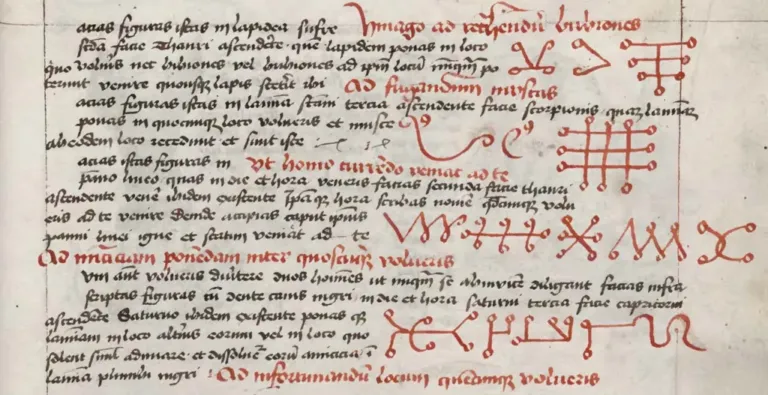
Cover image: a fifteenth-century Latin Picatrix, Kraków MS 793. Public domain · Wikimedia Commons, cropped
There is a jar of nutmeg in your kitchen, and maybe a bottle of valerian beside the bed. Both turn up in a medieval book of magic, a book that also burns opium over talismans and reaches for birthwort against snakes. We count 153 plant entries in it, and thirteen of the names still cannot be matched to a plant. Some of what it says stands up. One of its remedies is a plant that wrecks kidneys and causes cancer.
The book is the Picatrix. This is the short version of our full essay on it, for herb users with no time for footnotes.
Educational content only. Nothing here recommends obtaining, preparing, burning or taking any plant named on this page. Several are poisonous, some are controlled, and some are prohibited from use in medicines in Australia.
For snakebite in Australia, ring 000 now. Apply a pressure immobilisation bandage, keep the person still, and do not apply, take or burn any plant. Antivenom is the only treatment.
For suspected poisoning by any plant, ring the Poisons Information Centre on 13 11 26, 24 hours, anywhere in Australia, or 000 in an emergency. What they tell you governs.
- The Picatrix is a medieval handbook of magic. We count 153 plant entries in it; thirteen names remain unidentified or disputed.
- Its standard method is smoke: material burned over an image at a chosen hour.
- It is right most often where the body answers fast: sleep, stupor, delirium, poisoning.
- It turns to poetry on love and power. A pleasant smell is all the chemistry grants.
- The dangerous entry is birthwort against snakebite. The plant poisons kidneys and causes cancer, and it is prohibited from use in medicines in Australia.
What the book is, and what it does with plants
Planet labels that turn out to be taste and smell.
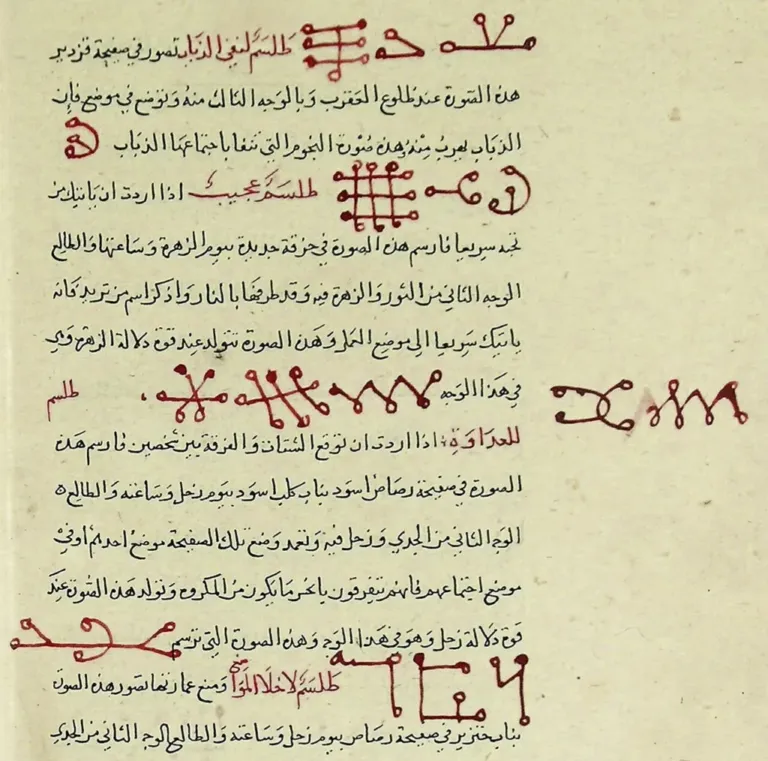
The Arabic title is Ghayat al-Hakim; Europe called it the Picatrix. Its planetary lists look arbitrary until you taste them. Saturn takes the bitter and foul: hemlock, colocynth, opium, mandrake. Mars takes the hot: pepper, ginger, mustard. Venus takes the sweet: rose and mastic.
The labels are planets. The hand sorting them is Galen’s old scheme of hot, cold, dry and moist, read off taste and smell. Bitterness often flags the defences a plant builds against being eaten. That is the thing worth holding on to. The book is a learned technical work with a manuscript history behind it, and treating it as village superstition misses what it is. The theory it runs on died centuries ago. Some of what it wrote down has outlived the theory.
A theory can be dead and still be carrying live observations.
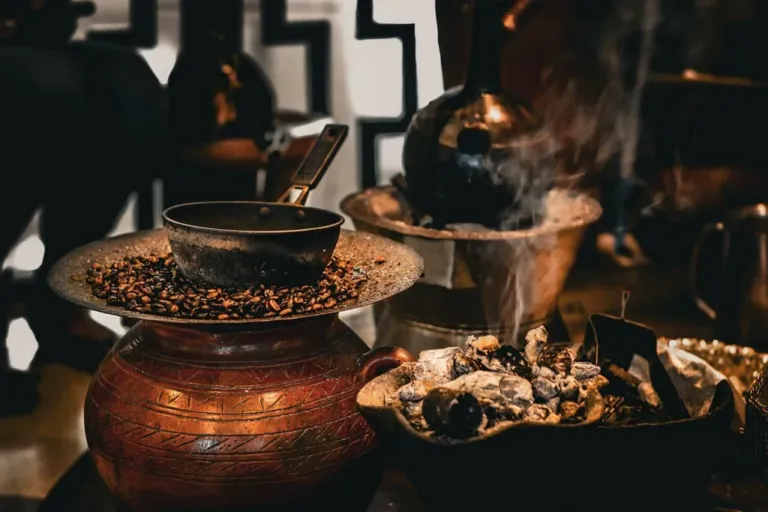
The book’s standard operation is smoke: storax, frankincense, mastic, myrrh and labdanum, burned at the right hour over a figure. Nobody brews a tea. Most aromatic smoke is better understood as mood and setting than as a drug dose. The exceptions want harder handling. Henbane goes on the fire. Opium goes on the fire. Cannabis turns up in one lunar incense. Those are active materials, and heating a psychoactive or poisonous plant changes the safety question.
Your nose and tongue read something real: bitter and sharp mean a plant has chemistry in it. Neither tells you how much. And if you burn anything at home, never assume that what is known about swallowing a plant carries across to its smoke, or the other way round. Burning a poisonous plant is its own question, and never the safer one.
Where the old book got it right
Where the body answers fast, the old observations mostly hold up.
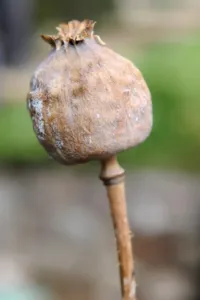
The sleep-and-stupor material includes opium, mandrake, henbane, datura, nightshade, poppy, lettuce, darnel and nutmeg. Six of those carry pharmacology nobody needs to romanticise: opioid action, nightshade delirium, sedation, toxicity, plain poisoning. Nutmeg does intoxicate people in reported cases, though what they describe is a poisoning, and how it does it has never been established in humans.
The poisons are plainer. Coniine, from poison hemlock, brings a paralysis that climbs the body. Aconitine holds the body’s sodium gates open so they cannot reset, which is why aconite poisoning can end in a dangerous heart rhythm. And one old name can sit on two different plants: black hellebore and white hellebore are different genera carrying different poisons, which is why a name out of an old book is never an identification.
Nutmeg is the one in your kitchen, and anybody who takes enough of it to feel something is describing a poisoning, whatever else it gets called. If somebody has swallowed any of the plants on this page, ring 13 11 26 straight away. Do not wait to see whether they get sick, and do not sit there working out whether the amount was enough.
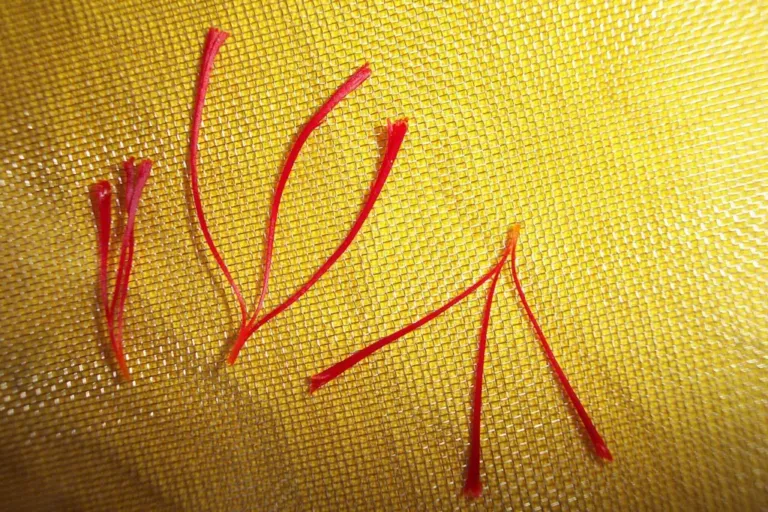
Where it turns to poetry
Rose, saffron, myrtle: costly, fragrant, chosen for meaning.
When the text turns to love, favour and success with kings, the match with pharmacology thins right out. Rose, saffron and myrtle are fragrant, expensive and heavy with meaning. Chemistry will grant you a pleasant smell. It will never grant a binding agent.
Chemistry will grant you a pleasant smell. It will never grant a binding agent.
Valerian shows how evidence gets flattened. Its reputation as a sleep herb rests on traditional use, on laboratory work at the brain’s calming switch, and on human trials that disagree with each other. Some support, well short of a clean claim. The Picatrix uses it as a love philtre.
An old text cited as proof that a herb works is history, and carries no clinical weight. For a straight answer on anything you take, consult a degree-qualified herbalist with competencies and adequate training in pharmacognosy.
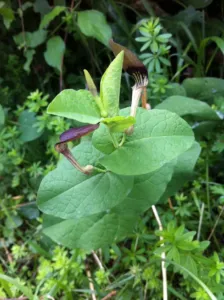
The most dangerous sentence in the book
Birthwort against snakebite, read in Queensland English.
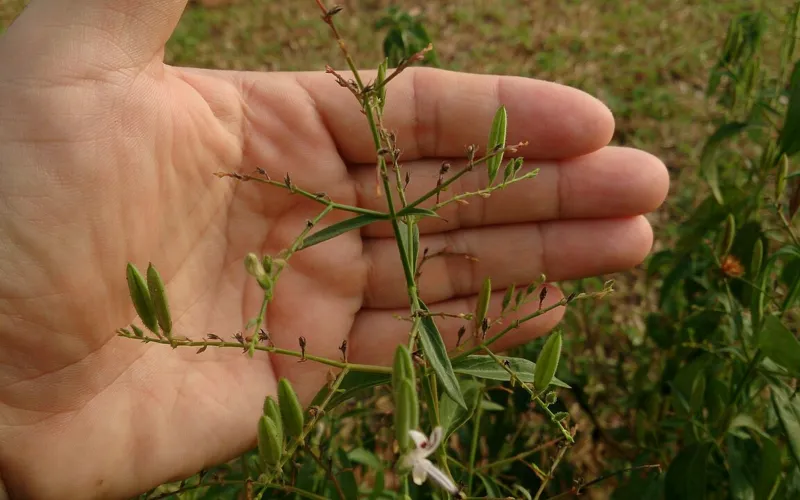
The Picatrix puts round birthwort into a preparation against adders. Aristolochic acids, the compounds in that plant, poison the kidneys and cause cancer; the recorded harms in people include kidney failure and cancer of the urinary tract. That is why birthwort — the whole Aristolochia group of plants — is prohibited from use in medicines in Australia. Against snakebite the plant has never been shown to do anything useful in a human being.
One tradition can hold a correct warning about a poison and a dangerous false remedy side by side on the same page.
For a snake in Australia: ring 000, apply a pressure immobilisation bandage, keep the person still, and do not apply, take or burn any plant. Antivenom is the only treatment.
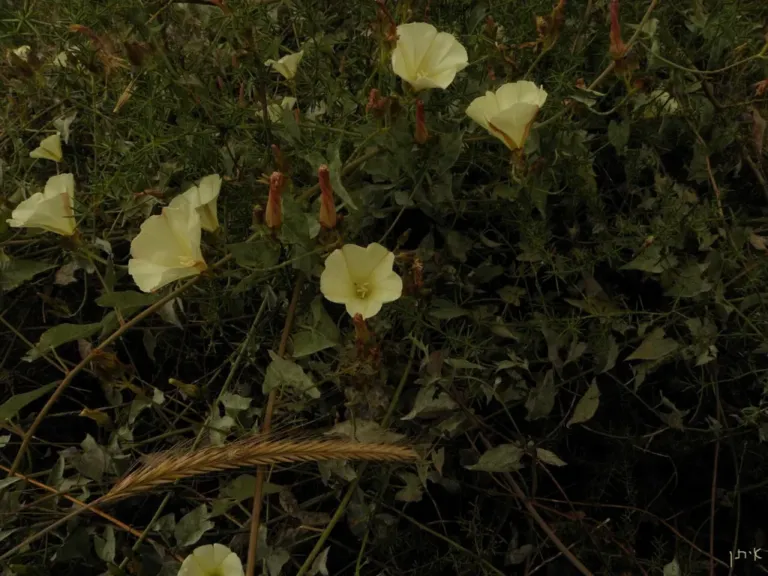
One good story before you go
Scammony emptied people out and nobody could say why.
Scammony is a violent purgative. Medieval physicians could see the effect and could not explain it from hot, cold, dry and moist, so they reached for a hidden virtue: a power belonging to the substance itself.
Once that idea exists, a medicine and a talisman become neighbouring claims. We keep those in separate drawers. The compiler kept them far closer together.
Read the old books. They are extraordinary company, and the man who compiled this one was doing his best with the instruments of his century. Keep the gloves on.
The four books, the 153 entries, the chemistry, and the work still to do.
Picatrix Herbs: Magic, Poison and Pharmacology — AIP Grimoire Herbal No. 1
- Jesse Kirby — wrote this plain-language edition and decided what a 4,722-word essay keeps when it comes down to a quarter of the length
- Zoe Bennett — titled the page, wrote the search description and the lines it goes out on
- Theo Karras — chose and cropped the manuscript leaves and plant photographs, set the hero, the five section banners and the incense figure
- Leah Bianchi — built the page – the snakebite callout, the one-minute card and how it reads on a phone
Contributors
- Ambrose Fenwick — Head of History and Philosophy; wrote the original essay that every claim on this page is taken from, and checked the simplification against it
- Dr Eleanor Whitcombe — Head of Medicine; read the toxicology and the safety wording against the original essay and restored seven places where the shorter version had softened them
- Geoffrey Larkin — Head of Legal and Compliance; checked the regulatory wording and the image licences against the original essay and narrowed the birthwort sentence back to what it says
Direction and oversight
- Dr Luke Iggulden — Commissioned the Explainer series, set its direction and approved it
Image credits. All images are reused from the parent essay, under the licences the photographers set. Latin Picatrix, Kraków Jagiellonian MS 793, and the Arabic Picatrix, Hamidiye MS 852 — public domain, Wikimedia Commons. Coffee ceremony — ProtoplasmaKid, CC BY-SA 4.0. Opium poppy — Niccolò Caranti, CC BY-SA 4.0. Saffron — Emilie40, CC0. Round birthwort — MurielBendel, CC BY-SA 4.0. Scammony — איתן פרמן, CC BY-SA 3.0. The hero and the section banners are cropped from those originals and nothing else about them has been changed; the cropped versions of the CC BY-SA photographs are shared under the same licence as the originals. Each caption links the licence and the source file.
AIP Explainers are the plain-language editions of the Institute’s technical articles, published alongside the original. Every claim here is carried by the full essay, where the sources, the evidence grades and the regulatory reading are set out. The Australian regulatory position was read on 20/09/2026 and may change; it is the Institute’s published reading and not advice. Found an error? Write to our contact form — we would rather correct a claim than repeat it.
Jesse Kirby
Head of Community Outreach
Australian Institute of Pharmacognosy
Cardwell QLD, Australia
australian-pharmacognosy.org · our contact form