

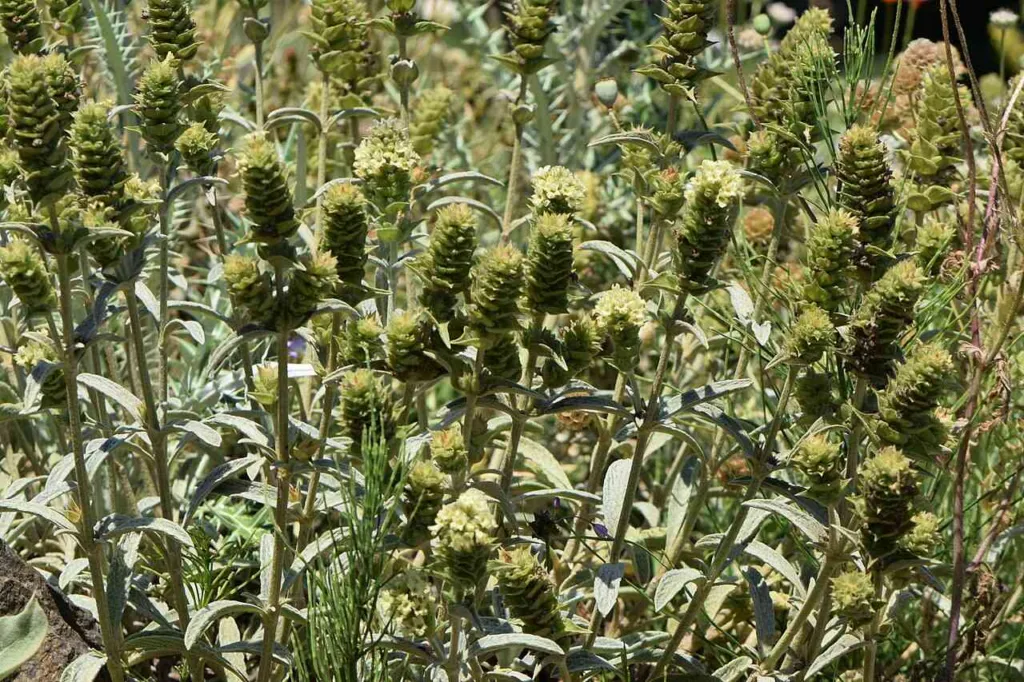
Cover: Sideritis scardica in flower, Botanischer Garten Berlin-Dahlem. Photo: Krzysztof Ziarnek, Kenraiz · CC BY-SA 4.0 · Wikimedia Commons
Across Greece and the Balkans, a bunch of dried, silvery ironwort stems boiled with honey and lemon is the household answer to a winter cough. Traditional Europe’s medicines agency accepted that use on the strength of tradition in 2016, before any trial existed. Attested Since then two small randomised trials of concentrated extracts have reported less anxiety and a few changes in attention and blood markers, and both were funded by industry. Evidence suggests
This is AIP Literature Review and Critical Analysis AIP-LR-SIDSCA in the Australian Institute of Pharmacognosy’s series of literature reviews and critical analyses. It introduces Sideritis scardica Griseb. and the related species sold as Greek mountain tea: which plants share the name and why that matters for what is in the packet, the botany and Australian status, Greek and Balkan household use, the chemistry, the pharmacology, what the European Union herbal monograph covers and on what basis, what the human trials show and how far they go, safety and interactions, quality, Australian law on selling and importing the herb, and a practical guide for buyers.
This article is educational. It is not medical, legal or regulatory advice, and it is not an advertisement. No product is named or recommended. The Institute has no commercial interest in mountain tea.
1. A long household record. No adverse reactions or overdoses were reported to the European assessors, and animal and mutation tests found no toxicity. Attested Evidence suggests
2. Mint-family allergy. The European monograph lists allergy to the herb or to other Lamiaceae (mint, sage, oregano, thyme) as its one contraindication. Attested
3. Pregnancy, breastfeeding and under 18. Safety has not been established, for want of data, so the European monograph does not recommend medicinal use in these groups. Attested
4. Medicines. Only one small study has looked at interactions. With regular medicines, especially antidepressants, have concentrated extracts reviewed before use. Evidence suggests
Emergency: call Triple Zero (000). For a suspected poisoning, call the Poisons Information Centre on 13 11 26 (24 hours, Australia-wide). Difficulty breathing, chest pain or coughing up blood needs urgent care. Report suspected side effects to the TGA (TGA, reporting adverse events). Before taking any botanical drug, consult a degree-qualified herbalist with competencies and adequate training in pharmacognosy.
| Botanical name | Sideritis scardica Griseb. (1844), Lamiaceae (mint family) Attested §2 |
| Common names | Greek mountain tea, tsai tou vounou, ironwort, Olympus tea; Pirin or Mursalski tea (Bulgaria); çaj mali (Albania) Attested §2 |
| Also sold as mountain tea | S. raeseri, S. syriaca (Cretan malotira), S. clandestina, S. euboea and hybrids Attested §2 |
| Part used | Flowering tops: stems, leaves and flowers, dried in bunches Attested §3 |
| In Australia | Not recorded wild; a relative, S. lanata, is a farm weed near Inverell, NSW Attested §3 |
| Tradition | Daily tea in Greece and the Balkans; coughs, colds, digestion Traditional §4 |
| Chemistry | Phenylethanoid glycosides (verbascoside), 8-hydroxyflavone glycosides, chlorogenic acid, iridoids; caffeine-free Confirmed §5 |
| Pharmacology | Monoamine reuptake inhibition in rat cells; amyloid lowered in mice; gut-relaxant in rat tissue Mechanism §6 |
| EMA (overseas) | EU monograph 2016: traditional use only, for cough with colds and mild digestive discomfort; no trials then Attested §7 |
| Human trials | Two small RCTs of extracts: less state anxiety at 950 mg (one trial); blood markers (one trial); both industry-funded Evidence suggests §8 |
| Safety | No reported adverse effects; mint-family allergy; no data in pregnancy, lactation or children; one small interaction study Evidence suggests §9 |
| Australian law | Not on the ARTG; not a permissible ingredient for listed medicines; unscheduled; sold as a tea; declare at the border Attested §11 |
| Emergency | Triple Zero (000); Poisons Information Centre 13 11 26 Attested §9 |
- Confirmed Established in humans by trial, or an unambiguous analytical or chemical fact.
- Evidence suggests Real published data, but preclinical, observational, small, industry-funded or not independently replicated.
- Mechanism A plausible mechanistic or pharmacological inference about how something works, short of a measured outcome.
- Traditional Historical or ethnobotanical use. Evidence of practice. Efficacy is a separate question.
- Attested A documentary fact attested in a named record: a regulator’s document or register, a legislative instrument, a taxonomic index, a biodiversity database or a published text. It states what the record says.
- Unsourced A statement the Institute could not trace to a source it was able to open and read, flagged so no reader mistakes it for a sourced claim.
Every PubMed ID (PMID) below links to its record and was checked against PubMed in October 2026, and every paper cited by PMID was read in full text. Papers the Institute could not open in full are described only through the named sources that discuss them, and have been requested through the Institute’s library wherever a DOI could be found. Every compound was checked against PubChem and is linked by CID. Every Australian regulatory statement was read from the regulator’s or the legislature’s own document or database in October 2026. European material is overseas and does not govern Australia.
The plant. Greek mountain tea is the dried flowering tops of several closely related Sideritis species from the Balkan and Greek mountains, chiefly S. scardica, S. raeseri, S. syriaca and S. clandestina. They hybridise and look alike once dried, and a packet labelled only “mountain tea” may hold any of them. Attested
The tradition. It is an everyday, caffeine-free drink across Greece and the Balkans, used for coughs, colds and the stomach. Europe’s medicines agency accepted those two uses in 2016 on the basis of long tradition alone. Traditional
The trials. One well-run but industry-funded trial in 155 healthy older adults found that 950 mg a day of a concentrated extract lowered state anxiety and some attention errors over four weeks. A smaller trial found changes in blood markers. Nobody has tested the tea itself, or tested any form of the herb for coughs or digestion. Evidence suggests
Safety. No adverse effects have been reported. Avoid it with a mint-family allergy; there are no data in pregnancy, breastfeeding or children, and interaction data are thin. Attested
In Australia. It is unscheduled and sold as a tea, but it is not on the ARTG and cannot yet go into a listed medicine. Declare herbal tea when you travel, check import conditions before ordering from overseas, and do not plant seed from a tea bunch. Before using it for health, consult a degree-qualified herbalist with competencies and adequate training in pharmacognosy.
 Chapter 1A cup from the mountains
 Chapter 2Which plant is mountain tea?
 Chapter 3Botany and Australian status
 Chapter 4Traditional and household use
 Chapter 5Phytochemistry
 Chapter 6Pharmacology
 Chapter 7The European monograph
 Chapter 8The human trials
 Chapter 9Safety and interactions
 Chapter 10Quality and species
 Chapter 11Australian regulation
 Chapter 12A guide for Australian buyers
 Chapter 13Discussion and research agenda
1. A cup from the mountains
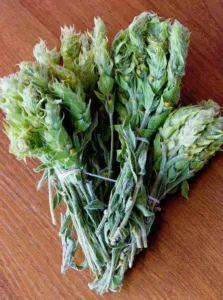
Ask a Greek grandmother what to drink for a winter cough and there is a fair chance the answer will be tsai tou vounou, mountain tea. It comes as a bunch of dried, silvery stems topped with straw-coloured flower spikes, and it is boiled for a few minutes, sweetened with honey and sharpened with lemon. The European Medicines Agency (EMA) describes exactly that preparation, a decoction of the stems, leaves and flowers served with honey and lemon, as the everyday use across Greece and Bulgaria (EMA assessment report (2016)). Traditional In a nationally representative Greek dietary survey of 3,951 adults, mountain tea was among the three hot drinks reported most often, alongside green and black tea, and most of it was drunk at breakfast (PMID 38082315). Attested
Outside the Balkans the plant is barely known. In Australia it reaches buyers mainly through Greek and Macedonian grocers and through overseas online sellers posting loose herb from Greece, usually with little on the packet beyond “mountain tea”. Unsourced No product containing it is entered on the Australian Register of Therapeutic Goods (ARTG searches, October 2026). Attested So the people who buy it here are left to work out for themselves which plant they have, what it has been used for, and what the research says.
That research is more interesting than most kitchen herbs can claim. The EMA’s herbal committee adopted a European Union herbal monograph on the herb in 2016, covering four species (EMA herbal text (2016)). Attested Since then, two randomised, placebo-controlled trials of concentrated extracts have been published, one of them in 155 adults aged 50 to 70 that measured attention, memory and anxiety against both a placebo and a Ginkgo biloba extract (PMID 30042362; PMID 38474625). Confirmed This review introduces the plant properly. It sets out which species go by the name, where they grow, how they have been used, what they contain, what the European assessment did and did not conclude, what the trials found and how far that evidence goes, how safe the herb appears to be, and what Australian law says about buying, importing and selling it. Traditional use is reported as tradition and tagged that way. Trial findings are tagged as trial findings. The two are kept apart throughout.
2. Identity and taxonomy: which plant is “mountain tea”?
“Mountain tea” is a kitchen name. It covers several species of Sideritis, a genus of the mint family, Lamiaceae, that Linnaeus named in 1753 (IPNI). Attested The genus holds more than 150 annual and perennial species spread around the Mediterranean, the Canary Islands and Madeira, the Balkans and western Asia (EMA assessment report (2016)). Attested The name comes from the Greek sideros, iron. The EMA’s assessment report links it to the ancient reputation of these plants for healing wounds made by iron weapons (EMA assessment report (2016)). Traditional
The four species in the European monograph
The EU herbal monograph names four species, all perennials with a woody base from the same section of the genus, Empedoclia (EMA herbal text (2016); EMA assessment report (2016)). Attested
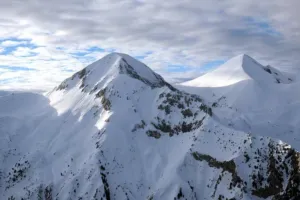
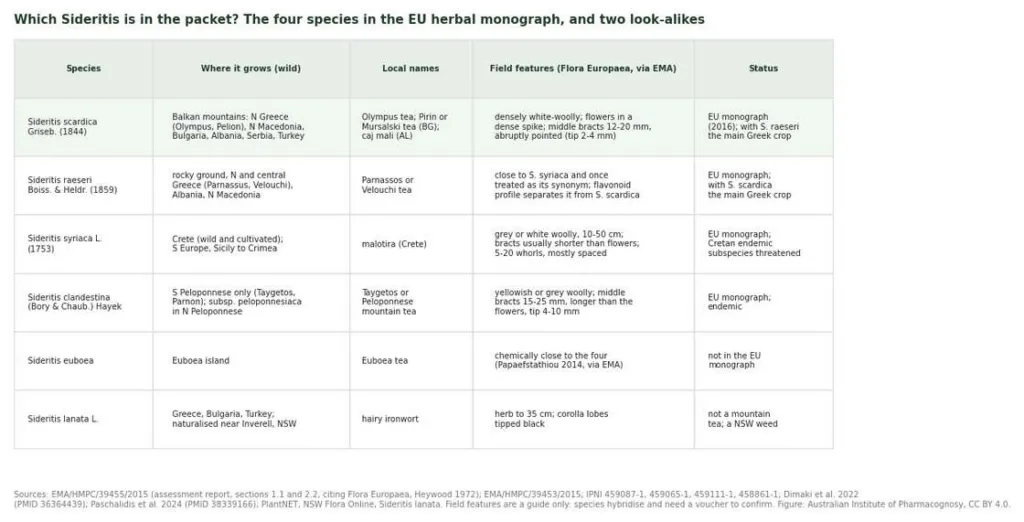
- Sideritis scardica Griseb., described by August Grisebach in 1844 and named for the Šar (Scardus) mountains of the central Balkans (IPNI; EMA assessment report (2016)). Attested It grows on rocky alpine ground from northern Greece (Olympus and Pelion) through North Macedonia, Bulgaria, Albania and Serbia (EMA assessment report (2016)). Attested It is the species most often called Greek mountain tea in English, Olympus tea in Greece, Pirin or Mursalski tea in Bulgaria and çaj mali in Albania (EMA assessment report (2016)). Attested
- Sideritis raeseri Boiss. & Heldr., described in 1859, from rocky ground in northern and central Greece, where its teas carry the names of Mount Parnassus and Velouchi (IPNI; EMA assessment report (2016)). Attested
- Sideritis syriaca L., one of Linnaeus’s own species, wild and cultivated on Crete, where it is called malotira (IPNI; EMA assessment report (2016)). Attested The EMA records the name as Venetian-era Italian, from male, illness, and tirare, to draw out (EMA assessment report (2016)). Attested
- Sideritis clandestina (Bory & Chaub.) Hayek, endemic to the mountains of the southern Peloponnese, Taygetos among them (EMA assessment report (2016)). Attested A second subspecies, subsp. peloponnesiaca, grows in the northern Peloponnese (PMID 36364439). Attested
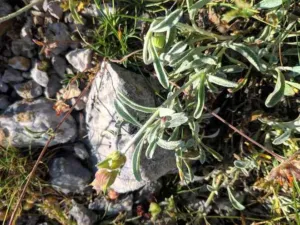
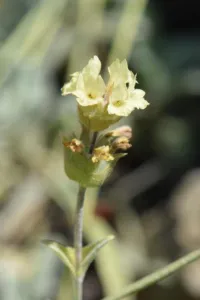
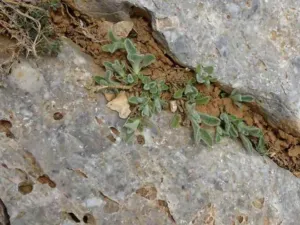
Those four were chosen because they were the species with documented traditional use over at least 30 years, with defined preparations and doses (EMA assessment report (2016)). Attested Other Greek species are also brewed. The EMA counts 17 Sideritis species native to Greece and names S. euboea of the island of Euboea and S. athoa of Mount Athos among the mountain teas (EMA assessment report (2016)). Attested S. euboea appears in several of the laboratory and animal studies discussed below (PMID 27258424). Attested
Why the name on the packet matters
The species are hard to tell apart, and they cross. A recent review describes intense hybridisation among Sideritis populations that grow together, which makes the genus one of the most taxonomically difficult in the mint family (PMID 42511561). Attested Flora Europaea, quoted at length by the EMA, calls S. syriaca “a variable species” in which “no satisfactory subdivision seems possible” when its whole range is considered, and notes that S. raeseri was once treated as a synonym of it (EMA assessment report (2016)). Attested A genetic study of nine wild S. scardica populations found each mountain population genetically distinct, with two of them, on Mount Shara and Mount Vermio, showing mixed ancestry (PMID 31484938). Confirmed
The trade does little to help. A 2022 phytochemical study from Greece notes that in official documents and on the market the terms “mountain tea” and “ironwort” describe many species, often with no statement of which one was used (PMID 36364439). Attested For a buyer, the practical upshot is simple: a packet that says only “mountain tea” may hold any one of several species, a mixture, or a hybrid. The European assessment treats the four species as one herbal substance, and its assessors judged the water extracts of six Greek species to contain the same compounds in differing amounts (EMA assessment report (2016)). Evidence suggests The trials, however, each used one species, and their results belong to that species and that extract (§8).
3. Botany, distribution and Australian status
What the plant looks like
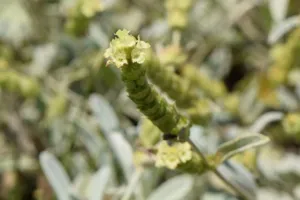
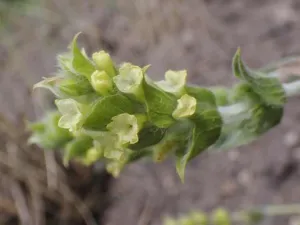
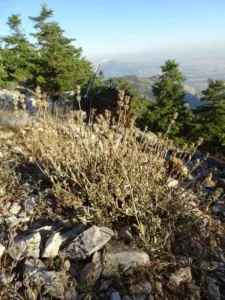
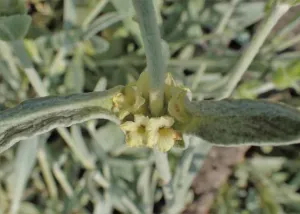
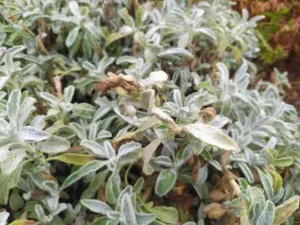
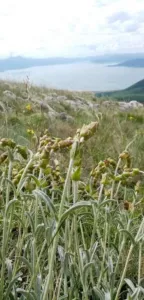
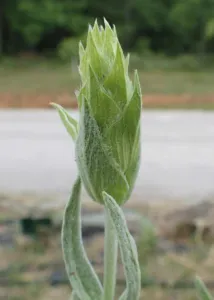
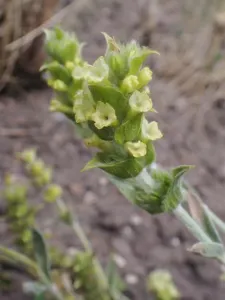
Sideritis scardica is a hardy perennial with creeping roots and stems that are woody at the base and 15 to 50 cm tall (EMA assessment report (2016)). Attested The whole plant is white and woolly. The lower leaves are narrow and 4 to 8 cm long, and the flowers sit in a dense spike, 5 to 8 cm long, of small yellow two-lipped flowers, each whorl cupped by broad, heart-based bracts that turn lemon-yellow as they ripen (EMA assessment report (2016)). Attested Each flower leaves four small nutlets. Depending on altitude it flowers from late June to early September, and its smell is pleasant and its taste slightly bitter (EMA assessment report (2016)). Attested The tea is the flowering tops: stem tips, leaves and flowers cut in bloom between June and September and dried in the shade in bunches of seven or eight stems (EMA assessment report (2016)). Traditional
Where it grows
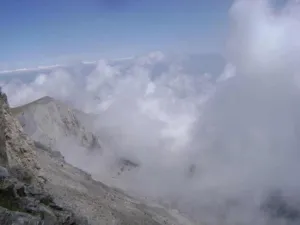
The mountain-tea species are plants of rocky slopes, usually above 1,000 metres (EMA assessment report (2016)). Attested Most of the material sold in Greece now comes from cultivated fields of S. raeseri and S. scardica, an area that has grown in recent years. Greek rules limit wild collection to 2 kg per person and prohibit uprooting (PMID 36364439). Attested The Cretan endemic S. syriaca subsp. syriaca is described as threatened (PMID 38339166). Attested Conservation work on wild S. scardica has argued for protecting each distinct mountain population, because so much of the species’ genetic variation lies between populations (PMID 31484938). Evidence suggests
In Australia
None of the four mountain-tea species has been recorded growing wild in Australia. A search of the Atlas of Living Australia in October 2026 returned 15 Australian records under Sideritis, none of them for S. scardica, S. raeseri, S. syriaca or S. clandestina (Atlas of Living Australia). Attested Eleven of the records are herbarium specimens of a different species, Sideritis lanata, hairy ironwort, collected in New South Wales between 1969 and 2004 (Atlas of Living Australia). Attested
That plant deserves a paragraph, because it shows a Sideritis can make itself at home here. NSW Flora Online records S. lanata, a native of Greece, Bulgaria and Turkey, as introduced on cultivated farmland on the Northern Tablelands and North Western Slopes. It is known from three properties in the Inverell district where the infestations cover a few hectares but hold “many thousands of plants”, stock do not appear to graze it, and “attempts at chemical control have been only partly successful” (PlantNET, Sideritis lanata). Attested The botanists could not say whether it spread by seed or by stem and root pieces moved during cultivation (PlantNET, Sideritis lanata). Attested S. lanata is a different species and is not sold as tea. Its story is still worth knowing for anyone tempted to plant seed from a packet of dried flowering stems (§12).
4. Traditional and household use
Everything in this chapter is evidence of practice. It tells us how people have used the plant, often for generations. It does not by itself tell us that the plant does what it is used for, which is the business of §8.
Antiquity and the name
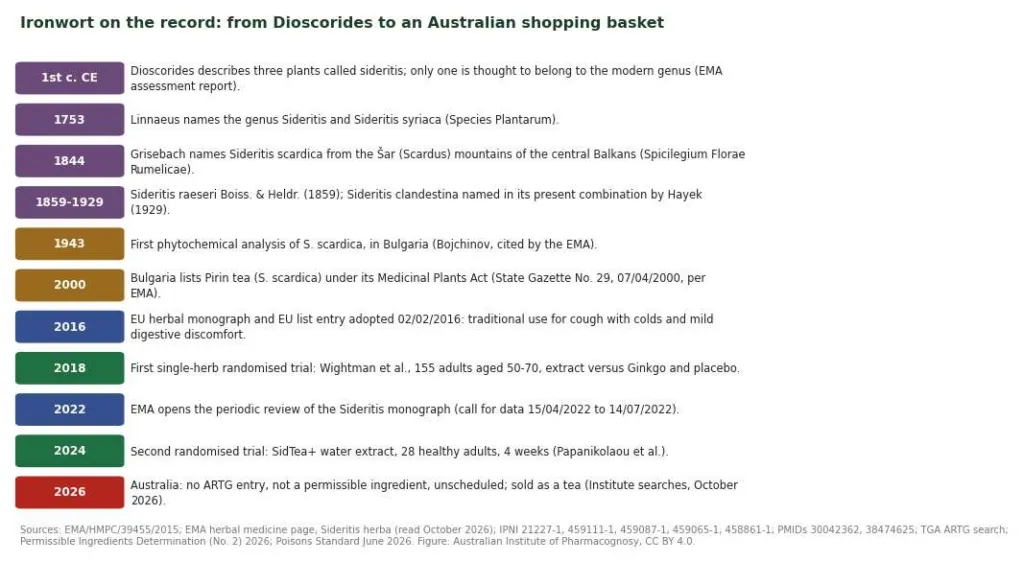
Plants called sideritis were known to Theophrastus, and Dioscorides described three of them in De Materia Medica. The EMA’s assessors note that only one of Dioscorides’ three is thought to belong to the modern genus (EMA assessment report (2016)). Attested The same report repeats a widely told story that Dioscorides advised the infusion for soldiers to help their wounds heal; it attributes that story to a 2011 review and gives no passage of Dioscorides for it (EMA assessment report (2016)). Unsourced The Institute could not trace the claim to an edition of Dioscorides and leaves it there.
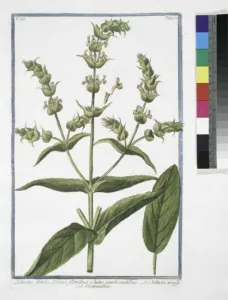
In Greek and Balkan households
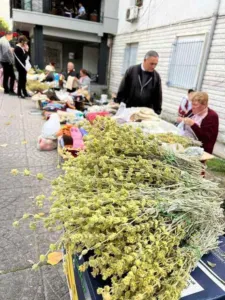
The EMA describes mountain tea in Greece as a remedy for colds, respiratory complaints and digestion, also used against inflammation and fever, and sold loose in pharmacies and herb shops or picked and dried at home (EMA assessment report (2016)). Traditional One preparation it records is 15 to 25 g of dried leaves and flowers to about a litre of boiling water (EMA assessment report (2016)). Traditional In Crete, malotira carries the same reputation for sore throats and the respiratory tract (EMA assessment report (2016)). Traditional
Bulgarian sources take the record back a century. The EMA cites writings from the first decades of the twentieth century recommending “Pirin mountain tea” as an aromatic and healing tea for cough, asthma and bronchitis, a 1943 recipe of 3 to 4 g infused in 200 g of hot water and sweetened, and the plant’s inclusion in the list of medicinal plants under Bulgaria’s Medicinal Plants Act in April 2000 (EMA assessment report (2016)). Attested In the Rhodope mountains it is called the “tea of longevity” (EMA assessment report (2016)). Traditional Albanian folk use, as summarised for the EMA, includes stomach ache, sore throat during viral infections, bronchitis and colds (EMA assessment report (2016)). Traditional
Field studies show the habit is alive. In interviews with 96 people around Edessa and Naoussa in Central Macedonia, S. scardica was one of only seven plants named by every population group, and all 30 of its citations were for respiratory complaints, a fidelity level of 100% (PMID 31057648). Traditional In an online survey of 561 adults in Thrace, run from 2019 to 2021, 42.3% named mountain tea (local or bought) among the herbs they drank often, third after chamomile and green tea (PMID 36231876). Attested In a survey of 513 Bulgarians on plants used during the COVID-19 pandemic, S. scardica was among the eight most often cited (PMID 41375404). Traditional The national Greek survey found that older people drink herbal infusions more than younger adults do, which its authors read as a generation gap in the traditional Mediterranean diet (PMID 38082315). Attested
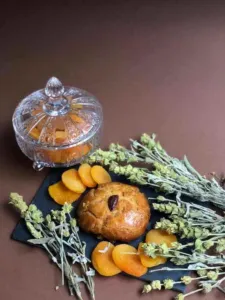
Across these sources a consistent picture emerges: a pleasant, caffeine-free daily drink, reached for first in winter, for coughs, colds and the stomach, and drunk by many simply because it tastes good. Many other uses appear in the literature as well, including kidney gravel, anaemia, rheumatism and mild anxiety, though each rests on thinner documentation (EMA assessment report (2016)). Traditional
5. Phytochemistry
Mountain tea is a phenolic-rich, caffeine-free infusion with a small amount of essential oil. Four groups of compounds matter most.
Phenylethanoid glycosides
Verbascoside (also called acteoside, CID 5281800), martynoside (CID 5319292) and lavandulifolioside (CID 44429861) are among the compounds the EMA’s sources identify as most important for the plant’s pharmacology (EMA assessment report (2016)). Confirmed A 2026 review calls verbascoside the best-characterised single constituent of the genus (PMID 42511561). Attested
Flavonoids, including the unusual 8-hydroxyflavones
The flavonoids of mountain tea are mostly 7-O-glycosides, many acetylated, of two kinds of flavone: the familiar 5,7-hydroxylated apigenin (CID 5280443) and luteolin, and the less common 8-hydroxylated isoscutellarein (CID 5281665) and hypolaetin (CID 5281648), with their methyl ethers (EMA assessment report (2016)). Confirmed All the flavonoid glycosides found in S. scardica and S. raeseri were 7-O-allosyl-(1→2)-glucosides, and differences in this profile have been proposed as a way to tell those two species apart (EMA assessment report (2016)). Evidence suggests
Phenolic acids and iridoids
Chlorogenic acid (CID 1794427) and other caffeoylquinic acids are present, and the tea of S. clandestina is dominated by quinic acid derivatives and the iridoid glycoside melittoside (CID 11968737) (EMA assessment report (2016)). Confirmed Melittoside, verbascoside and chlorogenic acid were isolated from S. clandestina subsp. peloponnesiaca for the first time in 2022 (PMID 36364439). Confirmed
Diterpenes and essential oil
The ent-kaurane diterpenes, siderol (CID 12315548) and its relatives, are characteristic of the genus (EMA assessment report (2016)). Confirmed The essential oil is scant, about 0.03% in S. scardica, and has been reported as rich in β-pinene and carvacrol (CID 10364), though another analysis of Bulgarian and Macedonian material found mostly diterpenes (EMA assessment report (2016)). Evidence suggests
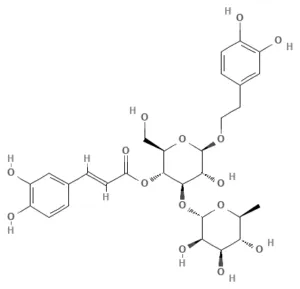
C29H36O15 · phenylethanoid glycoside; the best-studied constituent
PubChem CID 5281800 · structure image: PubChem, public domain
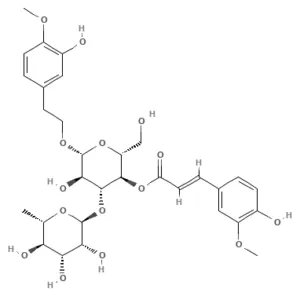
C31H40O15 · phenylethanoid glycoside
PubChem CID 5319292 · structure image: PubChem, public domain
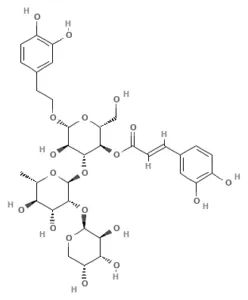
C34H44O19 · phenylethanoid glycoside
PubChem CID 44429861 · structure image: PubChem, public domain
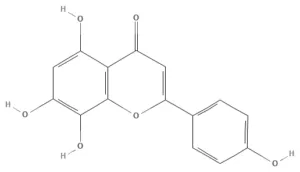
C15H10O6 · 8-hydroxyflavone; present as 7-O-glycosides
PubChem CID 5281665 · structure image: PubChem, public domain
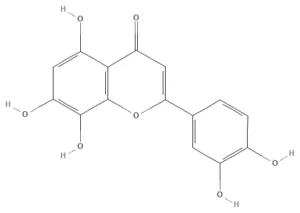
C15H10O7 · 8-hydroxyflavone (8-hydroxyluteolin)
PubChem CID 5281648 · structure image: PubChem, public domain
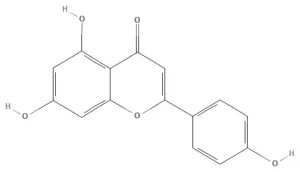
C15H10O5 · flavone; present as glycosides
PubChem CID 5280443 · structure image: PubChem, public domain
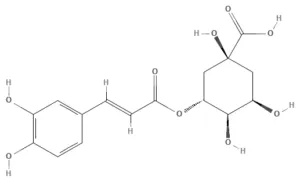
C16H18O9 · caffeoylquinic acid
PubChem CID 1794427 · structure image: PubChem, public domain
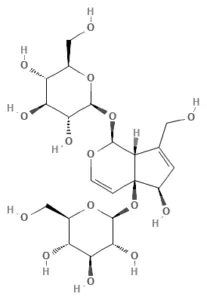
C21H32O15 · iridoid glycoside; major in S. clandestina tea
PubChem CID 11968737 · structure image: PubChem, public domain
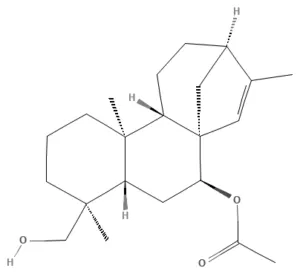
C22H34O3 · ent-kaurane diterpene named for the genus
PubChem CID 12315548 · structure image: PubChem, public domain
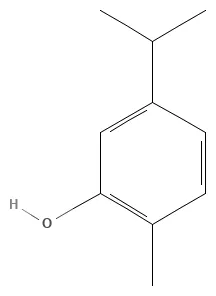
C10H14O · essential-oil phenol
PubChem CID 10364 · structure image: PubChem, public domain
Ten constituents of mountain tea: three phenylethanoid glycosides, three flavones (two of them the 8-hydroxylated kind typical of the genus), a phenolic acid, an iridoid glycoside, an ent-kaurane diterpene and an essential-oil phenol. Every CID was checked against PubChem in October 2026; the depictions are PubChem’s own (US National Library of Medicine, public domain), background whitened and cropped by the Institute.
How much reaches the cup, and the body
One analysis found about 1,450 mg of polyphenols in the 8 g of dried herb used to make a decoction, and about 5% of them (as metabolites, mostly of the methylated 8-hydroxyflavones) came out in the urine of ten volunteers (EMA assessment report (2016)). Evidence suggests That single small study is the only human absorption work so far (PMID 42511561). Attested The chemistry also varies with species, genotype, altitude, harvest and drying (PMID 42511561). Confirmed A comparison of eight Greek samples from four taxa found lower phenolic content in S. clandestina than in S. raeseri and S. scardica, while S. clandestina subsp. clandestina had almost twice as many volatile compounds (PMID 36364439). Confirmed The six Greek species compared for the EMA showed the same compounds in their water extracts, in differing amounts, with S. syriaca the most different (EMA assessment report (2016)). Confirmed No marker compound or pharmacopoeial standard has been agreed for the herb (PMID 42511561); the EMA likewise found no constituent with known therapeutic activity or active marker (EMA assessment report (2016)). Attested
6. Pharmacology
Most of what is known about how mountain tea acts comes from cells and animals. These results suggest mechanisms; they do not show effects in people.
Brain chemistry
In 2012 Ralf Knörle reported that water and alcohol extracts of S. scardica inhibited the uptake of serotonin, noradrenaline and dopamine into rat brain nerve endings, the same three transporters targeted by some antidepressants. The alcohol extracts were the more potent, with half-maximal concentrations of roughly 30 to 40 µg/mL, and a methanol extract blocked the human serotonin transporter in cultured cells at 1.4 µg/mL (EMA assessment report (2016); PMID 42511561). Mechanism The Institute has not been able to read that paper in full and reports it through the EMA assessment and a 2026 review. Brain-wave studies in rats found that an S. scardica extract produced EEG patterns resembling those of a Rhodiola extract and, in some respects, of paroxetine and methylphenidate (EMA assessment report (2016)). Mechanism Nobody has shown that a cup of tea, or a capsule, reaches brain concentrations like those in the dish.
Amyloid models
In mice bred to develop Alzheimer-type amyloid plaques, daily oral extracts of S. scardica and S. euboea improved performance in a water maze, lowered soluble amyloid-β42 and increased the activity of microglia, the brain’s clean-up cells; the combination of the two species did best, and aged ordinary mice also improved (PMID 27258424). Evidence suggests Hydroalcoholic extracts reduced amyloid clumping and delayed paralysis in nematode worms engineered to make human amyloid-β; the mid-polarity 40% and 50% ethanol extracts were the most active (PMID 29736334). Evidence suggests The extracts in the mouse study, and the dried herb used for the worm extracts, came from one German manufacturer, and both papers have an author from it (PMID 27258424; PMID 29736334). Attested
The gut, inflammation and microbes
The pharmacology closest to the traditional uses is the least developed. An ethanol extract of S. raeseri relaxed isolated rat intestine and blocked contractions caused by acetylcholine, histamine and barium chloride (EMA assessment report (2016)). Mechanism S. scardica extracts showed anti-inflammatory and stomach-protective activity in laboratory models, and antimicrobial activity against a range of bacteria and Candida albicans in the dish (EMA assessment report (2016)). Mechanism The EMA judged that these findings make the traditional uses for colds and digestive upsets “plausible” (EMA assessment report (2016)). Attested Plausible is a fair word for it. None of these studies was done with the tea as households make it, and none measured a cough.
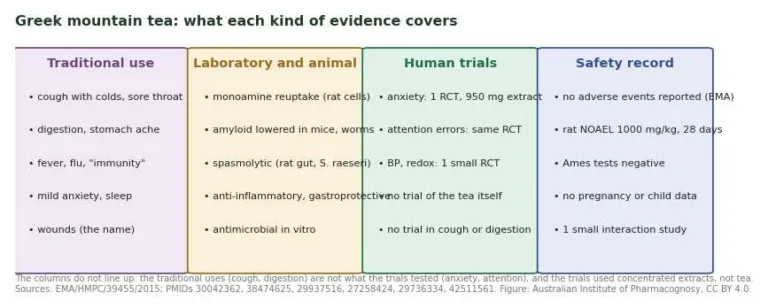
7. What the European monograph covers, and on what basis
The European Medicines Agency’s Committee on Herbal Medicinal Products (HMPC) adopted the European Union herbal monograph on Sideritis scardica Griseb.; Sideritis clandestina (Bory & Chaub.) Hayek; Sideritis raeseri Boiss. & Heldr.; Sideritis syriaca L., herba on 02/02/2016, with an EU list entry adopted the same day (EMA herbal text (2016); EMA herbal medicine page). Attested This is European material. It does not govern any product in Australia, but it is the most careful official assessment of the herb anywhere, and it is worth reading closely.
What it allows
The monograph covers one preparation, the cut herb made into a tea, and two indications, both as a “traditional herbal medicinal product”: the relief of cough associated with a cold, and the relief of mild gastrointestinal discomfort (EMA herbal text (2016)). Attested It states that these are “exclusively based upon long-standing use” (EMA herbal text (2016)). Attested Its posology for adults and the elderly is 2 to 4 g of the herb in 150 to 200 mL of water as an infusion two to three times a day, up to 12 g a day; it does not recommend use under 18 years, and it sets limits on how long symptoms should be self-treated, one week for cough and two weeks for digestive discomfort (EMA herbal text (2016)). Attested These are the terms of a European regulatory document, reported here as such; they are not a dosing recommendation for any reader.
Why “traditional use”, and what that means
European law has two routes for herbal medicines on the basis of published data. “Well-established use” requires recognised efficacy shown in the scientific literature. “Traditional use” requires at least 30 years of medicinal use, 15 of them in the EU, at a specified strength and posology, with safety shown and efficacy made plausible (EMA assessment report (2016)). Attested The assessors found Balkan use of the four species documented for at least 40 years by “a large number of publications providing consistent information” (EMA assessment report (2016)). Attested They found no clinical studies at all: under clinical efficacy the assessment report reads “No data available”, and it calls for “rigorous randomised controlled clinical trials” (EMA assessment report (2016)). Attested So the monograph is restricted to traditional use, and the HMPC wrote that the uses are “made plausible by the long-standing use and experience, having regard also to existing in vitro pharmacological data” (EMA assessment report (2016)). Attested
Two features of that basis are easy to miss. The first is timing. The assessment was finalised before either randomised trial existed, so the cognition and anxiety findings of §8 played no part in it. The EMA opened a periodic review of the monograph with a call for scientific data from 15/04/2022 to 14/07/2022; when the Institute read the EMA page in October 2026, no revised monograph had been published (EMA herbal medicine page). Attested The second is scope. The monograph says nothing about memory, attention, mood or anxiety, and nothing about concentrated extracts in capsules. Anyone who cites “the EMA monograph” in support of a cognitive claim for a capsule is citing a document about tea for coughs and stomach upsets.
No Sideritis product was registered or authorised as a medicine anywhere in the EU or EEA when the assessment was written (EMA assessment report (2016)). Attested Toxicology data came from unpublished studies supplied by an extract manufacturer, Finzelberg GmbH & Co. KG, in response to the EMA’s call for data (EMA assessment report (2016)). Attested They were later published (§9). The same European framework covers other cold remedies the Institute has reviewed, among them umckaloabo (Pelargonium sidoides).
8. Clinical evidence: the human trials
Two randomised, double-blind, placebo-controlled trials of S. scardica on its own have been published. Both used capsules of a concentrated extract. Neither tested the tea, and neither tested a cough or a stomach complaint.
Wightman et al. 2018: cognition, anxiety and blood flow in older adults
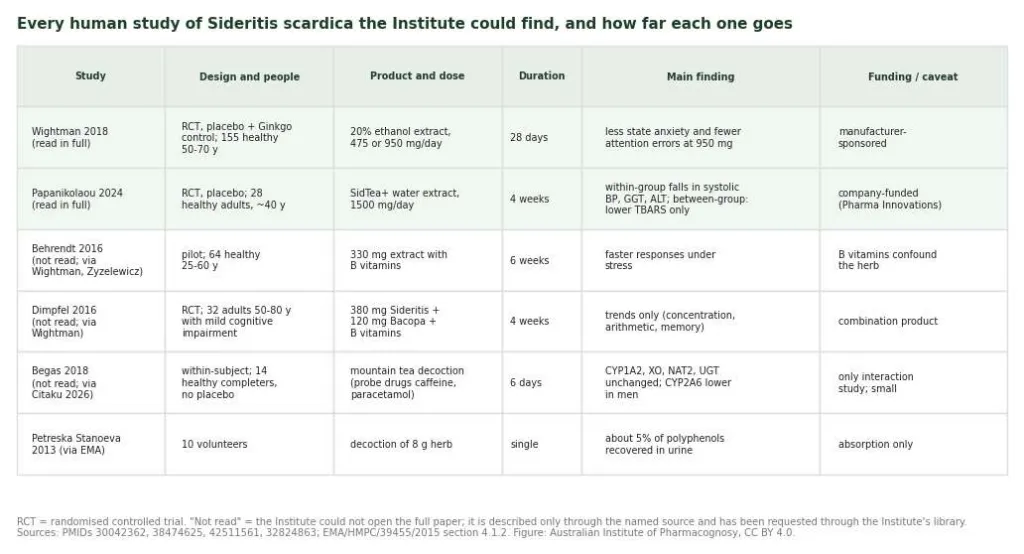
At Northumbria University in England, 155 healthy adults aged 50 to 70 were randomised to one of four groups for 28 days: placebo, 475 mg or 950 mg a day of S. scardica extract, or 240 mg a day of a Ginkgo biloba extract of European Pharmacopoeia quality as an active comparison (PMID 30042362). Confirmed The extract was made with 20% ethanol and contained 6.25% total phenolics, including flavonoids (1.2%), caffeoylquinic acids (0.5%) and verbascoside (0.4%) (PMID 30042362). Attested People with anxiety, depression, regular medication or a range of chronic illnesses were excluded, and testing took place between February and August 2017 (PMID 30042362). Attested After withdrawals, protocol violations and non-adherence, 140 people were analysed for cognition, 142 for anxiety, 133 for blood pressure and 57 for prefrontal blood flow measured by near-infrared spectroscopy (PMID 30042362). Attested
The clearest finding was in anxiety. Over 28 days, state anxiety on the State-Trait Anxiety Inventory fell more with 950 mg of extract than with placebo (p = 0.022, effect size d = 0.75) and than with Ginkgo (p = 0.028), a reduction the authors put at about three points on the scale (PMID 30042362). Evidence suggests The 950 mg dose also produced fewer false alarms than placebo on a rapid visual information processing task, at one time point on day 28 (p = 0.017), and better picture recognition than Ginkgo, though not than placebo (PMID 30042362). Evidence suggests Both doses raised prefrontal oxygenated haemoglobin during demanding tasks on day 1, an effect that was gone by day 28 (PMID 30042362). Evidence suggests There were no effects on the Bond-Lader mood scales or on blood pressure (PMID 30042362). Confirmed The lower dose did little against placebo.
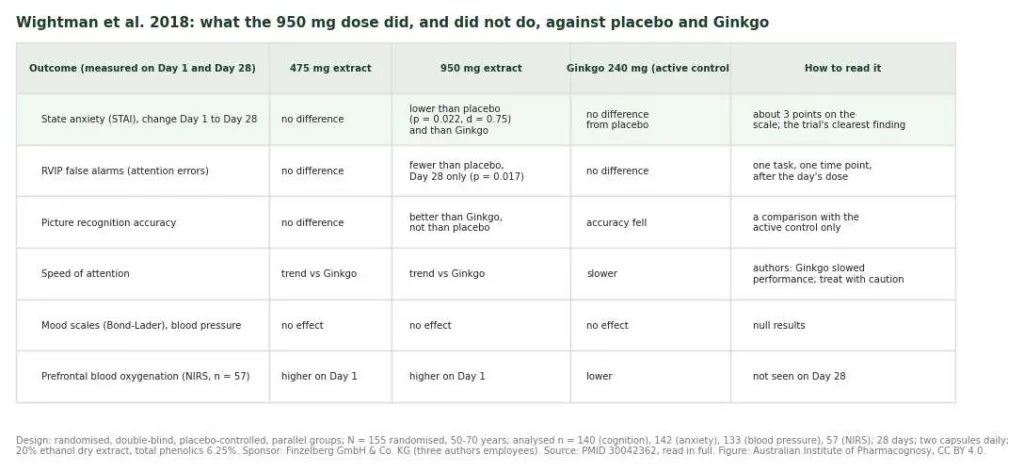
How far does this go? It is a well-designed trial with a credible comparator, a power calculation and good adherence (102% of capsules accounted for by count) (PMID 30042362). Attested It is also one trial. The cognitive battery was exploratory, many outcomes were tested, and only a few significant results emerged, several of them comparisons with Ginkgo, which in this study slowed attention and lowered prefrontal haemoglobin on day 28; the authors note that their own earlier Ginkgo studies had given mixed results (PMID 30042362). Attested The anxiety result is the strongest, but the participants were healthy people without an anxiety diagnosis, and the measure was a change in a state questionnaire over four weeks. The study was sponsored by Finzelberg GmbH & Co. KG, which made the extract, and three of its nine authors were company employees (PMID 30042362). Attested Industry funding does not make a result wrong, and the paper declares it plainly. It does mean the finding needs an independent repeat, and in October 2026 the Institute found none.
Papanikolaou et al. 2024: blood pressure, liver enzymes and antioxidant markers
At the University of Thessaly, 30 healthy adults were randomised, and 28 finished, to 1,500 mg a day of a spray-dried water extract called SidTea+ or a maltodextrin placebo for four weeks; the trial was registered beforehand (NCT05729659) (PMID 38474625). Attested The extract was made from cultivated plants described as S. scardica from producers in the Taygetos region of the Peloponnese (PMID 38474625). Attested Within the extract group, systolic blood pressure fell by about 11 mmHg, resting heart rate by 3 beats a minute, and the liver enzymes GGT and ALT by small amounts, while plasma antioxidant capacity rose (PMID 38474625). Evidence suggests Only one outcome, lower plasma lipid peroxidation (TBARS), differed significantly between the extract and placebo groups (PMID 38474625). Evidence suggests A 2026 review notes that the effect-size confidence intervals for mean arterial pressure, resting heart rate and estimated VO2max cross zero (PMID 42511561). Attested The authors themselves caution that the blood pressure change may partly reflect a short-term effect of the last dose taken about eight hours before measurement (PMID 38474625). Attested The study was funded by a company, Pharma Innovations IKE (PMID 38474625). Attested
The source of the plant raises a question. The EMA places S. clandestina, not S. scardica, on Taygetos, and describes S. scardica as a plant of the northern Balkans (EMA assessment report (2016)). Attested Cultivated plants can of course be grown anywhere, and the authors say the material came from supervised cultivation chosen with hybridisation in mind; but the paper reports no voucher specimen (PMID 38474625). Attested For a herb whose species are hard to separate, that is a gap worth closing in future trials.
Earlier combination studies
Two earlier human studies used S. scardica with other active ingredients. A pilot study by Behrendt and colleagues gave 64 healthy adults aged 25 to 60 a S. scardica extract with B vitamins for six weeks and reported better cognitive performance under stress; a trial by Dimpfel and colleagues gave 32 people aged 50 to 80 with mild cognitive impairment a product combining 380 mg of Sideritis with 120 mg of Bacopa monnieri and B vitamins for four weeks and reported trends towards improvement (PMID 30042362; PMID 32824863). Evidence suggests The Institute could not read either paper in full and describes them through those two sources. Because B vitamins and Bacopa can themselves affect cognition, neither study can tell us what the Sideritis contributed, a point Wightman and colleagues make themselves (PMID 30042362). Attested Readers weighing herbs used for stress will find a different evidence base in the Institute’s review of ashwagandha (Withania somnifera).
What the trials do not cover
No trial has tested mountain tea, the drink, for anything. No trial has tested any Sideritis preparation for cough, colds or digestive complaints, the two uses the EMA accepts on traditional grounds. No trial has lasted longer than six weeks, enrolled people with an anxiety disorder, or been run independently of a manufacturer. The extract doses used, 475 to 1,500 mg a day, are concentrates; the trial papers do not give a herb-equivalent figure that would let a reader compare a capsule with a cup.
9. Safety and interactions
Mountain tea has a long record of everyday use and a short, reassuring record in formal study. The gaps are in pregnancy, breastfeeding, children and interactions with medicines, where there are almost no data either way.
What the record shows
The EMA found no reported adverse reactions and no reported cases of overdose, and concluded that at the monograph’s conditions of use the herb is “not harmful” in the uncomplicated disorders it covers (EMA assessment report (2016)). Attested In the two randomised trials, the 2024 study found no adverse change in blood counts, kidney markers or liver enzymes over four weeks (PMID 38474625). Evidence suggests The 2018 trial report does not tabulate adverse events (PMID 30042362). Attested
In rats, a 20% ethanol extract caused no deaths or signs of toxicity at a single dose of 2,000 mg/kg, and gave a no-observed-adverse-effect level of 1,000 mg/kg a day over 28 days, the highest dose tested (PMID 29937516). Evidence suggests Extracts made with water, 20% and 50% ethanol and heptane were all negative in the Ames test for mutations (PMID 29937516). Evidence suggests That work was led from the manufacturer that supplied the extract (PMID 29937516). Attested An independent Bulgarian study gave male rats a 70% methanol extract at up to 400 mg/kg a day for 12 weeks and found blood results within normal ranges and no abnormalities in brain, stomach, liver or kidney tissue (PMID 37655384). Evidence suggests No reproductive, developmental or carcinogenicity studies have been done (EMA assessment report (2016)). Attested A 2026 review states that no genotoxicity studies have been reported for any Sideritis species (PMID 42511561); the Ames results above, which the EMA also cites, show that statement needs correcting for S. scardica. Attested
Pregnancy, breastfeeding and children
The EMA states that safety in pregnancy and lactation “has not been established” and does not recommend use then, and that there are no fertility data (EMA herbal text (2016)). Attested It does not recommend use under 18 years because there are no adequate data (EMA herbal text (2016)). Attested These are precautions born of missing evidence. Nothing in the literature the Institute read points to a specific harm.
Allergy to the mint family
The monograph’s one contraindication is hypersensitivity to the herb or to other plants of the Lamiaceae family (EMA herbal text (2016)). Attested Allergy to culinary Lamiaceae such as mint, oregano, sage and thyme is uncommon but documented, from mouth itching to angioedema and anaphylaxis, and is linked to cross-reactivity with birch and mugwort pollen (PMID 41306764). Evidence suggests In a Polish study of 180 people with suspected pollen allergy, 29% reacted on skin testing to both pollens and herbs, and pollen allergy raised the odds of reacting to every herb tested (PMID 36612355). Evidence suggests Sideritis itself was not tested in either study, and in a PubMed search in October 2026 the Institute found no published case of allergy to mountain tea. Attested People who react to mint-family herbs should treat Sideritis as a possible trigger.
Interactions with medicines
The EMA lists no interactions, which in its language means none reported (EMA herbal text (2016)). Attested Only one human study has looked. In 14 healthy volunteers who drank mountain tea decoction for six days, the activity of the drug-metabolising enzymes CYP1A2, xanthine oxidase, N-acetyltransferase 2 and UGT1A1/1A6 was unchanged, measured with caffeine and paracetamol as probes, while CYP2A6 activity fell in the men only (PMID 42511561). Evidence suggests The Institute could not read that study (Begas et al., 2018) in full and reports it through the 2026 review. CYP2A6 handles nicotine among other substrates, so the finding is of most interest to people using nicotine replacement. Unsourced The study did not test CYP3A4, CYP2C9 or CYP2D6, the enzymes that handle most prescription medicines, nor drug transporters. Attested The laboratory monoamine-reuptake findings (§6) raise a theoretical question about combining concentrated extracts with antidepressants that act on serotonin; in the Knörle data an extract shifted the response to fluvoxamine in cultured cells (PMID 42511561). Mechanism No case of such an interaction in a person has been reported. In the 2024 trial, systolic blood pressure fell within the extract group, but the change did not differ significantly from placebo (PMID 38474625) Evidence suggests, so it gives no basis for expecting an added effect with blood-pressure medicines. No study has tested that combination. Unsourced Anyone taking regular medicines, particularly antidepressants, who wants to use concentrated extracts should have the combination reviewed first.
Safety and interactions in brief. As a household tea, mountain tea has no reported adverse effects and no reported overdoses. Attested Avoid it if you are allergic to mint-family herbs. Evidence suggests Safety in pregnancy, breastfeeding and under 18 years has not been established. Attested Interaction data are limited to one small study; with regular medicines, especially antidepressants, and before using concentrated extracts, consult a degree-qualified herbalist with competencies and adequate training in pharmacognosy. In an emergency call 000; for a suspected poisoning, the Poisons Information Centre on 13 11 26.
10. Quality, species and adulteration
Mountain tea has no monograph in the European Pharmacopoeia or in any national pharmacopoeia of an EU member state; the EMA notes that specifications must be set from the literature (EMA assessment report (2016); EMA herbal text (2016)). Attested Nobody has published a survey of what is actually in the packets sold in Australia. The questions a quality analyst would ask are these.
Which species?
Morphology goes a long way with intact flowering stems. Flora Europaea, as quoted by the EMA, separates S. scardica (densely white-woolly, flowers in a dense spike, middle bracts 12 to 20 mm with an abrupt point of 2 to 4 mm) from S. clandestina (yellowish or grey wool, middle bracts 15 to 25 mm and longer than the flowers, point 4 to 10 mm) and from S. syriaca (bracts usually no longer than the flowers, whorls mostly spaced) (EMA assessment report (2016)). Attested Chopped or powdered herb defeats these characters. For that, chemistry and DNA are needed. Flavonoid profiles have been proposed to distinguish S. scardica from S. raeseri (EMA assessment report (2016)) Evidence suggests, and DNA barcodes for Sideritis are accumulating in GenBank, with 161 entries for the trnL/trnF region across 49 taxa by 2024 (PMID 38339166). Attested A 2014 study used the ITS2 barcode with high-resolution melting to separate Greek species, and a 2021 study developed HPTLC fingerprints for authentication; the Institute has not yet read either in full; the barcoding paper has been requested through its library and the HPTLC paper is open access and queued for reading. Unsourced Hybrids remain a hard case for any method (PMID 42511561). Evidence suggests
Which part, and what condition?
The herbal substance is the flowering aerial part (EMA herbal text (2016)). Attested Bunches should be mostly flowering tops; a high proportion of bare woody stem lowers quality. Colour and aroma fade with age and light. The EMA’s sources measured 20 minerals in the dried herb, including small amounts of cadmium, lead and arsenic, much of which stayed out of the tea (EMA assessment report (2016)). Attested Wild-gathered herb from mountain roadsides and cultivated herb from treated fields may differ in contaminants, and no Australian data exist.
Extracts
Extracts are a different product. The two trials used a 20% ethanol extract with 6.25% phenolics and a spray-dried water extract with maltodextrin, and the laboratory work shows that solvent strongly changes what is extracted (PMID 30042362; PMID 38474625; PMID 29736334). Confirmed A result for one extract does not transfer to another, or to the tea. The same gap between a kitchen herb and its concentrated extract runs through the Institute’s review of turmeric (Curcuma longa).
11. Australian regulatory status
Every statement in this chapter was read from the regulator’s own register or instrument in October 2026.
As a medicine
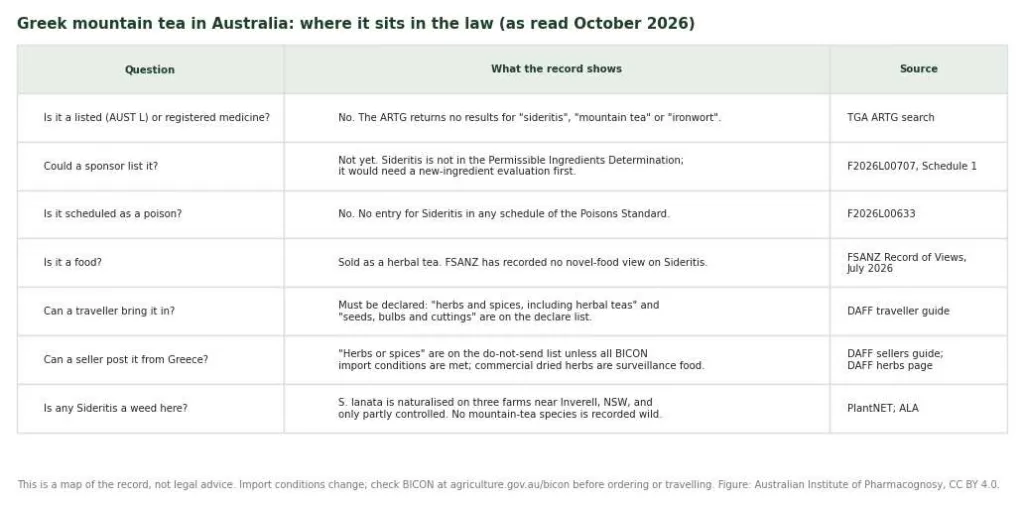
The Australian Register of Therapeutic Goods returns no results for “sideritis”, “mountain tea” or “ironwort” (ARTG searches, October 2026). Attested Sideritis does not appear in the Therapeutic Goods (Permissible Ingredients) Determination (No. 2) 2026, which is the list of ingredients allowed in listed (AUST L) medicines; alphabetically it would fall between item 4524, sherry wine, and item 4525, Sigesbeckia orientalis (Permissible Ingredients Determination). Attested Listed medicines “can only use ingredients that we have assessed as safe and of low risk”, selected from that list (TGA, Listed medicines). Attested So no AUST L product containing Sideritis can currently be made, and a sponsor wanting to list one would first need the ingredient evaluated and added. The European traditional-use monograph has no legal force here, though it is the kind of evidence such an evaluation would weigh. Unsourced
As a poison
There is no entry for Sideritis, mountain tea or ironwort in the Poisons Standard (June 2026) (Poisons Standard, June 2026). Attested It is unscheduled.
As a food
Mountain tea is sold here as a herbal tea, which is food. Food Standards Australia New Zealand’s record of views on novel foods, updated July 2026, contains no entry for Sideritis (FSANZ Record of Views, July 2026). Attested An absence means FSANZ has formed no published view; it is not a ruling either way. Given its long use as a food beverage in Greece and the Balkans, the Institute expects it would be treated as a traditional food. Unsourced Food law brings its own limit: a herbal tea sold as food cannot carry therapeutic claims, which belong to the medicines framework.
Bringing it into the country
Travellers arriving in Australia must declare “herbs and spices, including herbal teas and medicines”, and also “seeds, bulbs and cuttings” (DAFF traveller guide). Attested For parcels, the department’s guide for overseas sellers puts “herbs or spices” on its do-not-send list unless all import conditions in the Biosecurity Import Conditions system (BICON) can be met, and warns that goods that fail may be exported or destroyed and that sellers of biosecurity risk goods are reported to online platforms (DAFF guide for international sellers). Attested Commercial consignments of dried herbs are “surveillance food”, with 5% referred for testing, including for Salmonella (DAFF, Herbs). Attested The Institute did not run a BICON case for Sideritis for this review, and import conditions change; anyone importing should check BICON for the specific product before ordering. Attested
Whole flowering stems are the point to watch. The flowers of Sideritis set four nutlets each (EMA assessment report (2016)) Attested, so a bunch harvested late may carry seed, and seed is plant material that must be declared. The naturalised S. lanata near Inverell (§3) shows that the genus can establish on Australian farmland. Queensland’s Biosecurity Regulation 2016 does not list any Sideritis (Biosecurity Regulation 2016 (Qld)). Attested
12. A practical guide for Australian buyers
For readers who already drink mountain tea, or are curious to try it, the evidence above comes down to a few practical points.
Reading the packet
Look for a botanical name. A label naming Sideritis scardica, S. raeseri, S. syriaca or S. clandestina tells you more than “mountain tea” or “ironwort”, though a name on a label is a claim, unverified unless the seller states how it was identified. A country and region of origin, and whether the plant was wild-harvested or cultivated, are useful. Whole bunches let you see what you have; chopped herb does not. Products sold here as food cannot lawfully promise to treat or prevent anything, so a packet that does so has stepped outside the rules.
Telling the species apart at home
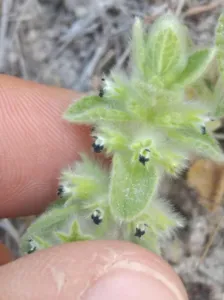
With a whole flowering stem and a ruler, the bracts are the place to start: in S. scardica they are 12 to 20 mm with a short, abrupt point and the flowers crowded in a dense spike; in S. clandestina they are larger, longer than the flowers, with a longer point; in S. syriaca they are usually no longer than the flowers and the whorls are spaced along the stem (EMA assessment report (2016)). Attested Figure 1 sets the features side by side. Hybrids and variable populations mean a home identification is a good guess, no more (PMID 42511561). Evidence suggests A herbarium can confirm a pressed specimen.
Importing and growing
Declare herbal teas at the airport. Do not plant seed shaken from a tea bunch; seed for sowing has its own import conditions, and the S. lanata example shows why. Before buying from an overseas online seller, check BICON, because a parcel that fails the conditions may be destroyed (DAFF guide for international sellers). Attested
Before using it for health
As a tea, mountain tea has a long, untroubled household record. Concentrated extracts are a different product with a short record. Before taking any botanical drug, and particularly with regular medicines, during pregnancy or breastfeeding, for a child, or with a mint-family allergy, consult a degree-qualified herbalist with competencies and adequate training in pharmacognosy. The EMA monograph limits self-treatment to one week for cough and two weeks for digestive discomfort, and says symptoms that worsen during use need professional assessment (EMA herbal text (2016)). Attested Some symptoms should not wait for any tea. Call 000 for difficulty breathing, chest pain, blue lips, or a child who is struggling to breathe. Coughing up blood, a high fever that does not settle, a cough lasting more than three weeks, vomiting blood, black stools, severe or persistent abdominal pain, or unexplained weight loss need prompt medical assessment. Report suspected side effects to the TGA (TGA, reporting adverse events).
Discussion: conclusions, hypotheses and research still required
What we know
Mountain tea is a group of closely related, hybridising Sideritis species, chiefly S. scardica, S. raeseri, S. syriaca and S. clandestina, drunk daily across Greece and the Balkans, with documented traditional use for coughs, colds and digestive complaints going back at least a century in print (EMA assessment report (2016); PMID 38082315). Traditional The EMA accepted that tradition in 2016 for two indications on traditional-use grounds only, having found no clinical trials (EMA herbal text (2016)). Attested The herb is rich in phenylethanoid glycosides, 8-hydroxyflavone glycosides, phenolic acids and iridoids (EMA assessment report (2016)). Confirmed One industry-sponsored randomised trial found that 950 mg a day of a 20% ethanol extract of S. scardica reduced state anxiety and some attention errors in healthy older adults over 28 days (PMID 30042362). Evidence suggests A second, smaller trial of a water extract found one between-group difference, in a marker of lipid peroxidation (PMID 38474625). Evidence suggests Animal toxicology, mutagenicity testing and the household record are reassuring; pregnancy, child and interaction data are close to absent (PMID 29937516; PMID 37655384; EMA assessment report (2016)). Attested In Australia the herb is unscheduled, absent from the ARTG and from the list of permissible ingredients for listed medicines, and sold as a tea (ARTG searches, October 2026; Permissible Ingredients Determination; Poisons Standard, June 2026). Attested
What we can reasonably hypothesise
- That the anxiety finding reflects a real, modest effect of concentrated S. scardica extract on state anxiety. The laboratory monoamine-transporter data offer a mechanism; one trial is a hypothesis, not a finding. Mechanism
- That the traditional respiratory and digestive uses rest partly on the antispasmodic, anti-inflammatory and antimicrobial activity seen in the laboratory, and partly on what any warm, honeyed drink does for a sore throat. Neither part has been measured in people. Mechanism
- That household tea and trial capsules deliver very different doses of the same compounds. One analysed decoction of 8 g of herb held about 1,450 mg of polyphenols (EMA assessment report (2016)), while 950 mg of the Wightman extract at 6.25% total phenolics holds roughly 60 mg (PMID 30042362). The assays differ, so the comparison is rough, but it suggests a few cups of tea may supply more phenolics than the trial capsules. Whether that translates into any effect is untested. Mechanism
- That the four monograph species are pharmacologically interchangeable for tea use, as the EMA assumed from their shared chemistry, while differing enough in phenolic content to matter for extracts. Evidence suggests
What research is still required
- Clinical research. An independent, adequately powered, placebo-controlled trial of mountain tea or a characterised water extract for the symptoms of acute cough with a cold, the indication the EMA accepts without trial evidence; and an independent replication of the anxiety finding in adults with mild anxiety symptoms, with a herb-equivalent dose reported.
- Clinical pharmacology. A cocktail interaction study with probe substrates for CYP3A4, CYP2C9, CYP2D6 and P-glycoprotein, using both the tea and a concentrated extract; and a study of serotonergic medicines given with extract, given the transporter data.
- Pharmacokinetics. Plasma levels of verbascoside and the methylated 8-hydroxyflavones after tea and after capsules, to link laboratory concentrations to what people actually absorb.
- Quality analysis. An Australian market survey: buy mountain tea from grocers and from overseas online sellers, identify each sample by morphology, HPTLC and DNA barcoding against vouchered reference material, and test for heavy metals, pesticide residues and microbial load.
- Botany and biosecurity. Germination tests on seed recovered from imported tea bunches, and a weed-risk assessment for the mountain-tea species, informed by the behaviour of S. lanata near Inverell.
- Toxicology. Reproductive and developmental toxicity studies, which are the main obstacle to any advice on use in pregnancy.
- Regulatory science. Whether a sponsor or the TGA should evaluate Sideritis herb for the Permissible Ingredients Determination on the strength of the EU monograph, and what the EMA’s periodic review, open since 2022, concludes about the trials published since 2016.
- Ethnobotany. Documentation, with the communities concerned, of how Greek, Macedonian and Bulgarian Australians use mountain tea here, which no study has recorded.
Mountain tea has travelled to Australia in suitcases and grocery bags, carried by people who already knew what to do with it. The research is catching up with the households, slowly, and it has so far found nothing to worry them and some things worth testing properly.
About the Australian Institute of Pharmacognosy and this series
The Australian Institute of Pharmacognosy is a clinic and research laboratory in Cardwell, far north Queensland, studying medicinal plants and natural products to the same evidentiary standard as any other branch of pharmacology: traditional knowledge taken seriously, and tested honestly. Visit the Institute at australian-pharmacognosy.org.
Series: AIP Literature Reviews and Critical Analyses (evidence reviews). Previous reviews: sutherlandia (Lessertia frutescens) · ashwagandha (Withania somnifera) · pygeum (Prunus africana) · Indian barberry (Berberis aristata) · devil’s claw (Harpagophytum procumbens) · turmeric (Curcuma longa) · sour jujube seed (Ziziphus jujuba) · soursop (Annona muricata) · umckaloabo (Pelargonium sidoides) · Syrian rue (Peganum harmala). Follow the series for a new evidence review each morning.
Corrections: if you find an error or a source we have missed, write to the Institute at our contact form. We would rather correct a claim than repeat it.
About the images and the evidence. Photographs are reproduced under the licences named in each caption, from Wikimedia Commons and from iNaturalist observers who chose open licences; the Institute thanks every photographer, and the New York Public Library for releasing its plate into the public domain. The EMA assessment report and monograph, read in full, are the backbone of the traditional-use, safety and regulatory chapters. Papers the Institute could not read in full are described only through named sources that it did read, and have been requested through its library, apart from the Behrendt pilot study, for which no DOI could be found.
Head of Education and Research
Australian Institute of Pharmacognosy
Cardwell QLD, Australia
australian-pharmacognosy.org · our contact form
Suggested citation: Iggulden L, Ridley T. Greek mountain tea (Sideritis scardica Griseb. and related species): identity, traditional use, the clinical evidence, safety and Australian status. AIP Literature Review and Critical Analysis AIP-LR-SIDSCA. Cardwell (QLD): Australian Institute of Pharmacognosy; 2026.
Educational content only; not medical, legal or regulatory advice. Australian regulatory and biosecurity information reflects the ARTG, the Permissible Ingredients Determination, the Poisons Standard, the FSANZ record of views, Department of Agriculture, Fisheries and Forestry publications and Queensland law as read in October 2026, and may change; check BICON before importing. European Medicines Agency material is overseas and does not govern Australian law. No product is advertised, endorsed or recommended. Material drawn from Commonwealth and Queensland sources is © Commonwealth of Australia or © State of Queensland and appears here as short extracts for the purpose of reporting, criticism and review.
References
34 references: tap to open
Listed in order of first citation. All 17 PMIDs were verified against PubMed in October 2026 and read in full text; every regulatory, legislative, taxonomic and biodiversity record was read from its own source. Studies the Institute could not read in full (Knörle 2012; Behrendt 2016; Dimpfel 2016; Begas 2018; Kalivas 2014 and others) are described in the text only through the sources named beside them, and have been requested through the Institute’s library.
- Therapeutic Goods Administration. Reporting adverse events for consumers. Read by the Institute in September 2026. https://www.tga.gov.au/safety/reporting-problems/reporting-adverse-events-consumers
- European Medicines Agency, Committee on Herbal Medicinal Products. Assessment report on Sideritis scardica Griseb.; Sideritis clandestina (Bory & Chaub.) Hayek; Sideritis raeseri Boiss. & Heldr.; Sideritis syriaca L., herba. Final. EMA/HMPC/39455/2015, 2 February 2016. Rapporteur I. Chinou; peer reviewer B. Kroes. Read in full by the Institute. Overseas regulatory document; it does not govern Australian products. https://www.ema.europa.eu/en/documents/herbal-report/final-assessment-report-sideritis-scardica-griseb-sideritis-clandestina-bory-chaub-hayek-sideritis-raeseri-boiss-heldr-sideritis-syriaca-l-herba_en.pdf
- Tomou EM, Peppa E, Trichopoulou A. Consumption of herbal infusions/decoctions and tea in Greece: a Planeterranean perspective on the results of Hydria survey. J Transl Med. 2023 Dec 11;21(1):899. PMID 38082315. DOI 10.1186/s12967-023-04781-5.
- Therapeutic Goods Administration. Australian Register of Therapeutic Goods, keyword searches run by the Institute in October 2026 for “sideritis”, “mountain tea” and “ironwort”: “There were no matching results” for each. https://www.tga.gov.au/resources/artg?keywords=sideritis
- European Medicines Agency, Committee on Herbal Medicinal Products. European Union herbal monograph on Sideritis scardica Griseb.; Sideritis clandestina (Bory & Chaub.) Hayek; Sideritis raeseri Boiss. & Heldr.; Sideritis syriaca L., herba. Final. EMA/HMPC/39453/2015, adopted 2 February 2016. Read in full by the Institute. Overseas regulatory document; it does not govern Australian products. https://www.ema.europa.eu/en/documents/herbal-monograph/final-european-union-herbal-monograph-sideritis-scardica-griseb-sideritis-clandestina-bory-chaub-hayek-sideritis-raeseri-boiss-heldr-sideritis-syriaca-l-herba_en.pdf
- Wightman EL, Jackson PA, Khan J, Forster J, Heiner F, Feistel B, et al. The Acute and Chronic Cognitive and Cerebral Blood Flow Effects of a Sideritis scardica (Greek Mountain Tea) Extract: A Double Blind, Randomized, Placebo Controlled, Parallel Groups Study in Healthy Humans. Nutrients. 2018 Jul 24;10(8). PMID 30042362. DOI 10.3390/nu10080955.
- Papanikolaou K, Kouloridas K, Rosvoglou A, Gatsas A, Georgakouli K, Deli CK, et al. Characterization of the Sideritis scardica Extract SidTea+TM and Its Effect on Physiological Profile, Metabolic Health and Redox Biomarkers in Healthy Adults: A Randomized, Double-Blind, Placebo-Controlled Study. Molecules. 2024 Mar 01;29(5). PMID 38474625. DOI 10.3390/molecules29051113.
- International Plant Names Index, queried by the Institute in October 2026: Sideritis L., Sp. Pl. (1753), 21227-1; Sideritis syriaca L., Sp. Pl. (1753), 459111-1; Sideritis scardica Griseb., Spic. Fl. Rumel. (1844), 459087-1; Sideritis raeseri Boiss. & Heldr., Diagn. Pl. Orient. (1859), 459065-1; Sideritis clandestina Hayek, Repert. Spec. Nov. Regni Veg. Beih. (1929), 458861-1. https://www.ipni.org/n/459087-1
- Dimaki VD, Zeliou K, Nakka F, Stavreli M, Bakratsas I, Papaioannou L, et al. Characterization of Sideritis clandestina subsp. peloponnesiaca Polar Glycosides and Phytochemical Comparison to Other Mountain Tea Populations. Molecules. 2022 Nov 06;27(21). PMID 36364439. DOI 10.3390/molecules27217613.
- Hofrichter J, Krohn M, Schumacher T, Lange C, Feistel B, Walbroel B, et al. Sideritis spp. Extracts Enhance Memory and Learning in Alzheimer's β-Amyloidosis Mouse Models and Aged C57Bl/6 Mice. J Alzheimers Dis. 2016 May 31;53(3):967-80. PMID 27258424. DOI 10.3233/JAD-160301.
- Çitaku GK, Harasym J. Bioactive Compounds of Sideritis Species in Inflammation, Neuroprotection and Cardiometabolic Health: A Review. Int J Mol Sci. 2026 Jul 12;27(14). PMID 42511561. DOI 10.3390/ijms27146217.
- Grdiša M, Radosavljević I, Liber Z, Stefkov G, Ralli P, Chatzopoulou PS, et al. Divergent selection and genetic structure of Sideritis scardica populations from southern Balkan Peninsula as revealed by AFLP fingerprinting. Sci Rep. 2019 Sep 04;9(1):12767. PMID 31484938. DOI 10.1038/s41598-019-49097-x.
- Paschalidis K, Fanourakis D, Tsaniklidis G, Tsichlas I, Tzanakakis VA, Bilias F, et al. DNA Barcoding and Fertilization Strategies in Sideritis syriaca subsp. syriaca, a Local Endemic Plant of Crete with High Medicinal Value. Int J Mol Sci. 2024 Feb 04;25(3). PMID 38339166. DOI 10.3390/ijms25031891.
- Atlas of Living Australia. Occurrence search, genus Sideritis, country Australia, run by the Institute in October 2026: 15 records; 11 of Sideritis lanata (New South Wales, 1969 to 2004, herbarium specimens); none of S. scardica, S. raeseri, S. syriaca or S. clandestina. https://biocache.ala.org.au/occurrences/search?q=genus%3ASideritis
- PlantNET (NSW Flora Online), Royal Botanic Gardens and Domain Trust, Sydney. Sideritis lanata L., hairy ironwort. Text by B.J. Conn (August 2011), citing Hosking et al. (2011) Cunninghamia 12(1): 98. Read by the Institute in October 2026. https://plantnet.rbgsyd.nsw.gov.au/cgi-bin/NSWfl.pl?page=nswfl&lvl=sp&name=Sideritis~lanata
- Tsioutsiou EE, Giordani P, Hanlidou E, Biagi M, De Feo V, Cornara L. Ethnobotanical Study of Medicinal Plants Used in Central Macedonia, Greece. Evid Based Complement Alternat Med. 2019;2019:4513792. PMID 31057648. DOI 10.1155/2019/4513792.
- Deligiannidou GE, Kyrgou C, Nena E, Manolopoulos VG, Bezirtzoglou E, Kontogiorgis CA, et al. Use of Edible, Medicinal, and Aromatic Plants in Various Health Disorders: A Cross-Sectional Evaluation among Inhabitants in the Area of Thrace, North-Eastern Greece. Int J Environ Res Public Health. 2022 Oct 01;19(19). PMID 36231876. DOI 10.3390/ijerph191912576.
- Cherneva D, Nikolova N, Dimitrova T, Ivanov D, Iliev I, Georgieva S, et al. Traditional Use of Medicinal Plants for Symptom Relief During the COVID-19 Pandemic in Bulgaria. Plants (Basel). 2025 Dec 04;14(23). PMID 41375404. DOI 10.3390/plants14233692.
- Heiner F, Feistel B, Wink M. Sideritis scardica extracts inhibit aggregation and toxicity of amyloid-β in Caenorhabditis elegans used as a model for Alzheimer's disease. PeerJ. 2018;6:e4683. PMID 29736334. DOI 10.7717/peerj.4683.
- European Medicines Agency. Sideritis herba (ironwort): herbal medicine page. Status “F: Assessment finalised”; outcome European Union list entry, adopted by the HMPC 02/02/2016, transmitted to the European Commission 30/06/2016; call for scientific data for the periodic review of the monograph (Revision 1), EMA/HMPC/201708/2022, consultation 15/04/2022 to 14/07/2022. Read by the Institute in October 2026. Overseas regulatory document; it does not govern Australian products. https://www.ema.europa.eu/en/medicines/herbal/sideritis-herba
- Żyżelewicz D, Kulbat-Warycha K, Oracz J, Żyżelewicz K. Polyphenols and Other Bioactive Compounds of Sideritis Plants and Their Potential Biological Activity. Molecules. 2020 Aug 18;25(16). PMID 32824863. DOI 10.3390/molecules25163763.
- Feistel B, Wegener T, Rzymski P, Pischel I. Assessment of the Acute and Subchronic Toxicity and Mutagenicity of Sideritis scardica Griseb. Extracts. Toxins (Basel). 2018 Jun 24;10(7). PMID 29937516. DOI 10.3390/toxins10070258.
- Yanchev NB, Delev DP, Vilmosh NB, Atanassova PK, Hrischev PI. Subchronic toxicity of Sideritis scardica, Lamiaceae on male Wistar rats. Folia Med (Plovdiv). 2023 Aug 31;65(4):638-643. PMID 37655384. DOI 10.3897/folmed.65.e86540.
- Berghea EC, Feketea G, Cosoreanu MT, Popa OM, Ionescu MD, Porr C, et al. Spices, herbs and allergic reactions in children: myth or reality – a narrative review with scoping elements. Front Allergy. 2025;6:1698559. PMID 41306764. DOI 10.3389/falgy.2025.1698559.
- Wagner W, Buczyłko K, Wagner A, Szwed-Kowalska A, Stasiak A. Higher Risk for Sensitization to Commonly Consumed Herbs among Adults and Youngsters Suffering from Birch, Mugwort or Grass Pollinosis. Int J Environ Res Public Health. 2022 Dec 20;20(1). PMID 36612355. DOI 10.3390/ijerph20010033.
- Therapeutic Goods (Permissible Ingredients) Determination (No. 2) 2026 (Cth), F2026L00707, registered 11/06/2026. Schedule 1, all six volumes, searched by the Institute in October 2026: no entry for SIDERITIS or any Sideritis species; the alphabetical sequence runs from item 4524 SHERRY WINE to item 4525 SIGESBECKIA ORIENTALIS. https://www.legislation.gov.au/F2026L00707/asmade
- Therapeutic Goods Administration. Listed medicines. Read by the Institute in October 2026. “Listed medicines can only use ingredients that we have assessed as safe and of low risk. These ingredients are selected from a list (the Therapeutic Goods [Permissible Ingredients] Determination).” https://www.tga.gov.au/node/520077
- Therapeutic Goods (Poisons Standard—June 2026) Instrument 2026 (Cth), F2026L00633. Full text searched by the Institute in October 2026 for Sideritis, ironwort and mountain tea: no entry. https://www.legislation.gov.au/F2026L00633/asmade
- Food Standards Australia New Zealand. Record of views formed in response to enquiries (Standard 1.5.1, Novel Foods), updated July 2026. Searched by the Institute in October 2026: no entry for Sideritis, mountain tea or ironwort. https://www.foodstandards.gov.au/sites/default/files/2026-07/Record%20of%20Views%20updated%20July%202026.pdf
- Department of Agriculture, Fisheries and Forestry. Travelling or returning to Australia (traveller biosecurity guide, PDF, November 2024). Read by the Institute in October 2026: items to declare include “herbs and spices, including herbal teas and medicines” and “seeds, bulbs and cuttings”. https://www.agriculture.gov.au/sites/default/files/documents/travelling-returning-australia-english.pdf
- Department of Agriculture, Fisheries and Forestry. Biosecurity information for international sellers sending goods to Australia (PDF, March 2024). Read by the Institute in October 2026: “herbs or spices” listed among goods that “should not be sent to Australia (unless all import conditions can be met)”. https://agriculture.gov.au/sites/default/files/documents/online-sellers-guide-english.pdf
- Department of Agriculture, Fisheries and Forestry. Herbs (imported food inspection). Read by the Institute in October 2026: fresh, frozen, dried or powdered herbs are a surveillance food, referred for analytical testing at a rate of 5%; dried herbs tested for Salmonella. https://www.agriculture.gov.au/biosecurity-trade/import/goods/food/type/herbs
- Biosecurity Regulation 2016 (Qld), current version held by the Institute. Full text searched in October 2026: no mention of Sideritis. https://www.legislation.qld.gov.au/view/html/inforce/current/sl-2016-0156
- Chemical records and structure depictions: PubChem, US National Library of Medicine, public domain. CIDs cited in the text: 5281800, 5319292, 44429861, 5281665, 5281648, 5280443, 1794427, 11968737, 12315548, 10364.
Image credits
- Sideritis scardica kz04.jpg, Krzysztof Ziarnek, Kenraiz. CC BY-SA 4.0. Wikimedia Commons. Resized and re-encoded for the web by AIP; no other changes.
- Sideritis scardica kz03.jpg, Krzysztof Ziarnek, Kenraiz. CC BY-SA 4.0. Wikimedia Commons. Resized and re-encoded for the web by AIP; no other changes.
- Sideritis scardica kz05.jpg, Krzysztof Ziarnek, Kenraiz. CC BY-SA 4.0. Wikimedia Commons. Resized and re-encoded for the web by AIP; no other changes.
- Sideritis scardica kz02.jpg, Krzysztof Ziarnek, Kenraiz. CC BY-SA 4.0. Wikimedia Commons. Resized and re-encoded for the web by AIP; no other changes.
- Sideritis scardica kz01.jpg, Krzysztof Ziarnek, Kenraiz. CC BY-SA 4.0. Wikimedia Commons. Resized and re-encoded for the web by AIP; no other changes.
- Sideritis scardica IMG 4653.jpg, Deyan Vasilev ( Dido3 ). CC BY-SA 4.0. Wikimedia Commons. Resized and re-encoded for the web by AIP; no other changes.
- Mursalski chai.jpg, Rumen Evtimov. CC BY 3.0. Wikimedia Commons. Resized and re-encoded for the web by AIP; no other changes.
- Gjirokastër, Albania November 2022 – Montain Tea.jpg, Sharon Hahn Darlin. CC BY 2.0. Wikimedia Commons. Resized and re-encoded for the web by AIP; no other changes.
- Mountain Tea.jpg, Jok3r 141. CC BY-SA 4.0. Wikimedia Commons. Resized and re-encoded for the web by AIP; no other changes.
- Sheqerpare04.png, Kikiviii. CC BY-SA 4.0. Wikimedia Commons. Resized and re-encoded for the web by AIP; no other changes.
- Sideritis raeseri subsp. raeseri kz01.jpg, Krzysztof Ziarnek, Kenraiz. CC BY-SA 4.0. Wikimedia Commons. Resized and re-encoded for the web by AIP; no other changes.
- Sideritis syriaca kz03.jpg, Krzysztof Ziarnek, Kenraiz. CC BY-SA 4.0. Wikimedia Commons. Resized and re-encoded for the web by AIP; no other changes.
- Sideritis syriaca kz04.jpg, Krzysztof Ziarnek, Kenraiz. CC BY-SA 4.0. Wikimedia Commons. Resized and re-encoded for the web by AIP; no other changes.
- Sideritis- Montis Libani, floribus e luteo candicantibus – Siderite maff. – Crapaudine. (Mountain tea) (NYPL b14444147-1125189).tiff, Scan by NYPL. Public domain. Wikimedia Commons. New York Public Library, Rare Book Division, Hortus Romanus (Rome, 1772), catalogue b14444147, image 1125189; digitised by NYPL; public domain by age. Resized and re-encoded for the web by AIP; no other changes.
- View of Mount Taygetus from the Menelaion) on 15 May 2019.jpg, George E. Koronaios. CC0. Wikimedia Commons. Resized and re-encoded for the web by AIP; no other changes.
- Mount Olympus-Megala Kazania.jpg, Giorgos ab1234. CC BY-SA 4.0. Wikimedia Commons. Resized and re-encoded for the web by AIP; no other changes.
- Vihren & Kutelo Pirin Mountains Bulgaria 2025.jpg, kallerna. CC BY-SA 4.0. Wikimedia Commons. Resized and re-encoded for the web by AIP; no other changes.
- iNaturalist observation 173279466, photo 300901797: Sideritis scardica, , 2023-07-16, photo by Denys Vynokurov. CC BY 4.0. iNaturalist. Resized and re-encoded for the web by AIP; no other changes.
- iNaturalist observation 34906293, photo 54997352: Sideritis raeseri, Attyka, Grecja, 2019-10-14, photo by Grzegorz Grzejszczak. CC BY-SA 4.0. iNaturalist. Resized and re-encoded for the web by AIP; no other changes.
- iNaturalist observation 92648002, photo 153437241: Sideritis raeseri raeseri, Unnamed Road, Εμπεσος 300 17, Ελλάδα, 2021-08-27, photo by George Papademetriou. CC BY 4.0. iNaturalist. Resized and re-encoded for the web by AIP; no other changes.
- iNaturalist observation 215906788, photo 381772092: Sideritis syriaca, Kreta, Grecja, 2024-04-19, photo by Grzegorz Grzejszczak. CC BY-SA 4.0. iNaturalist. Resized and re-encoded for the web by AIP; no other changes.
- iNaturalist observation 113065757, photo 191033991: Sideritis lanata, Karaseki, 50180 Göreme, 50180 Göreme/Nevşehir Merkez/Nevşehir, Turkey, 2022-04-27, photo by Ben Costamagna. CC BY 4.0. iNaturalist. Resized and re-encoded for the web by AIP; no other changes.
- Chemical structure depictions (verbascoside, martynoside, lavandulifolioside, isoscutellarein, hypolaetin, apigenin, chlorogenic acid, melittoside, siderol, carvacrol): PubChem, US National Library of Medicine. Public domain.
- Figures 1–6 (the mountain-tea species table, the evidence map, the Wightman trial table, the human studies table, the Australian status table and the timeline): Australian Institute of Pharmacognosy, 2026, CC BY 4.0, drawn from the sources printed in each figure.
The Institute sets and publishes its own monographs. The catalogue is in Publications.