
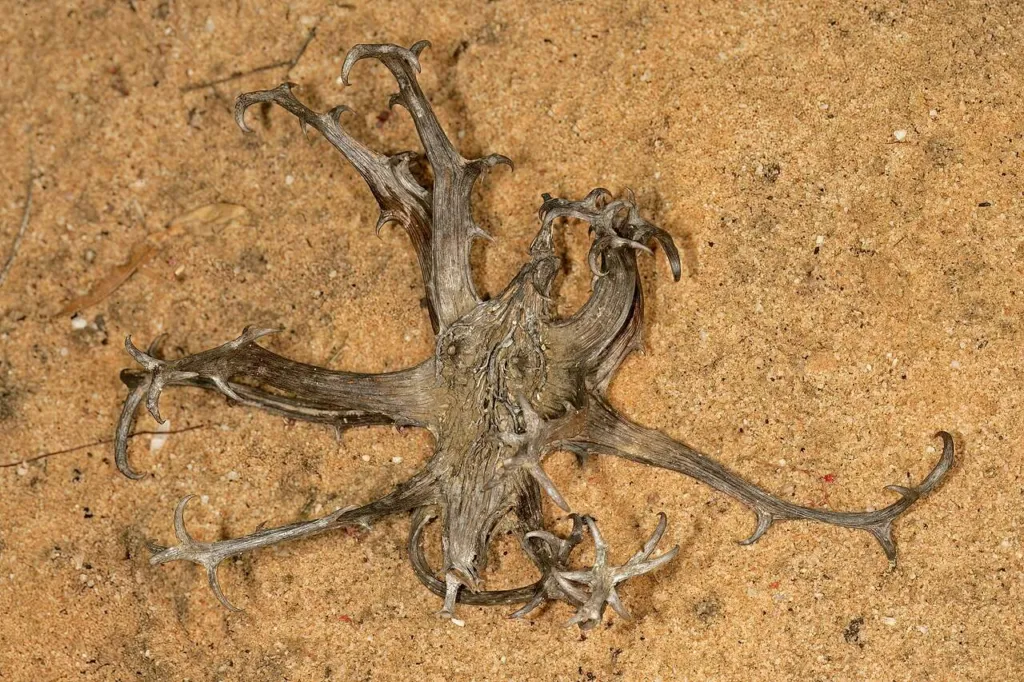
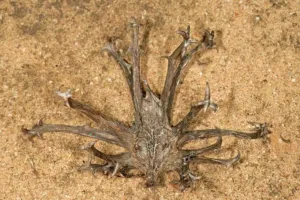
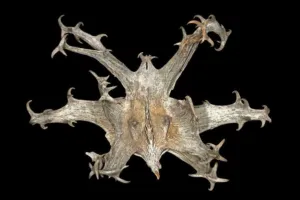
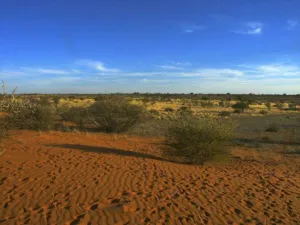
Cover: Harpagophytum procumbens fruit on Kalahari sand. Photo: SAplants · CC BY-SA 4.0 · Wikimedia Commons
The medicine called devil’s claw is a bitter root dug from the Kalahari sand, sliced and dried in the sun. It is a registered traditional medicine in Europe Attested, a permitted ingredient in Australian listed medicines Attested, and a controlled medication in international horse sport Attested. Most Australians have never heard of it.
This is LR-8 in the Australian Institute of Pharmacognosy’s series of literature reviews and critical analyses. It introduces Harpagophytum procumbens properly: the plant and the part used, its chemistry, the trials in osteoarthritis and low back pain graded at the strength they deserve, the safety cautions, the Australian legal position, the rules for horses in competition, and the Namibian harvest that supplies almost all of it.
This article is educational. It is not medical, veterinary, legal or regulatory advice, it is not an advertisement, and nothing in it is a recommendation to buy, prepare or take devil’s claw or any product containing it. No brand or sponsor is named in the text (some cited paper titles contain trade names), and the Institute has no commercial interest in any devil’s claw product.
1. Stomach ulcers. Active gastric or duodenal ulcer is a contraindication in the European herbal monograph (EU herbal monograph, 2016). Attested Gastrointestinal upset is the commonest side effect in trials (PMID 18236448). Evidence suggests
2. Gallstones. The European monograph advises assessment before use (EU herbal monograph, 2016). Attested
3. Warfarin and other anticoagulants. One case of purpura with warfarin and in vitro enzyme data make an interaction possible; it has not been proven (EMA assessment report). Evidence suggests Tell the prescriber and pharmacist before starting or stopping it. Diabetes and blood-pressure medicines carry a theoretical interaction from animal data (PMID 15742343; PMID 6482477). Mechanism
4. Pregnancy, breastfeeding and under-18s. Safety not established; use not recommended (EU herbal monograph, 2016). Attested
5. Pain that needs a diagnosis. A hot, swollen joint, or back pain with fever, weight loss, leg weakness or bladder or bowel changes needs prompt medical assessment. None of these is a job for a herb.
6. Horses in competition. Harpagoside is a controlled medication under FEI rules (FEI 2026 prohibited list). Attested
Emergency: call Triple Zero (000). For a suspected poisoning or overdose, call the Poisons Information Centre on 13 11 26 (24 hours, Australia-wide). Before taking any botanical drug, consult a degree-qualified herbalist with competencies and adequate training in pharmacognosy.
| Botanical name | Harpagophytum procumbens (Burch.) DC. ex Meisn., Pedaliaceae; trade also uses H. zeyheri Decne. Attested §2 |
| Common names | Devil’s claw, grapple plant; Teufelskralle (German); Harpagophyti radix (the drug) Attested §2 |
| Not to be confused with | Martynia annua and Proboscidea, American weeds also called devil’s claw in Australia Attested §1 |
| The drug | Dried, sliced secondary (storage) root tubers. Never the fruit Confirmed §3 |
| Native range | Kalahari and surrounding savanna: Namibia, Botswana, South Africa and neighbours Attested §4 |
| In Australia | No wild records; sold in listed medicines, bulk powder and horse supplements Attested §4 |
| Traditional standing | San, Khoikhoi and other southern African use; EU traditional registration for minor joint pain Traditional §5 |
| Marker compound | Harpagoside, 0.8–3.0% of H. procumbens root; Ph. Eur. minimum 1.2% Confirmed §6 |
| Mechanism | Suppresses inflammatory signalling in cells; does not act like an NSAID in human volunteers Mechanism §7 |
| Best human evidence | Modest short-term pain relief in back pain flares at 50–100 mg harpagoside a day; low quality Evidence suggests §8 |
| Osteoarthritis | Weaker: one 4-month trial against diacerhein, small trials against NSAIDs Evidence suggests §8 |
| Safety | Mild gastrointestinal effects; avoid with active ulcer; caution with gallstones, warfarin; not in pregnancy Attested §9 |
| Australian status | Permitted in listed medicines as H. procumbens; not in the Poisons Standard; not ODC-controlled Attested §10 |
| Horse sport | Harpagoside is a Controlled medication on the FEI 2026 list Attested §11 |
| Quality | Species mixing documented overseas; harpagoside rarely stated on Australian labels Evidence suggests §12 |
| Supply | Wild-harvested, mostly in Namibia under permit; Namibia supplied 90%+ of world demand to 2010 Attested §13 |
- Confirmed Established in humans by trial, or an unambiguous analytical, chemical or official-record fact.
- Evidence suggests Real published data, but preclinical, observational, small, case-based or not yet independently replicated.
- Mechanism A plausible mechanistic or pharmacological inference, not an outcome.
- Traditional Historical or ethnobotanical use. Evidence of practice, not of efficacy.
- Attested A documentary fact attested in a named record: a legislative instrument, a regulator’s or sporting body’s publication, a taxonomic index or a database. It states what the record says. It makes no claim about what a plant does.
Every PubMed ID (PMID) below links to its record and was checked against PubMed on 23/09/2026. Every compound was checked against PubChem and is linked by CID. Every Australian regulatory statement was read from the regulator’s or the legislature’s own document. Where a claim could not be traced to a primary source it is marked unsourced.
What it is. The dried side-root tubers of Harpagophytum procumbens, a Kalahari plant named for its hooked fruit, used by San and Khoikhoi people as a bitter tonic and for pain and fever Traditional, and in Europe since the 1970s for joint and back pain Attested. Its marker compound is harpagoside. Confirmed
What the trials show. Evidence suggests a modest, short-term reduction in pain during flares of chronic low back pain with extracts supplying 50 to 100 mg of harpagoside a day. Cochrane graded that evidence low quality. Evidence suggests The osteoarthritis evidence is weaker, and no trial runs past four months. Evidence suggests The Institute makes no therapeutic claim.
Safety. Mostly mild stomach upset in trials. Avoid with an active stomach ulcer; take care with gallstones and warfarin; not recommended in pregnancy, breastfeeding or under 18. Attested
The bit that surprised us. Australian law names only H. procumbens, while Europe accepts a second species that overseas testing finds in most supplements. And the Australian labels we read state an extract “equivalent” but no harpagoside, the one number that links a product to the trials. Attested
For horse owners. Harpagoside is a controlled medication in FEI competition, and racing rules catch any anti-inflammatory or analgesic. Talk to your veterinarian and the stewards before feeding it near an event. For people, before taking any botanical drug, consult a degree-qualified herbalist with competencies and adequate training in pharmacognosy.
1. Two devil’s claws, one medicine
Ask an Australian farmer about devil’s claw and you may hear about a weed. On the Atlas of Living Australia the name belongs first to Martynia annua, a Central American plant whose hooked pods ride on cattle, machinery and car tyres across the Northern Territory and north Queensland, and to its relatives Proboscidea louisianica and Ibicella lutea (Atlas of Living Australia; Weeds Australia, Martynia annua). Attested None of them is the herbal medicine sold in Australian pharmacies as devil’s claw.
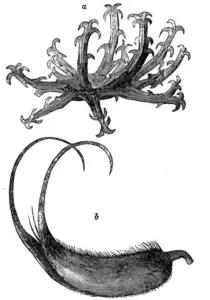
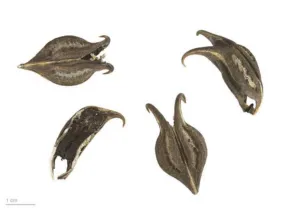
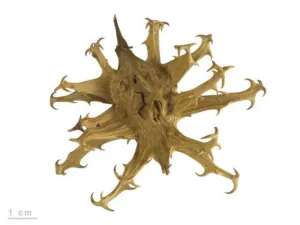
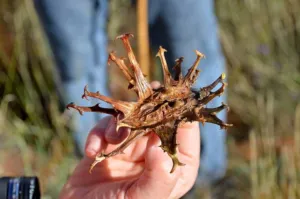
The medicine comes from the Kalahari. It is Harpagophytum procumbens, a sprawling plant of the sesame family whose woody fruit carries arms tipped with small grappling hooks, which is where both of its English names, devil’s claw and grapple plant, come from (EMA assessment report). Attested The part used in medicine is buried under the sand: the swollen side roots, or secondary tubers, which are dug, sliced and dried in the sun (PMID 22940241; EMA assessment report). Confirmed The claw on the label is a picture of the fruit. Nobody takes the fruit.
In Europe this is an ordinary medicine. Germany’s Commission E published a monograph on the root in 1989, the European Medicines Agency’s herbal committee adopted one in 2008 and revised it in 2016, and dried extracts of it have been on German, French and other European shelves for joint and back complaints since at least the 1970s (EMA assessment report). Attested Stewart and Cole estimated German sales at 30 million euros in 2001, and put its share of German prescriptions for rheumatism at 74% (PMID 16112533). Attested In Australia it sits quietly inside multi-herb joint formulas, in bulk powder from herb suppliers and in supplements for horses, and most of the people taking it would struggle to say what it is.
This review is for them. The two people most likely to meet devil’s claw in Australia are, on the Institute’s reading of the market, a sixty-year-old with sore knees or a stiff back, and a horse owner looking for something gentler than phenylbutazone. The first deserves an honest account of what the trials show. The second needs to know that harpagoside, the plant’s marker compound, is a controlled medication in international equestrian sport. We cover both, and the Kalahari harvest behind every capsule.
A note on scope. The evidence chapters concentrate on osteoarthritis and low back pain, the two conditions almost every clinical trial studied and the two most common chronic pains in the country. Devil’s claw has been proposed for many other things. Where those rest on laboratory work alone, we say so.
2. Identity and taxonomy
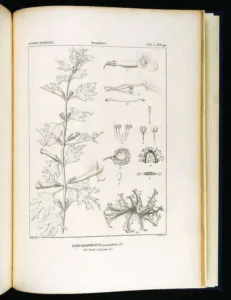
The accepted name is Harpagophytum procumbens (Burch.) DC. ex Meisn., in the family Pedaliaceae. The International Plant Names Index records it as published in Meisner’s Plantarum Vascularium Genera 2: 206 in 1840, with Burchell as the author of the original epithet (IPNI, H. procumbens). Attested Its sister species is Harpagophytum zeyheri Decne., published in the Annales des Sciences Naturelles in 1865 (IPNI, H. zeyheri). Attested Each has named subspecies, among them H. procumbens subsp. transvaalense and H. zeyheri subsp. sublobatum and subsp. schijffii (IPNI, H. procumbens; IPNI, H. zeyheri). Attested
The genus name is Greek, from harpagos, a grappling hook, and “devil’s claw” is a translation of the same idea (EMA assessment report). Attested The European pharmacopoeial name for the drug is Harpagophyti radix, devil’s claw root. The German trade name is Teufelskralle, which in Europe also names the unrelated rampion genus Phyteuma.
For the purposes of European law the two species are treated as one drug. The European Union herbal monograph covers “Harpagophytum procumbens DC. and/or Harpagophytum zeyheri Decne., radix”, and the European Pharmacopoeia accepts either source, provided the dried root contains at least 1.2% harpagoside (EU herbal monograph, 2016; EMA assessment report). Attested Australian law does something different. The Permissible Ingredients Determination lists HARPAGOPHYTUM PROCUMBENS, DEVIL’S CLAW TUBER DRY and DEVIL’S CLAW TUBER POWDER as ingredients for listed medicines, and it has no entry for H. zeyheri (Permissible Ingredients Determination). Attested Chapter 10 comes back to that gap.
3. Botany: the plant and the drug
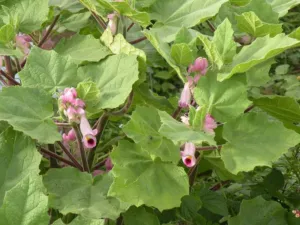
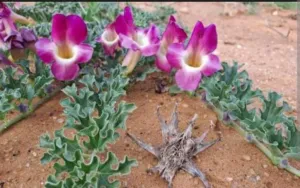
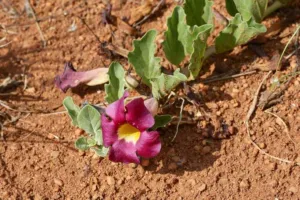
Harpagophytum procumbens is a perennial with trailing stems that lie flat on the sand. The leaves are grey-green and lobed, three to five lobes in this species, and the flowers are large, tubular and usually violet with a pale yellow throat, sometimes pure yellow or pure violet (EMA assessment report). Attested The fruit is a woody capsule with two double rows of arms, three or more in each row, the longest often exceeding the length of the capsule, each ending in hooks. It holds 50 to 60 seeds. H. zeyheri has smaller fruit with 20 to 30 seeds and short arms that rarely extend beyond the width of the capsule (EMA assessment report). Attested
Underground the plant has a vertical primary root, the taproot, and from it run lateral roots that swell into storage tubers. These secondary tubers are the drug. The European Medicines Agency’s assessment report states that they hold roughly twice as much harpagoside as the primary tuber (EMA assessment report). Confirmed Namibia’s harvesting rules depend on that anatomy. A harvester who takes only side tubers and leaves the taproot in the ground leaves a plant that can grow back; one who digs out the taproot kills it (Namibian devil’s claw policy, 2010). Attested
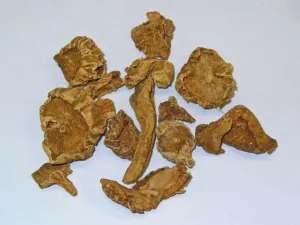
Once dug, the tubers are sliced into rounds or chips and dried in the sun. The dried drug is intensely bitter, and the bitterness comes from its iridoid glycosides, harpagoside first (EMA assessment report). Confirmed Namibia exports devil’s claw mainly as dried, unprocessed slices, with some finished capsules, tea and powder (Namibian devil’s claw policy, 2010). Attested
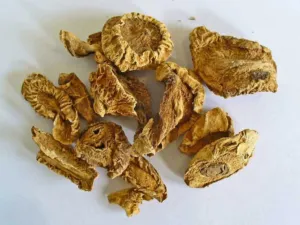
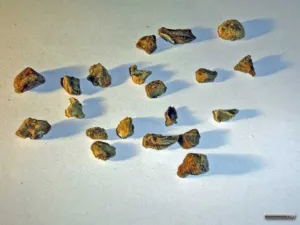
A practical point for anyone buying the loose herb: a product described as “devil’s claw” with a picture of the fruit tells you nothing about which part is inside. The pharmacopoeial drug and every trial we discuss used the secondary tuber. Chapter 14 sets out how to check.
4. Distribution, and the Australian record
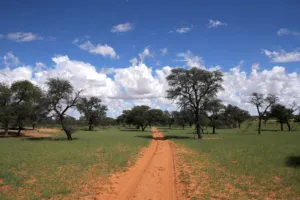
Both species are native to the dry savannas of southern Africa. Namibia’s national policy lists Namibia, Botswana, Angola, Zambia, Zimbabwe, Mozambique and parts of northern South Africa as the range (Namibian devil’s claw policy, 2010). Attested Mncwangi and colleagues place H. procumbens in the Kalahari region, where it is used locally as a general tonic (PMID 22940241). Attested In trade, Namibia dominates. The policy states that over the fifteen years to 2010 Namibia supplied 90% or more of world demand (Namibian devil’s claw policy, 2010). Attested
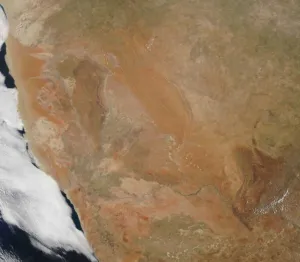
In Australia the plant is absent from the wild record. A search of the Atlas of Living Australia on 23/09/2026 returned no occurrence records for the genus Harpagophytum in Australia, and the Institute found no Australian weed listing for it (Atlas of Living Australia). Attested That is worth saying because the fruit is built to travel on animals, and its American look-alikes have made the trip. Martynia annua has 700 Australian records, 476 in the Northern Territory and 216 in Queensland, 18 of them within 150 km of Cardwell; Proboscidea louisianica has 294, most in New South Wales (Atlas of Living Australia). Attested Weeds Australia lists Martynia annua as a declared weed in the Northern Territory and Western Australia (Weeds Australia, Martynia annua). Attested The Institute makes no claim that Harpagophytum would naturalise here. Anyone thinking of importing seed or live plants should expect biosecurity import conditions and check the Department of Agriculture’s BICON system first; AIP did not assess the import conditions for this review.
5. Traditional and historical use
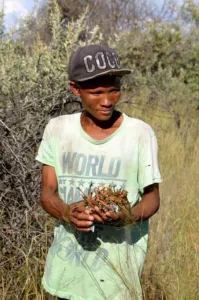
The oldest knowledge of devil’s claw belongs to the San and Khoikhoi peoples of the Kalahari and to the Bantu-speaking peoples of the region. The European assessment report, which draws on older ethnographic sources and uses their dated terms, records the tubers as “highly prized” as a bitter tonic for indigestion, and the infusion as a remedy for fever, for “cleaning blood”, and for rheumatic and joint pain (EMA assessment report). Traditional Focus groups held in Botswana by Mncwangi and colleagues added dyspepsia, postpartum pain, urinary infections, sprains, sores, ulcers and boils, and described the plant as a general health tonic (PMID 22940241). Traditional External use on sores and boils is also recorded (EMA assessment report). Traditional
One traditional use deserves attention for safety reasons. Small amounts of the tuber were given to pregnant women near term to ease the pain of birth, and South African traditional practitioners have described using the root to bring on or speed labour and to expel a retained placenta (EMA assessment report; PMID 19907121). Traditional An aqueous root extract made isolated rat uterine muscle contract strongly in the laboratory (PMID 19907121). Evidence suggests That is one animal-tissue study, and it proves nothing about human pregnancy. It does line up with the traditional obstetric use, and it is one of the reasons chapter 9 puts pregnancy on the list of situations where devil’s claw has no established place.
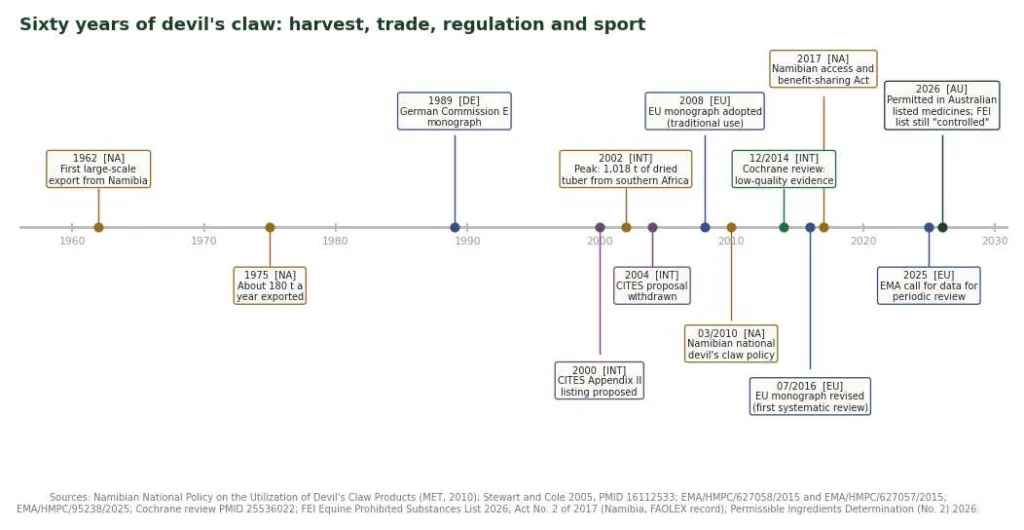
Namibian export records begin with the first large-scale shipment in 1962, and by 1975 about 180 tonnes a year were leaving the country (Namibian devil’s claw policy, 2010). Attested European handbooks took it up from the mid-1970s, for arthritis, tendinitis, poor appetite and dyspepsia (EMA assessment report). Attested The pattern is familiar from other southern African medicines, including umckaloabo, which the Institute reviewed earlier in this series: a plant known to Kalahari and Cape communities becomes a standardised European medicine, and the question of who benefits follows it into the market. Chapter 13 takes that up.
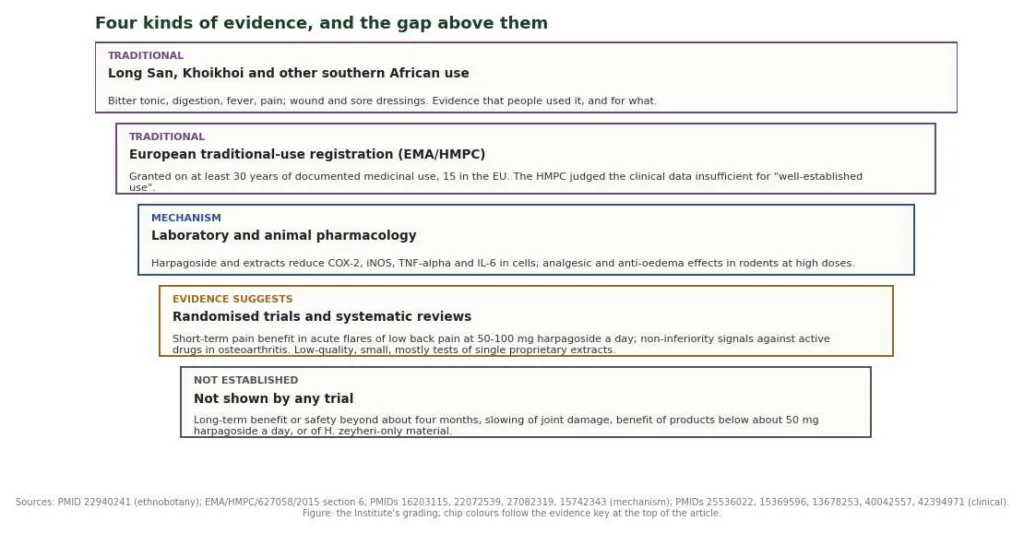
Tradition carries information: which part, which preparation, which complaints, which cautions. It does not show that the plant relieves pain, and the European regulator does not claim it does. Its registration rests on at least thirty years of documented medicinal use, fifteen of them in the European Union, and the committee concluded that the clinical data were “insufficient to support the well-established use” route, the route that requires proven efficacy (EMA assessment report). Attested Traditional registration means the product has a long safe-enough history of use for minor complaints. Readers should take that for what it is.
6. Phytochemistry
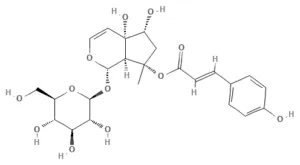
The characteristic constituents of the dried secondary tuber are iridoid glycosides, making up roughly 0.5 to 3% of the drug. The principal one is harpagoside, intensely bitter, at 0.8 to 3.0% in H. procumbens and 0.7 to 1.7% in H. zeyheri (EMA assessment report). Confirmed Harpagoside is an ester: the iridoid glycoside harpagide carrying a cinnamic acid group. Alongside it are 8-p-coumaroylharpagide, small amounts of harpagide and procumbide, and their coumaroyl esters (EMA assessment report). Confirmed
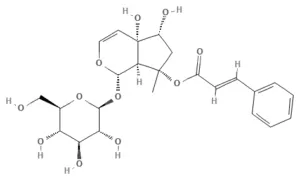
C24H30O11 · the marker; Ph. Eur. minimum 1.2% of the root
PubChem CID 5281542 · structure image: PubChem, public domain
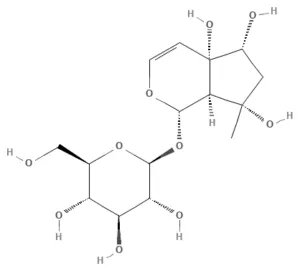
C15H24O10 · the iridoid core without its cinnamoyl ester
PubChem CID 93045 · structure image: PubChem, public domain
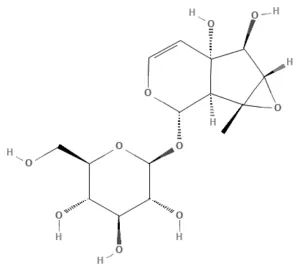
C24H30O12 · high in H. zeyheri; species marker
PubChem CID 10324058 · structure image: PubChem, public domain
C15H22O10 · minor iridoid glycoside
PubChem CID 21604824 · structure image: PubChem, public domain
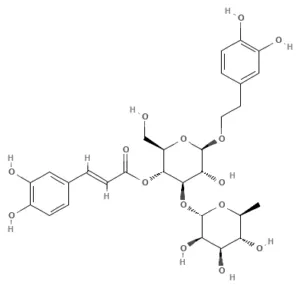
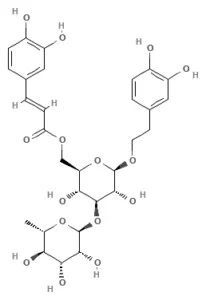
C29H36O15 · phenylethanoid glycoside
PubChem CID 5281800 · structure image: PubChem, public domain
C29H36O15 · isomer of acteoside
PubChem CID 6476333 · structure image: PubChem, public domain
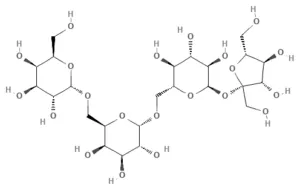
C24H42O21 · the main sugar, up to 46% of the drug
PubChem CID 439531 · structure image: PubChem, public domain
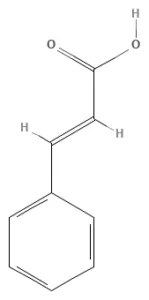
C9H8O2 · the ester group of harpagoside
PubChem CID 444539 · structure image: PubChem, public domain
Four iridoid glycosides, two phenylethanoid glycosides, the main sugar and the acid that makes harpagoside an ester. Every CID was checked against PubChem on 23/09/2026; the depictions are PubChem’s own (US National Library of Medicine, public domain).
The tuber also contains the phenylethanoid glycosides acteoside (verbascoside) and isoacteoside, and a great deal of sugar: about half the dry weight, most of it the tetrasaccharide stachyose, with raffinose, sucrose and simple sugars (EMA assessment report). Confirmed Minor constituents include the triterpenes oleanolic and ursolic acid, phytosterols, caffeic, cinnamic and chlorogenic acids, flavonoids and harpagoquinone (EMA assessment report). Confirmed
The chemistry that tells the two species apart
Harpagoside is in both species, so its presence proves little about identity. The ratio of 8-p-coumaroylharpagide to harpagoside does the work. Baghdikian and colleagues showed in 1997 that 8-p-coumaroylharpagide is a marker for H. zeyheri, and that commercial aqueous extracts had intermediate ratios, which suggested they had been made from mixed material (PMID 9140234). Evidence suggests The European assessment report sets the working rule: 8-p-coumaroylharpagide as a share of the sum of the two compounds is below 10% in H. procumbens and above 31% in H. zeyheri. It also notes 6-acetylacteoside, found in H. procumbens and absent from H. zeyheri (EMA assessment report). Confirmed
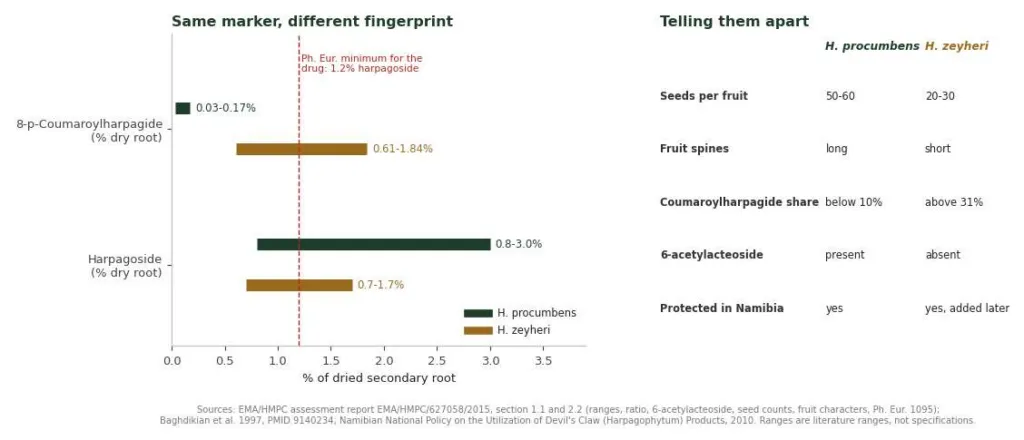
Baghdikian’s group found that aqueous extracts of both species had similar analgesic and anti-inflammatory effects in animals, and on that basis argued that both should be accepted as sources of the drug (PMID 9140234). Evidence suggests Europe followed. Species matters in Australia for a legal reason, set out in chapter 10, and for a scientific one: almost all the clinical trials describe their material as H. procumbens, and nobody has run a trial on material identified as H. zeyheri alone.
Solvent changes the product
Water and ethanol pull different mixtures out of the same root. The European monograph lists twelve preparations, from the cut root for tea to dry extracts made with water or with ethanol at strengths from 30% to 90%, at drug-to-extract ratios from 1:1 to 12:1 (EU herbal monograph, 2016). Attested A daily dose of one can be a few hundred milligrams of extract and of another a few grams of powder. The Pharmacopoeia requires a dry extract to carry at least 1.5% harpagoside (EMA assessment report). Attested The point the clinical literature makes repeatedly is simpler: results for one devil’s claw product do not transfer to another (PMID 13678253). Evidence suggests
7. Pharmacology and pharmacokinetics
What happens in cells
Laboratory work gives devil’s claw a plausible anti-inflammatory mechanism. In liver and macrophage cell lines, harpagoside suppressed the induction of cyclo-oxygenase-2 (COX-2) and inducible nitric oxide synthase by bacterial lipopolysaccharide, and blocked the activation of the transcription factor NF-κB (PMID 16203115). Mechanism An ethanolic root extract inhibited the release of TNF-α, IL-6, IL-1β and prostaglandin E2 from stimulated human monocytes, and in that study it acted through the AP-1 pathway and had no effect on NF-κB binding (PMID 22072539). Mechanism In chondrocytes taken from human osteoarthritic joints, harpagoside reduced IL-6 and the cartilage-degrading enzyme MMP-13 through c-FOS and AP-1, again without blocking NF-κB (PMID 27082319). Mechanism
So the cell studies agree that something in the root damps inflammatory signalling, and disagree about the route. That disagreement is normal in early pharmacology and it matters for one reason: devil’s claw is often sold as a “natural anti-inflammatory”, as if it worked like ibuprofen. The human data do not support that description. In 25 healthy volunteers given 2 g a day of powdered root for three weeks, the markers of the arachidonic acid cascade that NSAIDs suppress (prostaglandin E2, thromboxane B2 and leukotriene B4) did not change (EMA assessment report). Evidence suggests In six volunteers given a high-harpagoside extract, blood samples showed a temporary fall in leukotriene C4 synthesis and no inhibition of thromboxane B2 (EMA assessment report). Evidence suggests Whatever devil’s claw does, it does not appear to block COX in the way an NSAID does. The practical corollary is that the NSAID gastrointestinal and cardiovascular risk profile should not be assumed for it, in either direction.
What happens in animals
In rodents, an aqueous extract of the secondary root reduced pain responses, paw swelling and blood glucose (PMID 15742343). Evidence suggests The doses were 50 to 800 mg/kg given into the abdominal cavity, a route and a scale with no bearing on a person swallowing a tablet. A methanolic extract lowered blood pressure and heart rate in conscious rats at 400 mg/kg by mouth, and protected isolated hearts against induced arrhythmias (PMID 6482477). Evidence suggests These findings are the origin of the theoretical cautions about diabetes and blood-pressure medicines in chapter 9. They are animal results at high doses.
Absorption and elimination
Human pharmacokinetic data are thin. The European assessment report summarises three small studies by Loew and colleagues, the largest with six volunteers. Harpagoside reached its peak in the blood 1.3 to 2.5 hours after a single dose, the highest level recorded was 50.1 ng/mL, a second peak at around eight hours suggested enterohepatic recycling, and the elimination half-life was 5.6 hours (EMA assessment report). Evidence suggests The authors of the report read the low peak as a sign of a large first-pass effect or poor absorption. In laboratory simulations harpagoside lost about 10% in artificial gastric fluid over three hours and was stable in intestinal fluid (EMA assessment report). Confirmed Gut bacteria can convert the iridoids to other products, and the hydrolysed products of harpagoside and harpagide were more active than the parent compounds in some assays (PMID 22940241). Mechanism Which molecules reach the joint, in what amount, is not known.
Drug-metabolising enzymes and transporters
Of ten commercial preparations tested against five cytochrome P450 enzymes, five weakly inhibited CYP3A4 (half-maximal inhibition at 124 to 328 µg/mL) and five weakly activated the pregnane X receptor; pure harpagoside and harpagide did not inhibit CYP3A4. The authors judged a clinically relevant effect on CYP function unlikely (PMID 21749392). Evidence suggests Other in vitro work, summarised by the European assessment report, pointed to possible effects on CYP2C9 and CYP2E1, and on the drug transporter P-glycoprotein (EMA assessment report). Mechanism None of this has been tested as a drug interaction in people.
8. Clinical evidence: osteoarthritis and low back pain
About twenty clinical studies of devil’s claw products had been published by the early 2000s. When Chrubasik, Conradt and Black assessed their quality in 2003, eight were open studies without a control group, two were open comparisons with conventional treatment, and ten were randomised and double-blind, eight against placebo and two against an anti-inflammatory drug (PMID 13678253). Confirmed Of the eight placebo-controlled trials, they judged six to lack transparency, and only one to give good-quality evidence of a dose-dependent effect (PMID 13678253). Evidence suggests The authors of that assessment also ran several of the trials themselves, which the reader should keep in mind. The whole field is small and its trials are few.
Low back pain
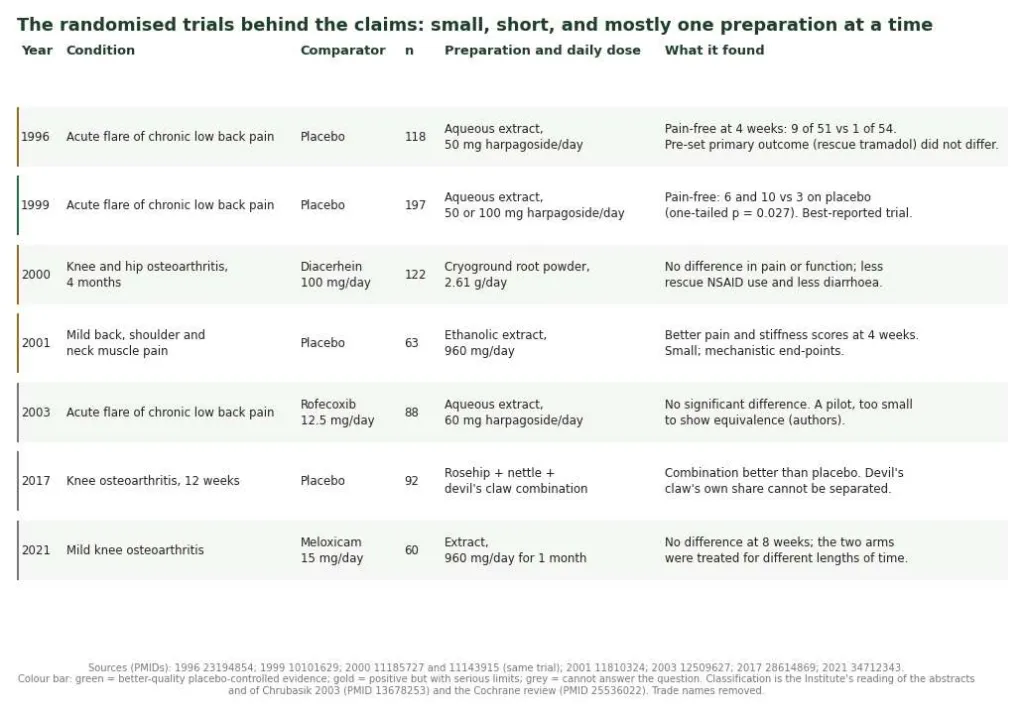
The best-reported trial enrolled 197 people with chronic back trouble who were in an acute flare, with pain above 5 on a 10-point scale. They took an aqueous extract supplying 50 mg or 100 mg of harpagoside a day, or placebo, for four weeks, with tramadol allowed for rescue. By the pre-specified measure, pain-free without rescue medication for five days of the last week, three placebo patients, six on the lower dose and ten on the higher dose succeeded (one-tailed p = 0.027) (PMID 10101629). Evidence suggests Most responders had had their pain for less than six weeks, and the subgroup analyses pointed in different directions depending on which pain measure was used. An earlier trial of 118 patients with the same design found that 9 of 51 taking devil’s claw and 1 of 54 taking placebo were pain-free at four weeks, but its pre-set primary outcome, tramadol use, did not differ (PMID 23194854). Evidence suggests
A pilot trial compared an extract supplying 60 mg of harpagoside a day with rofecoxib 12.5 mg a day in 88 people with a flare of low back pain over six weeks. Ten on devil’s claw and five on rofecoxib were pain-free without rescue for five days of the final week, and pain scores fell by similar amounts. The authors were explicit that the trial was too small to show equivalence (PMID 12509627). Evidence suggests Rofecoxib has been off the market since its worldwide withdrawal in 2004 (a matter of public record, not separately cited here), so the comparison no longer maps onto anything a patient would be offered.
A German trial of an ethanolic extract (960 mg a day) in 63 people with mild muscular pain and tension of the back, shoulder and neck reported better pain, pressure-pain and muscle-stiffness scores after four weeks than on placebo (PMID 11810324). Evidence suggests This was a different preparation, in a different complaint, measured largely by laboratory tests of muscle.
What the Cochrane review concluded
The Cochrane review of herbal medicine for non-specific low back pain, updated to September 2014, included 14 trials of several herbs with 2,050 participants. For devil’s claw, it found that daily doses standardised to 50 mg or 100 mg of harpagoside “may be better than placebo for short-term improvements in pain and may reduce use of rescue medication”, on two trials with 315 participants, and graded that evidence as low quality. The rofecoxib comparison was graded very low quality (PMID 25536022). Evidence suggests The review’s overall judgement was that devil’s claw and several other herbs “seem to reduce pain more than placebo” with evidence “of moderate quality at best”, and that trial reporting was generally poor (PMID 26630428). Evidence suggests No serious adverse events were noted in the included trials (PMID 25536022). Evidence suggests
Osteoarthritis
The largest osteoarthritis trial randomised 122 people with knee or hip osteoarthritis to 2.61 g a day of cryoground root powder or diacerhein 100 mg a day for four months, double-blind. Pain and function improved in both groups with no difference between them; the devil’s claw group used less rescue NSAID and paracetamol, and had fewer adverse events, diarrhoea in 8.1% against 26.7% (PMID 11185727; PMID 11143915). Evidence suggests Chrubasik’s group judged this trial good evidence that the powder is “not importantly less effective” than diacerhein, which they described as a weak NSAID (PMID 13678253). Evidence suggests A tie with a weak comparator is weak evidence of benefit.
Since then the trials have been small and mostly of combinations. A 2021 Iranian trial randomised 60 people with mild knee osteoarthritis to a devil’s claw extract (960 mg a day for a month) or meloxicam 15 mg a day for ten days; both groups improved and neither was superior at eight weeks, with treatment periods that differed between arms (PMID 34712343). Evidence suggests A 12-week placebo-controlled trial of a rosehip, nettle and devil’s claw combination in 92 people with knee osteoarthritis reported a large benefit, but the design cannot separate the contribution of any one ingredient (PMID 28614869). Evidence suggests A Brazilian meta-analysis of herbal medicines for osteoarthritis found no difference between devil’s claw and control on the one eligible study, and rated the evidence for all the herbs it covered as low quality (PMID 28872719). Evidence suggests
Observational studies are larger and more positive. In an eight-week surveillance study of 250 people with back, knee or hip pain taking an extract supplying 60 mg of harpagoside a day, generic and disease-specific scores improved by week four and further by week eight, and about 10% reported minor adverse events (PMID 12046857). Evidence suggests An open 12-week study in 75 people with hip or knee osteoarthritis reported falls of about 23% in WOMAC scores (PMID 14669250), and an open eight-week study of 259 people with a range of rheumatic complaints in the United Kingdom reported significant improvement (PMID 17886223). Evidence suggests Without a control group, none of these can separate the product from natural recovery, regression to the mean and the placebo response.
Reviews, and the dose question
A 2004 systematic review found “strong evidence” for an aqueous extract supplying 50 mg of harpagoside a day in acute flares of chronic low back pain, “moderate evidence” for 60 mg in osteoarthritis and for non-inferiority to rofecoxib, and only “limited evidence” for an ethanolic extract giving less than 30 mg of harpagoside a day (PMID 15369596). Evidence suggests The same research group later called the evidence strong for preparations with more than 50 mg of harpagoside a day (PMID 17444576) and noted that the lower-harpagoside ethanolic product had weaker evidence (PMID 15022177). Evidence suggests Brien, Lewith and McGregor reviewed fourteen studies in osteoarthritis and concluded that the evidence “cannot provide a definitive answer” on efficacy or safety (PMID 17212570). Evidence suggests
The two most recent reviews are cooler still. Bargsten and Seifert, writing in 2025 under the title “is the buzz in Google justified?”, assessed 88 devil’s claw products against 16 consumer-information criteria. They found herbal medicinal products reliable in what they told consumers and food and dietary supplements much less so, and they described the clinical base as a limited number of studies, with no long-term studies and poor methodological quality (PMID 40042557). Evidence suggests A 2026 narrative review comparing devil’s claw with NSAIDs concluded that selected preparations may give symptomatic benefit in some patients, that the trial base is limited by small samples, heterogeneous formulations, variable doses and short follow-up, and that the evidence does not support devil’s claw as a general replacement for NSAIDs (PMID 42394971). Evidence suggests The French independent bulletin Prescrire went further in 2013 and advised that it is “best avoided”, citing gastrointestinal harms and no established efficacy beyond placebo (PMID 24600731). Evidence suggests
What the Institute takes from this
Evidence suggests that specific aqueous extracts supplying 50 to 100 mg of harpagoside a day produce a modest short-term reduction in pain during flares of chronic low back pain. Evidence suggests Evidence in osteoarthritis is weaker: one four-month trial against a weak comparator, a few small trials against NSAIDs with design problems, and open studies. Evidence suggests Nothing shows benefit beyond about four months, any effect on joint structure, or any benefit from low-harpagoside products. The Institute makes no therapeutic claim for devil’s claw. The evidence supports a possible modest benefit. It falls well short of a proven treatment.
9. Safety, interactions and contraindications
In the controlled trials, devil’s claw was generally well tolerated. A 2008 systematic review of 28 clinical studies found that in none of the double-blind trials were adverse events more common on devil’s claw than on placebo, and that minor adverse events, mainly gastrointestinal, affected about 3% of patients (PMID 18236448). Evidence suggests The same review warned that most trials used doses at the low end and ran for weeks, while people may take the product for months, and said more long-term safety data were “urgently needed” (PMID 18236448). Evidence suggests
The European monograph lists the reported undesirable effects as diarrhoea, nausea, vomiting and abdominal pain; headache and vertigo; and hypersensitivity reactions including rash, hives and facial swelling, frequency not known (EU herbal monograph, 2016). Attested The German regulator BfArM, quoted in the assessment report, recorded very rare anaphylactic shock and very rare rises in blood sugar (EMA assessment report). Evidence suggests The European assessment also notes a single case report of raised blood pressure in a healthy woman taking devil’s claw capsules for more than two weeks (EMA assessment report). Evidence suggests Prescrire cited several reports of gastrointestinal bleeding associated with the root (PMID 24600731). Evidence suggests
Contraindications and cautions
- Stomach and duodenal ulcer. Active gastric or duodenal ulcer is a contraindication in the European monograph, because the bitter root stimulates gastric secretion (EU herbal monograph, 2016; EMA assessment report). Attested
- Gallstones. The European monograph advises people with gallstones to seek assessment before use (EU herbal monograph, 2016). Attested The Institute found no clinical study behind this caution.
- Pregnancy and breastfeeding. Safety is not established and use is not recommended. No adequate reproductive toxicity, genotoxicity or carcinogenicity studies have been done (EU herbal monograph, 2016). Attested The rat uterine study and the traditional obstetric use in chapter 5 are further reasons for caution (PMID 19907121). Evidence suggests
- Children and adolescents. Use under 18 is not recommended in the European monograph for lack of data (EU herbal monograph, 2016). Attested
- Hypersensitivity to the plant is a contraindication (EU herbal monograph, 2016). Attested
Interactions
Warfarin and other anticoagulants. The European assessment report describes a single case report of purpura in a patient taking devil’s claw with warfarin, rated “possible” on a causality scale, and in vitro data suggesting CYP2C9 effects; it concluded that clinical evidence of an interaction “has not been conclusively demonstrated” (EMA assessment report). Evidence suggests A 2000 review listed devil’s claw among products with documented reports of possible warfarin interactions, and stressed that nearly all such information comes from laboratory studies and single cases (PMID 10902065). Evidence suggests The monograph itself records no interactions (EU herbal monograph, 2016). Attested For a drug with a narrow margin, such as warfarin, the prudent course is to tell the prescriber and the dispensing pharmacist before starting or stopping devil’s claw, so the INR can be watched.
Diabetes and blood-pressure medicines. The rodent findings of lower blood glucose (PMID 15742343) and lower blood pressure and heart rate (PMID 6482477) make an additive effect with antidiabetic and antihypertensive drugs theoretically possible. Mechanism No human interaction study exists, and the human signals went the other way: the single blood-pressure case report was a rise, and the very rare German reports were of raised blood sugar (EMA assessment report). Evidence suggests The direction in people is unknown, which is a reason for watching glucose and blood pressure after starting or stopping, and no reason for assuming either. These are theoretical interactions, and people on these medicines should still mention a devil’s claw product to whoever manages them.
Other drugs. Weak in vitro effects on CYP3A4, the pregnane X receptor and P-glycoprotein (PMID 21749392; EMA assessment report) have not translated into any reported clinical interaction. Mechanism
NSAIDs, aspirin and anticoagulants together. No study has tested devil’s claw alongside these drugs. The Institute’s reading, an inference and not a finding, is that the ulcer contraindication and the gastrointestinal bleeding reports cited by Prescrire make the combination a reason for extra care (EU herbal monograph, 2016; PMID 24600731). Mechanism Black or tarry stools, vomiting blood or material like coffee grounds, or sudden severe abdominal pain are an emergency: call 000. Liquid extracts and tinctures of the root may contain ethanol, which the European monograph requires to be labelled (EU herbal monograph, 2016). Attested
Pain that needs a diagnosis
Persistent back or joint pain has causes worth identifying. The European monograph says that joint symptoms still present after four weeks of use (two weeks for the digestive indication), or getting worse, need reassessment, and that joint pain with swelling, redness or fever should be examined (EU herbal monograph, 2016). Attested Some signs cannot wait. New numbness in the saddle area, new difficulty passing urine or loss of bladder or bowel control, or leg weakness that is getting worse, alongside back pain, can mean compression of the nerves at the base of the spine: call 000 or go to an emergency department now. A single hot, swollen, painful joint, especially with fever, can be an infected joint and needs same-day emergency assessment. Back pain with fever, unexplained weight loss or a history of cancer needs prompt medical assessment. None of these is a job for a herbal product.
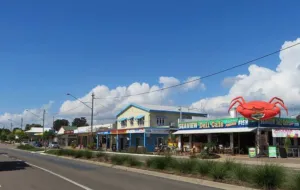
10. Australian regulatory status
Listed medicines. Devil’s claw is a permitted active ingredient in Australian listed medicines. The Therapeutic Goods (Permissible Ingredients) Determination (No. 2) 2026 includes item 1756 DEVIL’S CLAW TUBER DRY, item 1757 DEVIL’S CLAW TUBER POWDER and item 2492 HARPAGOPHYTUM PROCUMBENS, each permitted as an active ingredient, with no specific restrictions or required warning statements attached (Permissible Ingredients Determination). Attested There is no entry for Harpagophytum zeyheri and none for harpagoside (Permissible Ingredients Determination). Attested On the face of the Determination, then, a listed medicine may contain H. procumbens, and the European practice of treating the two species as interchangeable does not carry across automatically. The Institute reads the text this way; the TGA has not been asked to confirm it, and a sponsor should seek the TGA’s view.
What listing means. A listed medicine carries an AUST L number on its label (TGA, listed complementary medicines). Attested The TGA describes listed medicines as low risk and states that for these products it “does not evaluate the sponsor’s evidence of product efficacy before the product goes on the market”; the sponsor certifies that it holds the evidence, and the TGA reviews a sample of products after listing (TGA, how low-risk medicines are regulated). Attested An AUST L number therefore tells you the ingredients are permitted and the product is made under Good Manufacturing Practice. It does not tell you the TGA has checked that the product works.
On the register. A keyword search of the Australian Register of Therapeutic Goods on 23/09/2026 returned 19 medicines for “harpagophytum” and 3 for “devil’s claw” (ARTG search, 23/09/2026). Attested Keyword searches catch only what the register indexes, so these are floors. The two public summaries the Institute read in full, both listed medicines combining devil’s claw with other herbs, show what a reader is up against: one declares an extract equivalent to 100 mg of dry tuber per dose unit and the other an extract equivalent to 866.66 mg, and neither states a harpagoside content (ARTG 530159; ARTG 472830). Attested Both carry indications drawn from the TGA’s permitted list for mild joint aches, mild osteoarthritis and inflammation. In one, every indication is framed as “traditionally used in Western herbal medicine”; the other mixes two traditional indications with plain ones such as relief of mild joint aches, mild arthritis symptoms and pain. Both must tell the consumer to see a health professional if symptoms persist (ARTG 530159; ARTG 472830). Attested These are whole-formula indications for multi-herb products, and they are not evidence about devil’s claw on its own.
Advertising. Under the Therapeutic Goods Advertising Code, claims about serious diseases are restricted or prohibited (TGA restricted and prohibited representations). Attested That is why Australian labels talk about “mild” joint and rheumatic aches. The same rules apply to anyone promoting a devil’s claw product, including websites and social media.
Scheduling and import. Neither devil’s claw nor harpagoside appears in the Poisons Standard (June 2026) (Poisons Standard, June 2026). Attested It is not a controlled substance for the Office of Drug Control, so personal import of the herb is not an ODC matter (Office of Drug Control). Attested Imports of plant material are subject to biosecurity conditions. Legal, freely sold and permitted in listed medicines is the short version.
The Institute found no current TGA safety alert, review or consultation about devil’s claw on 23/09/2026. The European herbal committee opened a call for data for the periodic review of its monograph, with submissions from 1 April to 30 June 2025 (EMA call for data, 2025). Attested That is an overseas process; it does not bind the TGA. The Institute did not query the TGA’s Database of Adverse Event Notifications for this review, and makes no claim about the number of Australian reports.
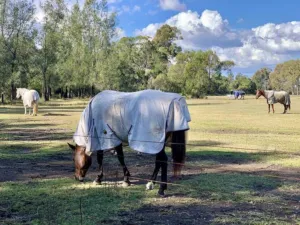
11. Horses, competition and anti-doping rules
Devil’s claw has been given to horses for inflammatory and degenerative complaints for many years (PMID 30242850). Attested In a crossover study, six horses given an extract by stomach tube at 5 and 10 mg/kg of harpagoside had harpagoside in their blood for up to nine hours, with peak levels at one hour, a half-life of about 2.3 to 2.5 hours, and no clinically detectable side effects (PMID 30242850). Evidence suggests Doping laboratories developed methods for harpagoside, harpagide and 8-p-coumaroylharpagide in horse plasma and urine more than fifteen years ago (PMID 18366880). Confirmed The Institute found no controlled clinical trial of devil’s claw for lameness or osteoarthritis in horses.
International rules (overseas, and binding on Australians who compete under them). The Fédération Équestre Internationale’s 2026 Equine Prohibited Substances List classes harpagoside as a Controlled medication, with its activity given as analgesic (FEI 2026 prohibited list). Attested A controlled medication may be used in training under veterinary advice, but it must have cleared the horse’s system before competition, and a positive sample brings sanctions (Equestrian Australia, medication control). Attested The FEI also warns that supplements and herbal remedies may contain prohibited substances not declared on the label, that a contaminated supplement will not excuse a positive test, and that the person responsible for the horse carries the risk (FEI supplement warning). Attested
In Australia. Equestrian Australia requires participants to comply with the FEI program and its own national medication control requirements, points members to the FEI substance database, and publishes a caution against herbal medication (Equestrian Australia, medication control). Attested Racing is governed separately. The Australian Rules of Racing do not name individual herbs; their Prohibited List B covers any substance capable of acting on the nervous or musculo-skeletal system, among others, and any anti-inflammatory or analgesic agent (Australian Rules of Racing). Attested The Institute read the edition current at 1 June 2023; later amendments may exist. On that wording a devil’s claw supplement fed before a race day carries an obvious risk. Anyone competing or racing a horse should treat devil’s claw as a medication, record it in the horse’s medication log, and get detection-time advice from a veterinarian and the relevant stewards before an event. The Institute does not give withdrawal times. The FEI’s 2024 list of detection times does not include harpagoside (FEI detection times 2024). Attested
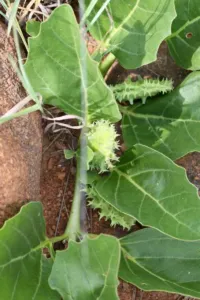
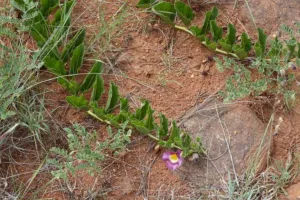
12. Quality and adulteration
Three problems dominate devil’s claw quality: the species, the plant part and the harpagoside content.
Species. H. procumbens is the preferred species of commerce and contains more of the active constituents; the two are used interchangeably, and H. procumbens material is often intentionally adulterated with H. zeyheri (PMID 22940241). Evidence suggests The European assessment report cites a New York Botanical Garden DNA barcoding study of supplements sold in the United States: every sample tested contained H. zeyheri, 81% of them with no H. procumbens at all (EMA assessment report). Evidence suggests That is overseas market data, reported second-hand, and the Institute has not seen equivalent Australian data. Genetic work on plants grown from Botswana seed found clear separation between the species, and also putative hybrids and gene flow between them in the wild (PMID 25363276). Evidence suggests Mixing, in other words, can start before anyone digs.
Plant part. The secondary tubers carry about twice the harpagoside of the primary tuber (EMA assessment report). Confirmed Material with taproot mixed in will assay lower, and taproot harvesting also kills the plant.
Harpagoside content. The Pharmacopoeia minimum is 1.2% in the dried root and 1.5% in a dry extract (EMA assessment report). Attested Natural material ranges from under 1% to 3% (EMA assessment report). Confirmed Harpagoside content in commercial products has varied widely, and the clinical reviewers stress that a product’s trial evidence does not transfer to a product with a different preparation (PMID 13678253). Evidence suggests Validated thin-layer and spectroscopic methods exist for harpagoside and for telling the species apart, including a validated HPTLC method for harpagoside (PMID 18602786) and near-infrared FT-Raman spectroscopy (PMID 15558669). Confirmed
Supplements versus medicines. Bargsten and Seifert found food and dietary supplements of devil’s claw in Europe markedly worse than herbal medicinal products at telling consumers about interactions, adverse effects and dose (PMID 40042557). Evidence suggests Horse supplements are not human medicines and do not appear on the ARTG. The Institute did not investigate how they are regulated for this review.
13. The Kalahari harvest: trade, sustainability and benefit-sharing
Almost every devil’s claw capsule in the world begins with someone digging in the sand with a stick or a spade. Most Namibian devil’s claw is harvested in communal areas by the people who live there, and it leaves the country as dried slices (Namibian devil’s claw policy, 2010). Attested For many households the harvest is a buffer against crop failure and drought (Namibian devil’s claw policy, 2010). Attested Harvest has raised incomes in marginalised communities, and has raised questions about sustainability (PMID 16112533). Evidence suggests
The numbers
Exports from southern Africa peaked in 2002 at 1,018 tonnes of dried tuber, which Stewart and Cole estimated as the harvest of millions of plants (PMID 16112533). Attested Namibia’s annual exports ranged between 331 and 851 tonnes in the decade to 2010; in 2008 the country exported 686 tonnes worth an estimated N$21.5 million and in 2009, after the global recession and an over-supply, 378 tonnes worth N$12.2 million (Namibian devil’s claw policy, 2010). Attested Mncwangi and colleagues note that although only the secondary tubers are used, the whole plant is often destroyed during harvest (PMID 22940241). Evidence suggests At the harvester’s end the numbers are small. In August 2022, 186 trained community members in the Mpungu constituency of Kavango East, 137 of them women, sold 3,240 kg of dried devil’s claw at N$40 a kilogram, a little over N$129,000 in total, according to Namibia’s environment ministry (Namibian environment ministry, 2022). Attested The ministry named France and Germany as the main markets (Namibian environment ministry, 2022). Attested
CITES
In 2000 a proposal was made to list devil’s claw on Appendix II of the Convention on International Trade in Endangered Species, which would have required export permits based on a finding that trade is not detrimental to the species. The proposal was formally withdrawn in 2004 after the range states took action on sustainability (PMID 16112533). Attested The Institute found no CITES appendix listing for the genus.
Namibia’s rules
Namibia controls the harvest under the Nature Conservation Ordinance (Ordinance 4 of 1975), which lists H. procumbens as a protected plant; H. zeyheri was added later (Namibian devil’s claw policy, 2010). Attested The 2010 national policy requires anyone trading or exporting devil’s claw to register with the ministry, after a test on the policy, for three years at a time. Harvest permits need the landowner’s or traditional authority’s permission, name every harvester, cover one locality, may carry a quota, and require a report back of weights, places and buyers by the end of November (Namibian devil’s claw policy, 2010). Attested The rules for digging are specific: harvest only after flowering, when the plant has begun to set seed; take older plants; take only side tubers and leave the taproot undamaged; take no more than half the side tubers in a season; fill the hole in and press the soil down around the taproot. The harvest season runs from 1 March to 31 October (Namibian devil’s claw policy, 2010). Attested Exporters must keep records that let material be traced to where it was dug (Namibian devil’s claw policy, 2010). Attested
Since 2017 Namibia’s Access to Biological and Genetic Resources and Associated Traditional Knowledge Act (Act No. 2 of 2017) has required a permit to access biological and genetic resources, protects the rights of local communities over those resources and the traditional knowledge associated with them, and provides for benefit-sharing (Namibia, Act No. 2 of 2017). Attested How that Act applies to a bulk commodity already traded for sixty years is a legal question the Institute has not researched; we note it as the framework an Australian researcher proposing new work on Namibian devil’s claw, or on the knowledge that goes with it, would need to consider.
What an Australian buyer can ask
Very little of this is visible from a pharmacy shelf in Queensland. The ARTG summary names the ingredient and the amount. It does not say where the root was dug, by whom, or whether the harvest followed the Namibian rules. An Australian practitioner or buyer can ask a supplier three plain questions: which country the material came from, whether it was harvested under a Namibian (or Botswanan or South African) permit, and whether it is certified or sold under a sustainable-harvest scheme. The Institute has not audited any supplier’s answers and names none.
14. Reading a devil’s claw label
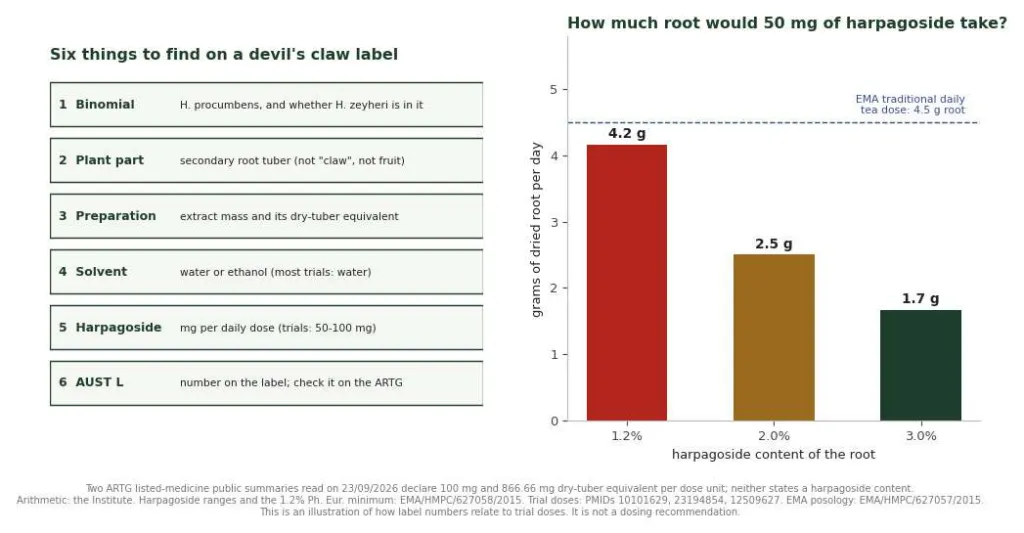
Chapter 12 explains why two products called devil’s claw can be very different medicines. The practical defence is the label and the ARTG entry behind it. Six things to look for:
- The binomial. Harpagophytum procumbens is the species permitted in Australian listed medicines (Permissible Ingredients Determination). Attested Overseas products may declare H. zeyheri or both.
- The plant part. Look for tuber or root, ideally secondary root. The trial evidence is all for root preparations.
- The preparation. Australian labels usually state an extract mass and its dry-tuber equivalent, for example an extract “equivalent to” so many milligrams of dry H. procumbens. A higher equivalent generally means more starting material (ARTG 530159; ARTG 472830). Attested
- The solvent. Many labels do not say. The trials with the most consistent results used aqueous extracts (PMID 15369596). Evidence suggests
- Harpagoside per daily dose. The better trials used 50 to 100 mg a day (PMID 25536022). Evidence suggests Few Australian labels state it; the two ARTG summaries the Institute read did not (ARTG 530159; ARTG 472830). Attested Without it, a buyer cannot compare a product with the trials.
- The AUST L number. Type it into the ARTG search on the TGA website to see the sponsor, ingredients and permitted indications (ARTG search, 23/09/2026). Attested
The Institute gives no dose here. The figures above describe what trials used, so that a reader can see what a label is and is not telling them. Deciding whether devil’s claw suits a particular person, alongside their other medicines and conditions, is individual advice. Before taking any botanical drug, consult a degree-qualified herbalist with competencies and adequate training in pharmacognosy.
For comparison, the Institute’s turmeric review covers another joint-pain herb with the same label problem, and our andrographis review shows what happens when the TGA does act on a listed herb.
Discussion: conclusions, hypotheses and research still required
What the evidence supports
Devil’s claw is the dried secondary tuber of Harpagophytum procumbens, and in European trade also of H. zeyheri. Confirmed Its marker, harpagoside, varies roughly threefold in the raw root, and the products made from it vary more. Confirmed It has a long record of use by the San, Khoikhoi and other southern African peoples as a bitter tonic and for pain and fever, and a European traditional registration for minor joint pain and mild digestive complaints. Traditional The randomised evidence suggests a modest, short-term reduction in pain in acute flares of chronic low back pain with aqueous extracts supplying 50 to 100 mg of harpagoside a day, graded low quality by Cochrane. Evidence suggests The osteoarthritis evidence is weaker and rests on one four-month trial against a weak comparator and a handful of small studies. Evidence suggests Short-term tolerability in trials was good, with mainly mild gastrointestinal effects, and the European contraindications are active peptic ulcer and hypersensitivity. Attested In Australia the herb is legal, unscheduled and permitted in listed medicines as H. procumbens. Attested In equestrian sport under FEI rules, harpagoside is a controlled medication. Attested
What we can reasonably hypothesise
- That the analgesic effect, if real, is not NSAID-like. The human volunteer data showing no suppression of prostaglandin and thromboxane synthesis, set against cell data implicating AP-1 and cytokine signalling, point to a different mechanism. This is a hypothesis. Mechanism
- That metabolites made by gut bacteria may matter more than harpagoside itself, given the low plasma levels after oral doses and the greater activity of hydrolysed iridoids in some assays. Mechanism
- That the Australian market contains H. zeyheri despite the Permissible Ingredients Determination naming only H. procumbens, given the overseas DNA barcoding data and the known mixing in trade. The Institute has no Australian data either way. Evidence suggests
- That some of the positive signal in open studies reflects regression to the mean in people recruited during flares. Mechanism
What research is still required
- Quality analysis (Australian market survey). A sample of ARTG-listed devil’s claw products and bulk powders tested by HPLC for harpagoside and 8-p-coumaroylharpagide, with the coumaroylharpagide ratio and DNA barcoding to identify species. The first step would be a validated HPLC method and authenticated reference material of both species.
- Clinical research. A pre-registered, adequately powered, independently funded randomised trial of a characterised aqueous extract at a declared harpagoside dose against placebo in knee osteoarthritis, run for at least six months, with a paracetamol or topical NSAID arm and standard outcome measures. An ethics-approved Australian trial would be the only way to answer the question for the products actually sold here.
- Pharmacokinetics. A modern human study of harpagoside and its metabolites in plasma and synovial fluid after realistic doses, including the effect of food and the enterohepatic second peak.
- Interaction pharmacology. A controlled study of INR in stable warfarin patients, and of glucose and blood-pressure measures in people on standard medicines, would replace theory with data.
- Pharmacovigilance. A systematic look at Australian adverse event reports involving Harpagophytum in the TGA’s DAEN, which this review did not do.
- Veterinary science and sport. A controlled trial in horses with osteoarthritis, and published detection times for common feed-supplement doses, so that Australian competitors can comply with FEI and racing rules.
- Regulatory science. Clarification from the TGA of whether H. zeyheri may be present in a listed medicine under the current Determination, and whether a harpagoside declaration should be expected.
- Ethnobotany and benefit-sharing. Work with San and other harvesting communities, under Namibia’s access and benefit-sharing law and with their consent, on how much of the value of the trade reaches them, and on documenting their knowledge on their own terms.
- Botany and ecology. Harvest-regrowth studies under the Namibian side-tuber rule, and cultivation trials, to test whether the rules keep populations stable.
The honest summary for an Australian with a sore back is that devil’s claw is a legal, widely sold herb with a small body of evidence for short-term relief in back pain flares, weaker evidence in osteoarthritis, and a safety record that looks reasonable over weeks and is unknown over years. The honest summary for a horse owner is shorter: check the rules before you feed it.
About the Australian Institute of Pharmacognosy and this series
The Australian Institute of Pharmacognosy is a clinic and research laboratory in Cardwell, far north Queensland, studying medicinal plants and natural products to the same evidentiary standard as any other branch of pharmacology: traditional knowledge taken seriously, and tested honestly. Visit the Institute at australian-pharmacognosy.org.
Series: AIP Literature Reviews and Critical Analyses (evidence reviews). Previous: turmeric (Curcuma longa) · sour jujube seed (Ziziphus jujuba) · soursop (Annona muricata) · umckaloabo (Pelargonium sidoides) · andrographis (Andrographis paniculata) · Syrian rue (Peganum harmala) · rosary pea (Abrus precatorius). Follow the series for a new evidence review each morning.
Corrections: if you find an error or a source we have missed, write to the Institute at our contact form. We would rather correct a claim than repeat it.
About the images and the evidence. Every photograph is from Wikimedia Commons under the licence shown in its caption and in the image credits. The botanical plate and the engravings are public domain by age. Chemical structures are PubChem depictions. The five figures were drawn by the Institute from the sources printed in each. The Cardwell photographs were first licensed for the Institute’s turmeric review. No image implies that any person shown is connected with any product, test or rule discussed in the text.
Head of Education and Research
Australian Institute of Pharmacognosy
Cardwell QLD, Australia
australian-pharmacognosy.org · our contact form
Suggested citation: Ridley T. Devil’s claw (Harpagophytum procumbens (Burch.) DC. ex Meisn.): the plant, the evidence in osteoarthritis and low back pain, safety, Australian regulation, equestrian anti-doping rules and the Kalahari harvest. AIP Literature Review and Critical Analysis LR-8. Cardwell (QLD): Australian Institute of Pharmacognosy; 2026.
Educational content only; not medical, veterinary, legal or regulatory advice. Australian regulatory information reflects the Permissible Ingredients Determination, the Poisons Standard, the ARTG and TGA publications as read on 21–23/09/2026 and may change. European, Namibian and FEI material is cited as overseas material and does not govern Australian therapeutic goods law. No brand or sponsor is named in the text and no product is advertised, endorsed or recommended. Material drawn from Commonwealth sources is © Commonwealth of Australia and appears here as short extracts for the purpose of reporting, criticism and review.
References
66 references: tap to open
Listed in order of first citation. All 39 PMIDs were verified against PubMed on 23/09/2026; every regulatory, legislative, sporting and botanical record was read from its own source.
- European Medicines Agency, Committee on Herbal Medicinal Products. European Union herbal monograph on Harpagophytum procumbens DC. and/or Harpagophytum zeyheri Decne., radix. EMA/HMPC/627057/2015, final, adopted 12/07/2016. Read in full 23/09/2026. Traditional use only (minor articular pain; mild digestive disorders); twelve preparations; contraindications, warnings, undesirable effects, pregnancy and lactation. Overseas; does not apply in Australia. https://www.ema.europa.eu/en/medicines/herbal/harpagophyti-radix
- Vlachojannis J, Roufogalis BD, Chrubasik S. Systematic review on the safety of Harpagophytum preparations for osteoarthritic and low back pain. Phytother Res. 2008 Feb;22(2):149-52. PMID 18236448. DOI 10.1002/ptr.2314.
- European Medicines Agency, Committee on Herbal Medicinal Products. Assessment report on Harpagophytum procumbens DC. and/or Harpagophytum zeyheri Decne., radix. EMA/HMPC/627058/2015. Read 23/09/2026. Source for constituent ranges, Ph. Eur. 1095 and 1871 requirements, species characters, traditional and European historical use, human pharmacology and pharmacokinetics (Moussard 1992; Loew 2001), in vitro CYP and P-gp data, pharmacovigilance, the warfarin case report, the US DNA-barcoding finding (Gafner 2015) and the conclusion that clinical data do not support well-established use. Overseas. https://www.ema.europa.eu/en/documents/herbal-report/final-assessment-report-harpagophytum-procumbens-dc-andor-harpagophytum-zeyheri-decne-radix_en.pdf
- Mahomed IM, Ojewole JA. Analgesic, antiinflammatory and antidiabetic properties of Harpagophytum procumbens DC (Pedaliaceae) secondary root aqueous extract. Phytother Res. 2004 Dec;18(12):982-9. PMID 15742343. DOI 10.1002/ptr.1593.
- Circosta C, Occhiuto F, Ragusa S, Trovato A, Tumino G, Briguglio F, et al. A drug used in traditional medicine: Harpagophytum procumbens DC. II. Cardiovascular activity. J Ethnopharmacol. 1984 Aug;11(3):259-74. PMID 6482477. DOI 10.1016/0378-8741(84)90072-2.
- Fédération Équestre Internationale. 2026 Equine Prohibited Substances List. Read 23/09/2026: “CONTROLLED – Harpagoside – Analgesic”. Overseas sporting rules; they bind Australians competing under FEI and Equestrian Australia rules. https://inside.fei.org/sites/default/files/2026%20Prohibited%20Substances%20List.pdf
- Atlas of Living Australia. Biocache occurrence searches filtered to Australia, run 23/09/2026: Harpagophytum 0 records; Martynia annua 700 (Northern Territory 476, Queensland 216, New South Wales 6, not supplied 2), 18 within 150 km of Cardwell and none within 50 km; Proboscidea louisianica 294 (New South Wales 227). Species-page search for “devil’s claw” returns Proboscidea, Ibicella lutea and Martynia. https://biocache.ala.org.au/occurrences/search?q=taxon_name%3A%22Martynia+annua%22&fq=country%3AAustralia
- Weeds Australia (Centre for Invasive Species Solutions). Devil’s Claw, Small-fruit Devil’s Claw (Martynia annua) profile. Read 23/09/2026: declared weed in the Northern Territory and Western Australia; native to Mexico, Central and South America. https://weeds.org.au/profiles/devils-claw-small/
- Mncwangi N, Chen W, Vermaak I, Viljoen AM, Gericke N. Devil's Claw-a review of the ethnobotany, phytochemistry and biological activity of Harpagophytum procumbens. J Ethnopharmacol. 2012 Oct 11;143(3):755-71. PMID 22940241. DOI 10.1016/j.jep.2012.08.013.
- Stewart KM, Cole D. The commercial harvest of devil's claw (Harpagophytum spp.) in southern Africa: the devil's in the details. J Ethnopharmacol. 2005 Sep 14;100(3):225-36. PMID 16112533. DOI 10.1016/j.jep.2005.07.004.
- International Plant Names Index. Harpagophytum procumbens (Burch.) DC., Pl. Vasc. Gen. 2: 206 (1840), record 675824-1; subsp. transvaalense Ihlenf. & H.E.K.Hartmann (1970). Queried 23/09/2026. https://www.ipni.org/n/675824-1
- International Plant Names Index. Harpagophytum zeyheri Decne., Ann. Sci. Nat., Bot. sér. 5, 3: 329 (1865), record 675825-1; subsp. sublobatum and schijffii Ihlenf. & H.E.K.Hartmann (1970). Queried 23/09/2026. https://www.ipni.org/n/675825-1
- Therapeutic Goods (Permissible Ingredients) Determination (No. 2) 2026 (Cth), F2026L00707. Copy downloaded from the Federal Register of Legislation on 21/09/2026 and searched on 23/09/2026: item 1756 DEVIL’S CLAW TUBER DRY (A, H), item 1757 DEVIL’S CLAW TUBER POWDER (A, H), item 2492 HARPAGOPHYTUM PROCUMBENS (A, E, H), no specific requirements; no entry for Harpagophytum zeyheri or harpagoside. https://www.legislation.gov.au/F2026L00707/asmade
- Republic of Namibia, Ministry of Environment and Tourism. National Policy on the Utilization of Devil’s Claw (Harpagophytum) Products. Windhoek, March 2010. Read in full 23/09/2026. Overseas law and policy. https://www.npc.gov.na/wp-content/uploads/2022/06/National-Policy-On-The-Utilization-Of-Devils-Claw-Harpagophytum-Products-2010.pdf
- Mahomed IM, Ojewole JA. Uterotonic effect of Harpagophytum procumbens DC (Pedaliaceae) secondary root aqueous extract on rat isolated uterine horns. J Smooth Muscle Res. 2009 Oct;45(5):231-9. PMID 19907121. DOI 10.1540/jsmr.45.231.
- Baghdikian B, Lanhers MC, Fleurentin J, Ollivier E, Maillard C, Balansard G, et al. An analytical study, anti-inflammatory and analgesic effects of Harpagophytum procumbens and Harpagophytum zeyheri. Planta Med. 1997 Apr;63(2):171-6. PMID 9140234. DOI 10.1055/s-2006-957638.
- Chrubasik S, Conradt C, Black A. The quality of clinical trials with Harpagophytum procumbens. Phytomedicine. 2003;10(6-7):613-23. PMID 13678253. DOI 10.1078/094471103322331647.
- Huang TH, Tran VH, Duke RK, Tan S, Chrubasik S, Roufogalis BD, et al. Harpagoside suppresses lipopolysaccharide-induced iNOS and COX-2 expression through inhibition of NF-kappa B activation. J Ethnopharmacol. 2006 Mar 08;104(1-2):149-55. PMID 16203115. DOI 10.1016/j.jep.2005.08.055.
- Fiebich BL, Muñoz E, Rose T, Weiss G, McGregor GP. Molecular targets of the antiinflammatory Harpagophytum procumbens (devil's claw): inhibition of TNFα and COX-2 gene expression by preventing activation of AP-1. Phytother Res. 2012 Jun;26(6):806-11. PMID 22072539. DOI 10.1002/ptr.3636.
- Haseeb A, Ansari MY, Haqqi TM. Harpagoside suppresses IL-6 expression in primary human osteoarthritis chondrocytes. J Orthop Res. 2017 Feb;35(2):311-320. PMID 27082319. DOI 10.1002/jor.23262.
- Modarai M, Suter A, Kortenkamp A, Heinrich M. The interaction potential of herbal medicinal products: a luminescence-based screening platform assessing effects on cytochrome P450 and its use with devil's claw (Harpagophyti radix) preparations. J Pharm Pharmacol. 2011 Mar;63(3):429-38. PMID 21749392. DOI 10.1111/j.2042-7158.2010.01235.x.
- Chrubasik S, Junck H, Breitschwerdt H, Conradt C, Zappe H. Effectiveness of Harpagophytum extract WS 1531 in the treatment of exacerbation of low back pain: a randomized, placebo-controlled, double-blind study. Eur J Anaesthesiol. 1999 Feb;16(2):118-29. PMID 10101629. DOI 10.1046/j.1365-2346.1999.00435.x.
- Chrubasik S, Zimpfer C, Schütt U, Ziegler R. Effectiveness of Harpagophytum procumbens in treatment of acute low back pain. Phytomedicine. 1996 May;3(1):1-10. PMID 23194854. DOI 10.1016/S0944-7113(96)80003-1.
- Chrubasik S, Model A, Black A, Pollak S. A randomized double-blind pilot study comparing Doloteffin and Vioxx in the treatment of low back pain. Rheumatology (Oxford). 2003 Jan;42(1):141-8. PMID 12509627. DOI 10.1093/rheumatology/keg053.
- Göbel H, Heinze A, Ingwersen M, Niederberger U, Gerber D. [Effects of Harpagophytum procumbens LI 174 (devil's claw) on sensory, motor und vascular muscle reagibility in the treatment of unspecific back pain]. Schmerz. 2001 Feb;15(1):10-8. PMID 11810324. DOI 10.1007/s004820170043.
- Oltean H, Robbins C, van Tulder MW, Berman BM, Bombardier C, Gagnier JJ. Herbal medicine for low-back pain. Cochrane Database Syst Rev. 2014 Dec 23;2014(12):CD004504. PMID 25536022. DOI 10.1002/14651858.CD004504.pub4.
- Gagnier JJ, Oltean H, van Tulder MW, Berman BM, Bombardier C, Robbins CB. Herbal Medicine for Low Back Pain: A Cochrane Review. Spine (Phila Pa 1976). 2016 Jan;41(2):116-33. PMID 26630428. DOI 10.1097/BRS.0000000000001310.
- Chantre P, Cappelaere A, Leblan D, Guedon D, Vandermander J, Fournie B. Efficacy and tolerance of Harpagophytum procumbens versus diacerhein in treatment of osteoarthritis. Phytomedicine. 2000 Jun;7(3):177-83. PMID 11185727. DOI 10.1016/S0944-7113(00)80001-X.
- Leblan D, Chantre P, Fournié B. Harpagophytum procumbens in the treatment of knee and hip osteoarthritis. Four-month results of a prospective, multicenter, double-blind trial versus diacerhein. Joint Bone Spine. 2000;67(5):462-7. PMID 11143915.
- Farpour HR, Rajabi N, Ebrahimi B. The Efficacy of Harpagophytum procumbens (Teltonal) in Patients with Knee Osteoarthritis: A Randomized Active-Controlled Clinical Trial. Evid Based Complement Alternat Med. 2021;2021:5596892. PMID 34712343. DOI 10.1155/2021/5596892.
- Moré M, Gruenwald J, Pohl U, Uebelhack R. A Rosa canina – Urtica dioica – Harpagophytum procumbens/zeyheri Combination Significantly Reduces Gonarthritis Symptoms in a Randomized, Placebo-Controlled Double-Blind Study. Planta Med. 2017 Dec;83(18):1384-1391. PMID 28614869. DOI 10.1055/s-0043-112750.
- Del Grossi Moura M, Lopes LC, Biavatti MW, Kennedy SA, de Oliveira E Silva MC, Silva MT, et al. Oral herbal medicines marketed in Brazil for the treatment of osteoarthritis: A systematic review and meta-analysis. Phytother Res. 2017 Nov;31(11):1676-1685. PMID 28872719. DOI 10.1002/ptr.5910.
- Chrubasik S, Thanner J, Künzel O, Conradt C, Black A, Pollak S. Comparison of outcome measures during treatment with the proprietary Harpagophytum extract doloteffin in patients with pain in the lower back, knee or hip. Phytomedicine. 2002 Apr;9(3):181-94. PMID 12046857. DOI 10.1078/0944-7113-00140.
- Wegener T, Lüpke NP. Treatment of patients with arthrosis of hip or knee with an aqueous extract of devil's claw (Harpagophytum procumbens DC.). Phytother Res. 2003 Dec;17(10):1165-72. PMID 14669250. DOI 10.1002/ptr.1322.
- Warnock M, McBean D, Suter A, Tan J, Whittaker P. Effectiveness and safety of Devil's Claw tablets in patients with general rheumatic disorders. Phytother Res. 2007 Dec;21(12):1228-33. PMID 17886223. DOI 10.1002/ptr.2288.
- Gagnier JJ, Chrubasik S, Manheimer E. Harpgophytum procumbens for osteoarthritis and low back pain: a systematic review. BMC Complement Altern Med. 2004 Sep 15;4:13. PMID 15369596. DOI 10.1186/1472-6882-4-13.
- Chrubasik JE, Roufogalis BD, Chrubasik S. Evidence of effectiveness of herbal antiinflammatory drugs in the treatment of painful osteoarthritis and chronic low back pain. Phytother Res. 2007 Jul;21(7):675-83. PMID 17444576. DOI 10.1002/ptr.2142.
- Chrubasik S, Conradt C, Roufogalis BD. Effectiveness of Harpagophytum extracts and clinical efficacy. Phytother Res. 2004 Feb;18(2):187-9. PMID 15022177. DOI 10.1002/ptr.1416.
- Brien S, Lewith GT, McGregor G. Devil's Claw (Harpagophytum procumbens) as a treatment for osteoarthritis: a review of efficacy and safety. J Altern Complement Med. 2006 Dec;12(10):981-93. PMID 17212570. DOI 10.1089/acm.2006.12.981.
- Bargsten FE, Seifert R. Devil's claw (Harpagophytum procumbens): is the buzz in Google justified? Naunyn Schmiedebergs Arch Pharmacol. 2025 Aug;398(8):10823-10842. PMID 40042557. DOI 10.1007/s00210-025-03974-7.
- Hong JY, Lee J, Kim H, Kim H, Jeon WJ, Yeo C, et al. Harpagophytum procumbens in musculoskeletal disorders: current evidence and comparison with NSAIDs. Front Pharmacol. 2026;17:1839470. PMID 42394971. Erratum in: Front Pharmacol. 2026;17:1930236. DOI 10.3389/fphar.2026.1839470.
- [No authors listed]. Devil's claw root: ulcers and gastrointestinal bleeding? Prescrire Int. 2013 Dec;22(144):296. PMID 24600731.
- Heck AM, DeWitt BA, Lukes AL. Potential interactions between alternative therapies and warfarin. Am J Health Syst Pharm. 2000 Jul 01;57(13):1221-7; quiz 1228-30. PMID 10902065.
- Therapeutic Goods Administration. Report an adverse event or safety problem (last updated 02/09/2026). Read 23/09/2026. https://www.tga.gov.au/safety/report-problem/report-adverse-event-or-safety-problem
- Therapeutic Goods Administration. Listed complementary medicines (last updated 04/05/2018). Read 23/09/2026. Sponsors certify compliance with section 26A of the Act; listed medicines carry an AUST L number on the label. https://www.tga.gov.au/products/medicines/listed-medicines/overview/listed-complementary-medicines
- Therapeutic Goods Administration. How are vitamins regulated in Australia? Blog, published 13/02/2019, last updated 31/01/2025. Read 23/09/2026. Source for the statement that for low-risk medicines the TGA does not evaluate the sponsor’s evidence of efficacy before the product goes on the market. https://www.tga.gov.au/news/blog/how-are-vitamins-regulated-australia
- Therapeutic Goods Administration. Australian Register of Therapeutic Goods, keyword searches run 23/09/2026: “harpagophytum” 19 results, all medicines; “devil’s claw” 3 results. Keyword searches do not capture every entry. https://www.tga.gov.au/resources/artg?keywords=harpagophytum
- Therapeutic Goods Administration. ARTG public summary, entry 530159 (listed medicine, start date 17/08/2026). Read 23/09/2026. Harpagophytum procumbens tuber extract dry concentrate 33.33 mg, equivalent to 100 mg dry; no harpagoside content stated; permitted indications and indication requirements as quoted. https://www.tga.gov.au/resources/artg/530159
- Therapeutic Goods Administration. ARTG public summary, entry 472830 (listed medicine, start date 12/12/2024). Read 23/09/2026. Harpagophytum procumbens root extract dry concentrate 38.52 mg, equivalent to 866.66 mg dry; no harpagoside content stated. https://www.tga.gov.au/resources/artg/472830
- Therapeutic Goods Administration. Restricted and prohibited representations in advertising, under the Therapeutic Goods Advertising Code. https://www.tga.gov.au/products/regulations-all-products/advertising/applying-advertising-code/restricted-and-prohibited-representations-advertising
- Therapeutic Goods (Poisons Standard—June 2026) Instrument 2026 (Cth), F2026L00633. Full text searched for harpago and devil on 23/09/2026: no entries. https://www.legislation.gov.au/F2026L00633/asmade
- Office of Drug Control. Controlled substances. Read 22/09/2026. Permission is required to import or export controlled substances (medicinal cannabis, narcotics, psychotropic drugs and precursor chemicals); devil’s claw is none of these. https://www.odc.gov.au/controlled-substances
- European Medicines Agency. Call for scientific data for the periodic review of the monograph on Harpagophyti radix. EMA/HMPC/95238/2025, 22/01/2025; submission period 01/04/2025 to 30/06/2025. Overseas. https://www.ema.europa.eu/en/documents/herbal-call-data/call-scientific-data-periodic-review-monograph-harpagophyti-radix_en.pdf
- Axmann S, Hummel K, Nöbauer K, Razzazi-Fazeli E, Zitterl-Eglseer K. Pharmacokinetics of harpagoside in horses after intragastric administration of a Devil's claw (Harpagophytum procumbens) extract. J Vet Pharmacol Ther. 2019 Jan;42(1):37-44. PMID 30242850. DOI 10.1111/jvp.12716.
- Colas C, Garcia P, Popot MA, Bonnaire Y, Bouchonnet S. Optimization of solid-phase extraction for the liquid chromatography-mass spectrometry analysis of harpagoside, 8-para-coumaroyl harpagide, and harpagide in equine plasma and urine. J Chromatogr Sci. 2008 Feb;46(2):174-83. PMID 18366880. DOI 10.1093/chromsci/46.2.174.
- Equestrian Australia. Medication Control, and Banned vs Controlled Substances – Explained (30/01/2019). Read 23/09/2026. https://www.equestrian.org.au/medication-control
- Fédération Équestre Internationale. FEI Warning regarding the administration of supplements to horses, 19/12/2015. Read 23/09/2026. http://inside.fei.org/system/files/FEI%20Warning%20re%20Supplement%20Use%20-%2019%20December%202015_0_0.pdf
- Racing Australia. Australian Rules of Racing, as at 1 June 2023, Part 2, Division 1, Prohibited List B. Read 23/09/2026; later amendments were not checked. https://racingaustralia.horse/uploadimg/Australian_rules_of_Racing/Australian_Rules_of_Racing_01_Jun_2023.pdf
- Fédération Équestre Internationale. FEI Detection Times 2024. Searched 23/09/2026: no entry for harpagoside. http://inside.fei.org/system/files/FEI%20Detection%20Times%202024.pdf
- Muzila M, Werlemark G, Ortiz R, Sehic J, Fatih M, Setshogo M, et al. Assessment of diversity in Harpagophytum with RAPD and ISSR markers provides evidence of introgression. Hereditas. 2014 Oct;151(4-5):91-101. PMID 25363276. DOI 10.1111/hrd2.00052.
- Wagner S, Ureña A, Reich E, Merfort I. Validated HPTLC methods for the determination of salicin in Salix sp. and of harpagoside in Harpagophytum [corrected] procumbens. J Pharm Biomed Anal. 2008 Nov 04;48(3):587-91. PMID 18602786. DOI 10.1016/j.jpba.2008.05.030.
- Baranska M, Schulz H, Siuda R, Strehle MA, Rösch P, Popp J, et al. Quality control of Harpagophytum procumbens and its related phytopharmaceutical products by means of NIR-FT-Raman spectroscopy. Biopolymers. 2005 Jan;77(1):1-8. PMID 15558669. DOI 10.1002/bip.20158.
- Republic of Namibia, Ministry of Environment, Forestry and Tourism. Devil’s claw sales, press release, 05/09/2022. Read 23/09/2026. https://www.meft.gov.na/news/234/devils-claw-sales-pr
- Republic of Namibia. Access to Biological and Genetic Resources and Associated Traditional Knowledge Act (Act No. 2 of 2017). FAOLEX database record, read 23/09/2026. Overseas law. https://www.fao.org/faolex/results/details/en/c/LEX-FAOC173079/
- Chemical records and structure depictions: PubChem, US National Library of Medicine, public domain. CIDs cited in the text: 5281542, 93045, 10324058, 21604824, 5281800, 6476333, 439531, 444539.
- Therapeutic Goods Administration. Database of Adverse Event Notifications (DAEN). Not queried for this review; no claim is made about the number of Australian reports involving Harpagophytum. https://daen.tga.gov.au/
Image credits
- Harpagophytum procumbens 1DS-II 2-2169.jpg, SAplants. CC BY-SA 4.0. Resized and re-encoded for the web by AIP; no other changes.
- Harpagophytum procumbens 1DS-II 2-2170.jpg, SAplants. CC BY-SA 4.0. Resized and re-encoded for the web by AIP; no other changes.
- Harpagophytum procumbens 1DS-II 8309.jpg, SAplants. CC BY-SA 4.0. Resized and re-encoded for the web by AIP; no other changes.
- Harpagophytum procumbens MHNT.BOT.2005.0.1243.jpg, Roger Culos. CC BY-SA 3.0. Resized and re-encoded for the web by AIP; no other changes.
- Teufelskralle (Harpagophytum procumbens).jpg, Olga Ernst & Hp. Baumeler. CC BY-SA 4.0. Resized and re-encoded for the web by AIP; no other changes.
- Sengaparile plant(devil's claw).jpg, Bonolo Nikita Rankaga. CC0. Resized and re-encoded for the web by AIP; no other changes.
- Harpagophyti radix 140122.jpg, Rillke. CC BY-SA 3.0 de. Resized and re-encoded for the web by AIP; no other changes.
- Harpagophytum procumbens 001.JPG, H. Zell. CC BY-SA 3.0. Resized and re-encoded for the web by AIP; no other changes.
- Harpagophytum procumbens 002.JPG, H. Zell. CC BY-SA 3.0. Resized and re-encoded for the web by AIP; no other changes.
- Harpagophytum procumbens00.jpg, B. Delessert, Icones selectae plantarum (plate after A. P. de Candolle). Public domain. Resized and re-encoded for the web by AIP; no other changes.
- PSM V19 D371 Harpagophyton procumbens and martynia proboscidea.jpg, Popular Science Monthly vol. 19 (1881), engraver not named. Public domain. Resized and re-encoded for the web by AIP; no other changes.
- Harpagophytum zeyheri (Pedaliaceae) (47254222741).jpg, Dr. Alexey Yakovlev. CC BY-SA 2.0. Resized and re-encoded for the web by AIP; no other changes.
- Harpagophytum zeyheri (Pedaliaceae) (40289361943).jpg, Dr. Alexey Yakovlev. CC BY-SA 2.0. Resized and re-encoded for the web by AIP; no other changes.
- Harpagophytum zeyheri (Pedaliaceae) (40289362843).jpg, Dr. Alexey Yakovlev. CC BY-SA 2.0. Resized and re-encoded for the web by AIP; no other changes.
- San-Mann beim Sammeln der Teufelskralle (Namibia).jpg, Olga Ernst & Hp. Baumeler. CC BY-SA 4.0. Resized and re-encoded for the web by AIP; no other changes.
- Kalahari Farm Buitepos.jpg, Hp.Baumeler. CC BY-SA 4.0. Resized and re-encoded for the web by AIP; no other changes.
- Kalahari PICT0036.JPG, Winfried Bruenken (Amrum). CC BY-SA 2.5. Resized and re-encoded for the web by AIP; no other changes.
- Namibia, Botswana, and South Africa (MODIS 2017-12-04).jpg, Jeff Schmaltz, MODIS Land Rapid Response Team, NASA GSFC. Public domain. Resized and re-encoded for the web by AIP; no other changes.
- Tiger's claw, Martynia annua. AJT Johnsingh. DSCN8371.jpg, Ajtjohnsingh. CC BY-SA 4.0. Resized and re-encoded for the web by AIP; no other changes.
- Martynia annua MHNT.BOT.2016.12.41.jpg, Roger Culos. CC BY-SA 3.0. Resized and re-encoded for the web by AIP; no other changes.
- Horses grazing in Corinda, Queensland.jpg, Kgbo. CC BY-SA 4.0. Resized and re-encoded for the web by AIP; no other changes.
- Cardwell Victoria Street 1.jpg, Torbenbrinker. CC BY-SA 4.0. Resized and re-encoded for the web by AIP; no other changes.
- Cardwell Hinchinbrook Channel.jpg, Torbenbrinker. CC BY-SA 4.0. Resized and re-encoded for the web by AIP; no other changes.
- Chemical structure depictions (harpagoside, harpagide, 8-p-coumaroylharpagide, procumbide, acteoside, isoacteoside, stachyose, cinnamic acid): PubChem, US National Library of Medicine. Public domain. Background whitened and cropped by AIP.
- Figures 1–5 (evidence tiers, the two species compared, the randomised trials, label arithmetic, and the trade and regulation timeline): Australian Institute of Pharmacognosy, 2026, CC BY 4.0, drawn from the sources printed in each figure.