
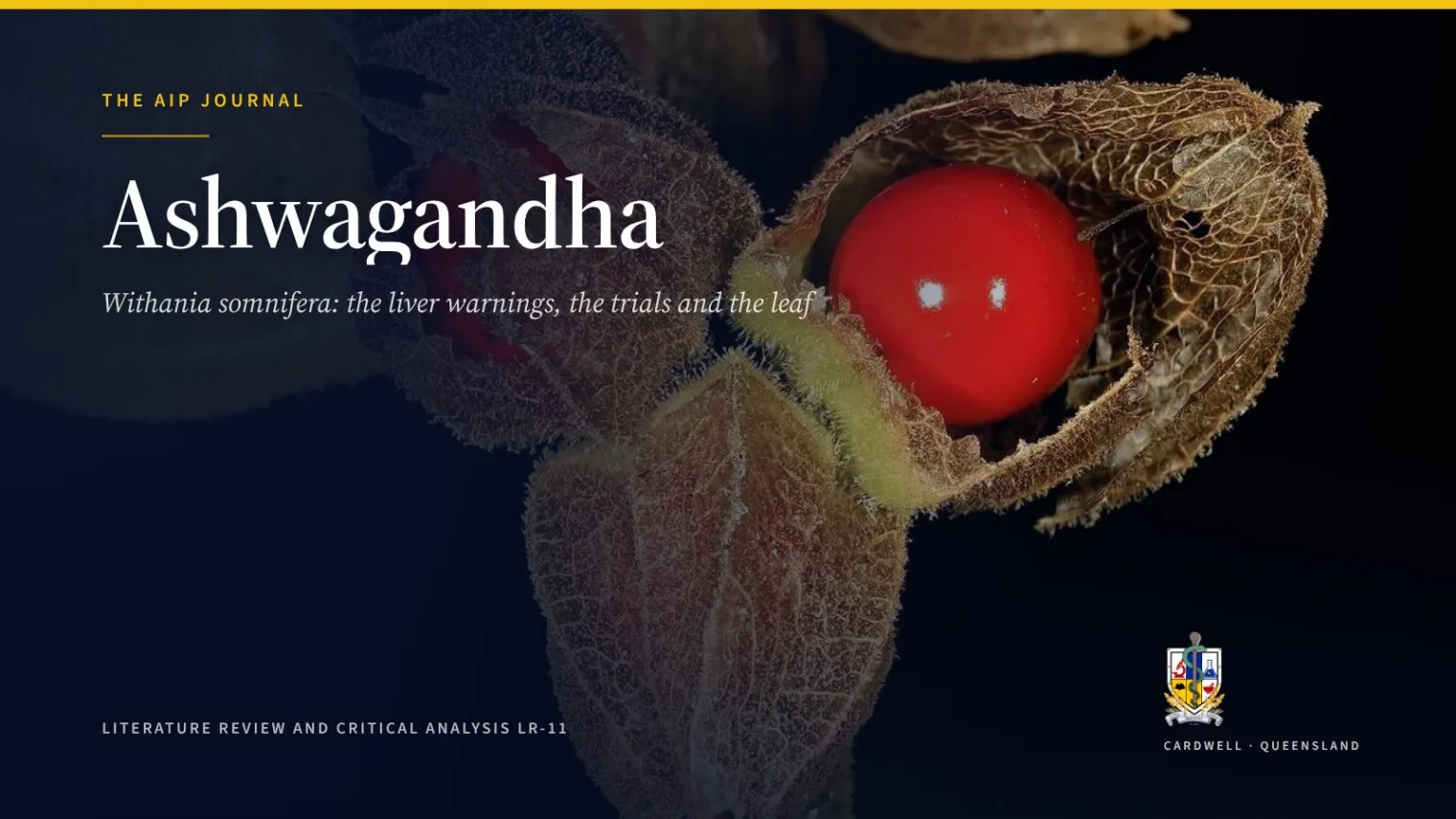
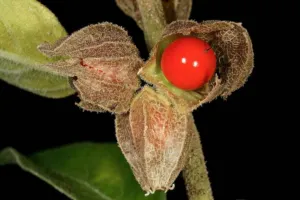
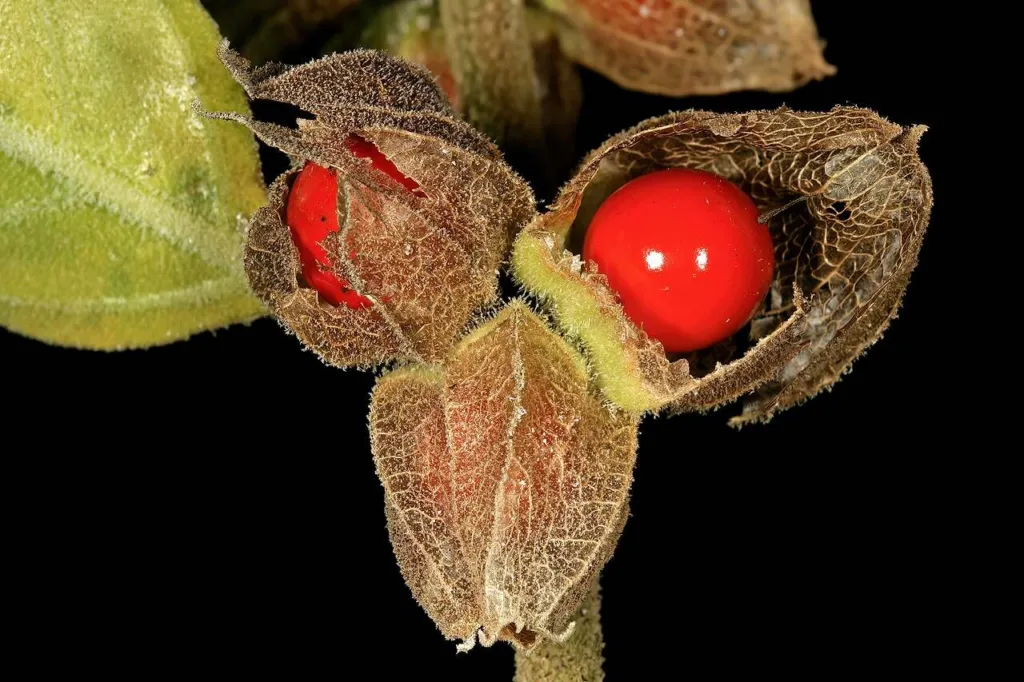
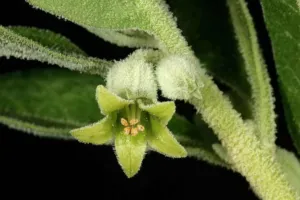
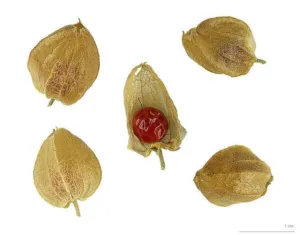
Cover: ripe fruit of Withania somnifera, Manie van der Schijff Botanical Garden, Pretoria. Photo: SAplants · CC BY-SA 4.0 · Wikimedia Commons
Two of the Australians whose liver injuries the TGA links to withania were taking a product bought legally from an Australian shelf, and both needed hospital care. Attested The same regulator says the risk is very rare, the herb stays on the permitted list, and not one of the 46 single-ingredient withania medicines listed for sale here carries a word about the liver. Attested
This is LR-11 in the Australian Institute of Pharmacognosy’s series of literature reviews and critical analyses. It reads Withania somnifera (L.) Dunal from the regulator’s documents outward: what the TGA said in 2024 and 2026 and what it did not, the plant and the part that is the medicine, the withanolide chemistry and why leaf differs from root, the stress and sleep trials and who paid for them, the testosterone, weight and “cortisol face” claims, the published liver injury cases, the other safety questions and interactions, the Australian law read from the instruments themselves, a one-by-one reading of the 46 Australian single-ingredient products, and what to do if something goes wrong.
This article is educational. It is not medical, legal or regulatory advice, it is not an advertisement, and nothing in it is a recommendation to buy or take ashwagandha or any product containing it. No product or sponsor is named. The Institute has no commercial interest in any withania product and no relationship with any sponsor of one.
1. Know the eight warning signs. The TGA says to stop a withania product at once and get medical advice if you notice yellowing of the skin or eyes, dark urine, nausea, vomiting, unusual tiredness, weakness, stomach or abdominal pain, or loss of appetite (TGA safety alert, 07/07/2026). Attested Itch often came with the jaundice in the published liver cases. Stop the product and have liver blood tests done without delay; take the pack with you.
2. Do not take it with liver disease. The TGA advises anyone who has or has had liver problems to avoid withania (TGA safety advisory, 22/02/2024). Attested The three published deaths were all in people who already had cirrhosis (PMID 37756041). Evidence suggests Count fatty liver disease and heavy drinking as liver problems for this purpose. Mechanism
3. Sudden vomiting or diarrhoea after the first dose or two is a recognised reaction that has put people in hospital. Stop the product (TGA safety advisory, 22/02/2024). Attested
4. Pregnancy and breastfeeding. Australian law requires a pregnancy warning on many withania products, and European regulators advise against it in pregnancy and breastfeeding. There is almost no human safety data. Avoid it. Attested
5. Thyroid, sedatives, immunity. Withania tends to raise thyroid hormone and has been linked to cases of thyrotoxicosis. It adds to sedation. It may stimulate immune activity. It is a poor match for anyone with an overactive thyroid or on thyroid medicine, anyone on sleeping tablets, benzodiazepines, opioids or alcohol, and anyone with an autoimmune disease, a transplant or on immunosuppressants. Mechanism
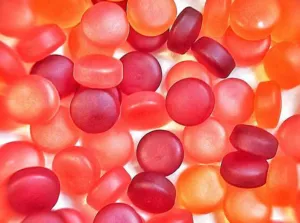
Children. Only one small, short trial has enrolled children, and nine of the single-ingredient products listed here are gummy pastilles that look like lollies. Keep them out of reach, and call the Poisons Information Centre on 13 11 26 if a child eats some. Mechanism
6. Imports are outside Australian quality control. Some Australian liver reports involved products bought online from overseas. An AUST L number on the pack shows the product is on the Australian register (TGA Medicine Safety Update, 07/07/2026). Attested
Emergency: call Triple Zero (000). For a suspected poisoning or overdose, call the Poisons Information Centre on 13 11 26 (24 hours, Australia-wide). Report suspected side effects to the TGA (TGA, reporting adverse events for consumers). Before taking any botanical drug, consult a degree-qualified herbalist with competencies and adequate training in pharmacognosy.
| Botanical name | Withania somnifera (L.) Dunal, Solanaceae (the nightshade family); first named Physalis somnifera by Linnaeus in 1753 Attested §2 |
| Common names | Ashwagandha, withania, Indian ginseng, winter cherry, poison gooseberry. Unrelated to true ginseng Attested §2 |
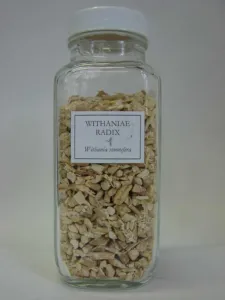
| The drug | The dried root, usually as an extract. The leaf is a chemically different material with separate traditional uses Confirmed §3 |
| In Australia | Naturalised in South Australia and New South Wales. No Queensland records. Commercial supply is imported Attested §4 |
| Tradition | An Ayurvedic rasayana, a rejuvenating tonic for strength, vigour, sleep and memory. Evidence of practice Traditional §5 |
| Chemistry | Withanolides, C28 steroidal lactones. Withaferin A: 1.05 to 1.2 mg/g in leaf against 0.002 to 0.33 mg/g in root Confirmed §6 |
| Pharmacology | Lowers morning cortisol, nudges thyroxine and testosterone up in trials. Mechanisms proposed, none proven in people Evidence suggests §7 |
| Stress and anxiety | Small positive trials, mostly Indian and mostly industry-supplied. The Perth trial missed its primary stress outcome Evidence suggests §8 |
| Sleep | Five trials, 400 people: a small effect (SMD −0.59), larger in diagnosed insomnia Evidence suggests §8 |
| TikTok claims | Testosterone: small rises in healthy men. Weight: two trials of one extract, unreplicated. “Cortisol face”: no evidence Evidence suggests §9 |
| Liver, published | 25 cases to 2025. Mostly cholestatic, usually reversible. Three deaths, all with cirrhosis; one transplant Evidence suggests §10 |
| Liver, Australia | TGA: 11 possible cases; 6 without another likely cause; 4 of those from listed products, 2 of them hospitalised Attested §1 |
| Gut | Sudden severe vomiting and diarrhoea; 16 hospitalisations in TGA reports to early 2024 Attested §11 |
| Avoid if | Liver disease, pregnancy or breastfeeding, overactive thyroid, sedatives, autoimmune disease or immunosuppressants Mechanism §11 |
| The law | Permitted ingredient, item 5218. No dose limit. Pregnancy warning required unless root extract in water, ethanol or methanol at ≤12 g root a day Attested §12 |
| The register | 405 active ARTG entries, all listed or export-only. None registered, none assessed for efficacy Attested §12 |
| The 46 products | 9 contain leaf or whole plant. None declares a withanolide content on its summary. None carries a liver warning Attested §12 |
| Poisons Standard | No entry. Not a controlled drug Attested §12 |
| Quality | In a US survey, 2 of 25 products could be confirmed as root-only. No Australian survey exists Evidence suggests §13 |
| If something goes wrong | Stop, get liver tests, report to the TGA. Emergency 000; Poisons Information Centre 13 11 26 Attested §14 |
- Confirmed Established in humans by trial, or an unambiguous analytical, chemical or mathematical fact.
- Evidence suggests Real published data, but preclinical, observational, small, case-based or not yet independently replicated.
- Mechanism A plausible mechanistic or pharmacological inference about how something works, short of a measured outcome.
- Traditional Historical or ethnobotanical use. Evidence of practice. Efficacy is a separate question.
- Attested A documentary fact attested in a named record: a legislative instrument, a regulator’s publication, the ARTG, a taxonomic index or a database. It states what the record says.
- Unsourced A statement the Institute could not trace to a source it was able to open and read. It is left in because it is useful context, and flagged so no reader mistakes it for a sourced claim.
Every PubMed ID (PMID) below links to its record and was checked against PubMed on 29/09/2026, and every paper cited by PMID was read in full text. Papers the Institute could not open in full were queued through its library and are not cited. Every compound was checked against PubChem and is linked by CID. Every Australian regulatory statement was read from the regulator’s or the legislature’s own document on or after 28/09/2026. Overseas regulatory material is labelled as overseas and does not govern Australian law.
What the TGA said. Withania can, very rarely, injure the liver. The TGA has eleven possible Australian cases on file; in six no other ingredient was a likely cause, four of those involved products on the Australian register, and two of the four needed hospital care. The four most recent all resolved on stopping. It also warns of sudden severe vomiting and diarrhoea. It has not changed the rules, added a label warning or proposed removal. Attested
What it does. In small, short trials, mostly run in India on extracts supplied by their makers, the root extract modestly eases perceived stress, anxiety symptoms and poor sleep, and lowers morning cortisol. The one Australian trial, in Perth, missed its main stress outcome. Evidence suggests The testosterone rises are small and within the normal range; the weight-loss result is unreplicated; “cortisol face” has no evidence behind it at all. Evidence suggests
Why the trials cannot settle the safety question. Every trial ever run, pooled, is too small to see a reaction affecting one person in ten thousand. That job belongs to case reports and to people reporting side effects to the TGA. Confirmed
The bit that surprised us. Australian law already treats the leaf differently from the root: item 5218 of the Permissible Ingredients Determination requires a pregnancy warning on anything other than a water, ethanol or methanol root extract at up to 12 g of root a day. Nine of the 46 single-ingredient products listed here contain leaf or whole plant. Of the sixteen whose public summaries show a feature that calls for the warning, eight record it. None of the 46 mentions the liver. Attested
Before taking it. Skip it if you have liver disease, are pregnant or breastfeeding, have an overactive thyroid, or take sedatives or immunosuppressants. Otherwise, consult a degree-qualified herbalist with competencies and adequate training in pharmacognosy, and learn the eight warning signs.
 Chapter 1What the TGA said
 Chapter 2The name
 Chapter 3Botany and the drug
 Chapter 4Range and Australia
 Chapter 5Traditional use
 Chapter 6Phytochemistry
 Chapter 7Pharmacology
 Chapter 8Stress, anxiety, sleep
 Chapter 9The TikTok claims
 Chapter 10The liver cases
 Chapter 11Other safety and interactions
 Chapter 12Australian law
 Chapter 13Root, leaf and quality
 Chapter 14Warning signs and reporting
 Chapter 15Discussion and research agenda
1. What the TGA actually said
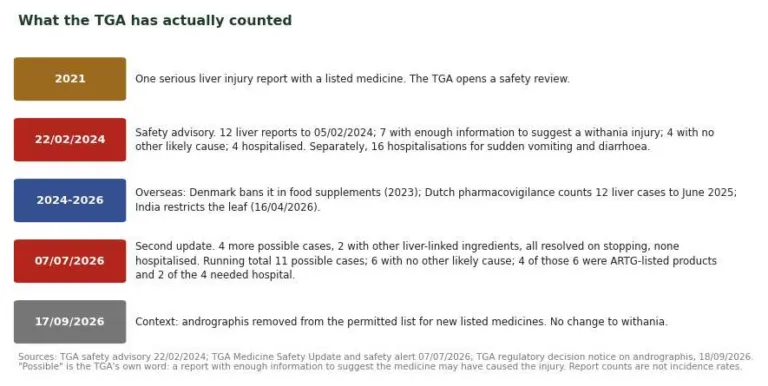
Two documents carry the whole Australian story, and both are short enough to read in ten minutes. The first is the Therapeutic Goods Administration’s safety advisory of 22 February 2024 (TGA safety advisory, 22/02/2024). The second is the Medicine Safety Update and matching consumer alert of 7 July 2026 (TGA Medicine Safety Update, 07/07/2026; TGA safety alert, 07/07/2026). Most of what circulates on social media about ashwagandha and the liver is a paraphrase of a paraphrase of these two pages, so the numbers are worth setting down exactly as the regulator wrote them.
The 2024 advisory
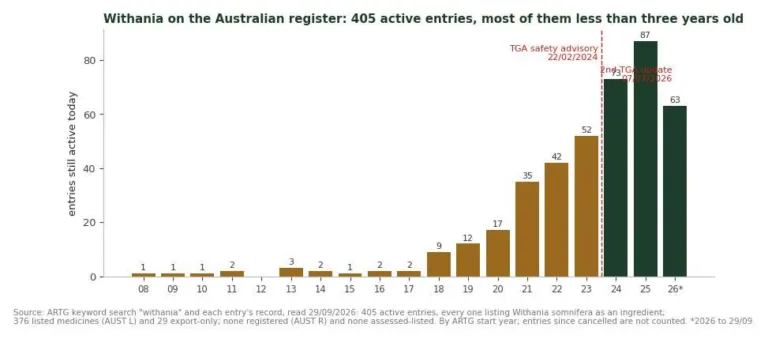
The TGA opened a safety review after a single report, in 2021, of serious liver injury in someone taking a listed medicine that contained withania (TGA Medicine Safety Update, 07/07/2026). Attested By 5 February 2024 it had received 12 reports of liver problems in people taking withania products. Seven carried enough information to suggest the herb may have caused a liver injury. In four of those seven there was no other ingredient likely to have contributed; the other three involved further products or ingredients that might have. Most people recovered after stopping, some needed medical treatment, and four were admitted to hospital (TGA safety advisory, 22/02/2024). Attested
The same advisory carried a second warning that has had far less attention. The TGA was monitoring reports of sudden, severe nausea, vomiting and diarrhoea, sometimes after a single dose, sometimes first put down to food poisoning. Those reactions resolved on stopping, but sixteen were severe enough for hospital admission (TGA safety advisory, 22/02/2024). Attested Its advice to consumers was to stop the product at once and get medical advice if any of eight symptoms appeared: yellow skin or eyes, dark urine, nausea, vomiting, unusual tiredness, weakness, abdominal pain or loss of appetite. People with current or past liver problems were told to avoid withania altogether. Attested
The 2026 update
Between the advisory and July 2026, four more reports came in with enough information to suggest a possible withania liver injury. In two of them other ingredients linked to liver injury were also present. All four resolved when the medicine was stopped and none reported a hospital admission (TGA Medicine Safety Update, 07/07/2026). Attested That is the source of the line now repeated everywhere, that the Australian cases “all resolved on stopping”. It is accurate for those four. It is not the whole Australian record.
The running total is eleven possible liver injury cases. In six of the eleven no other ingredient was considered a likely contributor. Four of those six involved a medicine listed on the Australian Register of Therapeutic Goods (ARTG), and two of those four needed hospital care (TGA Medicine Safety Update, 07/07/2026). Attested So the Australian record contains hospital admissions for liver injury from products bought legally on Australian shelves, alongside some reports that involved products bought online from overseas. No Australian death or liver transplant has been reported to the TGA (TGA Medicine Safety Update, 07/07/2026). Attested
The international picture in the same document is harder reading. The TGA is aware of at least four published case reports of liver failure, one of which ended in transplantation, and of three deaths in India among patients with acute-on-chronic liver failure who had taken single-ingredient withania preparations (TGA Medicine Safety Update, 07/07/2026). Attested It cites the Netherlands Pharmacovigilance Centre Lareb, whose alerts of September 2023 and July 2025 counted twelve Dutch liver cases up to June 2025, with onset anywhere from six weeks to twenty-two months after starting (TGA Medicine Safety Update, 07/07/2026). Attested That is overseas surveillance and it does not govern anything in Australia, but it is the same molecule in the same kind of capsule.
What the TGA did not say
It did not propose removing withania from the list of ingredients permitted in listed medicines, it did not add a liver warning to labels, and it did not open a consultation. Its stated position is that the risk appears to be very rare, that there is a potential for liver injury, and that it will keep assessing the evidence and decide on its weight whether any regulatory action is needed (TGA Medicine Safety Update, 07/07/2026). Attested The 2024 advisory named the kinds of action on the table if the evidence firmed up: warning statements on labels, or other changes to the requirements for ingredients in listed medicines (TGA safety advisory, 22/02/2024). Attested A search of the TGA site on 29/09/2026 found no withania consultation open. Attested
The 2026 update also flags one line of inquiry worth watching. The TGA notes that India has recently banned the use of withania leaf, citing a food-regulator advisory of 16 April 2026, while the root remains permitted within prescribed limits, and it says it is itself “considering available evidence on the role of different plant parts” in liver injury and in the gut reactions (TGA Medicine Safety Update, 07/07/2026). Attested Chapters 6 and 13 explain why the leaf question matters.
Why andrographis has people asking
On 17 September 2026 the TGA removed Andrographis paniculata from the Permissible Ingredients Determination, so no new listed medicine containing it can enter the ARTG. The stated reason was that the risk of severe allergic reactions, including anaphylaxis and a fatal case reported in June 2024, could not be adequately managed within the listed medicines pathway (TGA decision notice on andrographis, 18/09/2026). Attested The Institute reviewed that herb earlier in this series, in our andrographis review. The two situations share a shape: a popular listed ingredient, a rare serious reaction, and years of reports. They differ in the numbers and in the nature of the harm. Andrographis carried a mandatory anaphylaxis warning from 2020 and still generated what the TGA called a sustained high number of anaphylaxis reports (TGA decision notice on andrographis, 18/09/2026). Attested Withania carries no liver warning at all, and its report count, while real, is in single figures for the cases the TGA regards as most likely to be withania alone. Whether withania follows andrographis is not something the public record answers. What the record does show is that the TGA has already used the removal power once this month, after a safety review and a public consultation (TGA decision notice on andrographis, 18/09/2026). Mechanism
2. The name, and what the name tells you
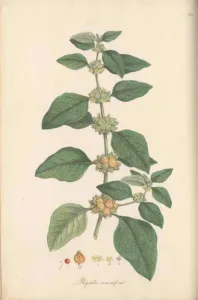
The accepted name is Withania somnifera (L.) Dunal, family Solanaceae. Linnaeus described it as Physalis somnifera in Species Plantarum in 1753, and the French botanist Michel Félix Dunal moved it to Withania in de Candolle’s Prodromus, volume 13, part 1, page 453, in 1852 (IPNI 821709-1). Attested The Linnaean placement in Physalis, the genus of the cape gooseberry, was a fair first reading: both plants wrap a small round berry in a papery lantern made from the enlarged calyx.
The epithet somnifera is Latin for “sleep-bringing”. Attested The Sanskrit name, aśvagandhā, is usually glossed as “smell of a horse”, explained both by the odour of the fresh root and by a belief that the root gives the strength of a horse (PMID 23439798). Traditional English has added “Indian ginseng”, a comparison with Panax that dates from the root’s reputation as a restorative (PMID 19633611), “winter cherry” and “poison gooseberry” (PMID 34254920). Attested “Indian ginseng” is a marketing convenience. The two plants are unrelated: Panax belongs to the ivy family, Araliaceae, and its main active compounds, the ginsenosides, are triterpene saponins, a different chemical class from the withanolides. Confirmed
Australian regulation uses the binomial. The Permissible Ingredients Determination lists it as WITHANIA SOMNIFERA (Permissible Ingredients Determination, item 5218), and ARTG entries name it as “Withania somnifera” followed by the plant part and the preparation. Attested “Ashwagandha” on the front of a pack and “withania” on the back are the same plant. Anyone checking a product for this herb should look for both words, because a multi-ingredient sleep or stress product may name it only in the ingredient panel.
3. Botany, and the part that is the medicine
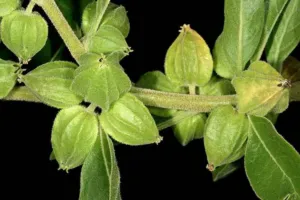
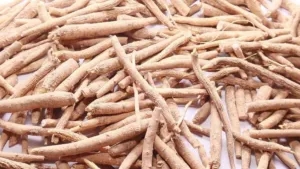
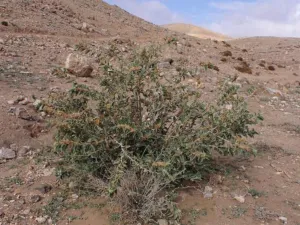
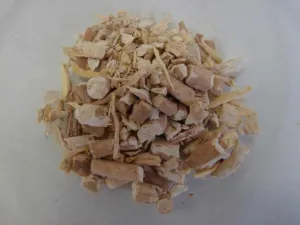
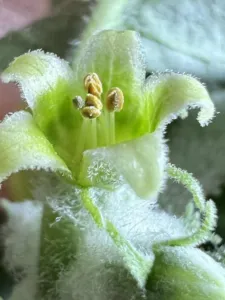
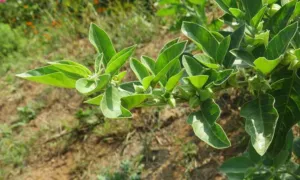
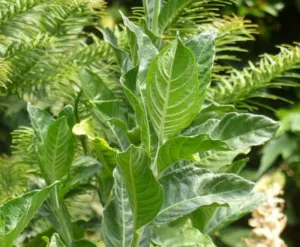
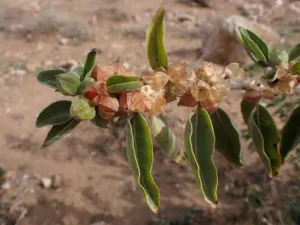
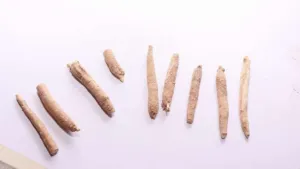
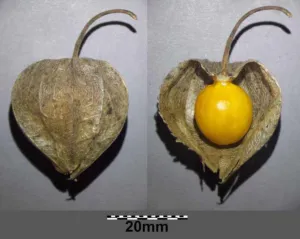
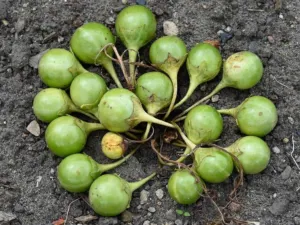
Withania is a small, softly hairy shrub, usually under a metre and a half, with grey-green, broadly oval leaves arranged alternately along the stems. The flowers are small, greenish-yellow bells tucked in clusters in the leaf axils. After flowering the calyx swells into a papery, veined lantern that encloses a single red berry about the size of a pea. Attested The root is a stout, pale, tapering taproot, and the dried drug is sold as buff-coloured pieces or as a fine off-white powder. Confirmed
Pharmacognosy asks a plain question of every herbal medicine: which part is the drug? For withania the classical answer is the root. The Ayurvedic rasayana use rests on the root, and most of the clinical trials summarised in chapter 8 used root extracts (PMID 34254920). Attested The leaf has its own separate traditional uses, as a bitter and in fever (PMID 19633611). Traditional That distinction matters more than it sounds, because leaf and root are chemically different materials (chapter 6), and because Australian law already treats them differently for one purpose (chapter 12).
The genus has a second medicinal species, Withania coagulans, common from Iran to Afghanistan and eastern India, whose fruit curdles milk and is used in folk medicine (PMID 19633611). Traditional The two are easily confused in the dried trade, and the Mississippi analysts who tested withania supplements verified their reference material by morphology partly to exclude allied species (PMID 41386716). Attested The Institute could not read the DNA-barcoding studies of market samples in full and makes no claim about how often one is sold as the other.
4. Where it grows, and its status in Australia
Withania is a plant of dry, warm country. The genus ranges from the Canary Islands, the Mediterranean and northern Africa to south-west Asia (PMID 19633611). Attested India alone grows it on more than 4,000 hectares in its drier states (PMID 19633611), and it is described as a xerophyte that grows abundantly in Africa, the Mediterranean, Sri Lanka, Pakistan and India (PMID 33489024). Attested Herbarium sheets in the Australian Virtual Herbarium include specimens collected in Algeria in 1832 and at the Cape in 1833, now held in Melbourne (Atlas of Living Australia). Attested
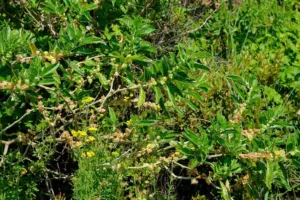
It is also an Australian plant, in a small way. The Australian Plant Census records Withania somnifera as naturalised in South Australia and New South Wales (Australian Plant Census). Attested The Atlas of Living Australia held 250 occurrence records under the name on 29/09/2026, of which 151 were in South Australia, 49 in New South Wales and 4 in Western Australia, with the rest from overseas herbarium material. There were no Queensland records (Atlas of Living Australia). Attested The Institute did not search every state and territory declared-weed list for this review and makes no claim about its status under state biosecurity law. It is not a plant anyone in Cardwell is likely to meet in the wild; the wet tropics are the wrong climate for it. Mechanism
None of the Australian commercial supply appears to come from that naturalised population. Every ARTG entry the Institute read names an imported extract or powder, and Australian products are made from material grown and processed overseas, principally in India. Unsourced The ARTG does not record country of origin in its public summaries, so this statement is left marked unsourced.
5. Traditional and historical use
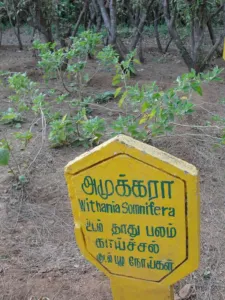
In Ayurveda the root is a rasayana, a rejuvenating tonic meant to restore and sustain the body’s tissues, and it is used to promote vigour, strength, endurance and memory, as an aphrodisiac, and in the debility of old age (PMID 34254920; PMID 19633611). Traditional It is also given for sleeplessness and nervous exhaustion, which is the use the Latin epithet records. Traditional Tallon and colleagues trace its cultivation and use in India, Pakistan, Sri Lanka and China to a very old date, and describe the traditional preparation as an aqueous extract, often with milk or ghee (PMID 40887707). Traditional
Australian regulation gives that tradition a formal place. Listed medicines may carry indications phrased as “traditionally used in Ayurvedic medicine to” followed by an approved action, and many withania products do. Of the 42 single-ingredient domestic withania medicines whose public summaries list permitted indications, twelve carry only traditional-use indications, among them “rasayan/rejuvenative tonic” and “balance aggravated Vata” (ARTG public summaries). Attested Where Ayurvedic terminology appears on a label, the indication requirements attach a statement directing the reader to an Ayurvedic practitioner or health professional if unsure (ARTG public summaries). Attested
A traditional indication records what a medical system has done with a plant. It is evidence of practice. It says nothing about whether a 300 mg capsule of a concentrated extract, swallowed daily for months by someone who has never seen the plant, does what the tradition claimed for a milk decoction of the root. Traditional Two more gaps sit between the tradition and the shelf. Classical use was prescribed and supervised by a practitioner who assessed the person first. And traditional use of the root is a weak guide to the safety of products that contain leaf, which the tradition used for different purposes.
The tradition also carries a warning that has travelled a long way. Several European and Dutch regulators cited traditional use of withania as an abortifacient when advising against it in pregnancy (PMID 41420287). Attested Tallon and colleagues followed that claim back through the World Health Organization monograph to its sources and concluded that the secondary literature had repeated it without primary evidence, a pattern they call citation distortion. They found only two ethnobotanical papers of any weight (PMID 40887707). Evidence suggests Both sides of that argument are traditional-use evidence. Neither amounts to a human safety study in pregnancy, and chapter 11 deals with what little of that exists.
6. Phytochemistry
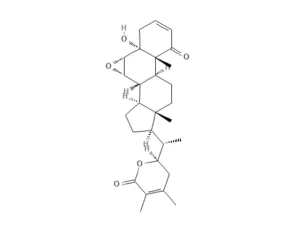
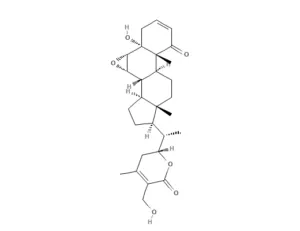
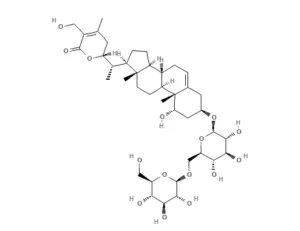
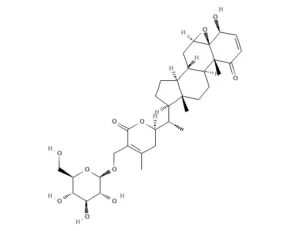
The chemistry that defines this plant is a family of steroidal lactones called withanolides. They are 28-carbon steroidal lactones built on an ergostane skeleton, with the side chain closed into a six-membered lactone ring, and by 2009 some forty withanolides, a dozen alkaloids and several sitoindosides had been isolated from the roots, leaves and berries of Withania species (PMID 19633611). Confirmed Their concentration usually runs from 0.001 to 0.5% of the dry weight of the plant (PMID 19633611). Attested Several share the same molecular formula, C28H38O6, and differ only in where the oxygens sit and how the rings are arranged (CID 265237; CID 11294368; CID 21679027). Confirmed That is why analysing them properly takes chromatography and mass spectrometry, and why a label figure such as “5% withanolides” depends heavily on the method used to measure it.
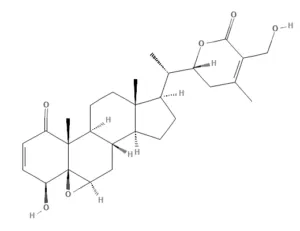
C28H38O6 · the most studied withanolide; 3 to several hundred times richer in leaf than root
PubChem CID 265237 · structure image: PubChem, public domain
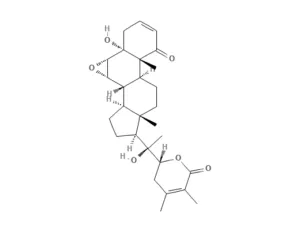
C28H38O6 · the root withanolide most linked to the nervous-system claims
PubChem CID 11294368 · structure image: PubChem, public domain
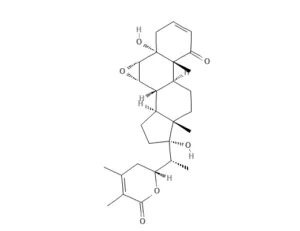
C28H38O6 · same formula, different oxygen positions
PubChem CID 21679027 · structure image: PubChem, public domain
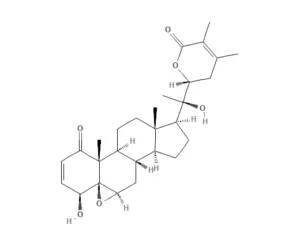
C28H38O6 · a third isomer of the same formula
PubChem CID 161671 · structure image: PubChem, public domain
C28H38O5 · one oxygen fewer
PubChem CID 14236711 · structure image: PubChem, public domain
C28H38O6 · measured in human plasma after oral dosing
PubChem CID 44576309 · structure image: PubChem, public domain
C40H62O15 · a glycoside; one of the three pharmacopoeial markers
PubChem CID 71312551 · structure image: PubChem, public domain
C34H48O11 · a glucose-bearing withanolide of the root
PubChem CID 189586 · structure image: PubChem, public domain
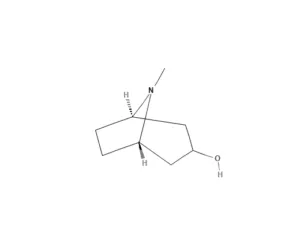
C8H15NO · the alcohol half of atropine; present in the root, atropine itself is not
PubChem CID 449293 · structure image: PubChem, public domain
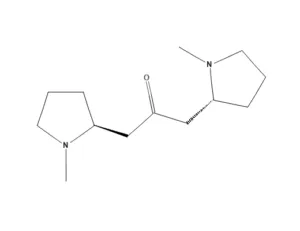
C13H24N2O · a pyrrolidine alkaloid of the root
PubChem CID 1201543 · structure image: PubChem, public domain
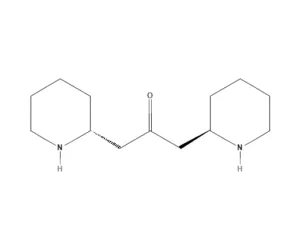
C13H24N2O · a piperidine alkaloid first described from this plant
PubChem CID 443143 · structure image: PubChem, public domain
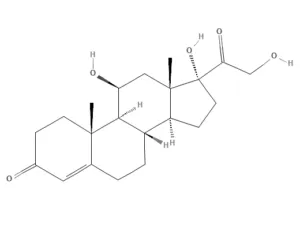
C21H30O5 · the stress hormone that falls in most trials
PubChem CID 5754 · structure image: PubChem, public domain
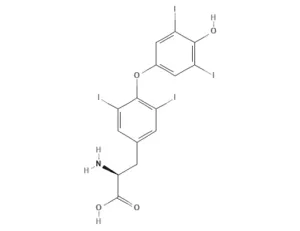
C15H11I4NO4 · thyroid replacement; withania can raise thyroid hormone, so the two may add together
PubChem CID 5819 · structure image: PubChem, public domain
Eight withanolides and glycosides, three of the root alkaloids, and two human hormones the herb acts on. Every CID was checked against PubChem on 29/09/2026; the depictions are PubChem’s own (US National Library of Medicine, public domain).
Withaferin A and withanolide A
Two compounds come up again and again. Withaferin A is the most biologically active withanolide in laboratory work, cytotoxic to many cell lines and the subject of a large cancer-research literature (PMID 19633611). Evidence suggests Withanolide A is the compound most often associated with the root and with the nervous system claims (PMID 34254920). Mechanism The sitoindosides are withanolides carrying a glucose unit, and withanoside IV is another glycoside; these sugar-bound forms count towards the “total withanolides” figure on some extract specifications (PMID 19633611; PMID 23439798). Attested
Leaf and root are different materials
The leaf is much richer in withaferin A. In the most careful recent comparison, five authenticated dried root samples contained 0.002 to 0.33 mg of withaferin A per gram, while three leaf samples contained 1.05 to 1.2 mg per gram by the United States Pharmacopeia method (PMID 41386716). Confirmed The leaf also carries dihydrowithaferin sulfate, which the authors used as a marker of undeclared aerial parts in finished products (PMID 41386716). Confirmed Nobody has shown that withaferin A causes the liver injury, and chapter 10 explains why the evidence cannot yet say. It is the reason the plant-part question is now on the TGA’s desk.
Alkaloids and the nightshade question
Withania belongs to the nightshade family, and people reasonably ask whether it contains the tropane alkaloids that make deadly nightshade and datura dangerous. The root does contain alkaloids, among them tropine, pseudotropine, a tigloyl ester of tropine, cuscohygrine and anaferine, at a total of 0.13 to 0.31% in Indian roots (PMID 19633611; PMID 40968393). Attested Tropine is the alcohol half of the atropine molecule. Neither atropine nor hyoscine is on the list, and the Institute found no report of anticholinergic poisoning from withania. Evidence suggests The better-known toxic compounds of the family, solanine in green potatoes and the tropane esters in datura, are not what this plant is known for. The family link is a reason for care in allergy to other nightshades and not much more. Mechanism
7. Pharmacology: what the extract does in the body
The stress axis
The most consistent finding across the human trials is a fall in morning serum cortisol, the main output of the hypothalamic-pituitary-adrenal axis (PMID 32021735; PMID 31517876; PMID 42198398). Evidence suggests Speers and colleagues, reviewing the animal and human literature, proposed that withania acts on stress through that axis and the sympathetic-adrenal axis, and on anxiety and sleep through GABA and serotonin signalling (PMID 34254920). Mechanism Those are plausible routes. None of them has been shown to be the route in a human being, and the same review notes evidence that some active compounds have not yet been identified (PMID 34254920). Mechanism
Hormones
Vollmer and Brendler reviewed the hormone data in 2026 and concluded that withania appears to raise thyroid hormones in people with underactive thyroid, to raise testosterone within the normal range, and to lower cortisol, acting on the hypothalamic-pituitary-gland axes (PMID 41454558). Evidence suggests Their review also records a case in which a British root-extract supplement was associated with a blunted adrenal response on a Synacthen test (PMID 41454558). Evidence suggests A herb that lowers cortisol and raises thyroxine is doing endocrine work, and endocrine work cuts both ways, which is where the thyroid cautions in chapter 11 come from. Mechanism
Absorption and blood levels
Human pharmacokinetic data are thin. A 2024 review found four human studies that measured withanolides in plasma, with peak concentrations between 0.1 and 49.5 ng/mL depending on the compound, the product and the dose (PMID 39599622). Attested In rodents the half-life of withaferin A ranged from under an hour to about seven and a half hours across studies (PMID 39599622). Attested A 2026 study detected withanolides in human urine after an oral dose (PMID 42353009). Evidence suggests Nobody yet knows which compounds reach the liver in what amounts after months of daily use, which is the question the liver injury literature most needs answered.
Drug-metabolising enzymes
In human liver microsomes, an aqueous withania extract did not inhibit CYP3A4, CYP2C8 or CYP2D6 at concentrations derived from the maximum human dose (PMID 36313313). Evidence suggests That is reassuring for the commonest route of drug metabolism, and it is a test-tube result from one extract. The leaf, which is chemically different, has not been tested the same way in anything the Institute could read in full. Attested The interactions that matter clinically for withania come from what it does to the body, sedation, thyroid hormone and immunity, and much less from blocking enzymes. Mechanism
8. Clinical evidence: stress, anxiety and sleep
This is the part of the story where ashwagandha has the best case, and it is still a modest one. The trials are real, randomised and placebo-controlled. Most are also small, short, run in India, and built on one of a handful of branded extracts, most of them root-only, supplied by the company that sells them.
Stress and anxiety
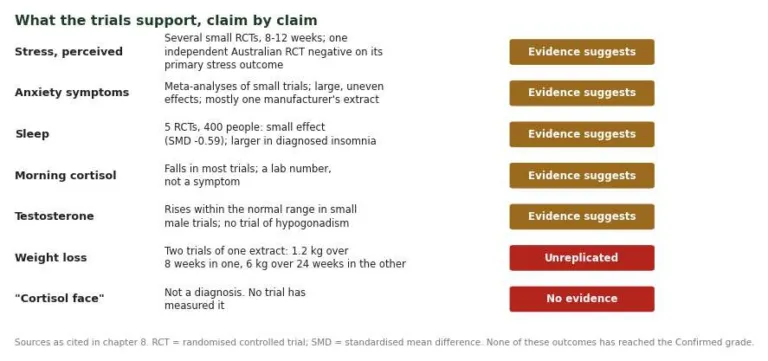
The trial usually cited first enrolled 64 stressed adults in India and gave 300 mg of a root extract standardised to at least 5% withanolides twice daily for 60 days; the extract was provided by its manufacturer (PMID 23439798). Evidence suggests A 2019 trial of 60 stressed adults in India found reductions on the Perceived Stress Scale and in serum cortisol at both 250 and 600 mg a day of the same brand of extract, gifted by the manufacturer (PMID 32021735). Evidence suggests A second 2019 trial, of 60 adults given 240 mg a day of a different extract (Shoden, which is made from root and leaf (PMID 42353009)) for 60 days, found a significant fall in the Hamilton Anxiety Rating Scale but only a near-significant fall on the Depression Anxiety Stress Scales (p = 0.096); it was funded by that extract’s manufacturer (PMID 31517876). Evidence suggests
The most useful single trial for an Australian reader is the one run in Perth. Smith, Lopresti and Fairchild randomised overweight or mildly obese adults aged 40 to 75 with self-reported stress and fatigue to 200 mg of a root extract twice daily or placebo for twelve weeks, and registered the trial in advance with the Australian New Zealand Clinical Trials Registry. Stress fell in the withania group, and it fell by the same amount in the placebo group: on its primary outcome, the Perceived Stress Scale, the trial was negative (p = 0.867) (PMID 37740662). Evidence suggests Fatigue scores and heart-rate variability improved more on withania. That trial was also industry-funded, and it is the one with the least flattering result.
Pooled analyses reach positive conclusions with heavy qualifications. A 2025 meta-analysis of fourteen trials in people with diagnosed mental disorders, 360 treated and 353 controls, mostly with anxiety disorders, found improvement in anxiety (outlier-corrected standardised mean difference −1.13) and in stress and sleep, with substantial heterogeneity and outlier effects, and no difference from comparators in tolerability (PMID 41140145). Evidence suggests The authors asked for replication in larger samples before any firm conclusion about depression or insomnia. An effect above one standard deviation, pooled from small trials with outliers, is the pattern that small-study bias tends to produce, and it shrinks when larger trials arrive. Mechanism
Sleep
The sleep evidence is the tidiest. Cheah and colleagues pooled five randomised trials with 400 participants and found a small but significant effect on overall sleep, a standardised mean difference of −0.59, larger in people with diagnosed insomnia, at doses of 600 mg a day or more, and over at least eight weeks (PMID 34559859). Evidence suggests All five trials were run in India. In one insomnia trial, sleep onset latency after ten weeks was 29 minutes on withania against 34 minutes on placebo, measured by actigraphy (PMID 31728244). Evidence suggests Five minutes is a measurable difference. Whether it is a noticeable one is for the person lying awake to judge. Readers weighing withania for sleep may find our review of sour jujube seed a useful comparison of a different herb with a similar evidence problem.
Who ran the trials
This is the part of the evidence base that marketing copy leaves out. Of the 23 studies in a 2026 systematic review of standardised root extract in healthy adults, sixteen used the same branded extract (PMID 42198398). Attested Two of that review’s authors had consulted for or received honoraria from companies in the supplement industry, including companies distributing the extract studied (PMID 42198398). Attested Among the trials the Institute read in full, the extract was supplied by its manufacturer or supplier, or the trial was funded by one, in every case where a source was stated (PMID 23439798; PMID 32021735; PMID 31728244; PMID 31517876; PMID 37740662). Attested Industry funding does not make a trial wrong. It does mean the evidence base has never been tested by people with no product to sell, and that the one independent-registry Australian trial is the one that missed its primary outcome.
9. The TikTok claims: testosterone, weight and “cortisol face”
Testosterone
Withania does appear to nudge testosterone upward in men, within the normal range. In a 16-week crossover trial of 57 overweight men aged 40 to 70 with mild fatigue, eight weeks of a withania extract produced a 14.7% greater rise in salivary testosterone and an 18% greater rise in DHEA-S than placebo; fatigue, vigour and sexual well-being did not differ between groups (PMID 30854916). Evidence suggests The Perth trial found rises in free testosterone and luteinising hormone in the men who took withania (PMID 37740662). Evidence suggests An eight-week trial in 57 young men doing resistance training reported larger gains in bench-press strength and a larger rise in serum testosterone on withania (PMID 26609282), and a trial of 50 men with low sexual desire reported higher testosterone and better questionnaire scores (PMID 35873404). Evidence suggests
Those are small, short trials of healthy men. None enrolled men with low testosterone. None measured whether the change mattered to anything a man would notice beyond a questionnaire. Vollmer and Brendler, who read this literature favourably, still note that possible adverse effects of raising testosterone, prostate cancer in men and polycystic ovary syndrome in women among them, remain underexplored (PMID 41454558). Evidence suggests Anyone with a hormone-sensitive condition, and any woman with polycystic ovary syndrome, has reason to be more careful, not less. Mechanism
Weight loss
The weight claim rests on two trials, both of the same manufacturer’s root extract. In the first, 52 adults under chronic stress lost 2.3 kg on withania and 1.1 kg on placebo over eight weeks (PMID 27055824). Evidence suggests In the second, 100 overweight adults were followed for 24 weeks; the withania group lost 8.5 kg and the placebo group 2.4 kg (PMID 41635453). Evidence suggests A six-kilogram difference from a herbal capsule is a large effect for any weight-loss treatment, and it has not been reproduced by any independent group. The Institute treats it as unreplicated until someone without a stake in the extract repeats it. Evidence suggests
“Cortisol face”
The phrase describes a rounded or puffy face that social media attributes to stress hormones and promises to fix with ashwagandha. It is not a medical diagnosis, and no trial has measured it. Unsourced The medical condition in which excess cortisol rounds the face is Cushing’s syndrome, which is uncommon and needs proper investigation. Confirmed Morning cortisol falling by a modest amount in a trial of stressed volunteers is a laboratory finding. It is not evidence that a supplement changes the shape of anyone’s face. Mechanism
10. The liver: what the case literature shows
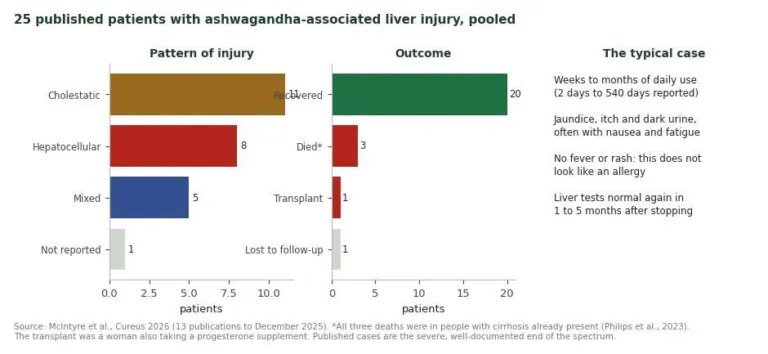
The first detailed case series came in 2020 from Iceland and the United States Drug-Induced Liver Injury Network. Five patients, three men and two women aged 21 to 62, developed jaundice two to twelve weeks after starting withania supplements. The injury was cholestatic or mixed, meaning the flow of bile was affected more than the liver cells were destroyed. Itch and high bilirubin lasted five to twenty weeks. Nobody developed liver failure, and liver tests returned to normal within one to five months in the four who were followed up. Chemical analysis confirmed withania in the products and found no other toxic compound or metal (PMID 31991029). Evidence suggests The three Icelandic cases all came from a single product made by one manufacturer and were identified over seven months, which the authors noted was a relatively high number for Iceland. Attested
The Indian series of 2023 was worse. Philips and colleagues searched the records of three hospitals and found 23 patients with liver injury associated with withania, of whom eight had taken a single-ingredient product with no competing cause. Five of the eight had pre-existing chronic liver disease; three presented with acute-on-chronic liver failure and all three died. Chemical analysis again found only natural plant constituents (PMID 37756041). Evidence suggests Doses in that series ranged from 500 mg to 10 to 15 g a day, depending on the formulation, and one patient took about 20 g a day (PMID 37756041). Attested
By December 2025 the published record held 13 papers describing 25 patients. Pooled, 44% had cholestatic injury, 32% hepatocellular and 20% mixed; 20 recovered, three died (all with cirrhosis), one received a transplant and one was lost to follow-up (PMID 42367407). Evidence suggests The transplant patient was a 41-year-old American woman who had also been taking a progesterone supplement (PMID 42367407). Attested Formal causality scoring, where done, usually rated withania as a probable cause; two further cases reported from Banja Luka in Bosnia and Herzegovina both scored “probable” on the updated RUCAM scale (PMID 37631044). Evidence suggests
How rare is rare?
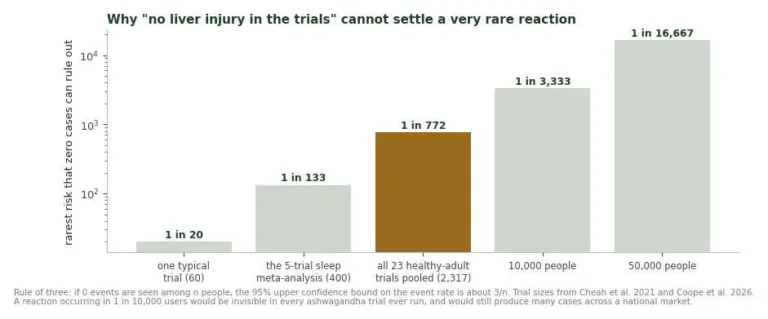
Nobody knows, and the reason is arithmetic. A 2026 systematic review of 23 studies and 2,317 healthy adults taking standardised root extract and found no clinically meaningful change in liver tests and no serious adverse events (PMID 42198398). Evidence suggests A twelve-month observational study of 191 adults found alanine aminotransferase essentially unchanged (PMID 41063394). Evidence suggests Those results are genuine and they are also incapable of detecting a reaction that affects one person in ten thousand. When zero events are seen among n people, the upper 95% confidence limit on the rate is roughly 3/n. Zero in 2,317 rules out only reactions more common than about 1 in 770. Confirmed
Mechanism: idiosyncratic, and not yet explained
Withania does not behave like an intrinsic liver poison. Animal studies at very high doses rarely show liver damage; Williamson and Brendler, reviewing the preclinical record, call the root “an unusually safe herb” when prepared with water or hydroalcoholic solvents (PMID 40968393). Evidence suggests The human cases do not track dose, occur after variable delays, and recur in a pattern of cholestasis without fever or rash (PMID 42367407). Evidence suggests That profile fits an idiosyncratic reaction, one that depends on something about the person, a genetic variant, an immune response or a metabolic quirk, more than on the amount taken. Mechanism Nobody has identified the susceptible group, and no study in people has tested whether leaf-containing products carry more of the risk; a 2026 review reports one laboratory study in which a leaf extract damaged human liver cells and a root extract did not (PMID 42198398). Attested
The Institute reviewed the same pattern for turmeric earlier in this series, in our turmeric and curcumin liver injury review, where a genetic marker has at least been proposed. For withania no such marker has been reported. Attested
11. Other safety questions, interactions, and who should be more careful
The gut
The commonest harm the TGA sees is the one least discussed: sudden, severe vomiting and diarrhoea, occasionally after a single dose, which led to sixteen hospital admissions in the reports it held by early 2024 (TGA safety advisory, 22/02/2024). Attested Mild gastrointestinal upset also appears in trials, at similar rates in the withania and placebo arms (PMID 42198398). Evidence suggests The TGA advises that sudden vomiting or diarrhoea after one or two doses may be an acute reaction and not liver damage, and should settle once the product is stopped (TGA safety advisory, 22/02/2024). Attested
Thyroid
There are published cases of thyrotoxicosis attributed to withania: a 73-year-old woman who took it for two years for hypothyroidism and presented with supraventricular tachycardia and a suppressed TSH, recovering after stopping (PMID 35475098), and a 47-year-old man who developed painless thyroiditis two months after starting it (PMID 38559552). Evidence suggests In a small placebo-controlled trial in bipolar disorder, thyroxine rose in all three withania-treated patients with abnormal thyroid tests (PMID 25624699). Evidence suggests The direction is consistent: withania tends to push thyroid hormone up. For anyone taking levothyroxine (CID 5819) or anti-thyroid medicine, that is a reason to have thyroid function checked, and for anyone with overactive thyroid a reason to avoid it. Mechanism
Pregnancy and breastfeeding
Australian law requires a pregnancy warning on many withania products (chapter 12). Overseas, France’s ANSES advises pregnant and breastfeeding women to avoid it, and the Dutch RIVM advises pregnant women in particular against it (PMID 41420287). Attested Williamson and Brendler found no preclinical evidence that it is unsafe in pregnancy (PMID 40968393), and the review that traced the abortifacient claim found it poorly sourced (PMID 40887707). Evidence suggests The only human data in pregnancy the Institute could read in full is one open-label, 12-week trial of 70 Indian women in the second trimester, about half of whom took 300 mg twice daily alongside standard iron and folate treatment while the rest had the standard treatment alone; it reported no adverse events and no detrimental change in liver, kidney or thyroid tests (PMID 41767760). Evidence suggests About thirty-five exposed women in one unblinded trial, starting after the first trimester, cannot establish safety in pregnancy. There are no human data on breastfeeding. The conservative course is to avoid it in pregnancy and while breastfeeding. Mechanism
Sedatives, alcohol and anaesthesia
Withania is sold for sleep and the trials show a sedative-leaning effect (PMID 34559859). Evidence suggests Combining it with benzodiazepines, sleeping tablets, opioids, sedating antihistamines or alcohol could add to drowsiness. No human interaction study exists. Mechanism The first published case of withania liver injury, cited in the Icelandic paper, was in a young man also taking alprazolam, lorazepam, escitalopram and quetiapine (PMID 31991029). Attested France’s food-safety agency advised people taking sedatives to avoid withania supplements (PMID 41420287). Attested No study has looked at withania and anaesthesia. The surgery caution below rests on that additive-sedation reasoning, and the anaesthetist should be told about any herbal product taken in the weeks before an operation. Mechanism
Immunity, autoimmune disease and transplant medicines
Withania has immune-modulating effects in laboratory and animal work, and the Danish risk assessment named a possible effect on the immune system among its concerns (PMID 41420287; PMID 34254920). Evidence suggests Nobody has studied withania in people with lupus, rheumatoid arthritis, multiple sclerosis or autoimmune thyroid disease, or in people taking tacrolimus, ciclosporin, mycophenolate or other immunosuppressants. Attested A herb that may stimulate immune activity is a poor match for someone whose treatment depends on suppressing it, and in transplant patients the stakes are the graft. Mechanism One Indian patient in the published record relapsed after initial recovery, with mildly positive autoimmune markers that were not diagnostic of autoimmune hepatitis, and needed a course of corticosteroids (PMID 42367407). Evidence suggests
Other medicines
Withania lowered blood glucose and blood pressure in some trials, so people on diabetes or blood pressure medicines may see additive effects. Unsourced The Institute did not find a full-text human study of either interaction and leaves the statement marked unsourced.
Children
One randomised, placebo-controlled trial has enrolled children. Fifty-eight Indian children aged 6 to 12 with mild ADHD took 150 mg of a root extract, or placebo, as a gummy twice daily for 56 days; the extract was a gift from its manufacturer (PMID 42602386). Evidence suggests Liver enzymes, bilirubin, kidney function and blood counts did not change, and no serious adverse events were reported (PMID 42602386). Evidence suggests Twenty-nine children treated for eight weeks cannot show that the herb is safe in childhood, and nothing is known about longer use or about growth and puberty in a herb that shifts thyroid, adrenal and sex hormones in adults. Mechanism The efficacy figures need independent checking before anyone relies on them. The paper reports a standardised effect size (Cohen’s d) of 23.6 for the change in total ADHD score: the treated children improved by 16.8 points with a standard deviation of 0.7, when their baseline scores varied three times as much (PMID 42602386). Attested Children with ADHD do not respond that uniformly to anything, and a result of that kind calls for the raw data before it is relied on. Mechanism The title also refers to adolescents, but every child enrolled was aged 12 or under (PMID 42602386). Attested
The more immediate paediatric risk sits in the pantry. Nine of the 46 single-ingredient withania products listed in Australia are pastilles (ARTG public summaries). Attested Gummies look like lollies. Store them out of a child’s reach and, if a child eats some, call the Poisons Information Centre on 13 11 26. Mechanism
12. Australian regulatory status
Permitted ingredient, no dose limit
Withania is item 5218 in Schedule 1 of the Therapeutic Goods (Permissible Ingredients) Determination (No. 2) 2026, permitted as an active ingredient, an excipient and a homoeopathic ingredient (Permissible Ingredients Determination, item 5218). Attested The TGA itself notes that its use in listed medicines is not subject to any specific restriction on dose, concentration or type of preparation (TGA Medicine Safety Update, 07/07/2026). Attested Every one of the 405 active ARTG entries the Institute found on 29/09/2026 is a listed medicine or an export-only listing. There is no registered (AUST R) withania medicine and no assessed listed (AUST L(A)) one, which means no withania product sold in Australia has had its efficacy evidence evaluated by the TGA before sale (ARTG search, withania; TGA, listed and assessed listed medicines). Attested
The pregnancy warning in item 5218
Item 5218 carries one condition. A medicine containing withania must bear the warning coded WITHANIA, telling pregnant women and women considering pregnancy not to take it without professional advice, unless all four of these hold: the plant part is root; the preparation is an extract; the extraction solvents are only water, ethanol or methanol; and the maximum recommended daily dose contains no more than the equivalent of 12 g of dried root (Permissible Ingredients Determination, item 5218). Attested Leaf, whole plant, powdered root, other solvents or a large daily dose each bring the warning back. The Determination therefore already treats root extracts and everything else as different materials, for pregnancy.
The 46 single-ingredient products, read one by one
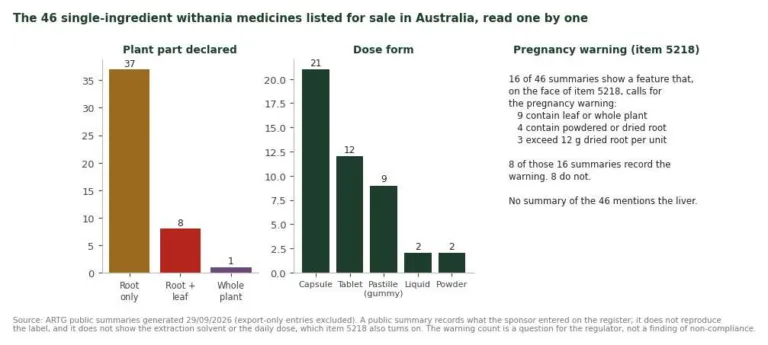
To see what that means on the shelf, the Institute read the ARTG public summary of every active single-ingredient withania medicine listed for supply in Australia, 46 in all once export-only entries are set aside (ARTG public summaries). Attested Thirty-seven declare root only. Eight combine root and leaf extracts, usually in equal amounts, and one is a whole-plant extract. Twenty-one are capsules, twelve tablets, nine pastilles, two liquids and two powders. The declared dried-herb equivalent per ingredient line ranges from 188 mg to 13.5 g, with a median of 3.75 g (ARTG public summaries). Attested None of the 46 declares a withanolide content on its public summary. Attested None of the 46 carries any warning about the liver. Attested
Sixteen of the 46 summaries show a feature that, on the face of item 5218, calls for the WITHANIA warning: nine contain leaf or whole plant, four contain powdered or dried root, and three exceed 12 g of dried root equivalent in a single unit. Eight of those sixteen summaries record the warning, and eight do not (ARTG public summaries). Attested That needs careful reading. A public summary is a record of what the sponsor entered on the register. It does not reproduce the label, and it does not show the extraction solvent or the recommended daily dose, both of which item 5218 turns on. The Institute has not seen the labels and does not suggest that any sponsor is in breach. The ARTG numbers are held on file, and the question belongs with the TGA, which can see what the Institute cannot. Attested
Poisons Standard, ODC and importation
Withania has no entry in the Poisons Standard (June 2026) under any name, and none of its constituents is scheduled (Poisons Standard, June 2026). Attested It is not a controlled drug and the Office of Drug Control has no role in it. Imports of an unlisted withania product for personal use fall under the TGA’s Personal Importation Scheme, which allows up to three months’ supply at the manufacturer’s recommended dose for the importer or immediate family, and no resale (TGA Personal Importation Scheme). Attested The TGA stresses that medicines bought from overseas are not regulated by it for quality, safety or effectiveness, and that some of the Australian liver reports involved such products (TGA Medicine Safety Update, 07/07/2026). Attested An AUST L number on the pack is the one way a shopper can tell that the product is on the Australian register.
Overseas regulators, labelled as overseas
None of what follows applies in Australia; it shows where other regulators have landed on the same evidence. Denmark banned withania in food supplements in 2023 after its national food institute concluded that no safe intake could be set. Sweden allowed the Danish assessment to be applied case by case, Poland capped daily intake at 3 g of powdered root and 10 mg of withanolides, the Dutch RIVM advised consumers and particularly pregnant women against it, France’s ANSES named people who should avoid it, and Germany’s BfR asked for it to be placed under European Union scrutiny (PMID 41420287). Attested India’s own Ministry of Ayush concluded in 2024 that the root shows no intrinsic liver toxicity and is safe to consume, while India’s food regulator advised against use of the leaf in food in April 2026 (TGA Medicine Safety Update, 07/07/2026). Attested The authors of the regulatory review that compiles this record include staff of Complementary Medicines Australia, the Australian complementary medicines industry association, and of Health Canada; they declare no conflicts of interest (PMID 41420287). Attested
13. Quality: root, leaf and the number on the label
Three questions decide what is actually in a withania product: which part of the plant, how it was extracted, and how the result was measured. The label usually answers the first, sometimes the second and rarely the third.
The best independent test of finished products is overseas. Avula and colleagues at the University of Mississippi, funded by the United States Food and Drug Administration, bought 25 supplements sold in the United States as single-ingredient withania and analysed them by both the British and United States pharmacopoeial methods. Only ten met both standards. Only two could be confirmed as root-only; the rest contained varying proportions of leaf or other aerial parts, often undisclosed (PMID 41386716). Evidence suggests Those were American products bought online, and nothing in that paper tells us about Australian ones. The Institute is not aware of any published survey of withania products on the Australian market. Attested
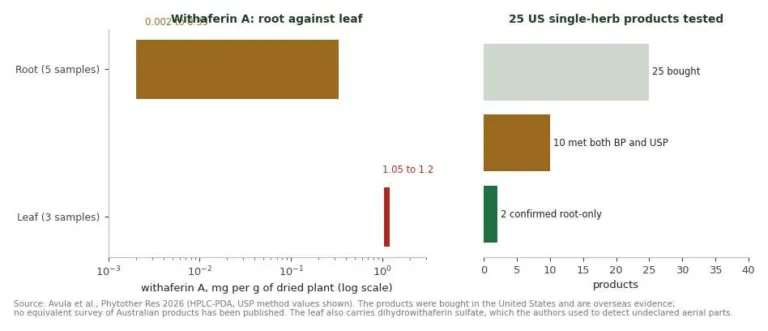
Standardisation claims deserve the same scepticism. “5% withanolides” on one extract and “1.5% withanolides” on another may be measured by different methods that count different compounds, including glycosides, so the percentages cannot simply be compared. Mechanism A root-and-leaf extract can reach a high withanolide figure partly because the leaf is rich in withaferin A, so a higher number is not automatically a better root. Mechanism None of the Australian single-ingredient public summaries declares a withanolide content (ARTG public summaries). Attested
Contamination is the other quality question. Root drugs can carry heavy metals from the soil they grew in, and every product needs testing for them. Mechanism The liver-injury case series that analysed the implicated products found withania constituents and no adulterant or toxic metal (PMID 31991029; PMID 37756041), which points away from contamination as the explanation for those cases. Evidence suggests
14. Spotting liver trouble early, and reporting it
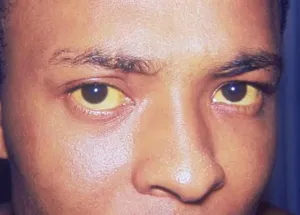
The TGA lists eight symptoms that mean stop the product immediately and get medical advice: yellowing of the skin or the whites of the eyes, dark urine, nausea, vomiting, unusual tiredness, weakness, stomach or abdominal pain, and loss of appetite (TGA safety alert, 07/07/2026). Attested In the published cases, itch commonly accompanied the jaundice (PMID 31991029; PMID 42367407). Evidence suggests Pale stools alongside dark urine point the same way. Symptoms typically began weeks to a few months after starting, and in the Dutch reports up to 22 months (TGA Medicine Safety Update, 07/07/2026). Attested Months of uneventful use is no guarantee.
What to do is simple. Stop the product. Have a medical assessment with liver blood tests without delay, and take the product, or a photograph of its label and AUST L number, with you so that whoever assesses you knows exactly what was taken. Recovery is slow: in the Icelandic and American series, itch and high bilirubin lasted five to twenty weeks and liver tests took one to five months to return to normal after stopping (PMID 31991029). Evidence suggests Severe symptoms, confusion, vomiting blood or collapse are an emergency: call Triple Zero (000). For advice on a possible poisoning or overdose, the Poisons Information Centre is on 13 11 26, at any hour.
Then report it. Anyone, consumer or health professional, can report a suspected side effect directly to the TGA online through its adverse event reporting page for consumers (TGA, reporting adverse events for consumers). Attested The TGA says its ability to detect these problems depends on reports, and that just under half of the eleven withania liver reports came from health professionals (TGA Medicine Safety Update, 07/07/2026). Attested Every report adds to the only data set that can see a one-in-ten-thousand reaction.
Discussion: conclusions, hypotheses and research still required
What the evidence supports
Withania extracts, most of them root-only, have modest evidence of benefit for perceived stress, anxiety symptoms and sleep, from small, short, mostly industry-supplied trials run largely in India; the best independent-registry Australian trial missed its primary stress outcome. Evidence suggests It lowers morning cortisol and slightly raises testosterone and thyroxine in trial populations. Evidence suggests It causes a reproducible pattern of mostly cholestatic liver injury in a small number of people, usually reversible on stopping, occasionally fatal in people with pre-existing cirrhosis, and once requiring transplant. Evidence suggests The TGA has counted eleven possible Australian cases, six without another likely cause, four of those from ARTG-listed products, and two of those four hospitalised. Attested It also causes sudden severe vomiting and diarrhoea in some people. Attested The testosterone-booster, weight-loss and “cortisol face” claims range from small and physiological, through unreplicated, to having no evidence at all. Evidence suggests
What is reasonable to hypothesise, and no more
Three hypotheses follow from the material and none is a finding. First, that leaf-containing products carry a different, possibly higher, risk of liver or gut injury than root-only extracts, because of their higher withaferin A content. Mechanism Second, that the liver reaction is idiosyncratic and immune-mediated, which would explain why dose tracks poorly, why latency varies, and why one patient relapsed with mildly positive autoimmune markers. Mechanism Third, that the surge of new listings since 2024, many of them gummies and multi-ingredient sleep and stress products, has widened exposure among young adults who do not think of a gummy as a medicine, and who may not connect jaundice to it. Mechanism
Research still required
- Pharmacovigilance and regulatory science. A case-by-case analysis of the TGA’s eleven liver reports and the gastrointestinal hospitalisations by plant part, extract type, daily dose, dose form and source (ARTG-listed or imported). This is the single most useful piece of work, and only the TGA holds the data. The Institute’s reading of the 46 public summaries, including the eight whose summaries do not record the WITHANIA warning despite a trigger visible on the record, is available to the regulator to support it.
- Quality analysis. An Australian market survey: buy the single-ingredient products and a sample of multi-ingredient ones, and test each by HPLC-PDA or LC-MS for withaferin A, withanolide A, withanoside IV and dihydrowithaferin sulfate against the British Pharmacopoeia method, to establish how many declared root-only products contain leaf.
- Toxicology and pharmacology. Hepatocyte and cholangiocyte models comparing root, leaf and whole-plant extracts at matched withanolide exposure, with bile-salt export pump inhibition assays; and a human pharmacokinetic study measuring withaferin A exposure from root-only and root-and-leaf products.
- Clinical research. An independently funded, prospectively registered Australian trial of a single root extract for insomnia or anxiety, powered on a patient-important primary outcome, with liver and thyroid monitoring built in, and run by investigators with no commercial tie to the extract.
- Hepatology. Collection of HLA and other genetic data from every confirmed case, through the international drug-induced liver injury networks, to test whether a susceptibility marker exists.
- Ethnobotany and textual studies. Primary-source reading of the classical Ayurvedic texts on the leaf and on use in pregnancy, to settle whether the abortifacient reputation has any textual basis or is a modern citation chain.
Before taking withania or any botanical drug, consult a degree-qualified herbalist with competencies and adequate training in pharmacognosy, and tell them about every medicine and supplement you take.
About the Australian Institute of Pharmacognosy and this series
The Australian Institute of Pharmacognosy is a clinic and research laboratory in Cardwell, far north Queensland, studying medicinal plants and natural products to the same evidentiary standard as any other branch of pharmacology: traditional knowledge taken seriously, and tested honestly. Visit the Institute at australian-pharmacognosy.org.
Series: AIP Literature Reviews and Critical Analyses (evidence reviews). Previous: pygeum (Prunus africana) · Indian barberry (Berberis aristata) · devil’s claw (Harpagophytum procumbens) · turmeric (Curcuma longa) · sour jujube seed (Ziziphus jujuba) · soursop (Annona muricata) · umckaloabo (Pelargonium sidoides) · andrographis (Andrographis paniculata) · Syrian rue (Peganum harmala). Follow the series for a new evidence review each morning.
Corrections: if you find an error or a source we have missed, write to the Institute at our contact form. We would rather correct a claim than repeat it.
About the images and the evidence. All photographs are from Wikimedia Commons under the licences named in each caption and in the image credits. Chemical structures are PubChem depictions, public domain. Figures 1 to 7 were drawn by the Institute from the sources named on each figure. The Institute reviewed the full text of every paper cited by PubMed ID; papers that could not be read in full were queued through the Institute’s library and are not cited. Statements that could not be traced to a source the Institute could open are marked unsourced.
Head of Education and Research
Australian Institute of Pharmacognosy
Cardwell QLD, Australia
australian-pharmacognosy.org · our contact form
Suggested citation: Ridley T. Ashwagandha (Withania somnifera (L.) Dunal): the TGA liver warnings, the stress and sleep trials, the root and the leaf, and the Australian regulatory position. AIP Literature Review and Critical Analysis LR-11. Cardwell (QLD): Australian Institute of Pharmacognosy; 2026.
Educational content only; not medical, legal or regulatory advice. Australian regulatory information reflects the Permissible Ingredients Determination, the Poisons Standard, the ARTG and TGA publications as read on 28 and 29/09/2026 and may change. European, Indian and United States material is cited as overseas material and does not govern Australian therapeutic goods law. No product or sponsor is named, and no product is advertised, endorsed or recommended. Material drawn from Commonwealth sources is © Commonwealth of Australia and appears here as short extracts for the purpose of reporting, criticism and review.
References
49 references: tap to open
Listed in order of first citation. All 34 PMIDs were verified against PubMed on 29/09/2026 and read in full text; every regulatory, legislative, taxonomic and biodiversity record was read from its own source. The TGA’s Database of Adverse Event Notifications could not be queried programmatically and is not used.
- Therapeutic Goods Administration. Herbal preparations containing Withania somnifera (Withania, Ashwagandha). Safety alert, published 07/07/2026. Read in full 29/09/2026. The consumer version of the 2026 update, repeating the eight symptoms and the advice on liver disease. https://www.tga.gov.au/safety/safety-monitoring-and-information/safety-alerts/herbal-preparations-containing-withania-somnifera-withania-ashwagandha
- Therapeutic Goods Administration. Medicines containing Withania somnifera (Withania, Ashwagandha): safety advisory, potential for gastrointestinal symptoms and very rare cases of liver injury. Published 22/02/2024. Read in full 29/09/2026. Source for: 12 liver reports to 05/02/2024, 7 with enough information to suggest a withania injury, 4 with no other likely ingredient, 4 hospitalised; the gastrointestinal reports and 16 hospitalisations; the eight symptoms; the advice to avoid withania with current or past liver problems; about 320 listed medicines containing withania at that date; and the possible regulatory actions named. https://www.tga.gov.au/safety/safety-monitoring-and-information/safety-alerts/medicines-containing-withania-somnifera-withania-ashwagandha
- Philips CA, Valsan A, Theruvath AH, Ravindran R, Oommen TT, Rajesh S, et al. Ashwagandha-induced liver injury-A case series from India and literature review. Hepatol Commun. 2023 Oct 01;7(10). PMID 37756041. DOI 10.1097/HC9.0000000000000270.
- Therapeutic Goods Administration. Withania somnifera (Ashwagandha) and very rare risk of liver injury. Medicine Safety Update, published 07/07/2026. Read in full 29/09/2026. Source for: the 2021 index report and safety review; 4 further reports since 2024, all resolved, none hospitalised; the running total of 11 possible cases, 6 with no other likely ingredient, 4 of those 6 ARTG-listed and 2 of those 4 hospitalised; no Australian deaths or transplants; at least 4 international case reports of liver failure, one transplant, and 3 deaths in India; the Lareb alerts of 12/09/2023 and 09/07/2025 (12 cases to June 2025, onset 6 weeks to 22 months); the RIVM 2024 risk assessment; the Ministry of Ayush safety dossier 2.0 (2024); the Indian leaf restriction (FSSAI advisory 16/04/2026); the TGA’s consideration of plant parts; the absence of dose, concentration or preparation restrictions on the ingredient; reports involving products bought from overseas; and 5 of 11 reports from health professionals. https://www.tga.gov.au/news/safety-updates/withania-somnifera-ashwagandha-and-very-rare-risk-liver-injury
- Therapeutic Goods Administration. Reporting adverse events for consumers. Last updated 02/09/2026, read 29/09/2026. Direct online reporting of suspected side effects by consumers; the linked Database of Adverse Event Notifications (DAEN) could not be queried programmatically by the Institute and no DAEN figure is used in this review. https://www.tga.gov.au/safety/reporting-problems/reporting-adverse-events-consumers
- Therapeutic Goods Administration. High-moderate risk changes to permissible ingredients: Andrographis paniculata 2026. Regulatory decision notice, published 18/09/2026. Read 29/09/2026. Removal of andrographis from the Permissible Ingredients Determination under section 26BC of the Therapeutic Goods Act 1989, commencing 17/09/2026; the anaphylaxis warning required since 2020; the sustained high number of anaphylaxis reports; the fatal case of June 2024. https://www.tga.gov.au/news/regulatory-decision-notices/high-moderate-risk-changes-permissible-ingredients-andrographis-paniculata-2026
- International Plant Names Index. Withania somnifera (L.) Dunal, Solanaceae, record 821709-1, published in de Candolle, Prodromus 13(1): 453 (1852); basionym Physalis somnifera L., Species Plantarum 1: 182 (1753), record 817574-1. Queried 29/09/2026. https://www.ipni.org/n/821709-1
- Chandrasekhar K, Kapoor J, Anishetty S. A prospective, randomized double-blind, placebo-controlled study of safety and efficacy of a high-concentration full-spectrum extract of ashwagandha root in reducing stress and anxiety in adults. Indian J Psychol Med. 2012 Jul;34(3):255-62. PMID 23439798. DOI 10.4103/0253-7176.106022.
- Mirjalili MH, Moyano E, Bonfill M, Cusido RM, Palazón J. Steroidal lactones from Withania somnifera, an ancient plant for novel medicine. Molecules. 2009 Jul 03;14(7):2373-93. PMID 19633611. DOI 10.3390/molecules14072373.
- Speers AB, Cabey KA, Soumyanath A, Wright KM. Effects of Withania somnifera (Ashwagandha) on Stress and the Stress- Related Neuropsychiatric Disorders Anxiety, Depression, and Insomnia. Curr Neuropharmacol. 2021;19(9):1468-1495. PMID 34254920. DOI 10.2174/1570159X19666210712151556.
- Therapeutic Goods (Permissible Ingredients) Determination (No. 2) 2026 (Cth), F2026L00707. Schedule 1 read in full from the Federal Register of Legislation on 28/09/2026: item 5218 WITHANIA SOMNIFERA, roles A, E, H, with the requirement that the medicine carry the (WITHANIA) warning statement, which tells women who are pregnant or considering pregnancy not to take the medicine without professional advice, unless (a) the plant part is root; (b) the plant preparation is an extract; (c) the extraction solvents are only water, ethanol or methanol; and (d) the maximum recommended daily dose of the medicine contains no more than the equivalent quantity of 12 g dry root. https://www.legislation.gov.au/F2026L00707/asmade
- Avula B, Katragunta K, Tatapudi KK, Wang YH, Chittiboyina AG, Khan IA. A Comparison of British and US Pharmacopoeia Standards for Quality of Ashwagandha Dietary Supplements in Commerce. Phytother Res. 2026 Aug;40(8):4833-4844. PMID 41386716. DOI 10.1002/ptr.70148.
- Saleem S, Muhammad G, Hussain MA, Altaf M, Bukhari SNA. Withania somnifera L.: Insights into the phytochemical profile, therapeutic potential, clinical trials, and future prospective. Iran J Basic Med Sci. 2020 Dec;23(12):1501-1526. PMID 33489024. DOI 10.22038/IJBMS.2020.44254.10378.
- Atlas of Living Australia. Occurrence search for Withania somnifera run against the biocache web service on 29/09/2026: 250 records, of which South Australia 151, New South Wales 49 and Western Australia 4, with no Queensland record; the remainder are overseas herbarium specimens held in Australian herbaria, including sheets from Algeria (1832) and the Western Cape (1833) at the National Herbarium of Victoria. https://biocache.ala.org.au/occurrences/search?q=taxon_name%3A%22Withania+somnifera%22
- Australian Plant Census, via the National Species List. Withania somnifera (L.) Dunal, APC distribution “SA (naturalised), NSW (naturalised)”. Read 29/09/2026. https://id.biodiversity.org.au/node/apni/2912223
- Tallon MJ, Koturbash I, Blum JL. A Systematic and Ethnobotanical Review of Ashwagandha's ( Withania Somnifera ) Teratogenic and Abortifacient Potentials. Phytother Res. 2026 Aug;40(8):4737-4758. PMID 40887707. DOI 10.1002/ptr.70079.
- Therapeutic Goods Administration. ARTG public summaries of the 48 active entries whose only active ingredient is Withania somnifera, generated and read on 29/09/2026; 46 once two export-only entries are excluded. Plant part, preparation, dried-herb equivalent, dose form, permitted indications, indication requirements and warnings were tabulated by the Institute for each. A public summary records what the sponsor entered on the register; it does not reproduce the label and does not state the extraction solvent or the recommended daily dose. ARTG numbers for every figure quoted are held by the Institute and are available to the TGA on request. https://www.tga.gov.au/resources/artg
- Brendler T, Al-Mondhiry R, Lang L, Marles R, Tallon M, Raghu A. Ashwagandha: Is It Safe? Part 1: A Regulatory Review. Phytother Res. 2026 Aug;40(8):4845-4857. PMID 41420287. DOI 10.1002/ptr.70151.
- Williamson EM, Brendler T. Ashwagandha: Is It Safe? Part 2: A Preclinical Evidence Review. Phytother Res. 2026 Aug;40(8):4792-4801. PMID 40968393. DOI 10.1002/ptr.70090.
- Salve J, Pate S, Debnath K, Langade D. Adaptogenic and Anxiolytic Effects of Ashwagandha Root Extract in Healthy Adults: A Double-blind, Randomized, Placebo-controlled Clinical Study. Cureus. 2019 Dec 25;11(12):e6466. PMID 32021735. DOI 10.7759/cureus.6466.
- Lopresti AL, Smith SJ, Malvi H, Kodgule R. An investigation into the stress-relieving and pharmacological actions of an ashwagandha (Withania somnifera) extract: A randomized, double-blind, placebo-controlled study. Medicine (Baltimore). 2019 Sep;98(37):e17186. PMID 31517876. DOI 10.1097/MD.0000000000017186.
- Coope OC, Willems MET, Levington A, Tallon MJ, Roman-Viñas B, Spurr TJ. Back to the Roots: Safety and Tolerability of Standardised Ashwagandha (Withania somnifera) Root Extract in Healthy Adults-A Systematic Review of Biomarkers and Adverse Events. Pharmaceuticals (Basel). 2026 May 02;19(5). PMID 42198398. DOI 10.3390/ph19050725.
- Vollmer G, Brendler T. Evaluation of Potential Hormonal Activities of Ashwagandha (Withania somnifera). Phytother Res. 2026 Aug;40(8):4880-4897. PMID 41454558. DOI 10.1002/ptr.70155.
- Speers AB, Lozano-Ortiz A, Soumyanath A. Quantifying Withanolides in Plasma: Pharmacokinetic Studies and Analytical Methods. Nutrients. 2024 Nov 08;16(22). PMID 39599622. DOI 10.3390/nu16223836.
- Speers AB, Limoico ED, Lozano-Ortiz A, Marney L, Choi J, Barr SA, et al. Withanolides Are Detected in Human Urine Following Oral Administration of a Withania somnifera Product. Int J Mol Sci. 2026 Jun 11;27(12). PMID 42353009. DOI 10.3390/ijms27125289.
- Kasarla SS, Borse SP, Kumar Y, Sharma N, Dikshit M. In vitro effect of Withania somnifera, AYUSH-64, and remdesivir on the activity of CYP-450 enzymes: Implications for possible herb-drug interactions in the management of COVID-19. Front Pharmacol. 2022;13:973768. PMID 36313313. DOI 10.3389/fphar.2022.973768.
- Smith SJ, Lopresti AL, Fairchild TJ. Exploring the efficacy and safety of a novel standardized ashwagandha (Withania somnifera) root extract (Witholytin®) in adults experiencing high stress and fatigue in a randomized, double-blind, placebo-controlled trial. J Psychopharmacol. 2023 Nov;37(11):1091-1104. PMID 37740662. DOI 10.1177/02698811231200023.
- Marchi M, Grenzi P, Travascio A, Uberti D, De Micheli E, Quartaroli F, et al. The effect of Withania somnifera (Ashwagandha) on mental health symptoms in individuals with mental disorders: systematic review and meta-analysis. BJPsych Open. 2025 Oct 27;11(6):e260. PMID 41140145. DOI 10.1192/bjo.2025.10885.
- Cheah KL, Norhayati MN, Husniati Yaacob L, Abdul Rahman R. Effect of Ashwagandha (Withania somnifera) extract on sleep: A systematic review and meta-analysis. PLoS One. 2021;16(9):e0257843. PMID 34559859. DOI 10.1371/journal.pone.0257843.
- Langade D, Kanchi S, Salve J, Debnath K, Ambegaokar D. Efficacy and Safety of Ashwagandha (Withania somnifera) Root Extract in Insomnia and Anxiety: A Double-blind, Randomized, Placebo-controlled Study. Cureus. 2019 Sep 28;11(9):e5797. PMID 31728244. DOI 10.7759/cureus.5797.
- Lopresti AL, Drummond PD, Smith SJ. A Randomized, Double-Blind, Placebo-Controlled, Crossover Study Examining the Hormonal and Vitality Effects of Ashwagandha ( Withania somnifera) in Aging, Overweight Males. Am J Mens Health. 2019;13(2):1557988319835985. PMID 30854916. DOI 10.1177/1557988319835985.
- Wankhede S, Langade D, Joshi K, Sinha SR, Bhattacharyya S. Examining the effect of Withania somnifera supplementation on muscle strength and recovery: a randomized controlled trial. J Int Soc Sports Nutr. 2015;12:43. PMID 26609282. DOI 10.1186/s12970-015-0104-9.
- Chauhan S, Srivastava MK, Pathak AK. Effect of standardized root extract of ashwagandha (Withania somnifera) on well-being and sexual performance in adult males: A randomized controlled trial. Health Sci Rep. 2022 Jul;5(4):e741. PMID 35873404. DOI 10.1002/hsr2.741.
- Choudhary D, Bhattacharyya S, Joshi K. Body Weight Management in Adults Under Chronic Stress Through Treatment With Ashwagandha Root Extract: A Double-Blind, Randomized, Placebo-Controlled Trial. J Evid Based Complementary Altern Med. 2017 Jan;22(1):96-106. PMID 27055824. DOI 10.1177/2156587216641830.
- Pakhale K, Pakhale R, Srivathsan M, Langade J, Langade D. Efficacy and safety of Ashwagandha (Withania somnifera) root extract on stress and weight management in adults: a prospective, randomized, double-blind, placebo-controlled study. J Med Life. 2025 Dec;18(12):1140-1154. PMID 41635453. DOI 10.25122/jml-2025-0147.
- Björnsson HK, Björnsson ES, Avula B, Khan IA, Jonasson JG, Ghabril M, et al. Ashwagandha-induced liver injury: A case series from Iceland and the US Drug-Induced Liver Injury Network. Liver Int. 2020 Apr;40(4):825-829. PMID 31991029. DOI 10.1111/liv.14393.
- McIntyre D, Nguyen P, Kim Y, Meyer B, Salloum M. Ashwagandha (Withania somnifera)-Associated Liver Injury: A Scoping Review of Clinical Characteristics and Safety Considerations. Cureus. 2026 May;18(5):e109764. PMID 42367407. DOI 10.7759/cureus.109764.
- Bokan G, Glamočanin T, Mavija Z, Vidović B, Stojanović A, Björnsson ES, et al. Herb-Induced Liver Injury by Ayurvedic Ashwagandha as Assessed for Causality by the Updated RUCAM: An Emerging Cause. Pharmaceuticals (Basel). 2023 Aug 10;16(8). PMID 37631044. DOI 10.3390/ph16081129.
- Salve J, Kale S, Prajapati BL, Sparavigna A, Savant M, Ademola J, et al. Safety of 12-Months Administration of Ashwagandha ( Withania somnifera ) Standardized Root Extract in Healthy Adults: A Prospective, Observational Study. Phytother Res. 2026 Aug;40(8):4802-4812. PMID 41063394. DOI 10.1002/ptr.70096.
- Kamal HI, Patel K, Brdak A, Heffernan J, Ahmad N. Ashwagandha as a Unique Cause of Thyrotoxicosis Presenting With Supraventricular Tachycardia. Cureus. 2022 Mar;14(3):e23494. PMID 35475098. DOI 10.7759/cureus.23494.
- Hayashi M, Hamada H, Azuma SI, Hayashi K. Painless Thyroiditis by Withania somnifera (Ashwagandha). Cureus. 2024 Mar;16(3):e55352. PMID 38559552. DOI 10.7759/cureus.55352.
- Gannon JM, Forrest PE, Roy Chengappa KN. Subtle changes in thyroid indices during a placebo-controlled study of an extract of Withania somnifera in persons with bipolar disorder. J Ayurveda Integr Med. 2014;5(4):241-5. PMID 25624699. DOI 10.4103/0975-9476.146566.
- Ajgaonkar A, Tayade H, Nayak A. Efficacy and safety of Ashwagandha (Withania somnifera) root extract in pregnant women: a prospective, randomized, comparative, open-label, 12-week study. Front Glob Womens Health. 2026;7:1767865. PMID 41767760. DOI 10.3389/fgwh.2026.1767865.
- Naik S, Muralidhar G, Rao BS, Agarwal S, Jain M. Efficacy and safety of ashwagandha root extract in children and adolescents with mild attention-deficit/hyperactivity disorder: a randomized, double-blind, placebo-controlled trial. J Med Life. 2026 Jun;19(6):456-466. PMID 42602386. DOI 10.25122/jml-2026-0025.
- Therapeutic Goods Administration. Australian Register of Therapeutic Goods, keyword search “withania” and the record of each result, read 29/09/2026: 405 active entries, every one listing Withania somnifera as an ingredient; 376 listed medicines and 29 export-only listed medicines; no registered medicine and no assessed listed medicine. Counts by ARTG start year are of entries still active; cancelled entries are not shown by the search. https://www.tga.gov.au/resources/artg?keywords=withania
- Therapeutic Goods Administration. Listed complementary medicines and assessed listed medicines. Read 28/09/2026. An ordinary listed medicine (AUST L) is assessed for safety and quality but its efficacy evidence is not evaluated before marketing, and it may carry only indications drawn from the permitted indications list. An assessed listed medicine (AUST L(A)) has had its efficacy evidence for a specific indication evaluated before listing. https://www.tga.gov.au/products/medicines/listed-medicines/overview/listed-complementary-medicines
- Therapeutic Goods (Poisons Standard—June 2026) Instrument 2026 (Cth), F2026L00633. Full text searched on 29/09/2026 for withania, ashwagandha, withaferin and withanolide: no entry under any name. https://www.legislation.gov.au/F2026L00633/asmade
- Therapeutic Goods Administration. Personal Importation Scheme. Last updated 08/09/2026, read 29/09/2026. Up to three months’ supply at the manufacturer’s recommended dose for non-prescription medicines, no more than fifteen months’ supply in twelve months, for the importer or immediate family only; no resale or supply to others. https://www.tga.gov.au/products/unapproved-therapeutic-goods/access-pathways/personal-importation-scheme
- Chemical records and structure depictions: PubChem, US National Library of Medicine, public domain. CIDs cited in the text: 265237, 11294368, 21679027, 161671, 14236711, 44576309, 71312551, 189586, 449293, 1201543, 443143, 5754, 5819.
Image credits
- Withania somnifera 1DS-II 3-7459.jpg, SAplants. CC BY-SA 4.0. Resized and re-encoded for the web by AIP; no other changes.
- Withania somnifera 1DS-II 3-7496.jpg, SAplants. CC BY-SA 4.0. Resized and re-encoded for the web by AIP; no other changes.
- Ashwagandha Roots.jpg, Piyush Kothari. CC BY-SA 4.0. Resized and re-encoded for the web by AIP; no other changes.
- Ashwagandha Roots1.jpg, Piyush Kothari. CC BY-SA 4.0. Resized and re-encoded for the web by AIP; no other changes.
- Withaniae1.JPG, Maša Sinreih in Valentina Vivod. CC BY-SA 3.0. Resized and re-encoded for the web by AIP; no other changes.
- Withaniae2.JPG, Maša Sinreih in Valentina Vivod. CC BY-SA 3.0. Resized and re-encoded for the web by AIP; no other changes.
- Withania somnifera 1DS-II 3-7497.jpg, SAplants. CC BY-SA 4.0. Resized and re-encoded for the web by AIP; no other changes.
- ויתניה משכרת תקריב הפרח.jpg, Ariesaada. CC BY-SA 4.0. Resized and re-encoded for the web by AIP; no other changes.
- A field of Withania somnifera.JPG, Thamizhpparithi Maari. CC BY-SA 3.0. Resized and re-encoded for the web by AIP; no other changes.
- Withania somnifera 07.jpg, Vinayaraj. CC BY-SA 4.0. Resized and re-encoded for the web by AIP; no other changes.
- Withania somnifera kz05.jpg, Krzysztof Ziarnek, Kenraiz. CC BY-SA 4.0. Resized and re-encoded for the web by AIP; no other changes.
- Withania somnifera kz04.jpg, Krzysztof Ziarnek, Kenraiz. CC BY-SA 4.0. Resized and re-encoded for the web by AIP; no other changes.
- Withania somnifera MHNT.BOT.2012.10.13.jpg, Roger Culos. CC BY-SA 3.0. Resized and re-encoded for the web by AIP; no other changes.
- Withania somnifera, loof, Manie van der Schijff BT, a.jpg, JMK. CC BY-SA 4.0. Resized and re-encoded for the web by AIP; no other changes.
- Withania somnifera 1DS-II 3-7469.jpg, SAplants. CC BY-SA 4.0. Resized and re-encoded for the web by AIP; no other changes.
- Withania somnifera illustration.jpg, J. Sibthrop, J.E. Smith. Public domain. Resized and re-encoded for the web by AIP; no other changes.
- Withania somnifera SA.jpg, botaneek. CC BY-SA 4.0. Resized and re-encoded for the web by AIP; no other changes.
- Physalis peruviana sl24.jpg, Stefan.lefnaer. CC BY-SA 4.0. Resized and re-encoded for the web by AIP; no other changes.
- Berries of Solanum nigrum – (1).jpg, Jacopo Werther. CC BY-SA 4.0. Resized and re-encoded for the web by AIP; no other changes.
- Mandragora officinarum kz04.jpg, Krzysztof Ziarnek, Kenraiz. CC BY-SA 4.0. Resized and re-encoded for the web by AIP; no other changes.
- Jaundice eye.jpg, CDC Public Health Image Library (author not named on the file page). Public domain. Resized and re-encoded for the web by AIP; no other changes.
- Vitamin D Gummies.jpg, Suzanne Schroeter. CC BY-SA 2.0. Resized and re-encoded for the web by AIP; no other changes.
- Chemical structure depictions (withaferin A, withanolide A, withanone, withanolide D, withanolide B, 12-deoxywithastramonolide, withanoside IV, sitoindoside IX, tropine, cuscohygrine, anaferine, cortisol, levothyroxine): PubChem, US National Library of Medicine. Public domain. Background whitened by AIP.
- Figures 1–7 (the TGA record, the evidence map, the published liver cases, the rule of three, the ARTG entries by year, the 46 Australian products, and root against leaf): Australian Institute of Pharmacognosy, 2026, CC BY 4.0, drawn from the sources printed in each figure.
The Institute sets and publishes its own monographs. The catalogue is in Publications.