
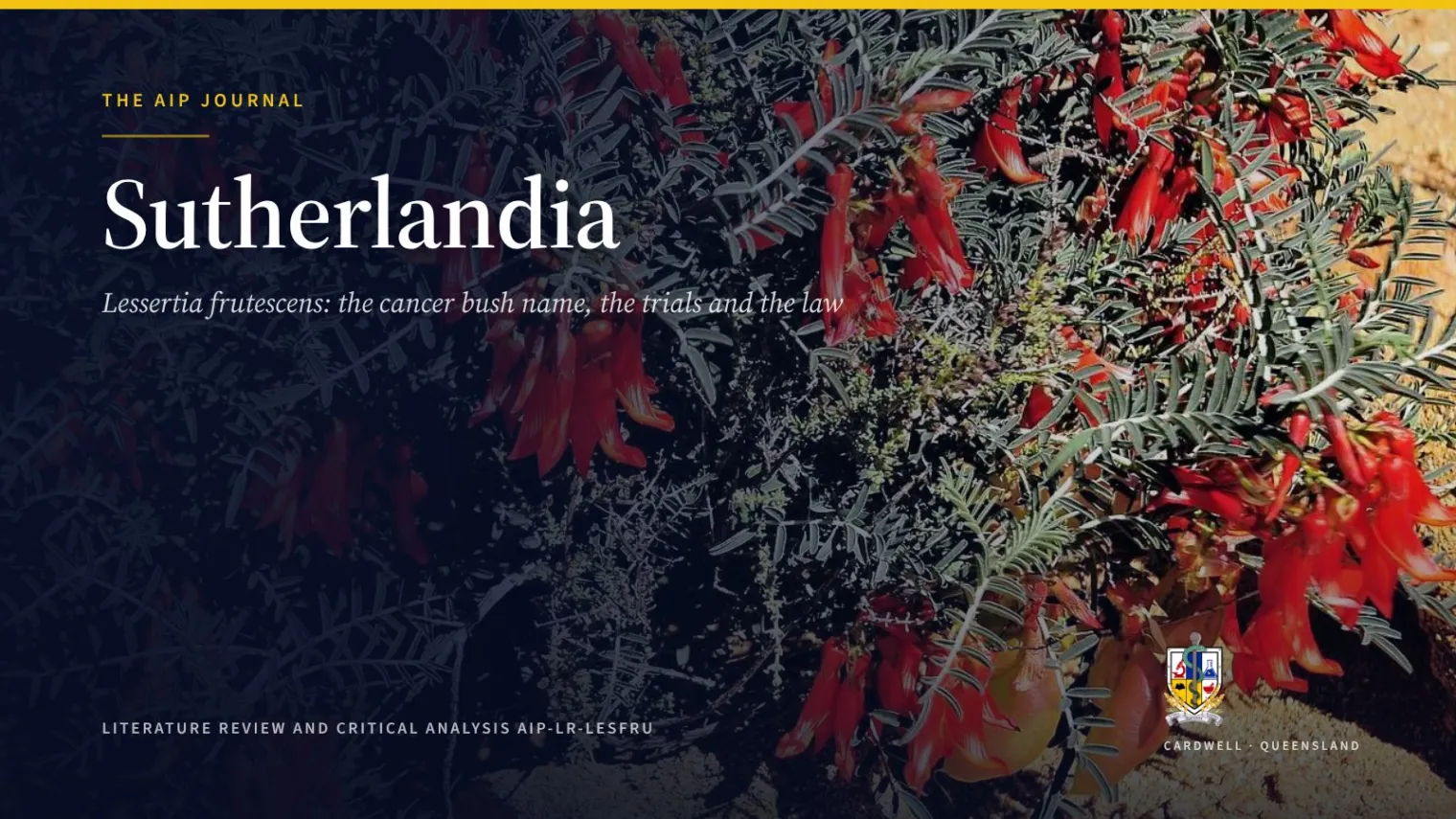
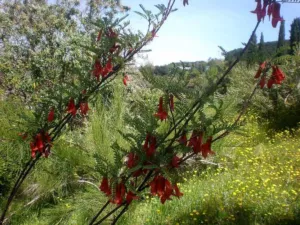
Cover: Lessertia frutescens (“kankerbos”) flowering in Goegap Nature Reserve near Springbok, Northern Cape. Photo: LBM1948 · CC BY-SA 4.0 · Wikimedia Commons
The only randomised trial of Sutherlandia in people with HIV compared 54 adults taking it with 53 on placebo for six months, and found no effect on viral load, CD4 count or weight. Confirmed Two people on the herb developed tuberculosis while also taking isoniazid, and nobody on placebo did. Confirmed The plant is still sold to Australian gardeners as “cancer bush”, and it has never been tested against cancer in a single controlled human study. Attested
This is AIP Literature Review and Critical Analysis AIP-LR-LESFRU in the Australian Institute of Pharmacognosy’s series of literature reviews and critical analyses. It introduces Lessertia frutescens (L.) Goldblatt & J.C.Manning, still usually called Sutherlandia: where the name “cancer bush” came from, the plant’s botany and renaming, its place in southern African medicine, its chemistry, what the cell and animal work does and does not show, the three human studies, why none of it supports any use for cancer, the drug interactions and other safety questions, its position in Australian law read from the instruments themselves, and why a plant grown from nursery seed is a different thing from a quality-assured medicine.
This article is educational. It is not medical, legal or regulatory advice, it is not an advertisement, and nothing in it is a recommendation to grow, buy or take Sutherlandia. No product, seller or sponsor is named. The Institute has no commercial interest in the plant.
1. It is not a cancer treatment. There is no human evidence that Sutherlandia prevents, treats or slows any cancer. Do not use it in place of cancer care or to delay it. Confirmed
2. HIV and tuberculosis medicines. Sutherlandia lowered blood levels of an HIV medicine in healthy volunteers and halved another in rats, and two people taking it with isoniazid developed tuberculosis in a trial. Anyone on antiretrovirals or tuberculosis treatment should not take it. Evidence suggests
3. Other medicines. In the laboratory it inhibits several of the liver enzymes and transporters that clear chemotherapy, transplant drugs and many others. Evidence suggests Anyone on regular medicines should get individual advice before taking it. Mechanism
4. Pregnancy, breastfeeding, children, autoimmune disease. None of these groups has been studied, and the plant contains canavanine, an amino acid linked to autoimmunity. Avoid it. Mechanism
5. Home-grown and imported leaf is unassured. Chemistry varies between wild populations and between products, and no Australian medicine containing it has been assessed. Confirmed
Emergency: call Triple Zero (000). For a suspected poisoning or overdose, call the Poisons Information Centre on 13 11 26 (24 hours, Australia-wide). Report suspected side effects to the TGA (TGA, reporting adverse events). Before taking any botanical drug, consult a degree-qualified herbalist with competencies and adequate training in pharmacognosy.
| Botanical name | Lessertia frutescens (L.) Goldblatt & J.C.Manning, Fabaceae. Synonym Sutherlandia frutescens (L.) R.Br.; first named Colutea frutescens L. in 1753 Attested §2 |
| Common names | Sutherlandia, cancer bush (Afrikaans kankerbos), balloon pea, blaasbossie, insiswa, phetola, unwele Attested §1 |
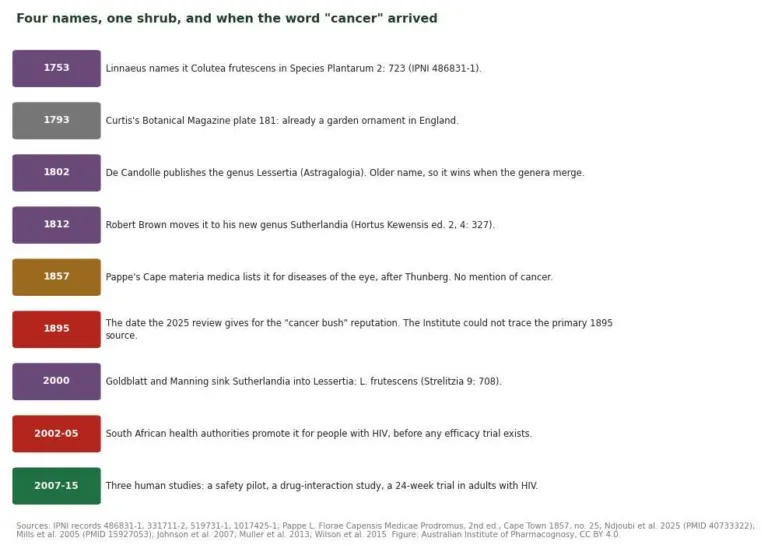
| The name | Records a traditional use for “internal cancers”, dated to 1895 by a 2025 review. The 1857 Cape materia medica lists only an eye remedy Attested §1 |
| Native range | Southern Africa: Western, Northern and Eastern Cape and KwaZulu-Natal Confirmed §4 |
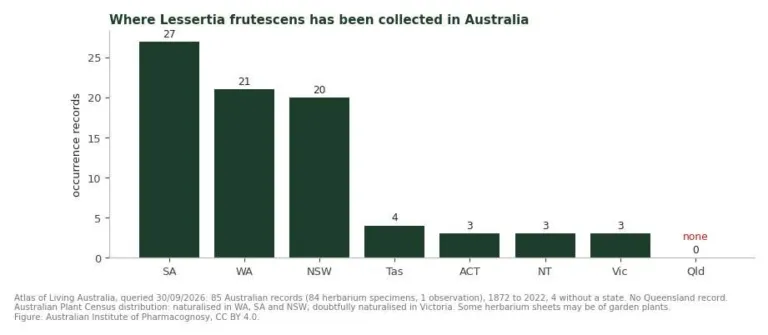
| In Australia | Naturalised in WA, SA and NSW. 85 Australian records, 1872 to 2022. None from Queensland Attested §4 |
| Tradition | A bitter tonic tea for cancer, fevers, wounds, stress, diabetes and much else; later widely taken for HIV-related wasting Traditional §5 |
| Chemistry | L-canavanine, GABA, D-pinitol, sutherlandins A to D, sutherlandiosides and lessertiosides Confirmed §6 |
| Pharmacology | Cell and animal work only, much of it conflicting: immune stimulation in the dish, none in mice Evidence suggests §7 |
| The HIV trial | 107 adults, 24 weeks: no effect on viral load, CD4 count or weight; more infection days on the herb, from 2 TB cases Confirmed §8 |
| Cancer | No human trial. Cell effects need up to 32,000 times paclitaxel’s concentration, and harm normal cells too Confirmed §9 |
| Interactions | Atazanavir exposure about 20% lower in 12 healthy men; nevirapine halved in rats; strong CYP3A4 inhibition in vitro Confirmed §10 |
| Avoid if | On antiretrovirals, TB drugs, chemotherapy, transplant drugs or warfarin; pregnant or breastfeeding; autoimmune disease; children Mechanism §10 |
| The register | No ARTG entry under any name. Not a permissible ingredient for listed medicines Attested §11 |
| Poisons Standard | No entry. Unscheduled Attested §11 |
| Lawful routes | Personal importation (up to three months’ supply, subject to biosecurity import conditions) or compounding by a practitioner after consultation Attested §11 |
| Quality | Main marker varies about fivefold between products; chemistry varies with the wild population Confirmed §12 |
| Emergency | Triple Zero (000); Poisons Information Centre 13 11 26 Attested §10 |
- Confirmed Established in humans by trial, or an unambiguous analytical, chemical or mathematical fact.
- Evidence suggests Real published data, but preclinical, observational, small or not yet independently replicated.
- Mechanism A plausible mechanistic or pharmacological inference about how something works, short of a measured outcome.
- Traditional Historical or ethnobotanical use. Evidence of practice. Efficacy is a separate question.
- Attested A documentary fact attested in a named record: a legislative instrument, a regulator’s database, a historical text, a taxonomic index or a biodiversity database. It states what the record says.
- Unsourced A statement the Institute could not trace to a source it was able to open and read. It is left in because it is useful context, and flagged so no reader mistakes it for a sourced claim.
Every PubMed ID (PMID) below links to its record and was checked against PubMed on 30/09/2026, and every paper cited by PMID was read in full text. Papers the Institute could not open in full were requested through its library and are not cited. Every compound was checked against PubChem and is linked by CID. Every Australian regulatory statement was read from the regulator’s or the legislature’s own document or database on 30/09/2026 unless another date is given. South African material describes South African practice and law and does not govern Australia.
The name. “Cancer bush” translates the Afrikaans kankerbos and records a traditional use of the leaf tea for “internal cancers”. It is a folk name. It is no evidence that the plant treats cancer, and no warning that it causes it. The oldest Cape medical record the Institute could read, from 1857, lists it only for diseases of the eye. Attested
What the trials found. Three small human studies exist. In healthy adults it was tolerated for three months. In 107 adults with early HIV, six months of it did nothing for viral load, CD4 count or weight, the things it was popular for, and there were more days of infection on the herb because two people taking it with isoniazid developed tuberculosis. In 12 healthy men it lowered levels of the HIV drug atazanavir by about a fifth. Confirmed
Cancer. Nobody has tested it against cancer in people. Confirmed In one colorectal cancer model the extract needed about 32,000 times the concentration of a chemotherapy drug, and in a melanoma study it harmed normal skin cells at least as readily as cancer cells. Evidence suggests
In Australia. No Australian medicine contains it, it is not on the list of ingredients allowed in listed medicines, and it is not scheduled. It can be imported for personal use within TGA limits, subject to biosecurity import conditions (BICON), or compounded by a practitioner after a consultation. Seed sold for the garden gives a plant of unknown chemistry, which is a different thing from a medicine. Attested
Before taking it. Do not take it with HIV or tuberculosis medicines, chemotherapy, transplant drugs or warfarin, in pregnancy or breastfeeding, with lupus or another autoimmune disease, or give it to children. Otherwise, consult a degree-qualified herbalist with competencies and adequate training in pharmacognosy.
 Chapter 1The name
 Chapter 2Identity and taxonomy
 Chapter 3Botany
 Chapter 4Distribution and Australia
 Chapter 5Traditional use
 Chapter 6Phytochemistry
 Chapter 7Cell and animal work
 Chapter 8The human studies
 Chapter 9Why not for cancer
 Chapter 10Safety and interactions
 Chapter 11Australian law
 Chapter 12Quality and nursery seed
 Chapter 13Discussion and research agenda
1. “Cancer bush”: where the name came from
An Australian gardener who orders a packet of this seed will usually find it sold as “cancer bush”. The Institute found it listed that way by at least two Australian online seed retailers on 30/09/2026 (Institute observation, 30/09/2026). Attested Nothing on a seed packet has to explain a common name, and this one does real work on a reader: it sounds like a warning that the plant causes cancer, or like a promise that it cures it. It means neither.
The name is a translation of the Afrikaans kankerbos or kankerbossie, and it records a belief. In the Cape, the plant was taken as a bitter tea for what nineteenth-century writers called “internal cancers”. The 2025 review by Ndjoubi and colleagues, which the Institute read in full, says the Khoisan and Cape Dutch have known it as cancer bush “since 1895”, and that decoctions of the leaves were used for internal cancers and as a cancer preventive (PMID 40733322). Traditional The review takes that date from earlier secondary sources. The Institute could not find or read the 1895 document itself, so the date stands here as reported, and unconfirmed. Unsourced
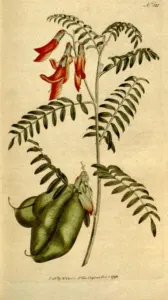
The older record says something different. Ludwig Pappe’s Florae Capensis Medicae Prodromus, the Cape Colony’s list of indigenous plants used as remedies by the colonists, gives Sutherlandia frutescens as entry 25 in its 1857 second edition. Pappe calls it “a fine showy shrub” grown in Cape gardens for its scarlet flowers, and records one medical use, taken from the Swedish botanist Carl Peter Thunberg’s eighteenth-century travels: the dried, powdered roots and leaves “are of use in diseases of the eye” (Pappe 1857, entry 25). Attested There is no mention of cancer. Whatever happened between 1857 and the end of the century, the cancer reputation is younger than the plant’s place in Cape gardens and Cape medicine. Attested
The plant has plenty of other names, and they are more descriptive. The 2025 review counts about twenty-five across Afrikaans, isiZulu, isiXhosa, Setswana and Sesotho. Some describe the inflated seed pods (blaasbossie, “little bladder bush”; blaas-ertjie), some the flowers (kalkoenbos, hoenderbelletjie, eendjie), one the bitter taste (bitterbos), and some the medical reputation: kankerbos, insiswa, phetola, lerumo lamadi (PMID 40733322). Attested The Setswana name phetola is glossed by South African trial investigators as “it changes”: a plant that turns illness towards a better outcome (PMID 17476314). Traditional In English it is also called balloon pea. Most of the scientific literature still calls it Sutherlandia, the name this review uses alongside Lessertia frutescens.
So the short answer for anyone who has just met the name on a seed packet: “cancer bush” is a folk name for a traditional use. It does not mean the plant is carcinogenic, and it is not evidence that it treats cancer. Chapter 9 sets out why the research does not support any use for cancer. Attested
2. Identity and taxonomy: from Colutea to Sutherlandia to Lessertia
The plant has carried four names since 1753, and all four still turn up in shops and papers. Linnaeus described it as Colutea frutescens in Species Plantarum (1753, vol. 2, p. 723), putting it with the bladder sennas of Europe because of its inflated pods (IPNI 486831-1). Attested Robert Brown moved it in 1812 into a new genus, Sutherlandia, published in the second edition of Aiton’s Hortus Kewensis (vol. 4, p. 327) (IPNI 519731-1). Attested That name held for nearly two centuries and is the one on almost every product label and most of the pharmacology.
In 2000, Peter Goldblatt and John Manning merged Sutherlandia into Lessertia in their conspectus of the Cape flora, Strelitzia 9, making the accepted name Lessertia frutescens (L.) Goldblatt & J.C.Manning (IPNI 1017425-1). Attested Lessertia had been published by Augustin Pyramus de Candolle in his Astragalogia of 1802 (IPNI 331711-2), ten years before Brown’s genus, so under the priority rule of botanical nomenclature the older name takes over when the two are treated as one. Attested The Australian Plant Census accepts Lessertia frutescens and lists Sutherlandia frutescens (L.) R.Br. as a nomenclatural synonym, with Colutea frutescens as the basionym (Australian Plant Census). Attested
The species is variable. The International Plant Names Index records two subspecies published by Manning and Boatwright in 2012, subsp. microphylla and subsp. speciosa (Strelitzia 29: 804) (IPNI 1017425-1). Attested Authors describing the older literature speak of a species complex with three subspecies and several regional forms (PMID 34471699). Evidence suggests Some of the medicinal literature names the subspecies it studied and a good deal does not, which matters for chemistry (chapter 12).
The family is Fabaceae, the legumes. A complete chloroplast genome, sequenced in 2021, is 122,700 base pairs long with 110 genes, and places the plant in the inverted-repeat-lacking clade of the pea subfamily, close to Astragalus, the genus of the Chinese medicinal milkvetch huang qi (PMID 34471699). Confirmed That relationship is taxonomic. It says nothing about shared medicinal properties.
3. Botany
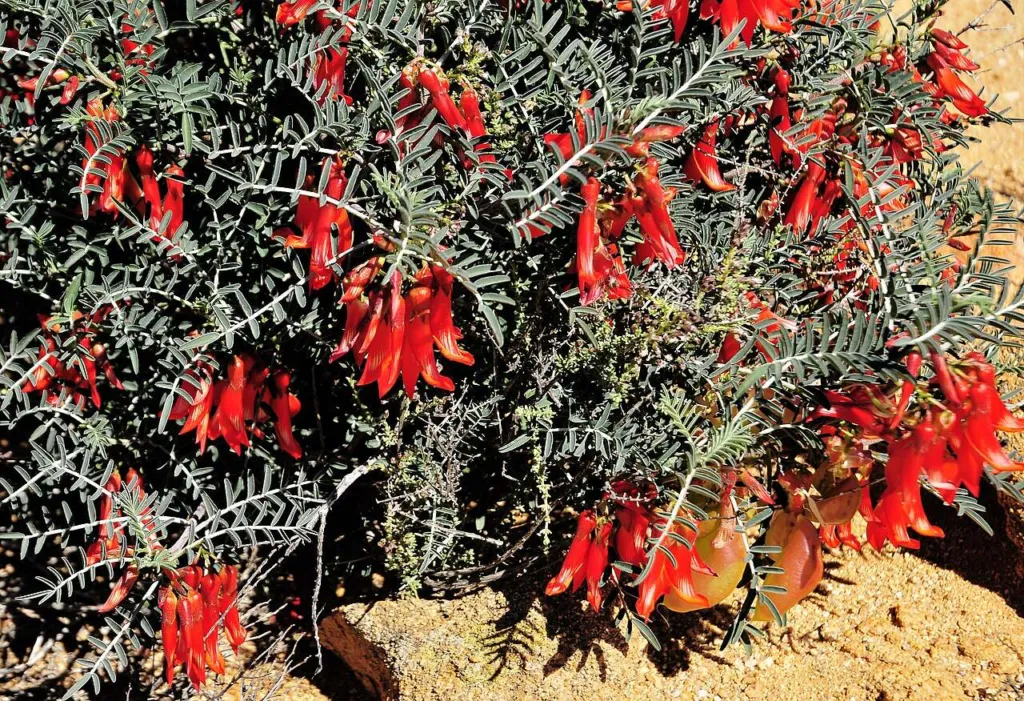
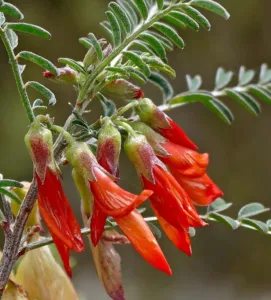
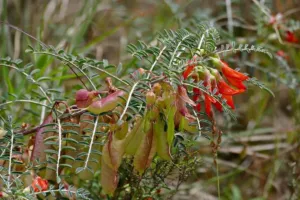
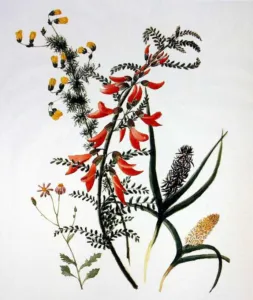
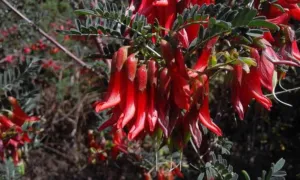
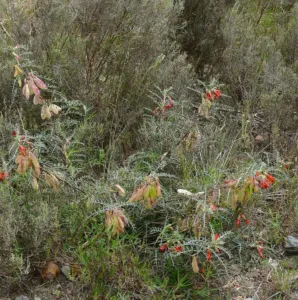
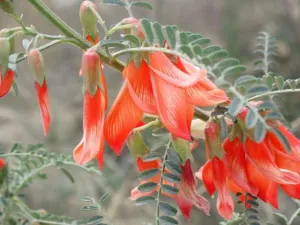
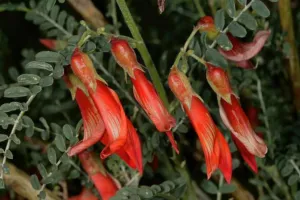
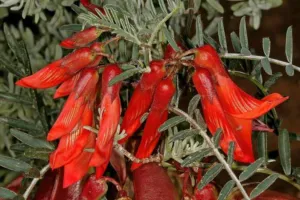
Sutherlandia is a soft-wooded, short-lived shrub, 0.2 to 2.5 metres tall, with grey-green, silky, pinnately compound leaves made of many small leaflets, each 4 to 10 millimetres long (PMID 40733322). Confirmed The flowers are orange-red to scarlet, about 35 millimetres long, and held in short clusters at the branch tips from September to December in South Africa (PMID 40733322). Confirmed Pappe’s 1857 description is still accurate: stem erect and twiggy, leaves alternate and many-paired, flowers scarlet, “legume ovate, scarious, inflated” (Pappe 1857, entry 25). Attested
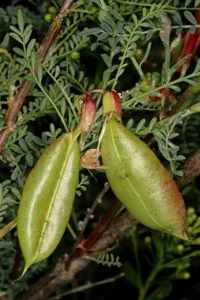
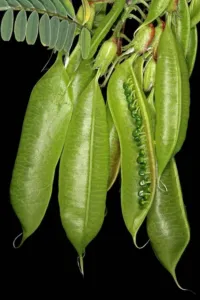
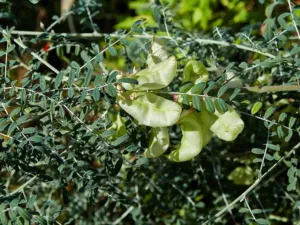
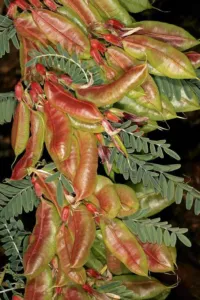
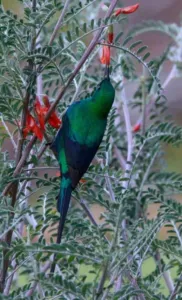
The pods are the most recognisable feature. They swell into thin, papery, translucent balloons that turn from green to red-flushed straw colour, and the black seeds rattle inside when dry (PMID 40733322). Confirmed The long red flowers fit the pattern of bird-pollinated plants. Mechanism A malachite sunbird photographed on the plant at Kirstenbosch is shown below. Attested
Nothing in the leaf, flower or pod is hard to recognise in a garden, and nothing about it looks like any Australian native. The practical identification problems come later, in dried and powdered material, where the whole plant is reduced to a green-grey powder and the eye can no longer help (chapter 12). Mechanism
4. Distribution, and the plant in Australia
The species is native to southern Africa. The 2025 review describes it as widely distributed in the Western, Northern and Eastern Cape and KwaZulu-Natal (PMID 40733322), and the chloroplast-genome authors call it endemic to southern Africa (PMID 34471699). Confirmed The pictures in this review come from the fynbos of Bontebok National Park, the Karoo, Namaqualand and gardens in Pretoria, Cape Town, Barcelona and Stockholm.
It has been in Australia for at least 150 years. The Australian Plant Census gives its status as naturalised in Western Australia, South Australia and New South Wales, and doubtfully naturalised in Victoria (Australian Plant Census). Attested The Atlas of Living Australia holds 85 Australian occurrence records, 84 of them herbarium specimens, dated from 1872 to 2022: 27 from South Australia, 21 from Western Australia, 20 from New South Wales, 4 from Tasmania, 3 each from the ACT, Victoria and the Northern Territory, and 4 without a state (Atlas of Living Australia). Attested There is no Queensland record. A herbarium sheet does not always record whether the plant was wild or in a garden, so the count shows where the plant has been collected, which is a wider set than where it grows wild. Mechanism
The Australian pattern fits the plant’s home climate: dry summers, winter rain and well-drained, often sandy soils. Here in Cardwell, in the wet tropics, the humidity and summer rain are the opposite of what it grows in. The Institute has no record of it in the Cassowary Coast region and would expect it to struggle here. Mechanism That is an inference from climate, and a Queensland gardener with a thriving plant would be a useful correction.
It is not named as prohibited or restricted matter in the Queensland Biosecurity Act 2014 (Biosecurity Act 2014 (Qld)). Attested The Institute did not check the declared-plant lists of other states and territories, and anyone planting it in the south and west, where it already naturalises, should check with their state biosecurity agency. Unsourced
5. Traditional and historical use
Everything in this chapter is a record of practice. It tells us what people did and believed. It is not evidence that the plant does what it was used for, and each claim carries the Traditional chip for that reason.
The Cape record
The earliest dated medical use the Institute could read in a primary source is Pappe’s 1857 entry, citing Thunberg: dried, powdered root and leaf for diseases of the eye (Pappe 1857, entry 25). Attested Later tradition added a great deal. The 2025 review, drawing on the ethnobotanical surveys and on van Wyk and Albrecht’s 2008 review of the species, lists leaf infusions and decoctions for diarrhoea, urinary infections, rheumatism, inflammation, stomach pain, haemorrhoids, eye complaints, chickenpox and skin disorders, and decoctions for colds, coughs, asthma, bronchitis, diabetes, hypertension, heart failure, epilepsy, peptic ulcers, menopausal symptoms and stress (PMID 40733322). Traditional The same review records Nama and Khoi-San use of decoctions for fevers and wounds, and a Zulu account of warriors drinking it to settle after battle and widows taking it in grief (PMID 40733322). Traditional A list that long, covering nearly every organ system, is common for a respected bitter tonic, and it makes any single claim harder to test.
Cancer
The cancer use is the one that gave the plant its English name. In a 2018 survey of 90 traditional healers in Hammanskraal and Winterveld, north of Pretoria, Lessertia frutescens had the highest frequency index of 28 species used for cancer, particularly lung and skin cancer, prepared mostly as decoctions and infusions (PMID 35283969). Traditional The survey records what healers told the researchers. It did not follow up any patient.
HIV and the political years
The plant’s modern fame comes from the South African HIV epidemic. Before antiretroviral therapy was widely available, Sutherlandia was taken for the weight loss, poor appetite and low mood of advanced HIV, and it was recommended for HIV by the South African Ministry of Health and supported by member states of the Southern African Development Community (PMID 15927053). Attested A 2005 review in Nutrition Journal noted that this support existed although “no clinical trials of efficacy exist”, and that the ministry’s view of its safety rested on a primate study (PMID 15927053). Attested The HIV trial described in chapter 8 was designed in response to calls from the World Health Organization, the SADC and the South African government for controlled studies of traditional medicines (PMID 26186450). Attested
The same period turned the plant into a commercial crop, sold as dried leaf, tea and tablets through pharmacies and health shops and online (PMID 24416065). Attested That is the form in which most people outside South Africa have met it.
6. Phytochemistry
The chemistry of Sutherlandia falls into four groups: free amino acids, including two that are not used to build proteins; a sugar alcohol; flavonol glycosides; and an unusual family of triterpene glycosides. The structures below are PubChem’s own depictions, each linked to its record.
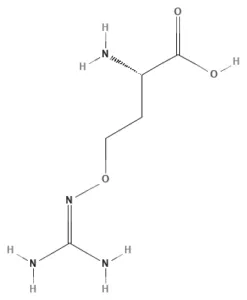
C5H12N4O3 · the arginine look-alike; the main safety question
PubChem CID 439202 · structure image: PubChem, public domain
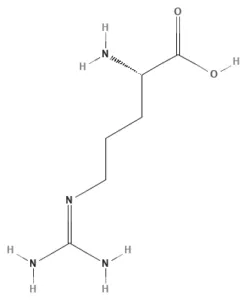
C6H14N4O2 · the protein amino acid canavanine imitates, for comparison
PubChem CID 6322 · structure image: PubChem, public domain
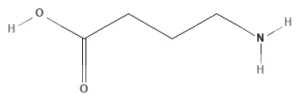
C4H9NO2 · gamma-aminobutyric acid, free in the leaf
PubChem CID 119 · structure image: PubChem, public domain
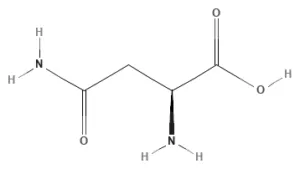
C4H8N2O3 · the most abundant free amino acid in the leaf
PubChem CID 6267 · structure image: PubChem, public domain
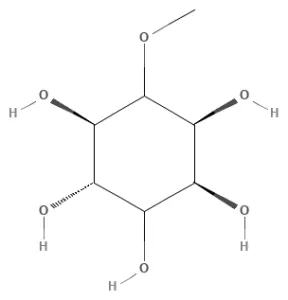
C7H14O6 · a methylated inositol; PubChem record titled (+)-ononitol
PubChem CID 164619 · structure image: PubChem, public domain
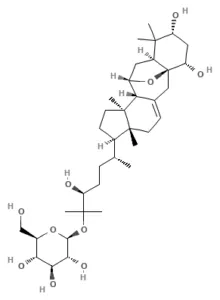
C36H60O10 · a secocycloartane with a 7,10-oxygen bridge
PubChem CID 25137460 · structure image: PubChem, public domain
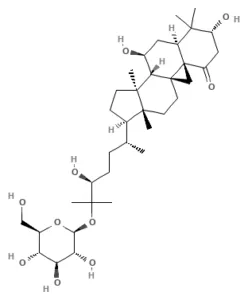
C36H60O10 · the main quality marker, with a C-1 ketone
PubChem CID 25137458 · structure image: PubChem, public domain
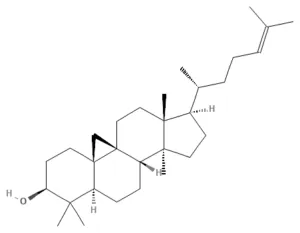
C30H50O · the plant sterol precursor of the cycloartane glycosides
PubChem CID 92110 · structure image: PubChem, public domain
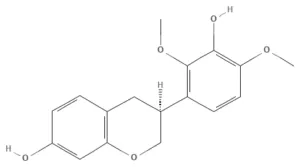
C17H18O5 · an isoflavan first reported from the plant in 2024
PubChem CID 442811 · structure image: PubChem, public domain
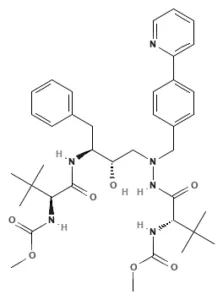
C38H52N6O7 · HIV protease inhibitor; exposure fell about 20% with the herb
PubChem CID 148192 · structure image: PubChem, public domain
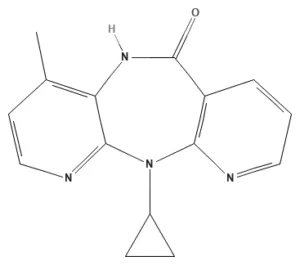
C15H14N4O · HIV drug; exposure halved in rats given the herb
PubChem CID 4463 · structure image: PubChem, public domain
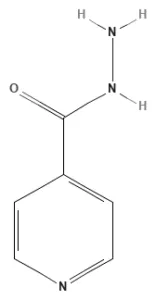
C6H7N3O · TB preventive drug; two TB cases on the herb with it
PubChem CID 3767 · structure image: PubChem, public domain
Nine constituents of the leaf, and three medicines whose handling it may change. Every CID was checked against PubChem on 30/09/2026; the depictions are PubChem’s own (US National Library of Medicine, public domain), background whitened by the Institute.
Amino acids, including canavanine and GABA
The leaves are rich in free amino acids. Figures carried in the 2025 review give L-asparagine at 1.6 to 35 mg/g, proline at 0.7 to 7.5 mg/g and L-arginine at 0.5 to 6.7 mg/g of leaf (PMID 40733322). Evidence suggests Those ranges run over an order of magnitude, which says as much about variation between samples as about the plant.
The constituent that matters most for safety is L-canavanine (CID 439202), a non-protein amino acid. Its structure is arginine’s with one carbon replaced by an oxygen, and ChEBI, the chemical ontology PubChem draws on, describes it as a plant metabolite and insecticide structurally related to L-arginine (CID 439202). Confirmed Because the two are so alike, cells can mistake canavanine for arginine and build it into proteins, which then fold badly. That is the mechanism usually proposed for its effects in cell culture (PMID 40733322). Mechanism Canavanine is best known from legume seeds; the 2025 review credits a 1998 study with the first isolation of canavanine from Sutherlandia leaves (PMID 40733322). Attested The capsules in the healthy-volunteer trial contained 600 µg of canavanine per 400 mg capsule (PMID 17476314). Confirmed
GABA, gamma-aminobutyric acid (CID 119), is also present in the leaf (PMID 40733322). Confirmed GABA is the brain’s main inhibitory neurotransmitter, and its presence is often cited as the reason the plant is taken for stress and anxiety. Swallowed GABA is generally thought to cross into the brain poorly, so that explanation is weaker than it sounds. Mechanism
Pinitol
D-pinitol (CID 164619), a methylated inositol, is one of the three compounds the review names as the plant’s major components, with canavanine and sutherlandioside B (PMID 40733322). Confirmed PubChem files D-pinitol under a record titled “(+)-ononitol”, with D-pinitol as a synonym and in its ChEBI description; the CID given here is the one every name for D-pinitol resolves to. The record’s stereochemistry is only partly defined, so its drawing does not distinguish pinitol from ononitol. Attested Pinitol is proposed as the basis of the antidiabetic use, and has been suggested for wasting in cancer and HIV, although the 2005 review called that evidence “scant” (PMID 15927053). Mechanism
Sutherlandins and sutherlandiosides
The flavonoids are quercetin and kaempferol glycosides named sutherlandins A to D (PMID 32069826; PMID 20122811). Confirmed The distinctive chemistry is in the triterpenes. In 2008 a Mississippi group isolated four cycloartane glycosides, sutherlandiosides A to D (CID 25137460 for A, CID 25137458 for B), and reported that sutherlandioside A has the first known secocycloartane skeleton with a 7,10-oxygen bridge, and that B to D were the first natural cycloartanes with a ketone at carbon 1 (PMID 18808182). Confirmed More have followed; the 2025 review lists sutherlandiosides up to K and points out that several letters have been given to two different compounds, and one compound has been given two letters, by different groups (PMID 40733322). Attested Anyone comparing papers needs to check structures, not letters.
In 2024 the first author of the 2025 review and colleagues isolated two further cycloartane glycosides, lessertiosides A and B, and the flavonoids 8-methoxyvestitol and mucronulatol (CID 442811), none previously reported from the plant (PMID 39519994). Confirmed Cycloartenol (CID 92110), the plant sterol precursor these triterpenes are built from, has also been reported (PMID 40733322). Evidence suggests
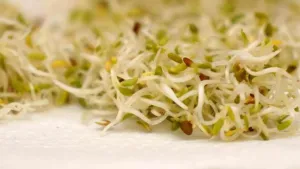
The chemistry has a practical point. Three quite different molecules, a toxic amino acid, a sugar alcohol and a triterpene glycoside, are each named as “the” active constituent in different papers. No one has shown which, if any, accounts for an effect in people. That is the first thing a reader should know before reading a claim about what Sutherlandia “contains that works”. Mechanism
7. Pharmacology: what rests on cell and animal work
Almost all of the Sutherlandia literature is preclinical. The 2025 review screened 154 papers and kept 78 on its chemistry and pharmacology (PMID 40733322). Attested It tabulates studies of cancer cells, immunity, inflammation, oxidation, diabetes, stress hormones, microbes and nerve cells. Three human studies appear among them. Everything below is Evidence suggests at best, and many results point in opposite directions.
Immunity: stimulating in the dish, damping in the mouse
A polysaccharide-rich fraction of a Sutherlandia decoction strongly stimulated mouse macrophages in culture, raising reactive oxygen species, nitric oxide and TNF-α through the toll-like receptor 4 pathway (PMID 26096188). Evidence suggests When the same research group fed the plant to healthy mice for three to four weeks and then challenged them with Listeria or E. coli, it made no significant difference to the course of infection, and it tended to reduce inflammatory responses instead of raising them (PMID 27575007). Evidence suggests The authors discussed possible reasons for the gap. It is a plain illustration of why a result in a dish is not a result in an animal.
Two further findings cut against the plant’s use in HIV. In a laboratory model of the blood–brain barrier, an extract lowered one inflammatory signal (IL-1β) but raised monocyte chemoattractant protein-1 and increased the movement of monocytes across the barrier, and the authors cautioned against its use as an anti-inflammatory “at any stage post-HIV infection” (PMID 26187042). Evidence suggests The 2025 review also reports that an ethanol extract induced cell death in normal human lymphocytes, with a stronger effect on the CD4 cells that HIV depletes (PMID 40733322). Evidence suggests
Stress hormones
Cell studies summarised in the 2025 review found that extracts and sutherlandioside B inhibited adrenal enzymes (CYP17A1, CYP21A2, CYP11B1), lowered cortisol output from human adrenal cells, and acted as a selective agonist at the glucocorticoid receptor (PMID 40733322). Mechanism Warm-water extract reduced the corticosterone response of rats to chronic stress (PMID 40733322). Evidence suggests This is the most coherent line of mechanistic work on the plant, and it has never been tested in people.
Glucose
Animal studies reviewed in 2025 report lower blood glucose and less insulin resistance in rodent models (PMID 40733322). Evidence suggests A 2026 cell-screening study found a hot-water extract nudged several targets at once, with each effect small: for example, 29.1% inhibition of sucrose digestion at 500 µg/mL (PMID 42653036). Evidence suggests The authors called the individual activities “relatively subtle”. Attested
Nerve cells, microbes and genes
Isolated compounds, including mucronulatol and sutherlandioside B, protected a human neuroblastoma cell line from a Parkinson-type toxin (PMID 39519994). Evidence suggests In bacterial mutation tests, an ethyl acetate extract was antimutagenic; a methanol extract was both pro-mutagenic and antimutagenic depending on the test; and pure L-canavanine acted as a co-mutagen with one test chemical in one strain, at every concentration tried (PMID 29544492). Evidence suggests In zebrafish embryos, water and 80% ethanol extracts both caused bleeding, pericardial swelling and developmental abnormalities at high concentrations, with the ethanol extract more toxic (PMID 30290800). Evidence suggests
The antimicrobial, antioxidant and anti-HIV-enzyme findings in the review share one limitation: much of the enzyme inhibition was traced to tannins, which bind proteins non-selectively in a test tube (PMID 40733322). Mechanism
8. Clinical evidence: what the human studies tested and found
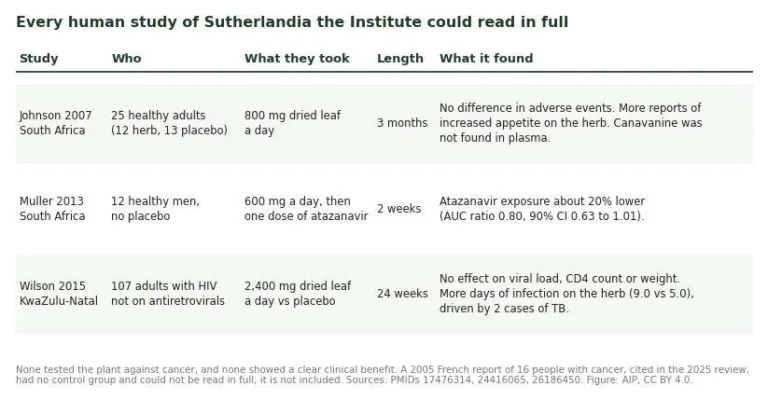
Three human studies of Sutherlandia could be read in full, and between them they enrolled about 170 people. None tested it against cancer. Confirmed
The healthy-volunteer safety pilot, 2007
The healthy-volunteer trial, which its authors describe as the first double-blind, randomised, placebo-controlled trial of Sutherlandia, gave 12 adults capsules of Sutherlandia leaf powder (400 mg twice daily) and 13 adults a lettuce-leaf placebo for three months, at a trial centre in Bellville, Cape Town (PMID 17476314). Confirmed Its primary endpoint was adverse events. There was no difference between the groups in any category. People on the herb reported increased appetite more often (p = 0.01), and a handful of blood measures differed slightly, all within normal ranges. Canavanine was not detected in anyone’s plasma (PMID 17476314). Confirmed The authors were candid: with 12 people per arm, rare adverse events would not be seen (PMID 17476314). Attested The trial shows that 800 mg a day for three months was tolerated by two dozen healthy adults. It cannot show more.
The HIV trial, 2015
The larger trial ran at Edendale Hospital in Pietermaritzburg, KwaZulu-Natal, from 2008 to 2011, funded by the United States National Institutes of Health (PMID 26186450). Confirmed It enrolled adults with HIV who had CD4 counts above 350 cells/µL and were not yet on antiretroviral therapy; about four in five were women. In a first stage, 56 people were randomised to 400, 800 or 1,200 mg of dried leaf twice daily or placebo for 24 weeks. The 1,200 mg dose went forward to a second stage, and the final analysis compared 54 people on 2,400 mg a day with 53 on placebo (PMID 26186450). Confirmed The leaf came from a single commercial batch and was checked each year by HPLC for sutherlandioside B, canavanine and GABA (PMID 26186450). Confirmed
What it found:
- No effect on HIV viral load. CD4 counts fell in both groups over 24 weeks (from 524 to 474 cells/µL on the herb, from 535 to 517 on placebo), and the difference between groups was not significant (p = 0.63) (PMID 26186450). Confirmed
- No change in body mass index or skinfold thickness, the measures of wasting the plant is taken for (PMID 26186450). Confirmed
- No difference in depression, perceived stress or most HIV symptom scores. Two quality-of-life subscales (social and mental health) showed small differences over time, which the authors described as of small magnitude (PMID 26186450). Confirmed
- More days of infection on the herb: a mean burden of infection of 9.0 days against 5.0 on placebo (p = 0.045). The difference came from two cases of tuberculosis, both in people taking the herb together with isoniazid preventive therapy. There were no other tuberculosis cases in the trial (PMID 26186450). Confirmed
- Five people on the herb and one on placebo developed a positive antinuclear factor, a marker of autoimmunity; two reverted. Nobody developed vasculitis (PMID 26186450). Confirmed
The 2025 review repeats a 2002 claim that Sutherlandia “decreased viral loads and improved CD4 counts” (PMID 40733322). Attested The only randomised trial to measure them found no effect on either. Confirmed The trial authors concluded that 2,400 mg a day caused no significant adverse effects apart from the possible isoniazid interaction, which “needs further evaluation” (PMID 26186450). Attested Read against the plant’s reputation, the result is plain: the popular reasons for taking Sutherlandia in HIV (immune support, weight, CD4 count, viral load) were tested in a well-run placebo-controlled trial and none was supported. Confirmed
The atazanavir study, 2013
The third study was a drug-interaction study, described in chapter 10 (PMID 24416065). Confirmed
What the Institute could not read
The 2025 review describes a 2005 study in the French journal Phytothérapie in which 16 people with cancer took 600 mg a day of an aqueous extract and reported less fatigue (PMID 40733322). Attested It had no control group, and the Institute could not obtain the full text, so it is not relied on here; it has been requested through the Institute’s library. Unsourced A 2025 critical review in Planta Medica and van Wyk and Albrecht’s 2008 review of the species were also unavailable in full text on the day of writing; both have been requested through the Institute’s library, and nothing in this review depends on them.
9. Why none of this supports any use for cancer
People who meet the name “cancer bush” are entitled to a straight answer about cancer. There is no human evidence that Sutherlandia prevents, treats or slows any cancer. Confirmed Nobody has published a controlled trial in people with cancer, and the only report the Institute found of people with cancer taking it measured fatigue in 16 people without a comparison group (PMID 40733322). Attested
What exists is laboratory work, and it has four problems.
The concentrations are far beyond anything a person could reach. In a colorectal cancer model, a water extract of Sutherlandia needed 2.63 mg/mL to halve cell growth; the chemotherapy drug paclitaxel needed 0.000081 mg/mL, about 32,000 times less (PMID 33503827). Evidence suggests In the prostate cancer study a methanol extract slowed growth at 100 to 250 µg/mL (half-maximal at 167 µg/mL in one cell line) (PMID 26377232), and the melanoma study used 0.625 mg/mL (PMID 27656236). Evidence suggests The 2025 review makes the same point, that the effective concentrations of 0.3 to 10 mg/mL are far above those of standard anticancer drugs (PMID 40733322). Attested No one has measured how much of any Sutherlandia constituent reaches human blood, and the one attempt to find canavanine in plasma found none (PMID 17476314). Confirmed
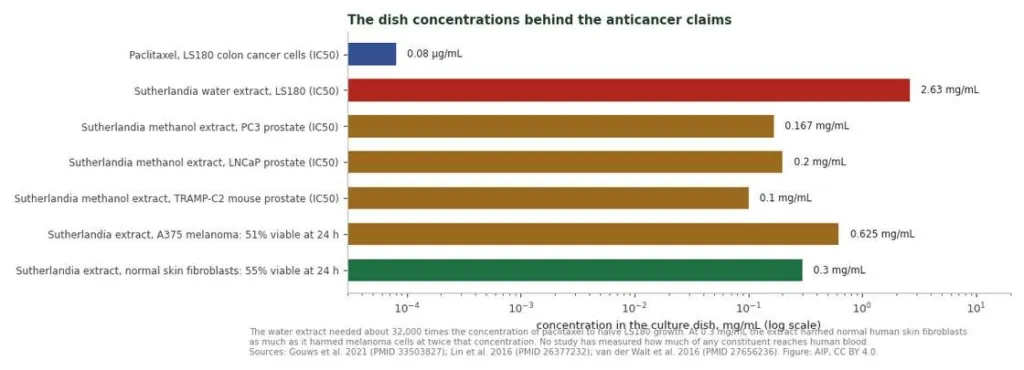
It kills normal cells too. In the melanoma study, 0.625 mg/mL left 51% of melanoma cells alive after 24 hours; 0.3 mg/mL, half that concentration, left 55% of normal human skin fibroblasts alive after 24 hours and 19% after 72 hours (PMID 27656236). Evidence suggests The normal cells were more sensitive than the cancer cells. The 2025 review names this lack of selectivity as a major limitation (PMID 40733322). Attested
The animal result is fragile. In TRAMP mice, a strain bred to develop prostate cancer, a diet containing 0.05% ground Sutherlandia reduced the incidence of large, poorly differentiated tumours (12% of mice against 28% on the control diet). Diets with 0.25% and 1% showed no significant reduction (22% and 30%) (PMID 26377232). Evidence suggests An effect that appears at the lowest dose and disappears at higher ones, in one mouse model, is a reason for a follow-up experiment. It does not support a treatment. Mechanism The same paper identified sutherlandioside D as the most potent inhibitor of the Hedgehog signalling pathway in its cell assays (PMID 26377232), which is a lead for chemists, not for patients. Mechanism
It may interfere with real cancer treatment. Sutherlandia extracts inhibit several of the liver enzymes and transporters that clear chemotherapy drugs (chapter 10). Evidence suggests Anyone on chemotherapy, targeted therapy or hormone therapy has a specific reason to avoid it. Mechanism The larger harm is the one every cancer herb carries: time lost to an ineffective remedy while a treatable cancer grows. Mechanism
The Institute has written about the same pattern with soursop, where laboratory toxicity to cancer cells became a public cancer claim; see our review of soursop (Annona muricata). Australian law is clear on the advertising side. Any representation about the treatment, cure or prevention of neoplastic disease, HIV or AIDS is a prohibited representation for all therapeutic goods under Schedule 2 of the Therapeutic Goods Regulations 1990 (Therapeutic Goods Regulations 1990). Attested On the Institute’s reading, a product sold here for therapeutic use under the name “cancer bush” would sit uneasily with that rule; that is a question for the TGA and for lawyers, and the Institute offers it as a reading. Mechanism
10. Safety, toxicity, interactions and contraindications
Sutherlandia has a reputation for safety, and the human data give some support to that reputation in healthy adults over weeks to months. Evidence suggests The concerns are interactions, canavanine, and groups of people who were never studied.
What the human data show
In 25 healthy adults over three months, and in 107 adults with HIV over six months, the herb produced no pattern of adverse events or abnormal blood tests that differed from placebo (PMID 17476314; PMID 26186450). Confirmed Side effects reported in the older literature, in people with wasting, were occasional mild diarrhoea, dry mouth, mild diuresis and dizziness (PMID 15927053). Evidence suggests A three-month study in vervet monkeys at up to about nine times the usual human dose found no toxicity; the trial authors and the 2005 review report it, and the Institute could not obtain the primary report (PMID 17476314; PMID 15927053). Evidence suggests Roughly a hundred people have been given the herb in the published controlled studies, too few to catch a reaction that affects one person in a thousand. Confirmed
Interactions with antiretrovirals
This is the best-studied risk, and the evidence runs from test tube to people.
- In vitro. Leaf extract inhibited CYP3A4 almost completely (96%), inhibited P-glycoprotein moderately and more than doubled activation of the pregnane X receptor, which switches on drug-metabolising enzymes (PMID 15927053). Evidence suggests In gut cells and human liver microsomes, a water extract and pinitol reduced atazanavir uptake, water and methanol extracts inhibited its metabolism, and a triterpene fraction did the opposite on both counts (PMID 22579002). Evidence suggests A later study summarised in the 2025 review found inhibition of CYP1A2, 2B6, 2C8, 2C9, 2C19 and 3A4/5 at 17.5 to 160 µg/mL, time-dependent inhibition of CYP3A4/5, and inhibition of the liver uptake transporters OATP1B1 and OATP1B3 (PMID 40733322). Evidence suggests
- In rats. Five days of Sutherlandia halved exposure to the antiretroviral nevirapine (AUC and peak concentration down about 50%) and raised gut and liver CYP3A2 two- to threefold; a single dose had no effect (PMID 21545833). Evidence suggests
- In people. Twelve healthy men took a commercial Sutherlandia tablet (300 mg twice daily) for 12 days before a single 400 mg dose of the protease inhibitor atazanavir. Atazanavir exposure fell by about 20%: the ratio of AUC with and without the herb was 0.80, with a 90% confidence interval of 0.63 to 1.01 (PMID 24416065). Confirmed The authors concluded that bioavailability was significantly reduced because the interval fell outside the conventional 0.80 to 1.25 no-effect range (PMID 24416065). Attested The interval also reaches 1.01, so the study cannot rule out no change. It was a single dose, in healthy men, without the ritonavir booster usually given with atazanavir. Mechanism A population pharmacokinetic re-analysis suggested the herb acts on an active absorption step in the gut (PMID 30158052). Mechanism
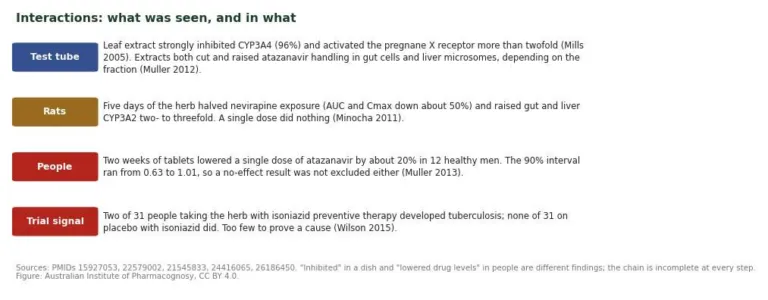
Put together, the direction differs by system: strong enzyme inhibition in a test tube (which would raise drug levels), and lower drug levels in rats and people (which fits induction or reduced absorption). Mechanism For someone on HIV treatment the practical message is the same either way. An unpredictable change in antiretroviral levels risks treatment failure and resistance. The rat study’s authors warned of possible therapeutic failure, and the human study’s authors of subtherapeutic atazanavir levels, resistance and treatment failure (PMID 21545833; PMID 24416065). Evidence suggests Modern Australian regimens are different from the drugs tested, and no one has studied Sutherlandia with integrase inhibitors. Mechanism
Isoniazid and tuberculosis
Two of the 31 people who took Sutherlandia with isoniazid preventive therapy in the HIV trial developed tuberculosis. None of the 31 on placebo with isoniazid did (PMID 26186450). Confirmed Two cases cannot prove cause. The trial’s senior author later proposed a mechanism: isoniazid is a prodrug activated inside the bacterium through oxidative chemistry, and a strongly antioxidant plant extract might blunt that activation (PMID 27155670). Mechanism Until someone tests it, the combination is best avoided. Mechanism
Canavanine and autoimmunity
Canavanine has long been suspected of triggering lupus-like autoimmunity, a concern raised in connection with lucerne sprouts. The trial authors cite an anecdotal association between Sutherlandia and systemic lupus erythematosus, which is why the HIV trial measured antinuclear factor (PMID 26186450). Attested The healthy-volunteer authors describe the concern as thought to apply only at very high doses in predisposed people or with low arginine (PMID 17476314). Attested The HIV trial’s five-to-one split in new positive antinuclear factor is a small signal worth recording, with no clinical disease attached (PMID 26186450). Evidence suggests Australian law already treats canavanine as a hazard in lucerne: item 3237 of the Permissible Ingredients Determination limits the canavanine content of Medicago sativa in listed medicines (Permissible Ingredients Determination). Attested Nobody has set an equivalent limit for Sutherlandia, because it is not a permitted ingredient at all (chapter 11). Attested
Who should avoid it
- Anyone taking antiretrovirals or tuberculosis medicines, on the evidence above. Evidence suggests
- Anyone on chemotherapy, targeted cancer drugs, immunosuppressants such as tacrolimus or ciclosporin, or other medicines cleared by CYP3A4, CYP2C9 or the OATP transporters, by extension from the enzyme and transporter data. Mechanism Warfarin, cleared mainly by CYP2C9 and dangerous at levels only a little above or below its target, belongs on this list. Nobody has tested it with Sutherlandia. Mechanism
- Pregnancy and breastfeeding. Both trials excluded pregnant or breastfeeding women; one participant in the HIV trial miscarried on the herb, which investigators judged unrelated (PMID 26186450). Confirmed The 2025 review notes that commercial products carry the advice to avoid it in pregnancy and lactation (PMID 40733322), zebrafish embryos showed developmental toxicity (PMID 30290800), and canavanine interferes with protein synthesis. Evidence suggests Avoid it. Mechanism
- Lupus or other autoimmune disease, because of the canavanine question. Mechanism
- Diabetes treated with glucose-lowering medicines, because of the animal glucose data. The HIV trial saw a statistically marginal change in random glucose that the authors judged not clinically significant (PMID 26186450). Mechanism
- Children, who have not been studied at all. Mechanism
Before taking any botanical drug, consult a degree-qualified herbalist with competencies and adequate training in pharmacognosy, and tell them about every medicine you take. The same enzyme questions come up with other plants the Institute has reviewed, including ashwagandha (Withania somnifera). For a suspected poisoning, call the Poisons Information Centre on 13 11 26; in an emergency, call 000. Suspected side effects can be reported to the TGA (TGA, reporting adverse events).
11. Australian regulatory status
The Institute checked each instrument itself on 30/09/2026. Attested
The register
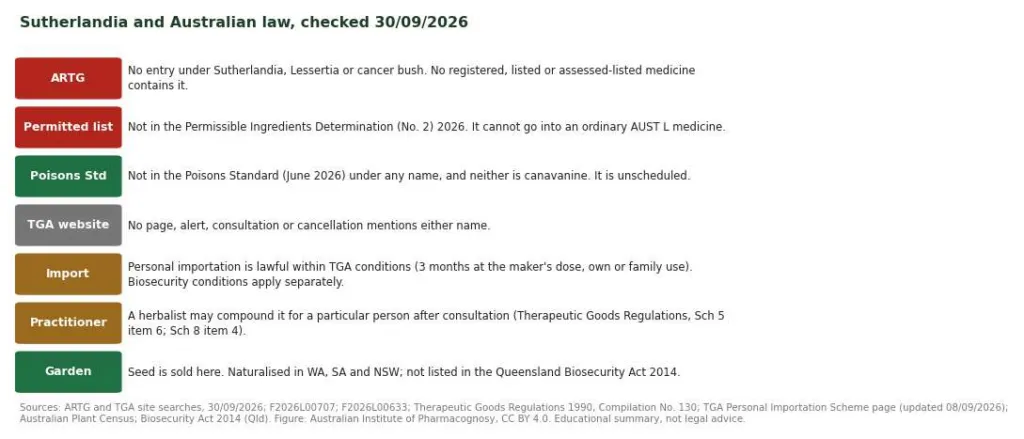
There is no entry in the Australian Register of Therapeutic Goods under “sutherlandia”, “lessertia”, “sutherlandia frutescens”, “lessertia frutescens” or “cancer bush” (ARTG searches, 30/09/2026). Attested The same search for “withania”, run as a control, returned 405 entries, so the search does find herbal ingredients. Attested No Australian medicine of any kind, registered (AUST R), listed (AUST L) or assessed-listed, contains Sutherlandia. Attested A search of the whole TGA website found no page, safety alert, consultation or cancellation that mentions either name (TGA site search, 30/09/2026). Attested It is not a live regulatory subject.
The permitted list
Ordinary listed medicines may contain only ingredients in the Therapeutic Goods (Permissible Ingredients) Determination. In the current Determination (No. 2) 2026, item 3003 is Lespedeza capitata and item 3004 is lettuce; Lessertia would sit between them and does not. Item 4821 is superoxide dismutase and 4822 is swede; there is no Sutherlandia (Permissible Ingredients Determination). Attested For it to appear in an Australian medicine, a sponsor would first need the TGA to evaluate it, either as a new ingredient for listed medicines or as part of a registered medicine. No sponsor has done so. Mechanism
The Poisons Standard
Neither name, and neither canavanine, appears in the Poisons Standard of June 2026 (Poisons Standard, June 2026). Attested Sutherlandia is unscheduled. That means only that no schedule controls it; it says nothing about whether it is safe. Attested
Importing it for yourself
The TGA’s Personal Importation Scheme lets an individual import therapeutic goods that are not on the register, for their own use or an immediate family member’s, provided the goods are not resold or given away, are in packaging that identifies them, contain no controlled substance, are not prohibited under customs or biosecurity rules, and do not exceed three months’ supply at the manufacturer’s recommended dose (with no more than fifteen months’ supply in any twelve months) (TGA Personal Importation Scheme). Attested The same page warns that such products are not evaluated by the TGA and their safety, quality and efficacy “cannot be guaranteed” (TGA Personal Importation Scheme). Attested The legal basis is item 1 of Schedule 5 of the Therapeutic Goods Regulations (Therapeutic Goods Regulations 1990). Attested
Biosecurity is a separate test. The Department of Agriculture, Fisheries and Forestry requires plant-based food, drink and supplements, including capsules, tablets, dried herbs and herbal teas, to meet the conditions in its Biosecurity Import Conditions system (BICON), species by species; a commodity not covered in BICON cannot be imported until a risk assessment is done (DAFF, plant-based supplements). Attested Archived versions of BICON’s table of permitted dried herb species, effective in 2018 and in 2021, do not list Lessertia or Sutherlandia (BICON archived herb tables). Attested The Institute could not retrieve the current version. Before ordering dried leaf or tea from overseas, check BICON for the product form you intend to import; finished capsules and tablets fall under a different BICON case from loose herb. Unsourced
Through a practitioner
Medicines “dispensed, or extemporaneously compounded, for a particular person for therapeutic application to that person” are exempt from registration and listing under item 6 of Schedule 5 of the Therapeutic Goods Regulations, and herbalists who prepare herbal preparations on their own closable premises, for a particular person after consulting them and using their own judgement, are exempt from manufacturing licensing under item 4 of Schedule 8 (Therapeutic Goods Regulations 1990). Attested On the Institute’s reading, that is the lawful route by which an Australian could receive Sutherlandia as a medicine without importing it: from a practitioner who has consulted them. Mechanism
Seed and garden
The seed is sold openly as a garden plant (Institute observation, 30/09/2026). Attested Growing an ornamental legume is not regulated as therapeutic goods. The plant is naturalised in three states (Australian Plant Census) and is not named in the Queensland Biosecurity Act 2014 (Biosecurity Act 2014 (Qld)). Attested Whether dried Sutherlandia leaf could be sold as a food or tea under the Australia New Zealand Food Standards Code was not assessed for this review. Unsourced
12. Quality and adulteration, and why nursery seed is not a medicine
Suppose an Australian grows Sutherlandia from a packet and dries the leaves. What they have is a plant of unknown provenance, unknown subspecies and unknown chemistry. That is a different thing from a quality-assured medicine, for reasons the research makes concrete.
Wild populations differ in chemistry
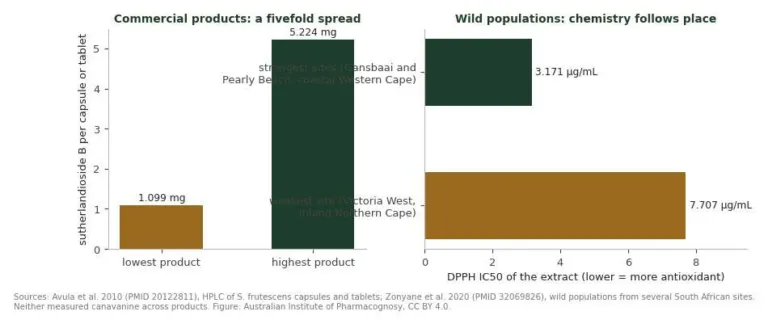
Plants collected from different wild sites in South Africa differ both in their chemistry and in their activity. In one study, extracts of coastal plants from Gansbaai and Pearly Beach in the Western Cape were the strongest antioxidants (DPPH IC50 about 3.2 µg/mL), plants from Victoria West in the inland Northern Cape were consistently the weakest (about 7.7 µg/mL), and plants from Colesberg had the strongest effect on colon cancer cells (PMID 32069826). Confirmed Water and ethanol extracts of the same plants differ mainly in their sutherlandiosides (PMID 30290800). Confirmed A study of oesophageal cancer cells found that extracts from two localities killed cells by different routes (PMID 40733322). Evidence suggests Where a plant comes from changes what is in it. Confirmed
Commercial products differ too
The first validated method for Sutherlandia markers, published in 2010, quantified sutherlandins A to D and sutherlandiosides A to D by HPLC. In the commercial capsules and tablets it analysed, sutherlandioside B ranged from 1.099 to 5.224 mg per unit, nearly fivefold (PMID 20122811). Confirmed A South African dissolution study found that flavonoid glycosides were released differently from every pair among the three products tested, although the authors cautioned that the data were too variable for the standard similarity test to be fully valid, and noted that dissolution testing was not required for herbal medicines there (PMID 28231051). Confirmed Neither study measured canavanine across products. The healthy-volunteer trial is the only published source the Institute found that states a canavanine content for a product, 600 µg per capsule (PMID 17476314). Confirmed
What a quality-assured Sutherlandia would need
A medicine needs a defined identity (species and, ideally, subspecies, confirmed against a voucher specimen), a defined part (leaf and fine stem in most products), limits on moisture, foreign matter, microbes, heavy metals and pesticides, and assays for named markers. The healthy-volunteer trial’s capsules were checked for content uniformity, stability, release, microbes, heavy metals and pesticides before use (PMID 17476314), and the HIV trial’s leaf was assayed each year for three markers (PMID 26186450). Confirmed That is the standard the only human evidence was produced to. Seed from a garden packet comes with none of it. Mechanism
For Sutherlandia, the Institute would add one test that most herbal specifications lack: a canavanine limit, set against the only human data available. The adulteration risk is lower than for many traded herbs, because the plant is cheap and easy to grow; the larger risk is simple variability. Mechanism Two other southern African medicinal plants show the contrast. Umckaloabo (Pelargonium sidoides) has 4 entries on the ARTG and devil’s claw (Harpagophytum procumbens) has 19, on keyword searches run on 30/09/2026 (ARTG searches, 30/09/2026). Attested Sutherlandia has none, and no Australian specification.
Discussion: conclusions, hypotheses and research still required
What the evidence supports
Sutherlandia, correctly Lessertia frutescens, is a southern African legume with a long garden history in Europe and Australia. Its medicinal use in the Cape is in print by 1857, when Pappe, citing Thunberg’s eighteenth-century travels, recorded only a use for the eyes. Attested Its common name records a traditional use for cancer that a 2025 review dates to 1895 from secondary sources. Traditional Its chemistry is distinctive and reasonably well characterised: canavanine, GABA, pinitol, the sutherlandins and a family of unusual cycloartane glycosides. Confirmed
In people, the evidence supports short-term tolerability in healthy adults and in adults with early HIV, at doses up to 2,400 mg of dried leaf a day for 24 weeks. Confirmed It does not support any benefit in HIV: the one adequate trial found no effect on viral load, CD4 count or weight. Confirmed It gives no support to any use for cancer. Confirmed It shows that the herb can lower exposure to at least one antiretroviral drug in healthy volunteers, although the size of the effect is uncertain. Confirmed In Australia it is on no register and no permitted list, it is unscheduled, and the lawful routes to it as a medicine are personal importation, subject to biosecurity import conditions, and practitioner compounding. Attested
What we can reasonably hypothesise
- The cancer reputation may have attached to the plant late in the nineteenth century as part of a general Cape bitter-tonic tradition. The Institute found no cancer use in the 1857 materia medica, which fits that idea. Mechanism
- The isoniazid signal in the HIV trial may be real, through antioxidant interference with isoniazid’s activation. It is the most important untested safety hypothesis about the plant, because the combination is common where the plant is used. Mechanism
- The adrenal and glucocorticoid-receptor effects in cells are the likeliest basis, if there is one, for its traditional use in stress and grief. Mechanism
- Given the difference between test-tube inhibition and in-body reduction of drug levels, the herb probably acts on both gut transport and enzyme expression, with the net effect depending on the drug. Mechanism
What research is still required
- History and ethnobotany. Find and read the primary source for the 1895 date, and trace the cancer use through Cape medical writing from 1857 to 1900. Pappe’s later editions and the Cape medical journals of the 1880s and 1890s are the obvious next documents to check.
- Pharmacokinetics. A human study measuring plasma levels of sutherlandioside B, pinitol and canavanine after single and repeated doses of a characterised leaf. Without it, no cell-culture concentration can be put in context.
- Drug interactions. A steady-state interaction study with a boosted protease inhibitor and with an integrase inhibitor such as dolutegravir, and a probe-drug (“cocktail”) study of CYP3A4, CYP2C8 and OATP1B1 in healthy volunteers.
- Tuberculosis. A mouse or in vitro test of whether Sutherlandia extract reduces isoniazid’s killing of Mycobacterium tuberculosis, and pooled pharmacovigilance from southern African TB programmes.
- Toxicology. A modern repeat-dose toxicity study with autoantibody measurement, and reproductive and developmental toxicity data, before any use in pregnancy could even be considered.
- Quality analysis. An HPLC method that covers canavanine, pinitol and sutherlandioside B in one run; a survey of products sold online to Australians; and a comparison of Australian-grown plants with wild South African chemotypes, starting from vouchered specimens of the naturalised populations in South Australia and Western Australia.
- Clinical research. If the stress and cortisol work is to be tested, a small randomised trial in healthy adults with salivary cortisol and a validated stress scale as outcomes. Any trial in people with cancer would need a clear rationale that the current evidence does not provide.
- Regulatory science. If a sponsor ever sought to list it, the TGA would need a safety dossier addressing canavanine and interactions; the lucerne canavanine limit in item 3237 of the Permissible Ingredients Determination is a ready precedent.
About the Australian Institute of Pharmacognosy and this series
The Australian Institute of Pharmacognosy is a clinic and research laboratory in Cardwell, far north Queensland, studying medicinal plants and natural products to the same evidentiary standard as any other branch of pharmacology: traditional knowledge taken seriously, and tested honestly. Visit the Institute at australian-pharmacognosy.org.
Series: AIP Literature Reviews and Critical Analyses (evidence reviews). Previous: ashwagandha (Withania somnifera) · pygeum (Prunus africana) · Indian barberry (Berberis aristata) · devil’s claw (Harpagophytum procumbens) · turmeric (Curcuma longa) · sour jujube seed (Ziziphus jujuba) · soursop (Annona muricata) · umckaloabo (Pelargonium sidoides) · andrographis (Andrographis paniculata) · Syrian rue (Peganum harmala). Follow the series for a new evidence review each morning.
Corrections: if you find an error or a source we have missed, write to the Institute at our contact form. We would rather correct a claim than repeat it.
About the images and the evidence. Photographs are from Wikimedia Commons under the licences stated in each caption and in the image credits. Chemical structures are PubChem’s public-domain depictions. Figures 1 to 7 were drawn by the Institute from the sources printed in each. The Institute is grateful to the photographers, to the South African researchers whose open-access papers made a full-text review possible, and to the University of Glasgow Library and the Internet Archive for the digitised copy of Pappe’s 1857 Prodromus.
Head of Education and Research
Australian Institute of Pharmacognosy
Cardwell QLD, Australia
australian-pharmacognosy.org · our contact form
Suggested citation: Ridley T. Sutherlandia, the “cancer bush” (Lessertia frutescens (L.) Goldblatt & J.C.Manning): the name, the human evidence, the drug interactions and the Australian regulatory position. AIP Literature Review and Critical Analysis AIP-LR-LESFRU. Cardwell (QLD): Australian Institute of Pharmacognosy; 2026.
Educational content only; not medical, legal or regulatory advice. Australian regulatory information reflects the ARTG, the Permissible Ingredients Determination, the Poisons Standard, the Therapeutic Goods Regulations and TGA and DAFF publications as read on 30/09/2026 and may change. South African policy and practice are described as overseas material and do not govern Australian law. No product, seller or sponsor is named, and no product is advertised, endorsed or recommended. Material drawn from Commonwealth sources is © Commonwealth of Australia and appears here as short extracts for the purpose of reporting, criticism and review.
References
44 references: tap to open
Listed in order of first citation. All 25 PMIDs were verified against PubMed on 30/09/2026 and read in full text; every regulatory, legislative, taxonomic, historical and biodiversity record was read from its own source. Papers that could not be read in full were requested through the Institute’s library and are not cited.
- Therapeutic Goods Administration. Reporting adverse events for consumers. Read by the Institute on 29/09/2026. Direct online reporting of suspected side effects by consumers. https://www.tga.gov.au/safety/reporting-problems/reporting-adverse-events-consumers
- Australian Institute of Pharmacognosy. Observation of 30/09/2026: seed of Lessertia frutescens offered for sale under the name “cancer bush” by at least two Australian online seed retailers, priced in AUD. The retailers are deliberately not named or linked; the Institute does not link to vendors.
- Ndjoubi KO, Sharma R, Hussein AA. Phytochemistry, Ethnopharmacology, and Pharmacology of Lessertia frutescens (Cancer Bush): A Comprehensive Review. Plants (Basel). 2025 Jul 08;14(14). PMID 40733322. DOI 10.3390/plants14142086.
- Pappe L. Florae Capensis Medicae Prodromus; or, an enumeration of South African plants used as remedies by the colonists of the Cape of Good Hope. 2nd ed., with corrections and numerous additions. Cape Town: W. Brittain; 1857. Entry 25, Sutherlandia frutescens R.Br., p. 11, citing Thunberg, Travels, vol. 1, p. 160. Digitised by the University of Glasgow Library; Internet Archive identifier b21463153; Public Domain Mark. Read in full text 30/09/2026. https://archive.org/details/b21463153
- Johnson Q, Syce J, Nell H, Rudeen K, Folk WR. A randomized, double-blind, placebo-controlled trial of Lessertia frutescens in healthy adults. PLoS Clin Trials. 2007 Apr 27;2(4):e16. PMID 17476314. DOI 10.1371/journal.pctr.0020016.
- International Plant Names Index. Colutea frutescens L., Species Plantarum 2: 723 (1753). Record 486831-1. Queried 30/09/2026. https://www.ipni.org/n/486831-1
- International Plant Names Index. Sutherlandia frutescens R.Br., in W.T. Aiton, Hortus Kewensis, ed. 2, 4: 327 (1812), record 519731-1; genus Sutherlandia R.Br., record 331993-2. Queried 30/09/2026. https://www.ipni.org/n/519731-1
- International Plant Names Index. Lessertia frutescens (L.) Goldblatt & J.C.Manning, Strelitzia 9: 708 (2000), record 1017425-1; subsp. microphylla (Burch. ex DC.) J.C.Manning & Boatwr. and subsp. speciosa (E.Phillips & R.A.Dyer) J.C.Manning & Boatwr., Strelitzia 29: 804 (2012), records 77132438-1 and 77132444-1. Queried 30/09/2026. https://www.ipni.org/n/1017425-1
- International Plant Names Index. Lessertia DC., Astragalogia (1802). Record 331711-2. Queried 30/09/2026. https://www.ipni.org/n/331711-2
- Australian Plant Census, via the National Species List. Lessertia frutescens (L.) Goldblatt & J.C.Manning, APC version published 23/09/2026: accepted name; basionym Colutea frutescens L.; nomenclatural synonym Sutherlandia frutescens (L.) R.Br.; APC distribution “WA (naturalised), SA (naturalised), NSW (naturalised), Vic (doubtfully naturalised)”. Read 30/09/2026. https://id.biodiversity.org.au/node/apni/2894632
- Guo Y, Wariss HM, Zhang R. The complete chloroplast genome of Lessertia frutescens (L.) Goldblatt & J. C. Manning (Leguminosae), an important medicinal plant species from Southern Africa. Mitochondrial DNA B Resour. 2021;6(9):2767-2769. PMID 34471699. DOI 10.1080/23802359.2021.1967811.
- Atlas of Living Australia. Occurrence search for the APC taxon Lessertia frutescens against the biocache web service, 30/09/2026: 116 records worldwide, 85 in Australia (84 preserved specimens, 1 human observation), dated 1872 to 2022; South Australia 27, Western Australia 21, New South Wales 20, Tasmania 4, Australian Capital Territory 3, Victoria 3, Northern Territory 3, no state 4; no Queensland record. https://biocache.ala.org.au/occurrences/search?q=lsid%3A%22https%3A%2F%2Fid.biodiversity.org.au%2Fnode%2Fapni%2F2894632%22
- Biosecurity Act 2014 (Qld), reprint current as at 27/04/2026, full text searched 30/09/2026 for “Lessertia” and “Sutherlandia”: no mention, including in the schedules of prohibited and restricted matter. https://www.legislation.qld.gov.au/view/html/inforce/current/act-2014-007
- Raimi IO, Kopaopa BG, Mugivhisa LL, Lewu FB, Amoo SO, Olowoyo JO. An ethnobotanical survey of medicinal plants used by traditional healers for the treatment of cancer in Hammanskraal and Winterveld, Tshwane Metropolitan Municipality, South Africa. Afr Health Sci. 2021 Dec;21(4):1746-1753. PMID 35283969. DOI 10.4314/ahs.v21i4.31.
- Mills E, Cooper C, Seely D, Kanfer I. African herbal medicines in the treatment of HIV: Hypoxis and Sutherlandia. An overview of evidence and pharmacology. Nutr J. 2005 May 31;4:19. PMID 15927053. DOI 10.1186/1475-2891-4-19.
- Wilson D, Goggin K, Williams K, Gerkovich MM, Gqaleni N, Syce J, et al. Consumption of Sutherlandia frutescens by HIV-Seropositive South African Adults: An Adaptive Double-Blind Randomized Placebo Controlled Trial. PLoS One. 2015;10(7):e0128522. PMID 26186450. DOI 10.1371/journal.pone.0128522.
- Müller AC, Skinner MF, Kanfer I. Effect of the African Traditional Medicine, Sutherlandia frutescens, on the Bioavailability of the Antiretroviral Protease Inhibitor, Atazanavir. Evid Based Complement Alternat Med. 2013;2013:324618. PMID 24416065. DOI 10.1155/2013/324618.
- Zonyane S, Fawole OA, la Grange C, Stander MA, Opara UL, Makunga NP. The Implication of Chemotypic Variation on the Anti-Oxidant and Anti-Cancer Activities of Sutherlandia frutescens (L.) R.Br. (Fabaceae) from Different Geographic Locations. Antioxidants (Basel). 2020 Feb 13;9(2). PMID 32069826. DOI 10.3390/antiox9020152.
- Avula B, Wang YH, Smillie TJ, Fu X, Li XC, Mabusela W, et al. Quantitative determination of flavonoids and cycloartanol glycosides from aerial parts of Sutherlandia frutescens (L.) R. BR. by using LC-UV/ELSD methods and confirmation by using LC-MS method. J Pharm Biomed Anal. 2010 Jun 05;52(2):173-80. PMID 20122811. DOI 10.1016/j.jpba.2010.01.010.
- Fu X, Li XC, Smillie TJ, Carvalho P, Mabusela W, Syce J, et al. Cycloartane glycosides from Sutherlandia frutescens. J Nat Prod. 2008 Oct;71(10):1749-53. PMID 18808182. DOI 10.1021/np800328r.
- Ndjoubi KO, Omoruyi SI, Luckay RC, Hussein AA. Isolation of Lessertiosides A and B and Other Metabolites from Lessertia frutescens and Their Neuroprotection Activity. Plants (Basel). 2024 Nov 01;13(21). PMID 39519994. DOI 10.3390/plants13213076.
- Lei W, Browning JD, Eichen PA, Lu CH, Mossine VV, Rottinghaus GE, et al. Immuno-stimulatory activity of a polysaccharide-enriched fraction of Sutherlandia frutescens occurs by the toll-like receptor-4 signaling pathway. J Ethnopharmacol. 2015 Aug 22;172:247-53. PMID 26096188. DOI 10.1016/j.jep.2015.06.013.
- Lei W, Browning JD, Eichen PA, Folk WR, Sun GY, Lubahn DB, et al. An Investigation into the Immunomodulatory Activities of Sutherlandia frutescens in Healthy Mice. PLoS One. 2016;11(8):e0160994. PMID 27575007. DOI 10.1371/journal.pone.0160994.
- Africa LD, Smith C. Sutherlandia frutescens may exacerbate HIV-associated neuroinflammation. J Negat Results Biomed. 2015 Jul 18;14:14. PMID 26187042. DOI 10.1186/s12952-015-0031-y.
- Pringle N, Koekemoer TC, van de Venter M. Comprehensive Mechanistic Characterisation of the Antidiabetic Profile of Sutherlandia frutescens Using Target-Directed In Vitro Assays and Cellomics. Life (Basel). 2026 Aug 17;16(8). PMID 42653036. DOI 10.3390/life16081348.
- Ntuli SSBN, Gelderblom WCA, Katerere DR. The mutagenic and antimutagenic activity of Sutherlandia frutescens extracts and marker compounds. BMC Complement Altern Med. 2018 Mar 15;18(1):93. PMID 29544492. DOI 10.1186/s12906-018-2159-z.
- Chen L, Xu M, Gong Z, Zonyane S, Xu S, Makunga NP. Comparative cardio and developmental toxicity induced by the popular medicinal extract of Sutherlandia frutescens (L.) R.Br. detected using a zebrafish Tuebingen embryo model. BMC Complement Altern Med. 2018 Oct 05;18(1):273. PMID 30290800. DOI 10.1186/s12906-018-2303-9.
- Gouws C, Smit T, Willers C, Svitina H, Calitz C, Wrzesinski K. Anticancer Potential of Sutherlandia frutescens and Xysmalobium undulatum in LS180 Colorectal Cancer Mini-Tumors. Molecules. 2021 Jan 25;26(3). PMID 33503827. DOI 10.3390/molecules26030605.
- Lin H, Jackson GA, Lu Y, Drenkhahn SK, Brownstein KJ, Starkey NJ, et al. Inhibition of Gli/hedgehog signaling in prostate cancer cells by "cancer bush" Sutherlandia frutescens extract. Cell Biol Int. 2016 Feb;40(2):131-42. PMID 26377232. DOI 10.1002/cbin.10544.
- van der Walt NB, Zakeri Z, Cronjé MJ. The Induction of Apoptosis in A375 Malignant Melanoma Cells by Sutherlandia frutescens. Evid Based Complement Alternat Med. 2016;2016:4921067. PMID 27656236. DOI 10.1155/2016/4921067.
- Therapeutic Goods Regulations 1990 (Cth), Compilation No. 130 (F2026C00872), in force from 08/09/2026, read 30/09/2026. Schedule 2 Part 1 item 10 (prohibited representations regarding the treatment, cure or prevention of neoplastic disease, HIV and AIDS, for all therapeutic goods); Schedule 5 item 1 (goods imported for the treatment of the importer or immediate family) and item 6 (medicines dispensed or extemporaneously compounded for a particular person); Schedule 8 item 4 (herbalists and other practitioners preparing herbal preparations for a particular person after consultation, on premises they can close to the public). https://www.legislation.gov.au/F1996B00406/latest/text
- Müller AC, Patnala S, Kis O, Bendayan R, Kanfer I. Interactions between phytochemical components of Sutherlandia frutescens and the antiretroviral, atazanavir in vitro: implications for absorption and metabolism. J Pharm Pharm Sci. 2012;15(2):221-33. PMID 22579002. DOI 10.18433/j3ns3x.
- Minocha M, Mandava NK, Kwatra D, Pal D, Folk WR, Earla R, et al. Effect of short term and chronic administration of Sutherlandia frutescens on pharmacokinetics of nevirapine in rats. Int J Pharm. 2011 Jul 15;413(1-2):44-50. PMID 21545833. DOI 10.1016/j.ijpharm.2011.04.051.
- Muller AC, Ducharme MP, Kanfer I. Identification of Mechanism and Pathway of the Interaction between the African Traditional Medicine, Sutherlandia Frutescens, and the Antiretroviral Protease Inhibitor, Atazanavir, in Human Subjects Using Population Pharmacokinetic (PK) Analysis. J Pharm Pharm Sci. 2018;21(1s):215s-221s. PMID 30158052. DOI 10.18433/jpps30068.
- Folk WR, Smith A, Song H, Chuang D, Cheng J, Gu Z, et al. Does Concurrent Use of Some Botanicals Interfere with Treatment of Tuberculosis?. Neuromolecular Med. 2016 Sep;18(3):483-6. PMID 27155670. DOI 10.1007/s12017-016-8402-1.
- Therapeutic Goods (Permissible Ingredients) Determination (No. 2) 2026 (Cth), F2026L00707. Schedule 1 read in full on 30/09/2026: no entry for Lessertia or Sutherlandia under any name (item 3003 Lespedeza capitata is followed by item 3004 lettuce; item 4821 superoxide dismutase by item 4822 swede); item 3237 MEDICAGO SATIVA, roles A, E, H, requiring that the level of l-canavanine be no more than that of the dried leaf, with a further limit for fresh-leaf extracts. https://www.legislation.gov.au/F2026L00707/asmade
- Therapeutic Goods Administration. Australian Register of Therapeutic Goods, keyword searches run 30/09/2026: “sutherlandia”, “lessertia”, “sutherlandia frutescens”, “lessertia frutescens” and “cancer bush” each returned no matching results. Control searches the same day: “withania” 405 results, “pelargonium sidoides” 4, “harpagophytum” 19. https://www.tga.gov.au/resources/artg?keywords=sutherlandia
- Therapeutic Goods Administration. Whole-site search of tga.gov.au for “sutherlandia” and “lessertia”, 30/09/2026: no matching results in any content type (alerts, consultations, cancellations, articles, ARTG). Control search for “withania” returned alerts, a consultation and 405 ARTG entries. https://www.tga.gov.au/search?keywords=sutherlandia
- Therapeutic Goods (Poisons Standard—June 2026) Instrument 2026 (Cth), F2026L00633. Full text searched on 30/09/2026 for Sutherlandia, Lessertia, canavanine and Medicago: no entry. https://www.legislation.gov.au/F2026L00633/asmade
- Therapeutic Goods Administration. Personal Importation Scheme. Last updated 08/09/2026, read 30/09/2026. Conditions: personal or immediate-family use only, no sale or supply; no more than three months’ supply at the manufacturer’s recommended dose for non-prescription medicines and no more than fifteen months’ supply in twelve months; original or identifiable packaging; no controlled substances or goods prohibited under customs or quarantine rules. Products are not evaluated by the TGA. https://www.tga.gov.au/products/unapproved-therapeutic-goods/access-pathways/personal-importation-scheme
- Department of Agriculture, Fisheries and Forestry. Importing plant based food, drink and supplements. Read 30/09/2026. Import conditions under the Biosecurity Act 2015 (Cth) are set per commodity in BICON; dietary supplements and natural medicines as capsules or tablets, dried herbs, powdered herbs and herbal teas each have their own BICON case; any commodity not listed in BICON cannot be imported until a risk assessment is conducted. https://www.agriculture.gov.au/biosecurity-trade/import/goods/plant-products/importing-plant-products-for-human-consumption
- Department of Agriculture, Fisheries and Forestry, BICON. Annex tables of permitted dried herb species and permitted plant parts, versions effective 04/05/2018 to 25/07/2018 and 27/03/2021 to 19/05/2021, read 30/09/2026: neither lists Lessertia or Sutherlandia. The current version could not be retrieved by the Institute. https://bicon.agriculture.gov.au/BiconWeb4.0/ViewElement/Element?elementPk=832702
- Mbamalu ON, Syce J, Samsodien H. Short communication. Challenges relating to comparison of flavonoid glycosides dissolution profiles from Sutherlandia frutescens products. Acta Pharm. 2017 Mar 01;67(1):137-146. PMID 28231051. DOI 10.1515/acph-2017-0003.
- Chemical records and structure depictions: PubChem, US National Library of Medicine, public domain. CIDs cited in the text: 439202, 6322, 119, 6267, 164619, 25137460, 25137458, 92110, 442811, 148192, 4463, 3767.
Image credits
- Suráfrica, Goegap 36.jpg, LBM1948. CC BY-SA 4.0. Resized and re-encoded for the web by AIP; no other changes.
- Cancer Bush (Lessertia frutescens) flowers (32702440572).jpg, Bernard DUPONT from FRANCE. CC BY-SA 2.0. Resized and re-encoded for the web by AIP; no other changes.
- Cancer Bush (Lessertia frutescens) (32732229511).jpg, Bernard DUPONT from FRANCE. CC BY-SA 2.0. Resized and re-encoded for the web by AIP; no other changes.
- Lessertia frutescens 1DS-II 5134.jpg, SAplants. CC BY-SA 4.0. Resized and re-encoded for the web by AIP; no other changes.
- Lessertia frutescens 1DS-II 2-3490.jpg, SAplants. CC BY-SA 4.0. Resized and re-encoded for the web by AIP; no other changes.
- Lessertia frutescens 1DS-II 5136.jpg, SAplants. CC BY-SA 4.0. Resized and re-encoded for the web by AIP; no other changes.
- Lessertia frutescens 1DS-II 8022.jpg, SAplants. CC BY-SA 4.0. Resized and re-encoded for the web by AIP; no other changes.
- Lessertia frutescens 1DS-II 7939.jpg, SAplants. CC BY-SA 4.0. Resized and re-encoded for the web by AIP; no other changes.
- Cancer Bush (Lessertia frutescens) (32856078085).jpg, Bernard DUPONT from FRANCE. CC BY-SA 2.0. Resized and re-encoded for the web by AIP; no other changes.
- Sutherlandia frutescens PICT3649.JPG, Winfried Bruenken (Amrum). CC BY-SA 2.5. Resized and re-encoded for the web by AIP; no other changes.
- The Botanical Magazine, Plate 181 (Volume 6, 1793).png, William Curtis. Public domain. Resized and re-encoded for the web by AIP; no other changes.
- Anna Maria Truter00.JPG, Anna Maria Truter (1777-1857), wife of Sir John Barrow, 1st Baronet. Public domain. Resized and re-encoded for the web by AIP; no other changes.
- Malachite Sunbird, Nectarinia famosa, male at Kirstenbosch (8234946415).jpg, Derek Keats from Johannesburg, South Africa. CC BY 2.0. Resized and re-encoded for the web by AIP; no other changes.
- Lessertia frutescens 100226401.jpg, Jimmy Whatmore. CC0. Resized and re-encoded for the web by AIP; no other changes.
- 2018-08-05 Sutherlandia frutescens.jpg, Andrawaag. CC BY-SA 4.0. Resized and re-encoded for the web by AIP; no other changes.
- Lessertia frutescens 1c.JPG, Consultaplantas. CC BY-SA 4.0. Resized and re-encoded for the web by AIP; no other changes.
- Sutherlandia frutescens-IMG 9481.jpg, C T Johansson. CC BY 3.0. Resized and re-encoded for the web by AIP; no other changes.
- Sprouted Alfalfa.jpg, Buelldm. CC BY-SA 3.0. Resized and re-encoded for the web by AIP; no other changes.
- Chemical structure depictions (L-canavanine, L-arginine, GABA, L-asparagine, D-pinitol, sutherlandiosides A and B, cycloartenol, mucronulatol, atazanavir, nevirapine, isoniazid): PubChem, US National Library of Medicine. Public domain. Background whitened by AIP.
- Figures 1–7 (the names timeline, Australian records, the human studies, the dish concentrations, the interaction evidence, the Australian legal checklist, and the quality variation): Australian Institute of Pharmacognosy, 2026, CC BY 4.0, drawn from the sources printed in each figure.
The Institute sets and publishes its own monographs. The catalogue is in Publications.