

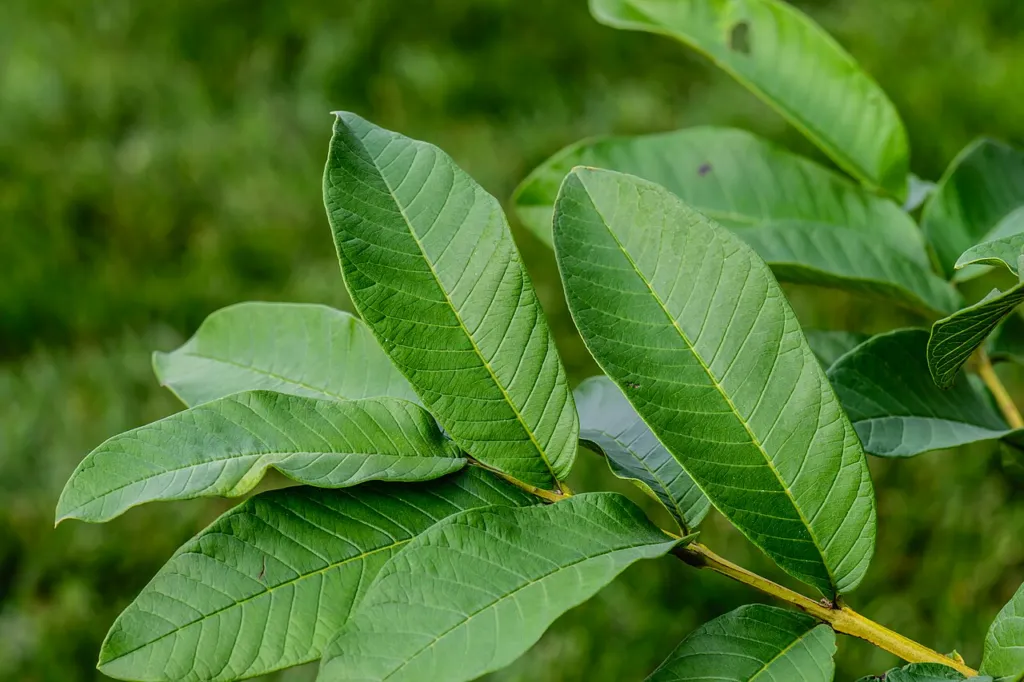
Cover: leaves of a young guava sapling (cultivar ‘Ruby Supreme’). Photo: PumpkinSky · CC BY-SA 4.0 · Wikimedia Commons
From Mexico and Brazil to the Philippines, Fiji and India, a handful of guava leaves boiled in water is a household answer to an upset stomach. Traditional In Japan a bottled guava-leaf tea won approval as a Food for Specified Health Uses, sold to people watching their blood sugar after meals (PMID 20181067). Attested Around Cardwell the same tree grows wild on road verges and creek banks, and most Australians have never given its leaves a second look.
This is Literature Review and Critical Analysis AIP-LR-PSIGUA from the Australian Institute of Pharmacognosy. It introduces guava leaf to Australian readers: how it is used overseas, what its chemistry is, what the laboratory and animal work shows, and what the human trials on after-meal blood glucose and on diarrhoea actually measured. It sets out how the leaf is prepared, what is known about its safety and its interactions with glucose-lowering medicines, and where it sits under Australian law. Each claim carries a tag for the kind of evidence behind it.
This article is educational. It is not medical advice, and nothing in it is a recommendation to use guava leaf to treat any condition.
Glucose-lowering medicines. Hot-water guava leaf extract slows the digestion of starch and sugar in the gut, the same broad job done by acarbose. Mechanism Anyone on insulin, a sulfonylurea such as gliclazide, or several diabetes medicines together has the most reason to watch for an added fall in blood glucose. The small Japanese trials in people on these medicines reported no hypoglycaemia (PMID 20181067), Evidence suggests but they were short, small and run by the tea’s maker.
Warfarin. In one rat study a guava leaf extract lengthened the prothrombin time and raised the INR produced by warfarin (PMID 30678660); Evidence suggests an earlier rat study of the tea found no change. There are no human data either way.
Pregnancy, breastfeeding and infants. We found no human safety data for medicinal amounts in pregnancy or breastfeeding. Diarrhoea in babies and small children is dangerous because of dehydration, and oral rehydration comes first.
Before taking any botanical drug, consult a degree-qualified herbalist with competencies and adequate training in pharmacognosy, and tell them every medicine you take.
If someone is unwell after taking a herbal product: call Triple Zero (000) in an emergency, or the Poisons Information Centre on 13 11 26 (24 hours, Australia-wide).
| The plant | Psidium guajava L. (Myrtaceae), guava. A small tree native to tropical America, naturalised in Queensland and listed there as an environmental weed. Confirmed §1, §3 |
| Part used | The leaf, fresh or dried, usually as a decoction, an infusion or a hot-water extract. Traditional §8 |
| Traditional role | Diarrhoea, dysentery and stomach ache across the tropics; mouth and gum care; wounds and skin; in East Asia, a drink for blood sugar. Traditional §4 |
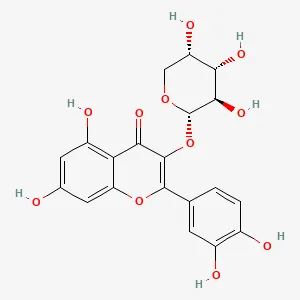
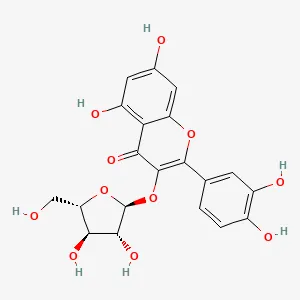
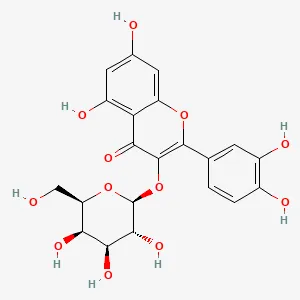
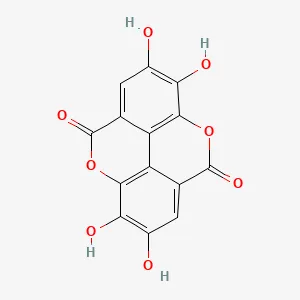
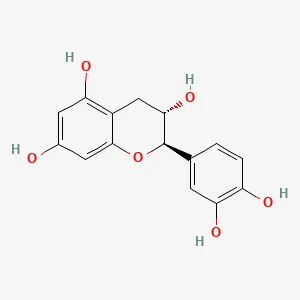
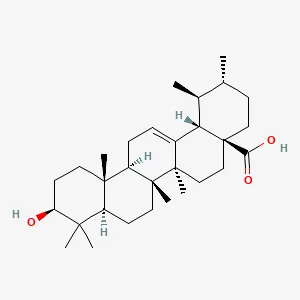
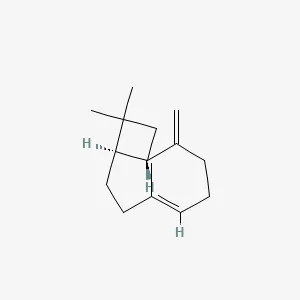
| Chemistry | Quercetin and its glycosides (guaijaverin, avicularin, hyperoside, quercitrin), ellagitannins, a polymerised leaf polyphenol, triterpene acids and an essential oil rich in caryophyllene and 1,8-cineole. Confirmed §5 |
| Main laboratory action | Inhibits the gut enzymes that break starch and sugar into glucose (α-amylase, maltase, sucrase). Evidence suggests §6 |
| After-meal glucose in people | Small Japanese trials of a commercial tea found lower glucose after a rice meal and a milder effect than voglibose. No independent placebo-controlled trial with HbA1c as the outcome was found. Evidence suggests §7 |
| Diarrhoea in people | One open-label randomised trial in Indian adults found faster recovery with a leaf decoction than in controls given oral rehydration solution; one Mexican trial found less abdominal pain but no change in stool frequency. Evidence suggests §7 |
| Safety | No adverse events reported in the human trials we read; low acute toxicity in rodents. Long-term, pregnancy and paediatric data are missing. Evidence suggests §9 |
| Interactions | Possible additive effect with glucose-lowering medicines; conflicting rat data with warfarin; weak inhibition of CYP2C8, 2C9 and 3A4 in vitro. Mechanism §9 |
| Australian law | Not in the Poisons Standard. Named as an ingredient in three current ARTG-listed combination medicines; no single-herb guava leaf medicine found. Sold here mostly as a food or tea. Confirmed §10 |
Confirmed Established in people by trial, or an unambiguous analytical, legal or chemical fact.
Evidence suggests Real published data that is preclinical, observational, small, uncontrolled or unreplicated.
Mechanism A plausible pharmacological inference. It explains; it does not prove an outcome.
Traditional Historical, ethnobotanical or household use. Evidence of practice, not of efficacy.
Attested A documentary fact found in a named edition, register or record.
Guava leaf is a household remedy right across the tropics. It is boiled for diarrhoea and stomach upsets from Latin America to the Pacific, used as a mouthwash and wound wash, and in Japan and East Asia it is drunk as a tea with meals by people concerned about blood sugar. The tree is common and naturalised in Queensland, so the leaf is easy to find here.
The laboratory story is consistent. A hot-water extract of the leaf slows the enzymes that turn starch and sugar into glucose, and the leaf’s quercetin glycosides relax gut muscle and act against several diarrhoea-causing bacteria in the dish. In mice, the extract flattens the rise in blood glucose after a sugar or starch load.
The human evidence is thinner than the marketing suggests. For after-meal glucose it rests on a handful of small trials of one Japanese tea, most without a placebo, reported by scientists employed by the company that makes it. The tea lowered the glucose peak after a rice meal by about a fifth and was milder than the drug voglibose. For diarrhoea there is one open-label randomised trial in Indian adults showing faster recovery, and one Mexican placebo-controlled trial in which abdominal pain eased but stool frequency did not change.
Reported side effects in these trials were nil, and acute toxicity in rodents is low. The interaction that matters in practice is with glucose-lowering medicines, where the effects may add up. In Australia, guava leaf is not a scheduled poison, is mostly sold as a tea or food, and appears as one ingredient among many in three current listed medicines.
 Chapter 1Names, identity and taxonomy
 Chapter 2Botany: recognising guava
 Chapter 3Where it grows, including Australia
 Chapter 4Traditional and historical use
 Chapter 5Phytochemistry
 Chapter 6Pharmacology: laboratory and animal work
 Chapter 7Clinical evidence in people
 Chapter 8How guava leaf is prepared
 Chapter 9Safety, interactions and contraindications
 Chapter 10Australian regulatory status
 Chapter 11Quality, identity and adulteration
 Chapter 12Discussion and research still required
Also: About AIP · References · Image credits
1. Names, identity and taxonomy
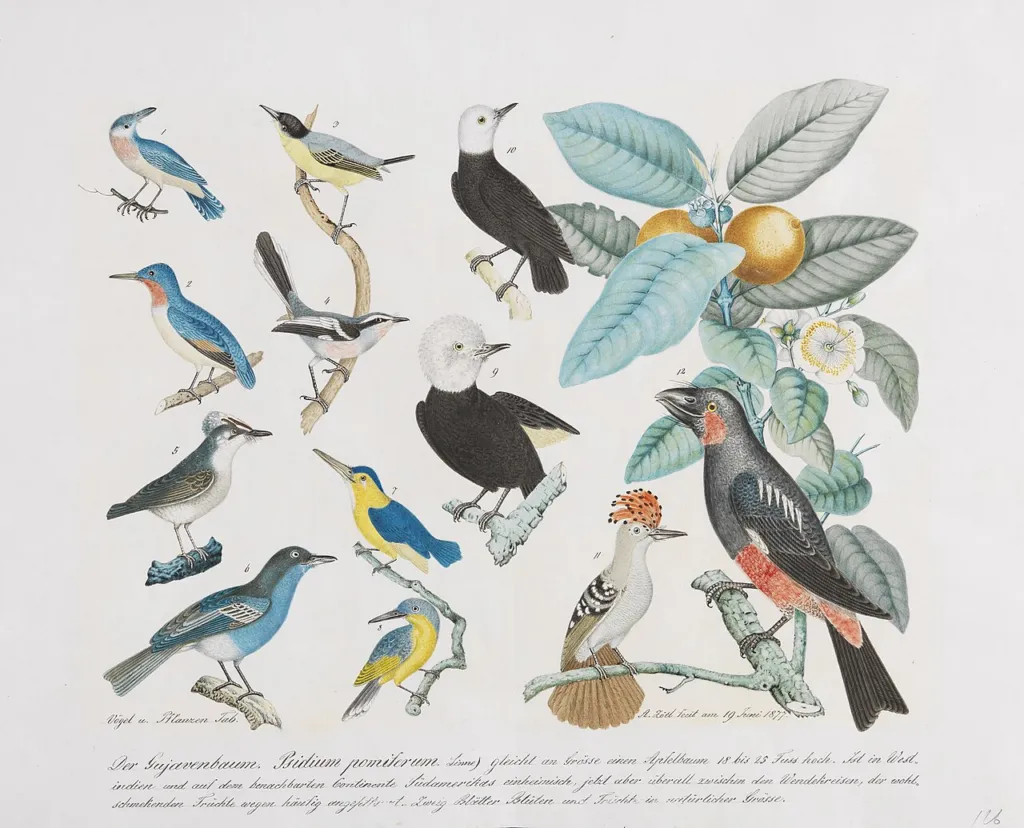
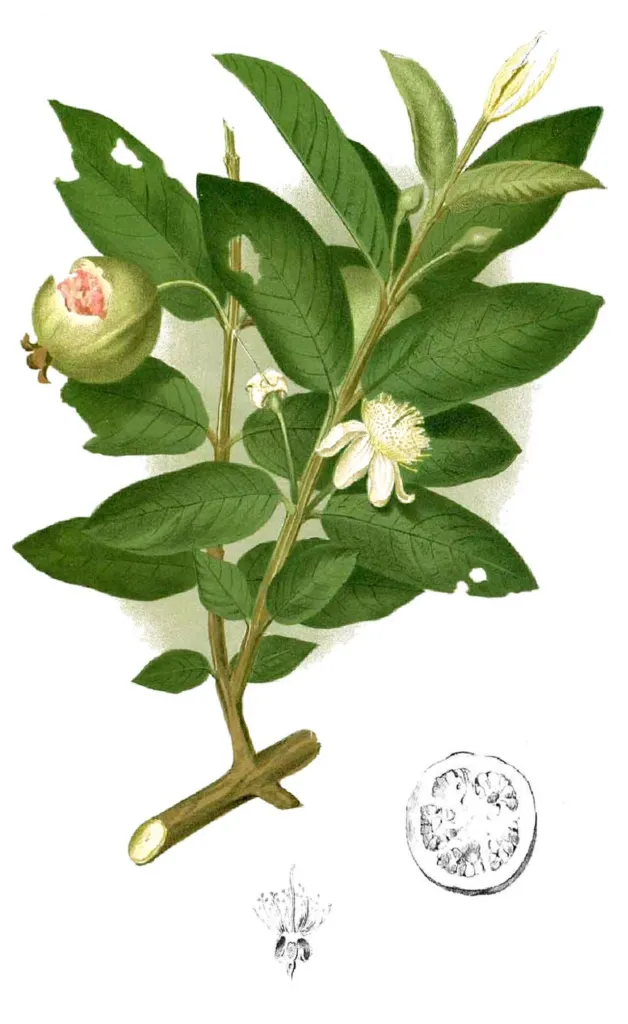
The accepted name is Psidium guajava L., published by Linnaeus in Species Plantarum 1: 470 in 1753, as recorded by the International Plant Names Index. Attested In the second edition of the same work (1762, vol. 1 p. 672) Linnaeus split the cultivated guavas into Psidium pomiferum, the apple-shaped form, and P. pyriferum, the pear-shaped one Attested. Both names are now treated as belonging to P. guajava, and both still turn up on old herbarium sheets and in nineteenth-century paintings, including the watercolour that heads Chapter 4.
Guava belongs to the Myrtaceae, the myrtle family. That puts it beside the eucalypts, the lilly pillies, the tea trees and clove, and the family resemblance shows in the oil cavities of the leaf, which give a crushed guava leaf its resinous smell. Confirmed Psidium is a genus of tropical America. The two species that matter in Queensland are common guava, the subject here, and cherry or strawberry guava, Psidium cattleyanum, a smaller-leaved, red-fruited relative that is also naturalised.
The common names follow the tree around the world. The South Pacific volume of the WHO Western Pacific series records ku’ava in Samoa, kuava in Tonga, tuava in Tahiti, the Marquesas and the Cook Islands, quwawa in Fiji and amrud among Indo-Fijians (WHO Regional Office for the Western Pacific, Medicinal plants in the South Pacific (1998), p. 161). Attested Spanish speakers say guayaba, Filipinos bayabas, and in Japan the leaf tea is sold under names built on banjirō, the Japanese word for the fruit. In Australian shops the product is usually labelled simply “guava leaf tea”.
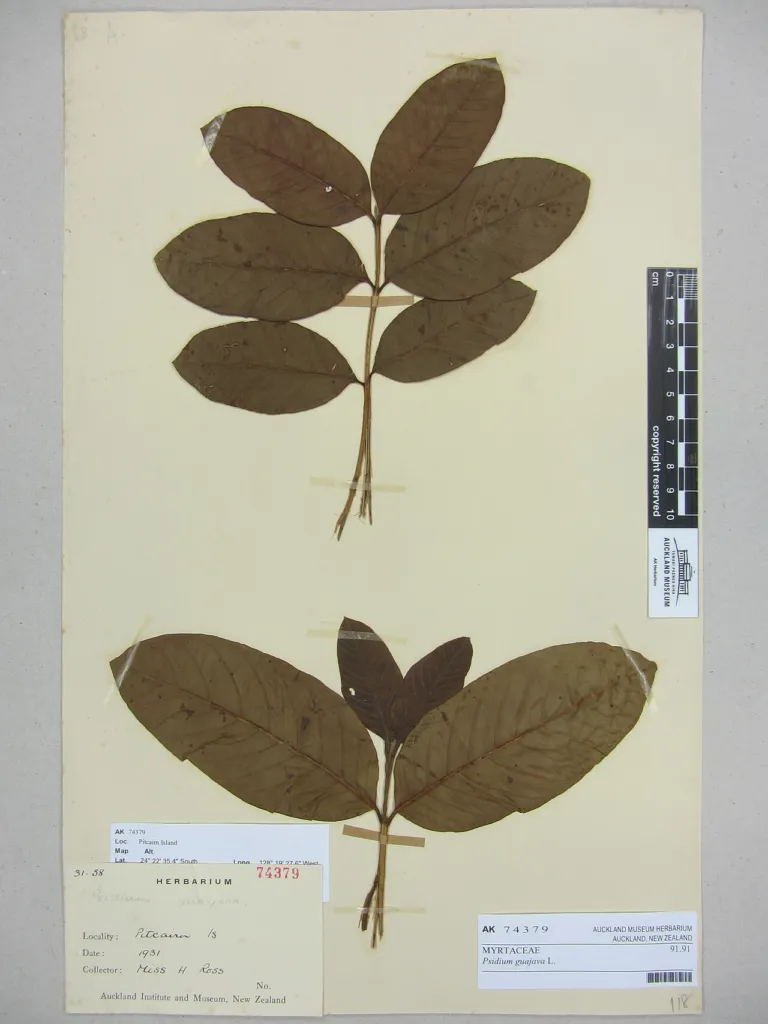
One practical point follows from the taxonomy. “Guava leaf” on a packet should mean the leaf of P. guajava. Nothing on most retail labels says which species was harvested, and cherry guava leaves, or leaves of other Myrtaceae collected from the same paddock, would look much the same once dried and cut. Chapter 11 comes back to this.
2. Botany: recognising guava
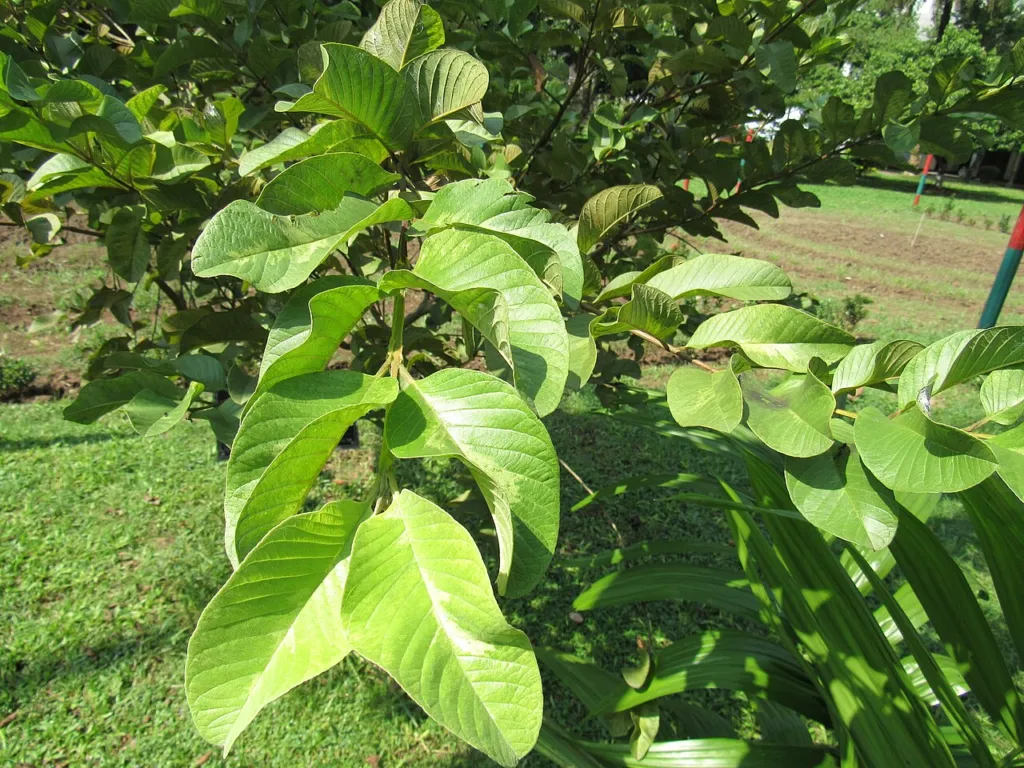
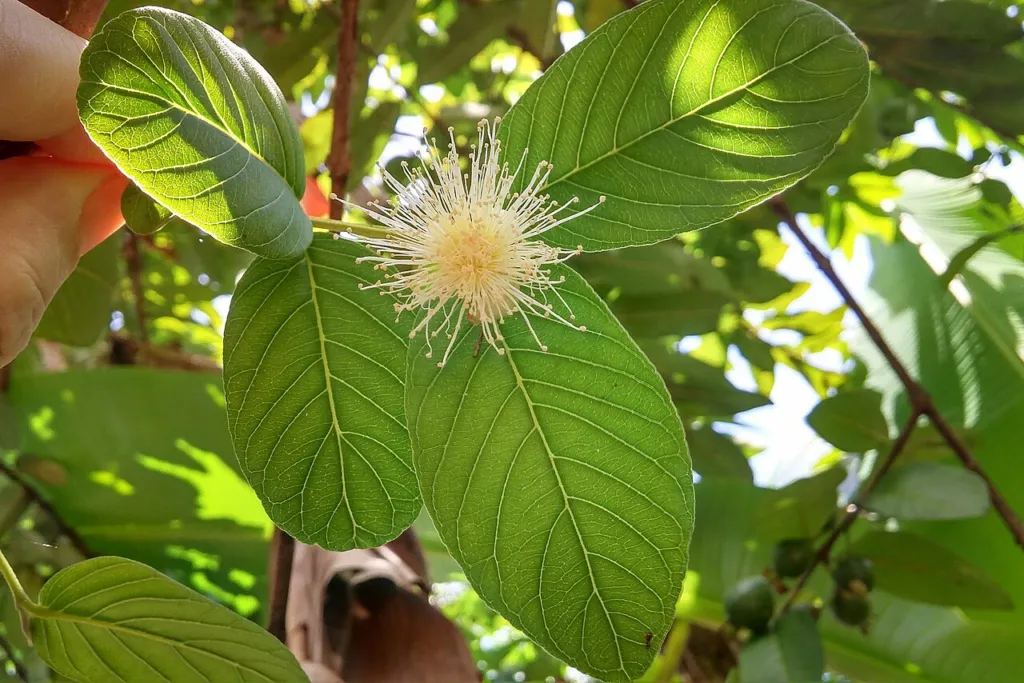
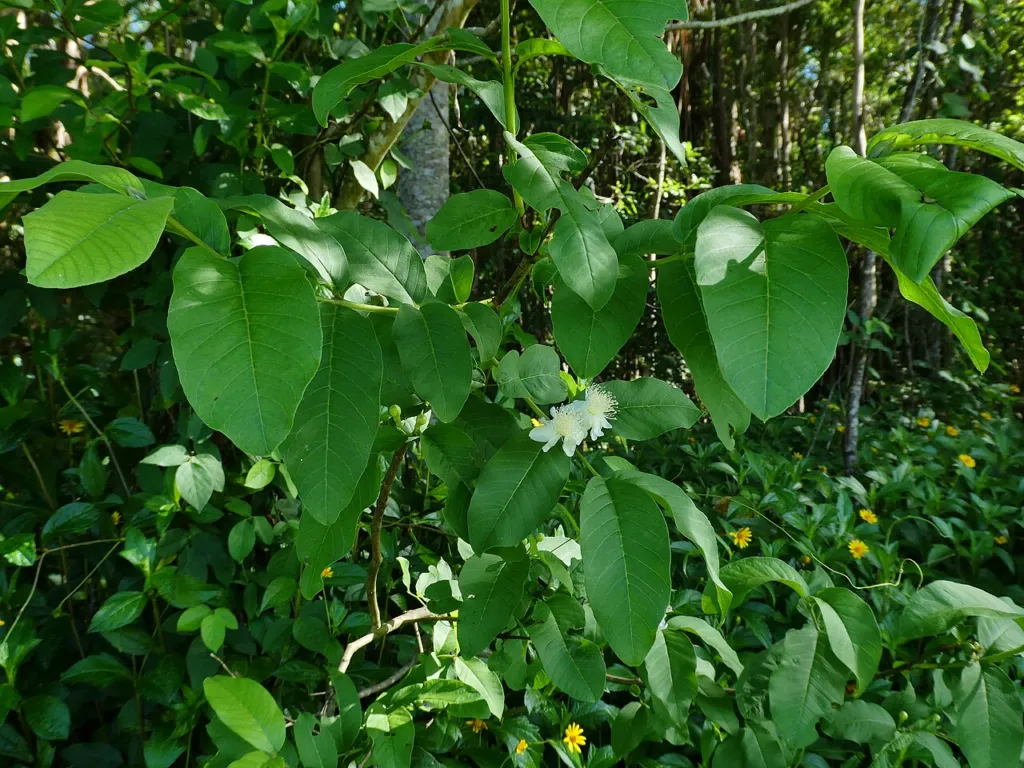
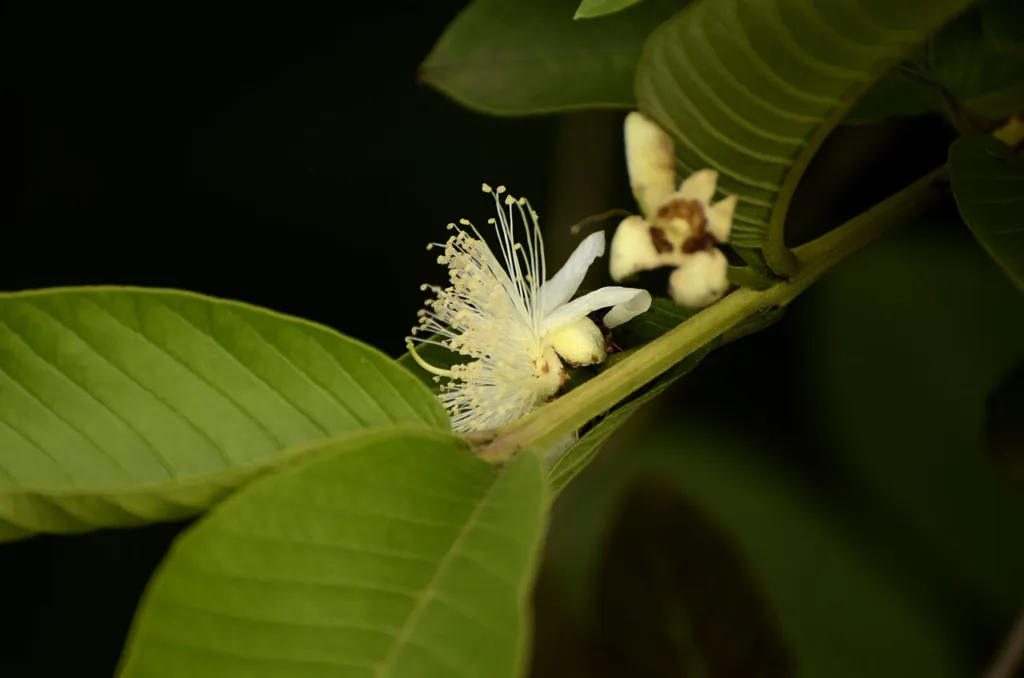
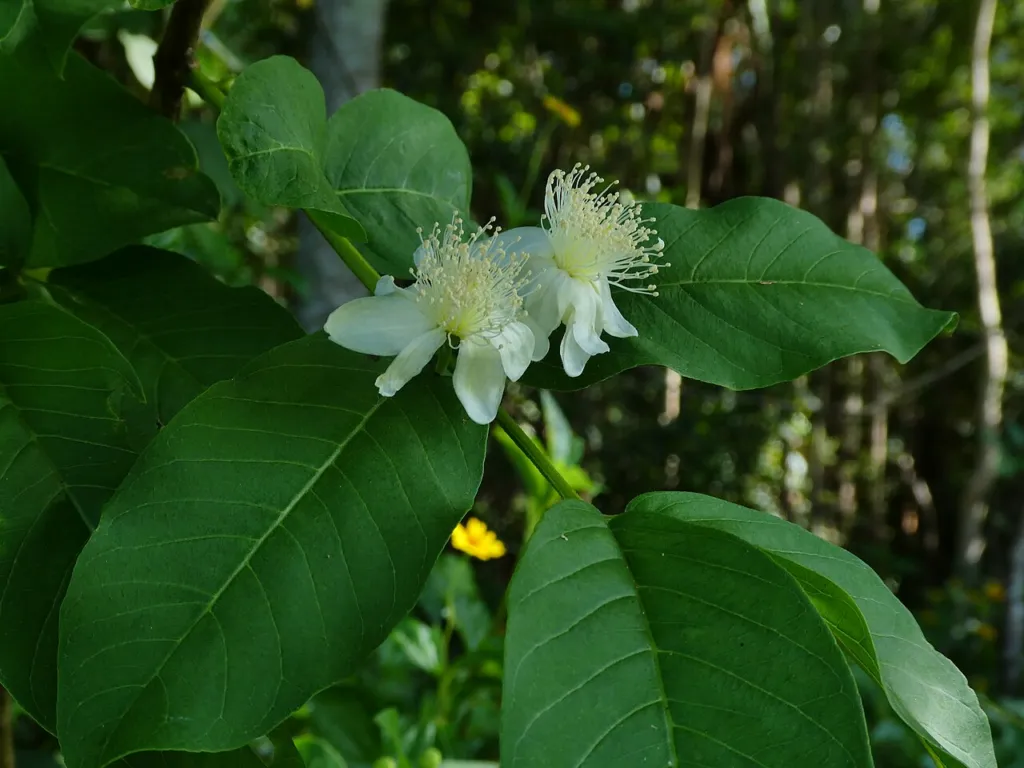
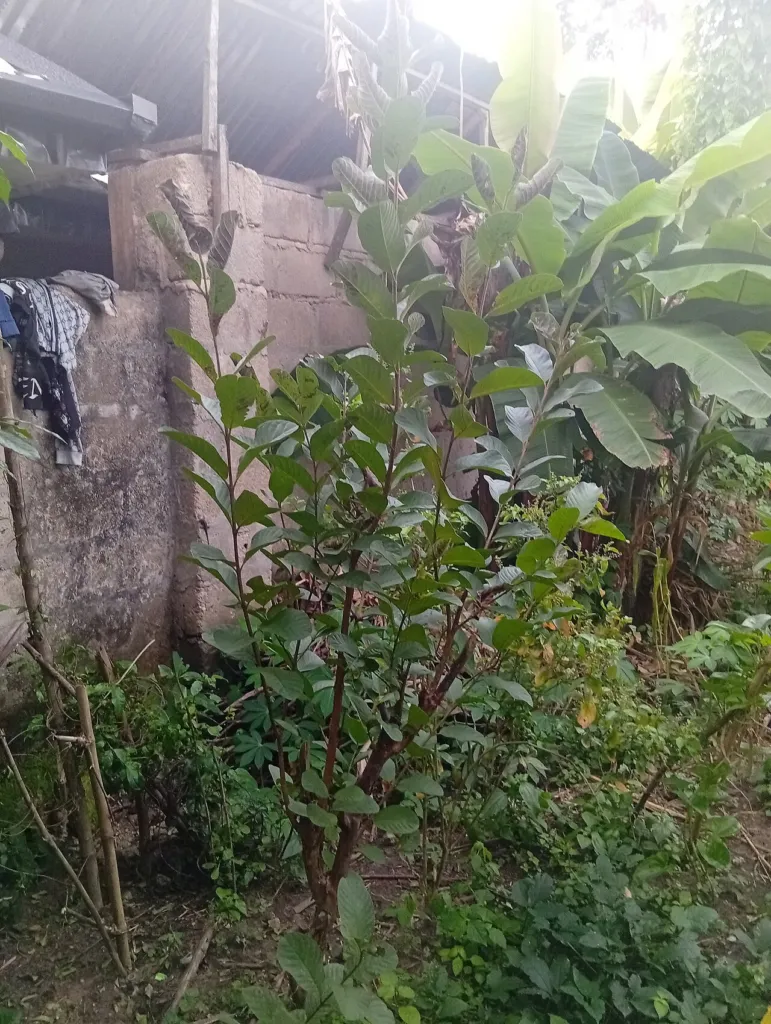
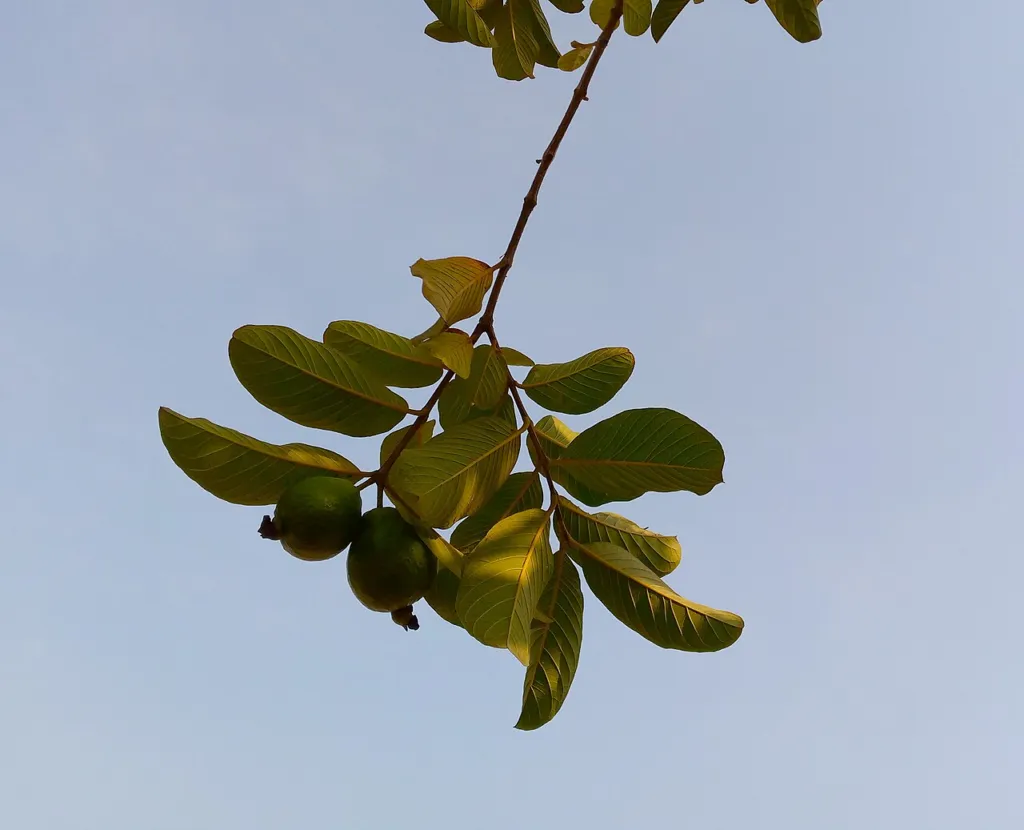
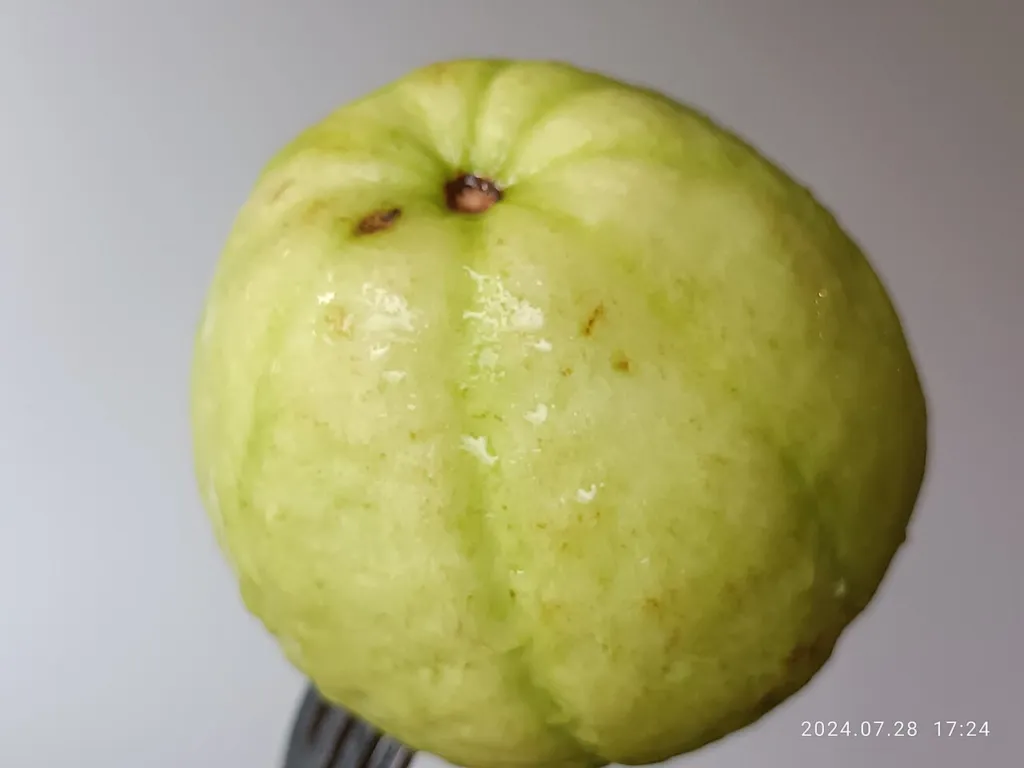
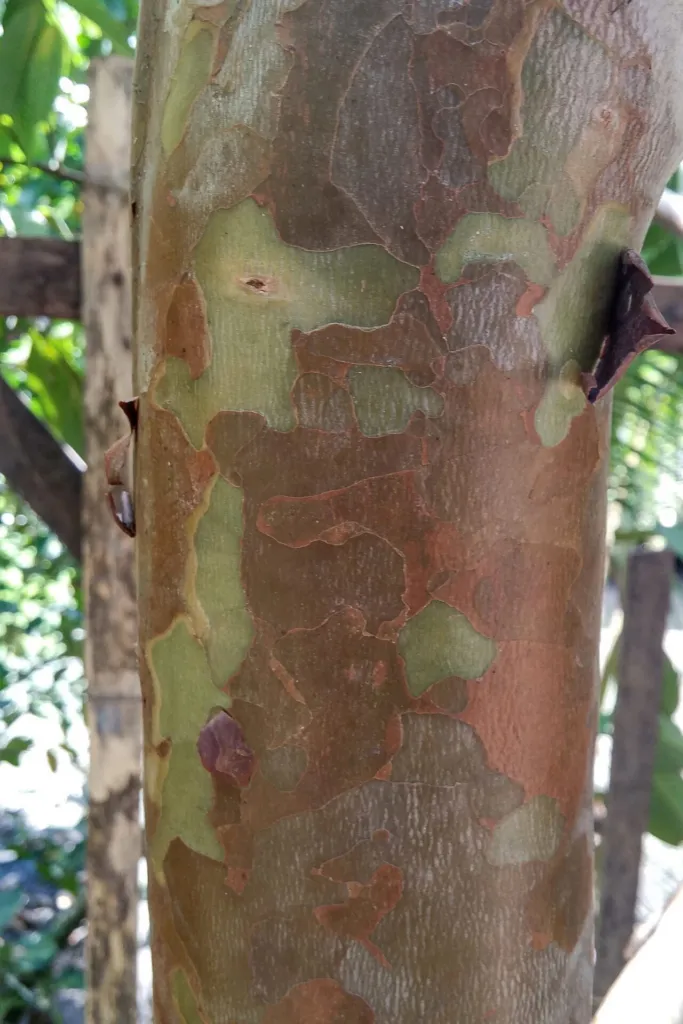
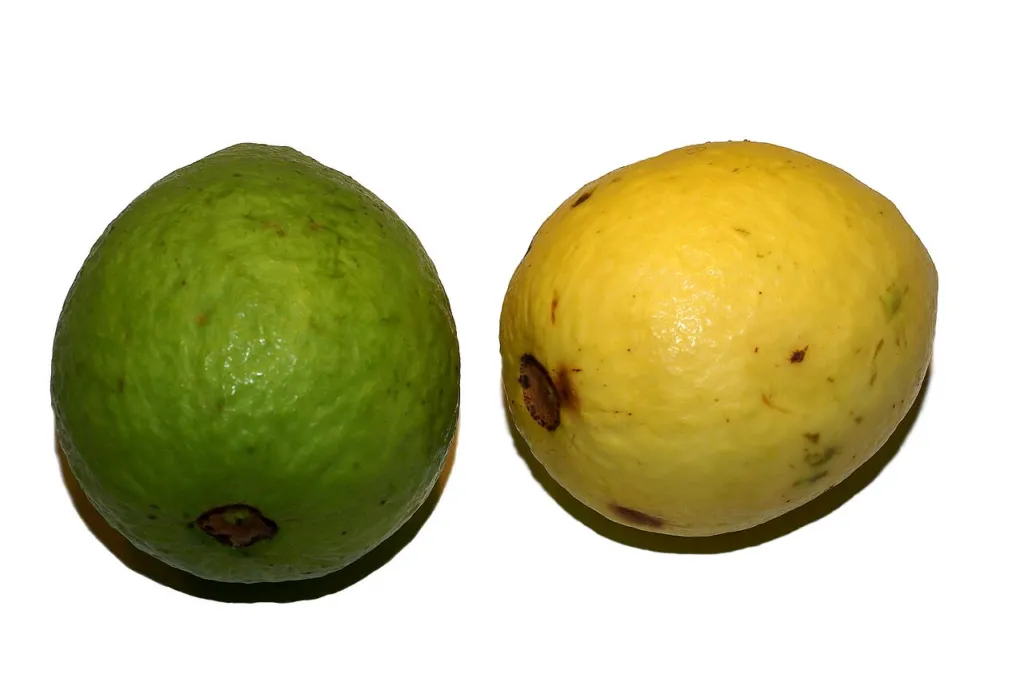
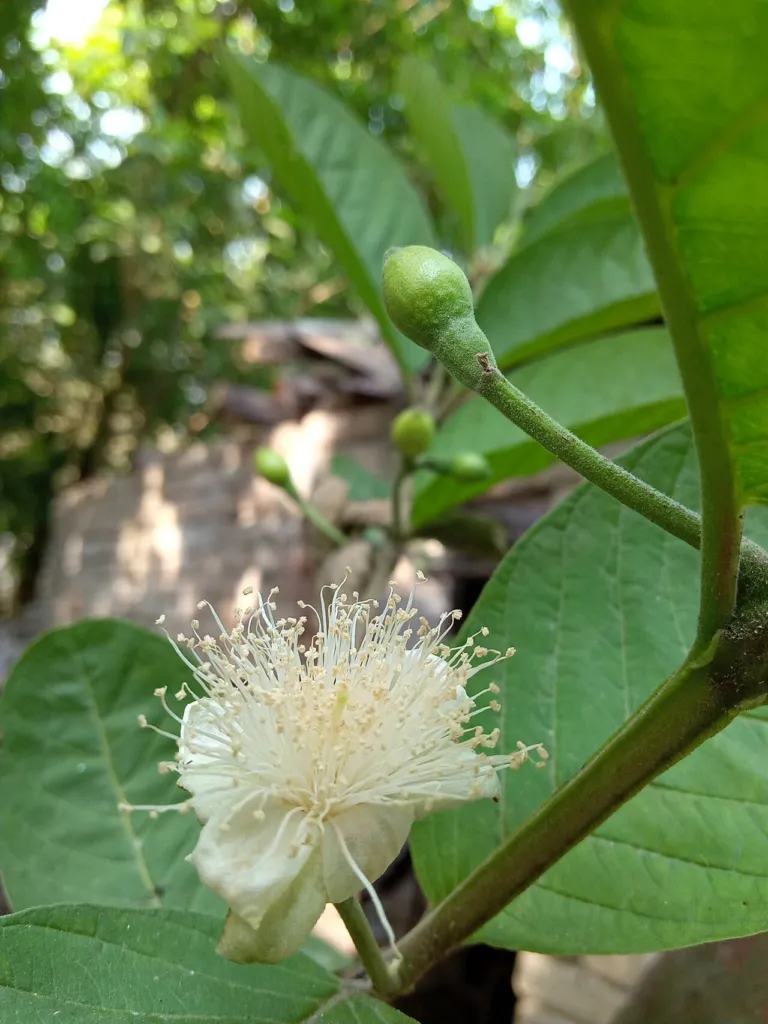
Guava is a shrub or small tree, usually two to six metres tall in Queensland and up to about ten metres where it is left alone. The WHO South Pacific account describes thin, smooth, patchy bark that peels away, opposite short-stalked leaves with prominent pinnate veins and blades 5 to 15 cm long, whitish flowers with petals up to 2 cm and numerous stamens, and a yellow globose to ovoid berry about 5 cm across with pink flesh and many small hard seeds (WHO Regional Office for the Western Pacific, Medicinal plants in the South Pacific (1998), p. 161). Confirmed
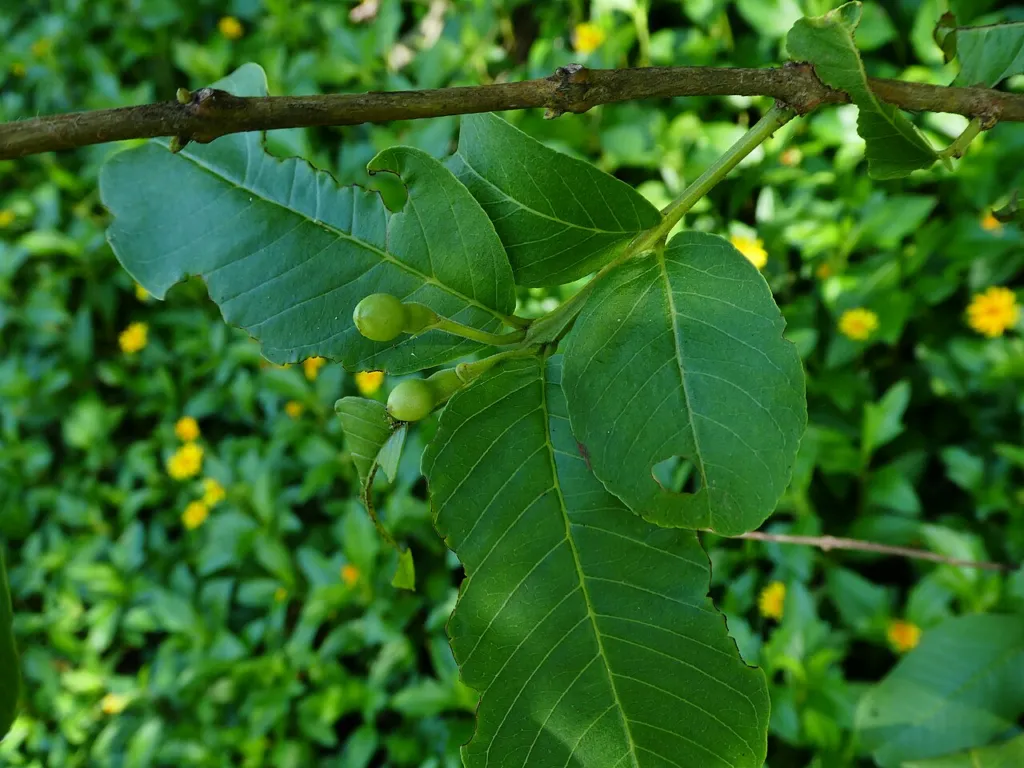
The bark is the quickest field character. It flakes in thin plates to leave a smooth, mottled trunk in shades of copper, grey and green, and once seen it is hard to forget. The leaves are the second clue: oblong, blunt-tipped, with the side veins running in parallel ridges that stand up on the underside, and a fine down beneath. Young twigs are four-angled.
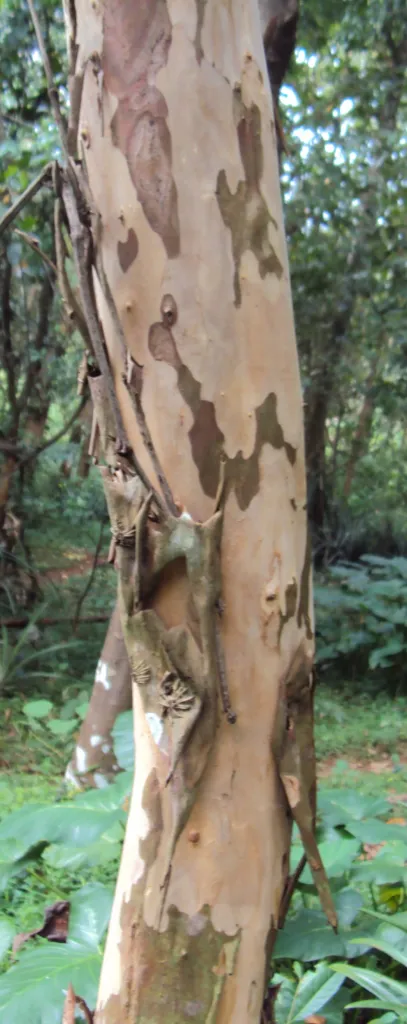
Around Cardwell, people most often confuse guava with rose apple (Syzygium jambos) and lilly pillies. Both have glossy leaves, but neither has the downy, ribbed underside of a guava leaf, and neither sheds its bark in coloured plates. Cherry guava has smaller, thicker, shiny leaves without the raised veins, and red or yellow fruit about the size of a cherry tomato.
The leaves used in the Indian diarrhoea trial in Chapter 7 were mature leaves from a single batch, identified by an ethnobotanist and vouchered in a herbarium (PMID 32507357). Confirmed That is the standard any serious preparation should meet, and few retail teas say anything about it.
3. Where it grows, including Australia
Guava is native to tropical America, from southern Mexico to northern South America (PMID 28441777). Confirmed It has been carried right around the tropics and is now grown as a fruit tree on every warm continent. The WHO South Pacific account calls it an aggressive weed that forms thickets in pastures and plantations and is naturalised on many Pacific islands (WHO Regional Office for the Western Pacific, Medicinal plants in the South Pacific (1998), p. 161). Confirmed
In Queensland the State’s WildNet database records Psidium guajava as “Naturalised in QLD”, with the problem status “Environmental Weed”; it is not listed under the Nature Conservation Act 1992 or the EPBC Act (WildNet taxon 13399, read November 2026). Confirmed Brisbane City Council’s weed guide describes it as an environmental weed in New South Wales, Queensland and on Christmas Island, and records its declaration status as nil (Brisbane weed identification: guava, read November 2026). Confirmed In plain terms, guava is not a prohibited or restricted invasive plant under Queensland biosecurity law, but land managers treat it as a weed of bushland edges, and every Queenslander carries the general biosecurity obligation to limit the spread of pests they control.
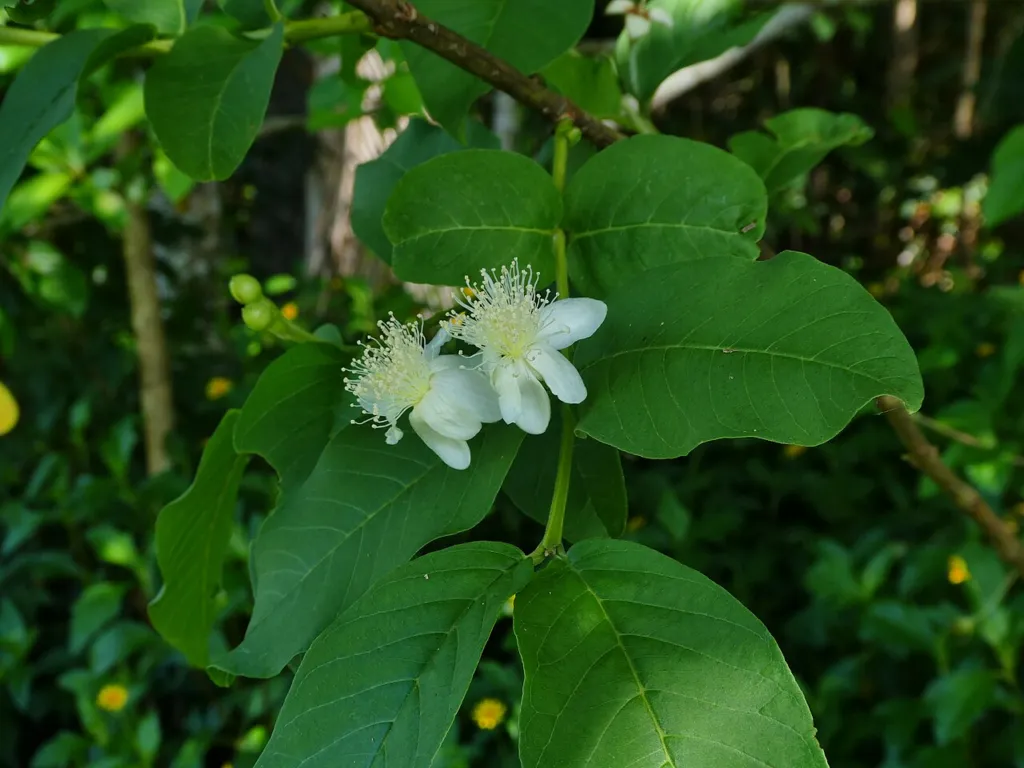
In the Cassowary Coast it turns up along roads, old farm boundaries, creek banks and the edges of cleared land, where the fruit is eaten and the seed dropped by birds and other animals. That makes it one of the few overseas medicinal plants an Australian can find without looking far. It also means that leaves picked beside a road may carry herbicide spray, vehicle dust or both, a point taken up in Chapter 11.
4. Traditional and historical use
Across the tropics the leaf is first of all a remedy for the gut. A systematic review of guava and diarrhoea found ethnobotanical records of its use for diarrhoea and dysentery in the Americas, Asia, Africa and Oceania, with decoction the commonest preparation and drinking it the commonest route (PMID 39246650). Traditional An overview of the leaf’s uses adds a gargle of the decoction for mouth ulcers in South-East Asia, poultices for wounds and skin in Mexico, Brazil, the Philippines and Nigeria, and chewing sticks for oral care in Nigeria (PMID 28441777). Traditional
The Pacific record
The WHO South Pacific volume gives the most detailed regional picture (WHO Regional Office for the Western Pacific, Medicinal plants in the South Pacific (1998), p. 161). Traditional In Fiji, juice from the leaves is taken for diarrhoea, coughs, stomach ache and dysentery; the leaves are pounded and squeezed in salt water for toothache; and an infusion of leaves and roots is used for indigestion. In Tahiti and Samoa the young shoots are made into a paste for wounds to stop bleeding. Tongans use the leaves for stomach ache. In New Guinea a boiled preparation of the leaves is applied to the itchy rash of scabies, and Samoans do the same. Cook Islanders use the plant for sores, boils, cuts and sprains, and bathe new mothers in a warm infusion of the leaves.
The same source records Tahitian uses connected with women’s health: a skin tonic, and treatments for painful periods, miscarriage, uterine bleeding and premature labour. Traditional We report these as they are recorded. They tell us the plant was trusted in pregnancy-related care in some communities. They tell us nothing about whether it is safe or effective there, and Chapter 9 explains why that question is still open.
Blood sugar in East Asia
The use that put guava leaf tea on Japanese shop shelves, and on the internet, is more regional (PMID 28441777). Deguchi and Miyazaki describe guava leaf as a folk remedy for diabetes in Japan and East Asia, and also note reports of the same use in Africa (PMID 20181067). Traditional They wrote as scientists of the company that makes the tea, and their review is the main English-language source for the Japanese trials. We come back to that in Chapter 7.
The whole record is practical. Guava leaf is used where a cheap, astringent, antiseptic plant is needed every day: a loose gut, a sore mouth, a wound in the garden. Its reputation was built in kitchens and villages, and the scientific work that followed has mostly been an attempt to explain those three uses.
5. Phytochemistry
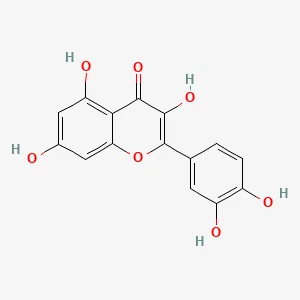
Guava leaf chemistry falls into four groups that matter for this review: flavonols built on quercetin, tannins, terpenes of the leaf oil and wax, and polysaccharides. Each has been isolated, characterised and given a PubChem record, so the identities themselves are not in dispute. What is less settled is which of them do the work in the human studies.
Quercetin and its glycosides
Quercetin is the predominant flavonoid of the leaf, and much of it is present bound to sugars (PMID 33916183). Confirmed The named glycosides include guaijaverin and avicularin (quercetin bound to arabinose in two ring forms), hyperoside (galactose) and quercitrin (rhamnose), alongside kaempferol, myricetin and apigenin (PMID 33916183; PMID 39246650). Confirmed A systematic review of the diarrhoea literature identified about 27 compounds with antidiarrhoeal or related antibacterial activity in guava and judged quercetin and its glycosides the predominant bioactive group (PMID 39246650). Evidence suggests
Tannins and the polymerised leaf polyphenol
The leaf is astringent because it is rich in tannins. Ellagitannins such as pedunculagin, casuarinin and isostrictinin have been isolated from it (PMID 20181067). Confirmed The Yakult group made an observation that matters for anyone comparing products. When they analysed their hot-water extract, those simple ellagitannins were found in an ethyl acetate extract of the leaf but not in the hot-water extract. The α-amylase-inhibiting activity sat in a fraction of molecular weight between 5,000 and 30,000, which they characterised as a polymerised polyphenol made up of ellagic acid, cyanidin and smaller phenolics (PMID 20181067). Evidence suggests A tea and an alcoholic extract of the same leaf are chemically different products.
Leaf oil, triterpenes and meroterpenoids
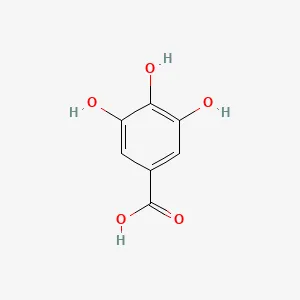
Steam-distilled guava leaf oil is dominated by sesquiterpenes and monoterpenes. 1,8-Cineole and trans-caryophyllene are the most often reported, with α-pinene and limonene prominent in some samples; oils from the Philippines, Ecuador, Tunisia and elsewhere differ markedly in their main constituents (PMID 33916183). Confirmed The WHO South Pacific account lists triterpene acids among the constituents, including asiatic, maslinic and oleanolic acids and derivatives of ursolic acid, with a long roll of others such as gallic acid, catechin, eugenol and lupeol (WHO Western Pacific 1998, p. 161). Confirmed Guava leaf is also the source of an unusual family of meroterpenoids, part terpene and part phenolic, such as guajadial, psidial A and psiguadials A and B (PMID 28441777). Confirmed
Polysaccharides
Water-soluble polysaccharides from the leaf have been studied as well. In one laboratory study a guava leaf polysaccharide inhibited α-glucosidase by 99.5% at 100 μg/mL but α-amylase by only 14% at 1 mg/mL (PMID 33916183). Evidence suggests Polysaccharides pass into a hot-water tea, so they are part of what a tea drinker receives.
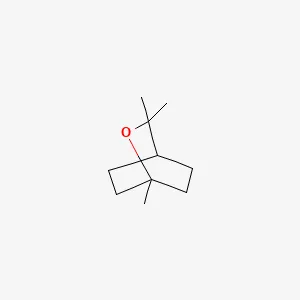
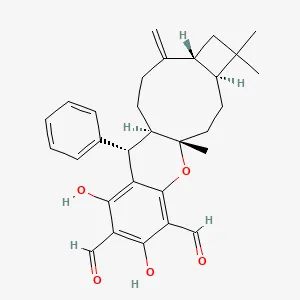
Nobody has yet published a quantified profile of guava leaf teas on sale in Australia, or of wild leaves from far north Queensland. Without that, nobody can say how much quercetin glycoside or polymerised polyphenol a cup of a given product delivers. That gap shapes everything in Chapters 7 to 11.
6. Pharmacology: laboratory and animal work
The laboratory record on guava leaf is large and uneven. It covers enzymes, bacteria, viruses, parasites, cancer cell lines and many animal models, often with crude extracts at high doses. This chapter concentrates on the two lines of work behind the human trials: carbohydrate digestion and the gut.
Carbohydrate digestion and blood glucose
The hot-water extract used to make the Japanese tea inhibited three digestive enzymes in a dose-dependent way. The concentrations giving half-maximal inhibition were 0.6 mg/mL for α-amylase, 2.1 mg/mL for maltase and 3.6 mg/mL for sucrase (PMID 20181067). Evidence suggests These enzymes release glucose from starch and table sugar in the small intestine. Slowing them flattens the rise in blood glucose after a meal, which is how the prescription medicines acarbose and voglibose work.
In fasted normal mice, a single oral dose of the extract given 30 minutes before a sugar load reduced the area under the blood glucose curve by 37.8% after starch (at 250 mg/kg), and by 31.0% and 29.6% after sucrose and maltose (at 500 mg/kg) (PMID 20181067). Evidence suggests In genetically diabetic db/db mice, seven weeks of the extract at 250 mg/kg a day lowered HbA1c and reduced thickening in the kidney glomeruli, with no change in weight or food intake (PMID 20181067). Evidence suggests
Other groups have found further mechanisms. Individual flavonols from the leaf, including quercetin, kaempferol, guaijaverin and avicularin, inhibited sucrase, maltase and α-amylase with a synergistic effect against α-glucosidase; flavonol glycosides in an ethanol extract inhibited dipeptidyl peptidase-4, the enzyme targeted by the gliptin drugs; and catechin and quercetin contributed to blocking glucose transporters in intestinal cells (PMID 28441777). Mechanism These are plausible explanations. Whether any of them operates at the concentrations reached in a person drinking tea has not been shown.
The gut: spasm, bacteria and diarrhoea models
Leaf extracts and a chromatographic fraction inhibited the peristaltic reflex of isolated guinea-pig ileum, and an ethanol extract reduced acetylcholine-induced contraction of rabbit jejunum, completely at the highest concentration tested (PMID 39246650). Evidence suggests The relaxing effect of quercetin on intestinal smooth muscle is the usual explanation for the antispasmodic action (PMID 33916183). Mechanism
Against the bacteria that cause diarrhoea, a decoction of dried leaves was active against Shigella flexneri (EC50 0.3 mg/mL) and Vibrio cholerae (EC50 0.8 mg/mL) and reduced the adherence of E. coli to human cells (PMID 39246650). Evidence suggests Quercetin itself blocked the invasion of enteroinvasive E. coli and S. flexneri into cultured cells without killing the bacteria at the concentrations used, which points to an anti-virulence effect (PMID 39246650). Mechanism In mice infected with Citrobacter rodentium, a model for pathogenic E. coli, a hydro-ethanolic leaf extract at 300 mg/kg a day for three days was followed by clearance in six of seven animals by day 19, against continued infection to day 29 in controls (PMID 39246650). Evidence suggests
Rotavirus results are mixed. An aqueous leaf extract at 8 μg/mL inhibited a simian and a human rotavirus strain in cell culture (by 47.5% and 93.8%), and an ethanolic extract was reported active against the simian strain in one screen, yet in that same study the extract at 50 and 500 μg/mL did not stop the virus damaging monkey kidney cells (PMID 39246650). Evidence suggests Rotavirus is a leading cause of severe diarrhoea in infants, so the inconsistent laboratory picture, and the absence of any trial we have read in children, both matter.
Dose and translation
Animal doses of 250 to 500 mg/kg are large. Scaled crudely by body weight, 250 mg/kg in a 70 kg adult would be 17.5 g of extract. The Japanese tea delivered about 400 mg of extract per bottle (PMID 20181067). Confirmed Mouse-to-human dose conversion is more complicated than straight body weight, but the gap is wide enough that animal results cannot be read as a guide to what a cup of tea does.
7. Clinical evidence in people
Our PubMed searches in November 2026 found a modest number of human studies of guava leaf, most of them small. Several of the primary reports are behind paywalls or in languages we could not read in full. House rules forbid weighing a paper on its abstract alone, so where we rely on a careful review that did read the original, we say so and name the review. The original papers have been requested through the Institute’s library and are listed at the foot of the references.
7.1 After-meal blood glucose: the Japanese tea trials
All of the glucose trials we could assess tested one product: a guava leaf tea made by Yakult Honsha, approved in Japan as a Food for Specified Health Uses and recommended there for people with pre-diabetes. Our source for them is a 2010 review written by two Yakult scientists (PMID 20181067). Confirmed The review reproduces the main data, which is why we can describe them in detail; the company connection is stated in the paper and should be kept in mind.
Single meal, healthy and pre-diabetic adults. Nineteen adults over 40, some with pre-diabetes (mean fasting glucose 103 mg/dL, about 5.7 mmol/L), ate 200 g of cooked rice with 190 mL of hot water in week 1 and with the same volume of tea, containing about 400 mg of extract, in week 2. Glucose was lower at 30, 90 and 120 minutes with the tea, and the area under the glucose curve was about 20% smaller (PMID 20181067). Evidence suggests The order was fixed (water first, tea second), nobody was blinded, and water is not a placebo for a flavoured tea. The result fits the enzyme data, but it is a weak design.
Single meal, type 2 diabetes, against a drug. Twenty hospital in-patients with type 2 diabetes, kept on their usual insulin, sulfonylurea or biguanide treatment, had a control day, a day with 200 mL of tea at the meal and a day with voglibose 3 mg before the meal, in a randomised crossover. Two-hour glucose fell from about 160 mg/dL on the control day to 143 mg/dL with the tea and 133 mg/dL with voglibose (about 8.9, 7.9 and 7.4 mmol/L), and the tea was significantly weaker than the drug (PMID 20181067). Evidence suggests No hypoglycaemia was reported in either arm. Of all the glucose studies this is the most informative, because it has a comparator and shows the effect size: real, and modest.
Twelve weeks, pre-diabetes and mild diabetes. Fifteen men drank the tea with every meal for 12 weeks with no control group. Fasting glucose went from 136 to 131 mg/dL (p = 0.07), and insulin, C-peptide and the insulin-resistance index HOMA-IR fell significantly. HbA1c was 6.1% at the start and 6.2% at the end (PMID 20181067). Evidence suggests An unchanged HbA1c after three months of tea three times a day is the most sobering number in the set.
Eight weeks, type 2 diabetes on medicines. Twenty-two patients drank the tea with every meal for 8 weeks, 19 of them on insulin, sulfonylureas or α-glucosidase inhibitors. Mean HbA1c was 7.4% before and 7.4% after. In the subgroup who started above 6.5%, it fell from 8.1% to 7.8% (PMID 20181067). Evidence suggests Picking the subgroup after the event, with no control group, invites regression to the mean, the tendency of high starting values to drift down on their own.
Eight weeks, raised blood fats. In 23 adults with borderline or mild hyperlipidaemia, total cholesterol fell from 249 to 235 mg/dL in the 16 who started above 220 mg/dL, again without a control group (PMID 20181067). Evidence suggests
Taken together, these studies show that the tea, drunk with a starchy meal, blunts the glucose peak that follows by a modest amount, less than an α-glucosidase drug does. Evidence suggests They do not show a lasting improvement in HbA1c, they were small and mostly uncontrolled, and they have not been repeated independently. In our November 2026 searches we found no independent placebo-controlled trial of guava leaf with HbA1c as its main outcome.
The Japanese approval is a food approval, granted under Japan’s own rules. It is overseas law and has no standing in Australia. It tells us a Japanese regulator accepted the after-meal glucose claim for that product as a food; it does not make the tea a diabetes treatment anywhere. We could not confirm the product’s current approval status against the Japanese register in November 2026, and the 2010 review is our source for it.
7.2 Diarrhoea
India, 2020. The clearest trial is a randomised, open-label, five-day study in adults aged 18 to 60 with acute infectious diarrhoea (PMID 32507357). Confirmed Of 137 people screened, 109 were randomised to a control group given oral rehydration solution or to a guava leaf decoction made from 6, 10 or 14 leaves (about 3.2 to 7.4 g of leaf powder), prepared fresh each day following an Ayurvedic text and given three times a day. The trial began with a 2-leaf arm, which was later replaced by the 14-leaf one. The 14-leaf decoction worked best: patients returned to normal stools in about 72 hours against 120 hours in controls, and there were no adverse events, with haemoglobin, liver and kidney tests normal (PMID 32507357). Evidence suggests
It is a careful trial in several ways: a single vouchered batch of leaves screened for aflatoxins, heavy metals and microbes, a dose-ranging design, and a registered protocol. Its weaknesses are just as plain. Patients and staff knew who got what, stool frequency and consistency are partly subjective, the registration was retrospective, and the infecting organisms were not identified (the authors describe the diarrhoea as of unknown aetiology), so we do not know which infections were treated.
Mexico, 2002. A capsule phytomedicine made from guava leaf and standardised to its flavonoid content (QG-5) was tested in a randomised, double-blind, placebo-controlled trial in 100 adults with acute diarrhoea, one capsule every 8 hours for three days. As summarised by a 2024 systematic review, abdominal pain episodes fell from the second day compared with placebo, while stool frequency and consistency did not differ (PMID 39246650). Evidence suggests The trial was published by Lozoya and colleagues in the Journal of Ethnopharmacology; we have requested the full paper and have not yet read it.
The same review found no side effects reported in either trial (PMID 39246650). Evidence suggests On this evidence guava leaf may ease cramping and shorten uncomplicated adult diarrhoea, which matches its traditional use. It does not replace rehydration, and the infant and child evidence that matters most is missing. A Chinese-language trial in infants with rotavirus enteritis was published in 2000 (PMID 11938857); we have not read it and give it no weight.
7.3 Other human studies
Period pain. A Mexican trial randomised 197 women with primary dysmenorrhoea to guava leaf extract at 3 or 6 mg a day, placebo, or ibuprofen 1,200 mg a day for five days across three cycles; the 6 mg dose eased menstrual pain, according to a 2017 overview (PMID 28441777). Evidence suggests Six milligrams of extract a day is a strikingly small dose, and the result needs reading in the original before anyone builds on it. The paper (Doubova and colleagues, 2007) is on our request list.
Gum inflammation. In a three-arm randomised trial in 60 adults with chronic gingivitis, all of whom had a professional clean, a 0.15% guava leaf mouthrinse used for 30 days was compared with 0.2% chlorhexidine and with distilled water. Plaque, gum inflammation and bacterial counts fell in every group, with guava and chlorhexidine showing larger changes than water; salivary antioxidant measures did not differ (PMID 31752836). Evidence suggests The authors describe guava as a possible adjunct, and that is a fair reading.
A small Japanese placebo-controlled pilot in knee pain (2018) is indexed in PubMed (PMID 29687303). We have not read it in full and give it no weight here.
8. How guava leaf is prepared
This chapter describes how guava leaf has been prepared in tradition and in the trials. It is a record of practice. It is not a recipe, and nothing here is a dose for any individual.
The commonest traditional preparation is a decoction: leaves boiled in water and the liquid drunk (PMID 39246650). Traditional The Pacific uses also include fresh leaf juice, leaves pounded in salt water, pastes of young shoots for wounds, warm infusions for bathing, and boiled preparations applied to the skin (WHO Western Pacific 1998, p. 161). Traditional A decoction used as a gargle for mouth ulcers is recorded in South-East Asia (PMID 28441777). Traditional
The Indian trial gives a well-documented example of a decoction. Each leaf weighed about 0.53 g, and the chosen amount of dried leaf powder was boiled in 120 mL of water on an open flame until reduced to 30 mL, then divided into three 10 mL portions given through the day (PMID 32507357). Confirmed This reduction by three-quarters concentrates the extract well beyond an ordinary cup of tea.
The Japanese product is a ready-to-drink tea containing a hot-water extract of the leaf, about 400 mg of extract per 190 mL bottle in the single-meal trial, drunk with the meal (PMID 20181067). Confirmed It is designed to be present in the gut at the same time as the starch it acts on. A cup drunk an hour after eating would be expected to do less, if the enzyme mechanism is the right explanation. Mechanism
Retail guava leaf teas sold in Australia are mostly cut dried leaf in tea bags or loose. Their labels rarely give the leaf weight per bag, the origin, or any measure of polyphenol content, so one product cannot be compared with another, or with the trial preparations. Steeping time, water temperature and whether the leaf is boiled will all change what ends up in the cup, because tannins and polymerised polyphenols extract more slowly than simple flavonol glycosides.
A last practical point on harvest. Leaves from roadside trees in north Queensland may carry herbicide or dust, and leaves from cherry guava or other Myrtaceae are easy to pick by mistake. Chapter 11 sets out how identity and purity can be checked.
9. Safety, interactions and contraindications
Guava is a food plant eaten by millions of people every day, and its leaf has a long household record. That record is reassuring about ordinary use. It is weaker as a guide to concentrated extracts, to daily use for months, or to use alongside prescription medicines, and those are the situations Australians now ask about.
What the human trials reported
No adverse events were reported in the Indian decoction trial, where haemoglobin and liver and kidney tests stayed normal over five days (PMID 32507357). Evidence suggests The Japanese trials reported no abnormal changes in liver or kidney function, blood chemistry or iron metabolism over 8 to 12 weeks, and healthy volunteers who drank three times the usual volume (600 mL) had neither diarrhoea nor hypoglycaemia (PMID 20181067). Evidence suggests No side effects were reported in the two diarrhoea trials covered by the 2024 systematic review (PMID 39246650). Evidence suggests Those are encouraging results from small, short studies. A few hundred people in total took guava leaf in the trials described in this review, too few to detect an uncommon adverse effect.
Animal and laboratory toxicology
In mice, an ethanol extract of guava leaf caused no deaths or signs of toxicity at a single oral dose of 2,000 mg/kg, and 28 days at up to 1,000 mg/kg a day produced no treatment-related changes in blood tests, organ weights or tissue examination (PMID 42283039). Evidence suggests The hot-water extract caused no abnormal effects in rats at 200 and 2,000 mg/kg a day for a month, and no toxic effects were seen in rats given a leaf extract at 6,000 mg/kg (PMID 20181067; PMID 39246650). Evidence suggests
On genetic safety, the tea and its extract were negative in the Ames bacterial mutation test, and the extract caused no chromosome damage in a mouse micronucleus test at 2,000 mg/kg (PMID 20181067). Evidence suggests A leaf infusion did not alter the cell cycle or chromosomes in rat bone marrow cells or cultured human lymphocytes, although at high concentrations it slowed cell division in onion root tips (PMID 39246650). Evidence suggests Extracts of guava bark and root, unlike the leaf, were toxic to brine shrimp (PMID 39246650). Evidence suggests The safety data apply to the leaf and should not be stretched to other parts of the plant.
Constipation and the tannins
The tannins that make the leaf useful for a loose gut can work the other way in someone prone to constipation. Mechanism Tannins also bind iron and some other minerals in the gut; the Japanese trials reported no change in iron measures (PMID 20181067), but people with low iron stores who drink strong tea with meals have a reason to think about timing. Mechanism
Glucose-lowering medicines
This is the interaction that matters most in practice. Guava leaf extract slows carbohydrate digestion, much as acarbose does, and in the mouse and laboratory work several other mechanisms point the same way (PMID 20181067; PMID 28441777). Mechanism An additive fall in blood glucose is therefore plausible in anyone taking glucose-lowering medicines, most of all insulin and the sulfonylureas (gliclazide, glimepiride, glibenclamide), which can cause hypoglycaemia on their own.
The direct evidence is limited and comes from the maker. In the Japanese trials, patients on insulin, sulfonylureas, biguanides (metformin is the biguanide used in Australia) or α-glucosidase inhibitors drank the tea with meals for up to eight weeks with no hypoglycaemia reported; in mice, adding the extract to acarbose or voglibose did not produce hypoglycaemia (PMID 20181067). Evidence suggests Metformin on its own rarely causes hypoglycaemia, so people who add guava leaf tea to metformin alone are in a lower-risk group. The risk rises with insulin, sulfonylureas, irregular meals, stronger home decoctions and alcohol. The practical safeguard is the one used for any change to a diabetes routine: check blood glucose more often for the first weeks, and tell the people who manage the diabetes. Mechanism
Drug metabolism and warfarin
In laboratory tests the hot-water extract and the tea weakly inhibited the liver enzymes CYP2C8, CYP2C9 and CYP3A4, between two and more than ten times less strongly than grapefruit juice or pure quercetin, and a month of the extract did not induce these enzymes in rats (PMID 20181067). Evidence suggests A rat study by Kaneko and colleagues (2013), as summarised in a 2017 overview, found the tea did not alter the anticoagulant effect of warfarin over a short course (PMID 28441777). Evidence suggests
An independent rat study came to a different answer. Rats given 250 mg/kg of a guava leaf extract with warfarin 0.5 mg/kg daily for five days had longer prothrombin times and higher INR than with warfarin alone, a higher peak warfarin level, and reduced CYP2C8, 2C9 and 3A4 activity (PMID 30678660). Evidence suggests Two rat studies disagree and there are no human data. Warfarin is unforgiving of small changes, so anyone taking it who starts or stops a regular guava leaf preparation has good reason to have their INR checked. Mechanism
Pregnancy, breastfeeding and children
We found no human safety data for medicinal amounts of guava leaf in pregnancy or breastfeeding. The Tahitian tradition of using the plant around miscarriage and premature labour is a reason for curiosity and for caution, not a safety record. Until better data exist, pregnancy and breastfeeding are situations to avoid medicinal doses. Mechanism
Diarrhoea in infants and young children can dehydrate them within hours. Oral rehydration comes first, and a child who is drowsy, will not drink or is passing little urine needs emergency care through Triple Zero (000). The child trial evidence for guava leaf is thin, and laboratory results against rotavirus are inconsistent.
Adults need care too. Diarrhoea with blood or mucus, a high fever, severe abdominal pain, signs of dehydration (dizziness on standing, very little urine), or diarrhoea lasting more than a few days needs prompt medical assessment, and through Triple Zero (000) if the person is collapsing or confused. Older people and anyone with diabetes, kidney disease or a weakened immune system dehydrate faster. A household remedy is no reason to wait in any of these situations.
Who should be cautious
On current evidence the groups with the most reason for care are: people on insulin or sulfonylureas; people on warfarin; pregnant and breastfeeding women; infants and young children with diarrhoea; and anyone with chronic constipation. Before taking any botanical drug, consult a degree-qualified herbalist with competencies and adequate training in pharmacognosy, and bring a list of every medicine and supplement you take.
10. Australian regulatory status
Guava leaf is so little known in Australia that it would be easy to assume no Australian medicine contains it. The register shows otherwise. Every reading below was made in November 2026; registers change, and the current entry is always the one that counts.
Poisons Standard
Guava is not a scheduled substance. A search of the full text of the Therapeutic Goods (Poisons Standard—June 2026) Instrument 2026, F2026L00633, the most recent instrument we could obtain, found no entry for Psidium or guava, and none of its main constituents is scheduled. Confirmed A later instrument may have commenced since; the current version is on the Federal Register of Legislation.
Therapeutic goods: the ARTG
A search of the Australian Register of Therapeutic Goods for “psidium” returned four medicines that name Psidium guajava among their ingredients (TGA ARTG search). Confirmed Three are current listed medicines (licence category LI): ARTG 402573, ARTG 407920 and ARTG 521762. The fourth, ARTG 276879, was cancelled at the sponsor’s request on 30 June 2025. All four are combination products in which guava is one ingredient among several, and in one of them among dozens. We found no ARTG medicine in which guava leaf is the sole or main active ingredient.
Listed medicines may contain only ingredients the TGA has accepted as permissible, so the presence of P. guajava in current listed medicines implies the TGA accepts it as a permissible ingredient. Evidence suggests We have not checked the wording of that entry in the Permissible Ingredients Determination, any conditions attached to it, which plant part each product uses, or how much. Readers who need that detail should read the ARTG public summaries themselves. An ARTG listing means the sponsor has certified the product against TGA requirements; it is not an evaluation of whether the product works.
Food, tea and claims
Most guava leaf sold in Australia is sold as a tea, which places it under food law and the Australia New Zealand Food Standards Code. Online listings and some Asian grocers describe these teas in terms of blood sugar. Health claims on food are governed by Standard 1.2.7 of the Code, and a claim that a food treats, cures or prevents a disease such as diabetes is the kind of therapeutic claim food may not carry. Whether a particular label crosses that line is a question for Food Standards Australia New Zealand and the state food regulators, and we make no judgement on any individual product.
Overseas status
The Japanese Food for Specified Health Uses approval described in Chapter 7 is overseas law and has no force in Australia. Neither do overseas rules on guava leaf extract as a cosmetic ingredient.
Imports, controlled drugs and weeds
Nothing in guava leaf is a controlled drug, so the Office of Drug Control’s import permits do not apply. Dried plant material coming into Australia is subject to biosecurity import conditions set by the Department of Agriculture, Fisheries and Forestry in its BICON system; we have not checked the specific conditions for guava leaf. Within Queensland, guava carries no declaration under state biosecurity law but is recorded as an environmental weed (Chapter 3). Picking leaves from a tree on someone else’s land, or in a national park, needs the landholder’s or the managing agency’s permission.
11. Quality, identity and adulteration
Guava leaf chemistry varies with the tree, the season, the soil, the climate and the extraction method. The 2024 systematic review lists that variation as one of the main obstacles to using guava leaf clinically and calls for standardised extracts (PMID 39246650). Confirmed The leaf oil differs markedly in composition between countries (PMID 33916183), Confirmed and the Yakult work showed that water and organic solvents pull out different polyphenol fractions (PMID 20181067). Evidence suggests
Identity
Dried, cut guava leaf is easy to confuse with other Myrtaceae. The candidates in north Queensland include cherry guava (P. cattleyanum), rose apple and other Syzygium species, and eucalypts growing on the same land. Standard pharmacognostic checks can separate them: the leaf’s downy underside and four-angled young stems by eye; under the microscope, the paracytic stomata and oil cavities typical of Myrtaceae together with the hairs of the lower surface; and thin-layer chromatography of a leaf extract against quercetin and authenticated guava leaf. Mechanism A voucher specimen, as in the Indian trial, ties a batch to a named plant.
Purity
The Indian trial team sent its dried leaves for testing for aflatoxins, heavy metals (copper, zinc, lead, cadmium, arsenic, tin and mercury) and microbial load before use (PMID 32507357). Confirmed That is a sensible minimum for any leaf drug, and more so for leaves dried in humid tropical conditions, where moulds grow quickly. Leaves harvested near roads, cane fields or bananas may also carry herbicide or pesticide residues. We know of no published survey of the guava leaf teas sold in Australia for identity, polyphenol content or contaminants.
What a good product label would say
A product that wanted to be taken seriously would state the species and plant part, the country and season of harvest, the leaf weight per serve, how it was dried, a quercetin or total polyphenol figure measured by a named method, and contaminant testing. Few guava leaf teas on sale in Australia give more than the first item.
12. Discussion: conclusions, hypotheses and research still required
What we can say
Guava leaf is a widely used traditional remedy for diarrhoea, gut cramps, mouth care and wounds across the tropics, and in East Asia for blood sugar. Traditional A hot-water extract inhibits starch- and sugar-digesting enzymes in the laboratory and blunts the glucose rise after a carbohydrate load in mice. Evidence suggests In people, one company’s tea lowered the after-meal glucose peak by a modest amount in small trials, less than the drug voglibose, with no lasting HbA1c benefit shown. Evidence suggests One open-label randomised trial supports a leaf decoction for uncomplicated adult diarrhoea, and one placebo-controlled trial supports an effect on abdominal pain but not on stool frequency. Evidence suggests Short-term human use was free of reported adverse effects, and rodent toxicity is low. Evidence suggests In Australia, guava is unscheduled, sold mainly as a food, and named in three current listed combination medicines. Confirmed
What we can reasonably hypothesise
Hypothesis 1. The after-meal glucose effect depends on the tea being in the gut with the meal, and on the polymerised polyphenol fraction that a hot-water extract carries. Retail teas brewed briefly, or drunk between meals, may do little. Mechanism
Hypothesis 2. The traditional antidiarrhoeal effect is mostly antispasmodic and anti-virulence (quercetin glycosides blocking gut contraction and bacterial invasion) with a contribution from tannin astringency, which would fit the Mexican trial’s pattern of less pain without fewer stools. Mechanism
Hypothesis 3. The additive risk with insulin and sulfonylureas is real but small at tea strength, and larger with concentrated home decoctions. Mechanism Hypothesis 4. Wild far north Queensland guava leaf, growing in high rainfall and heat, may differ in flavonol and oil profile from the Japanese and Indian leaf used in trials. Mechanism
What research is still required
Phytochemistry and quality analysis. An HPLC-DAD method quantifying quercetin, guaijaverin, avicularin, hyperoside, quercitrin and total ellagitannin, applied to guava leaf teas sold in Australia and to vouchered wild leaves from the Cassowary Coast, with GC-MS of the leaf oil. The same samples screened for aflatoxins, heavy metals and pesticide residues.
Botany and taxonomy. Vouchered reference collections of P. guajava and P. cattleyanum from north Queensland, with leaf microscopy and TLC fingerprints that let a dried, cut sample be identified.
Clinical research. An independent, randomised, placebo-controlled crossover trial in adults with type 2 diabetes on metformin, using continuous glucose monitoring and a standard starch meal, with a characterised tea and a matched placebo tea. If that is positive, a 12-week parallel trial with HbA1c as the primary outcome. For diarrhoea, a blinded trial with stool microbiology and a placebo decoction. Any such study needs human research ethics approval.
Pharmacology and drug interactions. A human pharmacokinetic study of a characterised guava leaf preparation with warfarin and with a CYP3A4 probe drug, to settle the conflicting rat results.
Toxicology. Reproductive and developmental toxicity data for the leaf extract, and a 90-day repeated-dose study at realistic human-equivalent doses.
Ethnobotany. Documentation, with community consent and ethics approval, of how Pacific Islander, South-East Asian and South Asian communities in north Queensland use guava leaf today, including amounts and preparation.
Regulatory science and pharmacovigilance. A survey of the claims made for guava leaf teas sold in Australia, set against Standard 1.2.7 of the Food Standards Code, and a search of the TGA’s Database of Adverse Event Notifications for the listed medicines that contain guava.
About AIP and this series
The Australian Institute of Pharmacognosy is a research and education institute in Cardwell, far north Queensland, working on the science of medicinal plants and botanical drugs. Its Literature Reviews and Critical Analyses introduce a plant to Australian readers and grade every substantive claim by the kind of evidence behind it, so traditional use, laboratory work and human trials are never confused with one another. Follow the series at australian-pharmacognosy.org.
Corrections are welcome. If you find an error, or a source we have missed, write to the Institute at our contact form and the Secretary will pass it to the author.
Dr Thomas Ridley
Head of Education and Research
Australian Institute of Pharmacognosy
Cardwell QLD, Australia
australian-pharmacognosy.org · our contact form
Suggested citation: Ridley T. Guava leaf (Psidium guajava L.): the evidence on after-meal blood glucose, diarrhoea, safety and Australian status. Literature Review and Critical Analysis AIP-LR-PSIGUA. Cardwell (QLD): Australian Institute of Pharmacognosy; 2026.
Educational content only; not medical, legal or regulatory advice. Regulatory information reflects the registers and instruments as read in November 2026 and may change.
References
Sources read in full (15)
- Deguchi Y, Miyazaki K. Anti-hyperglycemic and anti-hyperlipidemic effects of guava leaf extract. Nutr Metab (Lond). 2010;7:9. doi:10.1186/1743-7075-7-9. Open access (PMC2831039). Authors employed by Yakult Central Institute. PMID 20181067.
- Díaz-de-Cerio E, Verardo V, Gómez-Caravaca AM, Fernández-Gutiérrez A, Segura-Carretero A. Health effects of Psidium guajava L. leaves: an overview of the last decade. Int J Mol Sci. 2017;18(4):897. doi:10.3390/ijms18040897. Open access (PMC5412476). PMID 28441777.
- Liu C, Jullian V, Chassagne F. Ethnobotany, phytochemistry, and biological activities of Psidium guajava in the treatment of diarrhea: a review. Front Pharmacol. 2024;15:1459066. doi:10.3389/fphar.2024.1459066. Open access (PMC11377350). PMID 39246650.
- Birdi T, Krishnan GG, Kataria S, Gholkar M, Daswani P. A randomized open label efficacy clinical trial of oral guava leaf decoction in patients with acute infectious diarrhoea. J Ayurveda Integr Med. 2020;11(2):163-172. doi:10.1016/j.jaim.2020.04.001. Open access (PMC7329711). PMID 32507357.
- Kumar M, Tomar M, Amarowicz R, Saurabh V, Nair MS, Maheshwari C, et al. Guava (Psidium guajava L.) leaves: nutritional composition, phytochemical profile, and health-promoting bioactivities. Foods. 2021;10(4):752. doi:10.3390/foods10040752. Open access (PMC8066327). PMID 33916183.
- Nayak N, Varghese J, Shetty S, Bhat V, Durgekar T, Lobo R, et al. Evaluation of a mouthrinse containing guava leaf extract as part of comprehensive oral care regimen: a randomized placebo-controlled clinical trial. BMC Complement Altern Med. 2019;19(1):327. doi:10.1186/s12906-019-2745-8. Open access (PMC6873761). PMID 31752836.
- Alnaqeeb M, Mansor KA, Mallah EM, Ghanim BY, Idkaidek N, Qinna NA. Critical pharmacokinetic and pharmacodynamic drug-herb interactions in rats between warfarin and pomegranate peel or guava leaves extracts. BMC Complement Altern Med. 2019;19(1):29. doi:10.1186/s12906-019-2436-5. Open access (PMC6344987). PMID 30678660.
- Dibaba GT, Leminie AA, Tadesse WH, Lemmi WG, Hirpesa SW, Reje MS, et al. Acute and sub-acute toxicological studies on the ethanol leaf extract of Psidium guajava in experimental mice. Pan Afr Med J. 2026;53:49. doi:10.11604/pamj.2026.53.49.49406. Open access (PMC13252073). PMID 42283039.
- World Health Organization Regional Office for the Western Pacific. Medicinal plants in the South Pacific: 102 commonly used medicinal plants. Manila: WHO WPRO; 1998. Entry Psidium guajava L., p. 161. Read in the Institute’s library copy, November 2026.
- International Plant Names Index. Psidium guajava L., Sp. Pl. 1: 470 (1753); Psidium pomiferum L. and Psidium pyriferum L., Sp. Pl. ed. 2, 1: 672 (1762). ipni.org, read November 2026.
- Commonwealth of Australia. Therapeutic Goods (Poisons Standard—June 2026) Instrument 2026, F2026L00633. Full text searched for “Psidium” and “guava”, November 2026.
- Therapeutic Goods Administration. Australian Register of Therapeutic Goods, search “psidium” and entries ARTG 402573, ARTG 407920, ARTG 521762, ARTG 276879. Read November 2026.
- Queensland Government. WildNet taxon record: Psidium guajava (guava), taxon ID 13399. wildnet.science-data.qld.gov.au, read November 2026.
- Brisbane City Council. Weed identification tool: Guava (Psidium guajava). weeds.brisbane.qld.gov.au, read November 2026.
- PubChem, US National Library of Medicine. Compound records for CIDs 5280343, 5481224, 5490064, 5281643, 5280459, 370, 5281855, 9064, 64945, 5281515, 2758 and 101447677. pubchem.ncbi.nlm.nih.gov, read November 2026.
Every PMID above was checked against PubMed in November 2026, and every paper in this list was read in full. Compounds were checked against PubChem the same month.
Primary papers requested, not yet read in full (7)
These are described in the text only as reported by the reviews above, or (the last two) only noted as existing. All have been requested through the Institute’s library and are not relied on directly.
- Kaneko K, et al. Evaluation of food-drug interaction of guava leaf tea. Phytother Res. 2013;27:299-305. PMID 22566187.
- Lozoya X, et al. Intestinal anti-spasmodic effect of a phytodrug of Psidium guajava folia in the treatment of acute diarrheic disease. J Ethnopharmacol. 2002;83:19-24. PMID 12413703.
- Doubova SV, et al. Effect of a Psidii guajavae folium extract in the treatment of primary dysmenorrhea: a randomized clinical trial. J Ethnopharmacol. 2007;110:305-310. PMID 17112693.
- Gutiérrez RM, Mitchell S, Solis RV. Psidium guajava: a review of its traditional uses, phytochemistry and pharmacology. J Ethnopharmacol. 2008;117:1-27. PMID 18353572.
- Garrido G, Garrido-Suárez BB, Martínez-Tapia N, Valdés-González M, et al. Antidiarrheal effect of Psidium guajava L. extract in acute diarrhea: a systematic review. J Sci Food Agric. 2024;104:7731-7753. PMID 38578668.
- Kakuo S, et al. Effects of Psidium guajava Linn. leaf extract in Japanese subjects with knee pain: a randomized, double-blind, placebo-controlled, parallel pilot study. Aging Clin Exp Res. 2018. PMID 29687303.
- Wei L, et al. [Clinical study on treatment of infantile rotaviral enteritis with Psidium guajava L.] Zhongguo Zhong Xi Yi Jie He Za Zhi. 2000. In Chinese. PMID 11938857.
Image credits
- Psidium guajava leaves LR.jpg, PumpkinSky. CC BY-SA 4.0.
- Psidium guajava (Chinese guava) leaves in RDA, Bogra.jpg, Afifa Afrin. CC BY-SA 3.0.
- Psidium guajava L. (AM AK74379).jpg, Auckland War Memorial Museum (specimen AK74379, Pitcairn Island, 1931). CC BY 4.0.
- Myrtaceae- Psidium guajava (guava) flower.jpg, Kristof Zyskowski & Yulia Bereshpolo. CC BY 2.0.
- Psidium guajava flower and buds.jpg, Symoum Syfullah Priyo. CC BY 4.0.
- Guava bark.jpg, Vinayaraj. CC BY-SA 3.0.
- Psidium-guajava-SF24028-03.jpg, Steve Fitzgerald. CC BY-SA 4.0.
- Psidium-guajava-SF24028-01.jpg, Steve Fitzgerald. CC BY-SA 4.0.
- Aloys Zötl Der Gujavenbaum Psidium pomiferum.jpg, Aloys Zötl. Public domain.
- Psidium guajava Blanco1.48-cropped.jpg, Francisco Manuel Blanco (O.S.A.), Flora de Filipinas, Atlas I (1880 to 1883). Public domain.
- Psidium guajava leaf and flower JEG9384.jpg, PJeganathan. CC BY-SA 4.0.
- Psidium-guajava-SF24028-04.jpg, Steve Fitzgerald. CC BY-SA 4.0.
- Psidium-guajava-SF24028-02.jpg, Steve Fitzgerald. CC BY-SA 4.0.
- Young Guava Tree Growth.jpg, Paul The Writer. CC0.
- Psidium guajava (Common Guava) – Branch with Developing Fruits and Foliage.jpg, Sadekla Wise Nutifafa. CC BY-SA 4.0.
- HK food 番石榴 Psidium guajava 果實 fruit July 2024 R12S 01.jpg, FourVZS 2024. CC0.
- Myrtaceae- Psidium guajava (guava) bark.jpg, Kristof Zyskowski & Yulia Bereshpolo. CC BY 2.0.
- Psidium guajava (fruit).jpg, Hans Hillewaert. CC BY-SA 3.0.
- Chemical structure depictions: PubChem, US National Library of Medicine (CIDs as captioned), public domain.
The Institute sets and publishes its own monographs. The catalogue is in Publications.