

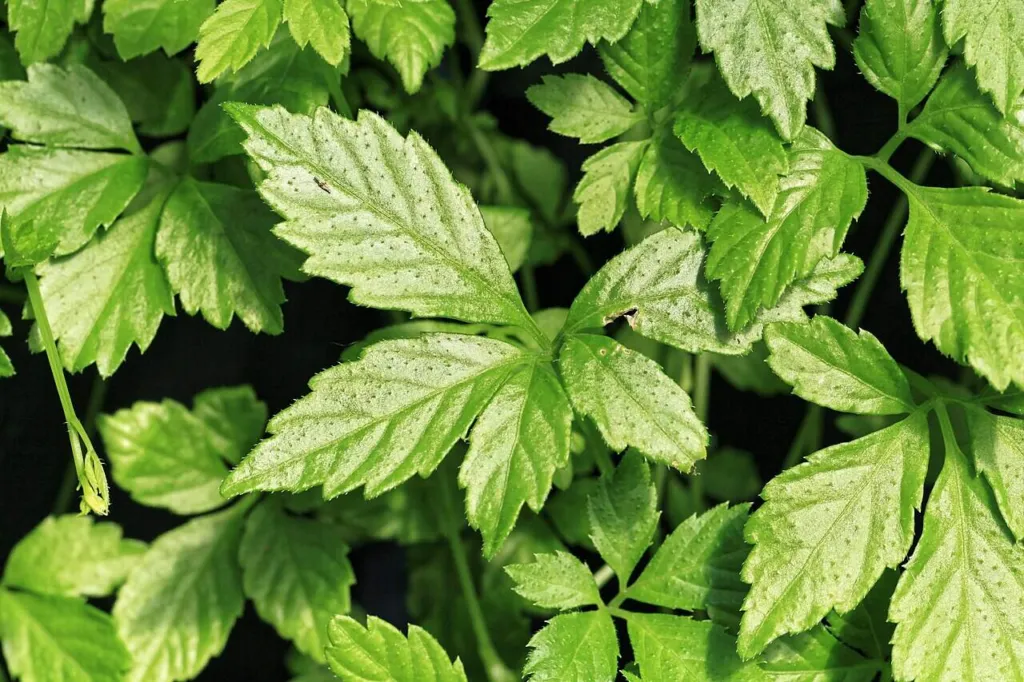
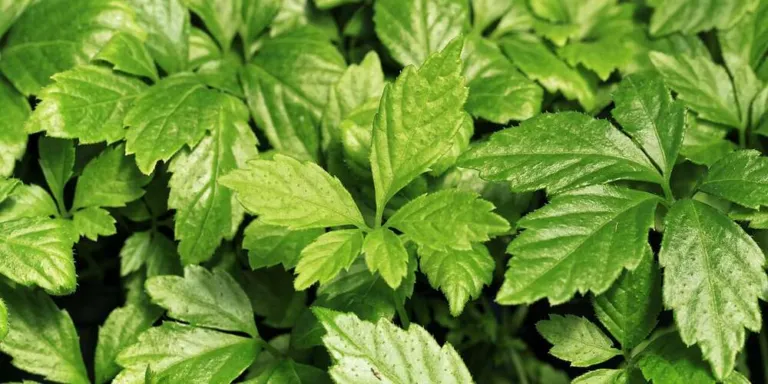
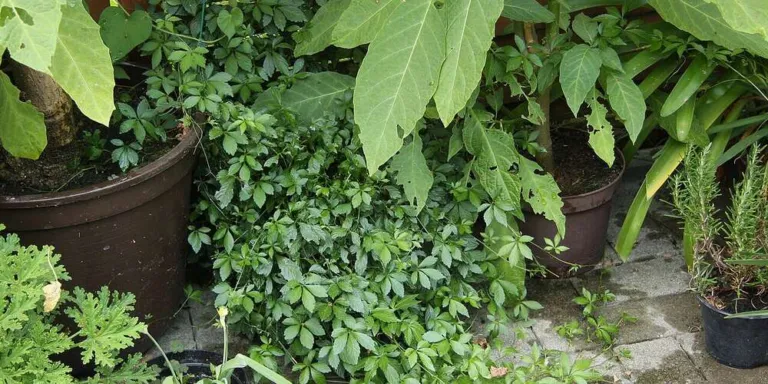
Cover: jiaogulan foliage in a garden planting, Kluse, Germany. Photo: Frank Vincentz · CC BY-SA 3.0 · Wikimedia Commons
In the hill country of southern China and northern Vietnam, a thin climbing vine with five-part leaves is picked, dried and brewed as an everyday tea. Traditional Chinese sellers call it jiaogulan, and overseas marketing calls it “southern ginseng”. Four of the saponins in some of those leaves are the same molecules as four of the saponins in ginseng root, as recorded in PubChem and in a 2026 genome study [1] [2] Confirmed, and that one fact carries most of the marketing.
Jiaogulan is Gynostemma pentaphyllum (Thunb.) Makino, a member of the Cucurbitaceae, the family of cucumbers, pumpkins and bitter melon. Ginseng is Panax, in the Araliaceae. This review follows yesterday’s Korean ginseng review, which sorted out the plants sold under the ginseng name, and asks what the shared chemistry does and does not mean. It then sets out the human trials (glucose control in type 2 diabetes, body weight, blood lipids and fatty liver) at the size and quality they actually have, the safety and interaction record, and what an Australian buyer finds on the shelf and in the nursery.
This article is educational. It is not medical advice, and nothing in it is a recommendation to take jiaogulan or any product containing it.
Medicines that lower blood glucose. In the best-documented trial, an extract of the herb lowered fasting glucose further in people already taking gliclazide [3] Evidence suggests. Anyone on insulin, a sulfonylurea or other glucose-lowering medicine who adds jiaogulan may see readings fall, and that is worth planning for with the person managing the diabetes. Sweating, shaking, confusion or drowsiness in someone on these medicines can mean low blood glucose; if they cannot safely swallow or do not recover quickly, call 000. See §9.
Blood thinners and antiplatelet drugs. Laboratory and small older studies point in opposite directions on platelets [4] [5] Evidence suggests. No bleeding interaction has been documented in people; the caution is theoretical.
Pregnancy and breastfeeding. No human safety data were found. The trials excluded pregnant and breastfeeding women [6] [3] Confirmed.
Before taking any botanical drug, consult a degree-qualified herbalist with competencies and adequate training in pharmacognosy. If someone is unwell after taking a herbal product, call Triple Zero (000) in an emergency or the Poisons Information Centre on 13 11 26 (24 hours, Australia-wide).
| The plant | Gynostemma pentaphyllum (Thunb.) Makino, Cucurbitaceae: jiaogulan, amachazuru (Japan), “southern ginseng”. A perennial climbing vine, separate in family and in evolution from Panax ginseng [2] Confirmed §2, §3 |
| Australian status | No wild Australian record and no entry in the national plant name index [7] [8] Confirmed. Grown here in gardens and pots and sold as imported tea. §4, §10 |
| Traditional role | A regional tea and famine food in China; a tea and leafy vegetable in Vietnam, Thailand and Laos; a sweet herbal tea in Japan [9] Traditional §5 |
| Chemistry | Dammarane saponins (gypenosides), more than 300 described. About a quarter share the protopanaxadiol skeleton of ginseng saponins, and four are identical to ginsenosides Rb1, Rb3, Rd and F2 [2] [1] Confirmed §6 |
| Where the ginseng claim stops | Ginseng’s protopanaxatriol saponins (such as Rg1) are made only by Panax; jiaogulan makes its own 2α-hydroxylated gypenosides; and only some jiaogulan populations contain ginsenosides at all [2] Confirmed §6 |
| Glucose in type 2 diabetes | Small Vietnamese trials (16 to 25 people) and a 2026 pooled analysis of eight mostly Chinese studies report lower fasting glucose and HbA1c; the trials are small and the pooled set is mixed [3] [10] [9] Evidence suggests §8.1 |
| Body weight | A 16-week Brisbane trial reported about 1 kg less weight on extract than placebo; a Korean trial reported falls whose corrected figures we have not yet read [6] [11] Evidence suggests §8.2 |
| Fatty liver | No full-text human trial of fatty liver as the primary outcome was available to us; the claim rests on animal work and liver-enzyme side results [6] [12] Evidence suggests §8.4 |
| Safety | Well tolerated in trials of up to 24 weeks; mild gut upset the commonest complaint. Additive effects with glucose-lowering medicines are the main practical interaction [13] [3] Evidence suggests §9 |
| Australian law | Not in the Poisons Standard (October 2026); named as an ingredient in listed (AUST L) medicines on the ARTG [14] [15] Confirmed §10 |
Confirmed Established in people by trial, or an unambiguous analytical, legal or taxonomic fact. Evidence suggests Real published data that are preclinical, observational, small or unreplicated. Mechanism A plausible pharmacological inference, which is a different thing from an outcome. Traditional Historical or regional use: evidence of practice, and silent on efficacy. Attested A documentary or textual fact from a named source.
Jiaogulan is a vine of the cucumber family that grows wild from Japan and China through South-East Asia to New Guinea. People in its home range drink it as a tea and, in places, eat it as a vegetable. Traditional It has no wild population in Australia, though gardeners here grow it and it arrives in imported teas and in a small number of listed medicines [7] [15] Confirmed.
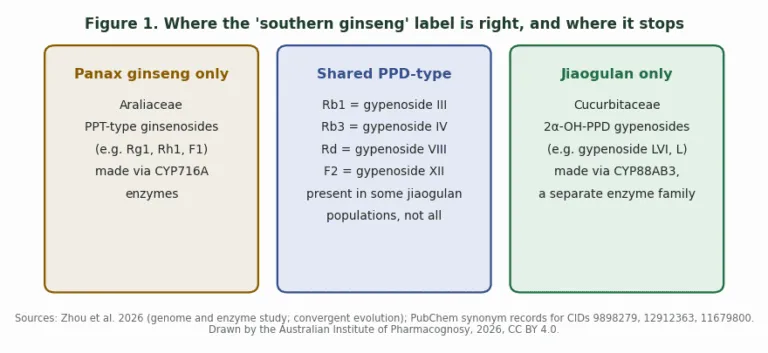
The “southern ginseng” name has a real chemical basis. Gypenosides III, IV, VIII and XII are the same compounds as ginsenosides Rb1, Rb3, Rd and F2 [1] [2] Confirmed. The overlap is partial, though. Ginseng’s second family of saponins, the protopanaxatriol type that includes Rg1, is absent from jiaogulan, jiaogulan has saponins ginseng lacks, and the shared ginsenosides turn up only in some jiaogulan populations [2] Confirmed. The two plants reached their shared chemistry by separate evolutionary routes. Calling jiaogulan a ginseng substitute claims more than the chemistry supports.
In people, the most consistent signal is on blood glucose in type 2 diabetes. Small Vietnamese trials with a standardised hot-water extract, 6 g a day, reported falls in fasting glucose and HbA1c, and a 2026 meta-analysis pooled eight trials in the same direction [3] [10] [9] Evidence suggests. The trials are small, most of the pooled studies combined jiaogulan with other drugs or herbs, and the meta-analysis did not grade risk of bias. The best-documented weight trial, run in Brisbane, reported about a kilogram over four months [6] Evidence suggests. Fatty liver remains an animal-model and side-outcome story.
The herb was well tolerated in the trials. The practical caution is additive glucose lowering for people on diabetes medicines [3] Evidence suggests. It is not scheduled in Australia [14] Confirmed. Before taking any botanical drug, consult a degree-qualified herbalist with competencies and adequate training in pharmacognosy.
 Chapter 1A name and a claim
 Chapter 2Identity, names and taxonomy
 Chapter 3Botany of the vine
 Chapter 4Distribution and Australian status
 Chapter 5Tea, famine food and regional use
 Chapter 6Gypenosides and the ginseng overlap
 Chapter 7Pharmacology
 Chapter 8The human trials
 Chapter 9Safety and interactions
 Chapter 10In Australia
 Chapter 11Quality and identity
 CloseDiscussion and research agenda
Also: About the Institute · References · Image credits
1. Southern ginseng: a name and a claim
Ginseng is the most borrowed name in herbal commerce. Our Korean ginseng review traced how “ginseng” has been attached to plants from several families on the strength of a tonic reputation or a forked root. Jiaogulan earns the label differently. Its leaves carry dammarane saponins, and some of those saponins are chemically identical to the ginsenosides of Panax [2] Confirmed. Chinese botanists describe it colloquially as “southern ginseng” for that reason, and the genome study that reported the pathway says so in as many words [2] Attested.
Shared molecules are a reasonable starting point for a hypothesis about shared effects, and they say nothing yet about dose. Ginseng products are standardised and studied as roots and root extracts of particular species; jiaogulan is studied as leaf teas, hot-water extracts and branded saponin concentrates. The question this review keeps asking is simple: when a label invokes ginseng, which part of the chemistry and which part of the evidence travels with it?
There is a second reason to take the plant seriously. Jiaogulan has a clinical literature that includes two trials run in Australia: a 16-week body-composition trial in Brisbane and a four-week exercise trial in Melbourne [6] [16] Confirmed. A Queensland group has also studied which of its saponins cross a model of the human gut wall [17] Evidence suggests. Few Australians know the plant, yet some of the research on it was done here.
2. Identity, names and taxonomy
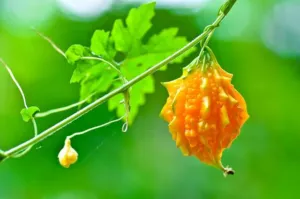
The accepted name is Gynostemma pentaphyllum (Thunb.) Makino. The bracketed author records that Thunberg named the species first, in another genus, and that Makino later moved it to Gynostemma; that is how botanical author citations work. Attested The genus sits in the Cucurbitaceae, the gourd family [2] [3] Confirmed. Its relatives include cucumber, melon, pumpkin and bitter melon (Momordica charantia), a plant with its own literature on blood glucose.
The species is chemically and genetically variable. Wild populations include diploid, tetraploid, hexaploid and octoploid forms, and the tetraploid assembled in the 2026 genome study is an allotetraploid, the product of two ancestral genomes combining [2] Confirmed. The chemistry of accessions from Guangxi, Fujian, Hunan, Sichuan and Yunnan differs enough to change flavour [2] Evidence suggests. Any single study of “jiaogulan” is a study of one population, prepared one way.
| Name | Where used | Notes |
|---|---|---|
| Jiaogulan (绞股蓝) | China; international trade | The common trade name in English-language marketing [17] Attested |
| Xiancao, “immortal herb” | China; health-food marketing | Reported as a folk name by the Queensland Caco-2 study [17] Attested |
| Amachazuru (甘茶蔓), ganchaman | Japan | Herbal tea name noted by Wang et al. [9] Attested |
| Southern ginseng | China; overseas marketing | A colloquial label based on the shared saponins [2] Attested |
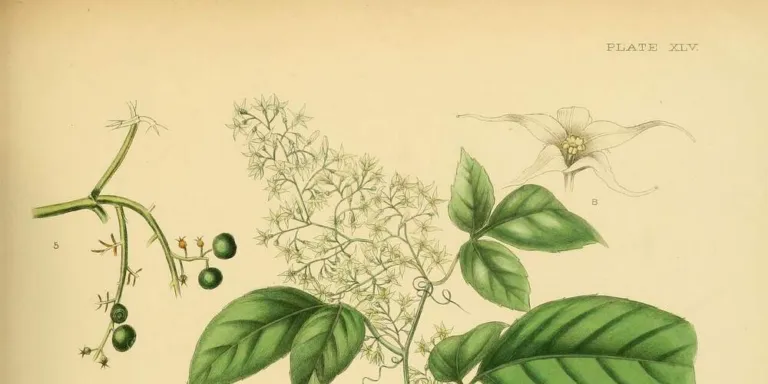
| Gynostemma pedatum Blume | Older floras of South and South-East Asia | Name on the Ceylon plate above; a synonym [Unsourced] |
3. Botany: a five-leaflet vine of the gourd family
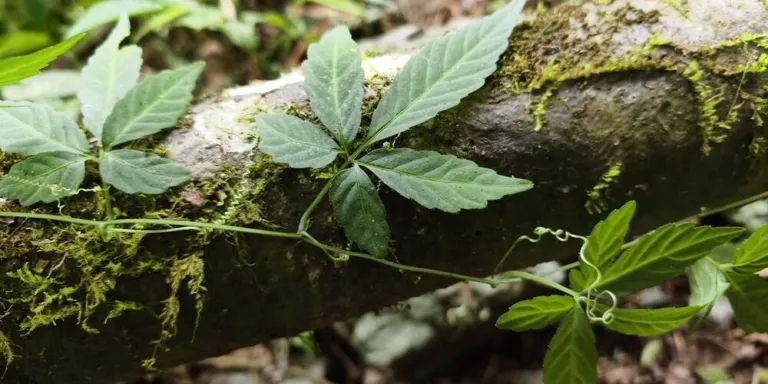
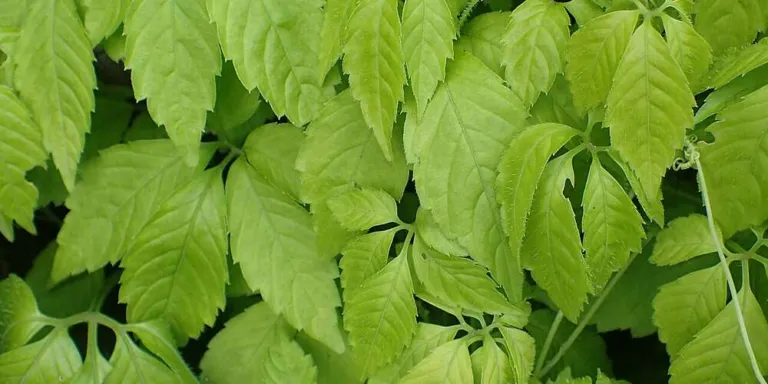
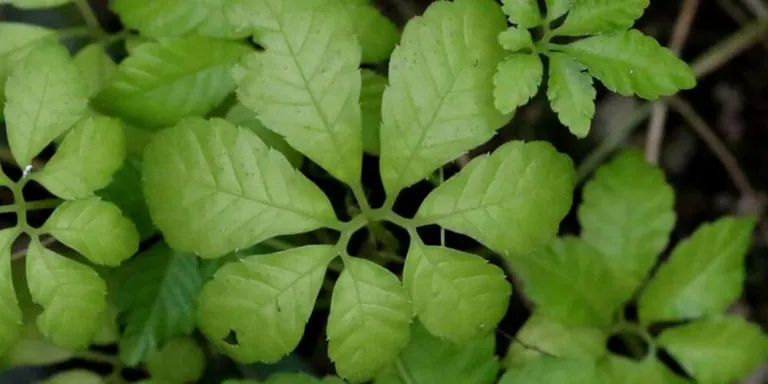
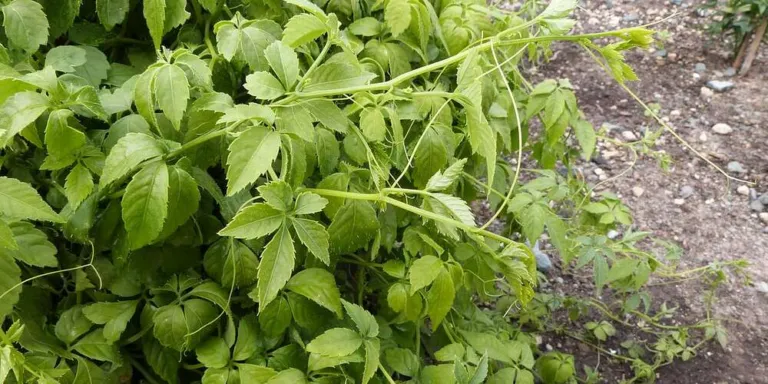
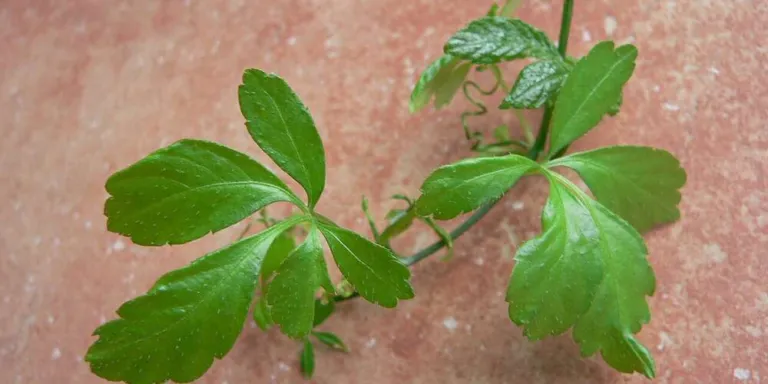
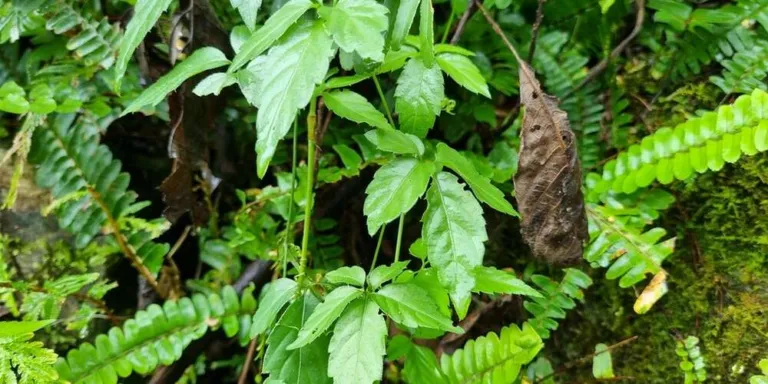
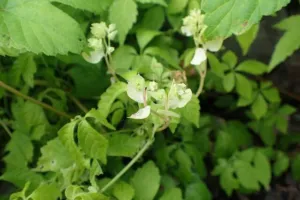
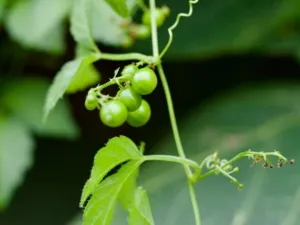
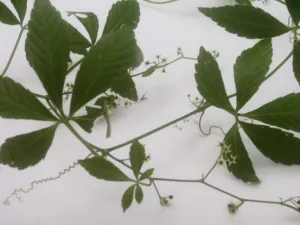
Jiaogulan is a slender, herbaceous, perennial climber. Its stems are thin and grooved and climb by coiled tendrils. The leaves are compound and palmate, usually with five to seven leaflets and occasionally three to nine; the central leaflet is 3 to 12 cm long and 1.5 to 4 cm wide, with toothed margins [12] Confirmed.
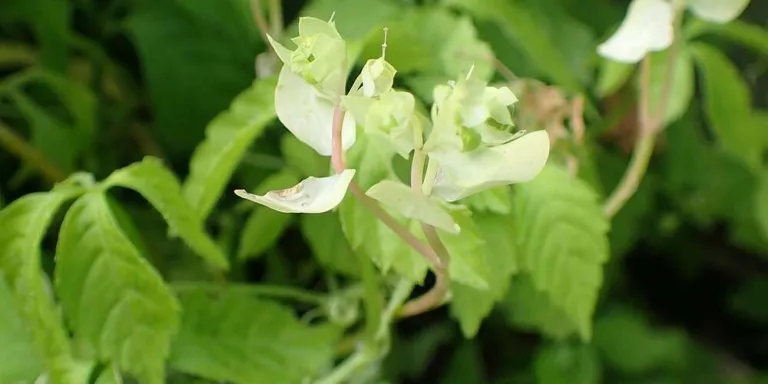
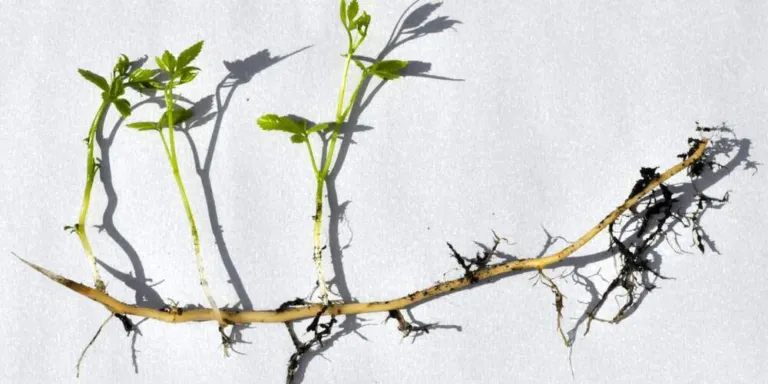
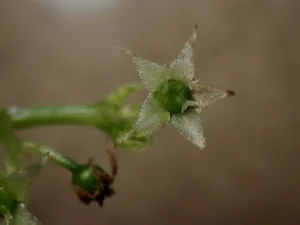
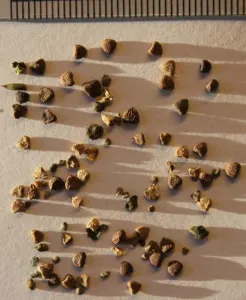
The plant is dioecious: male and female flowers grow on separate plants. Male flowers are small, star-shaped and carried in loose, branching panicles; the fruit is a smooth, round berry 5 to 6 mm across that turns black when ripe and holds two flattened, heart-shaped seeds about 4 mm wide [12] Confirmed. In its home range it flowers from March to November and fruits from April to December [12] Confirmed. Below ground it spreads by creeping stems that root at the nodes, which is how a single pot becomes a mat in a garden bed.
4. Where it grows, and its status in Australia
The species is native to China, Japan, Korea and Vietnam, with populations extending into Bangladesh, Malaysia and Indonesia [2] Confirmed. The Queensland Caco-2 paper lists Sri Lanka, Myanmar, Thailand and Laos as well [17] Confirmed. In China it is commonest along the Yangtze basin and in the southern provinces of Fujian, Guangxi, Hunan and Jiangsu [2] Confirmed. Herbarium records held through the Atlas of Living Australia include 13 collections from Papua New Guinea, so the range reaches our northern neighbour [7] Confirmed.
It does not reach Australia as a wild plant. The Australian Plant Name Index returns no entry for the genus Gynostemma, and the Atlas of Living Australia holds no taxon page and no Australian occurrence, only specimens collected overseas [8] [7] Confirmed. These two national records confirm that it is not native, and they mean jiaogulan has no recorded naturalised populations here, and no weed status we could find.
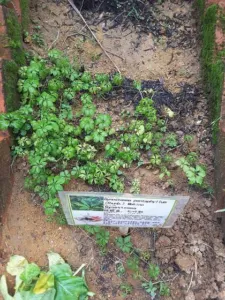
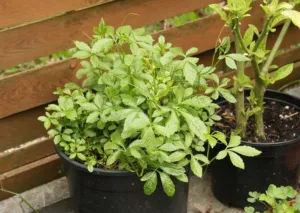
Cultivation is another matter. At least one Australian mail-order nursery lists the vine, under the names sweet tea vine and southern ginseng, propagated from cuttings and rated for subtropical climates [Unsourced: retail listing read by the Institute in October 2026; the retailer is not named here, so the reader cannot check it]. Its native range in humid subtropical and tropical Asia suggests it would grow readily in the wet tropics around Cardwell, though we hold no local growing records. Anyone planting a creeping, berry-bearing vine near bushland should keep it contained, since birds can spread fruit; that is general good practice and the evidence for jiaogulan specifically is absent.
5. Tea, famine food and regional use
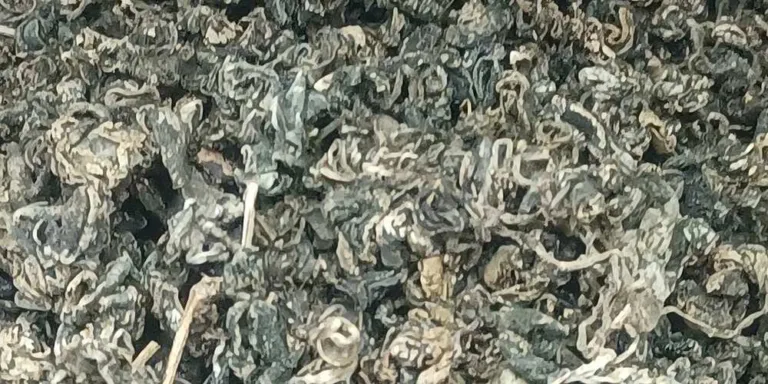
The earliest Chinese record cited for the plant is as a food. Wang and colleagues report that the Jiuhuang Bencao (1406), a herbal of plants to eat in famine, described it as a wild edible, and that the Compendium of Materia Medica later recorded medicinal uses for haematuria, throat swelling, tumours and injuries [9] Traditional. We have not read these passages in a critical edition, so the dates and uses are given as that review reports them [9] Attested. In the traditional Chinese account the herb is slightly bitter and neutral and is said to clear heat, detoxify and tonify qi [9] Traditional.
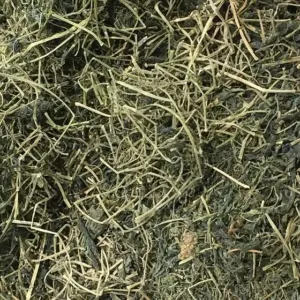
Across the region the plant is used more as a drink and a vegetable than as a prescription herb. In Japan it is amachazuru, consumed as a mildly sweet herbal tea; in Korea, Vietnam, Thailand and Laos the leaves and young stems go into teas, soups and simple dishes [9] Traditional. In northern Vietnam it grows wild in the mountains and is used in traditional practice for diabetes, which is why the Hanoi trials described in §8 began there [3] Traditional. China’s health authorities listed it among health-food materials in 2002, according to Wang et al. [9] Attested.
None of this is clinical evidence. A tea drunk for centuries has a long record of being tolerated as a beverage at beverage strengths Traditional, and that record is worth something when reading safety data. A tradition of drinking it for vitality or for “sugar” tells us people found it worth drinking, and is silent on whether it changes HbA1c. The trials, which test concentrated extracts at fixed doses, answer a different question from the one a pot of leaf tea poses.
6. Phytochemistry: gypenosides and the ginseng overlap
Jiaogulan’s characteristic compounds are gypenosides, tetracyclic triterpenoid saponins of the dammarane type. More than 300 have been isolated and characterised from the species [2] Confirmed. The plant also contains flavonol glycosides, polysaccharides in which galactose is the main sugar, and traces of sterols [12] Confirmed. An extract can hold more than 200 separate secondary metabolites [17] Confirmed.
6.1 The shared molecules
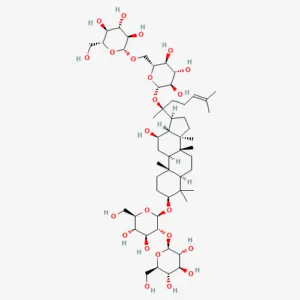
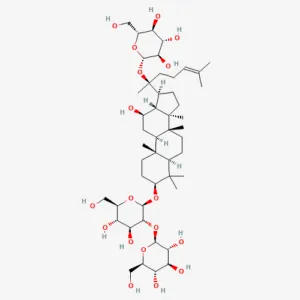
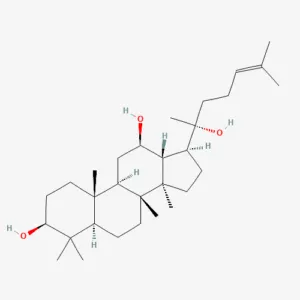
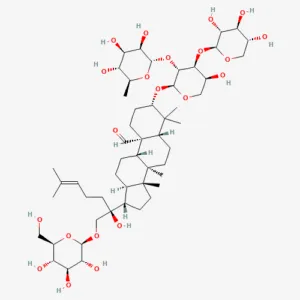
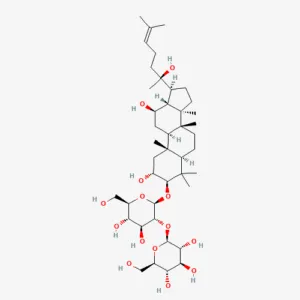
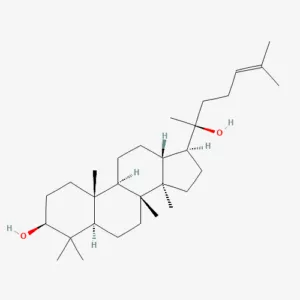
The saponins are built on a dammarane skeleton. The plant first folds 2,3-oxidosqualene into dammarenediol-II, then a cytochrome P450 enzyme adds a hydroxyl group at carbon 12 to give protopanaxadiol (PPD), and sugar-transferring enzymes hang glucose and other sugars on the result [2] Confirmed. Ginseng does the same. About a quarter of known gypenosides are PPD-type saponins, and four are the identical compounds known from ginseng [2] Confirmed:
| Jiaogulan name | Ginseng name | PubChem |
|---|---|---|
| Gypenoside III | Ginsenoside Rb1 | CID 9898279 (lists both names) Confirmed |
| Gypenoside IV | Ginsenoside Rb3 | CID 12912363 (lists both names) Confirmed |
| Gypenoside VIII | Ginsenoside Rd | CID 11679800 (lists both names) Confirmed |
| Gypenoside XII | Ginsenoside F2 | CID 9918692; identity as reported by Zhou et al. [2] Confirmed |
6.2 Where the overlap ends
Three findings from the 2026 genome study limit the ginseng comparison [2] Confirmed. First, ginseng converts PPD into a second core, protopanaxatriol (PPT), by adding a hydroxyl at carbon 6, and builds ginsenosides such as Rg1, Rh1 and F1 on it. That step is confined to Panax. Second, jiaogulan adds its hydroxyl at carbon 2 instead, making 2α-hydroxy-PPD saponins such as gypenoside LVI and gypenoside L, which are signature compounds of the genus. 2α-OH-PPD and PPT have the same molecular formula and different structures. Third, only some natural populations of jiaogulan contain ginsenosides; the team chose a ginsenoside-rich population from Hunan to study for that reason [2] Confirmed.
The enzyme story is the most telling. In ginseng, PPD is made by a P450 of the CYP716A subfamily. In jiaogulan the same chemical step is done by GpCYP88AB3, an enzyme from a different P450 family, which the authors showed carries out both the C-12 and the C-2 hydroxylations [2] Confirmed. The two plant lineages last shared an ancestor at least 104 million years ago, and they arrived at PPD saponins independently, by convergent evolution [2] Confirmed. The overlap is a chemical coincidence of real interest to biochemists. It does not make jiaogulan a kind of ginseng.
6.3 Getting into the body
Saponins are large, sugar-laden molecules and are poorly absorbed. Rat studies summarised by Li and colleagues put the oral bioavailability of total gypenosides at about 1.2 per cent, and of gypenoside A and XLIX at 0.90 and 0.14 per cent; gut bacteria strip sugars from the saponins and the less polar products are absorbed more easily [12] Evidence suggests. The University of Queensland group tested nine saponins and five flavonol glycosides from the plant on Caco-2 cell layers, a laboratory model of the gut wall, and found that two flavonoids and four saponins crossed readily, with more heavily glycosylated saponins crossing better, which suggests a transporter is involved [17] Evidence suggests. The plant material in that study came from Fujian through a commercial supplier [17] Confirmed. What reaches human blood after a cup of tea has not, as far as we could find, been measured.
7. Pharmacology: what the saponins do in the laboratory
Most of the mechanistic literature centres on AMP-activated protein kinase (AMPK), the cell’s energy sensor. Dammarane saponins from the plant activate AMPK in cell and animal models, and the downstream effects (more glucose uptake through GLUT4, less fat synthesis, more mitochondrial activity) resemble the effects of exercise [6] [12] Mechanism. The Melbourne crossover trial is the only human study we read that looked directly: after four weeks of extract, phosphorylation of AMPK at threonine 172 in thigh muscle rose earlier during an hour of cycling than after placebo [16] Evidence suggests.
The glucose story has several arms. In rodent and cell work, gypenosides and related compounds reduce liver glucose output, improve insulin signalling through the IRS1, PI3K and Akt pathway, inhibit protein tyrosine phosphatase 1B, and promote glucose-dependent insulin release from islets [9] [18] Evidence suggests. The Vietnamese trial team proposed improved insulin sensitivity as the main route, because glucose fell in their patients without a rise in insulin or C-peptide [3] [10] Mechanism. Lipid work in animals points to changes in bile acid handling and cholesterol efflux [12] Evidence suggests.
Reviews also list anti-inflammatory, antioxidant, neuroprotective and anticancer activity in cells and rodents [12] [5] Evidence suggests. These are early findings, often at concentrations that oral dosing is unlikely to reach given the bioavailability figures above, and they are best read as reasons for further research. We give them no weight in the clinical sections that follow.
8. Human trials: glucose, weight, lipids and the liver
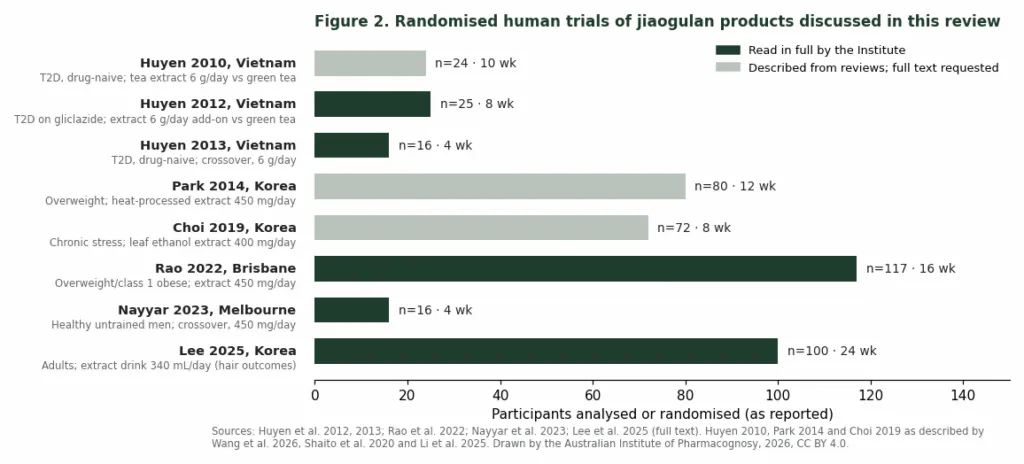
We read every human trial we could obtain in full and describe the rest only as reviewers report them. Figure 2 sets out the randomised trials discussed here by size and length. The largest has 117 completers; the smallest have 16. None ran longer than 24 weeks.
8.1 Glucose control in type 2 diabetes
The core evidence comes from one team at Hanoi Medical University working with the Karolinska Institutet. Their extract was made from whole plants collected in Hoa Binh province, identified against a voucher specimen, extracted for two hours in boiling water and cleaned with ethanol precipitation; it contained about 18 per cent saponins by a foam test, and was given as 3 g of soluble powder twice a day, 30 minutes before breakfast and dinner [3] [10] Confirmed.
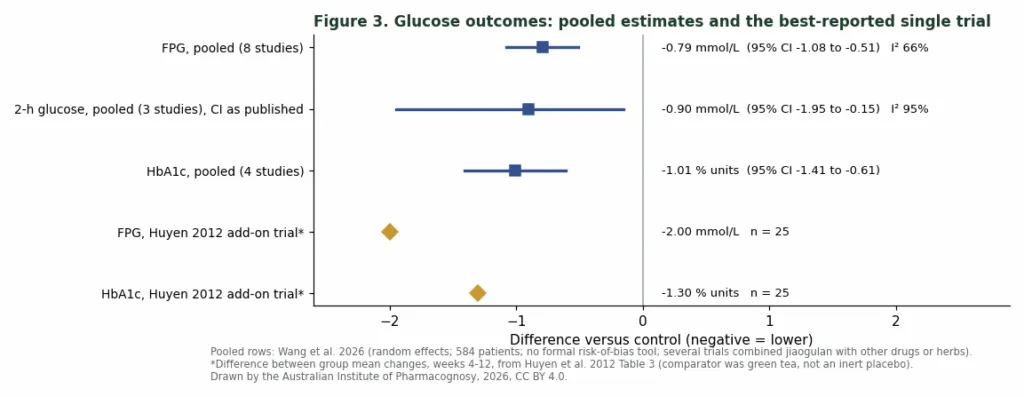
In the 2012 add-on trial, 25 newly diagnosed, drug-naive patients first took gliclazide 30 mg daily for four weeks, then were randomised to the extract or a matched powder for eight more. Fasting glucose fell by 2.9 mmol/L with the extract against 0.9 mmol/L in the comparison group, and HbA1c by 2.0 against 0.7 percentage points (both P < 0.001); no gastrointestinal effects, hypoglycaemia or changes in liver and kidney tests were recorded, and all patients finished [3] Evidence suggests. In the 2013 crossover, 16 drug-naive patients took extract or comparison for four weeks each, with a two-week wash-out; fasting glucose fell 1.9 mmol/L on extract against 0.2 on comparison, and steady-state glucose in an insulin-suppression test was lower, which the authors read as better insulin sensitivity [10] Evidence suggests. An earlier 2010 trial from the same group, in about two dozen patients, reported similar falls; we have requested its full text and report it here only as reviewers describe it [19] [9] Evidence suggests.
These are carefully run trials for their size, with concealed allocation and blinded analysis. Two features limit them. The comparison powder was green tea, which is not inert. And the effects are large for a herbal extract: an HbA1c fall of 2 percentage points on top of a sulfonylurea is close to what the authors themselves compare with adding metformin [3] Attested. Large effects in small, single-centre trials from one group are exactly what independent replication exists to test, and no replication with this extract has appeared.
The 2026 meta-analysis by Wang and colleagues pooled eight trials with 584 patients, all from China and Vietnam, published between 1998 and 2023. Against controls, jiaogulan lowered fasting glucose by 0.79 mmol/L (95% CI 0.51 to 1.08), HbA1c by 1.01 percentage points (four trials) and two-hour glucose by 0.90 mmol/L (three trials) [9] Evidence suggests. Heterogeneity was moderate to high, 66 per cent for fasting glucose and 95 per cent for two-hour glucose, and the published interval for the latter is lopsided around its point estimate, which suggests a reporting or calculation slip [9] Attested.
Reading the included studies changes how much weight the pooled numbers can bear. Several Chinese trials combined jiaogulan with metformin and atorvastatin, with red yeast rice preparations or with repaglinide; one used total saponin tablets and another a decoction; durations ran from 14 to 180 days [9] Attested. The review assessed publication bias with funnel plots and robustness with sensitivity analysis, but did not apply a formal risk-of-bias tool, and 138 of the reports it sought could not be retrieved [9] Attested. Its own limitations section notes that the trials were small and lacked phytochemical standardisation [9] Attested. We read it as a summary of a consistent direction of effect in mixed, mostly low-quality trials, and as no estimate of what a given jiaogulan product will do.
8.2 Body weight and body composition
The Brisbane trial, funded by the company that markets the extract, randomised 150 overweight or class 1 obese adults (BMI over 25 and under 35) to 450 mg a day of a commercial leaf extract or placebo for 16 weeks; 117 completed [6] Confirmed. Body weight fell 0.96 kg on extract and rose 0.31 kg on placebo (P = 0.02), and DXA-measured fat mass fell 0.98 kg against 0.04 kg (P = 0.048). Waist and hip measurements did not differ, the per cent fat difference did not reach significance, and the analysis was of completers only [6] Evidence suggests. Five people on extract reported adverse events (diarrhoea, insomnia, dizziness, nausea, dry throat) against two on placebo [6] Evidence suggests.
The Korean trial that preceded it randomised 80 adults with obesity to 450 mg a day of a heat-processed extract or placebo for 12 weeks and reported falls in abdominal fat area, body weight and percentage body fat without adverse effects, as described in two reviews [11] [5] [12] Evidence suggests. The journal has published two errata to that article, the second in 2020 running to four pages [11] Attested. We could not obtain the article or its corrections in full, and we do not know what the corrections changed. Until we do, we treat its results as unconfirmed.
Taken together, the weight evidence is two industry-linked trials, one of which we could read, with an effect of about a kilogram over four months. That is a real but modest signal. A reader comparing it with diet or with weight-loss medicines should know the scale.
8.3 Blood lipids
A 2022 systematic review by Dai and colleagues, registered in advance and graded with the Cochrane risk-of-bias tool, found 22 randomised trials with 2,407 participants with dyslipidaemia, 21 of them from China and one from Thailand; none was placebo-controlled, 14 had some concerns and seven a high risk of bias [13] Confirmed. Jiaogulan alone performed about as well as statins, fibrates or omega-3 fatty acids on total cholesterol, triglycerides and HDL, at very low certainty; red yeast rice did better than jiaogulan; and jiaogulan added to lipid drugs gave modestly better triglyceride, LDL and HDL results, at low to moderate certainty [13] Evidence suggests. The one trial outside China compared jiaogulan tea with a rosella (Hibiscus sabdariffa) tea [13] Attested.
8.4 Fatty liver
Fatty liver (now called metabolic dysfunction-associated steatotic liver disease) is among the conditions jiaogulan is used for in China, according to the Brisbane trial authors [6] Attested, and the evidence we could read is thin. The Brisbane trial found a lower ALT, a liver enzyme, on extract than on placebo at 16 weeks, as a secondary result in people without diagnosed liver disease [6] Evidence suggests; its authors note that any role in fatty liver would have to be tested in fatty liver directly. A 2006 add-on trial in non-alcoholic fatty liver disease and a Cochrane review of herbal medicines for fatty liver from 2013 are on request through the Institute’s library; until we have read them we do not report their results. The rodent literature on gypenosides and steatosis is large and consistent [12] Evidence suggests, and it is animal evidence.
8.5 Other outcomes
Smaller programmes have tested a leaf ethanol extract for anxiety in 72 chronically stressed Korean adults over eight weeks [20] [5] Evidence suggests, a gypenoside L-containing extract for fatigue and physical performance in 100 adults [21] [12] Evidence suggests, an extract drink for hair condition in 100 adults over 24 weeks [22] Evidence suggests, and the Melbourne extract for 20 km cycling time trial performance in 16 untrained men, where performance improved and blood glucose and leptin were lower [16] Evidence suggests. Both Australian trials were funded by the same company, which markets the extract [6] [16] Confirmed. Each is a single trial of a single product. None has been replicated.
| Outcome | Best evidence read | Evidence grade |
|---|---|---|
| Fasting glucose, HbA1c in type 2 diabetes | Three small Hanoi RCTs; 2026 meta-analysis of eight mixed RCTs [3] [10] [9] | Evidence suggests consistent direction, small trials |
| Body weight | Brisbane RCT, about 1 kg over 16 weeks; Korean RCT with two published errata [6] [11] | Evidence suggests modest |
| Blood lipids | 22 RCTs, none placebo-controlled; very low to moderate certainty [13] | Evidence suggests |
| Fatty liver | Animal studies; one liver-enzyme side result [6] [12] | Evidence suggests preclinical |
| Anxiety, fatigue, hair, exercise | One trial each [20] [21] [22] [16] | Evidence suggests unreplicated |
9. Safety and interactions
Across the trials we read, jiaogulan products were well tolerated. The Hanoi trials recorded no gastrointestinal effects, no hypoglycaemia and no change in liver or kidney tests over 8 to 12 weeks [3] [10] Evidence suggests. The Brisbane trial recorded mild events in five extract-takers [6] Evidence suggests, and the hair trial reported no serious events over 24 weeks [22] Evidence suggests. In the lipid review, 15 trials reported adverse events, none serious; complaints included abdominal distension and pain, headache, dizziness, nausea, diarrhoea, rash and occasional abnormal liver or creatine kinase results, and they were less frequent than with statins and fibrates [13] Evidence suggests. Rat studies summarised by Li et al. found no deaths or organ damage at high doses for up to six months [12] Evidence suggests, and Li et al. also point out that no safe dose range for purified gypenosides has been established [12] Evidence suggests.
9.1 Glucose-lowering medicines
This is the interaction with the clearest basis. In the 2012 trial, extract added to gliclazide lowered fasting glucose a further 2 mmol/L more than the comparison over eight weeks [3] Evidence suggests. Nobody became hypoglycaemic in that small trial, but its patients were newly diagnosed and on a low sulfonylurea dose. Several of the Chinese trials in the meta-analysis combined the herb with metformin or repaglinide [9] Attested. A person taking insulin or a sulfonylurea who starts drinking strong jiaogulan tea or an extract should expect the possibility of lower readings and arrange monitoring with whoever manages their diabetes Mechanism. Low blood glucose shows as sweating, shaking, hunger, confusion or unusual drowsiness; a person who cannot swallow safely, is very drowsy or does not recover after fast-acting sugar needs Triple Zero (000). The same reasoning applies to other herbs with glucose effects, such as Indian barberry (Berberis aristata).
9.2 Antiplatelet and anticoagulant medicines
The platelet evidence is old, small and contradictory. A 1985 Japanese laboratory study found that a hot-water leaf extract made washed bovine platelets aggregate, through an aspirin-insensitive mechanism that was blocked by prostacyclin (PGI2); the active factor was heat-stable and destroyed by β-glucosidase, suggesting a glycoside or polysaccharide [4] Evidence suggests. Shaito and colleagues, by contrast, cite a 1995 Chinese study in which a water extract inhibited platelet aggregation in 44 people with cardiovascular disease and 56 healthy people, and advise caution in people with low platelet counts or bleeding disorders [5] Evidence suggests. We have not read the Chinese study itself. No case of bleeding linked to jiaogulan was found in the literature we searched. Combining it with warfarin, a DOAC or antiplatelet drugs is a theoretical concern, and the honest position is that the direction of any effect on platelets in people is unknown Mechanism. Given the glucose effect and the open question on platelets, anyone booked for surgery or a dental extraction should tell the surgical or anaesthetic team that they take jiaogulan Mechanism.
9.3 Other medicines
A Polish retrospective chart review of adverse events in people taking adaptogens with antidepressants recorded one case involving jiaogulan: a 44-year-old man on duloxetine and melatonin who developed lower back pain with muscle tension that resolved when he stopped the herb [23] Evidence suggests. The authors proposed CYP2D6 inhibition by gypenosides as the cause, citing laboratory reports. One case with a common symptom is weak evidence of an interaction, and the enzyme data behind it are in vitro Mechanism.
9.4 Pregnancy, breastfeeding and children
We found no human data on use in pregnancy, breastfeeding or childhood, and no reproductive toxicology studies of standardised extracts. The trials we read enrolled adults only and excluded pregnant and breastfeeding women [6] [3] Confirmed. With no data either way, caution is the sensible default for extracts in these groups, and nothing we found suggests harm.
9.5 Gastrointestinal effects
Nausea, loose stools and abdominal discomfort are the complaints most often reported in trials and reviews [6] [13] Evidence suggests. They were mild and uncommon. Saponins as a class are surface-active and can irritate the gut at high concentration, a plausible explanation that has not been tested for this plant Mechanism.
10. In Australia: regulation, availability and labels
Poisons Standard. Neither Gynostemma nor gypenosides appear in the Poisons Standard October 2026, which we searched in full [14] Confirmed. The herb is not scheduled.
Therapeutic goods. Two listed medicines on the Australian Register of Therapeutic Goods name Gynostemma pentaphyllum among their ingredients, both multi-herb formulas, with ARTG dates in 2019 and 2021 [15] Confirmed. Listed (AUST L) medicines may contain only ingredients in the Therapeutic Goods (Permissible Ingredients) Determination and may make only low-level indications from the permitted list; they are not individually evaluated by the TGA before supply [24] Confirmed. The presence of the herb in listed products follows from those rules, and implies that the herb is accepted as a permissible low-risk ingredient Mechanism. It does not mean the TGA has assessed whether it works.
Food and tea. Most jiaogulan in Australia arrives as loose or bagged tea from China, Vietnam or elsewhere, sold through Asian grocers and online. Tea sold as a food falls under the food regulatory system, outside the TGA’s listing rules. We did not survey the Australian tea market for this review and report no figures on it.
Plants and seed. The vine is sold in Australian nurseries and by seed merchants. We could not confirm the current import conditions for seed in the Department of Agriculture, Fisheries and Forestry’s BICON database [Unsourced: not verified for this review]; anyone importing seed should check BICON before ordering.
Overseas material. Jiaogulan appears in some Chinese regional standards [12] Attested. Those standards are overseas instruments and do not apply in Australia.
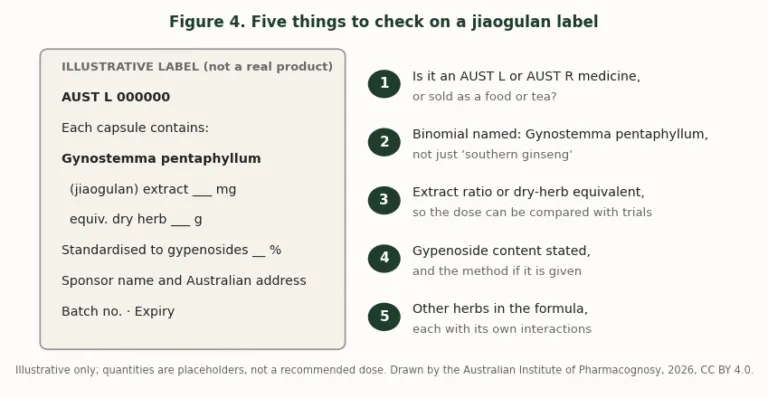
Reading a label. Look first for an AUST L or AUST R number; without one, the product is generally being supplied as a food or tea and is outside the TGA listing rules. Check that the label names Gynostemma pentaphyllum, since “southern ginseng” alone identifies nothing. For extracts, look for the extract ratio or dry-herb equivalent, which is the only way to compare a capsule with the 6 g-a-day extract of the Hanoi trials or the 450 mg-a-day extracts of the weight trials [3] [6] Confirmed. A stated gypenoside content is useful, and a stated method is better. In multi-herb formulas, each herb brings its own interactions. Before taking any botanical drug, consult a degree-qualified herbalist with competencies and adequate training in pharmacognosy.
11. Quality, identity and adulteration
Jiaogulan has no monograph in the national Chinese Pharmacopoeia, according to Li et al., and is covered only by some regional standards; a 2021 Chinese quality study applied general pharmacopoeial limits of no more than 12.0 per cent water, 16.0 per cent total ash and 3.0 per cent acid-insoluble ash, and at least 25.0 per cent hot water-soluble extract [12] Attested. Those are generic purity limits; none of them identifies the plant.
Identity is a real problem in a variable species. Chemical profiles differ by province and between a tetraploid and a diploid population, and the ginsenoside content depends on the population [2] Confirmed. A product sold on its ginsenoside content may contain little of the shared compounds if made from the wrong population, and nothing on a tea packet tells the buyer which one it is. Chloroplast DNA markers and combined chemical and DNA methods for authenticating the species and its taste variants have been published; we have requested the full texts and do not summarise them here.
Contamination is a general concern for any imported leaf tea grown with fertilisers and manures. A Thai study of cadmium in jiaogulan tea is on request through the Institute’s library and is not summarised here. We found no published Australian testing of jiaogulan products for heavy metals or pesticide residues.
The practical marks of quality are therefore a named binomial, a stated plant part (leaf, aerial parts or whole herb), a country of origin, an extract ratio and gypenoside content for extracts, and a batch number. For listed medicines, the sponsor is responsible under the TGA’s rules for the quality of what goes into the capsule [24] Confirmed.
Discussion: conclusions, hypotheses and research still required
What we know
- Jiaogulan is Gynostemma pentaphyllum, a vine of the Cucurbitaceae with no wild Australian population [7] [8] Confirmed.
- Four of its saponins are the same molecules as ginsenosides Rb1, Rb3, Rd and F2, and the plant reached them by an enzyme route separate from ginseng’s [1] [2] Confirmed.
- It lacks ginseng’s PPT-type saponins, makes 2α-hydroxylated saponins of its own, and contains the shared ginsenosides only in some populations [2] Confirmed.
- Small randomised trials of a standardised Vietnamese extract lowered fasting glucose and HbA1c in type 2 diabetes, and pooled trials point the same way [3] [10] [9] Evidence suggests.
- The Brisbane weight trial found about 1 kg difference over 16 weeks [6] Evidence suggests.
- In trials up to 24 weeks the herb was well tolerated [13] [22] Evidence suggests. It is unscheduled in Australia and appears in listed medicines [14] [15] Confirmed.
What we can reasonably hypothesise
- That the glucose effect is real and modest, and that the large effects in the Hanoi trials partly reflect small samples, a single team and drug-naive patients with high baseline HbA1c Mechanism.
- That different jiaogulan products are not interchangeable: a ginsenoside-rich population, a heat-processed extract and a supermarket tea may act differently Mechanism.
- That gut bacteria, which strip sugars from the saponins, shape the response, so the same tea could act differently in different people Mechanism.
- That the platelet effects seen in old laboratory studies have little clinical relevance at tea doses, a hypothesis that needs testing before anyone relies on it Mechanism.
What research is still required
- Clinical research: an independent, adequately powered, placebo-controlled trial of a chemically defined extract in type 2 diabetes, with an inert placebo, hypoglycaemia monitoring in people on sulfonylureas or insulin, and at least 24 weeks of follow-up. A trial in fatty liver with liver fat measured by imaging, since the claim is common and the human evidence is absent.
- Systematic review: a fresh glycaemic meta-analysis that grades risk of bias, separates monotherapy from combinations, and excludes trials in which jiaogulan was one of several active agents.
- Phytochemistry and quality analysis: an HPLC or LC-MS survey of jiaogulan teas and extracts sold in Australia for gypenoside profile, shared ginsenosides (Rb1, Rd) and the 2α-OH-PPD markers, with voucher specimens and DNA authentication, and heavy-metal testing of imported tea.
- Pharmacokinetics: human measurement of which saponins and metabolites reach plasma after tea and after extract, and in vitro and clinical checks of CYP2D6, CYP3A4 and P-glycoprotein interactions.
- Toxicology: human data in pregnancy are unlikely to come from trials; pharmacovigilance and reproductive toxicology studies of standardised extracts would fill part of the gap.
- Botany and regulatory science: confirmation of import conditions for seed and a watch on whether garden plantings in the wet tropics produce seedlings beyond cultivation.
- History and textual studies: a reading of the Jiuhuang Bencao and later Chinese herbals in critical editions, to establish what was recorded about the plant and when.
Jiaogulan deserves a place in an Australian evidence library on its own terms, as a gourd-family tea plant with a coherent chemistry and a modest, promising glucose literature. The ginseng comparison helps explain its chemistry. It does not tell a buyer what a given product will do.
About the Australian Institute of Pharmacognosy and this series
The Australian Institute of Pharmacognosy is a clinic and research laboratory in Cardwell, far north Queensland, studying medicinal plants and natural products to the same evidentiary standard as any other branch of pharmacology: traditional knowledge taken seriously, and tested honestly. Visit the Institute at australian-pharmacognosy.org.
Series: AIP Literature Reviews and Critical Analyses (evidence reviews). Related reviews: the Korean ginseng review explains which plants are sold as ginseng; rosella (Hibiscus sabdariffa) was the comparison tea in one of the lipid trials; Indian barberry (Berberis aristata) covers another herb with a glucose literature; and our kava review shows how Australian food and medicine rules apply to a traditional drink. Follow the series for a new evidence review each morning.
Corrections: if you find an error or a source we have missed, write to the Institute at our contact form. We would rather correct a claim than repeat it.
About the images and the evidence. Every photograph is reproduced under the licence stated in its caption and in the image credits; the figures were drawn by the Institute from the sources printed in each. The Institute thanks the growers, botanists and researchers in China, Vietnam, Korea, Japan and Australia whose published work this review draws on.
Head of Education and Research
Australian Institute of Pharmacognosy
Cardwell QLD, Australia
australian-pharmacognosy.org · our contact form
Suggested citation: Ridley T. Jiaogulan (Gynostemma pentaphyllum (Thunb.) Makino): southern ginseng, the shared saponins, the human trials, safety and interactions, and Australian status. AIP Literature Review and Critical Analysis AIP-LR-GYNPEN. Cardwell (QLD): Australian Institute of Pharmacognosy; 2026.
Educational content only; not medical, legal or regulatory advice. Australian regulatory information reflects the Poisons Standard October 2026, the ARTG and TGA guidance as read in October 2026 and may change. Overseas material, including Chinese standards, is described as overseas material and does not govern Australian law. No product is advertised, endorsed or recommended.
References
24 references: tap to open
Listed in order of first citation. All 20 PMIDs were checked against PubMed in October 2026. Sources marked “Read in full” were read in full text by the Institute; trial reports that could not be obtained in full are described only through the reviews named in each entry and are marked so. Also requested and not cited for their content: Chou et al. 2006 (add-on trial in non-alcoholic fatty liver disease); Liu et al. 2013 (Cochrane review of herbal medicines for fatty liver); Chiranthanut et al. 2013 (toxicity of a standardised extract); Nookabkaew et al. 2016 (cadmium in jiaogulan tea); Nguyen et al. 2021 (triterpenoids of the genus); Wu et al. 2011 (chemical and DNA authentication of taste variants); Lu et al. 2026 (gypenosides in optic neuritis).
- PubChem compound records and synonym lists: ginsenoside Rb1 (CID 9898279; synonym gypenoside III), ginsenoside Rb3 (CID 12912363; synonym gypenoside IV), ginsenoside Rd (CID 11679800; synonym gypenoside VIII), ginsenoside F2 (CID 9918692), protopanaxadiol (CID 9920281), dammarenediol II (CID 10895555), gypenoside XLIX (CID 16007240), gypenoside L (CID 76335475). National Library of Medicine (US). Read by the Institute in October 2026.
- Zhou P, Liu SJ, Huang L, Wang Y, Jiang X, Dong W, et al. Chromosome-level genome assembly of the allotetraploid Gynostemma pentaphyllum provides novel insights into the biosynthesis of ginsenoside and gypenoside LVI. Plant Biotechnol J. 2026;24(6):4204-4220. PMID 41821502. doi: 10.1111/pbi.70598. Read in full.
- Huyen VTT, Phan DV, Thang P, Ky PT, Hoa NK, Östenson CG. Antidiabetic effects of add-on Gynostemma pentaphyllum extract therapy with sulfonylureas in type 2 diabetic patients. Evid Based Complement Alternat Med. 2012;2012:452313. PMID 23125867. doi: 10.1155/2012/452313. Read in full.
- Takagi J, Imada T, Kikuchi T, Saito Y, Inada Y. A new platelet aggregation factor from Gynostemma pentaphyllum Makino. Chem Pharm Bull (Tokyo). 1985;33(12):5568-5571. PMID 3833397. doi: 10.1248/cpb.33.5568. Read in full.
- Shaito A, Thuan DTB, Phu HT, Nguyen THD, Hasan H, Halabi S, et al. Herbal medicine for cardiovascular diseases: efficacy, mechanisms, and safety. Front Pharmacol. 2020;11:422. PMID 32317975. doi: 10.3389/fphar.2020.00422. Read in full.
- Rao A, Clayton P, Briskey D. The effect of an orally-dosed Gynostemma pentaphyllum extract (ActivAMP) on body composition in overweight, adult men and women: a double-blind, randomised, placebo-controlled study. J Hum Nutr Diet. 2022;35(3):583-589. PMID 34323337. doi: 10.1111/jhn.12936. Read in full.
- Atlas of Living Australia. Species search for Gynostemma (no taxon in the Australian name index) and occurrence records with the recorded name Gynostemma (30 records, all collected outside Australia, 13 from Papua New Guinea). https://biocache.ala.org.au/occurrences/search?q=raw_scientificName:Gynostemma*. Read by the Institute in October 2026.
- Australian Plant Name Index (APNI), Council of Heads of Australasian Herbaria. Name search for Gynostemma*: no results. https://biodiversity.org.au/nsl/services/search/names. Read by the Institute in October 2026.
- Wang R, Wang Y, Mo Y, Zhang H, Ma G. Efficacy and mechanisms of Gynostemma pentaphyllum as a medicine food homology herb in glycemic control: a meta-analysis with review. Front Pharmacol. 2026;17:1731723. PMID 42064816. doi: 10.3389/fphar.2026.1731723. Read in full.
- Huyen VTT, Phan DV, Thang P, Hoa NK, Östenson CG. Gynostemma pentaphyllum tea improves insulin sensitivity in type 2 diabetic patients. J Nutr Metab. 2013;2013:765383. PMID 23431428. doi: 10.1155/2013/765383. Read in full.
- Park SH, Huh TL, Kim SY, Oh MR, Tirupathi Pichiah PB, Chae SW, et al. Antiobesity effect of Gynostemma pentaphyllum extract (actiponin): a randomized, double-blind, placebo-controlled trial. Obesity (Silver Spring). 2014;22(1):63-71. PMID 23804546. doi: 10.1002/oby.20539. Errata: Obesity 2015;23(12):2520 (PMID 26727120) and Obesity 2020;28(9):1770-1773 (PMID 32841525). Neither the article nor its corrections could be retrieved in full text; design figures are given as reported in [12] and [5].
- Li X, Chen Y, Wang R, Cao B, Deng T, Han J, et al. Gypenosides, a promising phytochemical triterpenoid: research progress on its pharmacological activity and mechanism. Front Pharmacol. 2025;16:1705946. PMID 41181612. doi: 10.3389/fphar.2025.1705946. Read in full.
- Dai N, Zhao FF, Fang M, Pu FL, Kong LY, Liu JP. Gynostemma pentaphyllum for dyslipidemia: a systematic review of randomized controlled trials. Front Pharmacol. 2022;13:917521. PMID 36091752. doi: 10.3389/fphar.2022.917521. Read in full.
- Therapeutic Goods (Poisons Standard—October 2026) Instrument 2026. Federal Register of Legislation F2026L01327; in force from 1 October 2026. https://www.legislation.gov.au/F2026L01327/latest/text. Full text searched by the Institute in October 2026 for Gynostemma, gynostemma and gypenoside; no entry found.
- Therapeutic Goods Administration. Australian Register of Therapeutic Goods: two listed medicine entries (licence category LI, status active) naming Gynostemma pentaphyllum among their ingredients, ARTG 364114 (ARTG date 3 May 2021) and ARTG 321286 (ARTG date 5 August 2019). https://www.tga.gov.au/resources/artg/364114; https://www.tga.gov.au/resources/artg/321286. Read by the Institute in October 2026. Cited as a regulatory record only; no product is endorsed.
- Nayyar D, Yan X, Xu G, Shi M, Garnham AP, Mathai ML, et al. Gynostemma pentaphyllum increases exercise performance and alters mitochondrial respiration and AMPK in healthy males. Nutrients. 2023;15(22):4721. PMID 38004115. doi: 10.3390/nu15224721. Read in full.
- Ahmed I, Leach DN, Wohlmuth H, De Voss JJ, Blanchfield JT. Caco-2 cell permeability of flavonoids and saponins from Gynostemma pentaphyllum: the immortal herb. ACS Omega. 2020;5(34):21561-21569. PMID 32905390. doi: 10.1021/acsomega.0c02180. Read in full.
- Lokman EF, Gu HF, Wan Mohamud WN, Östenson CG. Evaluation of antidiabetic effects of the traditional medicinal plant Gynostemma pentaphyllum and the possible mechanisms of insulin release. Evid Based Complement Alternat Med. 2015;2015:120572. PMID 26199630. doi: 10.1155/2015/120572. Read in full.
- Huyen VTT, Phan DV, Thang P, Hoa NK, Östenson CG. Antidiabetic effect of Gynostemma pentaphyllum tea in randomly assigned type 2 diabetic patients. Horm Metab Res. 2010;42(5):353-357. PMID 20213586. doi: 10.1055/s-0030-1248298. Full text requested through the Institute’s library; described here only as reported in [9].
- Choi EK, Won YH, Kim SY, Noh SO, Park SH, Jung SJ, et al. Supplementation with extract of Gynostemma pentaphyllum leaves reduces anxiety in healthy subjects with chronic psychological stress: a randomized, double-blind, placebo-controlled clinical trial. Phytomedicine. 2019;52:198-205. PMID 30599899. doi: 10.1016/j.phymed.2018.05.002. Full text not yet retrieved; described as reported in [12] and [5].
- Ahn Y, Lee HS, Lee SH, Joa KL, Lim CY, Ahn YJ, et al. Effects of gypenoside L-containing Gynostemma pentaphyllum extract on fatigue and physical performance: a double-blind, placebo-controlled, randomized trial. Phytother Res. 2023;37(7):3069-3082. PMID 36877124. doi: 10.1002/ptr.7801. Full text not yet retrieved; described as reported in [12].
- Lee J, Jin Y, Zhang X, Kim M, Koh A, Zhou S, et al. Therapeutic potential of Gynostemma pentaphyllum extract for hair health enhancement: a randomized, double-blind, placebo-controlled clinical trial. Nutrients. 2025;17(5):767. PMID 40077637. doi: 10.3390/nu17050767. Read in full.
- Siwek M, Woroń J, Wrzosek A, Gupało J, Chrobak AA. Harder, better, faster, stronger? Retrospective chart review of adverse events of interactions between adaptogens and antidepressant drugs. Front Pharmacol. 2023;14:1271776. PMID 37829299. doi: 10.3389/fphar.2023.1271776. Read in full.
- Therapeutic Goods Administration. Understanding listed and registered complementary medicine regulation (guidance). https://www.tga.gov.au/resources/guidance/understanding-listed-and-registered-complementary-medicine-regulation. Read by the Institute in October 2026.
Image credits
- Kluse – Gynostemma pentaphyllum – Jiaogulan 01 ies.jpg, Frank Vincentz. CC BY-SA 3.0. Wikimedia Commons. Resized and re-encoded for the web by AIP; no other changes.
- Kluse – Gynostemma pentaphyllum – Jiaogulan 02 ies.jpg, Frank Vincentz. CC BY-SA 3.0. Wikimedia Commons. Resized and re-encoded for the web by AIP; no other changes.
- iNaturalist observation 344637754, Wulai, New Taipei, Taiwan, Yinling Chen. CC BY 4.0. iNaturalist. Resized and re-encoded for the web by AIP; no other changes.
- A hand-book to the flora of Ceylon (Plate XLV), A. H. G. Alston, J. D. Hooker and H. Trimen, A hand-book to the flora of Ceylon, plate XLV (scan via Biodiversity Heritage Library). Public domain. Wikimedia Commons. Resized and re-encoded for the web by AIP; no other changes.
- Gynostemma pentaphyllum kz02.jpg, Krzysztof Ziarnek, Kenraiz. CC BY-SA 4.0. Wikimedia Commons. Resized and re-encoded for the web by AIP; no other changes.
- Gynostemma pentaphyllum kz03.jpg, Krzysztof Ziarnek, Kenraiz. CC BY-SA 4.0. Wikimedia Commons. Resized and re-encoded for the web by AIP; no other changes.
- Gynostemma pentaphyllum kz04.jpg, Krzysztof Ziarnek, Kenraiz. CC BY-SA 4.0. Wikimedia Commons. Resized and re-encoded for the web by AIP; no other changes.
- Gynostemma pentaphyllum – Nasser Halaweh – 555916929.jpeg, Nasser Halaweh. CC BY 4.0. Wikimedia Commons. Resized and re-encoded for the web by AIP; no other changes.
- iNaturalist observation 321008348, Maizuru, Kyoto, Japan, りなべる (rinaberu). CC BY 4.0. iNaturalist. Resized and re-encoded for the web by AIP; no other changes.
- Gynostemma penthaphyllum seeds, by Omar Hoftun.jpg, Omar Hoftun. CC BY-SA 4.0. Wikimedia Commons. Resized and re-encoded for the web by AIP; no other changes.
- Jiaogulan 01 PM03.jpg, Pelikana. CC BY-SA 3.0. Wikimedia Commons. Resized and re-encoded for the web by AIP; no other changes.
- iNaturalist observation 237258743, Victoria Peak, Hong Kong, iNaturalist user (no rights reserved). CC0 1.0. iNaturalist. Resized and re-encoded for the web by AIP; no other changes.
- Gynostemma cultivation in Singapore.jpg, Ronggy. CC BY-SA 4.0. Wikimedia Commons. Resized and re-encoded for the web by AIP; no other changes.
- Jiaogulan (Gynostemma pentaphyllum) (8732989776).jpg, Maja Dumat. CC BY 2.0. Wikimedia Commons. Resized and re-encoded for the web by AIP; no other changes.
- Jiaogulan (Gynostemma Pentaphyllum) (9475964195).jpg, Maja Dumat. CC BY 2.0. Wikimedia Commons. Resized and re-encoded for the web by AIP; no other changes.
- Gynostemma pentaphyllum tea.jpg, François Nguyen. CC BY 2.0. Wikimedia Commons. Resized and re-encoded for the web by AIP; no other changes.
- Gynostemma tea.jpg, Fumikas Sagisavas. CC0 1.0. Wikimedia Commons. Resized and re-encoded for the web by AIP; no other changes.
- Jiaogulan P1020437 original.jpg, Don Manfredo. CC BY-SA 4.0. Wikimedia Commons. Resized and re-encoded for the web by AIP; no other changes.
- Jiaogulan.JPG, bauty. CC BY 2.0 DE. Wikimedia Commons. Resized and re-encoded for the web by AIP; no other changes.
- Jiaogulan-Rhizome.jpg, Jens Rusch. CC BY-SA 3.0 DE. Wikimedia Commons. Resized and re-encoded for the web by AIP; no other changes.
- iNaturalist observation 199103725, Hualien County, Taiwan, Cesar Ormazabal. CC BY 4.0. iNaturalist. Resized and re-encoded for the web by AIP; no other changes.
- Insam (ginseng).jpg, National Institute of Korean Language (국립국어원). CC BY-SA 2.0 KR. Wikimedia Commons. Resized and re-encoded for the web by AIP; no other changes.
- Ripe bitter melon (Momordica charantia).jpg, Balaram Mahalder. CC BY-SA 3.0. Wikimedia Commons. Resized and re-encoded for the web by AIP; no other changes.
- Chemical structure depictions (ginsenoside Rb1, ginsenoside Rd, protopanaxadiol, gypenoside XLIX, gypenoside L, dammarenediol-II): PubChem, US National Library of Medicine. Public domain.
- Figures 1 to 4 (the saponin overlap, trials by size and duration, glucose estimates, the illustrative label guide): Australian Institute of Pharmacognosy, 2026, CC BY 4.0, drawn from the sources printed in each figure.
The Institute sets and publishes its own monographs. The catalogue is in Publications.