

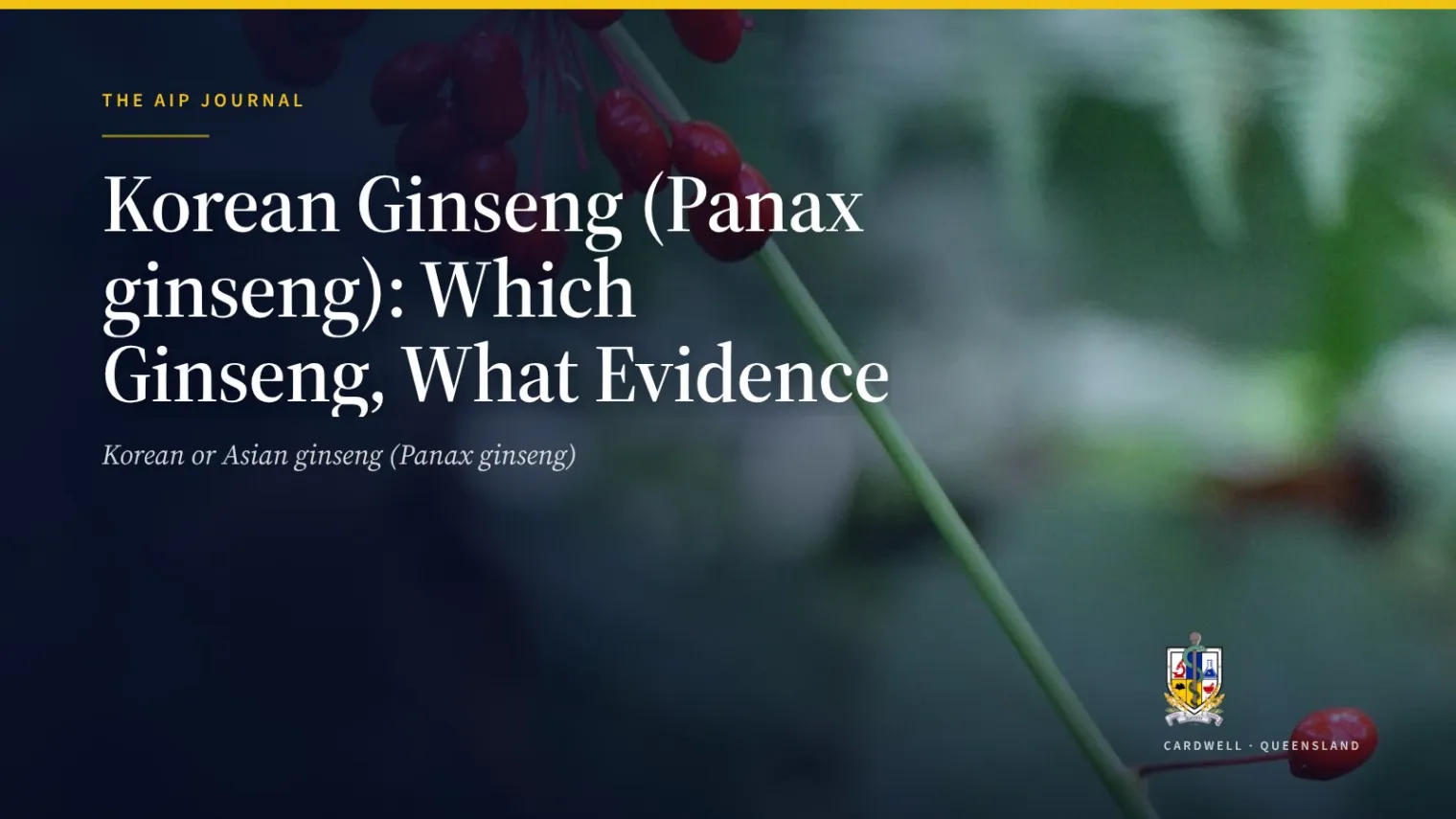
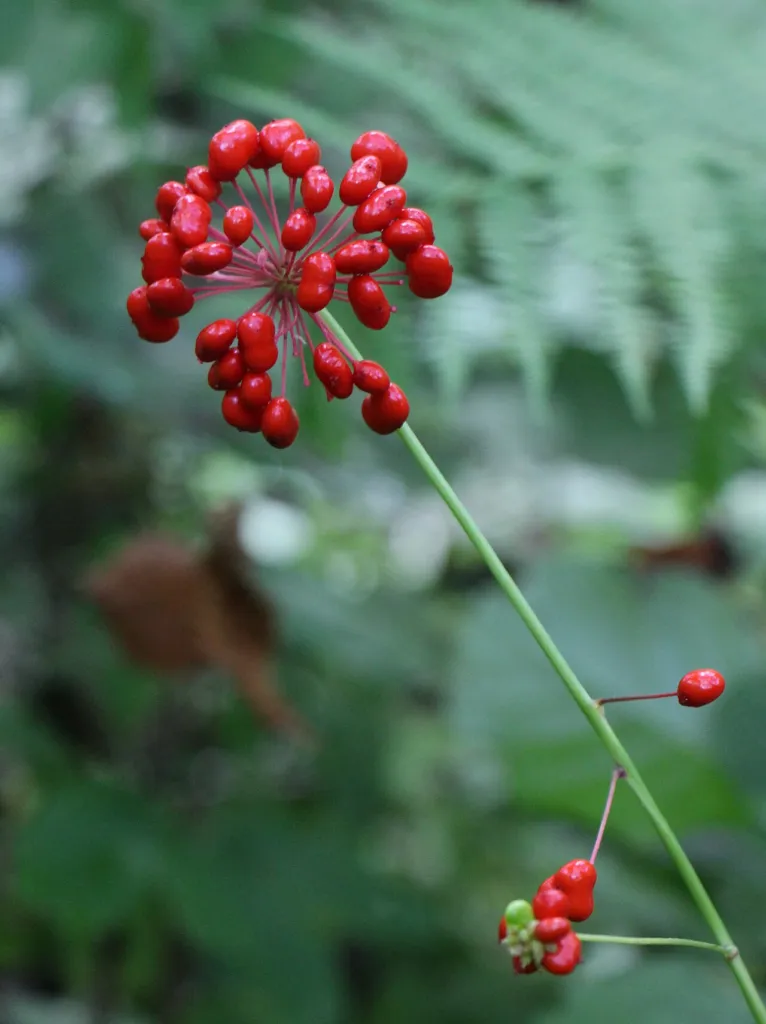
Cover: Panax ginseng with ripe red fruit, Changbai Mountain, China. Photo: Doge24190 · CC BY-SA 4.0 · Wikimedia Commons
Pick four products off an Australian shelf with the word ginseng on the front and you may be holding four different plants: Korean ginseng (Panax ginseng), American ginseng (Panax quinquefolius), the thorny shrub sold as Siberian ginseng (Eleutherococcus senticosus) and ashwagandha, sold as Indian ginseng (Withania somnifera). Confirmed They belong to three genera in two plant families, and each has its own chemistry.
This is the Institute’s Literature Review and Critical Analysis AIP-LR-PANGIN. It sorts out which plant is which, explains why steamed red root and plain dried white root are chemically different preparations, and sets out the place of ginseng in Chinese and Korean materia medica, kept apart from the trial evidence. It then reads the human trials on fatigue, cognition, blood glucose and erectile function at the grade they support, covers safety and interactions, and finishes with the Australian regulatory position as read in October 2026 and what to look for on a label.
This article is educational and general. It gives no individual medical advice, and nothing in it asks anyone to start, stop or change a medicine or herbal product.
Korean ginseng was well tolerated in the short randomised trials reviewed here, and it has no entry in the Poisons Standard (October 2026 instrument, searched in October 2026) (Poisons Standard, October 2026). Confirmed Several points still deserve care, and §8 gives the evidence behind each one:
- Warfarin. Case reports describe a fall in INR after ginseng was started, while a 12-person Sydney crossover trial found no change in INR or warfarin kinetics with Korean ginseng capsules. Evidence suggests Any change to the herbs taken with warfarin is a reason to check the INR.
- Medicines that lower blood glucose. Ginseng lowered fasting glucose a little in pooled trials, so an additive effect with insulin or sulfonylureas is plausible. Mechanism
- Medicines cleared by CYP3A. In one 12-person study, four weeks of ginseng reduced exposure to the probe drug midazolam by about a third. Evidence suggests
- Sleep and mood. Insomnia is the most often listed nervous-system effect, and a handful of case reports describe mania in people with or without a psychiatric history. Evidence suggests
- Pregnancy, breastfeeding and under-18s. Safety has not been established, and the European regulator does not recommend use in these groups. Confirmed
If someone is unwell after taking any herbal product, call Triple Zero (000) in an emergency or the Poisons Information Centre on 13 11 26 (24 hours, Australia-wide).
| What it is | Root (with rhizome) of Panax ginseng C.A.Mey., family Araliaceae. Confirmed §1 |
| Plants also sold as ginseng | American ginseng (P. quinquefolius), Siberian ginseng (Eleutherococcus senticosus), Indian ginseng or ashwagandha (Withania somnifera): different species, different marker compounds. Confirmed §1 |
| Where it grows | Korea and north-eastern China; now mostly cultivated and very rare in the wild. No Australian occurrence records under the name. Confirmed §2 |
| Standing in materia medica | A tonic root in the oldest Chinese materia medica; steamed red root recorded in Korea from the 12th century. Traditional §3 |
| Red and white root | Steaming converts the major ginsenosides (Rb1, Rg1, Re and relatives) into minor ones such as Rg3, Rh1 and Rg2. Confirmed §4 |
| Main constituents | Dammarane-type triterpene saponins (ginsenosides), plus polyacetylenes, polysaccharides and peptidoglycans. Confirmed §5 |
| Fatigue | Mixed: partial benefit in one 90-person trial, no difference from placebo in a 120-person trial. Evidence suggests §7 |
| Cognition | Cochrane 2010: no convincing evidence of cognitive enhancement in healthy people. Evidence suggests §7 |
| Blood glucose | Pooled trials: fasting glucose about 0.3 mmol/L lower; no overall change in HbA1c. Evidence suggests §7 |
| Erectile function | Cochrane 2021: small changes on validated scores, more men reporting they could have intercourse; low certainty. Evidence suggests §7 |
| Interactions | Warfarin (conflicting), glucose-lowering medicines (plausible, additive), CYP3A substrates (one study). Evidence suggests §8 |
| Australian status | Ingredient of listed (AUST L) medicines on the ARTG; not scheduled in the Poisons Standard; also sold in foods and drinks. Confirmed §9 |
- Confirmed: established in humans by trial, or an unambiguous analytical, chemical or regulatory fact.
- Evidence suggests: real published data, but preclinical, observational, small, low certainty or not yet replicated.
- Mechanism: a plausible pharmacological inference, not an observed outcome.
- Traditional: historical or traditional use. Evidence of practice, not of efficacy.
- Attested: a documentary fact about a historical record or text, as reported in a named source.
Every PubMed ID (PMID) links to its PubMed record and was checked against PubMed in October 2026, and every study cited was read in full text. Chemical records were checked against PubChem the same month. Papers the Institute has requested but not yet read in full are named in the Discussion and are not used as evidence. Where a claim could not be traced to a source, it is marked unsourced.
Korean ginseng is the root of Panax ginseng, a slow-growing woodland herb of Korea and north-eastern China that is now grown almost entirely as a crop. The word ginseng on a label does not settle which plant is inside. American ginseng is a close relative with a different saponin pattern; Siberian ginseng and Indian ginseng (ashwagandha) are unrelated plants with unrelated chemistry. The binomial is the first thing to read. Confirmed
White ginseng is dried root. Red ginseng is root steamed before it is dried, and the heat converts the major ginsenosides into a different set of minor ones. A trial of one is a trial of that preparation, and its result does not transfer automatically to the other. Confirmed
The human trials are modest. Fatigue trials are mixed. A Cochrane review found no convincing evidence that ginseng sharpens cognition in healthy people. Pooled glucose trials show fasting glucose about 0.3 mmol/L lower with no overall change in HbA1c, and the Cochrane review of erectile dysfunction found small changes on validated scores, at low certainty. Most trials are small, short and use different products. Evidence suggests
Short courses are well tolerated in trials. The interaction questions worth taking seriously are warfarin, medicines that lower blood glucose and drugs cleared by CYP3A. In Australia, Panax ginseng is an ingredient of listed medicines on the ARTG and is not scheduled. Before taking any botanical drug, consult a degree-qualified herbalist with competencies and adequate training in pharmacognosy. Confirmed
 Chapter 1Four plants called ginseng
 Chapter 2The plant, its cultivation and range
 Chapter 3Ginseng in Chinese and Korean materia medica
 Chapter 4White root and red root
 Chapter 5Phytochemistry
 Chapter 6Pharmacology and pharmacokinetics
 Chapter 7The human trials, tier by tier
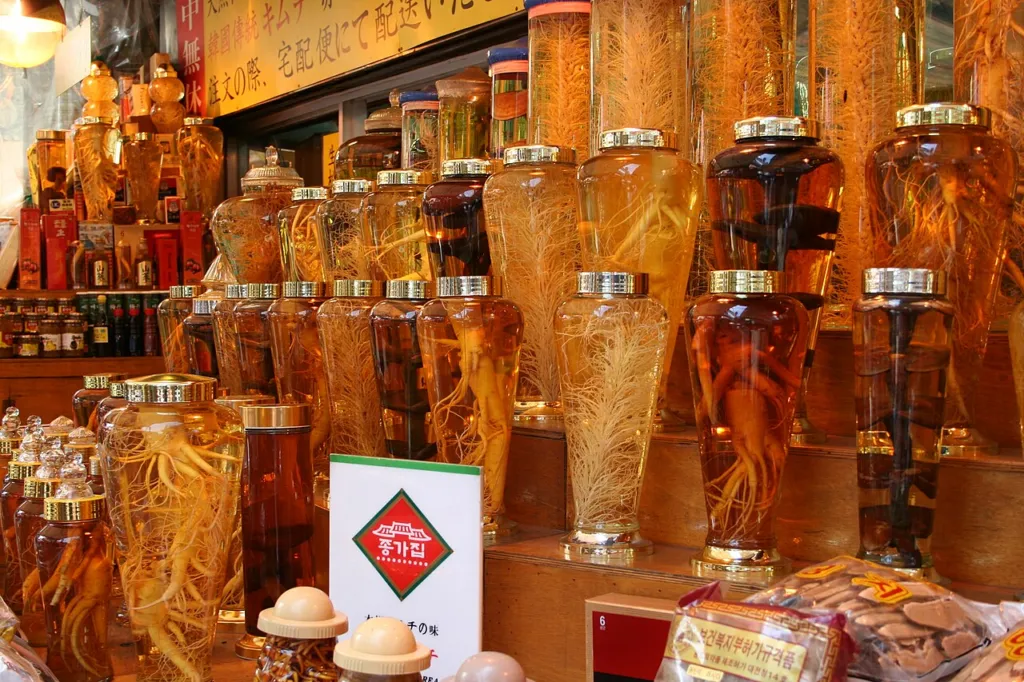 Chapter 8Safety and interactions
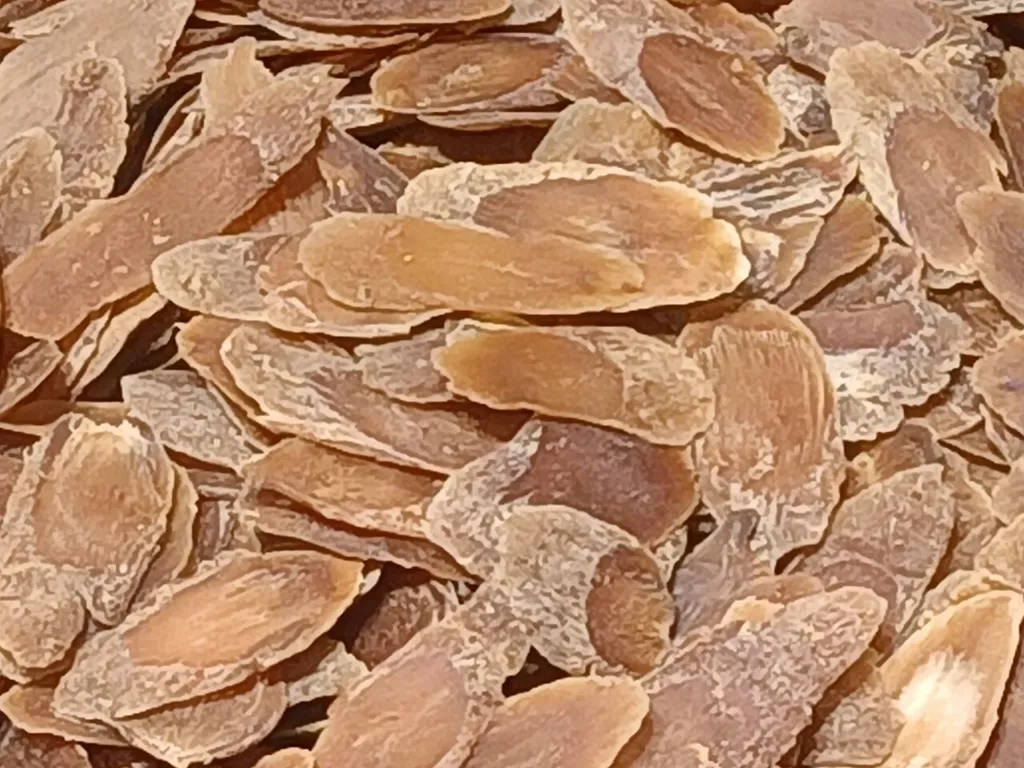 Chapter 9Korean ginseng in Australia
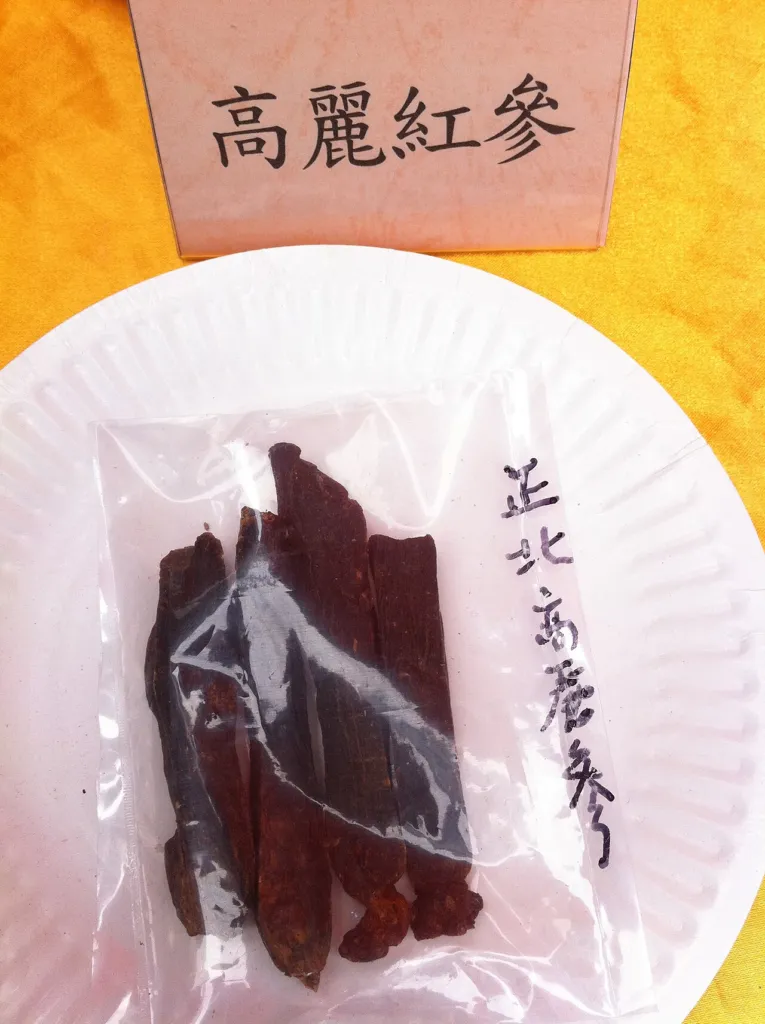 Chapter 10Quality and adulteration
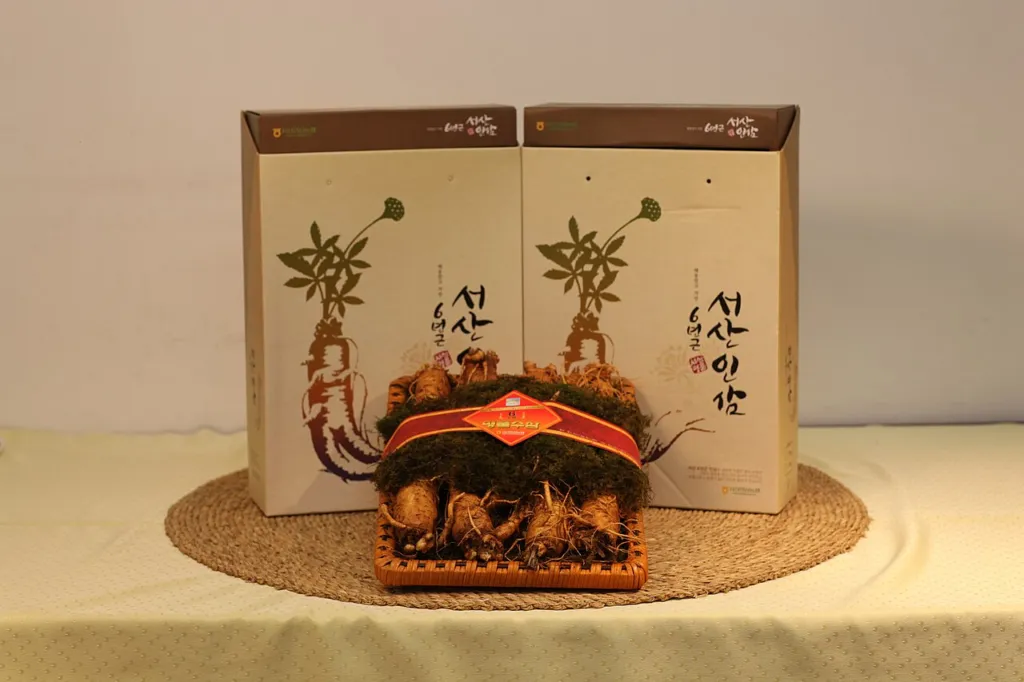 CloseDiscussion and research agenda
1. Four plants called ginseng: names, identity and taxonomy
The accepted name is Panax ginseng C.A.Mey., in the ivy family, Araliaceae. In Korea the root is insam (WHO WPRO 1998). Attested English labels use Korean ginseng, Asian ginseng and Chinese ginseng for the same species, and the trade adds processing words: white ginseng, red ginseng, sometimes mountain or wild ginseng. The European Union treats the dried root, Panax ginseng C.A.Mey., radix, as the herbal substance, described in the European Pharmacopoeia (monograph 1523) (EMA 2024). Confirmed The genus name comes from the same Greek root as panacea, a cure-all (Shibata 2001, PMID 11748374), which tells you more about the plant’s reputation than about any trial.
The difficulty starts when the word ginseng leaves the genus. Four plants turn up under it in Australian shops, and only two of them are Panax:
| Name on the label | Binomial and family | Part used | Marker chemistry |
|---|---|---|---|
| Korean, Asian or Chinese ginseng | Panax ginseng, Araliaceae | Root | Ginsenosides, including ginsenoside Rf (Jinbiao 2022, PMID 35340764) Confirmed |
| American ginseng | Panax quinquefolius, Araliaceae | Root | Ginsenosides plus ocotillol-type saponins such as pseudoginsenoside F11; ginsenoside Rf absent (Jinbiao 2022, PMID 35340764) Confirmed |
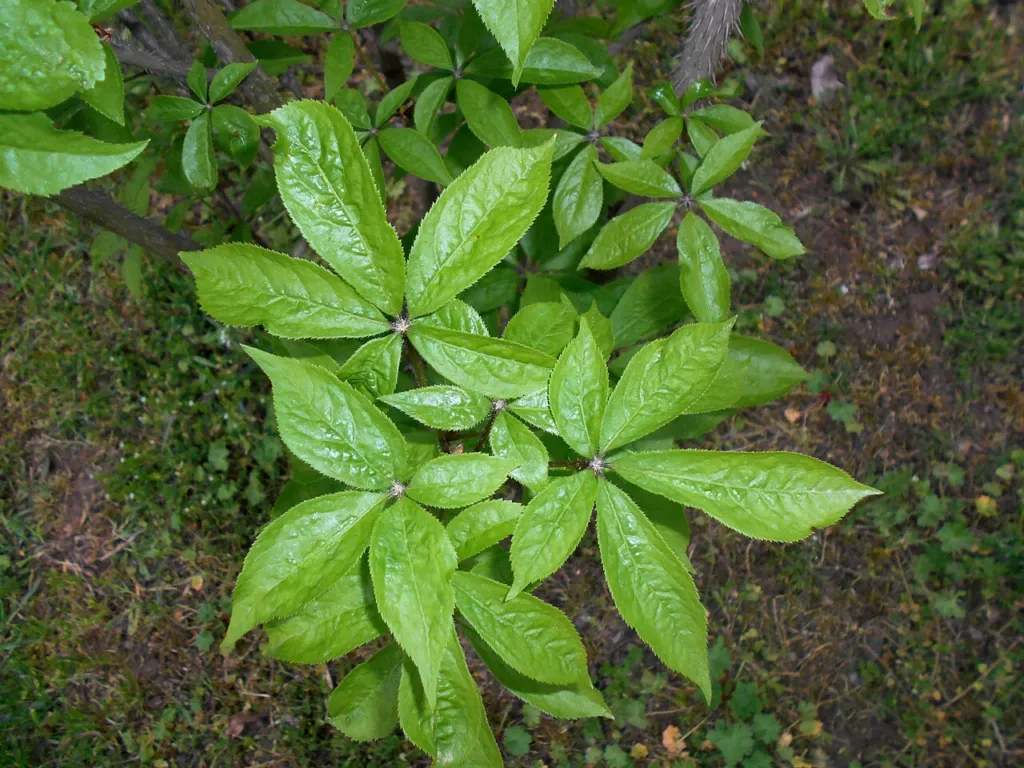
| Siberian ginseng, eleuthero | Eleutherococcus senticosus, Araliaceae | Root and rhizome | Eleutheroside B (syringin) and eleutheroside E, used to standardise products (Patyra 2025, PMID 41235111) Confirmed |
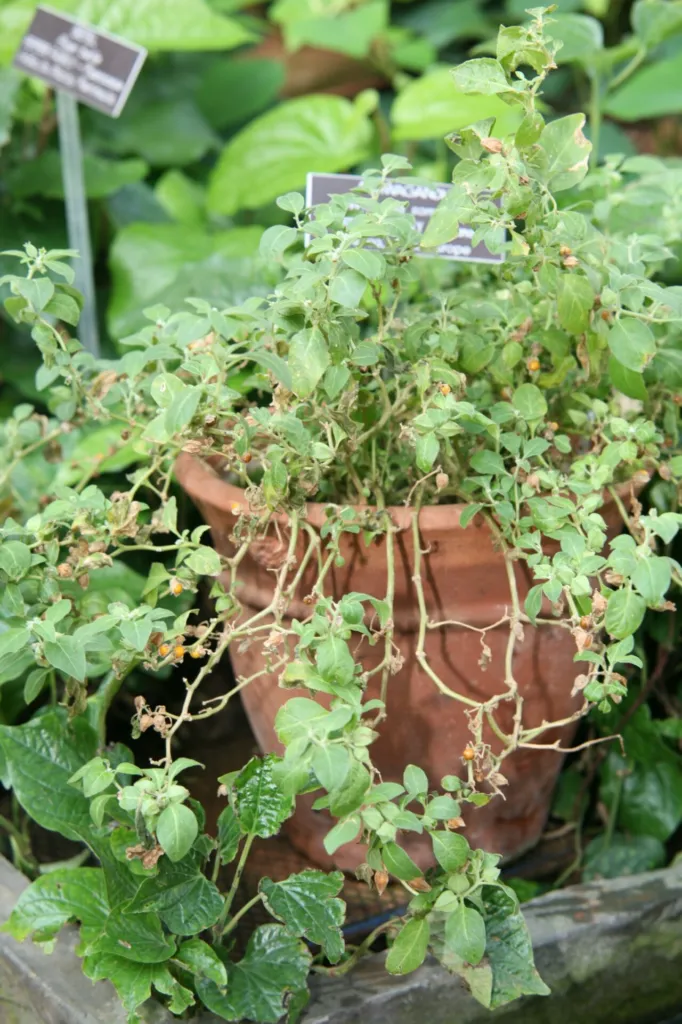
| Indian ginseng, ashwagandha | Withania somnifera, Solanaceae | Root (leaf in some products) | Withanolides, steroidal lactones such as withaferin A (Yukta 2026, PMID 42595969) Confirmed |
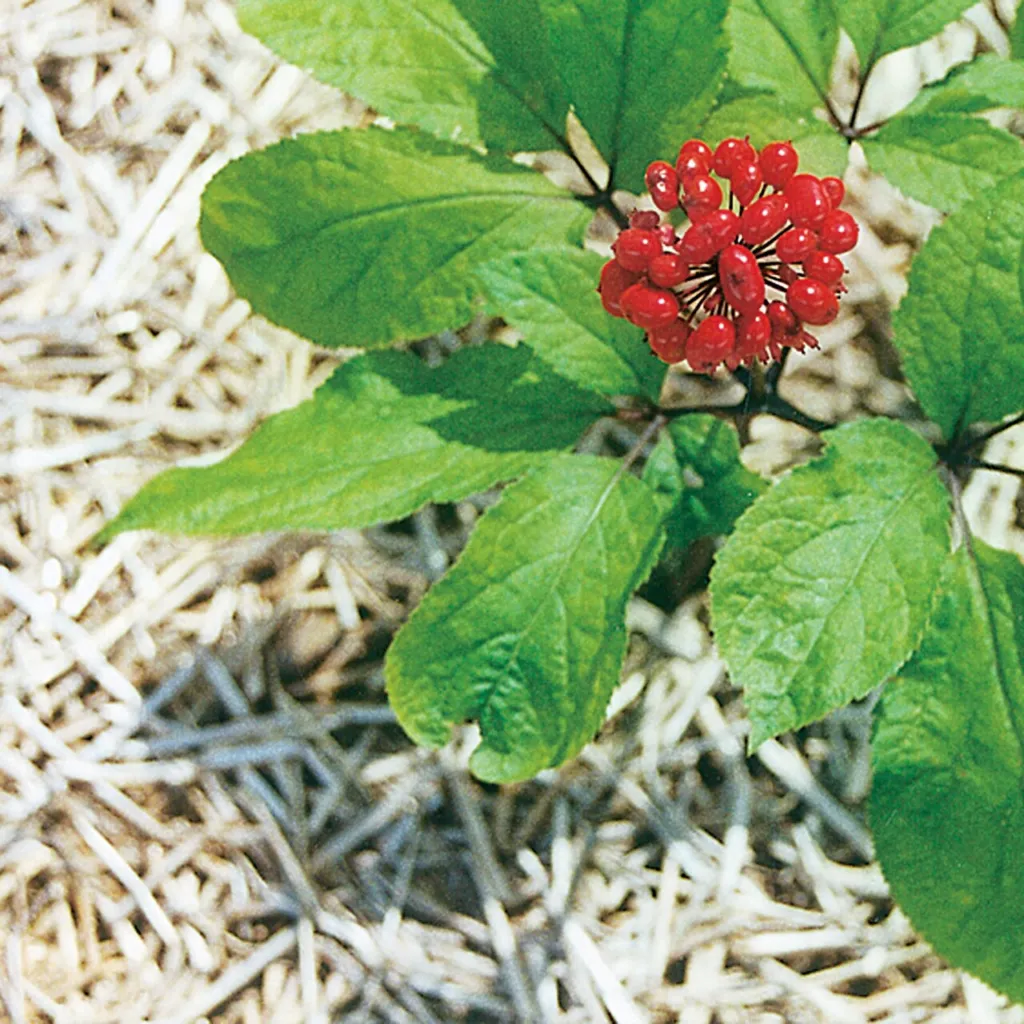
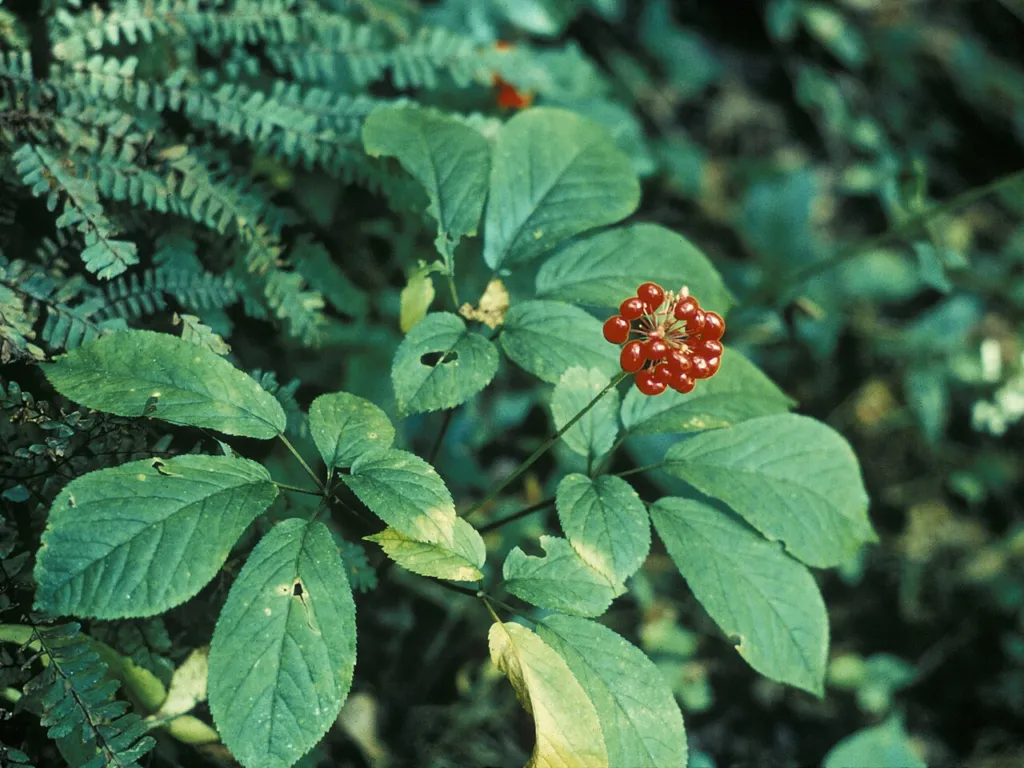
American ginseng is the true near-relative. It shares the ginsenoside family with Korean ginseng, but the mix differs in ways an analyst can measure: ginsenoside Rf is found in P. ginseng and absent from P. quinquefolius, and the ocotillol-type saponins are characteristic of American and Japanese ginseng (Jinbiao 2022, PMID 35340764). Confirmed Sanqi or notoginseng (Panax notoginseng) and Japanese chikusetsu ginseng (Panax japonicus) are further relatives with their own traditional uses (Shibata 2001, PMID 11748374). Traditional
Siberian ginseng is a different matter. Eleutherococcus senticosus sits in the same family, and its products are standardised to eleutherosides B and E, a phenylpropanoid glycoside and a lignan glycoside (Patyra 2025, PMID 41235111). Confirmed Those are different compound classes from the triterpene saponins of Panax, and the name Siberian ginseng is a trade name. Ashwagandha belongs to the nightshade family, Solanaceae, and its characteristic constituents are withanolides (Yukta 2026, PMID 42595969). Confirmed Both have their own literature and their own safety questions, and neither is covered by the evidence in this article.
An Australian footnote: the native elderberry panax
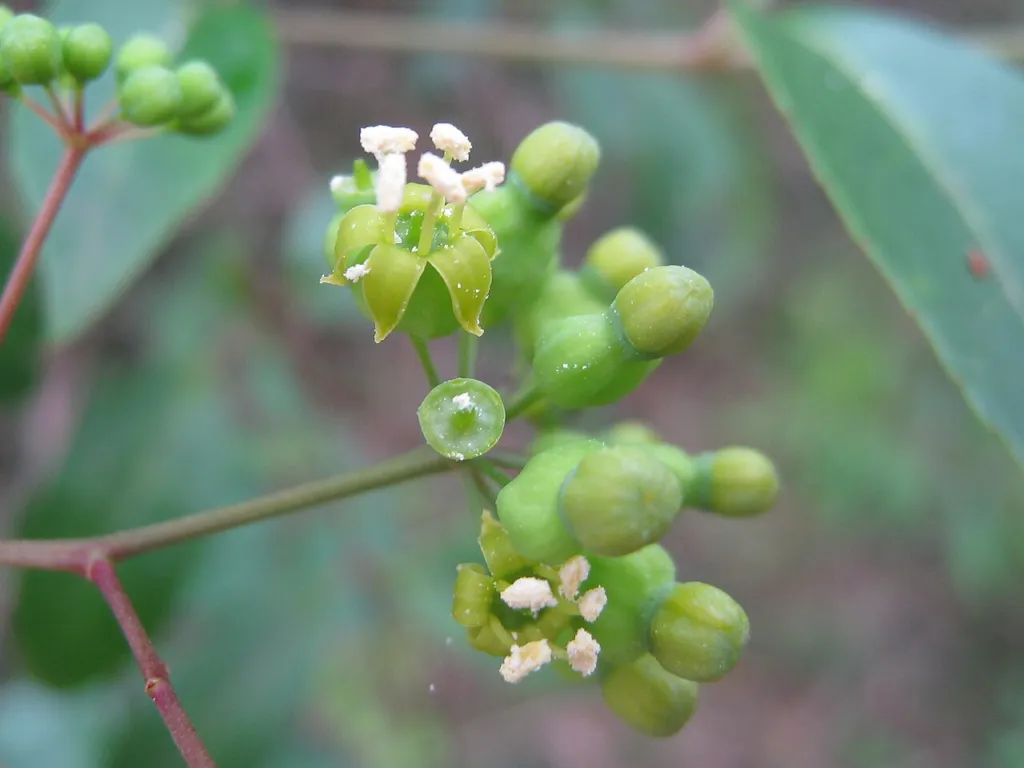
Anyone who searches Australian biodiversity records for Panax meets a local surprise. The Atlas of Living Australia holds no occurrence records under the name Panax ginseng; a name search for it is matched instead to native Araliaceae, chiefly Polyscias sambucifolia, the elderberry panax of the east coast ranges, which was first named Panax sambucifolius and later moved to Polyscias (ALA 2026). Confirmed It is a native shrub with its own common name, and it is not a ginseng.
2. The plant, its cultivation and range
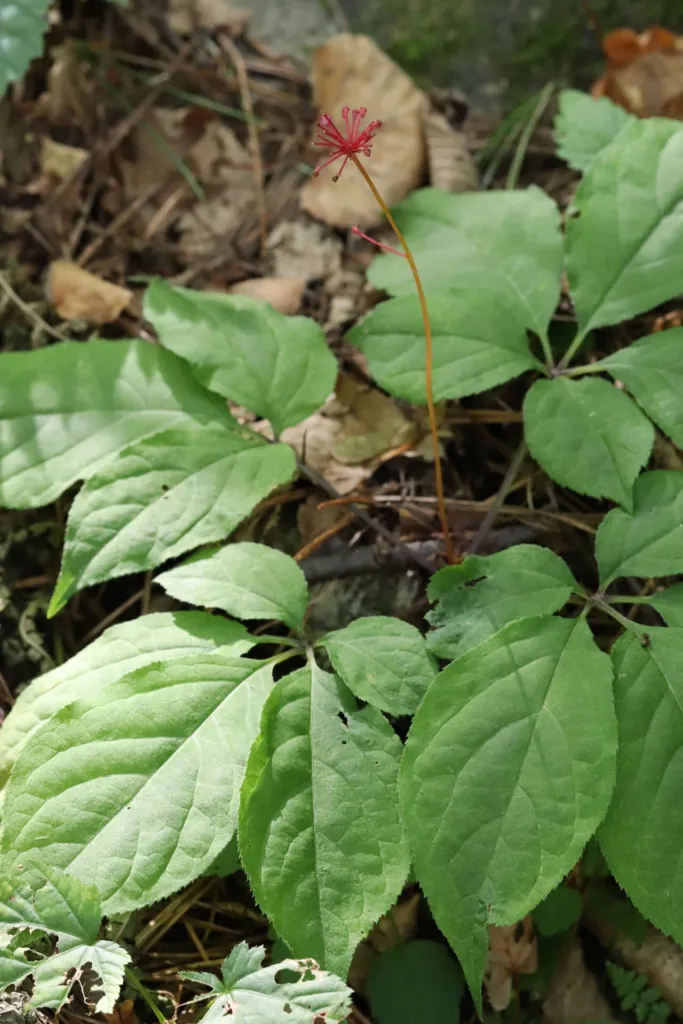
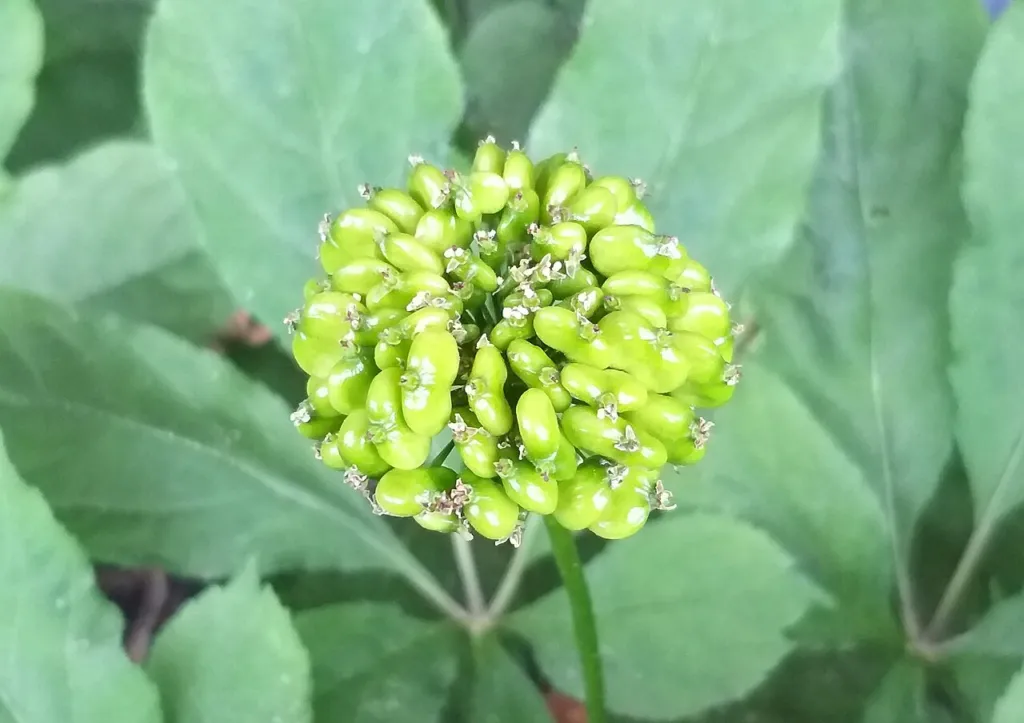
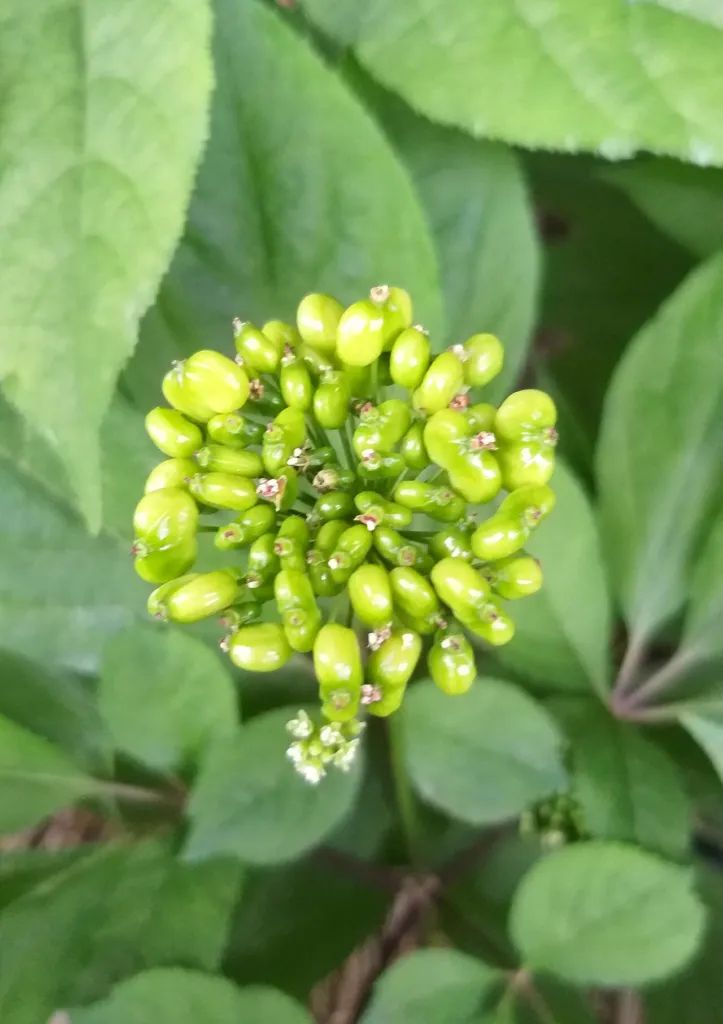
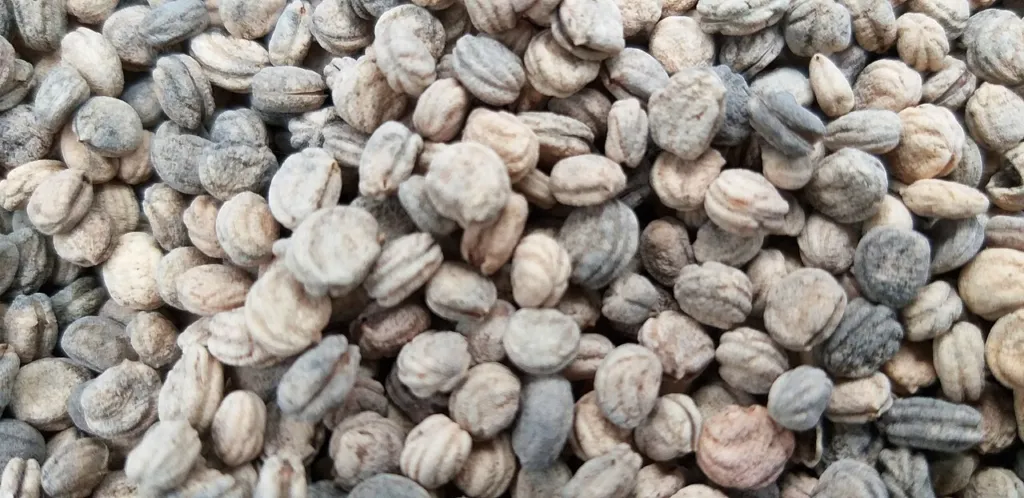
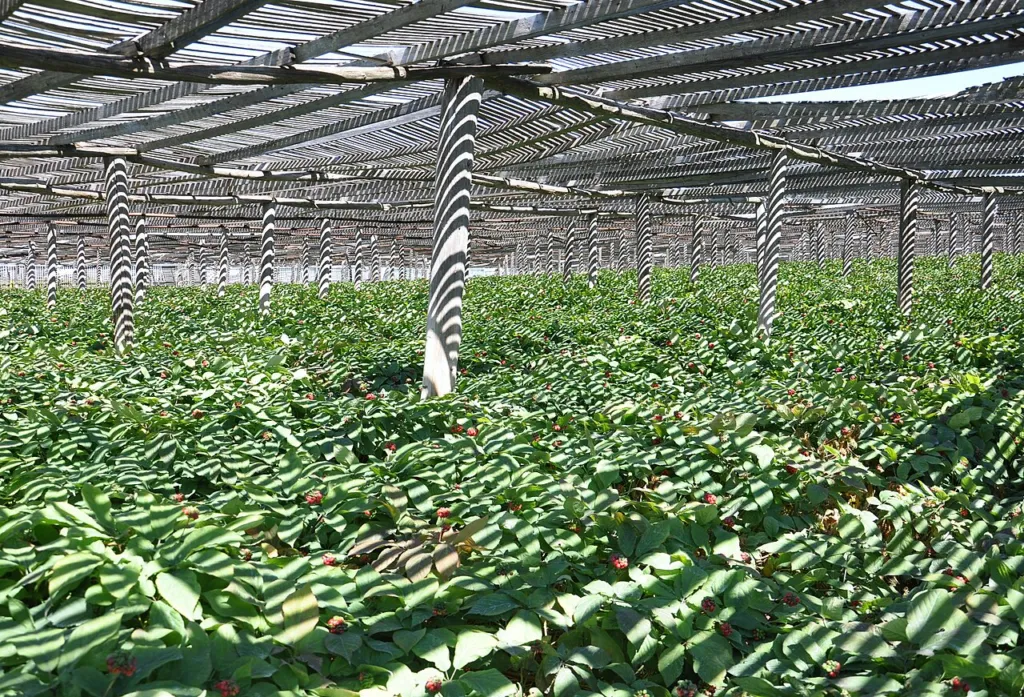
The WHO Western Pacific account of Korean medicinal plants describes Panax ginseng as a perennial herb up to about 50 cm tall, rising from a thick, spindle-shaped root. Its leaves come in a whorl of three or four, each palmately compound with five long-stalked leaflets 7 to 20 cm long, abruptly pointed and toothed. A single umbel of small yellowish-green flowers sits in the middle of the whorl, and the fruit is a red, globose drupe about 5 mm across (WHO WPRO 1998). Confirmed
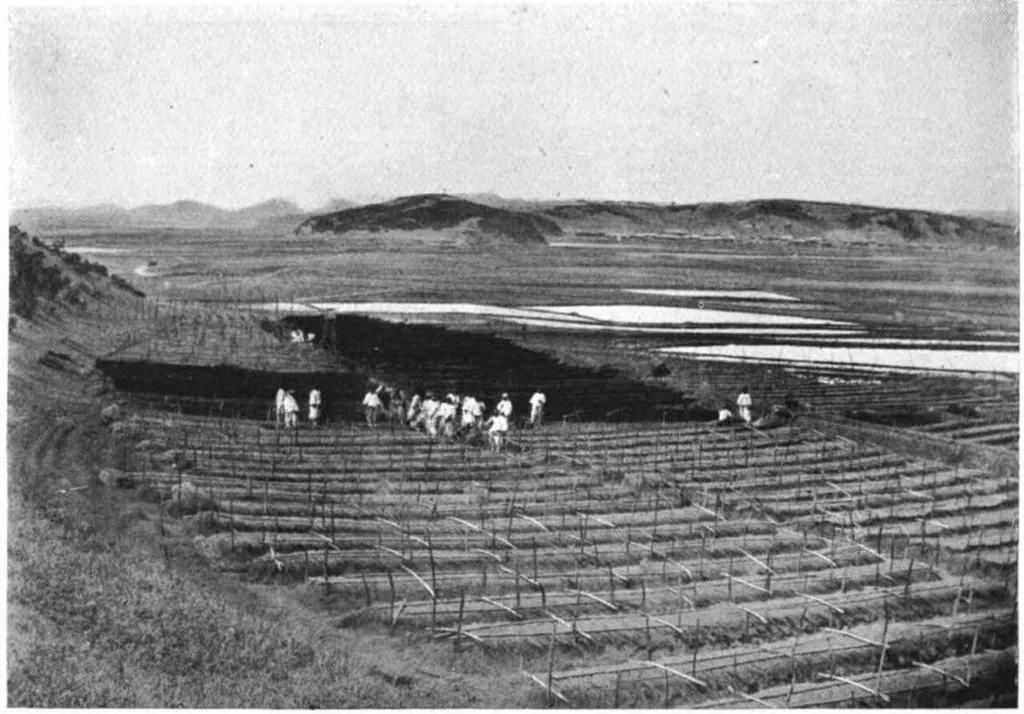
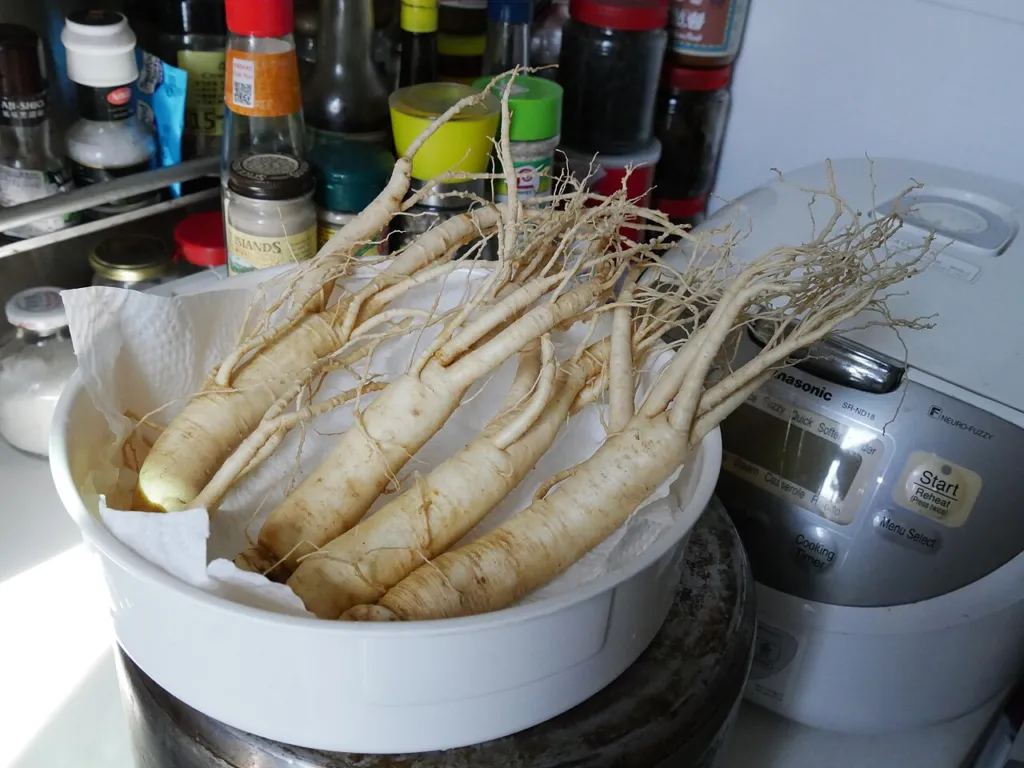
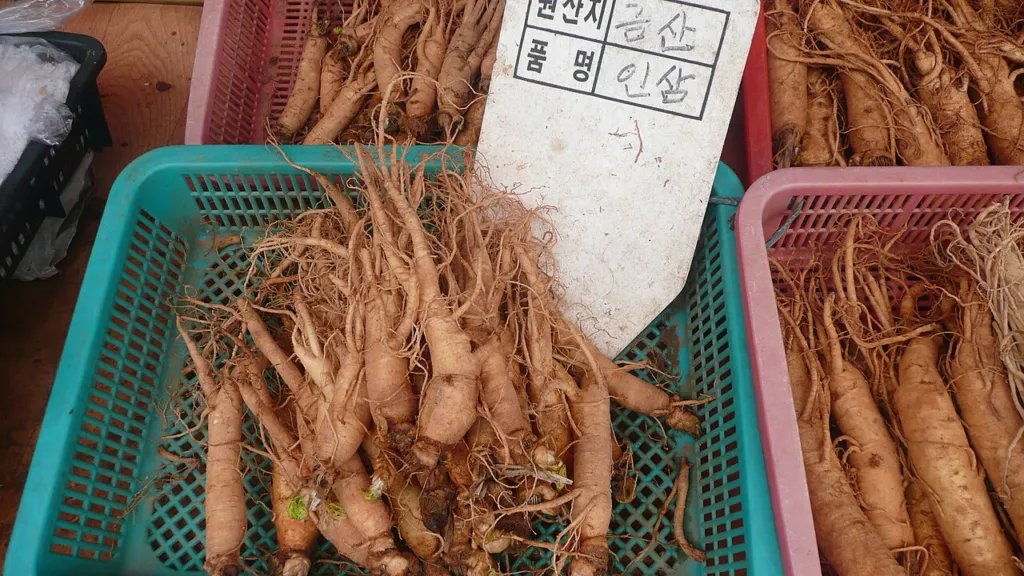
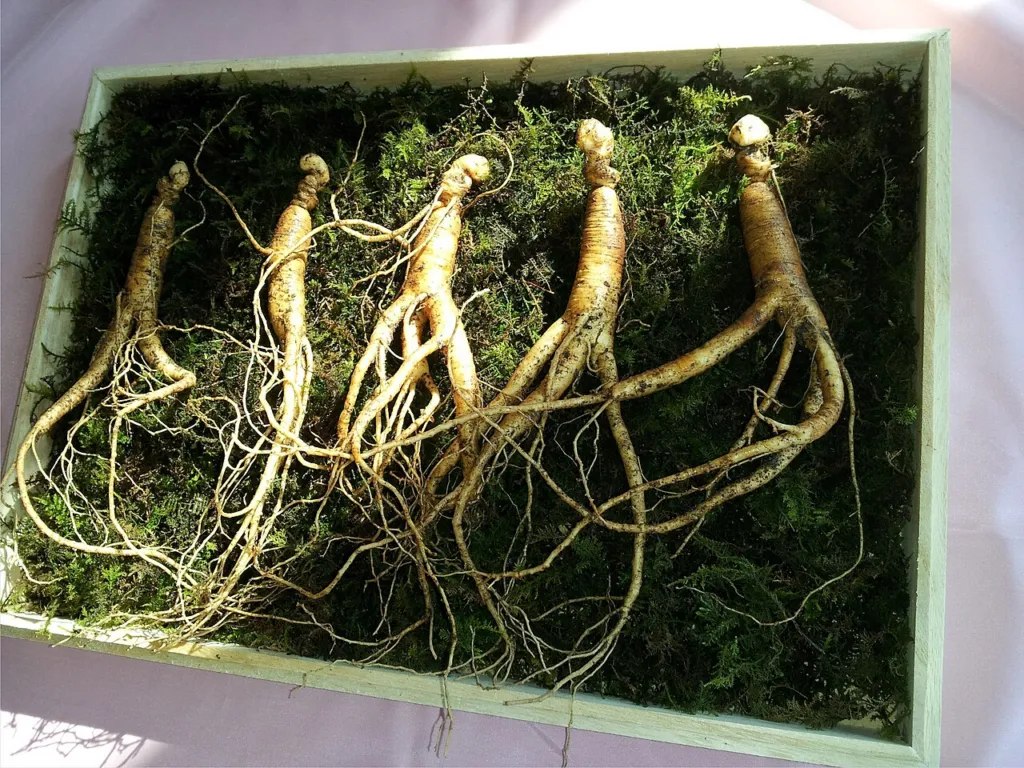
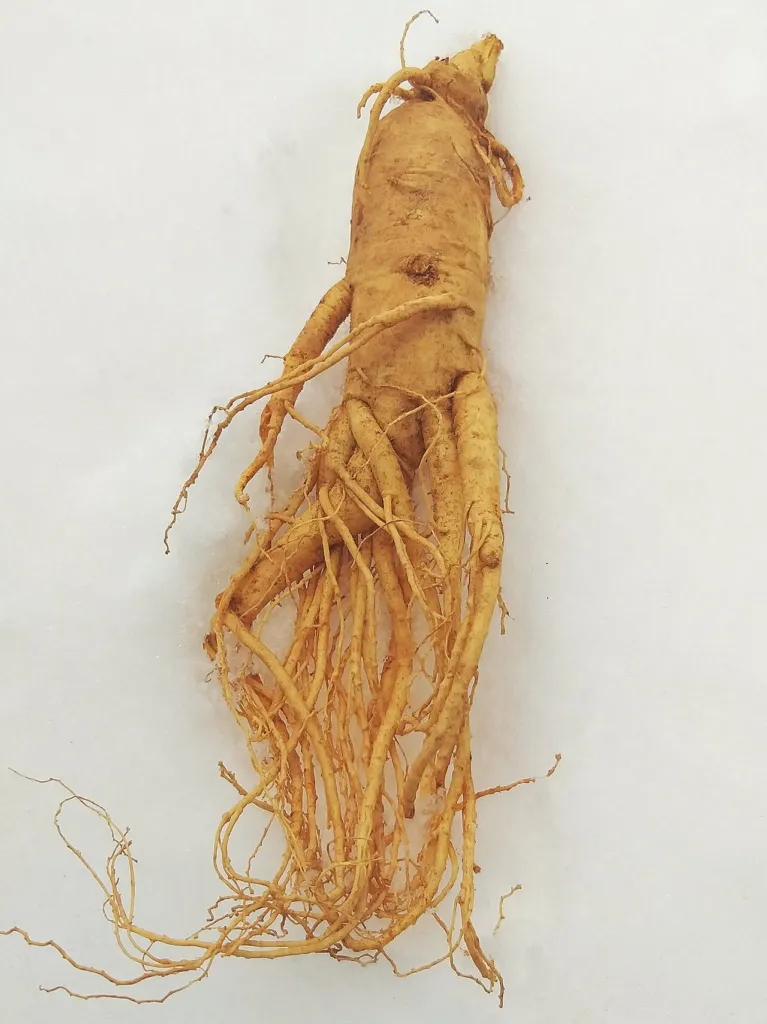
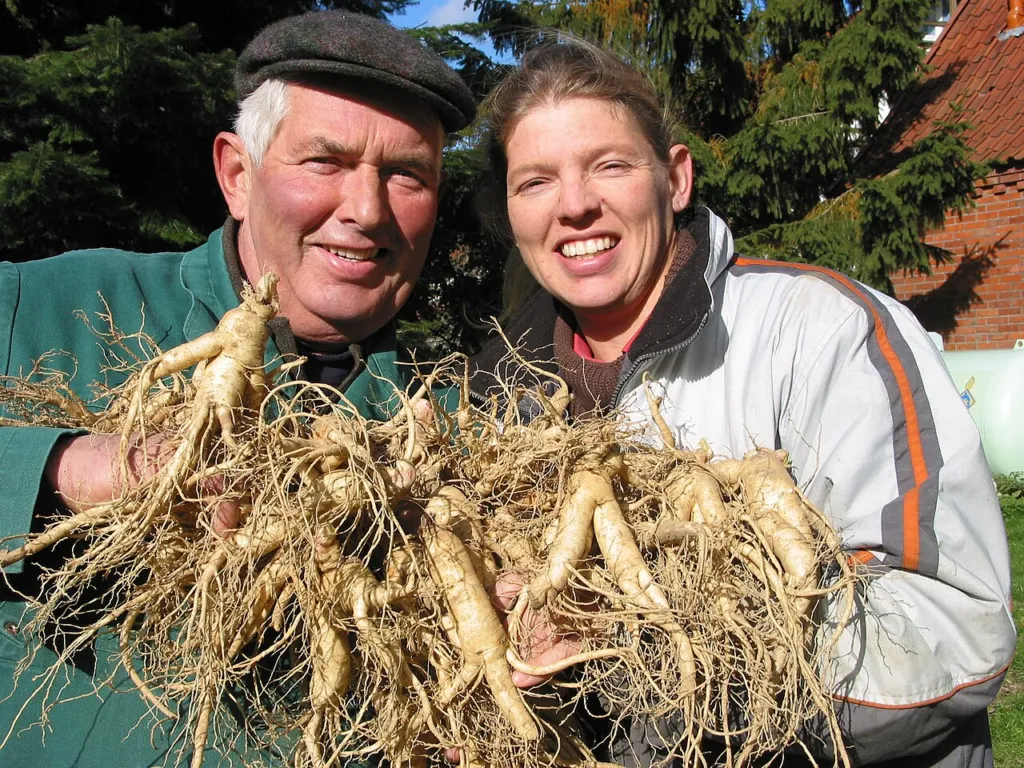
The same source records the habitat in two blunt phrases: mostly cultivated, extremely rare in the wild, with a distribution in Korea and northern China (WHO WPRO 1998). Confirmed The photographs in this chapter and the next show the usual arrangement: crops raised in beds under shade structures for several years before the root is lifted. The Korean records collated by Lee and colleagues describe red ginseng traditionally made from roots grown for six years or more (Lee SM 2015, PMID 26869832). Attested Age matters to the trade because root size and grade rise with it, and it is one reason the price of ginseng is high enough to attract substitution (§10).
Australian status
Korean ginseng is not native to Australia, and the Institute found no Atlas of Living Australia records of it growing here, wild or naturalised, in October 2026 (ALA 2026). Confirmed It is a cool-temperate woodland plant, and nothing about the wet tropics around Cardwell suits it. Seed and live plants are biosecurity-controlled imports; the current conditions sit in BICON, the Australian Government’s import conditions database, which the Institute did not check for this review. The product Australians meet is dried root, sliced root, powders, extracts and drinks, all imported.
Wild ginseng root is also an internationally traded wildlife product. International trade in some wild Panax populations is controlled under CITES, the convention Australia applies through its wildlife trade laws. The Institute could not open the current CITES Appendices when this review was written, so the exact listings are unsourced here; anyone importing whole wild root should check with the Australian Government’s wildlife trade office first.
3. Ginseng in Chinese and Korean materia medica
Ginseng’s reputation is old and it is written down. Shibata, reviewing ginseng chemistry in 2001, notes that the root is described as a tonic in the Shennong Bencao Jing, the oldest surviving Chinese materia medica, compiled around the first century CE by an unknown author, and that it has been used across East Asia for some two thousand years (Shibata 2001, PMID 11748374). Traditional The Institute has not read the entry in a critical edition of that text, so the wording of the original is not quoted here.
The WHO Western Pacific compilation of Korean practice lists the traditional uses of the root as weakness, diabetes, alcoholism and endometritis (WHO WPRO 1998). Traditional Lee and colleagues describe the root as traditionally used as an adaptogen, a herb said to help the body return its functions to normal (Lee SM 2015, PMID 26869832). Traditional
Red ginseng in the Korean record
The Korean history of steamed root is unusually well documented. According to Lee and colleagues’ reading of the sources, steaming is described in the Goryeo Dogyeong, an account of Korea written in 1123 by Seo-Gung (Xu Jing), a Song dynasty official recording his own experience of the country; the name hongsam, red ginseng, appears in the Annals of King Jeongjo (reigned 1776 to 1800); and a 1908 record of Korea’s ginseng policy sets out the method: fresh roots washed and sorted by size, steamed in a sealed earthenware steamer for about 50 to 90 minutes, dried indoors, then finished in the sun for four to five days, until the root turned translucent and the colour of cherry blossom (Lee SM 2015, PMID 26869832). Attested Those are documentary facts as the authors report them. Six of the paper’s seven authors work for the Korea Ginseng Research Institute of the Korea Ginseng Corporation, a red ginseng producer, which readers may wish to weigh where the paper moves from history to recommendation. Confirmed
What the tradition supports, and what it does not
The European regulator’s position is a useful marker. The 2024 European Union herbal monograph accepts ginseng only as a traditional herbal medicinal product, for symptoms of asthenia such as fatigue and weakness, and says plainly that the indication rests exclusively on long-standing use (EMA 2024). Confirmed It grants no well-established-use indication, the European category that requires clinical evidence. That is an overseas decision and does not govern Australian products, but it states the tradition’s weight honestly: centuries of use earn ginseng a place as a tonic for tiredness in the European system, and the trials (§7) are judged separately.
4. White root and red root: what steaming does
Fresh ginseng spoils at room temperature, so it is processed in one of two ways. Dried without heating, it becomes white ginseng. Steamed and then dried, it becomes red ginseng (Lee SM 2015, PMID 26869832). Confirmed The two are the same plant and the same organ, and they are sold, studied and regulated as separate preparations: the European monograph lists white-ginseng preparations and red-ginseng preparations under separate headings, each with its own extract specifications (EMA 2024). Confirmed
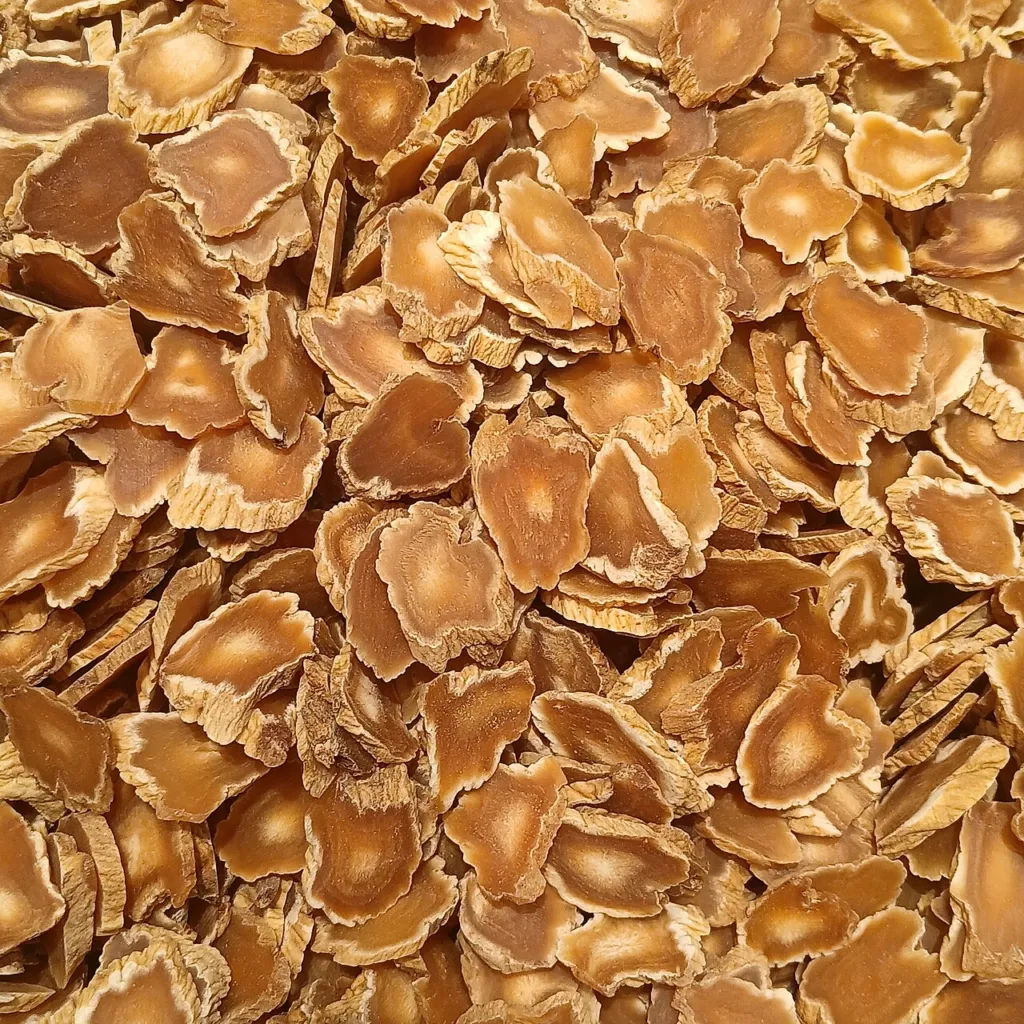
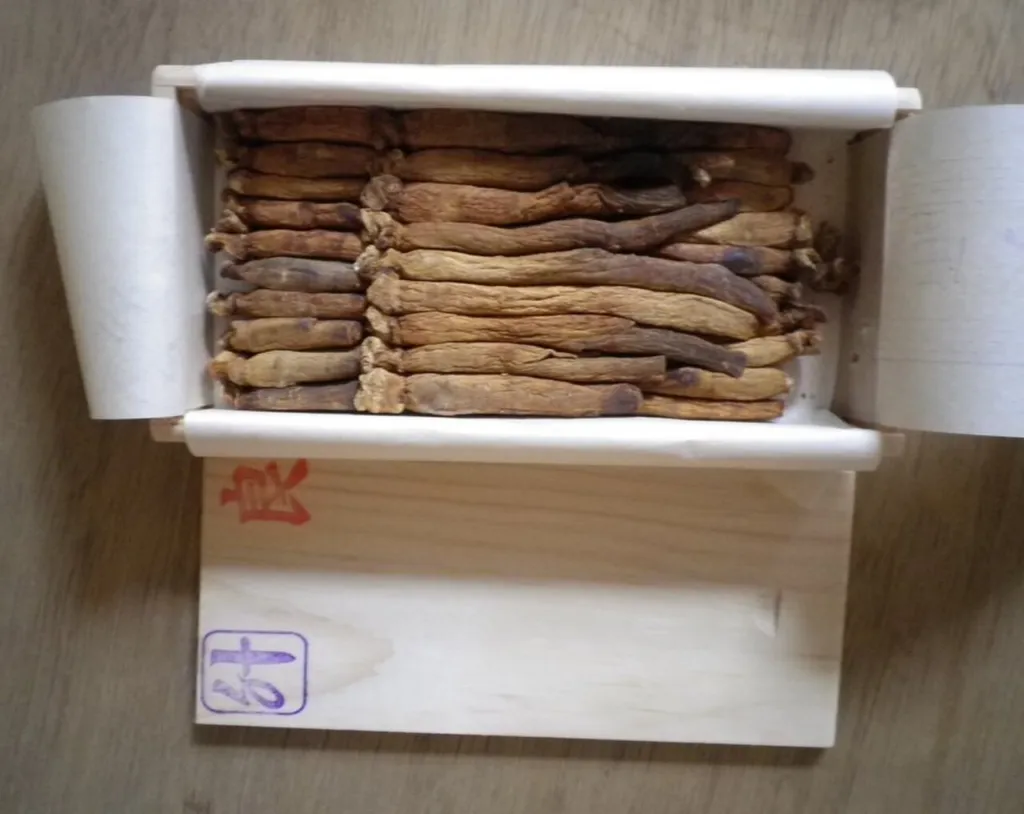
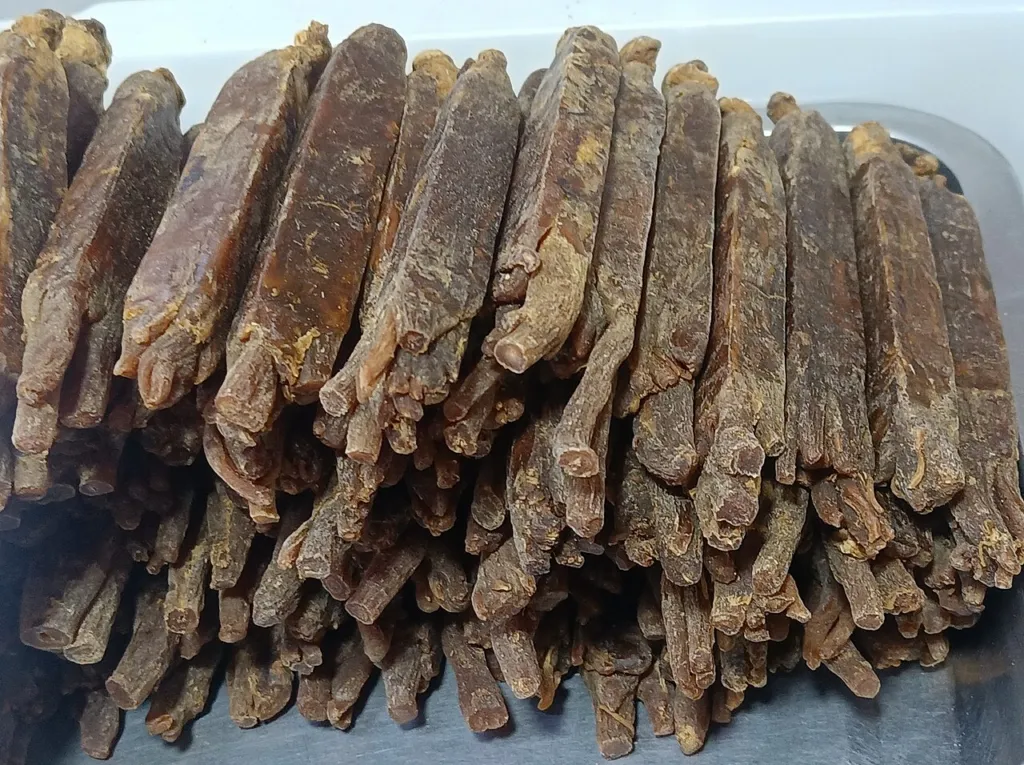
The chemistry of steaming
Heat and the root’s own mild acidity strip sugars from the ginsenosides and rearrange their side chains. Lee and colleagues summarise the main conversion routes reported in the literature (Lee SM 2015, PMID 26869832): Confirmed
- Rg1 to Rh1, then to Rh4 and Rk3
- Re to Rg2, then to F4 and Rg6
- Rf to Rg9 and Rg10
- Rb1, Rc, Rb2 and Rd to Rg3, then to Rg5, Rk1 and Rz1
The effect is that the polar, sugar-rich ginsenosides of fresh and white root (Rb1, Rg1, Re, Rc, Rd) fall, and the less polar minor ginsenosides (Rg2, Rh1, Rg3 and their dehydrated products) rise as processing goes on (Lee SM 2015, PMID 26869832). Confirmed Steaming also drives a Maillard reaction between the root’s sugars and amino acids, the same browning chemistry as toast, which lowers free amino acids and sugars and produces amino sugars; arginyl-fructosyl-glucose makes up about 1.0 to 1.5% of red ginseng in the authors’ figures, and acidic polysaccharides 4.5 to 7.5% (Lee SM 2015, PMID 26869832). Confirmed The reddish colour that gives red ginseng its name fits this browning chemistry. Mechanism
For one red ginseng extract, the same paper reports ginsenoside Rg1 1.3 mg/g, Re 1.3 mg/g, Rb1 6.4 mg/g, Rc 2.5 mg/g, Rb2 2.3 mg/g and Rd 0.9 mg/g (Lee SM 2015, PMID 26869832). Confirmed The paper also states, as general knowledge, that red ginseng has greater biological effects and fewer side effects than white; it cites no head-to-head human trial for that statement, and the Institute found none among the trials reviewed below, so it is treated here as unsourced.
Why this matters to a reader
Trial products split along the same line. G115, the extract behind many Western trials, is made from the fine rootlets of Panax ginseng and standardised to 4% ginsenosides, according to the product description reproduced in the Cochrane cognition review (Geng 2010, PMID 21154383); under its white-ginseng heading the European monograph lists a dry extract standardised to 4% ginsenosides measured as the sum of Rb1, Rb2, Rc, Rd, Re, Rf, Rg1 and Rg2 (EMA 2024). Confirmed Many Korean trials use red ginseng, specified by a different sum: the tablets in one 2024 fatigue trial declared more than 5.5 mg/g of Rg1, Rb1 and Rg3 combined (Cho 2024, PMID 38576235). Confirmed A result from a rootlet extract is evidence about that extract. Carrying it over to a red root powder, or the reverse, is an extrapolation across a chemical difference that steaming creates. Mechanism
5. Phytochemistry: the ginsenosides and the rest
The constituents most closely tied to ginseng are the ginsenosides, triterpene saponins built on a four-ring dammarane skeleton. Shibata counted more than 25 dammarane saponins isolated from the root by 2001, all resting on two genuine aglycones, 20(S)-protopanaxadiol and 20(S)-protopanaxatriol (Shibata 2001, PMID 11748374); Lee and colleagues put the figure at about 50 identified ginsenosides in the root by 2015 (Lee SM 2015, PMID 26869832). Confirmed The two aglycones give the two main families:
- Protopanaxadiol (PPD) type, with sugars at carbon 3 and carbon 20: ginsenosides Rb1, Rb2, Rc, Rd, and the steaming product Rg3. The aglycone itself is PubChem CID 9920281. Confirmed
- Protopanaxatriol (PPT) type, with an extra hydroxyl at carbon 6: ginsenosides Re, Rf, Rg1, and the steaming products Rg2 and Rh1. Confirmed
- Oleanane type: ginsenoside Ro, a pentacyclic saponin listed among the root’s saponins by the WHO Western Pacific account (WHO WPRO 1998). Confirmed
- Ocotillol type: pseudoginsenoside F11 and relatives, characteristic of American and Japanese ginseng and used to tell them apart from Korean ginseng (Jinbiao 2022, PMID 35340764). Confirmed
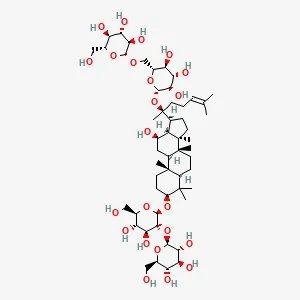
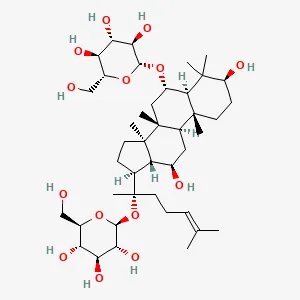
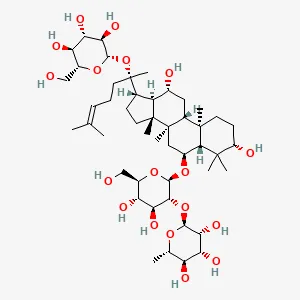
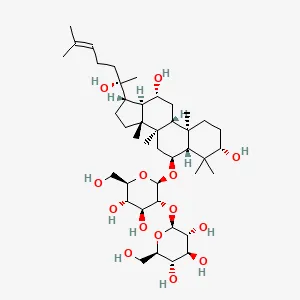
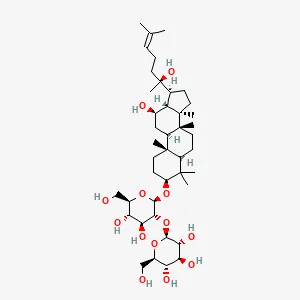
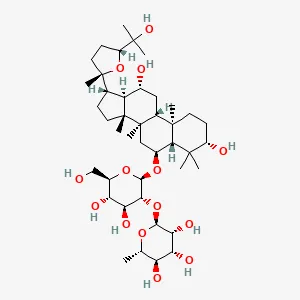
Ginsenosides are only part of the root. The WHO Western Pacific account also lists malonyl-ginsenosides, sesquiterpenes such as eremophilene, phenolic compounds including maltol and salicylic acid, polyacetylenes (panaxynol, panaxydol and panaxyne) and peptidoglycans called panaxans (WHO WPRO 1998). Confirmed Red ginseng adds the Maillard products and acidic polysaccharides described in §4 (Lee SM 2015, PMID 26869832). Confirmed When a product is standardised on ginsenosides alone, these other fractions are unmeasured and can vary freely.
How much ginsenoside is in a product
Numbers on labels and in trials are not directly comparable, because each one counts a different set of compounds. The European specification counts eight ginsenosides together (EMA 2024). Confirmed The 2024 Korean red ginseng trial counted three (Cho 2024, PMID 38576235). Confirmed The bespoke extract in the 2013 Korean fatigue trial was assayed compound by compound: crude saponins 144.9 mg/g, with individual ginsenosides of 7.22 mg/g for Rg1, 6.33 mg/g for Rb3, 5.14 mg/g for Rb1 and 1.08 mg/g for Rg3, among others (Kim 2013, PMID 23613825). Confirmed That extract was made by boiling powdered root at 105 °C for six hours, which helps explain why it already contained Rg3, a compound associated with steamed root. Mechanism
6. Pharmacology and pharmacokinetics
Laboratory pharmacology on ginseng is enormous and mostly preclinical. The WHO Western Pacific account summarises the activities reported for the root as antioxidant, anti-fatigue, immunostimulating and hypoglycaemic, with effects on HDL cholesterol and alcohol dehydrogenase (WHO WPRO 1998). Evidence suggests These are findings from cell and animal work, and each needs a human outcome before it means anything for a person taking ginseng. The sections below keep to what has been measured in people, plus the mechanistic points that matter for safety.
What happens to ginsenosides after swallowing
Many parent ginsenosides are poorly absorbed from the gut. They are stripped of sugars by gut bacteria first, producing metabolites such as compound K, so systemic exposure is delayed and differs a good deal between people (Mou 2026, PMID 42395025). Evidence suggests Two practical points follow. A ginsenoside measured in the product is not necessarily the molecule that reaches the blood, and a person’s gut flora may change how much they get from the same capsule. Mechanism Steaming, which strips some sugars in the factory, may be one reason red ginseng’s profile behaves differently, though the Institute found no human trial that tested this directly. Mechanism
Drug-metabolising enzymes in people
The clearest human pharmacokinetic signal comes from a study at the US National Institutes of Health. Twelve healthy volunteers took Panax ginseng capsules standardised to 5% ginsenosides, 500 mg twice daily for 28 days. Exposure to midazolam, a probe drug for the CYP3A enzyme, fell: the ratio of area under the curve after and before ginseng was 0.66 (90% CI 0.55 to 0.78), with shorter half-life and lower peak concentration. Fexofenadine, a probe for the P-glycoprotein transporter, was unaffected (Malati 2012, PMID 21646440). Evidence suggests The authors read this as induction of CYP3A in the liver and perhaps the gut. A single, small, open-label study is a signal worth acting on with narrow-margin CYP3A drugs, and it has yet to be replicated with other ginseng products.
Warfarin was studied in Sydney in 2004. Twelve healthy men took a single 25 mg dose of warfarin alone and after a week of a commercial Korean ginseng capsule (each equivalent to 0.5 g of root, with 8.93 mg ginsenosides expressed as Rg1), two capsules three times a day, continued for a week after the warfarin dose. Ginseng changed neither the kinetics of either warfarin enantiomer nor the INR or platelet aggregation (Jiang 2004, PMID 15089812). Evidence suggests In rats, by contrast, purified ginsenoside preparations opposed warfarin’s anticoagulant effect in a dose- and time-dependent way (Dong 2017, PMID 28725042). Evidence suggests The human and animal results point in different directions; §8 sets out what that means in practice.
Glucose, fatigue and oxidative stress
The pooled glucose result in §7 fits the hypoglycaemic activity reported in animals (WHO WPRO 1998), though the mechanism in people is not settled by any trial reviewed here. Mechanism In the 2013 Korean fatigue trial, ginseng lowered serum reactive oxygen species and malondialdehyde and, at 1 g a day, raised glutathione and glutathione reductase activity compared with placebo (Kim 2013, PMID 23613825). Evidence suggests Those are biomarker changes, measured in one trial, and they do not on their own show that tiredness was relieved by an antioxidant route.
7. The human trials, tier by tier
Before the outcomes, a reading rule. Every trial below tested one product: a rootlet extract, a red root tablet, a bespoke laboratory extract. Where a review pools them, it pools different preparations of the same plant, and sometimes more than one species. That is legitimate for asking whether the genus does anything, and it limits what the pooled answer can say about the capsule on a particular shelf. Mechanism
Fatigue and tiredness
The best-reported fatigue trial the Institute read is a Korean study of 90 adults (21 men, 69 women) with idiopathic chronic fatigue, randomised to 1 g or 2 g a day of a 20% ethanol root extract, or placebo, for four weeks. The total fatigue score on the numeric rating scale did not differ from placebo. The mental fatigue sub-score improved in both ginseng groups, and the visual analogue fatigue score improved with 2 g only (Kim 2013, PMID 23613825). Evidence suggests A positive secondary result inside a negative primary one is a hint to test again, and it falls short of proof.
A larger and longer trial came out negative. In 2024, 120 Korean patients with Sjögren syndrome, rheumatoid arthritis or both (97.5% women) took Korean red ginseng 2 g a day or placebo for 12 weeks, then open-label red ginseng to 24 weeks. The response rate on the FACIT-Fatigue scale was 38.3% with red ginseng and 26.7% with placebo, a difference that was not statistically significant (p = 0.242), and both groups improved (Cho 2024, PMID 38576235). Evidence suggests A fatigue that comes from an autoimmune disease is a hard target, and the result applies to that group. The European regulator’s acceptance of ginseng for tiredness rests on traditional use (EMA 2024) Confirmed, and the trial evidence the Institute read gives that use only modest support. Evidence suggests
Cognition
The Cochrane review of ginseng for cognition found nine randomised, double-blind, placebo-controlled trials, eight in healthy volunteers and one in age-associated memory impairment. Only five reported usable data, all in healthy people, and the outcome measures, durations and doses were too different to pool. Some aspects of cognition, behaviour and quality of life improved in individual trials, and no serious adverse events were found. The authors concluded that there is no convincing evidence of a cognitive-enhancing effect in healthy participants and no high-quality evidence in dementia (Geng 2010, PMID 21154383). Evidence suggests Two of the included trials used G115, one used a Danish extract, one a Korean red ginseng extract and one a ginseng-based compound (Geng 2010, PMID 21154383). Confirmed
Newer meta-analyses, published in 2025 and 2026, have looked at cognitive scores in older adults and people with cognitive impairment. The Institute has requested their full texts and has not yet read them, so they are listed in the Discussion and are not used as evidence here.
Blood glucose
A 2014 meta-analysis pooled 16 randomised trials of any Panax species in people with and without diabetes. Fasting blood glucose was lower with ginseng by 0.31 mmol/L (95% CI 0.03 to 0.59 mmol/L lower; 16 comparisons, 770 participants). There was no significant effect on fasting insulin, HbA1c or the HOMA insulin-resistance index overall (Shishtar 2014, PMID 25265315). Evidence suggests Two thirds of the trials ran for under 12 weeks, the participants with diabetes were fairly well controlled (median HbA1c 7.1%), and the authors called the effect modest and asked for larger, longer trials with standardised preparations (Shishtar 2014, PMID 25265315). Evidence suggests A fall of 0.3 mmol/L is small beside the day-to-day swing in a person with diabetes, and its main practical weight is in the interaction question (§8). Mechanism
Erectile function
This is the outcome with the most trials behind it. An early systematic review of red ginseng found seven randomised trials of generally low methodological quality; the six placebo-controlled ones pooled to a risk ratio of 2.40 for improvement (95% CI 1.65 to 3.51; 349 men), and the authors called the evidence suggestive and too thin for firm conclusions (Jang 2008, PMID 18754850). Evidence suggests
The 2021 Cochrane review is the most careful reading. It included nine trials with 587 men aged 20 to 70 with mild to moderate erectile dysfunction, all against placebo and none longer than 12 weeks (Lee HW 2021, PMID 33871063). Evidence suggests On the erectile function domain of the IIEF-15 questionnaire, ginseng improved scores by 3.52 points (95% CI 1.79 to 5.25; low certainty), below the 4-point minimal clinically important difference the authors used. On the shorter IIEF-5 the gain was 2.39 points (95% CI 0.89 to 3.88; moderate certainty), below a 5-point threshold. More men reported being able to have intercourse (risk ratio 2.55, 95% CI 1.76 to 3.69; low certainty). No trial compared ginseng with a phosphodiesterase-5 inhibitor such as sildenafil (Lee HW 2021, PMID 33871063). Evidence suggests
A 2026 meta-analysis of herbal supplements took a more favourable view, reporting benefits of ginseng for erectile function, orgasmic function, desire, satisfaction and serum testosterone across four ginseng trials (Ho 2026, PMID 41696741). Evidence suggests The difference between the two readings is mostly one of yardstick: the Cochrane authors judged the size of the change against a threshold patients would notice, and the newer review reported statistical significance.
| Outcome | Best evidence read | Size and duration | Result | Grade |
|---|---|---|---|---|
| Fatigue (idiopathic) | RCT (Kim 2013, PMID 23613825) | 90 adults, 4 weeks | Primary score no different; mental sub-score and VAS better | Evidence suggests |
| Fatigue (rheumatic disease) | RCT (Cho 2024, PMID 38576235) | 120 adults, 12 weeks | No significant difference from placebo | Evidence suggests |
| Cognition, healthy adults | Cochrane review (Geng 2010, PMID 21154383) | 9 trials, 5 analysable | No convincing evidence of enhancement | Evidence suggests |
| Fasting glucose | Meta-analysis (Shishtar 2014, PMID 25265315) | 16 trials, 770 people | 0.31 mmol/L lower; HbA1c unchanged overall | Evidence suggests |
| Erectile function | Cochrane review (Lee HW 2021, PMID 33871063) | 9 trials, 587 men, up to 12 weeks | Changes below clinically important thresholds; more men able to have intercourse | Evidence suggests |
No outcome in this chapter reaches the Confirmed grade. The trials are small, short, mostly from one region, and built on products that differ chemically. Several outcomes point the same way and stay small, which leaves room for a well-made trial to settle them in either direction.
8. Safety and interactions
Tolerability in trials
Short-term use is well tolerated in the trials reviewed. In a four-week randomised trial of 1 g or 2 g a day of root extract in healthy Korean volunteers, mild events such as indigestion, hot flushes, insomnia and constipation occurred in both the ginseng and placebo groups, no serious reactions were recorded, and blood counts and biochemistry did not change (Lee NH 2012, PMID 22909282). Evidence suggests The Cochrane erectile dysfunction review found little or no difference in adverse events between ginseng and placebo (risk ratio 1.45, 95% CI 0.69 to 3.03; low certainty) (Lee HW 2021, PMID 33871063), the Cochrane cognition review found no serious adverse events (Geng 2010, PMID 21154383), and the 2024 red ginseng trial reported itching and hives as the most frequent events, at similar rates in both groups (Cho 2024, PMID 38576235). Evidence suggests
The European monograph lists stomach discomfort, nausea, vomiting, diarrhoea and constipation, hypersensitivity reactions (hives, itching) and insomnia as reported undesirable effects, with frequency not known (EMA 2024). Confirmed Its preclinical section reports negative Ames and micronucleus tests for ethanolic extracts and no signs of carcinogenicity in two-year studies in mice and rats at up to 5000 mg/kg body weight (EMA 2024). Confirmed
Warfarin and the INR
The interaction most often raised is with warfarin. Case reports describe patients stable on warfarin whose INR fell after they began a ginseng product (Dong 2017, PMID 28725042); the safety-trial authors list warfarin among the drugs with reported ginseng interactions (Lee NH 2012, PMID 22909282). Evidence suggests The case reports themselves are on the Institute’s reading list (see the Discussion) and are not described further here. Against them stands the Sydney crossover trial, in which a week of Korean ginseng capsules before and after a single warfarin dose changed nothing measurable in twelve healthy men (Jiang 2004, PMID 15089812) Evidence suggests, and the rat work in which purified ginsenosides opposed warfarin (Dong 2017, PMID 28725042). Evidence suggests
These results can all be true at once. A single-dose study in healthy young men tests one product at one dose for two weeks; a person on long-term warfarin may take a different product, a stronger extract, or several interacting medicines. Mechanism The proportionate response is the one that applies to any change in a warfarin regimen: when ginseng is started or stopped, the INR is checked. Mechanism
Medicines that lower blood glucose
Ginseng lowered fasting glucose modestly in pooled trials (Shishtar 2014, PMID 25265315), and the safety-trial authors note that it may lower blood glucose (Lee NH 2012, PMID 22909282). Evidence suggests A person taking insulin or a sulfonylurea could see an additive effect, most likely small, which their usual glucose monitoring would show. Mechanism The Institute found no case report of serious hypoglycaemia from ginseng among the papers it read; that absence is from a limited search and is not evidence of safety.
CYP3A substrates
The NIH study’s one-third fall in midazolam exposure (Malati 2012, PMID 21646440) Evidence suggests is relevant to medicines with a narrow margin that depend on CYP3A, for example some immunosuppressants, some antiretrovirals and some anticancer drugs. Mechanism Anyone on such a medicine should have the combination reviewed before adding ginseng. The size of the effect with red ginseng or other extracts is unknown from the studies the Institute read.
Stimulant-type effects and mood
Insomnia is the most consistent nervous-system effect in both the European monograph (EMA 2024) Confirmed and the trial reports (Lee NH 2012, PMID 22909282). Evidence suggests A systematic review of case reports of mania linked to herbal medicines found five involving ginseng: two women and three men, who took it mostly for energy, fatigue or erectile dysfunction, with mania beginning between 10 days and 2 months after starting. Two had a history of depression, one of substance-induced hypomania and two no psychiatric history; reported daily doses ranged from 500 to 750 mg of root or 300 mg to 20 g of extract, and in two cases the usual long-term dose was far exceeded (Bostock 2018, PMID 30034348). Evidence suggests Case reports cannot show cause, and five published cases is a small number for a herb so widely used. They do support caution in people with bipolar disorder. The safety-trial authors also list an interaction with phenelzine, a monoamine oxidase inhibitor antidepressant, among reported ginseng interactions (Lee NH 2012, PMID 22909282). Evidence suggests
The ginseng abuse syndrome reports and their limits
The phrase ginseng abuse syndrome comes from a 1979 report in JAMA by R. K. Siegel. The Institute has requested the full text and has not yet read it, so its methods are not characterised here. As described by later authors, it followed 133 ginseng users for two years, 14 of whom reported side effects attributed to long-term use at intakes of up to 15 g a day (Lee NH 2012, PMID 22909282). Evidence suggests The same authors list nervousness and excitability as the commonest effects of overdose, and sleeplessness and raised blood pressure with inappropriate use (Lee NH 2012, PMID 22909282). Evidence suggests Two limits are clear even from that description. The top intake is about seven to eight times the highest daily amount of powdered root in the European monograph (600 mg to 2 g of white root, 1.2 to 1.8 g of red) (EMA 2024) Confirmed, and the cluster it described has not reappeared as a syndrome in the randomised trials, where insomnia turns up sporadically and at similar rates to placebo (Lee NH 2012, PMID 22909282). Evidence suggests The report is best read as an early warning about very high intakes, from a time before standardised products.
Pregnancy, breastfeeding, children and long-term use
The European monograph states that safety in pregnancy and breastfeeding has not been established and that use is not recommended; there are no fertility data, and adequate reproductive toxicity tests have not been done. It does not recommend use under 18 years, and it limits use to three months (EMA 2024). Confirmed A 2008 review of ginseng in pregnancy and lactation is on the Institute’s reading list. With no human safety data, the cautious reading in pregnancy is to avoid it. Mechanism
Before surgery
Ginseng’s small effect on fasting glucose (§7) and the open warfarin question are both relevant when a person fasts for an operation or is given anticoagulants around it. Mechanism A 2001 review of herbal medicines in perioperative care (Ang-Lee and colleagues) is on the Institute’s reading list and is not used as evidence here. The practical step needs no paper: anyone booked for surgery should name the ginseng product and the amount taken among the medicines they declare to the surgical and anaesthetic team. Mechanism
9. Korean ginseng in Australia: the regulatory record and the label
Medicines on the ARTG
Panax ginseng is an ingredient of listed medicines (AUST L) on the Australian Register of Therapeutic Goods, both alone and in combinations with other herbs. Confirmed One single-ingredient entry read in October 2026 shows how such a product is described on the public record: a hard capsule containing 300 mg of dry root extract, declared as equivalent to 3 g of dry Panax ginseng root, so a 10:1 concentrate. The public summary declares no ginsenoside content and records no warning statements (ARTG 443933). Confirmed
The same record lists the indications the sponsor has chosen from the TGA’s permitted list, among them “Traditionally used in Western herbal medicine to enhance/promote energy levels”, “Relieve weariness/tiredness/fatigue/feeling of weakness” and “Maintain/support cognitive function/mental function”. Its conditions say the product presentation must not imply or refer to chronic fatigue syndrome, mental illness or serious immunological disease, and the label must carry the TGA’s standard advisory statement for symptoms that persist (ARTG 443933). Confirmed That entry is one example of many, and other listed ginseng products may differ.
Listing is a low-risk pathway. The TGA states that listed medicines are not individually evaluated for quality, safety and efficacy before they are supplied; sponsors certify that their product meets the requirements and must hold the evidence for each indication, which the TGA can ask to see (TGA, listed medicines). Confirmed An AUST L number therefore tells a buyer that the product is on the Register, made under the listing rules and limited to permitted claims. It does not tell them that the TGA has assessed whether the product works.
The Poisons Standard and other controls
A search of the full text of the current Poisons Standard (the October 2026 instrument, in force from 1 October 2026, which replaced the June 2026 instrument) found no entry for Panax, ginseng or ginsenosides (Poisons Standard, October 2026). Confirmed Ginseng is therefore unscheduled, and the Office of Drug Control has no role in its supply. Nothing in this review found a current TGA safety alert, consultation or scheduling proposal on ginseng; the Institute did not run a search of the TGA’s Database of Adverse Event Notifications for this review, and that gap is listed in the Discussion.
Ginseng in foods and drinks
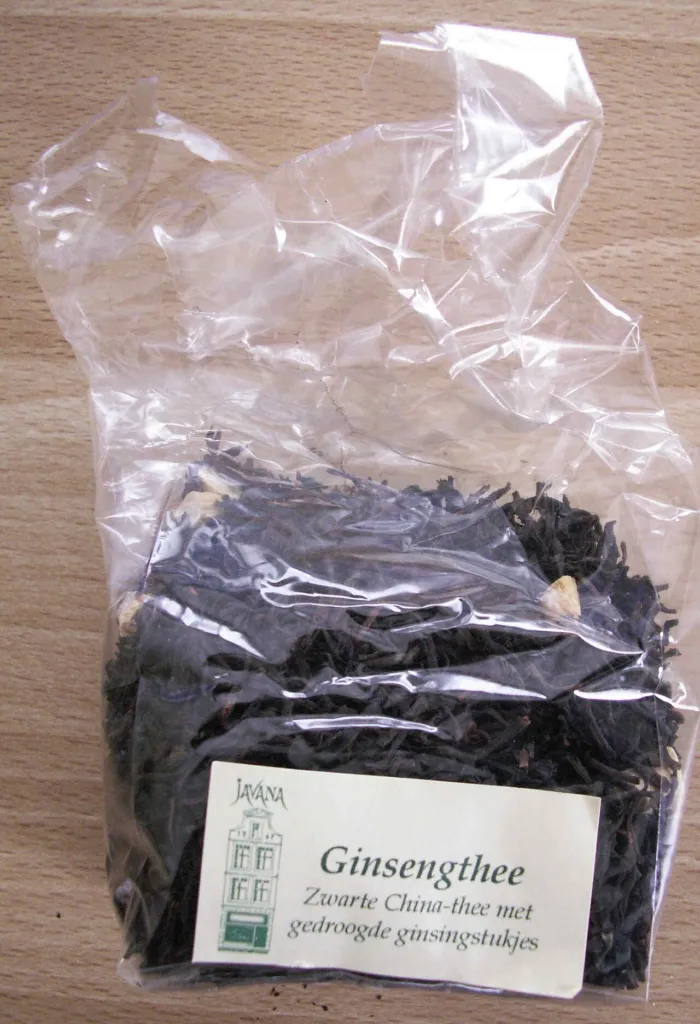
Ginseng also turns up in teas, coffee mixes, energy drinks, sweets and imported Korean tonics and cosmetics. Products presented and sold as foods fall under the Australia New Zealand Food Standards Code, administered through Food Standards Australia New Zealand and the state food regulators, and the TGA’s food-medicine interface decides which side of the line a product sits on from its presentation and claims. The Institute did not trace the specific Food Standards Code provisions that bear on ginseng for this review, so the food-law detail here is unsourced. The practical point holds either way: a food or drink label is not required to tell you the species, the part, the extract ratio or the ginsenoside content in the way a medicine label may, so the amount of ginseng in a can or a sachet is usually unknown to the buyer.
What to check on a label
- The binomial. Panax ginseng is Korean or Asian ginseng. Panax quinquefolius is American ginseng. Eleutherococcus senticosus and Withania somnifera are different plants with their own evidence (§1).
- The part. Root is the traditional and regulated part. Leaf, berry and stem products exist and are chemically different.
- White or red. Red means steamed root, with a different ginsenoside profile (§4).
- The extract ratio. A 300 mg extract “equivalent to 3 g” of root is a 10:1 concentrate. The equivalent figure describes the starting material and says nothing about which compounds came through.
- The ginsenoside content, and which ginsenosides were counted. “4% ginsenosides” as the sum of eight compounds and “5.5 mg/g Rg1 + Rb1 + Rg3” measure different things (§5).
- An AUST L number, if it is sold as a medicine, which can be checked on the TGA’s ARTG search.
Before taking any botanical drug, consult a degree-qualified herbalist with competencies and adequate training in pharmacognosy, who can check the product, the dose and your other medicines together.
10. Quality and adulteration
The quality of a ginseng product rests on three questions: is it the right species, is it the right part and process, and how much of what is in it. Each has a laboratory answer.
Species identity
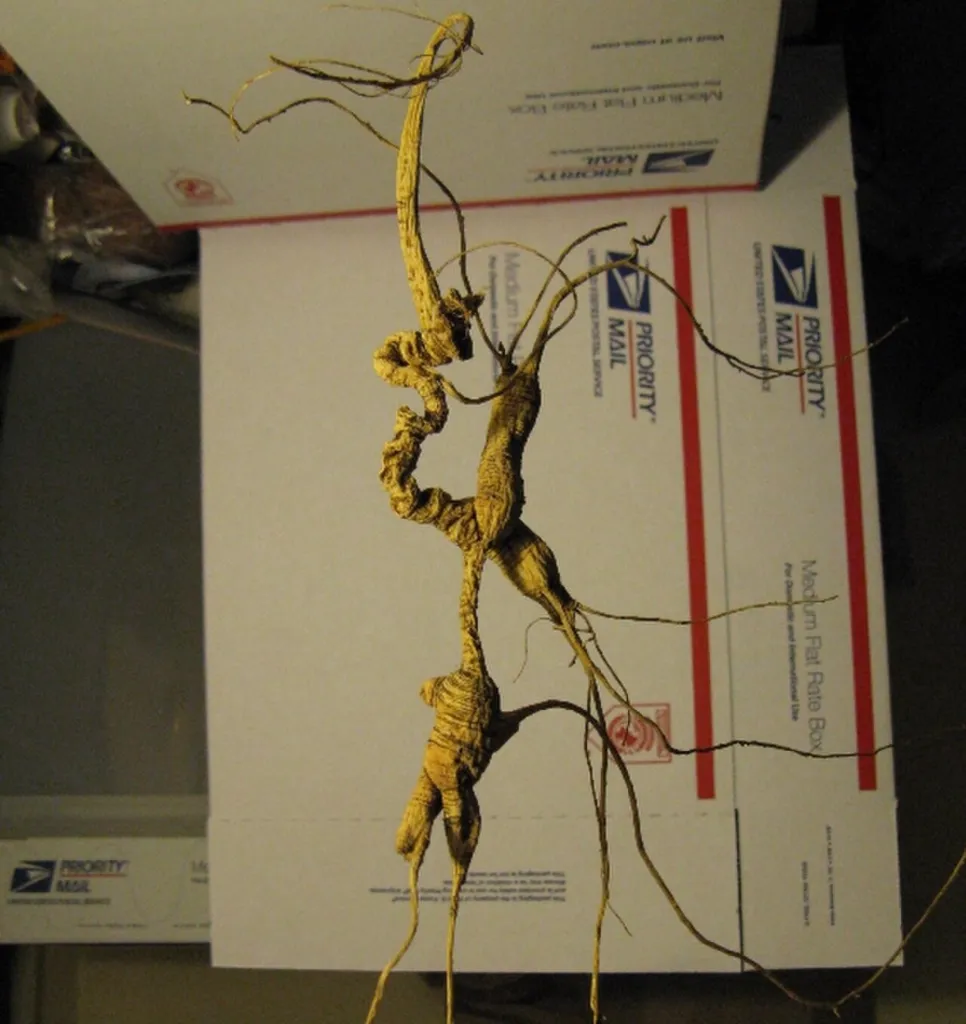
Asian and American ginseng are each other’s commonest substitutes. They look alike as cut or powdered root, and they are hard to tell apart by conventional means (Liu 2016, PMID 27047504). Evidence suggests DNA methods help. A Chinese group designed a 27-base-pair nucleotide signature able to identify American ginseng even in processed products where the DNA is degraded; applied to 24 batches of ginseng-containing Chinese patent medicines bought in Beijing, it found five counterfeits and two batches containing adulterants; the five were products labelled as Asian ginseng that contained American ginseng instead (Liu 2016, PMID 27047504). Evidence suggests That survey is overseas and small, and the Institute is not aware of any comparable survey of products sold in Australia.
Chemistry gives a second check. Ginsenoside Rf in a sample points to P. ginseng, and ocotillol-type saponins such as pseudoginsenoside F11 point to P. quinquefolius or P. japonicus; a UPLC-Q-TOF mass spectrometry method separated the three species on these and related fragments (Jinbiao 2022, PMID 35340764). Confirmed For the European market, the root must meet the European Pharmacopoeia monograph for ginseng, monograph 1523 (EMA 2024). Confirmed
Part, process and dose
A product made from fine rootlets, from main root, from leaf or from berry will carry a different saponin pattern, and red processing changes it again (§4). Confirmed The trials add a further complication: several used bespoke laboratory extracts, including the 2013 fatigue trial’s boiled 20% ethanol extract (Kim 2013, PMID 23613825) Confirmed, which no shopper can buy. Matching a shelf product to the trial that justifies it needs the species, the part, the process, the extract ratio and the marker content to line up, and on most labels at least one of these is missing. Mechanism
Discussion: conclusions, hypotheses and research still required
What the evidence supports
Korean ginseng is a well-characterised root with a clear identity, a defined family of marker compounds and a documented processing history. Confirmed The confusion around the name on Australian shelves is real and fixable: the binomial and the part on the label settle it. Confirmed Steaming changes the ginsenoside profile in ways that are measured and reproducible, so red and white ginseng deserve to be treated as related but distinct preparations. Confirmed
The human trials support a modest reading. There is low-certainty evidence of small improvements in erectile function scores and in men’s self-reported ability to have intercourse; a small fall in fasting glucose without a change in HbA1c; mixed results for fatigue; and no convincing evidence of cognitive enhancement in healthy people. Evidence suggests Short-term tolerability in trials is good. Evidence suggests The interaction questions with warfarin, glucose-lowering medicines and CYP3A substrates rest on a few small studies and case reports, and they justify monitoring and a medicines review; they do not show ginseng to be a dangerous herb. Evidence suggests
Hypotheses worth testing
- That the mixed fatigue results reflect differences in product chemistry and in the cause of fatigue, and that a trial with a defined extract in people whose fatigue has no other cause would give a cleaner answer. Mechanism
- That the minor ginsenosides formed by steaming (Rg3, Rh1, Rg2) account for some of the differences claimed for red ginseng, given that gut bacteria perform a similar deglycosylation on white ginseng after it is swallowed (Mou 2026, PMID 42395025). Mechanism
- That the conflicting warfarin data reflect product and dose differences, or a slower effect than a single-dose study can detect. Mechanism
- That a person’s gut flora, which governs how much of each ginsenoside becomes absorbable, explains part of the wide variation in response seen across trials. Mechanism
Where research should begin
- Quality analysis and botany: a market survey of Panax products sold in Australia, combining DNA identification with an HPLC or LC-MS profile that reports ginsenoside Rf and the ocotillol-type markers, so that species substitution and red-white labelling can be checked against the label.
- Phytochemistry: paired analysis of the same root lots as white and red ginseng, reporting the full ginsenoside set, the Maillard products and the polysaccharides, to give buyers and trialists a reference profile for each preparation.
- Clinical pharmacology: a multiple-dose study of a defined red ginseng product with warfarin in patients already stable on it, with INR as the outcome, and a CYP3A probe study using red ginseng.
- Medicine and clinical research: an ethics-approved, pre-registered randomised trial of a chemically specified extract for idiopathic fatigue, at least 12 weeks long and powered for a clinically important difference; and for glucose, trials of 12 weeks or more with HbA1c as the primary outcome.
- Pharmacovigilance and regulatory science: a search of the TGA’s Database of Adverse Event Notifications for ginseng-containing products, which this review did not do; and a study of how ginseng foods and drinks are classified and labelled in Australia, including whether any declare ginsenoside content.
- History and textual studies: a reading of the ginseng entry in a critical edition of the Shennong Bencao Jing, and of the Goryeo Dogyeong passage on steamed root, so that the traditional claims in this article can be cited to the texts themselves.
Papers requested and not yet read
The Institute cites only papers it has read in full. The following were relevant to this review and have been requested; they are not used as evidence above, and the next revision will take them into account: Siegel 1979 on ginseng abuse syndrome (PMID 430716); Janetzky and Morreale 1997, a warfarin case report (PMID 9075501); Yuan and colleagues 2004, a randomised trial of American ginseng with warfarin (PMID 15238367); Lee and colleagues 2008 and Lee and colleagues 2010, warfarin with ginseng in stroke and heart-valve patients (PMIDs 18637764 and 19913311); Seely and colleagues 2008 on pregnancy and lactation (PMID 18204104); Ang-Lee and colleagues 2001 on herbal medicines and perioperative care (PMID 11448284); Hong and colleagues 2002 on red ginseng and erectile dysfunction (PMID 12394711); Reay and colleagues 2005 on G115, glucose and cognition (PMID 15982990); Harkey and colleagues 2001 on variability in commercial products (PMID 11382666); Vuksan and colleagues 2000 on American ginseng and post-meal glucose (PMID 10761967); Coon and Ernst 2002 on adverse effects and interactions (PMID 12020172); Li and colleagues 2000 on telling Asian from American ginseng by LC-MS/MS (PMID 11080895); Arring and colleagues 2018 on ginseng for fatigue (PMID 29624410); and the 2025 and 2026 cognition meta-analyses (PMIDs 40774237 and 41863264).
About AIP and this series
The Australian Institute of Pharmacognosy (AIP) is based in Cardwell, in the wet tropics of far north Queensland. Pharmacognosy is the study of medicines and poisons that come from natural sources: how a plant is identified, what it contains, and what that chemistry does in the body.
This series of literature reviews and critical analyses is part of our education and research work. Each review follows the same structure and grades every claim by the evidence behind it, so you can see what is tradition, what is laboratory or animal work, and what has been tested in people.
Nothing in this series is an offer of treatment, a product or a service, and nothing in it is a reason to use a plant. If you find an error, or a source we have missed, please write to the Institute at our contact form; corrections are read and answered. To follow the series, visit australian-pharmacognosy.org.
References
Show all 25 references (every PMID links to PubMed)
Every PMID was checked against PubMed in October 2026 and every journal article was read in full text; regulatory and database sources were read in October 2026. Listed in order of first citation.
- Therapeutic Goods (Poisons Standard – October 2026) Instrument 2026 (Cth), F2026L01327, in force from 1 October 2026 (it repealed the June 2026 instrument, F2026L00633). Full text searched by the Institute in October 2026 for Panax, ginseng and ginsenoside. Source.
- Natural Products Research Institute, Seoul National University (compilers). Medicinal plants in the Republic of Korea: information on 150 commonly used medicinal plants. WHO Regional Publications, Western Pacific Series No. 21. Manila: World Health Organization Regional Office for the Western Pacific; 1998. Entry Panax ginseng C.A.Mey., p. 193.
- European Medicines Agency, Committee on Herbal Medicinal Products. European Union herbal monograph on Panax ginseng C.A.Mey., radix. EMA/HMPC/27744/2023, final, revision 1. Amsterdam: EMA; 29 May 2024. (Overseas regulatory document; it does not govern Australian products.) Source.
- Shibata S. Chemistry and cancer preventing activities of ginseng saponins and some related triterpenoid compounds. J Korean Med Sci. 2001 Dec;16 Suppl:S28-37. PMID 11748374. DOI 10.3346/jkms.2001.16.S.S28.
- Jinbiao L, Xinyue Z, Shenshen Y, Shuo W, Chengcheng L, Bin Y, et al. Rapid identification of characteristic chemical constituents of Panax ginseng, Panax quinquefolius, and Panax japonicus using UPLC-Q-TOF/MS. J Anal Methods Chem. 2022;2022:6463770. PMID 35340764. DOI 10.1155/2022/6463770.
- Patyra A, Kołtun-Jasion M, Kupniewska K, Parzonko A, Kiss AK. Eleutherococcus root: a comprehensive review of its phytochemistry and pharmacological potential in the context of its adaptogenic effect. Front Pharmacol. 2025;16:1683795. PMID 41235111. DOI 10.3389/fphar.2025.1683795.
- Yukta R, Gupta S, Kaur G, Mondal PS, Das M, Ranade A, et al. Immunomodulatory properties of Withania somnifera: regulation of innate immune cells and clinical implications. Phytother Res. 2026 Oct;40(10):5951-72. PMID 42595969. DOI 10.1002/ptr.70427.
- Atlas of Living Australia. Occurrence search, raw scientific name “Panax ginseng” and taxon “Polyscias sambucifolia” (elderberry panax). Searched by the Institute in October 2026. Source.
- Lee SM, Bae BS, Park HW, Ahn NG, Cho BG, Cho YL, et al. Characterization of Korean Red Ginseng (Panax ginseng Meyer): history, preparation method, and chemical composition. J Ginseng Res. 2015 Oct;39(4):384-91. PMID 26869832. DOI 10.1016/j.jgr.2015.04.009.
- Geng J, Dong J, Ni H, Lee MS, Wu T, Jiang K, et al. Ginseng for cognition. Cochrane Database Syst Rev. 2010 Dec 8;(12):CD007769. PMID 21154383. DOI 10.1002/14651858.CD007769.pub2.
- Cho SK, Song YJ, Han JY, Kim HW, Nam E, Sung YK. Effectiveness of Korean Red Ginseng on fatigue in patients with rheumatic diseases: a randomized, double-blind, placebo-controlled study. Korean J Intern Med. 2024 Jul;39(4):680-90. PMID 38576235. DOI 10.3904/kjim.2023.350.
- Kim HG, Cho JH, Yoo SR, Lee JS, Han JM, Lee NH, et al. Antifatigue effects of Panax ginseng C.A. Meyer: a randomised, double-blind, placebo-controlled trial. PLoS One. 2013;8(4):e61271. PMID 23613825. DOI 10.1371/journal.pone.0061271.
- Mou C, Wang Y, Kim MY, Cho JY. Ginsenosides from Panax ginseng: their mechanisms, microbiome determinants, and translational strategies in therapeutic activity against cancer. J Ginseng Res. 2026 Jul;50(4):101029. PMID 42395025. DOI 10.1016/j.jgr.2026.101029.
- Malati CY, Robertson SM, Hunt JD, Chairez C, Alfaro RM, Kovacs JA, et al. Influence of Panax ginseng on cytochrome P450 (CYP)3A and P-glycoprotein (P-gp) activity in healthy participants. J Clin Pharmacol. 2012 Jun;52(6):932-9. PMID 21646440. DOI 10.1177/0091270011407194.
- Jiang X, Williams KM, Liauw WS, Ammit AJ, Roufogalis BD, Duke CC, et al. Effect of St John’s wort and ginseng on the pharmacokinetics and pharmacodynamics of warfarin in healthy subjects. Br J Clin Pharmacol. 2004 May;57(5):592-9. PMID 15089812. DOI 10.1111/j.1365-2125.2003.02051.x.
- Dong H, Ma J, Li T, Xiao Y, Zheng N, Liu J, et al. Global deregulation of ginseng products may be a safety hazard to warfarin takers: solid evidence of ginseng-warfarin interaction. Sci Rep. 2017 Jul 19;7(1):5813. PMID 28725042. DOI 10.1038/s41598-017-05825-9.
- Shishtar E, Sievenpiper JL, Djedovic V, Cozma AI, Ha V, Jayalath VH, et al. The effect of ginseng (the genus Panax) on glycemic control: a systematic review and meta-analysis of randomized controlled clinical trials. PLoS One. 2014;9(9):e107391. PMID 25265315. DOI 10.1371/journal.pone.0107391.
- Jang DJ, Lee MS, Shin BC, Lee YC, Ernst E. Red ginseng for treating erectile dysfunction: a systematic review. Br J Clin Pharmacol. 2008 Oct;66(4):444-50. PMID 18754850. DOI 10.1111/j.1365-2125.2008.03236.x.
- Lee HW, Lee MS, Kim TH, Alraek T, Zaslawski C, Kim JW, et al. Ginseng for erectile dysfunction. Cochrane Database Syst Rev. 2021 Apr 19;4(4):CD012654. PMID 33871063. DOI 10.1002/14651858.CD012654.pub2.
- Ho CY, Hsu CH, Chien TJ. Herbal dietary supplements for erectile dysfunction: a systematic review and meta-analysis of randomized-controlled trials. J Tradit Complement Med. 2026 Jan;16(1):109-20. PMID 41696741. DOI 10.1016/j.jtcme.2025.11.001.
- Lee NH, Yoo SR, Kim HG, Cho JH, Son CG. Safety and tolerability of Panax ginseng root extract: a randomized, placebo-controlled, clinical trial in healthy Korean volunteers. J Altern Complement Med. 2012 Nov;18(11):1061-9. PMID 22909282. DOI 10.1089/acm.2011.0591.
- Bostock E, Kirkby K, Garry M, Taylor B, Hawrelak JA. Mania associated with herbal medicines, other than cannabis: a systematic review and quality assessment of case reports. Front Psychiatry. 2018;9:280. PMID 30034348. DOI 10.3389/fpsyt.2018.00280.
- Therapeutic Goods Administration. Australian Register of Therapeutic Goods, entry 443933 (listed medicine, single active ingredient Panax ginseng): ARTG record and public summary. Read by the Institute in October 2026. Source.
- Therapeutic Goods Administration. About listed medicines. Read by the Institute in October 2026. Source.
- Liu Y, Wang X, Wang L, Chen X, Pang X, Han J. A nucleotide signature for the identification of American ginseng and its products. Front Plant Sci. 2016;7:319. PMID 27047504. DOI 10.3389/fpls.2016.00319.
Image credits
- Ginseng flower in Changbai Mountain (cropped).jpg · Doge24190 · CC BY-SA 4.0
- Panax ginseng C.A.Mey. 3399124768.jpg · iNaturalist.org (Nina Filippova) (Nina Filippova) · CC BY 4.0
- Korean ginseng fruit 2.jpg · Scudsvlad · CC BY-SA 4.0
- Bourdaret-EnCorée-p284.jpg · Émile Bourdaret · Public domain
- Red ginseng slices.jpg · François Nguyen · CC BY 2.0
- Insam.jpg · Brücke-Osteuropa · CC0
- Wild ginseng.jpg · Bosmin Kang · CC0
- Seoul-Namdaemun.Market-ginseng.jpg · yarra64 (a flickr user) · CC BY 2.0
- Korean ginseng on snow.jpg · Scudsvlad · CC BY-SA 4.0
- Panax ginseng in Kitchen.jpg · Peachyeung316 · CC BY-SA 4.0
- HK SW CMMA 香港中藥聯商會 Chinese Medicine Merchants Association – 高麗紅參 Korean Red Ginseng Jan-2014.JPG · Nianahsiwgoa · CC BY-SA 3.0
- 서산 9품 6년근인삼.jpg · Seosan City Government · CC BY-SA 4.0
- Ginsengpflanze.jpg · FloraFarm GmbH / Katharina Lohrie · CC BY 3.0
- Panax quinquefolius FWS-4×3.jpg · Pittillo, Dan J. · Public domain
- Eleutherococcus senticosus 2016-04-19 8058.jpg · Salicyna · CC BY-SA 4.0
- Ashwagandha (Withania somnifera).jpg · Cliff from I now live in Arlington, VA (Outside Washington DC), USA · CC BY 2.0
- Elderberry Panax (5230615213).jpg · John Tann from Sydney, Australia · CC BY 2.0
- Korean ginseng fruit 1.jpg · Scudsvlad · CC BY-SA 4.0
- Korean ginseng seeds.jpg · Scudsvlad · CC BY-SA 4.0
- Ginsengernte in Walsrode.JPG · FloraFarm GmbH Katharina Lohrie · CC BY 3.0
- MonkGinsengGarden.jpg · Drginseng · CC BY-SA 3.0
- Korean red ginseng.jpg · IsaacMao · CC BY 2.0
- Jilin Mt. Changbai panax ginseng slices.jpg · Fumikas Sagisavas · CC0
- Panax ginseng sticks (cropped).jpg · Fumikas Sagisavas · CC0
- Ginsengtea.JPG · KVDP · Public domain
- American Ginseng.jpg · John Carl Jacobs · CC BY-SA 4.0
- Chemical structure depictions: PubChem, US National Library of Medicine (CIDs 9898279, 441923, 441921, 441922, 9918693 and 21633072, as captioned).
Dr Thomas Ridley
Head of Education and Research
Australian Institute of Pharmacognosy
Cardwell QLD, Australia
australian-pharmacognosy.org · our contact form
Suggested citation: Ridley T. Korean ginseng (Panax ginseng C.A.Mey.): identity, processing, evidence and Australian status. Literature Review and Critical Analysis AIP-LR-PANGIN. Cardwell (QLD): Australian Institute of Pharmacognosy; 2026.
Educational content only. Regulatory information reflects the ARTG, the TGA’s listed-medicines guidance and the Poisons Standard as read by the Institute in October 2026, and may change.
The Institute sets and publishes its own monographs. The catalogue is in Publications.