

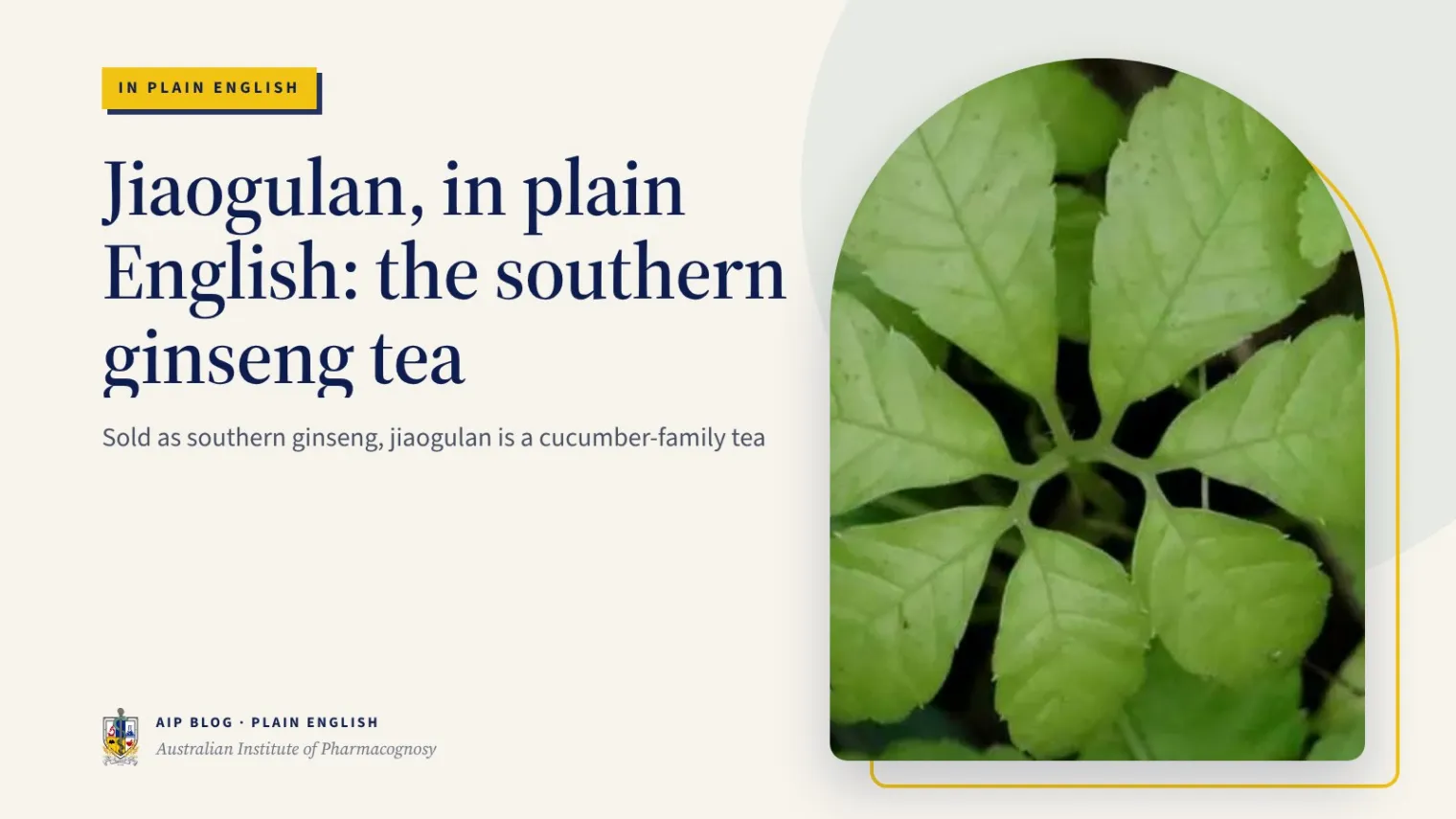
Photo: Frank Vincentz, Kluse, Germany · CC BY-SA 3.0 · Wikimedia Commons
At the Asian grocer, a bag of dark, crinkled leaf says “southern ginseng”. At the nursery, the same plant is a potted vine tagged sweet tea vine.
Ginseng is the name that sells it. The plant is a cucumber cousin carrying a few of ginseng’s molecules. If you drink it, or take tablets for diabetes, here is what your cup can and cannot claim.
Educational only: no advice, preparation or dosing. Legal lines are our October 2026 reading, not legal advice.
If someone on insulin, a sulfonylurea or other glucose-lowering medicine starts jiaogulan, their readings may fall. Plan monitoring with whoever manages the diabetes before starting.
Low blood sugar can show as sweating, shaking, hunger, confusion or unusual drowsiness. If the person cannot swallow safely, is very drowsy, or does not recover after fast-acting sugar, phone 000.
Anyone unwell after taking a herbal product: 000 in an emergency, or the Poisons Information Centre on 13 11 26 (24 hours, Australia-wide), and follow its advice.
Blood thinners and anti-platelet drugs: old, small studies point both ways and no bleeding has been recorded in people, so the caution is theoretical. A bleeding disorder or low platelet count calls for more care. Booked for surgery or a tooth extraction? Tell the surgical team you take it.
Pregnancy, breastfeeding and children: no human safety data were found. Caution is the sensible default for extracts.
Antidepressants: one case report in a man on duloxetine raised a possible interaction; a single case is weak evidence.
Before taking any botanical drug, consult a degree-qualified herbalist with competencies and adequate training in pharmacognosy.
- A leafy cucumber-family vine, brewed as tea in Asia. Not a ginseng.
- Four molecules match ginseng’s; a packet may hold little of them.
- Small trials, mostly from one team, suggest it lowers blood sugar in type 2 diabetes.
- On diabetes medicine? Readings may fall; plan for that.
- Unscheduled in Australia; mostly sold as imported tea.
A pumpkin cousin with a borrowed name
The plant in the packet, and how to know it.
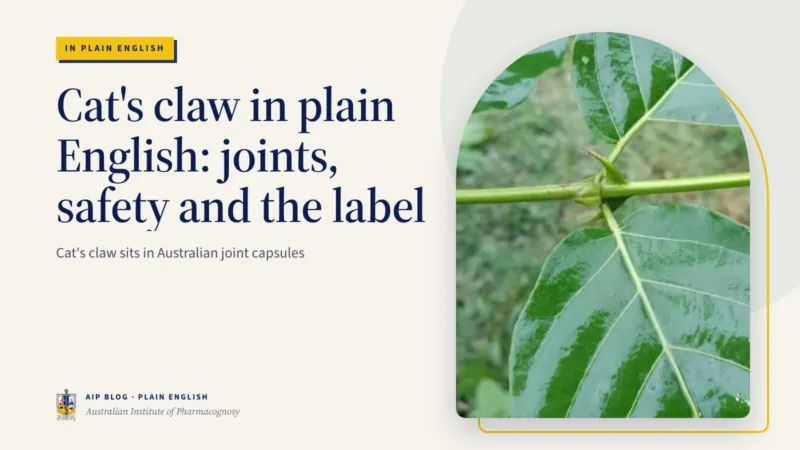
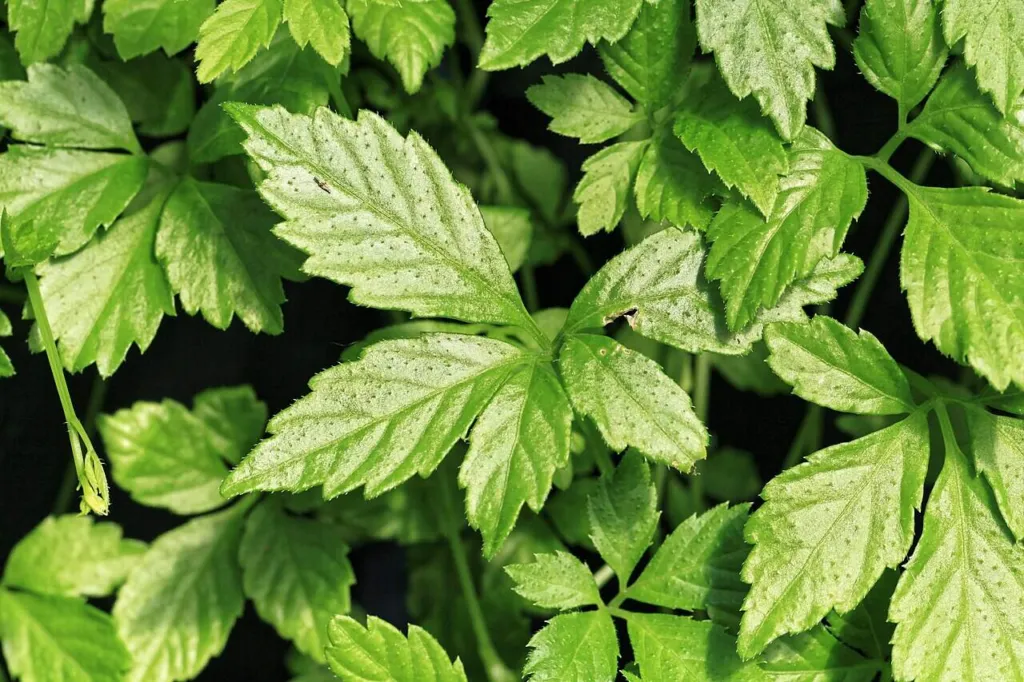
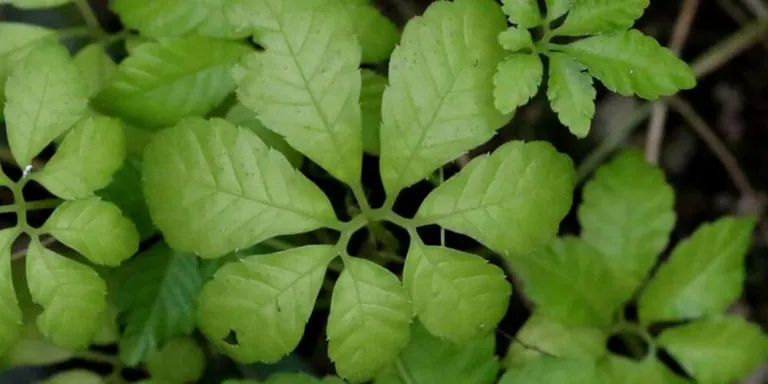
The clue is in the leaf: a little hand of saw-edged leaflets, usually five. Thin stems climb by curling tendrils, as a cucumber does, and the small round berries ripen black. With ginseng, from another family, people use the root; here, the leaf.
Across its Asian homelands it is an everyday drink: a sweet tea in Japan, a soup green in Laos, once a famine food in China. In northern Vietnam it is a traditional diabetes remedy. That shows people valued it; only trials show what it does inside you.
“Southern ginseng” alone on a label tells you nothing. Look for the botanical name, Gynostemma pentaphyllum.
Four shared molecules, and the rest that differs
Where the comparison holds, and where it stops.
Both plants make saponins, soapy compounds that ginseng is famous for. A recent gene study confirmed that four of the vine’s are the very same molecules as four in ginseng root. That match is real, and the ginseng name leans on it.
Ginseng also makes a second branch of saponins the vine never makes, and the vine has its own. The shared ones turn up only in some populations, so a packet may carry little of them, and no tea bag says which. Each plant got there on its own; family it isn’t.
A packet may carry little of the shared part, and no tea bag says which.
Buying it as a ginseng stand-in asks more than the chemistry carries. Judge it on trials in people.
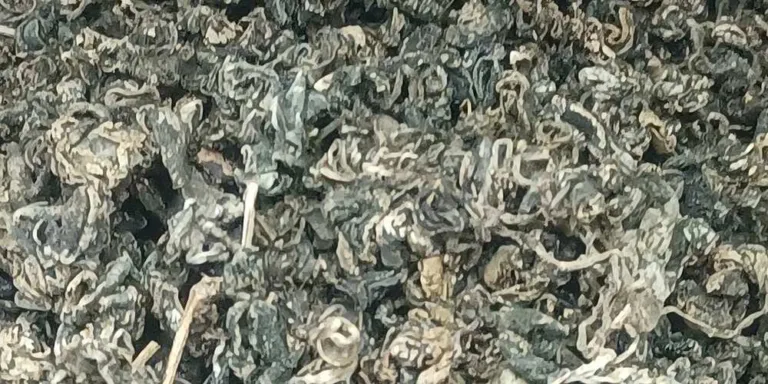
A hint on blood sugar, and one thing to plan for
What the trials found, and how far to trust them.
The best results come from one Hanoi university team giving a concentrated extract to people with type 2 diabetes: blood sugar fell further than in the comparison group. Careful but tiny trials, against green tea (hardly a blank), with effects large enough to need an outside team to repeat them. None has. A pooling of eight small trials from China and Vietnam leaned the same way, though several gave it alongside diabetes drugs.
Weight: a Brisbane trial funded by the extract’s seller found about a kilo more lost than on a dummy capsule over four months, a modest result. Cholesterol, fatty liver and the other claims rest on weak or single trials, or animal work.
Trials of up to about six months found it well tolerated; mild stomach upset was the usual complaint, with the odd abnormal liver test in some Chinese trials. If it lowers blood sugar, it adds to insulin or tablets such as gliclazide. The red box has the warning signs.
On insulin or diabetes tablets: plan it with whoever manages your diabetes before the first cup, and test more often. A pot of leaf tea is not the trial extract either.
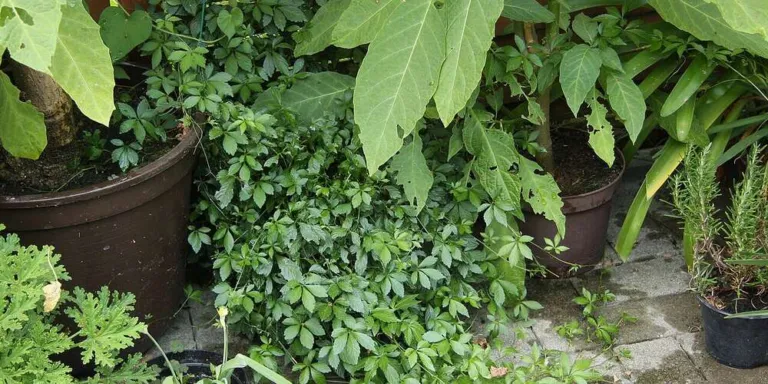
On the shelf, and on the back fence
The law, the label, and growing your own.
On our October 2026 reading of the national poisons rules, jiaogulan is unscheduled. Two multi-herb listed (AUST L) medicines contain it; listing means permitted low-risk ingredients, not that the regulator has assessed whether it works. Grocer tea is sold as food. No Australian testing for heavy metals or pesticides has been published, a concern with any imported leaf tea. A good packet shows the botanical name, plant part, origin and a batch number.
Nobody has recorded it growing wild in Australia. It would likely thrive in a steamy Cardwell backyard, a guess from its home climate, not local records. It spreads by rooting runners and birds may carry the berries, so as with any berry vine, keep it away from bushland. Importing seed? Check federal biosecurity rules first.
Grow it in a pot, keep it off the bush, and read the packet before you brew.
The short version of Dr Thomas Ridley’s review, with every source:
- Dr Luke Iggulden, Chief Scientific Officer — Senior author. Commissioned the Explainer series, set its direction and approved it
- Jesse Kirby — Took notes from the evidence review, shut it, and wrote this edition from them: chose the four things a reader needs, set the order and wrote every sentence, keeping the diabetes warning and the hedges at full strength
- Zoe Bennett — Wrote the title, the search line and the labels, built around the “southern ginseng” packet readers already see at the grocer, which is how the page will travel when shared
- Theo Karras — Picked the cover foliage and the four section banners from the review’s licensed set, opened each one and wrote alt text to what it really shows, and pulled the saponin diagram after the phone check showed it could not be read at that size
- Leah Bianchi — Put the page together: the red diabetes box, the one-minute card, a pull quote, a what-this-means card closing each of the four sections and the card back to the review, checked for reading on a phone
Contributors
- Dr Thomas Ridley — Wrote the evidence review this page retells, and checks the science here
Image credits. Cover, jiaogulan foliage, Kluse: Frank Vincentz, CC BY-SA 3.0, Wikimedia Commons. Wild jiaogulan, Victoria Peak, Hong Kong: iNaturalist observation 237258743, CC0 1.0. Ginseng root: National Institute of Korean Language, CC BY-SA 2.0 KR, Wikimedia Commons. Rolled dried leaf: François Nguyen, CC BY 2.0, Wikimedia Commons. Courtyard pots: Maja Dumat, CC BY 2.0, Wikimedia Commons. Photographs resized and re-encoded for the web by AIP; no other changes.
AIP Explainers are the plain-language editions of the Institute’s technical articles, published alongside the original. Everything on this page is carried by the full article, where the evidence, the references and the regulatory sources are set out. Regulatory information was read in October 2026 and may change. Spotted an error? Write to our contact form. We would rather correct a claim than repeat it.
Jesse Kirby
Head of Community Outreach
Australian Institute of Pharmacognosy
Cardwell QLD, Australia
australian-pharmacognosy.org · our contact form
The Institute sets and publishes its own monographs. The catalogue is in Publications.