

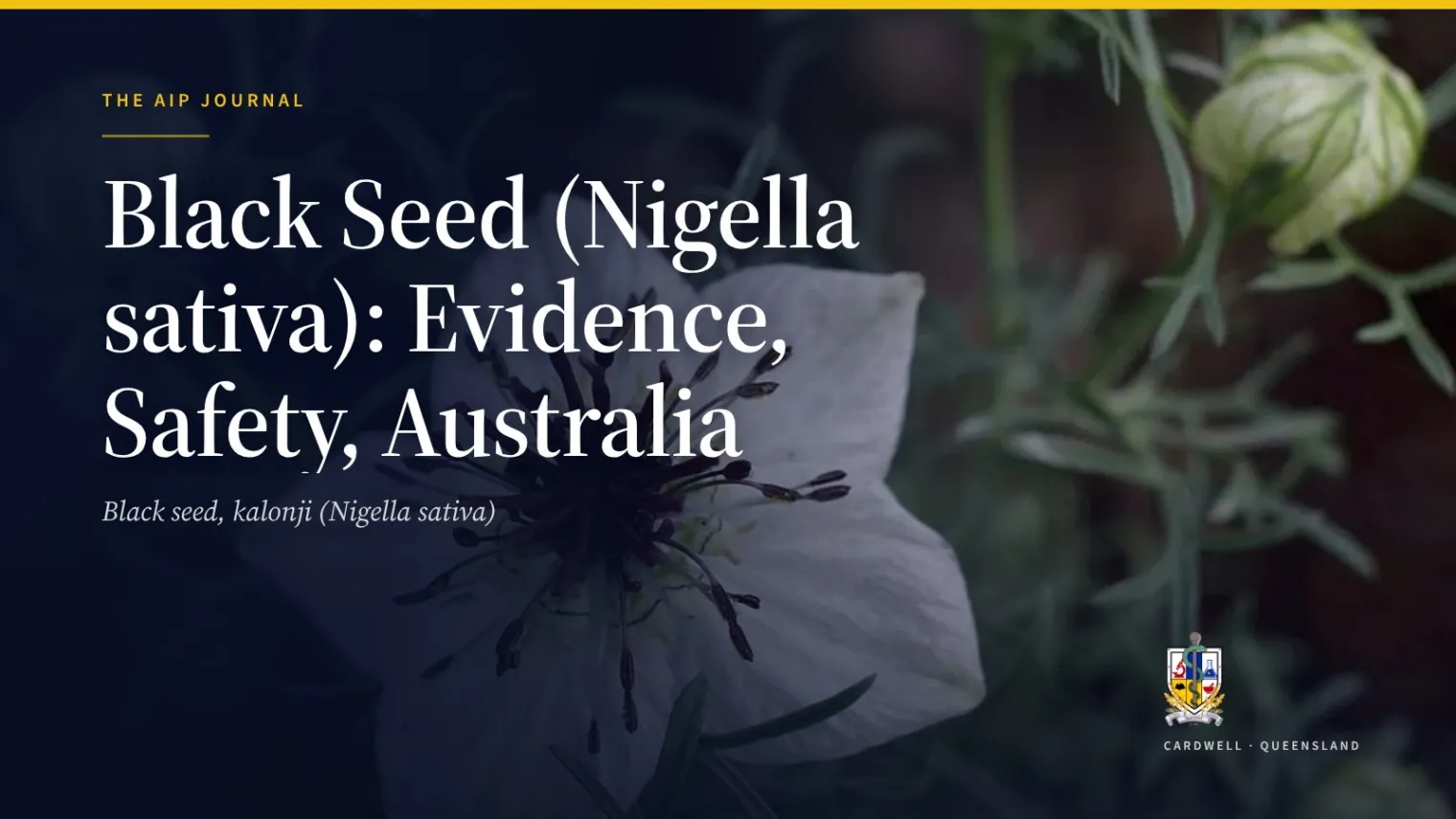
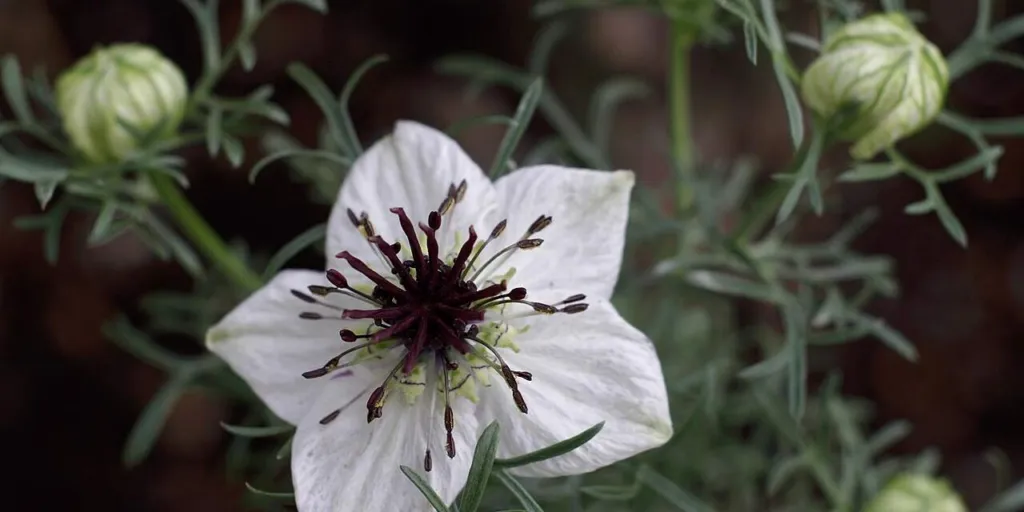
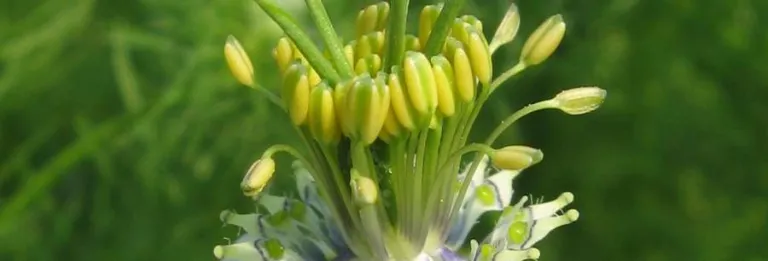
Cover: Nigella sativa in flower, with young capsules. Photo: k yamada from Yokohama, Japan · CC BY-SA 3.0 · Wikimedia Commons
Black seed oil now sits on Australian pharmacy shelves in capsules with an AUST L number and a line about immune health. Confirmed The seed behind it has been a spice and a household medicine from Morocco to Bengal for a very long time, and a saying recorded in the hadith collection of al-Bukhari calls it a healing for every disease except death. Attested The human trials tell a smaller story, and a more useful one. Evidence suggests
This is the Australian Institute of Pharmacognosy’s Literature Review and Critical Analysis AIP-LR-NIGSAT. It covers what black seed is and what it is often mistaken for, what the seed and its two oils contain, why one bottle can hold dozens of times more thymoquinone than another, what the randomised trials on blood glucose, cholesterol, blood pressure, allergy and asthma found and how much weight they can bear, what is known about safety and interactions, and how black seed is regulated and labelled in Australia. Every trial and safety report relied on here was read in full. Papers we have requested but not yet read in full are listed separately at the end, and nothing in the argument rests on them.
This article is educational. It is not medical advice and is not a recommendation to take black seed or any product that contains it.
Black seed is a common food spice and is not listed in the Australian Poisons Standard. In trials lasting up to a year, oral doses were generally well tolerated, and minor complaints such as nausea occurred at much the same rate on placebo. Evidence suggests Three things deserve attention. Black seed oil put on the skin has caused allergic contact dermatitis, occasionally severe. Confirmed Because the trials report small falls in blood glucose and blood pressure, effects could add to diabetes and blood-pressure medicines. Mechanism Thymoquinone inhibits platelets in laboratory work, so people on anticoagulant or antiplatelet medicines, or facing surgery, have a reason to mention it. Mechanism We found no human study of therapeutic doses in pregnancy. See Chapter 10.
Before taking any botanical drug, consult a degree-qualified herbalist with competencies and adequate training in pharmacognosy. If someone is unwell after taking a product: call Triple Zero (000) in an emergency, or the Poisons Information Centre on 13 11 26 (24 hours, Australia-wide).
| The plant | Nigella sativa L., Ranunculaceae (the buttercup family). An annual herb native from Romania to western and south-western Iran. The seed is the part used. Confirmed §1, §2 |
| Often confused with | True cumin (Cuminum cyminum), onion seed (Allium cepa) and the garden love-in-a-mist (Nigella damascena). Confirmed §1 |
| Traditional standing | Named in the hadith, used in Unani and Persian medicine, listed in the Ayurvedic Pharmacopoeia of India as Upakuñcikā, and baked onto bread across the Middle East and South Asia. Traditional §3 |
| Chemistry | A fixed oil (about 30% of the seed) and a small volatile oil (0.9% in one sample) in which thymoquinone was 37.6%. Confirmed §4 |
| What products contain | Thymoquinone in retail oils and capsules ranged from 3 to 809 mg per 100 g in a Swiss survey and 0.07% to 1.88% in a Malaysian one (PMIDs 36079759, 33100788). Confirmed §5 |
| Metabolic trials | Pooled trials show modest falls in fasting glucose, HbA1c, blood pressure and LDL cholesterol, with very high disagreement between trials and certainty rated low or very low in one analysis and graded inconsistently in the other (PMIDs 41858302, 36034891). Evidence suggests §7 |
| Allergy and airways | Small, short trials in allergic rhinitis and asthma report symptom gains. Quality is mixed and most trials ran in one region. Evidence suggests §8 |
| Immune support | No trial has tested “immune health” in healthy people. Australian listings use traditional or general wording. Confirmed §9, §11 |
| Safety | Generally well tolerated in trials; contact allergy from skin use is documented; additive effects with diabetes, blood-pressure and antithrombotic medicines are plausible. Evidence suggests §10 |
| Australian status | Sold as a food spice and oil, and as AUST L listed medicines. No entry in the Poisons Standard (June 2026 instrument). Confirmed §11 |
- Confirmed: established in humans by trial, or an unambiguous analytical, chemical or documentary fact.
- Evidence suggests: real published data that is preclinical, observational, small, inconsistent or not yet replicated.
- Mechanism: a plausible pharmacological inference. It describes how something could happen, and is not an observed outcome.
- Traditional: historical, ethnobotanical or culinary use. Evidence of practice, not of efficacy.
- Attested: a documentary fact found in a named text or edition. A reading, with no claim about what the plant does.
Every PubMed ID links to its PubMed record and was checked against PubMed in October 2026. Compounds link to PubChem. Where a widely repeated claim could not be traced to a primary source, it is marked unsourced.
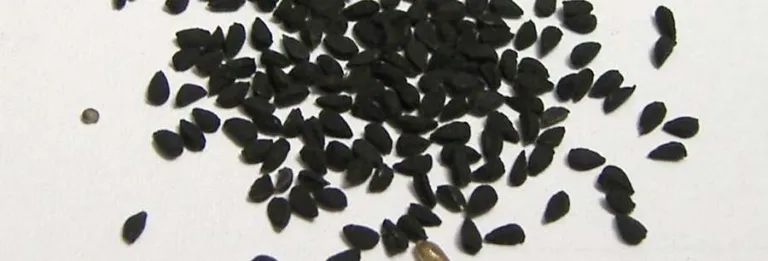
Black seed is the small black seed of Nigella sativa, a buttercup-family annual. It is a different plant from cumin and from onion, though shops label it as both. It has a long and well-recorded place in Islamic, Unani, Ayurvedic and Middle Eastern household medicine and cooking. Traditional
Most of what is sold as “black seed oil” is the fixed (pressed) oil. The compound most studies credit with the activity, thymoquinone, belongs mainly to the tiny volatile fraction, and measured amounts in retail oils and capsules varied almost fortyfold among in-date products in one survey, and more than 250-fold once an expired capsule is counted (PMIDs 36079759, 33100788). Confirmed A capsule label in Australia does not have to state thymoquinone content, and none of the Australian register summaries we read did. Confirmed
There are many small human trials, mostly from Iran, Saudi Arabia, India, Pakistan and Egypt. Pooled, they show modest falls in fasting glucose, HbA1c, blood pressure and LDL cholesterol in people with metabolic disease. Evidence suggests The trials disagree with each other a great deal, several are poorly reported, and the certainty ratings are mostly low or very low, with one analysis grading its own evidence inconsistently. That is a promising signal, worth a well-run trial with a characterised product. It does not show that black seed treats diabetes, high cholesterol or hypertension.
The “cures everything” framing on social media is a modern reading of a religious saying, which records belief and carries no clinical evidence. Attested “Immune support” is a permitted label wording for listed medicines in Australia, and no trial has measured it in healthy people. Confirmed
Safety is reassuring at food and trial doses, with real exceptions: skin allergy from topical oil, possible additive effects with diabetes, blood-pressure and antithrombotic medicines, and no human data on therapeutic doses in pregnancy. Evidence suggests
 Chapter 1Names and identity
 Chapter 2Botany and distribution
 Chapter 3Traditional and historical use
 Chapter 4Chemistry of the seed
 Chapter 5What is in the bottle
 Chapter 6Pharmacology
 Chapter 7Trials: glucose, lipids, blood pressure
 Chapter 8Trials: allergy, asthma, COVID-19
 Chapter 9Claims: cures and immunity
 Chapter 10Safety and interactions
 Chapter 11In Australia
 Chapter 12Quality and adulteration
 CloseDiscussion and research agenda
Chapter 1Names and identity: one seed, many labels
Black seed is the seed of Nigella sativa L., an annual herb of the buttercup family, Ranunculaceae. Confirmed It reaches English-speaking shoppers under a crowd of names: black seed, black cumin, nigella, black caraway, fennel flower, Roman coriander, and in South Asian grocers kalonji or kalaunji. Systematic reviewers searching the trial literature have to use all of them to find the studies (PMID 36034891). Confirmed In Arabic it is al-ḥabba al-sawdāʾ, “the black seed”, the phrase used in the hadith chapter discussed in Chapter 3. Attested
Three of those names cause real confusion, and they matter when you are reading a label or a recipe.
“Black cumin.” True cumin is Cuminum cyminum, a member of the carrot family (Apiaceae). Its “seeds” are ridged, pale brown, boat-shaped fruits with a familiar warm smell. Nothing in the cumin plant is closely related to Nigella. Confirmed The trade name “black cumin” is also applied to Bunium persicum, another Apiaceae spice sold in India as kala jeera. That second usage is common in the spice trade but we have not traced it to a primary botanical reference, so treat it as unsourced here.
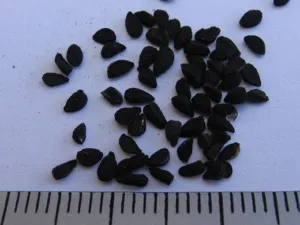
“Onion seed.” Kalonji is often packed and sold as “onion seed”. This is a long-standing trade label for which we found no primary source (unsourced). Real onion seed comes from Allium cepa (Amaryllidaceae). It is also black, which is presumably how the confusion started. It belongs to a different plant family and shares none of nigella’s characteristic chemistry. Confirmed When the front of a packet says “onion seed” and the ingredients panel says Nigella sativa, believe the binomial.
“Nigella.” Australian gardeners know the genus as love-in-a-mist, Nigella damascena, a blue-flowered annual with feathery bracts. It is a different species from N. sativa, and its seeds are not the spice. Confirmed
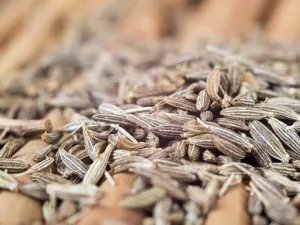
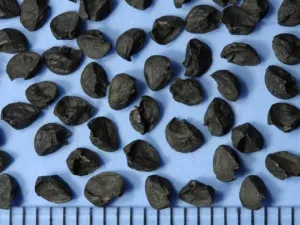
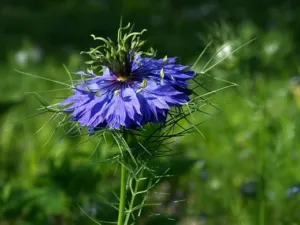
Most of the time none of this is a safety issue: black seed, cumin and onion seed are all eaten. It becomes a research issue when a study’s material cannot be traced to N. sativa, and a consumer issue when a product names the wrong plant. The binomial on the label is the first thing to check (Chapter 11). Mechanism
Chapter 2Botany and distribution, including Australia
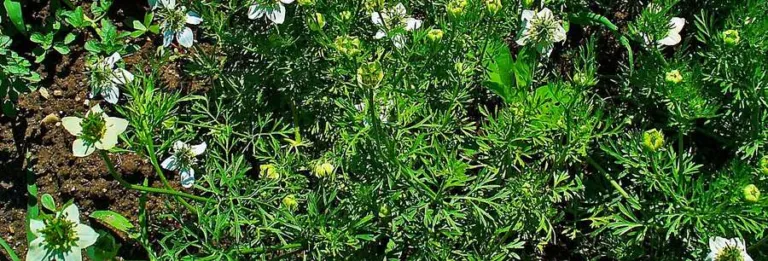
Nigella sativa is an annual that grows mainly in temperate habitats. Kew’s Plants of the World Online gives its native range as Romania to western and south-western Iran, taking in Bulgaria, Cyprus, Türkiye, Iraq, Iran, the Caucasus and Turkmenistan (read in October 2026). Confirmed It has been carried well beyond that range as a crop. In the Swiss market survey discussed in Chapter 5, all but one of the bottled oils were of Egyptian origin and the other came from India. Confirmed
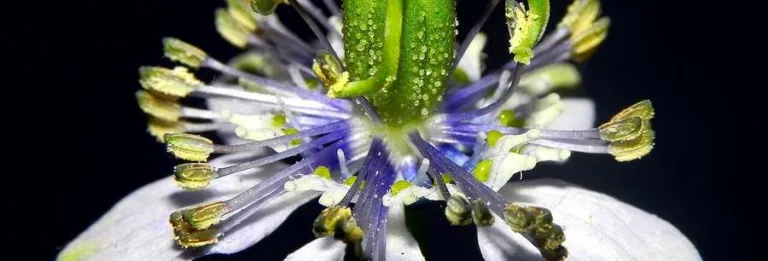
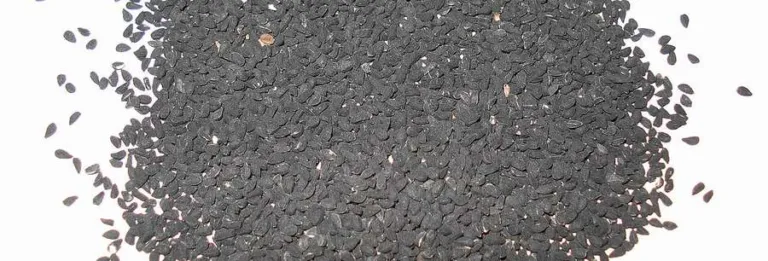
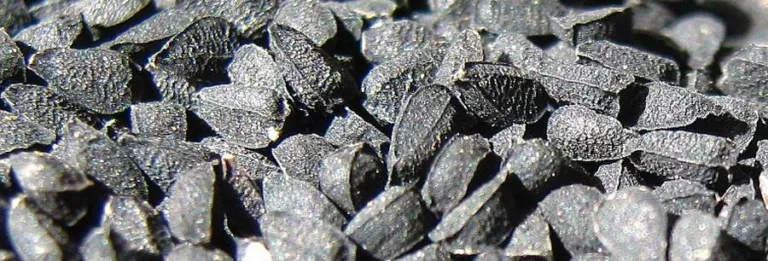
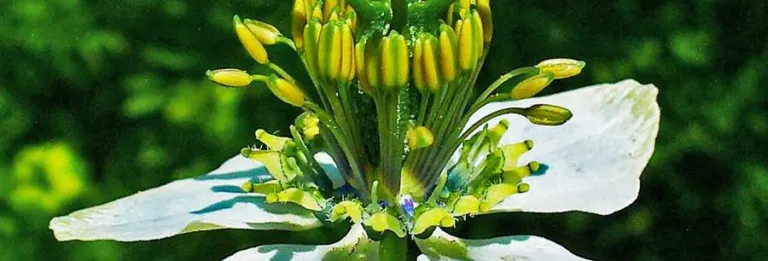
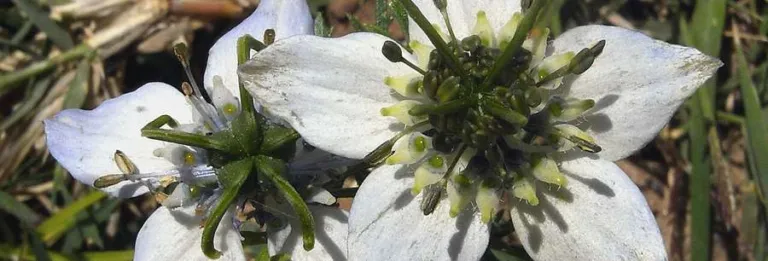
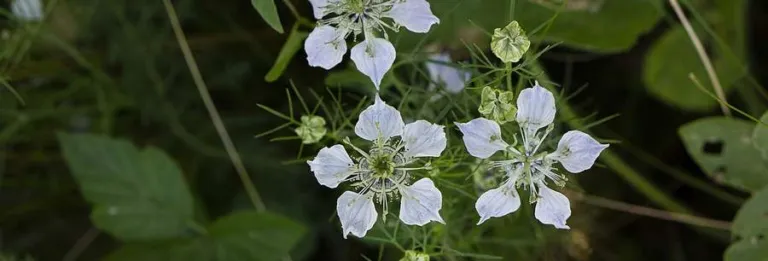
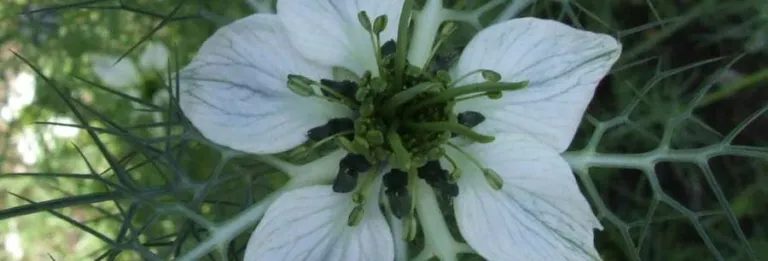
The plant is slender and branching, with leaves cut into thread-like segments. The flowers are pale blue to white. What look like five or more petals are petal-like sepals; the true petals are reduced to small nectaries ringing the centre, and the Köhler plate below draws both separately. Confirmed The fused carpels swell into an inflated capsule crowned by persistent styles, which split along their seams when ripe and release the seeds. Confirmed The seeds are matt black, angular and wrinkled, and they give off a sharp, peppery smell when crushed, which comes from the volatile oil described in Chapter 4. Mechanism
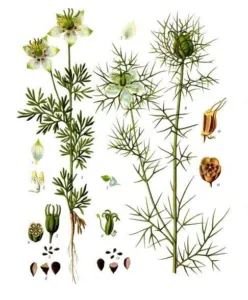
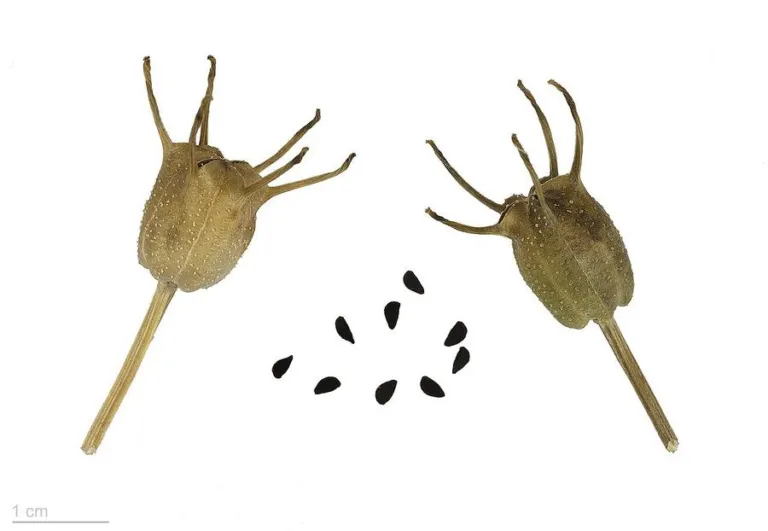
Australian status
Black seed is an introduced crop plant in Australia with no established wild populations on record. A query of the Atlas of Living Australia in October 2026 found no species page for Nigella sativa; the ten records filed under that name are herbarium sheets at the National Herbarium of Victoria, matched only to the genus, and those with a locality were collected overseas. Meanwhile its garden relative N. damascena carries 178 records and is described by the Royal Botanic Gardens Victoria flora as the one Nigella naturalised in Australia. Confirmed We found no listing of N. sativa as a declared or priority weed in any Australian jurisdiction (absence of a record, as read in October 2026). Confirmed
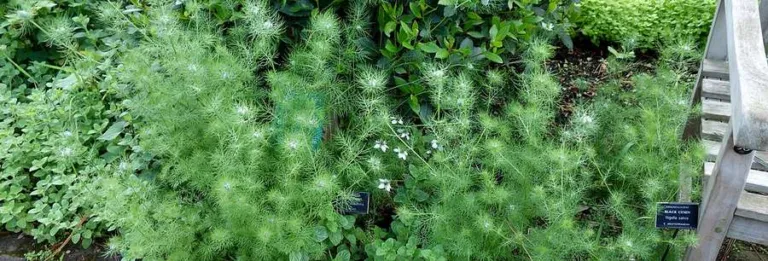
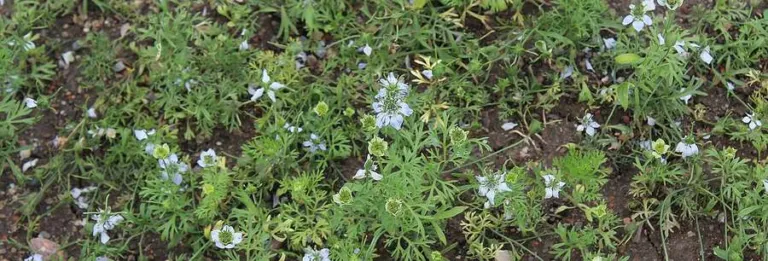
Seed for cooking is imported and sold as a spice. Anyone wanting to import seed for sowing needs to check the Department of Agriculture’s import conditions database, BICON, first: every seed-for-sowing import into Australia is subject to biosecurity conditions, and we could not find a species-specific entry to quote. Confirmed The plant grows readily as a cool-season annual in southern Australian gardens. In the wet tropics around Cardwell it would be a dry-season experiment at best; we have not grown it and offer that as a guess, not an observation. Mechanism
Chapter 3Traditional and historical use
Black seed is one of the few medicinal plants whose standing in a living religious tradition can be pinned to a specific text. In the Book of Medicine (Kitāb al-Ṭibb) of the Ṣaḥīḥ of al-Bukhārī, chapter 7 is headed “black cumin” and holds two reports. In ḥadīth 5687, a sick traveller arriving in Medina is treated by crushing five or seven seeds, mixing the powder with oil and dropping it into both nostrils, on the authority of ʿĀʾisha’s report that the Prophet said black cumin is “healing for all diseases except as-sām“, explained in the same report as death. Ḥadīth 5688, narrated by Abū Hurayra, gives the saying without the story. Attested (Numbering and English translation as given on sunnah.com, read in October 2026; the parallel report is in Ṣaḥīḥ Muslim 2215.)
That saying is the root of the seed’s modern reputation as a cure-all, and it is worth reading carefully. The story in 5687 describes a specific preparation for a specific sick man. Modern summaries of the commentary tradition say that scholars have read “every disease” both generally and in a narrower sense; we have not checked a classical commentary ourselves, so that point is unsourced here. Those of us who are not religious scholars have no standing to settle that question; we can say that a religious text is a record of belief and practice, and that the clinical question is a separate one. Traditional The biomedical literature quotes the hadith often, sometimes in the opening line of a review (PMID 32685234). Confirmed
The seed appears much earlier. The book of Isaiah (28:25–27) describes a farmer who sows qeṣaḥ and beats it out with a staff, because a threshing wheel would crush so small a seed; the King James Version renders the word “fitches”. Attested The identification of qeṣaḥ with Nigella sativa is common in botanical writing on the Bible, but we have not checked it against a Hebrew lexicon, so treat it as unsourced. Seeds of Nigella are often said to have been found in the tomb of Tutankhamun. We repeat that only with a flag: it is a well-travelled claim in secondary literature that we have not traced to an excavation report (unsourced).
In the Unani (Greco-Arabic) medicine of South Asia the seed is kalonji, and Australian listed medicines carry the permitted indication “traditionally used in Yunani/Unani medicine to maintain/support general health and wellbeing” (Chapter 11). Traditional Popular summaries describe it as hot and dry in Unani terms and used for digestion and catarrh; we have not checked that against a named Unani text (unsourced). In Ayurveda it is Upakuñcikā, with a monograph in Part I, Volume I of the Ayurvedic Pharmacopoeia of India setting identity and quality standards for the seed. Attested The Persian physician Ibn Sīnā (Avicenna) is often quoted as writing that black seed “stimulates the body’s energy and helps recovery from fatigue”. We could not find that sentence in an edition of the Canon, so it stays unsourced.
The everyday use is culinary, and it is old and wide. The seed is scattered on breads and cheeses from Türkiye to Syria, on naan, and into Bengali panch phoron and Indian pickles (general culinary knowledge; no single source cited). Traditional When people in Cardwell or Coburg buy a bag of kalonji at a grocer, this is the tradition they are buying into, and it is a food tradition first.
None of this is evidence that the seed treats any disease, and none of it is meant to be. Traditional use tells us which questions people have been asking of a plant for a very long time. The trials in Chapters 7 and 8 are the attempt to answer some of them. Traditional
Chapter 4Chemistry of the seed: two oils and thymoquinone
The single most useful fact about black seed chemistry is that the seed holds two different oils, and products are made from one, the other, or both.
The fixed oil is the bulk, pressed or extracted triglyceride oil, which one analytical group puts at about 30% of the seed (PMID 33100788). Confirmed It is dominated by unsaturated fatty acids, chiefly linoleic acid, with oleic and palmitic acids, and carries sterols such as β-sitosterol (PMIDs 24689064, 39769174). Confirmed Nutritionally it resembles other linoleic-rich seed oils. Mechanism
The volatile (essential) oil is a small fraction. Hydrodistillation of an Indian seed sample to European Pharmacopoeia method gave a yield of 0.9%, and gas chromatography identified 33 components, led by thymoquinone (37.6%), p-cymene (31.4%), α-thujene (5.6%), thymohydroquinone (3.4%), longifolene (2.0%) and carvacrol (1.4%) (PMID 24689064). Confirmed Other samples give other proportions, and seed maturity, origin and storage all shift them (PMID 36079759). Confirmed
Thymoquinone (2-isopropyl-5-methyl-1,4-benzoquinone) is the compound behind most of the pharmacology literature. Chemically it is a small monoterpene quinone, related to thymol and carvacrol, and it shuttles between the oxidised quinone and the reduced hydroquinone (thymohydroquinone). Reviews and trial reports list dithymoquinone (a dimer), thymol, carvacrol, the triterpene saponin α-hederin and two unusual alkaloids, nigellidine and nigellicine, among the other constituents, and the alkaloids have been far less studied (PMIDs 39121267, 31817324). Confirmed
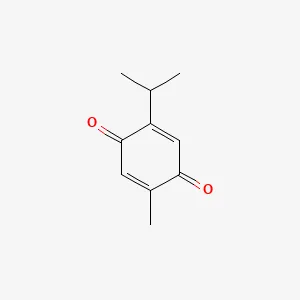
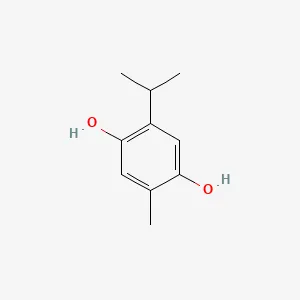
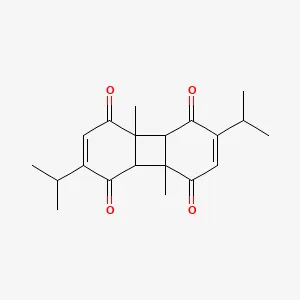
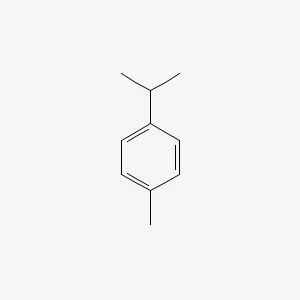
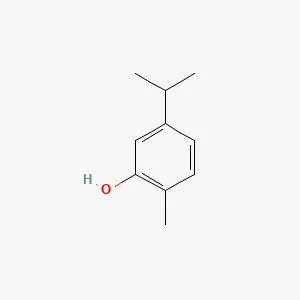
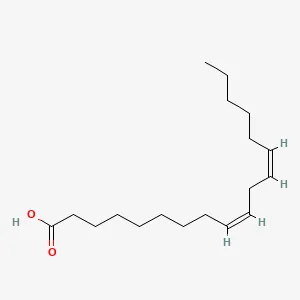
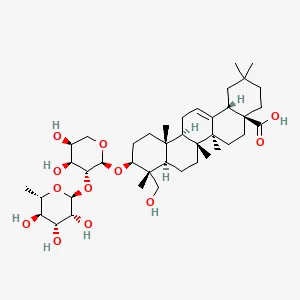
Structures, identifiers and molecular weights from PubChem (US National Library of Medicine), retrieved October 2026. Thymoquinone, thymohydroquinone, p-cymene and carvacrol share the same p-menthane skeleton: one methyl and one isopropyl group on a six-membered ring, differing only in its oxidation state.
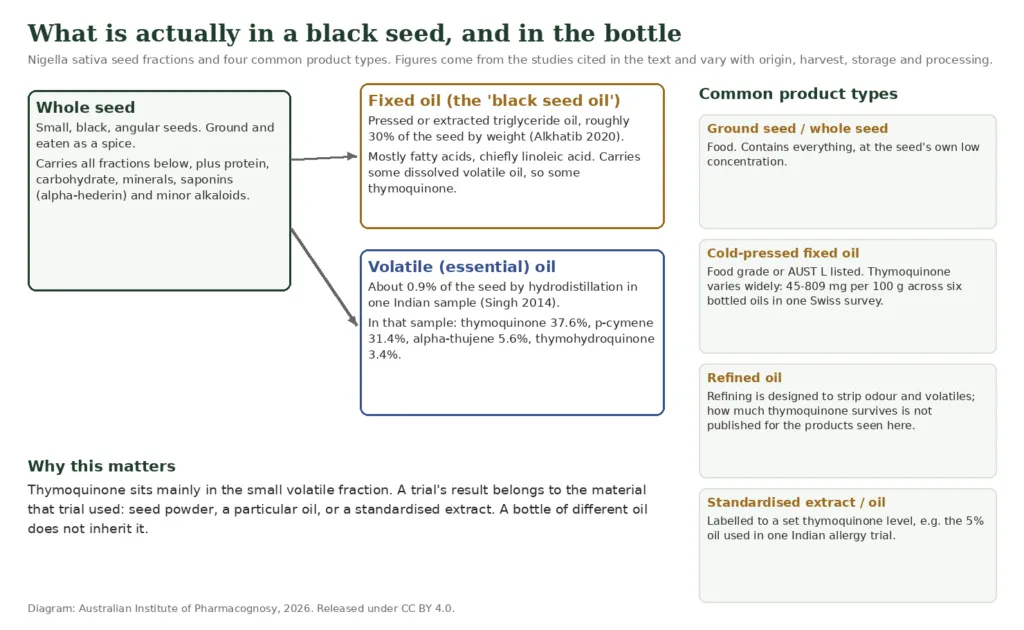
Two practical consequences follow. A cold-pressed fixed oil carries whatever volatile oil dissolved into it during pressing, which is why its thymoquinone content varies so much. And processing that removes odour and volatiles will tend to remove thymoquinone with them. Mechanism The next chapter shows how large that variation is in real products.
Chapter 5What is in the bottle: seed, oil, refined oil and standardised products
Two independent analytical surveys have measured thymoquinone in retail black seed products by high-performance liquid chromatography, and both found the same thing: the amount varies enormously from product to product.
In Malaysia, ten commercial black seed oils, bottled and encapsulated, ranged from 0.07% to 1.88% thymoquinone by weight, a 27-fold spread. Bottled oils ran from 0.14% to 1.88% and capsules from 0.07% to 1.86% (PMID 33100788). Confirmed On the Swiss market, a German group based at the University of Bonn analysed six bottled oils and five capsule products, one of them ordered online from Australia, and found between 3 and 809 mg of thymoquinone per 100 g. Bottled oils ranged from 45.3 to 809 mg per 100 g, roughly 18-fold; capsules from 21.5 to 661 mg per 100 g, roughly 31-fold, leaving aside one capsule that was six months past its best-before date and had almost none (PMID 36079759). Confirmed That group was looking for a product reliable enough to use in a clinical trial, and the spread they found is the reason they had to look.
Put into capsule terms, the difference is easier to see. A 500 mg capsule at the lowest in-date level in the Swiss survey (21.5 mg per 100 g) would deliver about 0.1 mg of thymoquinone; one at the highest (809 mg per 100 g) would deliver about 4 mg. A capsule of the standardised oil used in one Indian allergy trial, extracted with supercritical carbon dioxide and standardised to 5% thymoquinone, delivers 12.5 mg in 250 mg (PMID 39121267). Confirmed These are arithmetic illustrations of scale. They are not doses.
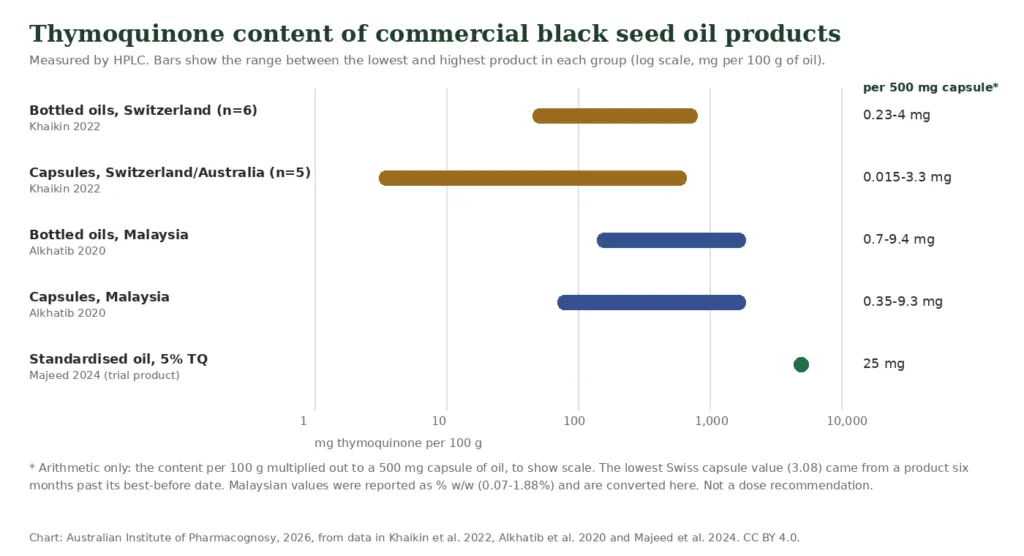
Why products differ so much
The Bonn authors list the reasons: where the seed was grown, when it was harvested (thymoquinone rises towards the end of seed maturation), how long and how it was stored, and how the oil was made (PMID 36079759). Confirmed Cold pressing uses no heat or solvent, gives a lower yield and leaves an oil more prone to oxidation; newer pre-treatments and supercritical extraction change both yield and composition. Confirmed Thymoquinone is a reactive quinone, and an oil kept warm, in light or past its date can be expected to lose it. Mechanism
Four product types are on Australian shelves, and they are not interchangeable.
- Whole or ground seed. Sold as a food spice. It carries every constituent at the seed’s own concentration, with no claim attached. Confirmed
- Cold-pressed fixed oil. Sold both as a food oil and as AUST L listed medicines in capsules or bottles. Thymoquinone content depends on how much volatile oil travelled with the fixed oil and how it has been kept, which is why the surveys above found such a wide range. Confirmed
- Refined oil. Refining edible oils is designed to remove odour, colour and free fatty acids, and deodorisation strips volatile compounds. A heavily refined black seed oil may therefore carry less thymoquinone than a cold-pressed one. We found no published assay of refined black seed oils to confirm or refute this. Mechanism
- Standardised products. Oils or extracts made to a stated thymoquinone level, sometimes by blending in the volatile oil. One Australian listed product records both “seed oil fixed” and “seed oil essential” as active ingredients in its public register summary (ARTG 445394). Confirmed Standardisation fixes one marker; it does not tell you whether the rest of the seed’s chemistry is present. Mechanism
The point for anyone reading the trial chapters is simple. A trial result belongs to the material that trial used. The Saudi diabetes trial discussed next used 2 g a day of seed powder in capsules (PMID 25706772); the Indian allergy trial used 500 mg a day of a 5% thymoquinone oil with piperine (PMID 39121267). Confirmed A capsule of unspecified oil at 0.07% thymoquinone does not inherit either result. Mechanism
Chapter 6Pharmacology: what the laboratory shows
The pharmacology literature on black seed is very large and mostly preclinical. It is worth knowing in outline, because it is where many label and social-media claims come from, and because it explains the interaction cautions in Chapter 10. Nothing in this chapter is, on its own, evidence of benefit in people.
Redox and inflammation. Thymoquinone is a quinone, able to accept and donate electrons. In cell and animal studies it increases antioxidant enzymes such as catalase, glutathione peroxidase and superoxide dismutase and lowers markers of oxidative damage and inflammation (PMID 39769174). Mechanism Small human trials measuring the same markers report similar shifts, which is consistent with the mechanism but says nothing yet about clinical outcomes (PMID 25706772). Evidence suggests
Glucose handling. In diabetic rats thymoquinone lowers fasting glucose and raises insulin, and authors have proposed effects on insulin secretion, hepatic glucose output and insulin sensitivity (PMID 31817324). Mechanism These are the mechanisms the human glucose trials were designed to test.
Platelets. In washed human platelets in the laboratory, thymoquinone inhibited aggregation triggered by ADP and by a thrombin-receptor agonist, with measurable inhibition at 5 µM. The authors suggest its antiplatelet action be taken into account where bleeding is a risk (PMID 41294880). Mechanism Nobody has yet shown what plasma concentrations a capsule produces, so the clinical size of this effect is unknown. Evidence suggests
Kidney and liver. A large preclinical literature reports that black seed and thymoquinone protect rodent kidneys and livers from injury caused by drugs, toxins and diabetes (PMID 34445781). Evidence suggests That work sits alongside the single human case of acute kidney injury discussed in Chapter 10; neither should be generalised from.
Absorption. Human pharmacokinetic data for thymoquinone are thin. In a 2026 German pilot study of eight healthy adults, four took black seed oil capsules (two capsules three times a day for 20 days) and four took nothing; thymoquinone or its reduced form was detected in the urine samples of the treated group, which shows it is absorbed after repeated oral intake. The method was qualitative and gave no concentrations (PMID 42744850). Confirmed That gap matters: we cannot yet say whether a given capsule produces blood levels anywhere near those used in the laboratory. Mechanism
Drug handling. In rabbits, eight days of black seed at 200 mg/kg lowered the peak blood level of the transplant drug cyclosporine by 35.5% and its total exposure by 55.9% (PMID 23957013). Evidence suggests Animal doses do not translate directly to people, but the study is a reason to treat black seed as a possible interacting product for medicines with a narrow margin. Mechanism
Chapter 7Human trials: blood glucose, cholesterol and blood pressure
This is where most of the human evidence lies, and where the most careful reading is needed. There are dozens of small randomised trials of black seed in people with type 2 diabetes, prediabetes, high cholesterol, fatty liver disease, obesity and metabolic syndrome. They have been pooled many times. We read two recent pooled analyses in full and checked how their numbers were built.
The 2026 analysis. Musazadeh and colleagues pooled 31 randomised trials with 2,145 participants who had metabolic disease, published between 2008 and 2022. Trials ran for 4 to 24 weeks, enrolled between 38 and 144 people, and mostly used 500 mg to 5 g of black seed product a day as oil, powder or capsules (PMID 41858302). Confirmed Compared with control groups, black seed was associated with lower fasting blood glucose (by 18.6 mg/dL, about 1.0 mmol/L), lower HbA1c (by 0.56 percentage points), lower systolic and diastolic blood pressure (by 3.3 and 2.8 mmHg) and lower body weight (by 1.6 kg). It made no detectable difference to fasting insulin or insulin resistance (HOMA-IR) (PMID 41858302). Evidence suggests
The 2022 analysis. Saadati and colleagues, whose first author is based at Monash University in Melbourne, restricted their pool to 11 trials in prediabetes and type 2 diabetes, 666 participants in all. Seven trials were run in Iran, two in India, one in Egypt and one in Saudi Arabia (PMID 36034891). Confirmed They found lower fasting glucose (by 24.2 mg/dL, about 1.3 mmol/L), HbA1c (by 0.54 points), total cholesterol (by 23.8 mg/dL, about 0.62 mmol/L) and LDL cholesterol (by 20.1 mg/dL, about 0.52 mmol/L), with no clear change in triglycerides, HDL cholesterol, fasting insulin, HOMA-IR or body mass index (PMID 36034891). Evidence suggests
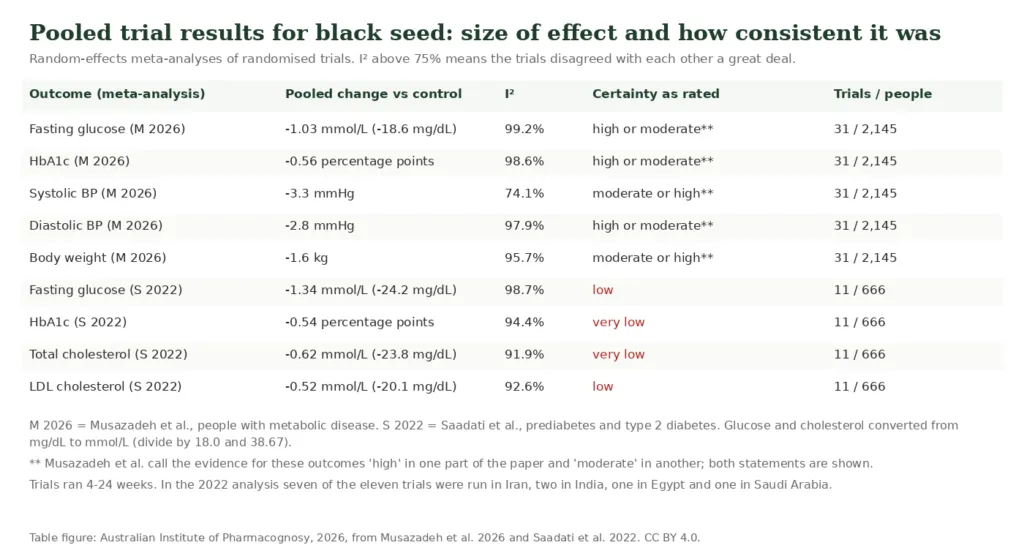
How much weight these numbers can bear
The direction is consistent, and in people with type 2 diabetes a fall of about 1 mmol/L in fasting glucose and half a point in HbA1c would be worth having. Evidence suggests Five features of the evidence stop us from going further.
1. The trials disagree with each other a great deal. The I² statistic estimates how much of the spread between trial results reflects real differences between trials rather than chance. Saadati and colleagues treated values above 75% as very serious inconsistency when grading their evidence. For fasting glucose it was 99.2% in the 2026 analysis and 98.7% in the 2022 one; for HbA1c 98.6% and 94.4%; for diastolic pressure 97.9% (PMIDs 41858302, 36034891). Confirmed With disagreement that large, a single pooled number describes no particular trial, product or patient well.
2. The certainty ratings are low, and in one paper inconsistent. Saadati and colleagues graded their own evidence with the GRADE system and rated it low for fasting glucose and LDL cholesterol and very low for HbA1c and total cholesterol, mainly because of inconsistency and, for some outcomes, imprecision and publication bias (PMID 36034891). Confirmed Musazadeh and colleagues’ own GRADE table rates the certainty for weight, BMI, fasting glucose and systolic blood pressure as “High”, while their discussion calls the evidence for weight, BMI and systolic pressure “moderate” (PMID 41858302). Confirmed Both statements cannot be right, and with I² above 97% for fasting glucose we take the lower, and would grade it lower still.
3. Some inputs look duplicated. In the 2022 analysis, two trials by Hadi and colleagues are listed with identical group sizes (23 and 20) and identical baseline ages (51.4 ± 9.2 and 56.0 ± 3.4 years) (PMID 36034891). In the 2026 analysis, trials by Mohammadshahi (2018) and Rashidmayvan (2019) are both listed as 44 people with fatty liver disease, 22 per group, mean ages 39 and 42.22, at 1000 mg a day (PMID 41858302). Confirmed Matching numbers can be coincidence, or two papers reporting different outcomes from one trial. If the second, pooling them counts the same people twice and makes the pooled result look more precise than the data justify. We cannot tell which from the tables, and we flag it as something a reviewer should check against the original papers. Mechanism
4. Risk-of-bias judgements are generous. The longest trial in both analyses, a year-long Saudi study of 2 g a day of seed powder added to oral diabetes medicines, states in its own abstract that its 114 patients “were assigned into 2 groups by convenience”, with activated charcoal as the placebo (PMID 25706772). Confirmed Convenience allocation is not randomisation. The 2026 analysis nevertheless lists the trial as randomised and rates its random sequence generation as low risk of bias (PMID 41858302). Confirmed A meta-analysis is only as good as the scrutiny applied to its inputs.
5. The products, doses and populations vary, and none of the trials was Australian. Oil, powder and extract; 0.5 to 5 g a day; four to 24 weeks; mostly in Iran and the Gulf, with a few in South Asia and Egypt (PMIDs 36034891, 41858302). Confirmed In many of the diabetes trials black seed was added to existing oral diabetes medicines, so the comparison is “medicine plus black seed” against “medicine plus placebo or nothing” (PMID 31817324). Confirmed None of these trials tells us what a particular Australian capsule will do. Mechanism
Earlier pooled analyses of blood pressure, lipids and glycaemia exist, and several later ones too. We have requested them for full-text reading and list them at the end; none of them is relied on here.
Chapter 8Human trials: allergic rhinitis, asthma and COVID-19
Allergic rhinitis (hay fever)
A 2024 meta-analysis gathered the randomised trials of Nigella in allergic rhinitis. It reports a combined 318 participants, treatment for 2 to 8 weeks, and a higher “total effective rate” with black seed than with control (odds ratio 4.24), with lower nasal symptom scores in the three trials that measured them. Adverse effects such as nasal dryness, dry mouth, drowsiness and nausea were reported at similar rates in both groups and none were serious (PMID 39372205). Evidence suggests
The paper is hard to rely on in detail. It gives the number of included studies as eight in one place and seven in another, the pooled odds ratio as 4.24 in one place and 4.39 in another, and heterogeneity as both absent (I² = 0) and above 50% (PMID 39372205). Confirmed Most of the trials were small and older, quality was scored on a three-item scale, and “total effective rate” is a loose outcome. We read the signal as real but small-scale and poorly characterised. Evidence suggests
The most rigorous single trial is the newest. In Bengaluru in August and September 2022, 65 adults with allergic rhinitis took a 250 mg capsule of black seed oil standardised to 5% thymoquinone, with 2.5 mg of piperine, or a cellulose placebo, twice a day for 15 days. Nasal and eye symptom scores fell more in the black seed group, and the authors report no clinically significant changes in blood counts, liver or kidney function or vital signs (PMID 39121267). Evidence suggests The randomisation sequence was prepared independently of the sponsor, which is good practice. The product came from the sponsoring company, several authors were its employees, the trial lasted 15 days, and the capsule contained piperine, which changes absorption of many compounds. Confirmed The result applies to that product. Mechanism
Asthma
In Dammam, Saudi Arabia, 76 adults with partly controlled asthma kept using their inhalers and were randomised to placebo, 1 g or 2 g of black seed a day for three months. The trial was single-blind (participants did not know their group). In the 2 g group, FEV1 and mid-expiratory flow improved, peak-flow variability improved in both black seed groups, and exhaled nitric oxide and serum IgE fell from baseline (PMID 28151459). Evidence suggests It is one small trial from a Dammam physiology department that describes its own established research line on black seed (PMID 25706772); it needs repeating elsewhere, double-blind, before it can guide anyone. Evidence suggests
COVID-19
The pandemic produced a burst of small trials. In Jeddah in 2020, 173 adults with mild COVID-19 were randomised to usual care or usual care plus 500 mg of black seed oil twice a day for 10 days. More people in the black seed group were symptom-free for three days within two weeks (62% against 36%), and average recovery was about a day and a half faster (PMID 34407441). Evidence suggests The trial was open-label and symptoms were self-reported by phone, which is exactly the situation where expectation can shift results; the authors themselves call for placebo-controlled, double-blind work. Confirmed
A 2024 meta-analysis pooled seven such trials and reported lower mortality (risk ratio 0.27) and lower PCR positivity, with no clear difference in hospital admission (PMID 38455176). Evidence suggests Five of the seven trials were open-label, and only three tested black seed on its own; the others combined it with honey or other herbs, among them a 313-patient Pakistani trial of black seed with honey (PMID 38455176). Confirmed A mortality estimate drawn from mostly unblinded, mixed-product trials is a hypothesis for a larger, blinded trial to test. Evidence suggests
Chapter 9“Cures everything” and “supports immunity”: what the claims rest on
Two claims dominate how black seed is talked about in Australia in 2026. Both deserve a calm answer.
“A cure for everything.” This phrase travels on social media as a translation of the hadith quoted in Chapter 3. As a statement about the hadith, it is accurate: the saying is recorded, in those words, in al-Bukhārī’s collection. Attested As a statement about pharmacology it has no evidence behind it, and it was never a clinical claim in the first place. The biomedical literature sometimes blurs the two. One 2020 review written early in the COVID-19 pandemic opens with the hadith and goes on to recount individual reports of HIV patients whose tests reverted after taking a black seed and honey mixture (PMID 32685234). Confirmed Single case reports of that kind, however striking, cannot show cause, and nothing comparable has been confirmed in a controlled study. Evidence suggests Respect for the tradition and honesty about the evidence sit together comfortably here: the saying is a statement of faith, and the trials are a separate, much narrower body of work.
“Supports immune health.” This wording reaches Australian shoppers through listed medicines. The register summary for one pharmacy brand’s black seed oil capsules, listed in January 2025, carries two permitted indications: “Traditionally used in Middle Eastern herbal medicine to maintain/support general health and wellbeing” and “Traditionally used in Middle Eastern herbal medicine to maintain/support immune system health” (ARTG 476573). Confirmed Those are traditional-use indications, chosen from the TGA’s list of permitted wordings, and they rest on evidence of traditional use. Confirmed Another listed product carries the general indication “maintain/support healthy immune system function in healthy individuals” (ARTG 324167). Confirmed
We found no randomised trial that measured “immune health” or infection rates in healthy people taking black seed. Confirmed The nearest human evidence is the allergy and asthma work in Chapter 8, where black seed was tested as an add-on in people with an existing condition, and the small COVID-19 trials, which tested people already infected. Evidence suggests Laboratory and animal studies of immune cells and inflammatory signalling are plentiful (PMID 39769174). Mechanism On the human evidence, “immune support” on a black seed label describes a tradition and a permitted wording. It is not a demonstrated effect. Confirmed
That is worth saying clearly for a particular reason. From 17 September 2026 the TGA removed Andrographis paniculata from the ingredients allowed in new listed medicines, because of the risk of severe allergic reactions including anaphylaxis, and asked sponsors of existing products to cancel or recall them (TGA, 21 September 2026). Confirmed Shoppers who used andrographis for colds will be looking at other herbs. Our earlier review of andrographis and the TGA decision sets out that case. Black seed has a different safety profile and a different evidence base, and it should be judged on its own record, which is what this article tries to do. Readers comparing cold and immune herbs may also find our review of umckaloabo (Pelargonium sidoides) useful, since its trial base in acute bronchitis is quite different from black seed’s. Confirmed
Chapter 10Safety and interactions
Black seed has been eaten as a spice for a very long time, and at culinary amounts (a pinch on bread, a spoonful in a pickle) we know of no safety concern for the general population. Traditional The questions below concern therapeutic use: capsules, spoonfuls of oil, and concentrated products taken daily.
In the trials
Across the trials we read, oral black seed at 0.5 to 2 g a day, for periods up to a year, was generally well tolerated. In the allergic rhinitis trials, minor complaints such as nausea, dry mouth and stomach discomfort occurred at much the same rate on placebo (PMID 39372205); in the 15-day allergy trial there were no clinically significant changes in blood counts, liver or kidney function (PMID 39121267); and the Jeddah COVID-19 trial authors cite earlier work finding no serious effects on liver or kidney function in randomised trials (PMID 34407441). Evidence suggests Trials are small and short, and they exclude the people most likely to have problems: those who are pregnant, those with kidney or liver disease, and those on anticoagulants. Confirmed
Skin: contact dermatitis from topical oil
This is the best-documented harm. Black seed oil rubbed onto the skin, alone or in balms, beard oils and ointments, has caused allergic contact dermatitis, bullous reactions, and in a few reports reactions resembling Stevens–Johnson syndrome (earlier cases as collected in PMID 35419842). In 2022 a Lyon dermatology centre described a 28-year-old woman who applied black seed oil over her whole body, face included, once a day; after a week she developed a widespread rash, swollen lymph nodes and a high eosinophil count, and was diagnosed with DRESS, a delayed drug hypersensitivity reaction. She recovered on corticosteroids, and a patch test with her own oil was positive while three members of the clinical team, patch tested with the same oil as negative controls, stayed negative (PMID 35419842). Confirmed The authors note earlier published cases of contact dermatitis and severe skin reactions and ask that such reactions be reported. Confirmed Several later reports, judging by their published titles, name thymoquinone as the sensitiser; we have requested them and have not yet read them in full, so we draw nothing further from them. Evidence suggests
In practice: a skin reaction after using black seed oil is a reason to stop using it, and a severe or spreading one is a reason to seek urgent care; blistering, peeling skin, fever, facial swelling or trouble breathing warrant a call to Triple Zero (000). In Australia, suspected reactions to medicines, including listed medicines, can be reported to the TGA. Confirmed
Kidneys
A 2013 Turkish case report describes acute kidney failure in a person with diabetes who had been taking black seed. We have requested its full text and have not yet read it, so we do not describe its details here. Confirmed The preclinical literature points the other way, towards kidney protection in animal models (Chapter 6), and trials monitoring kidney function have not reported harm. Evidence suggests One case cannot establish cause, and animal protection cannot rule harm out. People with kidney disease are the group least represented in the trials, and that is where caution belongs. Mechanism
Medicines for diabetes and blood pressure
If the pooled glucose and blood-pressure effects in Chapter 7 are real, they will add to the effects of medicines that do the same job. Many of the diabetes trials gave black seed on top of sulfonylureas or metformin (PMID 25706772). The trials we read in full do not describe serious hypoglycaemia, though most did not set out to measure it systematically. Evidence suggests The risk is greatest with medicines that can themselves cause low blood sugar, such as insulin and sulfonylureas, and in people whose medicines have been finely adjusted. Mechanism The same reasoning applies, more weakly, to blood-pressure medicines. Mechanism
Anticoagulants, antiplatelet medicines and surgery
Thymoquinone inhibits human platelet aggregation in the laboratory (PMID 41294880). Mechanism A 2020 report from Philadelphia, in the United States, describes a 69-year-old woman who had taken black seed oil and evening primrose oil daily for about a month before cancer surgery and developed a sharp fall in platelet count, which resolved; she also had blood clots in the lungs and heart, and the case had several other possible explanations (PMID 32637272). Evidence suggests A 2026 Iranian case report of extensive bruising in a patient on black seed oil, two antiplatelet drugs and chemotherapy is on our request list. Together these are weak evidence, but they point the same way as the mechanism. Anyone taking warfarin, a direct oral anticoagulant or antiplatelet medicine, or facing surgery, should tell their prescriber and pharmacist about black seed products. Mechanism
Other medicines
The rabbit study of cyclosporine in Chapter 6 found lower drug levels after black seed (PMID 23957013). Evidence suggests Laboratory and animal studies have also examined phenytoin; those papers are on our request list. For medicines where small changes in blood level matter (cyclosporine and tacrolimus, antiepileptics, warfarin), the cautious course is to avoid starting or stopping a black seed product without telling the prescriber. Mechanism
Pregnancy and breastfeeding
Black seed is an everyday spice in Middle Eastern and South Asian cooking, eaten by pregnant women as by everyone else. Traditional Therapeutic doses are a different matter. We found no controlled human study of black seed capsules or oil in pregnancy, and the trials we read excluded pregnant and breastfeeding women (PMIDs 39121267, 34407441). Confirmed We have not reviewed the animal reproductive studies, and they would not be a basis for advice in people in any case. Mechanism Without human data, the conservative position is to keep to culinary amounts in pregnancy and while breastfeeding. Mechanism
Children
The trials relied on in this review enrolled adults (PMIDs 39121267, 34407441). Confirmed A 2025 systematic review of paediatric trials is on our request list; we have not yet read it in full, so we draw no conclusion about capsules or oil at therapeutic doses in children. Confirmed Black seed in family cooking is a separate matter, and children in many countries eat it as part of ordinary meals. Traditional Topical oil can sensitise a child’s skin as it can an adult’s. Concentrated oils and capsules belong out of children’s reach, and if a child swallows a quantity of either, call the Poisons Information Centre on 13 11 26 (24 hours), or 000 if the child is drowsy, struggling to breathe or otherwise unwell. Mechanism
Before taking any botanical drug, consult a degree-qualified herbalist with competencies and adequate training in pharmacognosy, and tell them about every medicine you take. In a poisoning emergency, call Triple Zero (000) or the Poisons Information Centre on 13 11 26. Confirmed
Chapter 11In Australia: regulation, labels and the kitchen
Food or medicine
The same plant reaches Australians by two legal routes. Whole seed, ground seed and plain culinary oil are sold as food. Capsules and bottled oils that make health claims must be entered on the Australian Register of Therapeutic Goods (ARTG), almost always as listed medicines, which carry an AUST L number on the label. Confirmed A search of the ARTG in October 2026 for “black seed” returned more than a dozen Nigella sativa entries, including single-ingredient oils and capsules and combinations with oregano oil. Confirmed
A listed medicine is not checked by the TGA for efficacy before it goes on sale. In the TGA’s own words, listed medicines “are not individually evaluated by the TGA for quality, safety and efficacy before they are supplied in the marketplace”; the sponsor certifies that the product meets the requirements, must hold evidence for its indications, and commits an offence if it certifies falsely. The ingredients themselves have been pre-assessed for safety, and indications must come from the TGA’s list of permitted indications (TGA, About listed medicines). Confirmed An AUST L number therefore tells you the product is on the register and made under the listed-medicine rules. It does not tell you the product has been shown to work. Confirmed
Black seed and thymoquinone do not appear in the Poisons Standard (the Therapeutic Goods (Poisons Standard—June 2026) Instrument 2026, as read in October 2026). Confirmed Nigella sativa is an ingredient that listed medicines may contain, as the register entries show. Confirmed
What the register actually says
The ARTG public summaries are free to read and more informative than most labels. A few examples, as read in October 2026 (the products are named only because they are on the public record):
- The pharmacy-brand capsules mentioned in Pharmacy Daily on 24 April 2025 as supporting immune health are listed as Black Seed Oil by Caruso’s Natural Health Pty Ltd (ARTG 476573, listed 24/01/2025): 500 mg of “Nigella sativa seed oil fixed” per capsule, with two traditional-use indications in Middle Eastern herbal medicine. Confirmed
- Blackmores Ultra Refined Black Seed Oil (ARTG 375891) is entered as “Medicine Listed (Export Only)”, and its summary states “This product must not be supplied for sale in Australia”. The same sponsor has two Australian listings named Blackmores Antioxidant Black Seed Oil (ARTG 382271, ARTG 389809), each 500 mg of fixed oil with the indication “Traditionally used in Yunani/Unani medicine to maintain/support general health and wellbeing”. Confirmed
- One listed oral liquid records its active ingredient as “Nigella sativa seed oil essential, 1 mL/mL” (ARTG 338102), and a “TQ+” product records both fixed and essential oil (ARTG 445394). Confirmed Whether “essential” here means a true distilled volatile oil or is a register description of a pressed oil cannot be told from the summary; the difference matters, because a distilled oil would be dozens of times richer in thymoquinone. Mechanism
- Some listings with general (non-traditional) wording also carry metabolic indications: “Helps maintain/support healthy blood sugar/glucose” (ARTG 338102; “in healthy individuals” in ARTG 324167) and “Helps maintain/support healthy cholesterol” (ARTG 324167, ARTG 445394). Confirmed The trials in Chapter 7 were run in people with diabetes or metabolic disease, on specific materials, so they do not map directly onto a product for healthy people. Mechanism
- None of the summaries we read records thymoquinone content. Confirmed
So Blackmores Ultra Refined Black Seed Oil is, on the public record, an export-only listing, and not a product that may be supplied for sale in Australia. Confirmed
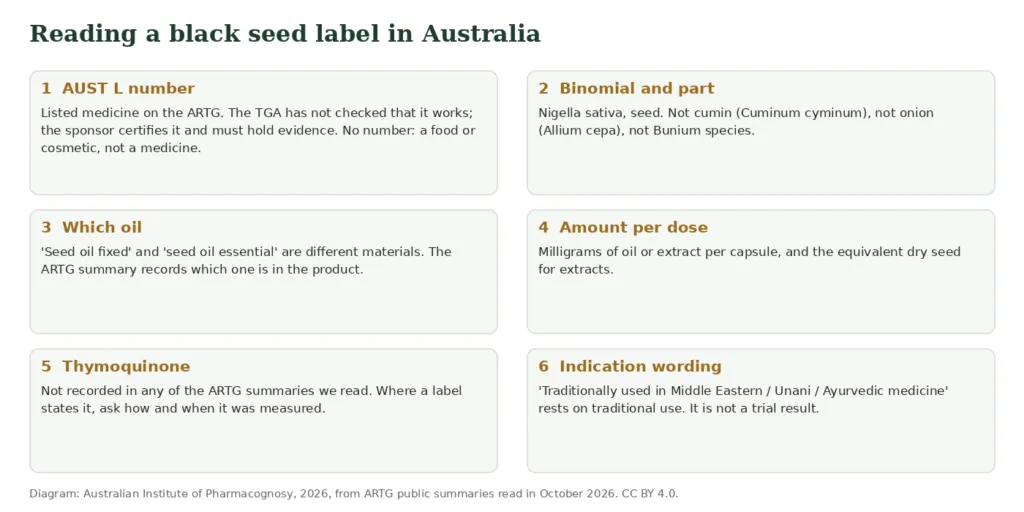
What to check on a label
The AUST L number tells you it is a listed medicine, and you can look it up on the ARTG to see the full ingredient list and indications. No number usually means the product is sold as a food or cosmetic, and then it cannot carry therapeutic claims. The binomial and part: Nigella sativa, seed, whatever the front of the pack calls it. Which oil: fixed oil, essential oil or extract, and how much per capsule or per millilitre. Thymoquinone: if a label states it, that is useful, and it is reasonable to ask the sponsor how and when it was measured, since content falls with time (Chapter 5). The indication wording: “traditionally used in…” means the claim rests on traditional use. Confirmed
In the kitchen
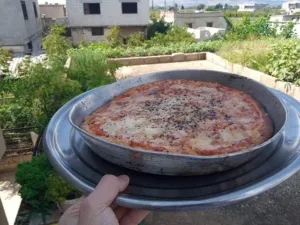
As a spice, black seed is easy to find in Australian Middle Eastern, Turkish, Indian and Bangladeshi grocers. Toasted lightly in a dry pan it turns nutty and peppery, and it suits flatbread, cheese, roast vegetables, dal and pickles. Traditional Culinary use is a separate matter from capsules, and nothing in this article suggests that a sprinkle of seed carries the effects measured in trials of grams a day. Mechanism
Before taking any botanical drug, consult a degree-qualified herbalist with competencies and adequate training in pharmacognosy. Practitioners with that training can read an ARTG entry, judge a product’s quality and check it against everything else a person takes.
Chapter 12Quality and adulteration
For a pharmacognosist, black seed raises three quality questions. First, identity: the seed should be N. sativa, distinguishable by eye and lens from onion seed and from other dark seeds; the Ayurvedic Pharmacopoeia of India monograph for Upakuñcikā sets macroscopic, microscopic and chemical standards for exactly this purpose. Attested Second, the oil: whether it is the fixed oil, the volatile oil or a blend, and whether it has been diluted with a cheaper vegetable oil, which a fatty-acid profile and a thymoquinone assay would together reveal. Mechanism Third, freshness: thymoquinone content falls with age and poor storage, and the expired capsule in the Swiss survey had almost none left (PMID 36079759). Confirmed
The analytical methods are simple and inexpensive by modern standards. Both surveys used reverse-phase HPLC; the Bonn group used a single methanol extraction, a step that earlier work had shown recovers essentially all the thymoquinone from oil (PMIDs 36079759, 33100788). Confirmed That makes thymoquinone a practical batch-release marker for any sponsor that wishes to state it. Mechanism A market survey of Australian black seed products using the same method would answer the most useful consumer question in this article in a few weeks of bench work. Mechanism
We have not found published reports of deliberate adulteration of black seed products sold in Australia. That is an absence of evidence, and no one appears to have looked. Confirmed Our review of turmeric shows how much can change when a traditional spice is reformulated into concentrated capsules, and our review of Indian barberry and berberine covers another botanical marketed on blood-glucose effects, with the same need to match product to trial.
Discussion: conclusions, hypotheses and research still required
What the evidence supports
Confirmed Black seed is Nigella sativa, a Ranunculaceae annual, distinct from cumin, onion and the garden love-in-a-mist. Its seed holds a fixed oil and a small volatile oil, and thymoquinone, the most studied constituent, belongs chiefly to the volatile fraction. Retail oils and capsules differ in thymoquinone content almost fortyfold among in-date products, and more in old stock, and Australian register entries do not record it. Listed medicines in Australia carry traditional or general indications that have not been evaluated by the TGA for efficacy. Traditional The seed has a documented place in Islamic, Unani and Ayurvedic practice and in Middle Eastern and South Asian cooking. Evidence suggests Small randomised trials, pooled, show modest falls in fasting glucose, HbA1c, blood pressure and LDL cholesterol in people with metabolic disease, and symptom improvements in allergic rhinitis and asthma. The trials are heterogeneous, short, mostly from one region, sometimes poorly reported, and rated low to moderate in certainty. Oral use at trial doses has been well tolerated; topical oil can cause contact allergy, occasionally severe.
Hypotheses and musings worth keeping alive
Mechanism Much of the heterogeneity in the metabolic trials may be product heterogeneity. If thymoquinone (or the volatile fraction) carries the glucose effect, then trials of low-thymoquinone oils would be expected to show little, and trials of seed powder or richer oils more. That is testable today by reanalysing the existing trials by product type and, where the original authors still hold samples, by assaying them. Mechanism The fixed oil may have effects of its own, through its linoleic acid and sterols, which a thymoquinone-centred view would miss. Mechanism The traditional preparation in the hadith, crushed seed in oil given into the nose, is a striking match for the modern interest in allergic rhinitis and deserves a small formulation study of its own. Mechanism The antiplatelet effect seen at low micromolar concentrations in the laboratory may or may not be reached by oral dosing; measuring plasma thymoquinone in people would settle the interaction question faster than more case reports.
Where research should begin
- Quality analysis: an HPLC survey of thymoquinone, thymohydroquinone and dithymoquinone in black seed products on sale in Australia, with fatty-acid profiles to detect dilution and a check of label claims against content. This is the single most useful next step for Australian consumers.
- Clinical research: an adequately powered, double-blind, placebo-controlled trial in people with type 2 diabetes or prediabetes, at least six months long, using a chemically characterised product (stated thymoquinone, stated oil type), with HbA1c as the primary outcome and kidney, liver and bleeding measures monitored. Registration and a published protocol before recruitment.
- Evidence synthesis: a reanalysis of the metabolic trials that checks every included paper for duplicate cohorts and genuine randomisation, and stratifies by product type and dose.
- Pharmacokinetics and interactions: plasma thymoquinone after standard doses of characterised products, and formal interaction studies with warfarin or a direct oral anticoagulant, a sulfonylurea, and cyclosporine or tacrolimus.
- Toxicology and pharmacovigilance: collation of Australian adverse event reports for black seed products, and dermatology case series of topical reactions with patch testing to identify the sensitising constituents.
- Pharmacognosy: an authenticated voucher collection and microscopy reference for seed identity, and clarification of what “seed oil essential” means in each register entry that uses it.
- History and textual studies: tracing the quotations attributed to Ibn Sīnā and the Egyptian archaeological claims to their primary sources, so that the historical record can be stated without hedging.
About AIP and this series
The Australian Institute of Pharmacognosy is a clinic and research laboratory in Cardwell, far north Queensland, studying medicinal plants and natural products to the same evidentiary standard as any other branch of pharmacology: traditional knowledge taken seriously, and tested honestly.
The Literature Reviews and Critical Analyses are the Institute’s evidence-graded reviews of herbs Australians are buying, searching for or asking about. Each one grades every claim by the evidence behind it, so you can see what is tradition, what is laboratory or animal work, and what has been tested in people. Nothing in the series is an offer of treatment, a product or a service. More reviews are on the Institute’s journal, and the Institute itself is at australian-pharmacognosy.org. Follow the series there for the next review.
Corrections. If you find an error, or a source we have missed, please write to the Institute at our contact form; the Secretary passes every message to the author, and corrections are made openly.
Dr Thomas Ridley
Head of Education and Research
Australian Institute of Pharmacognosy
Cardwell QLD, Australia
australian-pharmacognosy.org · our contact form
Suggested citation: Ridley T. Black seed (Nigella sativa L.): a literature review and critical analysis. Literature Review and Critical Analysis AIP-LR-NIGSAT. Cardwell (QLD): Australian Institute of Pharmacognosy; 2026.
Educational content only; not medical, legal or regulatory advice. Register entries and the Poisons Standard are described as read by the Institute in October 2026 and may change.
References
Show all 32 references (every PMID links to PubMed)
Every PMID was checked against PubMed in October 2026, and every paper in this list was read in full. Chemical identifiers were checked against PubChem the same month. Listed in order of first citation.
- Khaikin E, Chrubasik-Hausmann S, Kaya S, Zimmermann BF. Screening of Thymoquinone Content in Commercial Nigella sativa Products to Identify a Promising and Safe Study Medication. Nutrients. 2022 Aug 25;14(17). PMID 36079759. DOI 10.3390/nu14173501.
- Alkhatib H, Mawazi SM, Al-Mahmood SMA, Zaiter A, Doolaanea AA. Thymoquinone content in marketed black seed oil in Malaysia. J Pharm Bioallied Sci. 2020 Jul-Sep;12(3):284-288. PMID 33100788. DOI 10.4103/jpbs.JPBS_208_20.
- Musazadeh V, Jahangir M, Mahmoudinezhad M, Faghfouri AH, Teymoori F, Anoushirvani AA, et al. The Effect of Nigella sativa Supplementation on Cardiometabolic Health in Patients With Metabolic Diseases: A GRADE-Assessed Systematic Review and Meta-Analysis. Endocrinol Diabetes Metab. 2026 Mar;9(2):e70207. PMID 41858302. DOI 10.1002/edm2.70207.
- Saadati S, Naseri K, Asbaghi O, Abhari K, Zhang P, Li HB, et al. Nigella sativa supplementation improves cardiometabolic indicators in population with prediabetes and type 2 diabetes mellitus: A systematic review and meta-analysis of randomized controlled trials. Front Nutr. 2022;9:977756. PMID 36034891. DOI 10.3389/fnut.2022.977756.
- Maideen NMP. Prophetic Medicine-Nigella Sativa (Black cumin seeds) – Potential herb for COVID-19?. J Pharmacopuncture. 2020 Jun 30;23(2):62-70. PMID 32685234. DOI 10.3831/KPI.2020.23.010.
- Singh S, Das SS, Singh G, Schuff C, de Lampasona MP, Catalán CA. Composition, in vitro antioxidant and antimicrobial activities of essential oil and oleoresins obtained from black cumin seeds (Nigella sativa L.). Biomed Res Int. 2014;2014:918209. PMID 24689064. DOI 10.1155/2014/918209.
- Alberts A, Moldoveanu ET, Niculescu AG, Grumezescu AM. Nigella sativa: A Comprehensive Review of Its Therapeutic Potential, Pharmacological Properties, and Clinical Applications. Int J Mol Sci. 2024 Dec 14;25(24). PMID 39769174. DOI 10.3390/ijms252413410.
- Majeed A, Majeed S, Parameswarappa AK, Murali A, Gudimallam S, Siddegowda C, et al. A randomized, double-blind, placebo-controlled study to evaluate the benefits of a standardized Nigella sativa oil containing 5% thymoquinone in reducing the symptoms of seasonal allergy. Medicine (Baltimore). 2024 Aug 9;103(32):e39243. PMID 39121267. DOI 10.1097/MD.0000000000039243.
- Hamdan A, Haji Idrus R, Mokhtar MH. Effects of Nigella Sativa on Type-2 Diabetes Mellitus: A Systematic Review. Int J Environ Res Public Health. 2019 Dec 5;16(24). PMID 31817324. DOI 10.3390/ijerph16244911.
- Kaatabi H, Bamosa AO, Badar A, Al-Elq A, Abou-Hozaifa B, Lebda F, et al. Nigella sativa improves glycemic control and ameliorates oxidative stress in patients with type 2 diabetes mellitus: placebo controlled participant blinded clinical trial. PLoS One. 2015;10(2):e0113486. PMID 25706772. DOI 10.1371/journal.pone.0113486.
- Rukoyatkina N, Mindukshev I, Mikhailova DM, Panteleev MA, Gambaryan S. Multifaceted Effects of Thymoquinone on Platelet Calcium Homeostasis. Cells. 2025 Nov 20;14(22). PMID 41294880. DOI 10.3390/cells14221827.
- Hannan MA, Zahan MS, Sarker PP, Moni A, Ha H, Uddin MJ. Protective Effects of Black Cumin (Nigella sativa) and Its Bioactive Constituent, Thymoquinone against Kidney Injury: An Aspect on Pharmacological Insights. Int J Mol Sci. 2021 Aug 23;22(16). PMID 34445781. DOI 10.3390/ijms22169078.
- El-Banna AF, Junca H, Steube A, Wissenbach DK, Settmacher U, Schneider C, et al. A prospective randomized controlled pilot study of gut microbiome modulation by Nigella sativa seed oil and thymoquinone metabolism in healthy volunteers: implications for gastrointestinal surgery. Sci Rep. 2026 Sep 15;16(1). PMID 42744850. DOI 10.1038/s41598-026-69567-3.
- Al-Jenoobi FI, Al-Suwayeh SA, Muzaffar I, Alam MA, Al-Kharfy KM, Korashy HM, et al. Effects of Nigella sativa and Lepidium sativum on cyclosporine pharmacokinetics. Biomed Res Int. 2013;2013:953520. PMID 23957013. DOI 10.1155/2013/953520.
- He Y, Hu X, Chang L, Liu S, Lv L, Qin G, et al. Meta-analysis of randomized controlled trials assessing the efficacy of nigella sativa supplementation for allergic rhinitis treatment. Front Pharmacol. 2024;15:1417013. PMID 39372205. DOI 10.3389/fphar.2024.1417013.
- Salem AM, Bamosa AO, Qutub HO, Gupta RK, Badar A, Elnour A, et al. Effect of Nigella sativa supplementation on lung function and inflammatory mediatorsin partly controlled asthma: a randomized controlled trial. Ann Saudi Med. 2017 Jan-Feb;37(1):64-71. PMID 28151459. DOI 10.5144/0256-4947.2017.64.
- Koshak AE, Koshak EA, Mobeireek AF, Badawi MA, Wali SO, Malibary HM, et al. Nigella sativa for the treatment of COVID-19: An open-label randomized controlled clinical trial. Complement Ther Med. 2021 Sep;61:102769. PMID 34407441. DOI 10.1016/j.ctim.2021.102769.
- Umer M, Naveed A, Maryam Q, Cheema HA, Shahid A, Hermis AH, et al. Nigella sativa for the treatment of COVID-19 patients: A rapid systematic review and meta-analysis of randomized controlled trials. Food Sci Nutr. 2024 Mar;12(3):2061-2067. PMID 38455176. DOI 10.1002/fsn3.3906.
- Fargeas M, Calugareanu A, Ben-Said B. Drug reaction with eosinophilia and systemic symptoms (DRESS) syndrome after topical use of Nigella sativa (black cumin) oil. Contact Dermatitis. 2022 Aug;87(2):203-204. PMID 35419842. DOI 10.1111/cod.14127.
- Wang X, Jiang A, Batra V. Severe Thrombocytopenia Associated With Black Seed Oil and Evening Primrose Oil. Cureus. 2020 Jun 1;12(6):e8390. PMID 32637272. DOI 10.7759/cureus.8390.
Regulatory, textual and botanical sources
- Therapeutic Goods Administration. About listed medicines. tga.gov.au. Read October 2026.
- Therapeutic Goods Administration. Andrographis removed from listed medicines framework because of allergy risk. Published 21 September 2026. tga.gov.au. Read October 2026.
- Therapeutic Goods (Poisons Standard—June 2026) Instrument 2026, F2026L00633. Federal Register of Legislation. Searched October 2026.
- Australian Register of Therapeutic Goods, public summaries for ARTG 476573, 375891, 382271, 389809, 338102, 324167, 445394. Read October 2026.
- Pharmacy Daily. Item on Caruso’s Natural Health black seed oil capsules, 24 April 2025. pharmacydaily.com.au. Read October 2026 (opening paragraph only; remainder paywalled).
- Ṣaḥīḥ al-Bukhārī, Kitāb al-Ṭibb (Book of Medicine), chapter 7, ḥadīth 5687 and 5688. English translation as given on sunnah.com. Read October 2026. Parallel report: Ṣaḥīḥ Muslim 2215.
- Isaiah 28:25–27. The Holy Bible, King James Version.
- Pharmacopoeia Commission for Indian Medicine & Homoeopathy. Upakuñcikā (Nigella sativa Linn.), seed. Ayurvedic Pharmacopoeia of India, Part I, Volume I. Catalogue entry at pcimh.gov.in. Read October 2026 (catalogue entry; monograph text not seen).
- Royal Botanic Gardens, Kew. Plants of the World Online: Nigella sativa L. powo.science.kew.org. Read October 2026.
- Atlas of Living Australia. Occurrence search for Nigella sativa and species page for Nigella damascena. ala.org.au. Queried October 2026.
- Royal Botanic Gardens Victoria. VicFlora: Nigella. vicflora.rbg.vic.gov.au. Read October 2026.
- Department of Agriculture, Fisheries and Forestry. Biosecurity Import Conditions (BICON): seeds for sowing. agriculture.gov.au. Read October 2026.
Requested for full-text reading, not relied on
These papers exist (each PMID checked) and are relevant, but we had not read them in full when this review was written, so no statement above depends on their content. They are listed so that readers can follow them up.
- Arslan E et al. A case study report of acute renal failure associated with Nigella sativa in a diabetic patient. J Integr Med. 2013 Jan. PMID 23464648.
- Gaudin O et al. Association Between Severe Acute Contact Dermatitis Due to Nigella sativa Oil and Epidermal Apoptosis. JAMA Dermatol. 2018 Sep 1. PMID 30073256.
- Kurihara F et al. Thymoquinone as a causative allergen in Nigella sativa oil contact dermatitis with cross-reactivity to tert-butylhydroquinone. Contact Dermatitis. 2020 Aug. PMID 32232855.
- Seiller H et al. Tert-butylhydroquinone is a marker for sensitivity to Nigella sativa oil allergy: Five new cases. Contact Dermatitis. 2021 Jun. PMID 33236781.
- Assier H et al. Severe allergic contact connubial dermatitis to Nigella Sativa Seed Oil due to repeated contacts to beard cosmetics. Contact Dermatitis. 2023 Mar. PMID 36494318.
- Zedlitz S et al. Allergic contact dermatitis from black cumin (Nigella sativa) oil-containing ointment. Contact Dermatitis. 2002 Mar. PMID 12000337.
- Nosbaum A et al. Systemic allergic contact dermatitis to black cumin essential oil expressing as generalized erythema multiforme. Eur J Dermatol. 2011 May-Jun. PMID 21524993.
- Dehavay F et al. Local and systemic adverse skin reactions following the use of herbal products believed to contain Nigella sativa seeds and oil. Contact Dermatitis. 2019 Mar. PMID 30478848.
- Arab A et al. Extensive Subcutaneous Hematoma in a Patient Receiving Nigella sativa Oil, Dual Antiplatelet Therapy, and Oxaliplatin-Based Chemotherapy: A Case Report. Hosp Pharm. 2026 Aug 31. PMID 42682876.
- Wang Z et al. Potential herb-drug interaction risk of thymoquinone and phenytoin. Chem Biol Interact. 2022 Feb 1. PMID 34998822.
- Alkharfy KM et al. Effects of Lepidium sativum, Nigella sativa and Trigonella foenum-graceum on phenytoin pharmacokinetics in beagle dogs. Phytother Res. 2013 Dec. PMID 23401262.
- Burdock GA et al. Assessment of black cumin (Nigella sativa L.) as a food ingredient and putative therapeutic agent. Regul Toxicol Pharmacol. 2022 Feb. PMID 34838871.
- Sahebkar A et al. Nigella sativa (black seed) effects on plasma lipid concentrations in humans: A systematic review and meta-analysis of randomized placebo-controlled trials. Pharmacol Res. 2016 Apr. PMID 26875640.
- Sahebkar A et al. A systematic review and meta-analysis of randomized controlled trials investigating the effects of supplementation with Nigella sativa (black seed) on blood pressure. J Hypertens. 2016 Nov. PMID 27512971.
- Daryabeygi-Khotbehsara R et al. Nigella sativa improves glucose homeostasis and serum lipids in type 2 diabetes: A systematic review and meta-analysis. Complement Ther Med. 2017 Dec. PMID 29154069.
- Jafari A et al. Does Nigella sativa supplementation improve cardiovascular disease risk factors? A comprehensive GRADE-assessed systematic review and dose-response meta-analysis of 82 randomized controlled trials. Pharmacol Res. 2025 Sep. PMID 40714301.
- Shirvani S et al. The effect of Nigella sativa supplementation on glycemic status in adults: An updated systematic review and meta-analysis of randomized controlled trials. Prostaglandins Other Lipid Mediat. 2024 Oct. PMID 39181437.
- Rounagh M et al. Effects of Nigella sativa supplementation on lipid profiles in adults: An updated systematic review and meta-analysis of randomized controlled trials. Clin Nutr ESPEN. 2024 Jun. PMID 38777430.
- Kavyani Z et al. Antihypertensive effects of Nigella sativa supplementation: An updated systematic review and meta-analysis of randomized controlled trials. Phytother Res. 2023 Aug. PMID 37341696.
- He T et al. The influence of Nigella sativa for asthma control: A meta-analysis. Am J Emerg Med. 2020 Mar. PMID 31892440.
- Razmpoosh E et al. The effect of Nigella sativa on the measures of liver and kidney parameters: A systematic review and meta-analysis of randomized-controlled trials. Pharmacol Res. 2020 Jun. PMID 32201245.
- Abumadini MM et al. Clinical Uses of Nigella Sativa in Pediatrics: A Systematic Review and Meta-Analysis of Randomized Controlled Trials. J Pediatr Pharmacol Ther. 2025 Oct. PMID 41112345.
- Koshak A et al. Nigella sativa Supplementation Improves Asthma Control and Biomarkers: A Randomized, Double-Blind, Placebo-Controlled Trial. Phytother Res. 2017 Mar. PMID 28093815.
- Kalus U et al. Effect of Nigella sativa (black seed) on subjective feeling in patients with allergic diseases. Phytother Res. 2003 Dec. PMID 14669258.
- Nikakhlagh S et al. Herbal treatment of allergic rhinitis: the use of Nigella sativa. Am J Otolaryngol. 2011 Sep-Oct. PMID 20947211.
- Ashraf S et al. Honey and Nigella sativa against COVID-19 in Pakistan (HNS-COVID-PK): A multicenter placebo-controlled randomized clinical trial. Phytother Res. 2023 Feb. PMID 36420866.
- Hadi S et al. Effect of Nigella sativa oil extract on cardiometabolic risk factors in type 2 diabetes: A randomized, double-blind, placebo-controlled clinical trial. Phytother Res. 2021 Jul. PMID 34142392.
- Ghosheh OA et al. High performance liquid chromatographic analysis of the pharmacologically active quinones and related compounds in the oil of the black seed (Nigella sativa L.). J Pharm Biomed Anal. 1999 Apr. PMID 10698539.
- Kokoska L et al. Comparison of chemical composition and antibacterial activity of Nigella sativa seed essential oils obtained by different extraction methods. J Food Prot. 2008 Dec. PMID 19244901.
- Nickavar B et al. Chemical composition of the fixed and volatile oils of Nigella sativa L. from Iran. Z Naturforsch C J Biosci. 2003 Sep-Oct. PMID 14577620.
- Ali BH et al. Pharmacological and toxicological properties of Nigella sativa. Phytother Res. 2003 Apr. PMID 12722128.
Image credits
- Nigella sativa.jpg · k yamada from Yokohama, Japan · CC BY-SA 3.0 · cropped and resized by the Institute.
- Black cumin Flower.jpg · BARAKAT2011 · CC BY-SA 3.0 · cropped and resized by the Institute.
- Nigella sativa 001.JPG · H. Zell · CC BY-SA 3.0 · cropped and resized by the Institute.
- Hortus Eystettensis, 1640 (BHL 45339 198) – Classis Aestiva 46.jpg · Basilius Besler · Public domain · cropped and resized by the Institute.
- Kalaungi.JPG · Miansari66 · Public domain · cropped and resized by the Institute.
- Kalonji by ashish2 closeup-mag-1.jpg · आशीष भटनागर at Hindi Wikipedia · Public domain · cropped and resized by the Institute.
- Nigella sativa 003.JPG · H. Zell · CC BY-SA 3.0 · cropped and resized by the Institute.
- Nigella sativa – Chelsea Physic Garden – DSC02832.jpg · Daderot · CC0 · cropped and resized by the Institute.
- Nigella sativa Rasen Hotel Sousse 2009.jpg · Denis Barthel · CC BY-SA 3.0 · cropped and resized by the Institute.
- Nigella sativa 43983155.jpg · Conrad Altmann · CC BY 4.0 · cropped and resized by the Institute.
- Nigella sativa a1.jpg · Jerzy Opioła · CC BY-SA 4.0 · cropped and resized by the Institute.
- Blankenburg, Kloster Michaelstein, Klostergarten, Schwarzkümmel.jpg · Dguendel · CC BY 4.0 · cropped and resized by the Institute.
- Schwarzkuemmel samen.jpg · Kiwi42 · Public domain · cropped and resized by the Institute.
- Nsativa001Wien.jpg · AndreHolz at English Wikipedia · CC BY-SA 3.0 · cropped and resized by the Institute.
- Nigella sativa – Köhler–s Medizinal-Pflanzen-227.jpg · Franz Eugen Köhler, Köhler's Medizinal-Pflanzen · Public domain · cropped and resized by the Institute.
- Nigella sativa MHNT.BOT.2015.34.22.jpg · Roger Culos · CC BY-SA 3.0 · cropped and resized by the Institute.
- Homemade pizza in Umm Haratayn al-Gharbiyah, Homs.jpg · Hayan Alhasan · CC BY-SA 4.0 · cropped and resized by the Institute.
- Nigella Sativa Seed.jpg · TheGoblin (Wikimedia Commons user) · CC BY-SA 3.0 · cropped and resized by the Institute.
- Cuminum seeds.jpg · Retro Lenses · CC BY 4.0 · cropped and resized by the Institute.
- Allium cepa L. var. cepa; seeds.JPG · Planteur · CC BY-SA 3.0 · cropped and resized by the Institute.
- Nigella damascena 2012.jpg · JLPC · CC BY-SA 3.0 · cropped and resized by the Institute.
- Chemical structure depictions: PubChem, US National Library of Medicine (CIDs as captioned); public domain.
- Diagrams and charts (seed fractions, thymoquinone content, pooled trial results, label checklist): Australian Institute of Pharmacognosy, 2026, released under CC BY 4.0; data sources as captioned.
The Institute sets and publishes its own monographs. The catalogue is in Publications.