

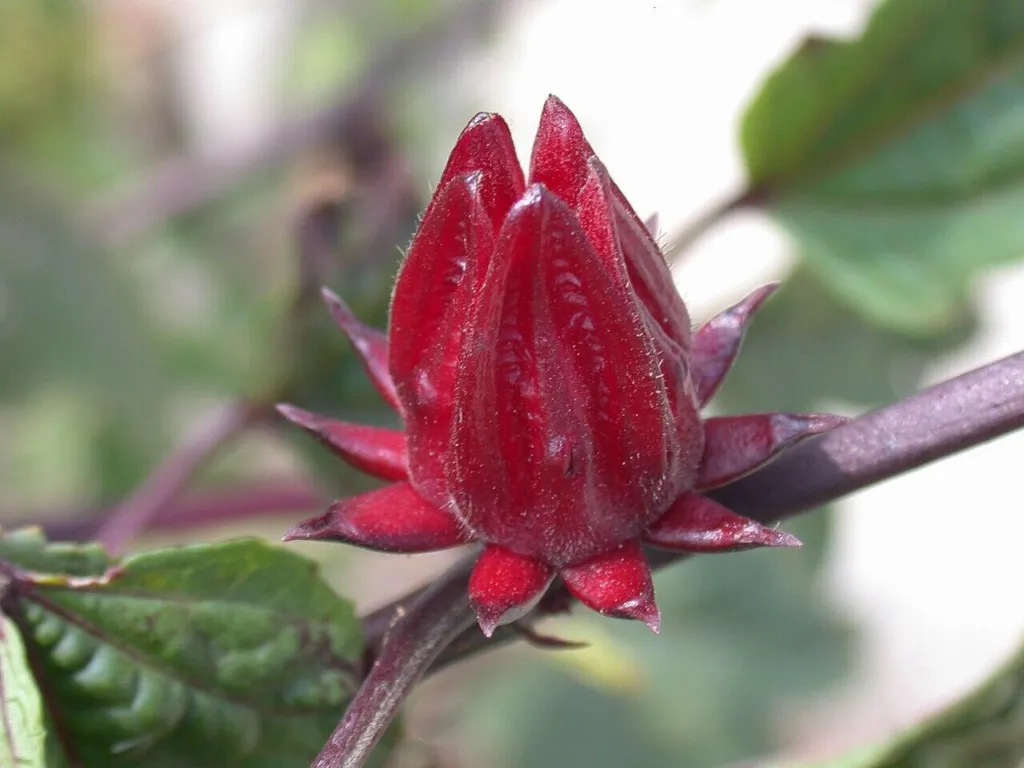
Cover: the fleshy red calyx of Hibiscus sabdariffa, World Vegetable Center garden, Taiwan. Photo: Earl Benton · CC BY-SA 4.0 · Wikimedia Commons
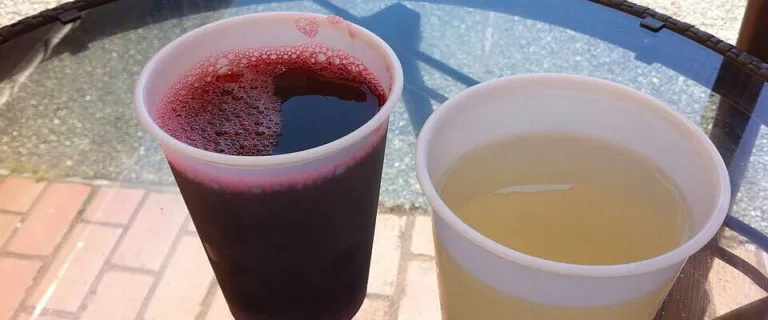
In Cardwell the red calyces of rosella are boiled into jam in home kitchens every autumn, and in Cairo the same calyces are steeped into karkadé and sold by the glass on the street Traditional. Behind that drink sits a set of randomised trials on blood pressure and blood fats Evidence suggests.
This is an evidence review of Hibiscus sabdariffa L., the plant Queenslanders call rosella and much of the world calls roselle, hibiscus tea, bissap, karkadé or flor de Jamaica. It sets out which plant is meant (and which plants are not), how the calyx has been used across Africa, the Middle East, Asia and the Americas, what is in it, what the human trials and their pooled analyses actually found, what is known about interactions with medicines, and how Australian law treats it. Traditional use, laboratory findings and trial results are kept apart and labelled, because they answer different questions. I read every source cited here in full; where a detail comes from a primary paper the Institute has not yet obtained in full text, the article says so and names the review it was taken from.
This article is educational. It is not medical advice, and nothing in it is a recommendation to use rosella to treat or prevent any condition.
Rosella calyx is eaten and drunk as a food worldwide, and the human trials reviewed here reported few adverse effects, mostly mild stomach upset Evidence suggests. Three things deserve attention. First, small human studies reported that a hibiscus drink lowered blood levels of the antimalarial chloroquine and slightly sped up the clearance of paracetamol, and animal work reported changes in how the diuretic hydrochlorothiazide was handled Evidence suggests. Second, because rosella may lower blood pressure, effects could add to those of blood-pressure medicines; this is a pharmacological inference, untested in formal studies Mechanism. Third, there are no human safety data for concentrated extracts in pregnancy, breastfeeding or children, and rat pregnancy studies raised questions that remain unresolved Evidence suggests.
Anyone taking prescribed medicines who is thinking of using rosella extracts or large daily amounts of the tea should consult a degree-qualified herbalist with competencies and adequate training in pharmacognosy. In an emergency call 000; for poisoning advice call the Poisons Information Centre on 13 11 26.
| Botanical name | Hibiscus sabdariffa L., Malvaceae; described by Linnaeus in 1753 Attested §1 |
| Part used | The fleshy red calyx that surrounds the seed capsule after flowering; leaves and seeds are also eaten in some regions Confirmed §2 |
| Not to be confused with | Native rosella (Hibiscus heterophyllus) and ornamental hibiscus (H. rosa-sinensis) Confirmed §1 |
| Traditional standing | Drunk as karkadé, bissap, zobo, sorrel and agua de Jamaica; used for blood pressure, fever and as a diuretic in several traditions Traditional §3 |
| Main constituents | Organic acids (hibiscus acid, hydroxycitric acid, citric, malic), anthocyanins (delphinidin-3-sambubioside, cyanidin-3-sambubioside), phenolic acids, pectin and mucilage Confirmed §4 |
| Blood pressure | A 2022 meta-analysis of randomised trials found a pooled fall in systolic pressure; a 2021 Cochrane review applying stricter entry rules found the evidence too thin to judge Evidence suggests §6 |
| Blood lipids and glucose | A small pooled fall in LDL cholesterol that does not survive every sensitivity test; no effect on fasting glucose Evidence suggests §6 |
| Interactions | Small human studies with chloroquine and paracetamol; animal work with hydrochlorothiazide; possible additive effects with blood-pressure medicines Evidence suggests §7 |
| Australian status | Permitted ingredient for listed medicines; absent from the Poisons Standard; sold freely as a food and tea Confirmed §8 |
- Confirmed: established in humans by trial, or an unambiguous analytical, chemical or legal fact.
- Evidence suggests: real published data that is preclinical, observational, small, inconsistent or not yet replicated.
- Mechanism: a plausible mechanistic or pharmacological inference. It describes how something could work and makes no claim about an outcome.
- Traditional: historical, ethnobotanical or culinary use. It is evidence that people did something, and says nothing by itself about whether it worked.
- Attested: a documentary fact attested in a named publication, such as the place and date a name was first printed.
Every PubMed ID (PMID) links to its PubMed record and was checked against PubMed in October 2026; every chemical record was checked against PubChem the same month. Where a claim is widely repeated but could not be traced to a primary source, it is marked unsourced and left as such.
Rosella is Hibiscus sabdariffa, an annual shrub of the mallow family grown through the tropics for its fleshy red calyces. Queenslanders make it into jam and cordial; West Africans, Egyptians, Sudanese, Mexicans and Caribbean islanders drink it as bissap, karkadé, zobo, agua de Jamaica and sorrel. It is the main ingredient in most products labelled hibiscus tea, though the label alone does not prove the species Confirmed.
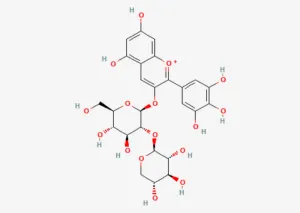
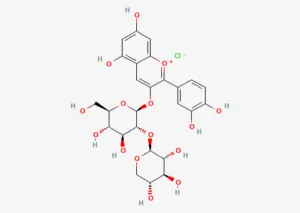
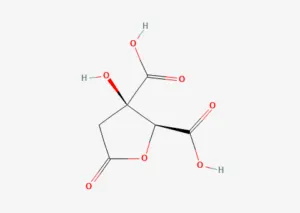
The calyx is sour because it is rich in organic acids, chiefly hibiscus acid and its open-chain relative hydroxycitric acid, and red because of two anthocyanins, delphinidin-3-sambubioside and cyanidin-3-sambubioside Confirmed. In laboratory studies these compounds inhibit angiotensin-converting enzyme and relax arteries, which offers a plausible route to lower blood pressure Mechanism.
Human trials are small and short, from 12 days to 90 days, and vary widely in what was given and to whom. A 2022 meta-analysis of 17 randomised trials reported an average fall in systolic pressure of about 7 mmHg against non-drug controls and about 10 mmHg against placebo, with very high heterogeneity, and a small fall in LDL cholesterol Evidence suggests. A 2021 Cochrane review, which only accepted placebo-controlled trials in people with diagnosed hypertension, found a single eligible trial and could draw no conclusion Confirmed. Both readings are honest. They answer different questions.
Safety in ordinary food and drink amounts looks good on the available record. The open questions concern concentrated extracts, use with blood-pressure and diuretic medicines, a handful of small pharmacokinetic studies, and pregnancy Evidence suggests. In Australia rosella is a food, a permitted ingredient for listed medicines and absent from the Poisons Standard; any product claiming a health benefit has to meet TGA advertising rules Confirmed.
 1 · Which plant is rosella
 2 · Botany and where it grows
 3 · Traditional and historical use
 4 · Phytochemistry
 5 · Pharmacology
 6 · Clinical evidence
 7 · Safety and interactions
 8 · In Australia
 9 · Preparation, dose forms and quality
 Discussion
1. Which plant is rosella
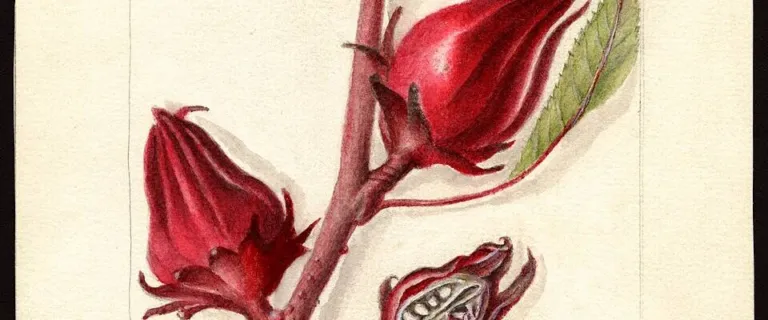
Ask for rosella in a Queensland nursery and you will be handed Hibiscus sabdariffa. Linnaeus published the name in Species Plantarum in 1753 (volume 2, page 695), giving its habitat as India Attested. The International Plant Names Index records a later typification of the name, published in Taxon in 2001 Attested. The plant belongs to the mallow family, Malvaceae, alongside okra, cotton and the garden hibiscuses.
The epithet sabdariffa was already in botanical use before Linnaeus. Explanations of where the word came from circulate widely online, but I could not trace any of them to a primary source, so the etymology here is left unsourced.
Many names, one species
Common names follow the drink. In Egypt and Sudan it is karkadé; in Senegal and much of francophone West Africa, bissap; in Nigeria, zobo or zoborodo; in Mexico, flor de Jamaica and agua de Jamaica; in the English-speaking Caribbean, sorrel; in Iran, sour tea; and in Australia, rosella Attested. Da-Costa-Rocha and colleagues record karkadé, zoborodo, agua de Jamaica and red sorrel (Da-Costa-Rocha et al. 2014, PMID 25038696); the Weeds of Australia fact sheet lists rosella, roselle and sorrel. The Senegalese name bissap is in everyday use, but I have not traced it to a scholarly source, so it is left unsourced. Thai, Malay, Indian and Burmese names add many more. The names describe the same species, and the pharmacology discussed below applies across them.
What rosella is not
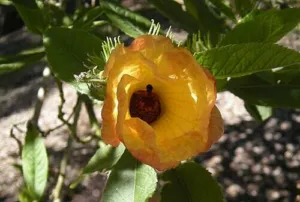
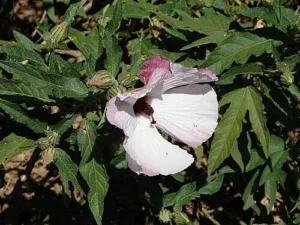
Australia has its own native rosella, Hibiscus heterophyllus Vent., a shrub or small tree of open forest and rainforest margins from north-east Queensland to the south coast of New South Wales Confirmed. It is a different species with different flowers: white, pink or, in Queensland, often yellow, each with a dark red centre. CSIRO describes it as one of 35 native Hibiscus species in Australia Attested. Its young shoots, leaves and flowers are recorded as Aboriginal foods Traditional. None of the trial evidence in this review concerns it.
The name wild rosella causes a second muddle. Some writers use it for the native species; the Weeds of Australia fact sheet lists wild rosella among the common names of H. sabdariffa itself, which has escaped from cultivation across northern Australia Attested. When a recipe or product says wild rosella, the binomial is the only reliable guide.
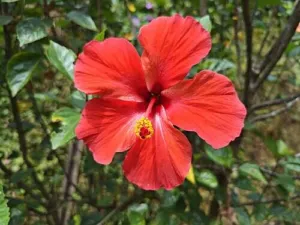
The third source of confusion is the word hibiscus on a tea label. Most hibiscus tea is H. sabdariffa calyx, often used as the base of herbal and fruit teas alongside apple peel, orange peel and lemon Evidence suggests (Da-Costa-Rocha et al. 2014, PMID 25038696). The ornamental Chinese hibiscus, H. rosa-sinensis, is a different plant. Australian medicines law treats the two differently, as section 8 shows.
2. Botany and where it grows
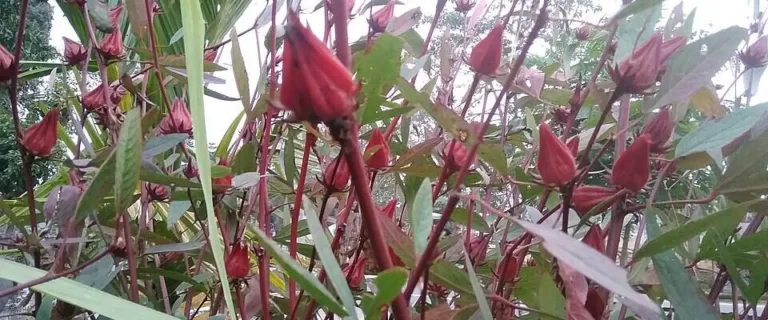
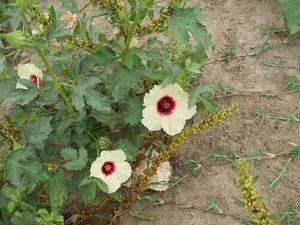
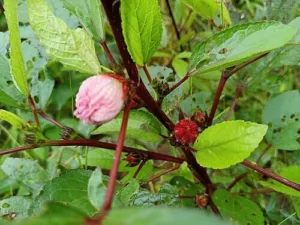
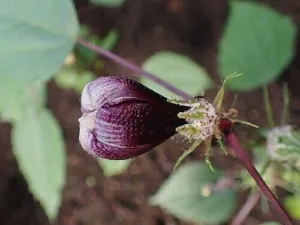
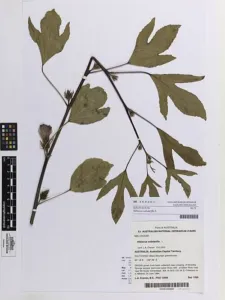
Rosella is an erect, bushy annual that grows to about 2.4 metres, with smooth, usually red stems and alternate leaves. The lower leaves are deeply three- to seven-lobed and the upper ones simple Confirmed (Da-Costa-Rocha et al. 2014, PMID 25038696). The flowers, up to 12.5 cm across, are borne singly in the leaf axils. They are pale yellow or buff with a rose or maroon eye and last a single day Confirmed.
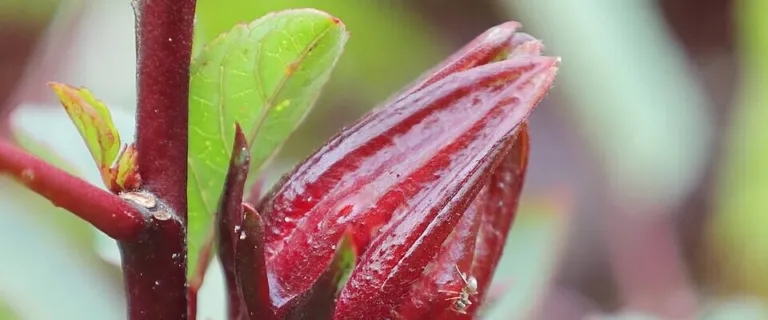
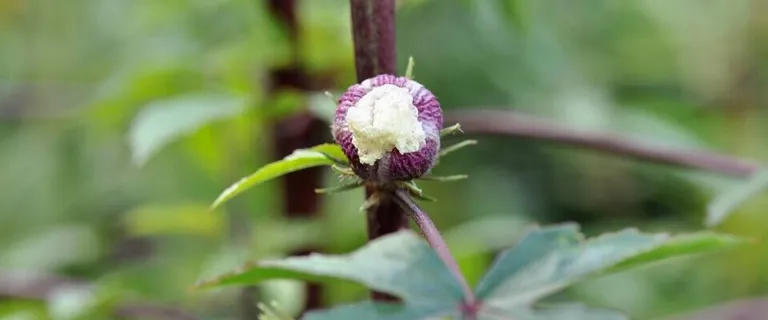
The part that matters is what happens next. Once the flower falls, the calyx (five sepals, with a collar of eight to twelve narrow bracts at the base) swells into a fleshy, crisp, bright red cup 3 to 6 cm long that wraps the velvety seed capsule. The capsule has five valves, each holding three or four kidney-shaped brown seeds. Calyx, stems and leaves are all sour, with a flavour often compared with cranberry Confirmed (Da-Costa-Rocha et al. 2014, PMID 25038696).
Two crops in one species
Botanists recognise two main forms. H. sabdariffa var. altissima is a tall fibre crop with green, red-streaked calyces that are not eaten. H. sabdariffa var. sabdariffa is the shorter, bushier form grown for food, divided into races that include the red-calyxed ruber and the pale albus Confirmed (Da-Costa-Rocha et al. 2014, PMID 25038696). The plant is reported as tetraploid (2n = 72) Evidence suggests. For anyone reading a trial, the practical point is that calyx colour, and with it anthocyanin content, differs between lines; a deep red calyx and a pale one do not deliver the same chemistry Evidence suggests (Hopkins et al. 2013, PMID 23333908).
Origin and spread
The native range is uncertain. Linnaeus gave India; other authors have favoured Africa. Murdock argued in 1959 that the plant was domesticated in western Sudan before 4000 BC, a view reported in the review literature and still open to testing Evidence suggests (Da-Costa-Rocha et al. 2014, PMID 25038696). Today it is cultivated throughout the tropics and subtropics, from Sudan, Egypt, Nigeria and Senegal to India, Thailand, China, Malaysia, Indonesia, the Philippines, Mexico and the Caribbean Confirmed. China and Thailand are the largest suppliers of dried calyx to the international tea trade, while Sudanese and Thai calyx have the strongest reputation for quality Evidence suggests (Da-Costa-Rocha et al. 2014, PMID 25038696).
In Australia
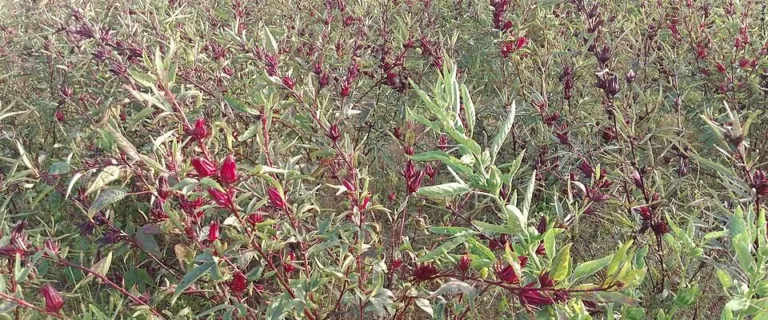
Rosella is introduced to Australia. It is widely naturalised across northern Australia (northern Queensland and the northern parts of the Northern Territory and Western Australia) and has more recently been recorded as naturalised in south-eastern Queensland Confirmed (Weeds of Australia fact sheet). In the monsoonal north it has escaped onto creek banks and riparian country, and it is listed as an environmental weed of moderate importance in Western Australia and as a weed of medium priority on Aboriginal lands in the Northern Land Council area Attested. It is grown in home gardens through coastal Queensland, including the Institute’s own district of Cardwell, which is an observation by the Institute and carries no statistic with it.
3. Traditional and historical use
Rosella’s traditional standing rests on two uses that often run together: a sour, refreshing drink and a medicine. This section reports both as practice. A tradition of use tells us what people valued and gives researchers a starting point; it does not by itself show that the drink did what people believed it did.
A drink across three continents
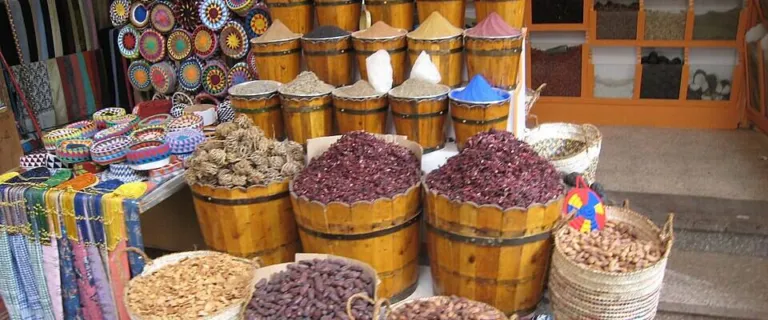
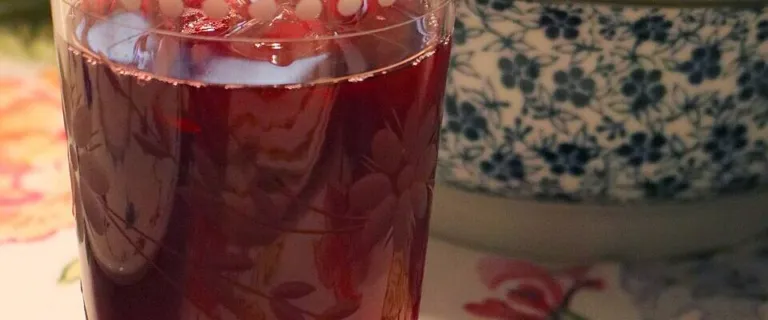
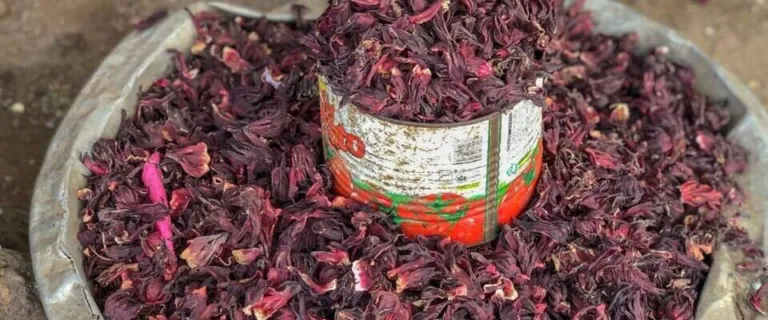
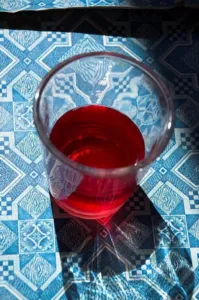
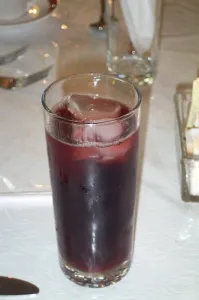
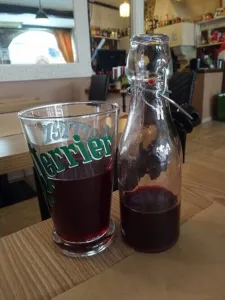
In Sudan and Nigeria the calyces are boiled with sugar to make karkadé or zoborodo; in Egypt they are used for tea and fermented drinks; in Mexico the infusion is agua de Jamaica or té de Jamaica; in the West Indies the calyx colours and flavours rum Traditional (Da-Costa-Rocha et al. 2014, PMID 25038696). The calyx also goes into jams, jellies, puddings, ice cream and cakes. The leaves are eaten as a sour vegetable in Sudan and Malaysia, and the seeds are roasted, ground into meal, pressed for oil or brewed as a coffee substitute Traditional.
Medicinal uses on record
The review literature gathers a long list. In India, Africa and Mexico, infusions of leaves or calyces have been used as a diuretic, to promote bile flow, against fever and to lower blood pressure; in Senegal it is recommended as a hypotensive; in Egypt calyx preparations have been used for heart and nerve complaints and to increase urine; in Egypt and Sudan karkadé is drunk to bring down body temperature; in Guatemala it has been used for drunkenness; in North Africa for sore throats and coughs, with the leaf pulp applied to wounds and abscesses; and in Chinese folk medicine for liver disorders and high blood pressure Traditional (Da-Costa-Rocha et al. 2014, PMID 25038696). In Iran sour tea is a traditional treatment for high blood pressure, and in Nigeria a seed decoction is used to bring on or increase breast milk Traditional.
Hopkins and colleagues, reviewing the ethnomedical studies, found hibiscus used for high blood pressure in Egypt, Jordan and Trinidad and Tobago, for low blood pressure in Jordan and Iraq, for raised cholesterol in Jordan, Greece, Brazil and Trinidad and Tobago, and for obesity in Iraq, Greece and Brazil Traditional (Hopkins et al. 2013, PMID 23333908). One detail from their review stays with me: Bedouin households in the North Badia of Jordan drink the infusion hot for high blood pressure and cold for low blood pressure. Only one of the seven ethnobotanical studies they examined recorded a dose. Herbalists in the Kurdistan region of Iraq recommended a cup a day of an infusion of a teaspoon of flowers in a cup of warm water for low blood pressure Traditional. Traditional sources tell us the plant was valued for the circulation; they give trial designers very little to work with on preparation and amount.
In the old herbals
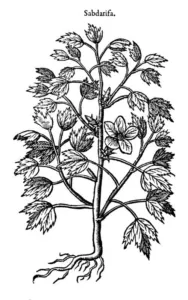
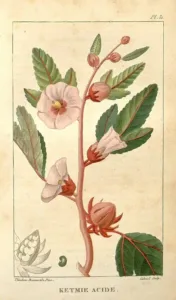
European botanists knew the plant from early modern times. A woodcut headed Sabdarifa appears on page 646 of Rembert Dodoens’s herbal of 1583, as captioned in the digitised copy on Wikimedia Commons Attested. Whether Dodoens’s plant is the same species Linnaeus later named is a question for a specialist in early modern plant identification, and I leave it open. In the early nineteenth century M. E. Descourtilz included it among the medicinal plants of the Antilles, with plates painted by J. Th. Descourtilz Attested.
4. Phytochemistry
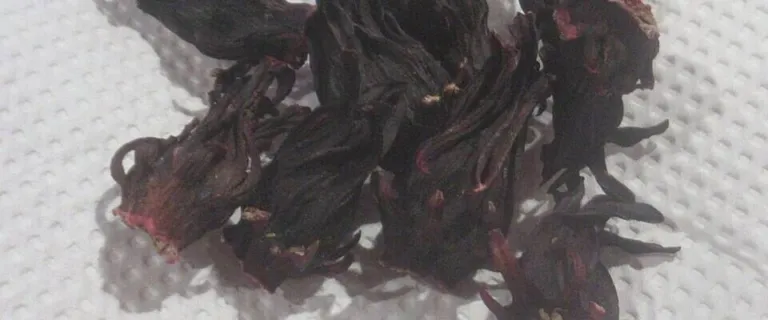
Three groups of compounds dominate the calyx: organic acids, which make it sour; anthocyanins, which make it red; and polysaccharides, which give jam its set. Phenolic acids and flavonoids are present in smaller amounts Confirmed (Da-Costa-Rocha et al. 2014, PMID 25038696).
Organic acids
Older figures for Hibisci flos, the dried calyces as traded in Europe, put hibiscus acid at 13 to 24 per cent, citric acid at 12 to 20 per cent, malic acid at 2 to 9 per cent and tartaric acid at about 8 per cent, with ascorbic acid (vitamin C) a minor component Confirmed (Da-Costa-Rocha et al. 2014, PMID 25038696). These are high figures. A cup of rosella tea is sharply sour because it carries a lot of acid.
The chemistry of the main acid is easy to get wrong. The principal organic acid of the calyx is (2S,3R)-hydroxycitric acid, also called allo-hydroxycitric acid, and hibiscus acid is its lactone, a five-membered ring formed when the acid closes on itself Confirmed. PubChem files the lactone as allo-hydroxycitric acid lactone (CID 6481826) and the open acid as hibiscus acid / allo-hydroxycitric acid (CID 9856782). The (2S,3R) form differs from the (2S,3S) hydroxycitric acid of Garcinia fruit, which is sold as a weight-loss supplement, which PubChem files as garcinia acid (CID 185620). Da-Costa-Rocha and colleagues point out that nobody should assume the two stereoisomers behave the same way in the body Confirmed. Results for Garcinia hydroxycitrate cannot be borrowed for rosella.
Anthocyanins
The red pigments are two glycosides of the same sugar, sambubiose (a xylose joined to a glucose): delphinidin-3-sambubioside (CID 10196837), once called hibiscin, and cyanidin-3-sambubioside (CID 3084569), once called gossypicyanin Confirmed. Delphinidin-3-glucoside and cyanidin-3-glucoside occur in smaller amounts Confirmed (Ellis et al. 2022, PMID 34927694). In one study of several cultivated strains, total anthocyanins reached 1.7 to 2.5 per cent of the dry weight of the calyx Evidence suggests (Da-Costa-Rocha et al. 2014, PMID 25038696). Anthocyanins are unstable. They fade with heat, light, high pH and storage, which is one reason dried calyx from different sources looks and tastes so different Mechanism.
Phenolic acids, flavonoids and polysaccharides
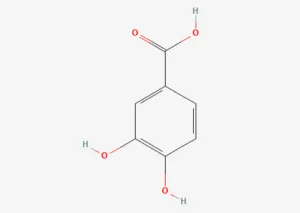
Protocatechuic acid (CID 72) is the phenolic acid most often named; chlorogenic acid, quercetin, rutin and kaempferol glycosides are also reported Confirmed (Da-Costa-Rocha et al. 2014, PMID 25038696). Flavonoids are more plentiful in the flower than the calyx Evidence suggests (Hopkins et al. 2013, PMID 23333908). Hopkins and colleagues describe an experimental comparison in which a polyphenol-rich calyx fraction lowered cholesterol more than a plain water extract, which suggests the phenolic fraction matters for lipids as well as the anthocyanins Evidence suggests. Polysaccharides, mucilage and pectin are present, and in one study the mucilage and pectin consisted of 60 to 80 per cent anhydrouronic acid Confirmed (Da-Costa-Rocha et al. 2014, PMID 25038696). That is consistent with how readily rosella jam sets Mechanism.
Vitamin C
Reported ascorbic acid content varies more than almost any other figure: 6.7 to 14 mg per 100 g of fresh calyx in older sources, and 260 to 280 mg per 100 g of dried calyx in a single later report that the reviewers themselves treated with caution Evidence suggests (Da-Costa-Rocha et al. 2014, PMID 25038696). Claims that rosella is an outstanding source of vitamin C should be read against that spread.
5. Pharmacology: proposed mechanisms
Several mechanisms have been proposed for the blood-pressure findings. All of them come from cell, tissue or animal work. None has been shown to explain the effect in people.
Angiotensin-converting enzyme
Ojeda and colleagues isolated delphinidin-3-sambubioside and cyanidin-3-sambubioside and reported that both inhibited angiotensin-converting enzyme (ACE) in a test-tube assay, competing with the substrate for the active site Mechanism (Ellis et al. 2022, PMID 34927694) (Hopkins et al. 2013, PMID 23333908). ACE is the target of the drug class that includes captopril, lisinopril and ramipril, so the finding is plausible and has shaped trial design. Enzyme inhibition in a tube is still a long way from enzyme inhibition in a person, because the anthocyanins are poorly absorbed (see below).
Relaxing the artery wall
Zheoat and colleagues at the University of Strathclyde fractionated a methanol extract of the plant under the guidance of a bioassay and isolated hibiscus acid as an active compound Evidence suggests (Zheoat et al. 2019, PMID 30690125). On rat aortic rings, hibiscus acid relaxed vessels pre-contracted with phenylephrine or potassium chloride whether or not the endothelium was present, with half-maximal relaxation at 0.09 mg/mL. It did not affect the part of the contraction driven by calcium released inside the cell, but it did block the part driven by calcium entering from outside, which points to inhibition of voltage-dependent calcium channels Mechanism. Garcinia acid, its diastereoisomer, acted almost identically Evidence suggests. The proposed mechanism resembles that of calcium-channel-blocking drugs such as amlodipine Mechanism.
Converted to molar terms, 0.09 mg/mL of hibiscus acid (molecular weight about 190) is close to 0.5 millimolar, a concentration that is high by drug standards (this conversion is mine). Whether drinking rosella delivers anything like it to the artery wall is unknown, because human pharmacokinetic data for hibiscus acid have not been reported in the sources reviewed here Mechanism.
Diuresis and other proposals
Animal studies describe increased urine flow and sodium excretion, which fits the traditional use as a diuretic Evidence suggests (Ellis et al. 2022, PMID 34927694). Further proposals include improved endothelial nitric oxide signalling, inhibition of cholesterol synthesis through HMG-CoA reductase, antioxidant protection of LDL particles and reduced foam-cell formation Mechanism (Ellis et al. 2022, PMID 34927694) (Hopkins et al. 2013, PMID 23333908). These are reasonable hypotheses with laboratory support. They are hypotheses.
Absorption: the weak link
Pharmacokinetic data in people are sparse. In the McKay tea trial, as summarised by Hopkins and colleagues, no anthocyanins were detected in urine within an hour of drinking a serving that carried about 7 mg of anthocyanins Evidence suggests (Hopkins et al. 2013, PMID 23333908). Anthocyanins in general are absorbed in small amounts and extensively metabolised, partly by gut bacteria into phenolic acids such as protocatechuic acid, and those metabolites may be what actually acts Mechanism. A dedicated human pharmacokinetic study of hibiscus anthocyanins exists, and the Institute has requested its full text; it is not relied on here.
6. Clinical evidence
This is the section most readers will come for, so it is worth being precise about what was studied. The human trials of rosella are randomised, which is good. They are also small, short and very different from one another. Participants ranged from healthy adults to people with diabetes, metabolic syndrome, fatty liver disease and stage 1 hypertension; doses ran from 15 mg to 9 g a day; the material was tea in some trials, capsules of powdered calyx or extract in others, and in one trial the leaves; and the comparison was placebo, black tea, green tea, a diet or a prescription drug Confirmed (Ellis et al. 2022, PMID 34927694) (Hopkins et al. 2013, PMID 23333908).
Two systematic reviews, two answers
Ellis and colleagues, 2022. This University of Leeds review, registered in advance on PROSPERO (CRD42020167295), searched to June 2021 and included 17 randomised trials in adults Confirmed (Ellis et al. 2022, PMID 34927694). Twelve trials reported blood pressure, with 415 participants given hibiscus and 404 given a control. Nine reported lipids and six fasting glucose. Trials lasted from 15 to 90 days. Ten used capsules and seven used tea. Anthocyanin content was measured in only nine of them, and the daily anthocyanin dose ranged from 3 mg to 250 mg Confirmed.
Against all non-drug controls pooled together, hibiscus lowered systolic blood pressure by 7.10 mmHg (95% confidence interval 13.00 to 1.20 mmHg lower). Diastolic pressure fell by 3.26 mmHg, an estimate whose interval crossed zero (7.05 lower to 0.52 higher). In the placebo-controlled subgroup the systolic fall was 10.05 mmHg (17.58 to 2.51 lower) Evidence suggests. Heterogeneity was extreme, with I² of 95 per cent for systolic and 94 per cent for diastolic pressure, which means the trials disagreed with one another by much more than chance would explain. Meta-regression found larger falls in people who started with higher pressure, and trial sequential analysis judged that the systolic and diastolic analyses had reached their required information size, although the systolic analysis did not cross the stricter monitoring boundary Evidence suggests. Daily doses of 1 g or less showed no significant effect on blood pressure in a subgroup analysis, and trials longer than four weeks did Evidence suggests.
Against prescription drugs (captopril, lisinopril, ramipril and hydrochlorothiazide in four trials), the pooled difference was not statistically significant for systolic (2.13 mmHg, 95% CI 2.81 lower to 7.06 higher) or diastolic pressure (1.10 mmHg, 1.55 lower to 3.74 higher) Evidence suggests. A non-significant difference in small trials does not show that two treatments are equivalent, and none of these trials was designed or powered as an equivalence or non-inferiority study. Individually, hibiscus performed about as well as captopril in one trial, less well than lisinopril 10 mg in another and less well than ramipril 5 mg on systolic pressure in a third Evidence suggests.
The Cochrane review, 2021. Pattanittum and colleagues asked a narrower question: in adults with diagnosed hypertension, does rosella lower blood pressure compared with placebo or no treatment? Confirmed (Pattanittum et al. 2021, PMID 34837382). They searched to August 2021, including Chinese and Thai databases, and found only one trial that met their criteria: 60 Indonesian adults with type 2 diabetes randomised to rosella extract capsules (50 mg twice daily) or lactose placebo for eight weeks, with 52 analysed. The mean difference in change was 1.65 mmHg for systolic pressure (95% CI 7.89 lower to 11.19 higher) and 4.60 mmHg for diastolic (1.38 lower to 10.58 higher), both very low certainty Confirmed. The reviewers rated the trial at high risk of bias for attrition, reporting and baseline imbalance; their own table lists a baseline systolic pressure of 188 mmHg with a standard deviation of 143.54 in the rosella arm against 146.8 mmHg in the placebo arm, figures that cannot all be right Confirmed. They concluded that the evidence was insufficient to judge whether rosella lowers blood pressure in hypertension.
Why so few? The Cochrane team excluded 27 studies. McKay’s tea trial was excluded because its participants’ starting pressures fell below the threshold for hypertension; four Nigerian trials by Nwachukwu and colleagues were excluded because their comparison group drank black currant infusion; and all five trials in the 2013 Hopkins review failed their criteria Confirmed (Pattanittum et al. 2021, PMID 34837382). The 2010 version of the same Cochrane review had found no eligible trial at all.
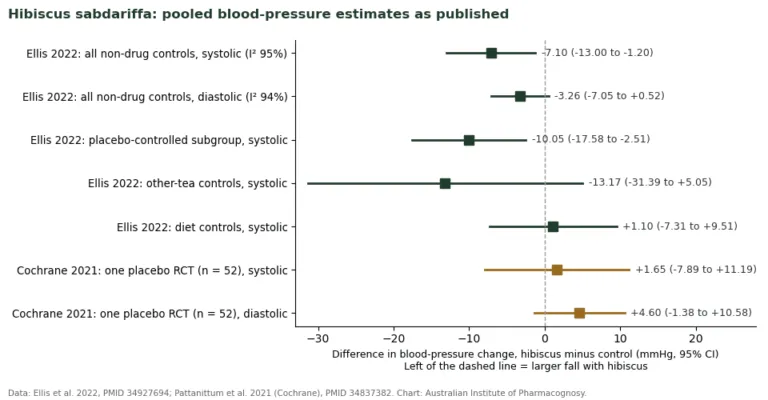
So which review is right? Both, within their own terms. Ellis and colleagues pooled every randomised comparison they could find, including healthy people, people with prehypertension and trials against black tea, and they found a consistent direction of effect with large unexplained variation. The Cochrane reviewers asked only about diagnosed hypertension against placebo, and the trials that answer that question cleanly have not been done. A reader who wants to know whether rosella tea tends to lower blood pressure a little in adults has a fair, if noisy, answer Evidence suggests. A reader who wants to know whether it is a proven treatment for hypertension does not Confirmed.
The trial most worth reading
McKay and colleagues at Tufts University ran the trial that comes closest to ordinary use: 65 adults with prehypertension or mild hypertension drank three cups a day of tea made from 1.25 g of dried calyx in 240 mL of boiled water, or an artificially flavoured placebo drink, for six weeks Evidence suggests (Ellis et al. 2022, PMID 34927694) (Hopkins et al. 2013, PMID 23333908). As tabulated by Hopkins and colleagues, systolic pressure fell by 7.2 mmHg on hibiscus against 1.3 mmHg on placebo, and diastolic by 3.1 against 0.5 mmHg Evidence suggests. It scored highest of the trials Hopkins and colleagues assessed for reporting quality (95 per cent of CONSORT items), and its placebo was a non-active drink used in the beverage industry to imitate hibiscus flavour Confirmed. The Institute has requested the full trial report; the figures above are taken from the two reviews named.
The other early trials compared hibiscus with an active drug or with black tea. Herrera-Arellano and colleagues in Mexico gave a calyx preparation against captopril (2004) and a standardised extract delivering about 250 mg of anthocyanins a day against lisinopril (2007); Haji Faraji and Haji Tarkhani in Iran compared sour tea with black tea for 12 days; and Mozaffari-Khosravi and colleagues compared sour tea with black tea in people with type 2 diabetes Evidence suggests (Hopkins et al. 2013, PMID 23333908). Black tea is itself pharmacologically active, which makes those comparisons hard to interpret, a limitation Hopkins and colleagues spell out. They also found that reporting of the herbal product itself was poor: scores on the herbal items of the CONSORT checklist ranged from 28 to 67 per cent, many trials did not state which part of the plant was used, and many measured no marker compound at all Confirmed (Hopkins et al. 2013, PMID 23333908). The two secondary sources also give different group sizes for the Herrera-Arellano trials, a discrepancy that only the primary reports can settle.
Lipids
Ellis and colleagues found a pooled fall in LDL cholesterol of 6.76 mg/dL (95% CI 13.45 to 0.07 lower, P = 0.05), about 0.17 mmol/L in the units used in Australia (my conversion) Evidence suggests (Ellis et al. 2022, PMID 34927694). Total cholesterol (7.08 mg/dL lower, about 0.18 mmol/L), triglycerides and HDL cholesterol did not change significantly. The LDL result is fragile: dropping the metabolic-syndrome arm of one trial, or one Iranian dyslipidaemia trial, made it non-significant, and trial sequential analysis showed that none of the lipid analyses had reached the information size needed for a firm conclusion Evidence suggests. Against black or green tea, HDL rose more in the tea groups Evidence suggests.
Blood glucose
Pooling six trials, Ellis and colleagues found no effect on fasting glucose (1.48 mg/dL lower, about 0.08 mmol/L, 95% CI 4.21 lower to 1.25 higher, I² 0 per cent) Evidence suggests (Ellis et al. 2022, PMID 34927694). An earlier meta-analysis that mixed single-dose and longer trials reported a small fall; Ellis and colleagues argue that combining the two designs can blur different effects. On present evidence rosella has no demonstrated effect on fasting glucose.
What the trials cannot tell us
No trial in these reviews ran longer than 90 days, and none was designed to measure heart attacks, strokes or deaths Confirmed (Ellis et al. 2022, PMID 34927694). Ellis and colleagues end their paper by saying people with chronically raised blood pressure should be encouraged to drink hibiscus. That is their recommendation, made on the evidence above; it is a different thing from a demonstrated treatment, and this review does not repeat it as advice. Further meta-analyses have appeared since 2021, including a 2025 overview of reviews with a dose-response analysis; the Institute has requested them in full and will add them to this review once read.
For readers who follow the Institute’s other reviews, the pattern is familiar from the Indian barberry and berberine review and the black seed review: many small randomised trials pointing the same way, made hard to interpret by uncharacterised products and short follow-up.
7. Safety and interactions
Rosella is a food plant drunk by millions of people daily, and the review literature to 2014 found no published case reports of adverse reactions to oral use and no case reports of drug interactions Evidence suggests (Da-Costa-Rocha et al. 2014, PMID 25038696). The absence of case reports is reassuring for food use. It is weak evidence for concentrated extracts, which are newer and taken at higher doses.
Tolerability in the trials
Across the 17 trials in the Ellis review, one reported mild stomach symptoms with 1 g of extract in the first week, settling within a week, and no other adverse effects were reported at doses up to 10 g a day Evidence suggests (Ellis et al. 2022, PMID 34927694). In the Mexican captopril trial, 26 per cent of the hibiscus group withdrew because they disliked the bitter taste, a reminder that acceptability limits dose in practice Evidence suggests (Ellis et al. 2022, PMID 34927694). The Cochrane reviewers found no adverse-effect data in their single included trial and called for future trials to plan and report adverse events properly Confirmed (Pattanittum et al. 2021, PMID 34837382).
Animal toxicology
Acute toxicity is low: reported median lethal doses of calyx extracts in rodents range from about 2,000 to more than 5,000 mg/kg Evidence suggests (Hopkins et al. 2013, PMID 23333908) (Da-Costa-Rocha et al. 2014, PMID 25038696). Longer studies conflict. One 90-day rat study reported deaths at 2,000 mg/kg and at 300 mg/kg of some extracts, with raised creatinine and liver enzymes; Da-Costa-Rocha and colleagues describe its results as highly questionable because they clash with other long-term studies Evidence suggests. Testicular changes were reported in rats given 1,150 to 4,600 mg/kg in drinking water for 12 weeks and in mice given 200 mg/kg for four weeks, while a 10-week rat study of the extract and a five-day study of the anthocyanins found no effect on the male reproductive system Evidence suggests. Very high doses raised uric acid in rodents Evidence suggests (Hopkins et al. 2013, PMID 23333908). Da-Costa-Rocha and colleagues judged doses up to 200 mg/kg safe in animals and asked for further work with chemically characterised extracts. For scale, 200 mg/kg in a 70 kg adult would be 14 g a day, more than any trial used (my arithmetic, and animal-to-human dose scaling is not simple).
Reported pharmacokinetic interactions
Three interaction reports appear again and again in summaries of rosella safety. Each is small, and the Institute has requested all three primary papers in full text. The details below come from the two reviews that describe them in detail, and the reviews do not always agree.
Chloroquine. In a 1994 Sudanese study, six healthy men took 600 mg of chloroquine with a freshly made karkadé drink of the kind drunk locally. The area under the plasma concentration curve and the peak concentration of chloroquine fell significantly Evidence suggests (Da-Costa-Rocha et al. 2014, PMID 25038696). The same study reported reductions with two other Sudanese drinks, including lemon. The group was very small and the beverage poorly described, but the finding is a lower level of an antimalarial, which is the kind of change that could matter clinically Evidence suggests. Whether it extends to hydroxychloroquine, a related drug prescribed in Australia for lupus and rheumatoid arthritis, has not been studied in the sources reviewed here Mechanism.
Paracetamol (acetaminophen). In a Nigerian crossover study, six healthy young men took paracetamol with zobo drink made from 30 g of dried calyx per litre. Da-Costa-Rocha and colleagues report no significant change apart from a rise in clearance of about 11 per cent; Hopkins and colleagues summarise it as enhanced elimination and advise taking paracetamol three to four hours before drinking hibiscus Evidence suggests (Da-Costa-Rocha et al. 2014, PMID 25038696) (Hopkins et al. 2013, PMID 23333908). Both reviews call for caution in reading a six-person study.
Hydrochlorothiazide. Ndu and colleagues gave a methanol extract of the flowers (20 to 40 mg/kg) with hydrochlorothiazide (10 mg/kg) to mice, rats and rabbits. Urine volume rose, and in rabbits plasma levels of the diuretic were higher and longer-lasting, with slower elimination Evidence suggests (Da-Costa-Rocha et al. 2014, PMID 25038696). Hopkins and colleagues read this as grounds to avoid the combination; Da-Costa-Rocha and colleagues, noting the methanol extract and the route of administration, doubt its relevance to the tea; and Ellis and colleagues point out that the drug dose used does not translate to human doses Evidence suggests (Hopkins et al. 2013, PMID 23333908) (Ellis et al. 2022, PMID 34927694). The disagreement is itself the finding: nobody has tested this combination in people.
A 30-day rat study found no effect of a calyx extract on the main liver cytochrome P450 enzymes Evidence suggests (Da-Costa-Rocha et al. 2014, PMID 25038696). An animal study of interactions with simvastatin has also been published and is awaiting full-text review by the Institute.
Possible additive effects
If rosella lowers blood pressure by acting on ACE, on calcium entry into smooth muscle or on sodium excretion, its effect could add to those of ACE inhibitors, angiotensin receptor blockers, calcium-channel blockers and diuretics Mechanism. Ellis and colleagues flag the ACE-inhibitor question as unresolved Evidence suggests (Ellis et al. 2022, PMID 34927694). With glucose-lowering medicines, an additive effect is a theoretical concern only: the pooled trials found no effect on fasting glucose Evidence suggests. People taking any of these medicines who plan to use extracts or large amounts of the tea should consult a degree-qualified herbalist with competencies and adequate training in pharmacognosy, so that blood pressure can be watched as anything changes.
Pregnancy and breastfeeding
There are no human safety studies of rosella extracts in pregnancy or breastfeeding; pregnant women were excluded from the Cochrane review’s eligible trials Confirmed (Pattanittum et al. 2021, PMID 34837382). In rats, aqueous extract given in drinking water during pregnancy and lactation reduced the mothers’ food and fluid intake, and their female offspring gained weight faster and reached puberty later Evidence suggests (Da-Costa-Rocha et al. 2014, PMID 25038696). The reviewers attribute the offspring changes to raised maternal corticosterone and less leptin passing through the milk, say the findings need confirmation, and note that no such effect has been reported in humans Evidence suggests. In Nigeria a seed decoction is used traditionally to increase breast milk Traditional. Until human data exist, concentrated extracts in pregnancy and breastfeeding remain unstudied, and the decision belongs in a consultation with a degree-qualified herbalist with competencies and adequate training in pharmacognosy.
Children
Every trial pooled by Ellis and colleagues, and every trial eligible for the Cochrane review, enrolled adults only Confirmed (Ellis et al. 2022, PMID 34927694) (Pattanittum et al. 2021, PMID 34837382). The sources reviewed here report no safety or dosing data for rosella extracts or capsules in children, so their use in children is unstudied Evidence suggests. In Australia children mostly meet rosella as jam and cordial, where the sugar matters more than the calyx Mechanism. If a child swallows capsules or extract meant for an adult, call the Poisons Information Centre on 13 11 26; if the child is unwell, call 000.
| Situation | What is reported | Tag |
| Food and drink use | No published case reports of adverse reactions to 2014 | Evidence suggests |
| Trial doses up to 10 g a day | Mild stomach upset in one trial; taste-related withdrawals | Evidence suggests |
| Chloroquine | Lower blood levels in six men | Evidence suggests |
| Paracetamol | Clearance about 11% higher in six men | Evidence suggests |
| Hydrochlorothiazide | Altered handling in animals; untested in people | Evidence suggests |
| Blood-pressure medicines | Possible additive lowering | Mechanism |
| Glucose-lowering medicines | Theoretical only; no glucose effect in pooled trials | Mechanism |
| Pregnancy and lactation | No human data; unresolved rat findings | Evidence suggests |
| Children | Trials enrolled adults only; extracts unstudied | Evidence suggests |
8. In Australia: law, growing and labels
Medicines law
The Therapeutic Goods (Permissible Ingredients) Determination lists the ingredients that may be used in listed (AUST L) medicines. In Compilation No. 1 of the Determination (No. 2) 2026, compiled on 17 September 2026, HIBISCUS SABDARIFFA is permitted as an active ingredient, an excipient and a homoeopathic ingredient, with no specific conditions attached Confirmed (Federal Register of Legislation, F2026L00707). The same schedule permits HIBISCUS ROSA-SINENSIS only as an excipient in a flavour, at no more than 5 per cent of the medicine Confirmed. So a medicine sold for its hibiscus content should name H. sabdariffa; ornamental hibiscus can only be there as flavouring. This status was read from the Determination in October 2026 and may change.
Hibiscus sabdariffa does not appear in the Poisons Standard, read in its October 2026 edition (in force from 1 October 2026) Confirmed (F2026L01327). It is unscheduled. Because it is not a controlled drug, the Office of Drug Control’s import permits do not apply; commercial imports of dried calyx and of seed for sowing go through the federal biosecurity import conditions in BICON Confirmed.
A listed medicine containing rosella must be entered on the Australian Register of Therapeutic Goods, carries an AUST L number on the label, and can only carry the indications permitted for listed medicines, and its advertising must comply with the Therapeutic Goods Advertising Code Confirmed. A product sold as a food or tea falls under food law, where health claims are tightly limited by the Food Standards Code Confirmed. The Institute’s kava review walks through how these categories work for a herb whose rules are far stricter.
Growing rosella in the tropics
Rosella needs four to eight months of growth, warm nights (a minimum of about 20 °C is cited) and long days, about 13 hours of light, in its first months to stop it flowering too early Evidence suggests (Da-Costa-Rocha et al. 2014, PMID 25038696). In the wet tropics that points to a spring or early-summer sowing, with flowering and harvest as the days shorten in autumn; that timing is my inference from the day-length requirement Mechanism. Rain or high humidity at harvest and during drying lowers calyx quality, which matters in Cardwell, where the wet season can run late Evidence suggests. A single plant can yield about 1.5 kg of fruit, calyx and capsule together Evidence suggests.
Because rosella has naturalised along creeks in the monsoonal north, growers in Queensland, the Northern Territory and northern Western Australia should harvest every calyx and keep seed capsules out of waterways Evidence suggests (Weeds of Australia). It is not on Queensland’s list of restricted invasive plants as published by Business Queensland and read in October 2026 (Business Queensland), but local councils can declare plants under local laws, so a check with the council is sensible before planting near a creek Confirmed.
Reading a label
- The binomial. Look for Hibiscus sabdariffa. A label that says only hibiscus does not tell you the species Confirmed.
- The part. Calyx (sometimes labelled flower, flos or petals). Leaves were used in at least one trial and are not the same material Evidence suggests.
- The form. Whole or cut dried calyx, powder, or an extract. For an extract, the label should state the drug-to-extract ratio or the equivalent dry weight of calyx, and ideally the anthocyanin content Confirmed.
- The blend. Many hibiscus teas are blends with apple peel, orange peel or other fruit. The ingredient order tells you how much rosella is there Confirmed.
- The register number. A product presented as a medicine should carry an AUST L or AUST R number that can be checked on the ARTG. Teas sold as food do not Confirmed.
For anyone weighing rosella extracts alongside prescribed medicines, or during pregnancy, the right person to ask is a degree-qualified herbalist with competencies and adequate training in pharmacognosy.
9. Preparation, dose forms and quality
Talking about a dose of rosella is risky, because the same word covers very different amounts of chemistry. Three forms dominate, and the trials used all three.
| Form | Amounts used in published work | What it delivers |
| Tea (infusion) | 1.25 g dried calyx in 240 mL boiled water, three times a day, for six weeks (McKay trial); 2 to 3 g per serving in the Iranian trials | About 7 mg anthocyanins per McKay serving, plus organic acids; content depends on calyx quality and brewing Evidence suggests |
| Traditional drink | Zobo made from 30 g dried calyx per litre (Nigerian paracetamol study); karkadé and bissap are often stronger and sweetened | Larger amounts of acid and pigment; sugar where sweetened Evidence suggests |
| Capsule or extract | From 50 mg of extract twice daily (Cochrane trial) to a standardised extract giving about 250 mg anthocyanins a day (lisinopril trial) | Depends entirely on extraction and standardisation; often not reported Evidence suggests |
| Food | Jam, cordial, sauces, pickles | Cooking and long storage degrade anthocyanins; sugar dominates Mechanism |
The figures in the table come from the trials as reported in the reviews cited in sections 6 and 7 (Hopkins et al. 2013, PMID 23333908) (Ellis et al. 2022, PMID 34927694) (Pattanittum et al. 2021, PMID 34837382) (Da-Costa-Rocha et al. 2014, PMID 25038696). They describe research protocols. They are not a recommended dose for anyone.
Why the same tea differs
Variety, harvest time, drying and storage all change composition. Deeper red varieties showed more antioxidant activity than pale ones, and calyces harvested about 35 days after flowering more than younger ones Evidence suggests (Hopkins et al. 2013, PMID 23333908). Ethanol extracts are richer in antioxidants than water extracts, although water extracts are the ones that match traditional use Evidence suggests. The reviewers trace much of the variation in quality on the world market to post-harvest handling, especially drying Evidence suggests (Da-Costa-Rocha et al. 2014, PMID 25038696).
Identity and adulteration
The commonest identity problem in Australia is substitution in name: a tea called hibiscus that is mostly fruit peel, or a product that does not state the species. Deliberate adulteration of rosella with dyes or other plants is often alleged online, but I found no published Australian market survey that tested for it, so any claim about its frequency here is unsourced. A simple pharmacognostic check is possible: the calyx is recognisable under a hand lens by its five large sepals and the collar of eight to twelve narrow bracts, and an HPLC profile of the two sambubiosides and hibiscus acid would confirm both identity and strength Mechanism. Readers who like this kind of comparison may also enjoy the Institute’s Greek mountain tea review, another herb most people meet as a tisane.
Discussion: conclusions, hypotheses and research still required
What the evidence supports
Rosella is a well-characterised food plant whose calyx carries large amounts of organic acids, mainly hibiscus acid and (2S,3R)-hydroxycitric acid, and two main anthocyanins, delphinidin-3-sambubioside and cyanidin-3-sambubioside Confirmed. Its use as a drink and a medicine for the circulation, for fever and as a diuretic is documented across Africa, the Middle East, Asia and the Americas Traditional. Randomised trials in adults point to a modest fall in systolic blood pressure, of the order of 7 to 10 mmHg in pooled analyses, with more effect in people who start higher Evidence suggests. The lipid signal is small and fragile, and there is no effect on fasting glucose Evidence suggests. The question a clinician would ask, whether rosella lowers blood pressure in diagnosed hypertension compared with placebo, has not been answered by an adequate trial Confirmed. Food use appears safe on a large record of human consumption and few reported problems; the interaction literature is thin, old and small Evidence suggests.
Hypotheses worth testing
- The blood-pressure effect may depend more on the organic acids than on the anthocyanins. Hibiscus acid relaxes arteries by blocking calcium entry in rat tissue and is present in the calyx at several times the anthocyanin concentration, while anthocyanins are poorly absorbed. This is a hypothesis Mechanism.
- Part of the effect may be diuretic and natriuretic, which would explain both the traditional use as a diuretic and a possible interaction with thiazides. Also a hypothesis Mechanism.
- The very high heterogeneity in the pooled trials may largely reflect uncharacterised products: if anthocyanin and hibiscus acid content were measured in every trial, dose-response might become visible. This could be tested with existing data where products were analysed Mechanism.
- Queensland-grown rosella, harvested and dried in a humid climate, may differ chemically from imported Thai, Sudanese or Chinese calyx. Nobody has measured it, as far as I could find Mechanism.
Where research should begin
- Clinical research. A placebo-controlled, adequately powered randomised trial of at least 12 weeks in adults with stage 1 hypertension, using a chemically characterised tea at a realistic dose, 24-hour ambulatory blood-pressure monitoring as the primary outcome, and reporting to the CONSORT herbal extension. This needs ethics approval and a trials registration before anything else.
- Pharmacokinetics. A human study measuring plasma and urinary hibiscus acid, hydroxycitric acid, anthocyanins and their phenolic metabolites after tea and after a standardised extract, to establish whether vasoactive concentrations are reached.
- Interactions. Replication of the chloroquine and paracetamol findings with adequate numbers and modern methods, and a first human pharmacokinetic and blood-pressure study of rosella with hydrochlorothiazide and with an ACE inhibitor, the combinations most likely in Australian practice.
- Toxicology. A reproductive and developmental toxicity study with a characterised aqueous extract at doses related to human intake, designed to resolve the conflicting rat findings, including the 90-day mortality report.
- Phytochemistry and quality analysis. A validated HPLC-DAD method for delphinidin-3-sambubioside, cyanidin-3-sambubioside and hibiscus acid, applied to a survey of hibiscus teas and extracts on the Australian market, with DNA barcoding to confirm species and to detect H. rosa-sinensis or fruit-peel dilution.
- Botany and agronomy. Voucher-backed collections of rosella lines grown in Queensland, with composition measured against harvest age, drying method and storage in the wet tropics.
- Pharmacovigilance and regulatory science. A search of the TGA’s Database of Adverse Event Notifications for products containing Hibiscus sabdariffa, and a review of how concentrated extracts sit at the boundary between food and medicine.
- Ethnobotany and history. A documented history of rosella in Australia: when it arrived in Queensland, how it became a jam crop, and whether Torres Strait and Pacific communities hold their own uses. Separately, a specialist reading of the pre-Linnaean Sabdariffa sources to settle what plant the early herbals meant.
The Institute will revise this review as the requested full texts arrive. Where a primary report changes a figure or a reading given above, the change will be stated in the article.
About the Australian Institute of Pharmacognosy
The Australian Institute of Pharmacognosy is a clinic and research laboratory in Cardwell, far north Queensland, studying medicinal plants and natural products to the same evidentiary standard as any other branch of pharmacology — traditional knowledge taken seriously, and tested honestly.
This article is part of the AIP Literature Review and Critical Analysis series, the Institute’s evidence-graded reviews of medicinal plants. All of them are on the Institute’s blog; to follow the series, visit australian-pharmacognosy.org. Related reviews: guayusa, Greek mountain tea and Indian barberry.
Corrections. If you find an error of fact, a misread source or a missing study, please write to the Institute at our contact form. Corrections are made in the article and noted.
Head of Education and Research
Australian Institute of Pharmacognosy
Cardwell QLD, Australia
australian-pharmacognosy.org · our contact form
Suggested citation: Ridley T. Rosella (Hibiscus sabdariffa L.): tea, trials and safety. AIP Literature Review and Critical Analysis AIP-LR-HIBSAB. Cardwell (QLD): Australian Institute of Pharmacognosy; 2026. Available from: https://www.australian-pharmacognosy.org/blog/rosella-hibiscus-sabdariffa-tea-evidence-safety/ [viewed October 2026]. Regulatory information reflects the Permissible Ingredients Determination and the Poisons Standard as read in October 2026 and may change.
References
References and sources, tap to open
Read in full by the Institute and cited in the text. Every PMID was checked against PubMed in October 2026.
- Da-Costa-Rocha I, Bonnlaender B, Sievers H, Pischel I, Heinrich M. Hibiscus sabdariffa L. – a phytochemical and pharmacological review. Food Chem. 2014;165:424-43. PMID 25038696; doi: 10.1016/j.foodchem.2014.05.002.
- Hopkins AL, Lamm MG, Funk JL, Ritenbaugh C. Hibiscus sabdariffa L. in the treatment of hypertension and hyperlipidemia: a comprehensive review of animal and human studies. Fitoterapia. 2013;85:84-94. PMID 23333908; doi: 10.1016/j.fitote.2013.01.003.
- Ellis LR, Zulfiqar S, Holmes M, Marshall L, Dye L, Boesch C. A systematic review and meta-analysis of the effects of Hibiscus sabdariffa on blood pressure and cardiometabolic markers. Nutr Rev. 2022;80(6):1723-1737. PMID 34927694; doi: 10.1093/nutrit/nuab104.
- Pattanittum P, Ngamjarus C, Buttramee F, Somboonporn C. Roselle for hypertension in adults. Cochrane Database Syst Rev. 2021;11(11):CD007894. PMID 34837382; doi: 10.1002/14651858.CD007894.pub3.
- Zheoat AM, Gray AI, Igoli JO, Ferro VA, Drummond RM. Hibiscus acid from Hibiscus sabdariffa (Malvaceae) has a vasorelaxant effect on the rat aorta. Fitoterapia. 2019;134:5-13. PMID 30690125; doi: 10.1016/j.fitote.2019.01.012.
Primary reports described through the reviews above. The Institute has requested these in full text and has not yet read them; every detail given from them in this article is taken from the review shown.
- McKay DL, Chen CY, Saltzman E, Blumberg JB. Hibiscus sabdariffa L. tea (tisane) lowers blood pressure in prehypertensive and mildly hypertensive adults. J Nutr. 2010;140(2):298-303. PMID 20018807. Detail taken from refs 2, 3.
- Herrera-Arellano A, Flores-Romero S, Chávez-Soto MA, Tortoriello J. Effectiveness and tolerability of a standardized extract from Hibiscus sabdariffa in patients with mild to moderate hypertension: a controlled and randomized clinical trial. Phytomedicine. 2004;11(5):375-82. PMID 15330492. Detail taken from refs 1-3.
- Herrera-Arellano A, Miranda-Sánchez J, Avila-Castro P, et al. Clinical effects produced by a standardized herbal medicinal product of Hibiscus sabdariffa on patients with hypertension. A randomized, double-blind, lisinopril-controlled clinical trial. Planta Med. 2007;73(1):6-12. PMID 17315307. Detail taken from refs 2, 3.
- Mozaffari-Khosravi H, Jalali-Khanabadi BA, Afkhami-Ardekani M, Fatehi F, Noori-Shadkam M. The effects of sour tea (Hibiscus sabdariffa) on hypertension in patients with type II diabetes. J Hum Hypertens. 2009;23(1):48-54. PMID 18685605. Detail taken from refs 1-3.
- Ojeda D, Jiménez-Ferrer E, Zamilpa A, Herrera-Arellano A, Tortoriello J, Alvarez L. Inhibition of angiotensin convertin enzyme (ACE) activity by the anthocyanins delphinidin- and cyanidin-3-O-sambubiosides from Hibiscus sabdariffa. J Ethnopharmacol. 2010;127(1):7-10. PMID 19808084. Detail taken from refs 2, 3.
- Mahmoud BM, Ali HM, Homeida MM, Bennett JL. Significant reduction in chloroquine bioavailability following coadministration with the Sudanese beverages Aradaib, Karkadi and Lemon. J Antimicrob Chemother. 1994;33(5):1005-9. PMID 8089046. Detail taken from ref 1.
- Kolawole JA, Maduenyi A. Effect of zobo drink (Hibiscus sabdariffa water extract) on the pharmacokinetics of acetaminophen in human volunteers. Eur J Drug Metab Pharmacokinet. 2004;29(1):25-9. PMID 15151167. Detail taken from refs 1, 2.
- Ndu OO, Nworu CS, Ehiemere CO, Ndukwe NC, Ochiogu IS. Herb-drug interaction between the extract of Hibiscus sabdariffa L. and hydrochlorothiazide in experimental animals. J Med Food. 2011;14(6):640-4. PMID 21480802. Detail taken from refs 1-3.
- Iyare EE, Adegoke OA. Mechanism of the delayed puberty onset in offspring of rats that consumed aqueous extract of Hibiscus sabdariffa during pregnancy. Niger J Physiol Sci. 2008;23(1-2):71-7. PMID 19434218. Detail taken from ref 1.
Identified and awaiting full-text review. Not used for any figure in this article.
- Serban C, Sahebkar A, Ursoniu S, Andrica F, Banach M. Effect of sour tea (Hibiscus sabdariffa L.) on arterial hypertension: a systematic review and meta-analysis of randomized controlled trials. J Hypertens. 2015;33(6):1119-27. PMID 25875025.
- Najafpour Boushehri S, Karimbeiki R, Ghasempour S, et al. The efficacy of sour tea (Hibiscus sabdariffa L.) on selected cardiovascular disease risk factors: a systematic review and meta-analysis of randomized clinical trials. Phytother Res. 2020;34(2):329-339. PMID 31943427.
- Abdelmonem M, Ebada MA, Diab S, et al. Efficacy of Hibiscus sabdariffa on reducing blood pressure in patients with mild-to-moderate hypertension: a systematic review and meta-analysis of published randomized controlled trials. J Cardiovasc Pharmacol. 2022;79(1):e64-e74. PMID 34694241.
- Norouzzadeh M, Hasan Rashedi M, Azizi MH, et al. Efficacy and safety of Hibiscus sabdariffa in cardiometabolic health: an overview of reviews and updated dose-response meta-analysis. Complement Ther Med. 2025;89:103135. PMID 39870328.
- Frank T, Janssen M, Netzel M, et al. Pharmacokinetics of anthocyanidin-3-glycosides following consumption of Hibiscus sabdariffa L. extract. J Clin Pharmacol. 2005;45(2):203-10. PMID 15647413.
- Showande SJ, Adegbolagun OM, Igbinoba SI, Fakeye TO. In vivo pharmacodynamic and pharmacokinetic interactions of Hibiscus sabdariffa calyces extracts with simvastatin. J Clin Pharm Ther. 2017;42(6):695-703. PMID 28925046.
Legislation, regulators and reference sources (read in October 2026)
- Therapeutic Goods (Permissible Ingredients) Determination (No. 2) 2026, Compilation No. 1, compilation date 17 September 2026 (F2026C00940; principal instrument F2026L00707), Schedule 1, items 2554-2555.
- Therapeutic Goods (Poisons Standard—October 2026) Instrument 2026, F2026L01327, commencing 1 October 2026.
- Business Queensland. Restricted invasive plants. business.qld.gov.au (page dated 11 June 2026).
- Weeds of Australia (Identic Pty Ltd / Queensland Government biosecurity key). Hibiscus sabdariffa fact sheet. keyserver.lucidcentral.org.
- International Plant Names Index. Hibiscus sabdariffa L., Sp. Pl. 2: 695 (1753). ipni.org/n/326388-2.
- Wikipedia. Hibiscus heterophyllus (summarising PlantNET-NSW and Cribb and Cribb on distribution and Aboriginal food use). en.wikipedia.org.
- CSIRO ScienceImage 3261, caption to the photograph of Hibiscus heterophyllus (via Wikimedia Commons).
- PubChem, US National Library of Medicine: CIDs 10196837, 3084569, 6481826, 9856782, 185620, 72.
Image credits
- Hibiscus Sabdariffa calyxes: Photo: Earl Benton · CC BY-SA 4.0 · Wikimedia Commons
- Pomological Watercolor POM00007234: Photo: Passmore, Deborah Griscom, 1840-1911 · Public domain · Wikimedia Commons
- Hibiscus sabdariffa fruit in Assam: Photo: দিব্য দত্ত · CC BY-SA 4.0 · Wikimedia Commons
- Flickr – schmuela – scarves and spices and lots of karkade: Photo: Karen Green · CC BY-SA 2.0 · Wikimedia Commons
- Dried herbs 2026-05-24 Philippines 01: Photo: P1898 · CC BY 4.0 · Wikimedia Commons
- Hibiscus sabdariffa JRVdH 02: Photo: Cephas · CC BY-SA 4.0 · Wikimedia Commons
- A glass of hibiscus tea 01: Photo: claralieu · CC BY 2.0 · Wikimedia Commons
- Bissap & Ginger Juice (7558541174): Photo: Jen Arrr · CC BY-SA 2.0 · Wikimedia Commons
- Hibiscus sabdariffa 001: Photo: Amada44 · CC BY 3.0 · Wikimedia Commons
- Bissap (des fleurs d'hibiscus): Photo: BeraDigle · CC BY-SA 4.0 · Wikimedia Commons
- Hibiscus sabdariffa L de djissa aliou (senegal): Photo: Amadou250599Ba · CC BY-SA 4.0 · Wikimedia Commons
- Hibiscus heterophyllus flower: Photo: Ethel Aardvark · CC BY 3.0 · Wikimedia Commons
- Hibiscus heterophyllus 2: Photo: Tatiana Gerus from Brisbane, Australia · CC BY 2.0 · Wikimedia Commons
- Hibiscus rosa-sinensis flower (red) 1: Photo: ChiK · CC BY-SA 4.0 · Wikimedia Commons
- A Wild Roselle Plant Growing On the Bank of Irrawaddy River Myanmar: Photo: Mgba · CC BY 3.0 · Wikimedia Commons
- Bouton floral et calices rouges de Hibiscus sabdariffa au Burkina Faso: Photo: Ibrahim Somgalia Guitti · CC BY-SA 4.0 · Wikimedia Commons
- Hibiscus sabdariffa kz03: Photo: Krzysztof Ziarnek, Kenraiz · CC BY-SA 4.0 · Wikimedia Commons
- Hibiscus sabdariffa L. (AM AK368861): Photo: Lyn Craven · CC BY 4.0 · Wikimedia Commons
- Karkadè: Photo: yoruno · CC BY-SA 3.0 · Wikimedia Commons
- Homemade sorrel drink: Photo: stu_spivack · CC BY-SA 2.0 · Wikimedia Commons
- Jus de bissap artisanal dans un restaurant africain à Lyon (2019): Photo: Sebleouf · CC BY-SA 4.0 · Wikimedia Commons
- Sabdarifa 646 Dodoens 1583: Photo: Unknown authorUnknown author · Public domain · Wikimedia Commons
- Flore médicale des Antilles, ou, Traité des plantes usuelles (Pl. 31) BHL2956017: Photo: Descourtilz, J. Theodore.; Descourtilz, M. E.; Pichard. · Public domain · Wikimedia Commons
- Chemical structures (delphinidin-3-sambubioside, cyanidin-3-sambubioside, hibiscus acid, protocatechuic acid): PubChem, US National Library of Medicine, CIDs as captioned.
- Chart of pooled blood-pressure estimates: Australian Institute of Pharmacognosy, from data published in Ellis et al. 2022 and Pattanittum et al. 2021.
The Institute sets and publishes its own monographs. The catalogue is in Publications.