

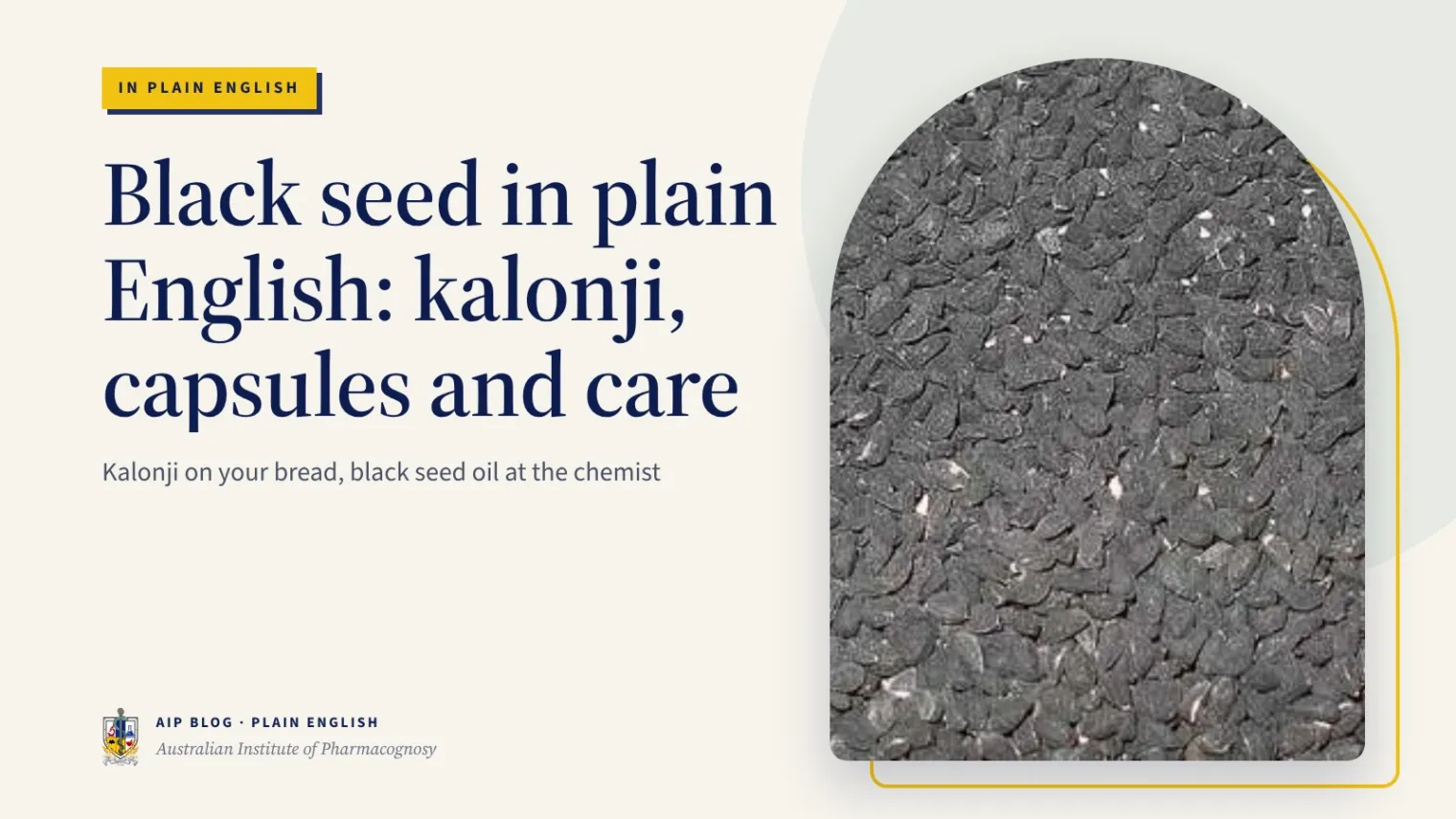
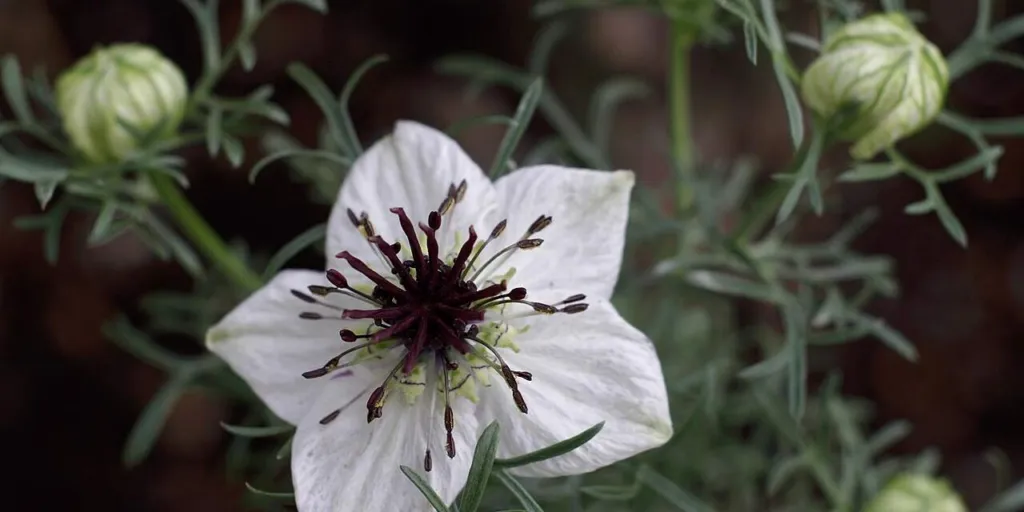
Cover photo: k yamada · CC BY-SA 3.0 · Wikimedia Commons
At the Indian grocer the bag says kalonji, or sometimes onion seed. At the Turkish bakery it is the black speckle on the bread. Now it sits at the chemist too, pressed into oil and sealed in capsules, with a line on the box about immune health.
Wondering about the capsules? Here is what is in them, what the studies found, and where to take care.
Educational only: not medical or legal advice, and no dosing detail.
Someone unwell after taking a black seed product: phone 000 in an emergency, or the Poisons Information Centre on 13 11 26 (24 hours, Australia-wide) and follow its advice.
A skin reaction after using the oil is a reason to stop. A severe or spreading one needs urgent care; blistering, peeling skin, fever, a swollen face or trouble breathing means phone 000.
A child who swallows a quantity of oil or capsules: phone 13 11 26, or 000 if the child is drowsy, struggling to breathe or otherwise unwell. Keep concentrated oils and capsules out of children’s reach.
The small falls in blood sugar and pressure seen in trials could add to diabetes and blood-pressure medicines. On blood-thinning or antiplatelet medicine, or facing surgery? Tell your prescriber and pharmacist. Pregnant or breastfeeding? Keep to cooking amounts. Suspected reactions can be reported to the TGA.
Before taking any botanical drug, consult a degree-qualified herbalist with competencies and adequate training in pharmacognosy, and tell them every medicine you take.
- Kalonji, nigella and many a packet of “onion seed” are one seed.
- As a spice, no known safety concern for most people.
- Bottles differ wildly in strength, and labels needn’t say.
- Small, uneven trials hint at modest falls in blood sugar, blood pressure and cholesterol. Nothing shows it treats any of them.
- Oil on skin can cause allergy. Taking medicines, or pregnant? Read the safety section.
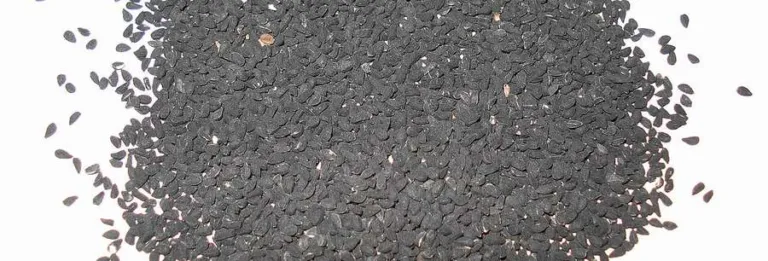
One small seed, a crowd of names
The front of the packet can mislead. The small print rarely does.
Black seed, black cumin, nigella and kalonji all point to one plant, a slim annual of the buttercup family. Real cumin is pale brown, ridged and unrelated. Real onion seed is black too, likely how the trade label crept onto kalonji. Garden love-in-a-mist is a cousin whose seed is not the spice.
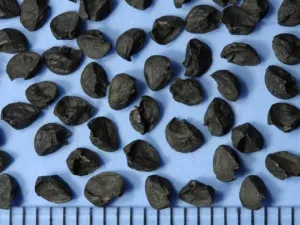
Cumin and onion seed are foods too, so swapping either for black seed is rarely a safety matter. Packet front says onion seed, ingredients panel says Nigella sativa? Go with the panel.
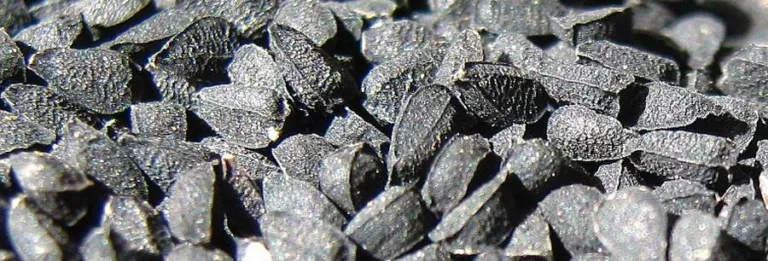
Two oils, and a bottle that will not tell you which
Why one capsule can carry dozens of times more than the next.
Pressed, the seed gives mostly a plain, nourishing oil. Tucked inside is a far smaller dose of a fragrant oil, the source of the peppery smell when you crush a seed. Thymoquinone, the compound lab studies most often credit with the seed’s effects, lives mainly there.
Pressing carries a little fragrant oil along. Then warmth, light and age wear the compound away. Surveys of shop-bought oils and capsules in Switzerland and Malaysia found the richest in-date product held dozens of times more than the weakest; one capsule past its date held almost none. Australian labels need not state the amount.
Whatever a study found, it found it for the bottle on its own bench.
Keep oil cool and dark, use it before its date, and if a maker states a figure, ask how and when they measured it.
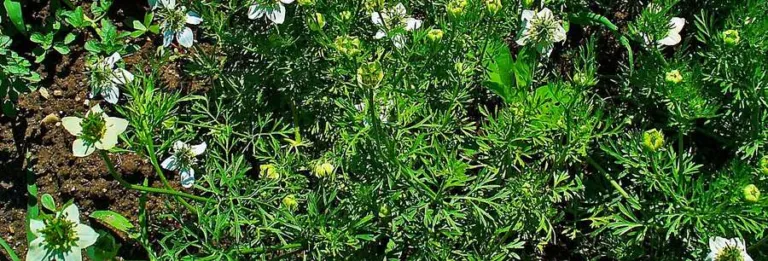
Does it work? A real lead, still faint
Pointing one way, and too tangled to lean on.
Most human research is small trials, mostly from Iran, the Gulf, South Asia and Egypt, in adults already living with diabetes or related conditions. Pooled, they hint at modest drops in blood sugar, blood pressure and LDL, the “bad” cholesterol.
But the trials disagree so much that one averaged result fits none of them, and the reviews mostly graded their own certainty low or very low. None of it shows black seed treating diabetes, cholesterol or blood pressure.
Small hay fever and asthma trials report fewer symptoms, at mixed quality. “Supports immune health” on a box is a permitted label wording, on some products resting on traditional use; no trial has tested it in well people. An AUST L number marks a listed medicine, not one the TGA checked works before sale.
Living with diabetes or high blood pressure? Many trials added it to usual medicines, not instead of them.
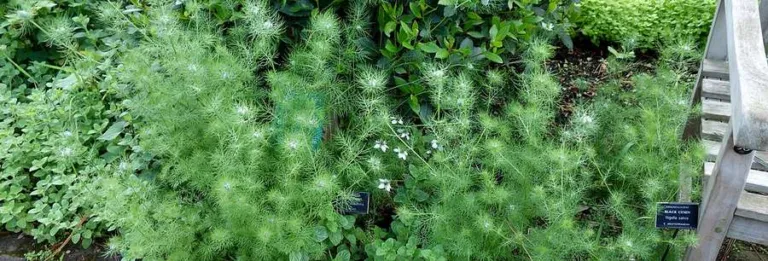
Safety and interactions: the skin, your medicines, pregnancy
Gentle as a food, with a few real cautions as a medicine.
In trials of up to a year, most people taking it by mouth tolerated it well, though they left out pregnant women, people whose kidneys or liver were unwell, and anyone on blood thinners. Skin shows the clearest harm. Oil rubbed on, neat or in balms and beard oils, has caused allergic rashes, blistering and, in a few reports, severe peeling reactions. A woman in Lyon who spread it over her whole body daily developed a serious delayed allergic illness within a week.
If the sugar and pressure effects are real, they stack on medicines doing the same job, above all insulin and diabetes tablets that can drop sugar too low. In lab dishes thymoquinone slows platelets, the cells that begin a clot. No human study covers medicinal doses in pregnancy, and the trials enrolled only adults. A single Turkish report ties black seed to sudden kidney failure in a diabetic patient. That cannot settle cause, but with kidney disease, take extra care.
Stop any oil that irritates your skin. On warfarin or another blood thinner, diabetes, blood-pressure, transplant or epilepsy medicine, living with kidney disease, or booked for surgery? Tell your prescriber and pharmacist before you start or stop it. Pregnant or breastfeeding? Keep to cooking amounts.
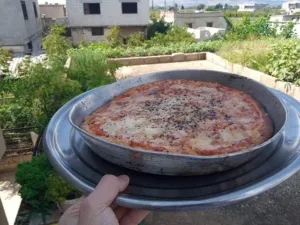
Where it has always lived: on the bread
A faith, a kitchen, and a seed far older than the capsule.
In al-Bukhari’s collection of the Prophet’s sayings, black seed is called a healing for every illness but death. Today’s “cures everything” posts are a modern reading of it. It is a statement of faith, never a clinical finding, and respect for one sits easily beside honesty about the other.
Mostly, black seed is food. A minute in a dry pan turns it nutty and peppery. Cooks from Türkiye to India have long topped bread with it.
Buy a bag, toast it, scatter it. Thinking about capsules? Take the label and a list of your medicines to the herbalist described in the red box above.
This page is the short version of Dr Thomas Ridley’s full review, where every study and source is set out:
- Dr Luke Iggulden, Chief Scientific Officer — Senior author. Commissioned the Explainer series, set its direction and approved it
- Jesse Kirby — Read the review, took his own notes, then wrote this page from them with the review closed: chose the six things a reader needs, the order, every sentence, and the safety box, kept at the review’s full strength
- Zoe Bennett — Wrote the title, the search description and the labels, framed on the kalonji bag and the chemist’s capsule a reader already knows, which is how the page will travel on social
- Theo Karras — Picked the cover flower, the six section banners, the onion-seed comparison and the label diagram from the review’s licensed images, checked each one by eye and wrote alt text to match what is in the frame
- Leah Bianchi — Built the page: the safety box, the one-minute card, two pull quotes, six what-this-means cards and the card back to the full review, and checked it reads cleanly on a phone
Contributors
- Dr Thomas Ridley — Wrote the literature review this page retells, and checks the science of this edition
Image credits. Cover: k yamada, CC BY-SA 3.0. Seed heap: Miansari66, public domain. Seed close-up: आशीष भटनागर at Hindi Wikipedia, public domain. Garden bed: H. Zell, CC BY-SA 3.0. Chelsea Physic Garden: Daderot, CC0. Michaelstein Abbey garden: Dguendel, CC BY 4.0. Pizza near Homs: Hayan Alhasan, CC BY-SA 4.0. Onion seed: Planteur, CC BY-SA 3.0. All via Wikimedia Commons. Label diagram: Australian Institute of Pharmacognosy, 2026, CC BY 4.0.
AIP Explainers retell the Institute’s technical articles in plain English and sit alongside them. Everything on this page comes from the full review, where the studies, references and regulatory sources are laid out. Register entries and the Poisons Standard were read in October 2026 and may change. Found an error? Write to our contact form; we would rather fix a claim than repeat it.
Jesse Kirby
Head of Community Outreach
Australian Institute of Pharmacognosy
Cardwell QLD, Australia
australian-pharmacognosy.org · our contact form
The Institute sets and publishes its own monographs. The catalogue is in Publications.