

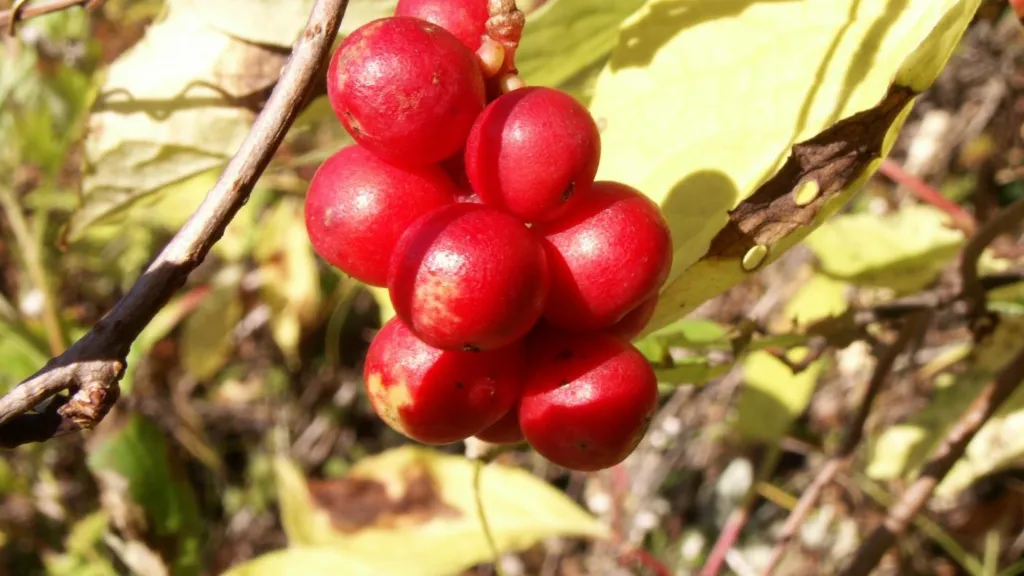
Cover: Schisandra chinensis in fruit, Sakhalin Island, Russia. Photo: Lev Baranchuk-Chervonny (Баранчук-Червонный Лев) · CC BY-SA 3.0 · Wikimedia Commons
Chinese tradition says the skin and pulp of this small red berry taste sweet and sour, the kernels of its seeds pungent and bitter, and the whole fruit salty. Five tastes in one fruit gave it the name wu wei zi, “five-flavour fruit” [1] Traditional. Korea calls it omija, Russia limonnik, and Australian pharmacy shelves now carry it in single-herb powders and in old Chinese formulas such as sheng mai san [2] Confirmed.
This review introduces the plant to Australian readers who may already be taking it inside a combination product without knowing what it is. It covers the two species sold under the name, the difference between fruit and seed, the lignans that carry most of the pharmacology, the human trials graded by size and design, and the interaction studies, which are the best-documented part of the whole literature. It finishes with what the Australian Register of Therapeutic Goods (ARTG) actually lists and what to look for on a label.
This article is educational. It is not medical advice, and nothing in it is a recommendation to take schisandra or to change any medicine.
Schisandra is not in the Poisons Standard [3] and Schisandra chinensis is a permitted ingredient in Australian listed medicines [4] Confirmed. Short trials have reported few side effects Evidence suggests.
Its lignans slow the liver and gut enzyme CYP3A. In healthy volunteers an extract of the related species S. sphenanthera more than doubled blood levels of the transplant drug tacrolimus and of the sedative midazolam [5][6] Confirmed. Anyone taking tacrolimus or another medicine with a narrow safety margin that is cleared by CYP3A should not start or stop schisandra without their prescriber and pharmacist knowing, because blood levels can move Mechanism. Human safety data in pregnancy are lacking.
Before taking any botanical drug, consult a degree-qualified herbalist with competencies and adequate training in pharmacognosy. In an emergency call 000. For poisoning advice anywhere in Australia, call the Poisons Information Centre on 13 11 26.
| Plant | Schisandra chinensis (Turcz.) Baill., Schisandraceae; a deciduous woody climber of north-east Asia Confirmed §1 |
| Part used | Ripe fruit, dried; the seed is the richest source of lignans [7] Confirmed §6 |
| Look-alike | S. sphenanthera (“southern” wu wei zi), a different species with different lignans [8] Confirmed §7 |
| Traditional use | Cough, fatigue and weakness, sweating, insomnia, diarrhoea; a “tonic” in Russian folk use [9] Traditional §4 |
| Main constituents | Dibenzocyclooctadiene lignans: schisandrin, schisandrin B, gomisin A, deoxyschisandrin, schisantherin A Confirmed §6 |
| Human trials | Small Korean and Georgian trials, several of them on mixtures; one placebo-controlled muscle-strength trial of a single extract [10] Evidence suggests §9 |
| Interactions | Raises tacrolimus and midazolam exposure in people (S. sphenanthera extract) Confirmed; similar effects likely for S. chinensis Mechanism §10 |
| Australian status | Not scheduled; permitted in listed medicines; 199 ARTG entries found by keyword, many of them multi-herb formulas Confirmed §11 |
- Confirmed: established in humans by trial, or an unambiguous analytical, chemical or regulatory fact.
- Evidence suggests: real published data, but preclinical, observational, small, on a mixture, or not yet replicated.
- Mechanism: a plausible pharmacological inference, not a measured outcome.
- Traditional: historical or ethnobotanical use. Evidence of practice, not of efficacy.
- Attested: a documentary fact, such as what a pharmacopoeia, register entry or label says.
Every PubMed ID (PMID) links to its PubMed record and was checked against PubMed in October 2026; every chemical record was checked against PubChem. Every study described here was read in full by the Institute. Studies we have asked for but not yet read are named as such and are not used for their results. Where a claim could not be traced to a source it is marked unsourced.
Schisandra is the dried red berry of a climbing vine from northern China, Korea, Japan and the Russian Far East. It has pharmacopoeial standing in China, Japan, Korea, Russia and Europe [9] Attested. Two species share the Chinese name: S. chinensis, the northern fruit and the one permitted in Australian listed medicines, and S. sphenanthera, the southern fruit, which is the species in most of the human interaction studies.
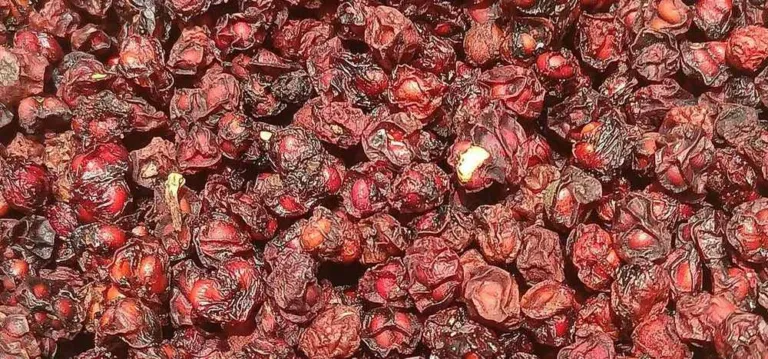
Its active chemistry is a family of lignans with an unusual eight-membered ring. They sit mostly in the seed: in one Korean analysis the seed held about fifteen times the lignan content of the pulp [7] Confirmed. A product made from crushed whole fruit, from seed, or from juice can therefore differ many-fold in what it delivers.
The human efficacy evidence is thin. A 12-week Korean trial in 45 post-menopausal women found stronger thigh muscles with a fruit extract and no change in grip, gait or muscle mass [10] Evidence suggests. The other trials tested mixtures, so they cannot tell us what schisandra did on its own. Claims of liver protection rest on animal work and on a synthetic drug made from a schisandra lignan, which lowers a liver enzyme reading without improving the liver tissue itself [1] Evidence suggests.
The interaction evidence is stronger than the efficacy evidence. Chinese transplant units add a schisandra capsule to tacrolimus on purpose because it raises tacrolimus levels, and a 2024 meta-analysis put the average rise at about 86 per cent [11] Confirmed. In Australia that effect would be unplanned. People on tacrolimus, and on other medicines cleared by the same enzyme, are the group who most need to know what schisandra is before they take it.
 1 · Names and identity
 2 · The plant
 3 · Where it grows
 4 · Five flavours and Chinese medicine
 5 · Korea, Russia and the adaptogen years
 6 · The lignans
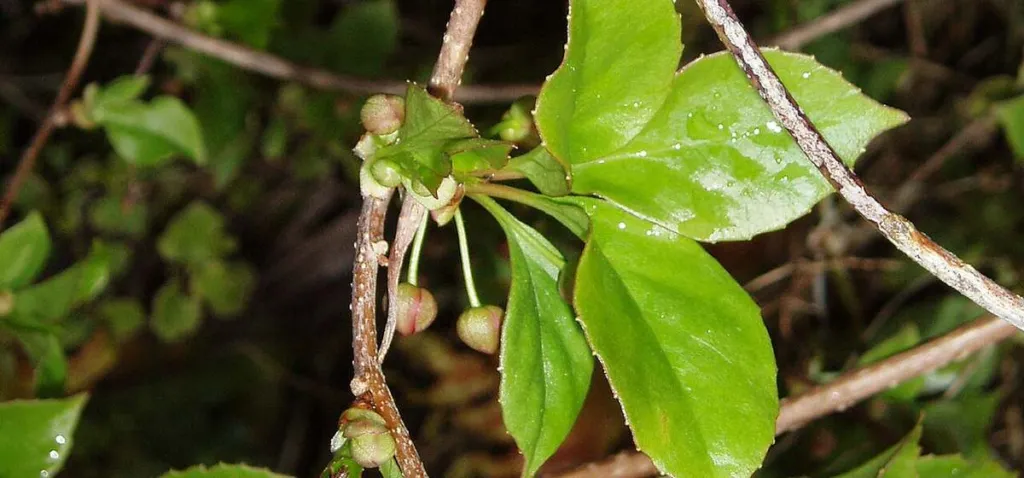 7 · Species, seed and quality
 8 · Pharmacology
 9 · The human trials
 10 · Safety and interactions
 11 · In Australia
 12 · Related plants and medicines
 D · Discussion and research agenda
1. Names and identity: northern and southern wu wei zi
Schisandra chinensis (Turcz.) Baill. is a woody climber in the small family Schisandraceae, a group some older texts fold into the magnolia family [8] Attested. Its common names follow the regions that use it: Chinese magnolia vine in English, wuweizi (五味子) in Chinese, gomishi in Japanese, omija (오미자) in Korean and limonnik kitaiskii (Лимонник китайский), “Chinese lemon-vine”, in Russian [9] Attested.
The Chinese name covers two plants. The fruit of S. chinensis is bei wu wei zi, northern wu wei zi; the fruit of S. sphenanthera Rehder & E.H.Wilson, a species of southern Chinese provinces, is nan wu wei zi, southern wu wei zi [9] Attested. The Chinese Pharmacopoeia keeps them as separate drugs and sets a different marker for each: at least 0.40 per cent schisandrin for the northern fruit and at least 0.20 per cent schisantherin A (gomisin C) for the southern [8] Attested. Those are Chinese standards, overseas material that does not govern Australian law.
Europe went further. The European Pharmacopoeia monograph Schisandrae chinensis fructus, first published in Supplement 6.3 in 2008, accepts only S. chinensis and includes a thin-layer chromatography test to exclude S. sphenanthera [9] Attested. That distinction matters to anyone reading the interaction literature, because the best human pharmacokinetic studies used the southern species.
One compound, five names
Schisandra chemistry is hard to read because many of the same molecules carry several names, given by different research groups. Szopa and colleagues list the synonyms, and the main ones are worth having in front of you before reading any label or paper [9] Confirmed.
| Name used in this review | Synonyms you will meet | PubChem CID |
|---|---|---|
| Schisandrin | schizandrin, schisandrol A, wuweizichun A | 3001664 |
| Deoxyschisandrin | schisandrin A, deoxyschizandrin, wuweizisu A, dimethylgomisin J | 43595 |
| Gomisin A | schisandrol B, wuweizichun B | 15608605 |
| Schisandrin B | gomisin N for the (−) form; γ-schisandrin for the racemate | 108130 |
| Schisandrin C | schizandrin C, wuweizisu C | 443027 |
| Schisantherin A | gomisin C, wuweizi ester A | 151529 |
The table has a practical use. A label that says “standardised to 2% schisandrins” and a paper that reports “schisandrol A” may be describing the same compound, while “schisandrin A” in one source and “schisandrin” in another are different molecules Attested.
2. The plant: a twining vine with grape-like bunches
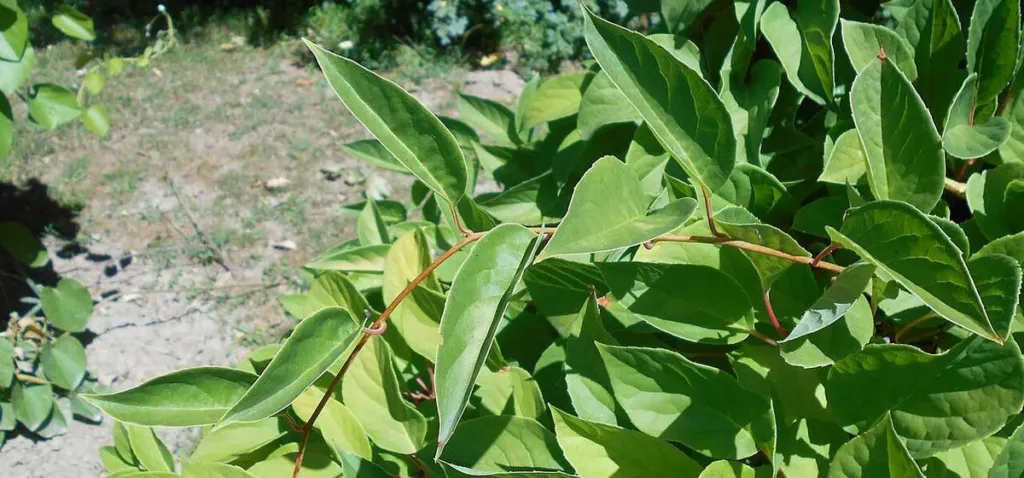
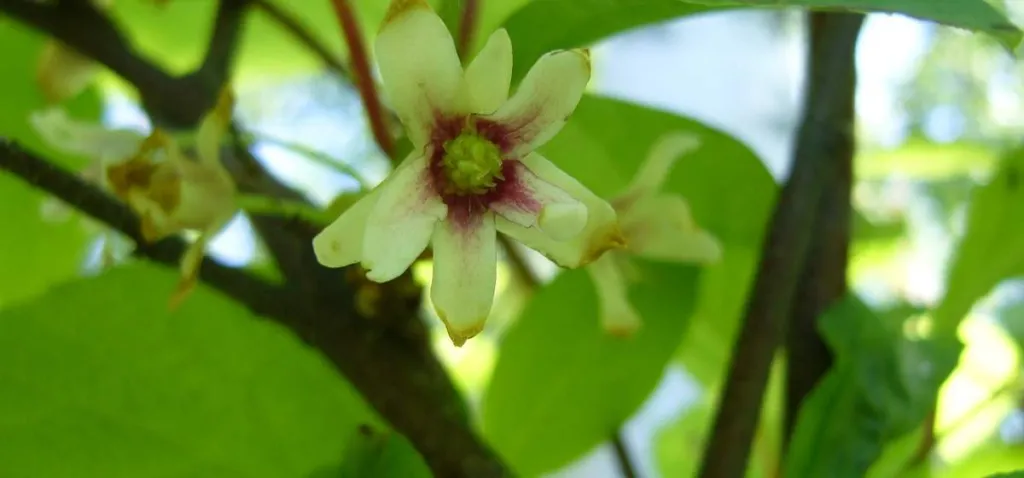
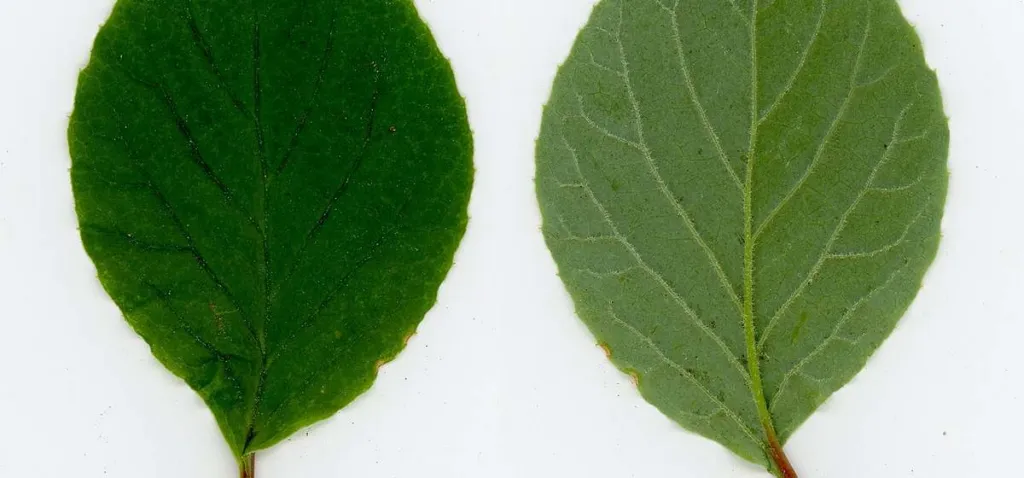
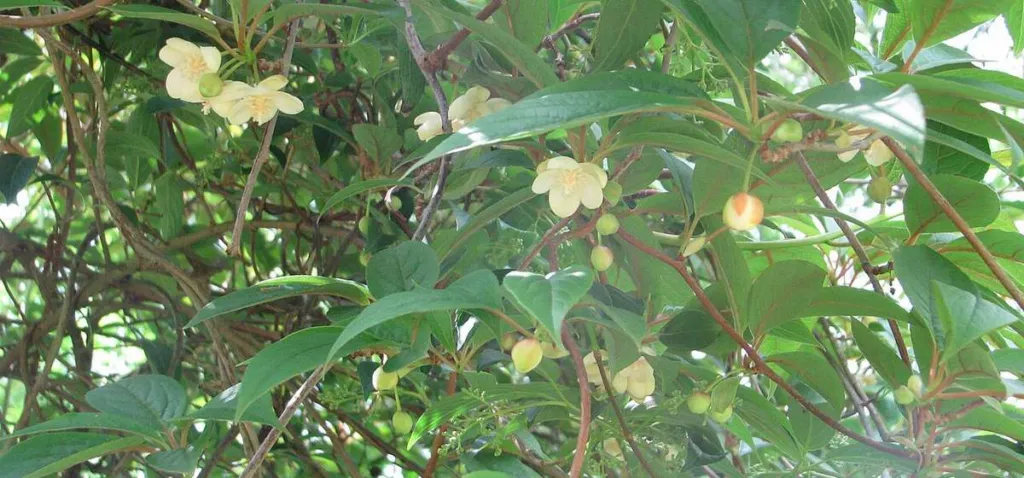
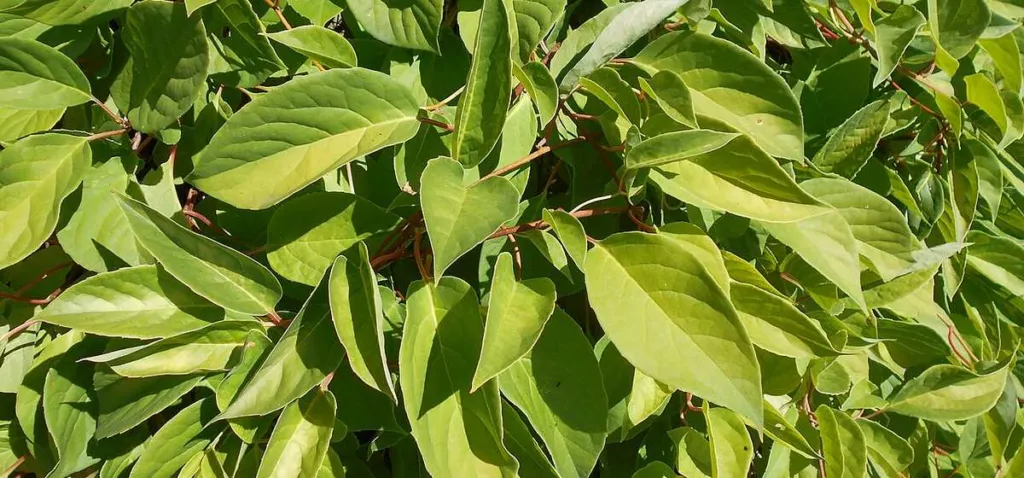
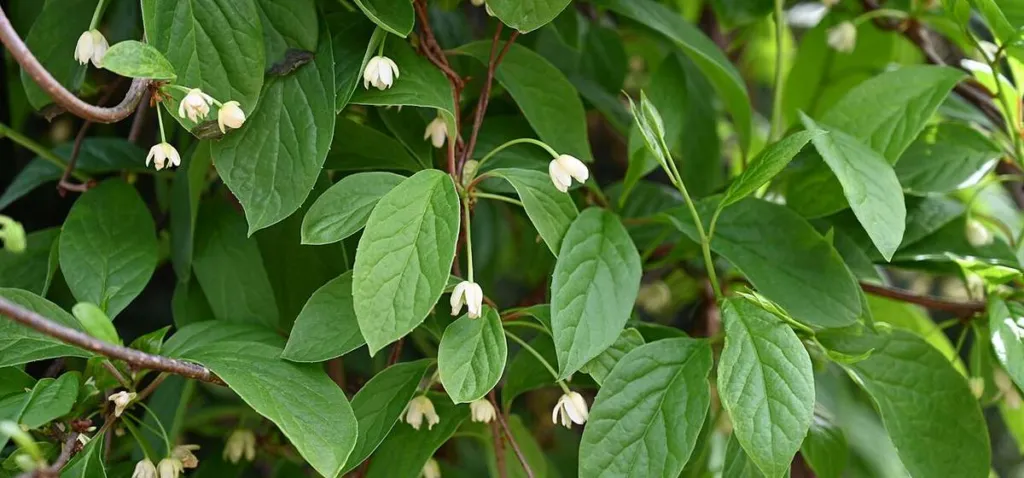
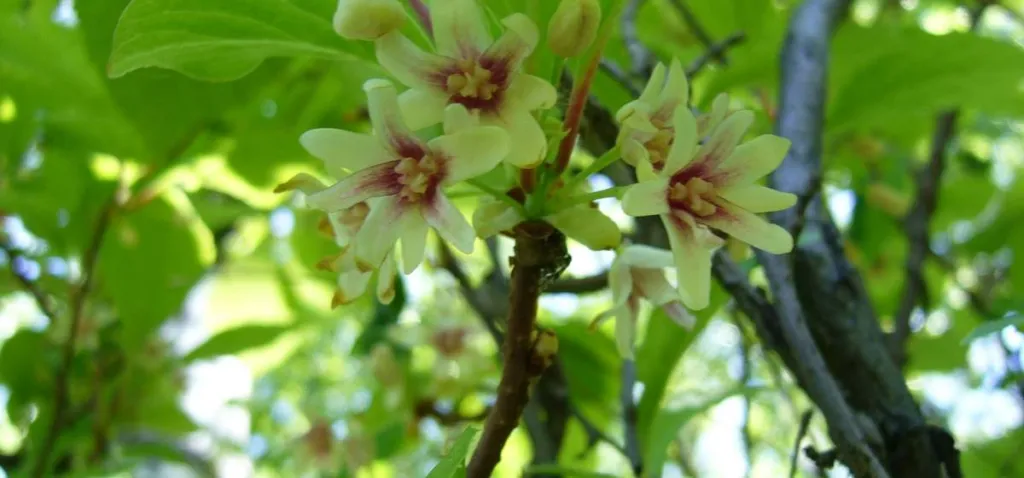
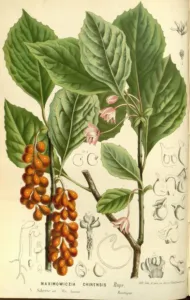
The WHO regional handbook on Korean medicinal plants describes a deciduous, twining shrub whose simple, alternate leaves cluster on short shoots. The leaves are broad-elliptic to ovate, up to about 10 cm long and 3 to 5 cm wide, glossy above and finely toothed, on stalks 1.5 to 3 cm long. Flowers hang from the leaf axils on stalks up to 4 cm, creamy with a reddish tint, with six to nine perianth segments; in Korea they open in June and July [12] Confirmed.
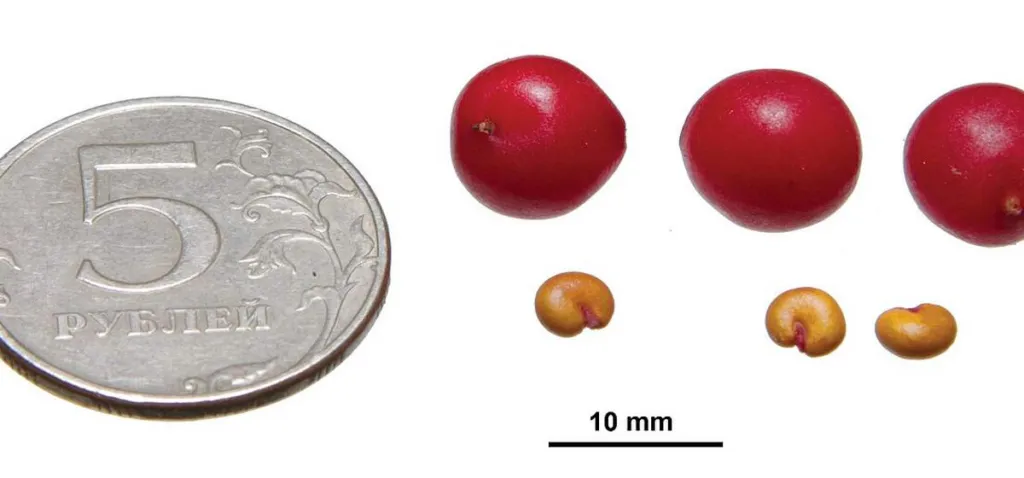
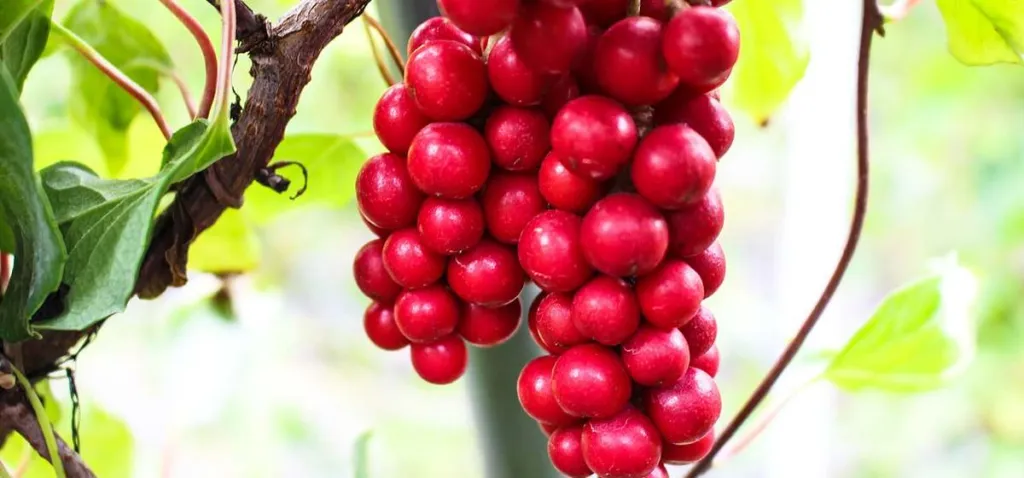
Plants are usually described as dioecious, with male and female flowers on separate vines [9][12] Confirmed. The practical consequence for growers is that a single vine may set no fruit. After flowering, the receptacle of a female flower lengthens into a hanging spike, and the berries, each about 1 cm across, cluster along it in bunches roughly 10 cm long that look like a loose bunch of red grapes. Each berry holds one or two kidney-shaped seeds. In European gardens the fruit ripens in late August and early September [9] Confirmed.
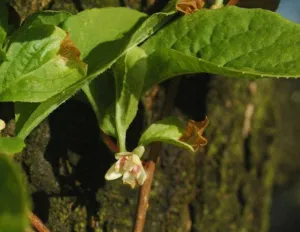
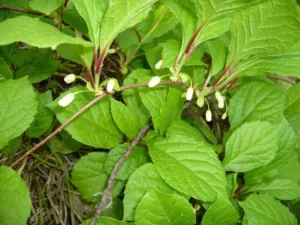
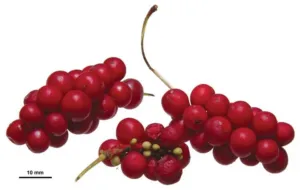
The fruit and seed are the diagnostic parts. Under the microscope, the two wu wei zi species separate cleanly: the mesocarp of S. sphenanthera carries numerous oil cells and crystals in prisms or rounded clusters, and these are absent from S. chinensis [9] Confirmed. That is a simple, cheap identity test, and it is the kind of check a pharmacognosy laboratory can run on a sample of dried fruit in an afternoon.
3. Where it grows, and whether it grows here
The natural range runs across north-eastern China, Korea, Japan and the Russian Far East, including Primorye, the Kuril Islands and southern Sakhalin. The vine favours mixed forest, especially forest edges and the banks of streams, in moderately moist, humus-rich and often sandy soil [9] Confirmed. The Korean handbook adds mountain thickets [12] Confirmed. It is cultivated commercially in China, Korea and Russia and grown as an ornamental in North America and Europe [9] Confirmed, and Korean authors describe thousands of tonnes of berries traded in Asia each year [7] Evidence suggests.
In Australia the plant is a rarity. A search of the Atlas of Living Australia in October 2026 returned 46 records for the genus Schisandra, all of them preserved herbarium specimens collected overseas (China, India, Japan, Nepal, New Zealand, Russia, the United States and Viet Nam) or with no country recorded; none records the plant growing in Australia Attested. We found no published data on Australian cultivation or on any naturalised population [Unsourced: a database search, not a field survey] Evidence suggests. Most of the schisandra used here therefore arrives as imported dried fruit, powder or extract. Anyone thinking of importing seed or plants should check the Department of Agriculture, Fisheries and Forestry import conditions database (BICON) first; we did not verify the current conditions for this review.
For readers in Cardwell and the rest of the wet tropics, the climate is the obvious question. A forest vine of Sakhalin and Manchuria is adapted to cold winters, and we would not expect it to fruit well at sea level in far north Queensland. That is our expectation from its native range, and no Australian growing trial we know of has tested it.
4. Five flavours: schisandra in Chinese medicine
The name is a taste description. In the Chinese account the skin and pulp are sweet and sour, the seed kernels pungent and bitter, and the fruit as a whole salty, which places all five classical flavours in a single drug [1] Traditional.
Szopa and colleagues date the first written description to Li Shizhen’s Bencao gangmu of 1596 [9] Attested. Wu wei zi is commonly said to appear in much older Chinese materia medica as well; we have not checked a critical edition and leave that point unsourced. The uses recorded across these reviews are consistent: disorders of the digestive tract, breathlessness and chronic cough, palpitations, fatigue and weakness, excessive sweating including night sweats, insomnia and dream-disturbed sleep, chronic diarrhoea and wasting conditions [9][1] Traditional. Chinese sources also describe it as a food-and-medicine herb used “to tonify the kidney” [8] Traditional, and that phrase survives on the Australian register, where one listed product carries the permitted indication “traditionally used in Chinese medicine to enrich, nourish, tonify, fortify or strengthen kidneys” [13] Attested. In Chinese medicine “kidney” names a functional system; the ARTG conditions for that product forbid any reference to kidney disease.
Sheng mai san, the “generate the pulse” powder
The formula most Australians will meet is sheng mai san, in Korean saengmaeksan: ginseng, ophiopogon root (Ophiopogon japonicus) and schisandra. One Australian listed version, on the register since 1991, contains dry equivalents of 75.56 mg Panax ginseng root, 56.66 mg ophiopogon tuber and 37.78 mg schisandra fruit per pill [14] Attested. Pharmacokinetic work summarised by Zhang and colleagues found that schisandrin was absorbed a little more slowly from the formula than from the single herb, which is a reminder that a fruit inside a formula is a different dose form from the fruit alone [8] Evidence suggests. Our Korean ginseng review covers the ginseng half of this pairing.
A food as much as a medicine
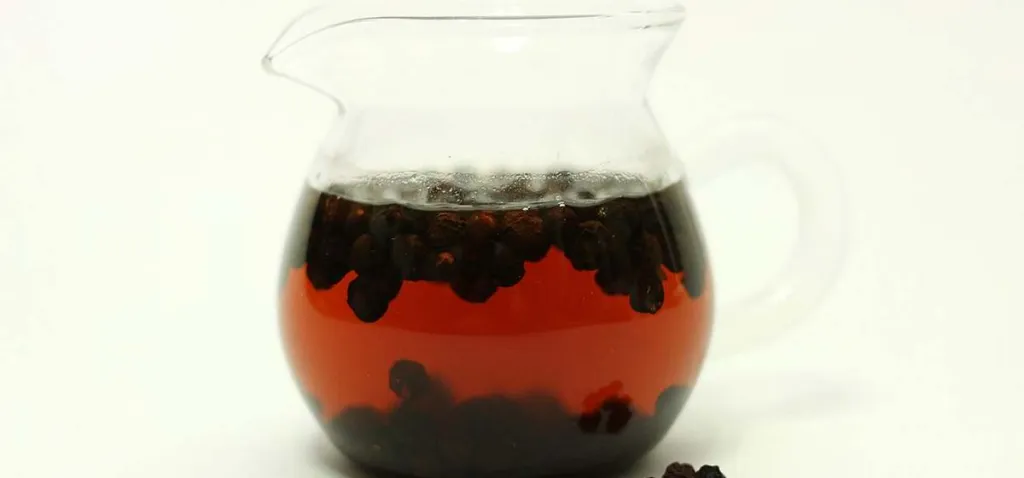
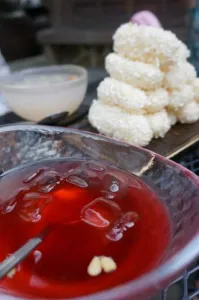
In Korea the berry is mostly eaten and drunk. The most common household preparation is a syrup made by layering fresh berries with an equal weight of sugar and leaving the jar for six to twelve months or longer. Park and colleagues followed such a ferment for a year and found that the measured lignans in the liquid rose 2.6-fold over twelve months, and that a version soaked in 30 per cent alcohol extracted more again [7] Confirmed. The fruit is also sold as jam, powder, capsules and tea.
5. Korea, Russia and the adaptogen years
The WHO regional handbook lists the Korean name as o-mee-ja, the part used as the fruit, and its traditional uses as cough and weakness [12] Traditional. The same entry lists animal and laboratory activities including central nervous system depression, antitussive, anti-inflammatory and anti-allergic effects [12] Evidence suggests, all from studies of the 1980s and early 1990s.
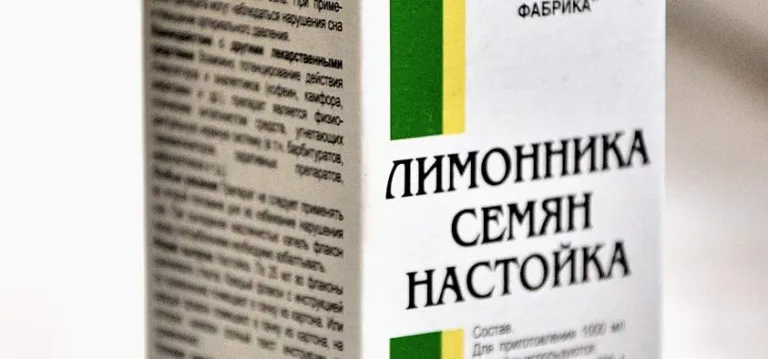
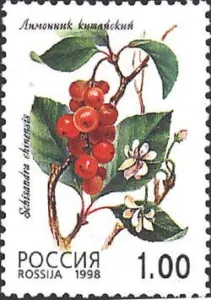
In Russia the berry was a hunters’ food as well as a medicine. Reviews of the Russian literature describe its traditional use as a tonic that reduced hunger and fatigue, increased vitality and supported mental health [9] Traditional, and an account repeated by Zhang and colleagues says hunters ate the berries to keep going on long trips and to see better at night [8] Traditional. The fruit has a monograph in the Russian pharmacopoeia, in the 1990 edition [9] Attested. The tincture on the banner is made from the seed, which carries most of the lignans, a detail worth holding on to for chapter 7.
Schisandra as an “adaptogen”
Schisandra is one of the plants called adaptogens, plants said to raise resistance to physical, chemical and emotional stress in a general way; the term grew out of Soviet-era pharmacology [Unsourced here: the Russian primary literature is on order and has not been read]. Szopa and colleagues note that it is still counted among the best-known adaptogenic plants, with Eleutherococcus senticosus, Panax ginseng, Panax quinquefolius and Rhodiola rosea [9] Traditional. The main English-language synthesis of that Soviet work, by Panossian and Wikman (2008), is on order for full-text reading and is not used here; most of the primary studies it reviews were published in Russian and have not been read by the Institute. We therefore describe the Soviet-era research only as a tradition of study and do not grade its findings.
The concept itself is contested. Siwek and colleagues, writing from a retrospective chart review at a Kraków university hospital, quote the European regulator’s definition of an adaptogen and observe that the definition is so broad that almost any plant with a positive effect could qualify [15] Evidence suggests. Both readings can be held at once: the word has a long history in Russian pharmacology, and it is a weak basis for a modern claim. The trials below are judged on what they measured.
6. The lignans: what is in the fruit
The compounds that define schisandra are dibenzocyclooctadiene lignans: two methoxylated benzene rings joined through an eight-membered carbon ring [8] Confirmed. The WHO monograph cited by Szopa and colleagues recorded about thirty of them in the fruit, and the first and most abundant to be isolated were schisandrin, schisandrins B and C, γ-schisandrin, schisantherins A and B, schisanthenol, deoxyschisandrin and gomisins A and G [9] Confirmed.
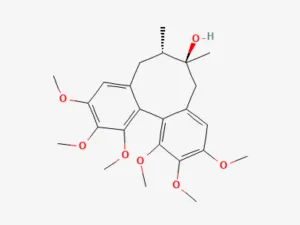
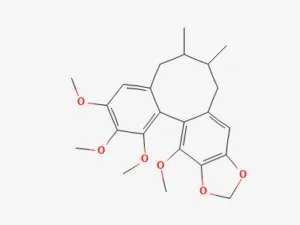
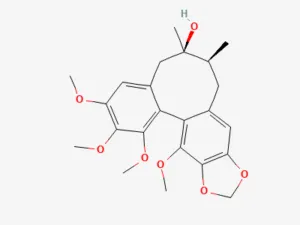
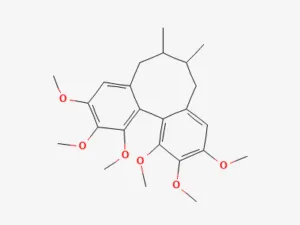
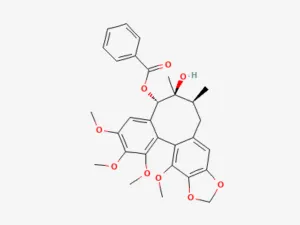
How much lignan a fruit carries depends on ripeness, harvest time, location and the analytical method, and the reported figures vary widely. Wang and Xu give about 2 per cent by weight [1] Confirmed; Szopa and colleagues quote a range from pharmacopoeial and review sources of 4 to 19 per cent of dry weight [9] Evidence suggests. The most useful single dataset for a reader is Park and colleagues’ measurement of seven lignans in each part of Korean-grown plants by HPLC with diode-array detection [7] Confirmed:
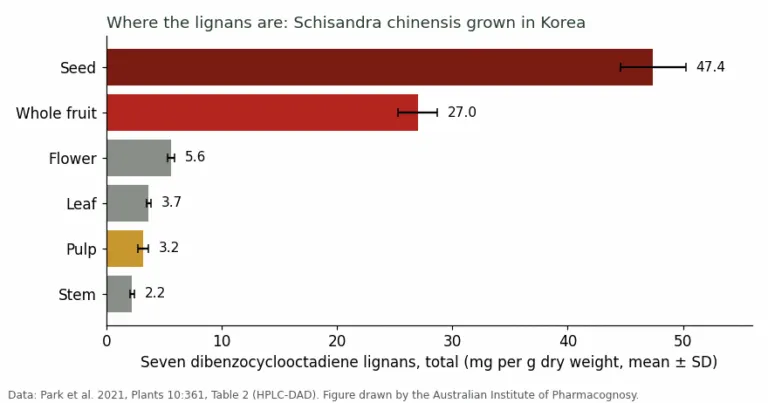
Seed 47.4 mg/g, whole fruit 27.0, pulp 3.2 [7] Confirmed. Schisandrin and schisandrin B dominate both seed and pulp. The species also differ: the northern fruit is richest in schisandrin B, schisandrin and gomisin A, and the southern fruit in anwulignan, deoxyschisandrin and schisantherin A, and climate shifts the balance within each species [8] Confirmed.
Beyond the lignans
The fruit also contains highly oxygenated triterpenoids of unusual skeletal types (schisanartanins, schinchinenins, nortriterpenoid lactones) and water-soluble polysaccharides studied for immune effects in animals [9] Confirmed, as well as an essential oil and anthocyanin pigments [7] Confirmed. The leaves are poorer in lignans and richer in flavonoids such as isoquercitrin and in phenolic acids [9] Confirmed. The organic acids that make the berry so sour are often mentioned and rarely quantified in the sources we read [Unsourced: no figure found].
7. Species, seed and quality
Three questions decide what a schisandra product contains, and none of them is answered by the word “schisandra” on a label.
Which species? The two wu wei zi fruits look alike when dried [9] Confirmed. The Chinese Pharmacopoeia accepts both under different names; the European Pharmacopoeia accepts only S. chinensis [9][8] Attested. In Australia only S. chinensis appears in the list of ingredients permitted in listed medicines [4] Confirmed. Microscopy (oil cells and crystals in the southern fruit), thin-layer chromatography and HPLC fingerprints of the marker lignans can tell them apart [9][8] Confirmed.
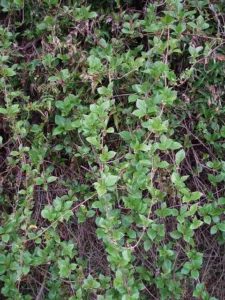
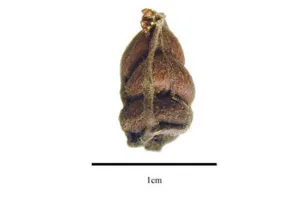
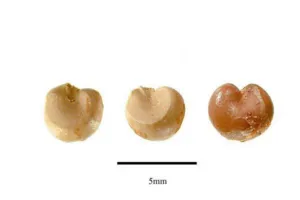
Which part? Because the seed holds about fifteen times the lignan content of the pulp [7] Confirmed, a whole-fruit powder, a seed tincture like the Russian one in chapter 5, and a pulp juice or syrup made without crushing the seeds are three different medicines. Grinding matters as well: an intact seed passes through the gut largely unbroken, so the lignans in a tea of whole berries may be under-extracted Mechanism.
How much? Extract ratios on Australian labels describe the weight of dried fruit that went into each weight of extract. They say nothing about lignan content, which depends on species, part, origin and extraction solvent [8] Confirmed. Only a stated content of a named lignan (for example schisandrin, by HPLC) tells a reader how much of the active chemistry is present, and of the trials in chapter 9 only one reported it [10] Attested.
No survey of the Australian market for schisandra identity or lignan content has been published that we could find. It is a well-defined piece of work for a pharmacognosy laboratory, and it appears in the research agenda below.
8. Pharmacology: what the lignans do in the laboratory
Almost all of the mechanism work is in cells, tissue preparations and rodents. It is listed here because it explains the human interaction data and because it shapes what the trials chose to measure. None of it, on its own, shows a benefit in people.
Drug-metabolising enzymes and transporters
The best-defined action is on cytochrome P450 3A (CYP3A), the enzyme family that clears a large share of prescribed drugs, tacrolimus and midazolam among them [5][6] Confirmed. In human liver microsomes, gomisins B, C, G and N and γ-schisandrin inhibited CYP3A4 activity, and gomisin C (schisantherin A) was the most potent, acting both competitively and as a mechanism-based inhibitor that inactivates the enzyme irreversibly, as summarised by Xin and colleagues from the original Japanese work [6] Evidence suggests. Schisandrin B inhibits the efflux pump P-glycoprotein, and gomisin A reverses P-glycoprotein-mediated multidrug resistance in laboratory studies [5] Evidence suggests. Tacrolimus, ciclosporin and many other drugs depend on both systems Mechanism.
The direction of the effect can change with time. In rats a schisandra extract inhibited CYP3A within the first 12 hours and increased CYP3A activity after six days of dosing; Zhang and colleagues note that deoxyschisandrin, schisandrin B, schisandrin and gomisin C activate the human pregnane X receptor in a reporter-gene assay, a plausible route to the later induction [8] Evidence suggests. If the same happens in people, a single dose and a month of daily use could push a co-prescribed drug in opposite directions Mechanism.
Liver models
Schisandrin B raises mitochondrial glutathione and induces heat-shock proteins in mouse liver, and pretreatment protects mice against carbon tetrachloride and other chemical liver injury [1] Evidence suggests. A Chinese synthetic drug, bifendate (diphenyl dimethyl bicarboxylate, DDB), was developed as an intermediate derivative of schisandrin C and has been used in China and other Asian countries as an add-on treatment in chronic viral hepatitis [1] Attested.
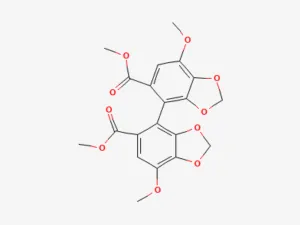
Bifendate is a useful caution. It lowers the blood level of the liver enzyme alanine aminotransferase (ALT), and the ALT tends to rise again when treatment stops. In one clinical study of people with chronic hepatitis B, hepatitis C or steatohepatitis, ALT normalised during treatment, hepatitis B viral DNA did not change, and liver biopsies showed no improvement in disease grade or stage [1] Evidence suggests. Cell work suggests that it alters the synthesis or breakdown of ALT inside liver cells [1] Mechanism. A fall in ALT is therefore a weak proxy for a healthier liver where schisandra-derived compounds are concerned.
Other activities
In animal and cell models schisandra extracts and lignans have shown sedative and sleep-prolonging effects (linked to serotonergic signalling for schisandrin), reduced airway hyper-responsiveness in a mouse asthma model, relaxation of blood vessels, and effects on muscle protein turnover and endurance in mice [9][10] Evidence suggests. In rats the main lignans distribute mostly to lung and liver and reach the brain only at low concentrations [8] Evidence suggests.
9. The human trials, graded
The trials are small, mostly Korean and short, and three of the four in the table tested a mixture. The table sets them out before the discussion, with the product each one used.
| Trial | Who and how many | Product and dose | Length | Main findings | Grade |
|---|---|---|---|---|---|
| Park, Han and Park 2020 [10] | Healthy post-menopausal Korean women; 52 randomised, 45 analysed | S. chinensis fruit, 20% ethanol extract, 4.92 mg/g schisandrin; 1,000 mg/day | 12 weeks | Quadriceps strength rose and resting lactate fell vs placebo; no change in grip, gait, chair-stand, balance or muscle mass | Evidence suggests |
| Kim et al. 2022 [16] | Korean adults with fasting glucose 100-140 mg/dL; 80 randomised, 63 analysed | Omija extract and soybean mixture, 500 mg/day | 12 weeks | Lower fasting and post-load glucose vs placebo; HbA1c no different between groups | Evidence suggests |
| Karosanidze et al. 2022 [17] | Georgian adults with long-COVID symptoms; 100 randomised | ADAPT-232: rhodiola, schisandra fruit (600 mg soft extract) and eleutherococcus, daily oral solution | 2 weeks | Fatigue and pain resolved one to two days sooner in half the patients; most symptoms improved in both groups | Evidence suggests |
| Juan et al. 2023 [18] | Male university tennis players; 18 analysed | Saengmaeksan decoction (liriope, ginseng, schisandra 2:1:1), 770 mL/day | 4 weeks | Ammonia and ALT fell relative to placebo during high-intensity training; AST fell within the saengmaeksan group | Evidence suggests |
Fatigue, strength and physical performance
The one placebo-controlled trial of schisandra alone that we could read in full is Park, Han and Park’s 2020 study in Busan [10] Evidence suggests. Fifty-two healthy women aged 55 to 78 took a 20 per cent ethanol extract of the fruit, standardised by HPLC to 4.92 mg/g schisandrin, at 1,000 mg a day, or a placebo, for 12 weeks; 45 finished. Quadriceps strength increased in the schisandra group and not in the placebo group (group-by-time interaction p = 0.001), and resting blood lactate fell (p = 0.038). Grip strength, walking speed, chair-stand time, one-leg balance and appendicular muscle mass did not differ. The authors converted the dose from an effective mouse dose (250 mg/kg), scaled to the lightest participant. Diet and physical activity were not recorded, and the trial is single-centre and small. It is a promising signal on one measure, and it needs repeating.
A larger Korean trial of schisandra extract combined with low-intensity exercise in older adults (Cho and colleagues, 2021) is on order for full-text reading. We do not report its result from the abstract.
The long-COVID trial from Tbilisi tested ADAPT-232, a Swedish fixed combination of rhodiola root, schisandra fruit and eleutherococcus root, in 100 patients for two weeks [17] Evidence suggests. Symptoms improved in both groups. The differences favouring the combination were modest and appeared on particular days (for example, fewer patients still fatigued on day 11, 28 versus 43 per cent), and the paper reports 22 dropouts in one section while stating elsewhere that 99 of 100 completed. The manufacturer funded the study. Because three plants were given together, it tells us nothing about schisandra on its own. The tennis-player study of saengmaeksan has the same limitation and an even smaller sample; its abstract and methods also disagree on whether 17 or 18 players were analysed [18] Evidence suggests.
Liver-enzyme markers
Schisandra’s reputation as a “liver herb” outside Asia rests mostly on the animal work and on bifendate (chapter 8). Wang and Xu summarise a controlled trial in chronic viral hepatitis in which schisandra extract normalised ALT within four weeks; we could not identify and read that primary trial and treat it as reported, not verified [1] Evidence suggests. In twelve healthy volunteers taking the southern species for two weeks, ALT and AST did not change [5] Evidence suggests, and in the tacrolimus meta-analysis eight studies found no difference in liver or kidney tests with or without the capsule, and one reported better liver tests with it [11] Evidence suggests. The saengmaeksan trial reported lower ALT relative to placebo after four weeks of hard training, in a mixture, in 18 young men [18] Evidence suggests. No trial we read measured a clinical liver outcome, such as liver fat on imaging, fibrosis or biopsy, with S. chinensis alone.
Blood glucose
Kim and colleagues gave 80 Korean adults with raised fasting glucose either an omija extract and soybean mixture (500 mg a day) or placebo for 12 weeks [16] Evidence suggests. Fasting glucose and the 30- and 60-minute glucose after a glucose drink were lower in the mixture group than in the placebo group, and so was the 60-minute insulin. HbA1c, the three-month average, did not differ between groups. The product combined two foods, and the study was funded through the Korean agriculture ministry and a regional agricultural centre; the result cannot be credited to schisandra alone.
Menopausal symptoms
The only placebo-controlled trial we found that tested schisandra for menopausal symptoms is a Korean study by Park and Kim, published in Climacteric in 2016. It is on order for full-text reading and we do not report its result from the abstract. PubMed also lists studies in rodent models of menopause; we have not graded them, and they are not evidence of an effect in women. For now the honest grade for menopause is “not assessed”.
Taken together: one small single-extract trial supports a strength effect in older women Evidence suggests; several mixture trials report changes in fatigue scores, glucose or liver enzymes that cannot be assigned to schisandra Evidence suggests; and no trial we read was conducted in Australia or with a product sold here.
10. Safety and interactions
Tolerability in trials
Side effects were uncommon in the trials we read. In the 12-week strength trial the only reported symptoms, abdominal pain in two participants, occurred in the placebo group [10] Evidence suggests. The glucose trial recorded two mild adverse events in 80 people with no clear link to the product [16] Evidence suggests, and the long-COVID trial recorded one, in the placebo group [17] Evidence suggests. Healthy men who took the southern-species extract alone for seven days reported no adverse events [6] Evidence suggests. These trials lasted two to twelve weeks and enrolled a few hundred people in total, which is too few to detect uncommon reactions.
Digestive symptoms appear in the interaction studies. Six of twelve volunteers developed heartburn and burning hands and feet about an hour after tacrolimus was given with the extract; the symptoms cleared within ten hours, and the authors attributed them to the threefold rise in peak tacrolimus concentration [5] Evidence suggests. In the tacrolimus meta-analysis one study reported digestive discomfort, dizziness, fatigue, itching and raised blood glucose in patients given the capsule with tacrolimus [11] Evidence suggests.
CYP3A: the interaction with the strongest human evidence
Xin and colleagues gave twelve healthy men three capsules of a S. sphenanthera extract twice daily for 13 days, each capsule containing 11.25 mg deoxyschisandrin, and measured a single 2 mg dose of tacrolimus before and after [5] Confirmed. Tacrolimus exposure (AUC) rose by a mean of 164 per cent and its peak concentration by 227 per cent; apparent oral clearance fell by about half, and the half-life did not change, which points to more drug absorbed through the gut wall Mechanism. The same group then tested midazolam, the standard probe for CYP3A, after seven days of the extract: AUC rose by a mean of 119 per cent, the volunteers slept about three to five hours longer than with midazolam alone, and the ratio of metabolite to parent drug fell from 0.28 to 0.12 [6] Confirmed. Adverse events in that phase (headache, dizziness, fatigue and one episode of postural hypotension) rose from 16 to 22, all resolving within a day [6] Evidence suggests.
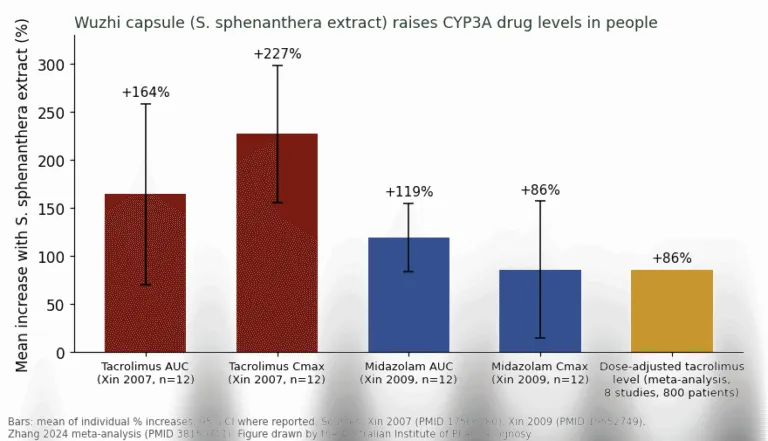
In China the interaction is used deliberately. Wuzhi capsule, an ethanol extract of the southern fruit, is prescribed with tacrolimus to reduce the dose and cost of the immunosuppressant. Zhang and colleagues pooled eleven Chinese studies of kidney and liver transplant recipients and of people with glomerular kidney disease: across six randomised trials and two observational studies (800 patients), dose-adjusted tacrolimus levels were on average 86 per cent higher with the capsule, with very high heterogeneity between studies (I² = 91%) [11] Confirmed. Tacrolimus has a narrow therapeutic range, and too much of it damages kidneys and nerves [11] Confirmed. A planned, monitored increase in a Chinese transplant clinic is one thing; an unplanned increase in an Australian transplant recipient who starts a schisandra powder without telling anyone is the scenario this chapter exists to prevent Mechanism.
Does the same apply to Schisandra chinensis?
Probably, to a degree that depends on the product. The best human studies used the southern species, whose marker lignan (gomisin C) is the most potent CYP3A4 inhibitor of the group [6][8] Evidence suggests. The northern fruit contains the same class of compounds, and Zhang and colleagues cite two studies, which we have not read, reporting that its extracts inhibit CYP3A in human liver microsomes and in healthy volunteers [8] Evidence suggests. A healthy-volunteer study of S. chinensis extract with talinolol, a probe for P-glycoprotein, was published in 2009 and is on order; we do not report its result. Until there are direct human data for S. chinensis products sold in Australia, the cautious reading is to assume a clinically relevant CYP3A and P-glycoprotein effect for concentrated, lignan-rich products Mechanism.
Medicines for which that matters include tacrolimus, ciclosporin, sirolimus and everolimus after transplantation, oral midazolam and other sedatives, and other drugs with a narrow margin, all of them cleared by CYP3A Mechanism. The midazolam result also bears on surgery and procedural sedation: anyone taking a concentrated schisandra product should tell the anaesthetist or proceduralist beforehand Mechanism. A Polish chart review of adverse events attributed to adaptogens taken with antidepressants found four cases involving schisandra: arthralgia and thrombocytopenia in two men taking bupropion, delirium in a 79-year-old woman taking amitriptyline, and dysuria in a woman taking fluoxetine [15] Evidence suggests. Causality in a retrospective chart review is uncertain, and these are signals to watch.
Pregnancy, breastfeeding and children
We found no human safety data for schisandra in pregnancy, breastfeeding or childhood. The older literature points in two directions: the WHO Korean handbook lists an anti-oxytocic (uterine-relaxing) activity from a 1991 Korean study [12] Evidence suggests, while a 1954 Soviet obstetric paper indexed in PubMed is titled “Stimulation of labour with Schizandra chinensis“. We have not read that paper and report only its title. With no human data and conflicting old signals, pregnancy is a clear case for individual advice from a qualified practitioner.
Before taking any botanical drug, consult a degree-qualified herbalist with competencies and adequate training in pharmacognosy, and make sure the prescriber and pharmacist who manage any regular medicine know about it. In an emergency call 000; for poisoning advice call the Poisons Information Centre on 13 11 26.
11. Schisandra in Australia
Scheduling and permitted ingredients
Schisandra does not appear in the Poisons Standard. We searched the full text of the October 2026 instrument, in force from 30/09/2026, and found no entry for Schisandra or Schizandra [3] Confirmed. In the Therapeutic Goods (Permissible Ingredients) Determination (No. 3) 2026, Schisandra chinensis is item 4469, permitted as an active ingredient, an excipient and a homoeopathic ingredient, with no specific requirements attached [4] Confirmed. Schisandra sphenanthera is not listed, and a keyword search of the ARTG for “sphenanthera” returned no entries [4][2] Confirmed. The species in the Chinese tacrolimus studies therefore cannot be an active ingredient in an Australian listed medicine.
What the register lists
A keyword search of the ARTG for “schisandra” in October 2026 returned 199 entries across eight pages. The first pages were dominated by multi-herb formulas: liver, sleep, stress, women’s health and traditional Chinese formulas [2] Confirmed. Three entries illustrate the range; each was checked against its public summary on the register.
| ARTG entry | Sponsor and start date | What the summary records |
|---|---|---|
| SuperFeast Schisandra, 378031 [13] | JEMS Superfoods Pty Ltd trading as SuperFeast; 16/11/2021 | Listed medicine; oral powder; S. chinensis fruit extract dry concentrate, 1 g per g, equivalent to 10 g dry fruit per gram. Permitted indications: traditionally used in Chinese medicine to tonify the kidneys and to relieve tiredness or fatigue; support healthy stress response. The entry also carries the standard label requirement for symptoms that persist, and bars any reference to chronic fatigue syndrome, mental illness or kidney disease. |
| MediHerb Rhodiola & Schisandra, 343209 [19] | Integria Healthcare Australia Pty Ltd; 9/09/2020 | Listed medicine; film-coated tablet; S. chinensis fruit extract 110 mg (equivalent to 660 mg dry fruit) with Rhodiola rosea root extract 150 mg (equivalent to 600 mg). Warning on record: for practitioner dispensing only. |
| Sheng Mai San, 11705 [14] | Cathay Herbal Laboratories; 19/08/1991 | Listed medicine; pill; dry equivalents of Panax ginseng root 75.56 mg, Ophiopogon japonicus tuber 56.66 mg and S. chinensis fruit 37.78 mg per pill. Warning on record: for practitioner dispensing only. |
These statements are taken from the public ARTG summaries and say nothing about the quality or performance of any product Attested. Listed medicines (AUST L) are the lower-risk tier of the register: the sponsor certifies that the product uses permitted ingredients and permitted indications and holds evidence for its claims, and the TGA does not evaluate efficacy before listing Confirmed. None of the three summaries carries a warning about medicine interactions, and the Permissible Ingredients Determination attaches no specific requirement or warning to schisandra [13][19][14][4] Attested.
Food, tea or medicine?
Dried berries, powders and teas are also sold in Australia as foods. Whether a particular product is regulated as a food or as a therapeutic good depends largely on how it is presented and what is claimed for it, and the TGA publishes a guidance tool for working that out [20] Attested. A bag of dried omija berries sold for tea, with no health claim, sits on the food side; the same berries in capsules labelled for fatigue are likely to be a therapeutic good, which needs an ARTG entry Attested. Our kava review shows how that boundary works for another traditional drink.
Reading a label
- Binomial. Look for Schisandra chinensis. A product naming S. sphenanthera, or “schisandra” with no species, needs a question to the supplier.
- Part. Fruit, seed or whole fruit. Seed-rich products carry far more lignan than pulp or juice.
- Extract ratio and dry equivalent. “10 g/g” or “equivalent to 660 mg dry fruit” tells you how much fruit was used, not how much lignan is present.
- Lignan content. A stated content of schisandrin or total lignans, by HPLC, is the most informative number on a label and the one most often missing.
- Other herbs. Most ARTG entries are formulas. Rhodiola, ginseng, eleutherococcus and others have their own interaction profiles.
- AUST L number. Check it on the TGA website; the public summary lists ingredients, part and quantity.
Before taking any botanical drug, consult a degree-qualified herbalist with competencies and adequate training in pharmacognosy. A herbalist trained in pharmacognosy knows both the herb and the pharmaceutical medicines it may meet.
12. Related plants and medicines
Schisandra rarely travels alone. On the ARTG pages we read, its partners included ginseng and ophiopogon in sheng mai san and rhodiola in adaptogen formulas [2][14][19] Confirmed.
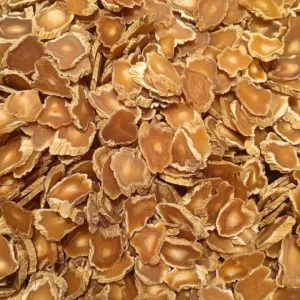
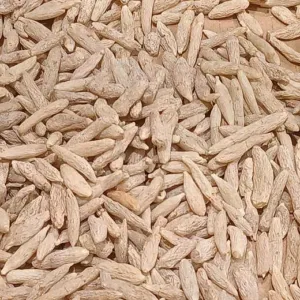
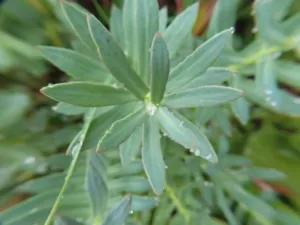
| Plant or medicine | Connection to schisandra | Further reading |
|---|---|---|
| Panax ginseng (Korean ginseng) | Partner in sheng mai san and saengmaeksan [14][18] | AIP review: Korean ginseng |
| Ophiopogon japonicus | Third herb of sheng mai san [14] | Not yet reviewed |
| Rhodiola rosea | Paired in ADAPT-232 and in Australian listed tablets [17][19] | Not yet reviewed |
| Gynostemma pentaphyllum (jiaogulan) | Another plant sold as an adaptogen; also named in the Polish interaction review [15] | AIP review: jiaogulan |
| Berberine | Excluded from the tacrolimus meta-analysis because it also affects CYP3A and P-glycoprotein [11] | AIP explainer: Indian barberry and berberine |
| Bifendate (DDB) | Synthetic drug derived from schisandrin C [1] | Chapter 8 |
Discussion: conclusions, hypotheses and research still required
What the evidence supports
Schisandra is a well-characterised fruit with pharmacopoeial standards in several countries, a defined set of marker lignans and reliable methods to tell the two wu wei zi species apart [9][8] Confirmed. Its lignans are concentrated in the seed [7] Confirmed. An extract of the southern species raises tacrolimus and midazolam exposure in healthy people, and its capsule form raises tacrolimus levels in patients [5][6][11] Confirmed. In Australia S. chinensis is unscheduled and permitted in listed medicines, and the southern species is not a permitted ingredient [3][4] Confirmed.
The efficacy evidence is limited to one small single-extract trial showing stronger quadriceps in older women [10] Evidence suggests and several mixture trials whose effects cannot be assigned to schisandra Evidence suggests. Traditional use across China, Korea and Russia is long and consistent [9][12] Traditional, and it is evidence of practice.
Hypotheses worth testing
- The CYP3A effect of S. chinensis products scales with their content of gomisin C, schisandrin B and related lignans, so seed-rich products inhibit more than pulp-based teas Mechanism.
- Over weeks of daily use, pregnane X receptor activation may partly offset early CYP3A inhibition in people, as it does in rats [8] Mechanism. If so, the risk window for a co-prescribed drug could be greatest when schisandra is started or stopped.
- The strength signal in older women may reflect an effect on muscle energy metabolism; the fall in resting lactate fits that reading [10] Mechanism.
- ALT falls reported with schisandra preparations may, as with bifendate, reflect changes in enzyme handling inside liver cells as well as, or instead of, reduced injury [1] Mechanism.
Where research should begin
- Botany and horticulture: a vouchered cool-climate growing trial in southern Australia, with male and female plants, to learn whether locally grown fruit can meet pharmacopoeial lignan levels.
- Phytochemistry: lignan assays of the forms Australians actually drink (teas, Korean-style sugar ferments, tinctures) to see how preparation changes the dose of CYP3A-active lignans.
- Quality analysis: an Australian market survey of products labelled schisandra, with microscopy for oil cells and crystals, TLC against reference fruit of both species, and HPLC assay of schisandrin, schisandrin B, gomisin A and schisantherin A, reported per daily dose.
- Clinical pharmacology: a healthy-volunteer midazolam and digoxin (or talinolol) probe study using an S. chinensis product actually sold in Australia, with a lignan assay of the batch, at days 1, 7 and 28 to capture inhibition and any later induction. This needs ethics approval and a registered trial.
- Pharmacovigilance: a search of the TGA Database of Adverse Event Notifications for schisandra-containing products, and a note to Australian transplant pharmacists asking how often patients report taking it.
- Clinical research: a replication of the 12-week strength trial in Australian older adults, with diet and activity recorded, a stated lignan dose, and functional outcomes as primary end-points.
- Women’s health: full-text appraisal of the 2016 menopause trial, then, if it holds up, a properly powered trial with validated symptom scales.
- History of medicine: a reading of the Russian primary literature on limonnik, starting with the studies collected by Panossian and Wikman, to separate measured outcomes from claims; and a check of the earliest Chinese materia medica entries in a critical edition.
- Regulatory science: consideration of whether a CYP3A interaction warning would be proportionate for concentrated schisandra extracts in listed medicines, once Australian-product interaction data exist.
About the Australian Institute of Pharmacognosy and this series
The Australian Institute of Pharmacognosy is a clinic and research laboratory in Cardwell, far north Queensland, studying medicinal plants and natural products to the same evidentiary standard as any other branch of pharmacology: traditional knowledge taken seriously, and tested honestly. Visit the Institute at australian-pharmacognosy.org.
Series: AIP Literature Reviews and Critical Analyses (evidence reviews). Related reviews: the Korean ginseng review covers the root that shares sheng mai san with schisandra; the jiaogulan review looks at another plant sold as an adaptogen; and the berberine explainer covers another natural product with CYP3A effects. Follow the series for a new evidence review each morning.
Corrections: if you find an error or a source we have missed, write to the Institute at our contact form. We would rather correct a claim than repeat it.
About the images and the evidence. Every photograph is reproduced under the licence stated in its caption and in the image credits; the two charts were drawn by the Institute from the studies named in them. The Institute thanks the botanists, growers, pharmacologists and clinicians in China, Korea, Russia, Japan, Georgia, Poland and New Zealand whose published work and photographs this review draws on.
Head of Education and Research
Australian Institute of Pharmacognosy
Cardwell QLD, Australia
australian-pharmacognosy.org · our contact form
Suggested citation: Ridley T. Schisandra (Schisandra chinensis (Turcz.) Baill.): the five-flavour berry, its lignans, the human trials, the CYP3A interaction studies and Australian status. AIP Literature Review and Critical Analysis AIP-LR-SCHCHI. Cardwell (QLD): Australian Institute of Pharmacognosy; 2026.
Educational content only; not medical, legal or regulatory advice. Australian regulatory information reflects the Poisons Standard October 2026, the Permissible Ingredients Determination (No. 3) 2026 and the ARTG as read in October 2026 and may change. Overseas material, including Chinese and European pharmacopoeial standards and the Chinese clinical use of Wuzhi capsule, is described as overseas material and does not govern Australian law. No product is advertised, endorsed or recommended.
References
20 references: tap to open
Listed in order of first citation. Every PMID was checked against PubMed in October 2026, and every journal article cited was read in full by the Institute. Register entries and legislation were read on the Australian Government websites in October 2026. Requested in full text and not cited for their content, because the Institute had not read them in full when this review was written: Park and Kim 2016, a placebo-controlled trial in menopausal women (PMID 27763802); Cho et al. 2021, schisandra extract with exercise in older adults (PMID 33710261); Panossian and Wikman 2008, the English-language review of Russian research (PMID 18515024); Fan et al. 2009, schisandra extract and talinolol in healthy volunteers (PMID 19280523); Song et al. 2015, schisandra fruit in obese women (PMID 26048342); Iwata et al. 2004, CYP3A4 inhibitors in schisandra fruit (PMID 15342469); Slanina et al. 1997, lignans in seeds and fruit (PMID 17252354); and Trifonova 1954, a Soviet obstetric report (PMID 13217935).
- Wang C, Xu YQ. Diphenyl dimethyl bicarboxylate in the treatment of viral hepatitis, adjuvant or curative? Gastroenterology Res. 2008;1(1):2-7. PMID 27994699. DOI 10.4021/gr2008.10.1231. Read in full by the Institute.
- Therapeutic Goods Administration. Australian Register of Therapeutic Goods, keyword search “schisandra” (8 pages, 199 entries) and “sphenanthera” (no entries). tga.gov.au/resources/artg. Searched by the Institute in October 2026.
- Therapeutic Goods (Poisons Standard October 2026) Instrument 2026 (Cth), F2026L01327, in force from 30/09/2026. legislation.gov.au/F2026L01327. Searched in full text by the Institute in October 2026; no entry for Schisandra.
- Therapeutic Goods (Permissible Ingredients) Determination (No. 3) 2026 (Cth), F2026L01382, Schedule 1, item 4469 Schisandra chinensis. legislation.gov.au/F2026L01382. Read by the Institute in October 2026.
- Xin HW, Wu XC, Li Q, Yu AR, Zhu M, Shen Y, et al. Effects of Schisandra sphenanthera extract on the pharmacokinetics of tacrolimus in healthy volunteers. Br J Clin Pharmacol. 2007;64(4):469-475. PMID 17506780. DOI 10.1111/j.1365-2125.2007.02922.x. Read in full by the Institute.
- Xin HW, Wu XC, Li Q, Yu AR, Xiong L. Effects of Schisandra sphenanthera extract on the pharmacokinetics of midazolam in healthy volunteers. Br J Clin Pharmacol. 2009;67(5):541-546. PMID 19552749. DOI 10.1111/j.1365-2125.2009.03383.x. Read in full by the Institute.
- Park WS, Koo KA, Bae JY, Kim HJ, Kang DM, Kwon JM, et al. Dibenzocyclooctadiene lignans in plant parts and fermented beverages of Schisandra chinensis. Plants (Basel). 2021;10(2):361. PMID 33668581. DOI 10.3390/plants10020361. Read in full by the Institute.
- Zhang F, Zhai J, Weng N, Gao J, Yin J, Chen W. A comprehensive review of the main lignan components of Schisandra chinensis (north wu wei zi) and Schisandra sphenanthera (south wu wei zi) and the lignan-induced drug-drug interactions based on the inhibition of cytochrome P450 and P-glycoprotein activities. Front Pharmacol. 2022;13:816036. PMID 35359848. DOI 10.3389/fphar.2022.816036. Read in full by the Institute.
- Szopa A, Ekiert R, Ekiert H. Current knowledge of Schisandra chinensis (Turcz.) Baill. (Chinese magnolia vine) as a medicinal plant species: a review on the bioactive components, pharmacological properties, analytical and biotechnological studies. Phytochem Rev. 2017;16(2):195-218. PMID 28424569. DOI 10.1007/s11101-016-9470-4. Read in full by the Institute.
- Park J, Han S, Park H. Effect of Schisandra chinensis extract supplementation on quadriceps muscle strength and fatigue in adult women: a randomized, double-blind, placebo-controlled trial. Int J Environ Res Public Health. 2020;17(7):2475. PMID 32260466. DOI 10.3390/ijerph17072475. Read in full by the Institute.
- Zhang C, Ren X, Liu Y, Huang L, Feng Y, Zhang X. Effects of Wuzhi capsule on whole-blood tacrolimus concentration levels: a systematic review and meta-analysis. Ther Drug Monit. 2024;46(1):33-41. PMID 38150711. DOI 10.1097/FTD.0000000000001155. Read in full by the Institute.
- World Health Organization Regional Office for the Western Pacific. Medicinal plants in the Republic of Korea. Western Pacific Series No. 21. Manila: WHO WPRO; 1998. Entry Schisandra chinensis Baill., p. 261. Held in the Institute library and read in full.
- Therapeutic Goods Administration. ARTG entry 378031, SuperFeast Schisandra (listed medicine; sponsor JEMS Superfoods Pty Ltd trading as SuperFeast; ARTG start date 16/11/2021). Public summary tga.gov.au/resources/artg/378031. Read by the Institute in October 2026.
- Therapeutic Goods Administration. ARTG entry 11705, Sheng Mai San (Ginseng, Ophiopogon & Schizandra Formula) (listed medicine; sponsor Cathay Herbal Laboratories; ARTG start date 19/08/1991). Public summary tga.gov.au/resources/artg/11705. Read by the Institute in October 2026.
- Siwek M, Woroń J, Wrzosek A, Gupało J, Chrobak AA. Harder, better, faster, stronger? Retrospective chart review of adverse events of interactions between adaptogens and antidepressant drugs. Front Pharmacol. 2023;14:1271776. PMID 37829299. DOI 10.3389/fphar.2023.1271776. Read in full by the Institute.
- Kim DS, Baek HI, Ha KC, Cha YS, Park SJ. Efficacy and safety of omija (Schisandra chinensis) extract mixture on the improvement of hyperglycemia: a randomized, double-blind, and placebo-controlled clinical trial. Nutrients. 2022;14(15):3159. PMID 35956334. DOI 10.3390/nu14153159. Read in full by the Institute.
- Karosanidze I, Kiladze U, Kirtadze N, Giorgadze M, Amashukeli N, Parulava N, et al. Efficacy of adaptogens in patients with long COVID-19: a randomized, quadruple-blind, placebo-controlled trial. Pharmaceuticals (Basel). 2022;15(3):345. PMID 35337143. DOI 10.3390/ph15030345. Read in full by the Institute.
- Juan S, Lee JH, Won SJ, Oh S, Ha MS. Effect of saengmaeksan on fatigue, liver function, and immunity combined with high-intensity training. J Immunol Res. 2023;2023:3269293. PMID 37425492. DOI 10.1155/2023/3269293. Read in full by the Institute.
- Therapeutic Goods Administration. ARTG entry 343209, MediHerb Rhodiola & Schisandra (listed medicine; sponsor Integria Healthcare Australia Pty Ltd; ARTG start date 9/09/2020). Public summary tga.gov.au/resources/artg/343209. Read by the Institute in October 2026.
- Therapeutic Goods Administration. New tool helps work out whether a product is a therapeutic good or a food (Food-Medicine Interface Guidance Tool). tga.gov.au. Read by the Institute in October 2026.
Image credits
- Schisandra chinensis c.JPG: Aleksandr Kordyukov (Кордюков Александр). CC0.
- Omijacha.jpg: Hyeon-Jeong Suk. CC BY 2.0.
- Schisandra chinensis fluid extract.jpg: Khabarovchanin (Хабаровчанин). CC BY-SA 3.0.
- Schisandra chinensis berries&seeds.jpg: Vladimir Kosolapov. CC BY 3.0.
- Schisandra sphenanthera Rehder and E.H.Wilson (AM AK300841-1).jpg: John Hobbs, Auckland War Memorial Museum. CC BY 4.0.
- Schisandra chinensis Leaves.jpg: GRIPS. CC BY-SA 4.0.
- Omija.jpg: ally j. CC0.
- Schisandra chinensis Cytryniec chiński 2024-04-13 02.jpg: Agnieszka Kwiecień (Nova). CC BY-SA 4.0.
- Schisandra chinensis a.JPG: Aleksandr Kordyukov (Кордюков Александр). CC0.
- Schsandra chinensis in flower.jpg: Martin Kostka. CC0.
- Schisandra sinensis flower.jpg: Doronenko. CC BY 2.5.
- Schisandra chinensis d.JPG: Aleksandr Kordyukov (Кордюков Александр). CC0.
- Flore des serres v15 173a.jpg: Louis van Houtte (publisher), Flore des serres et des jardins de l'Europe, vol. 15. Public domain.
- Schisa01.jpg: J.H. Kirkbride Jr, C.R. Gunn and M.J. Dallwitz. Public domain.
- Schisa02.jpg: Robert J. Gibbons. Public domain.
- Russia stamp 1998 № 449.jpg: Russian Post (Marka), 1998. Public domain.
- Fatra 2023 P365 Rysy Rhodiola rosea.jpg: Fallaner. CC BY 4.0.
- Schisandra chinensis e.JPG: Lev Baranchuk-Chervonny (Баранчук-Червонный Лев). CC BY-SA 3.0.
- Schisandra chinensis berries.jpg: Vladimir Kosolapov. CC BY 3.0.
- Jilin Mt. Changbai omija berries.jpg: Fumikas Sagisavas. CC0.
- Schisandra chinensis 2018-07-09 4730.jpg: Salicyna. CC BY-SA 4.0.
- Schisandra chinensis (17968236469).jpg: peganum (Small Dole, England). CC BY-SA 2.0.
- Schisandra chinensis 2018-07-09 4728.jpg: Salicyna. CC BY-SA 4.0.
- Omija-cha and yugwa.jpg: Chad Jimison. CC0.
- Schisandra sphenanthera Rehder and E.H.Wilson (AM AK300841-2).jpg: John Hobbs, Auckland War Memorial Museum. CC BY 4.0.
- Jilin Mt. Changbai panax ginseng slices.jpg: Fumikas Sagisavas. CC0.
- Dried ophiopogon japonicus.jpg: Fumikas Sagisavas. CC0.
- Chemical structure depictions (schisandrin, schisandrin B, gomisin A, deoxyschisandrin, schisantherin A, bifendate): PubChem, US National Library of Medicine, CIDs as captioned. Public domain.
- The two data figures were drawn by the Australian Institute of Pharmacognosy from the studies named in their captions.
The Institute sets and publishes its own monographs. The catalogue is in Publications.