

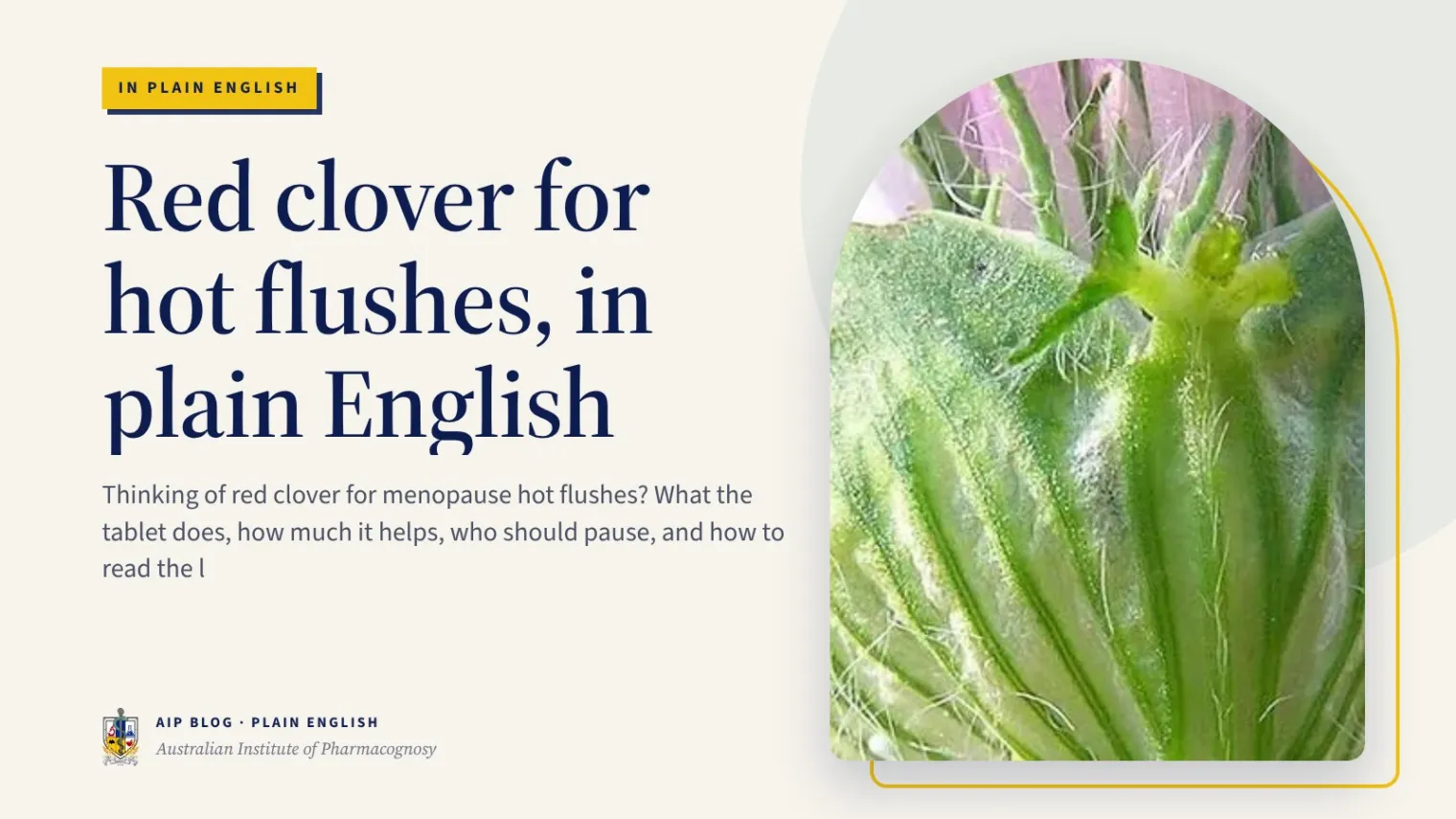
Photo: Dandy1022, shared on Wikimedia Commons · CC BY-SA 4.0
It is three in the morning and the sheets are wet again. By the weekend you are in the chemist, and one box has a pink flower you last saw in a cow paddock.
That flower is red clover, and its tablet has been through proper trials. It helps some women, a little. Here is how little, which women, and who should hold off.
Educational only: no medical advice and no dosing. Australian rules are the Institute’s published reading as at November 2026, not legal advice.
If someone is unwell after taking any medicine or supplement, phone 000 in an emergency, or the Poisons Information Centre on 13 11 26 (24 hours, Australia-wide), and follow its advice.
Talk it through first after breast or another hormone-sensitive cancer, or on tamoxifen, letrozole, anastrozole or exemestane; on warfarin, methotrexate, thyroid medicine or several prescribed medicines; or with endometriosis, fibroids, a clotting disorder or surgery coming up.
Red clover menopause tablets have no place in pregnancy, and the flower tea has not been studied in pregnancy either. There are no safety data for breastfeeding, so talk it through first. None exist for children; keep the tablets away from them.
Bleeding from the vagina after menopause always needs checking, whatever you are taking.
Before taking any herbal medicine, consult a degree-qualified herbalist with competencies and adequate training in pharmacognosy.
- The old flower tea and the modern menopause tablet share a name. Almost all the trials used the tablet.
- On hot flushes it helps a little, mostly after menopause, and a dummy pill helps nearly as much.
- Trials found it gentle in healthy women past menopause. Cancer history, warfarin, thyroid tablets and pregnancy need a conversation first.
- On the box, find the isoflavone amount. No figure, and the trials cannot vouch for it.
A cup of tea and a tablet that share a name
Same plant, a century apart.
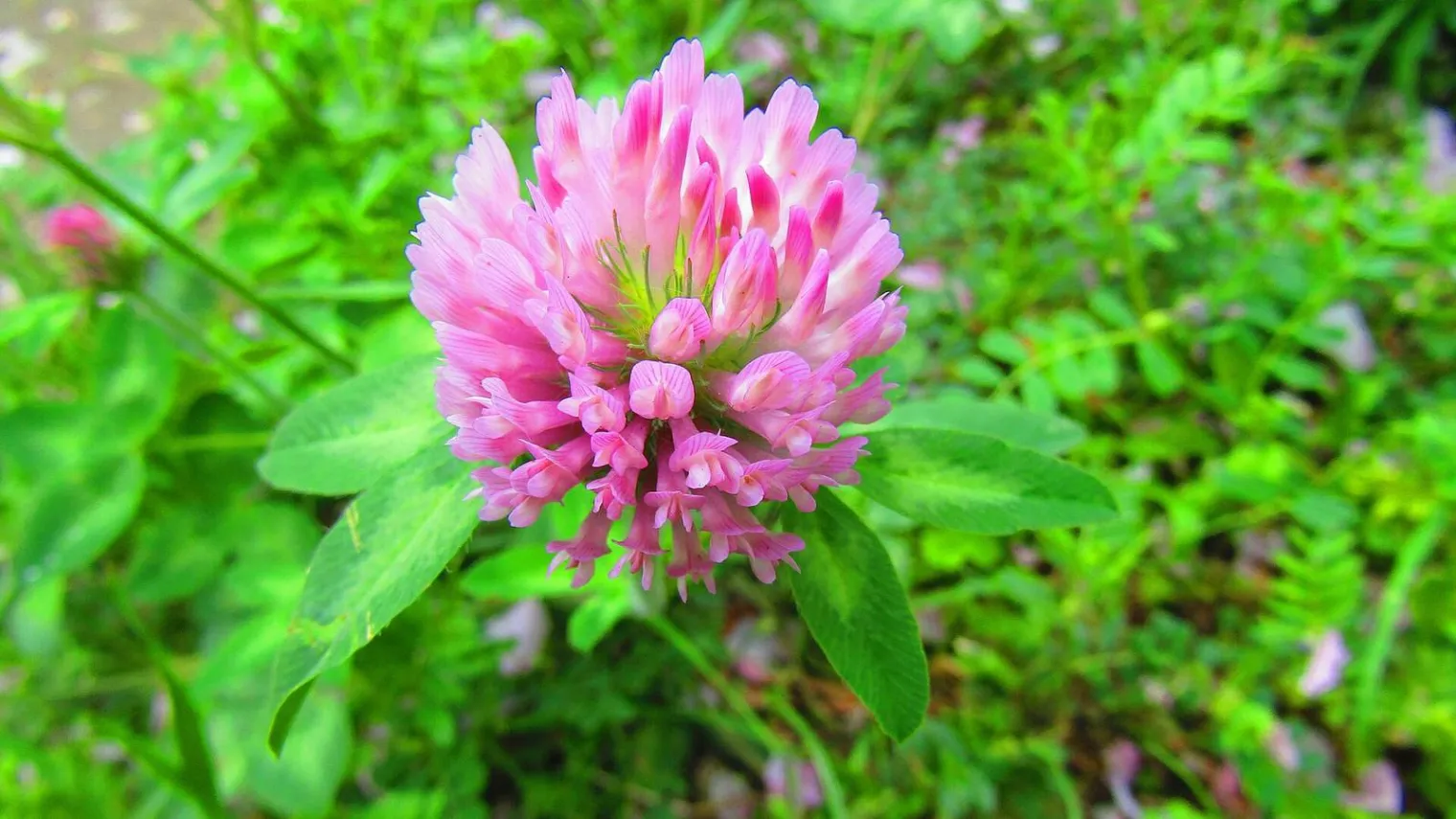
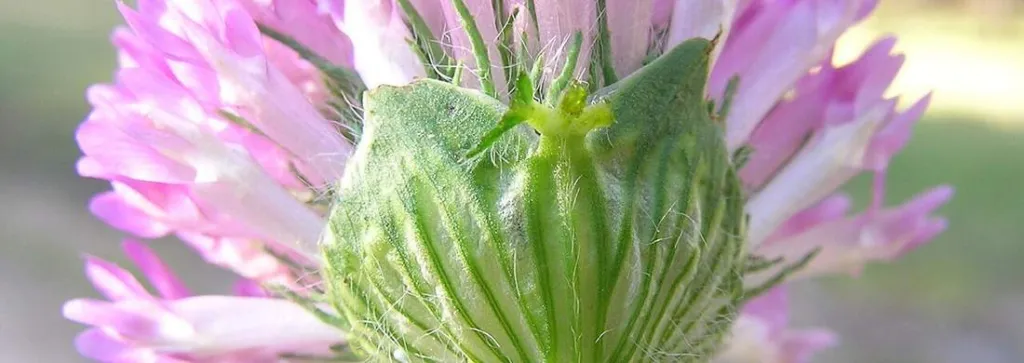
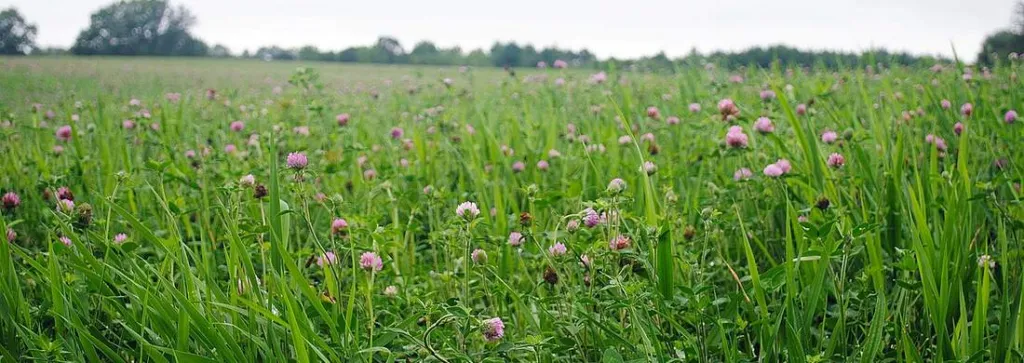
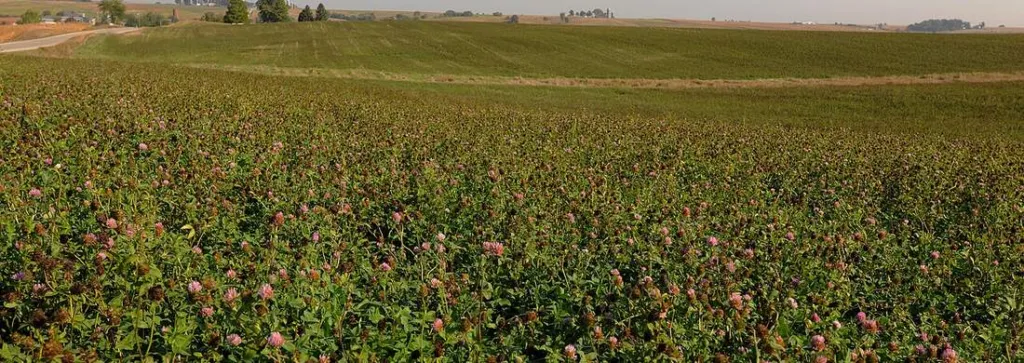
Red clover is a European farm crop now wild across much of Australia: a round pink-to-purple pompom among leaves in threes, often marked with a pale V.
Herbalists long brewed the flower heads into a mild tea for eczema and hacking coughs. That is a custom handed down, never put to a fair test. Some old books claimed it slowed cancer; no trial supports that.
Menopause came later, in the 1990s, with a tablet packed with isoflavones, the plant’s oestrogen-like compounds. Those shapes slip loosely into the body’s oestrogen receptors, the little locks a hormone turns, and turn them a fraction. In a year-long trial, hormone therapy shifted women’s blood hormones; red clover did not. The tablet carries no hormone, and it does not top yours up.
The tablet carries no hormone, and it does not top yours up.
When a friend swears red clover works, ask whether she means the tea or the tablet. Even the tablet falls well short of hormone therapy.
The honest answer on hot flushes
A little, for some women, and the sugar pill does a lot of the work.
Pool the trials and the red clover groups ended up with one or two fewer flushes a day than the dummy-pill groups. Trials disagree, and one big review found a smaller gap that could be chance. The gain sits mainly with women past menopause who flushed often. In women still going through the change, it vanished.
In the year-long trial, the look-alike pill did about as well as red clover. Only hormone therapy pulled clearly ahead. Australia’s menopause specialists agree that no complementary medicine matches oestrogen therapy. For bones it is unproven; any cholesterol change was small.
Past menopause with frequent flushes? A modest dip is a fair hope. Still having periods? The evidence does not cover you yet. You will probably feel better either way; much of that would have come anyway.
Gentle for most, and a pause for some
And who should talk first.
In trials running one to three years in healthy women, the womb lining did not thicken, mammograms did not grow denser and clotting held steady.
Evidence is thin after breast cancer and missing for anyone on tamoxifen or similar drugs. One lone case linked it with a methotrexate problem. One case does not prove a link, but caution still makes sense.
Warfarin worries come from a cousin: mouldy sweet clover hay once made cattle bleed to death, and that led to warfarin. In red clover trials clotting stayed steady, though nobody on warfarin was enrolled.
After cancer, decide with your cancer team in the loop. On warfarin, have your INR checked when you start or stop any supplement; on thyroid tablets, ask for a recheck. Anyone in the red box, see the herbalist named there first.
Reading the box in the chemist
One line matters most.
An AUST L number means the TGA, our medicines regulator, accepted the ingredients as low risk. It did not test that the product works before sale. In 2022 it made one well-known brand drop “during menopause” wording, since its trials only covered women already past it. No safety problem was found.
Look for the isoflavones per tablet, because that is what the trials measured. A “dry herb equivalent” alone says little. A many-herb blend with no isoflavone figure has no trial behind it.
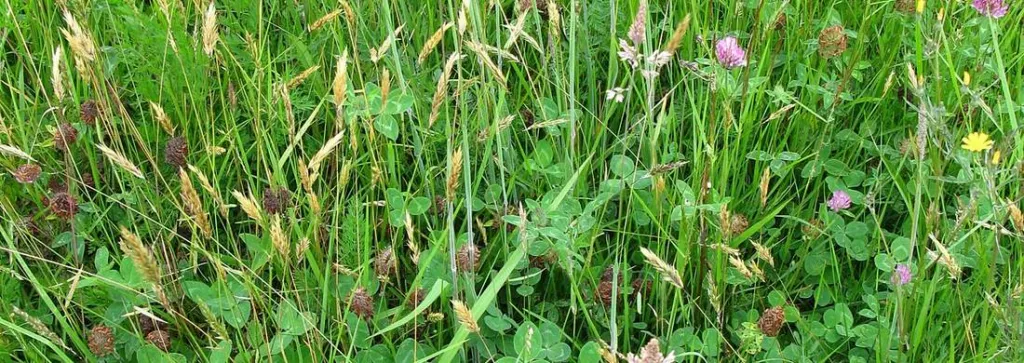
Buying dried flowers for tea? Look for pink-to-purple heads, nothing white or yellow, nothing brown, mouldy or stalky.
Turn the box over before you pay. Give it a few months, jot down your nights, and be honest about whether they changed.
This page is the short version of Dr Thomas Ridley’s literature review. The trials, the figures and the sources are all there:
- Dr Luke Iggulden, Chief Scientific Officer — Senior author. Commissioned the Explainer series, set its direction and approved it
- Jesse Kirby — Wrote every word from his own notes with the review closed: chose the four things a woman in the pharmacy aisle needs, set the order and the headings, and rewrote the safety box without softening any of it
- Zoe Bennett — Wrote the page title, the search description and the labels, and framed the share around the night sweat and the chemist shelf rather than the plant’s Latin name
- Theo Karras — Picked the cover and the four section banners from the review’s own licensed photographs, chose the sweet clover figure for the warfarin story, and wrote alt text to match what each picture shows
- Leah Bianchi — Built the page: the red safety box, the one-minute card, the pull quote, the four what-this-means cards and the card back to the review, checked to read cleanly on a phone
Contributors
- Dr Thomas Ridley — Wrote the literature review this page retells, and checks the science
Image credits. All photographs via Wikimedia Commons, as used in the parent review. Cover: Dandy1022, CC BY-SA 4.0. Red clover flower head and plant: Harry Rose, CC BY 2.0. Red clover fields: U.S. Fish and Wildlife Service and USDA, public domain. Sweet clover: Krzysztof Ziarnek, Kenraiz, CC BY-SA 4.0.
AIP Explainers are the plain-language editions of the Institute’s technical articles, published alongside the original. Everything on this page is carried by the full review, where the trials, the references and the regulatory sources are set out. Regulatory information was read in November 2026 and may change. Spotted an error? Write to our contact form. We would rather correct a claim than repeat it.
Jesse Kirby
Head of Community Outreach
Australian Institute of Pharmacognosy
Cardwell QLD, Australia
australian-pharmacognosy.org · our contact form
The Institute sets and publishes its own monographs. The catalogue is in Publications.