

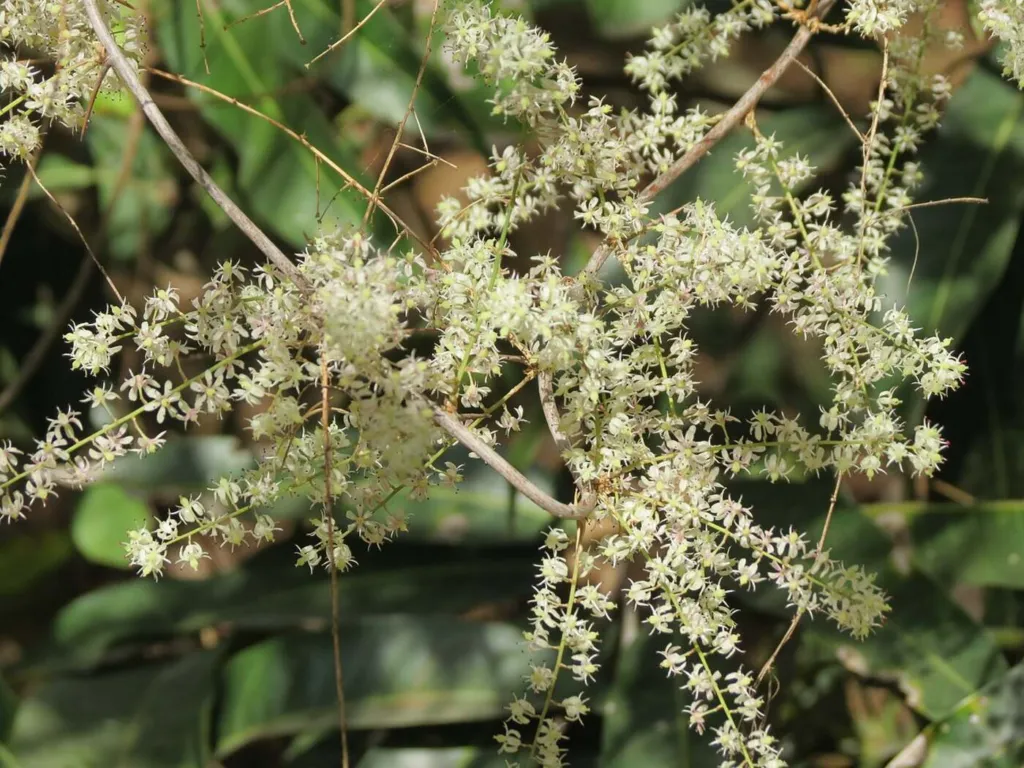
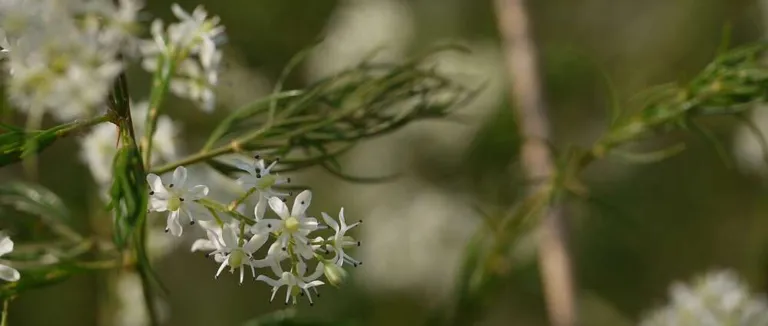
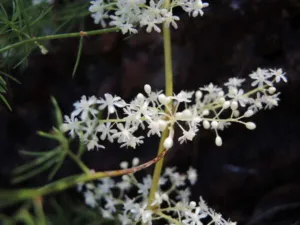
Cover: Asparagus racemosus in flower, India. Photo: Forestowlet · CC0 · Wikimedia Commons
In Ayurvedic pharmacies from Kerala to Nepal, shatavari root is sold as the herb for every stage of a woman’s life. Traditional In Australian pharmacies it is now the headline herb on perimenopause shelves, sold as a non-hormonal option for hot flushes and low mood. The human trials behind that second life are real, recent and small, and almost every one of them was run on an extract supplied or paid for by the company that makes it. Evidence suggests
Shatavari is the root of Asparagus racemosus, a spiny climbing asparagus of tropical Asia, Africa and, as it happens, northern Australia. [1] This literature review sets out what the plant is, what Ayurveda says about it, what is in the root, and what the published human trials of shatavari in perimenopause and menopause actually measured. Each claim carries an evidence tag so you can see which statements rest on tradition, which on laboratory work and which on trials in people. We read every trial cited here in full text, noted who supplied the extract and who paid, and checked the Australian regulatory record.
This article is educational. It is not individual health advice, and nothing in it is a recommendation to start, stop or change any medicine or supplement. Before taking any botanical drug, consult a degree-qualified herbalist with competencies and adequate training in pharmacognosy.
Regulatory position. Shatavari root is a permitted ingredient in Australian listed (AUST L) medicines and is the sole active ingredient of at least one listed perimenopause product. The public ARTG summary records no poison schedule for that product. Confirmed See §9.
Who should take particular care. People who are pregnant (there are no human safety data), people with a history of oestrogen-sensitive cancer or other hormone-sensitive conditions (the trials excluded them, and several recorded shifts in serum oestradiol), people taking glucose-lowering medicines (animal data show glucose lowering), people on hormone therapy, tamoxifen, aromatase inhibitors or prolactin-lowering medicines (shatavari shifted oestradiol, FSH and prolactin in trials; no interaction studies exist), children (no paediatric data), and people with a known allergy to garden asparagus. Blends that also contain ashwagandha carry the TGA’s 7 July 2026 liver safety alert for that herb. See §8.
If someone is unwell after taking a herbal product, call Triple Zero (000) in an emergency, or the Poisons Information Centre on 13 11 26 (24 hours, Australia-wide).
| The plant | Asparagus racemosus Willd. (Asparagaceae): shatavari, śatāvarī. A spiny climbing asparagus with clustered tuberous roots. The Australian Plant Census lists it for WA, NT and Qld. Confirmed §1, §3 |
| Part used | The tuberous root, dried, as powder, decoction or a standardised extract. Confirmed §2 |
| Traditional role | Ayurvedic rasayana (rejuvenative) and women’s tonic, used to support breast milk; described as diuretic. Traditional §4 |
| Main constituents | Steroidal saponins (the shatavarins; shatavarin IV is asparanin B), sapogenins such as sarsasapogenin and diosgenin, and flavonoids. Confirmed §5 |
| Hormone question | ‘Non-hormonal’ means the product contains no hormones. Several trials reported changes in serum oestradiol and FSH after shatavari. Evidence suggests §6 |
| Human evidence | About ten small placebo-controlled trials of branded extracts in peri- and post-menopausal women, 6 to 24 weeks, all run in India or the UK, most supplied or funded by the extract maker. Symptom scores fell more than with placebo. Evidence suggests §7 |
| Safety | Mild, infrequent adverse events in trials of up to 24 weeks. No pregnancy data. Care with oestrogen-sensitive conditions, hormone and diabetes medicines, and asparagus allergy. No paediatric data. Evidence suggests §8 |
| In Australia | Permitted in AUST L listed medicines with pre-approved indications. Listing is self-certified by the sponsor and is not a TGA evaluation of efficacy. Confirmed §9 |
| Supply | Wild-harvested Indian root is under collection pressure and substitution occurs; one DNA-barcoding study told authentic root from a substitute, though its marker was weak within the genus. Evidence suggests §10 |
- Confirmed: established in humans by trial, or an unambiguous analytical, chemical or regulatory fact.
- Evidence suggests: real published data, but preclinical, observational, small, or not yet replicated.
- Mechanism: a plausible mechanistic or pharmacological inference, not an outcome.
- Traditional: historical, ethnobotanical or traditional use. Evidence of practice, not of efficacy.
- Attested: a documentary or textual fact attested in a named edition or manuscript.
Every PubMed ID links to its PubMed record and was checked against PubMed in November 2026. Every trial cited was read in full text. Where a claim is widely repeated but we could not trace it to a primary source we have read, we say so and mark it unsourced.
Shatavari is the dried tuberous root of Asparagus racemosus, one of the best-known women’s herbs in Ayurveda, where it is classed as a rasayana and used to support breast milk and general vitality. Traditional Its main constituents are steroidal saponins called shatavarins, with smaller amounts of flavonoids. Confirmed
Since 2024 a run of small randomised, placebo-controlled trials has tested standardised shatavari root extracts in women with peri- or post-menopausal symptoms. In every one we read, symptom scores fell further on the extract than on placebo, over 6 to 24 weeks, with few and mild adverse events. Evidence suggests The trials are short, single-country, mostly small, and nearly all were supplied or funded by the company that sells the extract. Two report placebo groups that barely moved, which is unusual in menopause research, and one trial’s abstract claims a result its own table does not show.
‘Non-hormonal’ on a label means the capsule contains no hormone. Several of the same trials report that serum oestradiol rose and FSH fell after shatavari, so the herb may still act on the hormonal axis, and women with oestrogen-sensitive conditions were excluded from every trial. Evidence suggests
In Australia, shatavari is a permitted ingredient in listed (AUST L) medicines, which carry pre-approved indications such as relief of hot flushes associated with menopause. The sponsor certifies that it holds evidence; the TGA does not evaluate efficacy before listing. Confirmed The honest summary is promising early evidence for symptom relief, needing larger independent trials before anyone can say it works.
Before taking any botanical drug, consult a degree-qualified herbalist with competencies and adequate training in pharmacognosy.
 Chapter 1Names and identity
 Chapter 2The plant and the root
 Chapter 3Where it grows, including Australia
 Chapter 4Shatavari in Ayurveda
 Chapter 5What is in the root
 Chapter 6‘Phytoestrogen’ and ‘non-hormonal’
 Chapter 7The human trials
 Chapter 8Safety and interactions
 Chapter 9In Australia: AUST L and labels
 Chapter 10Quality, substitution and supply
 DiscussionDiscussion and research agenda
Also: About AIP · References · Image credits
Chapter 1Names, identity and taxonomy
The name most Australians now see on a pharmacy shelf is the Sanskrit one. Śatāvarī is usually glossed as ‘she who has a hundred husbands’ or, more prosaically, ‘a hundred roots’, after the bundle of tuberous roots at the base of each plant. Traditional We have not traced either gloss to a critical edition of a classical text, so treat the etymology as popular tradition, unsourced here.
The botanical identity is settled. The species was described by Willdenow in 1799 and is accepted under that name in the Australian Plant Census. [2] Confirmed Older floras placed it in the lily family (Liliaceae) and some splitters moved the climbing asparagus into a genus of their own, Protasparagus; that is why ‘Protasparagus’ survives as a common name in Australian databases. Confirmed Current classification places Asparagus in Asparagaceae, the family named in the trial reports. [3]
| Field | Detail |
|---|---|
| Accepted name | Asparagus racemosus Willd., Species Plantarum ed. 4, 2(1): 152 (1799) Confirmed |
| Family | Asparagaceae (APG IV). Older literature: Liliaceae. Confirmed |
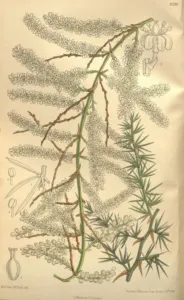
| Synonyms seen in the literature | Protasparagus racemosus; Asparagus tetragonus, the name on the 19th-century plate in §2. Confirmed |
| Common names | Shatavari, satavari (Sanskrit, Hindi, Marathi, Kannada, Konkani); satomul (Assamese); tannir-vittan (Tamil), as recorded on the botanist-captioned photographs used in this article; Native Asparagus Fern and Protasparagus (Australian Plant Census). Confirmed |
| Part used | Root (radix), dried; the Asparagi racemosi radix of the trial literature. Confirmed |
| Herb code | AIP-LR-ASPRAC |
Two practical points follow from the taxonomy. First, shatavari is a close relative of garden asparagus, Asparagus officinalis, which matters for allergy (§8). Second, several other Asparagus species are traded under similar names in South Asia, and some are used as substitutes for the genuine root (§10). Evidence suggests
Chapter 2The plant and the root
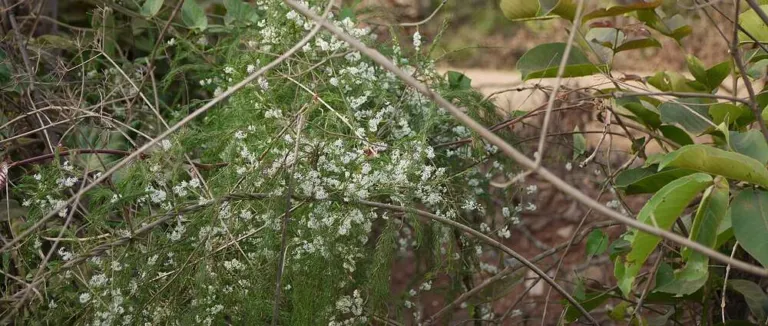
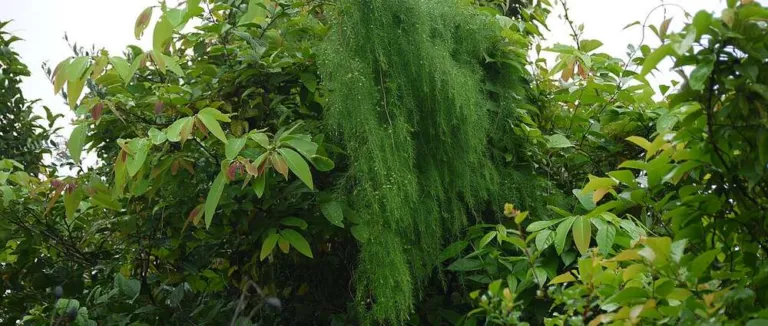
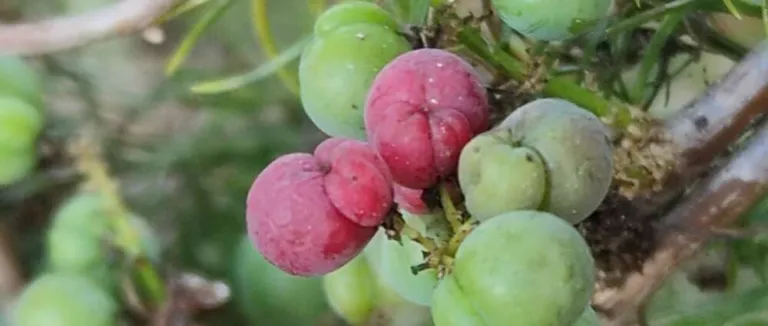
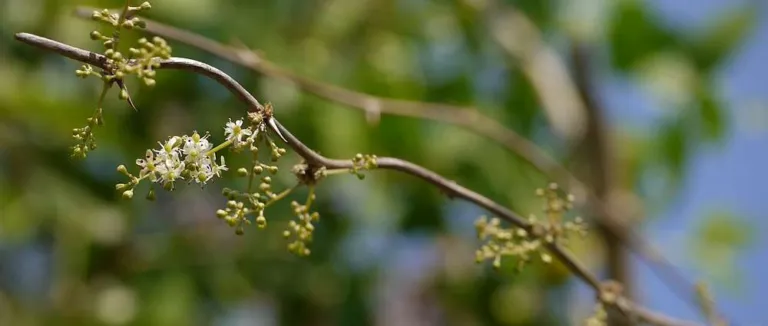
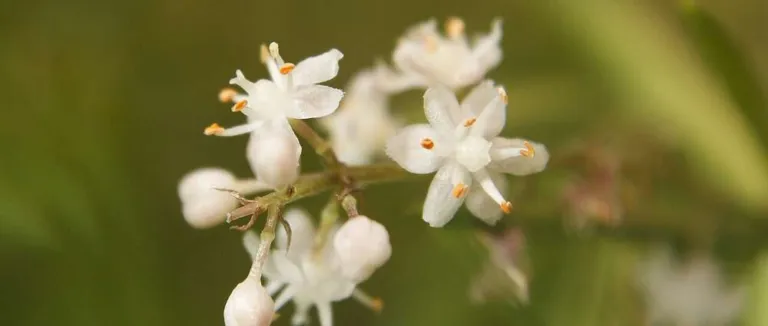
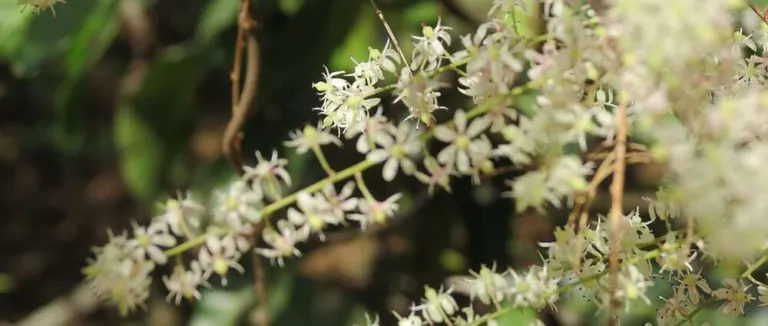
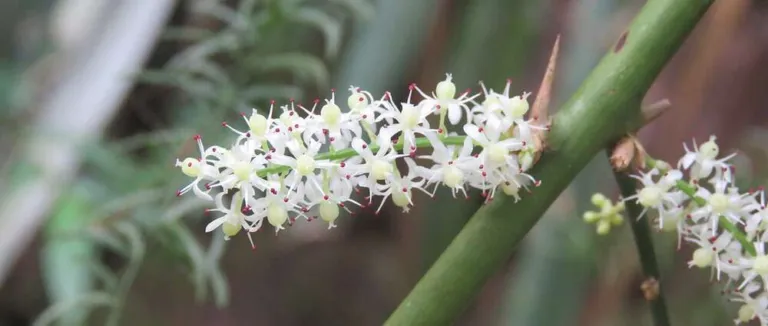
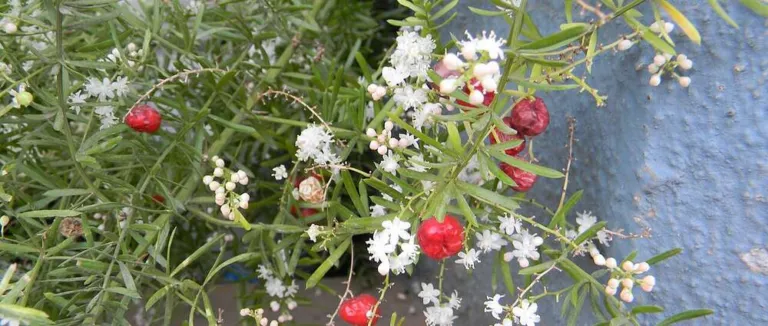
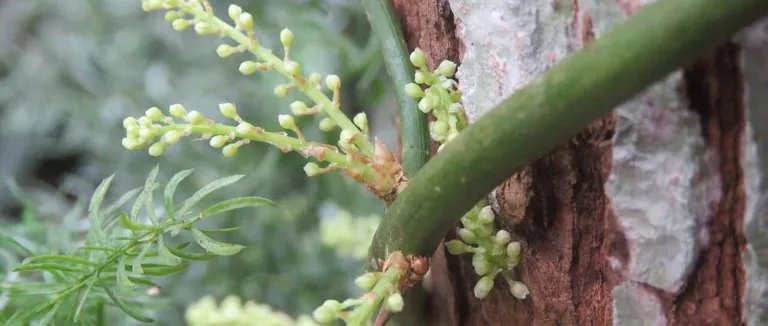
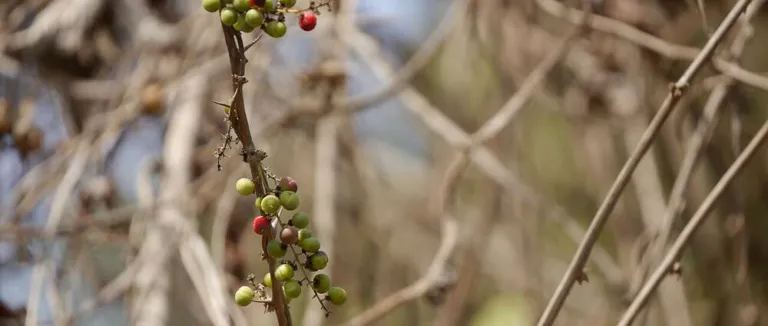
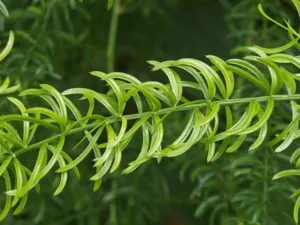
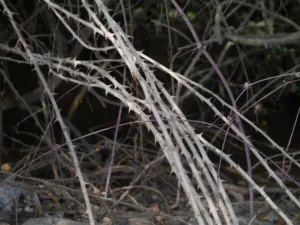
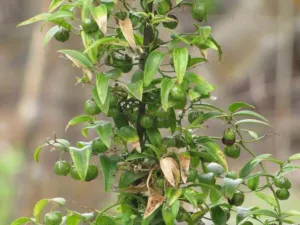
Asparagus racemosus is a woody, spiny climber or scrambling shrub. Its branches are angled and spiny. [1] Its ‘leaves’ are cladodes: slender, grooved green stems about 1.5 to 1.9 cm long, borne in clusters, while true leaves are absent. [4] Confirmed The small white flowers come in racemes (hence racemosus) and are followed by round berries about 5 to 6 mm across, which ripen red in the photographs here, holding globose seeds with a thin, shiny black coat. [4] Confirmed
The drug is below ground. Each plant carries a cluster of fleshy tuberous roots, soft and pale to brown, [1] and these roots, dried, are the part used in Ayurveda and in every extract trialled. [5] Confirmed Those roots are the reason for the Sanskrit name and the reason the plant is harvested whole, which has consequences for wild populations (§10).
Root age, soil and processing can all be expected to change the chemistry. Mechanism One extract maker in the trials states that its plants are grown in sandy, dry soil of pH 7.0 to 8.0 to raise the shatavarin content. [6] Evidence suggests That is a manufacturer’s statement about its own crop, which we have no way to check, but it is a useful reminder that ‘shatavari’ on a label describes a species, and the species is only the start of what ends up in the capsule.
Chapter 3Where it grows, including Australia
Shatavari grows wild across India and elsewhere in tropical Asia and Malesia, in tropical Africa, and in northern Australia. [1][4] Confirmed All but one of the human trials discussed below were run in India. [6][7][8] Confirmed
The Australian position is less tidy than most herb articles admit. The Australian Plant Census, the national consensus checklist, lists A. racemosus for Western Australia, the Northern Territory and Queensland with no naturalised flag, and the Atlas of Living Australia holds over a thousand occurrence records under that name. [2] Confirmed The Australian Tropical Rainforest Plants key records it in WA, the NT, Cape York and north-east and central Queensland, reaching south-east Queensland, mostly in monsoon forest and vine thicket, and calls it an introduced species in Western Australia. [4] Confirmed The same key lists Asparagus fasciculatus R.Br. as a synonym, a name Robert Brown published in 1810 from a collection made in tropical Australia, which the APC also treats as a synonym. [4][2] Confirmed The two national references therefore differ over the Western Australian plants only. We report both and do not try to settle it here; a voucher-based review of early Australian collections would.
What is not in doubt is that shatavari is a different plant from the asparagus weeds that Australian land managers fight. Seven Asparagus species, among them bridal creeper (A. asparagoides), ground asparagus (A. aethiopicus) and climbing asparagus fern (A. plumosus), are Weeds of National Significance; A. racemosus is not among them. [9] Confirmed Anyone growing shatavari in a north Queensland garden should still keep the bird-dispersed berries in mind and check local council advice. Mechanism
Chapter 4Shatavari in Ayurveda and beyond
In Ayurveda, shatavari is classified as a rasayana, the class of rejuvenative medicines given to restore and sustain vitality, and it is the herb most strongly associated with women’s reproductive life: menstruation, fertility, breastfeeding and the years around menopause. [10][11][12] Traditional It is also described in the Ayurvedic literature as diuretic, nutritive, antidysenteric, galactagogue and aphrodisiac. [1] Traditional Recent trial reports call it the ‘queen of herbs’ and place it among the vajikarana (reproductive-strengthening) rasayanas. [10][13] Traditional
Several of those papers say the classical texts, including the Charaka Saṃhitā and Aṣṭāṅga Hṛdayam, describe its uses. [5] Traditional We have not checked those passages against a critical edition, so the specific textual attributions are unsourced in this article; the tradition of use itself is well documented in the modern literature cited.
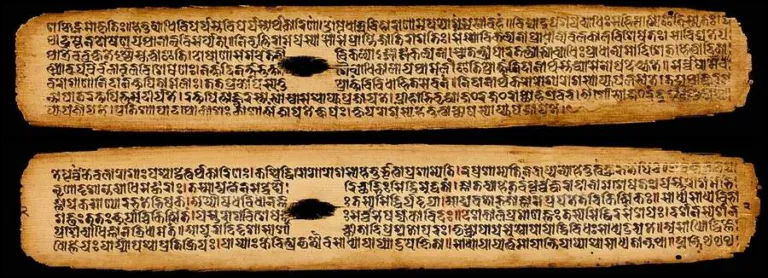
Ayurvedic menopausal care, as described by the authors of one Indian trial, groups the symptoms under ageing, depletion of the tissues and aggravated vata, and treats them with rasayana therapy and remedies that settle pitta and vata. [7] Traditional That framework is the reason shatavari was the obvious candidate when Indian researchers began testing herbs for menopause. It is also a reminder that the traditional use is a whole-root preparation given inside a broader course of treatment, while the modern trials test a single standardised extract taken once or twice a day. Traditional
The genus has medicinal standing elsewhere too. In Viet Nam the related Asparagus cochinchinensis root is used as an antitussive, diuretic and restorative, prepared by soaking or steaming, coring and drying, at 8 to 16 g a day in decoction. [14] Traditional Two traditions, independently, chose the swollen roots of climbing asparagus as tonic medicines.
None of this is evidence that shatavari relieves hot flushes. It is evidence of long, careful use by people who watched what it did, which is why it deserved the trials that followed. Traditional
Chapter 5What is in the root
The best-studied constituents of shatavari root are steroidal saponins: a steroid-like aglycone (the sapogenin) carrying chains of sugars. Those from this plant are called shatavarins, numbered in the literature from shatavarin I to shatavarin X. [12] Confirmed Shatavarin IV, usually named as the principal marker compound, is the same molecule as asparanin B; a 2026 isolation study confirmed its identity by NMR and mass spectrometry, also isolated asparanin A and asparagoside A from the dried root, and obtained the sapogenins diosgenin and sarsasapogenin by controlled acid hydrolysis. [5] Confirmed Shatavarin I is a larger furostanol glycoside with an extra sugar on the side chain. Confirmed
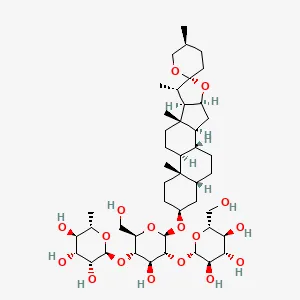
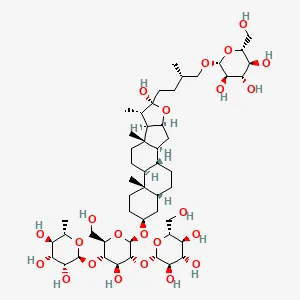
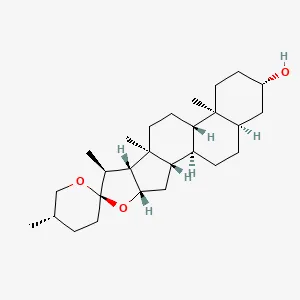
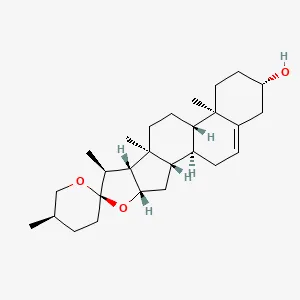
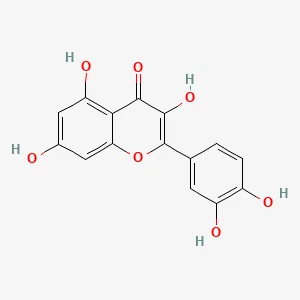
The sapogenin cores matter because they are what would be left if gut bacteria strip the sugars off, which is the usual fate of saponins taken by mouth. Mechanism Sarsasapogenin is the aglycone of shatavarin IV; diosgenin is the closely related sapogenin best known from wild yams. Confirmed Diosgenin is a laboratory starting material for semi-synthetic steroid hormones, a fact that is often turned into the claim that plants containing it ‘contain hormones’. The human body does not convert diosgenin into oestrogen or progesterone. Mechanism
Shatavari also contains flavonoids, including quercetin and its glycosides such as rutin, and phenolic acids. [15] Evidence suggests Older summaries add an isoflavone and the compound racemosol. We have not yet read the primary isolation reports in full; the isoflavone report is on order. On racemosol we found a problem: the PubChem record for racemosol (CID 624971, C21H24O4) and the PubMed records we found for it describe a phenolic from Bauhinia species, an unrelated legume genus. We could not trace a primary report of racemosol from A. racemosus, so its presence in shatavari is unsourced in this article. Evidence suggests
How much shatavarin a product contains depends on how it is made. The trial extracts were standardised to between 5% and more than 10% total shatavarins, measured by HPTLC or HPLC, and used drug-to-extract ratios as high as 13:1. [7][6][8] Confirmed A plain dried-root powder will sit well below those figures. Saponin content is the main reason two products that both say ‘300 mg shatavari’ can deliver very different doses of the compounds thought to matter.
Chapter 6Pharmacology: ‘phytoestrogen’ and ‘non-hormonal’
Two words do most of the work on shatavari labels and websites: ‘phytoestrogen’ and ‘non-hormonal’. Both are true in a narrow sense, and both are easy to misread.
What ‘non-hormonal’ means on a label
A product described as non-hormonal contains no oestrogen, progestogen, testosterone or other hormone. For a listed shatavari medicine that is simply a fact about the ingredient list: the only active is a root extract. [16] Confirmed The phrase says nothing about what the extract does once it is absorbed, and the trials suggest it may do something. In the 2025 perimenopause trial, end-of-treatment serum oestradiol and FSH were both higher in the shatavari group than in the placebo group, although the change from baseline did not differ between groups. [6] Evidence suggests In the sponsor-funded SheVari4 trial, oestradiol rose by about 36% and FSH fell by about 38% on the extract, against changes of -2% and +13% on placebo. [17] Evidence suggests In the shatavari-fenugreek blend trial, oestradiol rose and FSH fell at day 84 compared with placebo, [18] Evidence suggests but the two extract groups started with significantly lower oestradiol and higher FSH than the placebo group (the paper’s Table 1, p < 0.001), so part of that change may be regression towards the mean. [18] Evidence suggests The three-arm trial found no significant between-group differences in hormones. [3] Evidence suggests
Those results do not agree with each other, and none of the trials was designed or powered to study hormones. Taken together, they make ‘non-hormonal’ a statement about the capsule. Whether shatavari nudges the hypothalamic-pituitary-ovarian axis is an open research question. Evidence suggests
What ‘phytoestrogen’ means here
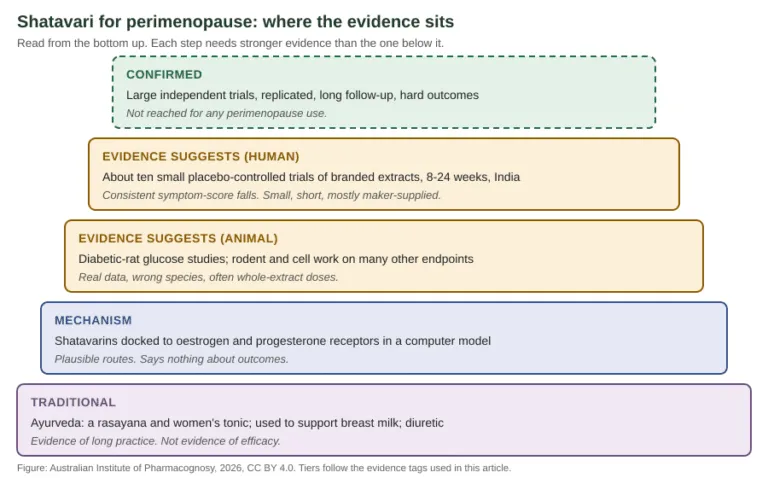
Phytoestrogens are plant compounds that bind oestrogen receptors or otherwise produce oestrogen-like effects. The best-studied are the isoflavones of soy and red clover. The case for calling shatavari a phytoestrogen rests on much thinner ground. A 2024 computer docking study modelled shatavarins I, IV and VI to X against oestrogen receptors alpha and beta, a structure the authors call oestrogen receptor gamma (PDB 2ZKC, which is the oestrogen-related receptor gamma, a different protein), the progesterone receptor and the FSH and LH receptors, and reported favourable binding scores. [12] Mechanism Docking predicts whether a molecule could fit a binding site; it does not show that the molecule reaches the receptor in the body, binds it there, or switches it on or off. Mechanism
Two further problems apply to the saponins. They are large molecules (shatavarin IV weighs 887 g/mol, shatavarin I 1067 g/mol), and a 2026 isolation paper from an extract company ran computer absorption predictions on the compounds it purified: the heavily glycosylated saponins scored as poorly absorbed, while the sapogenins diosgenin and sarsasapogenin scored as better absorbed. [5] Mechanism If that holds in people, the docked saponin is unlikely to be the molecule circulating in a woman’s blood. Mechanism The trial authors themselves describe the hormonal mechanism in hedged language: ‘may modulate’, ‘is believed to’. [3][6] Evidence suggests
Other pharmacology with a bearing on safety
In diabetic rats, an ethanol extract of shatavari root improved glucose tolerance, slowed carbohydrate digestion and absorption in the gut, and increased insulin secretion and insulin action in fat cells, with daily dosing over 28 days lowering serum glucose. [19] Evidence suggests The 2012 paper also reports the same group’s earlier work showing insulin release from perfused pancreas and isolated islets. [19] Evidence suggests These are animal and cell findings at extract doses that do not translate simply to a capsule, but they are the reason to watch blood glucose in anyone combining shatavari with diabetes medicines (§8). Mechanism
In postmenopausal women in the UK, six weeks of 1,000 mg a day of shatavari improved handgrip strength by a small margin compared with placebo (median +0.7 kg against -0.4 kg) and increased a marker of muscle contractile function in thigh-muscle biopsies, without changing bone-turnover markers. [20] Evidence suggests It was a 20-woman pilot, funded by a herbal company, and it is the only trial in this set run outside India.
Chapter 7The human trials
Until 2024 the human evidence for shatavari in menopause was close to nil. Since then at least ten placebo-controlled trials have appeared, nearly all in Indian women, nearly all on a named commercial extract. We read every one we could obtain in full text. One further perimenopause trial (Surampalli 2026, PMID 42537691) was identified, but its full text was not available to us when this article was written; it has been requested and is not assessed here. Evidence suggests A second, Yadav 2025 (PMID 40434025), was retracted by the Journal of the American Nutrition Association on 1 October 2026 (retraction notice PMID 42820926), and we have left it out. Confirmed
| Trial | Who | Extract, dose, length | Main result | Sponsorship and caveats |
|---|---|---|---|---|
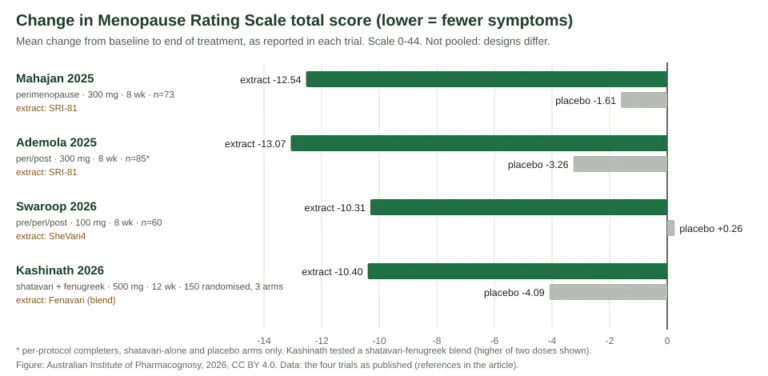
| Mahajan 2025 [6] | Perimenopausal women; 80 randomised, 73 analysed | SRI-81 extract (>10% shatavarins, 13:1), 300 mg once daily, 8 weeks | MRS total fell 12.5 points vs 1.6 on placebo; hot flushes, stress and mood improved | Extract supplied by maker (Ixoreal); no specific grant; single site |
| Ademola 2025 [3] | Women 45-65, peri- and post-menopausal; 135 randomised, 3 arms | SRI-81 300 mg; or SRI-81 300 mg + ashwagandha 250 mg; 8 weeks | MRS total fell 13.1 on shatavari, 13.1 on the combination, 3.3 on placebo | Extracts supplied by maker; abstract claims the combination beat shatavari alone, the paper’s Table 2 shows no difference at week 8 |
| Gudise 2024 [7] | Women 40-65 with menopausal symptoms; 70 randomised | Aspurus extract (5% shatavarins), 250 mg twice daily, 8 weeks | Utian quality-of-life score and hot flushes, night sweats, sleep and anxiety improved vs placebo | Product supplied by maker (Waleria Healthtech); protocol support from a CRO |
| Chattopadhyay 2026 [17] | Pre-, peri- and post-menopausal women; 67 randomised, 60 analysed | SheVari4, 100 mg once daily, 8 weeks | MENQOL domains improved 29-54% vs 7-15% on placebo; oestradiol up, FSH and cortisol down | Funded by the extract owner (Cepham); completers analysed |
| Swaroop 2026 [21] | Healthy women 40-55, pre-, peri- and post-menopausal; 60 analysed | SheVari4, 100 mg once daily, 8 weeks | MRS fell from 14.6 to 4.3 (71%); placebo 15.4 to 15.7 | Authors employed by the sponsor (Cepham); placebo group did not improve at all |
| Mishra 2026 [8] | Postmenopausal women; 214 randomised | ARova5X (5% shatavarins), 250 mg a day, 90 days | Sexual function, lubrication, oxidative-stress markers, obesity prevalence and hot flushes improved | Funded by a research grant from Stiriti Ayur Therapies; many endpoints |
| Pingali 2025 [22] | Postmenopausal women 40-55; 6 arms, 123 completed | Aqueous shatavari 250 or 500 mg, ashwagandha 250 or 500 mg, or both, 24 weeks | Dose-related falls in MENQOL; bone-turnover, inflammation and vascular markers improved | Funded by Natreon (now Kerry Group); about 20 women per arm |
| Kashinath 2026 [18] | Women 40-60 with menopausal symptoms; 150 randomised, 138 completed | Fenavari (shatavari + fenugreek), 300 or 500 mg, 84 days | MRS fell 8.3 and 10.4 vs 4.1 on placebo; oestradiol up, FSH down | Funded by the blend maker (OmniActive); tests a blend, not shatavari alone |
| O’Leary 2021 [20] | Postmenopausal women, mean age 68; 20 randomised | Shatavari 1,000 mg a day, 6 weeks | Handgrip strength up slightly; no change in bone-turnover markers | Funded by Pukka Herbs; pilot; UK |
What the trials consistently show
Every trial in the table reported a larger fall in menopausal symptom scores on the shatavari extract than on placebo, across three different validated scales (the Menopause Rating Scale, the MENQOL questionnaire and the Utian quality-of-life score). Evidence suggests The best-designed of them, the 2025 perimenopause trial, randomised 80 women with computer-generated blocks, used identical starch placebo capsules, pre-specified the change in MRS total as its primary outcome, and found a 12.5-point fall on shatavari against 1.6 on placebo after eight weeks, from a starting score near 29 on a 44-point scale. [6] Evidence suggests Hot flushes, stress, fatigue and the urogenital domain all moved in the same direction. Adverse events were rare and mild across the set: in the three-arm trial, one woman on shatavari reported nausea, against one headache on placebo. [3] Evidence suggests
A consistent direction of effect across nine small trials, several scales, seven extract makers and two countries is a real signal. It is the reason this article calls the evidence promising. Evidence suggests
What keeps it from being confirmed
Size and length. Most arms held 30 to 45 women, and most trials ran for eight weeks. Menopausal symptoms wax and wane over months and years, so an eight-week trial cannot say whether benefit lasts. Only one trial ran for six months, with about 20 women per arm. [22] Evidence suggests
Who supplied and paid. In every trial the extract was a named commercial product. Six of the nine were funded by a herbal or ingredient company, in one the authors were employees of the sponsor, and the other three used extract donated by its maker. [17][21][8][22][18][20][6][3][7] Confirmed The same extract, SRI-81, also appears in recent trials for polycystic ovary syndrome and sexual wellbeing, and a second maker’s extract has been trialled for low libido. [10][11][13] Confirmed Industry funding does not make a result wrong. It does mean the evidence base has been built product by product, and no independent group has yet tried to replicate any of these results.
Placebo groups that barely moved. In two of these trials, placebo groups improved by 3 to 4 MRS points. [3][18] Evidence suggests In the SheVari4 MRS trial the placebo group’s score rose slightly over eight weeks while the extract group’s fell by 71%, and in the 2025 perimenopause trial the placebo group improved by only 1.6 points. [21][6] Evidence suggests Small placebo responses make an active treatment look better. They can happen by chance in small trials; they can also signal problems with blinding or outcome assessment, which only replication will sort out. Mechanism
An abstract that outruns its data. The 2025 three-arm trial’s abstract states that the shatavari-ashwagandha combination improved MRS scores significantly more than shatavari alone at weeks 4 and 8. The paper’s own Table 2 reports a week-8 mean difference between those two arms of -0.01 points, an effect size of -0.001 and p = 1.000; at week 4 the difference is 1.58 points with p = 0.902. [3] Confirmed On the paper’s own numbers, adding ashwagandha added nothing measurable to shatavari over eight weeks. Readers who rely on abstracts, which is most readers, will take away the opposite.
Mixed populations and outcomes. Several trials pooled pre-, peri- and post-menopausal women, whose symptoms and hormone patterns differ. The outcomes span hot flushes, mood, sexual function, oxidative stress, body weight, bone markers and grip strength, and the larger the number of endpoints, the more likely some will reach significance by chance. Mechanism The 2026 ARova5X trial is the clearest example, with sexual function, lubrication, oxidative stress, obesity prevalence and menopausal symptoms all reported as improved. [8] Evidence suggests
Extracts that are not interchangeable. The daily doses ranged from 100 mg of one extract to 1,000 mg of another, standardised to different marker levels by different methods. A result for SRI-81 at 300 mg tells you about SRI-81 at 300 mg. It does not tell you about a 250 mg tablet of a 4:1 dry concentrate, or a teaspoon of root powder. Mechanism
Lactation, for completeness
The other well-trialled use is the traditional one. In a 60-mother double-blind trial in India, shatavari root raised prolactin levels about threefold over placebo, with better infant weight gain, [1] Evidence suggests and in a 78-woman trial a shatavari-and-oat bar increased expressed milk volume at 72 hours after delivery (64.7 mL against 49.7 mL) and shortened the time to breast fullness. [23] Evidence suggests Both trials were small, and neither followed infants for long. They are relevant here because the prolactin finding is one more sign that shatavari is pharmacologically active on the reproductive hormones.
Chapter 8Safety and interactions
Shatavari has a long record of use, and in the trials above it was well tolerated: adverse events were few, mild and similar to placebo, mostly digestive upset, nausea or headache, [3][21] and no adverse changes in liver, kidney or thyroid blood tests over eight weeks in the trials that measured them. [3][6] Evidence suggests Short trials in a few hundred selected women cannot detect rare harms, so the absence of reports is reassuring without being proof. Mechanism The points below are the ones worth knowing before taking it.
Oestrogen-sensitive conditions
The trials whose exclusion criteria we checked excluded women with a history of breast or cervical cancer, and one also excluded active gynaecological conditions. [6][3] Confirmed Several trials recorded rises in serum oestradiol on shatavari (§6). Evidence suggests No study has examined shatavari in women with oestrogen-receptor-positive breast cancer, endometriosis, fibroids or a history of hormone-sensitive disease. Anyone in those groups has no trial evidence either way and should take advice from a degree-qualified herbalist with competencies and adequate training in pharmacognosy before use. Mechanism
Diabetes medicines
Shatavari root extract lowered blood glucose in diabetic rats through slower carbohydrate absorption and greater insulin secretion and action. [19] Evidence suggests No human interaction study exists. The plausible risk is additive glucose lowering with insulin or a sulfonylurea, so glucose monitoring is sensible if shatavari is started or stopped. Mechanism
Hormone medicines and prolactin
Shatavari root raised serum prolactin, the trial’s primary outcome, in the 60-mother lactation trial, [1] Evidence suggests and several menopause trials recorded oestradiol rising and FSH falling (§6). Evidence suggests No study has tested shatavari together with menopausal hormone therapy, hormonal contraception, tamoxifen, aromatase inhibitors or dopamine agonists such as cabergoline and bromocriptine, and no trial enrolled people with a raised prolactin level or a pituitary tumour. A herb that moves these hormones could in principle add to or work against such treatment. Anyone on one of these medicines, or with a prolactin or pituitary disorder, should have the combination reviewed by a degree-qualified herbalist with competencies and adequate training in pharmacognosy, and should tell whoever prescribes the medicine that they are taking shatavari. Mechanism
The traditional diuretic action
Ayurvedic sources describe shatavari as diuretic. [1] Traditional We found no human study measuring urine output or electrolytes on shatavari. People taking prescribed diuretics, or lithium and other medicines with a narrow margin that depend on kidney clearance, have no data to go on, and a cautious approach is reasonable. Mechanism
Asparagus allergy
Shatavari is in the same genus as garden asparagus, a recognised cause of food allergy and of contact dermatitis in people who handle the spears. Whether people allergic to garden asparagus react to shatavari root has not been studied. We have the asparagus-allergy papers on order and do not cite them here until we have read them in full; the cross-reactivity point is an inference from the shared genus. Mechanism
Pregnancy and breastfeeding
We found no human safety data in pregnancy. Evidence suggests Shatavari is traditionally given after birth to support milk supply, [1] Traditional and the 78-woman lactation trial reported no adverse events in either group over its short follow-up. [23] Evidence suggests That is too little to call it established as safe in breastfeeding, and No study has measured how much of the shatavarins or their metabolites pass into breast milk. Anyone considering it in pregnancy or while breastfeeding should take individual advice from a degree-qualified herbalist with competencies and adequate training in pharmacognosy. Mechanism
Children and adolescents
Every human trial we read enrolled adults only, aged 18 and over, and there are no safety or dose data for children or adolescents. Confirmed Products sold for menopause are not formulated or labelled for young people. Mechanism
Shatavari in multi-herb blends
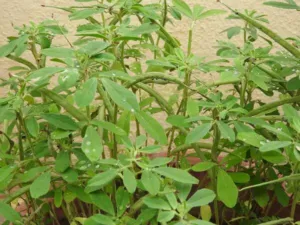
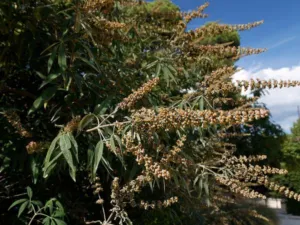
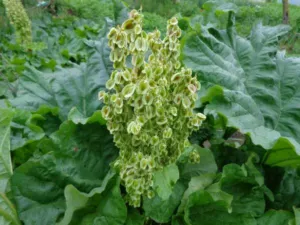
Much of the shatavari sold for perimenopause comes in blends, and each herb in a blend brings its own profile. The trials above tested shatavari with ashwagandha and with fenugreek. [3][22][18] Confirmed Blends on the market also pair it with chasteberry (Vitex agnus-castus) and Siberian rhubarb (Rheum rhaponticum); that is a description of the market, which we have not surveyed systematically, and those herbs are outside the scope of this review.
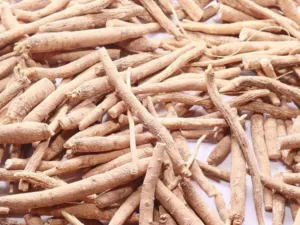
Ashwagandha needs a specific note. On 7 July 2026 the TGA published an updated safety alert on herbal preparations containing Withania somnifera: liver injury is very rare but can be severe, four further Australian reports of possible liver injury had been received since its 2024 advisory (other ingredients may have contributed in two), and people who have or have had liver problems are advised to avoid ashwagandha. [24] Confirmed The TGA advises stopping the product straight away if signs of liver injury appear: yellowing of the skin or eyes, dark urine, nausea, vomiting, unusual tiredness, weakness, abdominal pain or loss of appetite. [24] Confirmed Nothing links shatavari itself to liver injury in the trials, which included liver function tests. [3][6] Evidence suggests A shatavari-ashwagandha blend carries the ashwagandha warning, and on the 2025 three-arm trial’s own figures the ashwagandha added no measurable symptom benefit over eight weeks. [3] Evidence suggests The Institute’s review of the ashwagandha liver reports is here.
If someone is unwell after taking a herbal product, call 000 in an emergency or the Poisons Information Centre on 13 11 26. Suspected side effects can be reported to the TGA.
Chapter 9Shatavari in Australia: AUST L listing and what a label proves
Most shatavari sold in Australian pharmacies is a listed medicine, with an AUST L number on the pack. Listed medicines are, in the TGA’s words, ‘not individually assessed by us before supply’; they may contain only pre-approved low-risk ingredients and make only low-level health claims, and the sponsor self-certifies that the product meets the safety, quality and efficacy requirements. [25] Confirmed
The public ARTG summary for one single-ingredient shatavari product, listed on 8 November 2024, shows how this works in practice. Each film-coated tablet contains 250 mg of Asparagus racemosus root extract dry concentrate, equivalent to 1 g of dry root (a 4:1 concentrate). [16] Confirmed The entry carries 45 permitted indications, each a fixed phrase chosen from the TGA’s list, including ‘decrease/reduce/relieve hot flushes associated with menopause’, ‘decrease/reduce/relieve symptoms of menopause in peri-menopausal women’, ‘help maintain/support emotional wellbeing’ and ‘decrease/reduce/relieve vaginal dryness’. [16] Confirmed It must carry the standard ‘if symptoms persist’ label statement, and its presentation may not refer to mental illness. [16] Confirmed The summary records no poison schedule. [16] Confirmed
What that indication proves is narrower than it reads. A permitted indication is a wording the TGA allows a sponsor to use for a low-risk ingredient; it is not a finding by the TGA that the product relieves hot flushes. Confirmed Compare the dose, too. This product supplies 250 mg of a 4:1 dry concentrate. The trial extracts were different products, standardised differently: 100 mg of SheVari4, 300 mg of a 13:1 SRI-81 extract with more than 10% shatavarins, 500 mg a day of a 5% extract. [21][6][7] Confirmed Whether any Australian product delivers what any trial delivered cannot be read from the label. Mechanism
| Product or trial extract | Daily amount | Ratio or extract type | Marker standardisation |
|---|---|---|---|
| Bioglan Platinum Menopause Control (ARTG 467793) [16] | 250 mg root extract dry concentrate per tablet | 4:1 (≡ 1 g dry root) | Not stated in the public summary |
| SheVari4 (Chattopadhyay; Swaroop) [17][21] | 100 mg a day | Not stated in the papers we read | Shatavarin IV by HPLC |
| ARova5X (Mishra) [8] | 250 mg a day | Hydroalcoholic extract | 5% shatavarins |
| SRI-81 (Mahajan; Ademola) [6][3] | 300 mg a day | 13:1 | >10% total shatavarins (HPLC) |
| Aspurus (Gudise) [7] | 500 mg a day (250 mg twice) | Proprietary | 5% total shatavarins (HPTLC) |
| Shatavari root (O’Leary) [20] | 1,000 mg a day | Stated as ≡ 26.5 g fresh root | Not stated as a marker level |
The Poisons Standard, ODC and import rules are short in this case. Shatavari root is not, on our reading of the ARTG entry and the listed-medicine framework, a scheduled substance, and it is not a drug of dependence, so Office of Drug Control permits do not apply. Confirmed Products bought online from overseas and posted to Australia fall under the TGA’s personal importation rules, and dried plant material sent from overseas is subject to the Department of Agriculture’s biosecurity import conditions; neither has been reviewed in detail for this article. Confirmed An overseas product has had no Australian listing check at all, which matters most for ashwagandha-containing blends given the TGA alert. Mechanism
The Institute’s review of black cohosh, the older perimenopause herb with a much larger trial record, is here, and the corresponding pharmacopoeia entry is here; reading them side by side shows how far shatavari’s evidence still has to travel.
Before taking any botanical drug, consult a degree-qualified herbalist with competencies and adequate training in pharmacognosy.
Chapter 10Quality, substitution and supply
Demand for shatavari has grown fast. Because the drug is the root, harvesting a wild plant removes or badly damages it. Mechanism Pressure on wild Indian populations from root collection is widely reported, but we have not yet read the primary assessments (one is on order), and we found no current formal IUCN assessment for the species, so the threat status repeated online is unsourced in this article. Cultivated root with a traceable farm origin avoids the question, and at least one trial extract states that its raw material is cultivated. [6] Evidence suggests
Substitution is the other problem. A DNA-barcoding study, whose authors included a member of an Indian Pharmacopoeia Committee working group and a researcher from an extract manufacturer, compared authentic root with substitute samples and found that the ITS2 barcode distinguished A. racemosus from its substitute samples, while noting the marker was weak at separating Asparagus species from each other. [26] Evidence suggests The plain lesson is that a dried, sliced or powdered root cannot be identified by eye, and a buyer has to rely on the maker’s testing. Mechanism
The trial extracts were characterised by HPLC or HPTLC for total shatavarins or shatavarin IV, and two reported testing for heavy metals, and one also for pesticide residues and residual solvents. [7][17] Confirmed The sponsor of an Australian listed medicine must certify that it meets the quality requirements that apply to it. [25] Confirmed What the public ARTG summary does not show is a shatavarin content, so a buyer cannot compare the marker dose of an Australian product with any trial. [16] Confirmed
A note on one compound that keeps appearing in shatavari summaries. The alkaloid asparagamine A is often listed as a constituent of shatavari root. We could not trace a primary isolation report from A. racemosus that we have read in full, and published analytical work questions the attribution; that work is on order, and until we have read it the point is a flag for checking, not a finding. Evidence suggests Racemosol has the same kind of problem (§5). A constituent list copied from review to review is a weak basis for quality control.
Discussion: conclusions, hypotheses and research still required
What the evidence supports
Traditional Shatavari has deep standing in Ayurveda as a rasayana and women’s tonic, used across the reproductive life and to support breast milk. Confirmed The root contains steroidal saponins, chiefly the shatavarins, of which shatavarin IV (asparanin B) is the usual marker, with sarsasapogenin and diosgenin among the sapogenins. Evidence suggests Across about ten small, short, mostly industry-supplied placebo-controlled trials in peri- and post-menopausal women, standardised shatavari root extracts reduced menopausal symptom scores more than placebo, with few and mild adverse events. Confirmed In Australia shatavari is a permitted ingredient in listed medicines, whose menopause indications are permitted wordings, self-certified by the sponsor and not evaluated by the TGA for efficacy.
What we can reasonably hypothesise
Mechanism If the symptom benefit is real, the hormone data suggest a central effect on the hypothalamic-pituitary-ovarian axis, with oestradiol rising and FSH falling, more than direct oestrogen-receptor binding by intact saponins, which are poorly absorbed. Gut-bacterial metabolism of the shatavarins to sapogenins and smaller metabolites is a candidate route for any systemic effect. Mechanism The stress and mood improvements seen in several trials could reflect an effect on the stress axis, and the cortisol fall in one trial points the same way. Mechanism The rise in prolactin in breastfeeding mothers and the hormone shifts in menopausal women may share a single mechanism. All four are hypotheses, and none has been tested directly in people.
What research is still required
- Clinical research: an independent, adequately powered (a few hundred women), pre-registered trial of one well-characterised extract in perimenopausal women, with hot-flush frequency and severity diaries as the primary outcome, at least 12 and preferably 26 weeks, intention-to-treat analysis, and a check on whether blinding held. Replication of the SRI-81 and SheVari4 results by groups with no commercial tie. An Australian trial would also show whether the effect holds outside India.
- Pharmacology and pharmacokinetics: human pharmacokinetic studies of shatavarin IV, sarsasapogenin and their gut metabolites after a standard dose; receptor-binding and functional assays with the metabolites actually found in plasma; and a pre-specified hormone panel (oestradiol, FSH, LH, prolactin, SHBG, cortisol) in the next trial.
- Toxicology and safety: pharmacovigilance for shatavari-containing products using the TGA’s adverse event database; a structured look at use in women with a history of hormone-sensitive disease; and a study of glucose-lowering in people with type 2 diabetes on medication.
- Phytochemistry and quality analysis: an HPLC survey of shatavarin IV and total saponin content across Australian listed shatavari products, compared with the trial extracts; DNA authentication of the same samples; and a primary-literature check of the constituent list, starting with racemosol, asparagamine A and the reported isoflavone.
- Botany and taxonomy: a voucher-based review of early Australian herbarium collections to settle whether A. racemosus is native or introduced in Western Australia and the rest of northern Australia, and a survey of whether Australian wild plants carry the same saponin profile as Indian root.
- Regulatory science: a study of how often perimenopause listed medicines carry symptom-relief indications for ingredients with only small industry-funded trials behind them, to inform the TGA’s permitted-indications framework.
- Ethnobotany and sustainability: a supply-chain study of how much shatavari root sold into Australia is cultivated, and an up-to-date conservation assessment of wild Indian populations.
About AIP and this series
The Australian Institute of Pharmacognosy (AIP) is based in Cardwell, in the wet tropics of far north Queensland. Pharmacognosy is the study of medicines and poisons that come from natural sources: how a plant is identified, what it contains, and what that chemistry does in the body.
The Literature Review and Critical Analysis series is part of our education and research work. Each review grades every claim by the evidence behind it, so you can see what is tradition, what is laboratory or animal work, and what has actually been tested in people. Nothing in this series is an offer of treatment, a product or a service.
More from the Institute: australian-pharmacognosy.org · all evidence reviews. Follow the series for the next review.
Corrections: if you find an error, or a source we have missed, write to the Institute at our contact form; the Secretary passes every correction to the author.
Dr Thomas Ridley
Head of Education and Research
Australian Institute of Pharmacognosy
Cardwell QLD, Australia
australian-pharmacognosy.org · our contact form
Suggested citation: Ridley T. Shatavari (Asparagus racemosus Willd.) for perimenopause: a literature review and critical analysis. AIP Literature Review and Critical Analysis AIP-LR-ASPRAC. Cardwell (QLD): Australian Institute of Pharmacognosy; 2026.
Educational content only; not individual health, legal or regulatory advice. Regulatory information reflects the ARTG and TGA publications as read in November 2026 and may change.
References
Show all 26 references (every PMID links to PubMed)
Every PMID was checked against PubMed in November 2026, and every journal article listed was read in full text. Chemical identifiers were checked against PubChem the same month. Listed in order of first citation. Identified but not assessed (full text not yet available to us): Surampalli G et al. 2026, PMID 42537691. Excluded as retracted: Yadav P et al. 2025, PMID 40434025 (retraction notice PMID 42820926, 1 October 2026).
- Gupta M, Shaw B. A Double-Blind Randomized Clinical Trial for Evaluation of Galactogogue Activity of Asparagus racemosus Willd. Iran J Pharm Res. 2011 Winter;10(1):167-72. PMID 24363697.
- Council of Heads of Australasian Herbaria. Australian Plant Census: Asparagus racemosus Willd. (APC distribution WA, NT, Qld; common names Native Asparagus Fern, Protasparagus). id.biodiversity.org.au/node/apni/2906772; occurrence records via the Atlas of Living Australia. Read by the Institute in November 2026.
- Ademola J, Ajgaonkar A, Debnath T, Debnath K, Langade J. Efficacy and safety of Shatavari root extract (Asparagus racemosus) for menopausal symptoms: a randomized, double-blind, three-arm, placebo-controlled study. Front Reprod Health. 2025;7:1654503. PMID 41394012. DOI 10.3389/frph.2025.1654503.
- Australian Tropical Rainforest Plants, online edition (CSIRO / Lucidcentral). Asparagus racemosus. apps.lucidcentral.org. Read by the Institute in November 2026.
- D C D, Girme A, Salvankar K, Chinchansure A, Ranjan R, N L YK, et al. Scale-Up Isolation of High-Purity Shatavarins from Asparagus racemosus via Flash Chromatography with Bioavailability and Pharmacological Insights. ACS Omega. 2026 Apr 7;11(13):21068-21079. PMID 41970898. DOI 10.1021/acsomega.6c00145.
- Mahajan S, Avad P, Langade J. Efficacy and Safety of Shatavari (Asparagus racemosus) Root Extract for Perimenopause: Randomized, Double-Blind, Placebo-Controlled Study. Int J Womens Health. 2025;17:4057-4073. PMID 41209045. DOI 10.2147/IJWH.S544267.
- Gudise VS, Dasari MP, Kuricheti SSK. Efficacy and Safety of Shatavari Root Extract for the Management of Menopausal Symptoms: A Double-Blind, Multicenter, Randomized Controlled Trial. Cureus. 2024 Apr;16(4):e57879. PMID 38725785. DOI 10.7759/cureus.57879.
- Mishra KG, Patnaik N, Mohapatra A, Pradhan NR. Evaluation of the effects of Asparagus racemosus extract (ARova5X) supplementation on postmenopausal discomfort. Avicenna J Phytomed. 2026;16(5):860-872. PMID 42769795. DOI 10.22038/ajp.2025.26850.
- NSW Department of Climate Change, Energy, the Environment and Water. Asparagus weeds. environment.nsw.gov.au. Read by the Institute in November 2026.
- Mhatre Y, Jadhav P, Malik A, Srivathsan M, Langade D. Efficacy and safety of Shatavari root extract in women with Polycystic Ovarian Syndrome: a randomized, double-blind, placebo-controlled trial. Front Endocrinol (Lausanne). 2026;17:1769773. PMID 41816216. DOI 10.3389/fendo.2026.1769773.
- Ademola J, Mahajan S, Srivathsan M, Langade D. Effects of Shatavari (Asparagus racemosus) Root Extract on Sexual Wellness in Women: Findings from a Prospective, Randomized, Double-Blind, Three-Arm, Parallel-Group, Placebo-Controlled Study. Int J Womens Health. 2026;18:561213. PMID 41710148. DOI 10.2147/IJWH.S561213.
- Arora N, Banerjee AK. Molecular docking analysis of shatavarins with female hormonal receptors. Bioinformation. 2024;20(7):775-780. PMID 39309564. DOI 10.6026/973206300200775.
- Satla M, Mudhigonda M, Surampalli G. Safety and efficacy of Shatavari in women with low libido: a randomized, double-blind, placebo-controlled trial. J Med Life. 2026 Jul;19(7):548-563. PMID 42751626. DOI 10.25122/jml-2026-0041.
- World Health Organization Regional Office for the Western Pacific. Medicinal plants in Viet Nam. Manila: WHO WPRO; 1990. Entry 28, Asparagus cochinchinensis (Lour.) Merr., p. 57.
- D D, Krishnarajabhatt HS, Unnikrishnan P. Phytochemical insights and neuro-gut axis modulation of Asparagus racemosus (Shatavari) in Postpartum Depression: a mini review with HPTLC-Based justification. Front Nutr. 2025;12:1677952. PMID 41293186. DOI 10.3389/fnut.2025.1677952.
- Therapeutic Goods Administration. ARTG 467793, Bioglan Platinum Menopause Control: public summary (medicine, listed; ARTG start date 8/11/2024; sponsor Natural Bio Pty Limited). tga.gov.au/resources/artg/467793. Read by the Institute in November 2026.
- Chattopadhyay R, Karmakar S, Chakraborty TR, Bagchi M, Banik SP, Bagchi D. SheVari4(®), a proprietary root extract from Asparagus racemosus, ameliorates menopausal health: insights from a randomized, double-blind, placebo controlled clinical trial. Food Nutr Res. 2026;70. PMID 42571384. DOI 10.29219/fnr.v70.14275.
- Kashinath RN, Bhat VV, Morde A, Joshua L, Thomas JV. Dose-Dependent Efficacy of a Combined Standardized Extract of Fenugreek and Shatavari on Menopausal Symptoms: A Randomized, Double-Blind, Parallel, Placebo-Controlled Study. Womens Health Rep (New Rochelle). 2026 Jan-Dec;7:26884844261465161. PMID 42539366. DOI 10.1177/26884844261465161.
- Hannan JM, Ali L, Khaleque J, Akhter M, Flatt PR, Abdel-Wahab YH. Antihyperglycaemic activity of Asparagus racemosus roots is partly mediated by inhibition of carbohydrate digestion and absorption, and enhancement of cellular insulin action. Br J Nutr. 2012 May;107(9):1316-23. PMID 21899804. DOI 10.1017/S0007114511004284.
- O’Leary MF, Jackman SR, Sabou VR, Campbell MI, Tang JCY, Dutton J, et al. Shatavari Supplementation in Postmenopausal Women Improves Handgrip Strength and Increases Vastus lateralis Myosin Regulatory Light Chain Phosphorylation but Does Not Alter Markers of Bone Turnover. Nutrients. 2021 Nov 27;13(12). PMID 34959836. DOI 10.3390/nu13124282.
- Swaroop A, Swaroop A. Asparagus racemosus Root Extract (SheVari4®) Alleviates Menopausal Symptoms in Pre-, Peri-, and Post-menopausal Healthy Women. Cureus. 2026 Apr;18(4):e106987. PMID 41982372. DOI 10.7759/cureus.106987.
- Pingali U, Nutalapati C, Wang Y. Ashwagandha and Shatavari Extracts Dose-Dependently Reduce Menopause Symptoms, Vascular Dysfunction, and Bone Resorption in Postmenopausal Women: A Randomized, Double-Blind, Placebo-Controlled Study. J Menopausal Med. 2025 Apr;31(1):21-34. PMID 40347163. DOI 10.6118/jmm.24025.
- Birla A, Satia M, Shah R, Pai A, Srivastava S, Langade D. Postpartum Use of Shavari Bar® Improves Breast Milk Output: A Double-Blind, Prospective, Randomized, Controlled Clinical Study. Cureus. 2022 Jul;14(7):e26831. PMID 35974870. DOI 10.7759/cureus.26831.
- Therapeutic Goods Administration. Herbal preparations containing Withania somnifera (Withania, Ashwagandha). Safety alert, published 7 July 2026. tga.gov.au. Read by the Institute in November 2026.
- Therapeutic Goods Administration. Listed medicines (regulatory framework for AUST L medicines and permitted indications). tga.gov.au. Read by the Institute in November 2026.
- Rai PS, Bellampalli R, Dobriyal RM, Agarwal A, Satyamoorthy K, Narayana DA. DNA barcoding of authentic and substitute samples of herb of the family Asparagaceae and Asclepiadaceae based on the ITS2 region. J Ayurveda Integr Med. 2012 Jul;3(3):136-40. PMID 23125510. DOI 10.4103/0975-9476.100177.
Image credits
- Shatavari 01.JPG: Forestowlet. CC0.
- Satavari (Sanskrit- शतावरी) (5780781595).jpg: Dinesh Valke from Thane, India. CC BY-SA 2.0.
- Tannir-vittan (Tamil- தண்ணீர்விட்டான்) (4759370155).jpg: Dinesh Valke from Thane, India. CC BY-SA 2.0.
- Asparagus tetragonus 135-8288.jpg: M.S. del., J.N.Fitch lith.. Public domain.
- Asparagus racemosus 0766.jpg: Vengolis. CC BY-SA 4.0.
- Asparagus racemosus Willd. (48150520331).jpg: Dinesh Valke from Thane, India. CC BY-SA 2.0.
- Starr-120403-4153-Asparagus asparagoides-fruit and leaves-Kula-Maui (25138524655).jpg: Forest and Kim Starr. CC BY 3.0 us.
- Shatavari (Kannada- ಶತಾವರಿ) (11544443394).jpg: Dinesh Valke from Thane, India. CC BY-SA 2.0.
- 13th-century Cikitsa-sara-sangraha, Vangasena, medical text, Sanskrit, palm leaf manuscript.jpg: Ms Sarah Welch. CC BY-SA 4.0.
- Asparagus racemosus fleurs.JPG: Silk666. CC BY-SA 3.0.
- Shatavari 02.JPG: Forestowlet. CC0.
- Asparagus racemosus – Satawari flowers – at Peravoor 2018 (1).jpg: Vinayaraj. CC BY-SA 4.0.
- Asparagus racemosus.JPG: Neha.Vindhya. CC BY-SA 3.0.
- Ashwagandha Roots.jpg: Piyush Kothari. CC BY-SA 4.0.
- Trigonella foenum graecum-2-bangalore-India.jpg: Yercaud-elango. CC BY-SA 4.0.
- Vitex agnus castus -Gattilier-Fuits-20210912.jpg: Daniel VILLAFRUELA. CC BY-SA 4.0.
- Rheum rhaponticum 01.JPG: AfroBrazilian. CC BY-SA 3.0.
- Asparagus racemosus – Satawari flowers – at Peravoor 2018 (5).jpg: Vinayaraj. CC BY-SA 4.0.
- Satomul (Assamese শতমূল) (47502990812).jpg: Dinesh Valke from Thane, India. CC BY-SA 2.0.
- Shatavari (Marathi- शतावरी) (5780786833).jpg: Dinesh Valke from Thane, India. CC BY-SA 2.0.
- iNaturalist observation 229190773 (Grahams Creek, Qld): Tony van Kampen. CC BY 4.0.
- iNaturalist observation 19868550 (East Arnhem, NT): coenobita. CC BY 4.0.
- Chemical structures: PubChem (National Library of Medicine), CIDs 441896, 101406647, 92095, 99474, 5280343. Public domain.
- Evidence-tier diagram and trial chart: Australian Institute of Pharmacognosy, 2026. CC BY 4.0.
The Institute sets and publishes its own monographs. The catalogue is in Publications.