

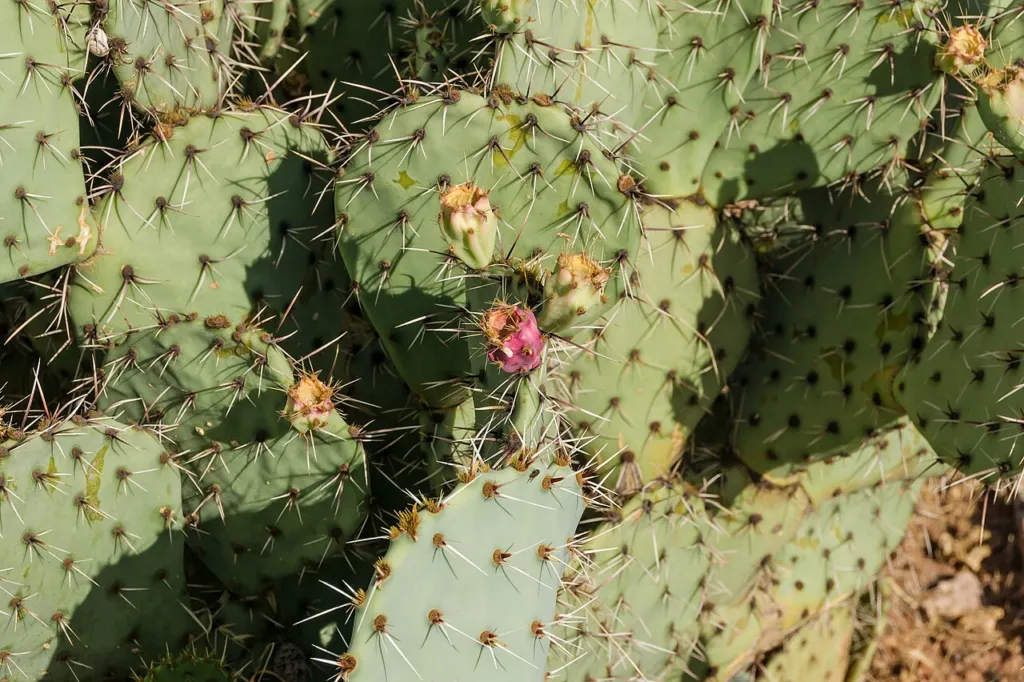
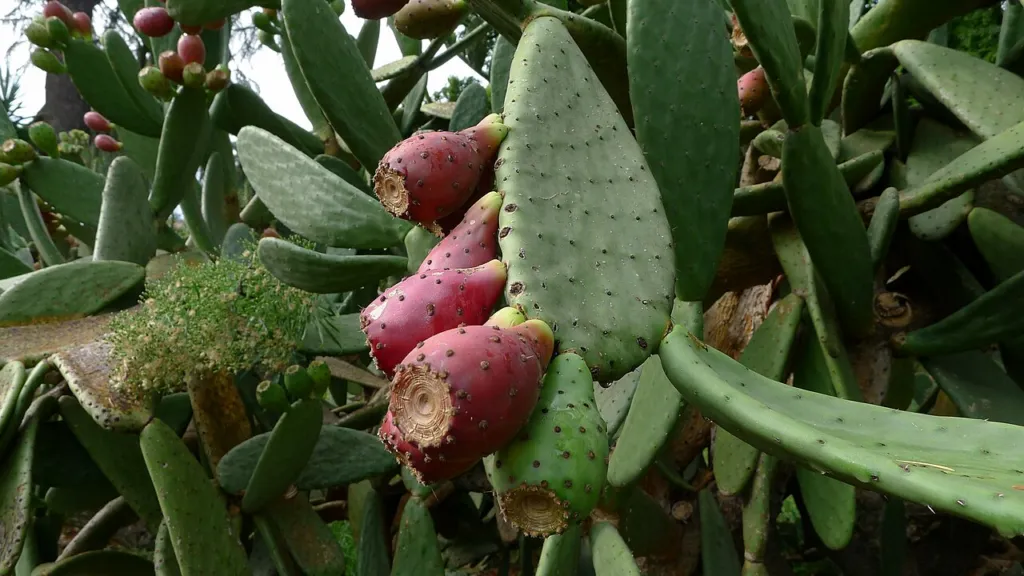
Cover: Opuntia ficus-indica in fruit, Spain. Photo: Jebulon · CC0 · Wikimedia Commons
By 1920 prickly pear covered about 24 million hectares of Queensland and New South Wales, and the Queensland Government calls it one of the greatest biological invasions of modern times [1] Confirmed. In Mexico the same genus is on the dinner table every day. The plant at the centre of that cuisine, Opuntia ficus-indica, the Indian fig, is today the one Opuntia that Queensland law leaves alone [2] Confirmed.
This review introduces Opuntia ficus-indica properly. It separates the Indian fig from the prickly pears that are prohibited or restricted in Queensland, describes the parts people eat and use (the pad or nopal, the fruit, the flower and the seed oil) and the chemistry in them, and then reads the human trials one by one: cooked nopal with meals, cladode-fibre products for weight and blood fats, and the fruit extract tested against hangover. It finishes with safety, Australian law and what is actually on sale here.
This article is educational. It is not medical advice, and it does not recommend any product, dose or treatment.
Biosecurity: in Queensland every Opuntia species except O. ficus-indica is a prohibited or restricted invasive plant under the Biosecurity Act 2014 (Qld). Restricted species must not be given away, sold or released; prohibited species must not be kept, moved, given away, sold or released, and sightings must be reported to Biosecurity Queensland on 13 25 23 [2] Confirmed. Look-alike species are easy to confuse, so a plant should be identified before anyone propagates or moves it.
Handling: the fine barbed bristles (glochids) on pads and fruit lodge in skin and eyes; eye injuries needing removal under a slit lamp are documented [3] Confirmed. Medicines: the cladode fibre and extracts may add to the glucose-lowering effect of diabetes medicines Mechanism. Opuntia is not scheduled in the Poisons Standard [4] Confirmed. Before taking any botanical drug, consult a degree-qualified herbalist with competencies and adequate training in pharmacognosy. In an emergency call 000; for poisoning advice call the Poisons Information Centre on 13 11 26.
| Plant | Opuntia ficus-indica (L.) Mill., Cactaceae. Indian fig, prickly pear, cactus pear, nopal (the pad), tuna (the fruit, in Mexican Spanish). Confirmed §1 |
| Parts used | Young pads (nopales, nopalitos), ripe fruit, flowers, and the cold-pressed seed oil. Traditional §2 |
| Origin | Domesticated in Mexico; now grown across the Mediterranean, Africa, the Middle East and Australia [5]. Confirmed §3 |
| Main constituents | Mucilage and pectic fibre (pads); betalain pigments betanin and indicaxanthin (fruit); isorhamnetin glycosides; piscidic acid; linoleic-rich seed oil. Confirmed §5 |
| Best human evidence | Small, short, mostly unblinded trials: cooked nopal with a meal lowers the after-meal glucose rise in people with type 2 diabetes; a branded cladode-fibre product gave modest extra weight loss over 12 weeks. Evidence suggests §7 |
| Hangover | One crossover trial of a fruit extract found no difference in overall hangover score [6]. Evidence suggests §7 |
| Safety | Food use is long-standing. Watch glochids, additive glucose lowering with diabetes drugs, and the absence of pregnancy and lactation data for concentrated extracts. Mechanism §8 |
| Australian law | Not in the Poisons Standard; an ingredient in listed (AUST L) medicines; the one Opuntia Queensland does not declare. Confirmed §9 |
- Confirmed: established in humans by trial, or an unambiguous analytical, chemical or legal fact on the public record.
- Evidence suggests: real published data, but preclinical, observational, small, sponsor-run or not yet replicated in humans.
- Mechanism: a plausible mechanistic or pharmacological inference, not an outcome.
- Traditional: historical, culinary or ethnobotanical use. Evidence of practice, not of efficacy.
- Attested: a documentary fact attested in a named source, such as a dated government record.
Every PubMed ID (PMID) links to its PubMed record and was checked against PubMed in October 2026; every chemical record was checked against PubChem the same month. The numbered references are papers and official documents the Institute read in full. Some primary trials are described here through those full-text reviews; they are listed separately under the references with that limitation stated. Where a claim could not be traced to a primary source it is marked unsourced.
Opuntia ficus-indica is the domesticated prickly pear of Mexico, grown for its pads and fruit across the Mediterranean and much of the dry world. In Queensland it is the single Opuntia species that is neither prohibited nor restricted; the prickly pears that smothered the state before Cactoblastis arrived in the 1920s were mostly O. stricta and its relatives, which remain declared [2] [1] Confirmed.
The pad is a high-fibre vegetable with a slimy mucilage, and the fruit carries yellow and purple betalain pigments. Both contain isorhamnetin glycosides and other phenolics; the seeds give a linoleic-acid-rich oil Confirmed.
The human evidence is thin. Small, short, mostly unblinded studies from Mexico show that eating cooked nopal with a meal blunts the rise in blood glucose after that meal in people with type 2 diabetes Evidence suggests. A branded cladode-fibre complex produced about 2.4 kg more weight loss than placebo over 12 weeks in one company-linked trial Evidence suggests. The fruit-extract hangover trial found no difference in its main hangover score Evidence suggests. A 2019 systematic review by University of Canberra researchers concluded that the fruit shows little effect on glucose and the pad deserves further study [7].
As food it has a long and safe record Traditional. As a concentrated fibre or extract, the realistic concerns are wind and fullness, a possible additive effect with diabetes medicines, and missing pregnancy data. Glochids are the most common way the plant actually hurts people.
Before taking any botanical drug, consult a degree-qualified herbalist with competencies and adequate training in pharmacognosy.
 1. Identity, names and the species problem
 2. The plant and its parts
 3. Where it grows, and the prickly pear that took Queensland
 4. Food and traditional use
 5. Phytochemistry
 6. Pharmacology: what the constituents do
 7. Clinical evidence, tier by tier
 8. Safety and interactions
 9. In Australia: biosecurity, food and medicine law
 10. Quality and adulteration
 Discussion and research agenda
1. Identity, names and the species problem
The Indian fig is Opuntia ficus-indica (L.) Mill., a member of the cactus family, Cactaceae. Linnaeus first placed it in Cactus; Philip Miller moved it into Opuntia, which is why his abbreviation follows the name (unsourced in this review; the history is in standard botanical references). The epithet joins the fig (ficus) to the Indies, an old European habit of naming New World plants after India. In Mexican Spanish the pad is a nopal, young pads cut into strips are nopalitos, and the fruit is a tuna. English uses prickly pear, cactus pear and Indian fig more or less interchangeably Traditional.
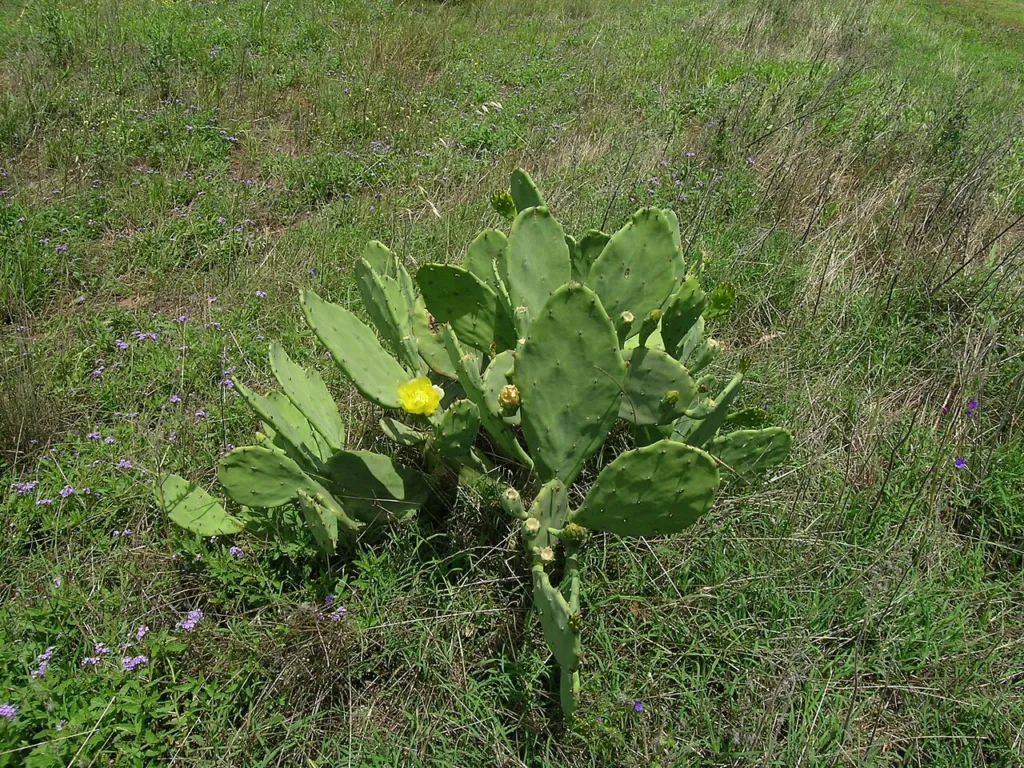
The names matter because “prickly pear” is a genus-level word. Queensland’s own fact sheet describes it as the general term for over ten members of the cactus family, most of them Opuntia species [1] Confirmed. The pest pears of Queensland history were mostly O. stricta (common and spiny pest pear), O. aurantiaca (tiger pear), O. monacantha (drooping tree pear), O. tomentosa (velvety tree pear) and O. streptacantha (Westwood pear), alongside several Cylindropuntia and Austrocylindropuntia species [1] Confirmed. None of those is the Indian fig.
The same blurring runs through the medical literature. Much of the early Mexican glucose research, the work of Frati-Munari and colleagues in the 1980s and early 1990s, used O. streptacantha, a different species, and several later papers say only “nopal” or “Opuntia sp.” [7] Confirmed. Anyone reading a claim about “prickly pear” should ask which species, which part and which preparation. This review keeps to O. ficus-indica where the source allows it, and says so when it does not.
Domestication has also produced a range of forms. Spineless and nearly spineless cultivars were selected for fodder and fruit, the best known being those promoted by the American breeder Luther Burbank early in the twentieth century (unsourced in this review; the Burbank history is not in the papers read for it). Humphries and colleagues, in a 2022 global review written from Federation University and the University of Queensland, note that cultivated forms often lack glochids, and that escaped plants have been seen to revert to the wild, prickly form within a few generations [5] Evidence suggests. That reversion is one reason the Indian fig is still watched by weed scientists, even where the law permits it.
2. The plant and its parts
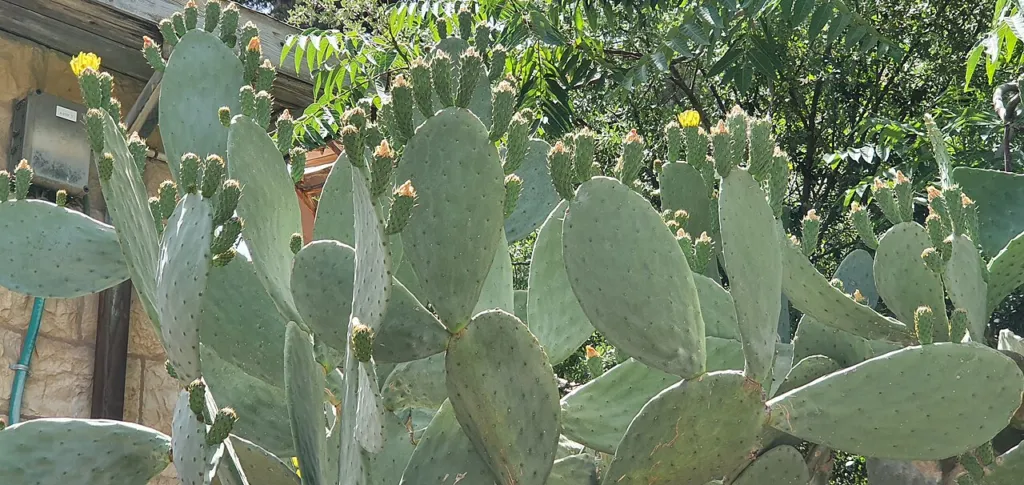
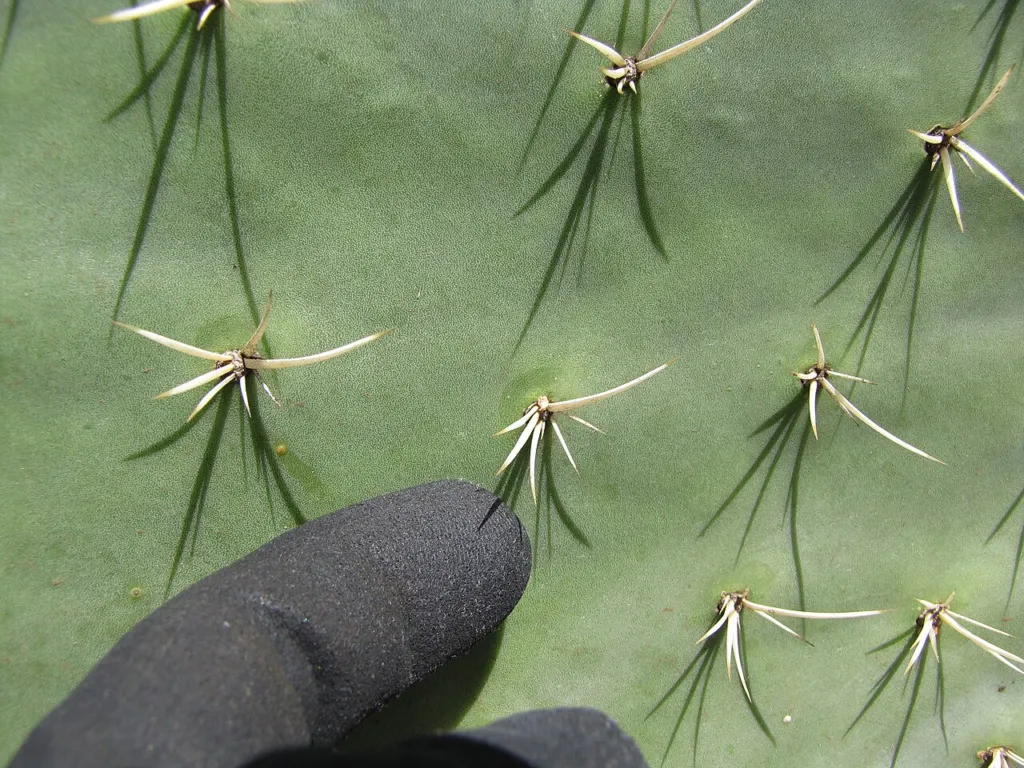
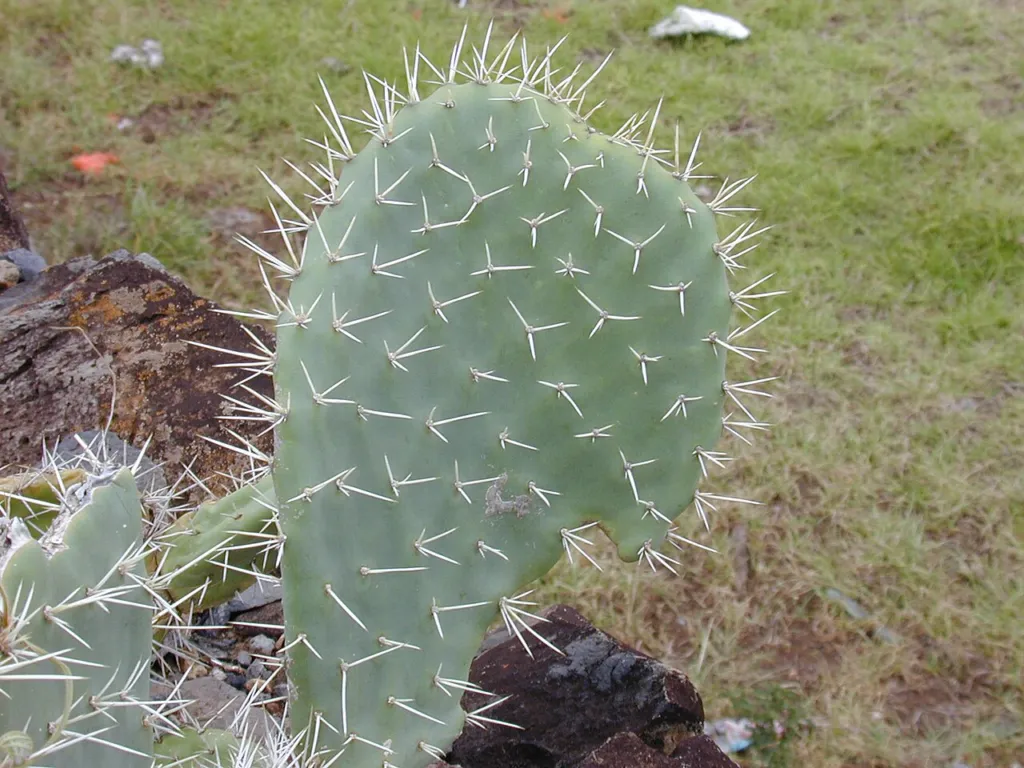
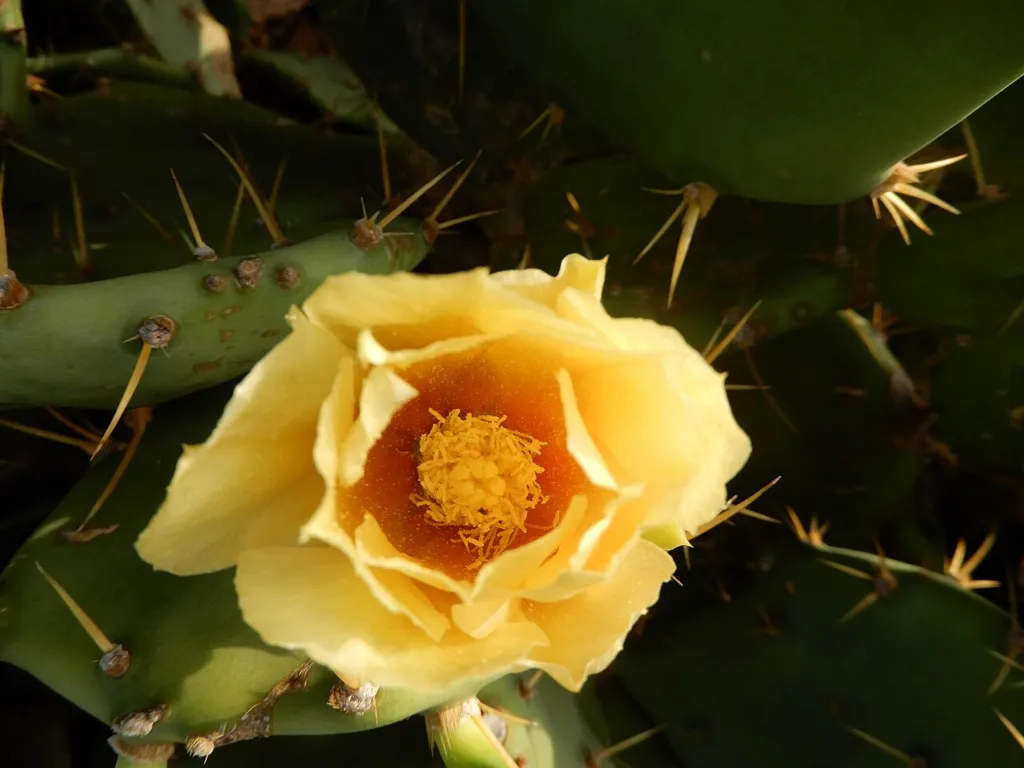
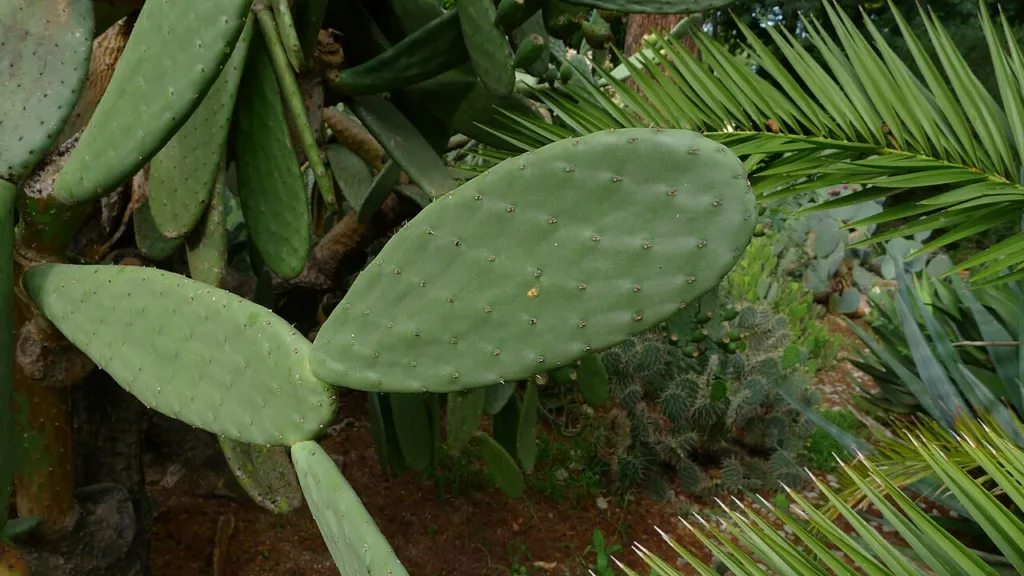
The Indian fig is a branching succulent shrub or small tree. What look like leaves are flattened stem segments called cladodes, pads or joints. The true leaves are small, fleshy, short-lived scales on young growth [1] Confirmed. Scattered over pads and fruit are areoles, the cushion-like spots from which spines, glochids, flowers, new pads and roots arise [1] Confirmed.
Like most cacti it runs crassulacean acid metabolism (CAM): the stomata open at night, carbon dioxide is stored as organic acids and used for photosynthesis during the day with the stomata closed, which keeps water loss low in hot, dry weather [5] Confirmed. The pads are mostly water-storage tissue under a tough cuticle. Quickly formed fine “rain roots” let the plant take up extra water after a downpour [5] Confirmed.
The parts people use
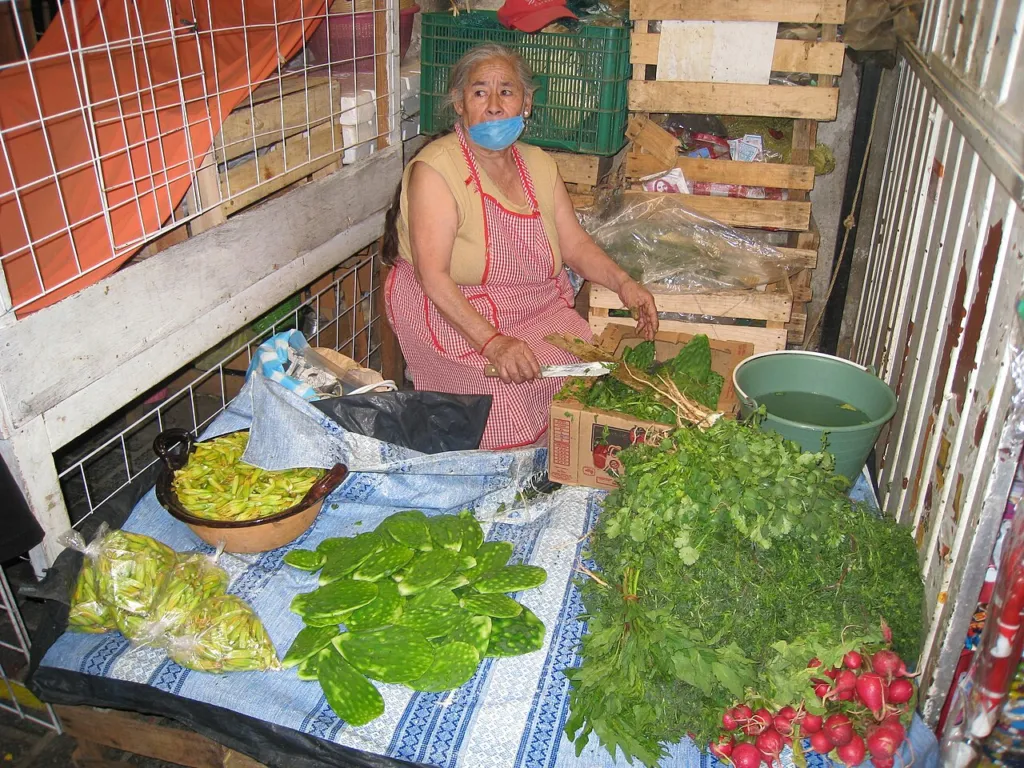
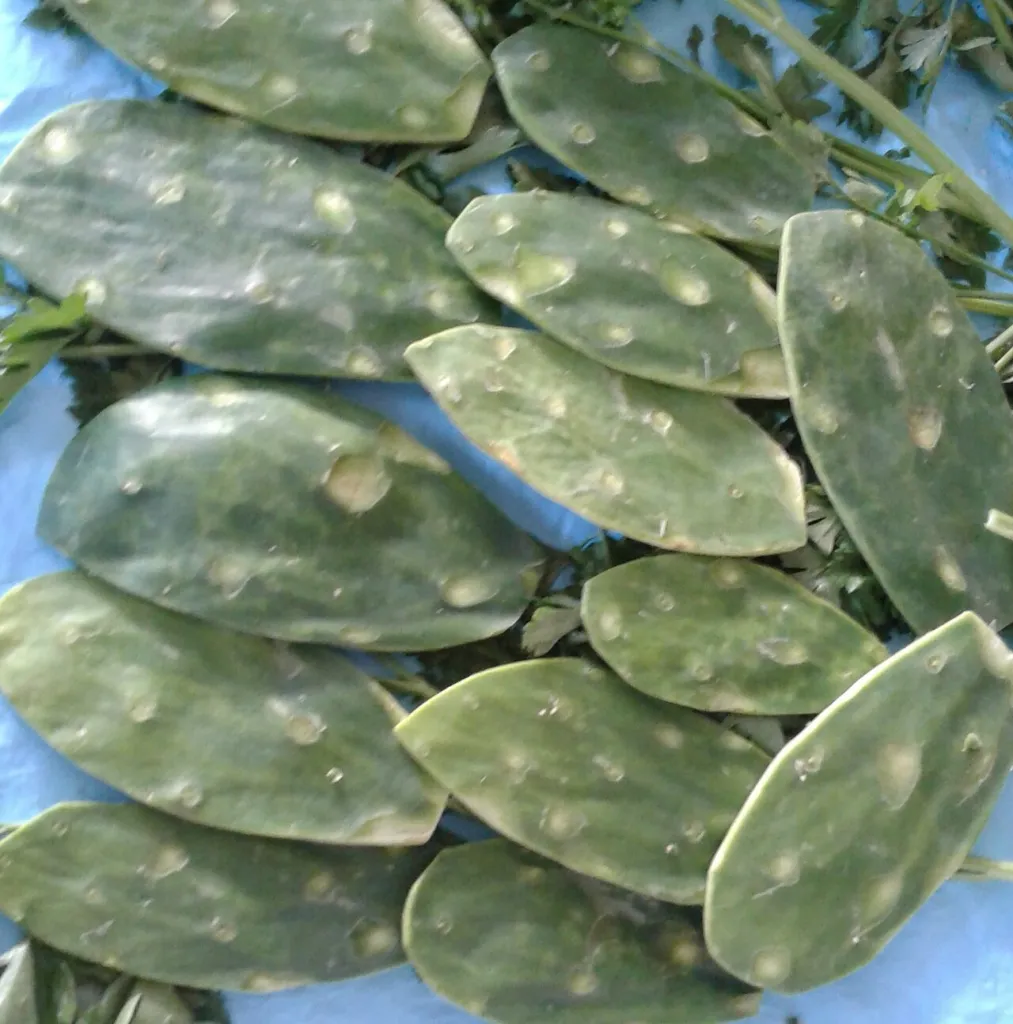
The pad (nopal). Young pads, a few weeks old and still tender, are the vegetable. They are de-spined, sliced and cooked, and release a viscous mucilage when cut Traditional. Older pads become fibrous and are used as fodder [5] Confirmed. Dried and powdered cladode is the starting material for most fibre supplements.
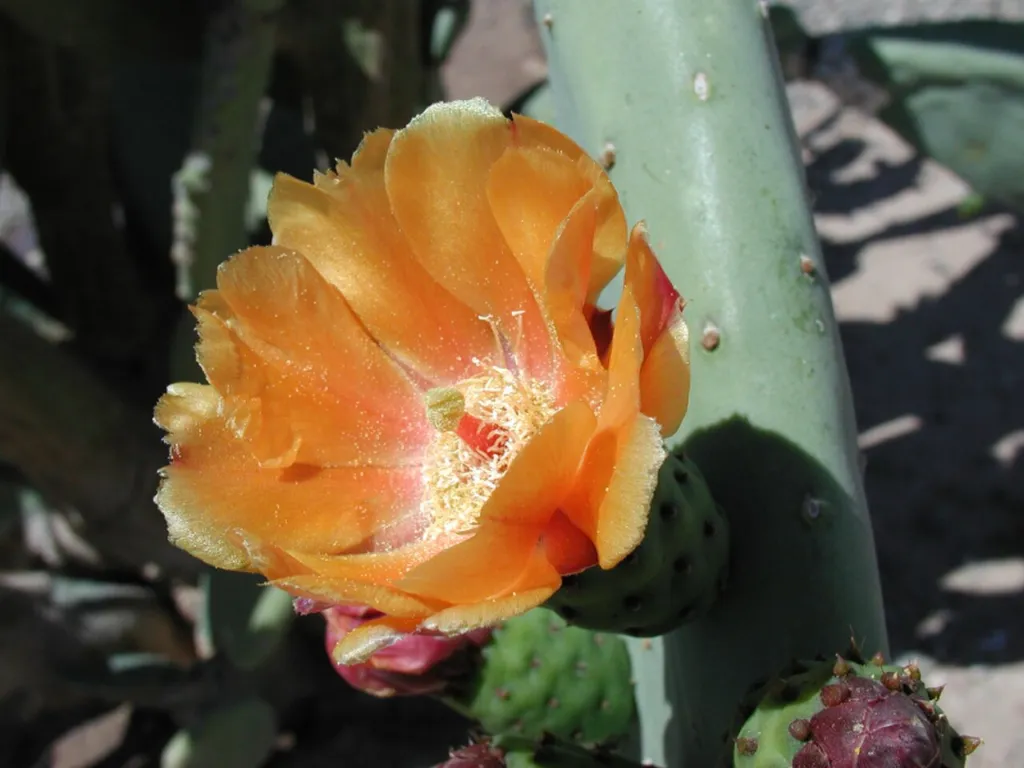
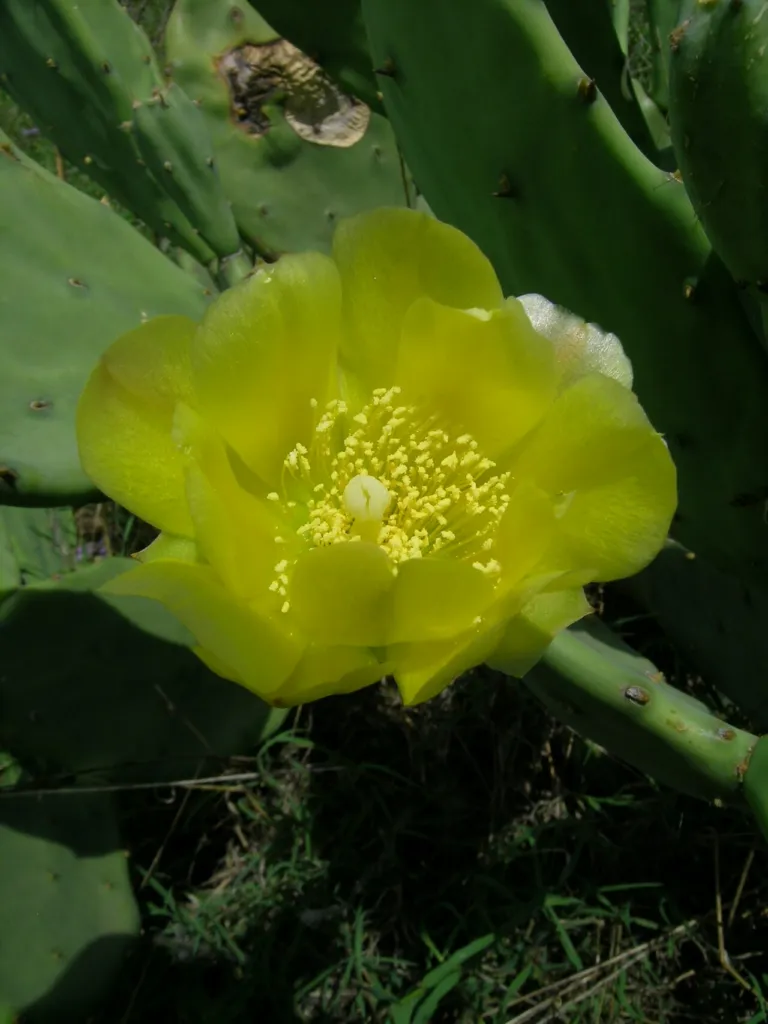
The flower. Flowers of O. ficus-indica are bright yellow to orange or red and reach about 9 cm across [5] Confirmed. Dried flowers have a folk use in the Mediterranean as a tea for urinary complaints (unsourced: the Institute has not yet located a primary ethnobotanical record for this use).
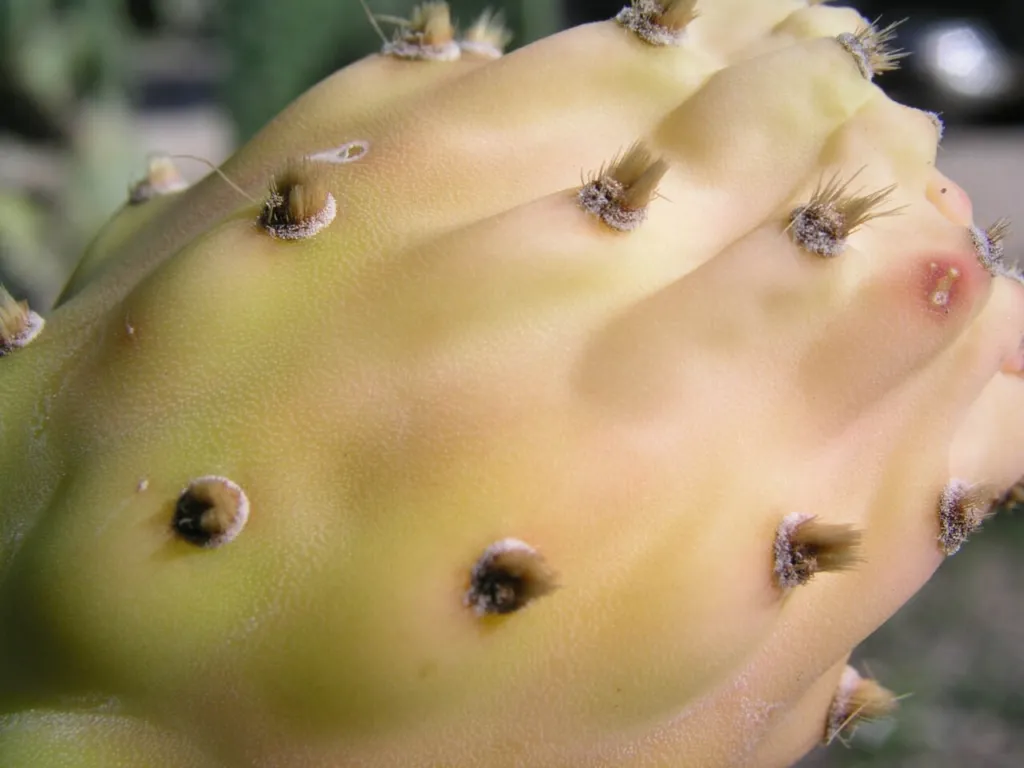
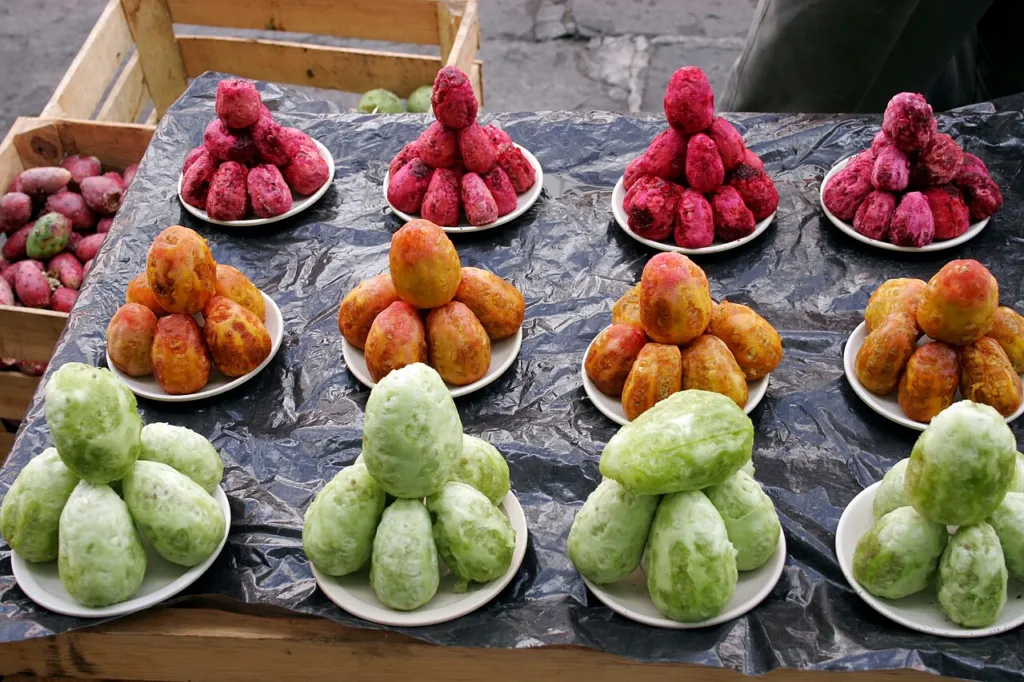
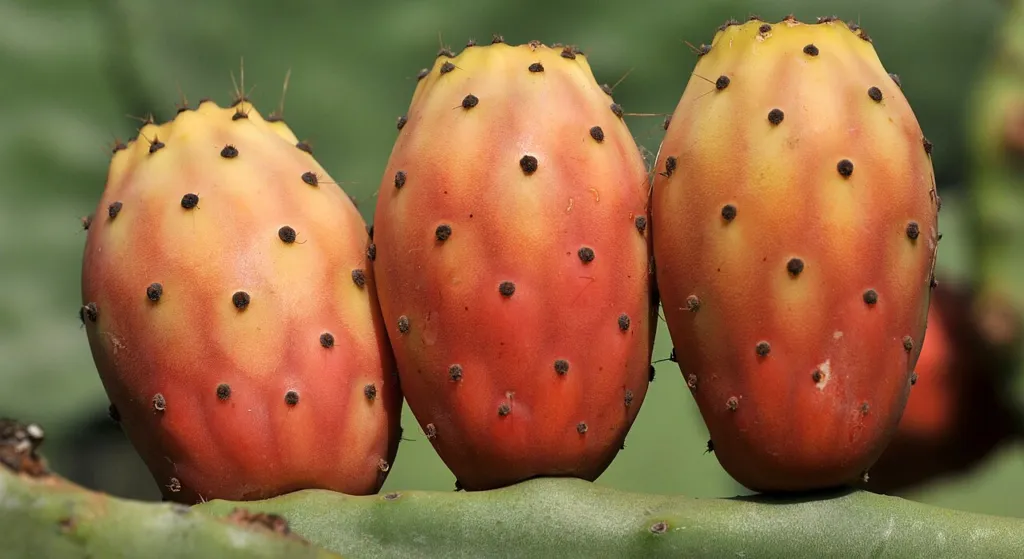
The fruit (tuna). An oval berry with a thick peel carrying small glochid clusters, ripening late in summer, roughly 30 to 70 days after flowering, in green-white, yellow, orange, red or purple forms [5] Confirmed. The sweet pulp is full of hard seeds.
The seed oil. The seeds hold only a few per cent oil, which is why cold-pressed prickly pear seed oil is expensive; Moroccan seed samples analysed in 2024 gave lipid contents of 2.7 to 5 per cent [8] Confirmed. It is sold mainly as a cosmetic oil.
3. Where it grows, and the prickly pear that took Queensland
Opuntia ficus-indica is native to Mexico, where it was a plant of cultural and spiritual importance to the Aztecs [5] Traditional. It was carried across the world after the sixteenth century for fruit, fodder, living fences and cochineal dye, and today grows wild or cultivated around the Mediterranean, in North and southern Africa, the Middle East, India, China and Australia [5] Confirmed. In South Africa, where it was introduced in 1656, escaped plants spread over more than 900,000 hectares of the Karoo by 1942 before a cochineal insect brought it back under control [5] Confirmed. It is a crop in one place and a weed in another, often within a short drive.
Queensland’s prickly pear years
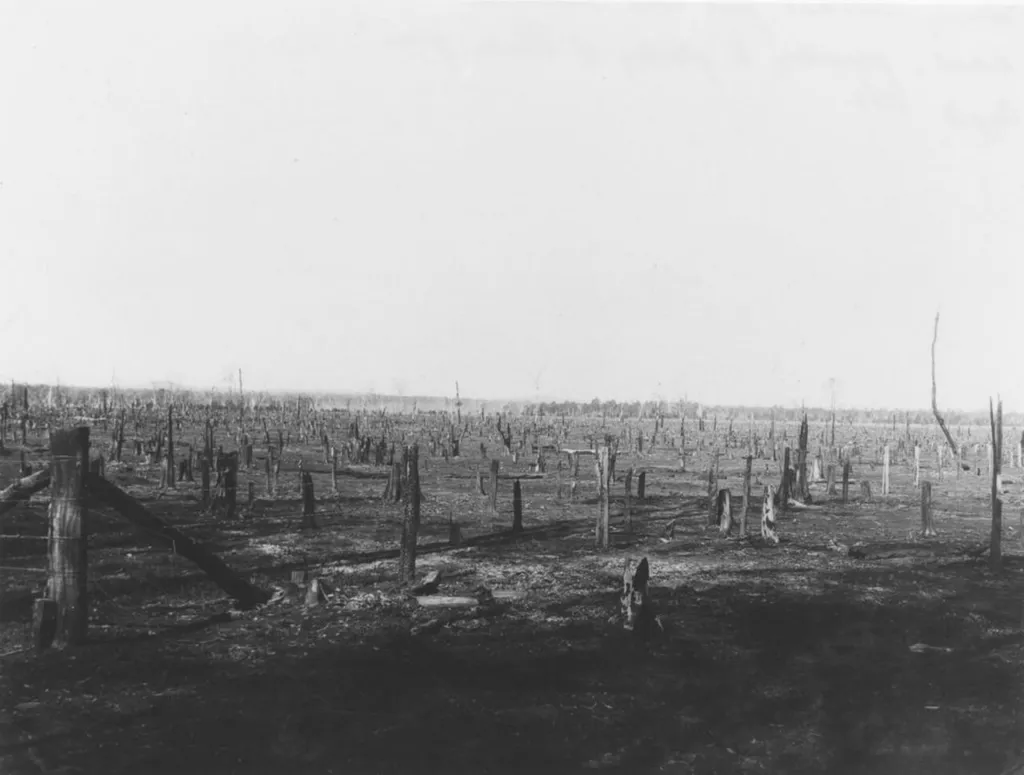
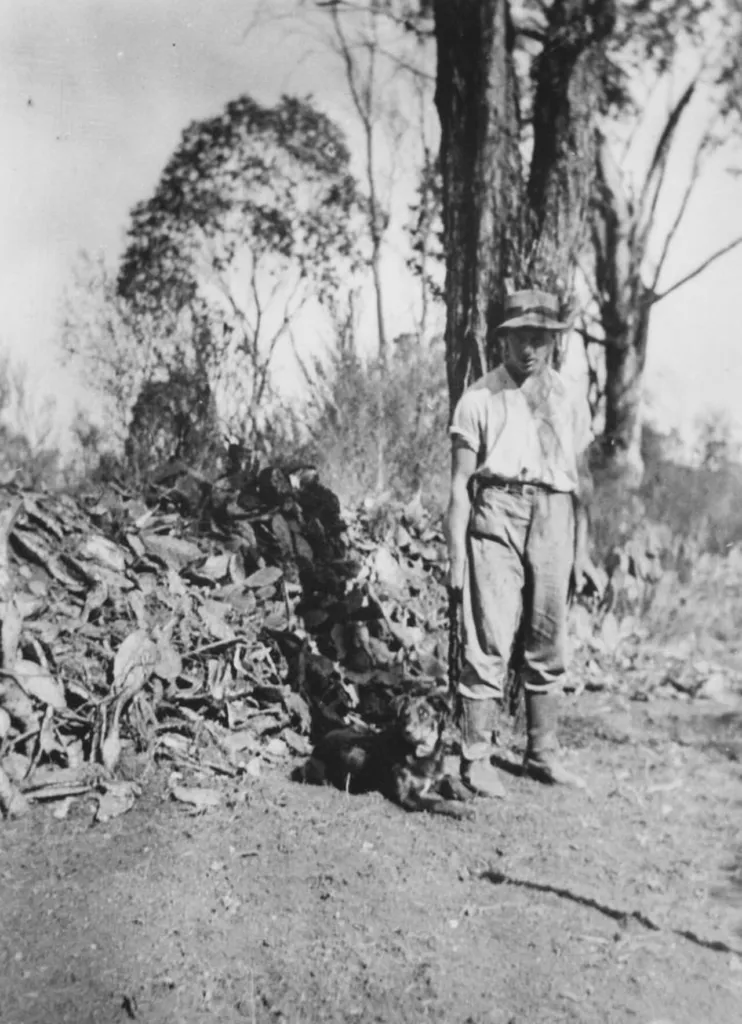
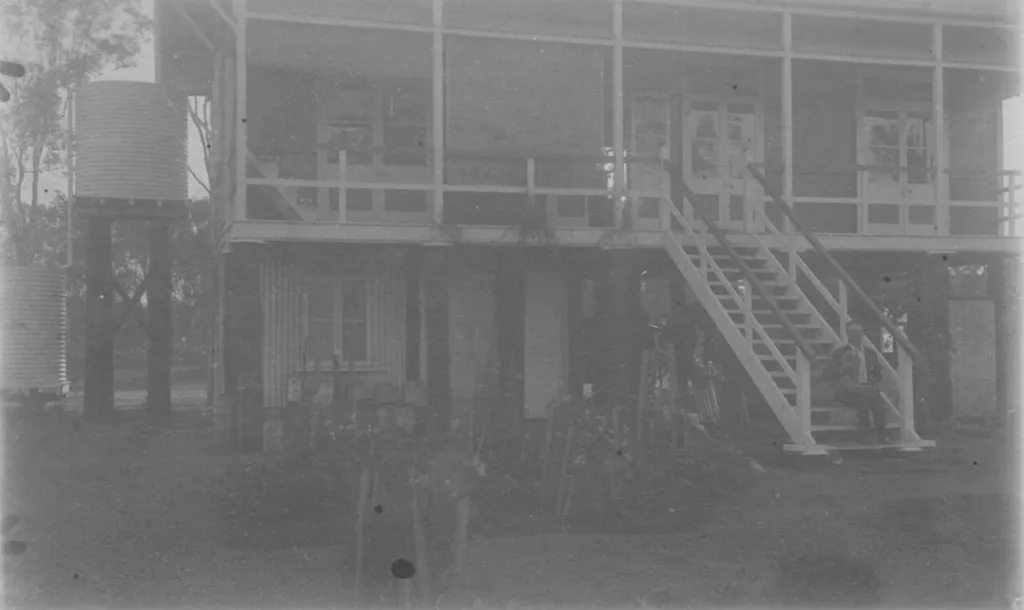
The Queensland Government’s account starts in 1788, when Governor Phillip is credited with bringing prickly pear to Port Jackson to start a cochineal industry for the red dye of British army coats [1] Attested. Plants were in cultivation at Parramatta before 1840 and reached Chinchilla in Queensland by 1843. Birds such as crows and emus spread the seed, floods spread the pads, and infestations covered about 4 million hectares by 1900 and about 24 million hectares by 1920, advancing at roughly a million hectares a year [1] Attested.
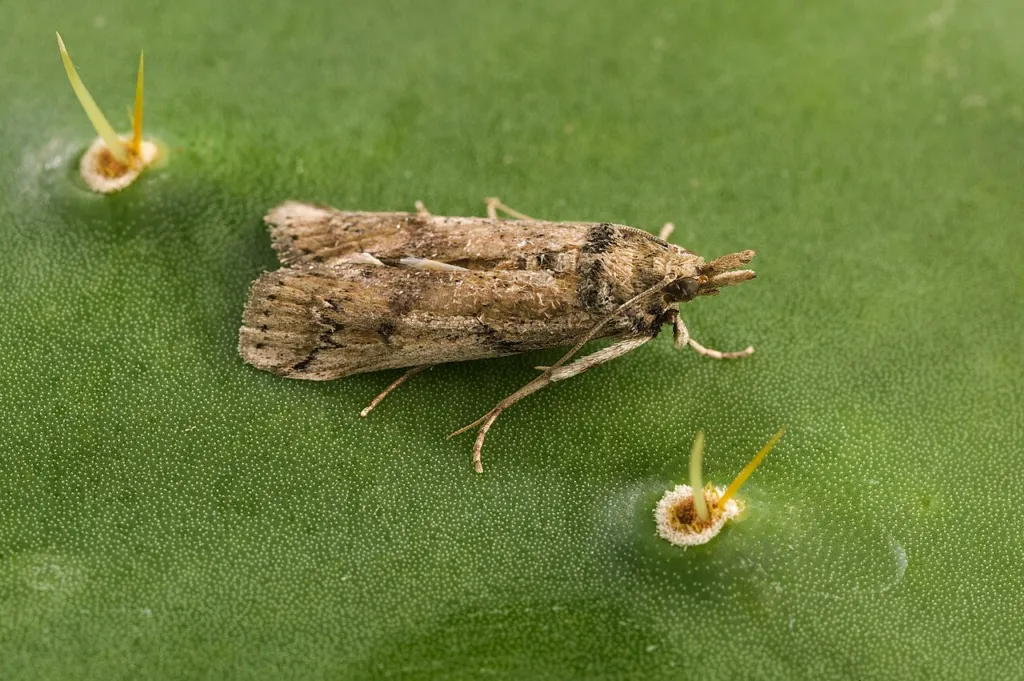
Poisoning with arsenic pentoxide, rolling and burning all failed at that scale. A Crown reward of £5000, raised to £10,000 in 1907, was never claimed [1] Attested. Biological control began with the Prickly Pear Travelling Commission of 1912, and cochineal insects released from 1914 destroyed most drooping tree pear around Charters Towers, Townsville and Bowen within three years [1] Attested. The moth Cactoblastis cactorum arrived at the Sherwood laboratory in Brisbane in May 1925; ten million eggs went out to 61 localities in 1926 and 1927, and a further 2.2 billion between 1927 and 1931, carried by seven trucks and a hundred men [1] Attested. By 1932 most of the original dense stands had collapsed and almost 7 million hectares had been opened to 1165 settlers [1] Attested. Its main host was common pest pear, O. stricta.
The community at Boonarga, near Chinchilla, built a hall named for the moth, which is on the Queensland Heritage Register (Queensland Heritage Register record, cited in the image credits) Attested. Its existence says something about how the prickly pear years are remembered in the Darling Downs and Western Downs. For many Queenslanders the word “prickly pear” still means that story first.

The Indian fig in Australia today
Nationally, the opuntioid cacti (Austrocylindropuntia, Cylindropuntia and Opuntia) are Weeds of National Significance, and state declarations follow the same line: Tasmania, for example, declares the three genera “excluding Opuntia ficus-indica” [9] Confirmed. Queensland does the same [2] Confirmed. The exception exists because the Indian fig is a fruit and fodder crop [5] Confirmed, and its fruit is eaten widely by Maltese, Italian and Latin American families [10] Evidence suggests. The Institute has not found a published survey of wild O. ficus-indica in Queensland, so its local weed behaviour remains an open question (see the Discussion).
4. Food and traditional use
This chapter is about practice. It records how people eat and use the plant. None of it is evidence that the plant treats anything, and the clinical chapters later keep the two apart.
Mexico
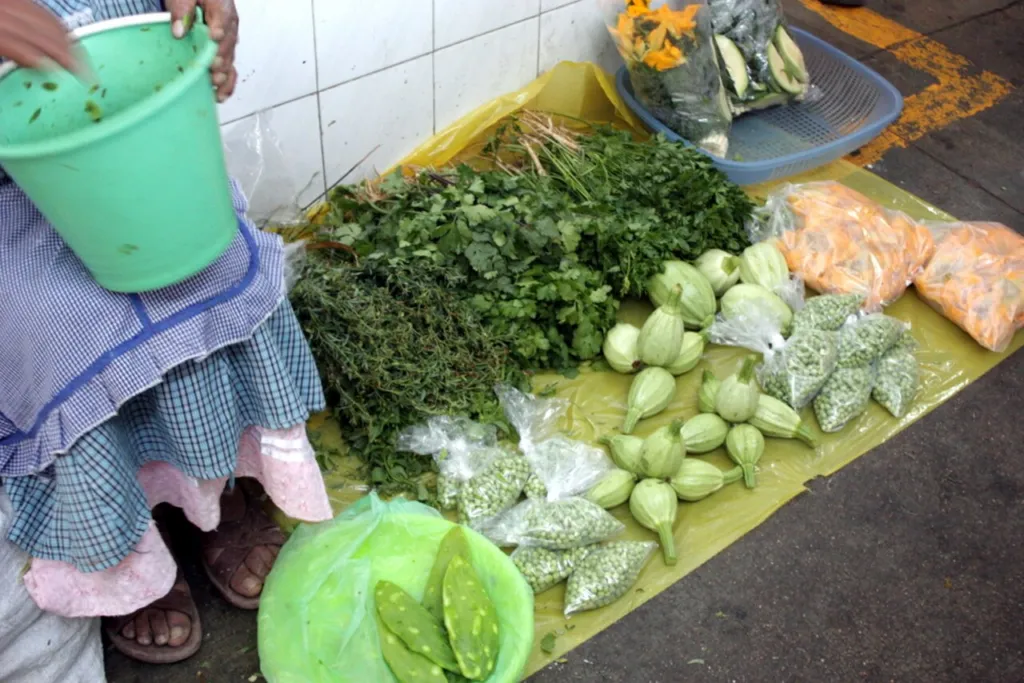
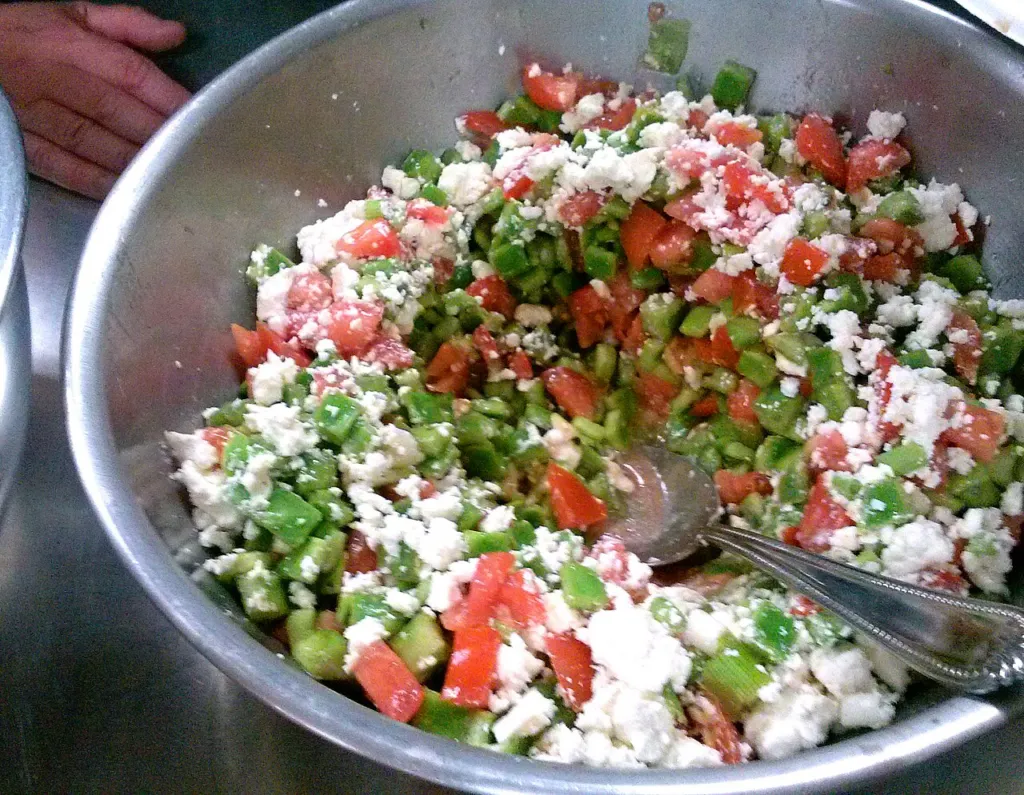
Nopales are an everyday vegetable in Mexico: grilled whole, boiled and dressed as ensalada de nopales, scrambled with eggs, folded into tacos and quesadillas, or eaten with beans at breakfast Traditional. The fruit is eaten fresh in season. The plant is a national emblem; the founding legend of Tenochtitlan places an eagle on a nopal, and the image is on the Mexican flag (unsourced here; well documented in histories of Mexico) Traditional. Mexican researchers list the traditional medicinal uses of nopal as anti-ulcer, antioxidant, antidiarrhoeal, anti-inflammatory, glucose-lowering, neuroprotective and cholesterol-lowering [11] Traditional. The glucose-lowering use is the best known and the one most often studied, and it is the use the Mexican clinical research grew out of.
The Mediterranean and Australia
Around the Mediterranean the fruit is the prize. Sicily, Malta, southern Italy, Greece, Spain, North Africa and the Levant all eat it in late summer, and it has become part of the landscape in all of them Traditional. In Australia, a 2017 SBS Food report linked backyard prickly pear trees with Maltese and Italian migrant households, and described the fruit as increasingly common in greengrocers and in supermarkets in areas with large Mediterranean communities [10] Evidence suggests.
Pads were also used in folk practice as poultices for wounds and bruises, and the fruit and flowers as remedies for diarrhoea and urinary complaints (unsourced: these uses are widely repeated in secondary literature, and the Institute has not yet traced them to a primary ethnographic record) Traditional.
5. Phytochemistry
Each part of the plant has a different chemical profile, and the trials used different parts. Keeping the parts separate is the only way to read the trials sensibly.
5.1 The pad: fibre and mucilage
Dried cladode is mostly fibre and carbohydrate. The nopal used in a Mexican glucose study analysed at 24.8 per cent available carbohydrate, 32.2 per cent insoluble fibre, 4.8 per cent soluble fibre, about 15 per cent protein and under 2 per cent fat on a dry basis, as tabulated in the Gouws review [7] Confirmed. Fresh boiled nopal is very low in energy; one trial description gives 16 kcal and 2.2 g of fibre per 100 g [11] Confirmed.
The mucilage that makes cut nopal slimy is a branched, water-binding polysaccharide. A 2026 Italian comparison found arabinose, galactose, glucose and rhamnose in the cladode mucilage, against the mostly galacturonic-acid backbone of a commercial pectin, and higher calcium, magnesium and potassium [12] Confirmed. The pad therefore offers two kinds of fibre: a gel-forming mucilage and the cell-wall pectin, cellulose and hemicellulose that make up the insoluble fraction.
5.2 The fruit: betalains
Prickly pear fruit gets its colour from betalains, nitrogen-containing pigments that take the place of anthocyanins in the cactus family and its relatives (general plant biochemistry, not referenced here). Yellow-orange fruits are rich in the betaxanthin indicaxanthin, and red-purple fruits in the betacyanin betanin, the same pigment that colours beetroot [13] Confirmed. In a simulated digestion of Canary Island fruits, betalains survived the acid stomach phase to reach the intestinal phase, and indicaxanthin was the more bioaccessible of the two [13] Evidence suggests.
5.3 Flavonols and phenolic acids
Isorhamnetin glycosides are the most abundant flavonoids in the cladode and are regarded as a chemotaxonomic marker of O. ficus-indica [14] Confirmed. The main ones are isorhamnetin linked to glucose and rhamnose; isorhamnetin 3-O-rutinoside (narcissin) is one such glucosyl-rhamnoside. Peel and pulp also carry quercetin and kaempferol derivatives, and the most abundant phenolic acid reported in the pulp of several varieties is piscidic acid, at 8.7 to 22.3 mg/g dry weight [15] Confirmed. Concentrations vary widely with variety, part, ripeness and growing site, which is a quality problem taken up in chapter 10.
5.4 The seed oil
Prickly pear seed oil is dominated by linoleic acid, 57 to 64 per cent of fatty acids in Moroccan samples, with 13.5 to 18.7 per cent oleic acid. It carries 500 to 680 mg/kg tocopherols, mainly gamma-tocopherol, and a high phytosterol content of 8,000 to 11,100 mg/kg, chiefly beta-sitosterol [8] Confirmed. Geographic origin altered the tocopherol profile significantly [8] Confirmed. The high linoleic content makes the oil prone to oxidation, so storage matters [8] Mechanism.
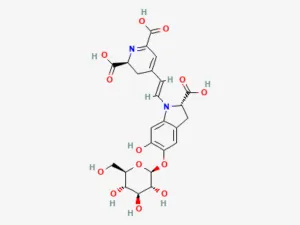
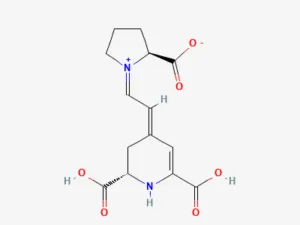
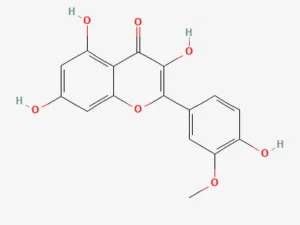
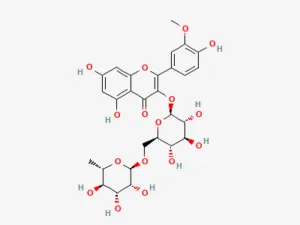
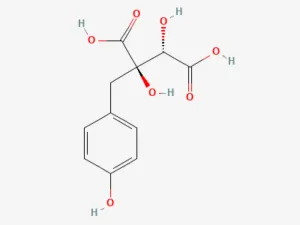
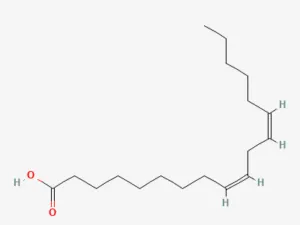
PubChem records: betanin (PubChem CID 6540685), indicaxanthin (PubChem CID 6096870), isorhamnetin (PubChem CID 5281654), narcissin (PubChem CID 5481663), piscidic acid (PubChem CID 10038020), linoleic acid (PubChem CID 5280450).
6. Pharmacology: what the constituents do
Three mechanisms recur in the literature on the pad. None of them is exotic, and all of them fit a high-fibre vegetable.
Slower carbohydrate absorption. Viscous soluble fibre thickens gut contents, slows gastric emptying and slows the diffusion of glucose to the gut wall, which flattens the blood-glucose peak after a meal Mechanism. The Gouws review notes that the trials proposed both glucose-dependent and glucose-independent actions and that the mechanisms have not been worked out [7] Mechanism.
Binding dietary fat. A standardised cladode-fibre product, described by its makers as binding ten grams of fat per gram, increased faecal fat excretion in 20 healthy volunteers on a fixed diet, from 4.6 per cent of dietary fat on placebo to 15.8 per cent on the fibre (randomised, double-blind crossover) [16] Evidence suggests. The product also contains soluble fibre from Acacia species, and the study was run with the manufacturer, so it measures that product and nothing broader [16] Confirmed.
Fermentation in the colon. Mucilage and pectin are fermented by gut bacteria. In a sponsor-funded trial of 80 adults with gut dysbiosis, 300 mg a day of an O. ficus-indica extract for eight weeks shifted faecal bacterial composition and improved gastrointestinal symptom scores against maltodextrin [17] Evidence suggests.
Other activity, laboratory only
Isorhamnetin glycosides from the cladode reduced nitric oxide production in stimulated mouse macrophages and reduced croton-oil ear swelling in mice about as much as indomethacin [14] Evidence suggests. That is a topical animal model; it says nothing yet about eating nopal. Fruit betalains and phenolics show antioxidant capacity in test-tube assays and survive simulated digestion [13] Evidence suggests. Treat all of these as reasons to study, and nothing more.
7. Clinical evidence, tier by tier
The human trials fall into three groups: whole cooked nopal eaten with a meal, concentrated cladode-fibre products, and fruit or fruit-and-pad extracts. Each group is small. Several primary papers are behind paywalls; where the Institute has not yet read a paper in full, its design and results are given here as reported by a full-text systematic review, and the review is cited.
7.1 Cooked nopal and blood glucose after meals
This is the oldest line of research and the closest to traditional use. In a crossover study reported by Bacardi-Gascon and colleagues (2007), 36 adults with type 2 diabetes in three groups ate a typical Mexican breakfast (chilaquiles, burritos or quesadillas) with and without nopal on separate mornings; the area under the glucose curve was lower with nopal for all three breakfasts (p values 0.011 to 0.019) [7] Evidence suggests. López-Romero and colleagues (2014) gave 150 g of steamed nopal with a high-carbohydrate or a high-soy-protein breakfast to 14 people with type 2 diabetes and 7 healthy controls. With the high-carbohydrate breakfast, glucose was lower at 30, 45 and 60 minutes and over the whole curve; with the soy breakfast the diabetic group showed no significant change [7] Evidence suggests. The same paper measured a glycaemic index of about 33 for dried nopal in seven healthy volunteers [7] Evidence suggests.
These are single-meal studies. They show an acute effect on one meal’s glucose curve, measured in a few dozen people. They do not show a change in HbA1c, medication needs or diabetes outcomes. The earlier work by Frati-Munari’s group, often quoted, used O. streptacantha and was rated at high risk of bias in at least one domain in the Gouws review [7] Confirmed. Gouws and colleagues, reviewing 20 human studies, concluded that the cladode “does however show promise” for lowering glucose and warrants further investigation, while the fruit mostly showed no significant effect [7] Evidence suggests.
7.2 Cladode-fibre products for weight and blood fats
The best-run trial is of a branded fibre complex made from dehydrated O. ficus-indica cladode with added Acacia fibre. In Berlin, 125 overweight and moderately obese adults on a reduced-energy diet took 3 g a day (two 500 mg tablets after each main meal) or placebo for 12 weeks after a two-week run-in. The 123 analysed lost 3.8 kg on the fibre against 1.4 kg on placebo, a difference of 2.4 kg; 35 per cent on the fibre lost at least 5 per cent of body weight. Body fat and waist measurements fell further too, and no adverse reactions were attributed to the product [18] Evidence suggests. Two of the four authors were employees of the manufacturer [18] Confirmed. The trial was randomised and double-blind with a reasonable size, but it is a single sponsor-linked study of one formulation, and it has not been independently replicated in the papers the Institute has read.
For blood lipids the picture is weaker. A six-week trial of a cladode extract (NeOpuntia, three 1.6 g doses daily) in overweight women with metabolic risk factors (the Gouws table lists 35 on extract and 33 on placebo) is often cited for lipid effects; the Gouws review reports only its glucose outcome, which showed no clear change, and the Institute has not yet read the lipid results in full [7] Evidence suggests. A 2023 meta-analysis of Mexican traditional foods (cocoa, nopal, avocado and beans) in obesity pooled only two nopal trials with the other foods and found no significant pooled change in total cholesterol, triglycerides or fasting glucose [11] Evidence suggests. One of those nopal trials, a crossover in obese adults with high cholesterol eating two cups of nopales a day against cucumber for two weeks, found no treatment-by-time effect on lipids, cardiometabolic markers or oxidative stress [11] Evidence suggests.
7.3 Fruit and combined extracts
A proprietary extract of cladode and fruit skin (OpunDia) was studied in obese adults with prediabetes: a single 400 mg dose 30 minutes before a 75 g glucose load lowered glucose at 60, 90 and 120 minutes, but over 16 weeks glucose curves improved in both the extract and placebo groups, and insulin did not change in either [7] Evidence suggests. Studies of the fruit itself, as pulp, juice or peel, mostly showed no significant effect on glucose or insulin [7] Evidence suggests.
7.4 The hangover trial
Wiese and colleagues (2004) gave capsules of an O. ficus-indica fruit extract (1600 IU) or placebo to young adults before an evening of drinking to 1.75 g of alcohol per kg body weight, with a standard meal, then crossed them over after a two-week washout [7]. Sixty-four were randomised and 55 completed. In the BMJ systematic review of hangover treatments, the trial scored 4 of 5 for methodological quality and showed no difference between extract and placebo in the overall hangover symptom score (p > 0.05) [6] Evidence suggests. Secondary results reported in the original paper (on severe-hangover risk and inflammatory markers) have not yet been read in full by the Institute, so they are not described here. The BMJ reviewers concluded that no conventional or complementary hangover remedy had compelling evidence [6] Evidence suggests.
| Study | Preparation and dose | Participants and design | Duration | Main result | Main weakness | Source |
|---|---|---|---|---|---|---|
| Cooked nopal with Mexican breakfasts (Bacardi-Gascon 2007) | Whole cooked pads in three meals | 36 adults, type 2 diabetes; crossover | Single meals, 3 weeks | Lower glucose AUC with nopal for all three meals | Unblinded food study; single meals; small | [7] |
| Steamed nopal with breakfast (López-Romero 2014) | 150 g steamed nopal | 14 type 2 diabetes, 7 healthy | Single meals | Lower glucose with high-carbohydrate breakfast; no change with soy breakfast in diabetes | Very small; unblinded | [7] |
| Cladode-fibre complex (Grube 2013) | 3 g/day tablets, cladode plus Acacia fibre | 125 overweight/obese adults; RCT, double-blind | 12 weeks | −3.8 kg vs −1.4 kg placebo | Sponsor-linked; one product; not replicated | [18] |
| Cladode fibre, faecal fat (Uebelhack 2014) | Same complex, 2 tablets three times daily | 20 healthy adults; crossover RCT | 7-day periods | Faecal fat 15.8% vs 4.6% of intake | Mechanistic end point; sponsor-run | [16] |
| NeOpuntia cladode extract (Linarès 2007) | 3 × 1.6 g/day | Overweight women, about 68; RCT | 6 weeks | Glucose: no clear change (lipids not yet read in full) | Short; lipid data unread | [7] |
| Nopales vs cucumber (in Escutia 2023) | 2 cups (about 280 g) cooked nopales/day | Obese adults, high cholesterol; crossover | 2 weeks | No treatment-by-time effect on lipids | Very short; unblinded | [11] |
| OpunDia cladode and fruit-skin extract (Godard 2010) | 400 mg once; 2 × 200 mg/day | 29 obese adults, prediabetes; RCT | Acute; 16 weeks | Acute glucose lower; long-term change in both arms | Small; placebo arm improved too | [7] |
| Fruit extract, hangover (Wiese 2004) | 1600 IU capsules before drinking | 64 randomised, 55 completed; crossover RCT | Single night | No difference in overall hangover score | One trial; healthy young adults | [6] |
| Cladode extract, gut dysbiosis (Mellai 2024) | 300 mg/day | 80 adults; RCT, double-blind | 8 weeks | Microbiome shift; better symptom scores | Sponsor-funded; surrogate outcomes | [17] |
8. Safety and interactions
As a food, prickly pear pad and fruit have been eaten in quantity for centuries in Mexico and the Mediterranean Traditional. In the trials above, the fibre products and extracts were well tolerated: no adverse reactions were attributed to the fibre complex over 12 weeks, and 98 per cent of both groups rated tolerability good or very good [18] Evidence suggests; no adverse events were reported in the faecal-fat study [16] Evidence suggests; and no participant left the dysbiosis trial because of an adverse event [17] Evidence suggests. Trials of a few weeks in a few hundred people can only detect common, short-term problems.
Gastrointestinal effects
Any large increase in fibre can cause wind, bloating, fullness and a change in bowel habit, and nopal is no exception Mechanism. Eating a great deal of the seedy fruit at once has been associated with seed bezoars and faecal impaction in published case reports; the Institute has requested those reports and has not yet read them, so the size of this risk is not characterised here Evidence suggests. A fat-binding fibre may in theory reduce the absorption of fat-soluble vitamins or of medicines taken at the same meal; this has not been tested in the studies read for this review Mechanism. With fibre supplements in general, taking other medicines a couple of hours apart from the fibre is the usual precaution; it has not been studied for Opuntia products Mechanism. Severe or worsening abdominal pain, vomiting, a swollen abdomen, or being unable to pass stool or wind can mean the bowel is blocked and needs urgent medical assessment; in an emergency call 000.
Diabetes medicines
If cooked nopal lowers the glucose rise after a meal in people with type 2 diabetes, adding it, or a concentrated cladode product, to insulin or a sulfonylurea could add to their glucose-lowering effect and in principle increase the chance of hypoglycaemia (a low blood glucose) Mechanism. The Mexican studies included people taking oral diabetes medicines [7] Confirmed, and no case series of hypoglycaemia from nopal was found in this review. Anyone managing diabetes with medicines who wants to use nopal regularly should keep monitoring their glucose and discuss it with a degree-qualified herbalist with competencies and adequate training in pharmacognosy, who can work with the prescriber. Shakiness, sweating, confusion or drowsiness in someone taking insulin or a sulfonylurea should be treated as a low; if the person cannot swallow safely or loses consciousness, call 000.
Spines and glochids
Glochids are short, barbed bristles that detach at a touch and lodge in skin, clothing and eyes. A Jordanian series described 23 eyes in 21 patients seen with glochids in the eye between August and October 2011: 95 per cent had irritation, over half had pain, a third had erosions or ulcers of the upper cornea, and in 38 per cent glochids were also found elsewhere on the body. All were removed with forceps under topical anaesthetic at the slit lamp [3] Confirmed. Older dermatology literature describes an itching, scabies-like rash among prickly pear pickers under the name “sabra dermatitis”; the Institute has requested the original papers. Thick gloves, eye protection, tongs, and burning or scraping off the glochids before peeling are the traditional precautions Traditional. Glochids in the eye need medical removal the same day; rubbing drives them deeper. Children who pick up fallen fruit or pads meet the same bristles, so the precautions apply to them too.
Pregnancy, lactation and children
The Institute found no human studies of concentrated Opuntia extracts or fibre supplements in pregnancy or breastfeeding, and none in children Confirmed. Ordinary food amounts of fruit and cooked nopal are part of normal diets in many countries Traditional. Concentrated products are a different matter, and the absence of data is a reason for caution with them in pregnancy, lactation and childhood. For a child who has swallowed a supplement meant for an adult, the Poisons Information Centre (13 11 26) can advise at any hour.
Other cautions
Allergy is possible with any food; the Institute reviewed no case report of prickly pear allergy for this article. People on fluid or potassium restrictions should note that the cladode mucilage carried more potassium, calcium and magnesium than a commercial pectin in one analysis [12] Confirmed; how much potassium a serving of nopal adds was not measured there, so this is a reason to ask, not a measured risk Mechanism. No interaction with warfarin, digoxin or other narrow-margin drugs has been documented in the sources read; that is an absence of evidence, recorded as such.
9. In Australia: biosecurity, food and medicine law
9.1 Queensland biosecurity: which Opuntia are declared
Business Queensland’s page on prickly pear, last updated in May 2026 and read for this review in October 2026, states the rule in one line: “All species of prickly pear (Opuntia spp.) except for O. ficus-indica (Indian fig) are either prohibited invasive plants or restricted invasive plants” under the Biosecurity Act 2014 [2] Confirmed.
Restricted (already established in Queensland): O. aurantiaca, O. bonariensis, O. cochenillifera, O. microdasys, O. monacantha, O. rufida, O. streptacantha, O. stricta, O. sulphurea and O. tomentosa. These must not be given away, sold or released into the environment, and landholders must take reasonable and practical steps to minimise the risk, which is the general biosecurity obligation [2] Confirmed.
Prohibited: every other Opuntia species. These must not be kept, moved, given away, sold or released, and any sighting must be reported immediately, online, to Biosecurity Queensland on 13 25 23 or to the Exotic Plant Pest Hotline on 1800 084 881 [2] Confirmed. Local councils’ biosecurity plans and local laws can add further requirements [2] Confirmed.
Older and third-party versions of these lists differ, so check the live Business Queensland page and the Act before relying on any list, including this one. For anyone wanting to grow or harvest prickly pear, the practical consequences are these. A cutting labelled “prickly pear” may be a restricted or prohibited species, and giving one to a neighbour can be an offence. Fruit harvested from roadside or paddock pear in Queensland is probably from a declared species, most likely O. stricta, and moving pads or fruit spreads it. Even the Indian fig can escape and revert to a spiny form [5] Evidence suggests. Other states and territories have their own declarations; in Tasmania and elsewhere the Indian fig is likewise excluded [9] Confirmed. Bringing live plants, cuttings, seed or fresh fruit into Australia from overseas is a separate, federal matter: check the Department of Agriculture, Fisheries and Forestry’s BICON import conditions first (a general requirement; the Opuntia-specific conditions were not checked for this review).
9.2 Medicine law: TGA and the Poisons Standard
Opuntia, the Cactaceae and “prickly pear” do not appear anywhere in the October 2026 Poisons Standard, searched in full for this review [4] Confirmed. A keyword search of the Australian Register of Therapeutic Goods in October 2026 returned nine entries. Eight are current listed medicines (AUST L) naming Opuntia ficus-indica as an ingredient; the ninth, a registered paracetamol product, matched the search without Opuntia in its ingredient list [19] Confirmed. Of the eight, one is a single-ingredient fat-binding product; the rest are combinations, among them products whose names point to weight or metabolism, a fibre blend, and two combinations that pair it with Hovenia dulcis and milk thistle (Silybum marianum) [19] Confirmed. No registered (AUST R) Opuntia medicine was found.
Listed medicines may use only low-risk ingredients from the TGA’s permitted list and indications from a pre-approved list, and the TGA does not assess them for efficacy before they go on sale; the sponsor certifies that it holds the evidence [20] Confirmed. An AUST L number on a prickly pear product says it meets those listing rules. It does not mean the TGA has checked that the product works.
9.3 Food, oil and what is on sale
Fresh fruit, fresh or jarred nopales and the seed oil are sold in Australia as foods or cosmetics, outside the medicines framework, provided no therapeutic claims are made. Fresh fruit appears in greengrocers in late summer [10] Evidence suggests. Jarred and canned nopales from Mexican brands are sold through Latin American grocers (unsourced: the Institute did not survey Australian stockists for this review). Cold-pressed seed oil is sold as a cosmetic oil (unsourced in this review).
Australians interested in plants with a glucose-lowering research record may also want to read the Institute’s reviews of Indian barberry and berberine and of jiaogulan (Gynostemma pentaphyllum), which turns up alongside prickly pear in one of the listed combination products. For another red-pigmented plant that sits between food and medicine, see rosella (Hibiscus sabdariffa).
Before taking any botanical drug, including concentrated prickly pear fibre or extracts, consult a degree-qualified herbalist with competencies and adequate training in pharmacognosy.
10. Quality and adulteration
Prickly pear has no pharmacopoeial monograph in Australia, and the Institute has not yet run identity or purity tests on Australian material. The quality questions below come from the literature and from the regulatory position, and they are where laboratory work should start.
Species identity. “Nopal” and “prickly pear” cover several species. The Mexican glucose literature mixes O. ficus-indica with O. streptacantha and unnamed Opuntia [7] Confirmed, and in Queensland a home harvester is more likely to pick a declared species than the Indian fig. Isorhamnetin glycosides are described as chemotaxonomic markers of O. ficus-indica [14] Confirmed, which makes an HPTLC or HPLC flavonol fingerprint the obvious identity test to develop Mechanism.
Part and preparation. Fresh pad, dried pad powder, aqueous or alcoholic pad extracts, fruit pulp, peel extracts and seed oil are chemically different products. A label that says only “Opuntia ficus-indica” without the part and the extract ratio cannot be matched to any trial Mechanism.
Variety and origin. Betalain content follows fruit colour and variety [13] Confirmed; piscidic acid in pulp varies more than two-fold across varieties [15] Confirmed; and seed-oil tocopherols vary with geographic origin [8] Confirmed.
Standardisation and formulation. The most-studied weight product is standardised to fat-binding capacity and contains added Acacia fibre [16] Confirmed. Its trial results belong to that formulation alone Mechanism.
Oil quality. Seed oil high in linoleic acid oxidises; peroxide value and acidity are the basic freshness checks, and Moroccan cooperative oils were within limits when tested [8] Confirmed. High prices invite dilution with cheaper oils (unsourced: the Institute found no published Australian adulteration survey).
Discussion: conclusions, hypotheses and research still required
What the evidence supports
Opuntia ficus-indica is a separate species from the declared prickly pears of Queensland history, and it is the one Opuntia the state does not declare [2] Confirmed. Its pad is a fibre- and mucilage-rich vegetable, its fruit carries betalains, and isorhamnetin glycosides characterise the species [14] [13] Confirmed. Eating cooked nopal with a carbohydrate meal lowers the glucose rise after that meal in people with type 2 diabetes in small, short, unblinded studies [7] Evidence suggests. A branded cladode-fibre complex gave modest extra weight loss over 12 weeks in one sponsor-linked trial [18] Evidence suggests. The fruit extract did not reduce overall hangover scores [6] Evidence suggests. There is no reliable evidence yet that any prickly pear product changes long-term blood glucose control, lipid levels or cardiovascular outcomes.
Hypotheses and musings
The acute meal effect fits what viscous fibre does, and it may be that nopal acts as a well-liked, low-energy food that displaces refined carbohydrate in the Mexican diet Mechanism. If so, its value is dietary, and a capsule of dried extract may capture little of it. The isorhamnetin glycosides and betalains are plausible contributors to anti-inflammatory effects, but human data are absent Mechanism. The fat-binding product’s mechanism raises a testable question about fat-soluble vitamin status over months of use Mechanism. A further thought, with no data behind it: Queensland’s cultivated Indian figs, grown from Mediterranean stock, may differ chemically from Mexican material, which would matter if a local product were ever developed Mechanism.
Where research should begin
- Botany and biosecurity: voucher-backed survey of wild and naturalised Opuntia in north Queensland, including whether O. ficus-indica escapes and reverts locally; a field identification key separating it from O. stricta and O. streptacantha for growers and herbalists.
- Phytochemistry and quality: an HPTLC/HPLC fingerprint of isorhamnetin glycosides and betalains for identity, applied to ARTG-listed products and to jarred nopales on Australian shelves; peroxide value and fatty-acid profile of retail seed oils.
- Clinical research: an adequately powered, ethics-approved randomised crossover trial of cooked nopal against a matched-fibre control with Australian meals, measuring continuous glucose over several weeks and HbA1c, in adults with type 2 diabetes on stable medication.
- Independent replication: a trial of a cladode-fibre product run without manufacturer staff, with fat-soluble vitamin levels as a safety end point.
- Pharmacovigilance: a search of TGA adverse-event reports for Opuntia-containing listed medicines, and a reading in full of the seed-bezoar and glochid-dermatitis case literature.
- Ethnobotany: recorded interviews with Maltese, Italian and Latin American Australians about how the fruit, pads and flowers are used, so that Australian practice is documented from primary sources.
About AIP and this series
The Australian Institute of Pharmacognosy (AIP) is based in Cardwell, in the wet tropics of far north Queensland. Pharmacognosy is the study of medicines and poisons that come from natural sources: how a plant is identified, what it contains, and what that chemistry does in the body.
The Literature Review and Critical Analysis series reads the published evidence on one plant at a time and grades every claim by the evidence behind it, so you can see what is tradition, what is laboratory or animal work, and what has actually been tested in people. Nothing in this series is an offer of treatment, a product or a service. Follow the series on the Institute’s blog, and visit australian-pharmacognosy.org for the Institute’s work.
If you find an error, or a source we have missed, please write to our contact form; corrections are read by the Secretary and passed to the author.
Head of Education and Research
Australian Institute of Pharmacognosy
Cardwell QLD, Australia
australian-pharmacognosy.org · our contact form
Suggested citation: Ridley T. Prickly pear (Opuntia ficus-indica): evidence and the law. AIP Literature Review and Critical Analysis AIP-LR-OPUFIC. Cardwell (QLD): Australian Institute of Pharmacognosy; 2026. Available from: https://www.australian-pharmacognosy.org/blog/prickly-pear-nopal-opuntia-ficus-indica-evidence-and-law/
References
Show all 20 references (every PMID links to PubMed)
Every PMID was checked against PubMed in October 2026, and chemical identifiers against PubChem the same month. Listed in order of first citation. Each numbered source was read in full.
- Queensland Government (Biosecurity Queensland). The prickly pear story. Restricted invasive plant fact sheet. Brisbane: State of Queensland; 2020. Online PDF. Read October 2026.
- Business Queensland. Prickly pear (restricted invasive plants). State of Queensland; page last updated 25 May 2026. Online. Read October 2026.
- Odat TA, Al-Tawara MJ, Hammouri EH. Prickly pear spine keratoconjunctivitis. Middle East Afr J Ophthalmol. 2014;21(1):61-5. PMID 24669148. DOI 10.4103/0974-9233.124100.
- Commonwealth of Australia. Therapeutic Goods (Poisons Standard—October 2026) Instrument 2026 (F2026L01327), in force from 1 October 2026, replacing the June 2026 instrument (F2026L00633). Federal Register of Legislation. Online. Full text searched October 2026.
- Humphries T, Campbell S, Florentine S. Challenges inherent in controlling prickly pear species; a global review of the properties of Opuntia stricta, Opuntia ficus-indica and Opuntia monacantha. Plants (Basel). 2022;11(23):3334. PMID 36501373. DOI 10.3390/plants11233334.
- Pittler MH, Verster JC, Ernst E. Interventions for preventing or treating alcohol hangover: systematic review of randomised controlled trials. BMJ. 2005;331(7531):1515-8. PMID 16373736. DOI 10.1136/bmj.331.7531.1515.
- Gouws CA, Georgousopoulou EN, Mellor DD, McKune A, Naumovski N. Effects of the consumption of prickly pear cacti (Opuntia spp.) and its products on blood glucose levels and insulin: a systematic review. Medicina (Kaunas). 2019;55(5):138. PMID 31096667. DOI 10.3390/medicina55050138.
- Nounah I, El Harkaoui S, Hajib A, Gharby S, Harhar H, Bouyahya A, et al. Effect of seed’s geographical origin on cactus oil physico-chemical characteristics, oxidative stability, and antioxidant activity. Food Chem X. 2024;22:101445. PMID 38764786. DOI 10.1016/j.fochx.2024.101445.
- Tasmanian Government, Department of Natural Resources and Environment. Opuntioid cacti (declared weeds index); last published 27 August 2025. Online. Read October 2026.
- Bartholomeusz R. Prickly pears: pest for some, summer delicacy for others. SBS Food. 27 January 2017. Online. Read October 2026 (press report).
- Escutia-Gutiérrez R, Sandoval-Rodríguez A, Galicia-Moreno M, Rosas-Campos R, Almeida-López M, Santos A, et al. Mexican ancestral foods (Theobroma cacao, Opuntia ficus indica, Persea americana and Phaseolus vulgaris) supplementation on anthropometric, lipid and glycemic control variables in obese patients: a systematic review and meta-analysis. Foods. 2023;12(6):1177. PMID 36981103. DOI 10.3390/foods12061177.
- Torregrossa F, Cinquanta L, Mazza F, Malvano F, Badalamenti N, Bruno M, et al. Chemical properties of mucilage extracts from cladodes of Opuntia ficus-indica (L.) Miller for gel formulation: comparative study with pectin. Gels. 2026;12(2):130. PMID 41745002. DOI 10.3390/gels12020130.
- Gómez-Maqueo A, Antunes-Ricardo M, Welti-Chanes J, Cano MP. Digestive stability and bioaccessibility of antioxidants in prickly pear fruits from the Canary Islands: healthy foods and ingredients. Antioxidants (Basel). 2020;9(2):164. PMID 32079367. DOI 10.3390/antiox9020164.
- Antunes-Ricardo M, Gutiérrez-Uribe JA, Martínez-Vitela C, Serna-Saldívar SO. Topical anti-inflammatory effects of isorhamnetin glycosides isolated from Opuntia ficus-indica. Biomed Res Int. 2015;2015:847320. PMID 25821823. DOI 10.1155/2015/847320.
- Zeghbib W, Boudjouan F, Vasconcelos V, Lopes G. Phenolic compounds’ occurrence in Opuntia species and their role in the inflammatory process: a review. Molecules. 2022;27(15):4763. PMID 35897933. DOI 10.3390/molecules27154763.
- Uebelhack R, Busch R, Alt F, Beah ZM, Chong PW. Effects of cactus fiber on the excretion of dietary fat in healthy subjects: a double blind, randomized, placebo-controlled, crossover clinical investigation. Curr Ther Res Clin Exp. 2014;76:39-44. PMID 25067985. DOI 10.1016/j.curtheres.2014.02.001.
- Mellai M, Allesina M, Edoardo B, Cascella F, Nobile V, Spina A, et al. A randomized, double-blind, placebo-controlled trial: efficacy of Opuntia ficus-indica prebiotic supplementation in subjects with gut dysbiosis. Nutrients. 2024;16(5):586. PMID 38474715. DOI 10.3390/nu16050586.
- Grube B, Chong PW, Lau KZ, Orzechowski HD. A natural fiber complex reduces body weight in the overweight and obese: a double-blind, randomized, placebo-controlled study. Obesity (Silver Spring). 2013;21(1):58-64. PMID 23505169. DOI 10.1002/oby.20244.
- Therapeutic Goods Administration. Australian Register of Therapeutic Goods, keyword search “opuntia” and the individual entry pages. Online. Read October 2026.
- Therapeutic Goods Administration. How we regulate medicines. Online. Read October 2026.
Primary papers requested in full and not yet read by the Institute. They are the primary records behind trials the reviews above describe, or behind a safety signal, or (Onakpoya 2015) a further meta-analysis relevant to the weight and lipid trials. No result in this article is taken from their abstracts.
- Wiese J, McPherson S, Odden MC, Shlipak MG. Effect of Opuntia ficus indica on symptoms of the alcohol hangover. Arch Intern Med. 2004;164(12):1334-40. PMID 15226168.
- López-Romero P, Pichardo-Ontiveros E, Avila-Nava A, Vázquez-Manjarrez N, Tovar AR, Pedraza-Chaverri J, et al. The effect of nopal (Opuntia ficus indica) on postprandial blood glucose, incretins, and antioxidant activity in Mexican patients with type 2 diabetes after consumption of two different composition breakfasts. J Acad Nutr Diet. 2014;114(11):1811-8. PMID 25132122.
- Bacardi-Gascon M, Dueñas-Mena D, Jimenez-Cruz A. Lowering effect on postprandial glycemic response of nopales added to Mexican breakfasts. Diabetes Care. 2007;30(5):1264-5. PMID 17325260.
- Linarès E, Thimonier C, Degre M. The effect of NeOpuntia on blood lipid parameters: risk factors for the metabolic syndrome (syndrome X). Adv Ther. 2007;24(5):1115-25. PMID 18029338.
- Godard MP, Ewing BA, Pischel I, Ziegler A, Benedek B, Feistel B. Acute blood glucose lowering effects and long-term safety of OpunDia supplementation in pre-diabetic males and females. J Ethnopharmacol. 2010;130(3):631-4. PMID 20621660.
- Onakpoya IJ, O’Sullivan J, Heneghan CJ. The effect of cactus pear (Opuntia ficus-indica) on body weight and cardiovascular risk factors: a systematic review and meta-analysis of randomized clinical trials. Nutrition. 2015;31(5):640-6. PMID 25837206.
- Steinberg JM, Eitan A. Prickly pear fruit bezoar presenting as rectal perforation in an elderly patient. Int J Colorectal Dis. 2003;18(4):365-7. PMID 12664325.
- Eitan A, Bickel A, Katz IM. Fecal impaction in adults: report of 30 cases of seed bezoars in the rectum. Dis Colon Rectum. 2006;49(11):1768-71. PMID 17036204.
- Sagher F, Shanon J. Sabra dermatitis; an occupational dermatitis due to prickly pear handling simulating scabies. AMA Arch Derm. 1956;74(3):269-75. PMID 13361492.
Image credits
- Opuntia ficus indica Spain.jpg: Jebulon · CC0 · Wikimedia Commons.
- Opuntia ficus-indica flowers and fruits-Jerusalem.jpg: Yair Haklai · CC BY-SA 4.0 · Wikimedia Commons.
- Starr-120430-5384-Opuntia ficus indica-pad with spines-Kula-Maui (24513857343).jpg: Forest and Kim Starr · CC BY 3.0 us · Wikimedia Commons.
- Opuntia ficus-indica flower – Île de Ngor.jpg: Zythème · CC0 · Wikimedia Commons.
- Opuntia ficus-indica fruit (10007219883).jpg: John Tann from Sydney, Australia · CC BY 2.0 · Wikimedia Commons.
- Opuntia ficus-indica Burbanks Spineless1GEHU.jpg: George Hull · CC BY-SA 2.5 · Wikimedia Commons.
- StateLibQld 2 292583 Eradicated stands of prickly pear, Millmerran district, 1933.jpg: Unknown photographer; held by the John Oxley Library, State Library of Queensland · Public domain · Wikimedia Commons.
- StateLibQld 2 296515 Prickly pear, Dulacca, 1912.jpg: Unknown photographer; held by the John Oxley Library, State Library of Queensland · Public domain · Wikimedia Commons.
- StateLibQld 2 296855 Queensland Prickly Pear Board's research station, Dulacca, ca 1913.jpg: Unknown photographer; held by the John Oxley Library, State Library of Queensland · Public domain · Wikimedia Commons.
- Cactoblastis cactorum moth female.jpg: Peggy Greb, USDA ARS · Public domain · Wikimedia Commons.
- Cactoblastis Memorial Hall, Boonarga (2006).jpg: Heritage branch staff · CC BY 3.0 · Wikimedia Commons.
- Woman preparing a nopales salad in market boot.jpg: Jay Galvin · CC BY 2.0 · Wikimedia Commons.
- Nopalitos (cactus salad).jpg: Madman2001 · CC BY-SA 4.0 · Wikimedia Commons.
- Prickly Pear Fruit – Opuntia ficus-indica 01.jpg: Revital Salomon · CC BY-SA 4.0 · Wikimedia Commons.
- Tender Nopalitos.jpg: Calipso03 · CC BY-SA 4.0 · Wikimedia Commons.
- Mercado merced herbs, nopales.jpg: Krista · CC BY 2.0 · Wikimedia Commons.
- Starr-010419-0009-Opuntia ficus indica-spines-Kula-Maui (24423874252).jpg: Forest and Kim Starr · CC BY 3.0 us · Wikimedia Commons.
- Opuntia stricta var stricta plant1 (14520470127).jpg: Harry Rose from South West Rocks, Australia · CC BY 2.0 · Wikimedia Commons.
- Opuntia stricta var stricta flower1 (14706625322).jpg: Harry Rose from South West Rocks, Australia · CC BY 2.0 · Wikimedia Commons.
- Opuntia ficus-indica (10007154356).jpg: John Tann from Sydney, Australia · CC BY 2.0 · Wikimedia Commons.
- Prickly pears.jpg: Tomás Castelazo · CC BY-SA 2.5 · Wikimedia Commons.
- Hint inciri – Indian fig – Opuntia ficus-indica 02.JPG: Zeynel Cebeci · CC BY-SA 4.0 · Wikimedia Commons.
- Betanin: two-dimensional structure depiction from PubChem (National Center for Biotechnology Information), CID 6540685.
- Indicaxanthin: two-dimensional structure depiction from PubChem (National Center for Biotechnology Information), CID 6096870.
- Isorhamnetin: two-dimensional structure depiction from PubChem (National Center for Biotechnology Information), CID 5281654.
- Narcissin (isorhamnetin 3-O-rutinoside): two-dimensional structure depiction from PubChem (National Center for Biotechnology Information), CID 5481663.
- Piscidic acid: two-dimensional structure depiction from PubChem (National Center for Biotechnology Information), CID 10038020.
- Linoleic acid: two-dimensional structure depiction from PubChem (National Center for Biotechnology Information), CID 5280450.
The Institute sets and publishes its own monographs. The catalogue is in Publications.