

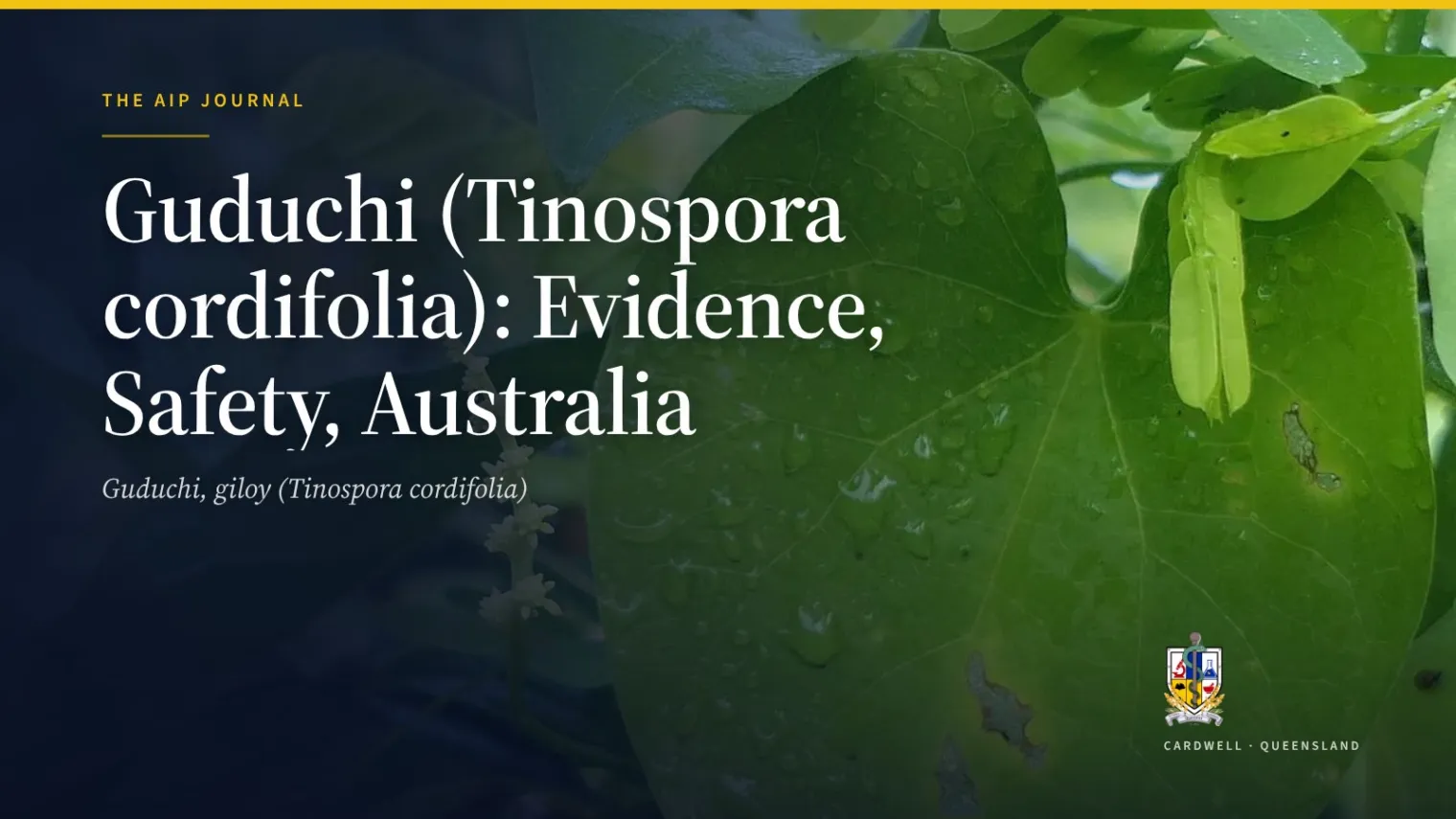
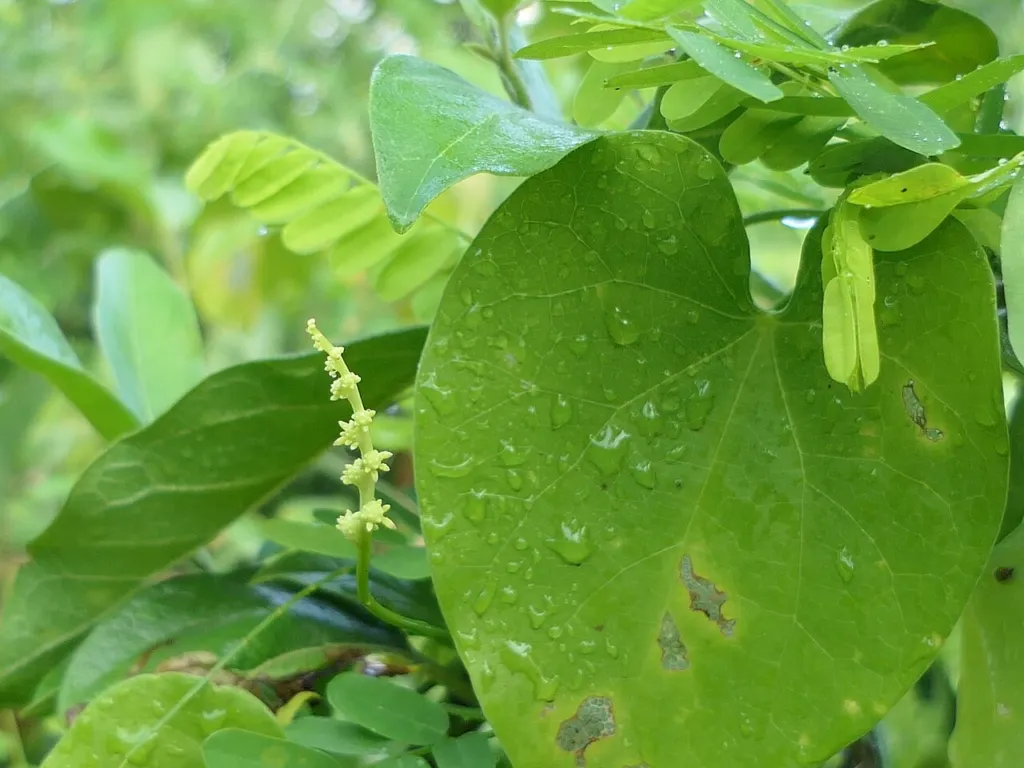
Cover: Tinospora cordifolia in leaf and flower. Photo: Dinesh Valke from Thane, India · CC BY-SA 2.0 · Wikimedia Commons
In the bazaars of India it is sold as grey, finger-thick lengths of dried vine, warty with lenticels and intensely bitter on the tongue. Sanskrit texts call it amrita, the elixir of life Traditional[1]. In 2020 it was promoted across India as an immune booster against COVID-19 Evidence suggests[2], and within months hepatologists in Mumbai were describing patients with jaundice who had been drinking it Evidence suggests[3].
This review introduces guduchi, also sold as giloy, to Australian readers who may meet it as a powder, a capsule or a tea. It covers the plant and the part that is used, its place in Ayurveda, the chemistry of the stem, the human trials read in full text, the liver injury reports and the argument over which species people had actually taken, and the Australian rules that apply when you buy it here. Australia has its own native Tinospora, the snakevine of our northern forests, and we set the two side by side.
This article is educational. It is not medical advice, and nothing in it is a recommendation to start, stop or change any medicine or herbal product.
Guduchi is not listed in the Poisons Standard (October 2026 instrument, read in November 2026), and Tinospora cordifolia is a permissible ingredient for listed medicines Confirmed[4][5]. Products sold here as medicines must be on the Australian Register of Therapeutic Goods (ARTG); several listed medicines contain it Confirmed[6].
Liver injury with autoimmune features has been reported after guduchi use, in a six-patient Mumbai series and a 43-patient study across 13 Indian centres in which four people died and two needed liver transplants Evidence suggests[3][2]. People with autoimmune disease, existing liver disease, diabetes treated with medicines, or who take immunosuppressants, and people who are pregnant or breastfeeding, have the most reason to seek individual advice first. The human data for these groups are thin or absent.
Yellowing of the skin or eyes, dark urine, pale stools, upper abdominal pain or unusual fatigue while taking any herbal product needs prompt medical assessment. In an emergency call 000. For poisoning advice call the Poisons Information Centre on 13 11 26 (24 hours, Australia-wide). Before taking any botanical drug, consult a degree-qualified herbalist with competencies and adequate training in pharmacognosy.
| Names | Guduchi, amrita (Sanskrit); giloy (Hindi); gulancha (Bengali); heart-leaved moonseed Confirmed[1] §1 |
| Family | Menispermaceae, the moonseed family Confirmed §1 |
| Part used | The stem, fresh or dried; root and leaf less often Traditional[1] §2 |
| Native range | Indian subcontinent and Sri Lanka; not native to Australia Confirmed[1] §3 |
| Australian relative | Tinospora smilacina, snakevine, endemic to northern and eastern Australia Confirmed[7] §3 |
| Ayurvedic standing | A rasayana (rejuvenative) herb, bitter in taste, used for fevers and debility Traditional[1] §4 |
| Main constituents | Clerodane diterpenes (tinosporide, columbin), alkaloids (berberine, palmatine, magnoflorine), glycosides, ecdysteroids, polysaccharides Confirmed[8] §5 |
| Human trials | Small or open-label Indian trials; none establishes prevention or treatment of a disease Evidence suggests §7 |
| Main safety signal | Liver injury with autoimmune features, India 2020–2022; identity of the plant confirmed in a follow-up analysis Evidence suggests[2][9] §8 |
| Poisons Standard | Not scheduled (October 2026 instrument) Confirmed[4] §9 |
| TGA | Permissible ingredient for listed medicines; listed (AUST L) products on the ARTG Confirmed[5][6] §9 |
| Quality risk | Substitution with other Tinospora species and contamination in some products Evidence suggests[1][2] §10 |
- Confirmed, established in humans by trial or by unambiguous analytical/chemical fact.
- Evidence suggests: real published data, but preclinical, observational, small, or not yet replicated in humans.
- Mechanism: a plausible mechanistic or pharmacological inference. It describes how something might work and makes no claim about an outcome.
- Traditional: historical, ethnobotanical or ritual use. It records practice and makes no claim about efficacy.
- Attested: a documentary fact attested in a named historical text or edition, such as a pharmacopoeia entry.
Every PubMed ID (PMID) links to its PubMed record and was checked against PubMed in November 2026; every chemical record was checked against PubChem. Every paper graded here was read in full text. Where a claim is widely repeated but could not be traced to a primary source, it is marked unsourced and left as such.
Guduchi is a woody climbing vine of India and Sri Lanka whose stem has been a central bitter tonic of Ayurveda for centuries, where it is classed as a rasayana. British India made it official too: the 1868 Pharmacopoeia of India listed its root and stem as a tonic with a tincture, an infusion and an extract Attested[10].
The stem contains bitter clerodane diterpenes, protoberberine and aporphine alkaloids (berberine, palmatine, magnoflorine), phenylpropanoid glycosides, ecdysteroids and immunologically active polysaccharides Confirmed[8]. Laboratory and animal work describes immune-stimulating, glucose-lowering and antioxidant activity Evidence suggests[8][11]. The human trials we read are small, short, open-label or lacking a placebo, and none of them shows that guduchi prevents or treats any disease Evidence suggests.
During the pandemic, Indian liver units reported acute hepatitis with autoimmune features in people taking guduchi, often women with a hidden autoimmune liver condition Evidence suggests[3][2]. India’s Ministry of AYUSH and some Ayurvedic scientists argued that the patients may have taken the wrong species, T. crispa, which has its own record of liver injury Evidence suggests[1][12]. The original Mumbai group then tested the leftover plant material: all four plant samples were T. cordifolia Confirmed[9].
In Australia guduchi is unscheduled and is a permissible ingredient in listed medicines, and several ARTG-listed products contain it Confirmed[4][5][6]. Much of what Australians buy comes from overseas online sellers, outside the ARTG. A correctly identified, tested supply, and a conversation with a degree-qualified herbalist with competencies and adequate training in pharmacognosy before use, are the sensible starting points.
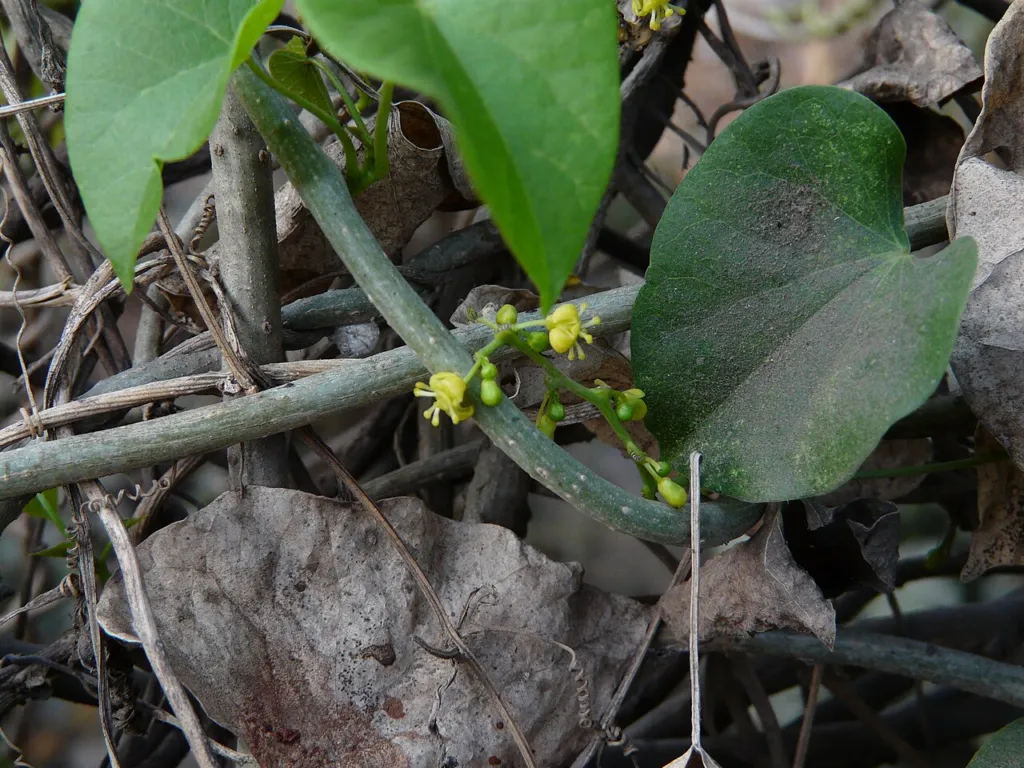 1 · Identity and taxonomy
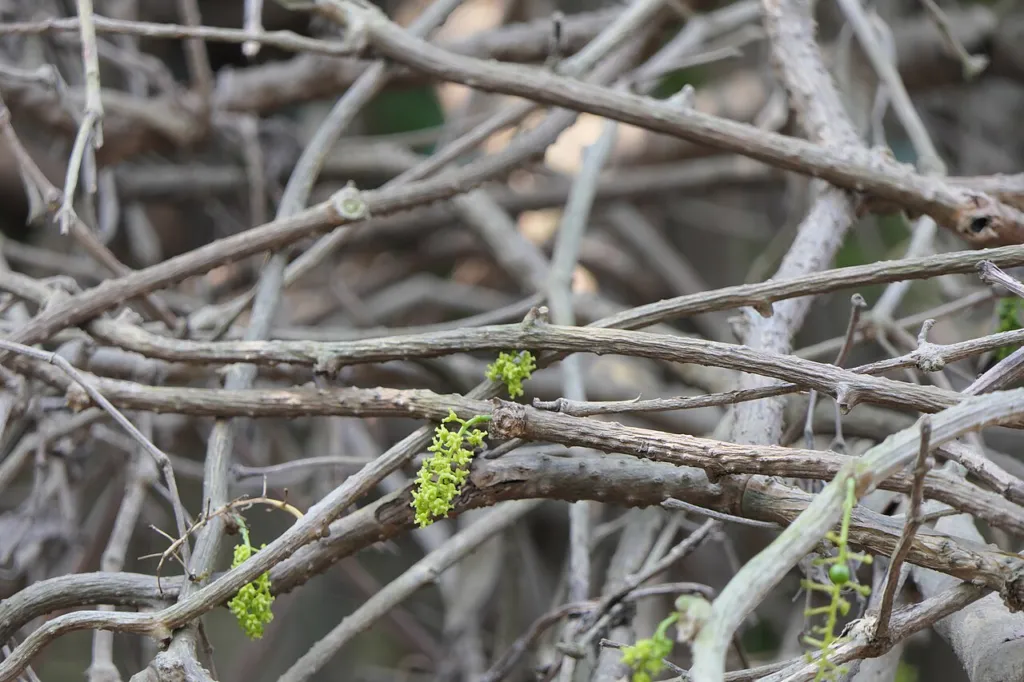 2 · The plant and the stem
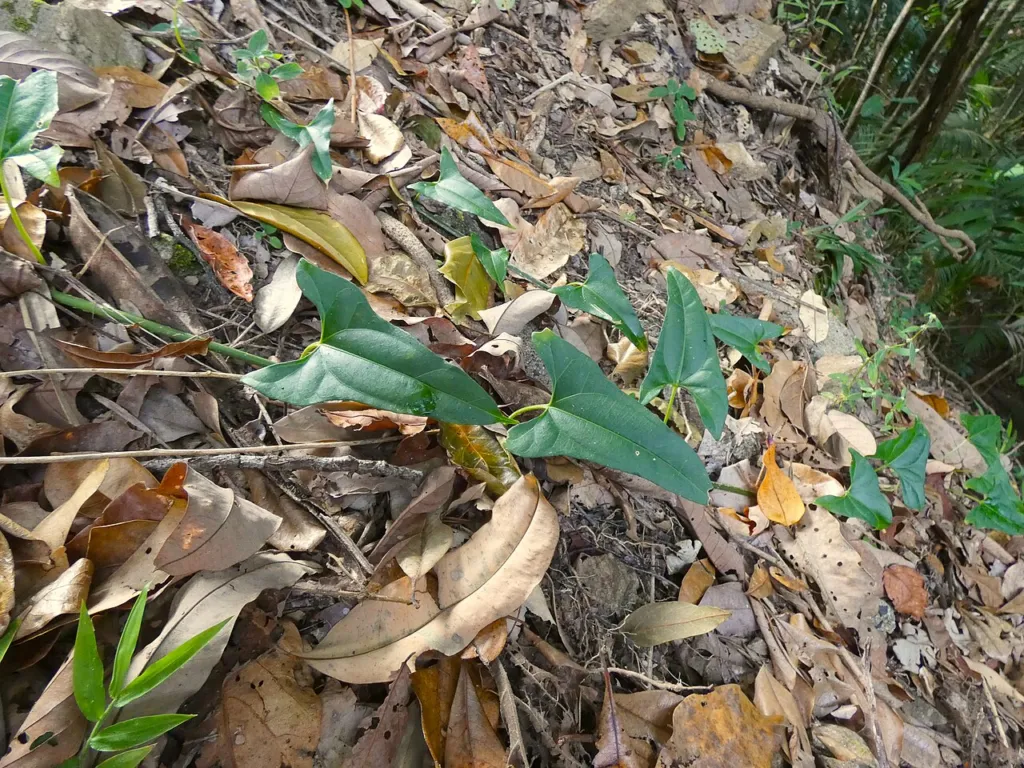 3 · Distribution, and Australia’s own snakevine
 4 · Ayurveda and history
 5 · Phytochemistry
 6 · Pharmacology
 7 · Human evidence
 8 · Safety and interactions
 9 · In Australia
 10 · Quality and adulteration
 Discussion and research agenda
1. Identity and taxonomy
Guduchi is Tinospora cordifolia, a member of the Menispermaceae, the moonseed family. The family holds about 73 genera and 350 species, mostly tropical, and the genus Tinospora has about 32 species worldwide, five of them on the Indian subcontinent: T. cordifolia, T. sinensis, T. crispa, T. glabra and the recently described T. formanii Confirmed[1]. The Ayurvedic Pharmacopoeia of India ties the name guduchi to T. cordifolia Confirmed[1].
The author citation is written several ways in the literature. You will see T. cordifolia (Willd.) Miers, (Willd.) Hook.f. & Thomson, and occasionally (Thunb.) Miers in pharmacovigilance tables Confirmed[1][13][14]. They point to the same plant. Older European works filed it under Cocculus cordifolius DC., the name the 1868 Pharmacopoeia of India gives as its synonym Attested[10].
The plant carries many names across India. Sanskrit has guduchi and amrita; Hindi has giloy and guruch; Bengali has gulancha (the name the British pharmacopoeia adopted); Marathi has gulvel; Tamil has amrita valli and seenthil kodi; Kannada has amruthaballi Confirmed[3][1]. In Australian shops and online listings the name you are most likely to meet is giloy.
Why the near relatives matter
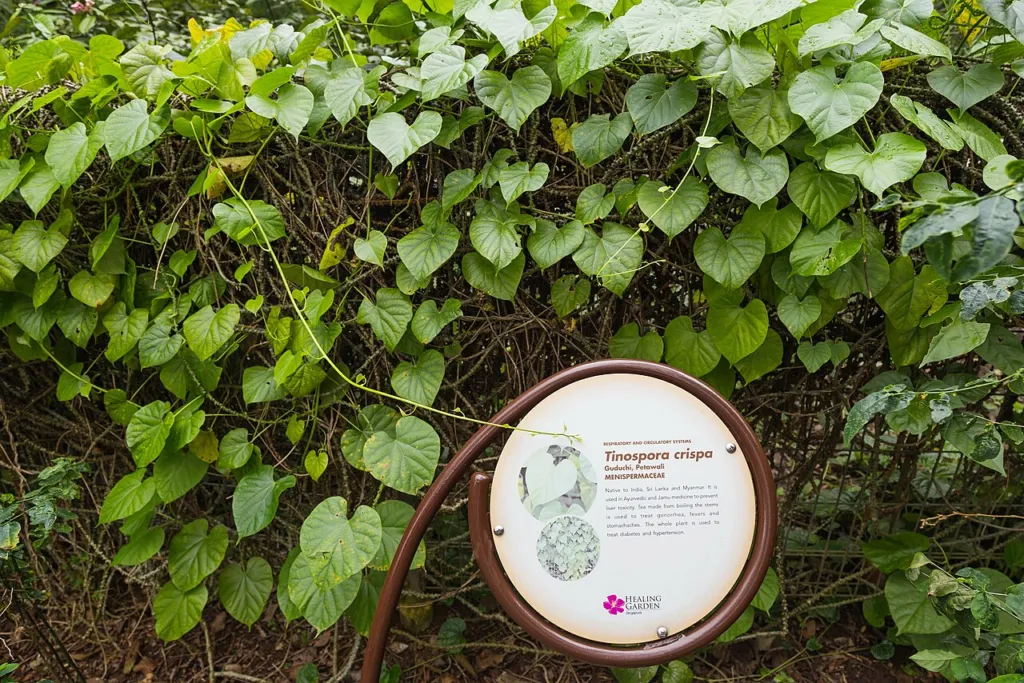
Two other species are sold under the same trade names. T. sinensis (syn. T. malabarica) is traded as amrita in Kerala and is regarded in Ayurvedic botany as a second therapeutic species, close to T. cordifolia in chemistry Evidence suggests[1]. T. crispa grows mainly in north-east India and South-East Asia, where it is a common medicinal plant in its own right, and it is the species with a published record of liver injury Evidence suggests[1][12]. Telling these three apart is the thread that runs through the safety story in §8, so the identifying features are set out there in a table.
2. The plant and the part used
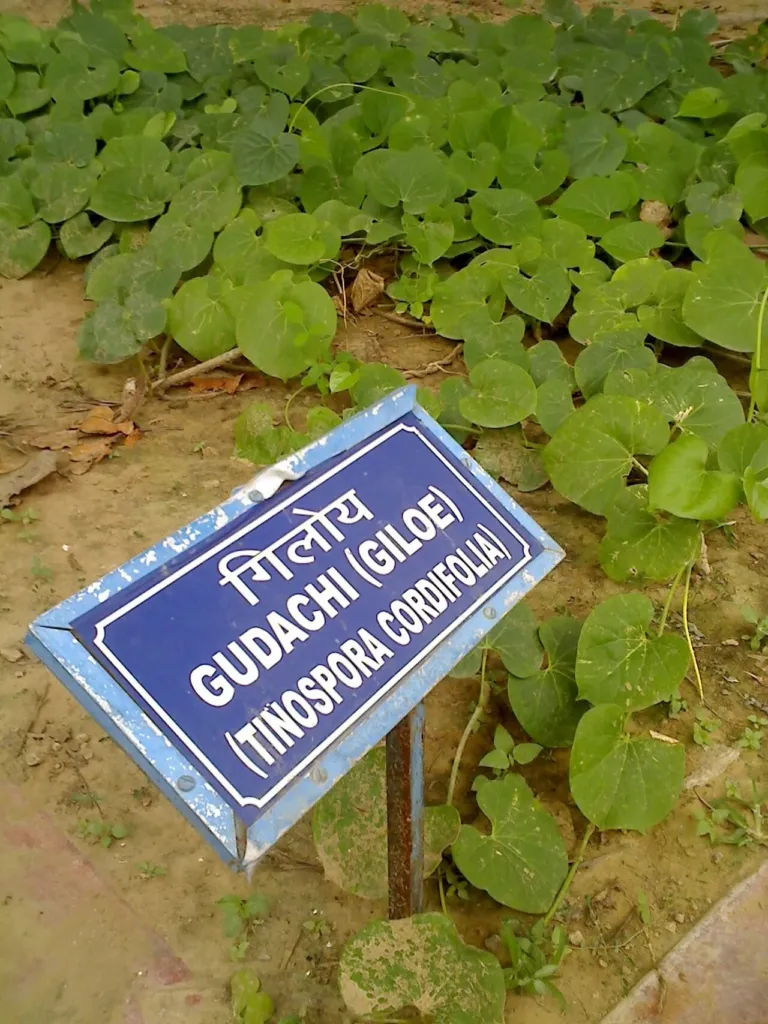
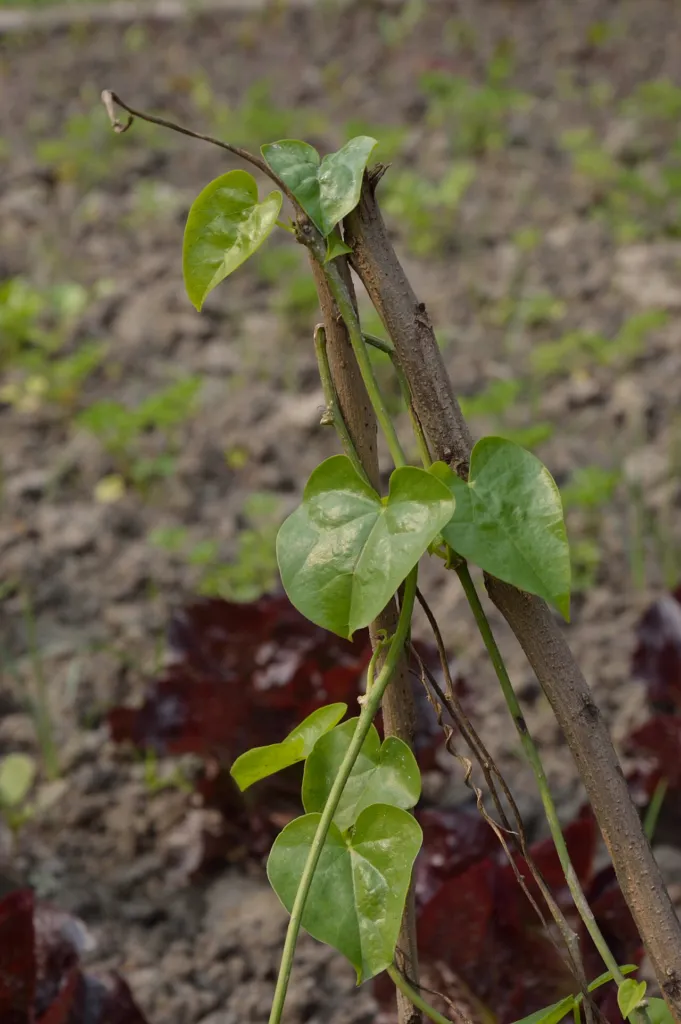
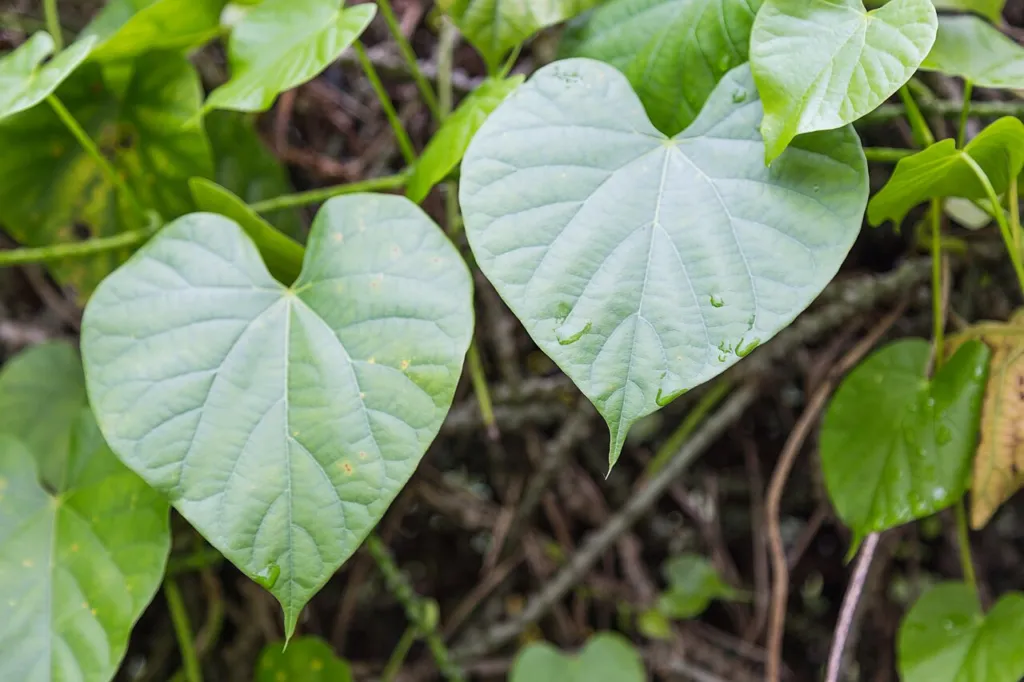
Guduchi is a large, deciduous, extensively spreading climber. Its twining branches throw down long, thread-like, pale brown aerial roots that hang like strings from the trees it climbs. Stems are green and smooth when young, with a thin grey papery outer layer that peels, and they are covered in small rounded lenticels Confirmed[1]. Leaves are simple and alternate on long stalks up to 15 cm, broadly ovate to heart-shaped, 10–20 cm long, with seven main veins from the base Confirmed[1].
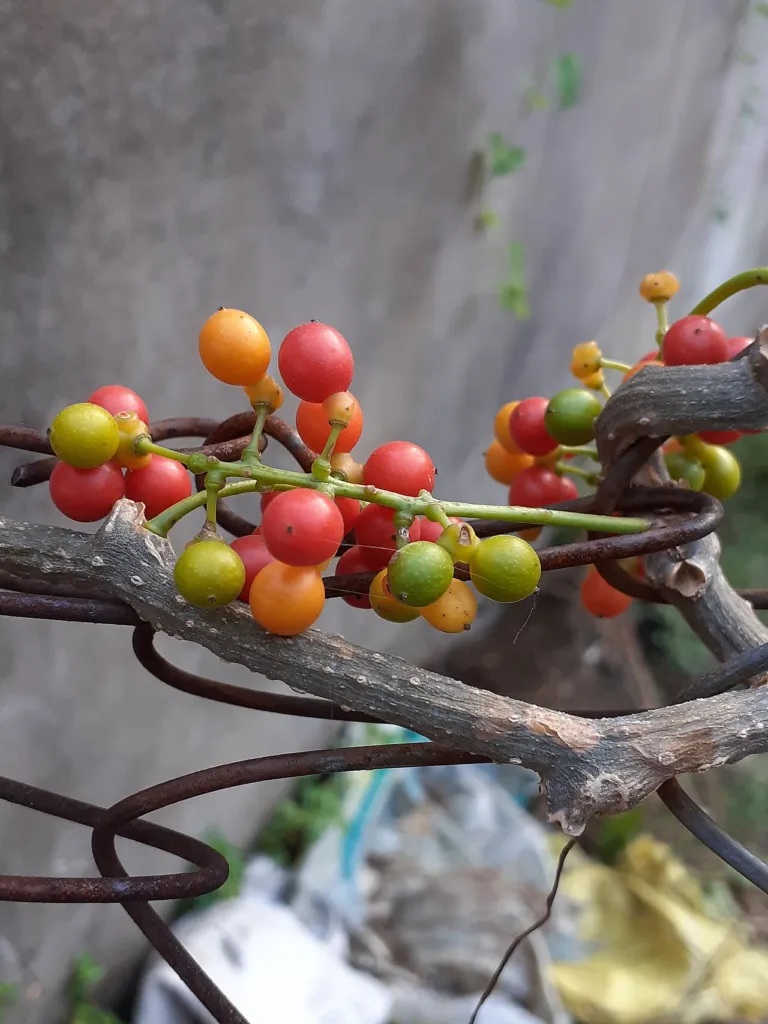
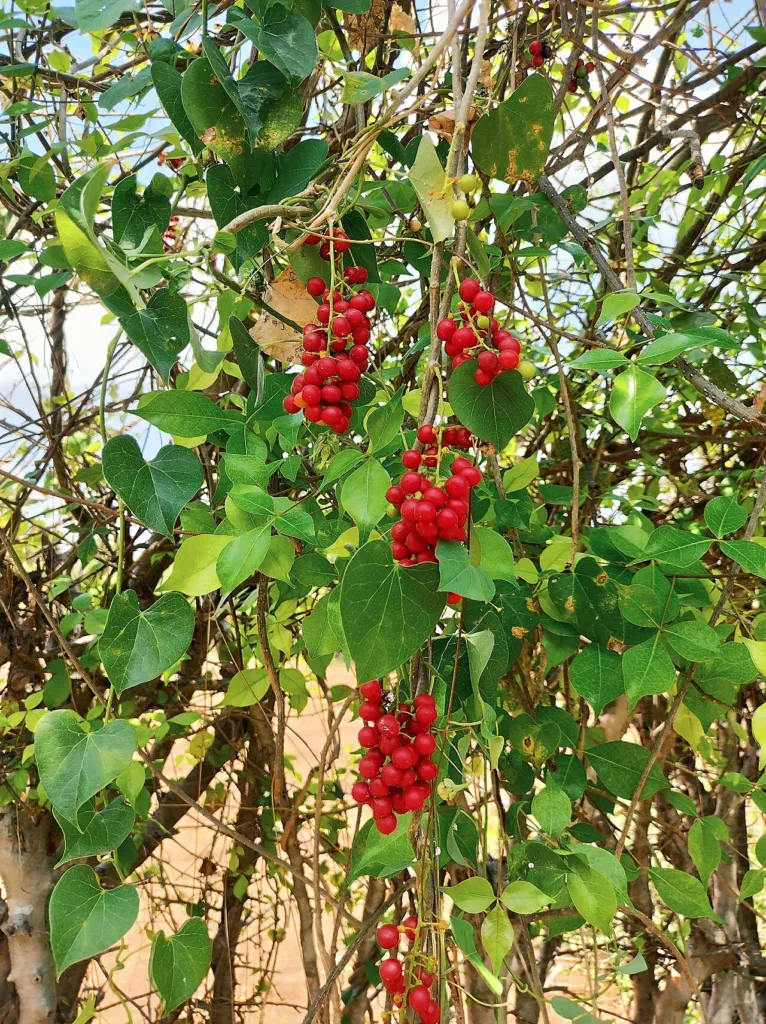
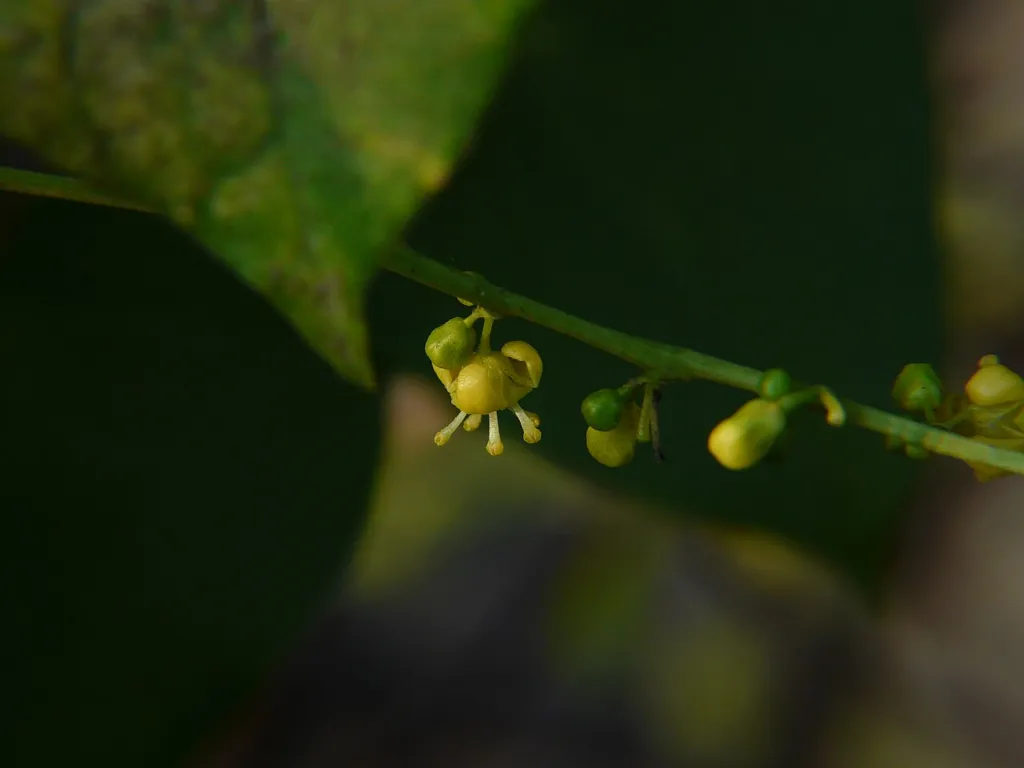
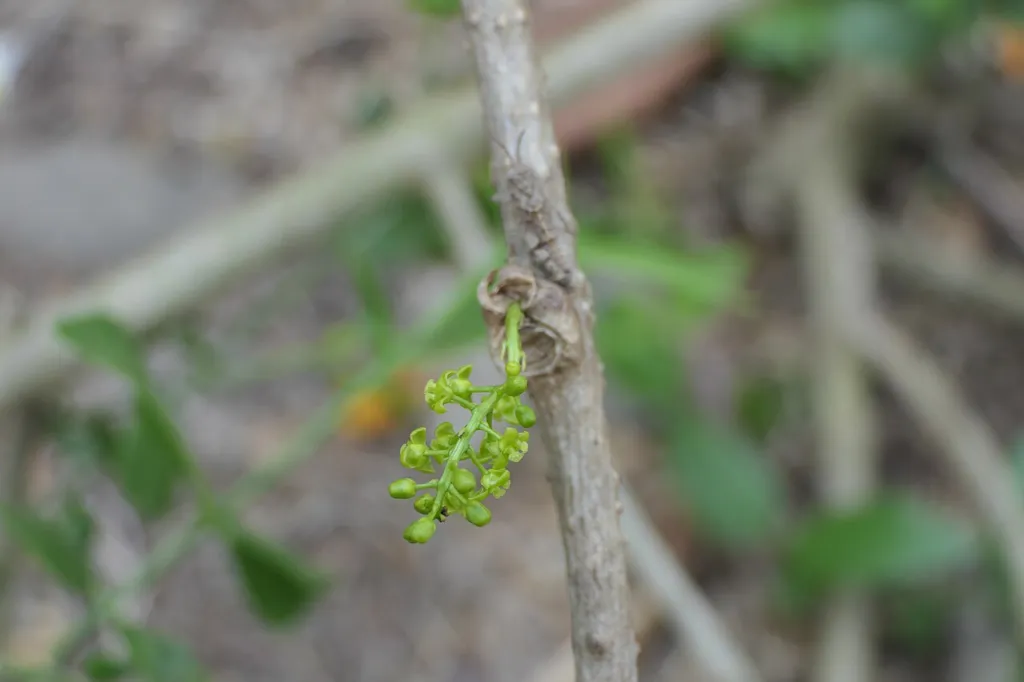
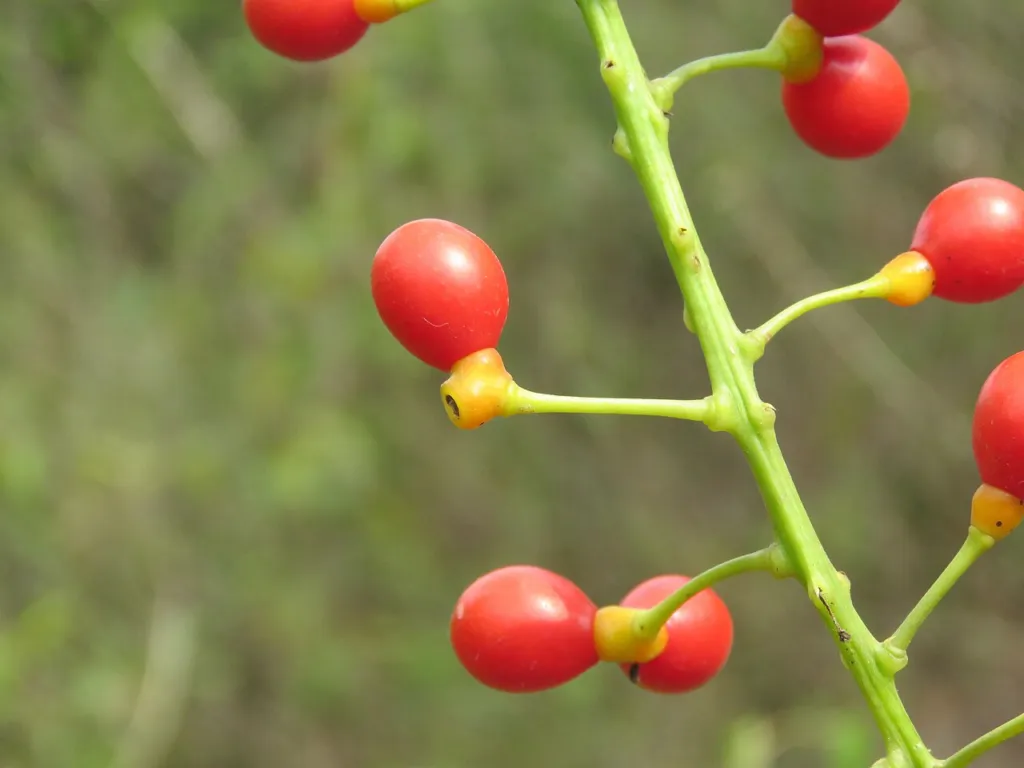
The plant is dioecious, with male and female flowers on separate vines. Small greenish-yellow flowers appear in slender racemes, often while the vine is leafless; the male flowers are clustered and the female flowers usually solitary. Each flower has six sepals in two whorls and six smaller petals. The fruit is a smooth, rounded drupelet, red when ripe, carried in clusters of one to three Confirmed[1].
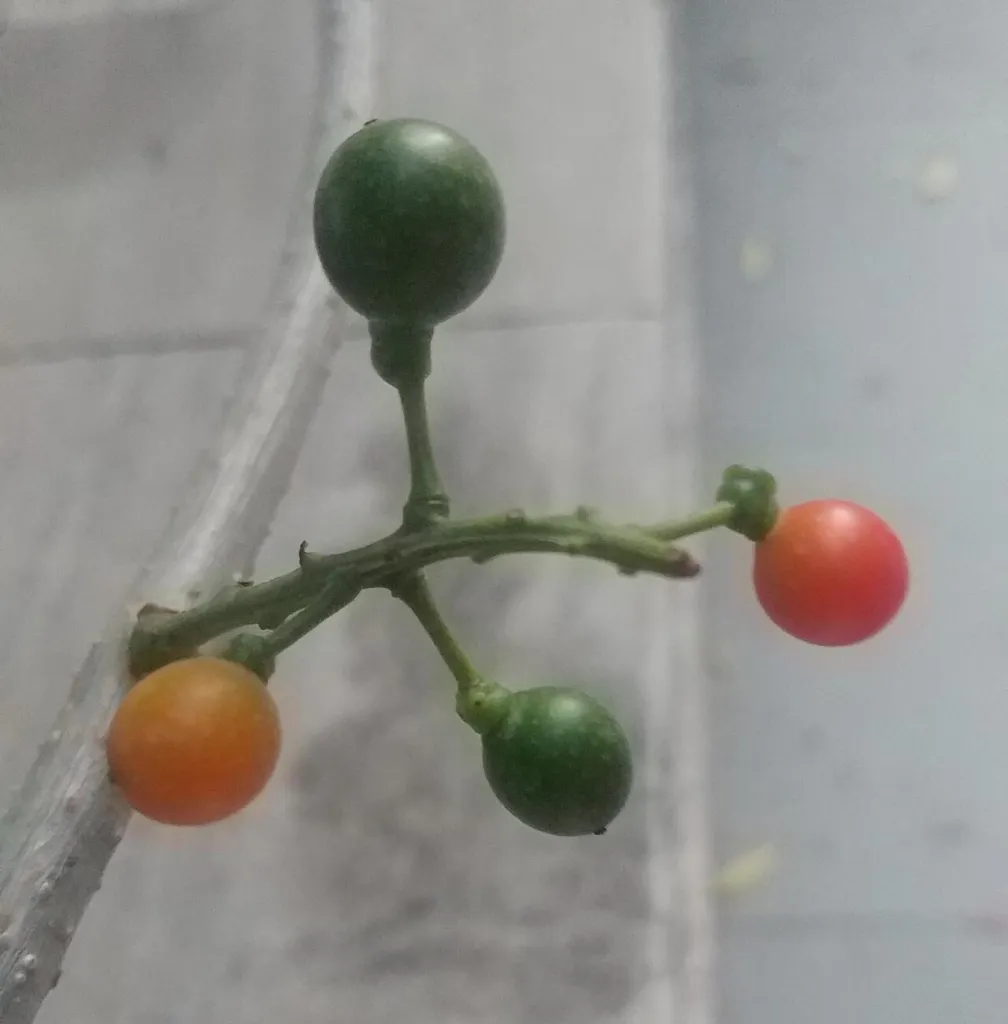
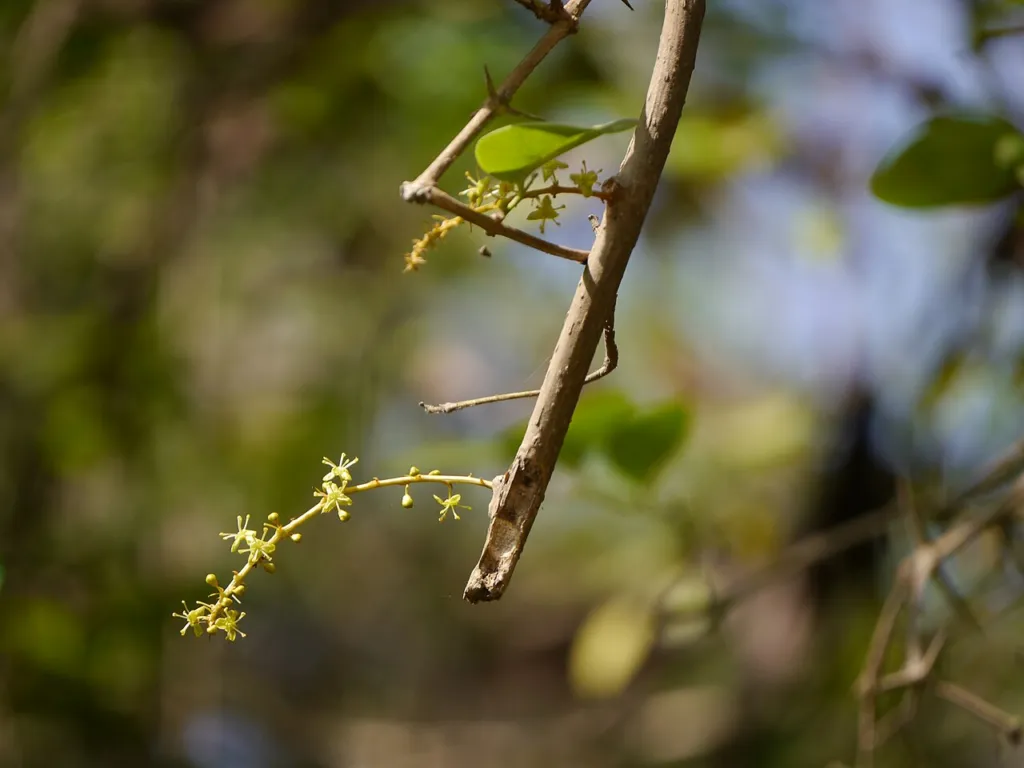
The drug: dried stem
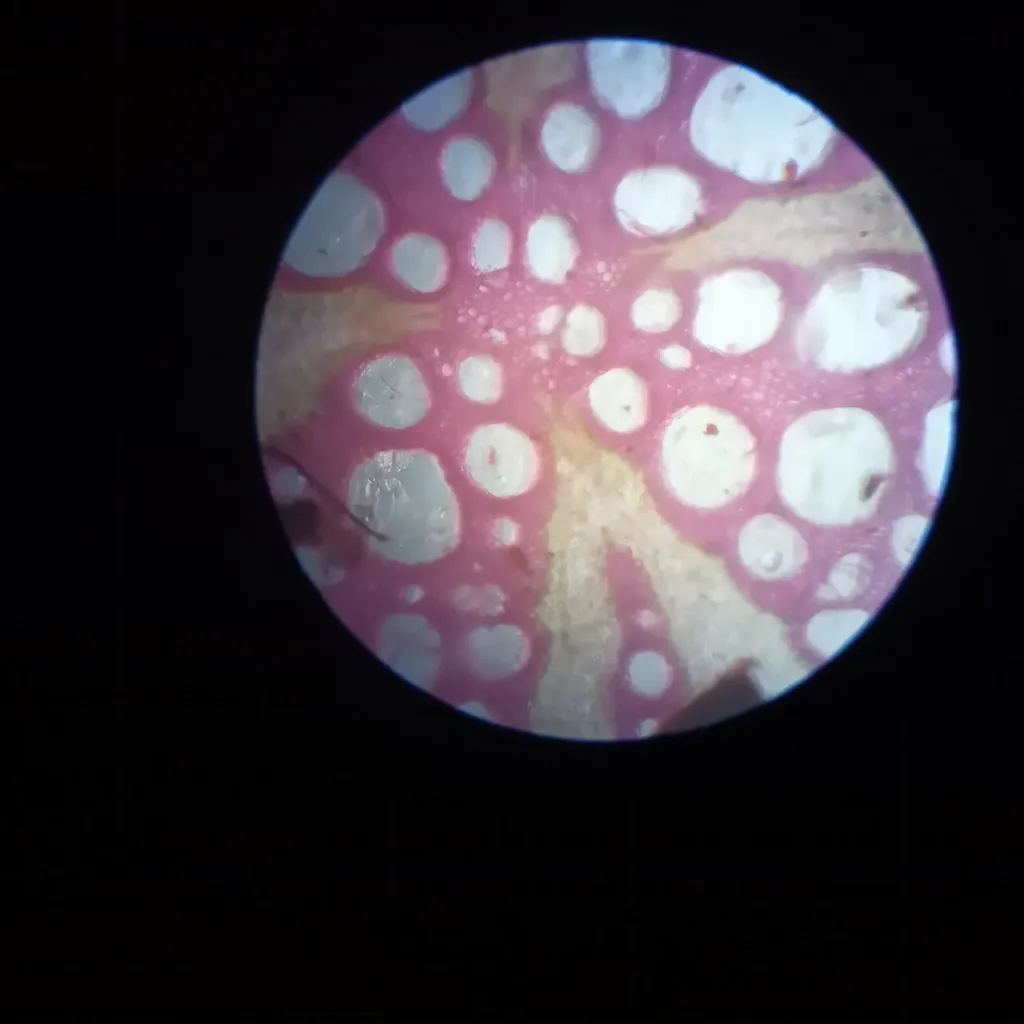
The medicine is the stem. As the Ayurvedic Pharmacopoeia describes the raw drug, it comes as pieces 0.6–5 cm across. Young pieces are green with swollen nodes; older ones are light brown and marked with warty lenticels. A smoothed cross-section shows a radial pattern of conspicuous medullary rays running through porous wood, and the taste is bitter Confirmed[1].
The 1868 Pharmacopoeia of India described bazaar gulancha in almost the same words: transverse segments of a cylindrical woody stem up to about two inches across, covered with a shrivelled bark, many pieces “marked on their surface with warty prominences”, the cut face showing “a radiated structure, with conspicuous medullary rays traversing a very porous tissue”, and “a very bitter taste” Attested[10]. The editor asked for stems collected in the hot season, “when the bitter principle is most abundant”. A modern 24-month study of Indian stems found that three marker compounds peaked in the monsoon month of August and fell to their lowest in winter Evidence suggests[15]. The two sources ask for different seasons, so the timing of harvest is a live question for anyone setting a quality specification.
In India the dried stem is one of the most heavily traded raw drugs, with more than 1,000 tonnes a year passing through the markets at around 50 rupees a kilogram, according to a 2023 review Evidence suggests[1]. That volume, and the price, are part of the quality story in §10.
3. Distribution, and Australia’s own snakevine
Guduchi is native to the Indian subcontinent: it grows throughout India, from the Kumaon hills in the north to Kanyakumari in the south, and in Sri Lanka, Bangladesh and Myanmar Confirmed[1]. One review states that it has also been “spotted” in tropical Africa and Australia Evidence suggests[1]. We could find no Australian record to support that. When the Institute searched the Atlas of Living Australia in November 2026, it held no occurrence records under the name Tinospora cordifolia Confirmed[16]. On present evidence it is not native here and is not recorded as naturalised.
Australia does have its own species. Tinospora smilacina Benth., snakevine or Tinospora vine, is endemic to Australia. It grows in Western Australia, the Northern Territory, Cape York and north-east and central-east Queensland, south into north-eastern New South Wales, from near sea level to about 650 m, in beach forest, monsoon and gallery forest, rainforest and open woodland Confirmed[7]. The same Atlas search returned 3,436 records, most from the Northern Territory (1,896), Queensland (969) and Western Australia (457), with 88 from New South Wales Confirmed[16]. In New South Wales it is rare at the southern edge of its range and is listed as endangered Confirmed[17].
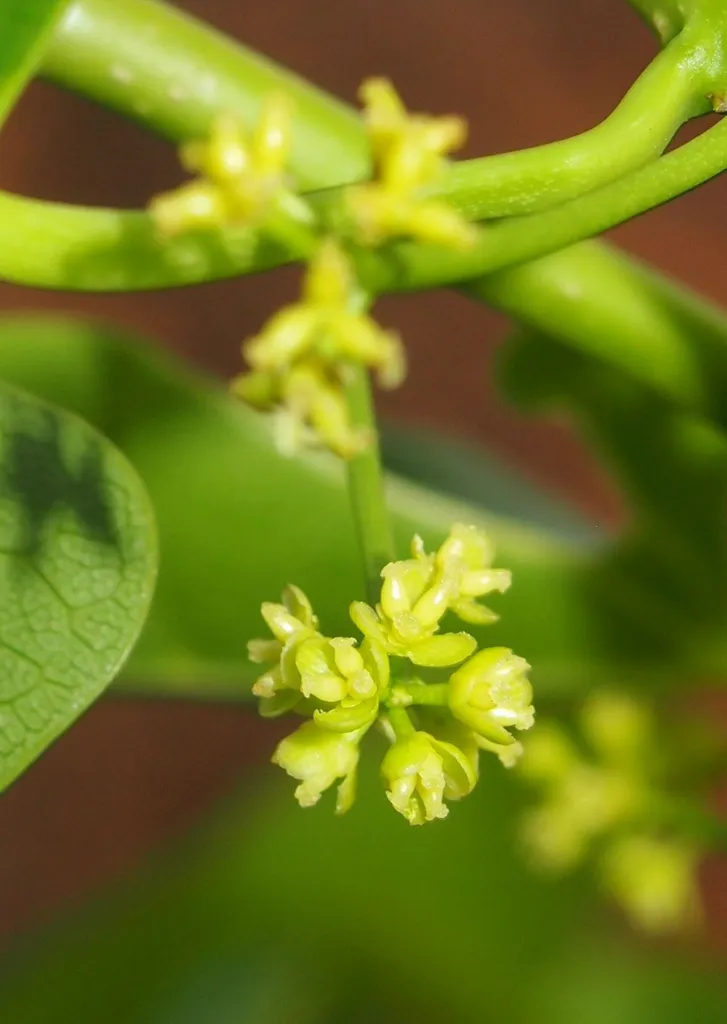
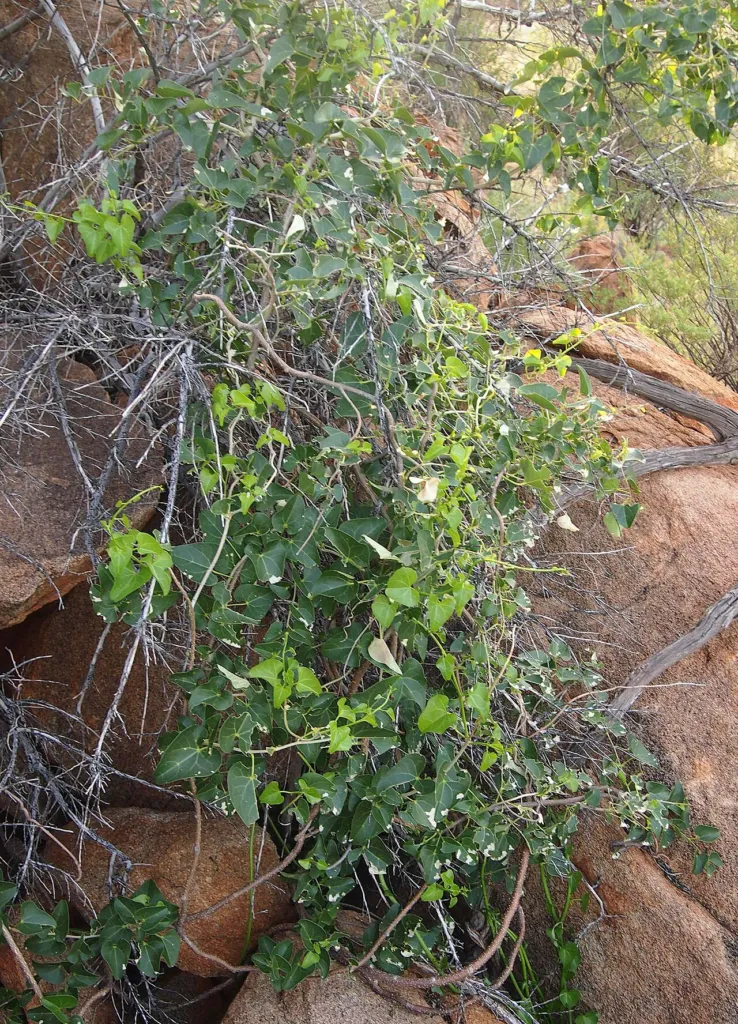
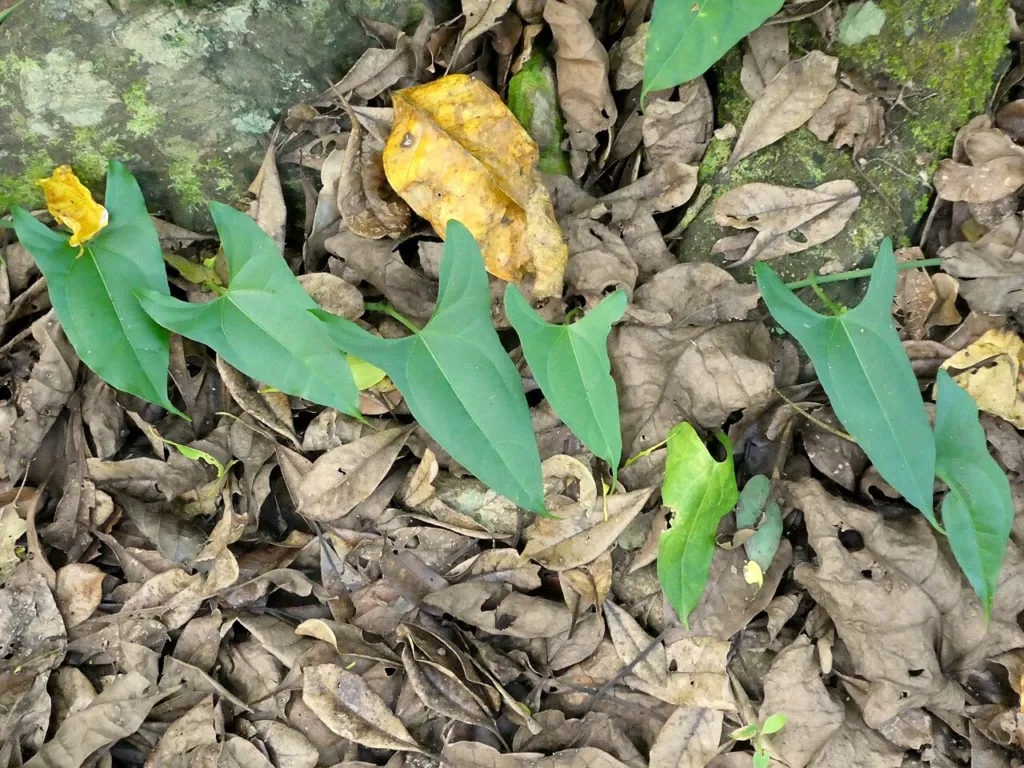
Snakevine is a different plant from guduchi. Its leaves are smaller and thinner, heart-shaped to triangular, 4–10 cm long in the New South Wales profile and up to about 12 cm in the rainforest key, with five veins radiating from the base, and its fruits are globular to ellipsoid, 6–10 mm long Confirmed[7][17]. Old vine stems can reach 7 cm across Confirmed[7].
The Australian Tropical Rainforest Plants key records that the plant was “used medicinally by Aborigines”, citing Cribb (1981) Traditional[7]. Popular accounts give specific uses, such as stems bound around the head for headache; we have not traced those details to a primary ethnobotanical source, so they are left here as unsourced. Knowledge of this kind belongs to the Aboriginal communities who hold it, and any study of it needs their consent and partnership.
There is laboratory work on snakevine extracts from Australian groups, including anti-inflammatory assays published in the early 2000s; the Institute has requested the full texts and does not grade them here. Nothing we have read suggests that snakevine and guduchi are interchangeable, and snakevine is not a permissible ingredient in listed medicines (see §9) Confirmed[5]. For anyone in the north who sees a heart-leaved vine on a fence line: in Australia it is far more likely to be snakevine than guduchi, and the two have different chemistry and a different evidence base.
4. Traditional use: Ayurveda, and the 1868 Pharmacopoeia of India
Amrita, the rasayana
In Ayurveda guduchi is one of the rasayana herbs, the class of medicines and practices meant to sustain health and lengthen life, alongside amla (Phyllanthus emblica), haritaki (Terminalia chebula) and dry ginger Traditional[1]. Its Sanskrit name amrita is translated as the elixir of life, and guduchi is glossed as “something which protects the body from diseases” Traditional[1].
The review by Panneer Selvam and colleagues summarises where it appears in the classical texts. The Sushruta Samhita lists it among the bitter pot-herbs (tikta-shaka varga) for breathlessness (shvasa), severe fever (maha jvara), loss of appetite (aruchi) and skin disease (kushtha), and the Charaka Samhita and Ashtanga Hridaya use it for fever, for the joint disorder vatarakta and for jaundice (kamala) Traditional[1]. We have taken these readings from that review and have not checked them against critical editions of the Sanskrit texts. Treat the chapter references as secondary until someone does.
| Ayurvedic property | Description given for guduchi |
|---|---|
| Taste (rasa) | Bitter (tikta) and astringent (kashaya) Traditional |
| Quality (guna) | Light (laghu) Traditional |
| Potency (virya) | Heating (ushna) Traditional |
| Post-digestive effect (vipaka) | Sweet (madhura) Traditional |
| Actions (karma) | Strengthening (balya), digestive (dipana), rejuvenative (rasayana), balancing all three doshas, blood-purifying, antipyretic (jvaraghna) Traditional[1] |
The same review lists the classical dosage forms: fresh stem juice (svarasa), fresh paste (kalka), dried powder (churna), decoction (kvatha), hot infusion (phanta), a self-fermented preparation (arishta), a starchy sediment from the stem (satva), a dried aqueous extract (ghana), and preparations in ghee or oil Traditional[1]. It also appears in compound formulas still used by practitioners. We do not reproduce the classical doses. They were written for a practitioner examining an individual patient, and repeating them here would read as dosing advice.
These records are evidence of long and careful practice. They are not trial evidence, and the two are kept apart throughout this review.
Gulancha in the Pharmacopoeia of India, 1868

Colonial medicine adopted the plant. The 1868 Pharmacopoeia of India, prepared under the authority of the Secretary of State for India, made the root and stems of Tinospora cordifolia officinal under the name gulancha. It described the medical properties as “tonic, antiperiodic, and diuretic” and recorded use “in mild forms of intermittents, in general debility after fevers and other exhausting diseases, and in secondary syphilitic affections and chronic rheumatism” Attested[10]. It gave a tincture, a cold infusion and an aqueous extract, and noted a local impure extract called palo, “highly esteemed” as a tonic in convalescence Attested[10].
One line in that entry is worth reading twice. Waring noted that Tinospora crispa and other allied species “possess the bitterness and probably the tonic properties of Gulancha” Attested[10]. The substitution question that surfaced in 2021 was already sitting in the pharmacopoeia a century and a half earlier.
The modern revival came in 2020. India’s Ministry of AYUSH recommended guduchi as a preventive home remedy during the COVID-19 pandemic Confirmed[1][2], and Indian hepatologists described it being promoted to the public as an “immune booster” Evidence suggests[2].
5. Phytochemistry
The stem has been studied intensively. Reviews list alkaloids, diterpenoid lactones, glycosides, steroids, sesquiterpenoids, phenolics, aliphatic compounds and polysaccharides, isolated from every part of the plant Confirmed[8]. Five groups matter most for understanding both the traditional bitterness and the modern pharmacology.
Clerodane diterpenes: the bitter principles
The bitterness that Waring’s editors wanted at its height comes largely from furanoid clerodane diterpenes. Tinosporide, a diterpenoid furanolactone, had its structure confirmed by X-ray crystallography in 1989, and columbin and related lactones are reported from the stem Confirmed[8]. Compounds of the same structural class, the clerodane furanoditerpenoids, are suspected of causing the liver injury linked to T. crispa (see §8), and hepatologists have pointed out that guduchi contains members of the class too Evidence suggests[12][18].
Alkaloids
Guduchi contains protoberberine alkaloids, berberine and palmatine, and the aporphine alkaloid magnoflorine, with tembetarine, choline and others Confirmed[1][8]. Berberine is the same yellow alkaloid found in barberry and goldenseal, discussed at length in the Institute’s review of Indian barberry and our goldenseal pharmacopoeia entry. Its presence in guduchi does not make the two plants pharmacologically equivalent. Concentrations vary between sources and are rarely reported alongside the products people buy, and a laboratory group at Jamnagar used berberine as a marker for standardising guduchi powders Evidence suggests[11].
Glycosides and ecdysteroids
Phenylpropanoid and norditerpene glycosides such as cordifolioside A, tinocordiside and syringin, and the ecdysteroid 20-hydroxyecdysone (often called β-ecdysone), are part of the profile Confirmed[8][15]. A two-year study of stems collected monthly in India from 2022 to 2024 measured cordifolioside A at 154–289 ng/mg, 20-hydroxyecdysone at 5.5–28.0 ng/mg and magnoflorine at 5.0–54.5 ng/mg of sample, using a validated UHPLC method, with all three highest in August and lowest from December to February Confirmed[15]. Magnoflorine varied about tenfold across the year. The authors declare affiliations with Patanjali research bodies, and the analytical work stands on its validation data. A separate standardised extract contained 1.64% w/w of the glycoside tinosporaside Confirmed[19].
Polysaccharides
The aqueous extract of the stem contains an arabinogalactan polysaccharide and a fraction designated G1-4A, which is reported as a polyclonal B-cell mitogen that activates macrophages in mice Evidence suggests[8][2]. These large molecules are a likely contributor to the immune activity seen in laboratory work. Whether they survive digestion intact enough to act the same way in people is unknown Mechanism.
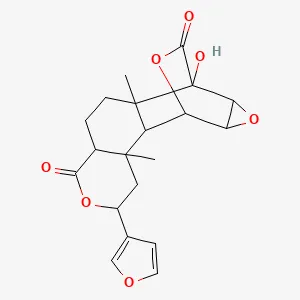
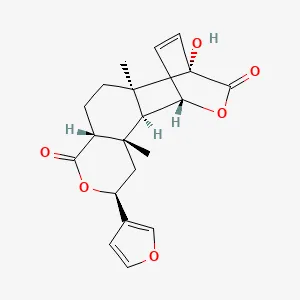
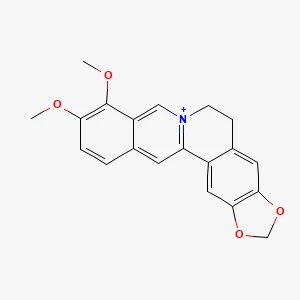
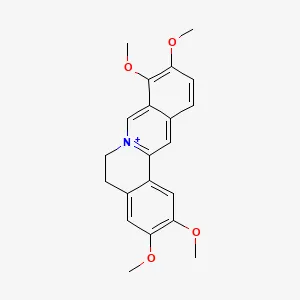
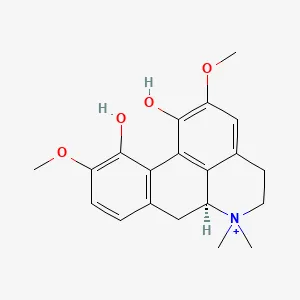
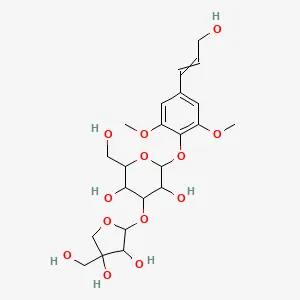
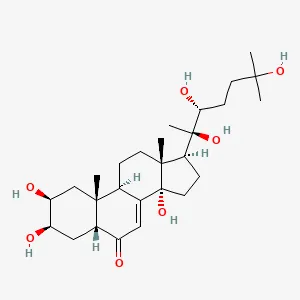
Structures are PubChem depictions, each linked to its compound record by CID. The polysaccharides have no single structure and are not drawn.
6. Pharmacology
Almost everything known about how guduchi acts comes from cell and animal studies. Reviews describe immune-modulating, antioxidant, anti-inflammatory, glucose-lowering, liver-protective and radioprotective effects in laboratory models Evidence suggests[8][1]. These are signals worth testing in people. A 2024 hepatology review reached the view that clinically relevant benefits in humans have not yet been confirmed through rigorous trials Evidence suggests[13], and our own reading of the trials in §7 agrees.
Immune activity
Stem extracts and the G1-4A polysaccharide activate macrophages and B cells in mice, with release of interleukin-1 Evidence suggests[8]. A hepatology review attributes the immune activity to the plant’s alkaloids, glycosides and terpenoids, with cordifoliosides said to drive polyclonal immunoglobulin G production from B cells Evidence suggests[13]. This is the property the Ayurvedic tradition points to when it calls guduchi a rasayana and a strengthening herb Traditional[1].
The Mumbai hepatologists drew the obvious inference from the other direction. An immune-stimulating herb could, in a person already prone to autoimmunity, push the immune system against the liver Mechanism[3][20]. That is a hypothesis. It fits the clinical pattern described in §8 and has not been tested experimentally.
Blood glucose
Guduchi powders inhibited the starch-digesting enzymes α-amylase and α-glucosidase in the test tube, and in an oral glucose tolerance test in mice a juice-processed powder at 520 mg/kg reduced the rise in blood glucose by about half Evidence suggests[11]. Enzyme inhibition in the gut is a plausible way for a bitter stem to blunt a rise in blood sugar after meals Mechanism. How large any effect is in people with diabetes is not known from the studies we read.
Drug-metabolising enzymes
A standardised extract inhibited four human cytochrome P450 enzymes (CYP3A4, CYP2D6, CYP2C9 and CYP1A2) in liver microsome assays, but only weakly, with IC50 values of about 128–144 µg/mL, far higher than the reference inhibitors Evidence suggests[19]. In the test tube, then, guduchi looks like a weak inhibitor of the main drug-metabolising enzymes. No study we found measured drug levels in people taking guduchi with a medicine.
7. The human evidence, read in full
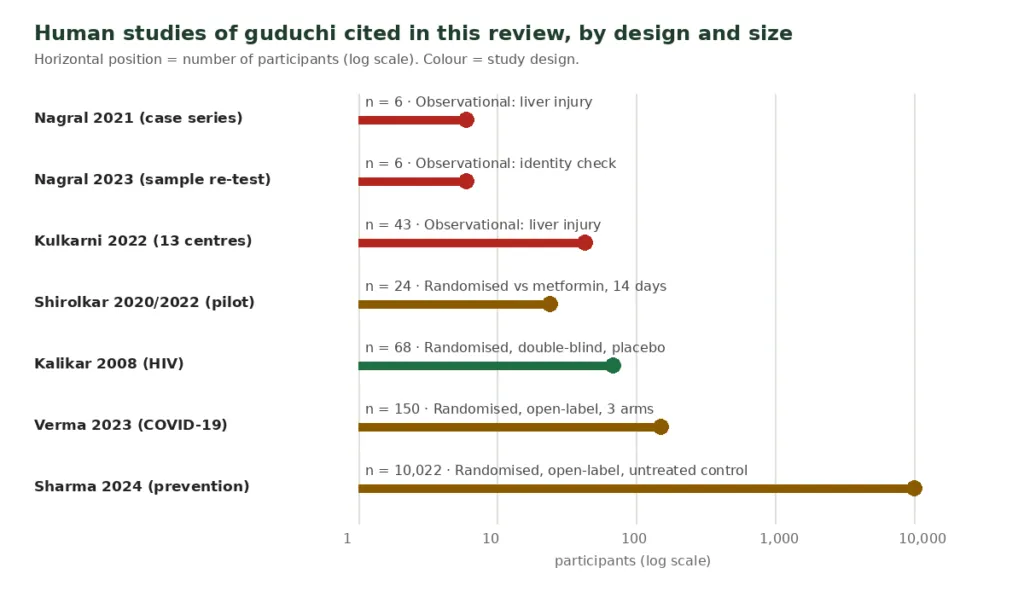
Guduchi has a large literature and a small number of human trials. We read every trial graded below in full text. Several more are widely cited, among them a 2005 allergic rhinitis trial from Nagpur and a 2012 rheumatoid arthritis trial of a multi-herb Ayurvedic formula; we have requested their full texts and have not graded them, because the Institute does not grade a paper from its abstract.
HIV: a placebo-controlled trial, 2008
The best-designed trial is also one of the oldest. In Nagpur, 68 people living with HIV were randomised to a T. cordifolia extract or placebo for six months, double-blind Evidence suggests[21]. The extract had no significant effect on CD4 count, the main objective measure. Sixty per cent of the guduchi group and 20% of the placebo group reported fewer symptoms, eosinophil counts fell, and haemoglobin also fell slightly. Three of the 34 people taking guduchi reported anorexia, nausea or vomiting, and one person in the guduchi group died; the authors found no conclusive link to the extract Evidence suggests[21].
The authors concluded the extract could be an adjunct to HIV care. The data support something narrower: a subjective improvement in a small trial, with no change in the marker that matters most.
COVID-19 treatment: an open-label three-arm trial, 2023
In Delhi, 150 adults with no or mild COVID-19 symptoms were randomised to 14 days of Adhatoda vasica extract, T. cordifolia extract (500 mg), or the two combined; 136 completed Evidence suggests[22]. Mean time to viral clearance was 13.44 days with guduchi, 13.92 days with adhatoda and 11.86 days with the combination. High-sensitivity CRP fell at mid-treatment in the guduchi group, and no adverse effects were reported Evidence suggests[22].
There was no placebo arm and no standard-care-only arm, and participants knew what they were taking. Mild COVID-19 resolves on its own in most people, so without an untreated comparison these clearance times cannot be credited to any of the herbs.
COVID-19 prevention: a community trial of 10,022 people, 2024
The largest study was run by India’s National Institute of Ayurveda across five districts of Rajasthan Evidence suggests[23]. Healthy adults were randomised to Guduchi Ghana Vati, 500 mg tablets of a 10:1 aqueous stem extract standardised to not less than 2.5% bitters, taken as two tablets twice daily for 45 days, or to no intervention. Of 10,022 participants who completed it, COVID-19 infection was less common in the guduchi group but the difference was not statistically significant. Severity of COVID-19 on the WHO ordinal scale and the number of other infections were reported as significantly lower, and no major adverse reactions were observed Evidence suggests[23].
The design limits what those results can carry. It was open-label, the control group received nothing, there was no sample size calculation, and many outcomes depended on what participants reported. Pregnant and breastfeeding women were excluded Confirmed[23]. The primary outcome, infection, was not significantly reduced. The safety data from 5,009 people taking a defined extract for 45 days are useful, with the caveat that rare liver reactions of the kind described in §8 would need active liver monitoring to detect.
Blood fats: two reports of a pilot trial, 2020 and 2022
Twenty-four people with high triglycerides were randomised to about 3 g a day of a water extract of T. cordifolia or to metformin for 14 days Evidence suggests[24]. Triglycerides, LDL and VLDL fell and HDL rose in the guduchi group, and urinary markers of oxidative damage fell Evidence suggests[24]. A 2022 paper from the same group, also of 24 patients treated for 14 days, reports the same post-treatment values to two decimal places (triglycerides 380.45 ± 17.44 mg/dL, VLDL 31.85 ± 5.88 mg/dL, HDL 47.50 ± 9.05 mg/dL) with added proteomic and metabolomic analysis Evidence suggests[25]. The two papers appear to describe one small cohort, and they should be counted as one trial. Fourteen days of treatment in 24 people split between two arms cannot tell us whether the change lasts.
What the trials add up to
Put together, the human trials show that defined guduchi extracts have been taken by thousands of people for up to six months, with mostly mild digestive complaints reported Evidence suggests[21][23]. They hint at effects on symptoms, inflammation markers and blood fats that deserve proper trials Evidence suggests. None of them establishes that guduchi prevents or treats a disease. The trials are almost all Indian, small or open-label, short, and run with different preparations, so their results cannot be pooled or carried over to the powders and capsules sold in Australia.
8. Safety and interactions
Ayurvedic practice regards guduchi as a safe herb and, in fact, as a liver-protecting one Traditional[1]. The trials in §7 recorded few adverse effects. Between 2021 and 2023, though, Indian liver units published a cluster of reports that changed how hepatologists view the plant, and the argument that followed turned on a botanical question. This section sets out the evidence as it stands. Readers who want a model of how a liver signal in a popular herb is assessed may also find the Institute’s reviews of turmeric and ashwagandha useful; the same 2024 hepatology review covers all three herbs Evidence suggests[13].
The 2021 Mumbai case series
Between September and December 2020, hepatologists at Jaslok Hospital in Mumbai saw six patients (four women, two men, median age 55) with acute hepatitis after taking guduchi for a median of 90 days Evidence suggests[3]. Four had boiled the stem at home; two had taken commercial products, a syrup and tablets. Median peak bilirubin was 17.5 mg/dL and median peak AST 1,350 IU/L. Liver biopsy showed an autoimmune pattern of drug-induced injury, and the revised autoimmune hepatitis score was definite in four and probable in two. Four of the women turned out to have an underlying silent chronic liver disease of possible autoimmune origin, alongside hypothyroidism or type 2 diabetes Evidence suggests[3].
Five patients recovered after stopping the herb, some with steroids, over a median of 86.5 days. One woman with previously unrecognised cirrhosis died of hepatorenal syndrome after her steroids were tapered Evidence suggests[3]. Causality scores (RUCAM) ranged from possible to probable. The authors concluded that guduchi seems to induce an autoimmune-like hepatitis or to unmask an existing autoimmune liver disease Evidence suggests[3]. Responding to critics, they wrote that they did not dispute that the herb may be safe and beneficial for many people, and urged caution in the subset predisposed to autoimmunity Evidence suggests[20].
The 13-centre study, 2022
A retrospective study by the Liver Research Club of India gathered 43 patients from 13 hospitals in nine locations who developed acute hepatitis with no cause found other than guduchi Evidence suggests[2]. Just over half were women (53.5%), the mean age was 50, and 30% had diabetes, 23% high blood pressure and 14% hypothyroidism. Symptoms began a median of 46 days after starting guduchi, and the mean intake was 40.8 mL a day. The most common presentation was acute worsening of an existing chronic liver disease; others presented with acute hepatitis or acute liver failure. Causality was rated probable in 67.4% Evidence suggests[2].
Four patients (9.3%), all with underlying chronic liver disease, died within two months, and two (4.7%) received liver transplants. The other 37 recovered or were stable at six months Evidence suggests[2]. Biopsies showed injury with autoimmune features together with cholestasis and neutrophil and eosinophil infiltration, a picture the authors distinguished from classical autoimmune hepatitis. The six retrieved products were tested: two carried mercury, arsenic or lead above permitted limits and some contained industrial solvents, yet the authors judged that the analysis “did not reveal any competing hepatotoxic agents” Evidence suggests[2]. We think the contamination finding deserves more weight than that sentence gives it, at least for those two products.
Other reports
A Delhi group described two further cases: a 66-year-old man with diabetes who drank a home-made stem extract for four weeks (causality “highly probable”) and recovered, and a 33-year-old woman who took Tinospora pellets bought from a chemist and needed an urgent liver transplant Evidence suggests[26]. Neither had autoimmune markers, and the authors titled their report “Tinospora species” because the plant was not identified. A case from the United States in 2023 described a 50-year-old woman with Hashimoto thyroiditis who developed raised liver enzymes weeks after starting a supplement providing 900 mg of T. cordifolia a tablet, and who recovered after stopping it (RUCAM 6, probable) Evidence suggests[27]. In an analysis of serious suspected adverse reactions to traditional medicines from the UN Asia region in the WHO database VigiBase, T. cordifolia was the suspected single ingredient in 11 reports (1.5%) Evidence suggests[14]. Spontaneous reports like these show that a signal exists and say nothing about how often it occurs.
The identity question: cordifolia or crispa
The strongest objection to the Mumbai paper was botanical. India’s Ministry of AYUSH responded publicly in July 2021, as widely reported in the Indian press, that it was the authors’ responsibility to confirm the herb was T. cordifolia and that a similar-looking species, T. crispa, could harm the liver. We could not retrieve the primary government release, so this account is secondhand and is marked unsourced. A 2023 review by Ayurvedic and public-health scientists made the same argument in print: the botanical authenticity of the products had not been investigated, other species are commonly traded as guduchi, and it was “probable that a wrong species was self-administered” Evidence suggests[1]. The review cited DNA barcoding work showing that about 20% of guduchi stems traded in southern Indian markets were not authentic T. cordifolia Evidence suggests[1].
The Mumbai group accepted that a botanist’s identification would have helped. They noted that two patients had taken branded commercial products labelled as T. cordifolia only Evidence suggests[20], and they went back to the material. In a 2023 paper they analysed the four plant samples and two commercial products their patients had taken. A botanist examined the plant samples, and morphology, microscopy, HPTLC fingerprinting and DNA barcoding identified all four as T. cordifolia. The two commercial products could not be analysed, because other ingredients interfered Confirmed[9]. For the stems that patients had boiled at home, then, the species question has an answer: it was guduchi.
This does not settle every case. The 13-centre study did not report botanical authentication of each product, the commercial products in Mumbai could not be identified, and the Delhi and United States cases relied on labels Evidence suggests[2][26][27]. The honest summary is that liver injury with autoimmune features has been documented after correctly identified T. cordifolia, and that substitution and contamination remain possible contributors in other cases.
Tinospora crispa has its own record
T. crispa is a popular medicine across South-East Asia, used especially for diabetes. Two cases of toxic hepatitis after long-term use of pellets or tablets were reported from Asia, and in 2018 a French group described a third, in a 57-year-old man in the French West Indies who drank aqueous extracts of fresh stems Evidence suggests[12]. Chemical analysis identified the species-specific marker borapetoside C in the offending material, together with 17 related cis-clerodane furanoditerpenoid lactones Confirmed[12]. The authors proposed that these compounds injure the liver by the same route as the furanoditerpenoids of germander (Teucrium chamaedrys) and air potato (Dioscorea bulbifera) Mechanism[12]. That is a reasoned hypothesis and has not been shown directly for T. crispa.
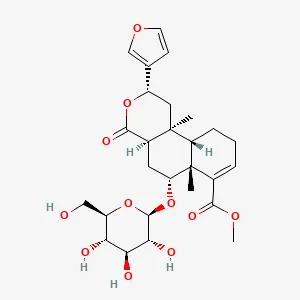
Because guduchi also contains clerodane furanoditerpenoids, Indian hepatologists argued that the crispa defence does not by itself clear cordifolia Evidence suggests[18]. Nobody has yet compared the furanoditerpenoids of the two species, or their effects, in the same liver-toxicity model. The safety profile of one cannot be read across to the other in either direction until that is done.
| Feature | T. cordifolia (guduchi) | T. sinensis | T. crispa |
|---|---|---|---|
| Leaves | Broadly ovate-heart-shaped, hairless, usually with domatia beneath | Ovate to nearly round, hairy, domatia usually absent | Broadly ovate to oblong-round, hairless, no domatia |
| Petals | 6 | 6 | Usually 3 |
| Fruit | Round, red when ripe | Round, red to orange-red | Ellipsoid, orange when ripe |
| Stem | Smooth, not tuberculate, hairless | Not tuberculate; young stems hairy | Strongly tuberculate (warty), hairless |
| Sap | Watery | Watery | Milky |
Distinguishing features of the three species traded as guduchi, from Panneer Selvam et al., 2023 [1]. Dried, cut stem loses most of these characters, which is why chemical and DNA methods are needed for traded material Evidence suggests[1].
Autoimmune conditions
Across both Indian series, the people most often harmed had an autoimmune condition, often unrecognised: silent autoimmune chronic liver disease, hypothyroidism, or diabetes Evidence suggests[3][2]. The authors of both papers advise caution in people predisposed to autoimmune disorders Evidence suggests[3][20]. The proposed reason is the herb’s immune-stimulating activity Mechanism[20][13]. There are no controlled data on guduchi in people with lupus, rheumatoid arthritis, multiple sclerosis, coeliac disease or autoimmune thyroid disease, so the caution rests on case reports and plausibility.
Diabetes medicines and blood sugar
Guduchi lowered the rise in blood sugar after a glucose load in mice Evidence suggests[11], and the Mumbai authors noted that some people with diabetes may have an autoimmune basis to their disease and so deserve extra caution Evidence suggests[20]. No study we read measured blood glucose in people taking guduchi together with metformin, sulfonylureas or insulin. An additive lowering effect is plausible Mechanism. People treated for diabetes who start any glucose-active herb usually watch their readings more closely for a while, and that applies here.
Immunosuppressants
People who take immunosuppressants after an organ transplant, or for autoimmune disease, rely on those drugs to hold the immune system down. A herb with immune-stimulating activity in laboratory studies could in theory work against them Mechanism[8][13]. We found no clinical study of this combination. The concern is theoretical, and it is strong enough that people on these medicines should not add guduchi without individual advice.
Other medicines
In microsome assays guduchi inhibited the main cytochrome P450 enzymes only weakly Evidence suggests[19]. That gives no strong reason to expect broad pharmacokinetic interactions, and it is laboratory evidence only. Multi-herb products carry the interaction profiles of all their ingredients.
Pregnancy and breastfeeding
We found no human safety data for guduchi in pregnancy or breastfeeding. The large prevention trial excluded pregnant and lactating women Confirmed[23]. With no data and a documented, if uncommon, liver signal, the cautious course in pregnancy and breastfeeding is to avoid it. Anyone considering it during pregnancy or while breastfeeding should first consult a degree-qualified herbalist with competencies and adequate training in pharmacognosy.
Children
Every trial in §7 that reported an age range enrolled adults only, from 18 years upward, and the 13-centre liver study included only people over 18 Confirmed[21][22][23][2]. We found no paediatric safety or dosing data in the literature we read. Products should be kept out of reach of children, and an accidental ingestion by a child is a call to the Poisons Information Centre on 13 11 26.
If something goes wrong
In the published cases the warning signs were jaundice (yellow skin or eyes), dark urine, nausea, loss of appetite, tiredness and discomfort under the right ribs, usually weeks to months after starting the herb Evidence suggests[3][2][27]. Anyone with these symptoms while taking guduchi should stop it and be assessed promptly, taking the product and its packaging along. Call 000 in an emergency, and the Poisons Information Centre on 13 11 26 for advice. Suspected side effects of any medicine, including herbal medicines, can be reported to the TGA through its adverse event reporting page.
9. In Australia: how guduchi reaches buyers, and the rules
How it is sold here
Few Australians outside South Asian communities know guduchi. Giloy powders, capsules, tablets, juices and teas are offered by overseas online sellers and on the shelves of some South Asian grocers; this is a market observation, and the Institute has not surveyed it, so we give no figures. A smaller number of products are made or sponsored in Australia and entered on the ARTG. The difference between those two routes is the most useful thing an Australian buyer can know about guduchi.
The Poisons Standard
The current Poisons Standard, the October 2026 instrument (F2026L01327), has no entry for Tinospora, guduchi or giloy, and none for its named constituents berberine, palmatine or magnoflorine, as read by the Institute in November 2026 Confirmed[4]. Guduchi is therefore unscheduled, and poisons law places no restriction on its supply. Being unscheduled does not on its own make a product lawful to sell as a medicine. A product presented with therapeutic claims is a therapeutic good and generally needs an ARTG entry Confirmed[28].
A permissible ingredient for listed medicines
Listed medicines can contain only pre-approved, low-risk ingredients and may use only low-level indications Confirmed[28]. The list is set by the Therapeutic Goods (Permissible Ingredients) Determination. In the current determination (No. 3 of 2026), Tinospora cordifolia is item 4950, permitted as an active ingredient and as a homoeopathic ingredient, and T. sinensis is item 4951 with the same permissions Confirmed[5]. Neither entry carries ingredient-specific requirements or mandatory label warnings Confirmed[5]. T. crispa and the native T. smilacina do not appear in the Tinospora entries at all, so neither may be used in a listed medicine Confirmed[5].
The determination does not currently require a liver warning on guduchi products. That is a statement of what the instrument says. The same determination does require a liver warning on labels for some other herbal ingredients, among them black cohosh (Actaea racemosa) and valerian (Valeriana officinalis) Confirmed[5]. Whether the Indian reports justify one for guduchi would be a question for the regulator, and the Institute has not found any current TGA review or safety alert on Tinospora. We did not query the TGA’s Database of Adverse Event Notifications for this edition.
What the ARTG shows
A keyword search of the public ARTG in November 2026 returned five medicines for “tinospora” and three for “tinospora cordifolia” Confirmed[6]. The entries we opened were multi-ingredient listed medicines (licence category LI), several of them Ayurvedic formulas; one, ARTG 364704, combines T. cordifolia with seven other ingredients Confirmed[6]. We give that one register number so readers can check an entry for themselves; we do not name or assess individual products. A listed product carries an AUST L number on its label, its sponsor is responsible for its compliance, and its ingredients come from the permitted list. It is still a product to choose with care, and listing makes no statement that it works.
Buying from overseas
Much of the giloy bought online by Australians is shipped from overseas and is not on the ARTG. The TGA’s Personal Importation Scheme lets individuals import therapeutic goods that are not on the ARTG for their own use or their immediate family’s, provided the import is no more than a three-month supply at the manufacturer’s recommended dose, no more than 15 months’ supply within any 12 months, kept in original or identifiable packaging, and never sold or given to anyone else Confirmed[29]. A product bought this way has had no Australian check on its identity, composition or manufacture Confirmed[29]. Given the substitution and contamination findings in §8 and §10, that matters more for guduchi than for many herbs.
Biosecurity and live plants
Live plants can be imported into Australia only under an import permit, and only species that are permitted; a species not listed in the Biosecurity Import Conditions system (BICON) cannot be brought in until a weed risk assessment has been done and conditions are published Confirmed[30]. The same applies to seed for sowing Confirmed[31]. We did not establish the BICON status of T. cordifolia for this edition, so anyone thinking of importing cuttings, plants, seed or dried plant material should check BICON first. Unsolicited seeds that arrive in the mail should not be planted and should be reported to the department on 1800 798 636 Confirmed[31].
For gardeners in the tropical north the practical point is simple. A heart-leaved Tinospora climbing in a Queensland or Territory garden or forest is almost certainly the native snakevine. It is a protected part of the local flora, endangered in New South Wales, and its chemistry and safety have barely been studied Confirmed[17][7].
10. Quality and adulteration
Every part of the guduchi story leads back to the material in the bottle. Three problems are documented, and each has a laboratory answer.
Wrong species
Dried cut stems of the three traded species look alike to an untrained eye, and the review that argued the identity case cites DNA barcoding evidence that one stem in five sold as guduchi in southern Indian markets was another plant Evidence suggests[1]. The same review reports that Pergularia daemia, an unrelated plant of the dogbane family (Apocynaceae), is used in place of guduchi by some communities in Maharashtra because the dried material looks similar Evidence suggests[1]. Macroscopic and microscopic examination, an HPTLC or HPLC fingerprint, and DNA barcoding together can settle identity; the Mumbai follow-up used all four Confirmed[9]. For T. crispa, borapetoside C gives a species-specific chemical marker Confirmed[12].
Contaminants
Of six guduchi products retrieved from patients in the 13-centre study, two had mercury, arsenic or lead above permitted limits and some contained industrial solvents, presumably from manufacture Evidence suggests[2]. A supply that is tested for heavy metals, and for pesticides and solvents, removes one possible explanation for harm before it arises Evidence suggests.
Variable composition
The same species, correctly identified, still varies. In the two-year Indian study, magnoflorine in stems ranged from 5.0 to 54.5 ng/mg depending on the month of harvest Confirmed[15]. Products also differ by preparation: a fresh decoction, a dried powder, a standardised aqueous extract and an alcoholic extract will carry different mixtures of diterpenes, alkaloids, glycosides and polysaccharides Mechanism. The trials in §7 used specific extracts, and their results say little about a product made another way.
What a quality-assured supply looks like
- A declared botanical name, Tinospora cordifolia, with the plant part (stem) and the type of preparation stated Confirmed[5].
- Identity confirmed by macroscopy, microscopy and a chromatographic fingerprint, with DNA testing where material is cut or powdered Confirmed[9].
- Testing for heavy metals, pesticide residues and residual solvents Evidence suggests[2].
- For an extract, a stated extraction ratio and marker content, so that one batch can be compared with the next Evidence suggests[23][15].
- In Australia, an AUST L number on the label, which at least confirms the product is entered on the ARTG and uses permitted ingredients Confirmed[28].
Discussion: conclusions, hypotheses and research still required
What the evidence supports
Guduchi is a long-established medicine with a documented place in Ayurveda and in the 1868 Pharmacopoeia of India TraditionalAttested[1][10]. Its stem chemistry is well characterised at the level of compound classes, and validated assays exist for several marker compounds Confirmed[8][15]. Laboratory and animal work describes immune-modulating and glucose-lowering activity Evidence suggests[8][11]. The human trials read for this review are too small, too short or too open to bias to show benefit for any condition, although one placebo-controlled trial and a large open-label trial give some reassurance about common side effects with defined extracts Evidence suggests[21][23].
Liver injury with autoimmune features after guduchi use is documented in India in a six-patient series and a 43-patient multicentre series (some overlap between them cannot be ruled out), with deaths and transplants among people who already had chronic liver disease Evidence suggests[3][2]. In the one series where the material was tested, the plant was T. cordifolia Confirmed[9]. Frequency is unknown, because no study has a denominator of users. Given how widely guduchi was promoted in India during the pandemic, the reaction is probably uncommon, though that is an inference without a denominator; the cases show that it is real, and that it falls mostly on a recognisable group.
Hypotheses worth testing
- That guduchi’s immune-stimulating constituents unmask or provoke autoimmune liver injury in people with a predisposition, much as some drugs induce autoimmune-like hepatitis Mechanism[3][20].
- That the clerodane furanoditerpenoids of guduchi contribute to direct liver toxicity in some people, as has been proposed for T. crispa, with the dose of these compounds varying by preparation Mechanism[12][18].
- That the sharp rise in use during the pandemic, often as daily home decoctions taken for months by people with no practitioner involved, is part of why the cases clustered when they did Mechanism[20].
- That harvest season, which shifts marker compounds several-fold, also shifts the balance between wanted and unwanted effects Mechanism[15].
Where research should begin
- Botany and taxonomy. Vouchered reference collections of T. cordifolia, T. sinensis and T. crispa, and of the native T. smilacina, with DNA barcodes deposited, so that traded material anywhere can be checked against authenticated specimens.
- Phytochemistry and quality analysis. A validated HPLC-MS method that quantifies the furanoditerpenoids, alkaloids and glycosides in the same run, applied to a market survey of guduchi products sold in Australia, both ARTG-listed and imported, alongside heavy metal, pesticide and solvent testing.
- Toxicology. Side-by-side testing of authenticated T. cordifolia and T. crispa extracts and their purified furanoditerpenoids in human hepatocyte or liver-organoid models, including metabolic activation studies of the kind used for germander.
- Immunology. Studies of whether guduchi preparations alter autoantibody levels or T-cell and B-cell activity in people with and without autoimmune conditions, which would test the mechanism behind the liver reports.
- Clinical research. Placebo-controlled, blinded trials of a defined, standardised extract, registered in advance, with liver function monitored throughout. Upper respiratory infection and blood fats are the outcomes with the most preliminary signal.
- Pharmacovigilance. A case-control study in Indian liver units, which see enough cases to estimate risk and to look for genetic markers of susceptibility, and a review of Australian adverse event reports for guduchi.
- Regulatory science. An assessment of whether the Indian data justify a label warning for guduchi in listed medicines in Australia, as a submission-grade analysis if the TGA ever opens the question.
- Ethnobotany. Respectful, consent-based work with Aboriginal communities in northern Australia, if they wish it, to record knowledge of snakevine and to guide any chemical study of the species.
- History and textual studies. Checking the classical Ayurvedic citations for guduchi against critical editions, and tracing how gulancha entered and left the official pharmacopoeias of British India.
Before taking any botanical drug, including guduchi, consult a degree-qualified herbalist with competencies and adequate training in pharmacognosy.
About AIP and this series
The Australian Institute of Pharmacognosy (AIP) is based in Cardwell, in the wet tropics of far north Queensland. Pharmacognosy is the study of medicines and poisons that come from natural sources: how a plant is identified, what it contains, and what that chemistry does in the body.
The Literature Review and Critical Analysis series is part of our education and research work. Each review follows the same structure and grades every claim by the evidence behind it, so you can see what is tradition, what is laboratory or animal work, and what has actually been tested in people. Other reviews in the series include andrographis and turmeric; the Institute itself is at australian-pharmacognosy.org.
Nothing in this series is an offer of treatment, a product or a service, and nothing in it is a reason to use a plant. If you find an error, or a source we have missed, please write to the Institute at our contact form and the Secretary will pass it to the author.
References
31 references, tap to open
Every PMID was checked against PubMed in November 2026, and every paper graded here was read in full text. Regulatory and web sources were read in November 2026 and may change. Listed in order of first citation.
- Panneer Selvam K, Payyappallimana U, Ravikumar K, Venkatasubramanian P. Can Guduchi (Tinospora cordifolia), a well-known ayurvedic hepato-protectant cause liver damage?. J Ayurveda Integr Med. 2023;14(1):100658. PMID 36400639. doi: 10.1016/j.jaim.2022.100658.
- Kulkarni AV, Hanchanale P, Prakash V, Kalal C, Sharma M, Kumar K, et al. Tinospora Cordifolia (Giloy)-Induced Liver Injury During the COVID-19 Pandemic-Multicenter Nationwide Study From India. Hepatol Commun. 2022;6(6):1289-1300. PMID 35037744. doi: 10.1002/hep4.1904.
- Nagral A, Adhyaru K, Rudra OS, Gharat A, Bhandare S. Herbal Immune Booster-Induced Liver Injury in the COVID-19 Pandemic – A Case Series. J Clin Exp Hepatol. 2021;11(6):732-738. PMID 34230786. doi: 10.1016/j.jceh.2021.06.021.
- Therapeutic Goods (Poisons Standard—October 2026) Instrument 2026 (F2026L01327), Federal Register of Legislation. Read by the Institute in November 2026. Source.
- Therapeutic Goods (Permissible Ingredients) Determination (No. 3) 2026 (F2026L01382), Schedule 1, Volume 5, items 4950 (Tinospora cordifolia) and 4951 (Tinospora sinensis). Read by the Institute in November 2026. Source.
- Therapeutic Goods Administration. Australian Register of Therapeutic Goods, public search, keywords “tinospora” and “tinospora cordifolia”; example entry ARTG 364704 (licence category LI, status A). Searched by the Institute in November 2026. Source.
- Australian Tropical Rainforest Plants, online edition (CSIRO / Australian Tropical Herbarium, Lucidcentral). Tinospora smilacina Benth. Read by the Institute in November 2026. Source.
- Saha S, Ghosh S. Tinospora cordifolia: One plant, many roles. Anc Sci Life. 2012;31(4):151-9. PMID 23661861. doi: 10.4103/0257-7941.107344.
- Nagral A, Rudra OS, Menezes S, Menon S, Shailajan S, Mallakmir S, et al. Herb-induced Liver Injury-A Guide to Approach. Lessons from the Tinospora cordifolia (Giloy) Case Series Story. J Clin Exp Hepatol. 2023;13(2):360-371. PMID 36950495. doi: 10.1016/j.jceh.2022.11.001.
- Waring EJ, editor. Pharmacopoeia of India. London: W.H. Allen & Co. for the India Office; 1868. Entry “Tinospora cordifolia, Miers. Gulancha”, pp. 9–11. Public domain scan, Internet Archive. Source.
- Sharma R, Bolleddu R, Maji JK, Ruknuddin G, Prajapati PK. In-Vitro α-amylase, α-glucosidase Inhibitory Activities and In-Vivo Anti-Hyperglycemic Potential of Different Dosage Forms of Guduchi (Tinospora Cordifolia [Willd.] Miers) Prepared With Ayurvedic Bhavana Process. Front Pharmacol. 2021;12:642300. PMID 34040519. doi: 10.3389/fphar.2021.642300.
- Cachet X, Langrand J, Riffault-Valois L, Bouzidi C, Colas C, Dugay A, et al. Clerodane furanoditerpenoids as the probable cause of toxic hepatitis induced by Tinospora crispa. Sci Rep. 2018;8(1):13520. PMID 30202067. doi: 10.1038/s41598-018-31815-6.
- Philips CA, Theruvath AH. A comprehensive review on the hepatotoxicity of herbs used in the Indian (Ayush) systems of alternative medicine. Medicine (Baltimore). 2024;103(16):e37903. PMID 38640296. doi: 10.1097/MD.0000000000037903.
- N C, Barvaliya M, Patel T, Ac C, Hegde H, Unger B. Analysis of suspected serious adverse drug reactions reported with traditional medicines from the United Nations Asia region in WHO vigibase. BMC Complement Med Ther. 2025;25(1):424. PMID 41219814. doi: 10.1186/s12906-025-05060-0.
- Balkrishna A, Joshi M, Tomer M, Nain P, Varshney A. Temporal diversity of phytochemicals in Tinospora cordifolia (Giloy), in accordance with seasonal variations: comparative analysis using UHPLC-PDA and HPTLC. BMC Plant Biol. 2025;25(1):1493. PMID 41184743. doi: 10.1186/s12870-025-07532-4.
- Atlas of Living Australia, occurrence search (biocache) for the names Tinospora cordifolia and Tinospora smilacina. Queried by the Institute in November 2026. Source.
- NSW Department of Climate Change, Energy, the Environment and Water. BioNet Threatened Biodiversity Profile: Tinospora Vine, Tinospora smilacina. Read by the Institute in November 2026. Source.
- Philips CA, Abraham L, Mission for Ethics and Science in Health Care (MESH). Tinospora Cordifolia (Giloy) and Autoimmune-like Liver Injury – A Classic Case of Primum Non Nocere, "First, Do No Harm". J Clin Exp Hepatol. 2022;12(1):245-246. PMID 34511809. doi: 10.1016/j.jceh.2021.08.026.
- Bahadur S, Mukherjee PK, Milan Ahmmed SK, Kar A, Harwansh RK, Pandit S. Metabolism-mediated interaction potential of standardized extract of Tinospora cordifolia through rat and human liver microsomes. Indian J Pharmacol. 2016;48(5):576-581. PMID 27721546. Source.
- Nagral A, Rudra OS, Adhyaru K, Gharat A, Bhandare S. Author Response to Letters on the Manuscript "Herbal Immune Booster-Induced Liver Injury in the COVID-19 Pandemic – A Case Series". J Clin Exp Hepatol. 2022;12(1):260-262. PMID 35068812. doi: 10.1016/j.jceh.2021.09.020.
- Kalikar MV, Thawani VR, Varadpande UK, Sontakke SD, Singh RP, Khiyani RK. Immunomodulatory effect of Tinospora cordifolia extract in human immuno-deficiency virus positive patients. Indian J Pharmacol. 2008;40(3):107-10. PMID 20040936. doi: 10.4103/0253-7613.42302.
- Verma M, Rawat N, Rani R, Singh M, Choudhary A, Abbasi S, et al. Adhatoda vasica and Tinospora cordifolia extracts ameliorate clinical and molecular markers in mild COVID-19 patients: a randomized open-label three-armed study. Eur J Med Res. 2023;28(1):556. PMID 38049897. doi: 10.1186/s40001-023-01507-7.
- Sharma S, Godatwar P, Pareek M, Meena H, Sharma A, Tamoli S. Safety and Efficacy of the Ayurvedic Formulation Guduchi Ghana Vati as a Preventive Remedy in COVID-19. Cureus. 2024;16(4):e58807. PMID 38784353. doi: 10.7759/cureus.58807.
- Shirolkar A, Yadav A, Mandal TK, Dabur R. Intervention of Ayurvedic drug Tinospora cordifolia attenuates the metabolic alterations in hypertriglyceridemia: a pilot clinical trial. J Diabetes Metab Disord. 2020;19(2):1367-1379. PMID 33520840. doi: 10.1007/s40200-020-00657-3.
- Shirolkar A, Yadav A, Nale A, Phogat J, Dabur R. Integrated omics analysis revealed the Tinospora cordifolia intervention modulated multiple signaling pathways in hypertriglyceridemia patients-a pilot clinical trial. J Diabetes Metab Disord. 2022;21(1):379-397. PMID 35673460. doi: 10.1007/s40200-022-00985-6.
- Gupta S, Dhankhar Y, Har B, Agarwal S, Singh SA, Gupta AK, et al. Probable Drug-Induced Liver Injury Caused by Tinospora species: A Case Report. J Clin Exp Hepatol. 2022;12(1):232-234. PMID 35068807. doi: 10.1016/j.jceh.2021.10.002.
- Nnamani I, Tolu-Akinnawo O, Dufera RR, Akintunde A, Maliakkal B. Tinospora cordifolia (Guduchi/Giloy)-Induced Liver Injury: A Case Review. Cureus. 2023;15(5):e39793. PMID 37273324. doi: 10.7759/cureus.39793.
- Therapeutic Goods Administration. Listed medicines. Read by the Institute in November 2026. Source.
- Therapeutic Goods Administration. Personal Importation Scheme (page last updated 8 September 2026). Read by the Institute in November 2026. Source.
- Department of Agriculture, Fisheries and Forestry. Importing live plants (nursery stock). Read by the Institute in November 2026. Source.
- Department of Agriculture, Fisheries and Forestry. Importing seeds for planting. Read by the Institute in November 2026. Source.
Image credits
- Cover: T. cordifolia leaf and flower spike. Dinesh Valke from Thane, India · CC BY-SA 2.0 · source. Banners and thumbnails are cropped.
- T. cordifolia in flower. Dinesh Valke from Thane, India · CC BY-SA 2.0 · source. Banners and thumbnails are cropped.
- T. cordifolia stems. Dinesh Valke from Thane, India · CC BY-SA 2.0 · source. Banners and thumbnails are cropped.
- T. smilacina, Lamb Range, Queensland. Steve Fitzgerald · CC BY-SA 4.0 · source. Banners and thumbnails are cropped.
- Cikitsasarasangraha palm-leaf manuscript. Ms Sarah Welch · CC BY-SA 4.0 · source. Banners and thumbnails are cropped.
- T. cordifolia fruit and stem, Nagpur. Ganesh Dhamodkar · CC BY-SA 4.0 · source. Banners and thumbnails are cropped.
- T. cordifolia fruiting vine. Kaviya Sakthivel · CC BY 4.0 · source. Banners and thumbnails are cropped.
- Labelled T. cordifolia bed. आशीष भटनागर at en.wikipedia · Public domain · source. Banners and thumbnails are cropped.
- T. crispa, Singapore Botanic Gardens. Marcin Konsek · CC BY-SA 4.0 · source. Banners and thumbnails are cropped.
- T. smilacina, Crystal Cascades, Queensland. Steve Fitzgerald · CC BY-SA 4.0 · source. Banners and thumbnails are cropped.
- T. cordifolia root cross-section. Adarshjchandran · CC BY-SA 4.0 · source. Banners and thumbnails are cropped.
- T. cordifolia vine, Kolkata. Biswarup Ganguly · CC BY 3.0 · source. Banners and thumbnails are cropped.
- T. cordifolia flowers. Dinesh Valke from Thane, India · CC BY-SA 2.0 · source. Banners and thumbnails are cropped.
- T. cordifolia fruit. Gurnavinder Sidhu · CC BY-SA 4.0 · source. Banners and thumbnails are cropped.
- T. cordifolia inflorescence. Dinesh Valke from Thane, India · CC BY-SA 2.0 · source. Banners and thumbnails are cropped.
- T. smilacina flowers. Mark Marathon · CC BY-SA 4.0 · source. Banners and thumbnails are cropped.
- T. smilacina habit. Mark Marathon · CC BY-SA 4.0 · source. Banners and thumbnails are cropped.
- T. crispa leaves. Marcin Konsek · CC BY-SA 4.0 · source. Banners and thumbnails are cropped.
- T. sinensis fruit. Vinayaraj · CC BY-SA 4.0 · source. Banners and thumbnails are cropped.
- T. cordifolia leaves. Dinesh Valke from Thane, India · CC BY-SA 2.0 · source. Banners and thumbnails are cropped.
- Pharmacopoeia of India (1868), title page. Waring, Edward John (1819–1891) · Public domain · source. Banners and thumbnails are cropped.
- Chemical structures (tinosporide, columbin, berberine, palmatine, magnoflorine, cordifolioside A, 20-hydroxyecdysone, borapetoside C): PubChem, National Center for Biotechnology Information, US National Library of Medicine, public domain; each links to its PubChem compound record.
- Evidence map of human studies: Australian Institute of Pharmacognosy, CC BY 4.0, drawn from the studies cited.
Dr Thomas Ridley
Head of Education and Research
Australian Institute of Pharmacognosy
Cardwell QLD, Australia
australian-pharmacognosy.org · our contact form
Suggested citation: Ridley T. Guduchi (Tinospora cordifolia): evidence, safety and Australian status. AIP Literature Review and Critical Analysis AIP-LR-TINCOR. Cardwell (QLD): Australian Institute of Pharmacognosy; 2026.
Corrections: errors and missed sources are welcome at our contact form. Follow the series at australian-pharmacognosy.org.
Educational content only; not medical, legal or regulatory advice. Regulatory information reflects the Poisons Standard and the Permissible Ingredients Determination as read in November 2026 and may change.
The Institute sets and publishes its own monographs. The catalogue is in Publications.