

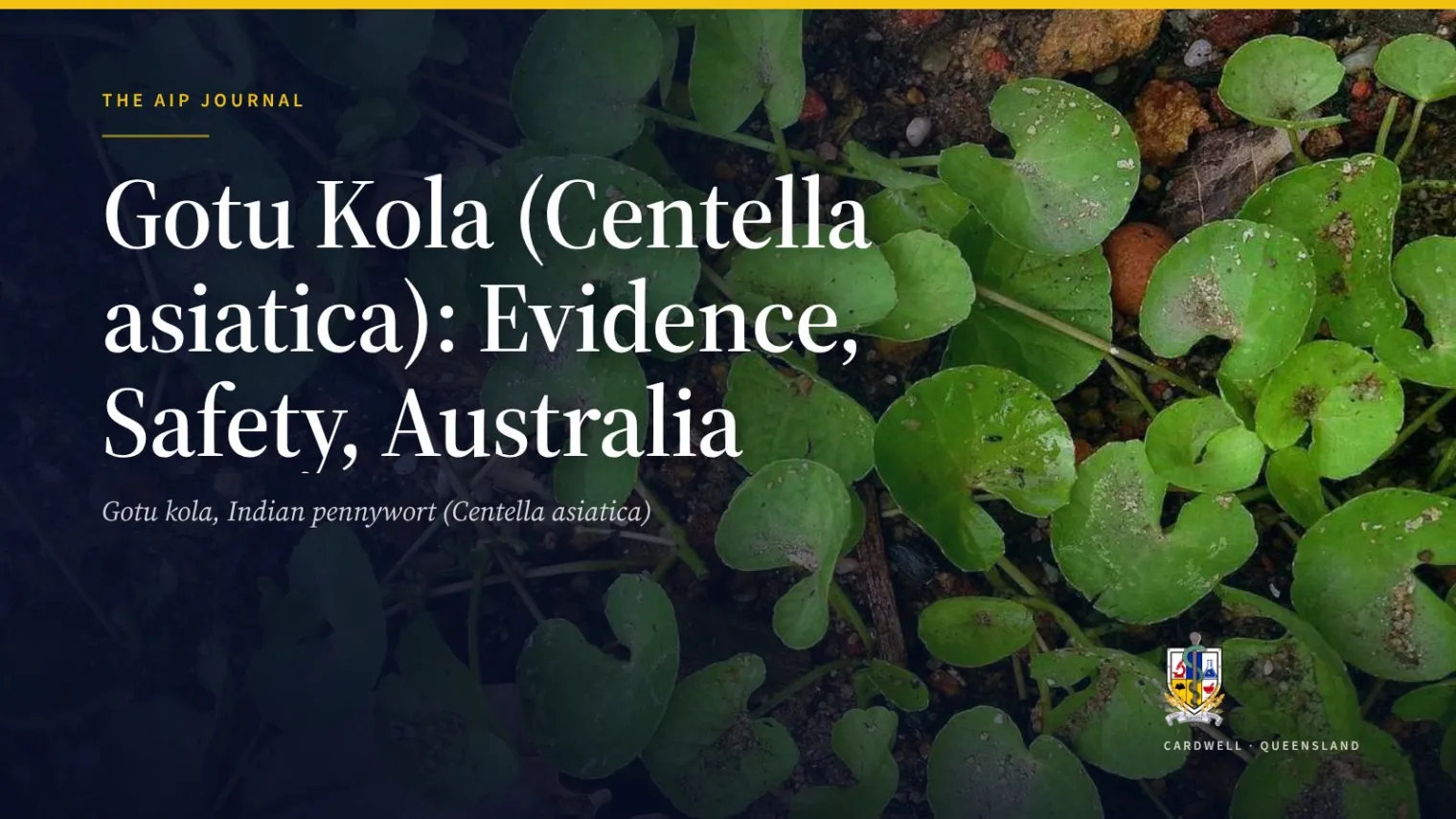
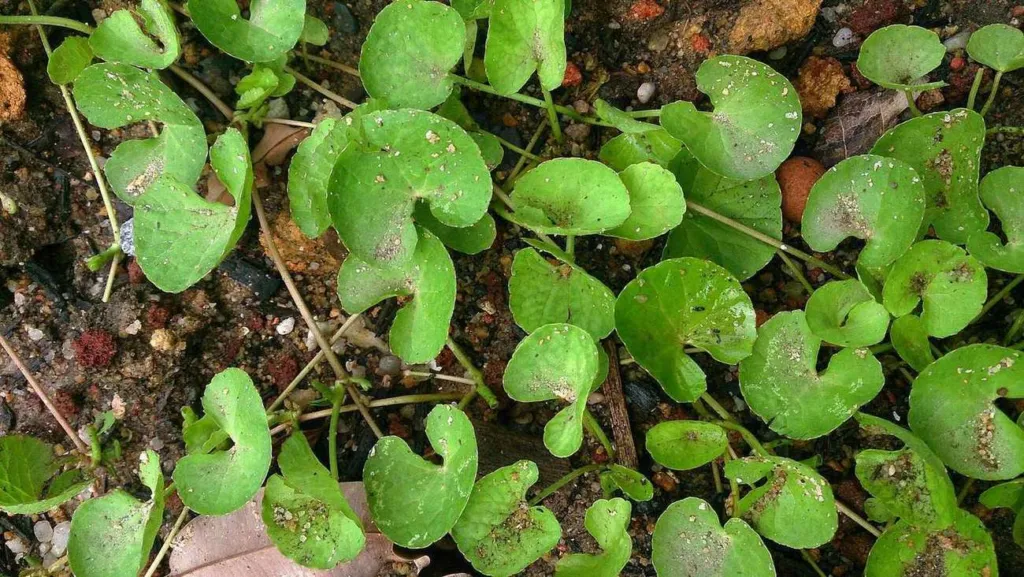
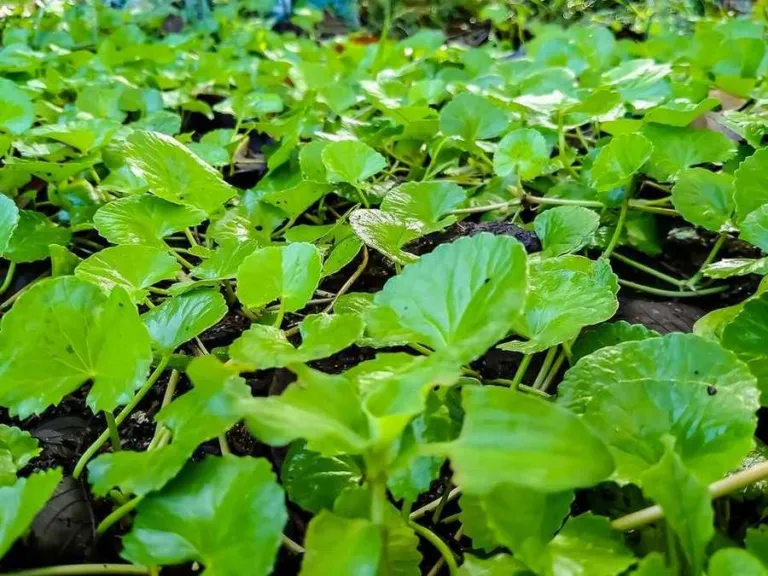
Cover: gotu kola (pegaga) growing in Malaysia. Photo: Mokkie · CC BY-SA 4.0 · Wikimedia Commons
In Malaysia the leaves are eaten raw with rice; in Thailand they are blended into a bright green drink sold from street stalls. Traditional In wet ground from north Queensland to south-western Western Australia the same plant grows wild in the grass, a native Australian herb that most people step on without a second look [1]. Confirmed Gotu kola has a long medical history in Ayurveda and Chinese herbal practice [2], and it is sold in Australian pharmacies as capsules. This review sets out what the evidence says about it.
This is the Institute’s evidence review of gotu kola, Centella asiatica, in the Literature Review and Critical Analysis series under the herb code AIP-LR-CENASI. It explains what the plant is and how it differs from the caffeine-bearing kola nut, where it grows in Australia, how it has been used, what its triterpenes are and what they do in the laboratory, and what the human trials found for veins, skin and memory. It then covers the safety record, including the rare reports of liver injury, and the plant’s standing under Australian law. Every substantive claim carries a tag for the kind of evidence behind it.
This article is educational and is not medical advice. Nothing in it recommends taking gotu kola or any product containing it. Before taking any botanical drug, consult a degree-qualified herbalist with competencies and adequate training in pharmacognosy.
Liver. Rare cases of liver injury, one confirmed by recurrence when the product was taken again, have been reported with oral gotu kola products [3]. Evidence suggests Anyone who develops jaundice, dark urine, pale stools or unexplained abdominal pain while taking it should stop and be assessed. See §9.
Pregnancy, breastfeeding and under-18s. Adequate human safety data are lacking, and the EU herbal monograph does not recommend use [4]. One of the two published liver injury reports involved a 15-year-old [2]. Confirmed
Allergy. People allergic to plants of the carrot family (Apiaceae) should avoid it; contact dermatitis has been reported with creams [4] [2]. Confirmed
Medicines. No confirmed clinical interaction has been published; laboratory data are mixed (see §9). Evidence suggests
If someone is unwell after taking it: call Triple Zero (000) in an emergency, or the Poisons Information Centre on 13 11 26 (24 hours, Australia-wide).
| Plant | Centella asiatica (L.) Urb., Apiaceae (carrot family); synonym Hydrocotyle asiatica L. | Confirmed | §1 |
| Kola nut? | Unrelated. Kola nut is Cola (Malvaceae) and contains caffeine; no caffeine is recorded in gotu kola | Confirmed | §1 |
| In Australia | Native in WA, NT, SA, Qld and NSW; southern plants are mostly C. cordifolia | Confirmed | §3 |
| Traditional use | Mandukaparni in Ayurveda; Chinese herbal medicine; wounds, skin, leprosy, "brain tonic" | Traditional | §4 |
| Food | Eaten raw and cooked across South and Southeast Asia | Traditional | §5 |
| Main actives | Triterpenes: asiaticoside, madecassoside, asiatic acid, madecassic acid | Confirmed | §6 |
| Veins | Small trials of a purified triterpene fraction; Cochrane rates certainty very low | Evidence suggests | §8 |
| Wounds and scars | Modest trial signals; EU traditional-use monograph for minor wounds (topical) | Evidence suggests | §8 |
| Memory and mood | 2017 meta-analysis: no cognitive domain improved against placebo | Evidence suggests | §8 |
| Liver | Rare idiosyncratic injury; LiverTox likelihood score C | Evidence suggests | §9 |
| TGA | Permitted ingredient in listed medicines (Permissible Ingredients Determination, item 1272) | Confirmed | §10 |
| Poisons Standard | Not listed; unscheduled | Confirmed | §10 |
Confirmed Established in humans by trial, or an unambiguous analytical, botanical or legal fact.
Evidence suggests Real published data that are preclinical, observational, small or unreplicated.
Mechanism A plausible pharmacological inference about how something might work. It makes no claim about outcomes.
Traditional Historical, ethnobotanical or culinary use. It is evidence of practice and says nothing about efficacy.
Attested A documentary fact: what a named source, regulator or text records or concludes.
Gotu kola is a small creeping herb of the carrot family, Centella asiatica, native to Australia as well as to tropical Asia and Africa. It has no connection with the kola nut and contains no caffeine. Confirmed It is a medicine in Ayurveda and Chinese herbal practice and a vegetable across South and Southeast Asia. Traditional
Its active chemistry is a family of triterpenes, chiefly asiaticoside and madecassoside, which stimulate collagen production by skin cells in the laboratory. Evidence suggests The best human evidence comes from a purified triterpene fraction: small trials, mostly from one Italian research network, report better microcirculation and fewer symptoms in chronic venous insufficiency, at low to very low certainty [5] [6]. Evidence suggests Topical use for wounds and scars has modest trial support and is accepted in the EU as a traditional use for minor wounds [4]. Evidence suggests
For memory and cognition, which is how it is mostly sold, the trials have not shown a benefit over placebo [7]. Evidence suggests It is generally well tolerated, but rare liver injury has been reported with oral products, and it is best avoided in pregnancy, breastfeeding, children and people with liver disease [3] [4]. Evidence suggests
In Australia it is unscheduled, it is a permitted ingredient in listed (AUST L) medicines whose claims the TGA does not assess before sale, and it is a native plant you may find in a damp lawn [8] [9]. Confirmed
 Chapter 1Names, taxonomy and the kola nut mix-up
 Chapter 2What the plant looks like
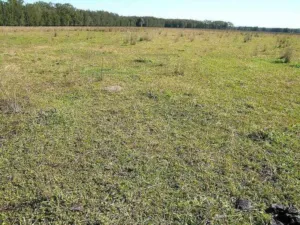 Chapter 3Where it grows, and its place in Australia
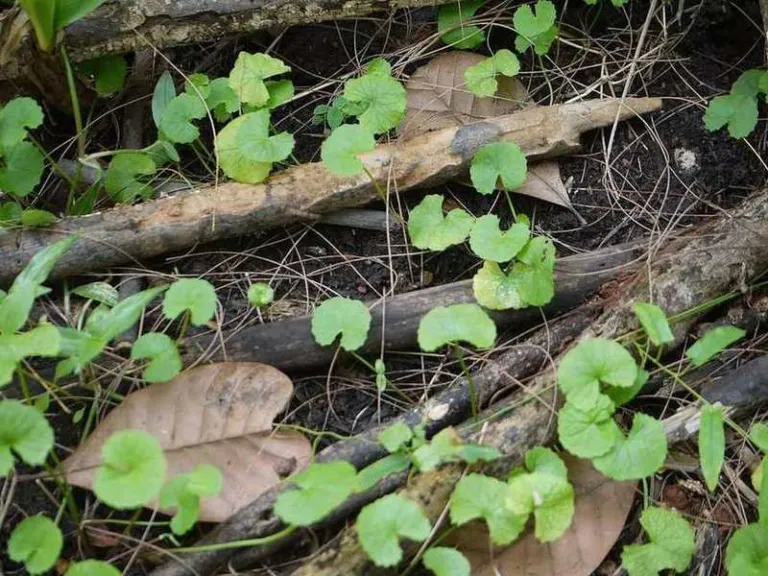 Chapter 4Traditional and historical use
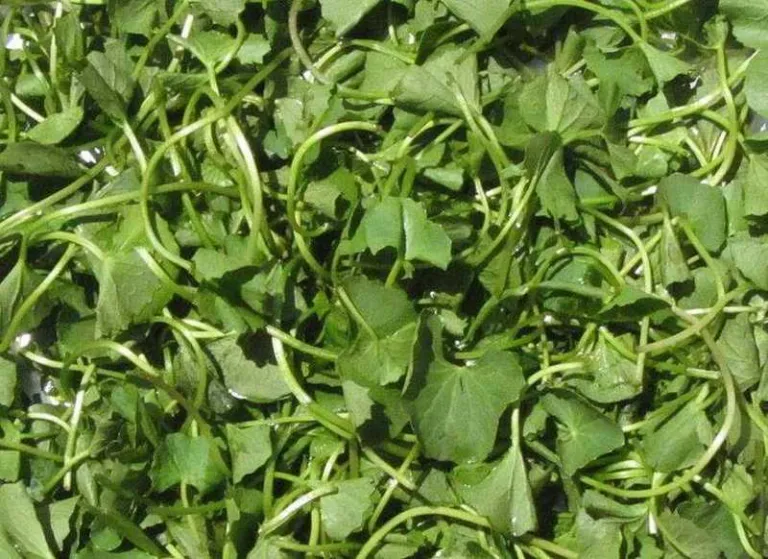 Chapter 5A leafy green in Asian kitchens
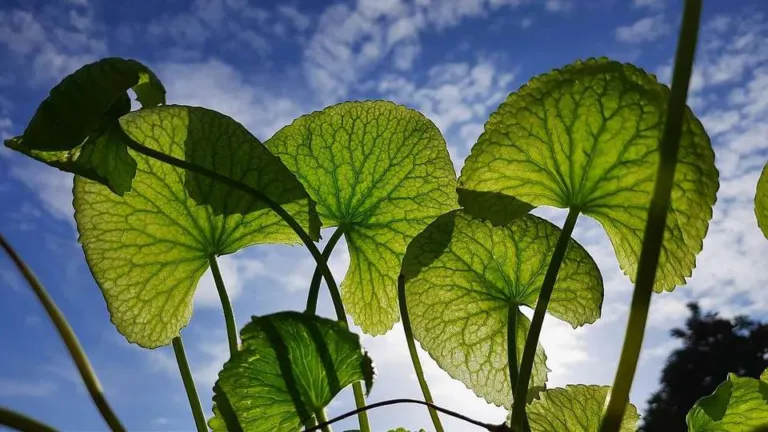 Chapter 6Phytochemistry: the centelloids
 Chapter 7Pharmacology: what the triterpenes do in the laboratory
 Chapter 8What the human trials show
 Chapter 9Safety, toxicity and interactions
 Chapter 10Australian regulatory status
 Chapter 11Quality, identity and adulteration
 DiscussionDiscussion: conclusions, hypotheses and research still required
Names, taxonomy and the kola nut mix-up
Gotu kola is Centella asiatica (L.) Urb., a small creeping herb in the carrot and parsley family, Apiaceae (older books call it Umbelliferae). Confirmed Linnaeus first described it as Hydrocotyle asiatica, and that name still turns up in older pharmacopoeias and on some labels; the two names refer to the same plant [2]. Confirmed Australian botanists use Centella asiatica (L.) Urb. as the accepted name and record the common names Indian pennywort, gotu cola, centella and pennywort [1]. Confirmed
The plant carries many local names, which is part of why it is easy to lose track of. The EMA assessment report lists Indian pennywort in English, Brahma-manduki and Brahmi-Buti in Hindi, tsubokusa in Japanese, and jal brahmi, mandookaparni and gotu kola as names used in India [2]. Attested The WHO handbook of Papua New Guinean medicinal plants records yotubukona on the Trobriand Islands and milaina and pal-a-karkar around Kokopo in East New Britain [10]. Attested Malaysians know it as pegaga, Thais as bai bua bok, and Tamil speakers as vallarai; those three names come from the captions of the photographs in this article and from the uploaders who took them, and we have not checked them against a dictionary. Attested
Two of those names cause real confusion. The first is brahmi. In parts of India the same word is used for gotu kola and for Bacopa monnieri, a different plant in a different family. The European Pharmacopoeia added a specific test for Bacopa adulteration to its Centella monograph in 2012, which tells you the mix-up happens in trade as well as in conversation [2]. Confirmed Chapter 11 comes back to this.
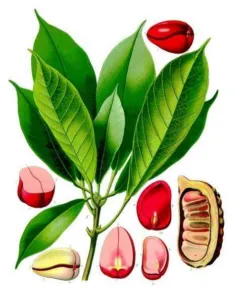
The second is kola. Gotu kola has nothing to do with the kola nut. Kola nuts are the seeds of Cola trees, West African members of the mallow family (Malvaceae), and they are one of the dietary sources of caffeine, alongside coffee, tea, cocoa and guaraná [11]. Confirmed The two plants share a syllable by accident of transliteration. None of the constituent surveys we read for this review, the EMA assessment report, the WHO Papua New Guinea handbook or the triterpene review by James and Dubery, lists caffeine or any other purine alkaloid in Centella [2] [10] [12]. Confirmed Gotu kola will not give you a caffeine lift, and a product sold as a natural stimulant on the strength of the word "kola" has misread its own label.
What the plant looks like
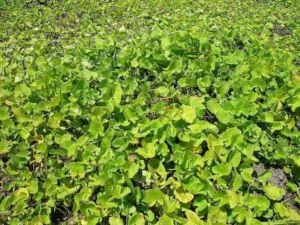
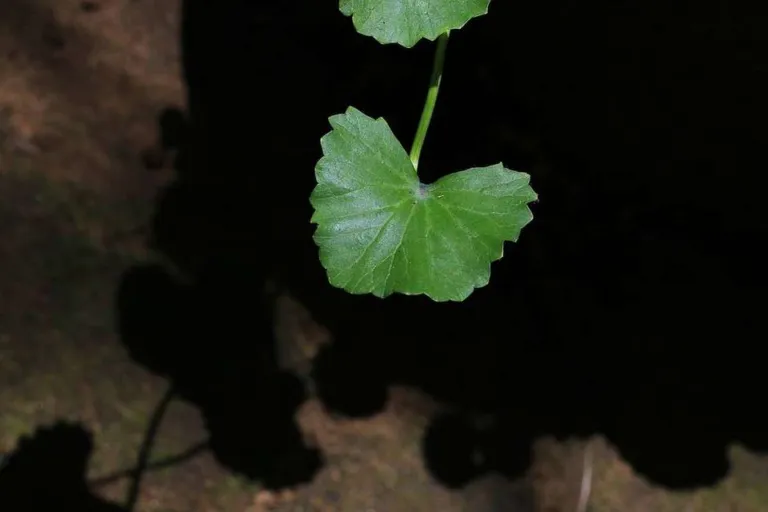
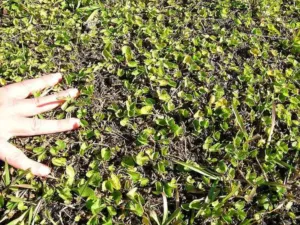
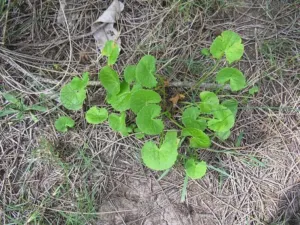
Centella asiatica is a low perennial that spreads by runners and roots wherever a node touches damp ground. Confirmed The leaves come in small tufts from each node, roughly circular or kidney-shaped, 1 to 5 cm across, with smooth, wavy or scalloped margins, held up on stalks that can be anywhere from 1 to 20 cm long [13]. Confirmed The EMA’s description notes that the leaf stalk is commonly five to ten times the length of the blade, sometimes fifteen [2]. Confirmed In a lawn the plant looks like a scatter of green coins on long stems; in deep shade the stalks stretch and the leaves get bigger.
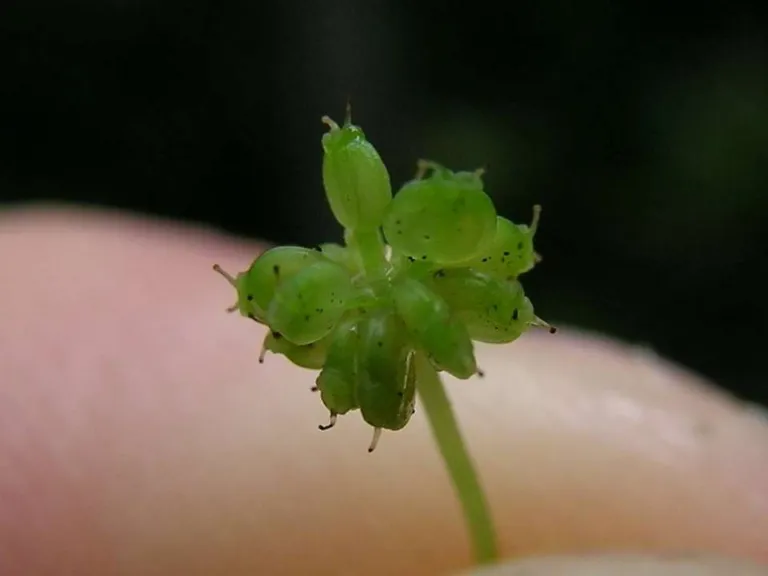
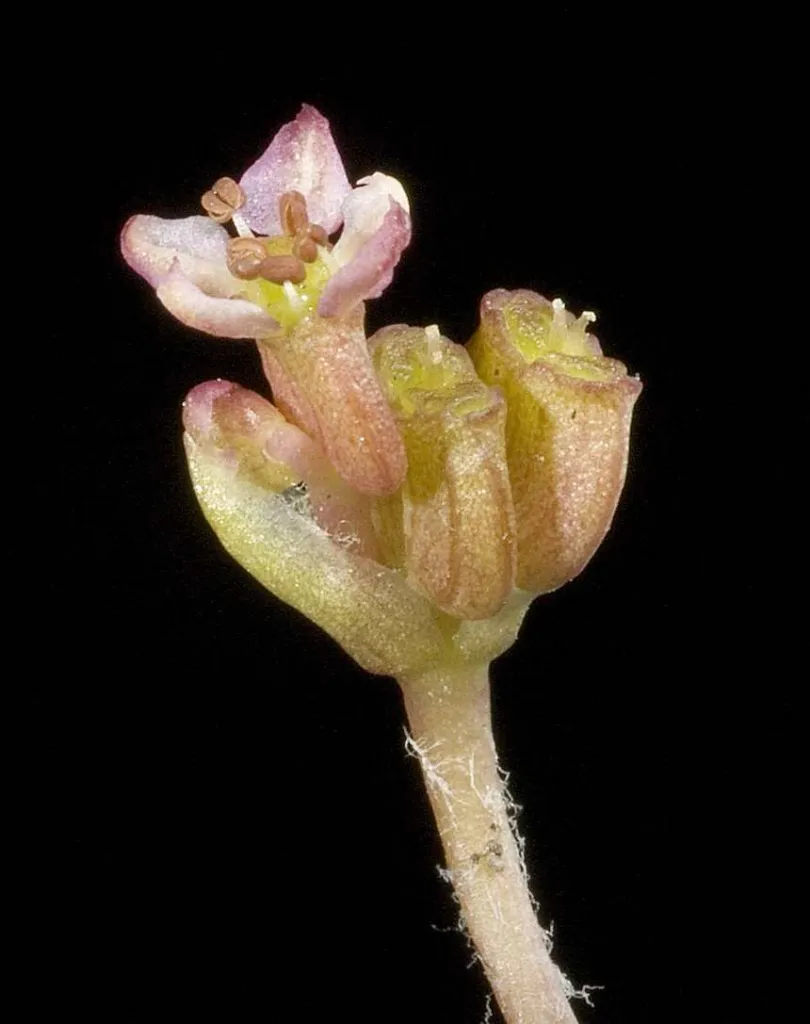
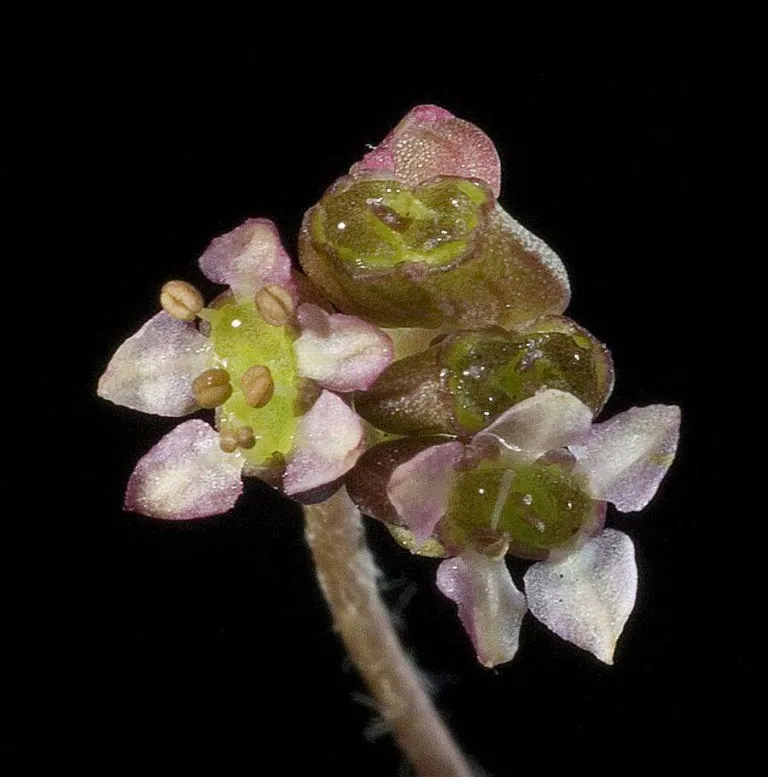
The flowers are easy to miss. They are tiny, with five petals about 1 mm long in pink, crimson, purple or white, carried in small umbels of one to three flowers that often sit below the leaves, and they drop quickly; there are no sepals [13]. Confirmed In south-eastern New South Wales the plant flowers mostly from summer into autumn [13]. Confirmed The fruit is small and compressed, up to 5 mm across and yellowish-brown when ripe [10]. Confirmed
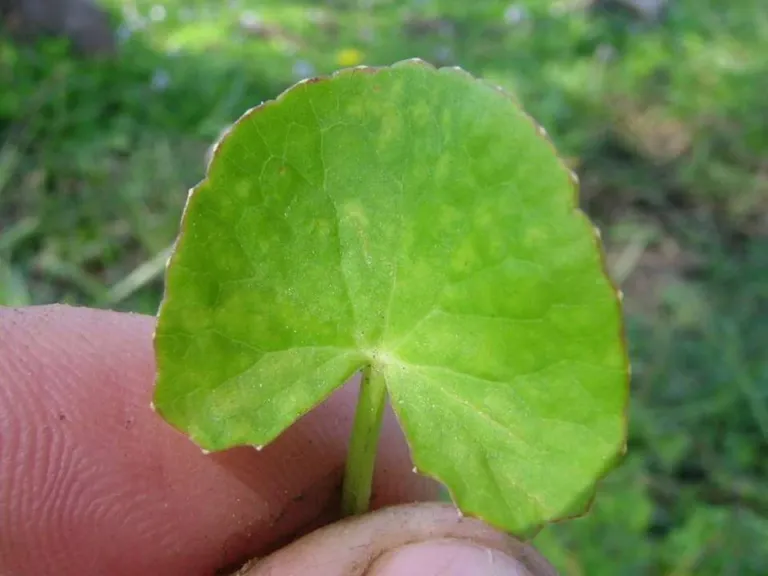
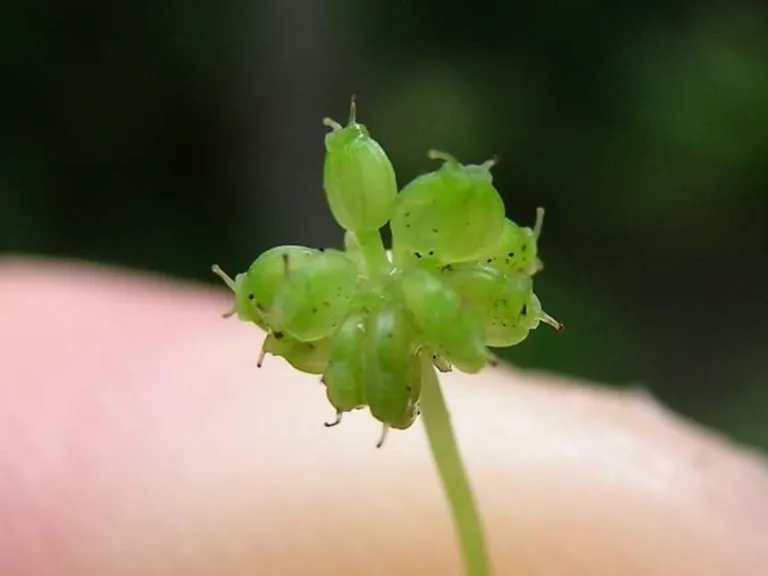
Two practical points follow from this. The first is that the medicinal material in commerce is the aerial part: leaves and stalks, harvested and dried. The European Pharmacopoeia defines the herbal substance as the dried, fragmented aerial parts [2]. Confirmed The second is that a creeping green herb with round leaves is a common shape. Hydrocotyle species (the true pennyworts), some Dichondra and a few other lawn plants look broadly similar from a standing height, which matters to anyone foraging it. The umbel of small flowers below the leaves, and the leaves arising in tufts from rooting nodes, are the features to check.
Where it grows, and its place in Australia
Centella asiatica grows through the wet tropics and subtropics of Asia, Africa, the Pacific and the Americas. The EMA describes it as native to countries such as Sri Lanka and Malaysia, Madagascar and South Africa, and LiverTox describes it as native to tropical areas of Southeast Asia and Australia [2] [3]. Confirmed In Papua New Guinea it is common in lawns, pastures, sandy foreshores and road edges from sea level into the lower mountains [10]. Confirmed
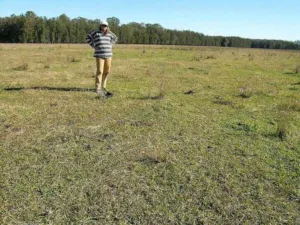
It is also an Australian plant. The Australian Plant Census lists Centella asiatica as native in Western Australia, the Northern Territory, South Australia, Queensland and New South Wales, and as naturalised on Lord Howe Island and Norfolk Island [1]. Confirmed The New South Wales flora places it in damp places, especially in forest, woodland and swamps, on the coast, ranges and tablelands [13]. Confirmed The Atlas of Living Australia holds more than eleven thousand occurrence records for the species [14]. Confirmed Damp lawns, drain edges and the wet margins of paddocks are typical places to find it, and most people who walk past it have never been told it has a name.
There is a southern complication. Victorian and Tasmanian plants, and many in South Australia and around Sydney, are now treated as a separate species, Centella cordifolia (Hook.f.) Nannf., sometimes called native centella or marsh pennywort, which the Census records for South Australia, New South Wales, Victoria and Tasmania [1]. Confirmed The two are very similar and have been lumped together in the past, and older Western Australian keys applied the name C. asiatica to plants now placed in C. cordifolia [1]. Attested We found no published chemistry or clinical work on C. cordifolia. Everything in this review about triterpenes, trials and safety refers to C. asiatica, and none of it should be assumed to transfer to the southern species without analysis. Evidence suggests
Gotu kola is native here, and it is not among the restricted invasive plants listed under Queensland’s Biosecurity Act 2014 [1] [15]. Confirmed Wild harvesting is still a question of land tenure, local council rules and whether the site has been sprayed. Lawn plants near roads and drains can carry herbicide and heavy-metal residues; we have seen no Australian testing data on wild-harvested gotu kola, and that gap is listed in the discussion.
Traditional and historical use
In Ayurveda gotu kola is usually discussed under the Sanskrit name mandukaparni. The EMA assessment report, drawing on secondary sources, records its Ayurvedic use for asthma, bronchitis, dropsy, elephantiasis, gastric catarrh, kidney complaints, leprosy, leucorrhoea, skin disease and urethritis, and states that the plant appears in the Chinese Shennong herbal of about 2,000 years ago, where the leaves were prescribed for leucorrhoea and "toxic fever" [2]. Traditional The dates are the report’s own, taken from a 2007 secondary review; we have not traced them to a critical edition of either text, so they should be read as conventional attributions. Attested
Its reputation as a herb for the mind is just as old in the literature and harder to pin down. In Malaysia, where the fresh leaf is eaten as a salad green, it is also said to help memory, mental fatigue and anxiety; fresh extracts were used in Java and the Malay Peninsula both on wounds and as part of brain tonics [2]. Traditional The WHO monographs, as summarised by the EMA, describe it as an antipyretic, analgesic, anti-inflammatory and "brain tonic", with poultices used on bruises, closed fractures, sprains and boils [2]. Traditional The folk-medicine list in the same report runs to more than thirty conditions, from anaemia to varices, and the report says plainly that these uses are "not supported by experimental or clinical data" [2]. Attested
The European chapter of the story starts with leprosy. In 1852 Boileau, a French doctor in Mauritius, described the use of the plant (called bavilacqua there) for leprosy, and patients in Madras hospitals were treated with it some years later; the herb then entered the French Codex in 1884 [2]. Attested The first dry extract was not produced until 1941, and the triterpene molecules were isolated by the French chemist P. Boiteau three years after that [2]. Attested That French work is the root of the purified triterpene extract (TECA, also sold under other acronyms) that still underpins most of the European clinical literature.
The British Herbal Pharmacopoeia carried the aerial parts for rheumatic conditions and skin complaints by mouth, and topically for indolent wounds, leprous ulcers and healing after surgery, at 0.6 g three times daily [2]. Traditional That entry matters in Europe because it is the documented traditional use on which the 2022 EU herbal monograph was built (chapter 10). Attested
Two things are worth holding on to from this history. One is that the strongest and most consistent traditional thread is skin: wounds, ulcers, leprosy lesions and scars. That is also where the laboratory and clinical work points, which is not always the case with traditional claims. The other is that the "memory herb" reputation is real as a matter of practice and widely repeated in commerce, and that the evidence for it, as chapter 8 shows, is thin. Traditional
A leafy green in Asian kitchens
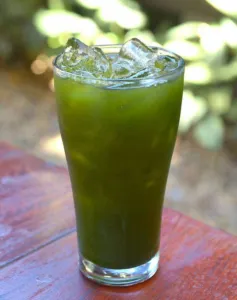
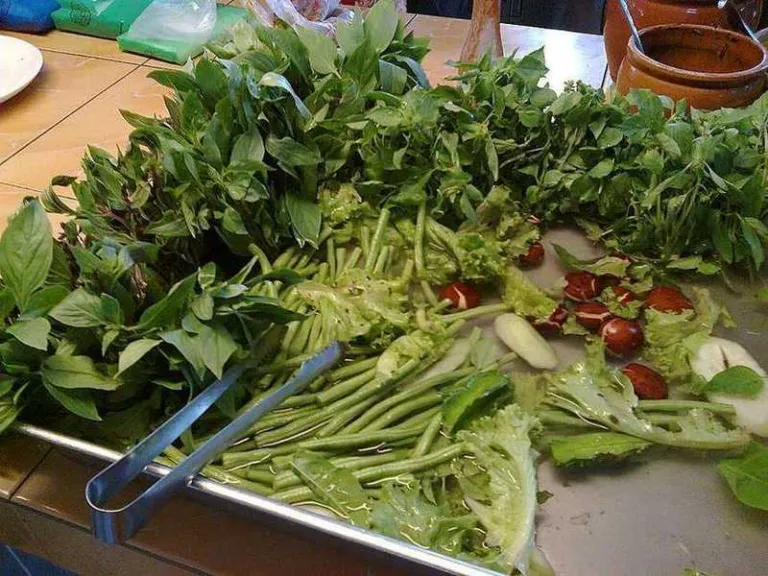
Across much of South and Southeast Asia gotu kola is eaten. In Malaysia it is one of the raw greens served as ulam alongside rice, and the EMA notes that it is commonly eaten fresh as a vegetable there [2]. Traditional In Thailand the leaves are blended with water and sugar into nam bai bua bok, a cooling green drink. In Tamil cooking vallarai keerai goes into dals and kootu. Traditional LiverTox, which is a clinical toxicology resource, opens its entry by noting that the plant is "used as a food as well as in traditional medicine" and is eaten as a vegetable and in salads [3]. Confirmed
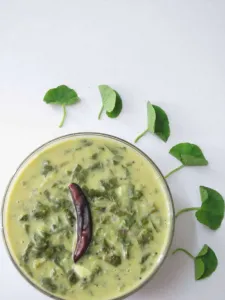
The food use is relevant to safety. People in these cuisines eat the fresh leaf in culinary amounts, often several times a week, without any signal of harm in the literature we reviewed. Evidence suggests A capsule of concentrated extract taken daily for months is a different exposure, and a purified triterpene fraction is different again. The rare liver cases discussed in chapter 9 involved commercial tablets and capsules, and the evidence does not let us say anything one way or the other about the vegetable. Gotu kola leaf sold as a vegetable is a food in Australia and falls outside the TGA’s regulation of medicines; the same leaf in a capsule with a health claim does not.
Phytochemistry: the centelloids
Gotu kola’s chemistry is dominated by pentacyclic triterpenes, a group the literature calls centelloids. Confirmed The four that matter most are two glycosides, asiaticoside and madecassoside, and their aglycones, asiatic acid and madecassic acid [2] [12]. Confirmed The aglycones are C30 ursane-type acids built on the same skeleton as α-amyrin; the glycosides carry a three-sugar chain (glucose, glucose and rhamnose) on the C-28 carboxyl group [12] [2]. Confirmed Madecassic acid differs from asiatic acid by one extra hydroxyl group at C-6, and madecassoside differs from asiaticoside in the same way.
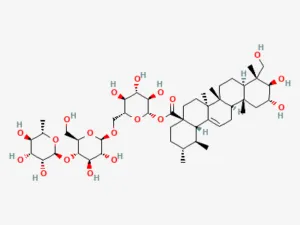
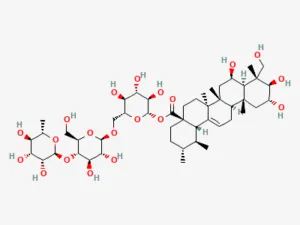
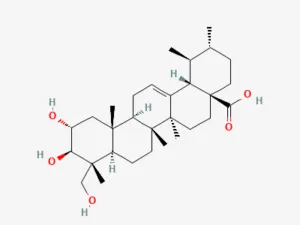
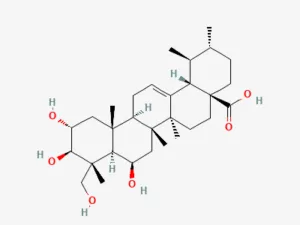
Saponins make up somewhere between 1% and 8% of the dried plant, and the amount depends heavily on where and how it was grown [16] [2]. Confirmed James and Dubery review the evidence that the triterpene profile varies with genotype, geography and growing conditions, and describe chemotypes in which the balance between the ursane and oleanane series shifts [12]. Confirmed The European Pharmacopoeia sets a floor: the dried aerial parts must contain at least 6.0% total triterpenoid derivatives, expressed as asiaticoside [2]. Confirmed
The rest of the profile is less studied. The EMA lists flavonoids (catechin, epicatechin, kaempferol, quercetin and their glycosides), a family of caffeoylquinic (chlorogenic) acids, about 0.1% essential oil in which β-caryophyllene, farnesene and germacrene D feature, and a small amount of pulegone (0.21% of one oil sample) [2]. Confirmed The WHO Papua New Guinea handbook gives a long list of named constituents, including sterols such as β-sitosterol and stigmasterol [10]. Confirmed The caffeoylquinic acids have drawn recent interest from an American group developing a hot-water extract for cognitive decline; in that extract the triterpene glycosides far outweigh the aglycones [17]. Evidence suggests
For comparison with the kola nut, here is caffeine. It is a small purine alkaloid with a completely different biosynthetic origin, and it is the compound that the word "kola" makes people expect.
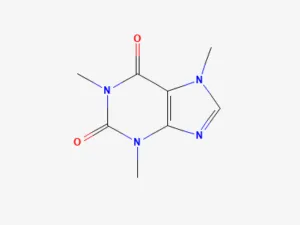
Crude leaf, extract and purified fraction
This matters for every chapter that follows. The European clinical trials mostly used a highly purified product, variously called TECA (titrated extract of Centella asiatica), TTFCA or TTF (total triterpenic fraction). The EMA established that these acronyms describe the same material: roughly 40% asiaticoside and 60% asiatic plus madecassic acids, made by purifying the triterpenes away from the plant matrix and recombining them [2]. Confirmed The EMA’s view was that TECA is so far removed from the plant that it cannot be classed as a herbal preparation at all [2]. Attested A capsule of powdered leaf from an Australian pharmacy contains the same molecules at a small fraction of the concentration, alongside everything else in the leaf. Results from TTFCA trials do not transfer automatically to leaf powder, and vice versa. Mechanism
Pharmacology: what the triterpenes do in the laboratory
Collagen and wound repair
The best-characterised action of the centelloids is on the cells that rebuild skin. Asiaticoside induces type I collagen synthesis in cultured human dermal fibroblasts, and the EMA summarises work linking that effect to the TGF-β/Smad signalling pathway [2]. Evidence suggests In one comparison of the four main triterpenes, asiaticoside and madecassoside raised collagen type I and III expression in fibroblasts at 3 to 10 µM, with madecassoside the stronger of the two, while asiatic acid and madecassic acid did not [2]. Evidence suggests In animal wound models, topical asiaticoside increased hydroxyproline (a collagen marker), tensile strength and epithelialisation, including in diabetic rats where healing is slow [2]. Evidence suggests
Two other findings point in an interesting direction. At higher concentrations asiaticoside reduced proliferation of fibroblasts taken from keloid scars and lowered their expression of type I and III collagen, without harming normal fibroblasts, and madecassoside pushed keloid fibroblasts towards apoptosis [2]. Evidence suggests If those effects carry into living tissue, the same molecules would encourage healthy repair and restrain the overgrowth that makes a keloid. Mechanism That is a hypothesis. The keloid work is cell culture, and the concentrations are not ones that a cream or capsule has been shown to reach in the skin.
Angiogenesis and inflammation
The 2022 systematic review by Arribas-López and colleagues pulls the mechanistic threads together: in preclinical work C. asiatica extracts increase collagen I, fibroblast growth factor and vascular endothelial growth factor (VEGF), and reduce inflammatory mediators including IL-1β, IL-6, TNF-α, prostaglandin E2, COX-2 and lipoxygenase activity [18]. Evidence suggests Asiaticoside also increased monocyte chemoattractant protein-1 and IL-1β in burn wound models, a signal that may speed the early inflammatory phase of repair [2]. Evidence suggests
Veins and capillaries
The venous work rests on a different set of observations. In trials of TTFCA, the Italian investigators measured capillary filtration, ankle swelling and transcutaneous oxygen and carbon dioxide, and reported improvements; the EMA notes that a three-month course of 30 mg twice daily lowered serum enzymes involved in mucopolysaccharide turnover in people with varicose veins [2]. Evidence suggests The proposed mechanism is better connective-tissue support around the vessel wall, which would reduce leakiness. Mechanism No one has shown that directly in human veins.
Nervous system
Animal and cell studies attribute anxiolytic, neuroprotective and memory effects to Centella extracts, and LiverTox lists these among properties suggested by in vitro and in vivo work [3]. Evidence suggests One study summarised by the EMA found that an extract potentiated the anticonvulsant activity of gabapentin, phenytoin and valproate in a mouse seizure model, and reduced that of phenobarbital in a rat model [2]. Evidence suggests These are early signals in rodents, and they are reported here because they bear on the interaction question in chapter 9.
What reaches the blood
Pharmacokinetic data on the plant itself are close to absent. The EMA states that "no information is available on Centella asiatica, except for standardised and highly purified extracts" [2]. Confirmed Wright and colleagues report that plasma triterpene concentrations measured in their own clinical studies of a water extract were low [17]. Evidence suggests Most of the cell-culture concentrations above are therefore of uncertain relevance to a person taking a capsule. Mechanism
What the human trials show
The clinical record for gotu kola is uneven. It is strongest for chronic venous insufficiency and microcirculation, where the trials are small and mostly from one research network; it is modest for skin repair and scars; and it is weak for memory, mood and anxiety. Each is taken in turn below, with the preparation named, because the preparation changes what a result means.
Chronic venous insufficiency
Chronic venous insufficiency is the condition behind heavy, aching, swollen lower legs, often with varicose veins and, in time, skin changes and ulcers. Chong and Aziz’s 2013 systematic review found eight randomised trials of Centella in venous insufficiency or venous hypertension [5]. Evidence suggests Seven used TTFCA, at 60 to 180 mg a day for four to eight weeks, and the trials were small: 17 to 99 participants [5]. Confirmed Pooled results showed improvements in microcirculatory measures, including transcutaneous oxygen and carbon dioxide, rate of ankle swelling and the venoarteriolar response; three trials without usable numbers reported less heaviness, pain and oedema [5]. Evidence suggests The authors were careful: most studies were poorly reported, with unclear risk of bias, and the conclusion "needs to be interpreted with caution" [5]. Attested
Five of those eight trials were published by the same group of Italian vascular researchers, and four of them appeared together in a single 2001 supplement of the journal Angiology [5]. That is a matter of record from the review’s reference list, and it limits how far the results can be treated as independent replications. Confirmed
The 2020 Cochrane review of phlebotonics applied stricter entry criteria (double-blind, placebo-controlled, people with venous insufficiency) and kept only two Centella trials, from 1981 and 1986 [6]. Confirmed One reported better global assessment by participants (risk ratio 0.28, 95% CI 0.14 to 0.57), and the one trial that measured leg heaviness showed no clear effect; Cochrane graded the certainty of the Centella evidence as very low [6]. Evidence suggests In the one trial that reported adverse events, 31% of the Centella group and 27% of the placebo group had one, a difference Cochrane could not separate from chance (very low certainty); two participants on Centella withdrew, one of them with stomach pain [6]. Evidence suggests
Overseas regulators have reached matching conclusions by different routes. Purified triterpene products are authorised in several European countries for symptoms of venous insufficiency, among other uses (Italy and France, for example), and Portugal has authorised 30 mg asiatic acid capsules for venous insufficiency since 1989 [2]. Attested Those are national authorisations of purified products, made under European law; they do not apply in Australia. The EU herbal monograph, which covers preparations of the plant itself, includes no venous indication [4]. Confirmed
Read together: there is a consistent signal that purified gotu kola triterpenes improve microcirculatory measurements and some symptoms in venous insufficiency, from small trials concentrated in one research network, at low to very low certainty. Evidence suggests Nothing in the evidence tells us whether a leaf powder capsule at an Australian dose does the same.
Wounds, scars and skin
This is the area with the longest traditional record, and the trial evidence, while patchy, points the same way. Arribas-López and colleagues found four randomised trials in humans that met their criteria, covering diabetic wounds, chronic anal fissure and other wounds, with outcomes such as wound contraction, re-epithelialisation, pain scores and erythema [18]. Evidence suggests They concluded that C. asiatica "might enhance wound healing" but that the studies were too few and too different to pool in a meta-analysis [18]. Evidence suggests
One trial gives a feel for the evidence. Jenwitheesuk and colleagues in Khon Kaen, Thailand, randomised the skin-graft donor sites of 30 patients to a Centella cream or a placebo cream applied side by side, and followed them for 12 weeks [19]. Evidence suggests Twenty-three completed the study; the Centella side showed better scores for pigmentation, and the authors described the overall scar effect as "may be attainable" [19]. Evidence suggests Two patients dropped out with a rash at the application site that may have been allergic [19]. Confirmed It is a useful, honest, small trial, and it shows how modest the effect sizes are.
The cosmetic literature reviewed by Bylka and colleagues covers Centella creams for stretch marks, cellulite and photo-aged skin [16]. Evidence suggests In one placebo-controlled trial they summarise, 80 pregnant women applied a cream daily from the third month (a combination product containing Centella extract with α-tocopherol and hydrolysed collagen and elastin, so the effect cannot be put down to Centella alone); stretch marks developed in 22 of 39 women on placebo and 14 of 41 using the Centella cream, and the protection was clearest in women who had developed stretch marks in puberty [16]. Evidence suggests The review gives too little detail on the cream to say how much of the effect belongs to Centella.
The EMA’s assessment of the wound trials was blunt: "deficiencies in the clinical designs and the lack of sufficient information on the herbal preparations used render the outcomes of these studies not clinically relevant", and the data were "inadequate to substantiate a well-established use" [2]. Attested The EU herbal monograph does recognise a traditional use, and only one: the powdered herb or an infusion applied to the skin "to aid in healing of minor wounds", for no more than a week, in adults [4]. Confirmed That indication rests on long-standing use, which in EU law is a separate category from proven efficacy. Attested
Memory, cognition, mood and anxiety
This is the use most Australians will meet on a shelf, and it is where the evidence is weakest. Puttarak and colleagues’ 2017 systematic review and meta-analysis found 11 randomised trials; for C. asiatica alone against placebo there was no significant improvement in any cognitive domain [7]. Evidence suggests Only a few small secondary results reached significance: higher self-rated alertness and lower self-rated anger one hour after a dose [7]. Evidence suggests Three of the eleven trials were at high risk of bias, seven unclear and one low, and doses ranged from tens of milligrams inside multi-ingredient supplements to a single 12 g dose, across very different preparations [7]. Confirmed The authors concluded that "there is not strong evidence to support the use of C. asiatica for cognitive function improvement in each cognitive domain" [7]. Attested
The EMA reached the same position in 2022, finding "no grounds to support a well-established use of Centella asiatica in improving cognitive function in humans", and it judged the anxiety and skin-ageing trials too few and too weak to support an indication either [2]. Attested The frequently cited 2008 Thai trial in healthy older adults and the 2000 Canadian trial of acoustic startle are both inside these reviews; we have not been able to read them in full text, so we report them only through the reviews.
This is an area of active research. An American group at Oregon Health and Science University is developing a standardised water extract of C. asiatica as a botanical drug for cognitive decline and has run early-phase clinical studies [17]. Evidence suggests That programme is the most likely source of better evidence, and it uses a defined extract, which most retail products do not.
| Use | Best evidence | Our reading |
|---|---|---|
| Venous insufficiency | 8 small RCTs, mostly TTFCA; Cochrane: very low certainty | Evidence suggests for purified triterpenes; untested for leaf |
| Wounds and scars | 4 RCTs in one systematic review; EU traditional-use monograph (topical, minor wounds) | Evidence suggests plus Traditional |
| Memory and cognition | Meta-analysis of 11 RCTs: no domain improved vs placebo | Traditional; trial support absent so far |
| Mood and anxiety | Small secondary signals (alertness, anger) | Evidence suggests, weak |
Safety, toxicity and interactions
In clinical trials gotu kola has been well tolerated. The EMA’s overall view is that preparations alone or in combination "have been well tolerated in clinical studies", with gastrointestinal complaints (abdominal pain, wind, nausea, vomiting) the most frequent adverse events, mainly with oral use [2]. Confirmed LiverTox describes the adverse effects in small trials as mild, transient and non-specific, often at a similar rate to placebo [3]. Confirmed The meta-analysis of cognitive trials found no adverse effects reported in single-herb studies [7]. Evidence suggests Against that background there are a few specific points worth knowing.
Liver injury: rare, real, and still debated
The best-documented case series comes from a referral centre in Mendoza, Argentina, published in 2005. Three women aged 49 to 61 developed jaundice after taking Centella by mouth for 20 to 60 days, with ALT values from 324 to 1,694 U/L; liver biopsies showed granulomatous hepatitis in two and chronic hepatitis with cirrhotic change in the third, and all improved after stopping [2] [3]. Evidence suggests One woman took it again and the injury recurred, which is strong evidence of cause and effect for her product [3]. Evidence suggests In a second report, a 15-year-old girl developed acute hepatitis after six weeks of an internet-bought gotu kola product (20 mg a day) for acne, while also taking the antibiotic lymecycline. The injury was severe: ALT rose from 319 to 3,222 U/L within 24 hours and her INR reached 2.7, and she was treated in hospital with intravenous N-acetylcysteine and vitamin K. She recovered quickly after both products were stopped, and the authors judged lymecycline an unlikely cause because of the timing and the absence of cholestasis [2]. Evidence suggests Philips and Theruvath, reviewing herb-induced liver injury in 2024, note that a systematic review of cases from Latin America found Centella asiatica among the most commonly reported culprits, and that weight loss is the most common (unsubstantiated) reason for its use in those cases [20]. Evidence suggests
LiverTox grades Centella "C", a probable rare cause of clinically apparent liver injury, and describes the injury as hepatocellular, usually mild to moderate, appearing three to eight weeks after starting and resolving within one to two months of stopping [3]. Confirmed It also records the caveat: the Argentinian products were never analysed, the product name and dose were not given, and contamination or other hepatotoxic herbs (it lists ephedra, chaparral, germander, garcinia and green tea extract as possibilities) cannot be ruled out [3]. Attested The proposed mechanism is idiosyncratic and possibly immune-mediated; autoantibodies and granulomas in some cases fit that [3] [2]. Mechanism
In animals, rats given 500 and 1,000 mg/kg of powdered aerial parts for 30 days showed raised liver and kidney enzymes; the EMA calculates the lower dose as roughly 4 g a day for a 50 kg adult [2]. Evidence suggests A standardised extract given to rats at up to 1,000 mg/kg for 90 days caused no significant chronic toxicity, and an ethanolic extract was without effect in mice at 2,000 mg/kg for 30 days [2]. Evidence suggests In a clinical trial in vascular cognitive impairment, 750 to 1,000 mg a day for six weeks did not change ALT or AST, and in a six-month TTFCA trial liver function tests were unchanged [2]. Evidence suggests
Our reading: liver injury from gotu kola is rare, it is probably idiosyncratic, and the strongest cases involve unanalysed commercial products. Evidence suggests The practical advice follows the LiverTox guidance: anyone who develops jaundice, dark urine, pale stools, itch or unexplained abdominal pain while taking it should stop and be assessed, and should not take it again [3]. Confirmed People with existing liver disease, and people taking other medicines known to affect the liver, have the most to lose from an idiosyncratic reaction. Mechanism
Skin reactions
Allergic contact dermatitis has been reported with creams and ointments containing Centella, including a case of severe eczema on the neck and chest after a purified-extract ointment was used on a thyroidectomy scar; patch testing confirmed the Centella extract as the cause [2]. Evidence suggests In an Italian multicentre study, 3 of 122 people with reactions to botanical skin products (2.5%) patch-tested positive to Centella extract [2]. Evidence suggests Itching and photosensitivity reactions, with redness and rash, are listed as undesirable effects in the product information for an oral TECA medicine, as quoted by the EMA [2]. Evidence suggests Older reports of burning or pain after topical powders and injections exist, and some reactions attributed to Centella creams may have been caused by other ingredients [2]. Evidence suggests The EU monograph lists hypersensitivity to plants in the Apiaceae family (carrot, celery, fennel and their relatives) as a contraindication [4]. Confirmed
Pregnancy, breastfeeding and fertility
There are no human safety data in pregnancy or breastfeeding, and the EU monograph does not recommend use in either [4]. Confirmed Gotu kola has a traditional reputation as an emmenagogue and abortifacient [2]. Traditional Rat studies of ethanolic leaf extracts given for six to eight weeks found reduced sperm counts and motility and damage to the seminiferous tubules, some at doses the EMA calculates to be below traditional human doses, and there are older reports of reduced fertility in female mice [2]. Evidence suggests There is no clinical evidence of an effect on human fertility [2]. Confirmed The EMA cited these animal findings, along with the liver signal, as its reasons for leaving oral use out of the EU monograph [2]. Attested
Children
The EU monograph does not recommend use under 18 because there are no adequate data [4]. Confirmed One of the two published liver injury reports concerned a 15-year-old [2]. Evidence suggests
Drug interactions
No clinically confirmed interaction has been published, and the EU monograph lists none [4]. Confirmed The laboratory data are mixed. Some solvent extracts and the aglycones inhibit CYP2C9, CYP2D6, CYP3A4 and CYP1A2 in human liver microsomes at concentrations of tens of micrograms per millilitre [2]. Evidence suggests The most careful study, done to American regulatory standards on a defined hot-water extract, found only weak reversible inhibition (strongest at CYP2C9, IC50 330 µg/mL), no time-dependent inhibition and no enzyme induction, and its authors judged the risk of P450-mediated interactions to be minimal at the plasma levels they measure in people [17]. Evidence suggests In rats, gotu kola raised blood levels of amitriptyline by 14 to 23% [2]. Evidence suggests
Three cautions are reasonable on current evidence. Alcoholic extracts and products concentrated in the aglycones may behave differently from water extracts, so the reassuring Oregon data do not cover every product. Mechanism The EMA advises caution in people already taking sedating substances, because of the possibility of additive effects [2]. Evidence suggests The rodent anticonvulsant data are reason enough for anyone on antiepileptic medicines to have the combination reviewed by a degree-qualified herbalist with competencies and adequate training in pharmacognosy before starting. Mechanism
If someone is unwell after taking a gotu kola product, call Triple Zero (000) in an emergency, or the Poisons Information Centre on 13 11 26 (24 hours, Australia-wide). Suspected side effects of any medicine, including listed herbal medicines, can be reported to the TGA.
Australian regulatory status
Therapeutic Goods Administration
Centella asiatica is a permitted ingredient for listed medicines in Australia. The Therapeutic Goods (Permissible Ingredients) Determination (No. 3) 2026, in force from 16 October 2026, lists CENTELLA ASIATICA at item 1272 for use as an active ingredient, an excipient or a homoeopathic ingredient, with no specific requirements attached [8]. Confirmed A separate entry, item 1273, allows a Centella asiatica meristem cell culture only as an excipient in topical skin products, at no more than 0.05%, and not for use in the eye or on damaged skin [8]. Confirmed
Gotu kola products sold in pharmacies and health food shops are therefore listed medicines, carrying an AUST L number. The ARTG includes, for example, entry 25444, a listed medicine with Centella asiatica as its only active ingredient [21]. Confirmed The TGA describes listed medicines as low-risk, non-prescription products that "are not individually assessed by us before supply"; they may contain only low-risk ingredients and make only low-level health claims, and the sponsor self-certifies that it meets the safety, quality and efficacy requirements [9]. Confirmed An AUST L number on a gotu kola product tells you the ingredient is permitted and the product is on the Register. The TGA has not evaluated any claim on the label before sale. Confirmed
We found no TGA safety alert or medicine safety update about Centella asiatica when we searched in November 2026. Evidence suggests The TGA’s Database of Adverse Event Notifications has not yet been searched for this review, and that is listed as work still to do.
Poisons Standard
Centella asiatica, gotu kola, asiaticoside and the other centelloids do not appear anywhere in the Therapeutic Goods (Poisons Standard—October 2026) Instrument 2026, which we searched in full text [22]. Confirmed The plant is unscheduled. Plant material and seed entering Australia still have to meet the Department of Agriculture’s biosecurity import conditions, which should be checked in the BICON system before anything is ordered from overseas.
A native plant and a food
Gotu kola is a native plant and is not a restricted invasive plant in Queensland [15]. Confirmed Fresh leaf sold as a vegetable is food, regulated under the Australia New Zealand Food Standards Code, and outside the therapeutic goods system so long as it is sold without therapeutic claims; this is the general legal position, and we have not cited a separate source for it. Attested Collecting native plants on public land, in national parks or on land you do not own is governed by state law and local rules, and Queensland’s nature conservation legislation should be checked before any wild harvest beyond a home garden.
Overseas, for comparison only
In the European Union the 2022 HMPC monograph accepts one traditional use, the topical treatment of minor wounds with the powdered herb or an infusion, and excludes oral use on safety grounds [4] [2]. Attested Purified triterpene products are separately authorised as medicines in Belgium, France, Greece, Italy, Portugal and Spain [2]. Attested In the United States, LiverTox records that Centella is not approved as therapy for any medical condition and is sold as a dietary supplement [3]. Attested None of these overseas positions has legal effect in Australia; they are included because they show how two careful regulators read the same evidence.
Quality, identity and adulteration
Three quality problems apply to gotu kola in Australia: getting the right plant, getting enough of the active fraction, and knowing which kind of product you are holding.
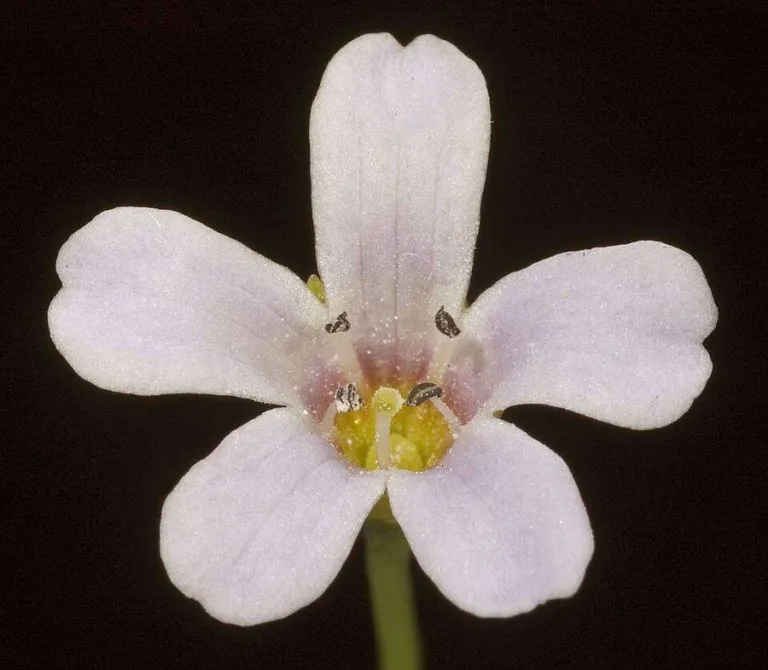
The identity problem is mostly about brahmi. Bacopa monnieri, the other plant sold under that name, is a small succulent herb of the plantain family with opposite, fleshy leaves and white or pale blue flowers, and it also grows in Australia [14]. In powdered or capsuled form the two are hard to tell apart by eye. The 2012 revision of the European Pharmacopoeia monograph for Centella added a dedicated test for Bacopa adulteration, along with tighter limits on moisture and acid-insoluble ash [2]. Confirmed Anyone buying "brahmi" should check which binomial is on the label.
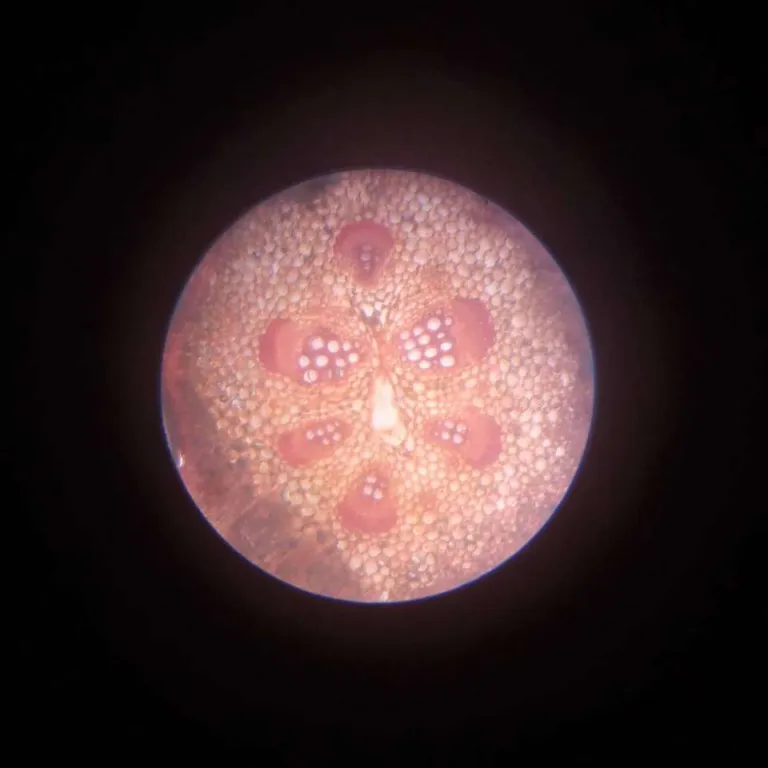
The content problem follows from chapter 6. Total saponins range from 1% to 8% of the dry herb depending on origin and growing conditions, and the Ph. Eur. minimum for the medicinal herb is 6% total triterpenoid derivatives as asiaticoside [16] [2]. Confirmed A capsule may contain leaf powder, a crude extract or a standardised extract, and these differ several-fold in triterpene dose.
Methods exist to fix this. High-performance liquid chromatography (HPLC) with UV detection is the standard assay for the four principal triterpenes, and the Ph. Eur. uses a liquid chromatography method [16] [2]. Confirmed DNA-based identification and thin-layer chromatography fingerprints can separate Centella from Bacopa and from other lawn herbs. For the southern species, C. cordifolia, no reference chemistry exists at all, so a product of Australian wild-harvested "centella" from Victoria or Tasmania would be chemically uncharacterised. Evidence suggests
Discussion: conclusions, hypotheses and research still required
What the evidence supports
Gotu kola is Centella asiatica, a native Australian member of the carrot family, unrelated to the kola nut and free of caffeine. Confirmed It has a long and well-documented traditional use in Ayurveda, Chinese medicine and Southeast Asian food and medicine, and the most consistent thread in that tradition is skin and wound repair. Traditional Its characteristic chemistry is a group of ursane-type triterpenes, with asiaticoside, madecassoside and their acids the principal compounds, at concentrations that vary widely with origin. Confirmed Purified triterpene fractions improve microcirculatory measurements and some symptoms in venous insufficiency in small trials of low certainty, and topical preparations show modest benefits for wounds and scars. Evidence suggests The trials do not support claims that gotu kola improves memory or cognition. Evidence suggests It is generally well tolerated; rare idiosyncratic liver injury has been reported with oral products and allergic skin reactions with topical ones. Evidence suggests In Australia it is an unscheduled, permitted ingredient in listed medicines, a food, and a native plant. Confirmed
Hypotheses worth testing
Mechanism The pattern of fibroblast effects, more collagen from normal cells and less from keloid cells, suggests that madecassoside in particular may help the quality of scar remodelling as well as its speed. That is testable in a well-designed split-scar trial with objective scar measurements.
Mechanism The microcirculatory effects in venous insufficiency may come from connective tissue around small vessels, which would make gotu kola a candidate for conditions of capillary leak beyond the legs. The diabetic microangiopathy trials summarised by the EMA point the same way and need independent replication.
Mechanism The rare liver injuries look idiosyncratic and immune-mediated. If so, they should cluster in people with particular HLA types, as happens with several drugs, and that is a question an existing herb-induced liver injury registry could answer.
Traditional The traditional pairing of food use with medicinal use deserves a dose-response look. The populations who eat the fresh leaf regularly have not produced a liver-injury signal, which suggests the concentrated extract, a contaminant or an unusual host response is responsible. That remains a hypothesis until someone measures it.
Research still required
- Botany and taxonomy: voucher-backed collections of Australian Centella from Queensland to Tasmania, to map where C. asiatica ends and C. cordifolia begins, and DNA barcodes for both.
- Phytochemistry: HPLC triterpene profiles of Australian wild populations, including Wet Tropics plants and southern C. cordifolia, against the Ph. Eur. 6% minimum.
- Quality analysis: a market survey of Australian gotu kola products for identity (Bacopa substitution) and triterpene content, with heavy metals and pesticide residues in leaf powders.
- Clinical research: an independent, adequately powered, placebo-controlled trial of a defined extract in venous insufficiency, registered in advance and run outside the original research network; and a cognitive trial of a characterised extract with pre-specified primary outcomes.
- Toxicology and pharmacovigilance: a search of the TGA’s Database of Adverse Event Notifications for Centella-containing medicines, causality assessment of any liver reports, and chemical analysis of any implicated product.
- Pharmacokinetics: human plasma levels of the four main triterpenes after typical Australian leaf-powder and extract doses, to judge whether the CYP inhibition seen in microsomes could matter.
- Ethnobotany: recording of any Aboriginal and Torres Strait Islander knowledge of Centella, with the communities concerned and under their control; we found none in the published sources we read.
Related reading from the Institute: the review of ashwagandha and the TGA liver warnings covers the other herb most often discussed in Australia for rare liver injury, and the review of kava, Australian rules and evidence shows how a herbal liver signal was handled once the TGA acted. Every review in the series is listed on the Institute journal.
About AIP and this series
The Australian Institute of Pharmacognosy (AIP) is based in Cardwell, in the wet tropics of far north Queensland. Pharmacognosy is the study of medicines and poisons that come from natural sources: how a plant is identified, what it contains, and what that chemistry does in the body.
The Literature Review and Critical Analysis series is part of our education and research work. Each review follows the same structure and grades every claim by the evidence behind it, so you can see what is tradition, what is laboratory or animal work, and what has been tested in people. More about the Institute is at australian-pharmacognosy.org.
Nothing in this series is an offer of treatment, a product or a service. If you find an error, or a source we have missed, write to the Institute at our contact form and the Secretary will pass it to the author. To follow the series, bookmark the Institute journal.
References
Show all 22 references
Every PMID and DOI was checked against PubMed and Europe PMC in November 2026, and every source listed was read in full text by the Institute in November 2026. Papers we could read only in abstract are not cited; where the EMA assessment report summarises such a study, the report is cited. Listed in order of first citation.
- Council of Heads of Australasian Herbaria. Australian Plant Census (APC): Centella asiatica (L.) Urb., APC distribution WA, NT, SA, Qld, NSW, Lord Howe Island (naturalised), Norfolk Island (naturalised); and Centella cordifolia (Hook.f.) Nannf., APC distribution SA, NSW, Vic, Tas. Read November 2026. Source.
- European Medicines Agency, Committee on Herbal Medicinal Products (HMPC). Assessment report on Centella asiatica (L.) Urb., herba. EMA/HMPC/489140/2020. Final, 30 March 2022. Amsterdam: EMA; 2022. Source.
- LiverTox: Clinical and Research Information on Drug-Induced Liver Injury [Internet]. Bethesda (MD): National Institute of Diabetes and Digestive and Kidney Diseases; 2012-. Centella asiatica. Updated 24 April 2024. Bookshelf ID NBK603561. PMID 38718155. Source.
- European Medicines Agency, Committee on Herbal Medicinal Products (HMPC). European Union herbal monograph on Centella asiatica (L.) Urb., herba. EMA/HMPC/489142/2020. Final, adopted 30 March 2022. Amsterdam: EMA; 2022. Source.
- Chong NJ, Aziz Z. A systematic review of the efficacy of Centella asiatica for improvement of the signs and symptoms of chronic venous insufficiency. Evid Based Complement Alternat Med. 2013;2013:627182. PMID 23533507. DOI 10.1155/2013/627182.
- Martinez-Zapata MJ, Vernooij RW, Simancas-Racines D, Uriona Tuma SM, Stein AT, Moreno Carriles RMM, et al. Phlebotonics for venous insufficiency. Cochrane Database Syst Rev. 2020;11:CD003229. PMID 33141449. DOI 10.1002/14651858.CD003229.pub4.
- Puttarak P, Dilokthornsakul P, Saokaew S, Dhippayom T, Kongkaew C, Sruamsiri R, et al. Effects of Centella asiatica (L.) Urb. on cognitive function and mood related outcomes: a systematic review and meta-analysis. Sci Rep. 2017;7(1):10646. PMID 28878245. DOI 10.1038/s41598-017-09823-9.
- Therapeutic Goods (Permissible Ingredients) Determination (No. 3) 2026 (Cth). F2026L01382, registered 13 October 2026, in force 16 October 2026. Schedule 1, items 1272 and 1273. Source.
- Therapeutic Goods Administration. Listed medicines: about listed medicines. Canberra: Australian Government Department of Health, Disability and Ageing. Read November 2026. Source.
- World Health Organization, Regional Office for the Western Pacific. Medicinal plants in Papua New Guinea. Manila: WHO WPRO; 2009. Centella asiatica (L.) Urban, p. 65. ISBN 978 92 9061 249 0. Source.
- Ősz BE, Jîtcă G, Ștefănescu RE, Pușcaș A, Tero-Vescan A, Vari CE. Caffeine and its antioxidant properties: it is all about dose and source. Int J Mol Sci. 2022;23(21):13074. PMID 36361861. DOI 10.3390/ijms232113074.
- James JT, Dubery IA. Pentacyclic triterpenoids from the medicinal herb, Centella asiatica (L.) Urban. Molecules. 2009;14(10):3922-41. PMID 19924039. DOI 10.3390/molecules14103922.
- Wood B. Centella asiatica. In: Plants of South Eastern New South Wales. Lucidcentral; CC BY 4.0. Read November 2026. Source.
- Atlas of Living Australia. Centella asiatica (L.) Urb., Indian pennywort: species page and occurrence records. Read November 2026. Source.
- Queensland Government. Restricted invasive plants (Biosecurity Act 2014). Business Queensland. Read November 2026. Source.
- Bylka W, Znajdek-Awiżeń P, Studzińska-Sroka E, Brzezińska M. Centella asiatica in cosmetology. Postepy Dermatol Alergol. 2013;30(1):46-9. PMID 24278045. DOI 10.5114/pdia.2013.33378.
- Wright KM, Magana AA, Laethem RM, Moseley CL, Banks TT, Maier CS, et al. Centella asiatica water extract shows low potential for cytochrome P450-mediated drug interactions. Drug Metab Dispos. 2020;48(10):1053-63. PMID 32581050. DOI 10.1124/dmd.120.090860.
- Arribas-López E, Zand N, Ojo O, Snowden MJ, Kochhar T. A systematic review of the effect of Centella asiatica on wound healing. Int J Environ Res Public Health. 2022;19(6):3266. PMID 35328954. DOI 10.3390/ijerph19063266.
- Jenwitheesuk K, Rojsanga P, Chowchuen B, Surakunprapha P. A prospective randomized, controlled, double-blind trial of the efficacy using Centella cream for scar improvement. Evid Based Complement Alternat Med. 2018;2018:9525624. PMID 30310413. DOI 10.1155/2018/9525624.
- Philips CA, Theruvath AH. A comprehensive review on the hepatotoxicity of herbs used in the Indian (Ayush) systems of alternative medicine. Medicine (Baltimore). 2024;103(16):e37903. PMID 38640296. DOI 10.1097/MD.0000000000037903.
- Therapeutic Goods Administration. Australian Register of Therapeutic Goods, entry 25444: listed medicine, sole active ingredient Centella asiatica. Read November 2026. Source.
- Therapeutic Goods (Poisons Standard—October 2026) Instrument 2026 (Cth). F2026L01327, in force 30 September 2026. Source.
Image credits
- Pegaga (Centella asiatica).jpg by Mokkie. CC BY-SA 4.0.
- Centella asiatica or gotu kola.jpg by Ushani Thennakoon. CC BY-SA 4.0.
- Centella asiatica flowerhead1 (8417485169).jpg by Harry Rose from South West Rocks, Australia. CC BY 2.0.
- Centella asiatica habitat1 (8417493415).jpg by Harry Rose from South West Rocks, Australia. CC BY 2.0.
- Mandukaparni (Sanskrit- मण्डूकपर्णी) (6935477069).jpg by Dinesh Valke from Thane, India. CC BY-SA 2.0.
- Green to cook Centella asiatica.jpg by Sengai Podhuvan. CC BY-SA 3.0.
- Leaves of Centella Asiatica against the sky (wide).jpg by Rejin Narayanan. CC BY-SA 4.0.
- Centella asiatica habit2 (8417490813).jpg by Harry Rose from South West Rocks, Australia. CC BY 2.0.
- Centella asiatica leaf.JPG – Photo by V C Balakrishnan.jpg by V C balakrishnan. CC BY-SA 4.0.
- Centella asiatica habitat2 (8417494749).jpg by Harry Rose from South West Rocks, Australia. CC BY 2.0.
- Centella asiatica – Flickr – Kevin Thiele (1).jpg by Kevin Thiele from Perth, Australia. CC BY 2.0.
- Centella asiatica habit3 (8417491903).jpg by Harry Rose from South West Rocks, Australia. CC BY 2.0.
- Centella asiatica leaf4 (8417483143).jpg by Harry Rose from South West Rocks, Australia. CC BY 2.0.
- Cola acuminata – Köhler–s Medizinal-Pflanzen-190.jpg by Franz Eugen Köhler, Köhler's Medizinal-Pflanzen. Public domain.
- Centella asiatica leaf2 (8417497035).jpg by Harry Rose from South West Rocks, Australia. CC BY 2.0.
- Centella asiatica flowerhead2 (8417486829).jpg by Harry Rose from South West Rocks, Australia. CC BY 2.0.
- Centella asiatica – Flickr – Kevin Thiele.jpg by Kevin Thiele from Perth, Australia. CC BY 2.0.
- Nam bai bua bok.JPG by Takeaway. CC BY-SA 3.0.
- Pelbagai jenis ulam 2.jpg by Ma Hzi Wong at Malay Wikipedia. CC BY-SA 3.0.
- Vallarai keerai kootu.JPG by Kalaiselvi Murugesan. CC BY-SA 4.0.
- Bacopa monnieri – Flickr – Kevin Thiele.jpg by Kevin Thiele from Perth, Australia. CC BY 2.0.
- CS of Centella asiatica stem.jpg by Adarshjchandran. CC BY-SA 4.0.
- Chemical structure depictions: PubChem, US National Library of Medicine (CIDs as captioned), public domain.
Reviews in this series grade every substantive claim by the kind of evidence behind it. We would rather tell you a claim is unsourced than repeat it.
Dr Thomas Ridley
Head of Education and Research
Australian Institute of Pharmacognosy
Cardwell QLD, Australia
australian-pharmacognosy.org · our contact form
Suggested citation: Ridley T. Gotu kola (Centella asiatica (L.) Urb.): a literature review and critical analysis. Literature Review and Critical Analysis AIP-LR-CENASI. Cardwell (QLD): Australian Institute of Pharmacognosy; 2026.
Educational content only; not medical, legal or regulatory advice. Regulatory information reflects the Permissible Ingredients Determination and Poisons Standard as read in November 2026 and may change.
The Institute sets and publishes its own monographs. The catalogue is in Publications.