

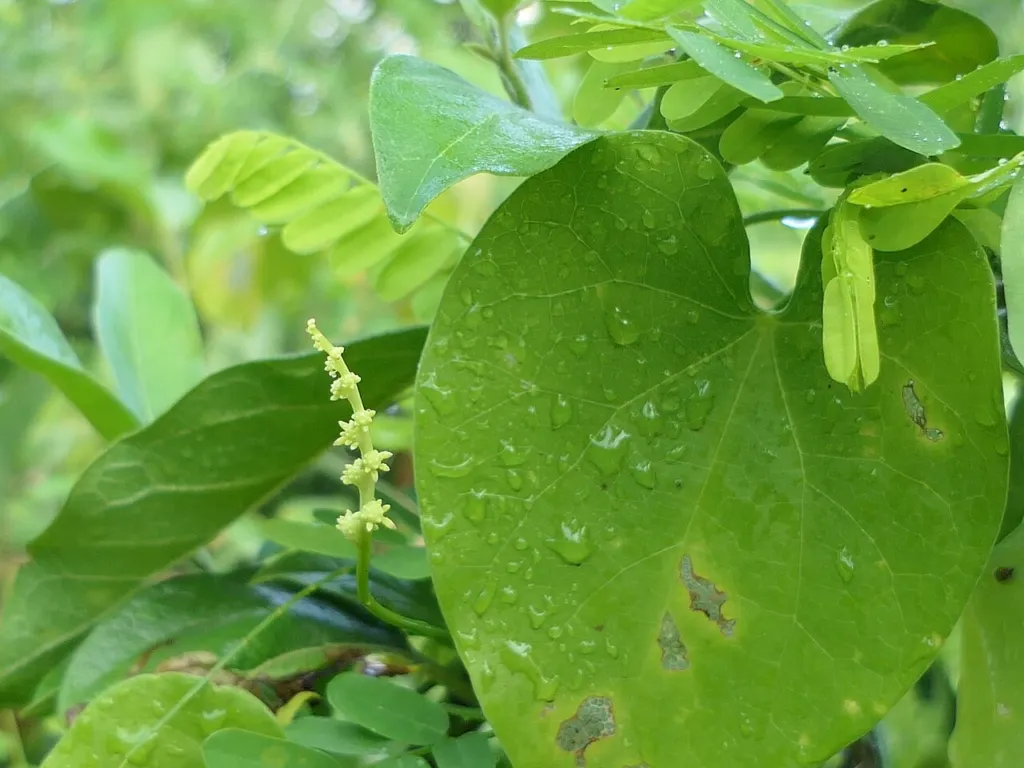
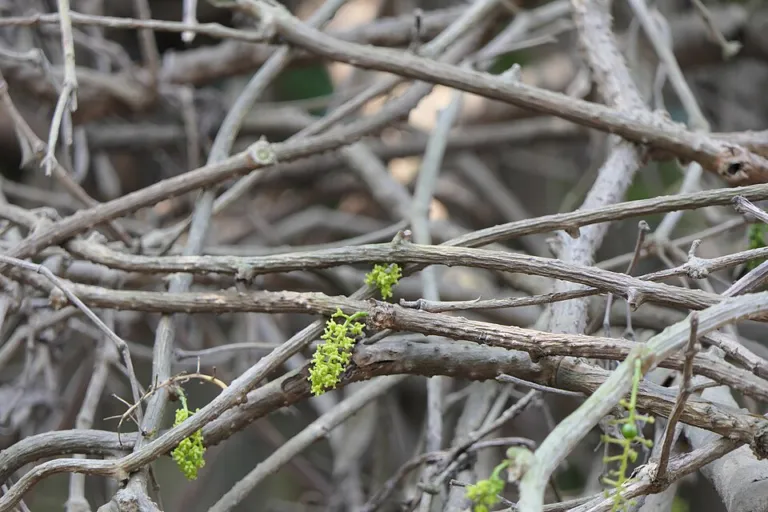
Photo: Dinesh Valke, CC BY-SA 2.0, Wikimedia Commons
On a shelf at the South Asian grocer, or two clicks into an overseas web shop, sits giloy, as powder, capsules or tea. In India its Sanskrit name is amrita, the elixir of life.
In 2020 India’s government urged families to take it against COVID-19. By that December a Mumbai liver clinic was treating people who had turned yellow after drinking it.
Educational only: no advice, preparation or dosing detail. Legal passages are the Institute’s reading of Australian rules in November 2026, not legal advice.
Warning signs in the published cases: yellow skin or eyes, dark urine, pale stools, nausea, loss of appetite, unusual tiredness, and pain or discomfort under the right ribs or in the upper belly, usually weeks to months after starting the herb.
Stop taking it, get a prompt medical assessment, and bring the product and packaging.
In an emergency phone 000. For poisoning advice phone the Poisons Information Centre on 13 11 26, 24 hours, Australia-wide. A child who has swallowed any is a call to 13 11 26.
Report suspected side effects, herbal ones included, to the TGA’s adverse event page.
Before taking any botanical drug, consult a degree-qualified herbalist with competencies and adequate training in pharmacognosy.
- Guduchi, sold here as giloy, is a bitter Ayurvedic vine stem.
- Indian hospitals reported serious liver injury after it, some fatal; how often is unknown.
- Those worst hurt mostly had an autoimmune condition or a damaged liver.
- No trial in people shows it prevents or treats any illness.
- It is legal here; overseas web shops sell it unchecked.
A grey stick with a famous name
Old tradition, thin trials.
It is the stem of a woody climber from India and Sri Lanka, dried into warty, very bitter grey lengths. Ayurveda ranks it among its rasayana, or strengthening, herbs and gives it for fevers and weakness after illness. That long record cannot tell us whether it works.
The trials are mostly small and short; few used a dummy pill. The best-built one, in people living with HIV, saw no change in the blood count that matters most. A huge trial against COVID-19 found fewer infections, by a margin chance could explain. Mice hint at effects on immunity and blood sugar, unproven in people.
Thousands took measured extracts for weeks with mostly mild stomach upsets, though no trial watched livers closely enough to catch rare reactions.
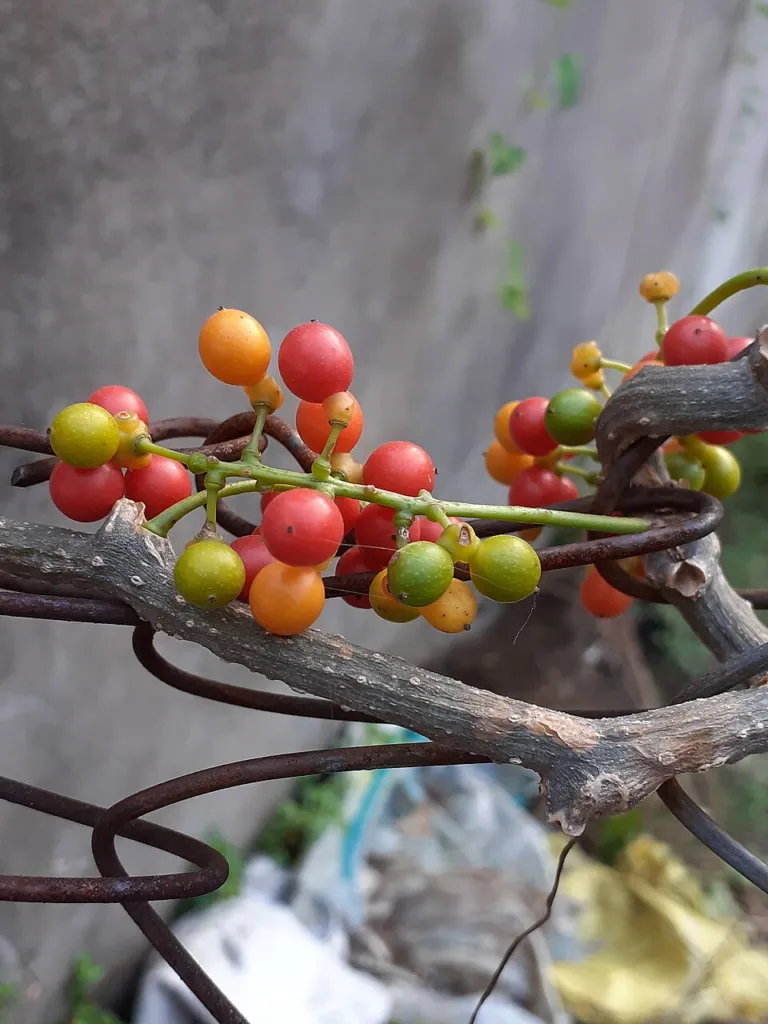
What the Mumbai liver clinic saw
A handful of cases, then dozens.
Late in 2020 a Mumbai hospital saw a run of people with badly inflamed livers, all weeks or months into guduchi, mostly stems boiled at home. Their livers looked as though the body’s defences had turned on them, and four had a hidden liver problem, possibly autoimmune. Five recovered after stopping, some only with steroids, over about three months. One woman, whose scarred liver had gone unnoticed, died.
A wider search of Indian hospitals found dozens more. Four died within two months and two needed new livers; every death was in someone whose liver was already sick. Nobody counted the users, so how often it happens is unknown; the review judges it uncommon, without being able to say how uncommon.
Four of the six had a liver problem nobody knew about.
The warning signs are in the red box; they creep in after weeks.
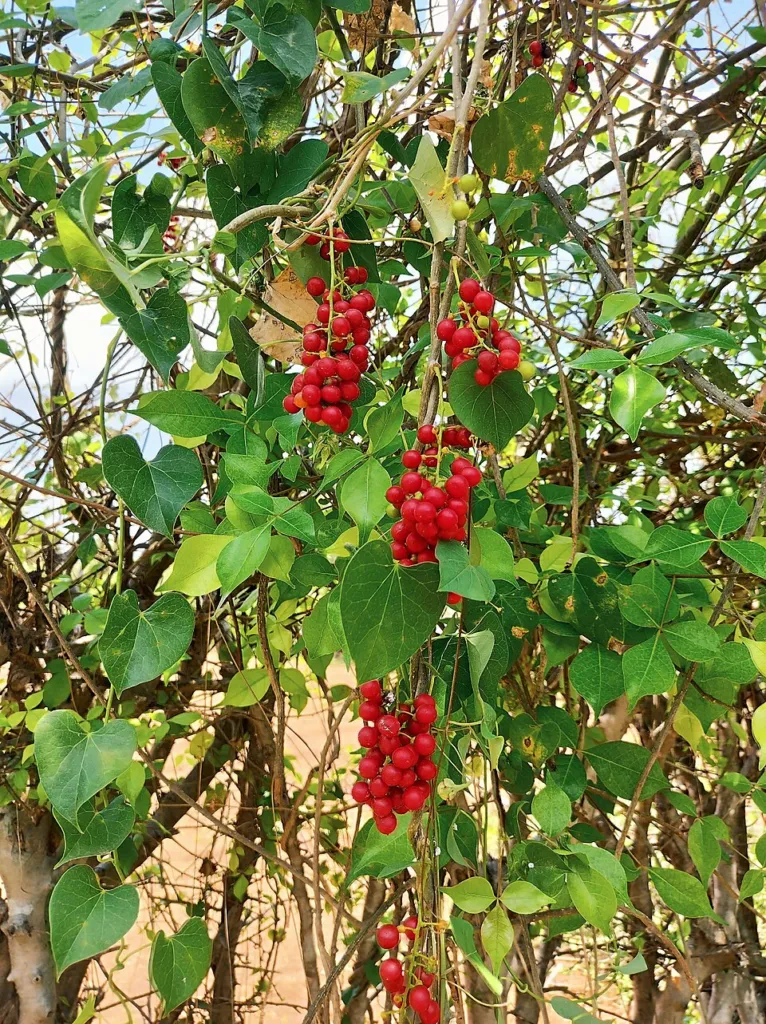
Who has most reason to ask first
Immune systems that lean the wrong way.
In the lab, guduchi rouses the immune system. The Mumbai doctors suspect it may tip a body already prone to self-attack against its own liver; nobody has tested that. So the most is at stake with autoimmune illness, such as Hashimoto’s, liver disease, or diabetes, which was common among those harmed. Not everyone harmed had a known illness: a Delhi woman of 33 with no autoimmune signs needed an urgent new liver. In theory it could fight the drugs that hold the immune system down after a transplant or in autoimmune disease; that is untested, but reason enough not to add it to them without individual advice. It may also push sugar lower alongside diabetes medicines, so watch readings closely.
There are no safety data in pregnancy, breastfeeding or childhood. While pregnant or feeding a baby, the cautious path is to leave it alone.
Fit any of these? Talk to the herbalist named in the red box first, and keep the jar away from small hands.
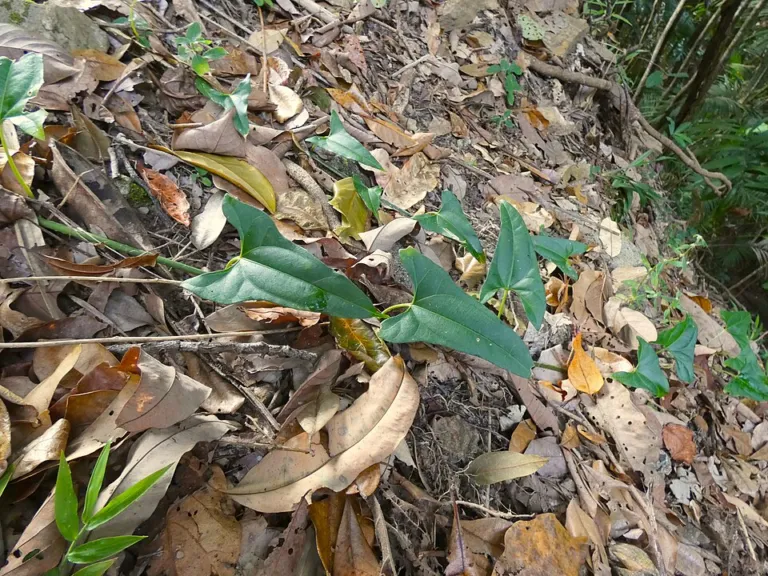
Buying it here, and the vine on your fence
Legal, but only half checked.
Guduchi is not a scheduled poison in Australia and may go into low-risk “listed” medicines. Their AUST L number shows the product is on the national medicines register and uses permitted ingredients. It promises nothing about working, and no liver warning is required.
Much of the giloy bought here comes from overseas web shops, checked by nobody in Australia. Up to three months’ supply, at the maker’s own recommended dose, for you or your immediate family is allowed, never to sell or pass on. Seeds that arrive unasked in the post: don’t plant them; ring 1800 798 636.
In the north, a heart-leaved Tinospora on a fence is almost certainly snakevine, our native cousin; guduchi has no recorded occurrence here. Snakevine is barely studied, and Aboriginal people’s knowledge of it is theirs.
Look for an AUST L number on the label. Check the biosecurity import list before importing a cutting or seed. Leave the snakevine be; it is protected.
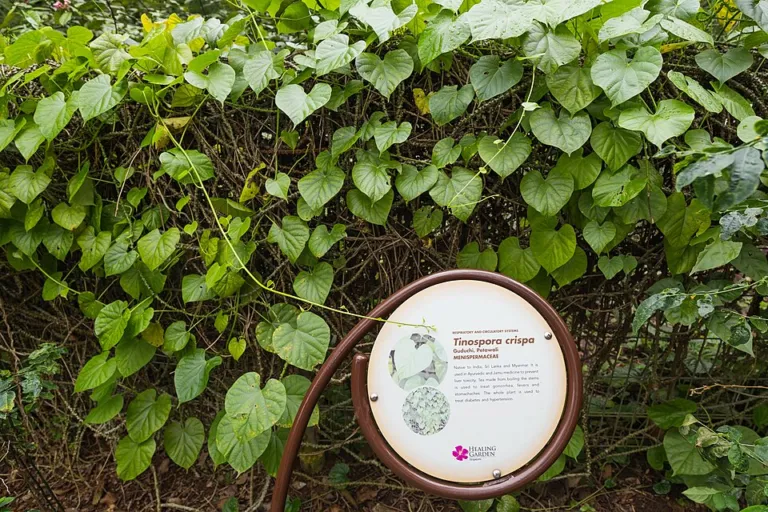
The doctors who went back to the kitchen
One batch, tested.
India’s traditional-medicine ministry suggested, in press reports (the review could not find its own statement), that patients took a lookalike cousin with its own liver record. Fair enough: DNA tests in southern Indian markets found about a fifth of “guduchi” stems were another plant.
So the Mumbai team fetched the leftover stems, and a botanist, a microscope and a DNA test agreed: genuine guduchi. That settles those stems only. Elsewhere, two tested products held mercury, arsenic or lead over the limit, so wrong plants or dirty batches may explain some cases.
Answering critics, the Mumbai team said the herb may well suit many people. They urged caution only for those already prone to self-attack.
Who made it matters. Look for the botanical name and plant part on the label, heavy-metal testing, and an AUST L number. A clean, genuine product lowers the risk of a wrong plant or metals, not the liver risk; the Mumbai stems were genuine.
Dr Thomas Ridley’s full review, with every source:
- Dr Luke Iggulden, Chief Scientific Officer — Senior author. Commissioned the Explainer series, set its direction and approved it
- Jesse Kirby — Took notes from Dr Ridley’s review, closed it, and wrote this edition from those notes: chose the five things a reader needs, put the liver story ahead of the chemistry, and kept every warning sign in the red box
- Zoe Bennett — Wrote the page title and search line around the giloy packet a reader may already own, chose the labels, and framed the page for sharing with South Asian community groups
- Theo Karras — Picked the hero and the five section banners from the review’s own Commons photographs, sized them for the page, looked at each one and wrote alt text that describes what is in the frame
- Leah Bianchi — Built the page: the red warning box, the one-minute card, the pull quote, the five what-this-means cards and the card back to the review, and checked it reads cleanly on a phone
Contributors
- Dr Thomas Ridley — Wrote the evidence review this page retells
Image credits. Guduchi (Tinospora cordifolia) cover and stems: Dinesh Valke, CC BY-SA 2.0. Fruit on the stem: Ganesh Dhamodkar, CC BY-SA 4.0. Fruiting vine: Kaviya Sakthivel, CC BY 4.0. Snakevine (T. smilacina), Lamb Range: Steve Fitzgerald, CC BY-SA 4.0. T. crispa, Singapore Botanic Gardens: Marcin Konsek, CC BY-SA 4.0. All via Wikimedia Commons.
AIP Explainers are the plain-language editions of the Institute’s technical articles, published alongside the original. Everything on this page is carried by the full review, where the evidence, the references and the regulatory sources are set out. Regulatory information was read in November 2026 and may change. Spotted an error? Write to our contact form. We would rather correct a claim than repeat it.
Jesse Kirby
Head of Community Outreach
Australian Institute of Pharmacognosy
Cardwell QLD, Australia
australian-pharmacognosy.org · our contact form
The Institute sets and publishes its own monographs. The catalogue is in Publications.