

Cover photo: Ryan Hodnett · CC BY-SA 4.0 · via Wikimedia Commons
It turns up between the recipe videos late at night: a woman holding a jar of golden capsules, the words “wired but tired” across the screen, and a promise that this little Arctic root will bring your cortisol down.
The root is real, and people in the far north have long trusted it against tiredness. The promise is shakier. In the human trials we could read, the hormone stayed put, and in Australia a listed medicine may not claim to manage cortisol unless the TGA has evaluated that claim first.
Educational only, with no preparation or dosing detail. Legal passages are our reading of Australian rules, September and October 2026, not legal advice.
Emergency: phone 000. Poisoning advice: the Poisons Information Centre, 13 11 26, 24 hours, Australia-wide.
Rhodiola has been well tolerated in trials, with interaction signals around antidepressants (a reported serotonin reaction alongside paroxetine), the blood-pressure tablet losartan (a measured effect on the liver enzyme that handles it), and diabetes medicines (it lowered blood sugar in animals; never tested with them in people). Take the same care with any medicine where small changes in dose matter. Side effects in trials were mild: headache, nausea, stomach pain or diarrhoea, rash or itch.
No safety data exist for pregnancy or breastfeeding, and European regulators do not recommend it under 18. Some herbal texts advise against it in bipolar disorder: one man with no psychiatric history, taking three times the label amount with other supplements, developed mania that settled within days. One case cannot prove cause, and safety in bipolar disorder has not been studied.
Before taking rhodiola, and especially alongside prescribed medicines, consult a degree-qualified herbalist with competencies and adequate training in pharmacognosy.
- Golden root is a small Arctic succulent. None grows wild here; every capsule in Australia is imported.
- Stressed animals on it had a smaller stress-hormone spike. In people, in every trial result we could read, cortisol held steady.
- Its best trial found a small benefit in diagnosed stress-related fatigue. For everyday tiredness the trials disagree.
- Cheaper cousins fill much of the world trade. A good label names Rhodiola rosea, the root, and two marker compounds.
- Gentle in trials, but see a qualified herbalist first if you take antidepressants, some blood-pressure tablets or diabetes medicine.
The hormone in the ad
Animals first, then people.
Cortisol gets cast as a villain, which is rough on a hormone you can’t live without. It climbs soon after you wake, steadies blood sugar and blood pressure, and rises whenever life leans on you.
The cortisol story began with stressed rabbits and rats, which showed a smaller stress-hormone jump on the extract. Real results, often at doses far beyond a person’s, and silent on the everyday hormone level of a tired nurse in Townsville.
Three human trials have checked cortisol. We haven’t yet been able to read the Swedish one’s result, so we won’t guess. Fit young Polish men taking it through exams got quicker reactions; their cortisol didn’t budge. A maker-funded mix with magnesium, B vitamins and green tea left cortisol after a lab stress test no different from the dummy.
No one has tested it in people whose cortisol runs high, or against the belly weight the videos blame on it. Feeling calmer and lowering cortisol are two separate claims, and each would need its own proof.
Feeling calmer and lowering cortisol are two separate claims.
A post promising rhodiola will drop your cortisol is promising what no trial we could read has shown. In 2024 two listed stress products were pulled up over cortisol wording; one was cancelled.
Where it seems to help, and how much
One modest result for one kind of tiredness.
The best comes from Sweden: adults formally diagnosed with stress-related fatigue did slightly better on a burnout scale after four weeks than those on a dummy. One small trial, which European assessors thought too small to settle things. German studies in burnout also reported gains, with no dummy group to rule out time and hope.
For ordinary tiredness, results point different ways, and the best-designed study, in Canadian nursing students, found fatigue worse on rhodiola than on the dummy. It was smaller than planned, but it belongs in any fair summary. In depression, the better-run trial saw no gain over placebo.
If months of pressure have worn you down, rhodiola has one small trial on its side, and that is the honest size of the claim. The trials don’t show it treats depression.
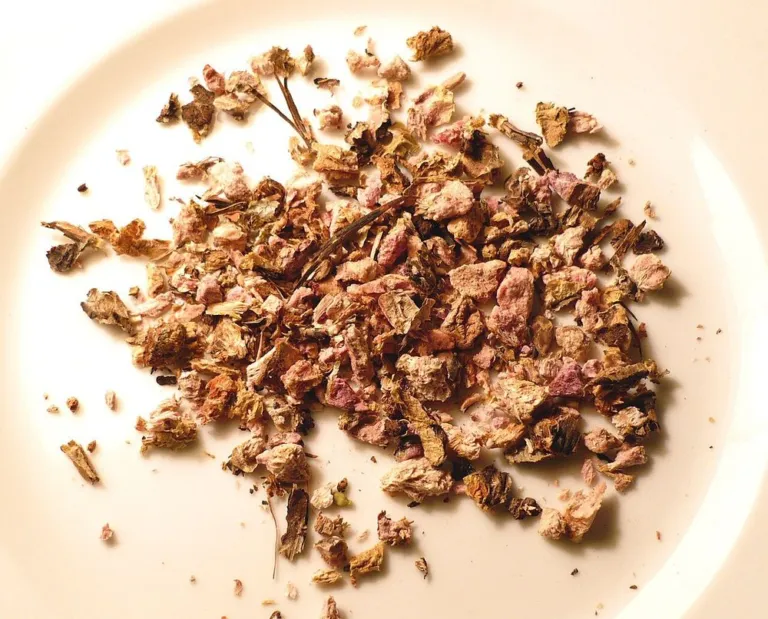
Is the right plant in the bottle?
Slow, wild and far from home, with cheaper cousins.
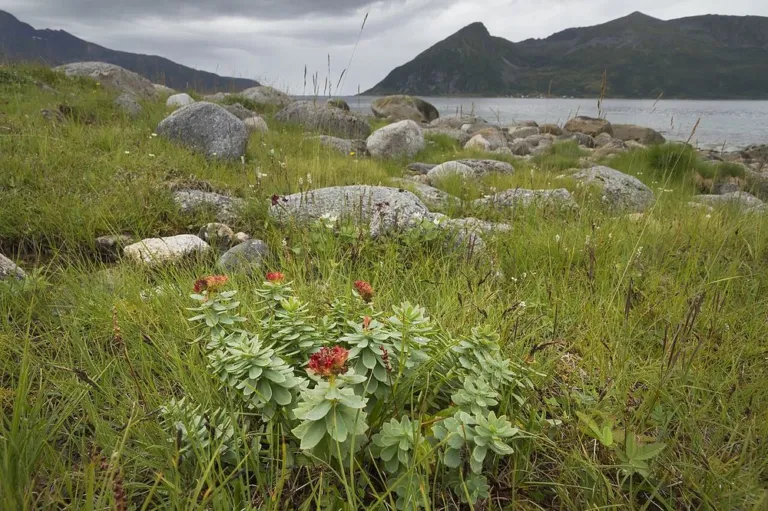
Slice a fresh root and it smells of roses, hence roseroot. The plant hugs Norwegian sea cliffs, tundra and high scree, grows slowly, is mostly picked wild, and has been under international trade controls since 2023. It has never been found wild in Australia, least of all in Cardwell’s wet tropics.
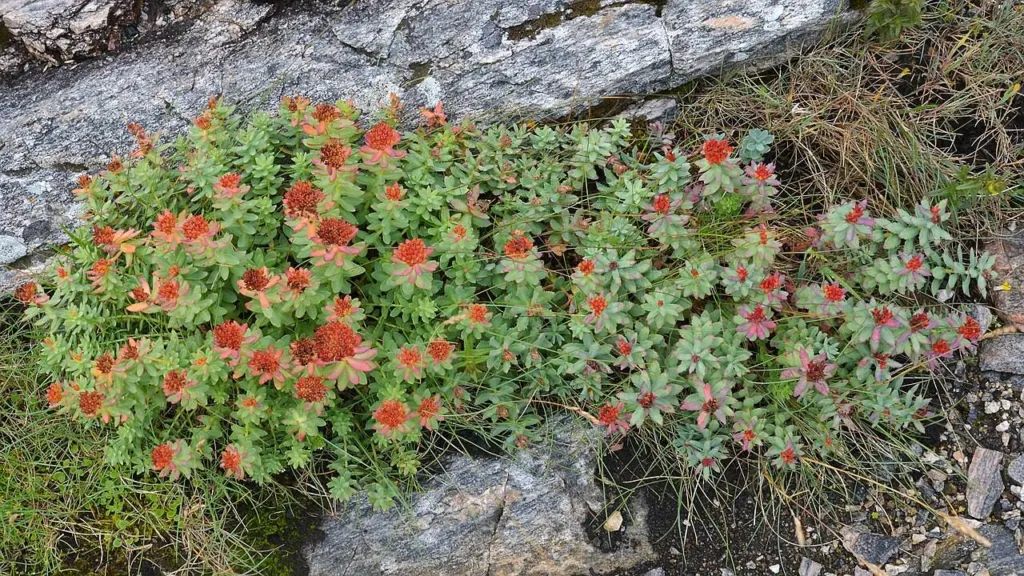
A cousin from the Tibetan plateau, sold in China as hong jing tian, is plentiful and cheaper, and much of the world’s rhodiola is that cousin, another relative, or a product with one compound topped up. Every rhodiola makes salidroside, the compound most products are standardised on, so a salidroside figure alone can’t show which plant you bought. Golden root’s signature is a group called rosavins, which the substitutes carry little or none of.
Overseas surveys found the swap happening: a Polish lab found real golden root in under half the products it tested, and several American best-sellers held more salidroside than rosavins. Australian shelves haven’t been tested this way.
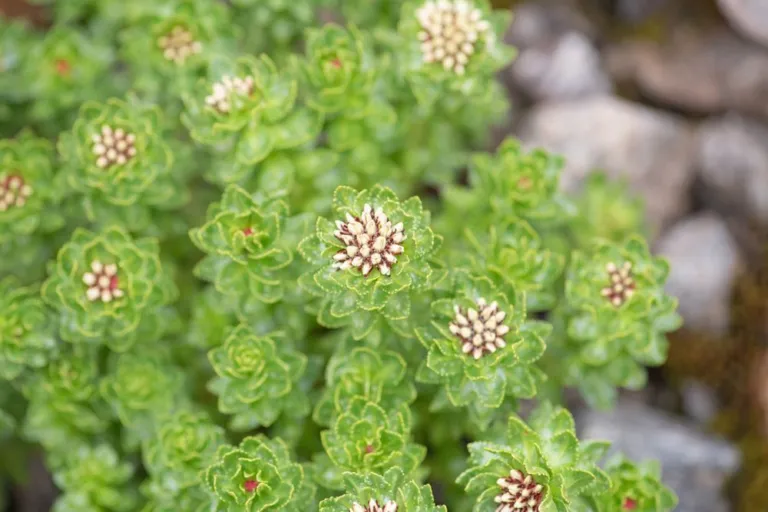
Turn the bottle over. You want Rhodiola rosea by name, root or rhizome, and both rosavins and salidroside listed, rosavins the bigger figure. The AUST L number can be checked on the TGA’s public register. As we read the rules in September 2026, this is the only rhodiola species allowed in listed medicines, taken by mouth.
The short version of Dr Thomas Ridley’s evidence review. Trials, references and regulatory detail are all here:
- Dr Luke Iggulden, Chief Scientific Officer — Senior author. Commissioned the Explainer series, set its direction and approved it
- Jesse Kirby — Wrote every sentence of this edition from his own notes on the review, chose the three things a reader needs and their order, and set the red medicines box so it says no less than the original
- Zoe Bennett — Wrote the page title, the search line and the labels, and framed the share around the late-night cortisol video a reader is likely to have seen
- Theo Karras — Picked five of the review’s own photographs for the cover, the banners and the hong jing tian comparison, prepared them for fast loading, and wrote alt text from what each frame actually shows
- Leah Bianchi — Built the page: the red medicines box, the one-minute card, the pull quote, the three what-this-means cards and the card back to the review, checked for reading on a phone
Contributors
- Dr Thomas Ridley — Wrote the evidence review this page retells, and checks the science
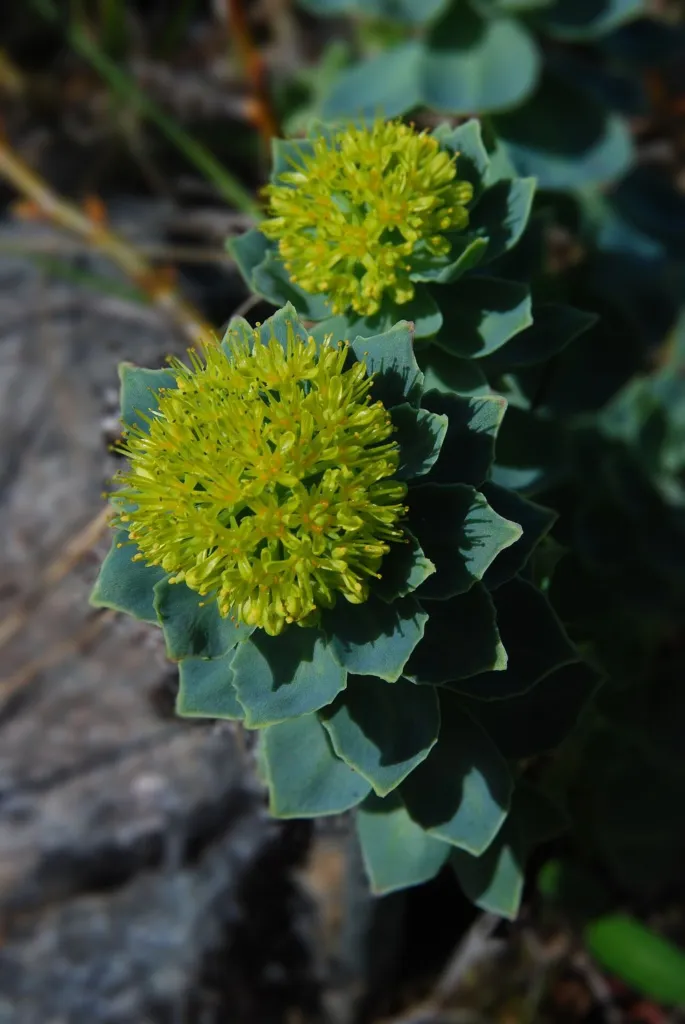
Image credits. Cover: roseroot at Kristiansund, Norway, Ryan Hodnett, CC BY-SA 4.0. Arctic shore at Rekvik, Troms: Ximonic (Simo Räsänen), CC BY-SA 4.0. Flowers, Finland: Tero Laakso, CC BY 2.0. Dried root: Badagnani, CC BY 3.0. All via Wikimedia Commons. Rhodiola crenulata, Sikkim: Morten Ross, CC BY 4.0, via iNaturalist.
AIP Explainers are the plain-language editions of the Institute’s technical articles, published alongside the original. Everything on this page is carried by the full review, where the evidence, the references and the regulatory sources are set out. Regulatory information was read in September and October 2026 and may change. Spotted an error? Write to our contact form. We would rather correct a claim than repeat it.
Jesse Kirby
Head of Community Outreach
Australian Institute of Pharmacognosy
Cardwell QLD, Australia
australian-pharmacognosy.org · our contact form
The Institute sets and publishes its own monographs. The catalogue is in Publications.