

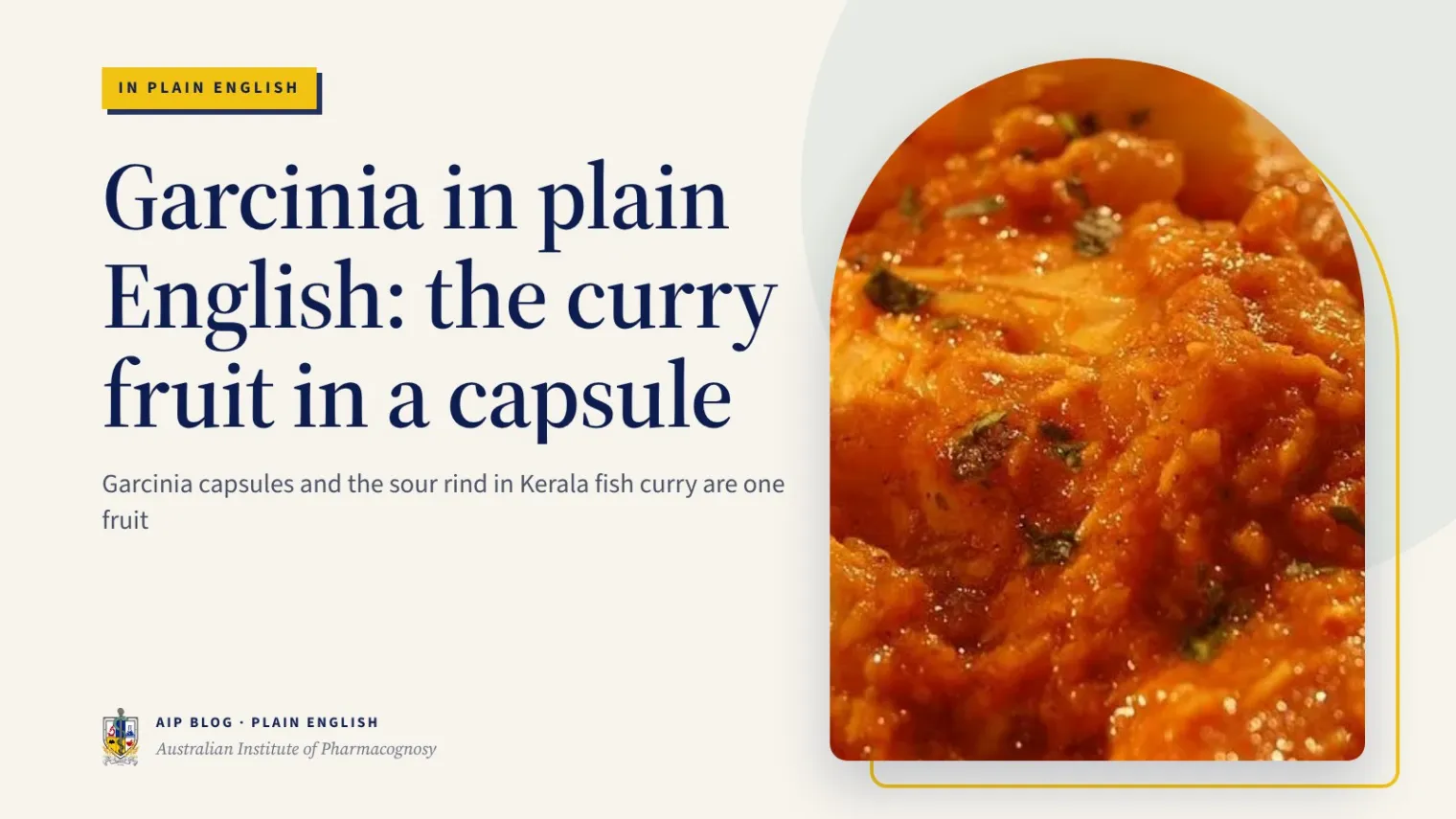
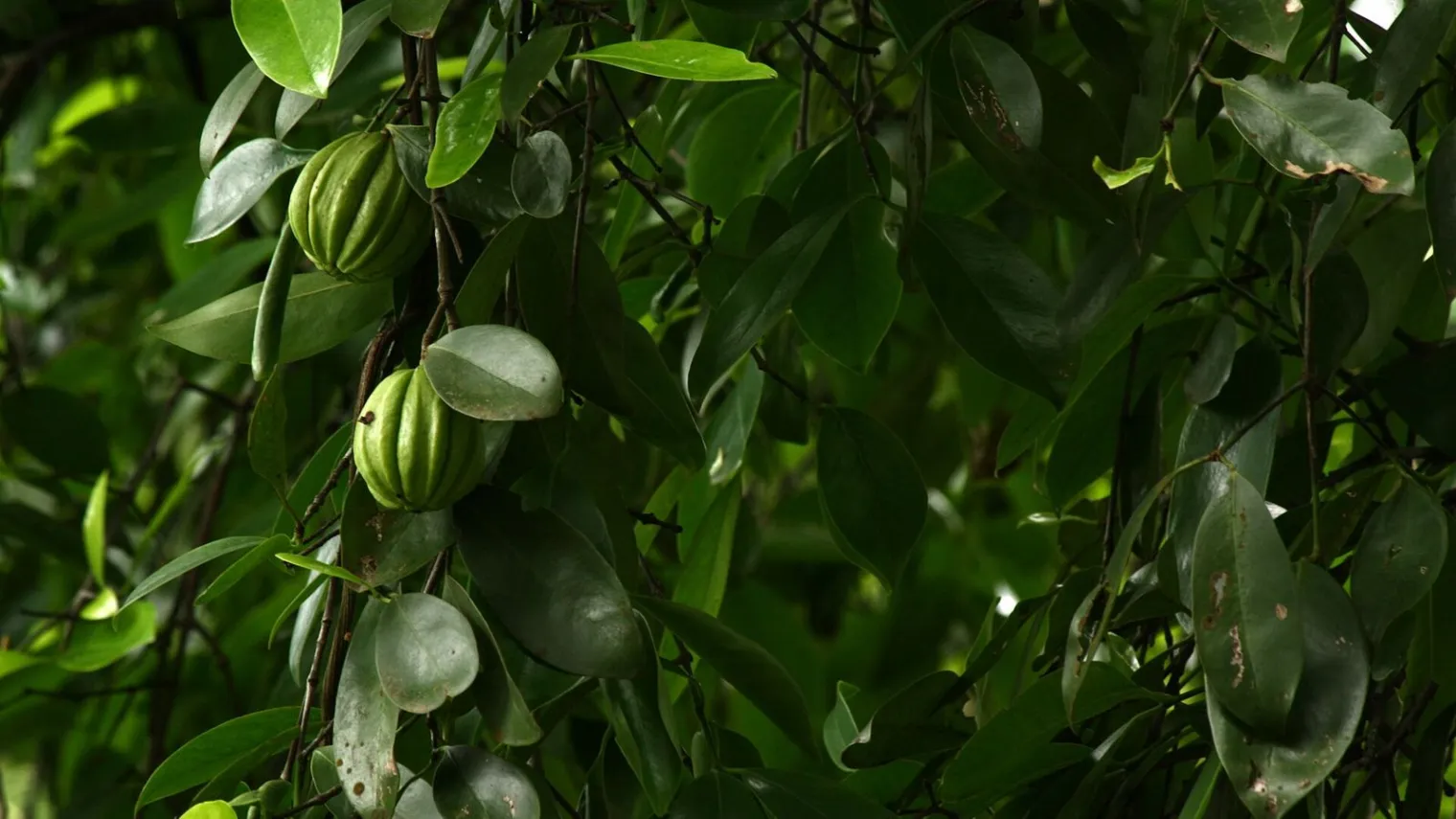
Photo: Swati Sidhu, Kottayam, Kerala · CC BY-SA 4.0 · Wikimedia Commons
In Kerala, on India’s south-west coast, black smoky scraps of garcinia rind sour the fish curry. Here, the same fruit sits in a capsule tub by the kettle.
Since March, every tub newly released for sale should carry a line about the liver. The trials found little, and the warning signs fit on a sticky note.
Educational only; no dosing or preparation detail. The rules described are our reading of Australian law in November 2026, not legal advice.
In an emergency phone 000. For poisons advice phone the Poisons Information Centre on 13 11 26, 24 hours, Australia-wide, and follow its advice.
Stop the product and get medical attention promptly if you notice: yellowing of the skin or the whites of the eyes, dark urine, nausea or vomiting, unusual tiredness or weakness, belly pain, loss of appetite, or itching. Take the packet with you.
Liver injury has begun months after people started, so weeks of taking it without a problem do not rule it out.
Australian garcinia medicines may not be directed for children, or for use in pregnancy or breastfeeding, because there is no evidence of safe use there. The TGA advises anyone who has, or has had, liver problems to avoid them.
Before taking any herbal medicine for weight, consult a degree-qualified herbalist with competencies and adequate training in pharmacognosy.
- The capsule and the curry rind come from the same fruit.
- Trials found a tiny effect at best; the most careful found none.
- Very rarely, serious liver injury, sometimes months after starting.
- Skin or eyes yellowing, dark urine, odd tiredness: stop and get help.
- The new label is a caution. Nothing has been banned.
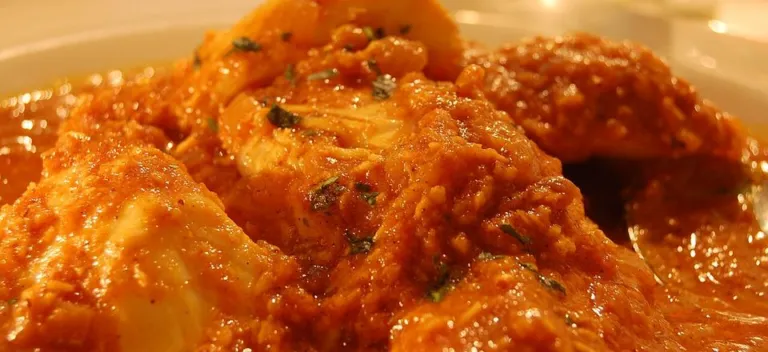
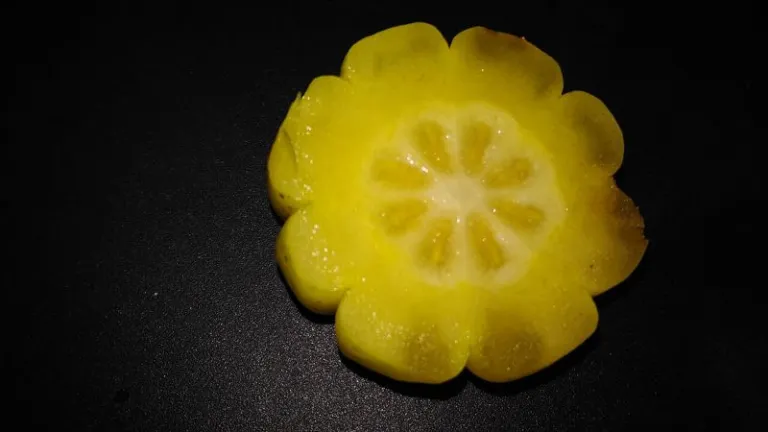
One fruit, a curry pot and a pill bottle
Same tree, different doses.
Kerala cooks sun-dry the rind, then smoke it to a black, leathery scrap that sours fish curry. They call it kudampuli. Supplement makers kept the tree’s retired scientific name, so the tub says garcinia cambogia, or HCA, the fruit’s main acid.
The difference is quantity. A curry takes a few scraps; a capsule concentrates the acid and is swallowed daily for months. Nobody has yet measured how much acid a bowl of curry delivers, so the pot and the capsule can’t be weighed against each other.
Dried rind from an Indian grocer is food with centuries of cooking behind it. That record says nothing about a capsule.
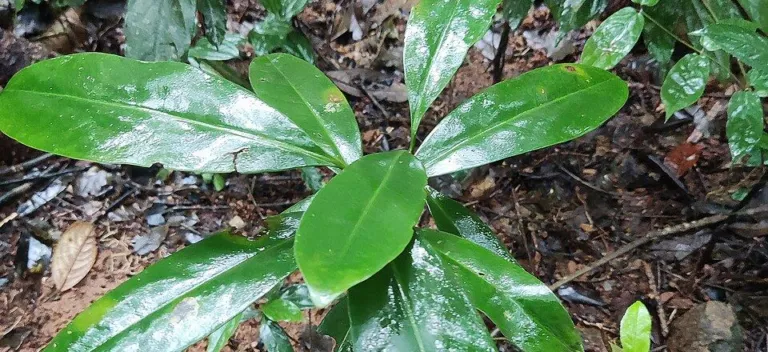
The weight-loss trials, read honestly
A sliver of a difference, at best.
In the laboratory the acid partly blocks one step the liver uses to turn spare sugar into fat. It may also dull hunger, but that has not been shown in people.
Most human trials were small, brief and often funded by manufacturers. Pooled, they showed garcinia users losing a little under a kilo more than people on a dummy pill within three months, and results varied widely between trials. The two most carefully run trials found no difference. None ran long enough to show the loss lasting.
Under a kilo, within three months, and nothing at all in the best-run trials.
Nor has it been tested against prescription weight medicines like semaglutide.
Expect very little on the scales, and don’t trade a prescribed medicine for a tub.
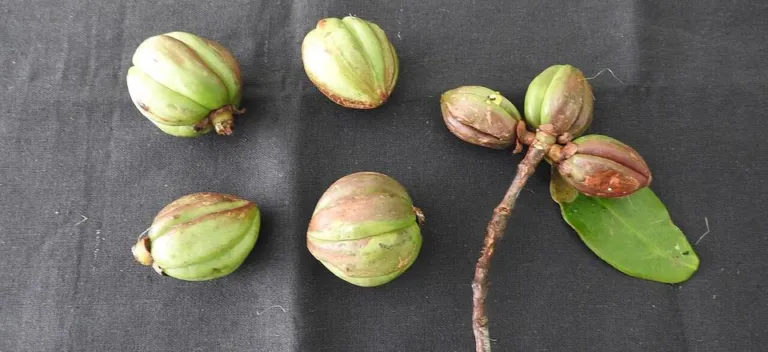
A rare liver reaction, and the signs that mean stop
Very uncommon, sometimes severe.
Small trials can’t catch anything this rare. Case reports from several countries did: people, many of them younger or middle-aged women, whose livers became badly inflamed weeks or months after starting garcinia. Most ended up in hospital; some needed a transplant, and a death has been reported. Many products also held green tea extract, which can injure the liver on its own; some cases involved garcinia alone.
One young Australian man fell ill weeks after taking, for a single week, a slimming product that was 70% garcinia, with a protein powder that also held green tea extract. He later needed a new liver. His doctors judged the pair a probable cause but could not single out one ingredient.
A few weeks without trouble is no promise about the next few.
The TGA, Australia’s medicines regulator, calls it very rare, under one person in ten thousand, though on thin data, since many reactions go unreported.
Medicine clashes rest on a handful of case reports: serotonin overload in a woman on an antidepressant, and liver failure once garcinia plus bitter orange joined montelukast, an asthma tablet. A few reports describe mania. Other serotonin-raising drugs, such as tramadol and migraine triptans, carry the same theoretical worry. Statins are flagged because muscle breakdown has been seen with garcinia blends, and diabetes medicines because blood sugar could drop further; the evidence for both is thin.
Ever had liver trouble? The regulator says avoid it. On an antidepressant or another serotonin-raising drug, montelukast, a statin or a diabetes medicine, don’t combine them without informed advice from the herbalist in the red box.

That new line on the label
Read the tub.
Since 1 March 2026 every garcinia medicine released for sale here should warn of very rare liver harm and list the warning signs.
It isn’t a ban, and it doesn’t mean a bad batch was found. An AUST L number means the ingredients were checked for safety and quality; the TGA does not assess whether the product works. Tubs bought online from overseas get no TGA check.
Look for the AUST L number and the liver warning before you buy.
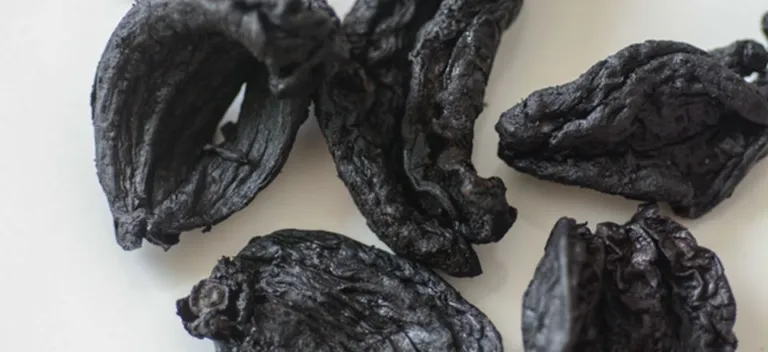
Back to the curry pot
Where it belongs.
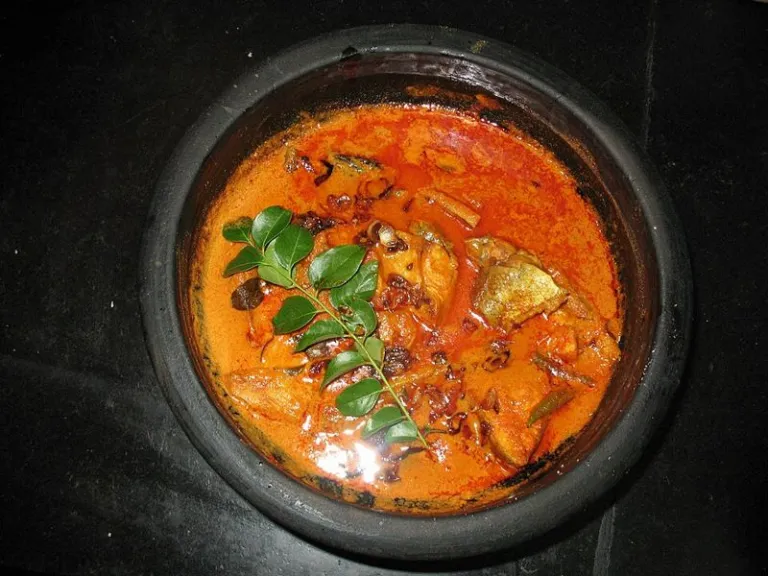
Tonight in Kottayam a few soaked pieces of that black rind will go into a clay pot of fish, for sourness and smoke, not weight.
Enjoy the rind as food. Treat the capsule as a medicine, and know its warning signs.
The full review by Dr Thomas Ridley, with every trial, case and source:
- Dr Luke Iggulden, Chief Scientific Officer — Senior author. Commissioned the Explainer series, set its direction and approved it
- Jesse Kirby — Read the review, took his own notes and wrote every sentence of this edition from them with the review shut; chose the five things a reader needs and set the liver box so it is no softer than the original
- Zoe Bennett — Wrote the page title, the search line and the labels, built around the tub in the kitchen and the curry pot, which is how the page will be shared
- Theo Karras — Picked the Kerala cover, the five section banners and the two in-text photographs from the review’s licensed set, left out the chemistry drawings and number charts, and wrote fresh alt text for each image
- Leah Bianchi — Put the page together: the red warning box, the one-minute card, the two pull quotes, the five what-this-means cards and the card back to the review, checked for reading on a phone
Contributors
- Dr Thomas Ridley — Wrote the AIP Literature Review this page retells, and checks the science
Image credits. All photographs of Garcinia gummi-gutta via Wikimedia Commons, as used in the parent review. Cover: Swati Sidhu, CC BY-SA 4.0. Fruit in cross-section: Vijayanrajapuram, CC BY-SA 4.0. Kerala fish curry: stu_spivack, CC BY-SA 2.0. Sapling, Wayanad: Shyamal, CC BY-SA 4.0. Tree at Yercaud: Yercaud-elango, CC BY-SA 4.0. Tree at Aanakkulam: Jeevan Jose, CC BY-SA 4.0. Dried rind: Nags Viswanathan, CC BY 4.0. Meen curry in a clay pot: Kalakki at Malayalam Wikipedia, CC BY-SA 2.5.
AIP Explainers are the plain-language editions of the Institute’s technical articles, published alongside the original. Everything on this page is carried by the full review, where the evidence, the references and the regulatory sources are set out. Regulatory information was read in November 2026 and may change. Spotted an error? Write to our contact form. We would rather correct a claim than repeat it.
Jesse Kirby
Head of Community Outreach
Australian Institute of Pharmacognosy
Cardwell QLD, Australia
australian-pharmacognosy.org · our contact form
The Institute sets and publishes its own monographs. The catalogue is in Publications.