

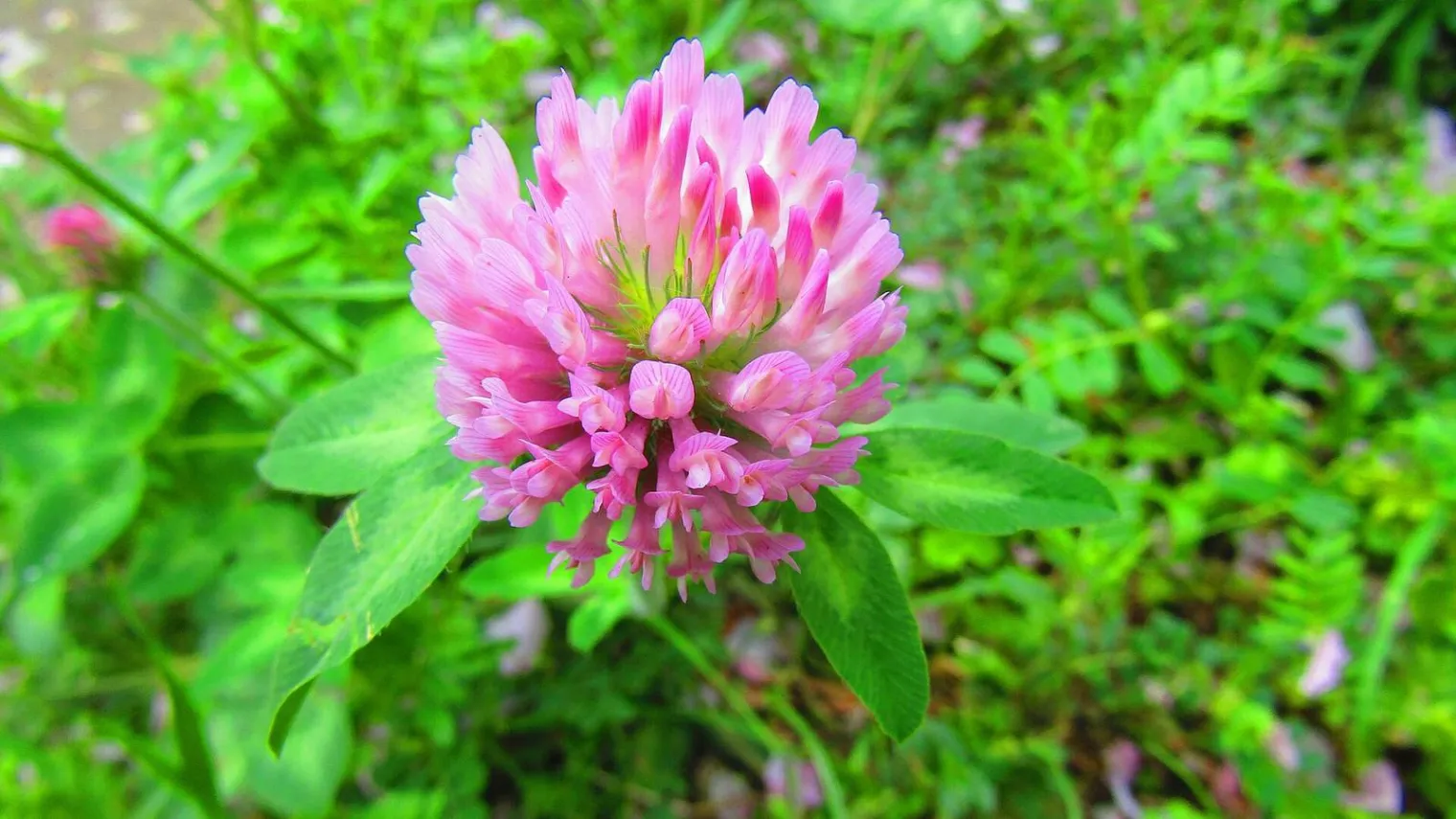
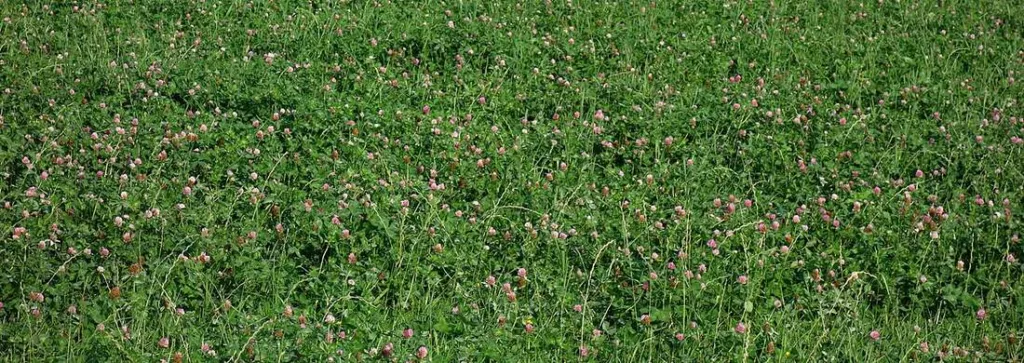
Cover: red clover in flower, Yokohama, Japan. Photo: Dandy1022 · CC BY-SA 4.0 · Wikimedia Commons
For most of its medical life, red clover was a cup of tea made from purple flower heads picked off a summer paddock, taken to “cleanse the blood” and settle a cough Traditional. The red clover sold beside the sage and black cohosh in an Australian pharmacy today is a tablet of concentrated isoflavones, measured in milligrams, and it is the tablet that went into the menopause trials Confirmed. Both come from the same plant. They are different medicines, and this review keeps them apart.
This is an AIP Literature Review and Critical Analysis of Trifolium pratense L. (Fabaceae), written for Australians weighing up menopause products. It covers the plant and its names, where it grows in Australia, the old Western use of the flowering tops, the chemistry of the isoflavones formononetin, biochanin A, daidzein and genistein, and what the randomised trials and meta-analyses found for hot flushes, bone and blood lipids. We read every trial report we cite in full; where a trial could only be reached through a review, we say so and name the review. The safety chapter looks at breast and endometrial tissue, hormone-sensitive conditions, anticoagulants and pregnancy, and the Australian chapter explains what an AUST L number on a red clover label does and does not tell you.
This article is educational. It is not medical advice, and nothing in it is a recommendation to start, stop or change any medicine or supplement.
Standardised red clover isoflavone extracts were well tolerated in trials lasting up to three years, with no measured stimulation of the endometrium or increase in mammographic breast density in postmenopausal women Evidence suggests. The open questions concern women with a history of hormone-sensitive cancer, women taking tamoxifen or aromatase inhibitors, people on warfarin or methotrexate, thyroid conditions, children, and pregnancy and breastfeeding, where there are no human safety data. See Safety and interactions.
Before taking any botanical drug, consult a degree-qualified herbalist with competencies and adequate training in pharmacognosy. If someone is unwell after taking any medicine or supplement, call Triple Zero (000) in an emergency or the Poisons Information Centre on 13 11 26 (24 hours, Australia-wide).
| What the evidence shows | Tag | Where | |
|---|---|---|---|
| Plant | Trifolium pratense L., Fabaceae (pea family). Part used in herbal tradition: the flower heads; in modern extracts: aerial parts, often leaf-rich | Confirmed | §1 |
| In Australia | Introduced from Europe and naturalised in every state; a common pasture legume | Confirmed | §3 |
| Traditional use | An “alterative” (blood cleanser) for skin complaints and ulcers, and a remedy for spasmodic cough, in nineteenth-century American Eclectic practice | Traditional | §4 |
| Main constituents | Isoflavones: biochanin A and formononetin dominate; genistein and daidzein in small amounts | Confirmed | §5 |
| How it acts | Isoflavones bind oestrogen receptors weakly, with a preference for ER-β; formononetin and biochanin A are converted to daidzein and genistein in the body | Mechanism | §6 |
| Hot flushes | Pooled trials show a small average reduction, about 1.7 fewer hot flushes a day than placebo, with wide variation between trials | Evidence suggests | §7 |
| Bone and lipids | Small, inconsistent signals on bone density; a small pooled fall in total cholesterol with no change in LDL | Evidence suggests | §7 |
| Compared with hormone therapy | In the one trial that ran both side by side for 12 months, hormone therapy cut vasomotor symptoms by 94%; red clover did not differ from placebo | Confirmed | §7 |
| Safety | Well tolerated in trials up to three years; human data lacking for pregnancy and for women with hormone-sensitive cancer | Evidence suggests | §8 |
| Australian status | Sold as AUST L listed medicines; indications chosen from a permitted list; the TGA has not assessed efficacy before sale | Confirmed | §9 |
Confirmed Established in people by randomised trial, or a plain analytical, botanical or regulatory fact.
Evidence suggests Real published data that is small, short, inconsistent, preclinical or not yet replicated.
Mechanism A plausible pharmacological explanation. It describes how something might work, not an outcome in people.
Traditional Historical or traditional use. Evidence that people used the plant this way, not evidence that it worked.
Attested A documentary fact found in a named historical text or edition: what a book said, not what the plant does.
Red clover is a European meadow legume that has spread through Australian pastures. Herbalists have long used its flower heads as a gentle tea for the skin and for coughs Traditional. Modern menopause products are something else: concentrated extracts standardised to about 40 to 80 mg of isoflavones a day, mostly biochanin A and formononetin Confirmed. Those molecules look enough like oestradiol to bind its receptors weakly, which is what “phyto-oestrogen” means Mechanism.
The trials of those extracts show a modest effect. A 2021 meta-analysis pooling ten comparisons found about 1.7 fewer hot flushes a day than placebo, with the benefit concentrated in postmenopausal women who started with five or more flushes a day (Kanadys 2021, PMID 33920485) Evidence suggests. The 2013 Cochrane review of the Promensil trials found a smaller difference that did not reach statistical significance (PMID 24323914). Placebo response in these trials is large, up to 59% in the Cochrane data.
A red clover extract does not do what oestrogen therapy does. In a 12-month trial that ran both against placebo, hormone therapy reduced vasomotor symptoms by 94% and changed oestradiol, FSH and SHBG; red clover changed none of those hormones and did not beat placebo (Geller 2009, PMID 19609225) Confirmed. The Australasian Menopause Society puts it plainly: no complementary medicine is as effective as oestrogen therapy.
The safety record in trials is reassuring for healthy postmenopausal women: no change in endometrial thickness, mammographic density or blood clotting time over one to three years Evidence suggests. Human data are thin or absent for women with a history of breast cancer, for pregnancy and for people on several medicines at once, and those groups deserve an individual conversation.
In Australia, red clover products are listed medicines. The TGA checks their ingredients for safety and quality; it does not test whether each product works before it reaches the shelf. Reading the isoflavone figure on the label, and knowing which extract was tested, is the most useful thing a shopper can do. Before taking any botanical drug, consult a degree-qualified herbalist with competencies and adequate training in pharmacognosy.
Names, identity and taxonomy
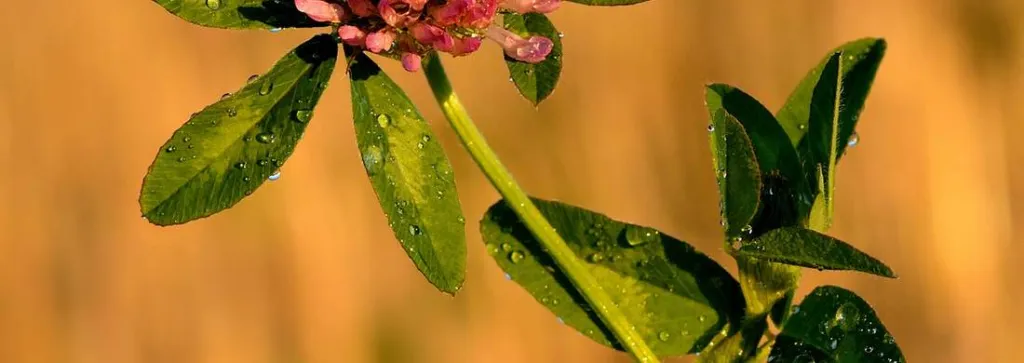
Red clover is Trifolium pratense L., the “L.” recording Linnaeus as the botanist who named it. The genus name means “three leaves”, after the trefoil leaf, and the species epithet pratense means “of meadows”. It belongs to the pea and bean family, Fabaceae (older books say Leguminosae), alongside soy, liquorice, fenugreek and lucerne Confirmed. Common English names include red clover, purple clover, meadow clover and, in older agricultural writing, cow grass. The German Rotklee and the Dutch rode klaver say the same thing.
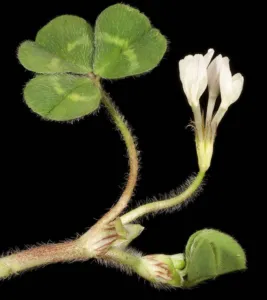
Two other clovers matter to this story because they are easily confused with it. White clover, Trifolium repens, is the lawn and pasture plant with white flower heads and creeping stems. Subterranean clover, Trifolium subterraneum, is the small Mediterranean annual that buries its seed heads in the soil and became the backbone of southern Australian sheep pastures. Sweet clover is not a Trifolium at all: it belongs to the genus Melilotus, and its place in medical history (the discovery of the anticoagulant dicoumarol) is often wrongly pinned on red clover. Chapter 8 returns to that.
For the purposes of this review “red clover” means two different materials. The first is the herb of herbal tradition: the dried flower heads (in the old pharmacopoeia Latin, Trifolii pratensis flos), used as a tea, tincture or fluid extract. The second is the modern isoflavone extract, made from the aerial parts of the plant and standardised to a stated milligram content of isoflavones. Almost every clinical trial of red clover for menopause used the second kind Confirmed. When a label, a website or a friend says red clover “has been shown to help”, it is worth asking which of the two they mean.
What the plant looks like
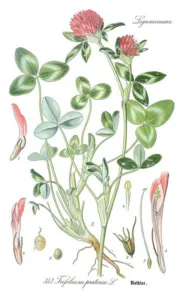
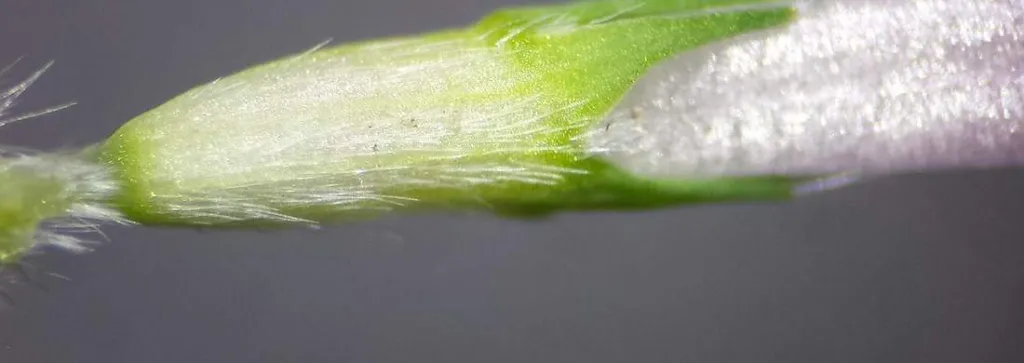
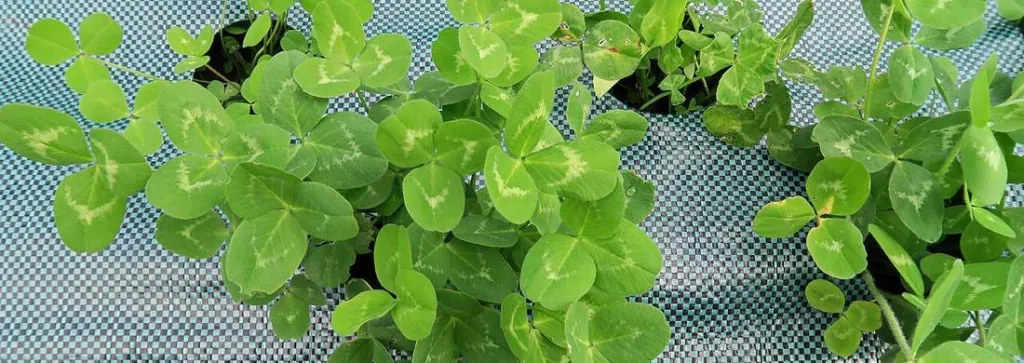
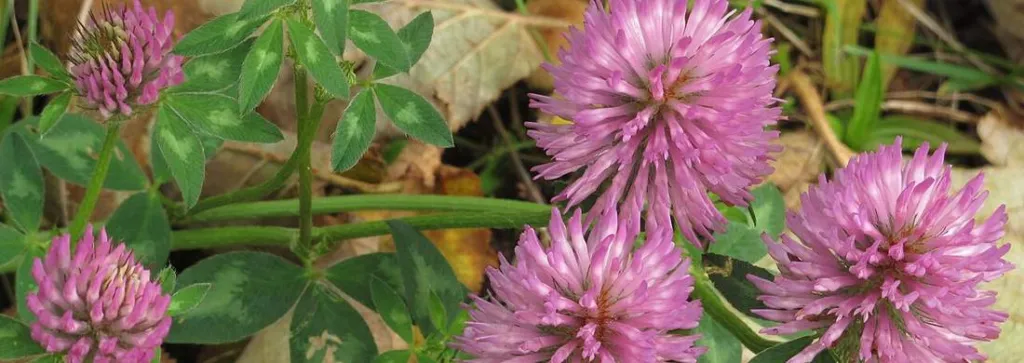
Red clover is a short-lived perennial herb with several erect or sprawling stems 40 to 100 cm long Confirmed. VicFlora, the Royal Botanic Gardens Victoria flora, describes the stems as “sparingly hairy to glabrous” and the leaflets as elliptic to almost round, mostly 30 to 60 mm long (VicFlora). Each leaf has three leaflets, often marked with a pale crescent or V, and at the base of the leaf stalk sit a pair of papery stipules ending in a fine bristle. Those stipules are one of the easiest ways to tell red clover from its relatives in the hand.
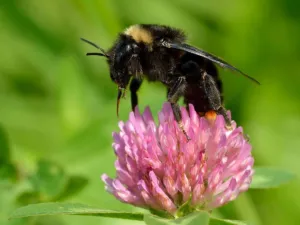
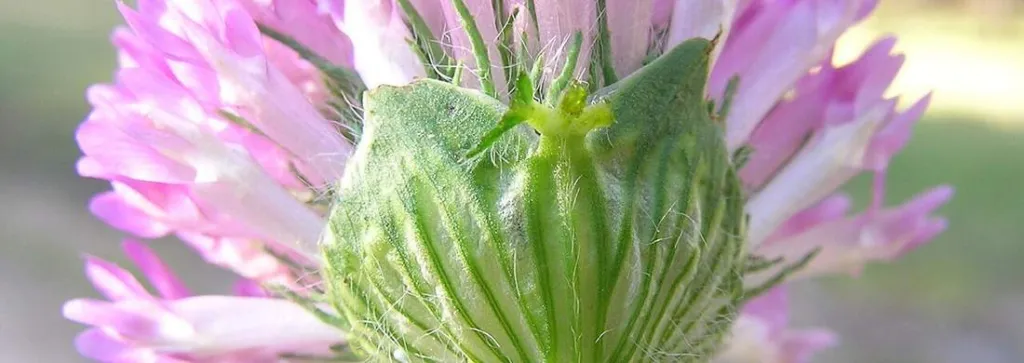
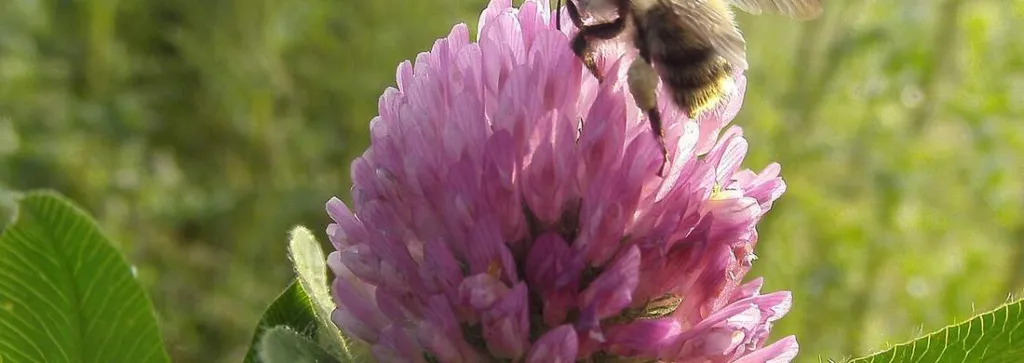
The flower head is a dense, rounded cluster of a hundred or more small pea-flowers, pink to reddish purple, sitting directly on a pair of leaves with almost no stalk beneath it. Each floret is a narrow tube, and the heads are visited by bumblebees. In Victoria it flowers mainly from October to May (VicFlora) Confirmed. The seed pod is tiny and stays enclosed in the old calyx, holding a single kidney-shaped seed that may be yellow, brown or purplish.
The old pharmacopoeia description of the drug is useful because it is what a herbalist still checks today. The 1918 Dispensatory of the United States, describing red clover as listed in the National Formulary, defined the drug as “the dried inflorescence of Trifolium pratense“, with pale green, pointed bracts, a faintly aromatic, tea-like smell and a sweetish then slightly bitter taste, and set an ash limit of no more than 10 per cent (Remington and Wood, 1918, transcription) Attested. Brown, mouldy or stalky material falls short of that description.
Where it grows, and its status in Australia
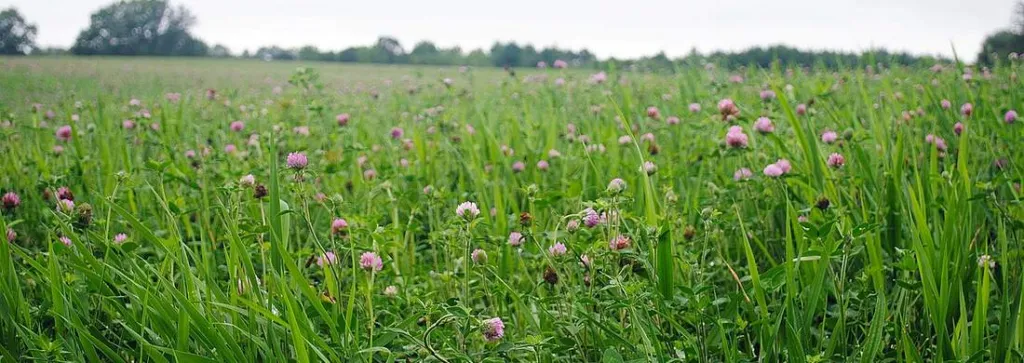
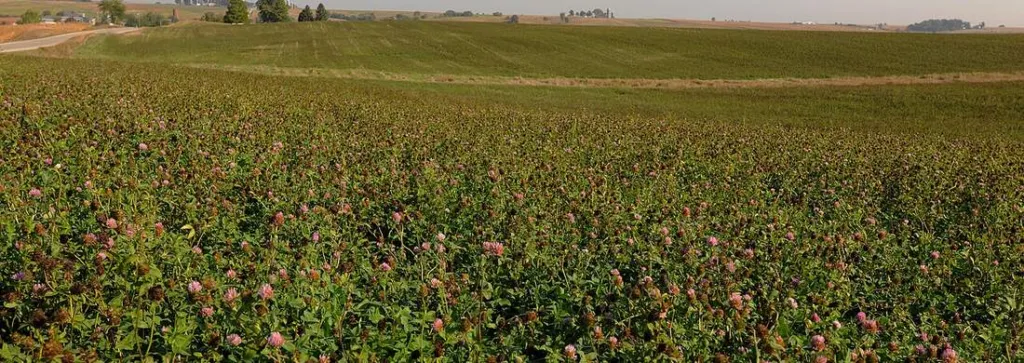
Red clover is native to Europe, western Asia and northern Africa (VicFlora) Confirmed. It has been grown as a fodder and soil-improving crop in Europe for centuries, because like most legumes it hosts nitrogen-fixing bacteria in its root nodules. Farmers took it with them to North America, South America, New Zealand and Australia.
In Australia it is an introduced species, recorded as naturalised in Victoria, Western Australia, Queensland, New South Wales, the ACT and Tasmania, and described by VicFlora as “an occasional weed in Victoria, mostly in higher rainfall areas” (VicFlora) Confirmed. We did not check its listing under each state’s weed legislation for this review, and we did not review the Commonwealth biosecurity import conditions for seed or dried herb; anyone importing either should check them with the Department of Agriculture, Fisheries and Forestry.
Australia’s long history with clover is worth a paragraph, because it explains why Australian scientists were among the first to take plant oestrogens seriously. In 1946 the Australian Veterinary Journal published a paper by Bennetts, Underwood and Shier titled “A specific breeding problem of sheep on subterranean clover pastures in Western Australia” (PMID 21028682) Attested. The Cochrane reviewers cite that work as the early evidence that phyto-oestrogens could impair fertility in grazing livestock (PMID 24323914). The clover involved was subterranean clover eaten in very large amounts by sheep, a long way from a 40 mg tablet, but it put the oestrogen-like isoflavones of clovers on the scientific map.
Traditional and historical use
The best-documented medical tradition for red clover is North American, and it is a tradition of the flower. The 1898 edition of King’s American Dispensatory by Harvey Wickes Felter and John Uri Lloyd, the reference work of the Eclectic physicians, calls red clover “an excellent alterative”, the old term for a remedy thought to correct the state of the blood and tissues slowly (Felter and Lloyd, 1898, transcription) Attested. It recommends a strong infusion for whooping cough and other spasmodic coughs, internal use for people prone to leg ulcers, and the extract spread on linen as a dressing for “cancerous ulcers” and badly healing burns Traditional. The same text lists a branded compound syrup of trifolium for syphilis, scrofula, chronic rheumatism and skin complaints, which tells us how the herb was being sold at the time Attested.
King’s also says, with the confidence of its era, that red clover “unquestionably retards the growth of carcinomata”. We report that sentence because it is part of the historical record and because it lives on in modern “cancer tonic” formulas. It is a nineteenth-century clinical impression, untested in the way we would now test it, and no trial supports it Traditional. Twenty years later the 1918 Dispensatory of the United States was dismissive: it put the alterative reputation down to superstition and stated that there was no sufficient evidence of medicinal value (Remington and Wood, 1918, transcription) Attested. Both books are worth reading side by side; they show a herb moving from confident use to official doubt within a generation.
In the Western herbal tradition that Australian naturopaths and herbalists inherited, red clover flowers kept their place as a gentle “blood cleanser” for chronic skin conditions such as eczema and psoriasis, often in children, and as a cough remedy, usually as a tea or a fluid extract and often in combination with herbs such as burdock and yellow dock Traditional. We were unable to locate a verifiable primary source for each of those combinations in the time available, so they are reported here as practice that is widely described rather than as cited fact (unsourced). None of these uses has been tested in a controlled trial.
Menopause is not part of the old tradition. The menopause use arrived in the 1990s, with standardised isoflavone extracts and with early trials run in Australia (Knight 1999 and Baber 1999, both included in Kanadys 2021, PMID 33920485) Confirmed. The two lives of red clover are therefore separated by more than a century and by a change of material: a mild flower tea on one side, a concentrated extract designed to deliver a measured dose of phyto-oestrogens on the other. Evidence from one cannot simply be borrowed by the other.
The chemistry: isoflavones and what else is in the flower
Red clover is one of the richest plant sources of isoflavones, a class of phenolic compounds made mostly by legumes. Its isoflavone profile differs from soy’s. In red clover the two dominant compounds are biochanin A and formononetin, both carrying a methoxy group on the B ring; genistein, daidzein, glycitein and prunetin occur in much smaller amounts (Kanadys 2021, PMID 33920485; Hüser 2018, PMID 30132047) Confirmed. In soy the balance is the other way round, with genistein and daidzein, mostly as their glucosides, in the lead. Red clover isoflavones are present largely as free aglycones in commercial extracts (Hüser 2018, PMID 30132047).
Where in the plant the isoflavones sit matters for anyone comparing a flower tea with a tablet. A 2023 study of 30 red clover genotypes from six European countries analysed leaf, flower and stem separately by HPLC and found the highest total isoflavone content in the leaves, with biochanin A usually the leading compound; the flowers had the highest total phenolic content and antioxidant activity (Mikulić 2023, PMID 38201131) Confirmed. The single richest sample reached 5.71 mg of total isoflavones per gram of dry weight, and the poorest 0.67 mg/g, an eightfold spread driven by genotype and ploidy. The traditional flower heads and the leafy aerial parts used for extracts are chemically different starting materials, and two batches of the same plant part can differ several times over.
For a sense of scale: if dried flower heads held something like 1 mg of isoflavones per gram, which is plausible from the Mikulić figures though not measured for any product sold here, a cup of tea made from 2 g of flowers would carry a few milligrams at most, and water extracts only part of that. An 80 mg tablet is a different order of exposure Mechanism. That is an estimate, not a measurement, and it is offered only to show why the trials of extracts tell us little about the tea.
Coumestrol and the coumarin question
Red clover also contains coumestrol, a coumestan with oestrogen-receptor activity of its own. The Fritz 2013 systematic review notes that it is present in red clover “in very low amounts”, so its contribution to the extract’s activity is doubtful (PMID 24312387) Evidence suggests. Coumestrol is a coumestan, a different structure from the simple coumarin of sweet clover and tonka bean and from the anticoagulant dicoumarol. We found no full-text analytical study, in the time available, that quantified simple coumarin in red clover flowers or in commercial extracts, so any statement about red clover’s “coumarin content” is unsourced here. Chapter 8 deals with what that means for people taking anticoagulants.
The rest of the flower
Beyond isoflavones, the flower heads carry flavonols and other phenolics, which account for the antioxidant activity measured in the Mikulić study (PMID 38201131), along with the general constituents of a legume herb Confirmed. A 1910 study of the plant’s constituents is cited in the 1918 Dispensatory (transcription) Attested; we have not read it. A modern, complete chemical profile of the dried flower as sold for herbal tea in Australia does not appear in the literature we read.
Pharmacology: what “phyto-oestrogen” means
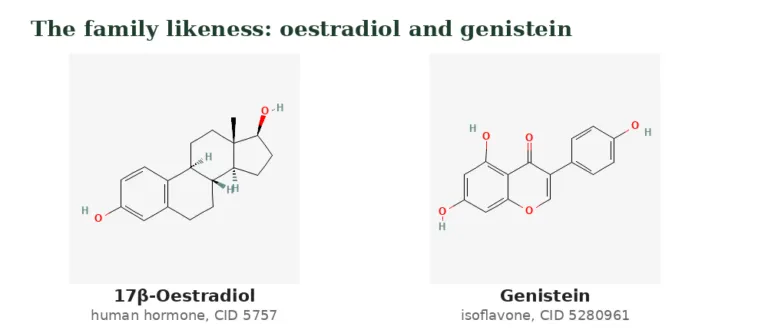
“Phyto-oestrogen” means a plant compound that can bind to the body’s oestrogen receptors and produce some oestrogen-like effects. It does not mean a plant source of oestrogen, and it does not mean a natural hormone replacement. Isoflavones resemble 17β-oestradiol in outline (Figure 2), but they bind the receptors far more weakly, and their effect depends on the tissue, on how much of the body’s own oestrogen is around, and on which receptor they meet Mechanism.
There are two main oestrogen receptors, ER-α and ER-β, and they are distributed differently through the body. Red clover isoflavones bind ER-β more readily than ER-α (Kanadys 2021, PMID 33920485) Mechanism. The standardised red clover extract used in the Geller trial bound ER-β at an IC50 of 1.9 µg/mL and ER-α at 18.4 µg/mL, roughly a tenfold preference (Geller 2009, PMID 19609225); the earlier laboratory comparison by Overk and colleagues reported 2.0 and 18.0 µg/mL for a red clover extract (Overk 2005, PMID 16076101) Evidence suggests. In Overk’s cell assays the red clover extract activated oestrogen-responsive reporter genes and raised progesterone-receptor expression in endometrial (Ishikawa) and breast cancer (MCF-7) cell lines. Those are test-tube findings. They show the extract has oestrogenic activity at the receptor; they do not show what happens in a woman’s uterus or breast at the doses that reach the blood.
The animal work points the same way. In the standard ovariectomised rat uterotrophic test, in which an oestrogen makes the uterus gain weight, a 30% isoflavone red clover extract given at three escalating doses for 21 days produced no uterine weight gain, while the hop compound 8-prenylnaringenin did (Overk 2008, PMID 18619951) Evidence suggests. The uterotrophic assay is the standard screen for oestrogenic drugs, and red clover did not register in it, although rat results do not transfer directly to women.
What the body does with red clover isoflavones
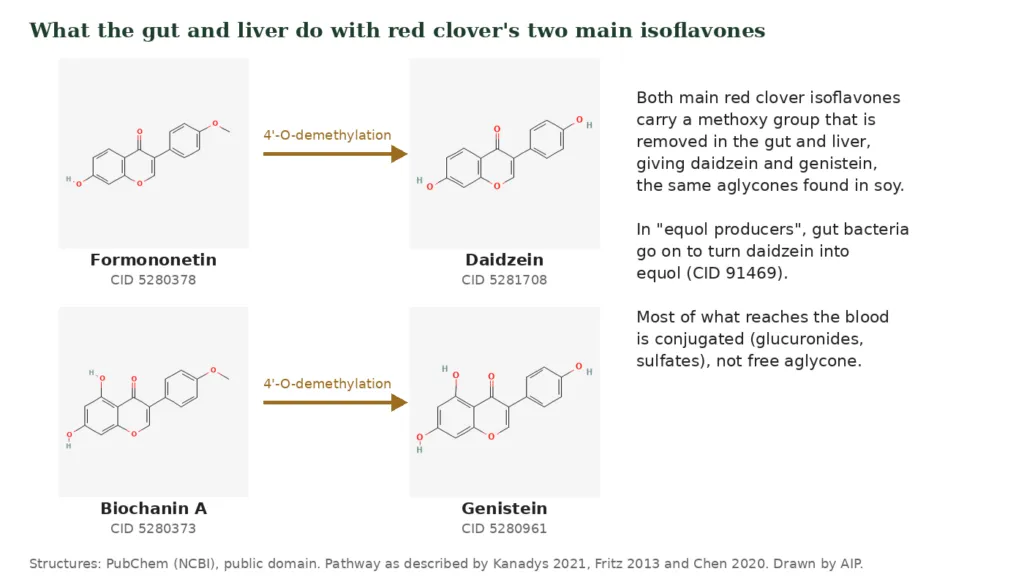
Formononetin and biochanin A are methoxylated isoflavones, and the gut and liver remove that methyl group to give daidzein and genistein (Figure 1) (Kanadys 2021, PMID 33920485; Fritz 2013, PMID 24312387) Confirmed. Daidzein can then be converted to equol by gut bacteria, but only in people described as “equol producers” (Fritz 2013, PMID 24312387) Evidence suggests; differences in gut metabolism are one proposed reason that responses vary between individuals Mechanism. In the Chen 2020 pharmacokinetic study, what circulated in women’s serum after two weeks of 120 mg/day red clover isoflavones was mostly conjugated metabolites (glucuronides and sulfates) rather than free aglycones (PMID 33197178) Confirmed. Conjugates bind the receptor poorly, which helps explain why clinical effects are modest.
Isoflavones also act on targets that have nothing to do with oestrogen receptors: tyrosine kinase inhibition, antioxidant activity, and, for genistein and biochanin A, the PPAR-α and AMPK pathways involved in lipid metabolism (Kanadys 2021, PMID 33920485; Błaszczuk 2022, PMID 35745197) Mechanism. Those are the mechanisms usually offered for the lipid findings in chapter 7. They are plausible; they are not proven to operate at supplement doses in people.
Why a red clover extract is not hormone therapy
Menopausal hormone therapy supplies oestradiol or a related oestrogen at doses that replace the body’s own, usually with a progestogen to protect the endometrium. It raises circulating oestrogen and pushes FSH and LH down. The Geller trial measured exactly that. Over 12 months, conjugated equine oestrogens with medroxyprogesterone acetate significantly changed oestrone, oestradiol, FSH, LH and SHBG compared with placebo; the red clover extract (398 mg/day, standardised to 120 mg isoflavones) changed none of them (Geller 2009, PMID 19609225) Confirmed. In the Atkinson trial of a 43.5 mg/day red clover isoflavone tablet over a year, oestradiol, FSH and LH were also unchanged (PMID 15084240) Confirmed. Red clover’s isoflavones act at the receptor. They do not replace the hormone, and their effects in trials are a fraction of hormone therapy’s.
The clinical trials: hot flushes, bone and lipids
The menopause trials of red clover are numerous enough to pool, small enough individually to disagree, and almost all of them tested one family of standardised extracts. Kanadys and colleagues in 2021 found 12 placebo-controlled randomised trials published between 1999 and 2017, enrolling 1,179 women, with trial sizes from 37 to 252 and an average daily dose of 65.1 mg isoflavones (range 37.1 to 160 mg) (PMID 33920485) Confirmed. Three were run in Australia. The table below sets them out as Kanadys extracted them, with the Geller trial added because we read it in full and Kanadys did not include it.
| Trial | Country | Randomised / analysed | Length | Isoflavones a day | Hot flush or symptom result |
|---|---|---|---|---|---|
| Knight 1999 | Australia | 37 / 37 | 12 weeks | 40 or 160 mg (biochanin A-rich) | No significant difference |
| Baber 1999 | Australia | 51 / 51 (crossover) | 90 days per phase | 40 mg (biochanin A-rich) | No significant difference |
| Jeri 2002 | Peru | 30 / 30 | 16 weeks | 40 mg (biochanin A-rich) | Fewer hot flushes than placebo |
| van de Weijer 2002 | Netherlands | 30 / 26 | 12 weeks | 80 mg (biochanin A-rich) | Fewer hot flushes than placebo |
| Tice 2003 (ICE) | United States | 252 / 252 | 12 weeks | 80 mg biochanin A-rich or 57 mg formononetin-rich | No significant difference |
| Atkinson 2004 | United Kingdom | 205 / 99* | 12 months | 43.5 mg (biochanin A-rich) | No significant difference; low baseline symptoms |
| Hidalgo 2005 | Ecuador | 60 / 53 (crossover) | 90 days per phase | 80 mg | Kupperman index improved |
| Geller 2009 | United States | 89 across four arms | 12 months | 120 mg (398 mg extract) | No significant difference; hormone therapy arm 94% reduction |
| del Giorno 2010 | Brazil | 120 / 100 | 12 months | 40 mg | Kupperman index reported |
| Lipovac 2012 | Austria | 113 / 109 (crossover) | 90 days per phase | 80 mg | Fewer hot flushes than placebo |
| Clifton-Bligh 2015 | Australia | 147 / 103 | 2 years | 57 mg (formononetin-rich) | No benefit on Greene scale |
| Shakeri 2015 | Iran | 72 / 71 | 12 weeks | 80 mg | Menopause Rating Scale improved |
| Lambert 2017 | Denmark | 62 / 59 | 12 weeks | 37.1 mg fermented extract with probiotics | Fewer hot flushes than placebo |
Source: Kanadys 2021, Table 1 (PMID 33920485), except Geller 2009 (PMID 19609225), Atkinson 2004 (PMID 15084240) and Lambert 2017 (PMID 28591133), which we read in full. Results for the other trials are as Kanadys reports them; we have requested the original reports. *Atkinson randomised 205 women and 177 completed; Kanadys analysed 99 for the hot flush outcome. “Biochanin A-rich” is the Promensil-type composition; “formononetin-rich” is the Rimostil-type composition.
Hot flush frequency
Pooling ten comparisons from eight trials, Kanadys found that women taking red clover had on average 1.73 fewer hot flushes a day than women taking placebo (95% CI −3.28 to −0.18; p = 0.03) (PMID 33920485) Evidence suggests. The trials disagreed sharply with one another: heterogeneity was 87%, which means the single pooled number hides a spread from clear benefit to none. The subgroups suggest where the effect lives. In postmenopausal women alone the difference was −2.68 a day (CI −4.72 to −0.63); in trials that mixed peri- and postmenopausal women it was 0.01, no effect at all. Women starting with five or more flushes a day showed −2.56; those starting with three or more showed 0.21. Trials at 80 mg a day or more showed a larger point estimate (−2.80), but with a confidence interval that crossed zero.
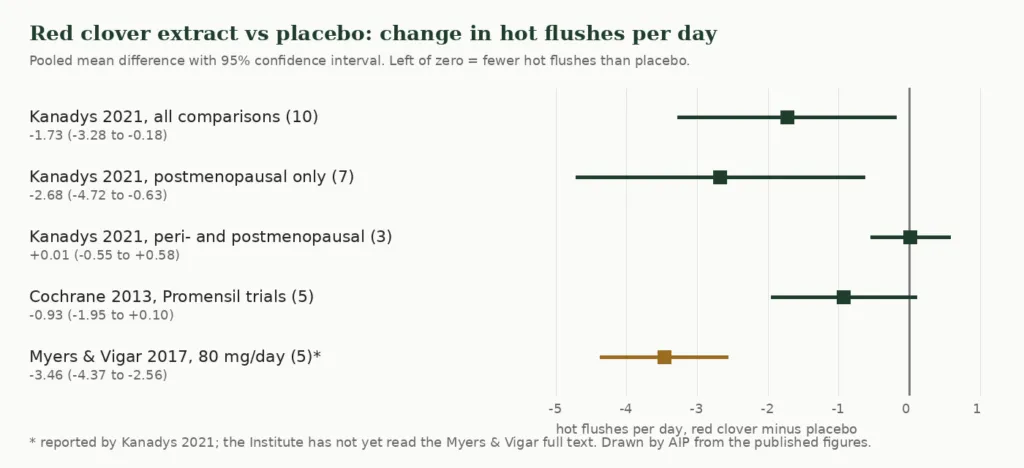
The 2013 Cochrane review, which covered 43 phytoestrogen trials of all kinds, could pool five red clover (Promensil) trials and found a difference of −0.93 hot flushes a day (CI −1.95 to 0.10), which did not reach significance (PMID 24323914) Evidence suggests. Its overall conclusion was that there is no conclusive evidence that phytoestrogen supplements reduce hot flushes, while noting that extracts with high genistein content deserved further study. Kanadys lists earlier meta-analyses whose estimates ranged from −0.44 (not significant) to −3.46 a day; the largest, from Myers and Vigar in 2017, pooled five trials of the 80 mg Promensil dose and found −3.46 (CI −4.37 to −2.56) as reported by Kanadys (PMID 33920485). We have requested the Myers and Vigar paper and have not yet read it. A 2026 GRADE-assessed meta-analysis has also been published (Jiang and Wu, PMID 42269521); we have requested it and do not report its findings here.
The size of the placebo response is the other half of the picture. In the Cochrane data, hot flushes fell by between 1% and 59% on placebo (PMID 24323914). In the Geller trial, placebo produced a 63% fall in vasomotor symptoms over 12 months, red clover 57% and black cohosh 34%, and only hormone therapy (94%) differed significantly from placebo (PMID 19609225) Confirmed. An average woman starting on a red clover tablet will very probably feel better over the following months. Most of that improvement would have happened on a dummy tablet too, and the trials are designed to measure the part that would not.
Two newer trials are worth knowing about. Lambert and colleagues in Denmark used a fermented, aglycone-rich red clover extract (34 mg isoflavones a day in the abstract; the methods give 37.1 mg, of which 33.78 mg aglycones) combined with probiotics, and measured hot flushes objectively by 24-hour skin conductance. The extract group had 4.3 fewer flushes a day by the device, against an increase of 0.79 on placebo, and self-reported flushes also fell (Lambert 2017, PMID 28591133) Evidence suggests. It was a 62-woman, 12-week trial, the extract was combined with probiotics, and three of the authors were co-inventors on the patent for the extract (they had assigned their rights to the manufacturer). The objective measurement is a real step forward; the result needs repeating by an independent group. A 2024 Turkish trial reporting effects on lipids and symptoms (Yigit and Unsal, PMID 39254422) has been requested and is not described here.
For readers comparing products: the black cohosh evidence, reviewed in our black cohosh literature review, faces the same placebo problem and the same question of which extract was tested, and our shatavari review looks at a herb whose menopause evidence is earlier still.
Other menopausal symptoms
Across the trials that used the Kupperman Menopausal Index, red clover scored better than placebo (pooled −12.77 points, p = 0.02), but heterogeneity was 96%. On the Greene Climacteric Scale, used in six trials, there was no difference at all (0.11 points; I² = 0%) (Kanadys 2021, PMID 33920485) Evidence suggests. Kanadys themselves concluded that the Greene result “may undermine the usefulness” of red clover for symptoms other than hot flushes. Geller found no improvement in other menopausal symptoms with either botanical (PMID 19609225).
Bone
Bone is the reason some women look at isoflavones, because oestrogen loss accelerates bone loss after menopause. The evidence for red clover is thin. In the Geller trial, women in the placebo, black cohosh and red clover groups all lost bone over 12 months, and red clover did not differ from placebo at the lumbar spine, hip or femoral neck; only hormone therapy increased bone density (PMID 19609225) Confirmed. The Danish group’s 12-week trial of their fermented extract (37.1 mg isoflavones, 60 women) reported that only the placebo group lost lumbar spine bone density and T-score over the period, with a non-significant fall in the bone-resorption marker CTx in the red clover group (Thorup 2015, PMID 26265926) Evidence suggests. Twelve weeks is very short for bone, the analysis leaned on within-group change, and the same patent interest applies. A one-year UK trial of a red clover isoflavone tablet and bone density (Atkinson, Compston and colleagues 2004, PMID 14749241) has been requested; we do not report its result here.
Blood lipids and cardiovascular markers
A 2022 meta-analysis of phytoestrogen-rich supplements in postmenopausal women included seven red clover trials. Red clover lowered total cholesterol by 0.11 mmol/L (CI −0.18 to −0.04) and raised HDL cholesterol by 0.04 mmol/L, with no significant change in LDL cholesterol (−0.01) or triglycerides (Błaszczuk 2022, PMID 35745197) Evidence suggests. Those are small changes; for comparison, the hormone therapy arm of the Geller trial lowered total cholesterol by 22 mg/dL (about 0.57 mmol/L) against placebo, while red clover produced no lipid change in that trial (PMID 19609225). The two-year Australian trial of a formononetin-enriched extract by Clifton-Bligh and colleagues, which measured lipids (PMID 25369831), has been requested; we have not read it and do not report its lipid result. Blood pressure did not change in the Thorup trial (PMID 26265926). No trial has measured heart attacks, strokes or fractures, the outcomes that actually matter.
Safety and interactions
Red clover extracts have been taken by well over a thousand women in randomised trials, some for two or three years, and the safety record in those trials is good. The Cochrane reviewers found no evidence that phytoestrogen supplements stimulated the endometrium or the vagina, or caused other adverse effects, when used for up to two years (PMID 24323914) Evidence suggests. In Geller’s 12-month trial, with monthly clinic checks, liver function tests and an independent safety board, there were no serious adverse events attributed to red clover and no differences from placebo in gastrointestinal symptoms, nausea or fatigue (PMID 19609225) Confirmed. Lambert reported the fermented extract was well tolerated (PMID 28591133). The questions that remain concern particular groups of people, and they are set out below in order.
Breast tissue
Hormone therapy raises mammographic breast density, which is a marker of breast cancer risk, so density is the natural thing to measure. In the Atkinson trial, 205 women aged 49 to 65 took a red clover isoflavone tablet (26 mg biochanin A, 16 mg formononetin, 1 mg genistein, 0.5 mg daidzein) or placebo for a year. Breast density fell in both groups, with no significant difference between them; the authors noted the contrast with hormone therapy, which increases density (PMID 15084240) Confirmed. A subgroup finding complicates the picture slightly: women with one variant of the oestrogen receptor gene (the ESR1 PvuII TT genotype) showed a small rise in density on red clover against a fall on placebo. It was one subgroup in one trial and has not been replicated Evidence suggests.
Powles and colleagues gave the same type of tablet (40 mg isoflavones a day) or placebo for three years to 401 women aged 35 to 69 with a first-degree relative with breast cancer, most of them premenopausal. As reported in two systematic reviews, the trial found no significant change in mammographic density or in endometrial thickness between groups (Hooper 2010, PMID 20511398; Fritz 2013, PMID 24312387) Evidence suggests. We have requested the Powles report itself (PMID 18380954). Across all isoflavone trials, soy and red clover together, Hooper’s meta-analysis found no effect on breast density in postmenopausal women (−1.10%, CI −3.22 to 1.03) and a small increase in premenopausal women (1.83%, CI 0.25 to 3.40), an effect that disappeared in one of three sensitivity analyses (PMID 20511398) Evidence suggests.
The German Senate Commission on Food Safety’s 2018 review of isoflavones reached the same view: isoflavones at 40 to 120 mg a day for 6 to 36 months did not affect breast density or proliferation markers in healthy postmenopausal women, with marginal effects reported in premenopausal women whose relevance is uncertain (Hüser 2018, PMID 30132047) Evidence suggests. That review was written for overseas food regulators and does not govern Australian law, but its reading of the evidence is careful and precautionary.
Women with a history of hormone-sensitive cancer
This is the group with the least evidence. The Fritz 2013 systematic review of soy and red clover in women with or at risk of breast cancer found that the data on red clover are limited and that existing studies “suggest that it may not possess breast cancer-promoting effects” (PMID 24312387) Evidence suggests. It also concluded that better evidence is needed before high-dose (100 mg or more) isoflavones can be recommended for breast cancer patients. The Cochrane review excluded women with a history of breast cancer from its trials (PMID 24323914), and so did Geller. Fritz found that prospective data on soy foods in women taking tamoxifen did not indicate a higher risk of recurrence; no comparable data exist for red clover extracts (PMID 24312387) Evidence suggests. A woman taking tamoxifen, letrozole, anastrozole or exemestane is in exactly the situation where an individual assessment, with her oncology team aware of it, is the sensible course.
The endometrium
Unopposed oestrogen thickens the lining of the uterus, which is why hormone therapy for women with a uterus includes a progestogen. Red clover has not shown that effect. Geller measured endometrial thickness by transvaginal ultrasound at entry and exit and found no change with red clover relative to placebo (PMID 19609225); Powles found no change over three years (as reported by Fritz, PMID 24312387); the Cochrane review found no evidence of endometrial stimulation up to two years (PMID 24323914); and the rat uterotrophic test was negative (Overk 2008, PMID 18619951) Evidence suggests. Unexplained vaginal bleeding after menopause always needs investigating, whatever a woman is taking.
Anticoagulants and the coumarin question
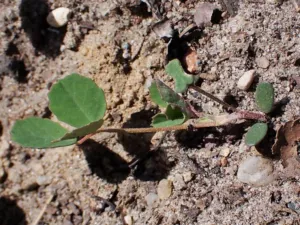
Red clover often appears on lists of herbs “containing coumarins” that might interact with warfarin. The history behind that worry belongs to a different plant. In the 1920s and 1930s, cattle in North America bled to death after eating spoiled sweet clover hay. Karl Paul Link’s laboratory in Wisconsin traced the cause to dicoumarol, formed from the coumarin of sweet clover as the hay went mouldy, isolated it in 1939, and went on to develop warfarin (Ball and Featherstone 2025, PMID 40285513) Confirmed. Sweet clover is Melilotus, and it was the mouldy hay, in which the plant’s coumarin had been converted, that caused the bleeding.
For red clover, the direct human evidence is reassuring as far as it goes. In the Geller trial the prothrombin time and INR were monitored and were unchanged in every arm, and the authors concluded that red clover did not interfere with blood coagulation (PMID 19609225) Confirmed. Chen and colleagues gave 15 women 120 mg/day red clover isoflavones for two weeks and found no change in the handling of probe drugs for CYP1A2, CYP2C9, CYP2D6 or CYP3A4/5 (PMID 33197178) Confirmed. Warfarin is cleared mainly by CYP2C9, so the absence of a CYP2C9 effect is relevant, though it was a probe study with tolbutamide, not a warfarin study Mechanism. Neither trial enrolled anyone taking warfarin. The proportionate position is that a significant interaction has not been shown, and that anyone on warfarin who starts or stops any supplement should have the INR checked as usual.
Thyroid
The Hüser review found no change in thyroid function from isoflavones in healthy people with adequate iodine, but noted limited evidence that isoflavones might affect thyroid hormone measures in people with hypothyroidism, and singled out iodine deficiency and subclinical hypothyroidism as the groups to watch (PMID 30132047) Evidence suggests. Most of those data come from soy. Women on levothyroxine who start an isoflavone supplement may reasonably ask for their thyroid function to be rechecked.
Pregnancy and breastfeeding
There are no human safety data for concentrated red clover isoflavone extracts in pregnancy or breastfeeding, and these products are designed and labelled for menopause. The Hüser review lists pregnant women as a group to consider at risk, with only one human study (of soy foods) available (PMID 30132047) Evidence suggests. Given the oestrogen-receptor activity of the extract and the absence of data, these products have no place in pregnancy. Red clover flower tea, a much smaller exposure, has not been studied in pregnancy either.
Children
No trial has tested red clover isoflavone extracts in children or adolescents, and there are no paediatric safety data for them. The concentrated extracts are menopause products, and their oestrogen-receptor activity is a reason to keep them away from children until data exist Mechanism. The use of the flower tea for skin complaints in children, described in chapter 4, is a tradition and has never been tested in a controlled trial Traditional. Any use of red clover in a child calls for an individual assessment first.
Other medicines
The main trials tested red clover on its own, so what happens when it is combined with menopausal hormone therapy, hormonal contraception or other oestrogen-active medicines has not been studied (unsourced). One published case report, by Orr and Parker, describes symptoms suggestive of methotrexate toxicity in a patient on high-dose methotrexate who was taking red clover (PMID 24072635). We have requested the full report and have not read it, so we give its title and nothing more. A single case does not establish an interaction. People on methotrexate are still a group for whom any supplement is best discussed before starting.
Who else should talk it through first
People with endometriosis, fibroids or a history of oestrogen-dependent conditions, people with a clotting disorder or about to have surgery, anyone taking methotrexate or several prescribed medicines, and children, are the groups for whom a red clover supplement is best discussed in advance. That is a sensible precaution based on how the extract works, not a finding of harm Mechanism. Before taking any botanical drug, consult a degree-qualified herbalist with competencies and adequate training in pharmacognosy.
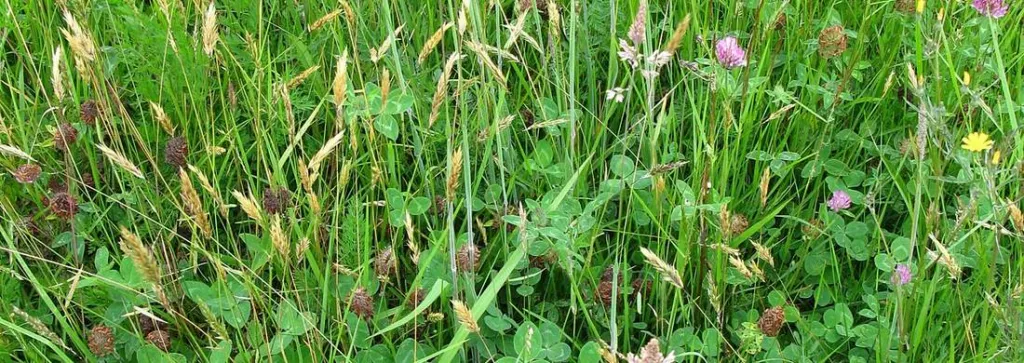
In Australia: ARTG, indications and the label
In Australia, red clover supplements are regulated as medicines by the Therapeutic Goods Administration. Most are listed medicines, carrying an AUST L number on the pack. The TGA explains that listed medicines “are not individually evaluated by the TGA for quality, safety and efficacy before they are supplied”; sponsors certify that their product meets the requirements, may only use ingredients from the Permissible Ingredients Determination, and may only make claims chosen from the Permissible Indications Determination, for which they must hold supporting evidence that the TGA can ask to see (TGA, Listed medicines) Confirmed. An AUST L number therefore tells you the product is legally on the market with pre-approved low-risk ingredients. It does not tell you the TGA has judged that the product works.
The best-known example shows how this works in practice. Promensil Menopause is entered on the Australian Register of Therapeutic Goods as ARTG 151247, a listed medicine, with Trifolium pratense as its ingredient and Pharmacare Laboratories Pty Ltd as sponsor (ARTG 151247) Confirmed. In a targeted compliance review with an outcome dated 28 January 2022, the TGA found that the sponsor of Promensil Menopause Double Strength (ARTG 154445) “did not hold sufficient evidence to support claims related to ‘with menopause’, ‘during menopause’ and ‘throughout menopause'”, because “the subjects included in the clinical studies were post-menopausal women only”. The sponsor removed those claims, and removed a ‘vitality’ label claim and a ‘relief from dry skin’ website claim. The TGA found no safety issues and the medicine continues to be permitted for supply (TGA listed medicine compliance report) Confirmed. We name the product only for what those public TGA records state.
That review lines up with the science in chapter 7. The trials that showed a hot flush benefit were mostly in postmenopausal women, and the pooled effect in mixed peri- and postmenopausal groups was zero (Kanadys 2021, PMID 33920485). A shopper in perimenopause, still having periods, is outside the population in which the evidence was gathered.
Reading a red clover label
Australian labels for herbal extracts usually state two things: the amount of extract and the amount of dry herb it is “equivalent to”, and, for standardised products, the amount of the marker compounds. For red clover the marker is total isoflavones, sometimes broken down into biochanin A, formononetin, genistein and daidzein. The isoflavone figure is the one that connects a product to the trials, most of which used 40 or 80 mg a day Confirmed. A “dry herb equivalent” figure on its own tells you little, because the same weight of red clover can carry an eightfold range of isoflavones (Mikulić 2023, PMID 38201131). A product that lists red clover among many herbs, without an isoflavone figure, has no trial of its own, and the red clover trials cannot be borrowed for it.
| On the label | What it means | What it tells you |
|---|---|---|
| AUST L number | Listed medicine; ingredients pre-approved; claims from a permitted list | The TGA has not assessed efficacy before sale |
| AUST L(A) number | Assessed listed medicine; efficacy evidence assessed by the TGA | Check the ARTG entry to see which kind a product is |
| Isoflavones, mg per tablet | The standardised amount of marker compounds | Lets you compare with the 40 to 80 mg a day used in trials |
| Dry herb equivalent | Weight of starting herb the extract came from | Says little about isoflavone dose on its own |
| Plant part | Flower, aerial parts or leaf | Leaves and flowers differ in isoflavone content |
What Australian clinicians are told
The Australasian Menopause Society’s patient fact sheet on complementary medicines rates red clover with an orange “use with caution” icon and says it “can slightly reduce the frequency of hot flushes. Post menopausal women may see a greater reduction.” The same sheet states that “no complementary medicine is as effective as oestrogen therapy for menopausal symptoms” and advises against buying products online (Australasian Menopause Society) Confirmed. That is a fair summary of the trial evidence, and it matches the TGA’s view of which women the evidence covers.
Scheduling, import and other rules
Red clover is sold on open shelves in supermarkets and pharmacies as listed medicines, which is consistent with it being an unscheduled ingredient. We did not run a full-text search of the current Poisons Standard for this review, so we do not state its scheduling as a checked fact (unsourced). Personal importation of red clover supplements bought overseas or online falls under the TGA’s personal importation rules and Commonwealth biosecurity conditions, which we did not review here; the TGA advises against buying medicines online unless you know exactly what is in them (TGA).
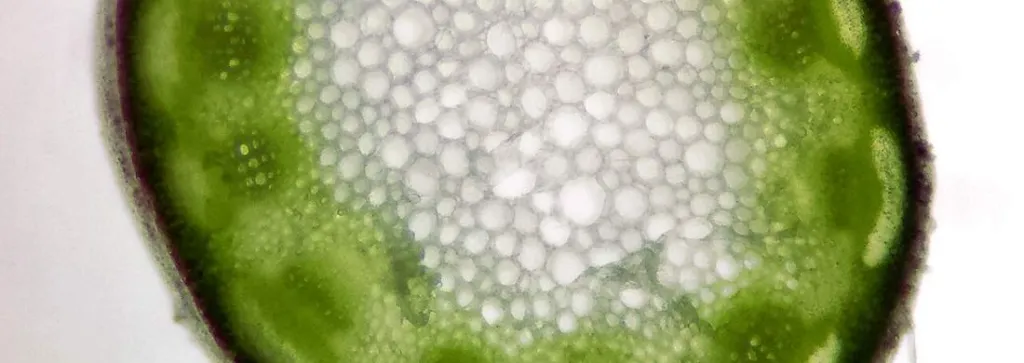
Quality, identity and adulteration
For a standardised extract, quality means the isoflavone content on the label is what is in the tablet. That has been a problem. Wang and colleagues analysed several marketed red clover products by HPLC and UPLC and found that isoflavone content varied significantly between them; the product matrix also changed how well biochanin A and formononetin crossed a model of the human gut wall (Wang 2008, PMID 18370585) Evidence suggests. The authors concluded that red clover labels were “ambiguous” and called for better standardisation. That work was done on products sold overseas and does not tell us about Australian products today, but it shows the kind of check that matters.
For the dried herb, identity starts with the plant. Whole flower heads of red clover are distinctive: rounded heads of pink to purple florets with a hairy calyx, pale pointed bracts, and none of the white of white clover or the yellow of sweet clover. Cut and sifted material is harder. The 1918 Dispensatory description, with its tea-like smell and ash limit of 10 per cent, is still a reasonable first screen (transcription) Attested. Beyond that, an identity test by thin-layer chromatography against biochanin A and formononetin reference standards, and an HPLC assay of total isoflavones, are the tools a laboratory would use. We are not aware of a published survey of red clover herb or products sold in Australia; that gap is listed in chapter 11.
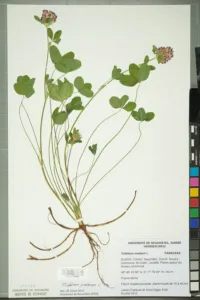
There is a further identity question specific to extracts: the plant part. Many commercial extracts are made from the leafy aerial parts, which in the Mikulić study carried more isoflavones than the flowers (PMID 38201131). A product labelled “red clover flower” and one made from leaf-rich aerial parts are different preparations even when both are honestly labelled Confirmed. The trial literature mostly does not say which plant part the extract came from; Geller is an exception, describing an ethanolic extract of the aerial parts (PMID 19609225).
Discussion: conclusions, hypotheses and research still required
What we can conclude
Red clover has two medical identities. The first is a gentle flower tea from the Western herbal tradition, used for skin, ulcers and coughs, documented in nineteenth-century texts and never tested in a controlled trial Traditional. The second is a standardised isoflavone extract, dominated by biochanin A and formononetin, tested in at least 13 placebo-controlled trials for menopausal symptoms Confirmed. The extract produces a small average reduction in hot flushes, about 1.7 a day in the most recent full-text meta-analysis we read, concentrated in postmenopausal women with frequent flushes, with large heterogeneity and a large placebo response Evidence suggests. It does not change circulating sex hormones, and in a head-to-head trial it was far less effective than hormone therapy Confirmed. Its effects on bone are unproven and its effects on lipids are small Evidence suggests. In healthy postmenopausal women, trials of one to three years found no stimulation of the endometrium, no rise in breast density and no change in clotting time Evidence suggests.
What we can reasonably hypothesise
Several ideas follow from this evidence without being findings. The first is that the inconsistency between trials reflects differences in the women enrolled (peri- versus postmenopausal, baseline flush frequency) and in the extracts (biochanin A-rich versus formononetin-rich, fermented versus not), more than chance alone Mechanism. The second is that individual metabolism, including equol-producer status and conjugation, explains part of why some women respond and others do not Mechanism. The third is that the ER-β preference seen in the laboratory is part of why the extract leaves the endometrium and breast density unchanged at trial doses Mechanism. The fourth concerns tradition: the flower tea’s skin and cough uses, if they have a pharmacological basis, are more likely to rest on the flower’s phenolics than on isoflavones at the very low doses a tea delivers Mechanism. Each of these is a hypothesis and should be tested before anyone relies on it.
What research is still required
Clinical research. An adequately powered, independently funded trial of a fully characterised red clover extract in postmenopausal women with at least five hot flushes a day, using objective skin-conductance measurement alongside diaries, with equol-producer status measured at baseline, would settle more than any further meta-analysis. A separate trial in perimenopausal women is needed before any claim is made for that group, which is the gap the TGA identified. Trials should report the plant part and the full isoflavone composition.
Safety research. Prospective observational data on red clover use in women with a history of breast cancer, including those taking tamoxifen or aromatase inhibitors, and a formal interaction study in people on warfarin with INR as the outcome. Thyroid function should be measured in future trials, particularly in women on levothyroxine.
Quality analysis and phytochemistry. A market survey of red clover products sold in Australia, testing label isoflavone claims by validated HPLC; an analytical study of simple coumarin and coumestrol in red clover flower and extract, so the “coumarin” question can be answered with numbers; and a TLC identity method suitable for detecting substitution of red clover flowers with other Trifolium species in cut herb.
Botany and ethnobotany. Vouchered collections of red clover from Australian pastures, with isoflavone profiles by plant part, would show whether Australian-grown material differs from the European genotypes studied by Mikulić. A careful study of how Australian herbalists currently use the flower tea, as distinct from the extract, would document a living tradition that the literature has not recorded.
Regulatory science. A review of the indications currently carried by red clover listings on the ARTG against the populations studied in the trials would show how widely the issue found in the 2022 compliance review applies.
For a woman reading this while standing in a pharmacy aisle, the practical summary is short. The trials that found a benefit were of standardised extracts, mostly at 40 to 80 mg isoflavones a day, in postmenopausal women with frequent hot flushes, and the average benefit was modest. A product that states its isoflavone content can at least be compared with what was tested. If you have had a hormone-sensitive cancer, take warfarin or thyroid medicine, or are pregnant, talk it through first. Before taking any botanical drug, consult a degree-qualified herbalist with competencies and adequate training in pharmacognosy.
About the Australian Institute of Pharmacognosy and this series
The Australian Institute of Pharmacognosy is a clinic and research laboratory in Cardwell, far north Queensland, studying medicinal plants and natural products to the same evidentiary standard as any other branch of pharmacology: traditional knowledge taken seriously, and tested honestly. Visit the Institute at australian-pharmacognosy.org.
Series: AIP Literature Reviews and Critical Analyses (evidence reviews). Related reviews: black cohosh (Actaea racemosa) · shatavari (Asparagus racemosus); the Institute’s pharmacognostic monograph on black cohosh root is AIP-PH-ACTRAC. Follow the series for a new evidence review each morning.
Corrections: if you find an error or a source we have missed, write to the Institute at our contact form. We would rather correct a claim than repeat it.
About the images and the evidence. Photographs are from Wikimedia Commons under the licences given in each caption and in the image credits; none is of an authenticated, vouchered specimen. Figures 1 to 3 were drawn by the Institute from the sources named in each. Every trial report and review cited for its findings was read in full; trial results we could reach only through a review are attributed to that review, and the original reports have been requested through the Institute’s library.
Head of Education and Research
Australian Institute of Pharmacognosy
Cardwell QLD, Australia
australian-pharmacognosy.org · our contact form
Suggested citation: Ridley T. Red clover (Trifolium pratense L.): the meadow flower, the isoflavone tablet and the menopause trials. AIP Literature Review and Critical Analysis AIP-LR-TRIPRA. Cardwell (QLD): Australian Institute of Pharmacognosy; 2026.
Educational content only; not medical, legal or regulatory advice. Australian regulatory information reflects the ARTG, TGA publications and the Australasian Menopause Society fact sheet as read in November 2026 and may change. German, United States and European material is described as overseas material and does not govern Australian law. Products are named only for what their public ARTG and TGA records state; no product is advertised, endorsed or recommended. Material drawn from Commonwealth sources is © Commonwealth of Australia and appears here as short extracts for the purpose of reporting, criticism and review.
References
25 references: tap to open
Listed approximately in order of first citation. Every PMID was verified against PubMed in November 2026, and every journal article cited for its findings was read in full text. Regulatory, botanical and historical records were read from the sources linked. The following were requested through the Institute’s library and are not cited for their content: Tice JA, et al. ICE study. JAMA 2003 (PMID 12851275) · Myers SP, Vigar V. Phytomedicine 2017 (PMID 28160855) · Jiang W, Wu K. Eur J Obstet Gynecol Reprod Biol 2026 (PMID 42269521) · Atkinson C, et al. Am J Clin Nutr 2004 (bone) (PMID 14749241) · Powles TJ, et al. Menopause Int 2008 (PMID 18380954) · van de Weijer PH, Barentsen R. Maturitas 2002 (PMID 12161042) · Clifton-Bligh PB, et al. Eur J Clin Nutr 2015 (PMID 25369831) · Yigit E, Unsal S. Climacteric 2024 (PMID 39254422) · Ghazanfarpour M, et al. J Obstet Gynaecol 2016 (PMID 26471215) · Booth NL, et al. Menopause 2006 (PMID 16645539) · Orr A, Parker R. Menopause Int 2013 (PMID 24072635).
- Kanadys W, Barańska A, Błaszczuk A, Polz-Dacewicz M, Drop B, Kanecki K, Malm M. Evaluation of clinical meaningfulness of red clover (Trifolium pratense L.) extract to relieve hot flushes and menopausal symptoms in peri- and post-menopausal women: a systematic review and meta-analysis of randomized controlled trials. Nutrients. 2021;13(4):1258. doi:10.3390/nu13041258. PMID 33920485.
- Lethaby A, Marjoribanks J, Kronenberg F, Roberts H, Eden J, Brown J. Phytoestrogens for menopausal vasomotor symptoms. Cochrane Database Syst Rev. 2013;(12):CD001395. doi:10.1002/14651858.CD001395.pub4. PMID 24323914.
- Geller SE, Shulman LP, van Breemen RB, Banuvar S, Zhou Y, Epstein G, et al. Safety and efficacy of black cohosh and red clover for the management of vasomotor symptoms: a randomized controlled trial. Menopause. 2009;16(6):1156-66. doi:10.1097/gme.0b013e3181ace49b. PMID 19609225.
- Royal Botanic Gardens Victoria. Trifolium pratense L. VicFlora, Flora of Victoria. vicflora.rbg.vic.gov.au. Read November 2026.
- Remington JP, Wood HC, et al., eds. The Dispensatory of the United States of America. 1918. Entry “Trifolium”. Transcription by Henriette Kress: henriettes-herb.com. Read November 2026.
- Bennetts HW, Underwood EJ, Shier FL. A specific breeding problem of sheep on subterranean clover pastures in Western Australia. Aust Vet J. 1946;22(1):2-12. PMID 21028682. Cited for its title only, as reported in reference 2.
- Felter HW, Lloyd JU. King’s American Dispensatory. Cincinnati: Ohio Valley Co.; 1898. Entry “Trifolium.—Red Clover”. Transcription by Henriette Kress: henriettes-herb.com. Read November 2026.
- Hüser S, Guth S, Joost HG, Soukup ST, Köhrle J, Kreienbrock L, et al. Effects of isoflavones on breast tissue and the thyroid hormone system in humans: a comprehensive safety evaluation. Arch Toxicol. 2018;92(9):2703-48. doi:10.1007/s00204-018-2279-8. PMID 30132047.
- Mikulić M, Atanacković Krstonošić M, Kladar N, Vasiljević S, Katanski S, Mamlić Z, et al. Phytochemical composition of different red clover genotypes based on plant part and genetic traits. Foods. 2023;13(1):103. doi:10.3390/foods13010103. PMID 38201131.
- Fritz H, Seely D, Flower G, Skidmore B, Fernandes R, Vadeboncoeur S, et al. Soy, red clover, and isoflavones and breast cancer: a systematic review. PLoS One. 2013;8(11):e81968. doi:10.1371/journal.pone.0081968. PMID 24312387.
- Overk CR, Yao P, Chadwick LR, Nikolic D, Sun Y, Cuendet MA, et al. Comparison of the in vitro estrogenic activities of compounds from hops (Humulus lupulus) and red clover (Trifolium pratense). J Agric Food Chem. 2005;53(16):6246-53. doi:10.1021/jf050448p. PMID 16076101.
- Overk CR, Guo J, Chadwick LR, Lantvit DD, Minassi A, Appendino G, et al. In vivo estrogenic comparisons of Trifolium pratense (red clover), Humulus lupulus (hops), and the pure compounds isoxanthohumol and 8-prenylnaringenin. Chem Biol Interact. 2008;176(1):30-9. doi:10.1016/j.cbi.2008.06.005. PMID 18619951.
- Chen L, Choi J, Leonard SW, Banuvar S, Barengolts E, Viana M, et al. No clinically relevant pharmacokinetic interactions of a red clover dietary supplement with cytochrome P450 enzymes in women. J Agric Food Chem. 2020;68(47):13929-39. doi:10.1021/acs.jafc.0c05856. PMID 33197178.
- Błaszczuk A, Barańska A, Kanadys W, Malm M, Jach ME, Religioni U, et al. Role of phytoestrogen-rich bioactive substances (Linum usitatissimum L., Glycine max L., Trifolium pratense L.) in cardiovascular disease prevention in postmenopausal women: a systematic review and meta-analysis. Nutrients. 2022;14(12):2467. doi:10.3390/nu14122467. PMID 35745197.
- Atkinson C, Warren RML, Sala E, Dowsett M, Dunning AM, Healey CS, et al. Red-clover-derived isoflavones and mammographic breast density: a double-blind, randomized, placebo-controlled trial [ISRCTN42940165]. Breast Cancer Res. 2004;6(3):R170-9. doi:10.1186/bcr773. PMID 15084240.
- Lambert MNT, Thorup AC, Hansen ESS, Jeppesen PB. Combined red clover isoflavones and probiotics potently reduce menopausal vasomotor symptoms. PLoS One. 2017;12(6):e0176590. doi:10.1371/journal.pone.0176590. PMID 28591133.
- Thorup AC, Lambert MN, Kahr HS, Bjerre M, Jeppesen PB. Intake of novel red clover supplementation for 12 weeks improves bone status in healthy menopausal women. Evid Based Complement Alternat Med. 2015;2015:689138. doi:10.1155/2015/689138. PMID 26265926.
- Hooper L, Madhavan G, Tice JA, Leinster SJ, Cassidy A. Effects of isoflavones on breast density in pre- and post-menopausal women: a systematic review and meta-analysis of randomized controlled trials. Hum Reprod Update. 2010;16(6):745-60. doi:10.1093/humupd/dmq011. PMID 20511398.
- Ball CM, Featherstone PJ. The history of warfarin. Anaesth Intensive Care. 2025;53(3):148-50. doi:10.1177/0310057X251323777. PMID 40285513.
- Therapeutic Goods Administration. Listed medicines. tga.gov.au. Read November 2026.
- Therapeutic Goods Administration. Australian Register of Therapeutic Goods entry 151247, Promensil Menopause. tga.gov.au/resources/artg/151247. Read November 2026.
- Therapeutic Goods Administration. Listed medicine compliance report: Promensil Menopause Double Strength (Pharmacare Laboratories Pty Ltd). Date of review outcome 28 January 2022. tga.gov.au. Read November 2026.
- Wang SW, Chen Y, Joseph T, Hu M. Variable isoflavone content of red clover products affects intestinal disposition of biochanin A, formononetin, genistein, and daidzein. J Altern Complement Med. 2008;14(3):287-97. doi:10.1089/acm.2007.0617. PMID 18370585.
- Australasian Menopause Society. Complementary medicine options for menopausal symptoms (patient fact sheet). menopause.org.au. Read November 2026.
- National Center for Biotechnology Information. PubChem compound records: formononetin (CID 5280378), biochanin A (CID 5280373), daidzein (CID 5281708), genistein (CID 5280961), coumestrol (CID 5281707), equol (CID 91469), 17β-oestradiol (CID 5757). pubchem.ncbi.nlm.nih.gov. Read November 2026.
Image credits
- Red clover (Trifolium pratense).jpg: Dandy1022 · CC BY-SA 4.0 · Wikimedia Commons
- Trifolium pratense – Keila.jpg: Ivar Leidus · CC BY-SA 4.0 · Wikimedia Commons
- Trifolium pratense (Thomé Bd.3 1905, BHL-81509, Tafel 357) clean.jpg: Thomé, Otto Wilhelm; · Public domain · Wikimedia Commons
- Trifolium pratense subsp. pratense sl16.jpg: Stefan.lefnaer · CC BY-SA 4.0 · Wikimedia Commons
- Bombus rupestris – Trifolium pratense – Keila.jpg: Ivar Leidus · CC BY-SA 4.0 · Wikimedia Commons
- Trifolium pratense leaf Tocal legume trial 1.jpg: Macleay Grass Man · CC BY 2.0 · Wikimedia Commons
- Trifolium subterraneum – Flickr – Kevin Thiele.jpg: Kevin Thiele from Perth, Australia · CC BY 2.0 · Wikimedia Commons
- Trifolium pratense flowerhead1 (10733664583).jpg: Harry Rose from South West Rocks, Australia · CC BY 2.0 · Wikimedia Commons
- Trifolium pratense RF.jpg: Robert Flogaus-Faust · CC BY 4.0 · Wikimedia Commons
- Hummel-klee-bvg.jpg: LordToran · CC0 · Wikimedia Commons
- Field of Red Clover (4927373932).jpg: U. S. Fish and Wildlife Service – Northeast Region · Public domain · Wikimedia Commons
- Red Clover Field (52017717786).jpg: USDAgov · Public domain · Wikimedia Commons
- Melilotus officinalis kz09.jpg: Krzysztof Ziarnek, Kenraiz · CC BY-SA 4.0 · Wikimedia Commons
- Trifolium pratense habit1 (10733673593).jpg: Harry Rose from South West Rocks, Australia · CC BY 2.0 · Wikimedia Commons
- Trifolium pratense subsp. pratense sl10.jpg: Stefan.lefnaer · CC BY-SA 4.0 · Wikimedia Commons
- Neuchâtel Herbarium – Trifolium pratense – NEU000100563.jpg: Neuchâtel Herbarium · CC BY-SA 3.0 · Wikimedia Commons
- Field with red clover.jpg: W.carter · CC BY-SA 4.0 · Wikimedia Commons
- Figures 1 and 2: structures from PubChem (NCBI), public domain; figures drawn by the Australian Institute of Pharmacognosy.
- Figure 3: chart drawn by the Australian Institute of Pharmacognosy from figures published by Kanadys 2021 and the 2013 Cochrane review.
The Institute sets and publishes its own monographs. The catalogue is in Publications.