

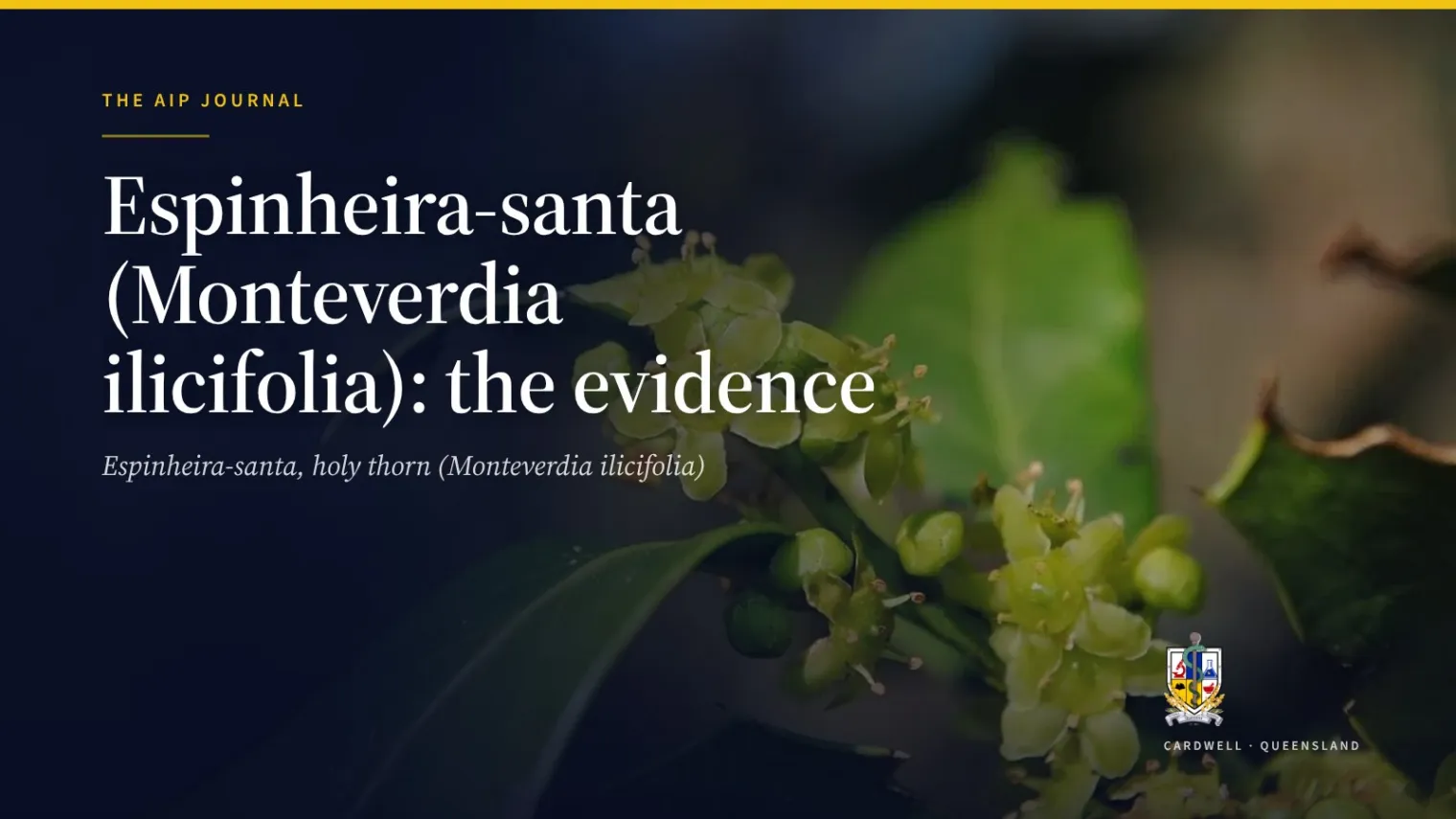
Cover: Monteverdia ilicifolia in flower on the Río Negro, Soriano, Uruguay. Photo: Andrés González · CC BY-SA 4.0 · Wikimedia Commons
In the south of Brazil, a cup of tea made from a prickly, holly-shaped leaf is what many families reach for when the stomach burns after a heavy meal. Traditional In 2024 a Brazilian university group published the first randomised, double-blind trial that set a standardised extract of that leaf against omeprazole [1]. Confirmed The plant is espinheira-santa, and almost nobody in Australia has heard of it.
This is an introduction, written for readers meeting the plant for the first time. It covers the name change from Maytenus to Monteverdia, what the plant looks like and where it grows, how it is used in South America, what is in the leaf, what the laboratory and animal work shows, and what the human studies can and cannot tell us. It ends with the plant’s legal position in Australia, the quality problems that follow it through the market, and a research agenda. Every claim carries a tag showing the kind of evidence behind it, in the same way as our earlier review of Syrian rue.
This article is educational. It is not medical advice, and nothing in it is a recommendation to obtain, prepare or use espinheira-santa.
Pregnancy, breastfeeding and under-18s. The Brazilian Pharmacopoeia’s official Formulário lists espinheira-santa as contraindicated in pregnancy, during breastfeeding and for people under 18, on the grounds that it may reduce breast-milk production and may provoke uterine contractions [2]. Evidence suggests These cautions rest largely on animal work and traditional reports. The 2024 trial excluded pregnant and breastfeeding women for the same reasons [1].
Liver disease and other medicines. A laboratory study from the trial group raised a possible liver-toxicity signal, and the trial excluded people with liver disease [1]. Evidence suggests Extracts inhibited the drug-metabolising enzyme CYP3A4 and the transporter P-glycoprotein in laboratory models [3]. Mechanism No interaction has yet been measured in people. See Chapter 8.
Warning signs. Unexpected weight loss, blood in vomit, black or bloody stools, or difficulty swallowing need prompt medical assessment before any remedy is tried; chest pain may be cardiac [4]. See Chapter 7.
In an emergency call Triple Zero (000). For poisoning advice, the Poisons Information Centre is on 13 11 26, 24 hours, Australia-wide.
| The plant | Monteverdia ilicifolia (Mart. ex Reissek) Biral, Celastraceae; formerly Maytenus ilicifolia. An evergreen shrub or small tree with spiny-margined leaves. Confirmed Ch. 1, Ch. 2 |
| Where it grows | Southern Brazil, Uruguay, north-eastern Argentina and Paraguay. No Australian records in the Atlas of Living Australia. Confirmed Ch. 3 |
| Traditional role | A tea of the dried leaf for indigestion, heartburn and gastritis. Traditional Ch. 4 |
| Chemistry | Catechins and proanthocyanidins (tannins), flavonol glycosides of quercetin and kaempferol, and friedelane triterpenes. Confirmed Ch. 5 |
| How it might work | Animal and cell work points to reduced acid secretion, a protective effect on the stomach lining and activity against Helicobacter pylori. Evidence suggests Ch. 6 |
| Evidence in people | One phase I safety study, and one small four-week randomised trial (86 randomised, 65 analysed) reporting symptom scores similar to omeprazole [1]. Evidence suggests Ch. 7 |
| Safety | Contraindicated in Brazil in pregnancy, breastfeeding and under 18; possible liver signal in the laboratory; interaction data from laboratory models only. Evidence suggests Ch. 8 |
| Australian law | Not in the TGA’s Permissible Ingredients Determination, so it cannot be an active ingredient of a listed (AUST L) medicine; not named in the Poisons Standard. Confirmed Ch. 9 |
| Quality | Market samples are often a different plant. In one study, 2 of 10 matched the true species [5]. Evidence suggests Ch. 10 |
- Confirmed established in humans by trial, or an unambiguous analytical, chemical, legal or taxonomic fact.
- Evidence suggests real published data, but preclinical, observational, small or not yet replicated.
- Mechanism a plausible mechanistic or pharmacological inference. An inference is not an outcome.
- Traditional historical, ethnobotanical or folk use. Evidence of practice, which does not show efficacy.
- Attested a documentary fact attested in a named source, such as a formal botanical publication.
Every PubMed ID links to its PubMed record and was checked against PubMed in November 2026; every compound links to its PubChem record. We cite only papers the Institute has read in full. Where a study matters but we have not yet read its full text, we say so, describe it only through a source we have read, and list it separately under the references as requested. Claims we could not trace are marked unsourced.
Espinheira-santa (“holy thorn”) is a spiny-leaved evergreen of the forests of southern Brazil and the neighbouring parts of Uruguay, Argentina and Paraguay. Its leaf tea is one of Brazil’s best-known home remedies for the stomach, and the plant is described in the Brazilian Pharmacopoeia and listed in Brazil’s national list of essential medicines [1]. Botanists moved it from Maytenus to Monteverdia in 2017 [6], so you will see both names.
The leaf is rich in catechins, tannins and flavonol glycosides, with friedelane triterpenes alongside. Rodent work over three decades points to protection of the stomach lining and reduced acid secretion. In people, the record is thin: a phase I tolerability study, and a 2024 trial in which 65 people with reflux symptoms finished four weeks of either omeprazole or one of two doses of leaf extract. Symptom scores fell in all three groups and did not differ between them.
That result is encouraging and preliminary. The trial enrolled well under half its planned size, had no placebo group, and lost about a quarter of participants. It does not show that the herb works as well as omeprazole. It shows that a properly designed larger trial is worth running.
The plant is not approved for use in Australian listed medicines, and much of what is sold as espinheira-santa in South America turns out to be a different species. Anyone considering a botanical drug should consult a degree-qualified herbalist with competencies and adequate training in pharmacognosy.
 Chapter 1Names: from Maytenus to Monteverdia
 Chapter 2Botany: the holly-leaved shrub
 Chapter 3Where it grows, and Australia
 Chapter 4Traditional and modern use in South America
 Chapter 5What is in the leaf
 Chapter 6Pharmacology: laboratory and animal work
 Chapter 7Clinical evidence
 Chapter 8Safety and interactions
 Chapter 9In Australia: law and availability
 Chapter 10Quality and adulteration
 CloseDiscussion and research agenda
Chapter 1Names: from Maytenus to Monteverdia
Espinheira-santa is Portuguese: espinheira is a thorn bush and santa means holy, so “holy thorn”. The thorns are the leaf teeth, which end in small sharp points like those of European holly, and the epithet ilicifolia means “with leaves like Ilex“, the holly genus. Confirmed
For most of its scientific life the plant was Maytenus ilicifolia Mart. ex Reissek, published in Flora Brasiliensis in 1861 [6]. Attested Nearly all of the pharmacology and the older Brazilian regulatory texts use that name. In 2017 Leonardo Biral and colleagues combined nuclear and plastid DNA sequences with morphology and found that New World Maytenus, as then defined, fell into three separate lineages. They split the genus, revived the older name Monteverdia A.Rich. (first published for a Cuban species in 1845) for the tropical lineage, and transferred 123 species to it, including this one as Monteverdia ilicifolia (Mart. ex Reissek) Biral [6]. Confirmed
Brazilian regulators have followed. The second edition of the Brazilian Pharmacopoeia’s herbal Formulário heads its entry Monteverdia ilicifolia and gives Maytenus ilicifolia as a synonym, citing the national flora [2]. Attested The 2024 trial uses the new name too [1]. Anyone searching the literature needs both names, because PubMed still returns most of the work under Maytenus.
| Field | Detail |
|---|---|
| Accepted name | Monteverdia ilicifolia (Mart. ex Reissek) Biral, Syst. Bot. 42: 680-693 (2017) |
| Basionym | Maytenus ilicifolia Mart. ex Reissek, Fl. Bras. 11: 8 (1861) |
| Family | Celastraceae, the staff-vine or spindle-tree family |
| Common names | Espinheira-santa (Portuguese, Brazil), “holy thorn” in translation |
| Closest look-alike | Monteverdia aquifolia (Mart.) Biral, formerly Maytenus aquifolium, also sold as espinheira-santa (see Chapter 10) |
One taxonomic question is still open. In the 2017 analysis, M. aquifolia came out either nested inside M. ilicifolia or as its sister, depending on which genes were used, and the authors wrote that they could not tell whether M. ilicifolia is a distinct lineage [6]. Evidence suggests The two are treated as separate species. Chemically they differ, as Chapter 10 shows, and that matters more to a patient than the phylogeny does.
The old genus name also invites a confusion. The anticancer compound maytansine takes its name from Maytenus, and readers sometimes assume espinheira-santa is its source. We have not traced a primary report of maytansine in M. ilicifolia leaf, so any statement that the tea contains it is unsourced.
Chapter 2Botany: the holly-leaved shrub
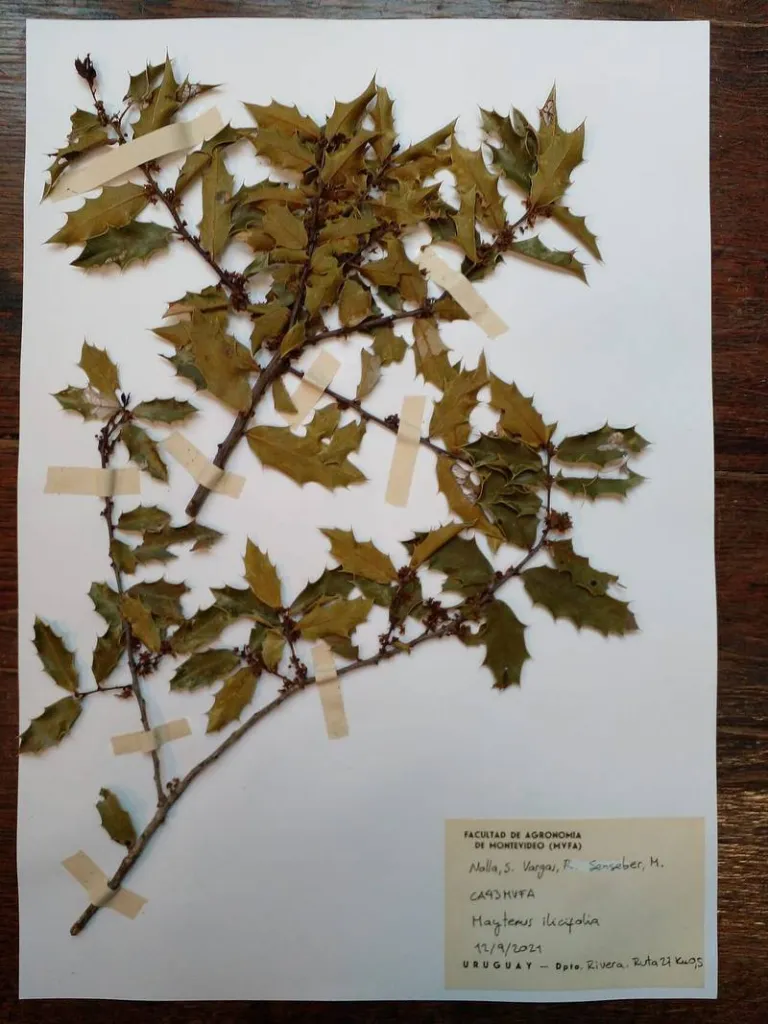
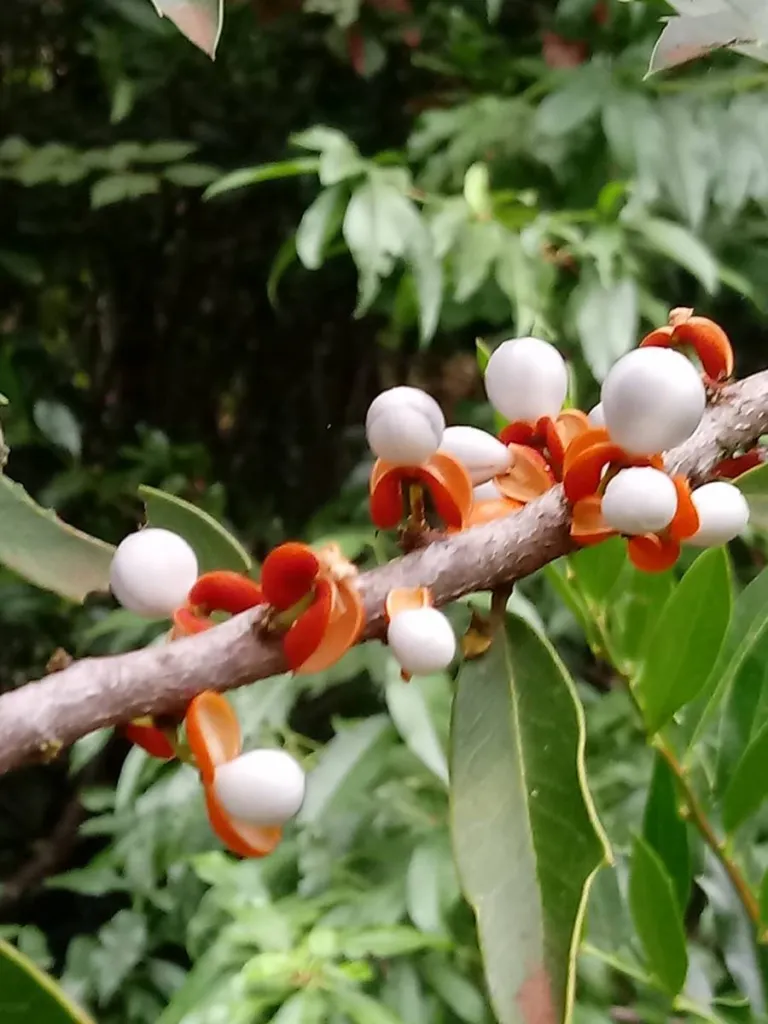
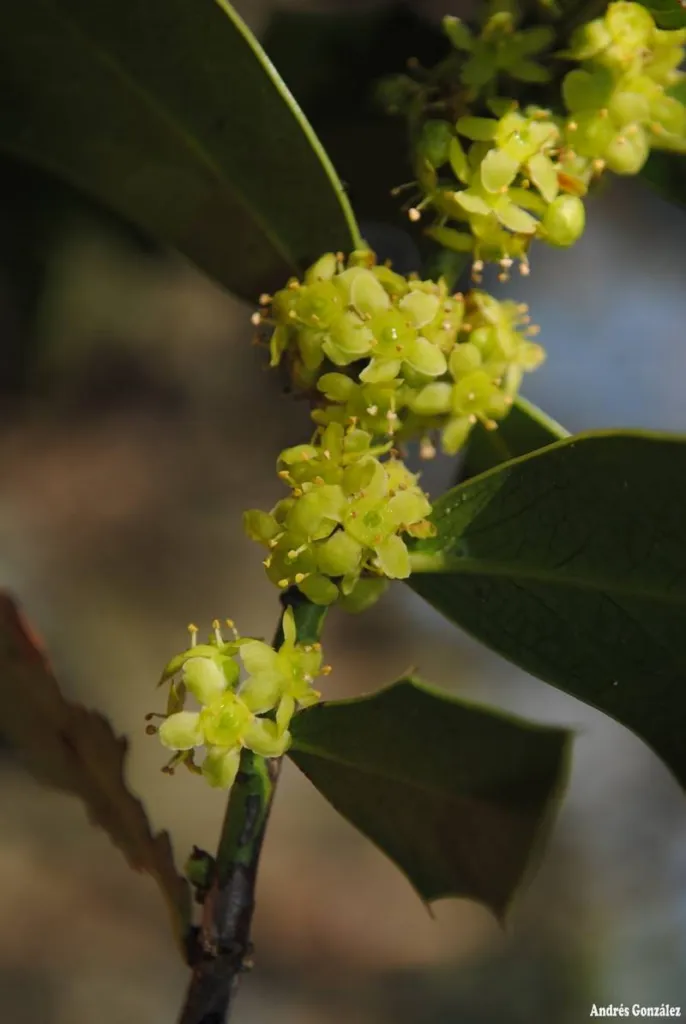
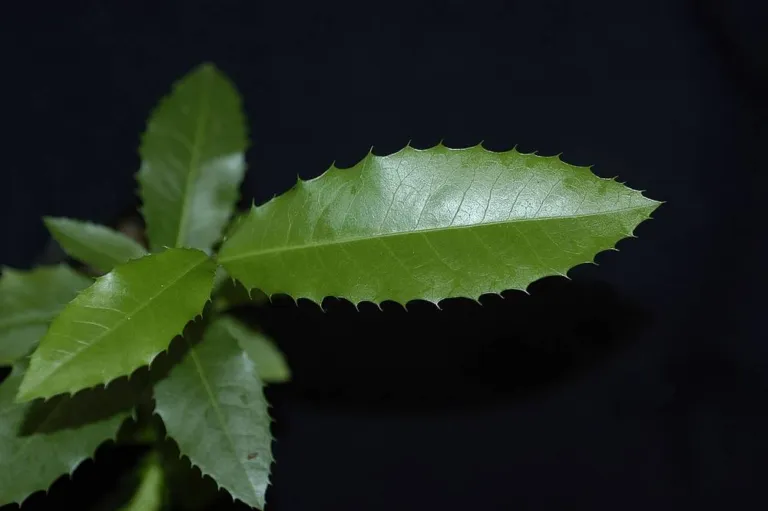
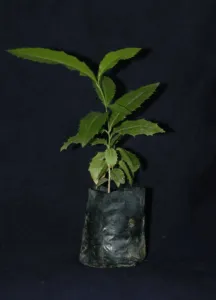
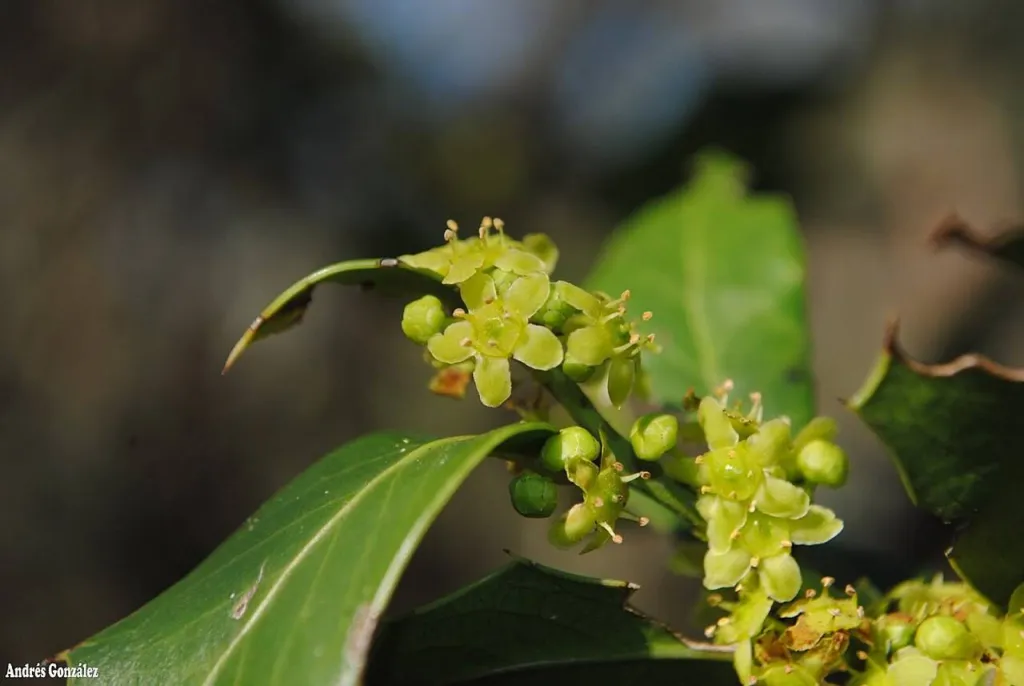
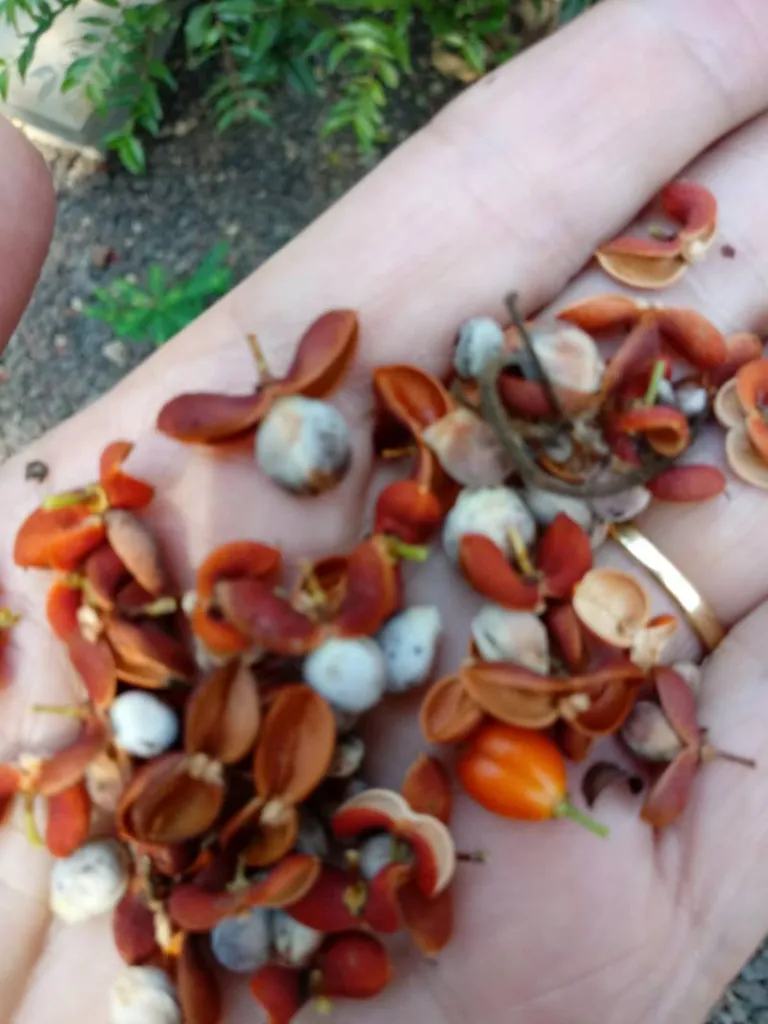
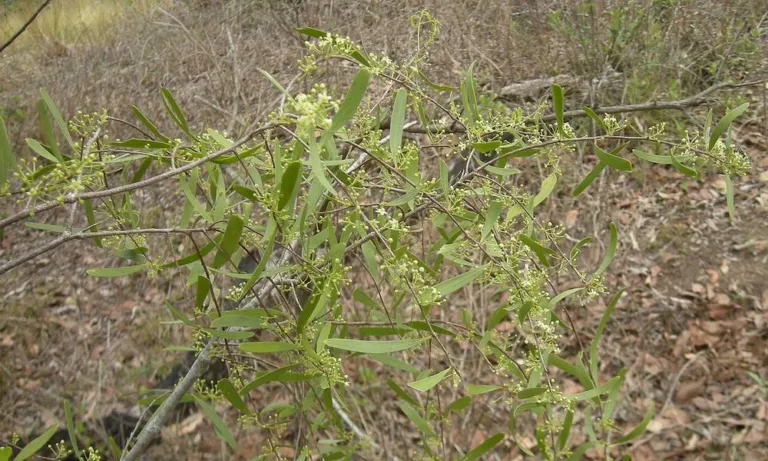
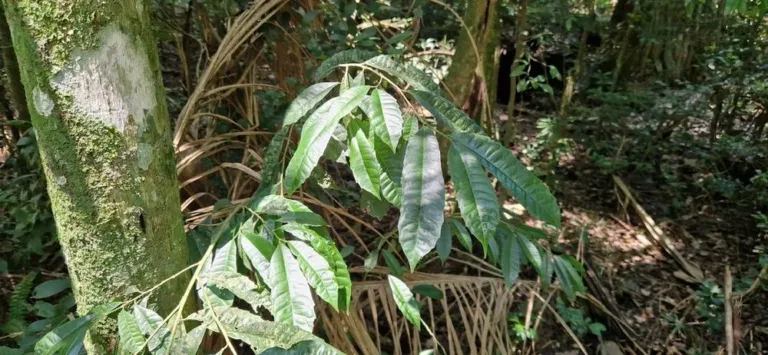
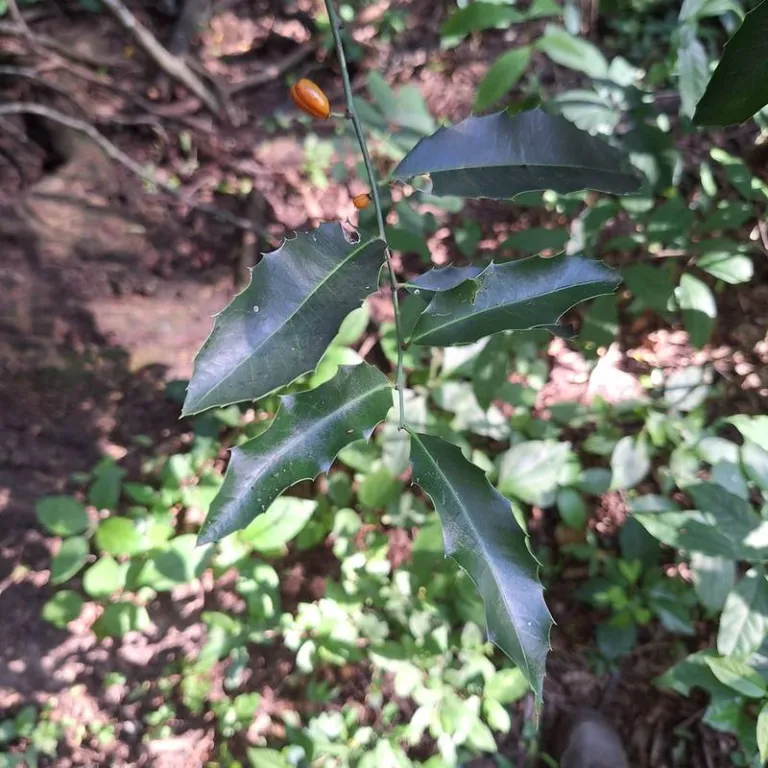
Espinheira-santa grows as a shrub, as the photographs here show, in forest and along forest margins. The leaves are alternate, stiff and leathery, glossy dark green above, with a margin of widely spaced teeth that end in a sharp point. Pick up a sprig and it feels like holly. The flowers are tiny, yellowish and clustered in the leaf axils. The fruit is a small orange-red capsule that splits into two valves to show seeds wrapped in a white aril. Confirmed In the key published with the 2017 revision, Monteverdia is the genus with five-parted flowers, a leathery fruit wall, fruits that open by two valves, and a white aril that covers the whole seed [6]. Confirmed
Photo: CostaPPPR · CC BY-SA 4.0 · Wikimedia Commons
Photo: Andrés González · CC BY-SA 4.0 · Wikimedia Commons
Photo: Mari Aurora Favero Reis · CC BY-SA 4.0 · Wikimedia Commons
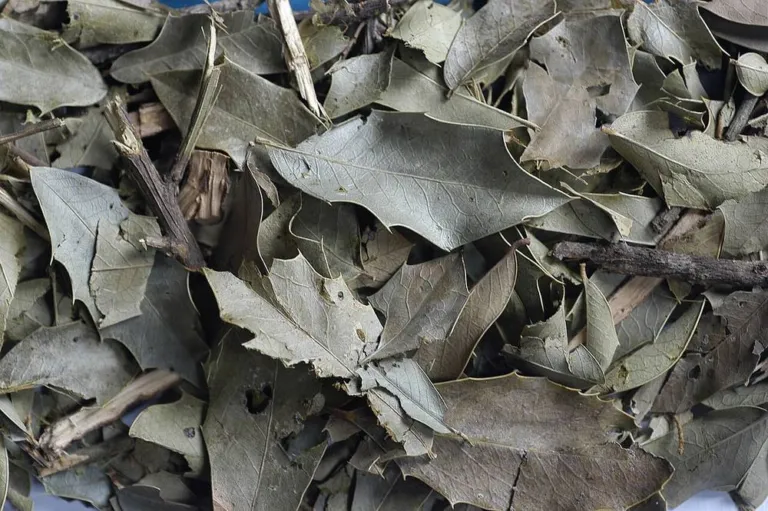
The leaf is the medicinal part. In Brazil it is harvested from cultivated and wild plants, dried, and sold whole, cut, powdered, or as a dried extract in capsules. The Brazilian Pharmacopoeia defines the herbal drug as the dried leaf with minimum contents of total tannins and of epicatechin, a point we return to in Chapter 10 [5, 7]. Confirmed
Leaf shape is variable. Some individuals carry many sharp teeth, others few, and several unrelated species of the same forests have stiff toothed leaves too. That variability is exactly what lets other plants slip into the trade under the same name. Microscopy can separate the true leaf from most substitutes, though a 2023 study, which we have requested and not yet read in full, is reported by the same research group to be unable to separate M. ilicifolia from M. aquifolia once the leaf is powdered [5]. Evidence suggests
Chapter 3Where it grows, and the Australian position
The plant is native to the subtropical and warm-temperate south of South America. When we read the 496 research-grade iNaturalist observations of the species in November 2026, almost all came from Uruguay, Argentina and Brazil, with a smaller number from Paraguay [8]. Confirmed Citizen-science records follow where people walk with phones, so the proportions say more about observers than about the plant. Brazilian studies place it in the southern states: the 2024 trial recruited in Rio Grande do Sul, and the HPTLC study describes it as one of the most commercialised medicinal plants in Paraná [1, 5]. Confirmed
In Australia the species has no wild or cultivated records in the Atlas of Living Australia under either name, as queried in November 2026 [9]. Confirmed We found no evidence that it is naturalised here. That is an absence of records, which is weaker than proof of absence: a garden plant grown by a South American family in Brisbane or Sydney would not show up unless someone logged it.
Australia does have relatives in the same family, and one native shrub was itself called Maytenus until recently. Denhamia cunninghamii (Hook.) M.P.Simmons carries Maytenus cunninghamii as a homotypic synonym in the Atlas of Living Australia’s name index. Of its 3,093 Atlas records, 1,399 are from Queensland, 813 from New South Wales and 657 from the Northern Territory [9]. Confirmed We know of no evidence that it shares espinheira-santa’s chemistry or uses; the connection is botanical only.
Chapter 4Traditional and modern use in South America
The core use is simple. Dried leaves are made into an infusion or a decoction and drunk for indigestion, heartburn, gastritis and stomach ulcer [1, 5]. Traditional The Brazilian Formulário records two traditional preparations, a short decoction and an infusion of the dried leaf, each taken as a cupful several times a day, and a capsule made from the dried infusion [2]. Traditional We report these as a description of Brazilian practice; they are not a dose recommendation for anyone in Australia.
A second use runs alongside the first and is far less often mentioned in Portuguese-language health leaflets. The 2024 trial authors write that the species “was used as a contraceptive and an abortion inductor by women in South America” [1]. Traditional In their published paper the reference number attached to that sentence points to an unrelated study of Pakistani plants, so we could not trace the ethnographic source through it. The use itself is consistent with the Brazilian contraindications in Chapter 8 and with animal studies that the Formulário cites. For now we mark the specific claim of abortifacient use as unsourced at primary level.
The plant moved from home remedy to public policy in the 1980s. A Brazilian government drug programme (CEME) commissioned a research effort on espinheira-santa that included rodent anti-ulcer studies and small studies in people with dyspepsia, published as a 1988 government report. The Formulário still cites that report for its capsule dose [2, 10]. Attested We have not seen the 1988 report itself.
Today espinheira-santa is described in the Brazilian Pharmacopoeia and is one of twelve herbal medicines on the national list of essential medicines (RENAME) used by Brazil’s public Unified Health System [1]. Confirmed That listing reflects long use, local supply and policy support for phytotherapy in primary care. A listing of this kind is a statement about access, and it does not settle efficacy, which is why the 2024 trial was funded.
Photo: CostaPPPR · CC BY-SA 4.0 · Wikimedia Commons
Chapter 5What is in the leaf
The leaf chemistry has been worked over by Brazilian groups for thirty years, and three families of compounds come up again and again.
Catechins and tannins
The flavan-3-ols catechin and epicatechin are the best-characterised constituents, together with (epi)gallocatechin and the dimeric procyanidins B1 and B2. Larger condensed tannins (proanthocyanidins) are built from the same units [11, 7]. Confirmed Epicatechin is the official quality marker: the Brazilian Pharmacopoeia requires at least 0.28% epicatechin and 2.0% total tannins in the dried leaf [5, 7]. Confirmed The extract used in the 2024 trial was standardised to 6.5% total tannins and 2.8% epicatechin [1]. Confirmed
Flavonol glycosides
The leaf carries quercetin and kaempferol bound to chains of sugars. Mass-spectrometry work identifies large triglycosides, such as quercetin and kaempferol 3-O-galactosides carrying rhamnose and glucose units [11], and a hydroethanolic extract profiled in 2021 contained quercetin rutinoside-glucoside, quercetin rhamnosylrutinoside, quercetin glucoside and kaempferol glucoside [12]. Confirmed A 2025 interaction study reports, from the same group’s earlier analysis of five extracts, catechin up to 0.49%, epicatechin 0.79%, quercetin 0.01% and kaempferol 0.004% (w/w) in the richest, a hydroacetonic extract [3]. Confirmed Free quercetin and kaempferol are minor, which fits most of the flavonol being glycosylated. Mechanism
Friedelane triterpenes
Friedelin, a pentacyclic triterpene ketone, is reported at 0.98% (w/w) in the same hydroacetonic extract [3]. Confirmed Friedelin is the biosynthetic precursor of the quinonemethide triterpenes, a group of red-orange compounds found in the Celastraceae; a 2026 study that expressed the plant’s friedelin synthase in yeast names pristimerin as one of the quinonemethides of M. ilicifolia [13]. Confirmed Introductory sections of recent papers also list maytenin, tingenone and related terpenes, and some alkaloid names, as reported from the species; we have not traced those to primary isolation reports, and in the literature we read they are tied to root bark more than to leaf [3]. Evidence suggests Tea made from leaf will be dominated by the water-soluble polyphenols; the triterpenes are poorly water-soluble. Mechanism
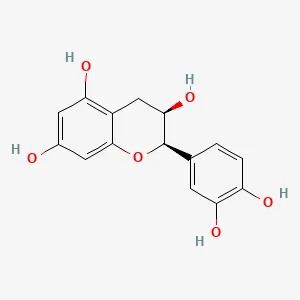
Structure depiction: PubChem, US National Library of Medicine · public domain · PubChem
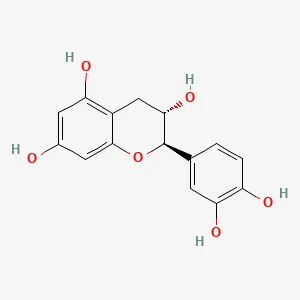
Structure depiction: PubChem, US National Library of Medicine · public domain · PubChem
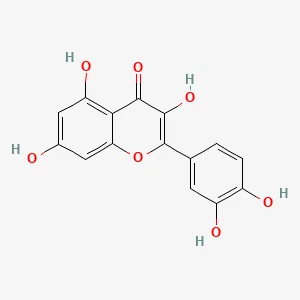
Structure depiction: PubChem, US National Library of Medicine · public domain · PubChem
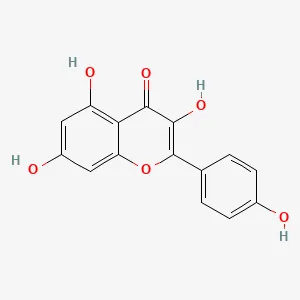
Structure depiction: PubChem, US National Library of Medicine · public domain · PubChem
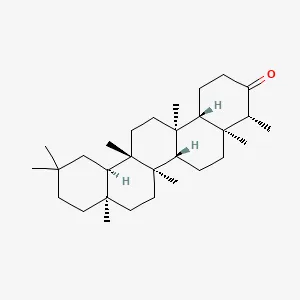
Structure depiction: PubChem, US National Library of Medicine · public domain · PubChem
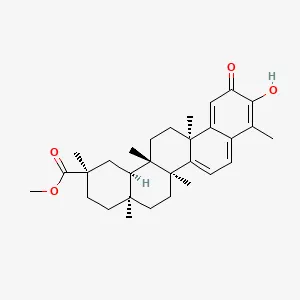
Structure depiction: PubChem, US National Library of Medicine · public domain · PubChem
A fourth group is worth naming because it may matter for the stomach. Polysaccharides from the leaf have been isolated and tested in rodents, and the 2024 trial authors attribute part of the plant’s gastric effect to them acting as a mucosal barrier [1]. Mechanism
Chapter 6Pharmacology: laboratory and animal work
The preclinical literature is large and consistent in direction. We summarise it here through the 2024 trial paper’s review of it, which we have read in full, and through the open-access primary papers; the individual rodent papers we have requested are listed under the references.
Gastroprotection in rodents
Water, hexane and ethyl acetate extracts of the leaf protected rats and mice against experimental gastric ulcers when given by mouth or by injection. A dried water extract reduced ulcers caused by cold-restraint stress and raised the pH of the stomach contents. A flavonoid-rich fraction given by injection reduced lesions caused by ethanol, indomethacin and acetic acid, with evidence of reduced acid secretion [1]. Evidence suggests The title of that flavonoid study reports inhibition of the gastric proton pump, H+,K+-ATPase, which is the same enzyme that omeprazole blocks. Proton-pump inhibition by a crude fraction in tissue is a long way from proton-pump inhibition in a person, and we tag it accordingly. Mechanism
Other effects reported include a protective effect of isolated leaf polysaccharides against ethanol damage in rodents, which the authors interpret as a mucosal barrier, and reduced release of the inflammatory signal IL-8 from a human intestinal cell line treated with a hexane extract [1]. Evidence suggests The trial authors also note that an ethyl acetate fraction lowered blood pressure in animals in a way that indomethacin reversed, and they suggest prostaglandin pathways may be involved [1]. Mechanism
Helicobacter pylori
Much chronic gastritis and peptic ulcer disease is driven by the bacterium Helicobacter pylori. In a 2022 study, an acetone-water extract of the leaf inhibited H. pylori growth at a minimum inhibitory concentration of 64 µg/mL, and ethyl acetate fractions did the same; the fractions contained monomeric to trimeric tannins and glycosylated flavonoids [11]. Evidence suggests Docking calculations in the same paper suggested a flavonol triglycoside and a trimeric tannin could bind the bacterial enzyme urease [11]. Mechanism An inhibitory concentration in a dish is not a cure rate in a stomach, and no human study has tested espinheira-santa against H. pylori infection.
What the preclinical picture adds up to
Taken together, the animal and cell work gives a coherent hypothesis: a polyphenol- and tannin-rich leaf that reduces acid secretion modestly, coats and protects the mucosa, and has some antibacterial activity. Tannins are astringent, which fits a protective effect on the stomach lining. Mechanism Some of these studies used injection routes, and animal doses are set per kilogram of body weight, so they do not translate directly to a cup of tea. They are reasons to run trials. They are not evidence of benefit in people.
Chapter 7Clinical evidence
Early Brazilian studies
The 1988 government programme included small studies in people with dyspepsia or peptic ulcer. The 2024 trial authors describe one of them as a 28-day double-blind comparison in which 400 mg of extract was superior to placebo capsules, with ten participants in the placebo group [1]. Evidence suggests In the published paper the reference numbers given for that statement do not match the study described, and we have not seen the 1988 report, so we treat the detail as unsourced at primary level.
Phase I safety study (2017)
Tabach and colleagues gave volunteers a leaf extract in doses increasing week by week in steps of 100 mg, up to 2,000 mg, and the 2024 trial authors summarise it as safe and well tolerated [1]. Evidence suggests The Brazilian Formulário, citing the same paper, records that dry mouth and passing more urine than usual (polyuria) were observed between the fourth and fifth weeks [2]. Evidence suggests We have requested the full paper and have not yet read it, so we give no participant numbers or percentages here.
A correction to a common summary is due. Nausea is sometimes attributed to this phase I study. The Formulário lists nausea, dry mouth and an altered sense of taste as reported effects, but it attributes nausea to a 2000 municipal herbal guide and a 2009 review, and attributes dry mouth and polyuria to the phase I study [2]. Confirmed In the 2024 trial the only adverse event named was nausea in one participant, who was in the omeprazole group [1]. Confirmed
The 2024 trial against omeprazole
The trial that prompted this review was run in three primary-care settings in Rio Grande do Sul between December 2021 and May 2023, approved by three ethics committees and registered with the Brazilian clinical trials registry [1]. Confirmed Adults aged 18 to 80 with at least one typical reflux symptom in the previous week (regurgitation, upper abdominal pain or burning) were randomised to omeprazole 20 mg, or to leaf extract at 400 mg or 860 mg, taken before breakfast and dinner for four weeks. A double-dummy design kept every participant on three identical capsules at each dose time, so nobody could tell which treatment they had [1]. Confirmed The 860 mg dose was chosen because it is the Brazilian regulator’s recommended dose.
The extract was a spray-dried water extract standardised to 6.5% tannins and 2.8% epicatechin, checked by HPLC fingerprint against the official monograph, and tested free of heavy metals, pesticides, mycotoxins and Salmonella and E. coli [1]. Confirmed That level of product characterisation is better than many herbal trials manage, and it means the result belongs to this extract.
The outcomes were two validated Portuguese-language questionnaires: a reflux symptom score (QS-GERD, 0 to 55) and a heartburn quality-of-life score (HBQOL, 0 to 69). After four weeks, total scores fell significantly in all three groups, as did heartburn intensity, heartburn after meals, regurgitation and dissatisfaction. The authors found no differences between the groups after treatment [1]. Confirmed They concluded that both extract doses were non-inferior to omeprazole [1]. Evidence suggests
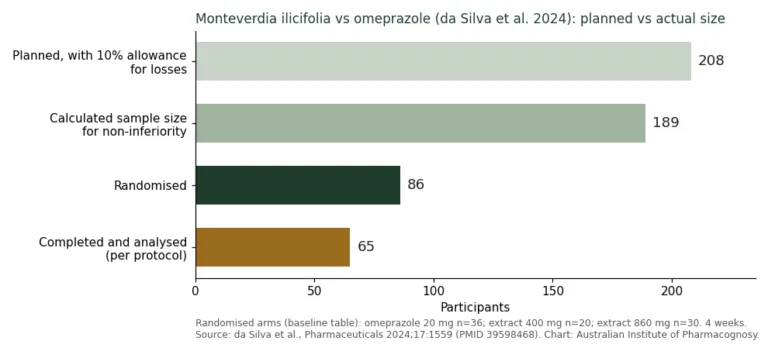
Chart: Australian Institute of Pharmacognosy, from published data · source paper
Reading the trial critically
The trial is well designed on paper and honest about its limits. Read in full, it supports a narrower conclusion than its abstract.
It is underpowered for the question it asks. The authors calculated that a non-inferiority test would need 189 participants, or 208 allowing for drop-outs. They randomised 86 and analysed 65 [1]. Confirmed They describe the results as preliminary and say the smaller sample “may have biased the data”. With 20 people randomised to the 400 mg arm, a real difference between treatments could easily go undetected. Mechanism
Non-inferiority is asserted more than demonstrated. A non-inferiority trial states a margin (here, 5 points on the symptom scale) and then shows that the confidence interval for the difference between treatments stays inside it. The paper reports within-group changes over time and the absence of significant between-group differences, as medians, without a between-group difference and confidence interval set against the margin [1]. Confirmed “No significant difference” in a small trial and “non-inferior” are different findings. Mechanism
There is no placebo arm. Symptom questionnaires are sensitive to expectation, and placebo responses in reflux trials are well recognised; we give no figure, because we did not review that literature for this article. When every arm improves, a trial without placebo cannot say how much of the improvement any treatment caused. Mechanism
Losses and imbalance. About a quarter of participants (21 of 86) were lost to follow-up without giving reasons, and the analysis was per protocol. At baseline the 860 mg group had worse symptom scores, and the 400 mg group was older on average than the 860 mg group. The group percentages for loss to follow-up do not reconcile exactly with the group sizes in the baseline table [1]. Confirmed
Short, symptom-only and selected. Four weeks is short for a condition people live with for years. Reflux disease was defined by symptoms, without endoscopy or pH testing. The trial excluded pregnant and breastfeeding women, women of reproductive age without contraception, people with liver disease or hiatus hernia, and regular users of medicines metabolised by CYP2D6 [1]. Confirmed The result can only be applied to people like those who took part.
The paper’s housekeeping needs work. Several in-text citation numbers in the published version do not match the reference list, which makes it harder to check what rests on what. We note this because readers will try to follow those links. It does not by itself change the data.
What can fairly be said? A carefully standardised espinheira-santa extract, given for four weeks to 65 adults with reflux symptoms, was followed by symptom improvement of a similar size to omeprazole, in a trial too small to establish equivalence and lacking a placebo arm. Evidence suggests That is a promising preliminary result from a plant with a long record of use, and it justifies the full-size trial the authors themselves call for.
One more point belongs here. The trial authors place their work in the context of concern about long-term use of proton-pump inhibitors, which they list as including altered gut flora, reduced absorption of minerals, enteric infections and associations with fracture [1]. Evidence suggests Those concerns are real topics of research, and they are not a reason to stop a prescribed medicine. Anyone on a proton-pump inhibitor who is thinking about a change should talk it through with their prescriber and with a degree-qualified herbalist trained in pharmacognosy before changing anything.
Reflux and indigestion are common and usually benign, but the same symptoms can be the first sign of a condition that needs prompt medical investigation. Healthdirect, the Australian Government health information service, lists unexpected weight loss, blood in vomit, bloody or black stools, difficulty or pain when swallowing, and indigestion in someone with a close relative who has had a digestive cancer as reasons to be medically assessed [4]. Confirmed Chest pain lasting more than a few minutes, or pain spreading to the jaw, arm, back or neck, may be a heart attack rather than heartburn: call Triple Zero (000) [4]. Confirmed Anyone with these signs needs assessment first. No herbal tea, and no trial of espinheira-santa, should delay it.
Chapter 8Safety and interactions
Espinheira-santa has a long record of household use in Brazil, and nothing in the material we read suggests serious harm at traditional doses in healthy adults. Brazilian regulators still attach clear cautions to it, and laboratory studies have raised questions worth taking seriously. Everything in this chapter is overseas regulatory text or preclinical data unless stated otherwise.
What the Brazilian Formulário says
The Formulário restricts the leaf preparations to adult use. It contraindicates them in people sensitive to the plant or to other Celastraceae, in people under 18, and in pregnancy and breastfeeding “because it reduces the production of breast milk and may provoke uterine contractions” (our translation) [2]. Confirmed The capsule monograph in the earlier supplement also contraindicates use in pregnancy and breastfeeding [10]. Confirmed The Formulário limits continuous use to six months, repeatable after a 30-day break, and notes that tannin-rich plants taken in excess may irritate the stomach and bowel, causing vomiting, cramps and diarrhoea [2]. Confirmed
The evidence beneath the pregnancy caution is animal and traditional. Both Formulário entries cite a 2002 study of pregnant mice [2, 10], which we have requested. Evidence suggests The reported folk use as a contraceptive and abortifacient (Chapter 4) points the same way. We know of no human pregnancy data in either direction, and in that situation the cautious Brazilian position is the reasonable one.
The liver
The 2024 trial group reported, in a separate laboratory study using rat liver slices, increased leakage of liver enzymes with a water extract and with quercetin. They describe this as a potential hepatotoxicity signal and excluded people with liver disease from the trial [1]. Evidence suggests Earlier repeat-dose studies in rats, mice and dogs, also summarised in the trial paper, reported no toxic effects over 180 days. Evidence suggests We have requested the liver-slice paper. A signal in tissue slices is a reason for caution in liver disease and for monitoring in future trials. It is not evidence that the tea damages the liver in people, and no such case has been reported in the material we read.
Interactions with medicines
Interaction data are limited and come entirely from laboratory and animal models. A 2025 study tested five leaf extracts in human liver microsomes and in a gut-cell (Caco-2) model. The richest extract, a hydroacetonic one, inhibited CYP3A4, an enzyme involved in metabolising up to half of all medicines that are metabolised, with half-maximal inhibition at 0.43 to 0.62 mg/mL, and inhibited the efflux transporter P-glycoprotein in the Caco-2 model with half-maximal inhibition at about 20 µg/mL [3]. Evidence suggests The same paper reports the group’s earlier rat study, in which leaf extract raised blood levels of the CYP3A4 substrate midazolam about three- to four-fold [3]. Evidence suggests The authors state plainly that the clinical relevance is unknown [3].
A 2022 study pointed the other way: espinheira-santa extract increased CYP3A4 gene expression in human liver cancer cells and did not change P-glycoprotein activity in its gut-cell model [14]. Evidence suggests Inhibition in one model and induction in another is a common finding with polyphenol-rich extracts. It means the direction of any effect in a person cannot be predicted from these data.
The 2024 trial excluded regular users of CYP2D6-metabolised medicines because of the group’s own preliminary laboratory data [1]. Evidence suggests The Formulário advises avoiding use in people taking several medicines and lists possible interactions with anabolic steroids, methotrexate, amiodarone and ketoconazole (on liver grounds) and with immunosuppressants [2]. Confirmed The single source the Formulário gives for that list is a study of red blood cell radiolabelling, which is an indirect basis for an interaction warning. Mechanism The practical reading is that interaction data are thin, and that anyone on a medicine with a narrow safety margin, or on several medicines, needs individual advice from a degree-qualified herbalist trained in pharmacognosy who can check their medicines.
| Question | What the evidence we read shows | Tag |
|---|---|---|
| Adverse effects in people | Dry mouth and polyuria in the phase I study (as reported); nausea, dry mouth and taste change in Brazilian guidance | Evidence suggests |
| Pregnancy and breastfeeding | Contraindicated in Brazil; based on animal and traditional reports | Confirmed |
| Children | Formulário: not for under 18 (leaf); capsule supplement: over 12 only | Confirmed |
| Liver | Enzyme leakage in rat liver slices; no human cases in the material read | Evidence suggests |
| CYP3A4 / P-gp | Inhibition in microsomes and Caco-2 cells; raised midazolam levels in rats; induction of CYP3A4 expression in HepG2 | Evidence suggests |
| Human interaction studies | None found | Confirmed |
Chapter 9In Australia: law and availability
Listed medicines. Ingredients allowed in listed (AUST L) complementary medicines are set out in the Therapeutic Goods (Permissible Ingredients) Determination. We searched the current instrument, Determination No. 3 of 2026, in force from 13/10/2026, for Maytenus, Monteverdia and espinheira-santa, and found no entry [15]. Confirmed A listed medicine sold in Australia therefore cannot contain espinheira-santa as an ingredient under its current wording. A sponsor could apply to the TGA to have it evaluated and added, which would require a safety dossier.
The ARTG. We tried to search the Australian Register of Therapeutic Goods for any product containing the plant in November 2026, and the TGA’s public search blocked our automated query. The Determination result makes a listed product unlikely, but whether any registered product or other entry names it is not verified.
Scheduling. Neither name appears in the Poisons Standard October 2026 [16]. Confirmed The plant is not a scheduled poison, and we found nothing that would make it a controlled or prohibited substance.
Personal import. Under the TGA’s Personal Importation Scheme, an individual may import therapeutic goods that are not on the ARTG for their own use or their immediate family’s, up to three months’ supply at the manufacturer’s recommended dose in one import and no more than fifteen months’ supply in any twelve months, and may not sell or supply them to anyone else [17]. Confirmed Biosecurity rules for importing plant material, including dried leaf and seed, are separate and are set by the Department of Agriculture through its BICON import conditions; we did not check BICON for this species, so that question is not verified.
Food. Whether a dried-leaf tea could be sold here as a food, and whether it would be treated as a novel food under the Food Standards Code, is a question we have not examined.
Advertising. If espinheira-santa ever did enter the Australian market as a medicine, claims about reflux or ulcers would sit under the Therapeutic Goods Advertising Code, and the evidence in Chapter 7 would not support a claim of equivalence to omeprazole. Mechanism
In practice, espinheira-santa is a plant few Australians will meet, and those who do are most likely to meet it as imported tea from a South American grocer or an online seller. Given Chapter 10, the identity of such a product is the first question to ask about it.
Chapter 10Quality and adulteration
Espinheira-santa has a substitution problem, and it is well documented. Several unrelated plants of the same forests have stiff, spiny-margined leaves and share the common name or the use. An HPTLC study first published online in 2023 lists the usual suspects: Monteverdia aquifolia (Celastraceae), Citronella gongonha (Cardiopteridaceae), Jodina rhombifolia (Santalaceae), Sorocea bonplandii (Moraceae) and Zollernia ilicifolia (Fabaceae) [5]. Confirmed
Photo: Denis Zabin · CC BY 4.0 · iNaturalist
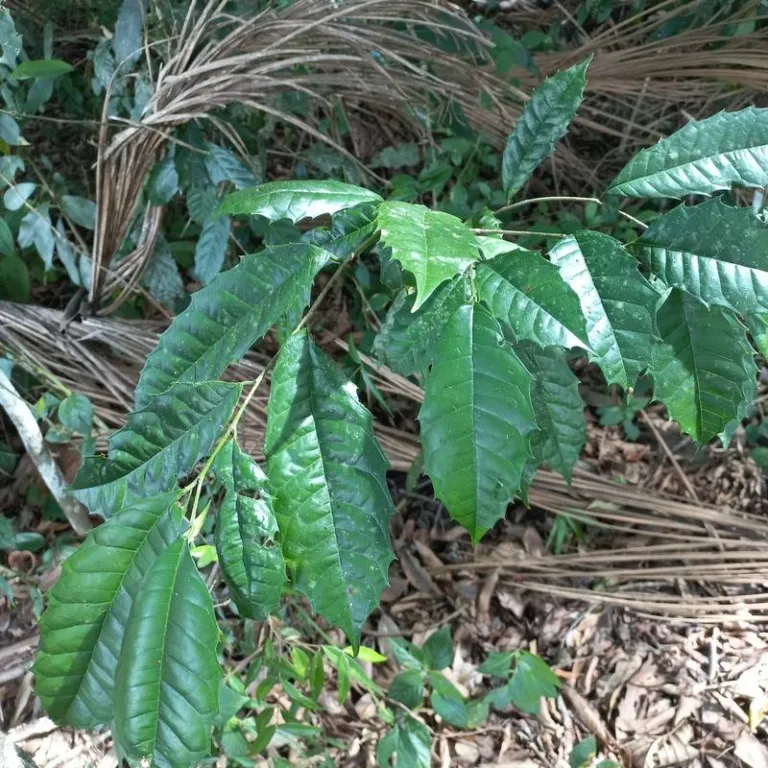
Photo: Patrícia Mees · CC BY 4.0 · iNaturalist
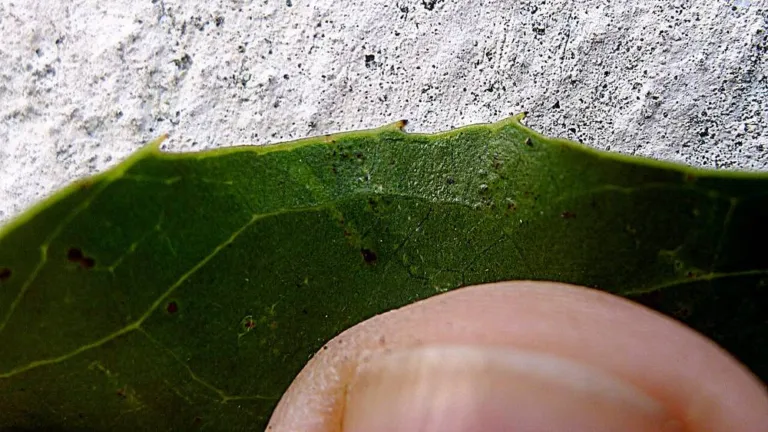
Photo: Alex Popovkin · CC BY 2.0 · Wikimedia Commons
How bad is it? The HPTLC group bought ten commercial espinheira-santa samples from Brazil and the United States and compared their chromatographic fingerprints with authenticated reference material. Only two matched M. ilicifolia. Six matched M. aquifolia, one of them also containing S. bonplandii; one matched S. bonplandii alone; one showed some J. rhombifolia zones with other unidentified material [5]. Evidence suggests Ten samples is a small market survey, but the pattern is clear: substitution by the close relative is the commonest problem, and the second is a plant from a different family.
A 2022 study from São Paulo reached a similar conclusion by a different route. Using UHPLC-MS to quantify catechin and epicatechin, and untargeted metabolomics to compare whole chemical profiles, it found that fewer than half the commercial samples met the pharmacopoeial epicatechin minimum, and that none of the commercial samples had both the required epicatechin content and a chemical profile matching authentic M. ilicifolia [7]. Evidence suggests Two samples passed on epicatechin while their overall profile resembled M. aquifolia; two others had the right profile but too little epicatechin, possibly from poor storage [7].
Two points from these papers deserve emphasis. The first is that a single marker is a weak test. Both M. ilicifolia and M. aquifolia pass the pharmacopoeial epicatechin minimum, and the HPTLC authors suggest the minimum is set too low [5]. Evidence suggests The second is regulatory: an earlier Brazilian guidance document treated the two species as equivalent, and the São Paulo authors conclude, from their own data, that the two are not chemically interchangeable [7]. Evidence suggests Since the 2024 trial used authenticated, standardised M. ilicifolia extract, its results say nothing about products made from M. aquifolia or from a substitute. Mechanism
For an Australian buyer of imported tea, the implication is direct. Without a laboratory test, there is a fair chance that a packet labelled espinheira-santa contains something else. Identity testing by HPTLC against authenticated reference material is the method these studies support.
Discussion: conclusions, hypotheses and research still required
What the evidence supports
Confirmed Espinheira-santa is Monteverdia ilicifolia (Celastraceae), a South American species formerly placed in Maytenus, whose dried leaf is an official herbal drug in Brazil with defined tannin and epicatechin minimums. Confirmed The leaf is polyphenol-rich, with catechins, proanthocyanidins and flavonol glycosides, and contains friedelane triterpenes. Traditional Its tea is a long-standing South American remedy for indigestion and heartburn. Evidence suggests Rodent and cell studies consistently show gastroprotective, antisecretory and anti-H. pylori activity. Evidence suggests One small randomised trial found symptom improvement similar to omeprazole over four weeks, in a design that cannot establish equivalence. Confirmed The plant is not a permissible ingredient for Australian listed medicines and is not scheduled.
Hypotheses worth keeping alive
Mechanism The likeliest explanation for the plant’s gastric effects is a combination: tannins and polysaccharides protecting the mucosa, polyphenols modestly reducing acid secretion, and antibacterial activity against H. pylori. Each of these is testable separately, and fractionation studies could say which fraction carries the clinical effect, if there is one. Mechanism If the effect is largely mucosal, the plant may suit dyspepsia and gastritis better than erosive reflux, where acid suppression is the main lever. Mechanism The divergent CYP3A4 results (inhibition in microsomes, induction in hepatoma cells) may reflect which extract was used and at what concentration; a human probe-drug study would settle the direction. Mechanism The pregnancy contraindication may rest on an oestrogen-like or uterine effect; that is a hypothesis from animal work, and it should stay a hypothesis until it is tested.
Where research should begin
- Clinical research: a fully powered, placebo-controlled trial with an omeprazole arm, endoscopy or pH-defined participants, intention-to-treat analysis, a pre-registered non-inferiority margin reported with confidence intervals, and at least 12 weeks of follow-up.
- Clinical pharmacology: a probe-drug cocktail study in healthy volunteers (midazolam for CYP3A4, dextromethorphan for CYP2D6, fexofenadine or digoxin for P-glycoprotein) using the trial extract and a traditional tea.
- Toxicology: repeat the liver-slice signal in human hepatocytes and add liver-function monitoring to any future trial; review Brazilian pharmacovigilance reports for liver events.
- Reproductive safety: modern reproductive and developmental toxicity studies on the standardised extract, and a structured ethnobotanical study of contraceptive and abortifacient use that cites primary field records.
- Quality analysis: an HPTLC identity method against authenticated vouchers of M. ilicifolia and its five common substitutes, and a market survey of any product sold in Australia.
- Taxonomy and botany: resolve whether M. aquifolia is nested within M. ilicifolia with more loci and more populations, because regulators need to know whether they are dealing with one drug or two.
- Phytochemistry: compare leaf tea, spray-dried extract and hydroalcoholic extract for tannins, flavonol glycosides and triterpenes, so that clinical results can be tied to a defined preparation.
- Regulatory science: if an Australian sponsor ever sought listing, the Permissible Ingredients pathway would need a safety evaluation addressing pregnancy, the liver signal and interactions.
About AIP and this series
The Australian Institute of Pharmacognosy (AIP) is based in Cardwell, in the wet tropics of far north Queensland. Pharmacognosy is the study of medicines and poisons that come from natural sources: how a plant is identified, what it contains, and what that chemistry does in the body.
This series of literature reviews and critical analyses is part of our education and research work. Each review follows the same structure and grades every claim by the evidence behind it, so you can see what is tradition, what is laboratory or animal work, and what has actually been tested in people. More of our work is on the Institute website.
Nothing in this series is an offer of treatment, a product or a service, and nothing in it is a reason to use a plant. Before taking any botanical drug, consult a degree-qualified herbalist with competencies and adequate training in pharmacognosy. If you find an error, or a source we have missed, please write to the Institute at our contact form; corrections are read and answered.
References
Show all 17 references (every PMID links to PubMed)
Every PMID was checked against PubMed in November 2026, and every compound against PubChem. Each source below was read in full by the Institute in November 2026. Listed in order of first citation.
- da Silva MS, Schunck RVA, Moraes MP, Corssac GB, Meirelles G, Bianchi SE, Targa LV, Bassani VL, Gonçalves MR, Dani C, Siqueira IR. Pharmacological evaluation of the traditional Brazilian medicinal plant Monteverdia ilicifolia in gastroesophageal reflux disease: preliminary results of a randomized double-blind controlled clinical trial. Pharmaceuticals (Basel). 2024;17(11):1559. PMID 39598468. DOI 10.3390/ph17111559. Open access (CC BY 4.0).
- Agência Nacional de Vigilância Sanitária (ANVISA). Formulário de Fitoterápicos da Farmacopeia Brasileira. 2nd ed. Brasília: ANVISA; 2021. Entry: Monteverdia ilicifolia (Mart. ex Reissek) Biral, pp. 136-139. ANVISA Formulário page. Overseas (Brazilian) regulatory text; it does not apply in Australia.
- do Nascimento SB, Dos Santos PHG, Costa GHO, Perovani ÍS, Moraes de Oliveira AR, Gonçalves JE, et al. Evaluation of the pharmacokinetic interactions of Maytenus ilicifolia Mart. ex Reiss extracts on drug intestinal permeability and hepatic metabolism. ACS Omega. 2025;10(39):46087-46096. PMID 41078739. DOI 10.1021/acsomega.5c07564.
- Healthdirect Australia. Indigestion (dyspepsia): treatment. Canberra: Australian Government Department of Health, Disability and Ageing; last reviewed February 2026. healthdirect.gov.au/indigestion (accessed November 2026).
- Antunes KA, Mendes Monteiro L, Howard C, Reich E, Heiden G, Guarino ESG, Santos VLP, Manfron J, Perera WH. Comprehensive high-performance thin-layer chromatography analysis of Monteverdia ilicifolia leaf and its adulterants. Nat Prod Res. 2025;39(8):2091-2096. PMID 38073526. DOI 10.1080/14786419.2023.2289080. Read in the open copy deposited by Embrapa.
- Biral L, Simmons MP, Smidt EC, Tembrock LR, Bolson M, Archer RH, Lombardi JA. Systematics of New World Maytenus (Celastraceae) and a new delimitation of the genus. Syst Bot. 2017;42(4):680-693. DOI 10.1600/036364417X696456. (Not indexed in PubMed.)
- Duarte RS, Antunes ERM, Sawaya ACHF. Simultaneous UHPLC-MS quantification of catechins and untargeted metabolomic profiling for proof-of-concept authenticity determination of Maytenus ssp. samples. Molecules. 2022;27(17):5520. PMID 36080285. DOI 10.3390/molecules27175520.
- iNaturalist. Research-grade observations of Monteverdia ilicifolia. inaturalist.org. Queried by the Institute in November 2026.
- Atlas of Living Australia. Occurrence searches for Maytenus ilicifolia, Monteverdia ilicifolia and Denhamia cunninghamii (APNI name node 2904216). ala.org.au. Queried by the Institute in November 2026.
- Agência Nacional de Vigilância Sanitária (ANVISA). Primeiro Suplemento do Formulário de Fitoterápicos da Farmacopeia Brasileira, 1st ed. Entry: Cápsula com Maytenus ilicifolia Mart. ex Reissek, pp. 134-135. ANVISA Formulário page. Overseas regulatory text.
- de Paula MN, Ribeiro TDVR, Isolani R, de Medeiros Araújo DC, Borges AS, Philippsen GS, et al. An in vitro and in silico investigation about Monteverdia ilicifolia activity against Helicobacter pylori. Antibiotics (Basel). 2022;12(1):46. PMID 36671247. DOI 10.3390/antibiotics12010046.
- de Moura FBR, Ferreira BA, Deconte SR, Landim BC, Justino AB, Aro AA, et al. Wound healing activity of the hydroethanolic extract of the leaves of Maytenus ilicifolia Mart. ex Reis. J Tradit Complement Med. 2021;11(5):446-456. PMID 34522639. DOI 10.1016/j.jtcme.2021.03.003.
- Botero WB, Bonatto V, de Oliveira LF, Guido RVC, Zanelli CF, Valentini SR, et al. The role of Gly533 and Lys729 residues in the catalytic activity and friedelin production of Monteverdia ilicifolia and Populus davidiana synthases. ACS Omega. 2026;11(43):66970-66979. PMID 42991612. DOI 10.1021/acsomega.6c07069.
- Mazzari ALDA, Lacerda MG, Milton FA, Mulin Montechiari Machado JA, Sinoti SBP, Toullec AS, et al. In vitro effects of European and Latin-American medicinal plants in CYP3A4 gene expression, glutathione levels, and P-glycoprotein activity. Front Pharmacol. 2022;13:826395. PMID 36278236. DOI 10.3389/fphar.2022.826395.
- Commonwealth of Australia. Therapeutic Goods (Permissible Ingredients) Determination (No. 3) 2026, F2026L01382, registered and in force 13/10/2026, Schedule 1. Federal Register of Legislation. Searched by the Institute in November 2026.
- Commonwealth of Australia. Poisons Standard October 2026 (Standard for the Uniform Scheduling of Medicines and Poisons), F2026L01327. Federal Register of Legislation. Searched by the Institute in November 2026.
- Therapeutic Goods Administration. Personal Importation Scheme (page last updated 8 September 2026). tga.gov.au. Read by the Institute in November 2026.
Requested, not yet read in full. These papers are relevant and have been requested for full-text reading. They are not cited as evidence in this article; where the text mentions their findings, it does so only through a source above that we have read.
- Tabach R, Duarte-Almeida JM, Carlini EA. Pharmacological and toxicological study of Maytenus ilicifolia leaf extract part II: clinical study (phase I). Phytother Res. 2017;31(6):921-926. PMID 28480515.
- Tabach R, Duarte-Almeida JM, Carlini EA. Pharmacological and toxicological study of Maytenus ilicifolia leaf extract. Part I: preclinical studies. Phytother Res. 2017;31(6):915-920. DOI 10.1002/ptr.5818.
- Danilevicz CK, Pizzolato LS, Bianchi SE, Meirelles G, Bassani VL, Siqueira IR. Pharmacological evaluation of a traditional Brazilian medicinal plant, Monteverdia ilicifolia. Part I: preclinical safety study. J Ethnopharmacol. 2024;324:117806. PMID 38278373.
- Montanari T, Bevilacqua E. Effect of Maytenus ilicifolia Mart. on pregnant mice. Contraception. 2002;65(2):171-175. PMID 11927121.
- Baggio CH, Freitas CS, Otofuji GM, Cipriani TR, Souza LM, Sassaki GL, et al. Flavonoid-rich fraction of Maytenus ilicifolia Mart. ex Reiss protects the gastric mucosa of rodents through inhibition of both H+,K+-ATPase activity and formation of nitric oxide. J Ethnopharmacol. 2007;113(3):433-440. PMID 17706386.
- do Nascimento SB, et al. Evaluation of the effects of Maytenus ilicifolia on the activities of cytochrome P450 3A and P-glycoprotein. Curr Drug Metab. 2020;21(4):281-290. PMID 32394829.
- Antunes KA, Monteiro LM, Almeida VP, Monchak IT, Perera WH, Heiden G, et al. Authentication and quality control of the Brazilian traditional herb “espinheira-santa” (Monteverdia ilicifolia) by morpho-anatomy and microscopy. Microsc Microanal. 2023;29(5):1809-1821. PMID 37639710.
- Gonzalez FG, Portela TY, Stipp EJ, Di Stasi LC. Antiulcerogenic and analgesic effects of Maytenus aquifolium, Sorocea bomplandii and Zolernia ilicifolia. J Ethnopharmacol. 2001;77(1):41-47. PMID 11483377.
- Jorge RM, Leite JP, Oliveira AB, Tagliati CA. Evaluation of antinociceptive, anti-inflammatory and antiulcerogenic activities of Maytenus ilicifolia. J Ethnopharmacol. 2004;94(1):93-100. PMID 15261968.
Image credits
- File:Monteverdia ilicifolia. Celastracea 2.jpg (Wikimedia Commons) by Andrés González. CC BY-SA 4.0.
- File:Maytenus ilicifolia- Río Negro, Palmar, Bosque ribereño al margen del Río Negro cerca de la balsa 1.jpg (Wikimedia Commons) by Andrés González. CC BY-SA 4.0.
- File:Espinheira-Santa 02.jpg (Wikimedia Commons) by CostaPPPR. CC BY-SA 4.0.
- File:Espinheira-Santa 03 folhas secas para uso medicinal.jpg (Wikimedia Commons) by CostaPPPR. CC BY-SA 4.0.
- File:Espinheira-Santa 01.jpg (Wikimedia Commons) by CostaPPPR. CC BY-SA 4.0.
- File:Semente poupa.jpg (Wikimedia Commons) by Mari Aurora Favero Reis. CC BY-SA 4.0.
- File:Sementes colhidas para plantio.jpg (Wikimedia Commons) by Mari Aurora Favero Reis. CC BY-SA 4.0.
- File:Monteverdia ilicifolia-CA43MVFA-FAGRO-UDELAR.jpg (Wikimedia Commons) by Uruguayan Barcode of Life Initiative. CC BY 4.0.
- File:Zollernia ilicifolia (Brongn.) Vogel (16104937863).jpg (Wikimedia Commons) by Alex Popovkin. CC BY 2.0.
- iNaturalist observation 158104485 (iNaturalist) by Patrícia Mees. CC BY 4.0.
- iNaturalist observation 324924764 (iNaturalist) by Jens-Christian Svenning. CC BY 4.0.
- iNaturalist observation 258130874 (iNaturalist) by Denis Zabin. CC BY 4.0.
- File:Maytenus flowers and foliage.jpg (Wikimedia Commons) by Mark Marathon. CC BY-SA 3.0.
- Chemical structure depictions: PubChem, US National Library of Medicine (CIDs as captioned). Public domain.
- Trial size chart: Australian Institute of Pharmacognosy, drawn from the published data of da Silva et al. 2024.
Photographs are reproduced under the licences named. CC BY-SA images remain under CC BY-SA; no changes beyond resizing and cropping for display were made.
Head of Education and Research
Australian Institute of Pharmacognosy
Cardwell QLD, Australia
australian-pharmacognosy.org · our contact form
AIP literature reviews and critical analyses grade every substantive claim by the kind of evidence behind it. We would rather tell you a claim is unsourced than repeat it. If you find an error, or a source we have missed, we want to hear about it.
Suggested citation: Ridley T. Espinheira-santa (Monteverdia ilicifolia (Mart. ex Reissek) Biral): an introduction and critical analysis of the evidence. Literature Review and Critical Analysis AIP-LR-MONILI. Cardwell (QLD): Australian Institute of Pharmacognosy; 2026.
Educational content only; not medical, legal or regulatory advice. Regulatory information reflects the Australian instruments as read in November 2026 and may change.
The Institute sets and publishes its own monographs. The catalogue is in Publications.