

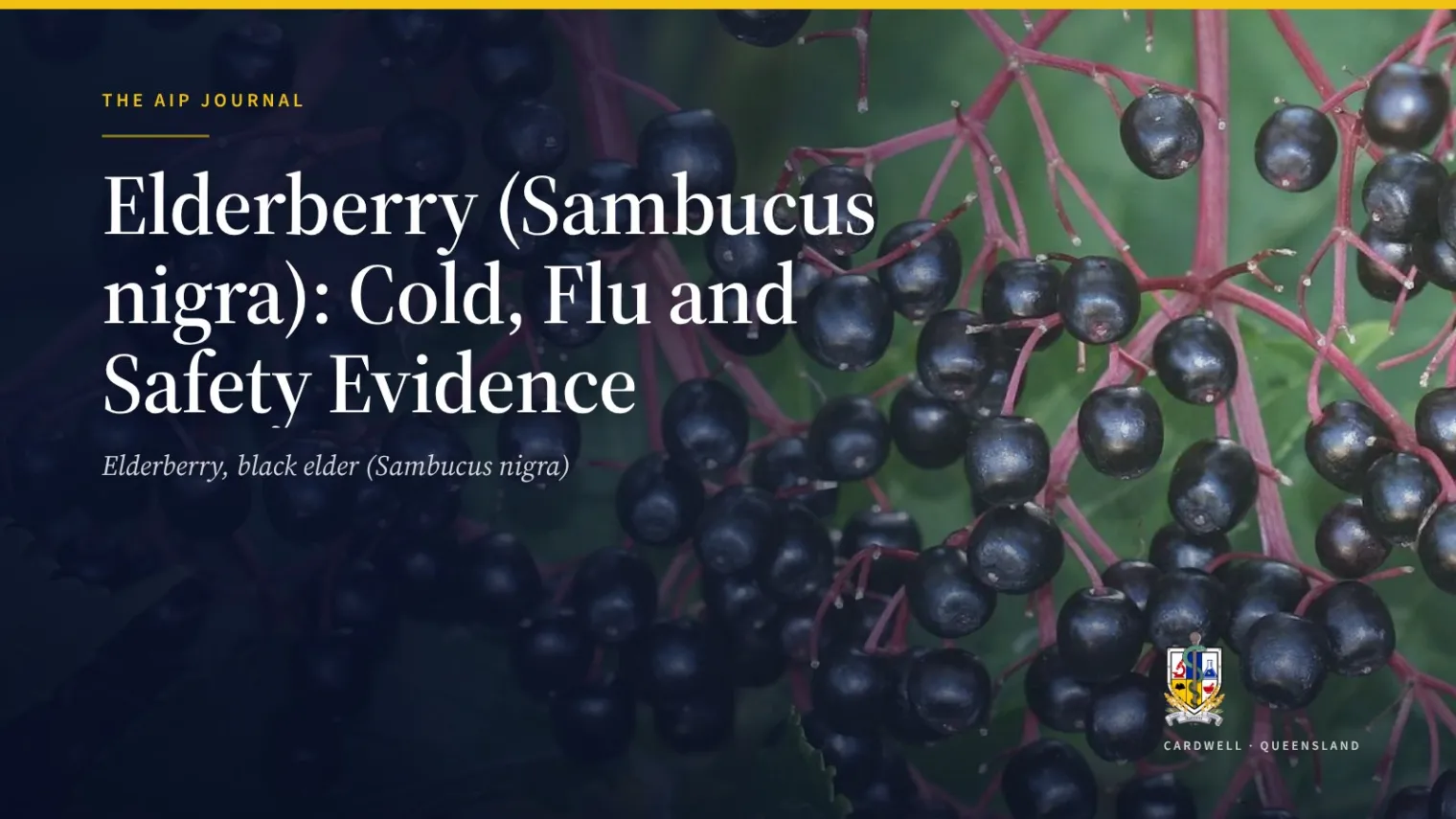
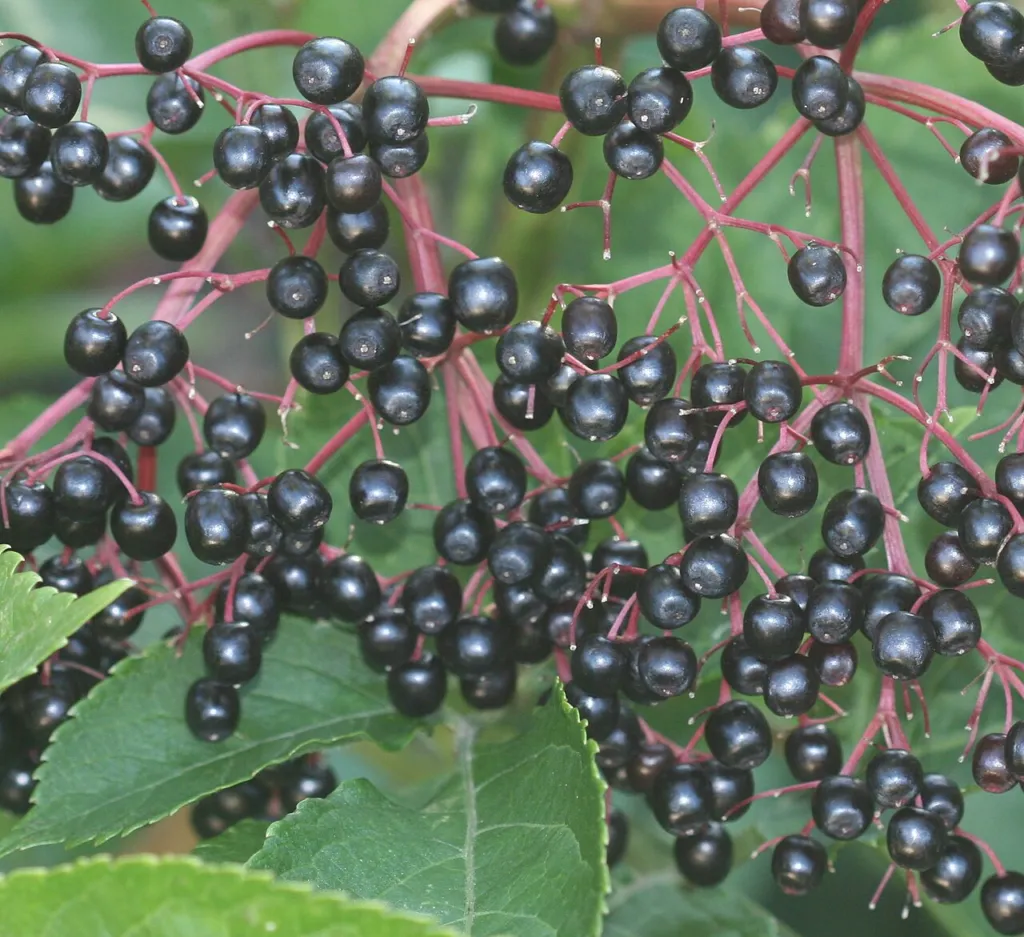
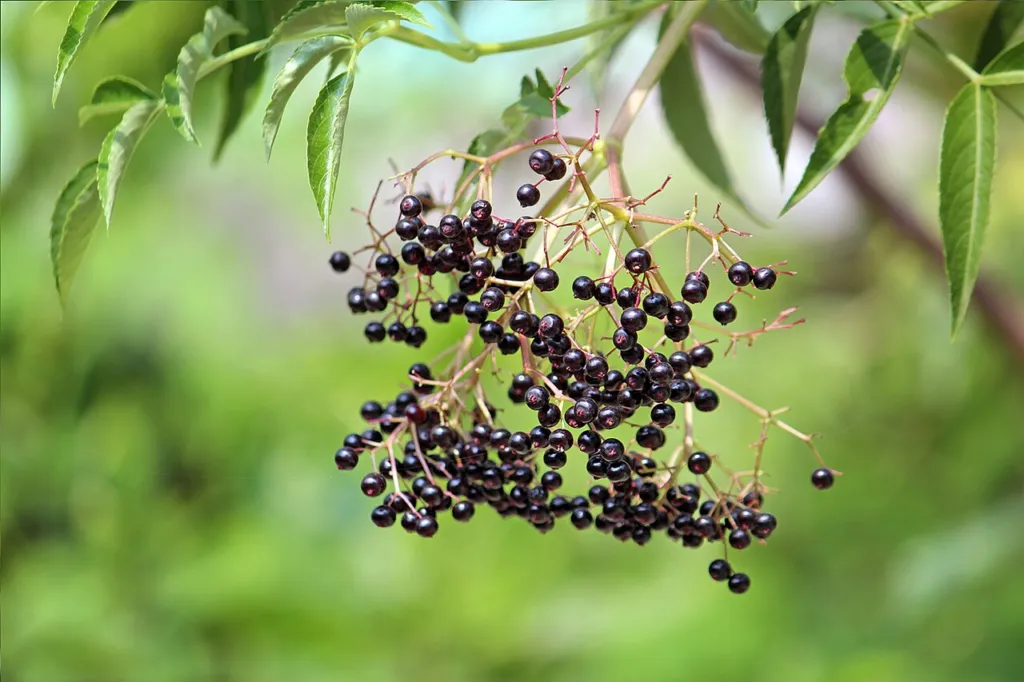
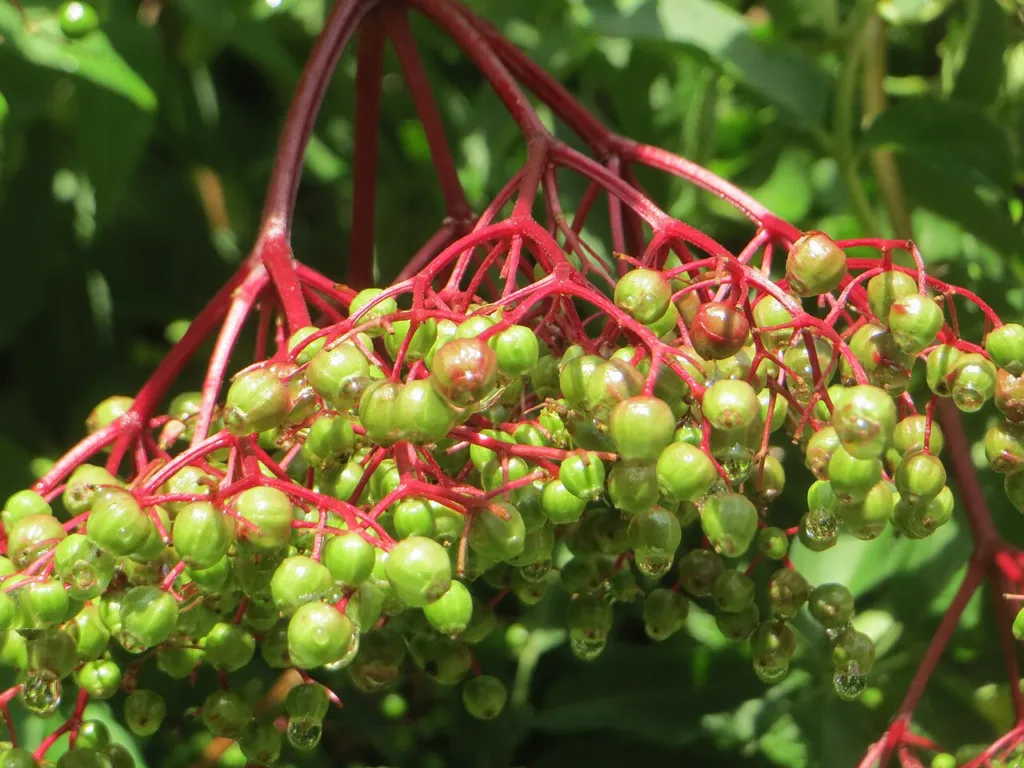
Cover: ripe elderberries in Scotland. Photo: S. Rae from Scotland, UK · CC BY 2.0 · Wikimedia Commons
In Georgian England elderberries were boiled down with sugar into a thick black rob, and a spoonful or two in hot water at bedtime was a household answer to a cold. Attested In 2016 a Gold Coast trial gave elderberry extract capsules or a placebo to 312 travellers flying out of Australia and counted their colds [3]. Confirmed Both of those are real, and they are different kinds of knowledge.
Elderberry syrups, gummies and lozenges are among the most visible herbal options in the pharmacy cold and flu aisle. That aisle changed in September 2026, when the Therapeutic Goods Administration (TGA) removed andrographis from the ingredients allowed in listed medicines and asked sponsors to cancel or recall their products [11]. Some of the people who relied on an andrographis tablet will look to elderberry next. This review sets out what elderberry is, which parts of the plant are food and which are not, what the human trials actually tested and found, and what is on sale in Australia. It is written for those shoppers, and for the herbalists, pharmacists and students who answer their questions.
This article is educational. It is not medical advice and it does not recommend any product or dose. Before taking any botanical drug, consult a degree-qualified herbalist with competencies and adequate training in pharmacognosy.
Which parts are used. Products are made from the ripe, dark berry that has been cooked, pressed and heat-treated, or extracted. The leaves, bark, stems, roots and green unripe berries contain cyanogenic glycosides (mainly sambunigrin) and lectins, and eating them raw has caused nausea, vomiting and diarrhoea [6]. Confirmed Do not eat raw elder material from a garden or roadside, and do not make preparations from leaves or bark.
Who has no safety data. There is no reliable evidence on elderberry in pregnancy or breastfeeding [2][8], and none in people taking immunosuppressant medicines. Confirmed See §8.
If someone is unwell after eating elder plant material: call Triple Zero (000) in an emergency, or the Poisons Information Centre on 13 11 26 (24 hours, Australia-wide).
| The plant | Sambucus nigra L. (Viburnaceae, formerly Adoxaceae and Caprifoliaceae): European or black elder. A deciduous shrub native to Europe, western Asia and north-west Africa; naturalised in eastern Australia and regarded as an environmental weed in Queensland, Victoria and Tasmania. Confirmed §1–§3 |
| Traditional role | Elderberry syrup (“rob”) against colds, and the berry as a mild laxative, diaphoretic and diuretic in European folk and pharmacopoeial medicine. Traditional §4 |
| European regulator | The European Medicines Agency’s herbal committee declined to write a monograph for the berry in 2014 because traditional strength and dosage were not specified well enough. The flower has one, for early symptoms of the common cold. Confirmed §4 |
| Chemistry | Anthocyanins dominate the ripe berry, mostly cyanidin-3-glucoside and cyanidin-3-sambubioside, with flavonols (rutin, quercetin), phenolic acids and lectins. Sambunigrin is concentrated in the leaves. Confirmed §5 |
| Pharmacology | Extracts block influenza virus in cell culture and shift cytokine output in laboratory assays. Human pharmacokinetic data are thin. Evidence suggests §6 |
| Human trials | The six main randomised trials tested proprietary products in 27 to 420 participants. Three small, mostly sponsor-funded influenza trials were strongly positive; the largest independent influenza trial (87 people) found no benefit. One Australian trial in air travellers found shorter, milder colds but no fewer colds. Certainty is low to very low. Evidence suggests §7 |
| Safety | No serious adverse events in trials, though harms were poorly recorded. No evidence that elderberry provokes a “cytokine storm”. No data in pregnancy, lactation, autoimmune disease or with immunosuppressants. Evidence suggests §8 |
| In Australia | Sold as listed medicines on the ARTG (low-risk, not evaluated for efficacy before listing) and as food syrups and cordials. Elder is not named in the Poisons Standard. It is a different plant with different evidence from andrographis. Confirmed §9 |
| Quality | Trial products were specific proprietary extracts. Commercial extracts have been adulterated with cheaper anthocyanin sources overseas. Evidence suggests §10 |
- Confirmed: established in humans by trial, or an unambiguous analytical, chemical or regulatory fact.
- Evidence suggests: real published data, but preclinical, observational, small, or not yet replicated in humans.
- Mechanism: a plausible mechanistic or pharmacological inference, which is not an outcome.
- Traditional: historical, ethnobotanical or folk use. Evidence of practice, not of efficacy.
- Attested: a documentary fact attested in a named historical source or edition.
Every PubMed ID (PMID) links to its PubMed record and was checked against PubMed in October 2026. Trials were read in full text where it was open; where we could only read a trial through a systematic review, the text says so. Chemical identifiers were checked against PubChem, and ARTG entries and the Poisons Standard were read in October 2026. Where a claim is widely repeated but could not be traced to a source we could read, it is marked unsourced.
Elderberry is the cooked or extracted ripe fruit of Sambucus nigra, a European shrub that also grows wild in eastern Australia. For centuries European households made it into a syrup for colds. Traditional The ripe berry is a food in much of Europe; the leaves, bark and green berries are the parts that carry cyanide-releasing glycosides, and they are kept out of properly made products. Confirmed
The clinical evidence is small and mixed. Three early influenza trials of proprietary syrups and lozenges, with 27 to 64 participants each and mostly funded by manufacturers, reported recovery two to four days faster. Evidence suggests An independent trial in 87 American emergency patients with confirmed influenza, using the same syrup, found no benefit at all [4]. Confirmed An Australian trial in 312 air travellers found that the people who caught a cold on elderberry capsules had a shorter, milder one, while the number of colds did not differ [3]. Evidence suggests The most careful systematic review rated the certainty of all of this low to very low [1].
Elderberry does not appear to “overstimulate” the immune system: no study links it to clinical inflammatory harm, and the human cytokine data that exist show small, mixed shifts, several of them downward [1]. Evidence suggests The real gaps are pregnancy, breastfeeding, autoimmune disease and people on immunosuppressant drugs, where there is simply no data.
In Australia elderberry medicines are listed on the ARTG, which means the TGA checks ingredients and labels but has not assessed whether they work before listing. Confirmed Elderberry is a reasonable thing to ask a herbalist about. It is a different plant, with different chemistry and a different (and smaller) trial record, from the andrographis products leaving the shelves.
 Chapter 1Names and taxonomy
 Chapter 2Botany: flower, fruit and ripening
 Chapter 3Where it grows, and its status in Australia
 Chapter 4Traditional and historical use
 Chapter 5Phytochemistry: anthocyanins, flavonols, lectins and sambunigrin
 Chapter 6Pharmacology: what the laboratory shows
 Chapter 7The human trials, tier by tier
 Chapter 8Safety and interactions
 Chapter 9In Australia: what is sold and how it is regulated
 Chapter 10Quality and adulteration
 Chapter 11Discussion: conclusions, hypotheses and research still required
Also: About AIP · References · Image credits
Chapter 1Names and taxonomy
The plant in the bottle is Sambucus nigra L., described by Linnaeus in 1753. Its family has moved twice in living memory. Older pharmacognosy texts, the European assessment report and the Victorian state flora place it in Caprifoliaceae, the honeysuckle family [6][17]. Molecular classification moved Sambucus and Viburnum into Adoxaceae, and current classifications use the name Viburnaceae for that family [8]. Confirmed All three names turn up on labels and in papers. They describe the same plant.
The more practical naming problem sits below species level. North American elderberry, long called Sambucus canadensis, is now usually treated as S. nigra subsp. canadensis, and the blue elderberry of the American west as S. nigra subsp. cerulea. Confirmed Much of the recent North American chemistry, including the cyanogenic glycoside work in §5, was done on subsp. canadensis. European pharmacopoeial elderberry, and the extracts used in every clinical trial in §7, came from European S. nigra. Confirmed When a study says “elderberry”, it is worth checking which one.
| Field | Detail |
|---|---|
| Accepted name | Sambucus nigra L. (Linnaeus, 1753) |
| Family | Viburnaceae (APG IV used the name Adoxaceae; older floras say Caprifoliaceae) |
| Common names | Elder, European elder, black elder, elderberry; elderflower for the blossom; Holunder (German), sureau noir (French), vlier (Dutch) |
| Pharmaceutical names | Sambuci fructus (the berry), Sambuci flos (the flower) |
| Infraspecific taxa | subsp. canadensis (American elderberry), subsp. cerulea (blue elderberry) |
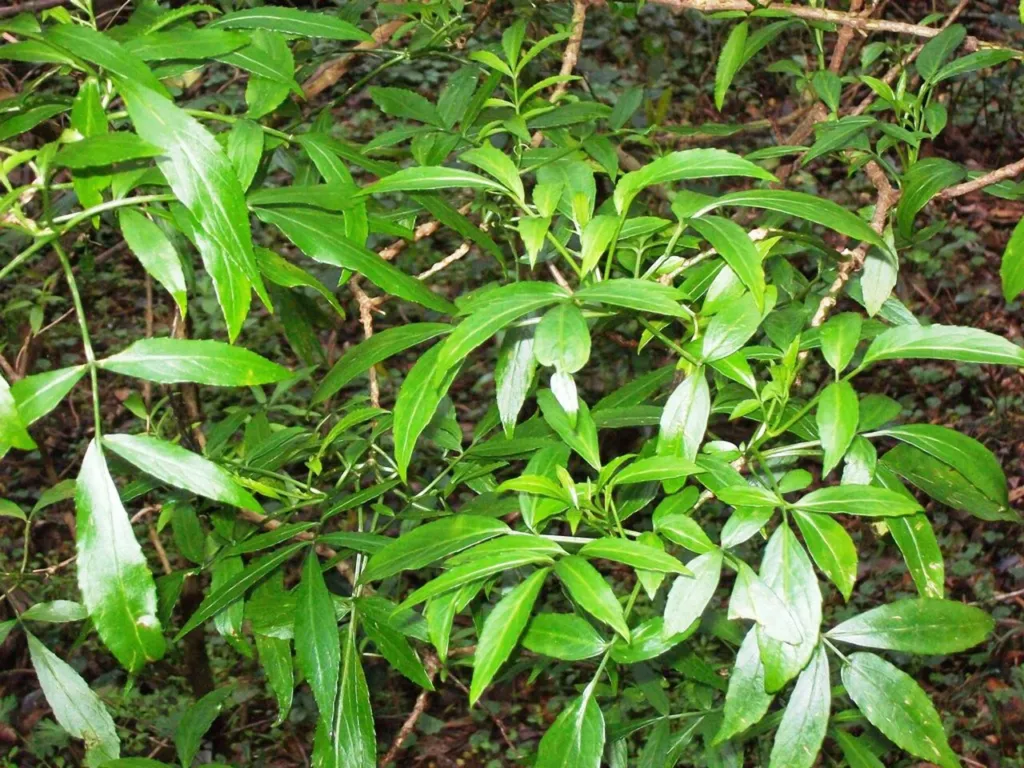
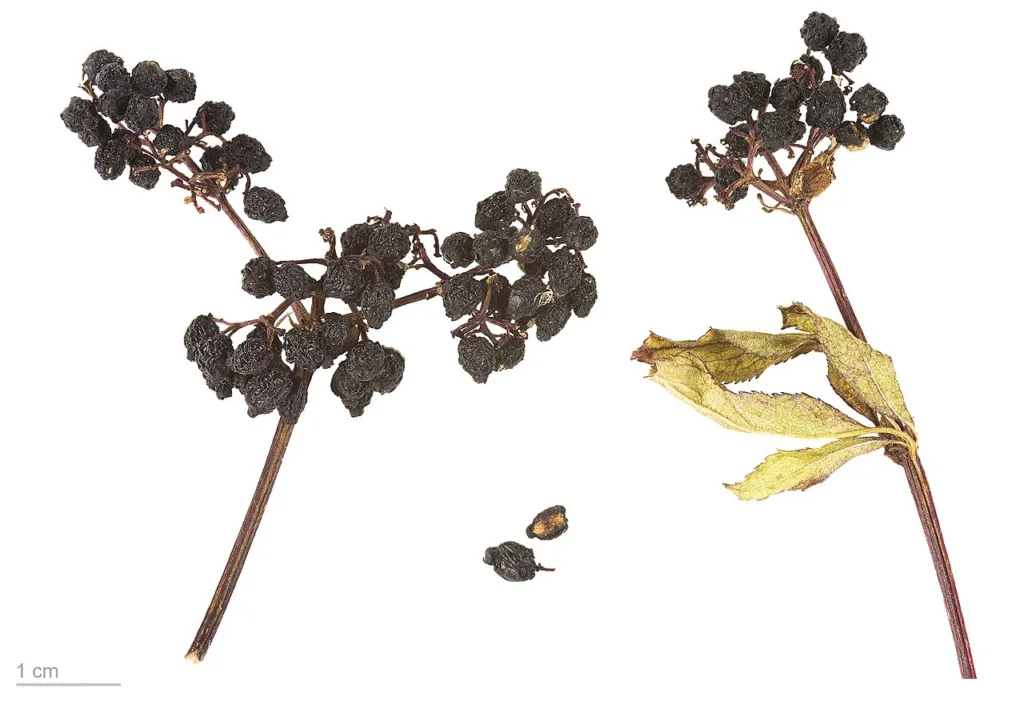
| Look-alikes | Sambucus ebulus (dwarf elder or danewort), a herbaceous species whose fruit is not used as food; Australian native elders such as S. australasica, which has yellow fruit |
| Wikidata | Q22701 |
Chapter 2Botany: flower, fruit and ripening
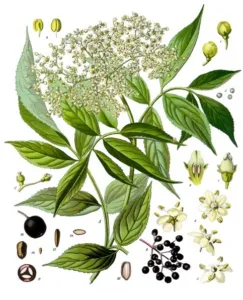
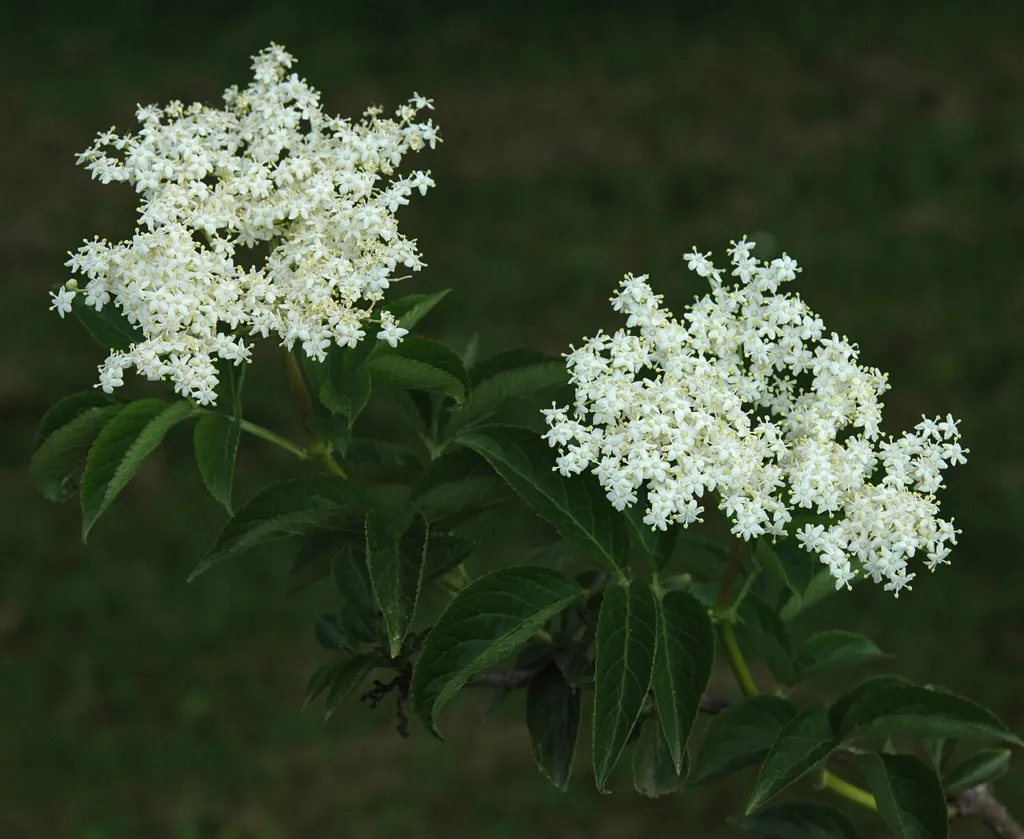
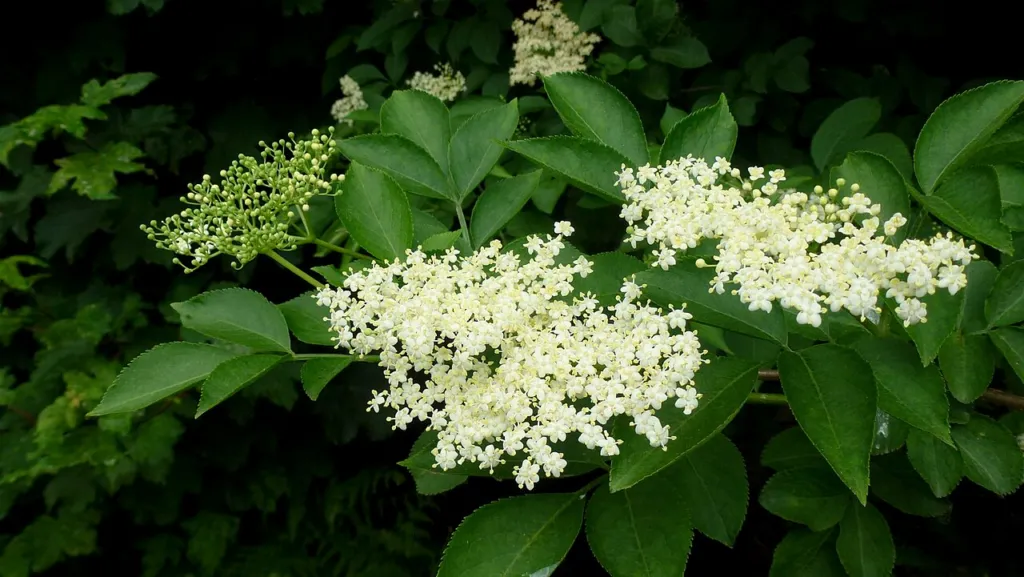
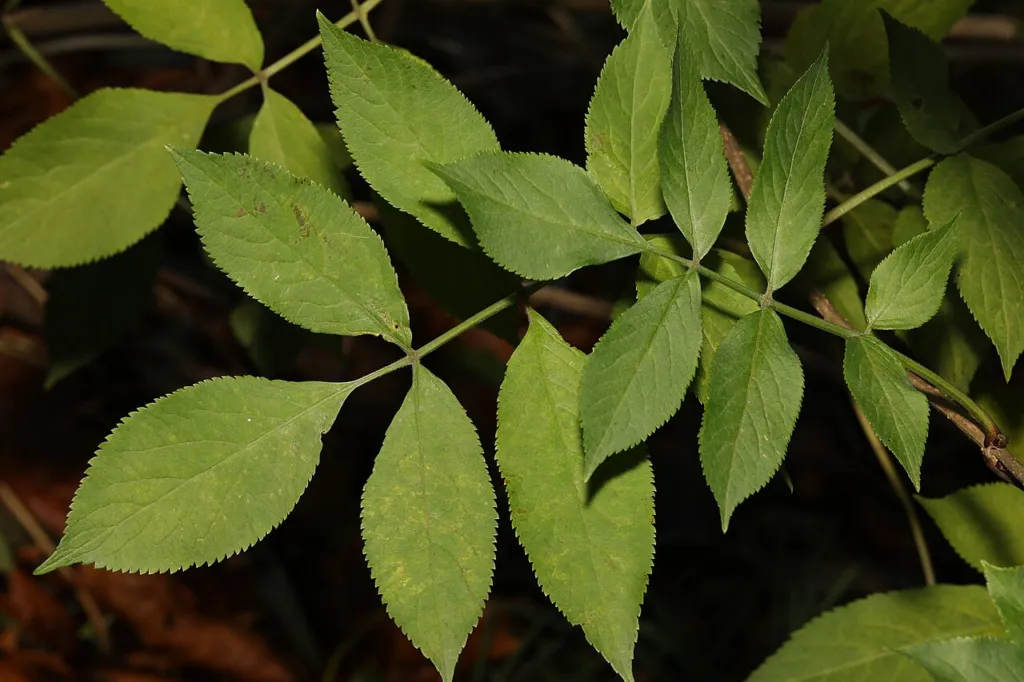
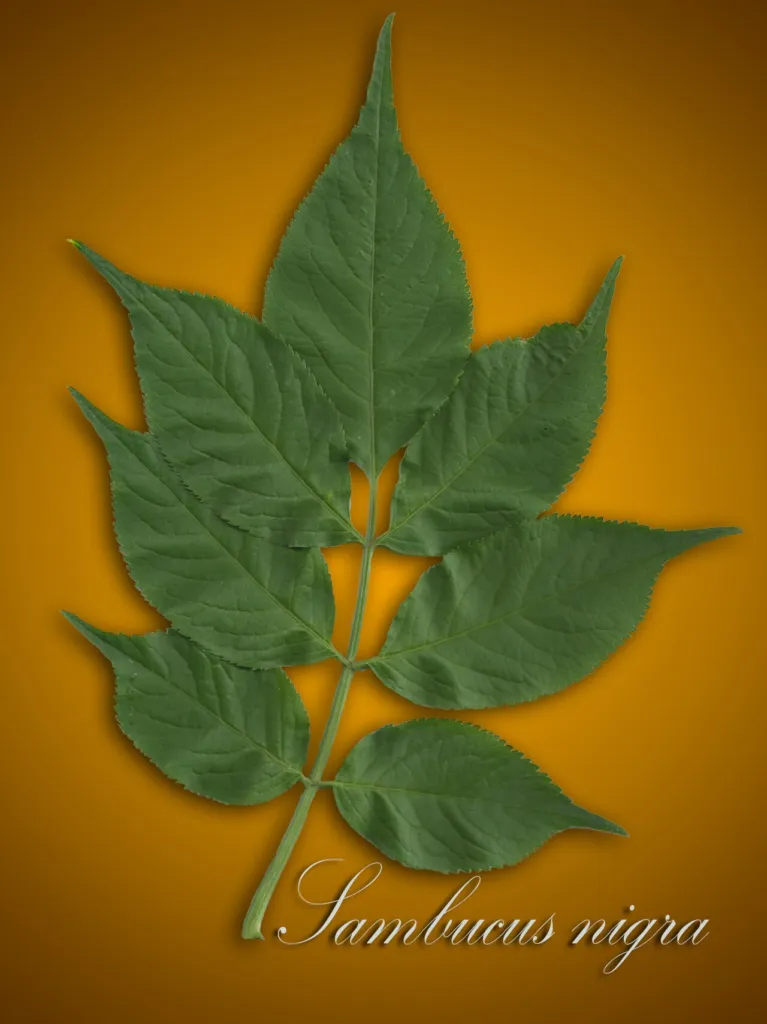
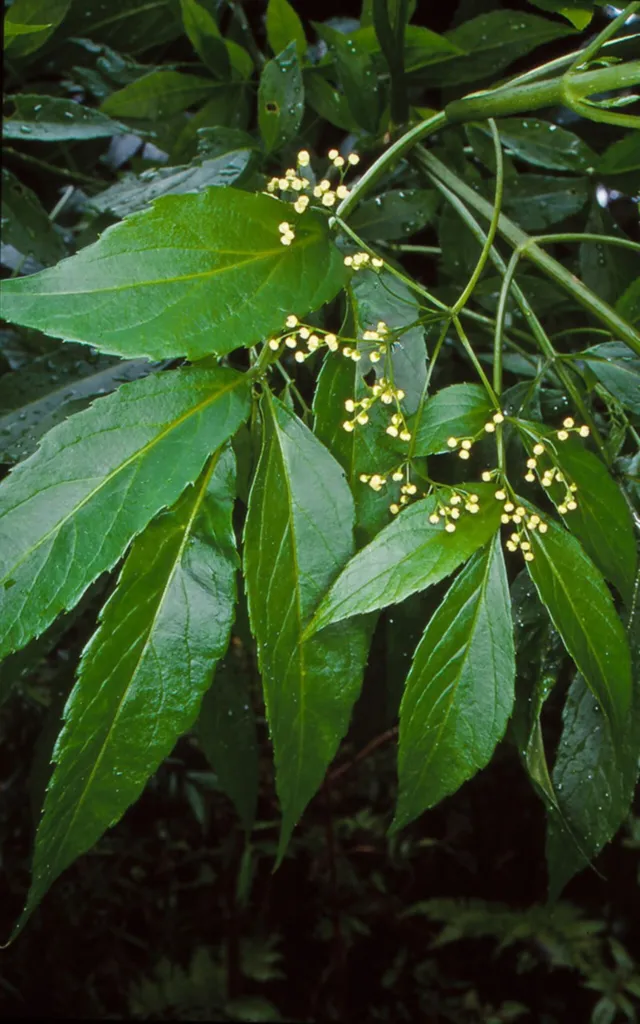
European elder is a deciduous shrub or small tree, to about six metres in Victorian records, with striate, lenticelled branches [17]. The leaves are opposite and pinnate, with three or five leaflets toothed in their upper two-thirds. Flowers come in flat, much-branched heads 5 to 20 cm across, yellowish to white, mostly with five petals [16][17]. In Victoria flowering runs mainly from October to January [17]. Confirmed
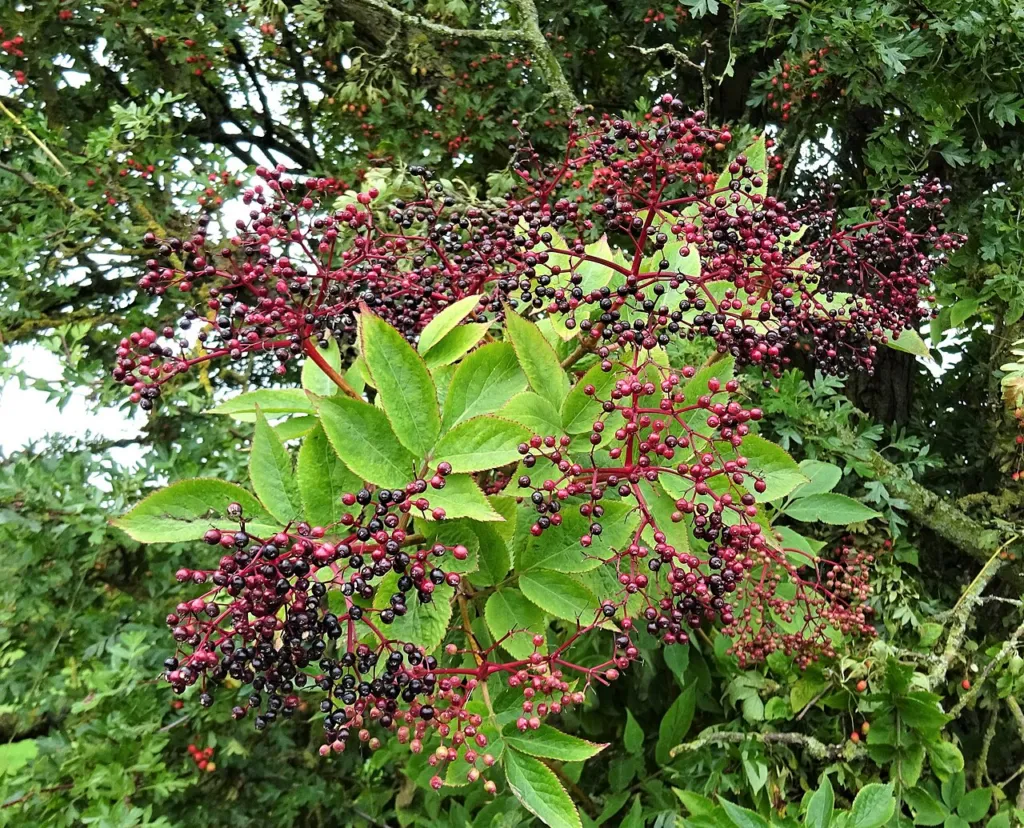
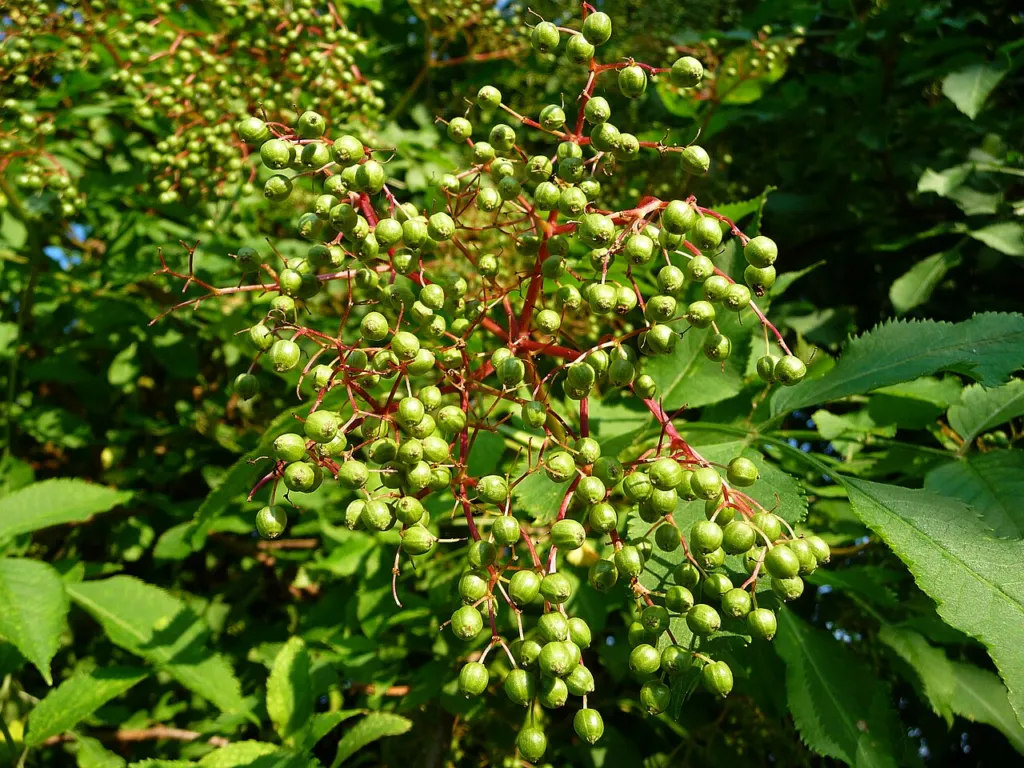
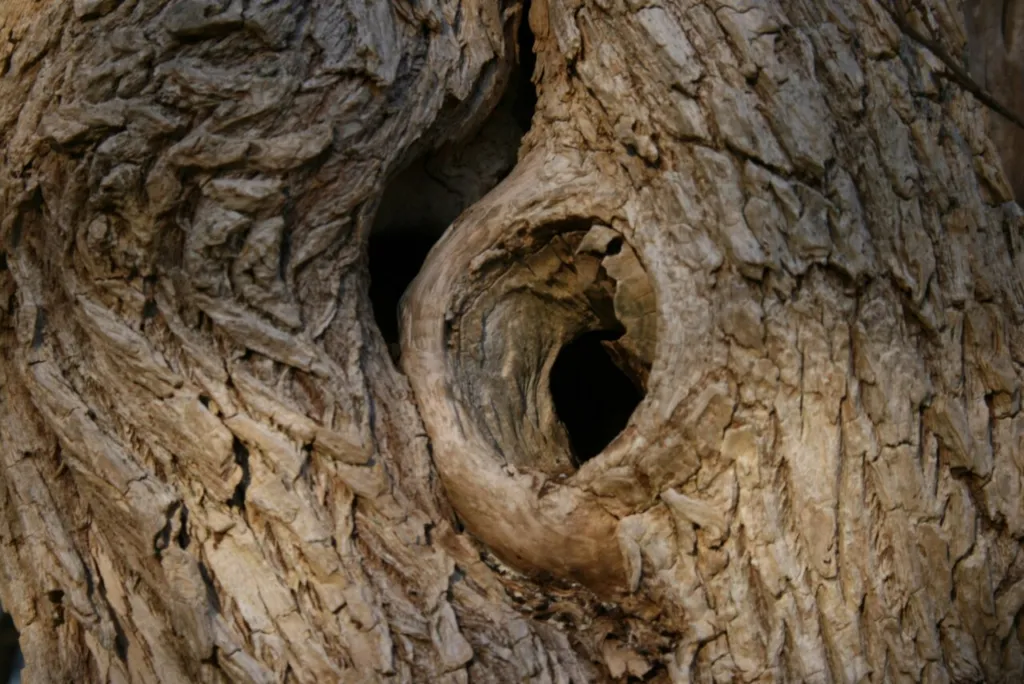
The fruit is a small drupe about 5 mm across, glossy and nearly black when ripe, with three seeds each enclosed in a hard stone [6][17]. Confirmed It matters for this article that the fruit ripens from green, through a red-tinged stage, to black, on stalks that turn red as they ripen (see the photographs below). The green fruit and the stems carry more of the cyanogenic glycosides that make raw elder unpleasant [10]. The European assessors were direct about this: unripe berries contain toxic constituents and should be avoided in elderberry preparations [6]. Confirmed
The dried flower (Sambuci flos) and the berry (Sambuci fructus) are two different herbal drugs with different chemistry and different regulatory histories. Most Australian products discussed here are made from the berry. Confirmed
Chapter 3Where it grows, and its status in Australia
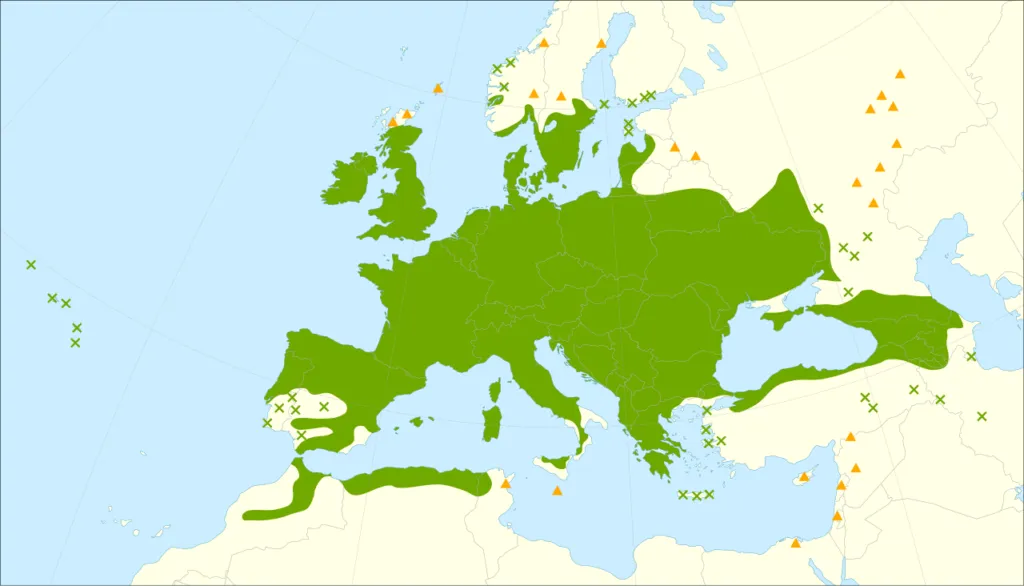
European elder is native to Europe, western Asia and north-west Africa [16][17]. Confirmed The material of commerce for European herbal medicine has come largely from eastern and southern Europe; the European Medicines Agency’s assessors named Russia, Poland, Hungary, Portugal and Bulgaria, citing Wichtl [6]. Attested
In Australia it arrived as a garden plant. The national weed key describes it as widely naturalised in eastern Australia, in south-eastern and northern Queensland, parts of eastern New South Wales, the ACT, many parts of Victoria, Tasmania and south-eastern South Australia, and records it as an environmental weed in Queensland, Victoria and Tasmania [16]. Confirmed VicFlora describes it as a cultivated ornamental that has become established at a number of sites in Victoria [17]. The northern Queensland records matter locally: elder is not only a plant of the cool south, and a fruiting shrub in a Queensland garden or creek line may be this species.
Australia also has native elders. Sambucus australasica, the native or yellow elderberry of wet forests and gullies in eastern New South Wales, has yellow fruit about 5 mm long [18]. Confirmed Native elders are a separate subject with their own ethnobotany, which this review does not cover; the point here is identification. A wild “elderberry” picked in eastern Australia may be a naturalised European elder, a native species, or a different plant altogether, and none of the clinical or safety data in this review apply to the natives.
Chapter 4Traditional and historical use
Elder was a plant of the household and the hedgerow. The European assessors put it simply: historically elder was highly valued because almost every part of the plant was used, both as food and in folk medicine [6]. Traditional The berry’s recorded medicinal uses cluster around four actions: against colds and catarrh, as a laxative, to promote sweating, and as a mild diuretic [6]. Traditional
The best-documented preparation is the syrup. Mrs Grieve’s A Modern Herbal (1931), citing a pharmacopoeia of 1788, records elderberry rob (Roob Sambuci) as a remedy for colds in England and Holland, taken as one or two tablespoons in a tumbler of hot water at night to promote perspiration and soothe the chest; the European assessment report reproduces this passage [6]. Attested Madaus (1938) records fresh berries and juice as a diaphoretic and a decoction of dried berries as a laxative in Germany, and Wichtl cites the Swiss Pharmacopoeia of 1953 for the rob as a diaphoretic [6]. Attested Hager’s handbook records pressed berry juice used against neuralgia [6]. Attested
All of this is evidence of practice. It shows that Europeans made and took elderberry syrup for colds for a long time. It does not show that the syrup shortened them, and it is a different preparation from a modern standardised extract. Traditional
What the European regulator made of the tradition
Europe has a formal test for traditional use. A herbal medicine can be registered on tradition alone if it has been used at a specified strength and dose for at least 30 years, 15 of them in the European Union. In 2011 the European Medicines Agency’s Committee on Herbal Medicinal Products (HMPC) set out to write a monograph on elderberry. In January 2014 it gave up, and published a public statement instead [5]. Confirmed The reason was narrow and technical: for elderberry preparations, “complete information on traditional use with a specified posology and the necessary information on a specified strength” was missing [5]. Confirmed The handbook sources gave single doses of tea, or syrups made from recipes that could not be converted into a defined strength [6].
The flower fared differently. The HMPC’s monograph on elderflower (Sambuci flos) accepts it as a traditional herbal medicinal product “used for the relief of early symptoms of common cold”, for example as a herbal tea, in adolescents and adults [7]. Confirmed So in Europe the flower has a recognised traditional-use indication for colds and the berry, the part in most Australian products, has none. That is a statement about documentation. It says nothing for or against the berry’s activity.
Chapter 5Phytochemistry: anthocyanins, flavonols, lectins and sambunigrin
Elder chemistry is best understood organ by organ, because the compounds that make the berry interesting and the compounds that make raw elder unpleasant are distributed very unevenly.
5.1 Anthocyanins: the colour of the berry
Ripe elderberries are among the richest common sources of anthocyanins. The two major pigments are cyanidin-3-glucoside, about 65.7% of total anthocyanins, and cyanidin-3-sambubioside, about 32.4%, with small amounts of others such as cyanidin-3,5-diglucoside and cyanidin-3-sambubioside-5-glucoside; the European assessment report gives these figures from Brønnum-Hansen and Hansen (1983) [6]. Confirmed Cyanidin-3-sambubioside matters for quality control, because a pigment profile that lacks it is unlikely to come from elder (§10). Mechanism
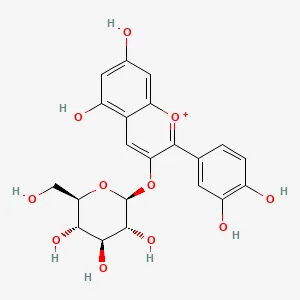
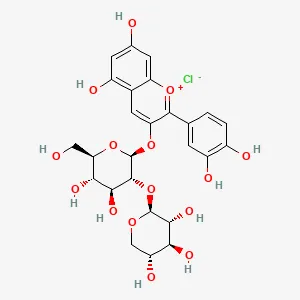
The anthocyanin content of the trial products was stated, at least in one case. The capsules in the Australian air-traveller trial held 300 mg of a membrane-filtered extract standardised to 22% polyphenols and 15% anthocyanins [3]. Confirmed That is about 45 mg of anthocyanins per capsule. How much of that reaches the bloodstream intact is unclear. Anthocyanins as a class are generally reported to be poorly absorbed intact and heavily broken down by gut bacteria; we have not reviewed that literature here, so treat this as background. Mechanism
5.2 Flavonols and phenolic acids
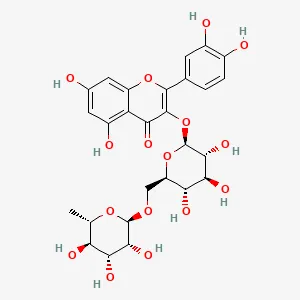
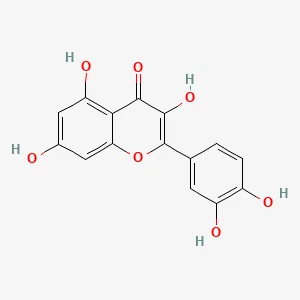
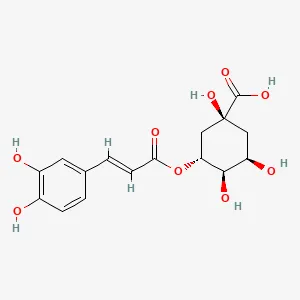
Alongside the anthocyanins, the plant carries flavonols, chiefly rutin (quercetin-3-O-rutinoside) together with quercetin, isoquercitrin, hyperoside and kaempferol glycosides, and caffeoylquinic acids such as chlorogenic acid [8]. Confirmed Flower extracts are richer in rutin and chlorogenic acid than berry extracts; in one comparison quoted in a 2026 review, rutin was the only flavonoid quantifiable in an aqueous berry extract [8]. Evidence suggests
5.3 Lectins
Elder is a well-known source of lectins, carbohydrate-binding proteins. The dried seeds contain about 0.1% of a hemagglutinin (Sambucus nigra agglutinin, SNA), and a further lectin, nigrin f, occurs in the fruit [6]. Confirmed The bark lectin nigrin b is a ribosome-inactivating protein structurally related to ricin, though considerably less toxic in cell studies [6]. Evidence suggests The European assessors noted laboratory evidence that ripening sharply reduces fruit lectin content, consistent with ripe fruit being eaten safely [6]. Evidence suggests
5.4 Sambunigrin and the cyanogenic glycosides
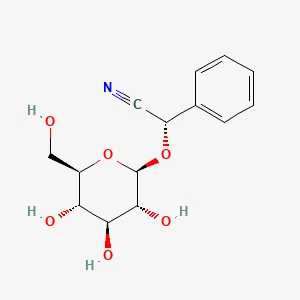
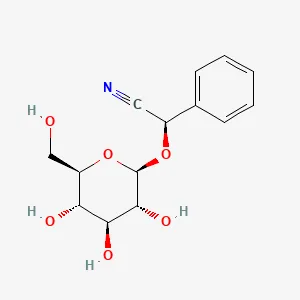
Sambunigrin is a cyanogenic glycoside, a sugar attached to a mandelonitrile unit. When plant tissue is crushed, or when the glycoside meets β-glucosidase enzymes in the gut, it breaks down and releases hydrogen cyanide [6]. Confirmed Sambunigrin is the (S)-epimer of prunasin, the glycoside found in cherry and plum kernels; the two share a formula and differ only in the arrangement at one carbon [9]. Confirmed
Where it sits in the plant is the key fact. A Spanish laboratory measuring wild S. nigra found the highest sambunigrin in the leaves, 16.2 to 20.7 mg per gram of dry matter, with significantly lower values in flowers, stalks and fruit [9]. Confirmed A comparison of extracts summarised in a 2026 review reported 1,006 µg/g dry weight in leaf extract, 379 µg/g in flower extract and 22 µg/g in berry extract [8]. Evidence suggests In American elderberry, a UHPLC-MS/MS method measuring four individual cyanogenic glycosides (amygdalin, dhurrin, prunasin and linamarin) found none quantifiable in commercial juice; single compounds in fruit tissues ranged from 0.12 to 6.38 µg/g and in pressed juice from 0.29 to 2.36 µg/mL, and the total cyanogenic potential was highest in stems and green berries [10]. Confirmed The same authors concluded that the levels in fruit tissues were low enough to pose no threat to consumers of fresh and processed fruit [10].
| Plant part | Sambunigrin or cyanogenic glycoside level | Source | Tag |
|---|---|---|---|
| Leaf, wild S. nigra (Spain) | 16.2–20.7 mg/g dry matter | Rodríguez Madrera 2021 [9] | Confirmed |
| Extracts of leaf; flower; berry | 1,006; 379; 22 µg/g dry weight | quoted in Khalil 2026 [8] | Evidence suggests |
| American elderberry fruit tissues (per glycoside) | 0.12–6.38 µg/g | Appenteng 2021 [10] | Confirmed |
| American elderberry pressed juice (per glycoside) | 0.29–2.36 µg/mL | Appenteng 2021 [10] | Confirmed |
| Commercial American elderberry juice | none quantifiable | Appenteng 2021 [10] | Confirmed |
For scale: hydrogen cyanide makes up about 9% of sambunigrin or prunasin by mass (27 of 295 daltons), and between about 6% (amygdalin) and 11% (linamarin) of the other glycosides measured. Adding all four glycosides in the richer pressed-juice sample (about 3.7 µg/mL in total) and converting each by its own cyanide share gives roughly 0.3 mg of potential hydrogen cyanide per kilogram of juice. Mechanism That arithmetic is ours, from the published numbers, and applies to American elderberry juice; it is not a measurement of any Australian product.
Chapter 6Pharmacology: what the laboratory shows
The case for elderberry against colds and influenza rests on a fairly consistent body of laboratory work, and on a much thinner body of human pharmacology. They need to be read separately.
6.1 Antiviral activity in cell culture
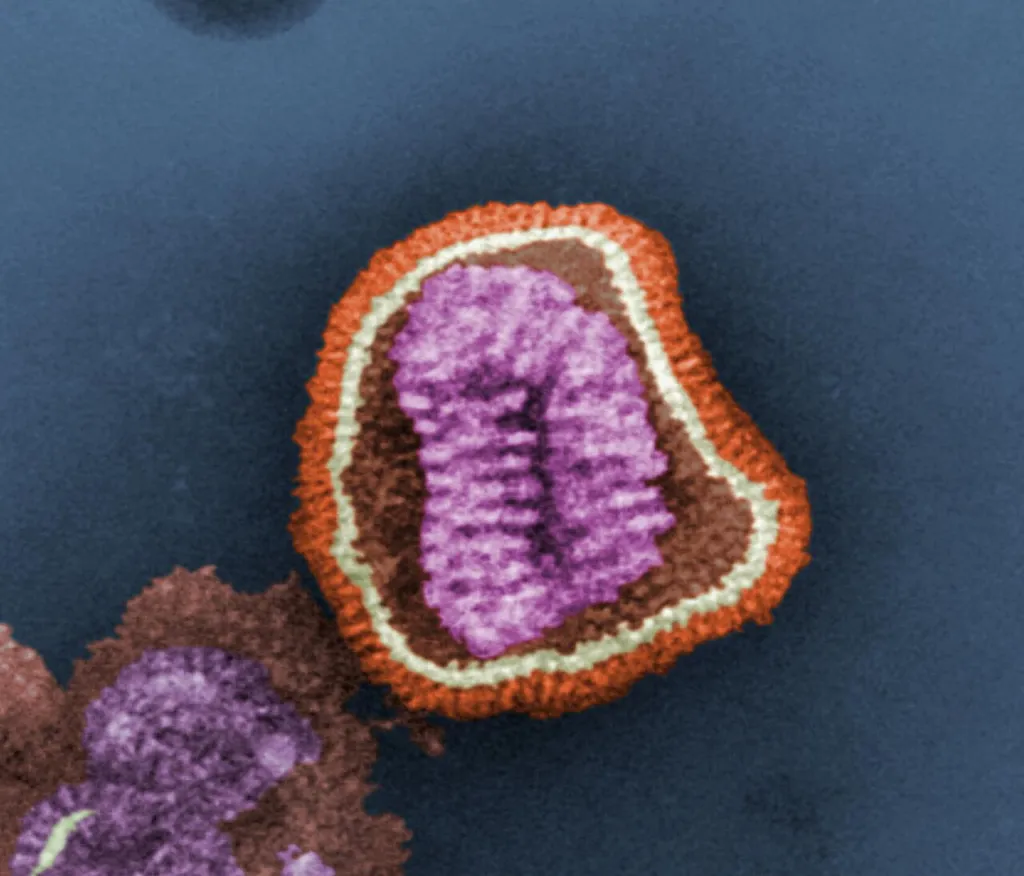
Several groups have reported that elderberry juice or extracts reduce influenza infection of cultured cells. A 2026 review tabulates the main studies: flavonoids from an elderberry extract bound to H1N1 virions and blocked entry into cells (Roschek and colleagues, 2009); elderberry juice inhibited the viral haemagglutinin and neuraminidase at early and late stages of the infection cycle and reduced plaque number and size (Torabian and colleagues, 2019); and elderberry fruit extracts inhibited replication of SARS-CoV-2 variants in culture (Setz and colleagues, 2023) [8]. Evidence suggests We read these through the review only. Roschek’s paper has been requested in full text; none of the three is cited here as read.
Two cautions apply to all of it. Cell culture shows what an extract can do when it bathes cells and virus directly, at concentrations chosen by the experimenter. Whether anything like those concentrations is reached in the human airway after swallowing a syrup is unknown, because the absorption and distribution of elderberry constituents in people has barely been measured. The European assessors found no pharmacokinetic data at all [6]. Confirmed
6.2 Immune and inflammatory effects
Elderberry preparations change cytokine output from immune cells in laboratory assays; different studies report increases in some interleukins and decreases in others, depending on the preparation and the cells [8]. Evidence suggests This is the root of two opposite stories told about elderberry online: that it “boosts immunity”, and that it could trigger a dangerous “cytokine storm”. Both overreach the data, which are summarised in §8.3.
The European assessment report concluded that there was not enough scientific information to reach a conclusion on an immunomodulatory effect of any elderberry extract [6]. Confirmed
6.3 Other pharmacology
Anthocyanin-rich elderberry extracts are antioxidant in chemical assays, and cyanidin-3-glucoside and cyanidin-3-sambubioside appear to be the main contributors [6]. Evidence suggests Antioxidant activity in a test tube is a property of the chemistry; on its own it predicts very little about effects in the body. Mechanism A small trial of low-dose elderberry juice powder on blood lipids, described in the European report, found no significant change over two weeks [6]. Evidence suggests
Chapter 7The human trials, tier by tier
Most of what is known about elderberry in people with, or at risk of, respiratory infection comes from six randomised trials. Five of them were pooled or described by Wieland and colleagues in a systematic review that used Cochrane risk-of-bias tools and GRADE, with searches run in June 2020 [1]. The sixth, Macknin and colleagues’ emergency-department trial, was published in November 2020 and is not in that review [4]. We read Wieland, Macknin and the Australian air-traveller trial in full. The three earliest influenza trials and the combination-product trial are described here from Wieland’s extraction, and are not separately listed in our references as read.
| Trial | Who and how many | Product and dose | Duration | Result | Funding |
|---|---|---|---|---|---|
| Zakay-Rones 1995, Israel | 27 children and adults, influenza B outbreak, symptoms <24 h | Proprietary syrup (Sambucol), 1 tablespoon twice daily (children) or four times daily (adults) | 3 days | Faster recovery reported | Not reported |
| Zakay-Rones 2004, Israel, Norway and Sweden | 60 adults, influenza A or B, symptoms ~27 h | Same syrup, 15 mL four times daily | 5 days | Symptoms relieved about 4 days earlier | Manufacturer |
| Kong 2009, China | 64 adults, influenza-like illness <24 h | Lozenge, 175 mg proprietary extract four times daily | 2 days | More improvement at 48 h | Extract supplier |
| Rauš 2015, Czech Republic | 420 analysed, influenza ≤48 h | Echinacea plus elderberry hot drink vs oseltamivir | 10 days | Recovery similar to oseltamivir | Manufacturer |
| Tiralongo 2016, Australia [3] | 312 healthy adults flying overseas | Capsules, 300 mg standardised extract; 600 mg/day before travel, 900 mg/day during and after | 15–16 days | No fewer colds; shorter, milder colds | Extract supplier |
| Macknin 2020, USA [4] | 87 patients aged 5+ with PCR-confirmed influenza | Sambucol syrup, 15 mL twice (5–12 y) or four times (13+ y) daily | 5 days | No benefit | Philanthropy; investigator-initiated |
Table: trial details for the first four rows are from Wieland and colleagues’ extraction [1]; the Australian and Macknin rows are from the full trial reports. Confirmed
7.1 Tier one: influenza treatment, small and positive
The three early influenza trials are the source of the familiar claim that elderberry “cuts the flu by four days”. Pooling the two Sambucol trials (87 participants), Wieland’s team found illness resolved about 2.7 days sooner on elderberry (mean difference −2.68 days, 95% confidence interval −5.23 to −0.13), and more people were cured by day three (risk ratio 2.60) and day four (1.94) [1]. Evidence suggests They graded the certainty very low, for three reasons: the trials were small; one did not describe its randomisation and lost participants without clear accounting; and the two trials disagreed so much about the size of the effect that the statistical heterogeneity was 94% [1]. Neither had a published protocol or registration. The Kong lozenge trial did not report overall duration or severity in a form the reviewers could use [1].
None of the three trials reported adverse effects in either arm, but none described a careful method for looking for them [1]. Evidence suggests
7.2 Tier two: the independent influenza trial that found nothing
Michael Macknin and colleagues at the Cleveland Clinic set out to replicate the Sambucol findings properly. Their trial ran under a United States investigational-drug approval across three emergency departments from January 2018 to April 2019, enrolled patients aged five and over with at least two moderate or severe symptoms for under 48 hours and a positive PCR influenza test, and was registered in advance (NCT03410862) [4]. Confirmed Patients got the same product and the same dose used in the 2004 trial, or a matched placebo syrup. Because withholding a proven drug was thought unethical, patients could also choose oseltamivir. It was funded by philanthropy [4].
The result was flat. Time until all symptoms were none or mild was 5.3 days on elderberry and 4.9 days on placebo (p = 0.57); time to complete resolution was 8.6 and 8.7 days (p = 0.87) [4]. Confirmed The trial was powered at 90% to detect a two-day benefit, half the effect claimed earlier, and 95% of participants were followed to the end [4]. A post hoc analysis found that patients who took elderberry without oseltamivir recovered about two days more slowly than those on placebo alone (7.3 vs 5.1 days, p = 0.02); the authors were clear that this was unplanned and that no firm conclusion could be drawn [4]. Evidence suggests Chance imbalances, more vaccination and more oseltamivir in the elderberry arm, would if anything have favoured elderberry [4].
Two features of this trial deserve fair weight. It used a single product lot with added flavours not described in the earlier trials, and it relied on patient-reported symptoms without measuring viral load [4]. Neither seems likely to explain a complete absence of effect, and the authors said they could find no explanation in the literature for the difference [4].
7.3 Tier three: the Australian air-traveller trial
Evelin Tiralongo and colleagues on the Gold Coast ran the only Australian trial, registered with the Australian New Zealand Clinical Trials Registry (ACTRN12612001301853) [3]. Confirmed Between April 2013 and December 2014 they recruited 312 healthy adults, average age about 50, flying economy class from Australia on journeys of at least seven hours. Participants took two capsules a day (600 mg of extract) from ten days before departure, then three a day (900 mg) from the day before departure until four or five days after arrival [3]. The extract was a membrane-filtered elderberry extract from Austrian fruit; the sponsor, an Italian extract maker, supplied the capsules and placebo, and was partly involved in the design [3]. Confirmed
Twenty-nine participants developed a well-defined cold: 12 on elderberry and 17 on placebo, a difference that was not statistically significant [3]. Wieland’s re-analysis gives a risk ratio of 0.69 (95% CI 0.34 to 1.39) [1]. Confirmed Among those who did catch a cold, colds were about two days shorter on elderberry (4.75 vs 6.88 days) and symptom scores lower [3]; Wieland calculated a mean difference of −2.13 days (−4.16 to −0.10) [1]. Evidence suggests
The weaknesses are worth stating plainly. The cold-duration finding rests on 29 people. The paper reports different p values for the same comparisons in its abstract and its results section (0.4 and 0.2 for cold episodes; 0.02 and 0.05 for episode days) [3]. And the primary outcome registered in advance, symptom days, was different from the outcome the paper led with, defined cold-episode days, which led Wieland’s team to rate the trial at high risk of selective reporting [1]. Confirmed Tolerability was good: five participants reported adverse events, three on elderberry and two on placebo [1], and no causal link with the extract could be established [3].
7.4 What the reviews conclude
Wieland and colleagues concluded that elderberry may not reduce the risk of catching a cold, may reduce the duration and severity of colds, and may reduce the duration of influenza, all with low or very low certainty [1]. Evidence suggests An Australian rapid review by Harnett and colleagues reached a similar reading, that berry preparations taken within 48 hours of symptom onset may reduce the duration and severity of cold and influenza symptoms in adults, and found no evidence for use against COVID-19 [2]. Evidence suggests Both reviews covered the same five trials, and neither includes the negative Macknin trial. They also judged the trials very differently: Harnett’s team rated risk of bias low or of some concern across all five [2], while Wieland’s team found high risk of bias in four of them [1]. A 2019 meta-analysis by Hawkins and colleagues reported a large pooled benefit; we have requested its full text and do not rely on its figures here.
Our own reading: the positive trials were small, early, mostly funded by the companies whose products they tested, and inconsistent in size of effect; the one independent, registered, adequately powered influenza trial found nothing. The air-traveller trial is better designed than the early influenza trials and suggests a modest effect on cold duration, but on very few events and with an outcome-switching problem. On the evidence available in October 2026, elderberry has a plausible but unconfirmed effect on colds and an unconfirmed and contested effect on influenza. Evidence suggests
7.5 How this compares with andrographis
People replacing an andrographis product deserve a direct answer. Andrographis (Andrographis paniculata) is an unrelated plant whose activity is attributed to diterpene lactones such as andrographolide, and it was trialled with different extracts, doses and outcomes; we reviewed it separately in our andrographis review. Confirmed Elderberry’s anthocyanin chemistry has nothing in common with it. Neither is a drop-in substitute for the other, and an elderberry product should be judged on elderberry’s own, modest trial record. Readers weighing other options may also find our reviews of echinacea and pelargonium (umckaloabo) useful.
Chapter 8Safety and interactions
8.1 Raw elder, unripe fruit, leaves and bark
Every serious source agrees on the basic rule. All elder parts that contain cyanogenic glycosides, meaning unripe or uncooked fruit, fresh leaves, bark and roots, can cause nausea, vomiting or severe diarrhoea when eaten, and should be kept out of elderberry preparations; the European assessors drew this from a systematic review and standard handbooks [6]. Confirmed Their conclusion on the berry was that neither its chemistry nor its long use as food in Europe suggests a high risk from preparations made from ripe fruit, and that non-clinical data show no toxicological signal when products are cooked or heat-treated [6]. Confirmed
Why heat helps is partly settled. Heating inactivates the plant’s own β-glucosidase, so less cyanide is released during preparation, and hydrogen cyanide is volatile and boils off [6][10]. Mechanism The American cyanogen chemists add a caution: some cyanogenic glycosides are fairly heat-stable, and an intact glycoside that survives cooking can still be broken down by gut bacteria, so heating is only partly effective as a way of making cyanogenic material safe [10]. Mechanism The practical message is the same. The safety of elderberry products depends on using ripe fruit without stems and leaves, and on proper processing.
The incident most often quoted online comes from California in August 1983, when a group became ill after drinking juice made from fresh wild elderberries crushed with leaves and stems, most likely blue elderberry. A 2021 review of the episode notes that cyanide was first suspected and later ruled out as the cause, and found no other reports of elderberry juice poisoning in the medical literature over the following 30 years [10]. Evidence suggests We could not open the original 1984 CDC report and rely on that summary.
8.2 What the trials recorded
Across the randomised trials no serious adverse event was attributed to elderberry. Confirmed In Macknin’s trial the commonest events in both arms were dry mouth, constipation, rash and bad taste, with no difference between groups [4]; in the air-traveller trial five events were reported, three on elderberry and two on placebo [1][3]. Wieland’s team pointed out that adverse event collection was poorly described in most trials, so the true rate of minor effects is uncertain [1]. Evidence suggests Gastrointestinal upset is the effect most often linked to elder, and the European assessors tie it to raw and unripe material [6]. Evidence suggests
8.3 The “cytokine storm” claim
In 2020 a warning spread that elderberry might over-activate the immune system and worsen COVID-19 through a “cytokine storm”. It rested on laboratory reports of increased cytokine production [1]. Wieland’s review was designed specifically to test it. The reviewers found no study of any design linking elderberry to sepsis, multi-organ failure or other clinical inflammatory harm [1]. Confirmed They found three small studies that measured cytokines in people after taking elderberry: a 12-week randomised trial in 52 postmenopausal women that showed no difference in IL-6, TNF-α or CRP; a before-and-after study of dwarf-elder tea showing reductions in IL-1β and CRP; and a poorly reported comparison with diclofenac showing short-lived reductions in IL-1 and TNF-α [1]. Evidence suggests Their conclusion: there is no evidence that elderberry overstimulates the immune system, although the evidence is thin [1].
There is also no evidence that elderberry prevents or treats COVID-19 [2]. Confirmed
8.4 Immunosuppressants and autoimmune conditions
Because elderberry is promoted as an immune product, a theoretical concern is often raised for people on immunosuppressant drugs (after transplantation, or for autoimmune disease) and for people with autoimmune conditions. No clinical study has tested this, and no case reports were found in the sources we read. Mechanism The concern rests on the laboratory cytokine data in §6.2, which point in both directions. The honest position is that there is no evidence of harm and no evidence of safety in these groups. Anyone in them should take advice before starting elderberry from a degree-qualified herbalist with competencies and adequate training in pharmacognosy, who can look at their medicines as a whole.
8.5 Drug interactions
The interaction evidence is sparse. In vitro, elderberry showed no meaningful inhibition of the drug-metabolising enzyme CYP3A4; in a combination product the weak inhibition seen came from the echinacea [6]. Evidence suggests A rat study found a very modest lengthening of pentobarbitone sleeping time, which the European assessors judged unlikely to be clinically relevant [6]. Evidence suggests Some reviews repeat cautions about diuretics, diabetes medicines and blood-pressure medicines [8]. These trace back to animal work and older review literature, and we found no human interaction data behind them; they remain theoretical. Mechanism
8.6 Pregnancy, breastfeeding and children
There are no adequate human or animal data on elderberry in pregnancy or breastfeeding [2][8]. Confirmed The European elderflower monograph states that safety in pregnancy and lactation has not been established and, in the absence of data, does not recommend use [7]. Confirmed Pregnant and breastfeeding women were excluded from Macknin’s trial [4]. Children aged 5 to 12 were included in that trial and in the earliest Sambucol trial, at lower doses [1][4], so paediatric data exist but are very limited. Evidence suggests Two ingredients in some Australian combination products matter for children. Honey should not be given to babies younger than 12 months, because it can carry the bacteria that cause infant botulism [19]. Confirmed The European willow bark monograph says willow bark medicines are for adults only and should not be taken by children, adolescents, women in the third trimester of pregnancy or anyone allergic to salicylates such as aspirin [20]. Confirmed Check the full active ingredient list before giving any elderberry product to a child.
8.7 Allergy
Hypersensitivity is the one contraindication in the European elderflower monograph [7]. Confirmed In combination teas containing elderberry, the product information summarised by the European assessors lists rare itch, urticaria and rash in hypersensitive persons [6]. Evidence suggests Several Australian elderberry medicines also contain honey, ivy leaf, willow bark or other actives, each with its own cautions (§9).
Chapter 9In Australia: what is sold and how it is regulated
9.1 Listed medicines on the ARTG
The elderberry medicines in Australian pharmacies are entered on the Australian Register of Therapeutic Goods (ARTG). We opened nine ARTG entries naming Sambucus nigra as an active ingredient in October 2026; every one was a listed medicine (licence category LI) with active status. Confirmed They range from a single-ingredient oral liquid (ARTG 356658) to combinations with vitamin C and zinc (ARTG 195687, ARTG 391346, ARTG 437234, ARTG 332699), with honey, vitamin C and zinc (ARTG 428053), with vitamin C alone (ARTG 524755), with ivy leaf (ARTG 469689), and with ivy, willow bark and California poppy (ARTG 462113) [13][14]. Confirmed
One public summary shows how these products are built. The single-ingredient liquid states its active as Sambucus nigra fruit juice dry, 10.87 mg per mL, equivalent to 380.45 mg per mL of fresh juice, with liquid glucose, maltodextrin, citric acid, potassium sorbate, silicon dioxide and flavour as excipients [13]. Confirmed Its permitted indications include relieving symptoms of common colds and flu and decreasing common cold duration, and the indication requirements state that product presentation must not refer to serious respiratory disease, including influenza, and that respiratory tract infections must be qualified as “mild” [13]. Confirmed
Listing has a specific meaning. The TGA describes listed medicines as generally lower-risk products [11]. A listed medicine is self-assessed: the sponsor chooses ingredients from the permitted list and indications from the permitted list, certifies that it holds evidence for those indications, and the product goes on the register without the TGA evaluating whether it works. Confirmed The TGA can and does audit listings after the fact. A listing number on the pack tells a buyer the product is legally supplied and made to Australian manufacturing standards; it does not tell them the product was tested in a trial. Confirmed Nor does it tell them the product matches any trial preparation. Whether a given pack contains an extract like the one studied in §7 can only be judged from its own ingredient statement.
9.2 Food syrups, cordials and gummies
Elderberry and elderflower also sit on supermarket shelves as foods: cordials, syrups, jams and some gummies. A product sold as a food is regulated under the Australia New Zealand Food Standards Code administered by Food Standards Australia New Zealand, not by the TGA, and may not claim to treat or prevent a disease. Confirmed Food products are not required to declare an anthocyanin content, and none of the products in the trials reviewed here was a food. Confirmed The same product type can sit on either side of the line depending on how it is presented, which is why two similar-looking elderberry gummies may carry very different kinds of claim.
9.3 The Poisons Standard and imports
Elder is not named in the Poisons Standard (October 2026 instrument, in force from 1 October 2026) [15]. Confirmed The Standard deals with cyanogenic material through other entries: hydrocyanic acid for therapeutic use is in Schedule 4 except in preparations containing 10 mg/kg or less, amygdalin for therapeutic use is in Schedule 10 except in preparations containing 10 mg/kg or less of amygdalin, and wild cherry bark for therapeutic use is in Schedule 10 except in preparations containing 10 mg/kg or less of both amygdalin and hydrocyanic acid [15]. Confirmed The rough calculation in §5.4 puts measured elderberry juice roughly thirty times below that 10 mg/kg line. Mechanism Elder is not a controlled drug, so no Office of Drug Control licence or permit is involved; importing live plants or seed is a biosecurity matter under the Department of Agriculture’s import conditions. Confirmed
9.4 The andrographis decision, and what it does and does not mean for elderberry
The TGA removed Andrographis paniculata from the Permissible Ingredients Determination on 17 September 2026, after continued reports of anaphylaxis including a fatal case reported in June 2024; from that date new andrographis medicines could not be listed, existing listings were not removed immediately, sponsors were asked to cancel or recall products voluntarily, and the TGA said it would begin regulatory action from mid-October 2026 if they did not [11][12]. Confirmed The decision was specific to andrographis and its allergy profile. It says nothing about elderberry, which remains a permitted ingredient with active listings [13][14]. Confirmed
For shoppers, the useful points are simple. An elderberry product is a different plant with a smaller and more mixed trial record, and it should be chosen, if at all, on its own merits. Read the active ingredient list: many products also contain zinc, vitamin C, honey or other herbs. And before taking any botanical drug, consult a degree-qualified herbalist with competencies and adequate training in pharmacognosy, especially if you are pregnant, breastfeeding, giving it to a child, or taking prescription medicines. Suspected side effects from any medicine, herbal ones included, can be reported to the TGA.
Chapter 10Quality and adulteration
Elderberry is a chemically variable raw material. Anthocyanin content differs between varieties, growing sites and seasons, and the European assessors noted variation in total anthocyanins across cultivars [6]. Confirmed The trial extracts were proprietary and standardised in different ways: one to polyphenols and anthocyanins, using fruit of a named Austrian variety [3]; another expressed as fresh-fruit juice equivalent, 5.7 g of fruit per 15 mL dose [4]. Confirmed Results from one product cannot be assumed for another.
Adulteration is a recognised problem in the international elderberry extract trade. In June 2023 the ABC–AHP–NCNPR Botanical Adulterants Prevention Program, a North American industry and academic programme, published a bulletin on adulteration of European elder berry and berry extracts. We could not obtain the bulletin itself. Trade reports describe it as finding that undeclared black rice extract, a much cheaper anthocyanin source, is the commonest adulterant; we have not verified that from the primary document, so it is unsourced in this article. Evidence suggests
The analytical logic for catching this kind of substitution is straightforward. A cheap anthocyanin source can match elderberry’s total anthocyanin number while having the wrong profile, and cyanidin-3-sambubioside is characteristic of elder. An HPLC anthocyanin fingerprint compared with authenticated reference material will catch most substitutions that a total-anthocyanin assay misses. Mechanism We know of no published survey of the identity or anthocyanin content of elderberry products sold in Australia. Confirmed
Chapter 11Discussion: conclusions, hypotheses and research still required
What the evidence supports
Ripe European elderberry, cooked or properly extracted, has a long food and folk-medicine history in Europe and a reassuring short-term safety record in trials, with no serious adverse events attributed to it. Confirmed The cyanogenic glycosides that give elder its reputation are concentrated in the leaves, stems, bark and green fruit; well-made products exclude these, and processing lowers what remains. Confirmed The claim that elderberry causes a dangerous cytokine storm has no clinical evidence behind it. Confirmed Laboratory studies consistently show antiviral activity against influenza in cell culture. Evidence suggests
The clinical evidence for colds and influenza is weak. Small, mostly sponsor-funded trials reported large benefits; the only independent, registered, adequately powered influenza trial found none; and the one Australian trial found shorter, milder colds without fewer colds, on few events. Evidence suggests A fair summary in October 2026 is that elderberry might modestly shorten a cold, that its effect on influenza is unproven, and that it is not a like-for-like replacement for andrographis or for antiviral medicines.
What we can reasonably hypothesise
Hypothesis 1: product matters. The positive and negative influenza trials used the same brand, yet different lots and, by the authors’ account, slightly different flavourings. If the active fraction is a minor, variable constituent, small manufacturing differences could produce different clinical results. This is speculation that only head-to-head chemical characterisation of trial lots could test. Mechanism
Hypothesis 2: timing matters more for influenza than for colds. If elderberry acts mainly by blocking viral attachment, as the cell-culture work suggests, benefit would be greatest very early in infection and small once replication is established. Macknin’s patients presented to an emergency department within 48 hours, often later in the illness than the earliest trials; the trial found no difference between patients enrolled before and after 24 hours, which argues against this. Mechanism
Hypothesis 3: the gut is where most of the chemistry happens. If anthocyanins are as poorly absorbed and as heavily metabolised by gut bacteria as is generally reported, any systemic effect may come from phenolic metabolites, which no elderberry trial has measured. Mechanism
What research is still required
- Clinical research. A registered, independently funded, adequately powered randomised trial of a chemically characterised elderberry extract in Australian adults with laboratory-confirmed common cold or influenza, started within 24 hours, with viral load as a secondary outcome and systematic adverse-event collection. A pre-registered replication of the air-traveller design with a single primary outcome.
- Pharmacology and pharmacokinetics. Human pharmacokinetic studies of anthocyanins and their microbial metabolites after standard doses of the main extract types, so that cell-culture concentrations can be compared with what reaches tissue.
- Special populations. Pregnancy and lactation exposure registries; observational data in people with autoimmune disease or on immunosuppressants, starting with a search of the TGA’s Database of Adverse Event Notifications for Sambucus-containing medicines.
- Quality analysis. A market survey of elderberry listed medicines and food products sold in Australia using HPLC anthocyanin fingerprinting against authenticated reference material, testing identity, cyanidin-3-sambubioside content and the presence of other anthocyanin sources.
- Phytochemistry and toxicology. Sambunigrin quantification in European elderberry juices, syrups and home-style preparations made the way Australians make them, including the effect of different heating times, to replace inference from American elderberry data.
- Botany and taxonomy. Voucher-based documentation of naturalised S. nigra populations in Queensland and their separation from native elders, before anyone harvests wild fruit as elderberry.
- Regulatory science. A review of whether the permitted indications available to elderberry listed medicines match the current trial evidence, given that the evidence base has shifted since the early influenza trials.
About AIP and this series
The Australian Institute of Pharmacognosy (AIP) is based in Cardwell, in the wet tropics of far north Queensland. Pharmacognosy is the study of medicines and poisons that come from natural sources: how a plant is identified, what it contains, and what that chemistry does in the body.
The Literature Review and Critical Analysis series is part of our education and research work. Each review follows the same structure and grades every claim by the evidence behind it, so you can see what is tradition, what is laboratory or animal work, and what has actually been tested in people.
Nothing in this series is an offer of treatment, a product or a service, and nothing in it is a reason to use a plant. If you find an error, or a source we have missed, we would like to hear about it.
References
Show all 20 references (every PMID links to PubMed)
All PMIDs were checked against PubMed in October 2026 and chemical identifiers against PubChem the same month. Trials named in the text but not listed here (Zakay-Rones 1995 and 2004, Kong 2009, Rauš 2015, Hawkins 2019 and the laboratory studies in §6.1) were read through reference 1 or 8 and have been requested in full text.
- Wieland LS, Piechotta V, Feinberg T, Ludeman E, Hutton B, Kanji S, et al. Elderberry for prevention and treatment of viral respiratory illnesses: a systematic review. BMC Complement Med Ther. 2021;21(1):112. PMID 33827515. DOI 10.1186/s12906-021-03283-5. Full text read.
- Harnett J, Oakes K, Carè J, Leach M, Brown D, Cramer H, et al. The effects of Sambucus nigra berry on acute respiratory viral infections: a rapid review of clinical studies. Adv Integr Med. 2020;7(4):240-6. PMID 32864330. DOI 10.1016/j.aimed.2020.08.001. Full text read.
- Tiralongo E, Wee SS, Lea RA. Elderberry supplementation reduces cold duration and symptoms in air-travellers: a randomized, double-blind placebo-controlled clinical trial. Nutrients. 2016;8(4):182. PMID 27023596. DOI 10.3390/nu8040182. Trial registration ACTRN12612001301853. Full text read.
- Macknin M, Wolski K, Negrey J, Mace S. Elderberry extract outpatient influenza treatment for emergency room patients ages 5 and above: a randomized, double-blind, placebo-controlled trial. J Gen Intern Med. 2020;35(11):3271-7. PMID 32929634. DOI 10.1007/s11606-020-06170-w. Trial registration NCT03410862. Full text read.
- European Medicines Agency, Committee on Herbal Medicinal Products. Public statement on Sambucus nigra L., fructus. EMA/HMPC/32465/2013. Adopted 28 January 2014. EMA: Sambuci fructus. Read October 2026.
- European Medicines Agency, Committee on Herbal Medicinal Products. Assessment report on Sambucus nigra L., fructus. EMA/HMPC/44208/2012. PDF. Read October 2026.
- European Medicines Agency, Committee on Herbal Medicinal Products. European Union herbal monograph on Sambucus nigra L., flos. EMA/HMPC/611512/2016. EMA: Sambuci flos. Read October 2026.
- Khalil AM, Kamal RM, El-Shiekh RA, Elbanna AH, Hamdy SA, et al. Elderberry (Sambucus nigra L.): an ethnopharmacological, phytochemical and biological review for a prospective nutraceutical plant. Inflammopharmacology. 2026;34(3):1539-86. PMID 41665742. DOI 10.1007/s10787-025-02017-0. Full text read.
- Rodríguez Madrera R, Suárez Valles B. Analysis of cyanogenic compounds derived from mandelonitrile by ultrasound-assisted extraction and high-performance liquid chromatography in Rosaceae and Sambucus families. Molecules. 2021;26(24):7563. PMID 34946645. DOI 10.3390/molecules26247563. Full text read.
- Appenteng MK, Krueger R, Johnson MC, Ingold H, Bell R, Thomas AL, et al. Cyanogenic glycoside analysis in American elderberry. Molecules. 2021;26(5):1384. PMID 33806603. DOI 10.3390/molecules26051384. Full text read.
- Therapeutic Goods Administration. Andrographis removed from listed medicines framework because of allergy risk. Published 21 September 2026. TGA news. Read October 2026.
- Therapeutic Goods Administration. High-moderate risk changes to permissible ingredients: Andrographis paniculata 2026 (regulatory decision notice, 18 September 2026). TGA. Read October 2026.
- Therapeutic Goods Administration. ARTG entry 356658, public summary (listed medicine; active ingredient Sambucus nigra fruit juice dry). ARTG 356658. Read October 2026.
- Therapeutic Goods Administration. ARTG entries 195687, 332699, 391346, 428053, 437234, 462113, 469689 and 524755 (listed medicines containing Sambucus nigra). ARTG search. Read October 2026.
- Therapeutic Goods (Poisons Standard—October 2026) Instrument 2026 (F2026L01327). Federal Register of Legislation. legislation.gov.au. Read October 2026.
- Navie S. Sambucus nigra (European elder) fact sheet. Environmental Weeds of Australia, Lucid key. Identic Pty Ltd; 2016. Lucidcentral. Read October 2026.
- Jeanes JA. Caprifoliaceae. In: Walsh NG, Entwisle TJ, editors. Flora of Victoria Vol. 4. Melbourne: Inkata Press; 1999. pp. 642-7; updated by Stajsic V, 19 June 2018, as Sambucus nigra in VicFlora, Royal Botanic Gardens Victoria. VicFlora. Read October 2026.
- Plants of South Eastern New South Wales (Lucid key). Sambucus australasica. Lucidcentral. Read October 2026.
- NSW Health. Infant botulism (fact sheet). Last updated 2 February 2026. NSW Health. Read October 2026.
- European Medicines Agency, Committee on Herbal Medicinal Products. European Union herbal monograph on Salix spp., cortex (willow bark), Rev. 1. EMA/HMPC/80630/2016, and its public summary EMA/97861/2017. EMA: Salicis cortex. Overview page read October 2026.
Image credits
- Elder berries (Sambucus nigra) – Flickr – S. Rae.jpg · S. Rae from Scotland, UK · CC BY 2.0.
- Sambucus nigra – Köhler–s Medizinal-Pflanzen-127.jpg · Franz Eugen Köhler, Köhler’s Medizinal-Pflanzen · Public domain.
- Sambucus ebulus MHNT.BOT.2004.0.506.jpg · Roger Culos · CC BY-SA 3.0.
- Sambucus nigra flowers A.jpg · Wouter Hagens · CC BY-SA 3.0.
- 20170712Sambucus nigra2.jpg · AnRo0002 · CC0.
- Sambucus nigra foliage.jpg · Andrikkos · CC BY-SA 3.0.
- Sambucus nigra range.svg · Giovanni Caudullo · CC BY 4.0.
- Sambucus australasica.jpg · Betty and Don Wood · CC BY 3.0 au.
- Native Elder Mt Tomah.jpg · Poyt448 Peter Woodard · Public domain.
- Elder flowers, Sambucus nigra – geograph.org.uk – 5006459.jpg · Jonathan Billinger · CC BY-SA 2.0.
- Sambucus-nigra-bark.JPG · Sten Porse · CC BY-SA 3.0.
- Elder berry (Sambucus nigra). Knockentiber. North Ayrshire.jpg · Rosser1954 · CC BY-SA 4.0.
- Influenza virus particle color.jpg · Cynthia Goldsmith, CDC (Public Health Image Library) · Public domain.
- Sambucus nigra 106826320.jpg · Stephen James McWilliam · CC BY 4.0.
- Holunder unreife Früchte.JPG · 3268zauber · CC BY-SA 3.0.
- American elderberry (Sambucus canadensis)1.jpg · Rison Thumboor · CC BY-SA 4.0.
- Chemical structure diagrams: PubChem, National Center for Biotechnology Information (public domain), CIDs 441667, 3084569, 5280805, 5280343, 1794427, 91434 and 119033.
AIP literature reviews grade every substantive claim by the kind of evidence behind it. We would rather tell you a claim is unsourced than repeat it.
The Institute: australian-pharmacognosy.org. Series: all Literature Reviews and Critical Analyses, where the previous and next reviews are listed. Follow the series there for each new review.
Corrections: if you find an error or a source we have missed, write to the Institute Secretary at our contact form.
Dr Thomas Ridley
Head of Education and Research
Australian Institute of Pharmacognosy
Cardwell QLD, Australia
australian-pharmacognosy.org · our contact form
Suggested citation: Ridley T. Elderberry (Sambucus nigra L.): a literature review and critical analysis. AIP Literature Review and Critical Analysis AIP-LR-SAMNIG. Cardwell (QLD): Australian Institute of Pharmacognosy; 2026.
Educational content only; not medical, legal or regulatory advice. ARTG entries and the Poisons Standard are as read in October 2026 and may change.
The Institute sets and publishes its own monographs. The catalogue is in Publications.