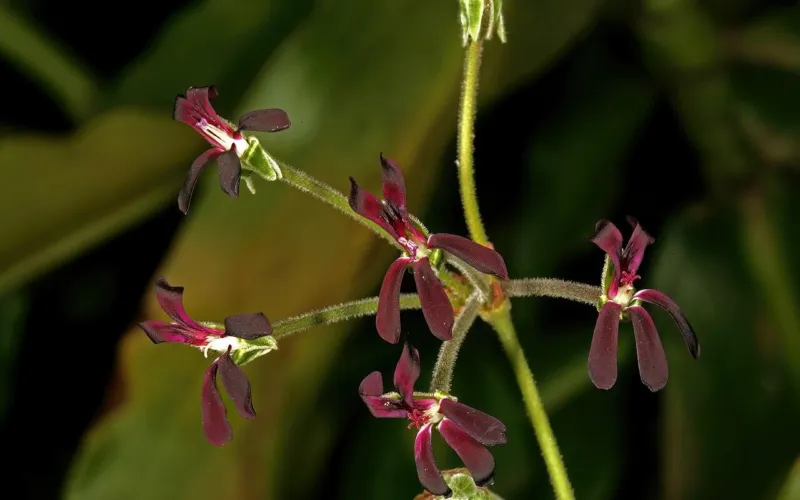

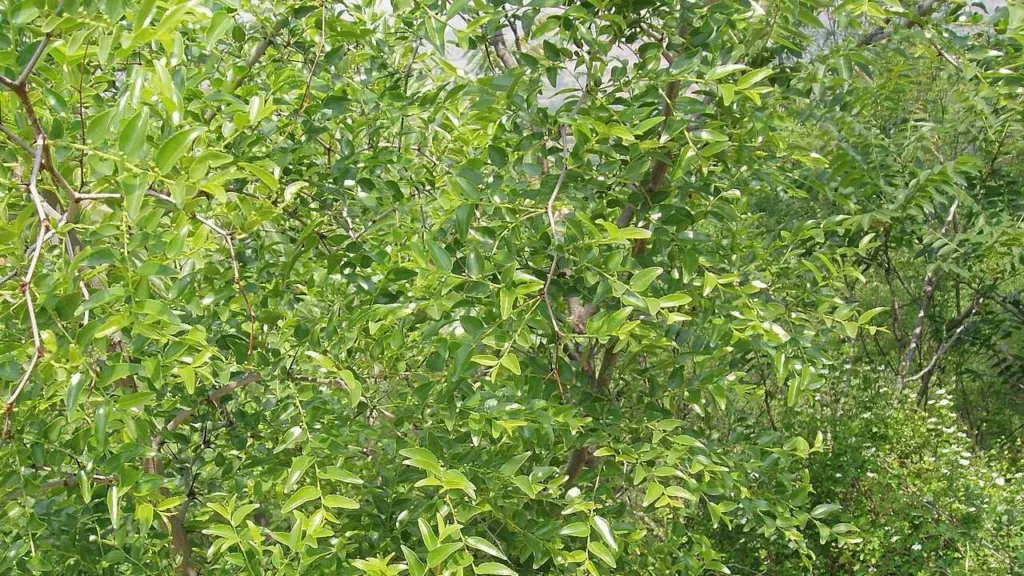
Photo: Taken by Fanghong · CC BY-SA 3.0 · Wikimedia Commons
On the back of a sleep packet at the chemist, somewhere between the magnesium and the passionflower, you may find Ziziphus jujuba var. spinosa. Almost nobody who buys it knows what it is.
It is sour jujube seed, one of East Asia’s favourite sleep herbs, and it is in more than a hundred Australian products. We checked every one. Not one has the seed on its own, and that changes what the research can tell you about the packet in your hand.
Educational only: not medical, legal or regulatory advice, and not a recommendation to buy, prepare or take any product. No brand is named. Legal passages are the Institute’s reading of Australian rules as at 21/09/2026.
Call Triple Zero (000) immediately for collapse, a seizure, severe confusion, difficulty breathing, or swelling of the face, lips, tongue or throat, with or without a rash. If it looks like anaphylaxis, say the word “anaphylaxis”. Don’t wait and see.
For a swallowed overdose, a child who has eaten any part of a plant, or any poisons question, ring the Poisons Information Centre on 13 11 26 (24 hours, Australia-wide). Their advice governs.
- The seed of a wild, sour jujube from northern China, sold for sleep.
- Every Australian product we found with it is a blend. None has it alone.
- Not an established treatment for insomnia. The trials were almost all of multi-herb brews.
- Allergy can happen on a first dose. Expect it to add to the drowsiness of alcohol, sleeping pills and strong painkillers.
- The roadside jujube up north is chinee apple, a restricted weed in Queensland. Leave it be.
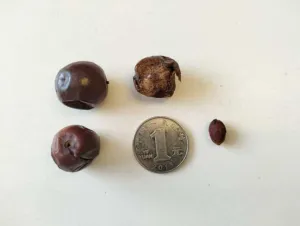
Three plants answer to jujube
A food, a sleep medicine and a weed, and a label may not tell you which.
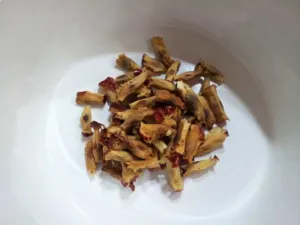
The medicine is the kernel inside the stone of a small sour fruit from spiny shrubs in northern China. Chinese medicine calls it suan zao ren. Its sweet cousin, the red date, is a fruit crop and a food. The seed is a herbal medicine with a sedative reputation.
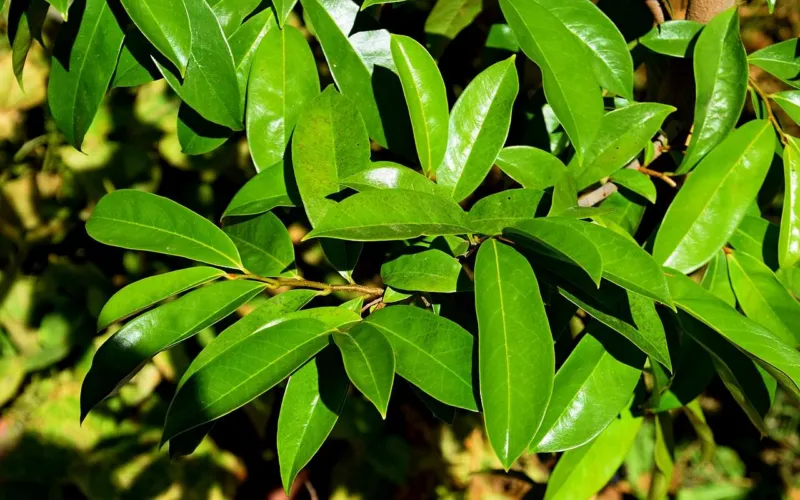
The third plant is the one we walk past up here. The Ziziphus fruiting between Cardwell and Townsville is almost certainly chinee apple, a different species, and in Queensland a restricted invasive plant: it must not be given away, sold or released.
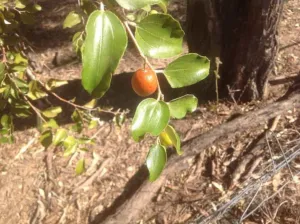
Leave the roadside tree alone: wrong plant, and a restricted weed under Queensland law. On a packet, look for spinosa and the word seed. “Jujube extract” alone tells you nothing.
The honest answer on sleep
A long tradition, busy lab mice, and one very small trial in Melbourne.
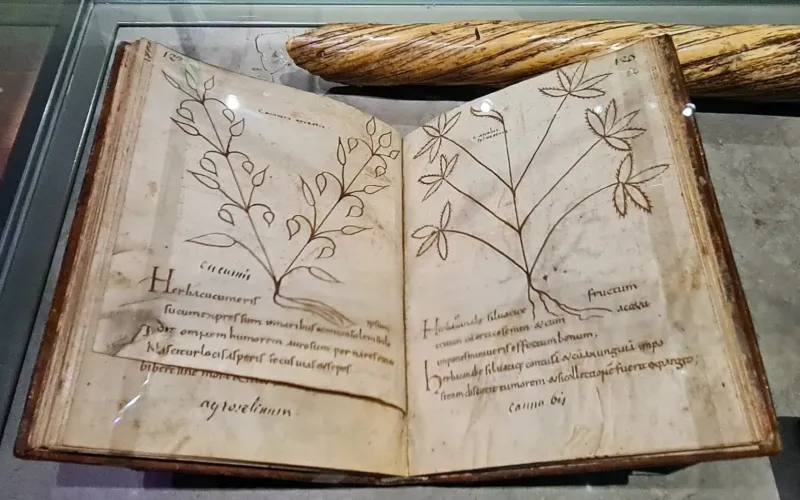
The seed is in the oldest surviving Chinese book of medicines, used for restless nights and a racing heart. That records a custom. It doesn’t show the seed worked.
In rats and mice it lengthens sleep and acts on two of the brain’s calming signals, GABA and serotonin. It is all in animals.
The trials in people were nearly all of a classic brew named after the seed, where the seed is about a third of the actives and four other herbs are the rest. The reviewers found a benefit, then rated their confidence low to moderate and the trials at high risk of bias.
One trial tested the seed alone: twelve adults in Melbourne, built to see whether a proper trial could be run. One sleep-quality score leaned towards the herb; the other measures showed no difference. A bigger study was asked for and never run.
A formula trial tests the formula.
So we make no claim that it treats insomnia. Australian products may say it is traditionally used in Chinese medicine to relieve sleeplessness, and may not present it as a treatment for insomnia disorder, anxiety or depression.
If a blend seems to help, it can’t tell you which herb did it. Anyone selling it as an insomnia treatment has gone past the evidence and past what a label may say.
Where it could catch you out
Allergy, what you mix it with, and what is really in the pack.
In 2024 doctors in Beijing described a young man with hay fever who drank a herbal sleep brew and within minutes began to swell and fought to breathe. His blood oxygen fell dangerously low. Skin tests pointed hardest at sour jujube seed, though another herb reacted too and it was never confirmed. His first dose. One case, but pollen allergy is common here.
Because it works on calming signals in animals, assume it adds to anything else that makes you drowsy: alcohol, sleeping pills, opioid painkillers, drowsy hay fever tablets, or sedating herbs like valerian, often in the same packet. That is reasoned, not measured in people. Antidepressants that raise serotonin carry a further worry, serotonin overload, also theoretical; one 2004 case report is on file. Nobody has tested it with warfarin, lithium, epilepsy or transplant drugs, or in liver or kidney disease. Untested means unknown.
In pregnancy, breastfeeding and children, safety is not established. A pregnancy warning on a pack, or the lack of one, is not a regulator’s finding about the seed.
The best-documented risk is the supply chain. An Australian audit of Chinese medicines bought over the counter in South Australia found hidden prescription drugs in half, the blood thinner warfarin among them, and arsenic, lead or cadmium in some. Some were TGA-listed. It was a small sample a decade ago, with no jujube product in it, but a register number did not guarantee the contents.
Hay fever? Know the signs in the red box before a first dose. Don’t stack it with alcohol, sleeping pills or opioids, and count driving in that caution. On an antidepressant or any regular prescription medicine, pregnant, breastfeeding or buying for a child: consult a degree-qualified herbalist with competencies and adequate training in pharmacognosy first. You can report a side effect straight to the TGA.
A bad night has a cause
The biggest harm here never shows up in a lab test.
Weeks of poor sleep are a symptom. Sleep apnoea, thyroid trouble, depression and shift work can all pass for plain insomnia, and a sedating herb fixes none of them. Cognitive behavioural therapy for insomnia has stronger evidence than any herb in the full article.
Taking a herb instead of finding out why you can’t sleep is the real harm available here.
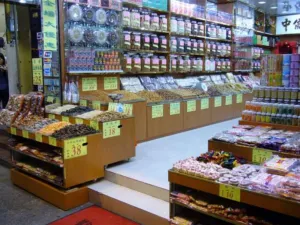
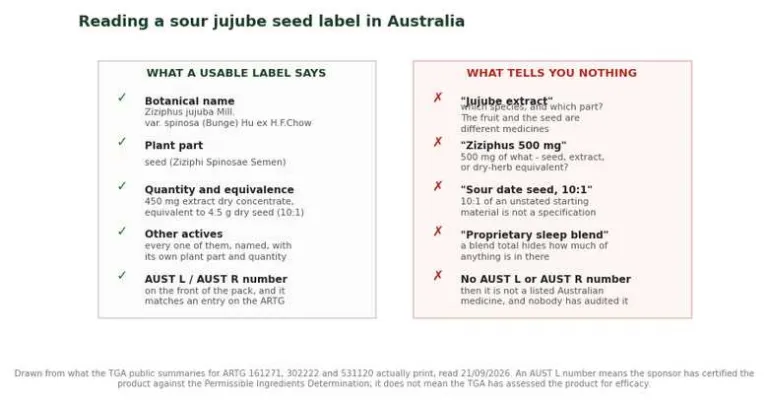
A usable packet names the plant, its variety and the part. It says how much extract and how concentrated, names every other active, and carries an AUST L number you can look up. Strengths vary enormously; one product listed this year is chocolate.
Bad sleep for weeks? Find out why first. If you then want a herb, consult a degree-qualified herbalist with competencies and adequate training in pharmacognosy, and ask which variety, which part and what strength they are giving you.
A long way from the Hebei hills
The medicine has never grown wild here. Its weedy relative has.
Australia has no wild record of the sour jujube. The jujube we know up north is chinee apple, first noted in the Torres Strait in 1863.
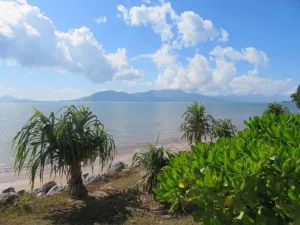
The packet in your cabinet came a long way. We wrote this in Cardwell, a short walk from this water.
This page is the short version of AIP Monograph No. 6 by Dr Thomas Ridley. The full one:
- Jesse Kirby — wrote this edition in his own words, building it around the packet on the sleep shelf: which jujube it is, the honest answer on sleep, where it can catch you out, and why a bad night needs a cause first
- Zoe Bennett — set the page title and the search description around the name people meet on the back of their sleep tablets, and the line it will be shared with
- Theo Karras — chose the spiny sour jujube cover, the dried fruit, decoction, seed, dispensary and Hinchinbrook Channel banners, the chinee apple comparison and the label diagram, all from the monograph’s own licensed set
- Leah Bianchi — built the page: the red anaphylaxis box, the one-minute card, the two pull quotes and the what-this-means cards, and checked the label diagram reads on a phone
Contributors
- Dr Thomas Ridley — wrote AIP Monograph No. 6, the article this page retells
Direction and oversight
- Dr Luke Iggulden — Commissioned the Explainer series, set its direction and approved it
Image credits. Ziziphus jujuba var. spinosa cover: Fanghong, CC BY-SA 3.0. Dried sour jujube: Shwabb1, CC BY-SA 4.0. Herbal decoction: The Tran Dynasty, CC BY-SA 4.0. Jujube seeds: 가을들녁, CC BY 2.0 kr. Chinese herb shop, Tsim Sha Tsui: Alfresco24, CC BY 3.0. Chinee apple: Chris Gardiner, CC BY-SA 4.0. Hinchinbrook Channel, Cardwell: Torbenbrinker, CC BY-SA 4.0. All via Wikimedia Commons, resized and re-encoded for the web by AIP with no other changes. Label diagram: Australian Institute of Pharmacognosy, 2026, CC BY 4.0.
AIP Explainers are the plain-language editions of the Institute’s technical articles, published alongside the original. Everything here is carried by the full article, where the references, the evidence and the regulatory sources are set out. Regulatory information was read on 21/09/2026 and may change. Found an error? Write to our contact form. We would rather correct a claim than repeat it.
Jesse Kirby
Head of Community Outreach
Australian Institute of Pharmacognosy
Cardwell QLD, Australia
australian-pharmacognosy.org · our contact form