

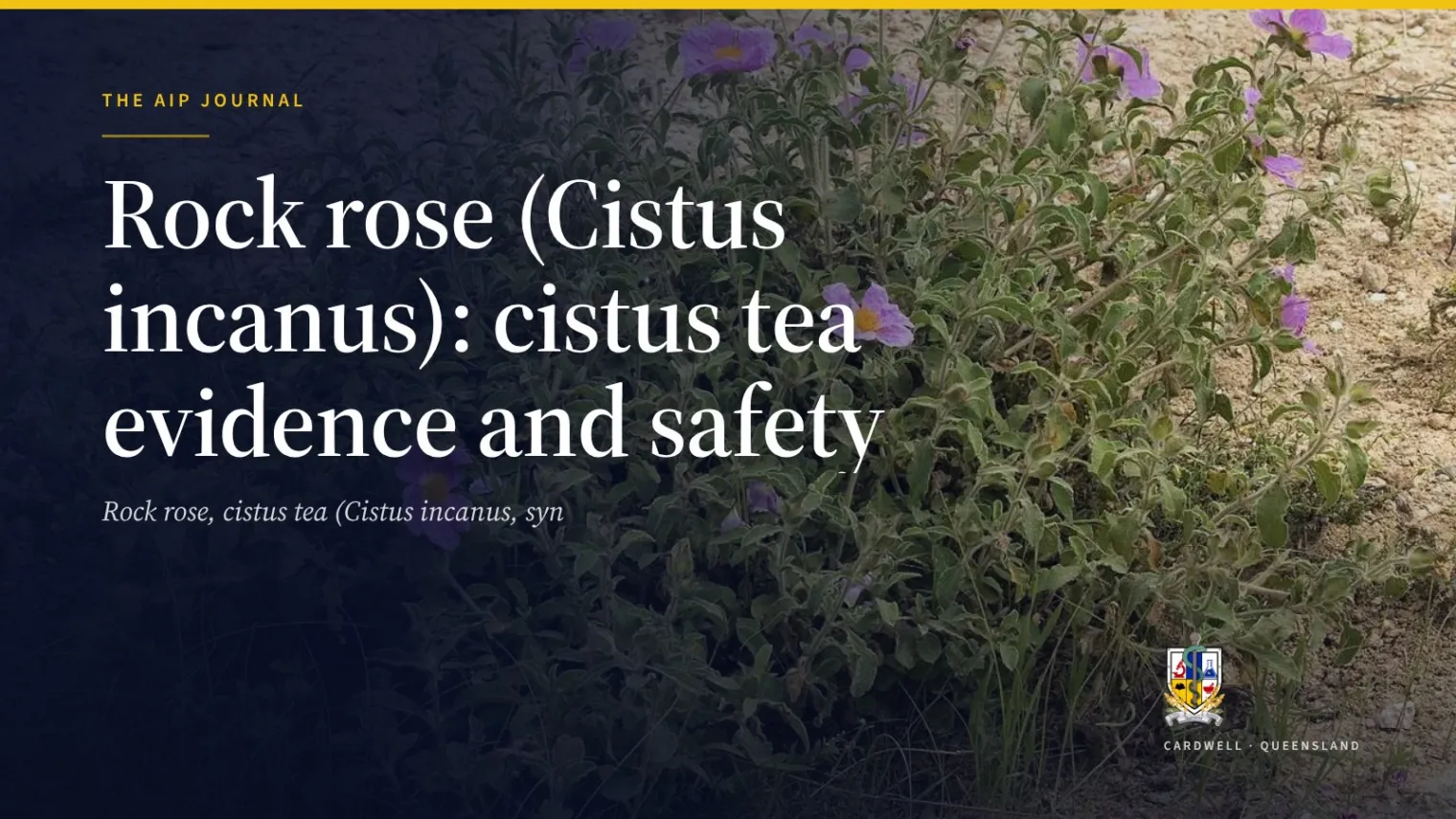
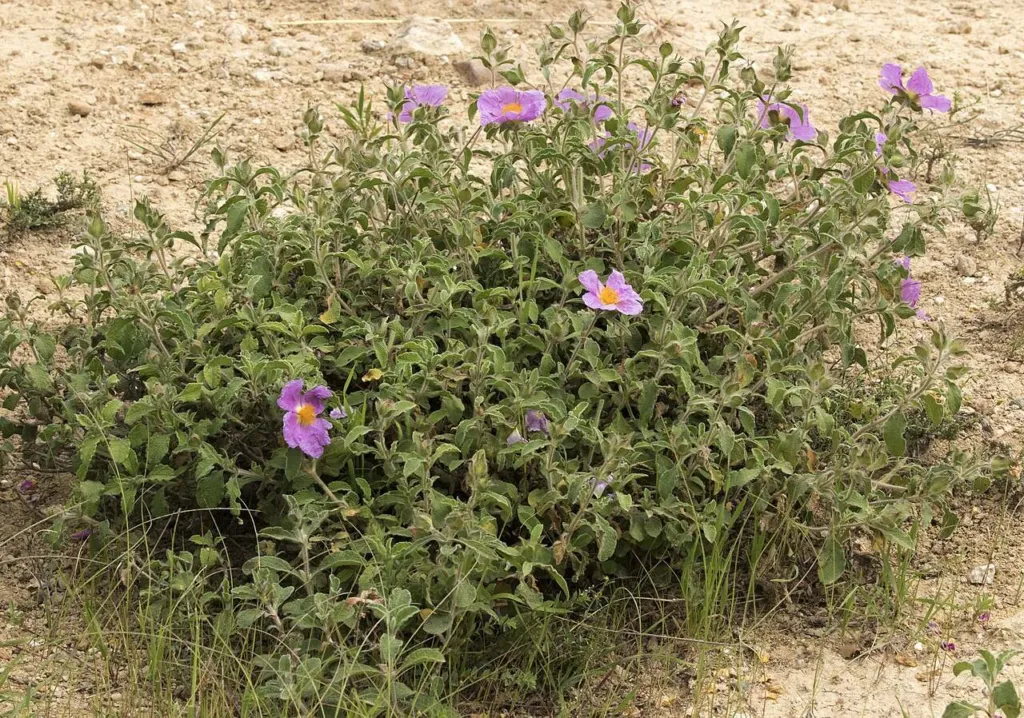
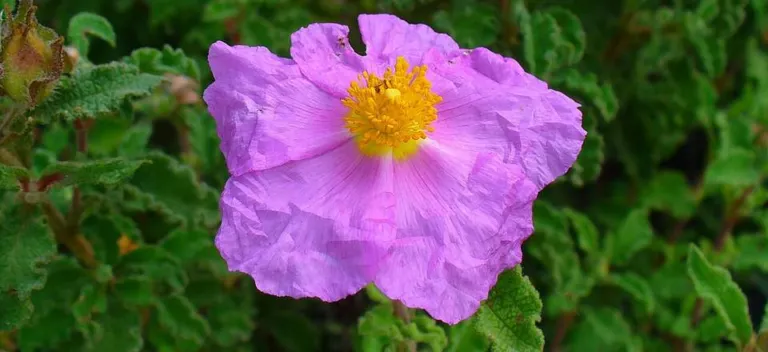
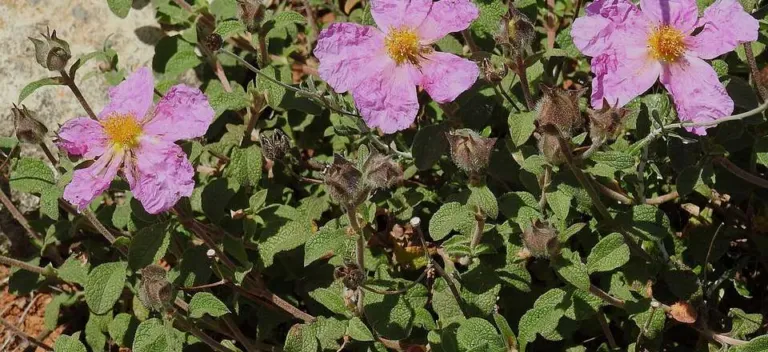
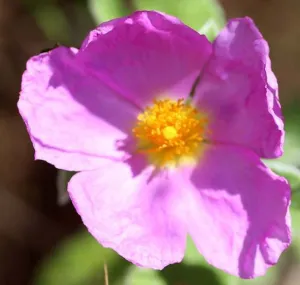
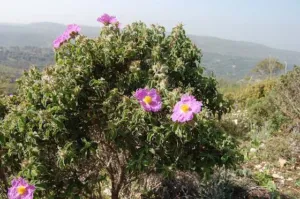
Cover: pink rock rose (Cistus creticus) in flower, Balcalı, Adana, Turkey. Photo: Zeynel Cebeci · CC BY-SA 4.0 · Wikimedia Commons
On the hills of Crete, a grey-leaved shrub with crumpled pink flowers has been boiled into a tea for coughs and colds for as long as anyone can remember. Traditional In 2025 the European Medicines Agency’s herbal committee wrote that use into an EU herbal monograph, as a traditional remedy for cough with a cold [1]. Attested The tea is sold in German pharmacies and health shops, where the EMA’s sources bought their samples, and most Australians have never tasted it [2]. Attested
This is a Literature Review and Critical Analysis from the Australian Institute of Pharmacognosy. It introduces rock rose, sold as cistus tea or Zistrosentee, on its own terms: the plant and its confusing names, its long history (including the fragrant resin labdanum from related species), its chemistry, the handful of human trials and what they can carry, a calm look at safety, and the practical question of how an Australian can buy good material legally. Every claim is graded, and traditional use is kept apart from clinical evidence throughout.
This article is educational. It is not medical advice, and nothing in it is a recommendation to treat any illness with rock rose.
Legal status. We found no entry for Cistus, rock rose or labdanum in the Poisons Standard (June 2026 instrument, searched November 2026) [20]. Confirmed Dried rock rose sold as a herbal tea is a food product, and nothing we found places it under Office of Drug Control import permits. Check the current Poisons Standard on the TGA website if you rely on this. See §9.
Safety. Serious adverse events have not been reported in the trials or in the European pharmacovigilance databases the HMPC searched to November 2022 [2]. Evidence suggests There are no safety data for pregnancy or breastfeeding, so the EU monograph advises against use then, and against use under 18 [1]. Attested The tea is rich in tannins, which reduce iron absorption from a meal [17]. Mechanism The EU monograph limits self-care with the tea to one week; breathlessness, fever or discoloured sputum need proper assessment sooner [1]. Attested See §8.
If someone is unwell after taking any herbal product: call Triple Zero (000) in an emergency, or the Poisons Information Centre on 13 11 26 (24 hours, Australia-wide).
| Names | Rock rose, pink rock rose, cistus tea, Zistrose (German), czystek (Polish). Sold as Cistus incanus; the EMA treats the herb as Cistus creticus L. Attested § |
| Family | Cistaceae, the rock-rose family Confirmed § |
| Part used | Dried leaves and flowering tops (aerial parts), as a tea or extract Attested § |
| Native range | Mediterranean basin, from Spain and North Africa to Turkey and the Levant; Greek islands including Crete Confirmed § |
| In Australia | Garden plant; recorded as naturalised in Victoria and Tasmania; not on Queensland’s restricted invasive plants list Confirmed § |
| Traditional use | Tea for coughs, colds and digestive complaints in Crete, Cyprus and Turkey; labdanum resin for incense, perfume and plasters Traditional § |
| Main chemistry | Polyphenols: flavonol glycosides (myricetin, quercetin), flavan-3-ols, prodelphinidin-rich proanthocyanidins, ellagitannins (punicalagin); labdane diterpenes in resinous forms Confirmed § |
| Laboratory findings | Polymeric polyphenols bind influenza, HIV and filovirus envelope proteins in cell culture; anti-adhesion effects on oral bacteria Evidence suggests § |
| Human evidence | Two trials of one proprietary lozenge extract in colds (160 and 300 patients), one uncontrolled tea pilot (24 adults), one combination chewing-gum trial Evidence suggests § |
| Safety | No serious adverse events reported; occasional hypersensitivity; no pregnancy data; tannins reduce iron absorption Evidence suggests § |
| Australian status | No Poisons Standard entry found; no ARTG product named for Cistus found; sold as a herbal tea (food) Confirmed § |
| Quality | Labels mix species names; leaf-to-stem ratio and particle size change what reaches the cup; batch testing for metals is worth asking for Evidence suggests § |
- Confirmed, established in humans by trial, or an unambiguous analytical, chemical or legal fact.
- Evidence suggests: real published data, but preclinical, observational, small, or not yet replicated in humans.
- Mechanism: a plausible mechanistic or pharmacological inference, not an outcome.
- Traditional: historical, ethnobotanical or folk use. Evidence of practice, not of efficacy.
- Attested: a documentary fact attested in a named text or regulatory document, such as what the EMA monograph says. A reading, not a claim about what the plant does.
Every PubMed ID (PMID) links to its PubMed record and was checked against PubMed in November 2026; every chemical record was checked against PubChem. The reference list says, for each paper, whether we read the full text or only the abstract and the EMA assessment report’s summary. Where a claim could not be traced to a primary source, it is marked unsourced.
Rock rose is a low Mediterranean shrub of the Cistaceae. Its dried leaves and flowering tops make a pleasant, slightly astringent, caffeine-free tea. It is widely sold in Germany, where analysts bought it from pharmacies and health retailers, and Poland lists several rock rose products as notified foods [2]. Attested The trade name Cistus incanus and the botanical name Cistus creticus refer, for practical purposes, to the same herb, and the EU monograph uses the second [1]. Attested
The chemistry is dominated by polyphenols: flavonol glycosides, catechin-type flavan-3-ols, large prodelphinidin-rich tannins and ellagitannins such as punicalagin [2]. Confirmed In cell culture these polymeric polyphenols stick to the surface proteins of influenza, HIV and other enveloped viruses and stop them attaching to cells [5] [7]. Evidence suggests That is a laboratory finding. It tells us nothing yet about whether a cup of tea protects a person from infection.
In people, the evidence is small. Two German trials from the same group tested one proprietary extract, CYSTUS052, as a lozenge in upper respiratory infections. Symptom scores fell faster than with placebo in one (160 patients) and faster than with green tea in the other (300 patients) [3] [4]. Evidence suggests Neither tested the tea most people buy, the green-tea trial was open-label, and the EMA committee drew no conclusion on efficacy from either [2]. Attested
Rock rose has a quiet safety record: no serious harms reported, a few allergic reactions, no data in pregnancy, and the expected effect of a tannin-rich drink on iron absorption [2] [17]. Evidence suggests In Australia it is legal and unscheduled. Good material is mostly imported, so buy leafy, clearly labelled tea from a seller who can show batch testing, and before taking any botanical drug for a health reason, consult a degree-qualified herbalist with competencies and adequate training in pharmacognosy.
 Chapter 1Names and taxonomy
 Chapter 2The plant
 Chapter 3Where it grows, and Australia
 Chapter 4Traditional use and labdanum
 Chapter 5Phytochemistry
 Chapter 6Laboratory and animal pharmacology
 Chapter 7Clinical evidence
 Chapter 8Safety and interactions
 Chapter 9Australian regulation and supply
 Chapter 10Quality and adulteration
 CloseDiscussion and research agenda
1. Names and taxonomy: which plant is in the packet
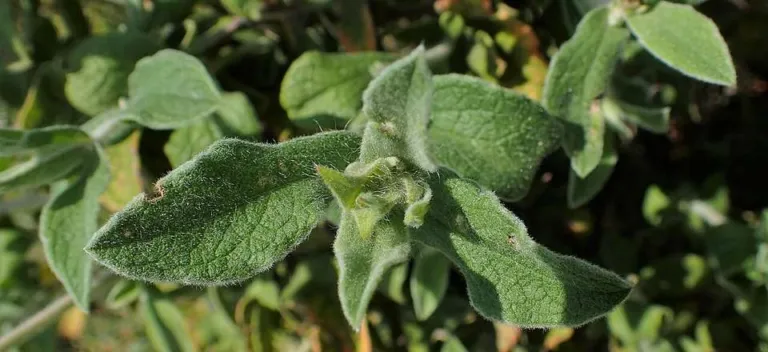
Walk into a German pharmacy and ask for Zistrosentee and the box will usually say Cistus incanus. Open the European Medicines Agency’s file on the same herb and the plant is Cistus creticus L., pink rock-rose, with Cistus incanus subsp. creticus (L.) Heywood listed among its synonyms [2]. Attested The HMPC assessment report, checking World Flora Online in February 2025, also lists Cistus villosus var. creticus, Cistus incanus var. creticus and several other older names as synonyms of C. creticus [2]. Attested
Some of the chemistry and food literature writes the name as Cistus × incanus, with the multiplication sign that marks a plant of hybrid origin; the recent Italian gingivitis trial uses that form [10]. Attested Garden rock roses hybridise freely. VicFlora notes that C. creticus often crosses with C. albidus in cultivation, and that it is unclear whether some Victorian plants are pure C. creticus or hybrids and backcrosses [19]. Confirmed For a tea drinker this boils down to one point. “Cistus incanus” on a label is a trade name for a group of closely related pink-flowered rock roses, most often C. creticus in the EMA’s sense, and the label alone does not tell you which population or subspecies was picked.
Subspecies, and why they matter
The HMPC report recognises four subspecies of C. creticus: subsp. creticus, subsp. eriocephalus, subsp. corsicus and, more recently, subsp. trabutii [2]. Attested They differ in ways that reach the cup. Subsp. creticus, endemic to the coasts of Crete, carries glandular hairs that secrete a sticky labdane-rich resin; the leaves of subsp. eriocephalus appear to carry only non-glandular hairs, and its terpene profile is thinner [8]. Confirmed Paolini and colleagues separated Corsican and Sardinian plants of subsp. eriocephalus and subsp. corsicus by the presence or absence of glandular hairs and by the main component of their essential oil, limonene in one and 13-epi-manoyl oxide in the other [16]. Evidence suggests
The CYSTUS052 extract used in the German trials is described as coming from “a distinct variety” of Cistus incanus, and the 2016 HIV study prepared its fresh-plant extract from C. incanus ssp. tauricus [2] [7]. Attested A herb sold under one name can therefore cover chemically different plants. When a paper reports an effect, the first question is which plant, which part and which extract, and the answer often decides whether the finding applies to the tea in your cupboard.
2. The plant: a low shrub built for dry summers
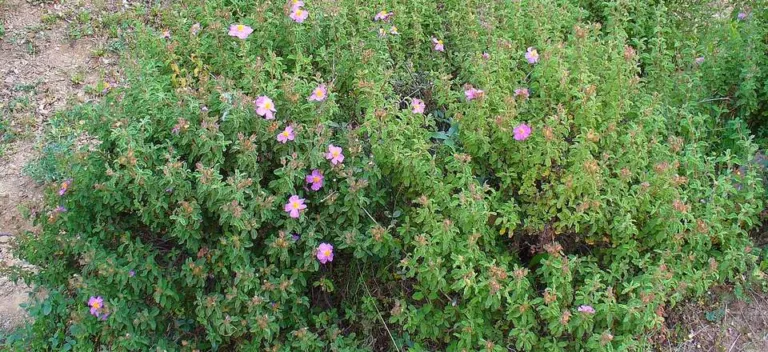
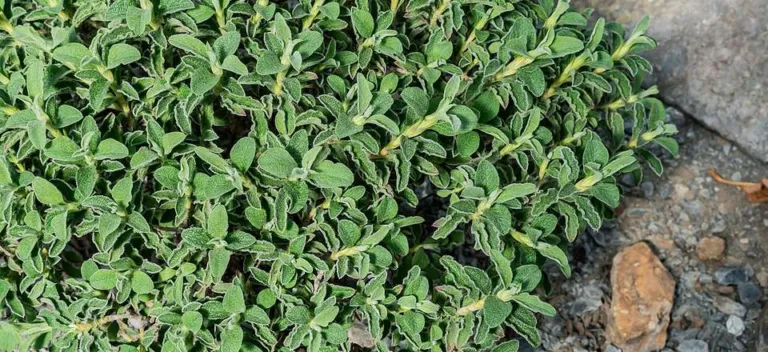
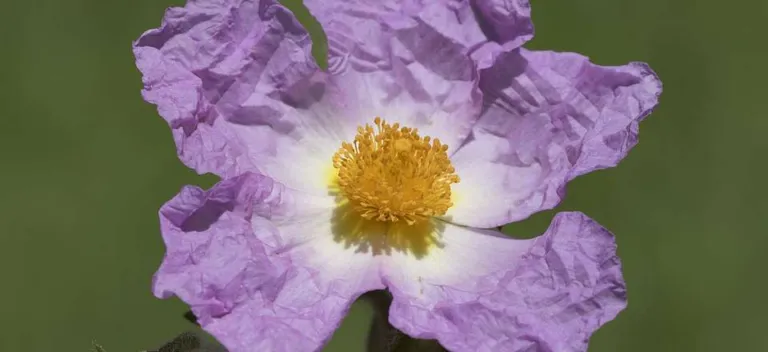
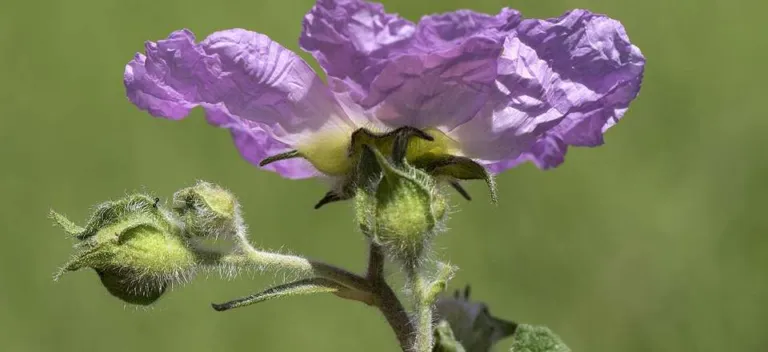
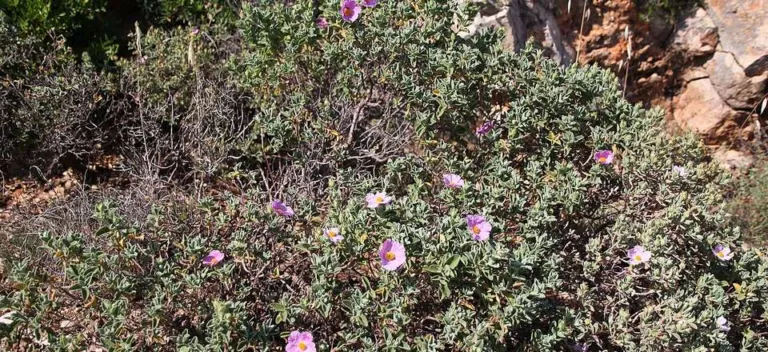
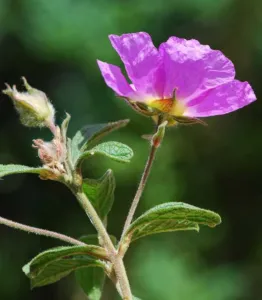
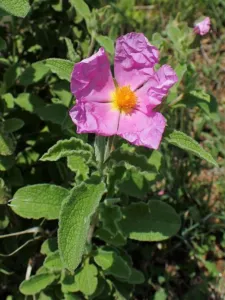
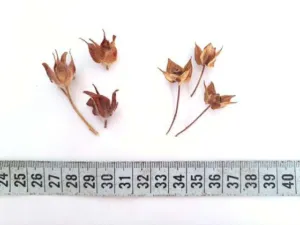
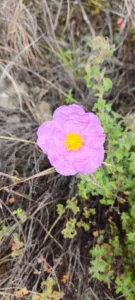
Rock rose is an evergreen shrub that rarely grows much over a metre tall. VicFlora describes the Victorian plants as rounded shrubs covered in long simple hairs over shorter star-shaped and glandular hairs, with elliptic to obovate leaves 1.5 to 3 cm long (occasionally 5 cm), grey-green above, paler below, often wavy at the margin and with three veins from the base [19]. Confirmed The flowers are about 5 cm across, with five broad, tissue-thin pink petals that look as if they have been crushed in a pocket, a yellow base, and a dense boss of stamens; the five sepals persist around a silky, hairy capsule about 9 mm long holding small brown seeds [19]. Confirmed
Each flower lasts a single day. A shrub in full bloom drops a fresh carpet of petals every afternoon and opens a new set the next morning, which is part of the plant’s charm in a garden. This one-day flowering is widely described for the genus, though we have not traced it to a primary botanical source for this review; treat it as unsourced. The seeds have a hard, water-impermeable coat, an adaptation shared across the genus to the fire-prone scrub of the Mediterranean [2] [8]. Confirmed
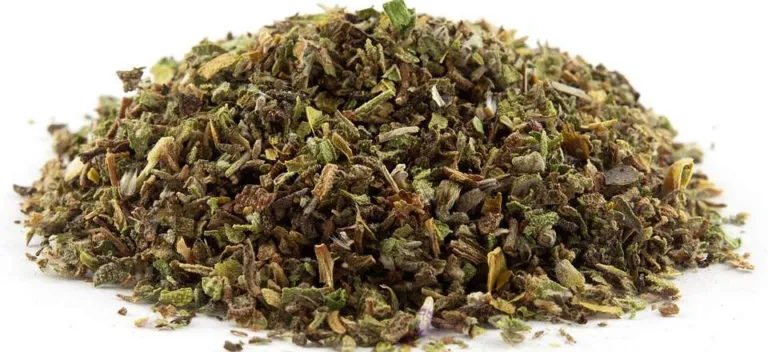
The drug, in pharmacognosy’s sense of the word, is the dried aerial parts: leaves and flowering tops, often with some fine stem. Herbal-tea packs vary a great deal in how much woody stem they carry, and Riehle and colleagues showed that infusions made from leafy, finely cut material carry the most phenolic compounds [13]. Evidence suggests On the plant, the leaves of the resinous forms feel slightly tacky on a warm day. That stickiness is the glandular hairs at work, and it is the same secretion that, in other species, is collected as labdanum (§4).
3. Where it grows, and Australia
Cistus is a Mediterranean genus. Papaefthimiou and colleagues describe it as extensively distributed around the Mediterranean, from the Canary Islands and Madeira to the Caucasus and Israel, with about 21 species recognised after recent revisions [8]. Confirmed C. creticus grows from sea level to about 800 m in the warm, dry scrub the French call garrigue and the Greeks phrygana, on Crete and the Aegean islands, in Corsica and Sardinia, through mainland Greece and Turkey to the Levant [2] [8]. Confirmed It is a plant of hot, dry summers and mild, wet winters, and it regenerates readily after fire.
Status in Australia
Rock rose is not native to Australia. Several Cistus species are grown here as hardy, drought-tolerant garden shrubs, and some have escaped. VicFlora records Cistus creticus as introduced and naturalised in Victoria, with planted populations persisting near Dunkeld and Clunes, and also naturalised in Tasmania [19]. Confirmed It does not appear on Queensland’s list of restricted invasive plants under the Biosecurity Act 2014 (Qld), as read in November 2026 [22]. Confirmed Anyone in southern Australia growing it should still keep an eye on seedlings beyond the garden fence, as the plant has a track record of persisting where it has been planted.
For readers in the north, a Mediterranean shrub that wants a dry summer is an unlikely performer in the wet tropics around Cardwell, where the heaviest rain falls in the warmest months. Mechanism That is a horticultural expectation drawn from the plant’s native climate, and the Institute has not tried it. In practice, almost all rock rose tea in Australia will be imported.
4. Traditional use and labdanum
Rock rose has two traditional lives. One is the tea. The HMPC report records that on Crete the aerial parts are still drunk as a tea against flu and cough and for digestive complaints, and applied externally to protect the skin [2]. Traditional In Cyprus a Cistus tea was drunk for bronchitis and colds; in Turkey a 5% infusion of the leaves of C. creticus and C. salviifolius was taken for digestive trouble; and in Anatolia preparations of the aerial parts have been used to stop bleeding [2]. Traditional Greek herbals and folk-medicine books from 1914 onward describe the tea with indications and preparations, according to the same report [2]. Attested
This is the history the European committee relied on. Its 2025 monograph accepts the decoction of the comminuted herb as a traditional herbal medicinal product used for relief of cough associated with cold, “exclusively based upon long-standing use”, having found at least 30 years of use within the EU [1] [2]. Attested That status is overseas, it does not apply in Australia, and it is a statement about documented use. The EU traditional-use category exists for herbs whose use is long established but whose efficacy has not been shown to the standard of a modern medicine, and the committee said so in its conclusions [2]. Attested
Labdanum: the resin from goats’ beards
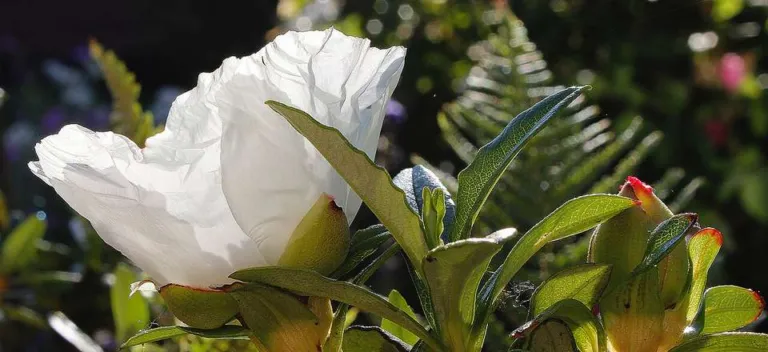
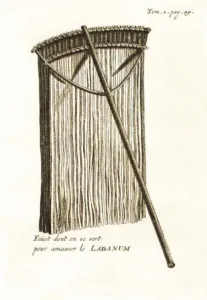
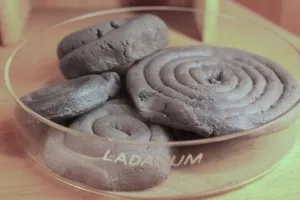
The other traditional life is the resin. Herodotus, writing in the fifth century BCE, called ledanon the most fragrant thing produced in the most malodorous place, “for it is found in he-goats’ beards, forming in them like gum among timber”, and said it went into many perfumes and was burnt as incense [18]. Attested Goats browsing resinous rock roses on Crete and Cyprus came home with their beards gummed up, and the resin was combed out. Later collectors dragged a rake of leather thongs through the bushes, the tool Joseph Pitton de Tournefort drew on his journey through the Levant at the start of the eighteenth century. Attested
Labdanum today comes mostly from C. creticus on Crete and Cyprus and from the gum rock rose, C. ladanifer, in Spain, and is exported for incense and used in perfumery for warm, amber notes [8] [2]. Confirmed Celsus recommended ladanon in plasters for skin disease, and in the Middle Ages the resin was used as an expectorant and in wound ointments [2]. Traditional Labdanum should not be confused with laudanum, the old opium tincture; the names look alike and the substances have nothing in common [2]. Confirmed The tea and the resin come from overlapping plants, and their chemistry differs sharply, which matters for the next chapter.
5. Phytochemistry: polyphenols in the cup, resins on the leaf
The water-soluble chemistry of rock rose is a polyphenol story. Studies of infusions and decoctions from several populations of C. creticus report three main groups: ellagitannins, flavonoids and phenolic acid derivatives [2]. Confirmed Wittpahl and colleagues identified 29 polyphenols in four commercial German teas, including ellagitannins, flavan-3-ols and glycosylated flavonols, and found only quantitative differences between the four samples [12]. Confirmed
Flavonol glycosides
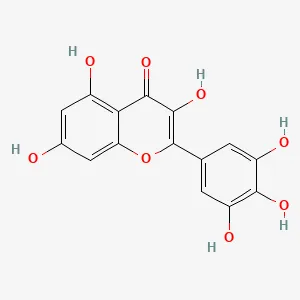
The flavonoids are mostly glycosides of myricetin, quercetin and kaempferol: myricitrin (myricetin 3-O-rhamnoside), rutin, quercitrin, isorhamnetin rutinoside and caffeoylated quercetin rutinosides among the most abundant [2]. Confirmed Myricetin carries three hydroxyl groups on its B-ring, the same pyrogallol pattern found in gallocatechin, and that arrangement makes both compounds strong reducing agents and avid protein binders. Mechanism
Flavan-3-ols and proanthocyanidins
The leaves contain catechin, gallocatechin and their galloylated forms, together with dimers, trimers and larger polymers [2]. Confirmed Mansoor and colleagues isolated two new proanthocyanidin trimers from C. incanus and estimated that the larger polymer averages seven to eight flavan-3-ol units, with prodelphinidin units outnumbering procyanidin units about five to one, some of them carrying gallic acid [2]. Confirmed These large, prodelphinidin-rich tannins are what the CYSTUS052 literature calls “highly polymeric polyphenols”, and they give the tea its dry, astringent finish [3]. Mechanism
Ellagitannins
Several surveys of commercial teas report the ellagitannin punicalagin, best known from pomegranate rind, as the main compound of C. creticus water extracts, along with punicalagin gallate; a new ellagitannin named cistusin has been described alongside terflavin A [2]. Confirmed Punicalagin hydrolyses in the gut to ellagic acid, which gut bacteria convert to urolithins. Whether that pathway matters for rock rose drinkers has not been studied. Mechanism
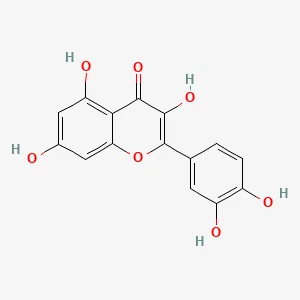
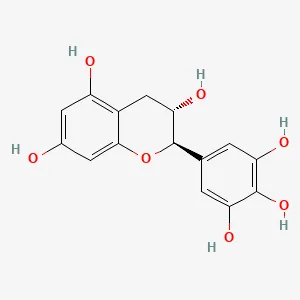
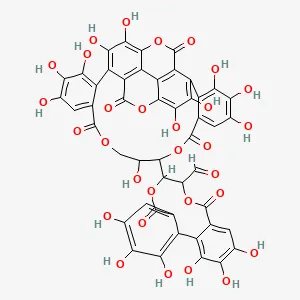
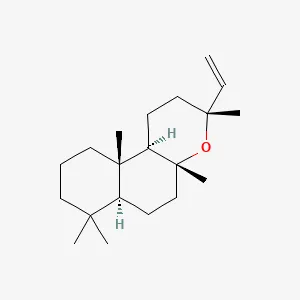
Labdane diterpenes: the resin chemistry
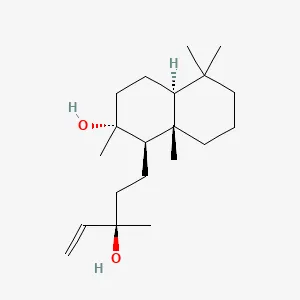
The resinous forms of C. creticus make a second, quite different set of compounds in their glandular hairs: labdane-type diterpenes. Papaefthimiou and colleagues list manoyl oxide, 13-epi-manoyl oxide, 3β-hydroxy-13-epi-manoyl oxide, labd-7,13-dien-15-ol and its acetate, with labd-13-en-8α,15-diol and sclareol formed through copal-8-ol diphosphate, and they showed that the biosynthesis is specific to the trichomes [8]. Confirmed Subsp. creticus has yielded 92 terpenes; subsp. eriocephalus, with its non-glandular hairs, 47, including 11 labdanes [8]. Confirmed
These compounds are fat-soluble and sticky. A hot-water infusion extracts the polyphenols well and will carry very little of the resin. Mechanism The distinction showed up in a study of labdanum against dengue virus in cell culture: the diterpene-rich fractions suppressed the virus, while the water-soluble fraction of the resin increased viral proliferation in the same assay [15] [2]. Evidence suggests Whatever labdanum does in the laboratory cannot be credited to the tea, and the reverse holds too.
What the tea does not contain
Rock rose tea is caffeine-free. In a comparison of Cistus, green tea, rooibos and a Vietnamese herbal tea, caffeine, theobromine and theophylline were found practically only in Camellia sinensis and the Vietnamese tea; Cistus infusions held fewer catechins than green tea but contained catechin-3-gallate, which the green-tea infusions lacked [2]. Confirmed For people who enjoy an astringent, tea-like drink in the evening, that is a practical point in its favour. The Institute’s review of rosella (hibiscus) tea covers another caffeine-free, polyphenol-rich infusion with a larger trial literature.
6. Laboratory and animal pharmacology
Most of what is known about how rock rose acts comes from cell culture, and almost all of the antiviral work used the same commercial extract, CYSTUS052, a hot-water extract with more than 26% polyphenols made by a German manufacturer [2] [7]. Attested Keep that in mind through this chapter. Results from one concentrated extract tested on cells in a dish are the start of a research question, and the tea is a different preparation.
Influenza
Ehrhardt and colleagues found that CYSTUS052 reduced the yield of avian and human influenza A viruses in two cell lines by up to two orders of magnitude, at a concentration (50 µg/mL) that did no apparent harm to the cells, and that the viruses did not become resistant over repeated passages, whereas resistance to amantadine appeared after only a few [5] [2]. Evidence suggests The authors attributed the effect to the polymeric polyphenols binding the virus surface and blocking haemagglutinin from reaching cell receptors. Mechanism Droebner and colleagues then gave the extract as an inhaled aerosol to mice infected with a highly pathogenic H7N7 avian influenza virus and reported protection from clinical disease [6] [2]. Evidence suggests An aerosol delivered to the airways of a mouse is a long way from a drink.
HIV, Ebola and Marburg pseudoviruses
Rebensburg and colleagues in Munich tested CYSTUS052 against laboratory and clinical HIV-1 isolates, an HIV-2 isolate and a multidrug-resistant HIV-1 strain [7]. Evidence suggests The extract blocked the first step, attachment of the virus to the cell, and stopped virus binding heparin, which pointed to the envelope proteins as the target; a polyphenol-enriched fraction was active at roughly 0.7 to 2 µg/mL. No resistant virus emerged after 48 passages over about 24 weeks, and the extract also blocked lentiviral particles carrying Ebola and Marburg envelope proteins [7]. Evidence suggests A tea brewed from the manufacturer’s retail Cistus tea worked about as well as the extract in the initial screen [7]. Evidence suggests The authors were careful: they wrote that they do not advocate using the extract as a drug on the strength of these results, and suggested future work on topical uses [7]. Attested
Bacteria in the mouth, and elsewhere
The most intriguing human-adjacent work is on the mouth. In an in situ study, four volunteers wore splints carrying enamel slabs; a 10-minute rinse with Cistus tea one minute after the slabs went in roughly halved the number of bacteria colonising them over two hours (13.2 versus 6.5 × 10⁴ bacteria per cm2), and reduced peroxidase activity in the pellicle [11]. Evidence suggests Wittpahl and colleagues extended this: extracts of four commercial teas were antibacterial against Streptococcus mutans in vitro, rinses reduced bacterial colonisation of enamel for over eight hours, and electron microscopy showed a denser enamel pellicle after rinsing [12]. Evidence suggests Tannins precipitate salivary proteins, and a denser, polyphenol-loaded pellicle that bacteria struggle to grip is a plausible explanation. Mechanism
Further afield, a 45% ethanol extract sold as Cistus incanus was among seven botanical extracts that, at 1%, outperformed doxycycline and cefuroxime against stationary-phase Borrelia burgdorferi in culture [14]. Evidence suggests The same paper reports that its DNA test could not tell the C. incanus sample apart from C. albidus, that regrowth after treatment was not tested for Cistus, and that one author runs clinics that treat tick-borne disease [14]. Attested Cell-culture findings on Lyme bacteria are a long way from treating a person, and Australia’s own debate over Lyme-like illness makes it a subject to approach with care.
Other laboratory findings
Extracts of Cistus species have been reported as antioxidant, anti-inflammatory in macrophage and skin-oedema models, and cytotoxic to some cancer cell lines, and isolated labdanes have cytotoxic activity in vitro [2] [8]. Evidence suggests These are screening results with extracts of varied and sometimes uncertain identity. None has been followed into a human study.
What reaches the body
The HMPC found no pharmacokinetic data for rock rose at all [2]. Attested Large proanthocyanidin polymers are poorly absorbed from the gut in general, so the polyphenols that bind viruses in a dish may do most of their work where they touch tissue directly: the mouth, the throat and the gut lining. Mechanism That fits the design of the human trials, which used lozenges, gargles and a chewing gum, and it is a hypothesis worth testing directly.
7. Clinical evidence: what the human trials show
The human evidence for rock rose fits in one table. It is small, it is mostly about one proprietary extract, and it is honest to say so plainly. The EMA committee, reviewing the same studies, concluded that no conclusions on clinical efficacy of the traditional tea could be drawn from them [2]. Attested
| Study | Who and how many | What was given | What was compared | Reported result | Grade |
|---|---|---|---|---|---|
| Kalus et al. 2009 [3] | 160 patients aged 7–81 with upper respiratory infection; 129 completed | CYSTUS052 lozenges | Placebo lozenges | Symptom score fell more with Cistus; C-reactive protein fell in the Cistus group | Evidence suggests |
| Kalus et al. 2010 [4] | 300 patients aged 5–85; 277 completed; open, not blinded | CYSTUS052 lozenges, 2 lozenges 6 times daily | Green tea (gargled and swallowed, per HMPC) | Symptom score fell more with Cistus | Evidence suggests |
| Kiesewetter 2002, via HMPC [2] | 53 patients with sore throat; 18 controls; open observational | Cistus decoction, gargled then swallowed | Green tea | Not published in a journal we could find; summarised only by HMPC | Evidence suggests |
| Kuchta et al. 2021 [9] | 24 healthy adults aged 23–25 (21 women); single group | Cistus tea three times daily for 12 weeks | No control group | HDL up 4%, triglycerides down 14%, oxidative markers down | Evidence suggests |
| Di Minno et al. 2024 [10] | 60 adults with gingivitis; double blind | Chewing gum with a combined Scutellaria lateriflora and Cistus × incanus extract | Placebo gum | Gum bleeding and inflammation indices improved over 90 days | Evidence suggests |
The placebo-controlled lozenge trial
Kalus and colleagues at the Charité in Berlin randomised 160 people with clinical signs of an upper respiratory tract infection, aged 7 to 81, to CYSTUS052 lozenges or placebo [3] [2]. Evidence suggests According to the abstract, a score of subjective symptoms fell significantly during treatment with Cistus and less distinctly with placebo, and C-reactive protein, an inflammation marker, fell significantly in the Cistus group [3]. Evidence suggests Only 129 patients completed the study, about 82% in each arm [2]. Attested
This is a real randomised trial and a reasonable start. Its limits are equally real. Upper respiratory infections are a mix of viruses that resolve on their own, the outcome was a self-scored symptom total, about a fifth of patients dropped out, and the product was a concentrated proprietary extract given as a lozenge. We have read the abstract and the HMPC summary but not yet the full paper, which is on order, so we cannot yet report the size of the difference, how blinding was checked, or who funded the work.
The green-tea comparison
The second trial enrolled 300 people with upper respiratory infections, aged 5 to 85, and gave half of them two CYSTUS052 lozenges six times a day; the other half gargled and swallowed 100 mL of green tea eight times on the first day and four times a day for the next three days, according to the HMPC report [4] [2]. Attested The abstract describes the comparator as “an extract of green tea” and reports that symptom scores fell more with the Cistus lozenges [4]. Evidence suggests
The design makes the result hard to read. The trial was open, so patients and assessors knew what they were taking while scoring subjective symptoms. Green tea is itself a polyphenol-rich drink with its own in vitro antiviral literature, so it is an active comparator of uncertain size, and the two arms differed in form (lozenge versus drink), schedule and taste. Mechanism A difference between two active, unblinded treatments tells us little about either against nothing. Both trials came from the same research group, both tested the same commercial extract, and neither tested the loose tea sold in supermarkets.
Tea in healthy adults
The only study we found of the actual tea in people is a 12-week pilot in Gdańsk, Poland, in which 24 young, healthy adults (21 of them women) drank Cistus infusions three times a day [9]. Evidence suggests HDL cholesterol rose from 47 to 50 mg/dL, triglycerides fell from 71 to 60 mg/dL, and two blood markers of oxidative damage, malondialdehyde and advanced oxidation protein products, fell by about 16 to 18%, mostly within the first six weeks; total and LDL cholesterol did not change [9]. Evidence suggests There was no control group, no blinding, and no reporting of adverse effects, so seasonal change, diet and regression to the mean cannot be separated from the tea. The study was publicly funded and the authors declared no conflicts [9]. Attested
A gum for gingivitis
The newest trial is the best designed and the hardest to attribute. In Naples, 60 adults with gingivitis chewed two gums a day for three months, either a placebo or a gum carrying 160 mg a day of a combined hydroalcoholic extract of Scutellaria lateriflora and Cistus × incanus; bleeding and gingival inflammation indices, pain and an oral-health questionnaire all improved in the active group, and nobody reported an adverse effect [10]. Evidence suggests The product’s maker supplied the gums and is described as a trial promoter, the groups differed in age and baseline bleeding [10]. Attested Because the extract is a blend, the trial cannot tell us how much of the effect belongs to rock rose.
What the human evidence adds up to
A modest symptom benefit from one lozenge extract in colds, in two trials from one group, one of them open-label. Evidence suggests Plausible local effects in the mouth, supported by in situ rinse studies and one combination trial. Evidence suggests Nothing yet showing that drinking the tea prevents or shortens an infection. That is a fair summary, and it leaves rock rose in respectable company: the Institute’s reviews of Pelargonium sidoides, echinacea and elderberry describe similar patterns of promising but limited trial evidence for cold remedies, usually tied to one specific preparation.
8. Safety and interactions
Rock rose has been drunk across the Mediterranean for generations, and the modern record is reassuring. The HMPC found no serious adverse events, deaths or drug interactions in the clinical trials or case reports, and searched the European and WHO pharmacovigilance databases to 22 November 2022 without finding a concern [2]. Evidence suggests The committee concluded that, used as described in the monograph, the tea “shows not to be harmful” [2]. Attested
Signs that need prompt attention
The EU monograph sets limits on using the tea for a cough with a cold. If symptoms last longer than a week, or if breathlessness, fever or purulent sputum (thick yellow or green phlegm) develop, the illness should be properly assessed before any more self-treatment [1]. Attested Severe or worsening difficulty breathing, chest pain, blue lips, confusion, or a child who is unusually drowsy or struggling to breathe is an emergency: call Triple Zero (000).
Allergy and hypersensitivity
The reported reactions are few and mild. EudraVigilance holds three non-serious hypersensitivity reports after a concentrated water extract of the herb; VigiBase holds two reports from Morocco in men who were also taking other herbs; and one 1988 case report describes contact dermatitis in a keen gardener who reacted on open testing to the leaf of C. creticus [2]. Evidence suggests Hypersensitivity to the herb is the only contraindication in the EU monograph [1]. Attested
Toxicology
The toxicology data are thin and come from a different preparation. Unpublished studies supplied to the EMA, on a water extract with at least 20% polyphenols, report no toxicity in a single-dose rat study run up to the 5000 mg/kg cut-off, no adverse effects at up to 1000 mg/kg a day for 28 days, and no mutagenicity in bacterial and mouse lymphoma assays [2]. Evidence suggests The committee would not transfer those results to the decoction, noting that unpublished measurements found about 9.5% polyphenols in a decoction and 2% in an infusion, and it recorded that reproductive toxicity, genotoxicity and carcinogenicity have not been tested for the tea itself [2] [1]. Attested
Pregnancy, breastfeeding and children
There are no data on safety in pregnancy or breastfeeding and no fertility data, so the EU monograph advises against use during pregnancy and lactation [1]. Attested It also advises against use under 18 because adequate data are lacking, even though children took part in the lozenge trials; those trials did not report results for children separately [1] [2]. Attested The absence of reported harm in a population that has not been studied is an absence of information, and it is the reason for caution here.
Tannins and iron
Rock rose is a tannin-rich drink, and polyphenol-rich drinks reduce the absorption of non-haem iron (the iron in plant foods and most supplements). In a classic radio-iron study, herb teas, black tea, coffee and cocoa served with a bread meal all inhibited iron absorption in a dose-dependent way: drinks carrying 20 to 50 mg total polyphenols per serving cut absorption by 50 to 70%, and those carrying 100 to 400 mg by 60 to 90% [17]. Confirmed Rock rose was not among the drinks tested. Its polyphenol content is high, and it would be expected to behave the same way. Mechanism For people with low iron stores, the general advice from nutrition research applies: drink polyphenol-rich teas between meals, away from iron-rich food and iron supplements [17]. Mechanism
Medicines
No drug interactions have been reported [2]. Attested Tannins can bind other compounds in the gut, so it is reasonable, as a precaution, to take oral medicines apart from a strong cup of rock rose tea. Mechanism This is a theoretical point by analogy with other tannin-rich drinks, and we found no study of it for Cistus; treat it as unsourced for this herb.
Contaminants in imported tea
The risks that deserve attention come from the supply chain. Wild-harvested and imported dried herbs can carry heavy metals from soil and dust, pesticide residues, and stray plants picked alongside the crop. Mechanism We found no published study measuring lead, cadmium or arsenic specifically in Cistus teas (PubMed search, November 2026). See §10 for what to ask a seller.
If you have a health condition, take regular medicines, are pregnant or breastfeeding, or want to give rock rose to a child, consult a degree-qualified herbalist with competencies and adequate training in pharmacognosy before using it.
9. Australian regulation and supply
Poisons Standard
Rock rose is unscheduled. We searched the Therapeutic Goods (Poisons Standard—June 2026) Instrument for Cistus, labdanum and rock rose and found no entry [20]. Confirmed A later October 2026 instrument has been reported; we have not yet read it, and nothing on the TGA’s published scheduling decisions suggests rock rose has been considered. The Poisons Standard changes several times a year, so check the current instrument on the TGA website before relying on this.
Therapeutic goods
A keyword search of the Australian Register of Therapeutic Goods for “cistus” in November 2026 returned 16 products, none of them named for or obviously containing rock rose; the hits were fuzzy matches to costus root (Saussurea) formulas [21]. Confirmed The public ARTG search works on product names, so this does not prove that no listed medicine contains Cistus as an ingredient. Whether Cistus creticus or C. incanus is on the TGA’s list of ingredients permitted in listed medicines is something we could not confirm from the public tools; treat it as unverified. Any product sold in Australia with a therapeutic claim, such as relief of cold symptoms, has to be on the ARTG, and its advertising has to follow the Therapeutic Goods Advertising Code.
Food
Sold plainly as a herbal tea, without therapeutic claims, rock rose is sold as a food, which brings it under the Australia New Zealand Food Standards Code. Evidence suggests We found no FSANZ decision specific to Cistus on the novel-food record we read; we have not confirmed its status with FSANZ. In the European Union, by contrast, Cistus has been treated as a novel food despite its long use around the Mediterranean, and a German food chemistry group described its tea in 2014 as sold “despite a classification as Novel Food” [2] [13]. Attested That is overseas law and does not apply here.
Importing it
Dried herbal tea brought into Australia, by a business or in a personal parcel, must meet the import conditions in the Department of Agriculture, Fisheries and Forestry’s BICON system and pass biosecurity inspection. Rock rose is not a controlled drug, so the Office of Drug Control has no role. Confirmed Live plants and seeds have their own, stricter conditions, and a gardener wanting to grow rock rose is better served by a local nursery.
What is actually available
Rock rose appears to be hard to find here, and most of what an Australian can buy seems to be loose tea shipped from European or US online sellers. We have no systematic market survey behind this, so treat it as unsourced. We do not name or recommend sellers. Lozenges and capsules containing the CYSTUS052 extract are sold in Germany and Austria, and lozenges with a Cistus extract have been sold in Switzerland as medical devices since 2009 [2]. Attested Those overseas products are regulated under overseas law, and an Australian ordering them online takes on the job of checking what they contain.
10. Quality and adulteration
The quality problems with rock rose are ordinary ones, and they are manageable. The first is identity. When the HMPC reviewed an analytical survey of 15 trade samples from pharmacies and health retailers, 12 were labelled Cistus incanus, one Cistus creticus, and two named no species at all; their water-soluble content ranged “from nearly zero to high percentages”, depending on the plant material and where it came from [2]. Evidence suggests A DNA test in the Borrelia study could not distinguish a C. incanus product from C. albidus [14]. Evidence suggests There is no pharmacopoeial identity test in the EU monograph, and the HMPC could name no active marker, only that analytical markers are likely to be polyphenols [2]. Attested
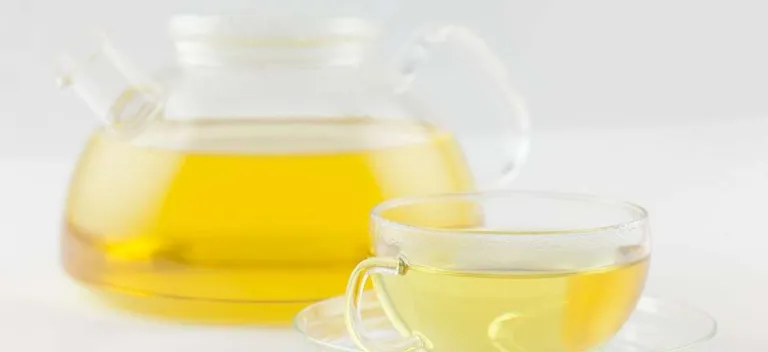
The second is plant part. Some commercial teas are mostly leaf, others mostly woody stem, and Riehle and colleagues found the highest concentrations of phenolic compounds in infusions brewed from leafy material of small particle size [13]. Evidence suggests The third is preparation. The EU monograph describes a decoction, simmered for about 20 minutes, while most packets suggest a short infusion, and the unpublished figures quoted by the HMPC suggest a decoction extracts several times more polyphenol [1] [2]. Evidence suggests A strong, astringent, deep-gold cup is a rough sign that the polyphenols are there. Mechanism
What to look for
For someone buying rock rose in Australia, these points follow from the evidence above. Look for a label giving the botanical name and country of origin, and a seller who can name the plant part. Leafy, green-grey material with few woody sticks is better than a bag of twigs. Ask for a certificate of analysis for the batch, covering heavy metals (lead, cadmium, arsenic, mercury) and microbial counts; a reputable importer will have one. Organic certification is a reasonable extra assurance about pesticide residues, and it says nothing about metals. Mechanism
Discussion: conclusions, hypotheses and research still required
What the evidence supports
Rock rose is a well-characterised polyphenol plant. Its infusions carry flavonol glycosides, flavan-3-ols, large prodelphinidin-rich tannins and ellagitannins, and its resinous forms make labdane diterpenes that a water infusion barely touches [2] [8]. Confirmed Its use as a tea for coughs and colds is long documented in Crete, Cyprus and Turkey, and the EMA accepts that use as traditional [1] [2]. Traditional Its polymeric polyphenols block enveloped viruses from attaching to cells in culture and reduce bacterial colonisation of enamel in rinse studies [7] [11] [12]. Evidence suggests One proprietary lozenge extract has modest, positive results in two trials in respiratory infection from a single group [3] [4]. Evidence suggests The safety record is good, with gaps in pregnancy, childhood and formal toxicology of the tea [1] [2]. Evidence suggests
What the evidence does not support is any claim that drinking rock rose tea prevents, treats or shortens a viral infection. That has not been tested.
Hypotheses and musings
The chemistry suggests a local mode of action. Large tannins bind proteins on contact and are poorly absorbed, so any antiviral or anti-adhesive effect in people is most likely confined to surfaces the preparation touches: the mouth, throat and gut lining. Mechanism If that is right, a gargled and swallowed decoction or a slowly dissolved lozenge would be the logical forms, a quick weak infusion the least effective, and systemic effects such as the blood-lipid changes in the Polish pilot would need another explanation, perhaps via gut metabolism of ellagitannins to urolithins or via the gut microbiota. Mechanism The finding that the water-soluble fraction of labdanum enhanced dengue virus growth in culture while the diterpene fraction suppressed it is a reminder that “rock rose” is several chemical objects, and a whole-plant extract could contain components pulling in opposite directions [15]. Evidence suggests
Where research should begin
- Taxonomy and botany: collect vouchered samples of the rock rose teas actually sold to Australians and identify them by morphology and DNA barcoding against authenticated C. creticus subspecies and C. albidus, to find out what “Cistus incanus” on a label means in practice.
- Phytochemistry and quality analysis: develop an HPLC fingerprint with quantified markers (myricitrin, punicalagin, a prodelphinidin assay) and use it to compare infusion and decoction yields from leafy and stemmy material; a TLC identity test suitable for a pharmacopoeial monograph would follow naturally.
- Contaminant survey: ICP-MS testing of retail rock rose teas available in Australia for lead, cadmium, arsenic and mercury, with screening for pyrrolizidine alkaloids from co-harvested weeds, reported against the Food Standards Code limits.
- Clinical research: an ethics-approved, registered, double-blind trial of the tea itself (or a standardised decoction) in early upper respiratory infection, with an inert, taste-matched comparator, independent funding and pre-specified outcomes; a nested study of iron status in regular drinkers would answer the tannin question.
- Oral health: the rinse and gum studies point to a testable, local use; a placebo-controlled trial of a Cistus mouth rinse on plaque and gingival bleeding, with the extract alone, would separate rock rose from its partners in the combination gum.
- Toxicology: reproductive and genotoxicity testing of the decoction as consumed, which the EMA identified as the gap preventing a full list entry.
- Regulatory science: confirm with the TGA whether Cistus creticus is a permitted ingredient for listed medicines, and with FSANZ whether it has been considered under the novel food standard.
- History of materia medica: trace the Cretan and Cypriot tea tradition in the Greek sources the HMPC cites, and set it beside the far better documented history of labdanum from Herodotus to Tournefort.
- Weed ecology: assess the spread of naturalised Cistus in Victoria and Tasmania before rock rose becomes a more popular garden plant.
About AIP and this series
The Australian Institute of Pharmacognosy (AIP) is based in Cardwell, in the wet tropics of far north Queensland. Pharmacognosy is the study of medicines and poisons that come from natural sources: how a plant is identified, what it contains, and what that chemistry does in the body.
The Literature Review and Critical Analysis series is part of the Institute’s education and research work. Each review follows the same structure and grades every claim by the evidence behind it, so you can see what is tradition, what is laboratory or animal work, and what has actually been tested in people.
Nothing in this series is an offer of treatment, a product or a service, and nothing in it is a reason to use a plant. If you find an error, or a source we have missed, we would like to hear about it.
Visit the Institute at australian-pharmacognosy.org. Series: all Literature Reviews and Critical Analyses · related: elderberry · rosella. Follow the series for the next review.
Corrections. If you find an error, please write to the Institute at our contact form; the Secretary passes every correction to the author.
Head of Education and Research
Australian Institute of Pharmacognosy
Cardwell QLD, Australia
australian-pharmacognosy.org · our contact form
Suggested citation. Ridley T. Rock rose (Cistus incanus): cistus tea evidence and safety. Literature Review and Critical Analysis AIP-LR-CISINC. Cardwell (QLD): Australian Institute of Pharmacognosy; 2026. Available from: https://www.australian-pharmacognosy.org/blog/rock-rose-cistus-incanus-tea-evidence/ [cited 2026 Nov].
References
22 references, tap to open
Every PMID was checked against PubMed in November 2026. Each entry says whether the Institute read the full text, or only the abstract and the summary in the EMA assessment report; papers not open access have been ordered and will be read before this review is next revised.
- EMA Committee on Herbal Medicinal Products (HMPC). European Union herbal monograph on Cistus creticus L., herba. EMA/HMPC/150763/2015. Adopted 19 March 2025. EMA: Cisti cretici herba. Full text read.
- EMA Committee on Herbal Medicinal Products (HMPC). Assessment report on Cistus creticus L., herba. EMA/HMPC/150765/2015. Final, first version, 2025. PDF. Full text read.
- Kalus U, Grigorov A, Kadecki O, Jansen JP, Kiesewetter H, Radtke H. Cistus incanus (CYSTUS052) for treating patients with infection of the upper respiratory tract. A prospective, randomised, placebo-controlled clinical study. Antiviral Res. 2009;84(3):267-71. doi:10.1016/j.antiviral.2009.10.001. PMID 19828122. Abstract and HMPC summary read; full text on order, not yet read.
- Kalus U, Kiesewetter H, Radtke H. Effect of CYSTUS052 and green tea on subjective symptoms in patients with infection of the upper respiratory tract. Phytother Res. 2010;24(1):96-100. doi:10.1002/ptr.2876. PMID 19444821. Abstract and HMPC summary read; full text on order, not yet read.
- Ehrhardt C, Hrincius ER, Korte V, Mazur I, Droebner K, Poetter A, et al. A polyphenol rich plant extract, CYSTUS052, exerts anti influenza virus activity in cell culture without toxic side effects or the tendency to induce viral resistance. Antiviral Res. 2007;76(1):38-47. doi:10.1016/j.antiviral.2007.05.002. PMID 17572513. Abstract and HMPC summary read; full text on order.
- Droebner K, Ehrhardt C, Poetter A, Ludwig S, Planz O. CYSTUS052, a polyphenol-rich plant extract, exerts anti-influenza virus activity in mice. Antiviral Res. 2007;76(1):1-10. doi:10.1016/j.antiviral.2007.04.001. PMID 17573133. Abstract and HMPC summary read; full text on order.
- Rebensburg S, Helfer M, Schneider M, Koppensteiner H, Eberle J, Schindler M, et al. Potent in vitro antiviral activity of Cistus incanus extract against HIV and filoviruses targets viral envelope proteins. Sci Rep. 2016;6:20394. doi:10.1038/srep20394. PMID 26833261. Open access; full text read.
- Papaefthimiou D, Papanikolaou A, Falara V, Givanoudi S, Kostas S, Kanellis AK. Genus Cistus: a model for exploring labdane-type diterpenes’ biosynthesis and a natural source of high value products with biological, aromatic, and pharmacological properties. Front Chem. 2014;2:35. doi:10.3389/fchem.2014.00035. PMID 24967222. Open access; full text read.
- Kuchta A, Konopacka A, Waleron K, Viapiana A, Wesołowski M, Dąbkowski K, et al. The effect of Cistus incanus herbal tea supplementation on oxidative stress markers and lipid profile in healthy adults. Cardiol J. 2021;28(4):534-542. doi:10.5603/CJ.a2019.0028. PMID 30912576. Open access; full text read.
- Di Minno A, Ullah H, De Lellis LF, Buccato DG, Baldi A, Cuomo P, et al. Efficacy and tolerability of a Scutellaria lateriflora L. and Cistus × incanus L.-based chewing gum on the symptoms of gingivitis: a monocentric, randomized, double-blind, placebo-controlled clinical trial. Nutrients. 2024;16(6):862. doi:10.3390/nu16060862. PMID 38542772. Open access; full text read.
- Hannig C, Spitzmüller B, Al-Ahmad A, Hannig M. Effects of Cistus-tea on bacterial colonization and enzyme activities of the in situ pellicle. J Dent. 2008;36(7):540-5. doi:10.1016/j.jdent.2008.04.002. PMID 18468764. Abstract and HMPC summary read; full text on order.
- Wittpahl G, Kölling-Speer I, Basche S, Herrmann E, Hannig M, Speer K, et al. The polyphenolic composition of Cistus incanus herbal tea and its antibacterial and anti-adherent activity against Streptococcus mutans. Planta Med. 2015;81(18):1727-35. doi:10.1055/s-0035-1557822. PMID 26291656. Abstract and HMPC summary read; full text on order.
- Riehle P, Rusche N, Saake B, Rohn S. Influence of the leaf content and herbal particle size on the presence and extractability of quantitated phenolic compounds in Cistus incanus herbal teas. J Agric Food Chem. 2014;62(45):10978-88. doi:10.1021/jf504119s. PMID 25345843. Abstract read; full text on order.
- Feng J, Leone J, Schweig S, Zhang Y. Evaluation of natural and botanical medicines for activity against growing and non-growing forms of B. burgdorferi. Front Med (Lausanne). 2020;7:6. doi:10.3389/fmed.2020.00006. PMID 32154254. Open access; full text read.
- Kuchta K, Tung NH, Ohta T, Uto T, Raekiansyah M, Grötzinger K, et al. The old pharmaceutical oleoresin labdanum of Cistus creticus L. exerts pronounced in vitro anti-dengue virus activity. J Ethnopharmacol. 2020;257:112316. doi:10.1016/j.jep.2019.112316. PMID 31669444. HMPC summary read; full text on order.
- Paolini J, Falchi A, Quilichini Y, Desjobert JM, Cian MC, Varesi L, et al. Morphological, chemical and genetic differentiation of two subspecies of Cistus creticus L. (C. creticus subsp. eriocephalus and C. creticus subsp. corsicus). Phytochemistry. 2009;70(9):1146-60. doi:10.1016/j.phytochem.2009.06.013. PMID 19660770. Abstract and HMPC summary read; full text on order.
- Hurrell RF, Reddy M, Cook JD. Inhibition of non-haem iron absorption in man by polyphenolic-containing beverages. Br J Nutr. 1999;81(4):289-95. PMID 10999016. Abstract read; full text on order.
- Herodotus. The Histories, Book 3, chapter 112. In: Godley AD, translator. Herodotus, with an English translation. Cambridge (MA): Harvard University Press; 1920 (Loeb Classical Library). Perseus Digital Library. Translation read.
- Royal Botanic Gardens Victoria. Cistus creticus L. VicFlora, Flora of Victoria. VicFlora taxon page. Read November 2026.
- Therapeutic Goods (Poisons Standard—June 2026) Instrument 2026. Federal Register of Legislation F2026L00633. legislation.gov.au. Searched for Cistus, labdanum and rock rose, November 2026.
- Therapeutic Goods Administration. Australian Register of Therapeutic Goods, public search, keyword “cistus”. tga.gov.au/resources/artg. Searched November 2026.
- Queensland Government, Business Queensland. Restricted invasive plants. business.qld.gov.au. Read November 2026.
Image credits
- A pink rock-rose (Cistus creticus) flower. Balcalı, Adana – Turkey. · Zeynel Cebeci · CC BY-SA 4.0 · Wikimedia Commons
- Cistus creticus in Balkan Botanic Garden of Kroussia · Krzysztof Ziarnek, Kenraiz · CC BY-SA 4.0 · Wikimedia Commons
- Flora della Sardegna · Gianni Careddu · CC BY-SA 4.0 · Wikimedia Commons
- Cistus incanus · Assianir · CC BY-SA 4.0 · Wikimedia Commons
- Ciste de Crête · Pancrat · CC BY-SA 3.0 · Wikimedia Commons
- Cistus creticus L., Pink Rock-Rose; Habitus; Keras Kardiotissas Monastery, Crete, Greece. · H. Zell · CC BY-SA 3.0 · Wikimedia Commons
- Cistus creticus in Balkan Botanic Garden of Kroussia · Krzysztof Ziarnek, Kenraiz · CC BY-SA 4.0 · Wikimedia Commons
- Fruits of Cistus salviifolius (right) and Cistus creticus (left), Lower Galilee, Israel · DascyllusM · CC BY-SA 4.0 · Wikimedia Commons
- ciste de Crète – Santorin · Mhrobben · CC BY-SA 4.0 · Wikimedia Commons
- Cistus creticus bush in Mount Carmel · Aaadir · CC0 · Wikimedia Commons
- A native of the Western Mediterranean, the evergreen foliage exudes an intensely fragrant resin, used to lend amber notes in perfumery. The · Haggeswood · CC BY 4.0 · Wikimedia Commons
- Fouet dont on se sert pour amasser le Ladanum · Joseph Pitton de Tournefort · Public domain · Wikimedia Commons
- A dish of ladanum spirals used for medical applications. Exhibition piece of the German Pharmacy Museum in Heidelberg, Germany. · Zinnmann · CC BY 4.0 · Wikimedia Commons
- Cistus creticus L., Pink Rock-Rose; Flower; Keras Kardiotissas Monastery, Crete, Greece. · H. Zell · CC BY-SA 3.0 · Wikimedia Commons
- Cistus creticus in Neuer Botanischer Garten der Universität of Göttingen, Lower Saxony, Germany · Tournasol7 · CC BY 4.0 · Wikimedia Commons
- Cistus creticus infusion · André Helbig · CC BY 3.0 · Wikimedia Commons
- A pink rock-rose (Cistus creticus) flower. Balcalı, Adana – Turkey. · Zeynel Cebeci · CC BY-SA 4.0 · Wikimedia Commons
- Pink rock-rose (Cistus creticus) at Mount Juktas, Crete, Greece · Robert Flogaus-Faust · CC BY 4.0 · Wikimedia Commons
- Cistus creticus dried and cutted to prepare infusions · André Helbig · CC BY 3.0 · Wikimedia Commons
- Czystek kreteński · Michał J · CC BY-SA 4.0 · Wikimedia Commons
- A pink rock-rose (Cistus creticus) flower. Balcalı, Adana – Turkey. · Zeynel Cebeci · CC BY-SA 4.0 · Wikimedia Commons
- Chemical structures of myricetin, quercetin, gallocatechin, punicalagin, manoyl oxide and sclareol · PubChem, National Center for Biotechnology Information (US public domain) · linked by CID in each caption
The Institute sets and publishes its own monographs. The catalogue is in Publications.