

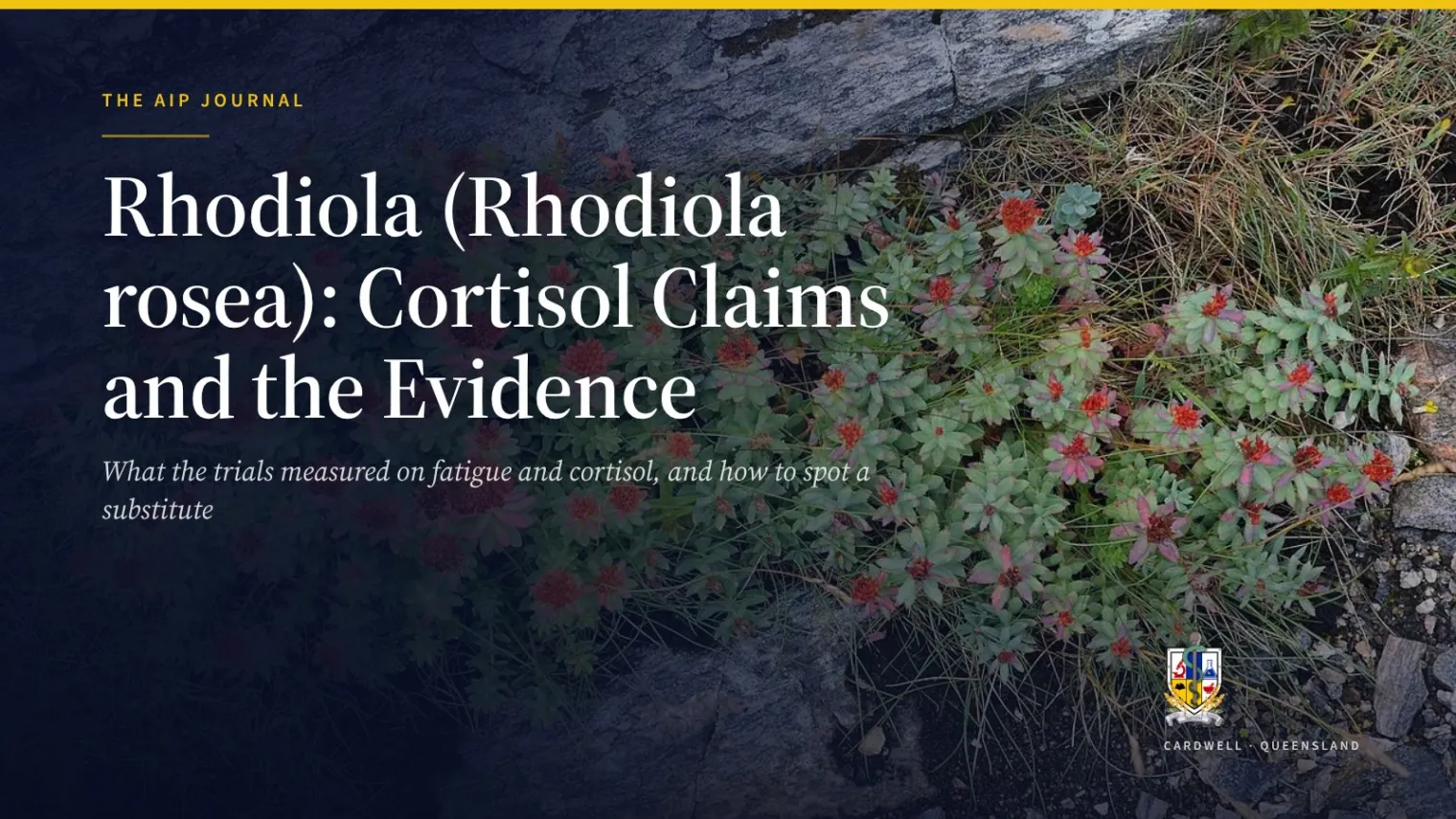
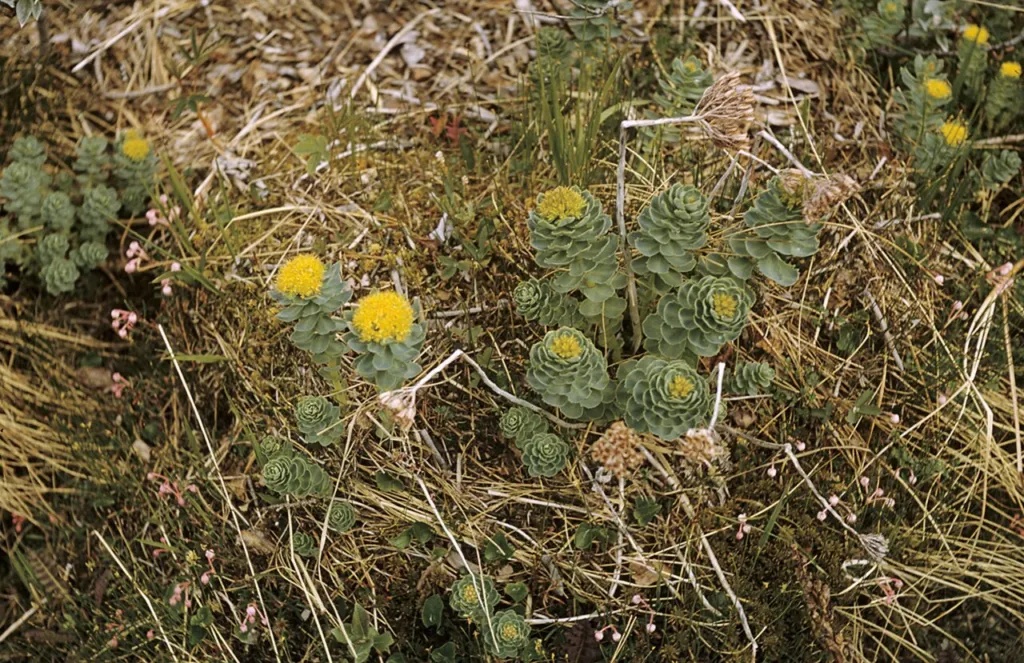
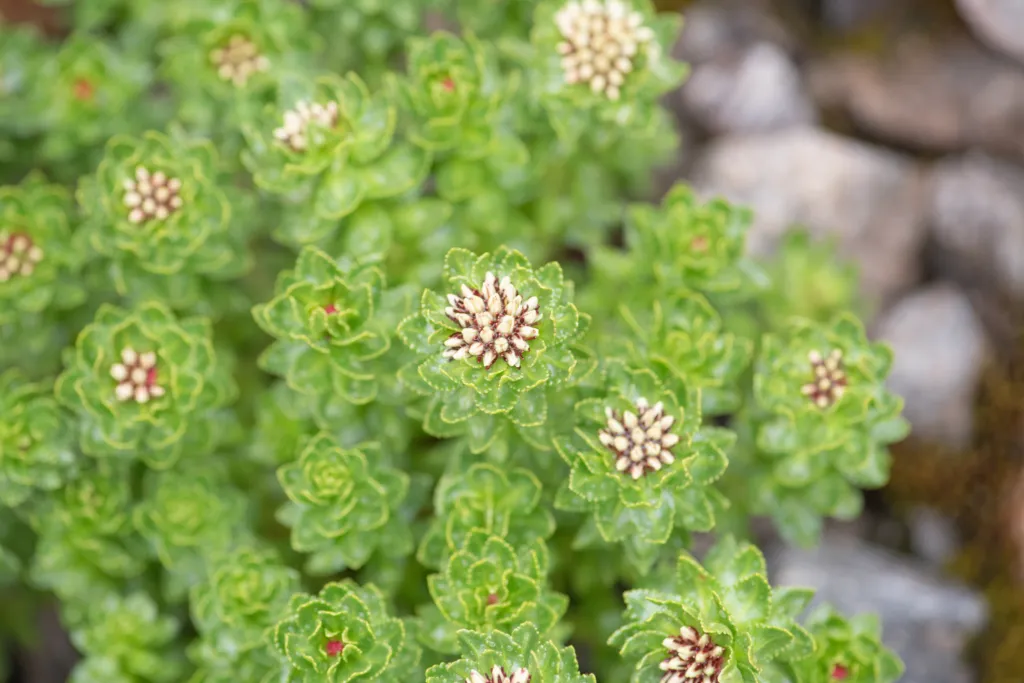
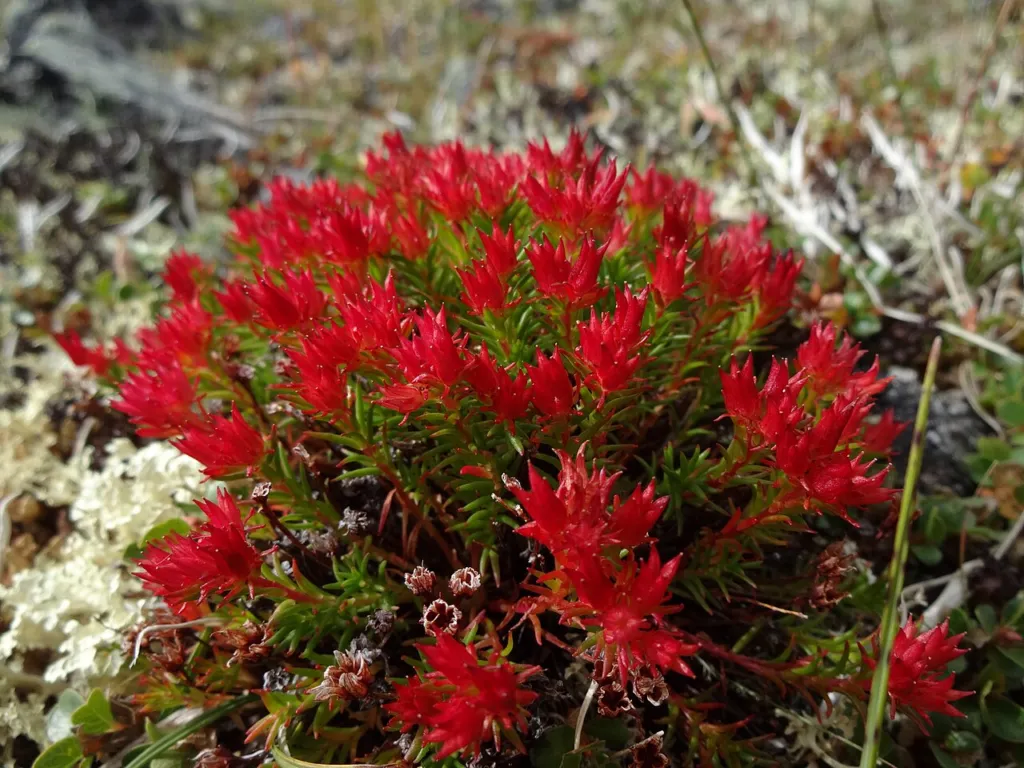
Cover: roseroot on coastal rock at Kristiansund, Norway, July 2022. Photo: Ryan Hodnett · CC BY-SA 4.0 · Wikimedia Commons
Roseroot grows on Arctic sea cliffs and alpine scree, the Soviet health ministry made an industrial extract of it in the 1970s, and it is now sold online as a way to lower your cortisol. Attested The plant behind all three is a small Arctic succulent whose root smells of roses. One trial of 60 people supports it for stress-related fatigue [1]. Confirmed The cortisol claim is a different matter.
This is AIP-LR-RHOROS in the Australian Institute of Pharmacognosy’s series of literature reviews and critical analyses. It sets out what Rhodiola rosea is, what its long Scandinavian and Russian record says, what the human trials found with which extract at what dose, what the cortisol data actually show, and how an Australian buyer can tell the genuine root from the substitutes that fill much of the trade. Every claim carries a tag for the kind of evidence behind it.
This article is educational. It is not medical advice, and nothing in it is a recommendation to take rhodiola or any product containing it.
Rhodiola is well tolerated in trials. It has reported interactions worth knowing about: a serotonergic reaction case with paroxetine, a measured effect on the liver enzyme CYP2C9 that handles losartan, and blood-glucose lowering in animals (chapter 8). There are no safety data for pregnancy or breastfeeding. Before combining it with prescribed medicines, consult a degree-qualified herbalist with competencies and adequate training in pharmacognosy. In an emergency call Triple Zero (000), or the Poisons Information Centre on 13 11 26.
| The plant | Rhodiola rosea L. (Crassulaceae): roseroot, golden root, arctic root. Rhizome and root are used. Not native to Australia. Confirmed §1 |
| Traditional role | Folk use in Scandinavia, Russia and Siberia against fatigue; a Soviet industrial extract from 1975. Traditional §3 |
| Identity markers | Rosavin, rosarin and rosin mark the species; salidroside is shared by the whole genus. Confirmed §4 |
| Best human evidence | One randomised trial (60 people, SHR-5 576 mg/day, 28 days): small benefit in stress-related fatigue. Confirmed §6 |
| Mixed or negative | Everyday fatigue in healthy people: trials disagree, and the best-run one favoured placebo. Depression: the cleaner trial found no difference from placebo. Confirmed §6 |
| Cortisol | Lowers stress-hormone rises in animals Evidence suggests; no change in cortisol in the human trials read in full Confirmed. Cortisol claims are not permitted on listed medicines. Confirmed §7 |
| Safety | Mild adverse effects in trials; interaction signals with antidepressants and CYP2C9 substrates; no pregnancy data. Evidence suggests §8 |
| Australian status | Permitted in listed (AUST L) medicines for oral use; not in the Poisons Standard. Confirmed §9 |
| Quality | Substitution with R. crenulata and other species is documented; rosavins should exceed salidroside. Confirmed §10 |
- Confirmed established in humans by trial, or an unambiguous analytical, chemical or regulatory fact.
- Evidence suggests real published data, but preclinical, observational, small, uncontrolled or not yet replicated.
- Mechanism a plausible pharmacological inference, not an outcome.
- Traditional historical or ethnobotanical use: evidence of practice, not of efficacy.
- Attested a documentary fact attested in a named source, such as a registration record or a dated plate.
Every PubMed ID links to its record and was checked against PubMed in October 2026; every compound links to its PubChem record. Where a claim is widely repeated and no primary source could be found, it is marked unsourced.
Rhodiola rosea is a cold-climate succulent whose dried rhizome and root have been used against fatigue in Scandinavia, Russia and Siberia, and which the Soviet health ministry turned into an industrial extract in the 1970s. Traditional It is a well-characterised drug: the rosavins identify the species and salidroside is the compound most often named as active. Confirmed
The human evidence is thin and uneven. A Swedish trial of 60 people with stress-related fatigue found a small benefit from the SHR-5 extract over four weeks. Confirmed Open-label studies of the WS 1375 extract in burnout and chronic fatigue report improvement without a control group. Evidence suggests For ordinary tiredness the trials disagree, and the best-designed of them found fatigue worse on rhodiola than on placebo; for depression the cleaner trial found no difference from placebo. Confirmed
The cortisol claim rests on animal studies. In the human trials the Institute could read in full, cortisol did not change, and the TGA does not allow listed medicines to claim to manage cortisol. Confirmed
Much of the world trade is substituted with other Rhodiola species, mainly R. crenulata, or spiked with salidroside. Confirmed On an Australian label look for Rhodiola rosea, root or rhizome, an extract ratio, and both rosavins and salidroside, with rosavins the higher figure. Rhodiola is well tolerated, with interaction signals around antidepressants and some blood-pressure medicines; talk to a degree-qualified herbalist with training in pharmacognosy before adding it to prescribed medicines.
 Chapter 1Names and identity
 Chapter 2The plant and where it grows
 Chapter 3Traditional use
 Chapter 4Chemistry
 Chapter 5Pharmacology
 Chapter 6Clinical evidence
 Chapter 7The cortisol claim
 Chapter 8Safety and interactions
 Chapter 9In Australia
 Chapter 10Quality and adulteration
 DiscussionDiscussion and research agenda
Also: About AIP · References · Image credits
Chapter 1Names and identity: the plant sold as rhodiola
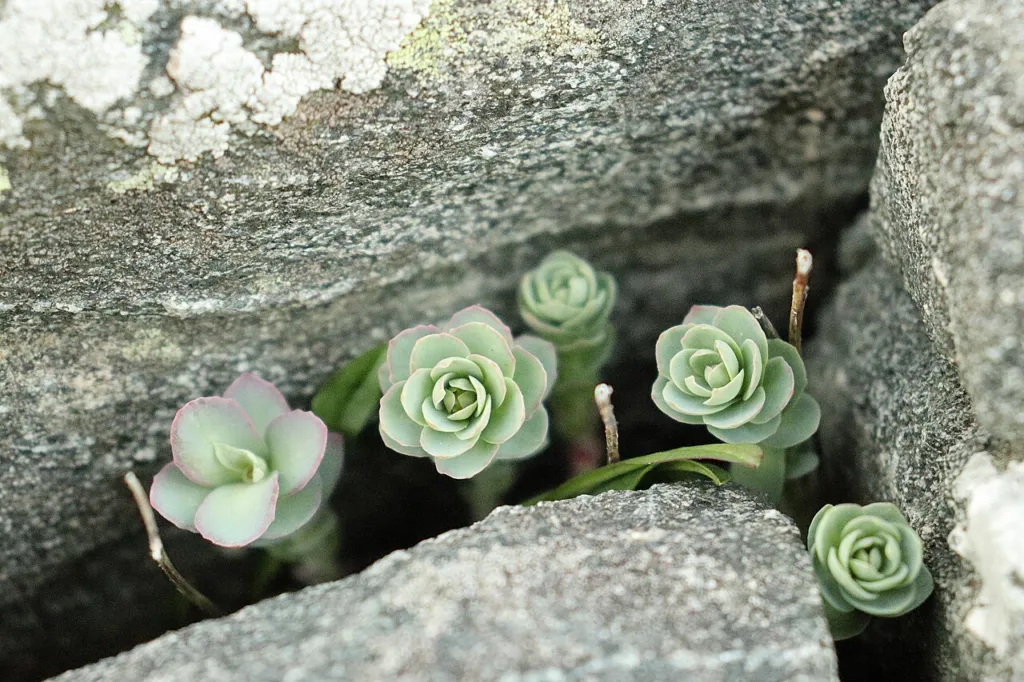
The plant sold as rhodiola is Rhodiola rosea L., a succulent perennial of the stonecrop family, Crassulaceae. English has several names for it: roseroot, golden root, arctic root, king’s crown. Russian calls it zolotoy koren, golden root, and Swedish rosenrot. The rose in the name is a smell: cut the fresh rootstock and it gives off a scent of roses, which is still the quickest field check of identity [2]. Attested
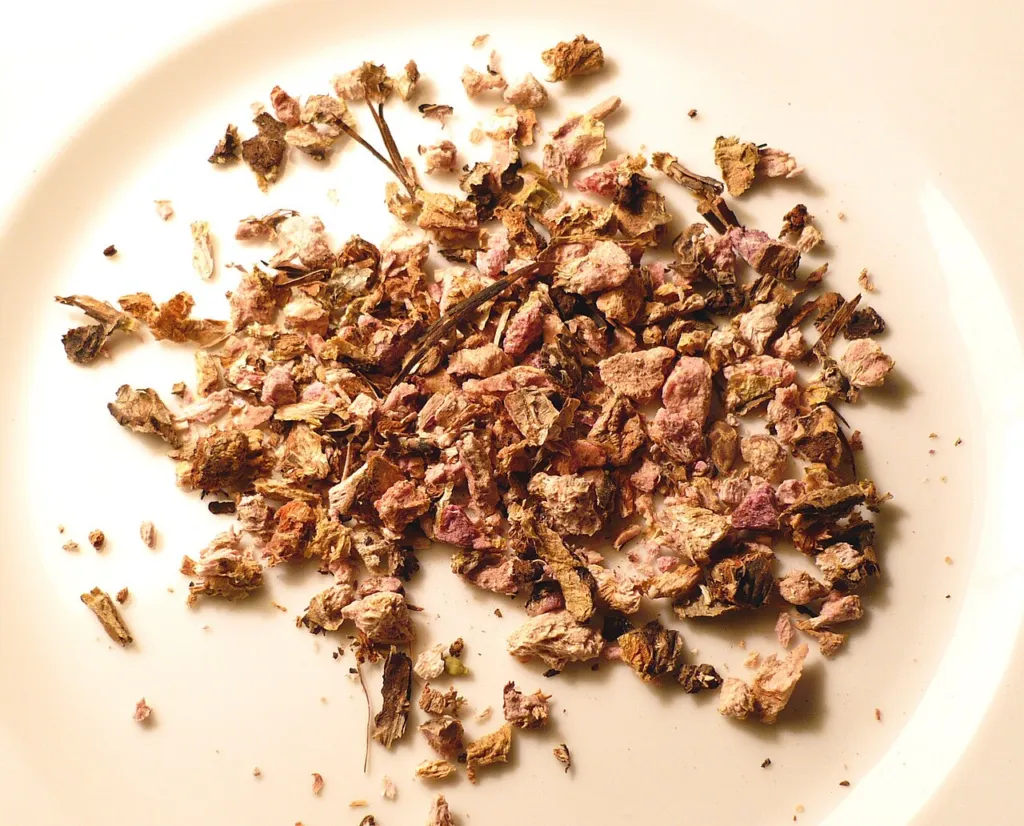
The medicine is the underground part. The EU’s assessment report points out that what the trade calls the root is mostly rhizome, an underground stem with irregular secondary thickening, with true roots attached [2]. That is why the European drug name is Rhodiolae roseae rhizoma et radix, rhizome and root together [3]. The TGA’s guideline for the powdered drug defines the Australian ingredient as “the dried, powdered root (rhizome) of R. rosea L (Crassulaceae) only” [4]. Confirmed
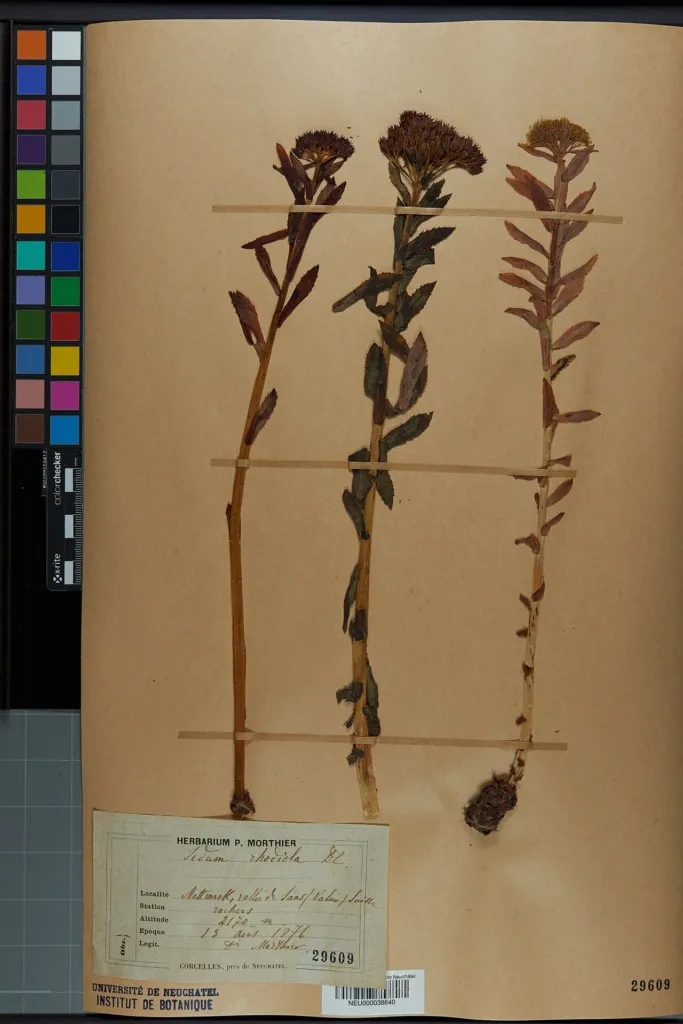
Older labels may say Sedum rosea or Sedum roseum. Both are the same plant under a name from the period when Rhodiola was folded into Sedum, and both still appear on certificates of analysis and on Australian practitioner labels. The name that causes real trouble is a different one. In Chinese, hong jing tian covers the genus, and the Chinese Pharmacopoeia applies it to the root and rhizome of Rhodiola crenulata, a separate species [5, 6]. Read as a synonym for R. rosea, it is the door through which the commonest substitute walks in. Confirmed
| Field | Detail |
|---|---|
| Accepted name | Rhodiola rosea L., Species Plantarum (1753) |
| Family | Crassulaceae (stonecrop family), order Saxifragales |
| Older names on labels | Sedum rosea (L.) Scop., Sedum roseum, Sedum rhodiola |
| Common names | Roseroot, golden root, arctic root, king’s crown; rosenrot (Swedish), zolotoy koren (Russian) |
| Part used | Rhizome and root, dried (Rhodiolae roseae rhizoma et radix) |
| Identity markers | Rosavin, rosarin and rosin (the “rosavins”), with salidroside |
| Not the same plant | R. crenulata (Chinese hong jing tian), R. quadrifida, R. kirilowii, R. sachalinensis and other species |
Chapter 2The plant and where it grows, including Australia
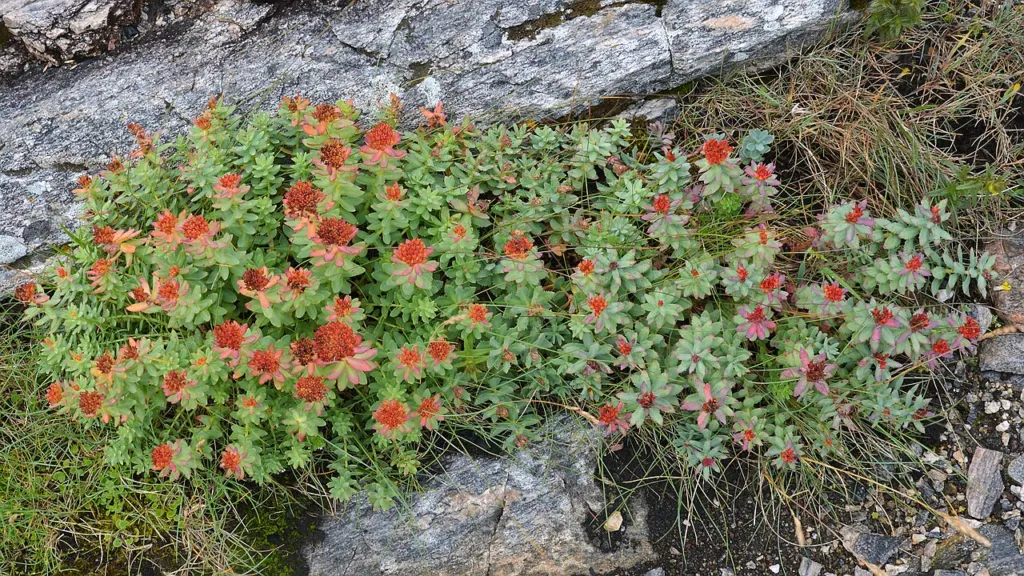
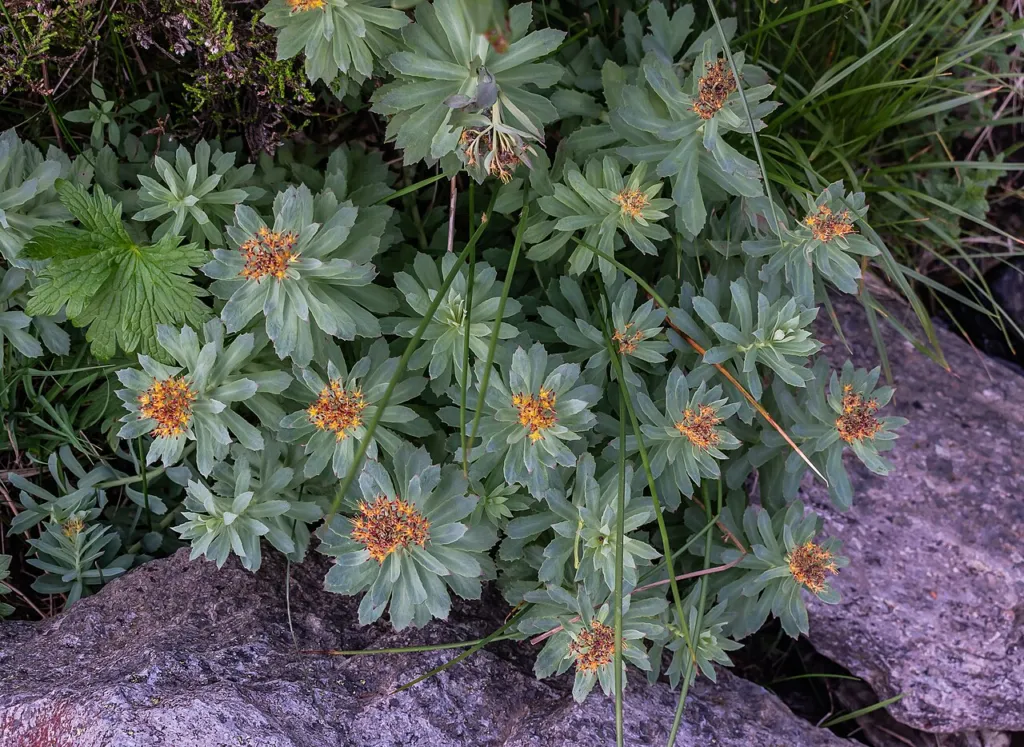
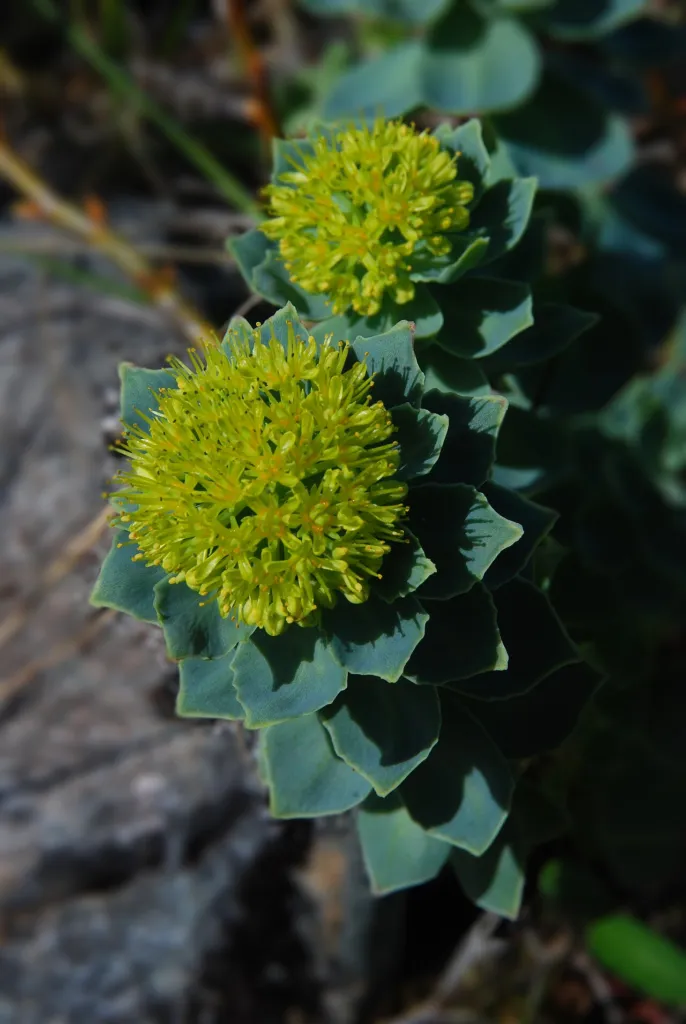
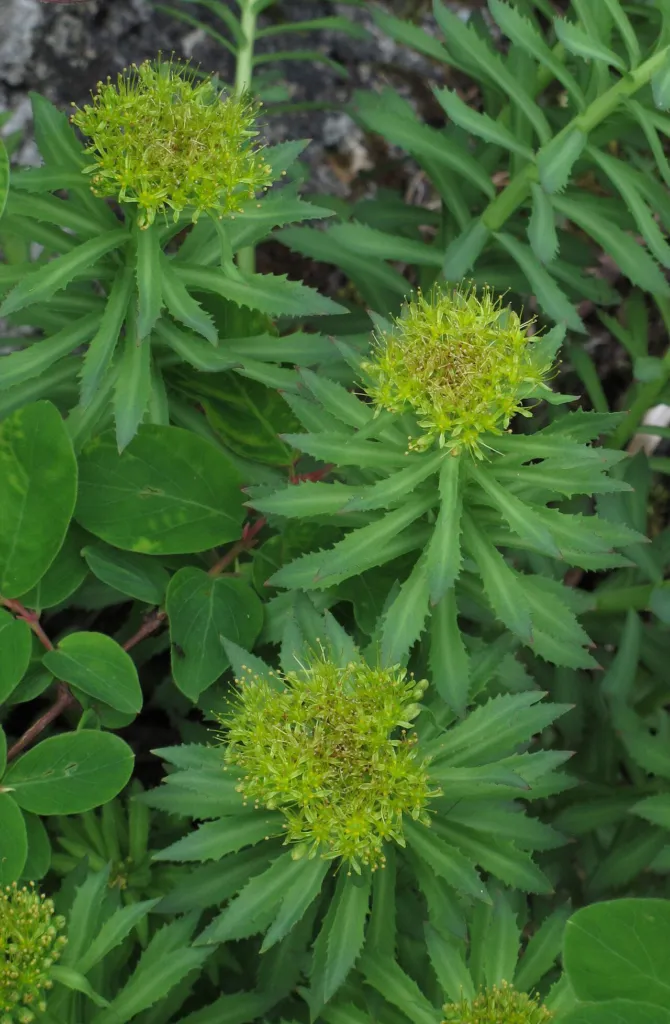
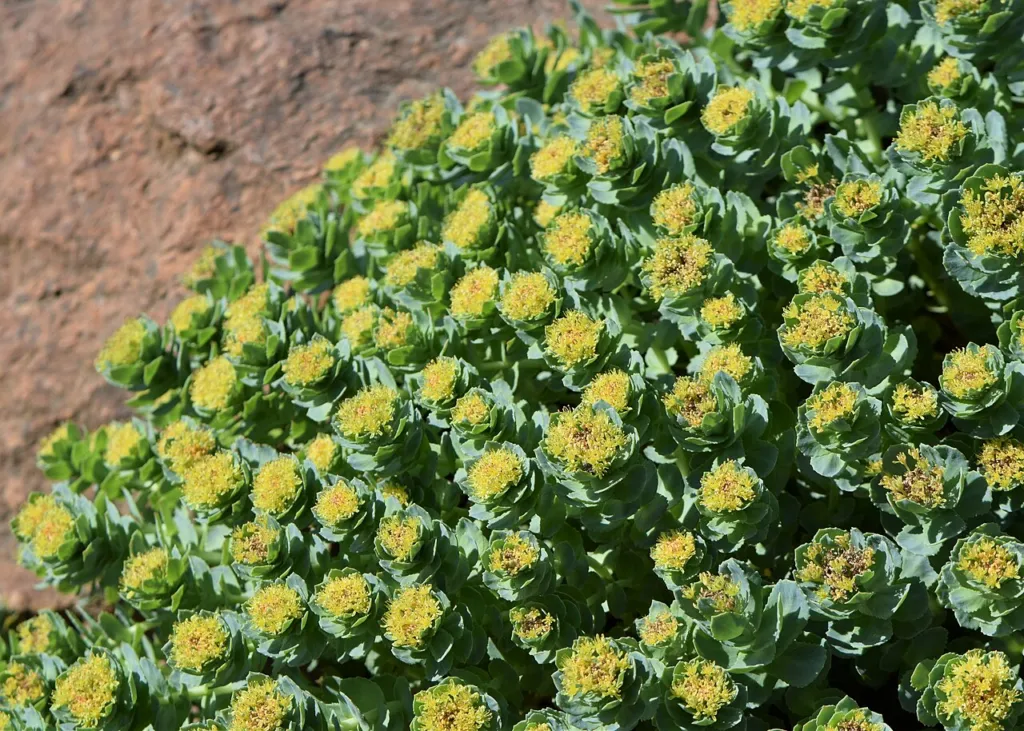
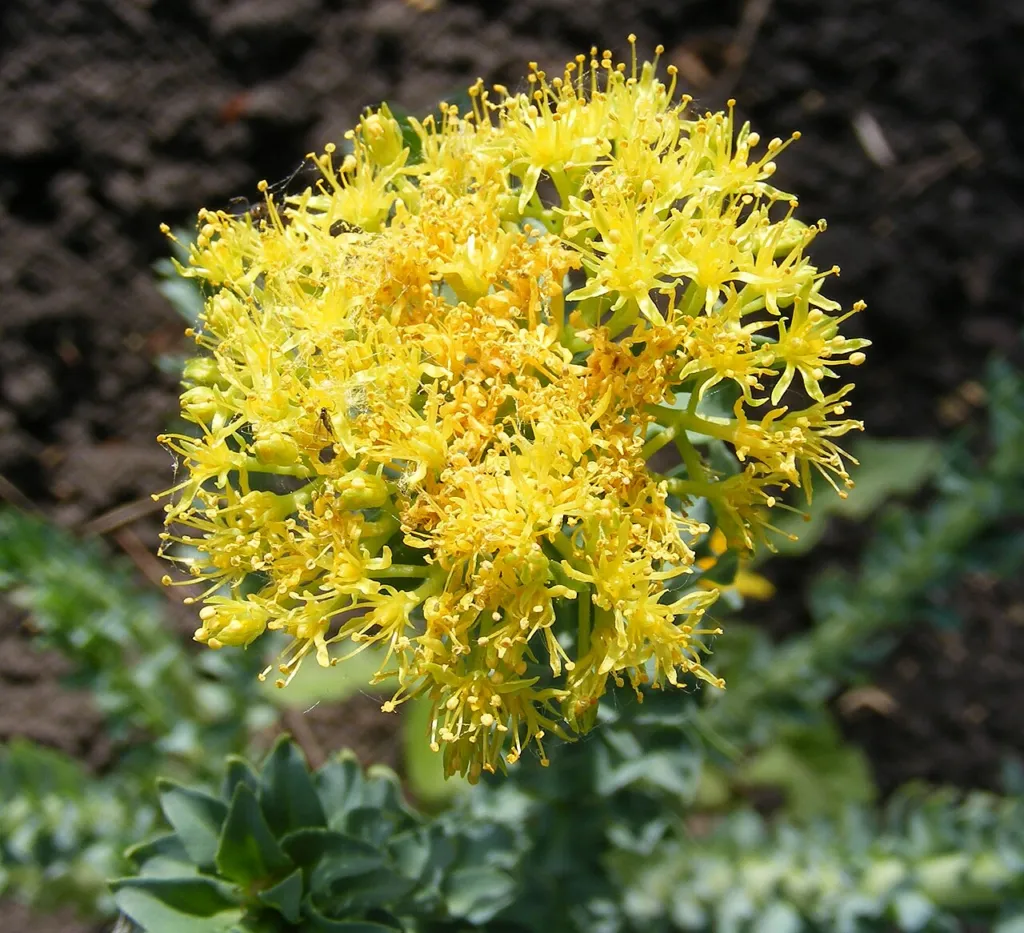
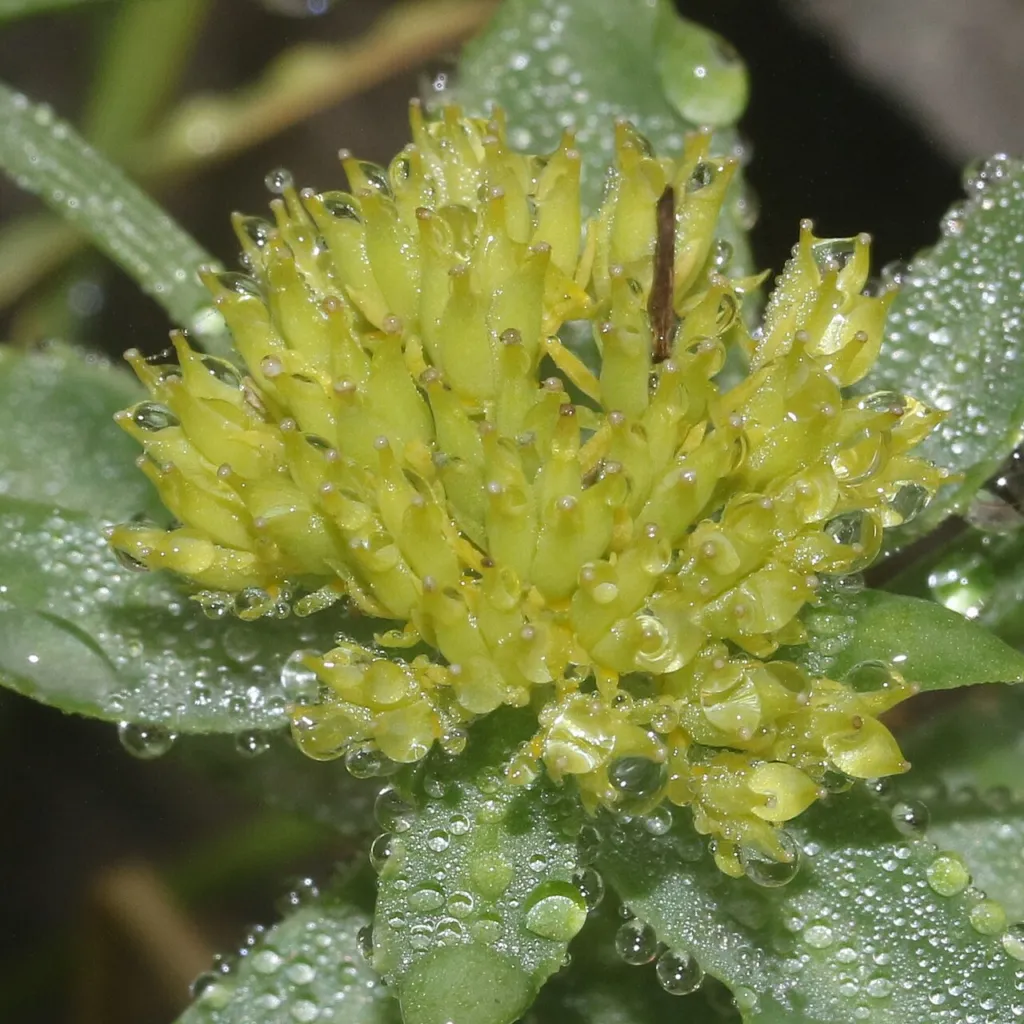
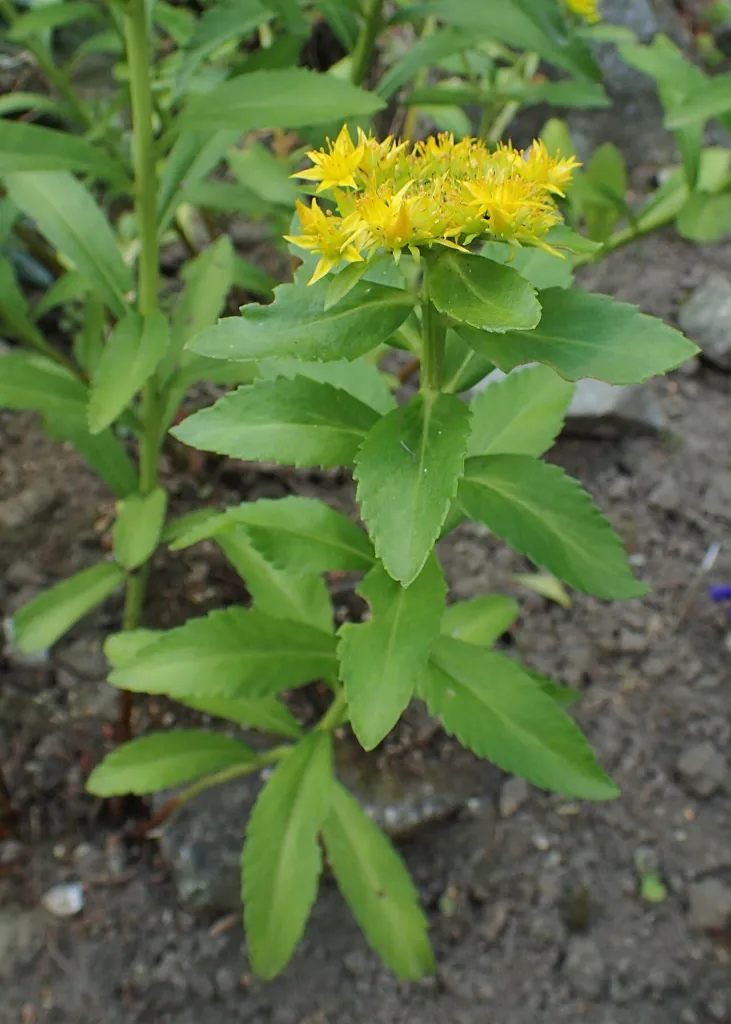
Roseroot is a low, fleshy perennial, usually 5 to 35 cm tall, with blue-green succulent leaves crowded up the stem and a flat head of small yellow to reddish flowers. Male and female flowers grow on separate plants, so a stand needs both sexes to set seed. Under the ground sits a thick, scaly rhizome that takes several years to reach a size worth harvesting [7]. Confirmed
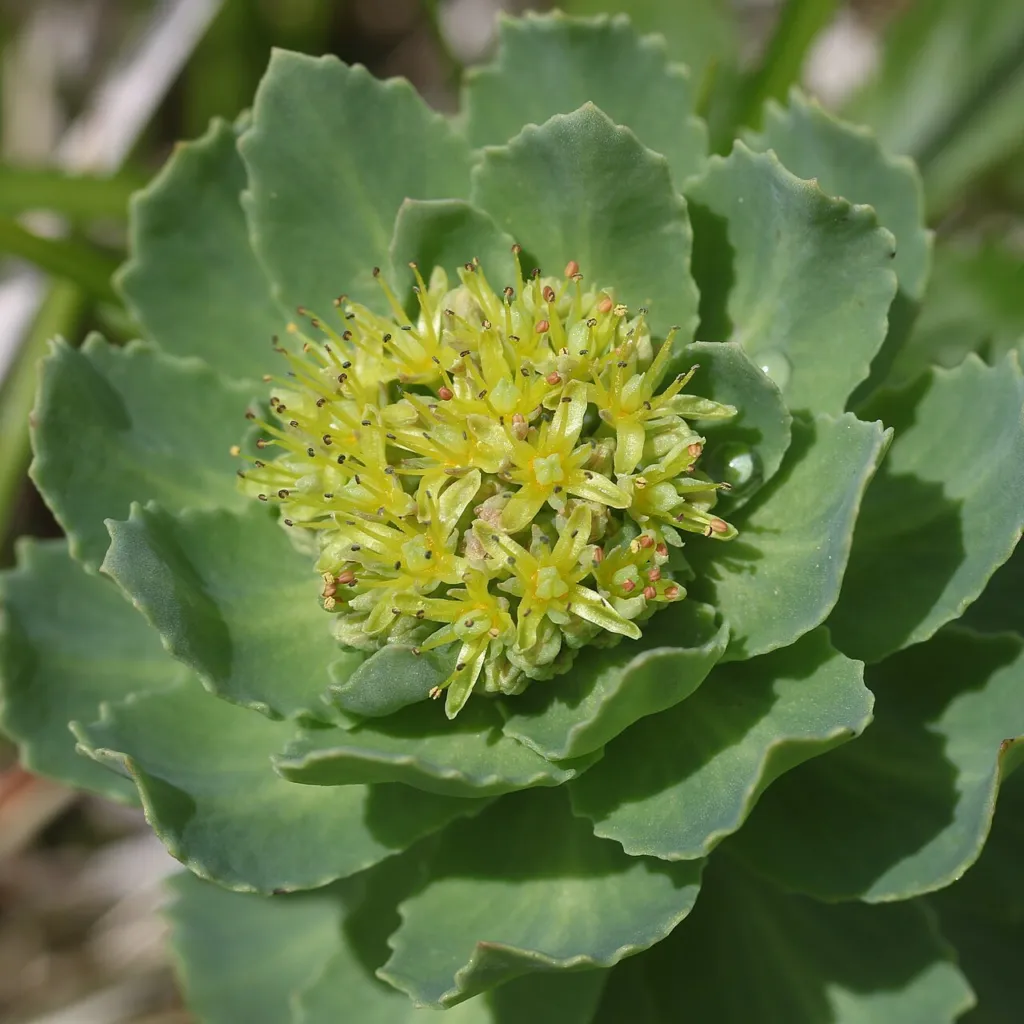
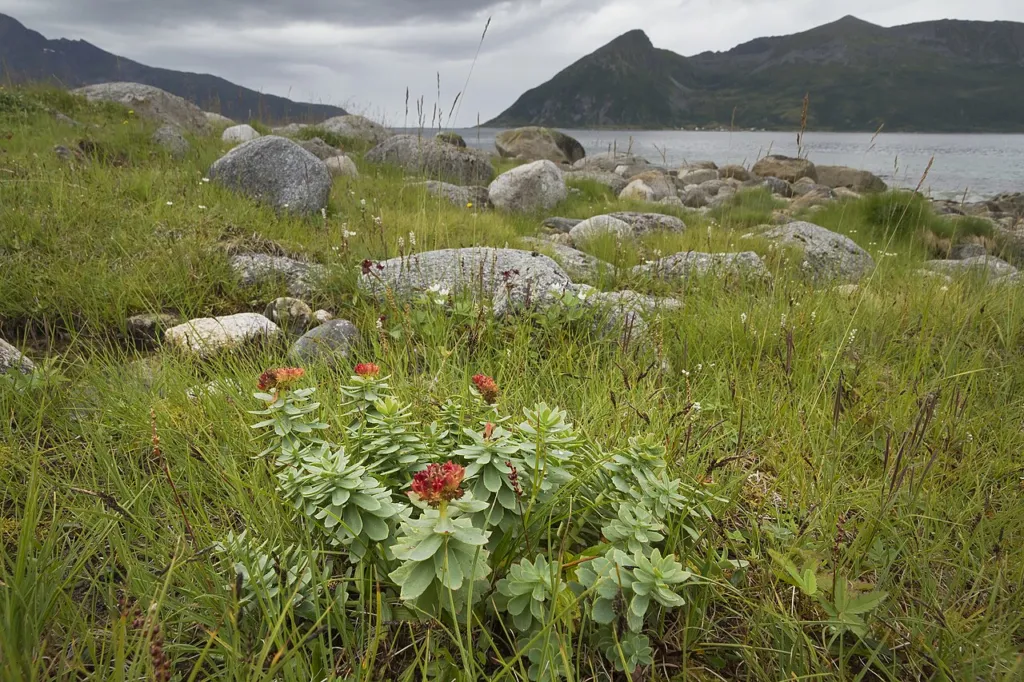
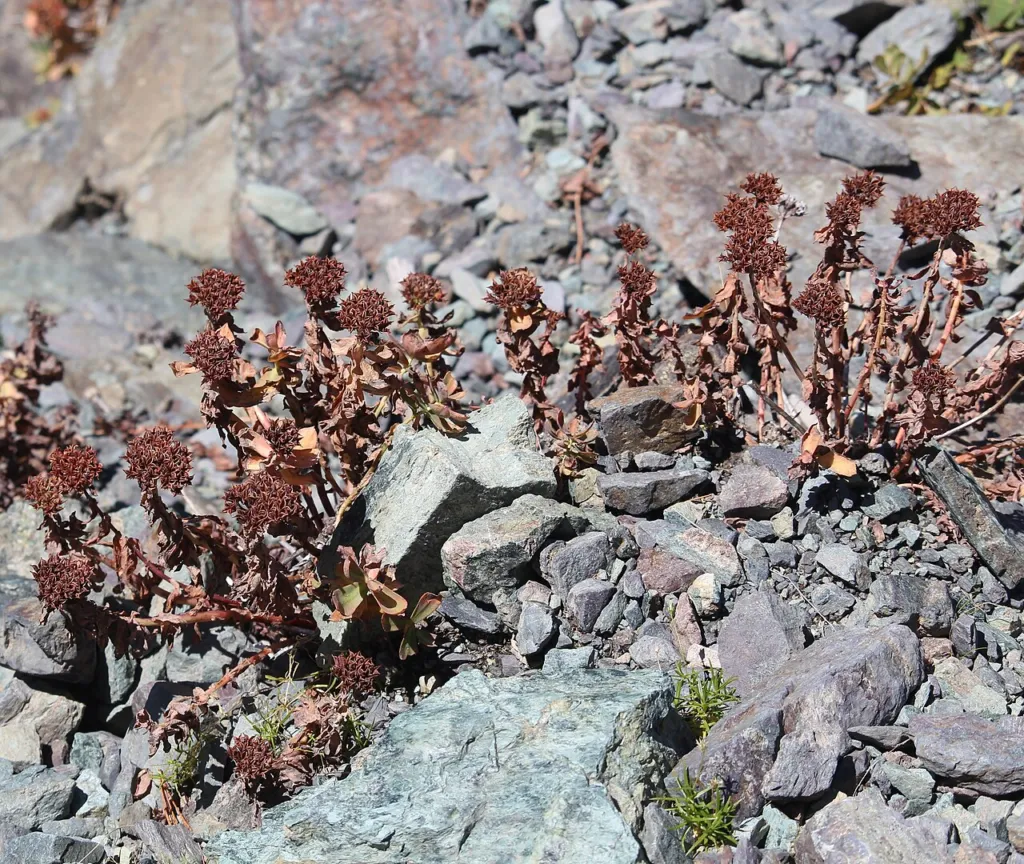
It is a plant of cold places: Arctic and subarctic coasts, sea cliffs, tundra, and scree high in the mountains of Europe, Asia and North America. The commercial wild harvest comes mainly from the Altai and neighbouring Siberia, with Scandinavian and other sources. Mykhailenko and colleagues record that wild collection still dominates because wild roots are believed to be stronger, and that over-harvesting has thinned natural stands in Russia, Mongolia and China [7]. Evidence suggests Cultivated Norwegian clones answer the belief directly: in one garden, seven clones of the same age reached salidroside contents up to 51.0 mg/g, the highest the authors found reported in the genus [8]. Confirmed
Since February 2023 every Rhodiola species has been listed in Appendix II of CITES, the international convention on trade in endangered species, which means export permits for many forms of the trade [7, 6]. Confirmed The listing annotation decides which product forms need paperwork, and the Institute has not read the annotation itself, so an importer should put that question to the Department of Climate Change, Energy, the Environment and Water before ordering.
Australian status
R. rosea is not native to Australia and has never been found growing wild here. The Atlas of Living Australia holds 60 records for the whole genus, every one a preserved herbarium specimen collected overseas, mostly in Nepal, Pakistan, Russia and Europe [9]. Confirmed No Aboriginal or Torres Strait Islander use is recorded or claimed, because the plant does not occur here. Cardwell sits at about 18 degrees south in the wet tropics, about as far from roseroot country as Australia gets. Every gram of rhodiola sold in Australia is imported, which puts the whole question of quality on the paperwork that comes with it (chapter 10).
Chapter 3Traditional use in Scandinavia, Russia and Siberia
Everything in this chapter is a record of how people have used the plant. It tells us what was done and believed. It does not tell us what works, and chapter 6 keeps the two apart.
Scandinavia
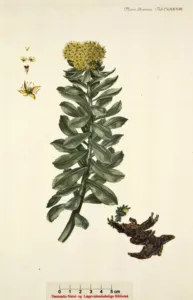
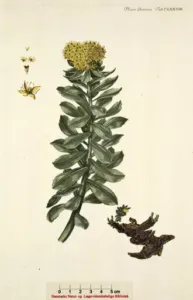
Roseroot has a long folk history across Norway, Sweden, Iceland and the Faroes, and it was drawn in the Danish royal flora, Flora Danica, in 1765. Attested The story most often repeated online is that Vikings took it for strength and endurance. The Institute has looked for a primary source behind that story and has not found one; it circulates in secondary literature and marketing, and here it stays marked unsourced. The documented modern record is firmer. A Swedish rhodiola preparation was on the market as a natural remedy from 1987 and was registered as a traditional herbal medicinal product from 2008, under wording that calls it an adaptogen for decreased performance such as fatigue and weakness [2]. Attested
Russia and Siberia
The Russian and Siberian line is the one that made rhodiola a modern medicine. Herbal tea and a tincture in vodka or 40 per cent alcohol are the traditional preparations recorded for the region, taken as a stimulant and to resist stress and fatigue [2]. Traditional In 1969 the Ministry of Health of the USSR recommended medical use and industrial production of a liquid extract, and in 1975 a Rhodiola fluid extract was accepted as a “Temporary Pharmacopoeial Article”, which allowed large-scale manufacture of a 1:1 extract in 40 per cent ethanol [2]. Attested The posology recorded from that period is 5 to 10 drops of the liquid extract, two or three times a day before meals, for 10 to 20 days, for asthenia, fatigue and dystonia [2]. Traditional
Soviet pharmacology also gave the plant its modern label. “Adaptogen” was coined in that school to describe a substance that raises the body’s resistance to stressors and has a normalising influence. It describes a tradition and a claimed class of action. No trial has measured “adaptogenic effect” as such, and the EU monograph leaves the word out of its indication [3]. Traditional
China and Tibet: a different plant
Rhodiola has a large place in Chinese and Tibetan medicine, but the species behind that tradition are mostly R. crenulata and its relatives. Reading the Chinese record into the history of R. rosea is the same mistake, made on paper, that substitution makes in the capsule [5, 6]. Confirmed
Traditional and historical record, kept apart from trial evidence
| Tradition | Recorded use | Preparation | Evidence tag |
|---|---|---|---|
| Russian and Siberian folk | Stimulant; against stress and fatigue | Tea; vodka tincture | Traditional |
| Soviet medicine, 1969 to 1975 | Asthenia, fatigue, dystonia | 1:1 liquid extract, 40% ethanol, 5 to 10 drops 2 to 3 times daily, 10 to 20 days | Traditional |
| Swedish registration, 1987 and 2008 | Adaptogen for decreased performance, fatigue and weakness | Registered product | Attested |
| Viking strength and endurance | Popular claim | None recorded | Unsourced |
Chapter 4Chemistry: rosavins, salidroside and the rest
Two groups of compounds matter most, and they do different jobs. The first group decides identity. Rosavin, rosarin and rosin are cinnamyl alcohol glycosides, a sugar joined to cinnamyl alcohol, and together they are called the rosavins. In the trade they are treated as the signature of R. rosea [10, 11]. Confirmed Kołtun-Jasion and colleagues add a caution: rosavin has also been isolated in smaller amounts from R. sachalinensis, so the rosavins are characteristic of the species without being entirely exclusive to it [11].
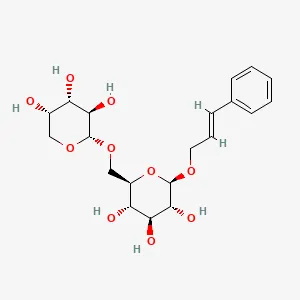
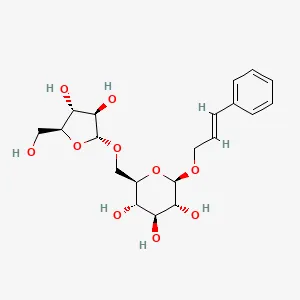
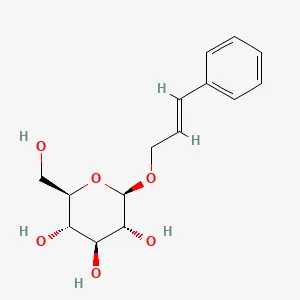
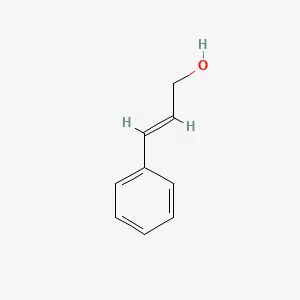
The second group is the phenylethanoids: salidroside (also called rhodioloside) and its aglycone, tyrosol. Salidroside is the compound most often named as the active one in laboratory work, and it is the marker most products are standardised on. Here is the difficulty for a buyer. Salidroside occurs right across the genus, in R. crenulata, R. kirilowii, R. sachalinensis and others [11]. Confirmed A test that measures only salidroside cannot tell R. rosea from its substitutes.
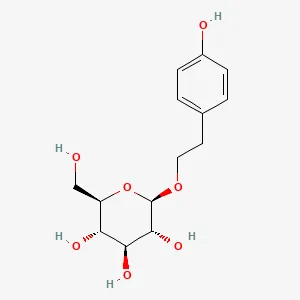
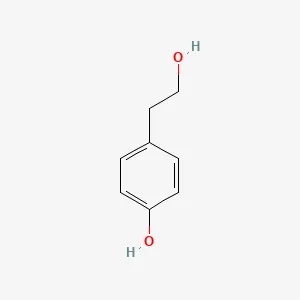
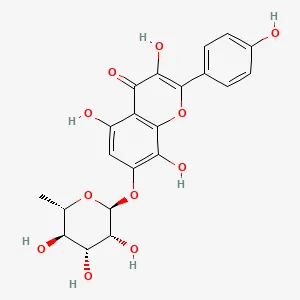
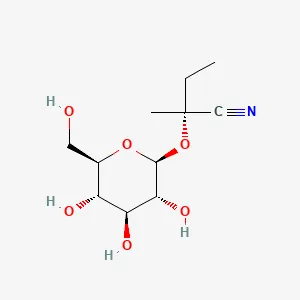
Beyond those two groups the root carries flavonoids built on the uncommon flavonols herbacetin and gossypetin (rhodionin and rhodiosin among them), monoterpene glycosides such as rosiridin, proanthocyanidins and gallic acid derivatives, a small amount of rose-scented essential oil, and the cyanogenic glycosides rhodiocyanoside A and lotaustralin [2, 11, 12]. Confirmed The cyanogenic glycosides are present in small amounts, no case of cyanide toxicity from R. rosea has been reported, and they are listed here because they are a family character of the Crassulaceae and some substitute species carry more of them.
Why the numbers vary so much
Marker content moves with the plant and with the factory. In seven Norwegian clones grown in one garden and harvested on the same day, rosavin ranged from 24.40 to 73.12 mg/g after freeze-drying, and every marker came out lower when the same roots were dried at 70 °C [8]. Confirmed The solvent matters as much. The EU assessment report notes that 70 per cent ethanol extracts the rosavins well and gives extracts low in salidroside, while 40 per cent ethanol gives more salidroside [2]. Confirmed A “salidroside-standardised” product and a “rosavin-standardised” product made from the same root are therefore different medicines, and a label that names only one marker tells you half the story.
The commercial standard that most clinical material followed is about 3 per cent total rosavins with about 1 per cent salidroside, roughly the ratio in the root. The TGA’s compositional guideline for the extract ingredient sets 3.0 to 5.0 per cent phenylpropanoids (rosavin, rosarin and rosin together), 1.5 to 3.5 per cent rosavin and 1.0 to 3.0 per cent salidroside [10]. Confirmed
Chapter 5Pharmacology: what the laboratory shows
Most of what is known about how rhodiola acts comes from animals and cell cultures. The EU assessor’s verdict on that body of work applies to all of this chapter: many experiments used doses far above anything a person takes, so their clinical relevance is unknown [2]. Evidence suggests
The stress axis
The stress response runs through the hypothalamic-pituitary-adrenal (HPA) axis, which ends in the adrenal glands releasing cortisol in people, and corticosterone in rats and mice. Several animal studies summarised in the EU assessment report touch it. Rabbits given 1 mg/kg of the SHR-5 extract for a week before two hours of restraint showed no rise in cortisol or nitric oxide, while untreated animals showed a significant rise [2]. In food-restricted female rats, 20 mg/kg of an extract abolished stress-induced binge eating and the stress-induced rise in serum corticosterone, and salidroside given alone at the dose present in the extract reproduced the effect while rosavin did not [2]. In rats under chronic foot-shock stress, an extract given for 14 days lowered plasma corticosterone at the higher doses tested [2]. Evidence suggests
Those are real findings, and they are where the word “cortisol” in rhodiola marketing comes from. They show that in stressed animals, at doses scaled per kilogram of body weight, the extract blunted the stress hormone rise. They say nothing about the resting cortisol of a person who feels stressed, and chapter 7 looks at what happened when people were measured. Mechanism
Other laboratory findings
Extracts inhibit monoamine oxidase A in vitro, and animal work reports changes in brain serotonin, noradrenaline and dopamine [2]. Mechanism Rosavin reduced the release of the inflammatory signals interleukin-6 and TNF-alpha from stimulated microglia, the brain’s immune cells, in a dose-dependent way in a cell model [11]. Evidence suggests Salidroside increased glucose uptake in muscle cells through AMP-activated protein kinase, and an extract lowered blood glucose in diabetic mice at 200 mg/kg a day for 12 weeks [2]. Evidence suggests That last finding has a practical edge, picked up in chapter 8.
How long it lasts in the body
In sixteen volunteers given a single 288 mg dose of SHR-5, salidroside appeared in plasma at once, rosavin after the first hour, both peaked at about two hours and both were below detection by eight hours, according to the EU assessment report’s account of the study [2]. Evidence suggests A short exposure fits the usual once or twice daily dosing in trials.
Chapter 6Clinical evidence: a tiered read of the human trials
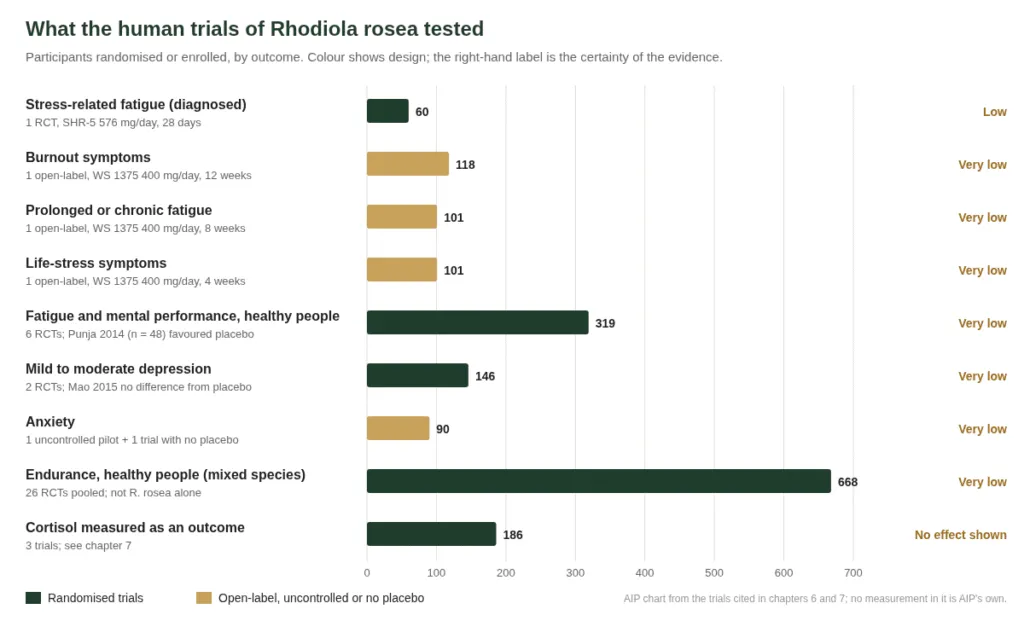
About two dozen human studies of R. rosea have been published. Most are small and short, and most used one of two standardised extracts. SHR-5 is an ethanol and water extract at a drug-to-extract ratio of 2.5 to 5:1; WS 1375 is a 60 per cent ethanol extract at 1.5 to 5:1 [2]. The tiers below follow the design of each study more than the size of its headline. Where the figures come from the EU assessment report’s account of a trial, the reference list says so.
Tier 1: stress-related fatigue and burnout
The best trial for the stress claim is Olsson and colleagues’ randomised, double-blind, placebo-controlled trial in Sweden (PMID 19016404). Sixty adults aged 20 to 55 who met the Swedish diagnostic criteria for stress-related fatigue syndrome took four tablets of SHR-5 a day, 576 mg of extract, or placebo, for 28 days. The primary measure, Pines’ burnout scale, fell from 4.27 to 4.01 on rhodiola and from 4.33 to 4.26 on placebo, a difference that reached statistical significance at p = 0.047 [1, 2]. Confirmed The EU assessor judged the trial too small to support well-established use [2]. Read plainly, it is one positive trial of 60 people, with a small effect on the main scale.
Three German-sponsored studies of WS 1375 at 400 mg a day fill out this tier, and none had a control group. Kasper and Dienel enrolled 118 outpatients with burnout symptoms for 12 weeks and reported that most measures improved from the first week onward (PMID 28367055) [13]. Lekomtseva and colleagues treated about 100 adults with prolonged or chronic fatigue for 8 weeks, and Edwards and colleagues 101 adults with life-stress symptoms for 4 weeks, both reporting improvement [14, 15, 2]. Evidence suggests Without a placebo arm, improvement in a fluctuating condition cannot be separated from time, expectation and regression to the mean. Kasper and Dienel describe their own study as exploratory, intended to plan randomised trials [13].
Tier 2: mental performance under fatigue
Several small randomised trials from 2000 to 2009 tested SHR-5 in healthy people under strain: night-duty physicians (56, crossover, 170 mg a day for two weeks), students at examination time (40, 100 mg a day for 20 days), military cadets (121 in the reported groups, 370 or 555 mg), and a one-week pilot in 30 volunteers [16, 17, 18, 2]. Each reported benefit on some measures. Evidence suggests Each also had problems the assessor spelled out: healthy volunteers, home-made fatigue indices, no predefined primary outcome, and in the physicians’ crossover an analysis that only showed an effect in the first period [2].
The best-run trial in this tier went the other way. Punja and colleagues in Alberta randomised 48 nursing students on clinical rotations to 364 mg of rhodiola a day (up to one extra capsule allowed) or placebo for 42 days, registered the trial before enrolment and named a validated primary outcome, the vitality scale of the RAND-36 (PMID 25268730). Fatigue was worse on rhodiola: the change in vitality favoured placebo by 17.3 points (95% CI 3.9 to 30.6, p = 0.011) [19]. Confirmed It recruited 48 of a target 90, so it is imprecise, and the authors urge caution in reading it. Any honest summary of rhodiola for everyday fatigue has to carry it.
Two systematic reviews frame the whole tier. Ishaque and colleagues reviewed 11 studies with 446 participants and concluded that the evidence for R. rosea in physical and mental fatigue was “contradictory and inconclusive”, with every included study at high or unclear risk of bias [20]. Confirmed The EU monograph, after its own review, could not accept well-established use for fatigue or exhaustion and registered the herb on traditional use alone [2, 3]. Confirmed
Tier 3: mild to moderate depression
Darbinyan and colleagues randomised 89 adults with mild to moderate depression to SHR-5 at 340 or 680 mg a day or placebo for six weeks and reported that both doses lowered Hamilton depression scores while placebo barely moved [21, 2]. Evidence suggests The EU assessor found the near-absent placebo response untypical of depression trials and called the significance questionable, and the paper carries an erratum on PubMed [2, 21]. The second trial is cleaner. Mao and colleagues in Philadelphia randomised 57 adults with major depressive disorder to SHR-5 (340 to 1,360 mg a day), sertraline or placebo for 12 weeks (PMID 25837277). The three arms did not differ significantly (p = 0.79); mean Hamilton scores fell by 5.1 on rhodiola, 8.2 on sertraline and 4.6 on placebo [22]. Confirmed Fewer people reported adverse events on rhodiola (30%) than on sertraline (63%) [22]. A tolerability signal is worth having. An antidepressant effect has not been shown. The Institute’s review of saffron for mood covers a herb with a larger set of depression trials.
Tier 4: exercise
De Bock and colleagues found that a single 200 mg dose lengthened time to exhaustion in 24 students by a small margin, while four weeks of daily intake changed nothing [23, 2]. Evidence suggests A 2025 meta-analysis pooled 26 randomised trials with 668 healthy participants and found small improvements in VO2max and time to exhaustion [24]. Evidence suggests Its pool is mixed, though: it includes trials of R. crenulata, combination products with Cordyceps and isolated salidroside, with no subgroup for R. rosea alone [24]. A 2026 meta-analysis of nine trials in healthy adults found higher antioxidant capacity and no significant effect on VO2max [25]. A 2025 crossover of a French extract, taken for three days and at 1,200 mg on each test day, in 18 resistance-trained adults found no main effect on strength, mental fatigue or perceived effort; four of 32 post hoc strength comparisons favoured rhodiola [26]. Confirmed For sport, the evidence is mixed and mostly not about R. rosea alone.
Selected human studies, with the extract, dose, size and duration of each
| Trial | Extract and dose | People | Duration | Result | Tag |
|---|---|---|---|---|---|
| Olsson 2009 [1] | SHR-5, 576 mg/day | 60, stress-related fatigue | 28 days | Burnout scale improved vs placebo, p = 0.047 | Confirmed |
| Kasper and Dienel 2017 [13] | WS 1375, 400 mg/day | 118, burnout; no control | 12 weeks | Most scales improved; uncontrolled | Evidence suggests |
| Lekomtseva 2017 [14] | WS 1375, 400 mg/day | About 100, chronic fatigue; no control | 8 weeks | Improved; uncontrolled | Evidence suggests |
| Edwards 2012 [15] | WS 1375, 400 mg/day | 101, life stress; no control | 4 weeks | Improved; uncontrolled | Evidence suggests |
| Punja 2014 [19] | 364 to 546 mg/day | 48 nursing students | 42 days | Fatigue worse than placebo, p = 0.011 | Confirmed |
| Darbinyan 2007 [21] | SHR-5, 340 or 680 mg/day | 89, mild to moderate depression | 6 weeks | Improved vs placebo; assessor doubts the result | Evidence suggests |
| Mao 2015 [22] | SHR-5, 340 to 1,360 mg/day | 57, major depression | 12 weeks | No difference from placebo or sertraline | Confirmed |
| Cropley 2015 [27] | 1.5 to 5:1 extract, 400 mg/day | 80, mild anxiety; no placebo | 2 weeks | Self-rated anxiety and stress fell | Evidence suggests |
| Jówko 2018 [28] | 3% rosavins, 600 mg/day | 26 healthy men | 4 weeks | Faster reaction time; no change in endurance or cortisol | Evidence suggests |
Chapter 7The cortisol claim: what the data show and do not show
Cortisol is a hormone the body needs. It rises each morning shortly after waking, helps keep blood glucose and blood pressure steady, and climbs in response to physical and psychological stress. Social media posts and online shop listings now promote rhodiola as a way to “lower cortisol”, often to women, and sometimes beside a list of symptoms blamed on the hormone. Three human trials have measured cortisol while giving rhodiola, and the Institute could read two of them in full.
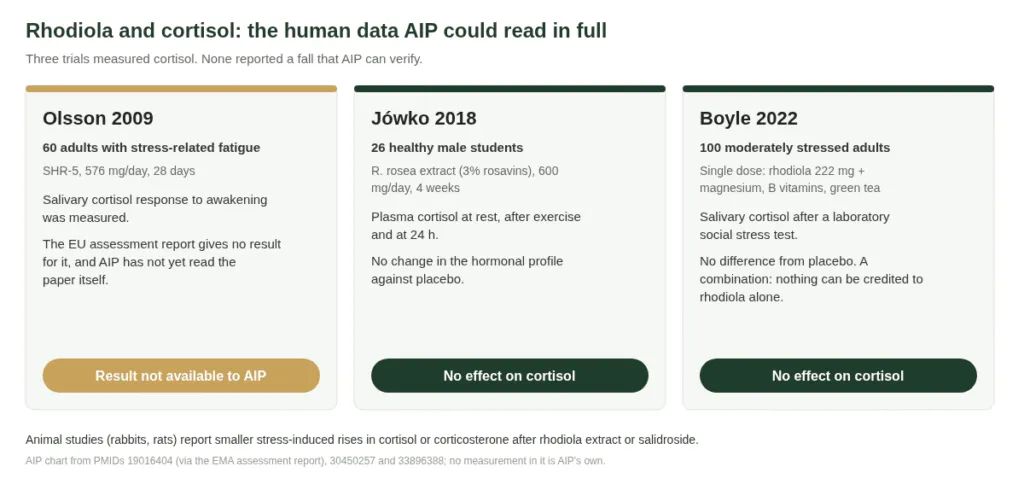
Olsson 2009. The Swedish fatigue trial measured the salivary cortisol response to awakening on day one and after 28 days, alongside its burnout scale [2]. The EU assessment report, which the Institute has read in full, lists the measurement and reports no result for it. The publisher’s copy of the paper has been requested through the Institute’s library access and has not yet been read, so this review does not state what the trial found on cortisol. Attested
Jówko 2018. Twenty-six healthy, physically active male students in Poland took 600 mg a day of an R. rosea extract standardised to 3 per cent rosavins, or placebo, for four weeks during an examination period (PMID 30450257). Plasma cortisol was measured at rest, three minutes after an exhausting cycle test and 24 hours later, before and after the course. The hormonal profile did not change. Rhodiola shortened reaction times and raised plasma total antioxidant capacity, and the authors conclude that the improvements in mental performance “seem not to be related to changes in cortisol release” [28]. Confirmed
Boyle 2022. One hundred moderately stressed adults in Leeds took a single dose of magnesium and B vitamins with rhodiola (222 mg) and green tea extract, or one of two partial combinations, or placebo, and then sat the Trier Social Stress Test, a standard laboratory stressor (PMID 33896388). The full combination changed EEG activity and self-rated stress, but salivary cortisol after the stress test did not differ from placebo [29]. Confirmed The product mixed four ingredients and the trial was funded by its maker, so nothing in it can be credited to rhodiola on its own.
What the data show
- In stressed animals, rhodiola extract or salidroside blunted the stress-induced rise in cortisol or corticosterone [2]. Evidence suggests
- In the one human trial the Institute has read in full that tested an R. rosea extract alone and measured cortisol, cortisol did not change [28]. Confirmed
- A combination containing rhodiola did not change the cortisol response to a laboratory stressor [29]. Confirmed
What the data do not show
- No trial read by the Institute shows that rhodiola lowers resting or daily cortisol in people.
- No trial has tested rhodiola in people selected for raised cortisol, and no trial has tested it for the symptoms that social media attributes to cortisol, such as abdominal weight gain, puffiness or hormonal imbalance in women.
- Where rhodiola does seem to help, as in Olsson’s fatigue trial, the improvement has not been tied to a change in cortisol. A herb can ease how stressed someone feels without lowering a hormone, and the two claims need separate evidence. Mechanism
Australian regulation lines up with that reading. The TGA’s compliance reports on two listed stress products, published in 2024, found that claims about managing or controlling cortisol “are not permitted for listed medicines without prior evaluation or approval from the TGA” [30, 31]. Confirmed One sponsor cancelled its product; the other removed the claims. (The ARTG record for the second lists ginkgo, liquorice, Korean ginseng and vitamin C; the first entry is cancelled and could not be opened.) Chapter 9 sets out what a listed rhodiola product may say instead.
Chapter 8Safety and interactions
In trials, rhodiola has been well tolerated. Most controlled trials reported few adverse events, at similar rates on rhodiola and placebo; Ishaque and colleagues found five adverse events mentioned across 11 studies and 446 participants, headaches among them, with headache and insomnia also reported on placebo [20]. Confirmed In the 12-week phase II depression trial, 30 per cent of people on rhodiola reported any adverse event against 16.7 per cent on placebo and 63.2 per cent on sertraline, and nobody stopped rhodiola for one [22]. Confirmed Uncontrolled studies record higher totals, such as 145 events in 70 of 118 people over 12 weeks in the burnout study, mostly mild or moderate, with a causal link rated possible for 5 of the 145 [13]; without a placebo group those totals cannot be attributed to the herb. The EU monograph lists headache, nausea, abdominal pain, diarrhoea, skin rash and itching, each at a frequency not known [3]. Confirmed
Interactions
The EU monograph states that no clinically relevant interactions have been observed [3]. That is a regulatory conclusion about registered products at 144 to 400 mg a day. It is not a finding that interactions cannot happen, and the signals below are the ones a prescriber should know.
Interaction signals, with the strength of each
| Medicine group | What has been found | Evidence | Tag |
|---|---|---|---|
| Antidepressants (SSRIs and others) | A 68-year-old on paroxetine 20 mg a day developed restlessness and trembling 15 days after starting a rhodiola product at 400 mg a day, interpreted by the authors as a serotonergic syndrome; European pharmacovigilance holds further co-reports with sertraline, paroxetine and duloxetine, and a Polish series of adverse events from herbs taken with psychotropic medicines lists rhodiola cases with several antidepressants, none with details of the preparation or dose [2]. Animal and in-vitro work shows effects on serotonin and MAO-A. | Case and spontaneous reports, plausible mechanism | Evidence suggests |
| Losartan and other CYP2C9 substrates; antihypertensives | In 13 volunteers, 14 days of SHR-5 at 290 mg a day lowered the ratio of losartan’s active metabolite to losartan by 21% at four hours, a sign of reduced CYP2C9 activity [32, 2]. A rabbit study found almost double the losartan exposure [2]. The assessor rated the clinical relevance as unclear. | Human pharmacokinetic study; animal | Evidence suggests |
| CYP3A4 and P-glycoprotein substrates | Potent inhibition in vitro by six Norwegian clone extracts [33, 2]. The human probe study also tested midazolam, a CYP3A4 probe, and the EMA assessment of it reports a change only for CYP2C9 [2]. | In vitro, not confirmed in people | Mechanism |
| Antidiabetic medicines | Extract lowered blood glucose in diabetic mice and salidroside raised glucose uptake in muscle cells [2]. No human study has tested rhodiola with insulin or oral hypoglycaemics; an additive effect is possible in principle. | Animal and in vitro only | Mechanism |
| Warfarin | No change in warfarin’s pharmacokinetics or anticoagulant effect in rats [2]. | Animal, negative | Evidence suggests |
Pregnancy, breastfeeding, children
No data on use in pregnancy or breastfeeding have been published, and there are no reproductive or developmental toxicity studies; the EU monograph does not recommend use in either [3, 2]. Confirmed It also does not recommend use under 18 for want of data [3]. The only contraindication it lists is hypersensitivity to the herb, and there are no fertility data [3]. Overdose has not been reported, and no study has looked at effects on driving [3].
Who should take particular care
Anyone taking an antidepressant, a blood-pressure medicine metabolised by CYP2C9 such as losartan, a medicine for diabetes, or any medicine with a narrow margin between effect and toxicity should not add rhodiola on the strength of a retail label. Some herbal texts advise against stimulating herbs of this kind in bipolar disorder. One published case supports the caution: a 58-year-old man with no psychiatric history, who had taken three times the recommended amount of a rhodiola product with several other supplements, was admitted with a manic episode that settled within two days [34]. Evidence suggests A single case with other supplements on board cannot establish cause, and safety in people with or at risk of bipolar disorder has not been studied. Before taking rhodiola, consult a degree-qualified herbalist with competencies and adequate training in pharmacognosy, who can weigh it against the medicines already in use. If someone becomes unwell after taking any herbal product, call Triple Zero (000) in an emergency or the Poisons Information Centre on 13 11 26.
Chapter 9In Australia: listing, claims and the label
Legal status
Rhodiola rosea is a permitted ingredient for listed (AUST L) medicines. The Permissible Ingredients Determination, item 4321, allows it for oral use only, as dry root powder or its aqueous or hydroethanolic extract made with no more than 70 per cent ethanol [35]. Confirmed No other Rhodiola species is permitted. It does not appear in any schedule of the Poisons Standard (June 2026 instrument, searched in September 2026) [36]. Confirmed The Poisons Standard and the Determination are amended several times a year, so check the current instruments before relying on this summary.
A keyword search of the Australian Register of Therapeutic Goods for “rhodiola”, read in October 2026, returned 122 entries, a figure that includes some unrelated medical devices; most of the medicines are multi-ingredient listed products [37]. Single-herb products exist, for example ARTG 367711, a listed film-coated tablet of 375 mg dry extract equivalent to 937.5 mg of dried root [38]. Practitioner products are mostly combinations with herbs the Institute has reviewed separately, Korean ginseng and schisandra, such as MediHerb Rhodiola and Ginseng Complex (ARTG 511686) and MediHerb Rhodiola & Schisandra (ARTG 495585) [39]. Confirmed Listed medicines are not evaluated by the TGA before they reach the market. They may contain only pre-approved, lower-risk ingredients, the sponsor certifies that it holds evidence for its indications, and the TGA reviews a share of listings after they are on the register.
What a listed rhodiola product may claim
Listed medicines may use only indications drawn from the TGA’s list of permitted indications, and their advertising must be consistent with the indications on the ARTG entry. The public summary of ARTG 367711 shows the kind of wording that is allowed: “Traditionally used in Russian herbal medicine to adaptogen/Help body adapt to stress”, “Decrease/reduce/relieve symptoms of stress”, “Support healthy stress response in the body” and “Decrease/reduce mental/cognitive fatigue”, with the requirements that the presentation must not refer to mental illness, and a mandatory “if symptoms persist” label statement [38]. Confirmed None of the permitted indications on that entry mentions cortisol, and the TGA has said in its compliance reports that cortisol management claims need prior evaluation [30]. A social-media post or shop listing that promises to lower stress hormones is making a claim the regulator has not accepted for listed medicines.
What to check on the label
- The binomial. Rhodiola rosea, by name. “Rhodiola” alone, R. crenulata or “hong jing tian” describe a different product.
- The plant part. Root or rhizome (the TGA uses “root (rhizome)”). Aerial parts are not the medicine.
- The extract ratio and equivalent. An entry such as “375 mg extract equivalent to 937.5 mg dry root” lets you work out the ratio (2.5:1 here) and compare products.
- Both markers. A rosavin (or total rosavins) figure and a salidroside figure. A label that declares salidroside alone cannot show the species.
- The ratio between them. Rosavins should be higher than salidroside, roughly 3 to 1 in most clinical material. The reverse is the adulteration signal described in chapter 10.
- The AUST L number. It can be checked on the ARTG, where the public summary lists the permitted indications.
Before taking rhodiola, and particularly alongside prescribed medicines, consult a degree-qualified herbalist with competencies and adequate training in pharmacognosy. In an emergency call Triple Zero (000); for poisoning advice, the Poisons Information Centre on 13 11 26 (24 hours, Australia-wide).
Chapter 10Quality and adulteration: telling the genuine article from a substitute
Rhodiola has one of the best documented substitution problems in the herbal trade. The cause is simple. R. rosea is slow growing, wild-harvested and CITES-listed; related species, above all R. crenulata from the Tibetan plateau, are more abundant and cheaper; and the marker most products are standardised on, salidroside, is shared by all of them.
What the surveys found
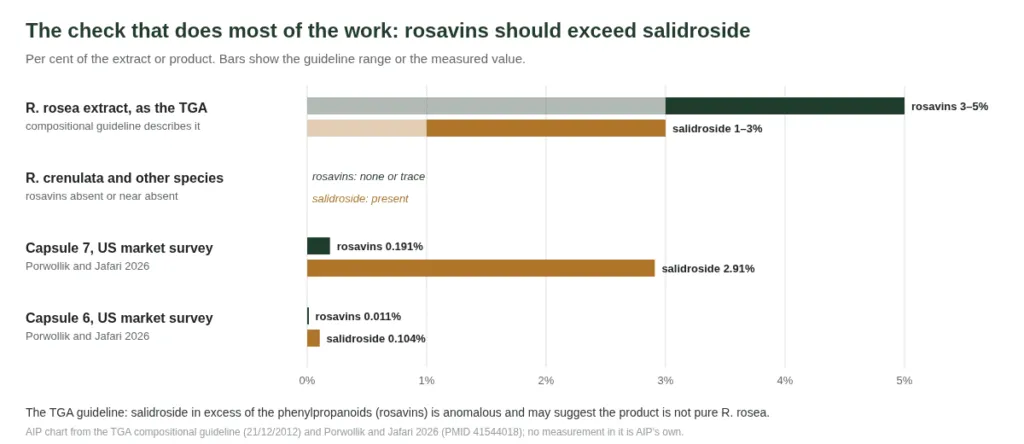
Kołtun-Jasion and colleagues analysed thirteen products sold as R. rosea, plus a reference root, by HPTLC and liquid chromatography with mass spectrometry. They report R. rosea identified in only 40 per cent of the preparations; rosavin was detected in 9 of the 13 by liquid chromatography, 4 of them in trace amounts only, and none of the three tablets contained R. rosea root extract [11]. Confirmed Porwollik and Jafari bought ten best-selling products on the United States market in 2024 and found total rosavins from 0.011 to 3.08 per cent; in three of seven capsules the salidroside exceeded the rosavins, and in one capsule the salidroside was fifteen times the rosavin content, a pattern consistent with added salidroside or another species [40]. Confirmed These are overseas products and do not describe the Australian market, which has not been surveyed in this way.
The genus as a whole has the same problem. Xin and colleagues bought 100 samples sold in China as R. crenulata and DNA-barcoded them. Of the 90 sequences obtained, only 36 were R. crenulata; 35 were R. serrata and 9 were R. rosea [5]. Confirmed
The tests that catch it
The TGA’s own guideline names the decisive check: “A salidroside content in excess of the phenylpropanoid content is anomalous and may suggest that a preparation is not pure R. rosea extract” [10]. Confirmed Both TGA guidelines also require that the assay be able to tell R. rosea apart from R. crenulata and R. sacra, and the extract guideline defines the ingredient as made from R. rosea “only, and not from the root of any of the related species” [10, 4]. In the laboratory that means HPTLC or HPLC against a rosavin reference standard, with all three rosavins and salidroside reported separately, and DNA barcoding for powders and blends [11, 6]. Confirmed The analytical detail, with the TLC and HPLC methods and the published limits side by side, is set out in the Institute’s pharmacopoeia entry for Rhodiola root. One caution from the Polish survey: two cut raw materials contained a trace of rosavin together with markers of R. wallichiana and R. kirilowii, so a positive rosavin result alone does not clear a blend [11].
Some products sold as rhodiola are standardised to salidroside only and declare no rosavins at all. They may be honestly labelled for what they contain. They cannot show that they contain R. rosea, and they do not match the extracts used in the trials in chapter 6, which were rosavin-bearing R. rosea preparations. Mechanism
DiscussionDiscussion: conclusions, hypotheses and research still required
What the evidence supports
Rhodiola rosea root and rhizome is a well-characterised botanical drug with a clear chemical identity, the rosavins plus salidroside, and a long Scandinavian, Russian and Siberian record of use against fatigue. Confirmed Traditional One randomised trial of 60 people supports a small benefit in diagnosed stress-related fatigue at 576 mg a day of SHR-5 for four weeks [1]. Confirmed The open-label WS 1375 studies in burnout and chronic fatigue are encouraging and uncontrolled [13]. Evidence suggests For everyday fatigue in healthy people the trials disagree, and the best-run of them favoured placebo [19]. For depression, the cleaner of two trials found no difference from placebo [22]. Confirmed The safety record in trials is good, with an interaction signal around antidepressants and a measurable effect on CYP2C9 [2, 32]. Evidence suggests
On cortisol, the honest summary is short. Animal studies show a blunted stress-hormone rise; the human trials read in full show no change in cortisol; and the claim that rhodiola “lowers cortisol” in people has no trial behind it that the Institute could find [28, 29]. Confirmed Australian regulation does not permit the claim on a listed medicine [30]. Confirmed The trade meanwhile carries a documented substitution problem that a salidroside-only label cannot detect [11, 40]. Confirmed
Hypotheses worth testing
- If rhodiola eases stress-related fatigue, it may act on how the stress response is felt and recovered from, through monoamine or inflammatory pathways, more than on the size of the cortisol output. The animal corticosterone data and the null human cortisol data are both consistent with that. Mechanism
- The conflicting fatigue trials may partly reflect the test articles. Several were salidroside-standardised or poorly described; if the rosavin-bearing extract matters, trials of characterised R. rosea should agree with each other better than the current set does. Mechanism
- Salidroside reproduced the corticosterone effect in rats where rosavin did not [2]. If that holds in people, a salidroside-rich extract and a rosavin-rich extract may differ in effect as well as in identity. Mechanism
Where research should begin
- Medicine and clinical research: a registered, adequately powered, placebo-controlled trial of a fully characterised R. rosea extract in diagnosed stress-related fatigue or burnout, with the cortisol awakening response and diurnal cortisol slope as pre-specified secondary outcomes. A trial in people actually selected for altered cortisol would answer the social-media claim directly.
- Quality analysis: an Australian market survey of listed rhodiola products by HPTLC and HPLC against rosavin, rosarin, rosin and salidroside standards, with DNA barcoding for powders. No such survey has been published for Australia.
- Pharmacology and toxicology: a human interaction study with an SSRI and with metformin or a sulfonylurea, and reproductive toxicity data, which do not exist for this herb at all.
- Regulatory science: an update of the TGA compositional guidelines, last revised on 21/12/2012, which still cross-refer to a superseded microbiological order, with element-specific heavy-metal limits.
- History and ethnobotany: a search of Norse and early Scandinavian sources for the Viking endurance story, which at present has no primary source behind it.
- Pharmacovigilance: case-level review of Australian adverse event reports for rhodiola-containing products, which are almost all multi-ingredient and so cannot yet be attributed to the herb.
About AIP and this series
The Australian Institute of Pharmacognosy (AIP) is based in Cardwell, in the wet tropics of far north Queensland. Pharmacognosy is the study of medicines that come from natural sources: how a plant is identified, what it contains, and what that chemistry does in the body. The Institute exists because it values herbal medicine, and it reports the evidence on each herb as it stands.
The Literature Review and Critical Analysis series grades every claim by the evidence behind it, so a reader can see what is tradition, what is laboratory or animal work, and what has been tested in people. Nothing in the series is an offer of treatment, a product or a service. Follow the series at the Institute’s blog, and find the Institute itself at australian-pharmacognosy.org.
Series: all literature reviews · previous: Schisandra (Schisandra chinensis): trials and interactions
Corrections. If you find an error, or a source we have missed, write to the Institute at our contact form; the Secretary passes every correction to the author.
This review draws on the Institute’s pharmacopoeia entry for Rhodiola root (AIP-PH-RHOROS), whose evidence ledger was built and reviewed by several departments of the Institute; the reviewers of this article are named below it.
References
Show all 40 references (every PMID links to PubMed)
Every PMID was checked against PubMed in October 2026. “Read in full” means the Institute holds and read the full text; where a trial’s figures are taken from the EU assessment report, the entry says so. Listed in order of first citation.
- Olsson EM, von Schéele B, Panossian AG. A randomised, double-blind, placebo-controlled, parallel-group study of the standardised extract SHR-5 of the roots of Rhodiola rosea in the treatment of subjects with stress-related fatigue. Planta Med. 2009;75(2):105-12. PMID 19016404. DOI 10.1055/s-0028-1088346. Design and primary-endpoint figures as given in the EMA assessment report; the publisher’s copy has been requested and is not yet read.
- European Medicines Agency, Committee on Herbal Medicinal Products. Assessment report on Rhodiola rosea L., rhizoma et radix. EMA/HMPC/24186/2023, revision 1, 20 March 2024. EMA herbal page. Read in full. Overseas.
- European Medicines Agency, Committee on Herbal Medicinal Products. European Union herbal monograph on Rhodiola rosea L., rhizoma et radix. EMA/HMPC/24177/2023, revision 1, adopted 20 March 2024. EMA herbal page. Read in full. Overseas instrument; it does not apply in Australia.
- Therapeutic Goods Administration. Compositional guideline: Dried root (powdered) of Rhodiola rosea. Page last updated 21/12/2012. TGA. Read in full; guidance, not a default standard.
- Xin T, Li X, Yao H, Lin Y, Ma X, Cheng R, et al. Survey of commercial Rhodiola products revealed species diversity and potential safety issues. Sci Rep. 2015;5:8337. PMID 25661009. DOI 10.1038/srep08337. Open access; read in full.
- Liu J, Zang E, Tian Y, Li X, Xin T, Zeng L, et al. Applications and challenges of DNA barcoding in rapid radiation groups: Rhodiola (Crassulaceae) as a case study. Chin Herb Med. 2025;17(3):555-61. PMID 40734901. DOI 10.1016/j.chmed.2024.08.001. Open access; read in full.
- Mykhailenko O, Jalil B, McGaw LJ, Echeverría J, Takubessi M, Heinrich M. Climate change and the sustainable use of medicinal plants: a call for “new” research strategies. Front Pharmacol. 2024;15:1496792. PMID 39963365. DOI 10.3389/fphar.2024.1496792. Open access; read in full.
- Elameen A, Kosman VM, Thomsen M, Pozharitskaya ON, Shikov AN. Variability of major phenyletanes and phenylpropanoids in 16-year-old Rhodiola rosea L. clones in Norway. Molecules. 2020;25(15):3463. PMID 32751483. DOI 10.3390/molecules25153463. Open access; read in full.
- Atlas of Living Australia. Occurrence search, taxon Rhodiola: 60 records, all preserved specimens, none collected in Australia. ALA biocache. Searched by the Institute in October 2026.
- Therapeutic Goods Administration. Compositional guideline: Rhodiola rosea dried root (powdered) extract. Page last updated 21/12/2012. TGA. Read in full; guidance, not a default standard.
- Kołtun-Jasion M, Czerwiec K, Parzonko A, Bakiera A, Ożarowski M, Kiss AK. Comprehensive profiling of Rhodiola rosea roots and corresponding products: phytochemical insights and modulation of neuroinflammation in BV2 microglial cell model. Front Pharmacol. 2025;16:1608767. PMID 40672359. DOI 10.3389/fphar.2025.1608767. Open access; read in full.
- National Library of Medicine. PubChem compound records: rosavin CID 9823887, rosarin 10320370, rosin 5280656, cinnamyl alcohol 5315892, salidroside 159278, tyrosol 10393, rhodionin 21626477, lotaustralin 441467, rhodiocyanoside A 6442274, rosiridin 25068281, herbacetin 5280544. PubChem. Name, formula and molecular weight checked on each record in October 2026.
- Kasper S, Dienel A. Multicenter, open-label, exploratory clinical trial with Rhodiola rosea extract in patients suffering from burnout symptoms. Neuropsychiatr Dis Treat. 2017;13:889-98. PMID 28367055. DOI 10.2147/NDT.S120113. Open access; read in full.
- Lekomtseva Y, Zhukova I, Wacker A. Rhodiola rosea in subjects with prolonged or chronic fatigue symptoms: results of an open-label clinical trial. Complement Med Res. 2017;24(1):46-52. PMID 28219059. DOI 10.1159/000457918. Figures as given in the EMA assessment report.
- Edwards D, Heufelder A, Zimmermann A. Therapeutic effects and safety of Rhodiola rosea extract WS 1375 in subjects with life-stress symptoms: results of an open-label study. Phytother Res. 2012;26(8):1220-5. PMID 22228617. DOI 10.1002/ptr.3712. Figures as given in the EMA assessment report.
- Darbinyan V, Kteyan A, Panossian A, Gabrielian E, Wikman G, Wagner H. Rhodiola rosea in stress induced fatigue: a double blind cross-over study of a standardized extract SHR-5 with a repeated low-dose regimen on the mental performance of healthy physicians during night duty. Phytomedicine. 2000;7(5):365-71. PMID 11081987. DOI 10.1016/S0944-7113(00)80055-0. Figures as given in the EMA assessment report.
- Spasov AA, Wikman GK, Mandrikov VB, Mironova IA, Neumoin VV. A double-blind, placebo-controlled pilot study of the stimulating and adaptogenic effect of Rhodiola rosea SHR-5 extract on the fatigue of students caused by stress during an examination period with a repeated low-dose regimen. Phytomedicine. 2000;7(2):85-9. PMID 10839209. DOI 10.1016/S0944-7113(00)80078-1. Figures as given in the EMA assessment report.
- Shevtsov VA, Zholus BI, Shervarly VI, Vol’skij VB, Korovin YP, Khristich MP, et al. A randomized trial of two different doses of a SHR-5 Rhodiola rosea extract versus placebo and control of capacity for mental work. Phytomedicine. 2003;10(2-3):95-105. PMID 12725561. DOI 10.1078/094471103321659780. Figures as given in the EMA assessment report.
- Punja S, Shamseer L, Olson K, Vohra S. Rhodiola rosea for mental and physical fatigue in nursing students: a randomized controlled trial. PLoS One. 2014;9(9):e108416. PMID 25268730. DOI 10.1371/journal.pone.0108416. Open access; read in full.
- Ishaque S, Shamseer L, Bukutu C, Vohra S. Rhodiola rosea for physical and mental fatigue: a systematic review. BMC Complement Altern Med. 2012;12:70. PMID 22643043. DOI 10.1186/1472-6882-12-70. Open access; read in full.
- Darbinyan V, Aslanyan G, Amroyan E, Gabrielyan E, Malmström C, Panossian A. Clinical trial of Rhodiola rosea L. extract SHR-5 in the treatment of mild to moderate depression. Nord J Psychiatry. 2007;61(5):343-8. PMID 17990195. DOI 10.1080/08039480701643290. Figures as given in the EMA assessment report. An erratum is linked from the PubMed record (Nord J Psychiatry 2007;61(6):503).
- Mao JJ, Xie SX, Zee J, Soeller I, Li QS, Rockwell K, et al. Rhodiola rosea versus sertraline for major depressive disorder: a randomized placebo-controlled trial. Phytomedicine. 2015;22(3):394-9. PMID 25837277. DOI 10.1016/j.phymed.2015.01.010. Open access; read in full.
- De Bock K, Eijnde BO, Ramaekers M, Hespel P. Acute Rhodiola rosea intake can improve endurance exercise performance. Int J Sport Nutr Exerc Metab. 2004;14(3):298-307. PMID 15256690. DOI 10.1123/ijsnem.14.3.298. Figures as given in the EMA assessment report.
- Wang X, Yang X, Gao Z, Zeng J, Liu Y. The effect of Rhodiola rosea supplementation on endurance performance and related biomarkers: a systematic review and meta-analysis. Front Nutr. 2025;12:1645346. PMID 41080184. DOI 10.3389/fnut.2025.1645346. Open access; read in full.
- Mou J, Yin J, Fan L, Zhang W, He J, Sun H. Antioxidant but not ergogenic or altitude-protective: a meta-analysis of Rhodiola species in healthy adults. Front Physiol. 2026;17:1908897. PMID 42908635. DOI 10.3389/fphys.2026.1908897. Open access; read in full.
- Marcos-Frutos D, Leban Ž, Li Z, Zhang X, Lara PM, Alix-Fages C, et al. The impact of Rhodiola rosea extract on strength performance in alternative bench-press and bench-pull exercises under resting and mental fatigue conditions: a randomized, triple-blinded, placebo-controlled, crossover trial. Nutrients. 2025;17(6):940. PMID 40289957. DOI 10.3390/nu17060940. Open access; read in full.
- Cropley M, Banks AP, Boyle J. The effects of Rhodiola rosea L. extract on anxiety, stress, cognition and other mood symptoms. Phytother Res. 2015;29(12):1934-9. PMID 26502953. DOI 10.1002/ptr.5486. Figures as given in the EMA assessment report.
- Jówko E, Sadowski J, Długołęcka B, Gierczuk D, Opaszowski B, Cieśliński I. Effects of Rhodiola rosea supplementation on mental performance, physical capacity, and oxidative stress biomarkers in healthy men. J Sport Health Sci. 2018;7(4):473-80. PMID 30450257. DOI 10.1016/j.jshs.2016.05.005. Open access; read in full.
- Boyle NB, Billington J, Lawton C, Quadt F, Dye L. A combination of green tea, rhodiola, magnesium and B vitamins modulates brain activity and protects against the effects of induced social stress in healthy volunteers. Nutr Neurosci. 2022;25(9):1845-59. PMID 33896388. DOI 10.1080/1028415X.2021.1909204. Full text read (White Rose Research Online deposit).
- Therapeutic Goods Administration. Listed medicine compliance report: Cortitrol (Nu Skin Enterprises Australia Inc). Review outcome 6 September 2023; published March 2024. TGA. Read in October 2026.
- Therapeutic Goods Administration. Listed medicine compliance report: Stress Forte (RN Labs Pty Ltd). Review outcome 13 June 2024; published September 2024. TGA. Read in October 2026.
- Thu OK, Spigset O, Nilsen OG, Hellum B. Effect of commercial Rhodiola rosea on CYP enzyme activity in humans. Eur J Clin Pharmacol. 2016;72(3):295-300. PMID 26613955. DOI 10.1007/s00228-015-1988-7. Design and result as given in the EMA assessment report.
- Hellum BH, Tosse A, Hoybakk K, Thomsen M, Rohloff J, Nilsen OG. Potent in vitro inhibition of CYP3A4 and P-glycoprotein by Rhodiola rosea. Planta Med. 2010;76(4):331-8. PMID 19790032. DOI 10.1055/s-0029-1186153. Figures as given in the EMA assessment report.
- Whig R, Leo RJ. Mania associated with Rhodiola rosea: an adaptogen with antidepressant effects. Prim Care Companion CNS Disord. 2022;24(2):21cr02980. PMID 35303403. DOI 10.4088/PCC.21cr02980. Case report; full text read on the publisher’s site, October 2026.
- Therapeutic Goods (Permissible Ingredients) Determination (No. 2) 2026 (Cth), F2026L00707, Schedule 1, item 4321 RHODIOLA ROSEA. Federal Register of Legislation. Searched by the Institute in September 2026. A later determination (No. 3) 2026, F2026L01382, was registered on 13 October 2026.
- Therapeutic Goods (Poisons Standard, June 2026) Instrument 2026 (Cth), F2026L00633. Federal Register of Legislation. Full text searched by the Institute in September 2026 for rhodiola, salidroside, rosavin, roseroot, golden root and arctic root: no entry.
- Therapeutic Goods Administration. Australian Register of Therapeutic Goods, keyword search “rhodiola”. ARTG search. Read by the Institute in October 2026.
- Therapeutic Goods Administration. ARTG public summary, entry 367711, Rhodiola (Caruso’s Natural Health Pty Ltd), listed medicine, start date 1/06/2021. ARTG 367711. Public summary read by the Institute in October 2026.
- Therapeutic Goods Administration. ARTG entries 511686 (MediHerb Rhodiola and Ginseng Complex, ARTG date 11 September 2025) and 495585 (MediHerb Rhodiola & Schisandra, ARTG date 1 July 2025), sponsor Integria Healthcare Australia Pty Ltd. ARTG 511686; ARTG 495585. Read by the Institute in October 2026.
- Porwollik S, Jafari M. The quality and safety of Rhodiola rosea supplements on the U.S. market: an analysis of biomarkers, heavy metals, and pesticide residues. PLoS One. 2026;21(1):e0341070. PMID 41544018. DOI 10.1371/journal.pone.0341070. Open access; read in full. Overseas products.
Image credits
- Roseroot (Rhodiola rosea) – Kristiansund, Norway 2022-07-12.jpg: Ryan Hodnett. CC BY-SA 4.0. Wikimedia Commons.
- Rosenrot – Rhodiola rosea in Austevoll.jpg: Marius Vassnes. CC BY-SA 4.0. Wikimedia Commons.
- Neuchâtel Herbarium – Rhodiola rosea – NEU000038640.jpg: Neuchâtel Herbarium, Université de Neuchâtel. CC BY-SA 3.0. Wikimedia Commons.
- Rhodiola rosea in Rekvik, Kvaløya, Troms, Norway, 2014 August.jpg: Ximonic (Simo Räsänen). CC BY-SA 4.0. Wikimedia Commons.
- Rhodiola rosea (female flower).jpg: Alpsdake. CC BY-SA 4.0. Wikimedia Commons.
- Rhodiola rosea (male flower).jpg: Alpsdake. CC BY-SA 4.0. Wikimedia Commons.
- Rose root, Saggat (Sakkat), Jokkmokk, Lappland, Sweden (16092706853).jpg: Björn Allard, Swedish National Heritage Board. No known copyright restrictions (Flickr Commons). Wikimedia Commons.
- Flora Danica Hft 04 Tab 0183.tif: Flora Danica (Georg Christian Oeder, ed.), 1765. Public domain. Wikimedia Commons.
- Rhodiolaroseadried.jpg: Badagnani. CC BY 3.0. Wikimedia Commons.
- Rhodiola rosea at Lac d'Oo (1).jpg: Tournasol7. CC BY 4.0. Wikimedia Commons.
- Roseroot Rhodiola rosea.jpg: Tero Laakso. CC BY 2.0. Wikimedia Commons.
- Rhodiola rosea RF.jpg: Robert Flogaus-Faust. CC BY 4.0. Wikimedia Commons.
- Rhodiola rosea (female s10).jpg: Alpsdake. CC BY-SA 4.0. Wikimedia Commons.
- Rhodiola rosea kz02.jpg: Krzysztof Ziarnek, Kenraiz. CC BY-SA 4.0. Wikimedia Commons.
- Rhodiola rosea flowers.JPG: WildBoar. Public domain. Wikimedia Commons.
- iNaturalist observation 175715071 (Rhodiola crenulata, Sikkim, India, 12/07/2023): Morten Ross. CC BY 4.0. iNaturalist.
- Rhodiola quadrifida 95260821.jpg: Aleksey Baushev. CC0 1.0. Wikimedia Commons.
- Rhodiola kirilowii kz01.jpg: Krzysztof Ziarnek, Kenraiz. CC BY-SA 4.0. Wikimedia Commons.
- Flora Danica Hft 04 Tab 0183.tif: Flora Danica (Georg Christian Oeder, ed.), 1765. Public domain. Wikimedia Commons.
- Chemical structure depictions: PubChem, US National Library of Medicine, public domain (CIDs as captioned).
- Diagrams of the trial evidence, the cortisol data and the rosavin to salidroside ratio: Australian Institute of Pharmacognosy, drawn from the sources in their captions, CC BY 4.0.
Dr Thomas Ridley
Head of Education and Research
Australian Institute of Pharmacognosy
Cardwell QLD, Australia
australian-pharmacognosy.org · our contact form
Suggested citation: Ridley T. Rhodiola (Rhodiola rosea L.): the cortisol claim, the trials and the substitutes. AIP Literature Review and Critical Analysis AIP-LR-RHOROS. Cardwell (QLD): Australian Institute of Pharmacognosy; 2026.
Educational content only; not medical, legal or regulatory advice. Regulatory information reflects the instruments and ARTG records as read in September and October 2026 and may change.
The Institute sets and publishes its own monographs. The catalogue is in Publications.