

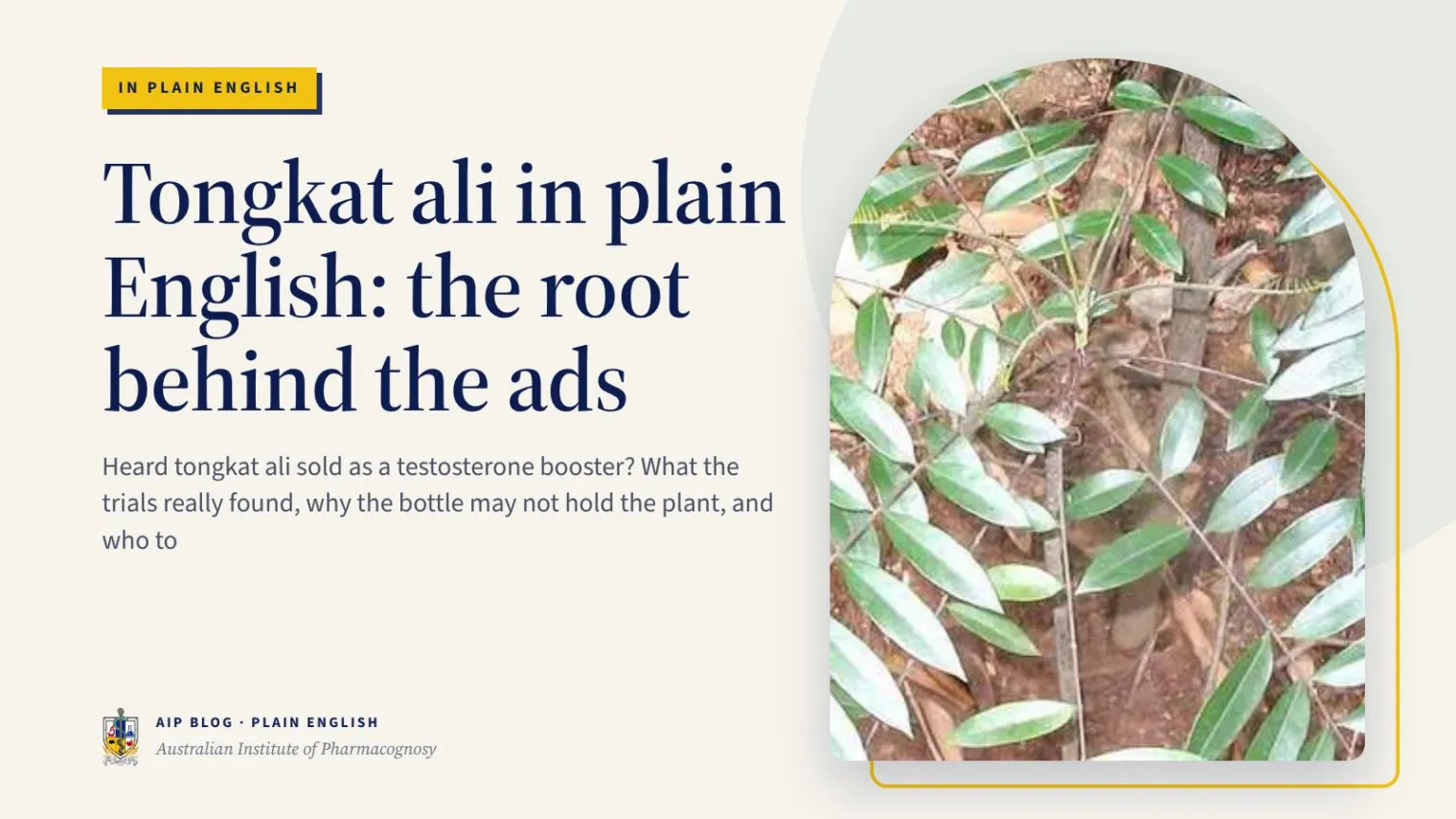
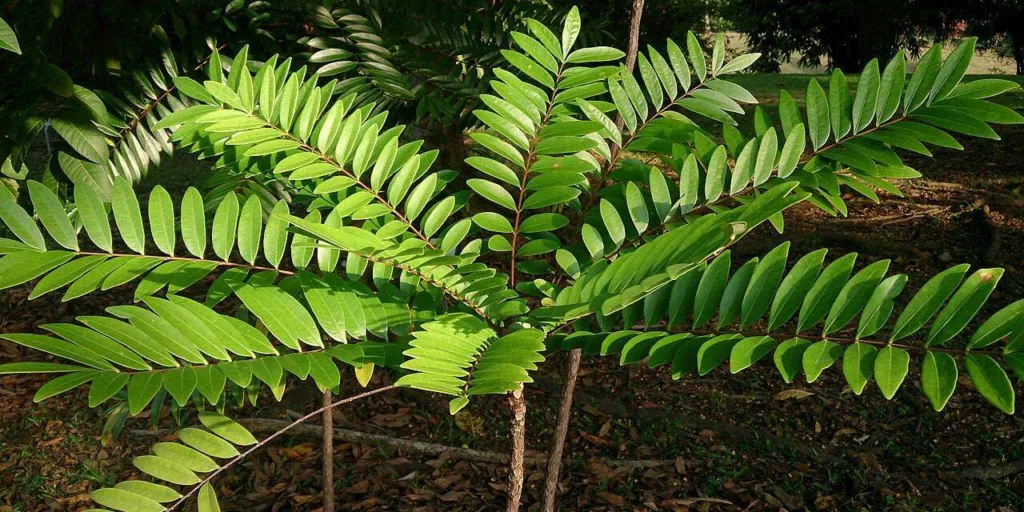
Photo: Mokkie · CC BY-SA 3.0 · via Wikimedia Commons
The ad drops in halfway through the podcast on the drive to Townsville: a Malaysian jungle root, more energy, more drive, more testosterone. Maybe there’s tongkat ali coffee in your pantry already.
The root is real, and so is its history. The trials are smaller than the ad. The bigger question is the bottle: unregistered men’s capsules have been caught hiding prescription drugs that can be deadly with angina medicine.
Educational only; no dosing. Legal passages: our reading of Australian rules, October 2026, not legal advice.
Chest pain, fainting, collapse, or a racing or irregular heartbeat after any supplement: phone 000. Tell the crew every product taken, including any men’s sexual-health capsule; paramedics may give a nitrate spray for chest pain.
Yellow skin or eyes, dark urine or pale stools: stop the product and get a medical assessment the same day; 000 if drowsy or confused.
Poisoning or overdose advice: Poisons Information Centre, 13 11 26, 24 hours, Australia-wide.
On an angina nitrate (glyceryl trinitrate spray or tablets, isosorbide mononitrate) or with heart disease, you carry the most risk from unregistered men’s capsules: some hide the drugs in Viagra and Cialis, which with a nitrate can cause a life-threatening fall in blood pressure.
No human safety data in pregnancy, breastfeeding or children.
Before taking any herbal medicine, consult a degree-qualified herbalist with competencies and adequate training in pharmacognosy.
- A bitter rainforest root, long brewed as a tonic and for fever.
- In one trial of older men with low testosterone: a small rise, still low.
- Its maker paid for most trials.
- Labels can be wrong; some men’s capsules (TGA alerts didn’t name tongkat ali) hid erection drugs, dangerous with angina nitrates.
- Trials saw mild stomach upset; long-term safety is unknown.
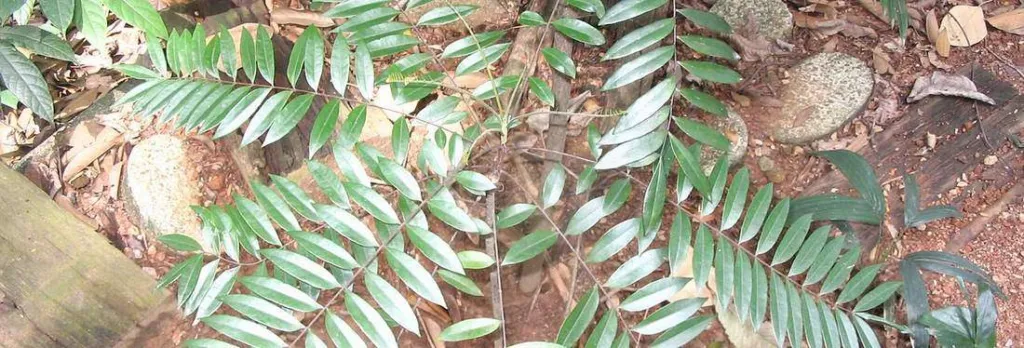
Ali’s walking stick
Old where it grows.
Tongkat ali is Malay for Ali’s walking stick: one long, twisting cane, sometimes longer than the collector hauling it out. In Indonesia it’s pasak bumi, the nail of the earth.
From Malaysia to Borneo the root goes into a wince-bitter brew for a man spent after hard work, a mother after a birth, a fever. That history is a reason to study it; it can’t say who it helps, or how safe years of use are.
Most is dug from wild trees faster than they can be replaced.
Respect the history, but don’t take it as a guarantee.
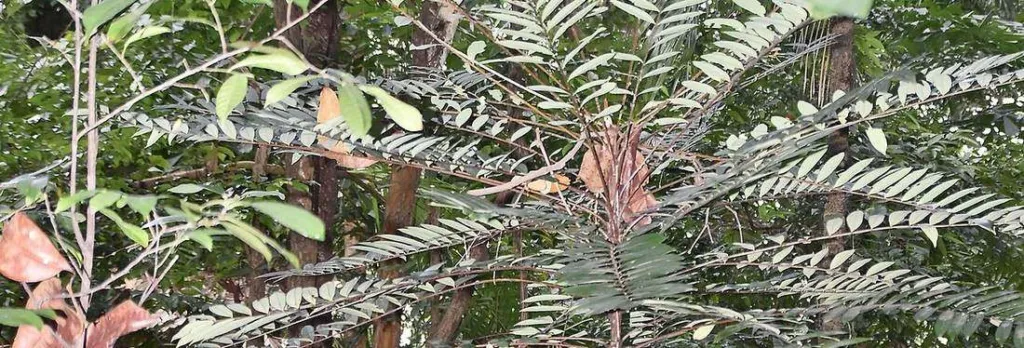
A small testosterone rise, in men who start low
Short of the ads.
Most trials test one hot-water root extract, and its maker paid for most of them. Someone independent should repeat them.
The most useful trial gave men in their fifties and sixties with low testosterone the extract or a dummy capsule for about three months. It crept up on the extract and slipped on the dummy. At the end, every group was still under the line commonly used to call testosterone low.
At the end, every group was still under the line commonly used to call testosterone low.
Pooled, the trials show the rise only in men who started low; results vary widely, with signs that disappointing studies went unpublished. Mood, sexual function and menopause rest on one or two small studies each; in athletes, independent trials found little or nothing.
Healthy and hoping for more drive or muscle? These trials don’t offer it. Measured as low? Expect a modest rise at most, and take your results to the herbalist in the red box.
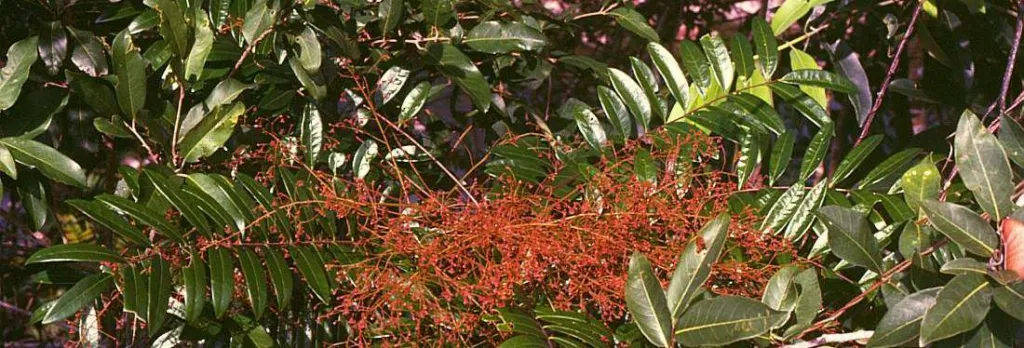
Gentle in trials, unknown beyond
Mild so far; the long run is unknown.
Trial side effects were few and mild, mostly stomach upset, over half a year at most. Two case reports describe liver injury in one man and a fast, abnormal heart rhythm in another; both recovered after stopping. Neither capsule was tested, and single cases can’t prove cause, but they call for care.
In 2021 Europe’s food-safety authority found signs of damage to genetic material in lab tests of one extract, in human cells and in rats on an enormous dose, and said its safety had not been established for any use. That ruling doesn’t bind Australia, and the long-term question is open.
There are no human safety data in pregnancy. One study in healthy men reported lower blood levels of propranolol, a heart drug.
Yellowing skin or eyes: stop, and be seen that day. Liver or heart-rhythm problem, or on propranolol, diabetes medicine, testosterone or prostate treatment? Ask the herbalist in the red box first.
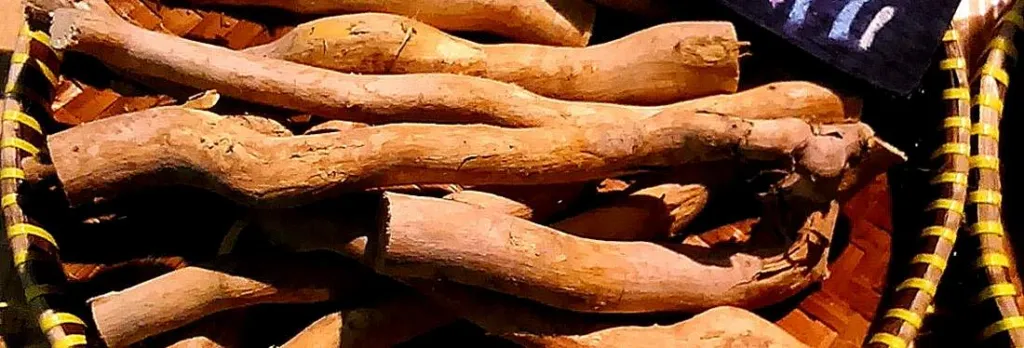
What’s in the bottle may not be the plant
Wrong root, missing chemistry, or a hidden drug.
Traders sort the pale true root from a dark “black” one of another species. In a Malaysian DNA check of shop products, only about a third were clearly the right plant.
The TGA has found the drugs from Viagra and Cialis hidden in “natural” men’s sex pills bought online. Those warnings never named tongkat ali, and nothing suggests a properly made product holds a drug. The worry is the category many imported blends sit in. With an angina nitrate, those drugs can drop blood pressure low enough to kill. A man on that spray could swallow one in a “herbal” capsule and never know.
A man on that spray could swallow one in a “herbal” capsule and never know.
As we read the TGA register in October 2026, its only two entries containing the plant were export-only, not for sale here; entries change, so check the live one.
Back in Sumatra, a collector’s root goes into a pot at home and everyone knows what is in the cup. A capsule in a Cardwell letterbox has passed through strangers’ hands.
Look for the scientific name and an AUST L or AUST R number, and check it on the TGA’s online register: an export-only entry can’t be sold here. On a nitrate or with heart disease? Show the herbalist in the red box first.
The short version of Dr Thomas Ridley’s review, with every trial and reference:
- Dr Luke Iggulden, Chief Scientific Officer — Senior author. Commissioned the Explainer series, set its direction and approved it
- Jesse Kirby — Took shorthand notes from the review, then wrote every sentence with it shut: chose the four things a reader of the podcast ads needs, their order and the closing scene, and kept the safety box at full strength
- Zoe Bennett — Wrote the page title, the search description and the labels, and framed the share around the testosterone ad most readers will already have heard
- Theo Karras — Picked the young-tree cover, the four section banners and the Sumatran root collector from the review’s licensed images, dropped a banner whose leaves did not match the plant, and wrote the alt text from what each picture shows
- Leah Bianchi — Built the page: the red safety box with 000 and 13 11 26 first, the one-minute card, two pull quotes, four what-this-means cards and the card back to the full review, checked to read cleanly on a phone
Contributors
- Dr Thomas Ridley — Wrote the evidence review AIP-LR-EURLON that this page retells
Image credits. All photographs via Wikimedia Commons, reused from the parent review. Cover: Mokkie, CC BY-SA 3.0. Plant in leaf litter: Patrice78500, CC BY-SA 3.0. Sumatran root collector: Dick Culbert, CC BY 2.0. Sapling: Nasser Halaweh, CC BY 4.0. Flowers: Franz Xaver, CC BY-SA 3.0. Dried root in a basket: Kembangraps, CC BY-SA 4.0.
AIP Explainers are the plain-language editions of the Institute’s technical articles, published alongside the original. Everything on this page is carried by the full review, where the evidence, the references and the regulatory sources are set out. Regulatory information was read in October 2026 and may change. Spotted an error? Write to our contact form. We would rather correct a claim than repeat it.
Jesse Kirby
Head of Community Outreach
Australian Institute of Pharmacognosy
Cardwell QLD, Australia
australian-pharmacognosy.org · our contact form
The Institute sets and publishes its own monographs. The catalogue is in Publications.