

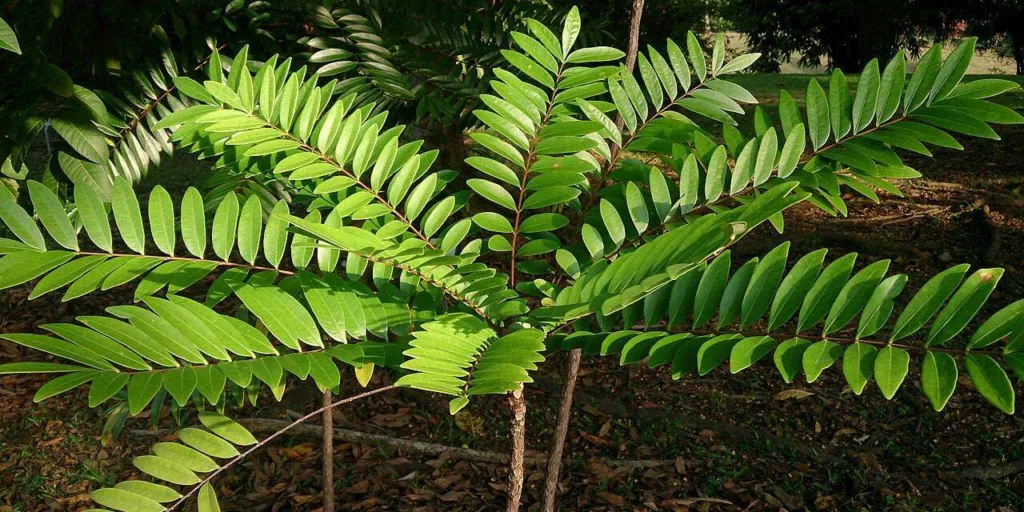
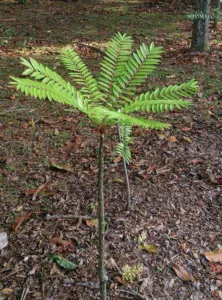
Cover: a young tongkat ali tree in Malaysia. Photo: Mokkie · CC BY-SA 3.0 · Wikimedia Commons
In the lowland forests of Peninsular Malaysia, Sumatra and Borneo, root collectors dig out a slender, twisting taproot that can be longer than the person carrying it, and the bitter decoction made from it has been drunk for generations as a tonic for men after hard work, for women after childbirth, and for fever. Traditional [1] The same root, as a standardised hot-water extract, now turns up in podcast advertising as a “testosterone booster”. The trials of that extract are real, small, mostly sponsored by its maker, and more modest than the advertising Evidence suggests [2] [3].
Tongkat ali is Eurycoma longifolia Jack, a tree of the quassia family, Simaroubaceae. This review starts with identity, because several different roots are sold under the name, then sets out the plant’s place in the medicine of its home range, its quassinoid chemistry, every human trial we could read in full (with its size, length, extract and sponsor), and the safety record, including the 2021 European assessment of genotoxicity data for one extract. It closes with what an Australian buyer actually finds when they search the Australian Register of Therapeutic Goods, which turned out to be different from what we expected, and with the research that would settle the open questions.
This article is educational. It is not medical advice, and nothing in it is a recommendation to take tongkat ali or any product containing it.
Products sold online for men’s sexual health. The TGA has tested several “natural” men’s sexual-enhancement products bought by Australians online and found undeclared sildenafil and tadalafil, the prescription-only (Schedule 4) drugs in Viagra and Cialis; Force G Men’s Power, YongGang and H.R.D. tablets are three examples [4] [5] Confirmed. Those alerts do not say the products contained tongkat ali, and nothing here suggests that a correctly made tongkat ali product contains a drug. The concern is the category: unregistered capsules marketed for erections or testosterone. Sildenafil and tadalafil taken with a nitrate medicine (glyceryl trinitrate spray or tablets, isosorbide mononitrate) can cause a life-threatening fall in blood pressure [6] Confirmed. Anyone on a nitrate, or with heart disease, carries the most risk from an adulterated product. See §7.
Genotoxicity and long-term data. In 2021 the European Food Safety Authority assessed a standardised tongkat ali root water extract and concluded that its safety “has not been established under any condition of use”, after a positive chromosome test in human cells and a positive DNA-damage (comet) test in the stomach and duodenum of rats at a very high dose [7] Confirmed. That is an overseas opinion on one extract, made at doses far above human use, and it does not bind Australian regulators. It does mean the long-term safety question is open. Human trials so far last two weeks to six months.
Pregnancy, breastfeeding and children. There are no human safety data. The European applicant itself excluded pregnant and breastfeeding women from the intended users [7] Confirmed.
If someone is unwell. Chest pain, fainting or collapse, or a racing or irregular heartbeat after taking any supplement: call Triple Zero (000), and tell the ambulance crew about every product taken, including any men’s sexual-health capsule, because paramedics may give a nitrate spray for chest pain. Yellowing of the skin or eyes, dark urine or pale stools: stop the product and get a medical assessment the same day; call 000 if the person is drowsy or confused. For poisoning or overdose advice, the Poisons Information Centre is on 13 11 26, 24 hours, Australia-wide.
| The plant | Eurycoma longifolia Jack, Simaroubaceae (quassia family). Tongkat ali, pasak bumi, longjack, “Malaysian ginseng” [1] [7] Confirmed §1 |
| Part used | Root, as a decoction or as a standardised hot-water extract (0.8–1.5% eurycomanone in the Malaysian specification) [7] Confirmed §4 |
| Native range | Malaysia, Indonesia, Brunei, southern Thailand, Vietnam, Laos, Cambodia, Myanmar. No Australian occurrence records [1] [8] Confirmed §2 |
| Traditional use | Tonic for vitality and men’s sexual health, fever and malaria, after childbirth, indigestion [1] Traditional §3 |
| Testosterone | Small rises in total testosterone in men with low baseline levels; little or no change in men with normal levels; most trials sponsored by one extract maker [2] [3] [9] Evidence suggests §6 |
| Sexual function, mood, exercise | Single trials with modest questionnaire effects; no ergogenic benefit in trained athletes [9] [10] [11] [12] Evidence suggests §6 |
| Safety | Mild stomach upset in trials; two single case reports (liver injury, atrial flutter); EFSA genotoxicity concern for one extract; no pregnancy data [3] [13] [14] [7] Evidence suggests §7 |
| Quality | In a Malaysian DNA survey, 4 of 11 products were confirmed as E. longifolia and 3 contained other plants [15] Evidence suggests §8 |
| Australia | Not in the Poisons Standard. The two ARTG entries we found that contain it are both export-only listings, not for sale in Australia [5] [16] Confirmed §9 |
Confirmed Established in people by trial, or an unambiguous analytical, legal or taxonomic fact. Evidence suggests Real published data that are preclinical, observational, small or unreplicated. Mechanism A plausible pharmacological inference, which is a different thing from an outcome. Traditional Historical or regional use: evidence of practice, and silent on efficacy. Attested A documentary or textual fact attested in a named source.
Tongkat ali is the root of a slow-growing understorey tree of South-East Asian rainforest. Malay, Indonesian and Thai healers use it for strength, fever, malaria and men’s sexual health, and its intense bitterness comes from a family of compounds called quassinoids, the same family that makes quassia wood bitter Traditional [1]. The roots sold commercially are still mostly wild-harvested Evidence suggests [1] [7].
The modern evidence comes largely from one standardised hot-water extract and from trials funded by the company that makes it. In men aged 50 to 70 with low testosterone, a 12-week trial found total testosterone rose from about 200 to 225 ng/dL on the higher dose while the placebo group fell slightly; both stayed below the usual 300 ng/dL threshold Evidence suggests [3]. A 2022 meta-analysis found a pooled rise driven by men with low levels, with high heterogeneity and signs of publication bias, and no significant effect in men with normal levels Evidence suggests [2].
Trials of sexual function, mood under stress, menopause symptoms and exercise each rest on one or two small studies Evidence suggests [9] [10] [17] [11] [12]. Side effects in trials were mild, mostly stomach upset Evidence suggests [3]. Against that, EFSA’s 2021 opinion found genotoxicity signals in laboratory tests of one extract and declined to call it safe, and two single case reports describe liver injury and an arrhythmia after use Evidence suggests [7] [13] [14].
The bigger practical risk for Australians is product quality. Products sold under the name do not always contain the plant, and “natural” men’s capsules bought online have repeatedly been found by the TGA to contain prescription erection drugs [15] [4] Confirmed. When we searched the ARTG in October 2026, both entries containing Eurycoma longifolia were export-only listings that may not be sold here [16] Confirmed. Before taking any botanical drug, consult a degree-qualified herbalist with competencies and adequate training in pharmacognosy.
 Chapter 1Identity, names and look-alikes
 Chapter 2Botany, range and Australian status
 Chapter 3Traditional use
 Chapter 4Phytochemistry
 Chapter 5Pharmacology and pharmacokinetics
 Chapter 6Clinical evidence
 Chapter 7Safety and interactions
 Chapter 8Quality, adulteration and look-alikes
 Chapter 9In Australia
 Chapter 10Discussion and research agenda
1. Identity: one tree, many names, several roots
The binomial is Eurycoma longifolia Jack, and the genus sits in the Simaroubaceae, a pantropical family best known to pharmacy for quassia (Quassia amara) and for the tree of heaven (Ailanthus altissima) Confirmed [1] [7]. European assessors reviewing a commercial extract in 2021 noted that a whole-chloroplast-genome study had confirmed the species’ place in the family Attested [7].
The common names carry a great deal of meaning. In Malaysia it is tongkat ali, usually translated as “Ali’s walking stick”, a reference either to the long, cane-like root or to its reputation for men’s vigour; in Indonesia it is pasak bumi (“nail of the earth”) or bedara pahit; in Thailand ian-don; in Vietnam cây bá bệnh; and in Laos tho nan Attested [1]. English-language marketing adds “longjack” and “Malaysian ginseng” Attested [7]. The second of those is a borrowed name. Tongkat ali has nothing in common with Panax ginseng beyond a tonic reputation; our Korean ginseng review explains how often that word has been attached to unrelated roots.
Other roots sold as tongkat ali
The name is applied to more than one plant. A 2016 review lists Polyalthia bullata and a species of Goniothalamus, both in the custard-apple family Annonaceae, as plants also called tongkat ali in Malaysia Attested [1]. The same sentence names a third, “Entomophthora apiculata“, but Entomophthora is a genus of insect-killing fungi, so that name as printed cannot be a plant identification and we have not been able to trace what was meant (unsourced). Malaysian traders distinguish a pale “yellow” or “white” tongkat ali, the true E. longifolia, from a dark-barked “black” tongkat ali (tongkat ali hitam); the photograph in §8 shows the two side by side, and its caption identifies the black root as Polyalthia bullata (photographer’s identification, not independently verified).
For a buyer, the practical consequence is that the words “tongkat ali” on a label do not identify a species. Only the binomial does, and even then the plant part and the extract matter, as the chapters on chemistry and quality show.
2. Botany and distribution, and its absence from Australia
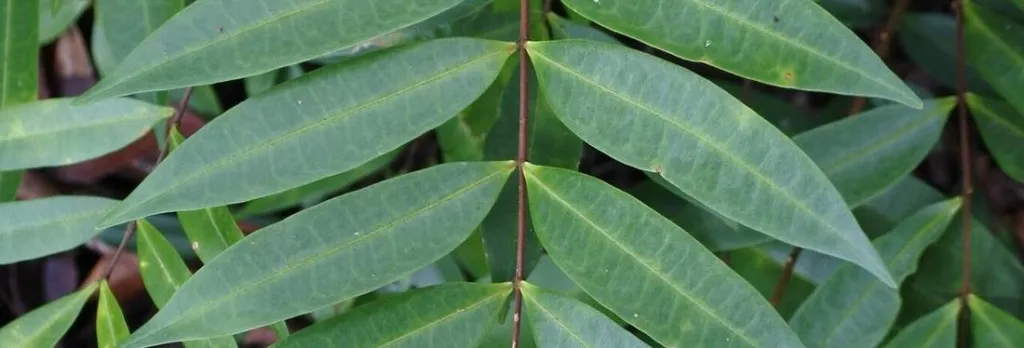
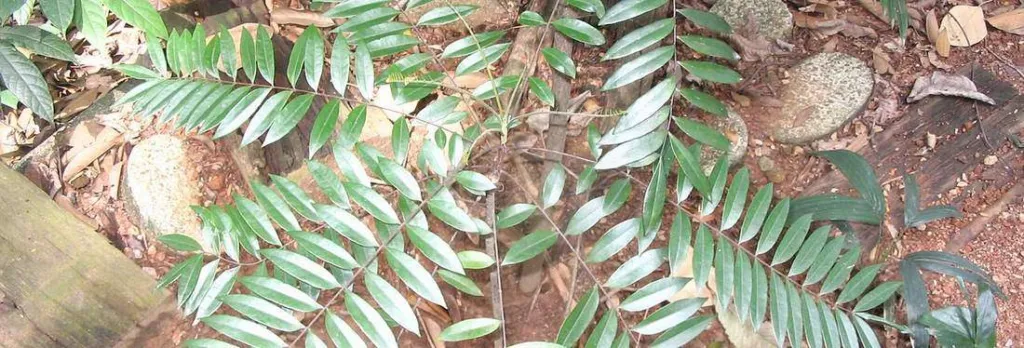
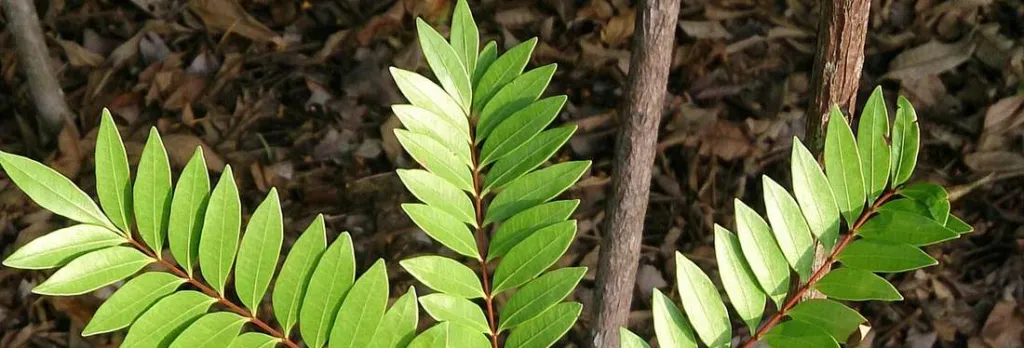
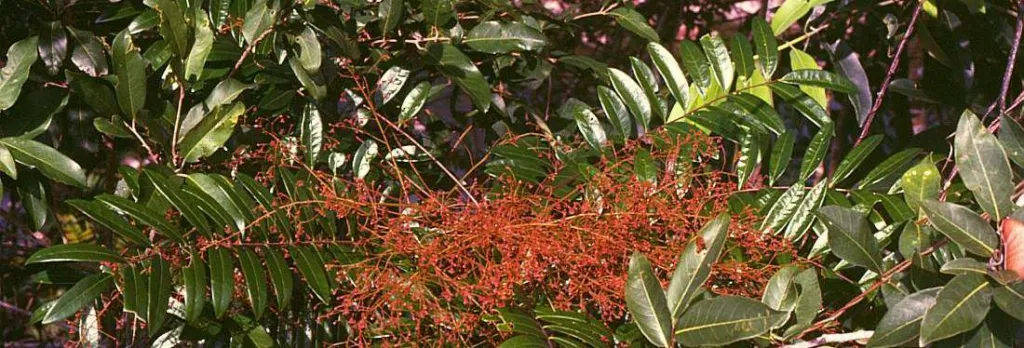
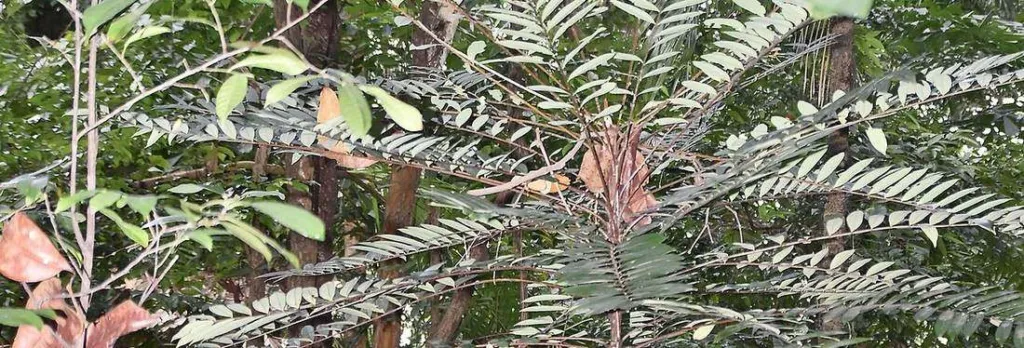
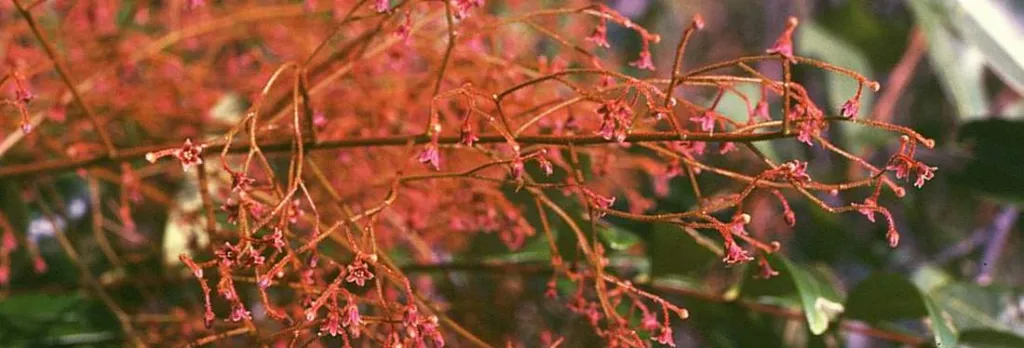
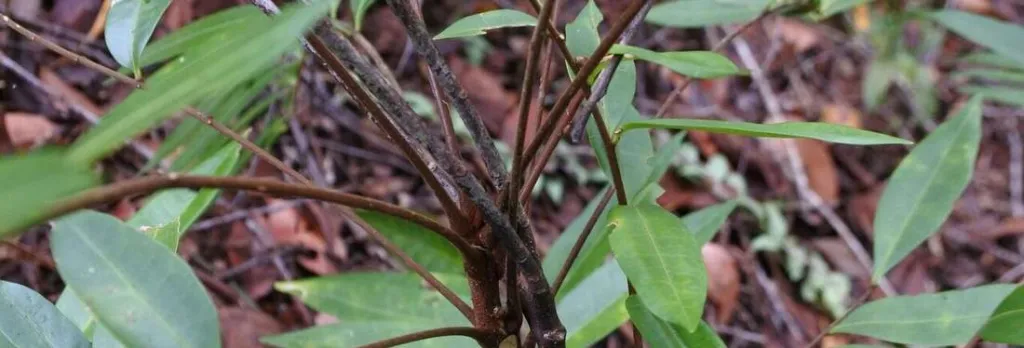
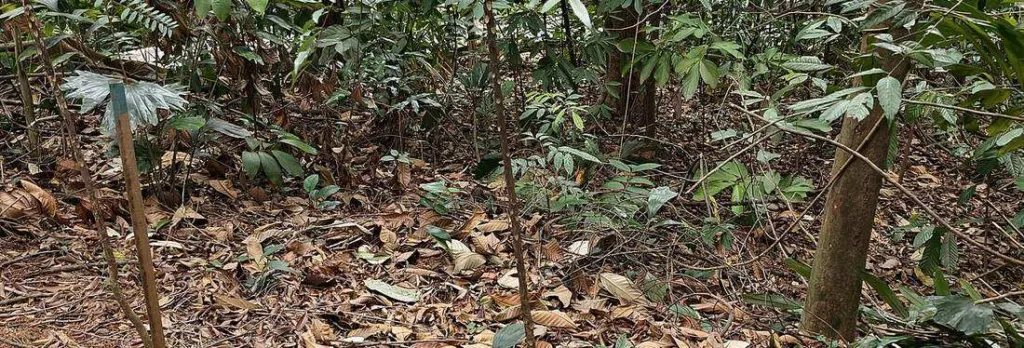
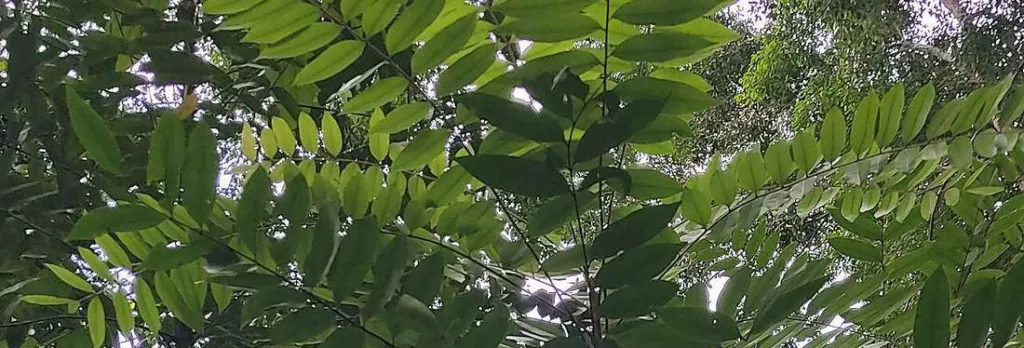
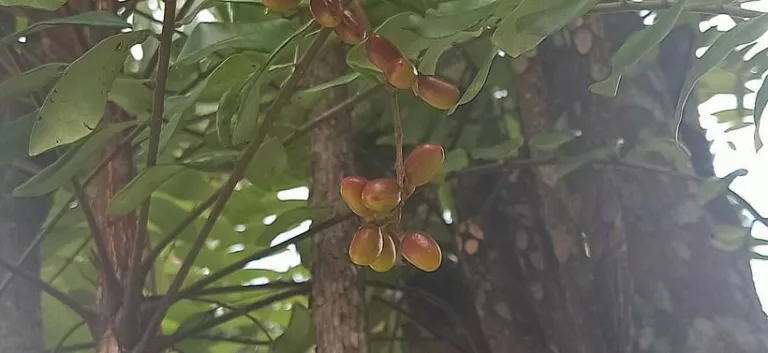
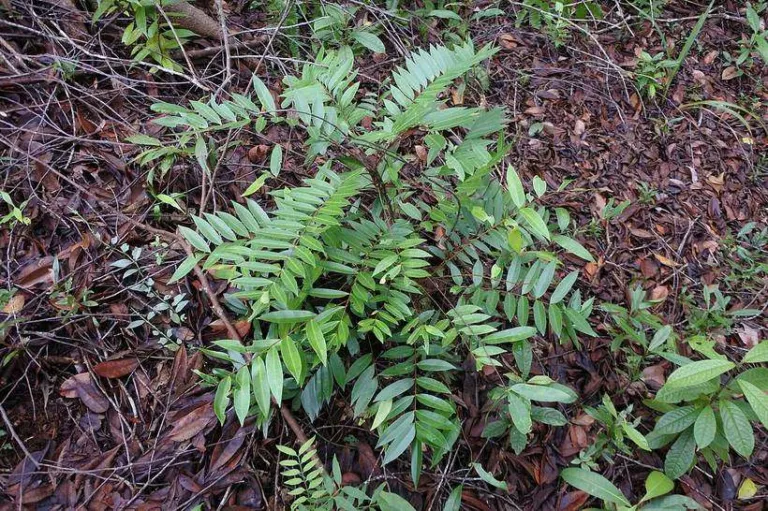
Eurycoma longifolia is a tall, slender, sparsely branched tree of the forest understorey that grows in sandy soils Confirmed [1]. Young plants form a single stem crowned by a rosette of long pinnate leaves, which is why seedlings in the forest look a little like small palms or cycads. The compound leaves can reach about a metre in length, with many opposite or nearly opposite lanceolate leaflets 5–20 cm long and 1.5–6 cm wide and smooth margins Confirmed [1]. The flowers are tiny, reddish and unisexual, carried in dense, branched clusters; the fruits are ovoid drupes 1–2 cm long with a distinct ridge, ripening dark reddish brown Confirmed [1]. The tree grows slowly Attested [7], and the part of commerce is the long taproot.
The species is native to Malaysia, Indonesia and Vietnam, with smaller populations in Cambodia, Myanmar, Laos and Thailand Confirmed [1]; several of the photographs in this review come from Brunei and from Kampot province in Cambodia. Wild collection is the main source of the root. The extract assessed in Europe in 2021 was made from dried root chips of wild plants Confirmed [7], and the 2016 review reported that collectors were harvesting about 21,000 kg a year against a demand of more than 54,000 kg, with genetic diversity in wild populations declining under that pressure Evidence suggests [1]. Malaysian programmes to plant the tree for conservation and supply are described in the same review Evidence suggests [1].
Australian status
The Atlas of Living Australia held no occurrence records for Eurycoma longifolia when we searched it in October 2026 Confirmed [8]. The species is not part of the Australian flora, and we found no record of it naturalised or cultivated here (unsourced; absence of records is not proof of absence). The Queensland wet tropics around Cardwell have a climate not unlike the tree’s lowland home, so anyone considering importing seed or plants for cultivation should check the Commonwealth’s biosecurity import conditions (BICON) first. Australians meet tongkat ali as a dried root, a powder, a capsule or an ingredient in coffee sachets, almost always imported.
3. Traditional use in Malaysia, Indonesia and Vietnam
Tongkat ali belongs to a living medical tradition, and the uses recorded for it are broader than the men’s-health story that travels overseas. The 2016 review compiles them from Malaysian and regional sources: the root for lumbago and indigestion, as a strengthening tonic after childbirth, and for fever, jaundice, wasting (cachexia) and dropsy; the plant above all as an aphrodisiac and a treatment for intermittent fever, that is, malaria; decoctions of the leaves for washing itchy skin; the fruits for dysentery; the bark against intestinal worms; the taproot for high blood pressure; and the root bark for diarrhoea and fever Traditional [1]. A Malaysian andrology paper describes the water decoction of the root as a well-known traditional supplement for sexuality, fertility and as an anti-ageing tonic Traditional [18].
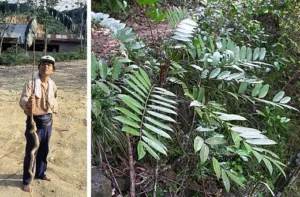
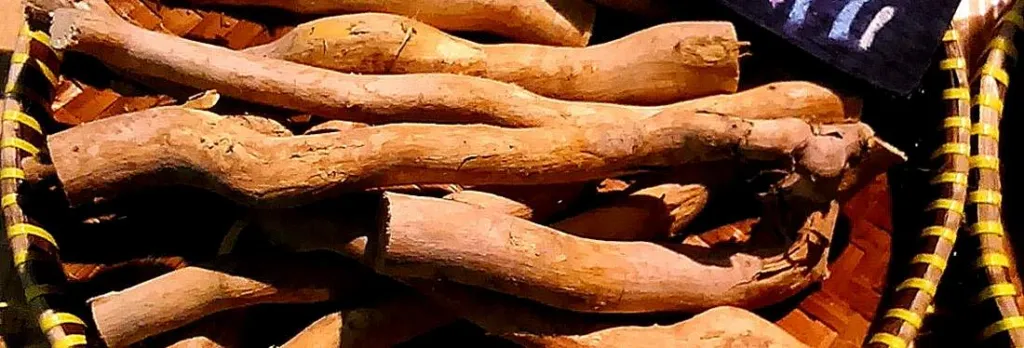
The traditional preparation is a water decoction of the root Traditional [1]. That detail matters for the science, because the commercial extracts used in the modern trials are hot-water extracts, which keep the preparation closer to tradition than an alcohol extract would. In Indonesia the dried root is sold for jamu, the Javanese and wider Indonesian herbal tradition, and in Sumatra the plant is known as pasak bumi and taken against malaria (photographer’s field note on the Commons image used in this chapter) Traditional. Today the root is also mixed into instant coffees and teas, and more than 200 products containing it had been registered with Malaysia’s national pharmaceutical regulator by 2016 Evidence suggests [1].
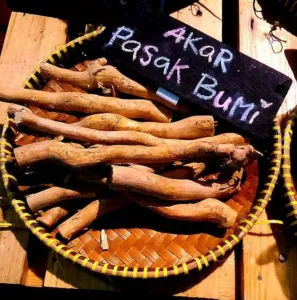
The historical record is old but thinly studied. The history-of-use dossier that European assessors reviewed in 2021 cites colonial-era Malay sources going back to Oxley (1850), Burkill (1935) and Gimlette (1939) Attested [7]; we have not yet read those texts in the original and do not quote them. The Vietnamese record is harder to reach in English. The Institute’s copy of the WHO’s Medicinal plants in Viet Nam (1990) has no entry for the species Attested [19], so Vietnamese practice is represented here only by its name. These uses are evidence of what people have done with the plant over a long time. They are a reason to study it, and they tell us nothing yet about dose, effect size or safety in a modern population.
4. Phytochemistry: quassinoids, alkaloids and an uncharacterised majority
The bitterness of the root is chemical and characteristic. Quassinoids, highly oxygenated degraded triterpenoids typical of the Simaroubaceae, make up a large part of the root’s secondary chemistry Confirmed [1]. The best known is eurycomanone (also called pasakbumin A), C20H24O9 Confirmed [20], which is used as the marker compound for standardising extracts. Its relatives include eurycomanol, 13α(21)-epoxyeurycomanone, eurycomalactone, the longilactones and laurycolactones and many more Confirmed [1]. Quassin, the classic bitter of quassia wood, belongs to the same structural family Confirmed [20].
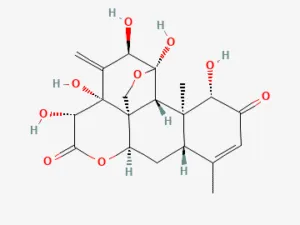 Eurycomanone
CID 13936691
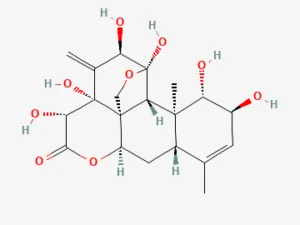 Eurycomanol
CID 14396865
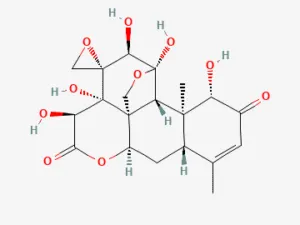 13α(21)-Epoxyeurycomanone
CID 13936703
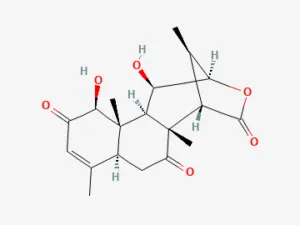 Eurycomalactone
CID 441793
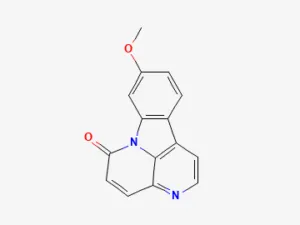 9-Methoxycanthin-6-one
CID 9881423
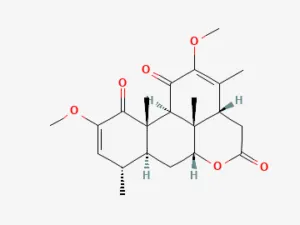 Quassin (from quassia, for comparison)
CID 65571
Alongside the quassinoids the root contains canthin-6-one alkaloids such as 9-methoxycanthin-6-one, β-carboline alkaloids, squalene-type triterpenes (eurylene, teurilene), tirucallane triterpenes, biphenyl neolignans, phytosterols, a small bioactive peptide and a great deal of starch, about 39% of the root by the review’s figures Confirmed [1]. The same review notes that what the extract contains depends on processing temperature and geographical origin Evidence suggests [1].
What a standardised water extract is
The extract behind most of the trials is a freeze-dried or spray-dried hot-water extract of the root made to a Malaysian national standard. As described to European assessors, it is a light brown, bitter powder containing 30–55% polysaccharide, 22–45% protein, 40–65% “glycosaponins” and 0.8–1.5% eurycomanone Confirmed [7]. One trial reports a drug-to-extract ratio of 20:1 for the same type of extract Confirmed [9].
The figures deserve a careful read. The marker compound makes up about one percent of the powder. The largest single fraction, the glycosaponins, was poorly characterised: the UK’s Advisory Committee on Novel Foods and Processes complained that the application had no substantial analytical data on it, and after further work the applicant could tentatively identify only a handful of compounds in that fraction, mainly quassinoid glycosides and one triterpene saponin, without amounts Attested [7]. The applicant also confirmed small amounts of canthin-6-one alkaloids and the coumarin isoscopoletin, both flagged by the assessors as compounds that could raise safety questions Confirmed [7]. In other words, the standardisation fixes the level of one well-known molecule and two crude chemical classes, and most of what is in the powder has no individual name yet.
Commercial products outside that standard vary widely. Many tongkat ali supplements state extract ratios from 1:20 to 1:200 with no information about the solvent or the constituents Evidence suggests [10], and a Malaysian survey of 41 products, as summarised in the 2022 meta-analysis, found eurycomanone in only 24 of them, at the specified level in 11, and above it (1.6–8.48%) in 9 Evidence suggests [2]. The capsule in one of the case reports in §7 was labelled 668 mg of extract at 2% eurycomanone Confirmed [14], above the national specification.
5. Pharmacology and pharmacokinetics
The mechanism usually offered for tongkat ali’s effect on testosterone comes from animal and cell work. Studies in rats report higher luteinising hormone and follicle-stimulating hormone, the pituitary signals that drive testosterone production in the testis, with greater testosterone output from Leydig cells, and some report inhibition of aromatase, the enzyme that converts testosterone to oestradiol Mechanism [2]. Eurycomanone itself has been reported to increase spermatogenesis in rats by inhibiting phosphodiesterase and aromatase activity in the steroid-making pathway, and a small root peptide (described as 4.2 kDa in one paper and 4.3 kDa in another) has been reported to stimulate testosterone synthesis in Leydig cells Mechanism [3] [1]. The phosphodiesterase in that steroid work sits in the testis; we found no study showing that tongkat ali acts on the PDE-5 enzyme of erectile tissue the way sildenafil does.
These are plausible mechanisms, and each comes from a single laboratory or a small group of related laboratories. None has been shown to operate at the doses people take. The trial of older men in §6 also measured a fall in cortisol and a rise in DHEA within the treated groups, findings that the authors linked to the plant’s reputation as an adaptogen Evidence suggests [3].
What happens to eurycomanone in the body
Human pharmacokinetic data are absent; the European assessors were offered only rodent studies Confirmed [7]. In rats, oral eurycomanone is poorly absorbed, with a bioavailability of about 10–12%, and it is cleared quickly, with an elimination half-life of about 0.3 hours in one study and about one hour in another Evidence suggests [21] [1]. In mice the bioavailability was 54.9%, nearly five times the rat figure, which led the authors to warn that rodent values cannot be carried over to humans Evidence suggests [21]. Eurycomanone also crosses artificial and cultured-cell membranes poorly Evidence suggests [21]. A molecule that is poorly absorbed and gone within hours does not obviously explain effects measured over weeks, which is one reason to suspect that other constituents, or downstream hormonal changes, carry part of the activity (hypothesis) Mechanism.
For athletes, two small trials found no change in the urinary testosterone-to-epitestosterone ratio used in doping control after six to eight weeks of the extract Evidence suggests [11] [2]. That is a statement about one laboratory marker, and athletes subject to testing still need to check every supplement with Sport Integrity Australia, since supplements bought online can contain substances that are not on the label.
6. Clinical evidence: testosterone, sexual function, stress and exercise
We read every human trial whose full text we could obtain. Where a trial report was behind a paywall and had not arrived from the Institute’s library by the time of writing, we describe it only through the 2022 meta-analysis that tabulated it, and say so. The table below sets out the studies with their size, length, extract and sponsor, because a reader weighing this literature needs all four.
| Study | Participants | Length | Extract and dose | Main finding | Funding and ties |
|---|---|---|---|---|---|
| Chinnappan 2021, India [3] | 105 men 50–70 y, testosterone <300 ng/dL | 12 wk | Standardised water extract, 100 or 200 mg/day | Total T up vs placebo; free T no difference; symptom scores down | Manufacturer; 2 authors employed by it |
| Ismail 2012, Malaysia [9] | 109 men 30–55 y | 12 wk | Standardised water extract, 300 mg/day | Primary QoL and fitness outcomes no overall difference; erectile and libido scores up; T no difference | Manufacturer; 2 authors employed by it |
| Talbott 2013, USA [10] | 63 stressed adults (32 men) | 4 wk | Standardised water extract, 200 mg/day | Tension, anger, confusion down; salivary cortisol down, salivary T up | Manufacturer funded; 1 author employed by it |
| Muniandy 2025, Malaysia [17] | 138 women 40–55 y | 12 wk | Standardised water extract, 50 or 100 mg/day | Menopause QoL score down on 100 mg (P = 0.049); hormones unchanged | Manufacturer; authors employed by it |
| Chen 2019, Malaysia [11] | 40 young men, resistance training | 8 wk | Extract, 200 mg/day | Little added to training; T:E ratio unchanged | No funding; capsules from manufacturer |
| Zakaria 2023, Malaysia [12] | 18 rugby sevens players | 1 wk | Extract, 400 mg/day | No effect on muscle damage, function or hormones | National Sports Institute; no industry ties declared |
| Tambi 2010, Malaysia [18] | 350 sub-fertile men enrolled, 75 analysed; no control group | 3–9 months | Standardised water extract, 200 mg/day | Semen parameters up; 11 pregnancies | Extract from manufacturer; funding not stated |
| Leisegang 2022, meta-analysis [2] | 9 studies; 5 RCTs pooled | 3 days to 6 months | 7 of 9 used one commercial extract | Pooled total T up (SMD 1.35); significant only in low-T men; I² 87%; publication bias | No funding declared |
All studies read in full by the Institute. T = testosterone; QoL = quality of life; SMD = standardised mean difference. Trials known only through the meta-analysis are discussed in the text.
Testosterone
The most informative single study is a 12-week, double-blind trial run at two hospitals in India and registered with the Clinical Trials Registry of India Evidence suggests [3]. It enrolled 105 men aged 50 to 70 with total testosterone below 300 ng/dL and randomised them to 100 mg or 200 mg a day of the standardised extract or placebo, 35 per group. Total testosterone was significantly higher than placebo at week 12 in the 100 mg group and from week 4 in the 200 mg group. Free testosterone did not differ between groups. Scores on the Ageing Males’ Symptoms scale and a fatigue scale fell, and cortisol fell in the 200 mg group Evidence suggests [3].
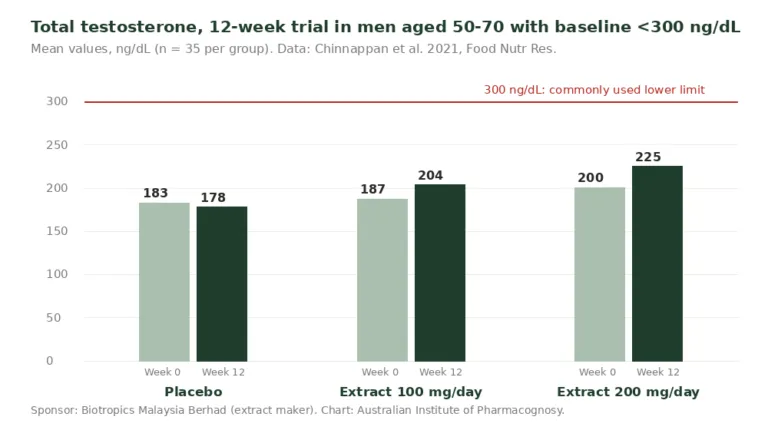
The size of the change is the part that rarely gets quoted. In the 200 mg group mean total testosterone rose from 200.5 to 225.0 ng/dL (about 7.0 to 7.8 nmol/L); in the placebo group it went from 183.0 to 177.9 ng/dL Confirmed [3]. Every group finished below the 300 ng/dL (about 10.4 nmol/L) threshold commonly used to define low testosterone. A rise of 25 ng/dL in men who were still hypogonadal at the end is a real finding worth following up. It is a long way from the transformations promised in online content, where enhancing testosterone is the single most common claim made for the herb Confirmed [22]. The trial was funded by the extract’s manufacturer, two of its five authors are employees, and the authors note that diet and exercise were not recorded Confirmed [3].
The earlier Malaysian trial gives a different picture in younger men Evidence suggests [9]. One hundred and nine men aged 30 to 55, not selected for low testosterone, took 300 mg a day of the same extract type or placebo for 12 weeks. On the primary outcomes, quality of life and physical fitness, there were no overall significant differences, though the physical-functioning domain of the SF-36 improved more on the herb. Testosterone did not change differently between groups, and the placebo group happened to start with higher levels (18.8 versus 16.5 nmol/L). The manufacturer funded the trial and two authors were its employees Confirmed [9].
The 2022 systematic review and meta-analysis is the summary most often cited Evidence suggests [2]. It found nine studies, of which five randomised trials (counted as 232 men) entered the pooled analysis. The random-effects standardised mean difference in total testosterone was 1.35 (95% CI 0.57 to 2.14), with very high heterogeneity (I² 87%). Split by baseline, the effect was significant in men with low testosterone (SMD 1.86, 95% CI 0.72 to 3.00) and not significant in men with normal levels (SMD 0.76, 95% CI −0.54 to 2.06). Begg’s test pointed to publication bias, one of the five pooled trials was a doctoral thesis, and seven of the nine studies used the same commercial extract Confirmed [2]. Two trials were each entered twice, as two dose or exercise arms; in the Indian trial both arms were compared with the same 35-man placebo group Confirmed [2] [3], which counts those controls twice and narrows the pooled confidence interval artificially. The meta-analysis authors declared no funding and no conflicts, and they concluded cautiously that more research is needed before clinical use Confirmed [2].
The trials that entered the meta-analysis only through its tables add little certainty. A Brazilian trial in men aged 40 to 59 with androgen-deficiency symptoms ran for six months with 200 mg of a dry extract and reported a rise from about 278 to 400 ng/dL against no rise on placebo, in groups of 9 to 12 men; an uncontrolled Malaysian study of 76 men with late-onset hypogonadism reported 163 to 240 ng/dL after a month; and a two-week trial of 600 mg a day in 32 young men reported a within-group rise without a between-group test Evidence suggests [2]. These are small, short or uncontrolled, and the larger the study, the smaller the effect tends to be.
Sexual function and fertility
In the Malaysian trial the erectile-function domain of the International Index of Erectile Function rose more on the herb than on placebo, from 25.4 to 26.8 points, a change the authors themselves placed within the range of “no dysfunction”; libido and sexual-satisfaction scores also rose over 12 weeks Evidence suggests [9]. These were men without erectile dysfunction at the start. A 2026 meta-analysis of herbal supplements for erectile dysfunction found only one tongkat ali trial eligible, the Brazilian study in men with androgen-deficiency symptoms (23 participants in that review’s table) Evidence suggests [23], so the evidence for treating erectile dysfunction with tongkat ali alone rests on a single small trial.
For male fertility there is one uncontrolled clinic series from Kuala Lumpur Evidence suggests [18]. Of 350 men from sub-fertile couples given 200 mg a day of the extract, 75 completed at least one three-month cycle; in those 75, semen volume, sperm concentration, motility and morphology improved, and 11 partners (14.7%) became pregnant. With no control group and four in five men lost from the analysis, the series is a reason for a trial and nothing more.
Stress, mood and menopause
A four-week trial in 63 moderately stressed adults, men and women, found lower tension (−11%), anger (−12%) and confusion (−15%) on the Profile of Mood States with 200 mg a day, and no effect on depression, vigour or fatigue Evidence suggests [10]. Salivary cortisol was 16% lower and salivary testosterone 37% higher than on placebo. The study was run by a supplement-information company with funding from the extract maker; one author worked for the maker and another for a company using the herb in an anti-stress product Confirmed [10]. A 12-week trial in 138 women aged 40 to 55 with menopausal symptoms found the menopause quality-of-life score fell by 33.9% on 100 mg a day (P = 0.049), with no change in reproductive hormones; mood scores improved but not significantly more than on placebo Evidence suggests [17]. It too was sponsored by the manufacturer Confirmed [17].
Exercise and muscle
Independent trials in athletes found little or no effect. In 40 young men in Malaysia on an eight-week resistance-training programme, 200 mg a day of the extract added little: training with or without the herb improved lower-limb power, and the combined group improved peak power against its own baseline; the researchers had no external funding and received the capsules from the manufacturer Evidence suggests [11]. In 18 elite rugby sevens players, 400 mg a day for a week before damaging eccentric exercise had no effect on muscle function, soreness, creatine kinase or salivary hormones; Malaysia’s National Sports Institute supported its publication and its authors declared no ties to interested companies Evidence suggests [12].
Read together, the human evidence supports a small rise in testosterone in older men whose levels are low to begin with, from trials that are short and mostly industry-funded. It does not support claims of large hormonal or performance effects in healthy young men, and every other outcome rests on one or two studies Evidence suggests [2] [3] [9] [12].
7. Safety and interactions
In clinical trials
Adverse effects in the trials were few and mild. In the Indian trial there were eight adverse events and no serious ones: six people on the extract (three on each dose) had gastrointestinal symptoms such as constipation, indigestion, abdominal pain or wind, one had itching, and one on placebo had a fever; liver, kidney, blood-count and lipid tests did not change against placebo Evidence suggests [3]. The authors pointed out that the stomach symptoms sit oddly with the plant’s traditional use for indigestion. In the Malaysian trial there were fewer adverse events on the herb (11) than on placebo (20), and prostate-specific antigen did not differ Evidence suggests [9]. In the stress trial two people on the herb and one on placebo felt unusually tired in the first fortnight Evidence suggests [10]. The longest trial lasted six months Confirmed [2].
Case reports
Two single case reports have been published. A 47-year-old American man developed jaundice, nausea and markedly raised liver enzymes (ALT up to 876 U/L, bilirubin 14.3 mg/dL) about a week after starting a tongkat ali supplement for bodybuilding; other causes were excluded and he recovered after stopping it Evidence suggests [13]. A 71-year-old British man developed atrial flutter two days after starting a 668 mg capsule labelled 2% eurycomanone; it resolved within 24 hours of stopping, and the author scored the link as “probable” on the Naranjo scale Evidence suggests [14]. Neither report describes chemical analysis of the product taken, so neither can separate the plant from a contaminant, an adulterant or a different species. Single reports cannot establish cause. They are what pharmacovigilance is built from, and they justify asking anyone with a liver condition or a heart-rhythm problem to be cautious.
Animal toxicology and the EFSA opinion
Conventional toxicology has been reassuring at ordinary doses. Powdered root fed to rats for 13 weeks at up to 2 g/kg a day caused no adverse effects on body weight, blood tests, urine or organ pathology, the acute oral LD50 was above 6 g/kg, and the standard bacterial and chromosome tests were negative in that study, which was funded by a Malaysian company Evidence suggests [24]. Alcohol extracts and the butanol fraction were more toxic in mice than water extracts, and the review authors attributed much of the butanol fraction’s toxicity to eurycomanone Evidence suggests [1]. The same rat study found shorter clotting times (prothrombin and partial thromboplastin time), which its authors called a beneficial pharmacological effect; its relevance to people on anticoagulants is unknown Evidence suggests [24].
The European opinion changed the picture for one extract Confirmed [7]. A company applied in the European Union to sell a standardised hot-water root extract as a novel food at up to 200 mg a day. Its dossier included 28-day, 90-day and 12-month rat studies, reproductive and two-generation studies, and genotoxicity tests. The bacterial mutation test was negative. A chromosome-aberration test in cultured human lymphocytes was positive, with a dose-response, at concentrations that were not overtly toxic to the cells, and an in vivo comet assay showed DNA strand breaks in the stomach and duodenum of rats given 2,000 mg/kg twice; the liver was unaffected. The panel judged that the duodenal damage reflected genotoxicity, since it was not explained by cell death, noted unexplained stomach changes at the top dose of the 12-month study, and concluded that the extract “has the potential to induce DNA damage, which is of concern, particularly locally for tissues that represent first sites of contact”, and that its safety “has not been established under any condition of use” Confirmed [7].
That finding needs to be held in proportion. The positive in vivo result came at 2,000 mg/kg in rats, about 700 times the proposed human intake of roughly 2.9 mg/kg a day Confirmed [7]. An in vivo micronucleus test was negative and the rat studies of shorter duration showed no stomach or duodenal changes Confirmed [7]. The opinion covers one extract and binds only the European Union. It also stands as the most thorough independent safety review of a tongkat ali product, and it found that the human trials had measured too few safety endpoints to answer the question Confirmed [7]. We cannot say which constituent caused the result. The canthin-6-one alkaloids and the coumarin the assessors flagged in §4 are candidates worth testing (hypothesis) Mechanism.
Pregnancy, breastfeeding and children
No human data exist. The European applicant excluded pregnant and breastfeeding women from its target population Confirmed [7], and the 2016 review advises against use in pregnancy, lactation and childhood because of the lack of data Evidence suggests [1]. Reproductive studies in rats have been reported without malformations Evidence suggests [1], which does not substitute for human data.
Interactions
In healthy men a water-based extract lowered the bioavailability of the heart and blood-pressure drug propranolol, according to the 2016 review’s summary of a Malaysian pharmacokinetic study Evidence suggests [1]. In human liver microsomes a root extract weakly inhibited the drug-metabolising enzymes CYP1A2, CYP2A6 and CYP2C19 only at very high concentrations (IC50 about 325–800 µg/mL), and eurycomanone alone did not potently inhibit any CYP enzyme tested Mechanism [25]. Those figures make a cytochrome-mediated interaction unlikely at usual doses, without excluding one. The same review advises caution with medicines for diabetes, because extracts lowered blood glucose in hyperglycaemic animals, and in hormone-sensitive conditions such as prostate cancer, because the herb is promoted to raise testosterone Mechanism [1]. People on testosterone therapy or treatment for prostate disease are the group in whom a herb sold for this purpose most needs professional review.
Undeclared prescription drugs
The TGA’s alerts on men’s sexual-enhancement products bought online describe a pattern Australian regulators have met many times. Force G Men’s Power tablets (April 2020) and H.R.D. tablets (October 2020) contained undeclared sildenafil and tadalafil; YongGang tablets (October 2020) contained undeclared sildenafil Confirmed [4]. Both drugs are Schedule 4, prescription-only medicines in Australia Confirmed [5]. None of these alerts names tongkat ali as an ingredient, and we make no claim about any tongkat ali product. The relevance is that unregistered “herbal” capsules for erections and testosterone, the category in which many imported tongkat ali blends are sold, are the category in which hidden drugs keep being found. A Bulgarian analysis of 20 erectile-dysfunction food supplements labelled as natural found undeclared sildenafil, tadalafil or vardenafil in 14, with sildenafil at up to 116.55 mg per tablet, more than a maximum prescribed dose Confirmed [26]. Analytical papers on drug analogues found specifically in products sold as tongkat ali were on order from the library when this review was written, so we do not rely on them here.
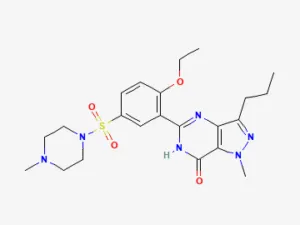 Sildenafil
CID 135398744
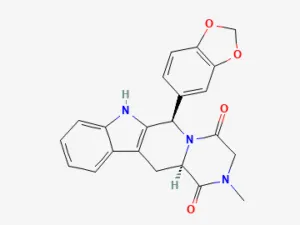 Tadalafil
CID 110635
The danger of a hidden PDE-5 inhibitor is greatest for people taking nitrates for angina. Sildenafil and tadalafil should not be used with any nitrate, because together they can cause a life-threatening fall in blood pressure Confirmed [6]. A man with angina who would never be prescribed sildenafil can end up taking it in a “herbal” capsule without knowing.
8. Quality, adulteration and look-alike roots
Three different quality problems overlap in this market: the wrong plant, the right plant with the wrong chemistry, and the addition of something that is not a plant at all. The first two can be measured, and one Malaysian study measured both Evidence suggests [15].
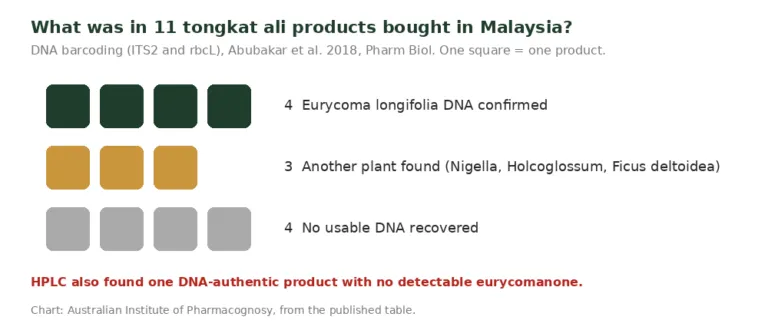
Malaysian researchers bought 11 tongkat ali products, mostly capsules and one tea, and tested them by DNA barcoding with two marker regions, then by HPLC for eurycomanone Evidence suggests [15]. Four products (36%) gave DNA sequences matching Eurycoma longifolia. Three (27%) gave sequences from other plants, including Nigella (black seed), an orchid of the genus Holcoglossum, and, in the tea, Ficus deltoidea, a different Malaysian tonic herb. Four yielded no usable DNA, which is common in heavily processed extracts. HPLC then found that one product with authentic DNA contained no detectable eurycomanone Evidence suggests [15]. The authors recommended DNA barcoding as a first screen for raw material and chemical analysis to confirm content. The study was university-funded and declared no conflicts Confirmed [15].
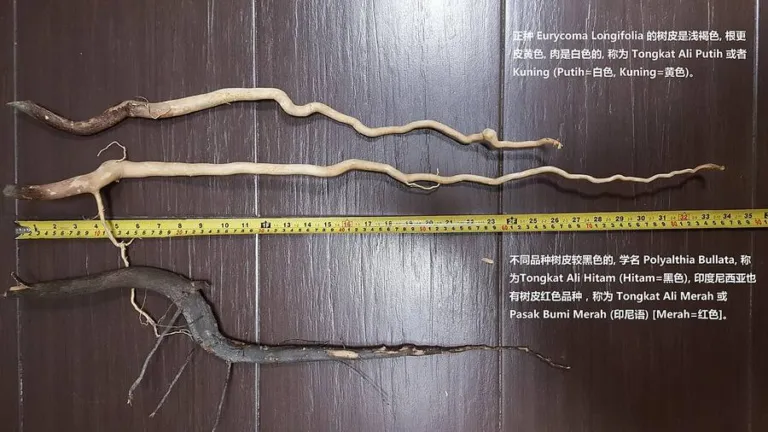
The look-alike roots in §1 are one source of substitution. Mixing with other popular tonic herbs is another, as the Ficus deltoidea tea shows. For eurycomanone content, the survey of 41 Malaysian products summarised in §4 found nearly half with no detectable marker and some well above the specified range Evidence suggests [2]. These surveys come from Malaysia and are several years old; no comparable survey of products sold to Australians has been published that we could find (unsourced).
Heavy metals
The specification the European assessors reviewed sets limits for lead (below 2.0 mg/kg), mercury (below 0.05 mg/kg), arsenic (below 1.0 mg/kg) and cadmium (below 0.3 mg/kg), and three batches tested well below those limits Confirmed [7]. That tells us what a well-controlled extract looks like. Malaysian surveys from the 2000s reported mercury and lead in some local tongkat ali preparations; their full texts were on order from the library at the time of writing, so we do not cite their figures. Australian listed medicines must meet TGA quality requirements for contaminants; capsules bought from overseas websites have not been assessed for them.
Online information
A 2022 study rated 321 websites carrying information on tongkat ali supplements, excluding online shops, with a modified DISCERN tool. The mean quality score was 1.07 on a five-point scale; most sites did not mention other treatment options or uncertainty. The commonest health claims were raising testosterone (37.7% of sites), treating malaria (34.9%) and improving libido (33.6%) Confirmed [22]. The same study found that two-thirds of the sites scored zero on its separate risk checklist, which shows the two tools measure different things.
9. In Australia: the register, the Poisons Standard and the label
Scheduling
Neither Eurycoma longifolia nor eurycomanone appears anywhere in the Poisons Standard in force from October 2026 Confirmed [5]. The plant is unscheduled. Sildenafil and tadalafil are listed in Schedule 4 Confirmed [5].
What the ARTG shows
We searched the public Australian Register of Therapeutic Goods in October 2026 to check the register status before writing. A keyword search for “eurycoma” returned two entries and a search for “tongkat ali” returned one Confirmed [16]. Both entries are recorded in their public summaries as “Medicine Listed (Export Only)”, with the condition that “this product must not be supplied for sale in Australia” Confirmed [16]:
- ARTG 389054, MediHerb Tongkat Ali (sponsor Integria Healthcare Australia Pty Ltd, Eight Mile Plains QLD; on the register since 24/05/2022): a film-coated tablet of 100 mg dry root extract, equivalent to 10 g of root.
- ARTG 464405, POPNUTRI OYSTER 2000mg complex (sponsor Homart Pharmaceuticals Pty Ltd, Rydalmere NSW; since 14/10/2024): a capsule with 10 mg root extract equivalent to 2 g of root, with oyster and zinc.
We had expected, from earlier notes, to find at least one tongkat ali product listed for supply in Australia, and the register did not show one. The ARTG public search has limits; a multi-ingredient product could be missed if its entry is indexed differently, and the register changes daily, so a reader should check the current entry before relying on this. We also could not confirm from the published permissible-ingredients determination whether E. longifolia is currently permitted as an ingredient of listed medicines for the domestic market (unsourced; a question for the TGA). What we can say is that an ARTG number on a pack is not by itself the end of the question: an export-only entry is a real listing that does not permit sale here.
Buying from overseas
Most tongkat ali reaching Australians is bought from overseas websites. Under the TGA’s Personal Importation Scheme an individual may import an unregistered medicine for their own or their immediate family’s use, up to a three-month supply at the manufacturer’s recommended dose per order and a 15-month supply in 12 months, in its original identifiable packaging Confirmed [27]. Counterfeit products, which include those with undeclared ingredients, may not be imported under any circumstances, and known counterfeits are seized at the border with the loss of the goods and the money Confirmed [27]. Personal importation shifts every quality check onto the buyer, and the buyer cannot test for sildenafil at the kitchen table.
What to look for on a label
- The binomial. Eurycoma longifolia, written out. “Tongkat ali”, “longjack” or “Malaysian ginseng” alone does not identify the plant (§1).
- The part and the preparation. Root, and whether the extract is made with water or alcohol; the trials used hot-water root extracts.
- Extract amount and ratio. Milligrams of extract and the equivalent weight of dry root, as the Australian export listing above states them. A bare ratio such as “200:1” with no solvent and no marker tells you little.
- A marker figure. Eurycomanone content as a percentage. The Malaysian specification is 0.8–1.5%; figures far outside it deserve a question to the maker.
- Every other ingredient. Multi-herb men’s formulas are where substitution and adulteration are most often found.
- An AUST L or AUST R number, checked on the ARTG. Look the number up and read the entry: who the sponsor is and whether it is for supply in Australia.
- The claims. A product that promises drug-like erections within hours is the profile the TGA’s alerts describe.
Before taking any botanical drug, consult a degree-qualified herbalist with competencies and adequate training in pharmacognosy, and bring the product and its label. This matters most for anyone taking nitrates or other heart medicines, propranolol, diabetes medicines, testosterone, or treatment for prostate disease. The same register logic applies to other imported traditional medicines; our kava review walks through how Australian food and medicine rules treat a traditional plant from our region.
10. Discussion: conclusions, hypotheses and research still required
What the evidence supports
Tongkat ali is a well-identified South-East Asian medicinal tree with a long record of traditional use as a tonic, a fever and malaria remedy and a men’s herb Traditional [1]. Its root is chemically distinctive, rich in quassinoids led by eurycomanone, and standardised water extracts can be specified and reproduced Confirmed [1] [7]. In older men with low testosterone, one registered trial found that 100–200 mg a day of a standardised extract raised total testosterone modestly over 12 weeks, and a meta-analysis found a pooled effect concentrated in men with low levels Evidence suggests [3] [2]. Tolerability in trials of up to six months was good, with mild stomach upset the commonest complaint Evidence suggests [3] [9]. Products sold under the name are not reliably the plant, and the online men’s-health category is where Australian regulators repeatedly find hidden prescription drugs Confirmed [15] [4]. In October 2026 the two ARTG entries we found containing the plant were export-only Confirmed [16].
What we can reasonably hypothesise
- That the testosterone effect, if it is real, works through the pituitary signal (LH) in men whose own regulation has slowed, which would explain why men with low baseline levels respond and men with normal levels mostly do not Mechanism. Trials have rarely measured LH alongside testosterone in people.
- That eurycomanone, being poorly absorbed and quickly cleared in rodents, is a quality marker more than the active principle, and that peptides, polysaccharides or glycosides in the large uncharacterised fraction contribute Mechanism [21] [7].
- That the local stomach and duodenal findings in the EFSA dossier and the mild stomach complaints in trials share an explanation in direct contact with concentrated bitter constituents at the first site of exposure Mechanism. This is speculation and testable.
- That some of the reported harms attributed to tongkat ali, including the case reports, reflect products of uncertain identity or purity Mechanism; neither case report analysed the product.
What research is still required
- Clinical research: an independently funded, pre-registered, placebo-controlled trial of at least six months in men with confirmed low morning testosterone measured by LC-MS/MS on two occasions, reporting free testosterone, LH, FSH, oestradiol, haematocrit, PSA and liver function, and symptom outcomes that matter to patients. Trials in men with normal levels only need to be repeated if the low-testosterone result holds.
- Genetic toxicology: independent follow-up of the EFSA findings, with in vivo comet and micronucleus studies in gastric and duodenal tissue across a dose range that reaches human exposure, and fractionation to find which constituents (canthin-6-ones, isoscopoletin, quassinoids) drive the clastogenic signal.
- Pharmacokinetics: the first human study of eurycomanone and its glycosides in plasma after a standard dose of extract, and a modern clinical interaction study with propranolol and a CYP probe cocktail.
- Quality analysis: a survey of tongkat ali products sold to Australians, both ARTG-entered and bought online, combining DNA barcoding (ITS2), HPLC for eurycomanone, LC-MS screening for PDE-5 inhibitors and their analogues, and ICP-MS for lead, mercury, arsenic and cadmium. This is work an Australian pharmacognosy laboratory can do.
- Phytochemistry: characterisation of the “glycosaponin” fraction that makes up half of the standardised extract, with reference standards so that extracts can be compared on more than one marker.
- Pharmacovigilance and regulatory science: a search of the TGA’s Database of Adverse Event Notifications for Eurycoma reports (not done for this review), clarification of the ingredient’s status for domestic listing, and an explanation of why the only current listings are for export.
- Botany and conservation: estimates of wild harvest, and the yield and chemistry of cultivated roots, since a medicine taken from slow-growing wild trees at more than twice the sustainable rate has a supply problem whatever the trials show.
- Ethnobotany and history: a reading of Burkill’s Dictionary of the Economic Products of the Malay Peninsula and Gimlette’s Malay medical writings in the original, and of Vietnamese and Indonesian sources in their own languages, to establish how the root was prepared, for whom and in what amounts.
Tongkat ali deserves this attention. It is a medicine with a real history in the forests of our near neighbours and a coherent, measurable chemistry, and the first trials point to an effect worth testing properly. The online version of it has run well ahead of the evidence, and the people best served by the plant’s reputation are those who can be sure what is in the capsule.
About the Australian Institute of Pharmacognosy and this series
The Australian Institute of Pharmacognosy is a clinic and research laboratory in Cardwell, far north Queensland, studying medicinal plants and natural products to the same evidentiary standard as any other branch of pharmacology: traditional knowledge taken seriously, and tested honestly. Visit the Institute at australian-pharmacognosy.org.
Series: AIP Literature Reviews and Critical Analyses (evidence reviews). Related reviews: the Korean ginseng review explains which roots are sold as ginseng; our kava review shows how Australian rules apply to a traditional plant from our region; and Indian barberry (Berberis aristata) is another review that separates a popular claim from its trials. Follow the series for a new evidence review each morning.
Corrections: if you find an error or a source we have missed, write to the Institute at our contact form. We would rather correct a claim than repeat it.
About the images and the evidence. Every photograph is reproduced under the licence stated in its caption and in the image credits; the charts were drawn by the Institute from the sources printed in each. The Institute thanks the botanists, photographers, root collectors and researchers in Malaysia, Indonesia, Brunei, Cambodia and elsewhere whose work this review draws on.
Head of Education and Research
Australian Institute of Pharmacognosy
Cardwell QLD, Australia
australian-pharmacognosy.org · our contact form
Suggested citation: Ridley T. Tongkat ali (Eurycoma longifolia Jack): identity, traditional use, quassinoid chemistry, the human trials and their sponsors, safety and interactions, and Australian status. AIP Literature Review and Critical Analysis AIP-LR-EURLON. Cardwell (QLD): Australian Institute of Pharmacognosy; 2026.
Educational content only; not medical, legal or regulatory advice. Australian regulatory information reflects the Poisons Standard October 2026, the ARTG and TGA guidance as read in October 2026 and may change. Overseas material, including the European Food Safety Authority opinion and the Health Canada alert, is described as overseas material and does not govern Australian law. No product is advertised, endorsed or recommended.
References
27 references: tap to open
Listed in order of first citation. All 19 PMIDs were checked against PubMed in October 2026. Sources marked “Read in full” were read in full text by the Institute; trials that could not be obtained in full are described only through the 2022 meta-analysis [2] and are marked so in the text. Also requested and not cited for their content: Tambi et al. 2012 (late-onset hypogonadism); Henkel et al. 2014 (older active adults); Chan et al. 2021 (young men); Leitão et al. 2021 (two papers, androgen deficiency in ageing men); George et al. 2016 (immune markers); Kotirum et al. 2015 (meta-analysis, erectile function); Morgado et al. 2024 (systematic review of testosterone boosters); Ang and Lee 2006 and Ang et al. 2003 (mercury and lead in Malaysian preparations); Said et al. 2014 (sildenafil analogue in Eurycoma products); Salman et al. 2010 (propranolol); Pan et al. 2014 (eurycomanone and CYP enzymes); Low et al. 2005 (eurycomanone pharmacokinetics).
- Rehman SU, Choe K, Yoo HH. Review on a traditional herbal medicine, Eurycoma longifolia Jack (Tongkat Ali): its traditional uses, chemistry, evidence-based pharmacology and toxicology. Molecules. 2016;21(3):331. PMID 26978330. doi: 10.3390/molecules21030331. Read in full.
- Leisegang K, Finelli R, Sikka SC, Panner Selvam MK. Eurycoma longifolia (Jack) improves serum total testosterone in men: a systematic review and meta-analysis of clinical trials. Medicina (Kaunas). 2022;58(8):1047. PMID 36013514. doi: 10.3390/medicina58081047. Read in full. Also the source used here for trials whose own full texts could not be obtained (Chan 2021, Leitão 2021, Tambi 2012, Henkel 2014, George 2013, two doctoral theses and the Norhidayah 2015 product survey); those are described only as reported in this paper.
- Chinnappan SM, George A, Pandey P, Narke G, Choudhary YK. Effect of Eurycoma longifolia standardised aqueous root extract-Physta® on testosterone levels and quality of life in ageing male subjects: a randomised, double-blind, placebo-controlled multicentre study. Food Nutr Res. 2021;65:5647. PMID 34262417. doi: 10.29219/fnr.v65.5647. Read in full.
- Therapeutic Goods Administration safety advisories: Force G Men’s Power tablets (published 23 April 2020; undeclared sildenafil and tadalafil), https://www.tga.gov.au/news/safety-alerts/force-g-mens-power-tablets; YongGang tablets (published 12 October 2020; undeclared sildenafil), https://www.tga.gov.au/alert/yonggang-tablets; H.R.D. tablets (published 27 October 2020; undeclared sildenafil and tadalafil), https://www.tga.gov.au/alert/hrd-tablets. Read by the Institute in October 2026.
- Therapeutic Goods (Poisons Standard—October 2026) Instrument 2026. Federal Register of Legislation F2026L01327. https://www.legislation.gov.au/F2026L01327/latest/text. Full text searched by the Institute in October 2026: no entry for Eurycoma or eurycomanone; SILDENAFIL and TADALAFIL appear in Schedule 4.
- Health Canada. Foreign product alerts: various sexual enhancement products (page modified 26 March 2014). https://recalls-rappels.canada.ca/en/alert-recall/foreign-product-alerts-various-sexual-enhancement-products-0. Read by the Institute in October 2026. Overseas regulator; cited only for the pharmacology of the nitrate interaction.
- EFSA Panel on Nutrition, Novel Foods and Food Allergens (NDA), Turck D, Bohn T, Castenmiller J, De Henauw S, Hirsch-Ernst KI, et al. Safety of Eurycoma longifolia (Tongkat Ali) root extract as a novel food pursuant to Regulation (EU) 2015/2283. EFSA J. 2021;19(12):e06937. PMID 34987621. doi: 10.2903/j.efsa.2021.6937. Read in full. Overseas (European Union) assessment; it does not govern Australian law.
- Atlas of Living Australia. Occurrence search for the taxon name Eurycoma longifolia: 0 records. https://biocache.ala.org.au/occurrences/search?q=taxon_name%3A%22Eurycoma%20longifolia%22. Searched by the Institute in October 2026.
- Ismail SB, Wan Mohammad WMZ, George A, Nik Hussain NH, Musthapa Kamal ZM, Liske E. Randomized clinical trial on the use of PHYSTA freeze-dried water extract of Eurycoma longifolia for the improvement of quality of life and sexual well-being in men. Evid Based Complement Alternat Med. 2012;2012:429268. PMID 23243445. doi: 10.1155/2012/429268. Read in full.
- Talbott SM, Talbott JA, George A, Pugh M. Effect of Tongkat Ali on stress hormones and psychological mood state in moderately stressed subjects. J Int Soc Sports Nutr. 2013;10(1):28. PMID 23705671. doi: 10.1186/1550-2783-10-28. Read in full.
- Chen CK, Ooi FK, Abu Kasim NA, Asari MA. Effects of Eurycoma longifolia Jack supplementation combined with resistance training on isokinetic muscular strength and power, anaerobic power, and urinary testosterone:epitestosterone ratio in young males. Int J Prev Med. 2019;10:118. PMID 31367282. doi: 10.4103/ijpvm.ijpvm_404_17. Read in full.
- Zakaria AZ, Washif JA, Lim BH, Nosaka K. Effects of Eurycoma longifolia Jack supplementation on eccentric leg press exercise-induced muscle damage in rugby players. Biol Sport. 2023;40(3):691-697. PMID 37398958. doi: 10.5114/biolsport.2023.119290. Read in full.
- Kaliounji A, Shadid G, Saba H, Ahlawat S. A rare case of Tongkat Ali-induced liver injury: a case report. Cureus. 2024;16(3):e56639. PMID 38646387. doi: 10.7759/cureus.56639. Read in full.
- Ali M. Tongkat Ali-induced atrial flutter: a probable case. Cureus. 2025;17(9):e92024. PMID 41080360. doi: 10.7759/cureus.92024. Read in full.
- Abubakar BM, Salleh FM, Shamsir Omar MS, Wagiran A. Assessing product adulteration of Eurycoma longifolia (Tongkat Ali) herbal medicinal product using DNA barcoding and HPLC analysis. Pharm Biol. 2018;56(1):368-377. PMID 30058427. doi: 10.1080/13880209.2018.1479869. Read in full.
- Therapeutic Goods Administration. Australian Register of Therapeutic Goods, public summaries for ARTG 389054 (MediHerb Tongkat Ali; sponsor Integria Healthcare Australia Pty Ltd; ARTG start date 24/05/2022) and ARTG 464405 (POPNUTRI OYSTER 2000mg complex; sponsor Homart Pharmaceuticals Pty Ltd; ARTG start date 14/10/2024), both recorded as “Medicine Listed (Export Only)” with the condition “This product must not be supplied for sale in Australia”. https://www.tga.gov.au/resources/artg/389054; https://www.tga.gov.au/resources/artg/464405. ARTG keyword searches for “eurycoma” (2 results) and “tongkat ali” (1 result). Read by the Institute in October 2026. Cited as a regulatory record only; no product is endorsed or criticised.
- Muniandy S, Yahya HM, Shahar S, Kamisan Atan I, Mahdy ZA, Rajab NF, et al. Effect of Eurycoma longifolia water extract (Physta®) on menopausal quality of life and mood states. World J Clin Cases. 2025;13(31):109113. PMID 41283187. doi: 10.12998/wjcc.v13.i31.109113. Read in full.
- Tambi MI, Imran MK. Eurycoma longifolia Jack in managing idiopathic male infertility. Asian J Androl. 2010;12(3):376-380. PMID 20348942. doi: 10.1038/aja.2010.7. Read in full.
- World Health Organization Regional Office for the Western Pacific. Medicinal plants in Viet Nam. Manila: WHO WPRO; 1990. The Institute’s copy was searched in October 2026 for Eurycoma; no entry found.
- PubChem compound records, National Library of Medicine (US): eurycomanone (CID 13936691); eurycomanol (CID 14396865); 13α(21)-epoxyeurycomanone (CID 13936703); eurycomalactone (CID 441793); 9-methoxycanthin-6-one (CID 9881423); quassin (CID 65571); sildenafil (CID 135398744); tadalafil (CID 110635). Read by the Institute in October 2026.
- Ahmad N, Samiulla DS, Teh BP, Zainol M, Zolkifli NA, Muhammad A, et al. Bioavailability of eurycomanone in its pure form and in a standardised Eurycoma longifolia water extract. Pharmaceutics. 2018;10(3):90. PMID 29997335. doi: 10.3390/pharmaceutics10030090. Read in full.
- Wahab MSA, Abd Hamid NN, Yassen AO, Naim MJ, Ahamad J, Zulkifli NW, et al. How internet websites portray herbal vitality products containing Eurycoma longifolia Jack: an evaluation of the quality and risks of online information. Int J Environ Res Public Health. 2022;19(19):11853. PMID 36231154. doi: 10.3390/ijerph191911853. Read in full.
- Ho CY, Hsu CH, Chien TJ. Herbal dietary supplements for erectile dysfunction: a systematic review and meta-analysis of randomized-controlled trials. J Tradit Complement Med. 2026;16(1):109-120. PMID 41696741. doi: 10.1016/j.jtcme.2025.11.001. Read in full.
- Li CH, Liao JW, Liao PL, Huang WK, Tse LS, Lin CH, et al. Evaluation of acute 13-week subchronic toxicity and genotoxicity of the powdered root of Tongkat Ali (Eurycoma longifolia Jack). Evid Based Complement Alternat Med. 2013;2013:102987. PMID 24062779. doi: 10.1155/2013/102987. Read in full.
- Han YM, Kim IS, Rehman SU, Choe K, Yoo HH. In vitro evaluation of the effects of Eurycoma longifolia extract on CYP-mediated drug metabolism. Evid Based Complement Alternat Med. 2015;2015:631329. PMID 26240600. doi: 10.1155/2015/631329. Read in full.
- Petkova-Gueorguieva E, Gueorguiev S, Lebanova H, Madzharov V, Mihaylova A. Survey on sildenafil, tadalafil, and vardenafil concentrations in food supplements for erectile dysfunction. Int J Anal Chem. 2022;2022:3950190. PMID 35855809. doi: 10.1155/2022/3950190. Read in full. Overseas (Bulgarian) market survey.
- Therapeutic Goods Administration. Personal Importation Scheme. https://www.tga.gov.au/products/personal-importation-scheme. Read by the Institute in October 2026.
Image credits
- Tongkat Ali (Eurycoma longifolia) 1.jpg: Mokkie, CC BY-SA 3.0, Wikimedia Commons.
- Eurycoma longifolia – Brunei – 606573820.jpg: Foo Chuan Wei, CC BY-SA 4.0, Wikimedia Commons.
- Eurycoma longifolia.JPG: Patrice78500, CC BY-SA 3.0, Wikimedia Commons.
- Tongkat Ali (Eurycoma longifolia) 2.jpg: Mokkie, CC BY-SA 3.0, Wikimedia Commons.
- Pasakbumi driedroot Pj.JPG: Kembangraps, CC BY-SA 4.0, Wikimedia Commons.
- Eurycoma longifolia 1.jpg: Franz Xaver, CC BY-SA 3.0, Wikimedia Commons.
- Eurycoma longifolia 60137482.jpg: Nasser Halaweh, CC BY 4.0, Wikimedia Commons.
- Eurycoma longifolia 2.jpg: Franz Xaver, CC BY-SA 3.0, Wikimedia Commons.
- Eurycoma longifolia – Brunei – 606573821.jpg: Foo Chuan Wei, CC BY-SA 4.0, Wikimedia Commons.
- TERKL 20260923 09.jpg: Rulwarih, CC BY 4.0, Wikimedia Commons.
- Tongkat Ali.jpg: Amri salihah, CC BY-SA 4.0, Wikimedia Commons.
- Eurycoma longifolia 53547194.jpg: Ong Jyh Seng, CC BY-SA 4.0, Wikimedia Commons.
- Eurycoma longifolia – Brunei – 606573813.jpg: Foo Chuan Wei, CC BY-SA 4.0, Wikimedia Commons.
- Eurycoma longifolia 3.jpg: Franz Xaver, CC BY-SA 3.0, Wikimedia Commons.
- Eurycoma longifolia (14128027862).jpg: Dick Culbert from Gibsons, B.C., Canada, CC BY 2.0, Wikimedia Commons.
- Tongkat Ali (Eurycoma longifolia).jpg: Mokkie, CC BY-SA 3.0, Wikimedia Commons.
- Tongkat Ali Yellow or White and Black.jpg: Rajabalak168, CC BY-SA 4.0, Wikimedia Commons.
- Chemical structure images: PubChem, National Library of Medicine (US), public domain, linked by CID in each figure and in reference [20].
- Charts of trial and product-survey data: drawn by the Australian Institute of Pharmacognosy from the published papers credited in each caption.
The Institute sets and publishes its own monographs. The catalogue is in Publications.