
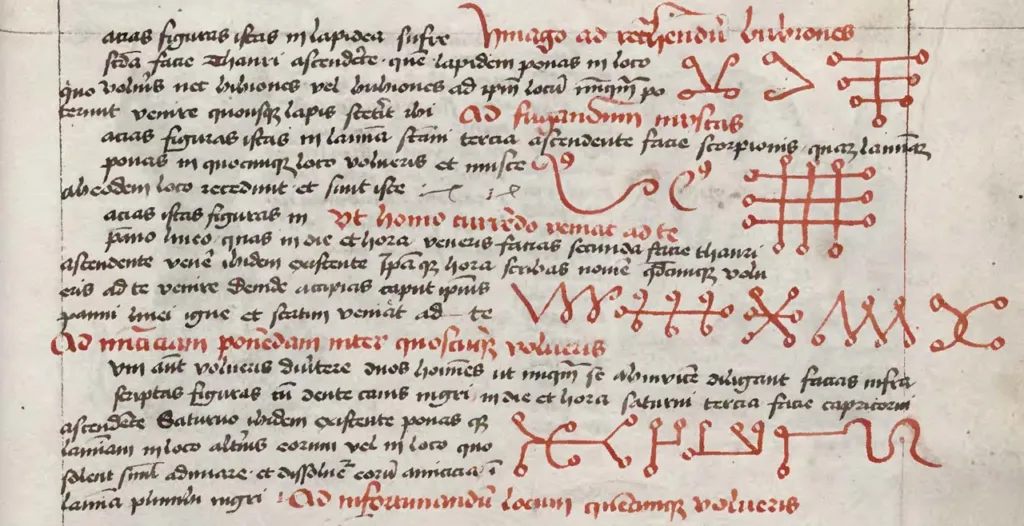
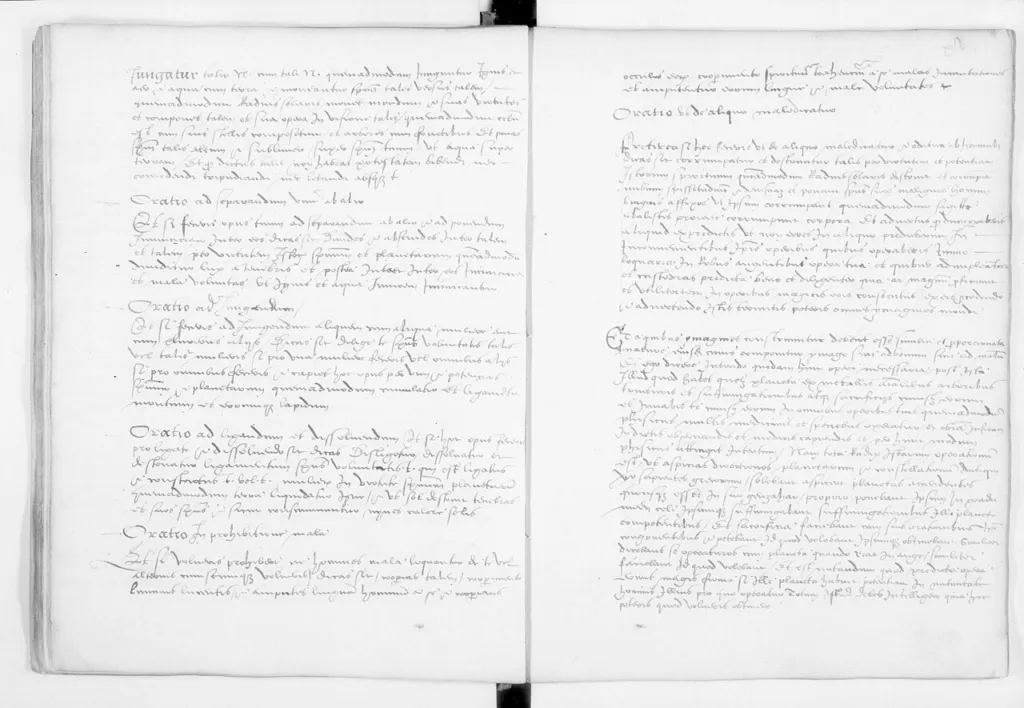
Cover: talismanic figures in a fifteenth-century Latin Picatrix, catalogued as Kraków, Jagiellonian Library MS 793, fol. 189r. Public domain · Wikimedia Commons
A medieval magician did not open the Picatrix and find a neat pharmacology chapter waiting politely between the planets. He found a grimoire: smoke, images, timings, planetary sympathies, borrowed authorities and enough poisonous botany to make a safety officer reach for the coffee with both hands. The interesting question is not whether the magic works. It is what the plant choices reveal about observation.
This essay turns AIP’s plant register into an essay for readers, not a ledger for archivists. It follows the Ghayat al-Hakim across its herbs, resins, trees, aromatics, narcotics and poisons, asking where medieval sensory classification overlaps with chemistry, and where symbolism simply wears a laboratory coat it has not earned.
This article is educational. It is not medical advice, and nothing in it is a recommendation to obtain, prepare, burn, inhale, ingest or apply any plant, resin or product named here.
Several plants named in this historical text are poisonous, controlled, prohibited in therapeutic goods, or otherwise dangerous. For snakebite in Australia: call 000 immediately, apply a pressure immobilisation bandage, keep the person still, and do not apply, take or burn any plant. Antivenom is the only treatment. For suspected poisoning by any plant, call the Poisons Information Centre on 13 11 26, 24 hours a day, anywhere in Australia, or 000 in an emergency. There, that’s the part medieval romance always forgets.
| Text | Ghayat al-Hakim, known in Latin Europe as Picatrix. Attested §1 |
| AIP count | 153 distinct plant entries in the working register; disputed names are counted conservatively and marked as uncertain. Attested §1 |
| Core finding | The strongest pharmacological matches are in sleep, delirium, purging and poison; love, favour and kingly material is mostly symbolic. Mechanism §4 |
| Safety line | This is education and intellectual history, not a pharmacopoeia and not a recommendation to obtain, prepare, burn or ingest anything named here. §6 |
The Picatrix is esoteric literature: a learned technical grimoire with manuscript descent, named authorities and a theory of matter and the heavens. It is not folklore, and calling it folklore muddies both fields.
Working through all four books, AIP’s current register counts 153 distinct plant entries. Resins and aromatics dominate because the normal operation is suffumigation: plants are burned to make ritual smoke, not swallowed as a herbal tea for the credulous.
The text is most accurate where the effect is fast, physical and hard to miss: sleep, stupor, purging, delirium and poisoning. It is weakest where the desired result is social or symbolic: love, favour, authority and attraction. In short, it knew a poison when one ruined the afternoon; it did not chemically bind anyone’s affections, despite centuries of very confident stationery.
 1 · The Book Before The Plants
 2 · The Sorting Hat Is Galen, Not The Stars
 3 · Everything Goes On The Fire
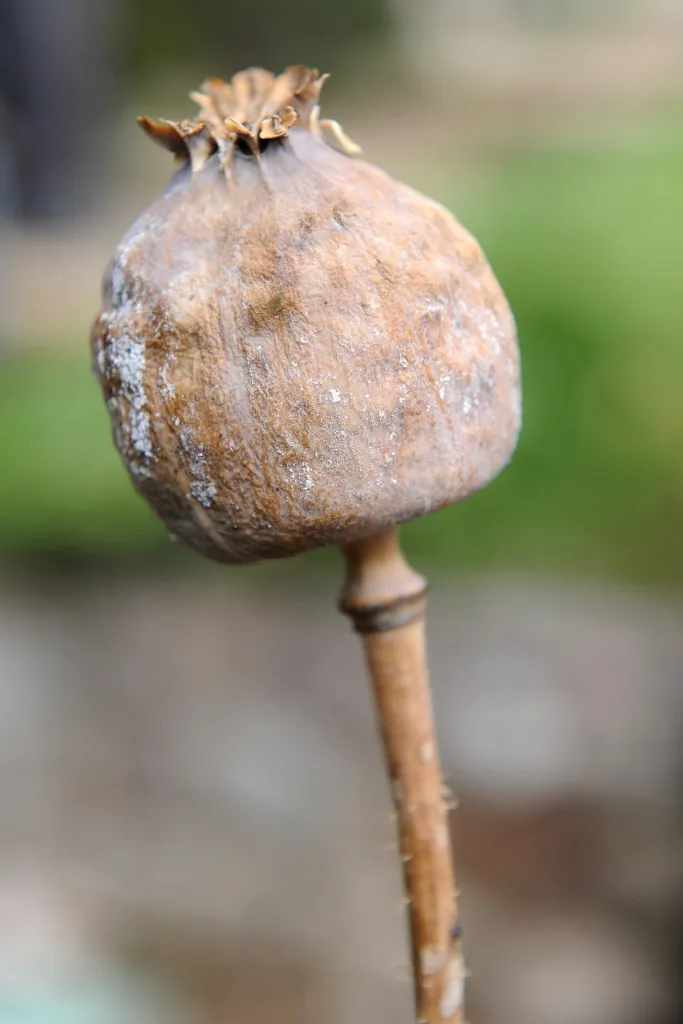 4 · Where The Book Is Right
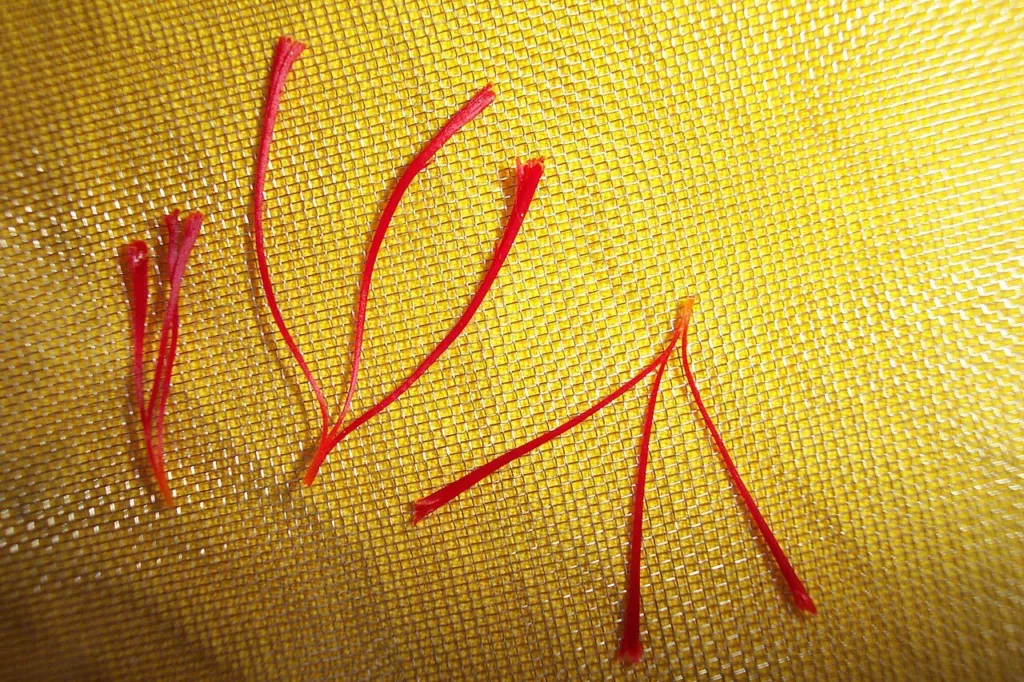 5 · Where The Book Is Poetry
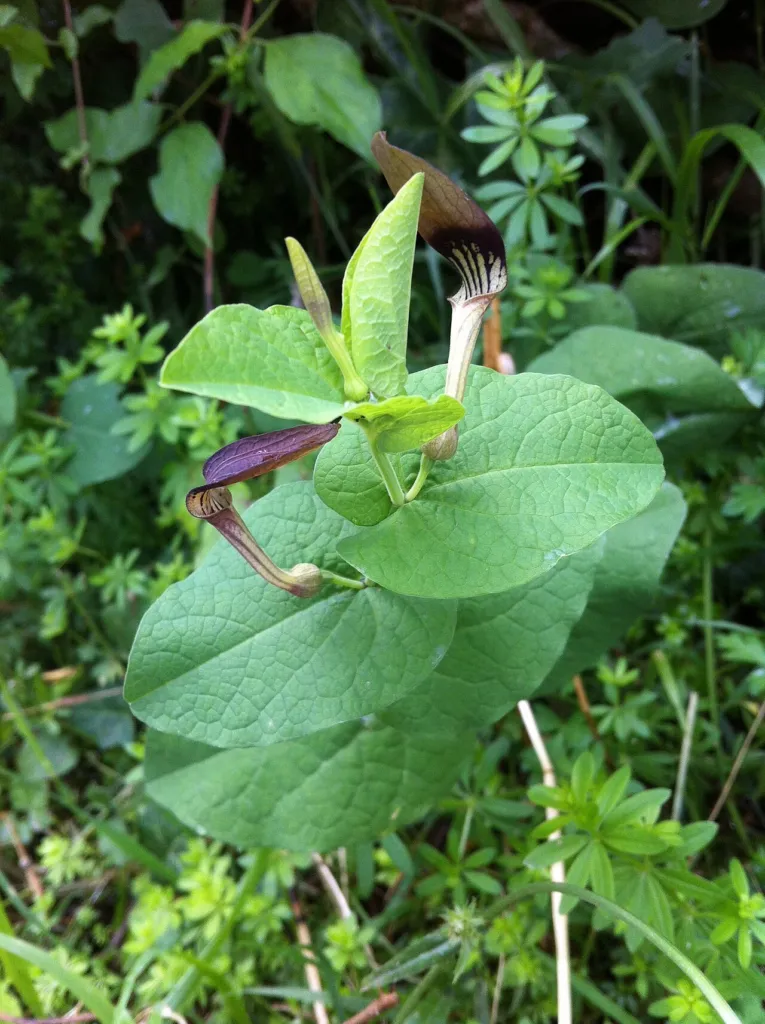 6 · Where The Book Is Dangerous
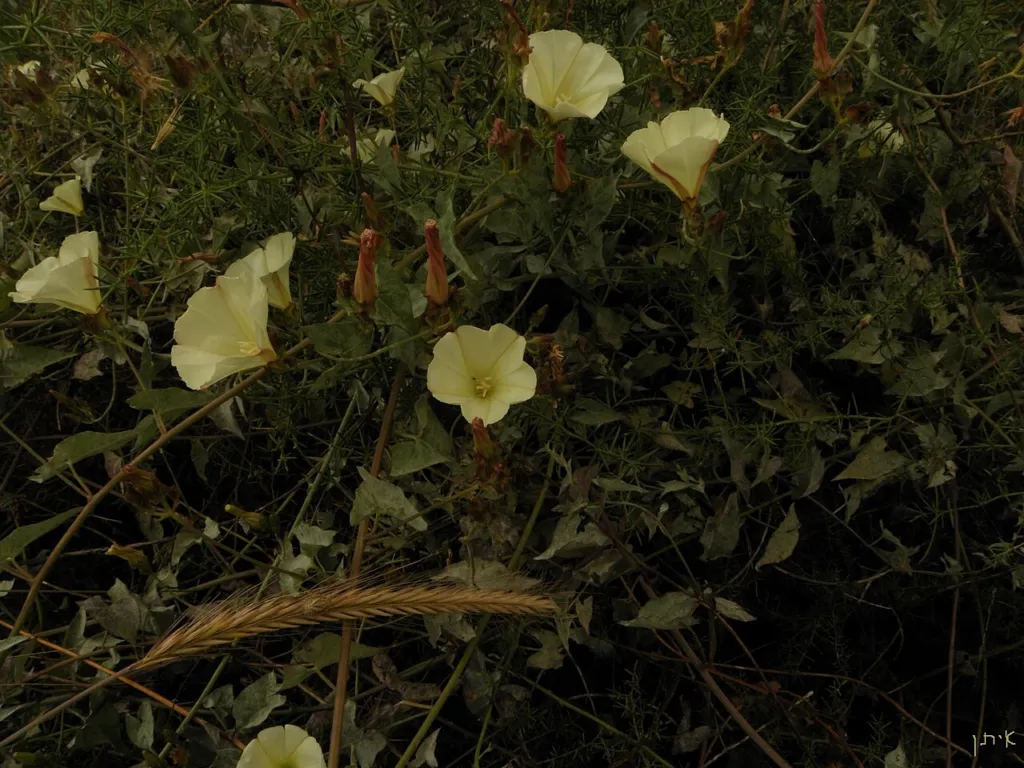 7 · The Hidden Virtue
 8 · What AIP Can Use
 9 · Discussion And Research Agenda
Chapter 1The Book Before The Plants
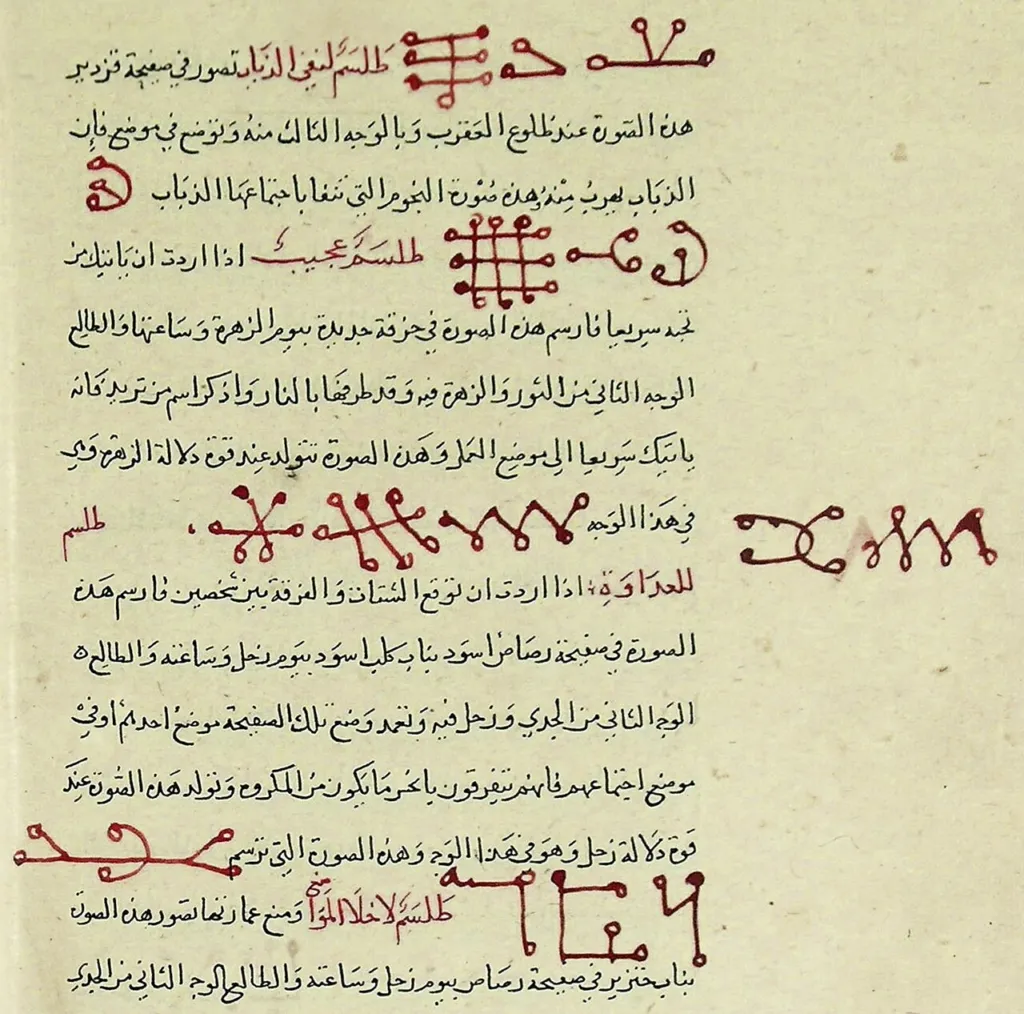
The Arabic title is Ghayat al-Hakim, the Goal of the Sage. The Latin title Picatrix is the later European name by which the work became famous, or at least notorious in the way learned books become notorious when readers are frightened of footnotes. Attested
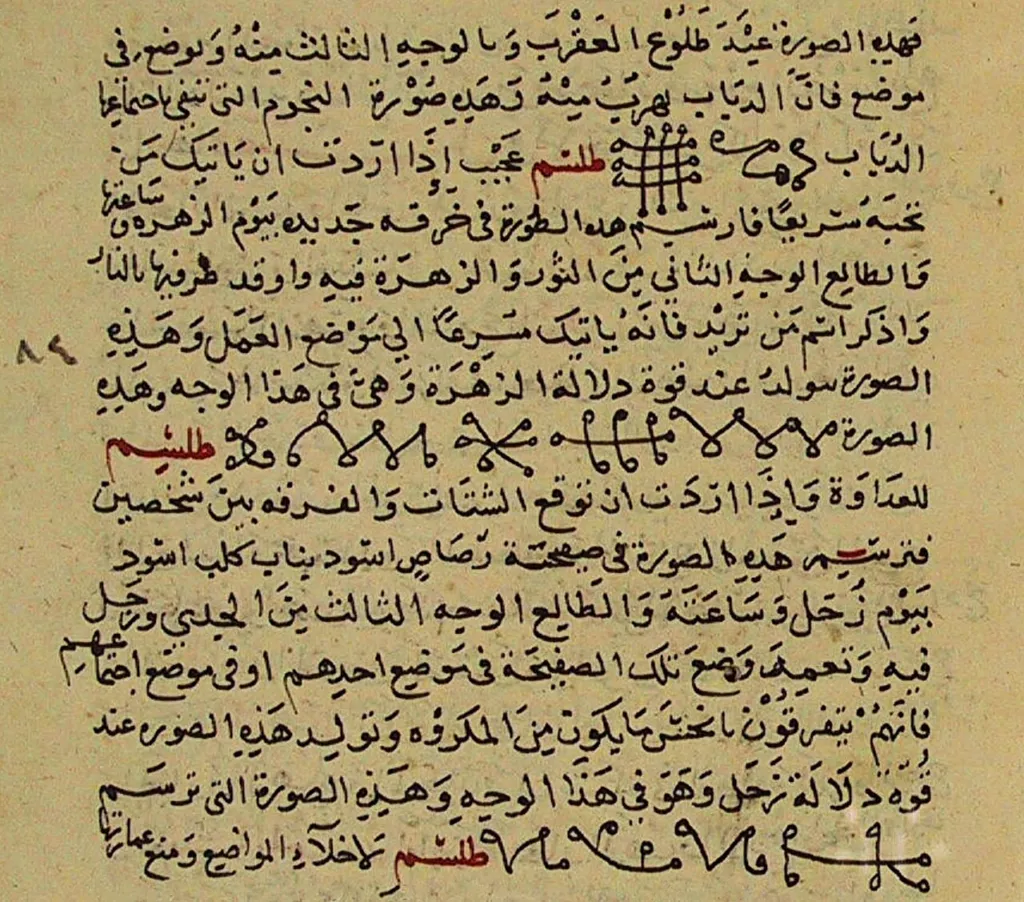
Image · Public domain · Wikimedia Commons

Image · Public domain · Wikimedia Commons
A responsible public essay has to start here because plant names in medieval texts are not self-identifying museum labels. A Latin word, an Arabic word, a translator’s guess and a modern binomial are four different things. AIP’s register therefore keeps confidence grades: secure, probable, conjectural and unidentified. That is not fussiness. It is the difference between Conium, Cicuta and a tree called hemlock by someone holding a field guide upside down.
The essay uses Attrell and Porreca’s English translation as the accessible base text, checks the Latin against Pingree where needed, and uses Ritter and Plessner for the German rendering of the Arabic tradition. A translation is cited as a translation. A reading is not promoted into an original merely because it flatters the argument. Attested
Chapter 2The Sorting Hat Is Galen, Not The Stars
The planetary lists look, at first, like arbitrary magic. Saturn receives bitter, black, foul and dangerous things: hemlock, colocynth, opium, mandrake, asafoetida and black myrobalan. Mars receives hot, biting things: pepper, ginger, mustard, cress and euphorbium. Venus receives the sweet and fragrant: rose, violet, myrtle, nutmeg, costus and mastic. The Moon receives the cold or watery: camphor, lily, iris and cabbage. Traditional
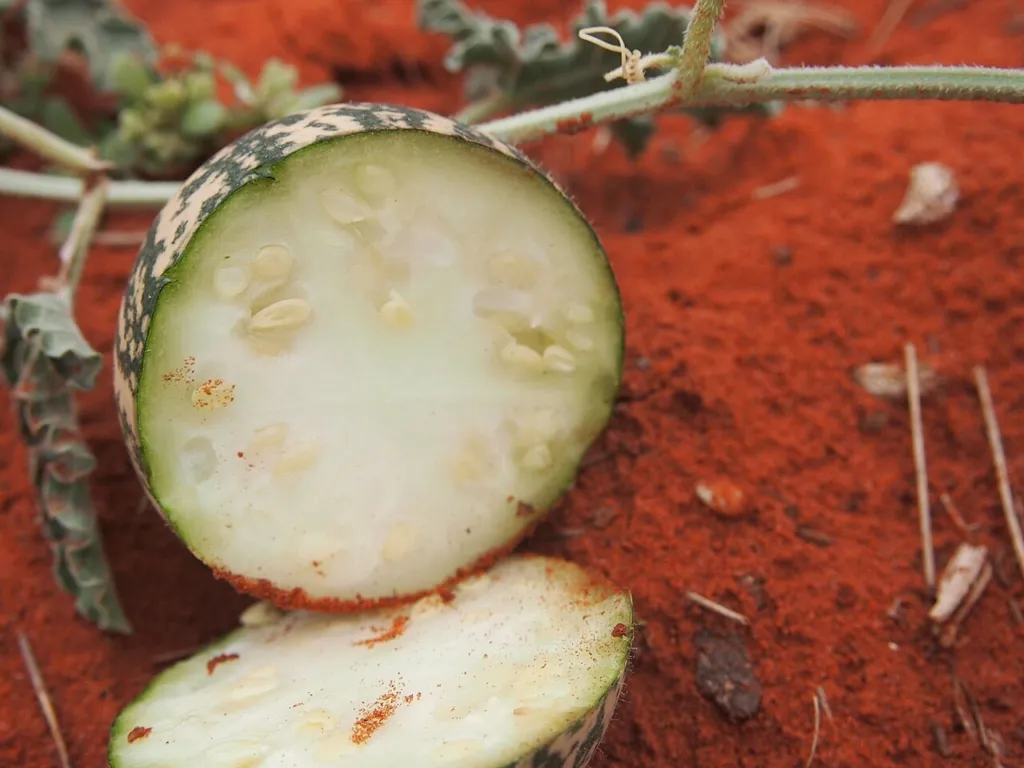
Photo: Mark Marathon · CC BY-SA 3.0 · Wikimedia Commons
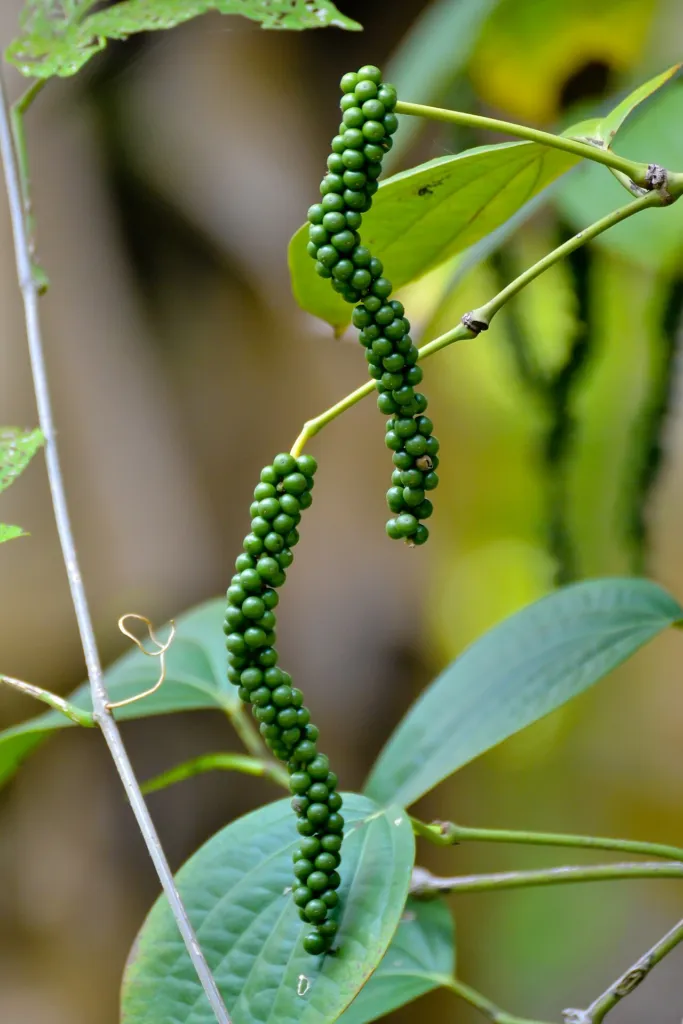
Photo: K Hari Krishnan · CC BY-SA 3.0 · Wikimedia Commons
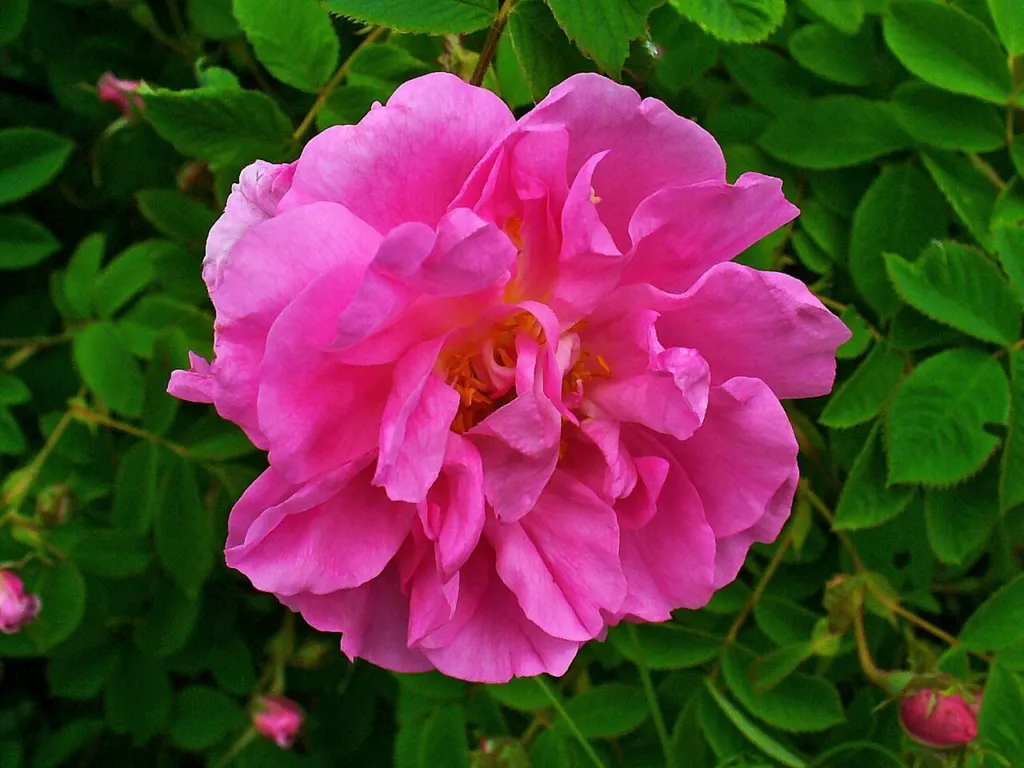
Photo: H. Zell · CC BY-SA 3.0 · Wikimedia Commons
The old drawer labels are planets, but the sorting hand is Galenic quality theory: hot, cold, dry and moist, read through taste, odour, colour, texture and effect. That matters because taste and odour are not decorative. Bitterness often flags alkaloids, cucurbitacins, glycosides and other defensive chemistry. Pungency points toward irritant channels: TRPV1 for pepper, ginger and the spurges; TRPA1 for mustard and cress. Mechanism
The Moon’s coldness is a useful lesson in being precise. Menthol is the clean TRPM8 example; camphor, one of the Moon’s own materials in the text, is messier, acting around TRPV1, TRPV3 and TRPA1 and reported differently at TRPM8. The medieval call is right about sensation and not equipped to explain mechanism. That is not failure; it is exactly why old plant categories can preserve observations inside obsolete theories. Mechanism
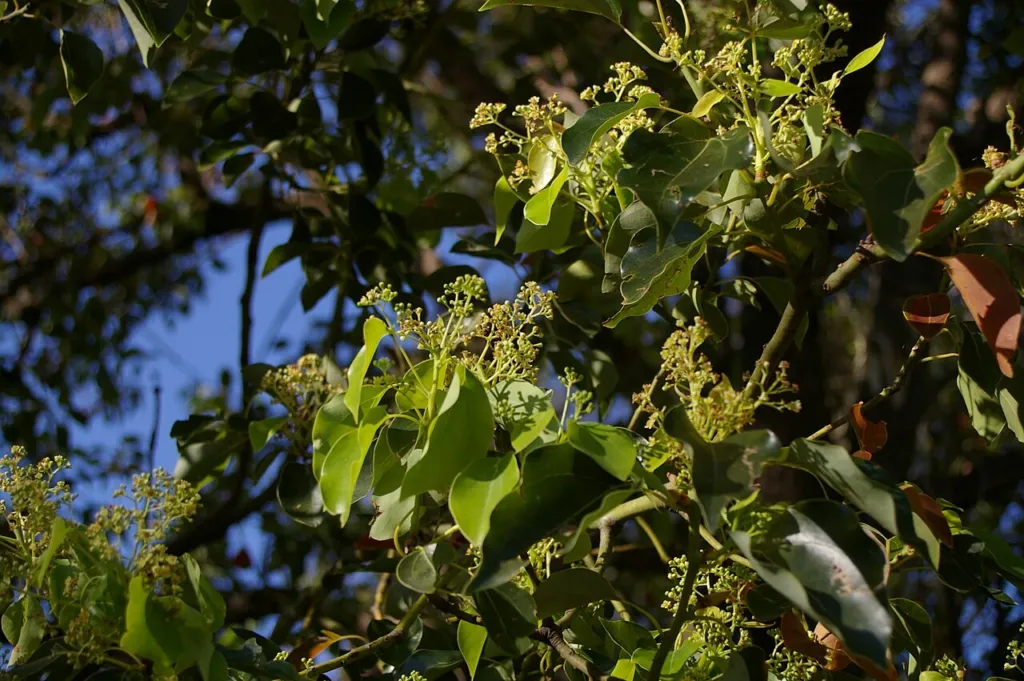
Photo: John Robert McPherson · CC BY-SA 4.0 · Wikimedia Commons
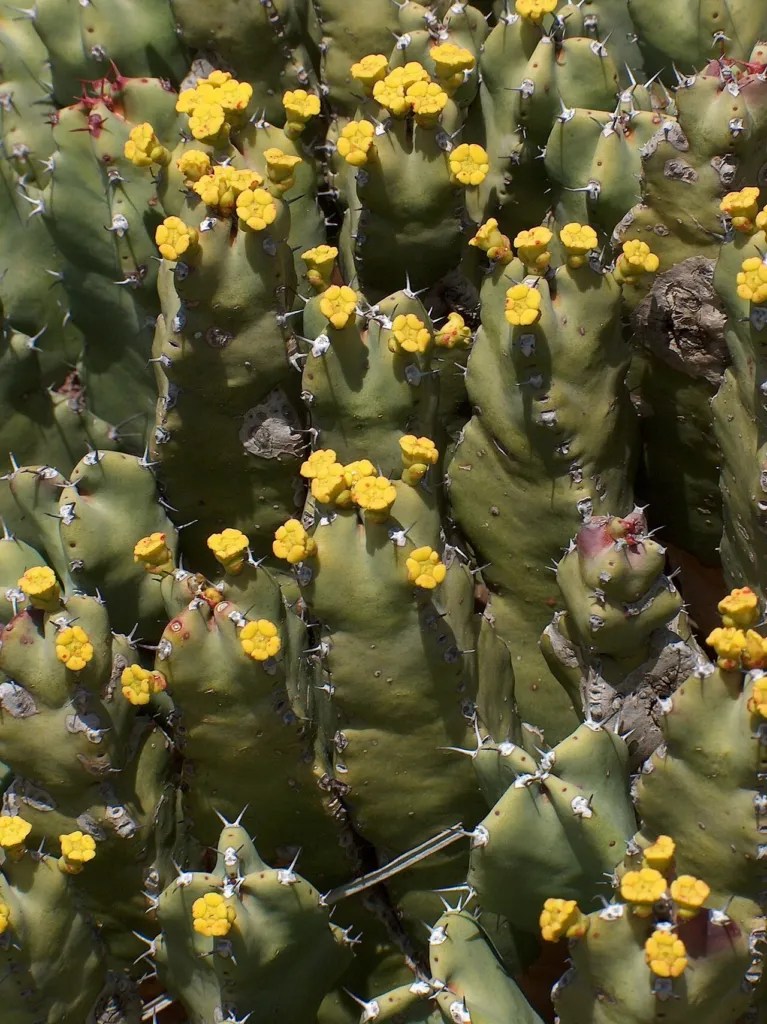
Photo: Valérie & Agnès · CC BY-SA 3.0 · Wikimedia Commons
Chapter 3Everything Goes On The Fire
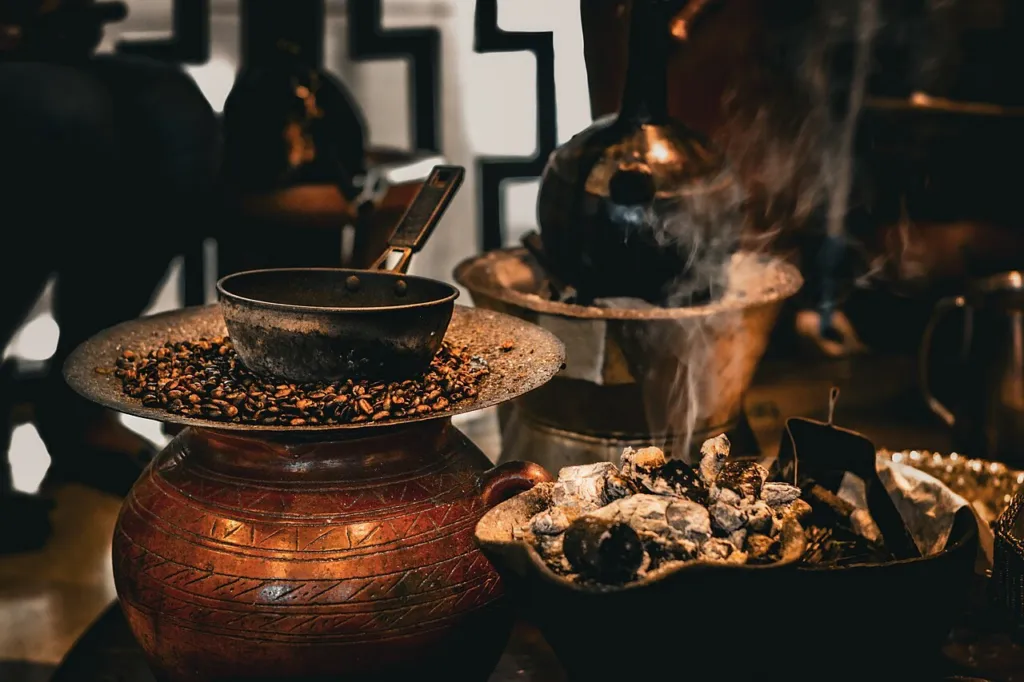
The characteristic Picatrix operation is not a spoonful of herbal mixture. It is smoke. Storax, frankincense, mastic, myrrh, labdanum, galbanum, agarwood and sandalwood recur because suffumigation is the ritual machine: a compound is burned at the right time over a figure, image or material object. Traditional
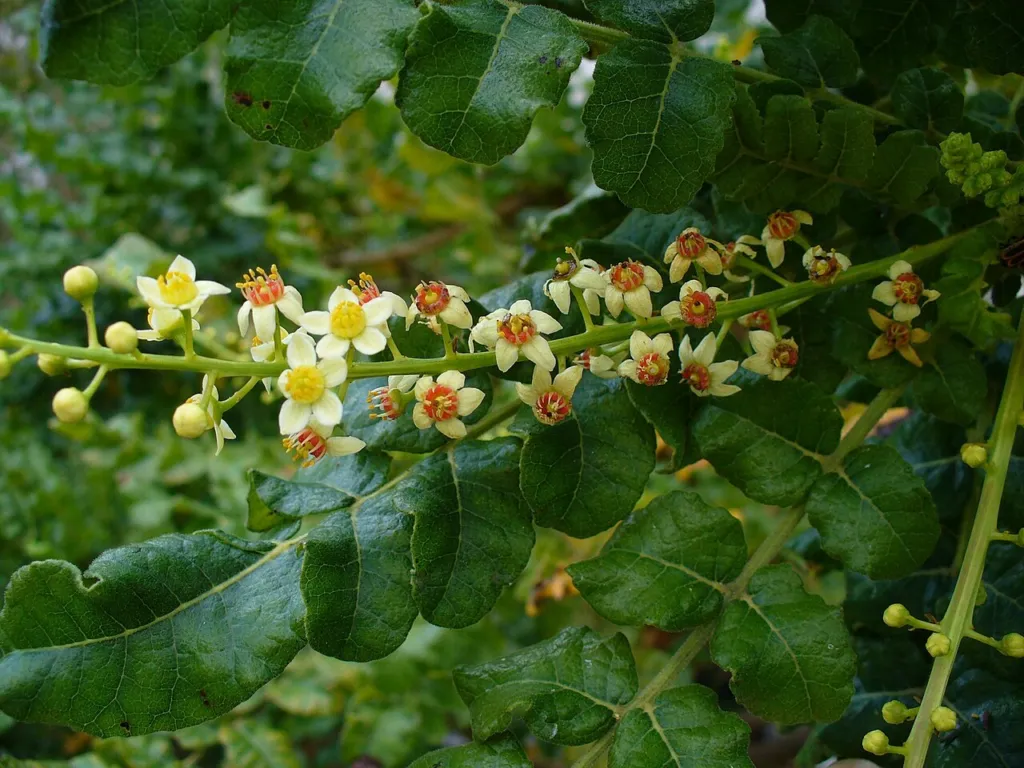
Photo: Scott Zona from USA · CC BY 2.0 · Wikimedia Commons
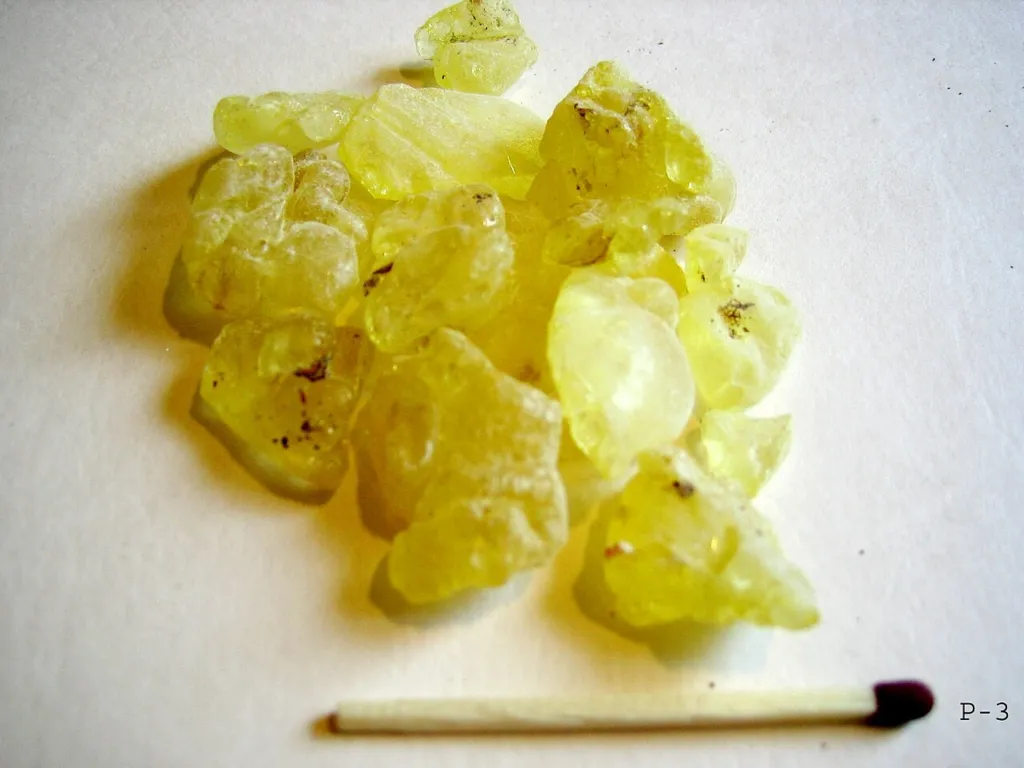
Photo: Lemmikkipuu · CC BY-SA 3.0 · Wikimedia Commons
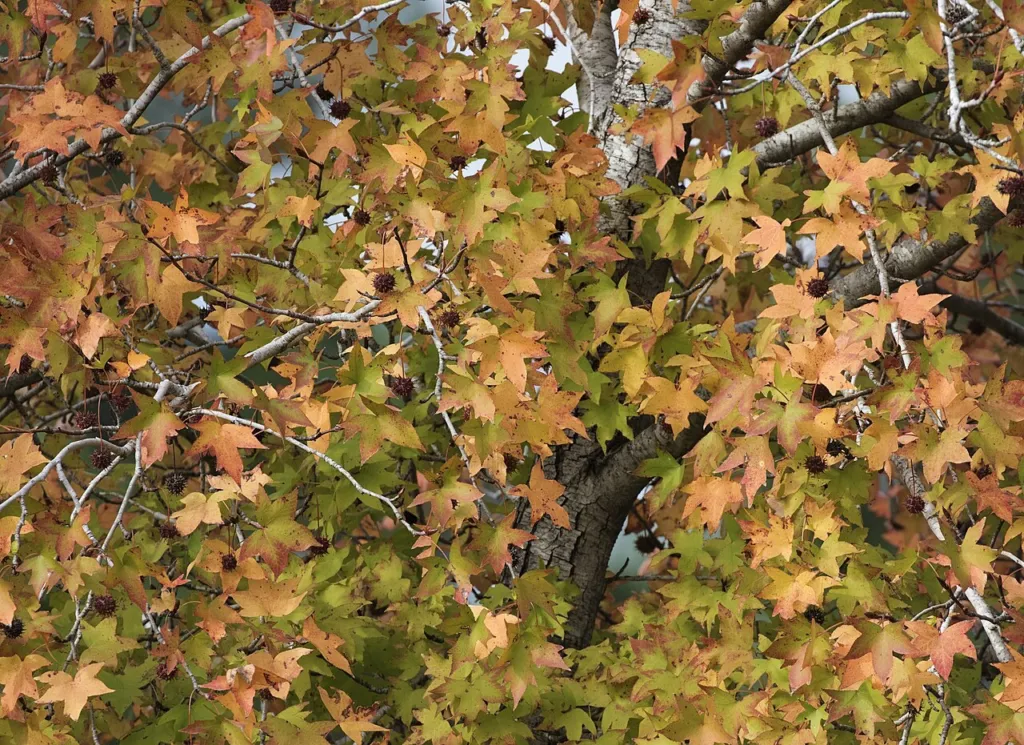
Photo: Zeynel Cebeci · CC BY-SA 4.0 · Wikimedia Commons
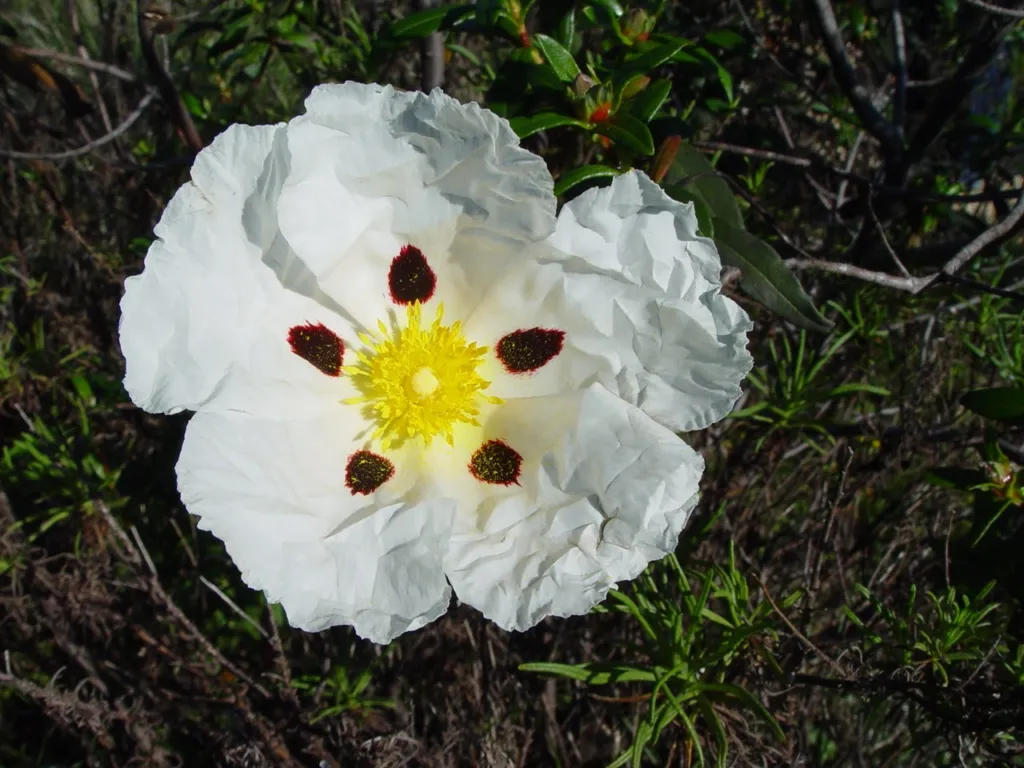
Photo: Carsten Niehaus · CC BY-SA 3.0 · Wikimedia Commons
Most aromatic smoke is better understood as mood, setting and sensory technology than as systemic pharmacology. A room full of resin smoke changes attention, breath, smell, expectation and ceremony. It may alter the operator’s state; that does not make it a drug dose, and saying so is not scepticism so much as basic housekeeping.
The exceptions deserve harder treatment. Henbane goes on the fire. Opium goes on the fire. Cannabis appears in a lunar incense compound. Those are active materials, and heating psychoactive or toxic plants changes the safety question. This essay gives no methods, no quantities, no preparation sequence and no encouragement. Anyone looking for a recipe has mistaken AIP for a very poorly supervised bonfire.
Chapter 4Where The Book Is Right
The strongest matches appear where the effect is crude and unmistakable: sleep, muting, stupor, delirium, purging and death. Book III’s soporific and stupefying material includes opium, mandrake, henbane, datura, nightshade, poppy, lettuce, darnel and nutmeg. Six of those carry pharmacology that no modern reader needs to romanticise: opioid agonism, anticholinergic delirium, sedation, toxicity and genuine poisoning. Confirmed
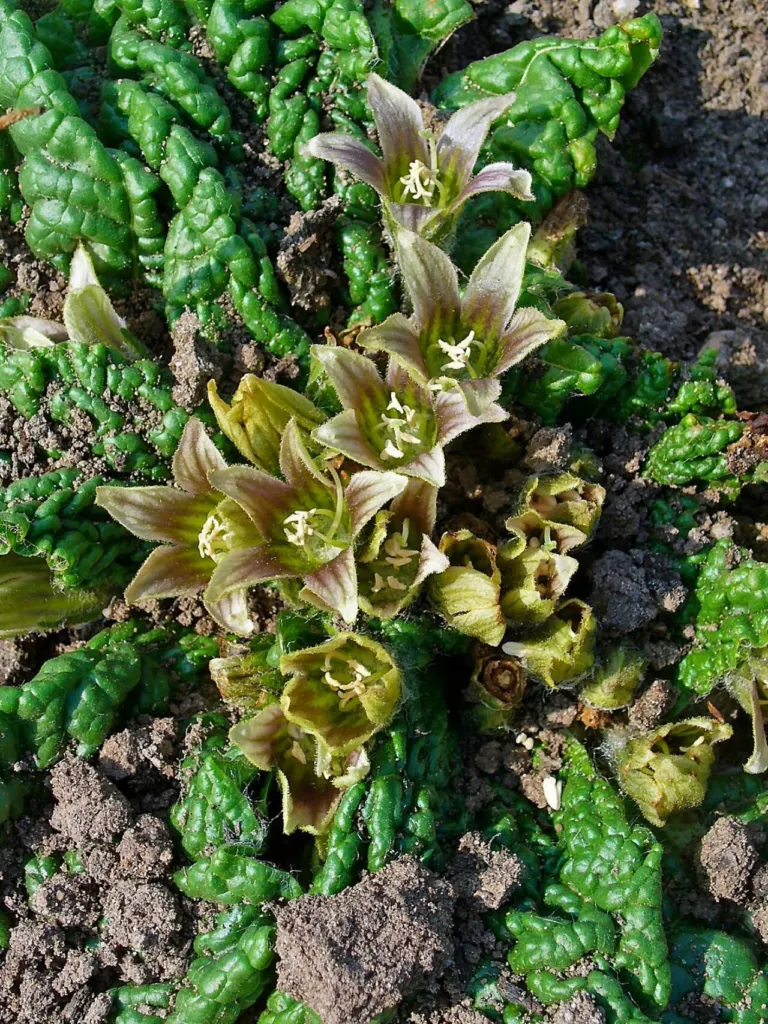
Photo: H. Zell · CC BY-SA 3.0 · Wikimedia Commons
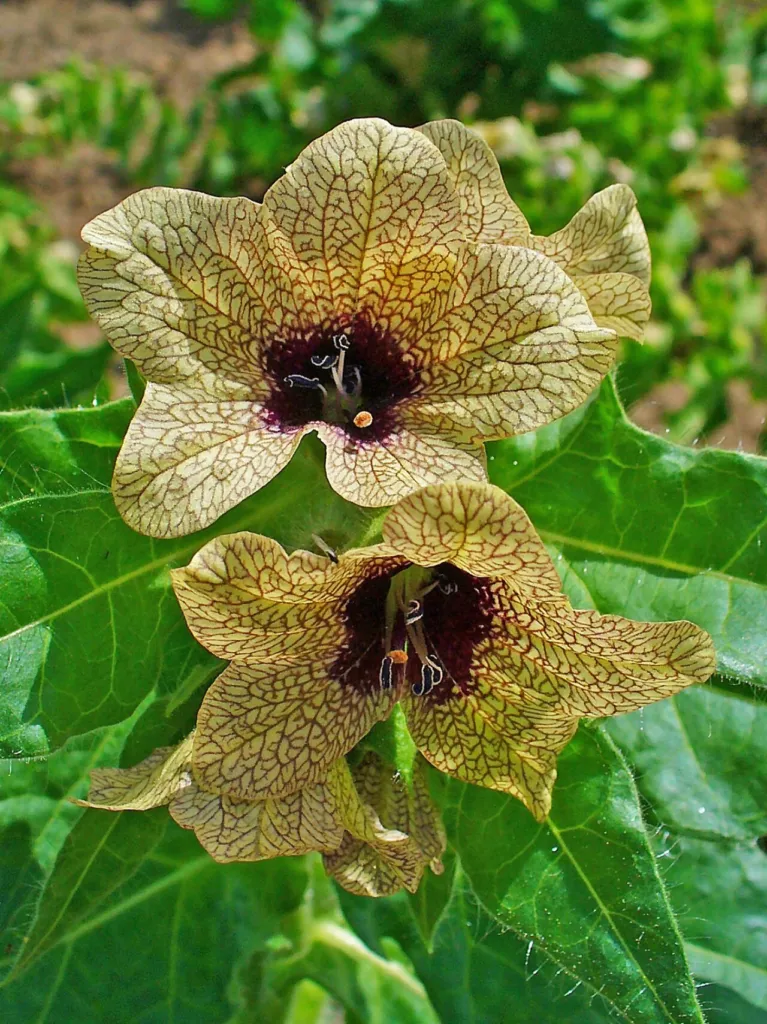
Photo: H. Zell · CC BY-SA 3.0 · Wikimedia Commons
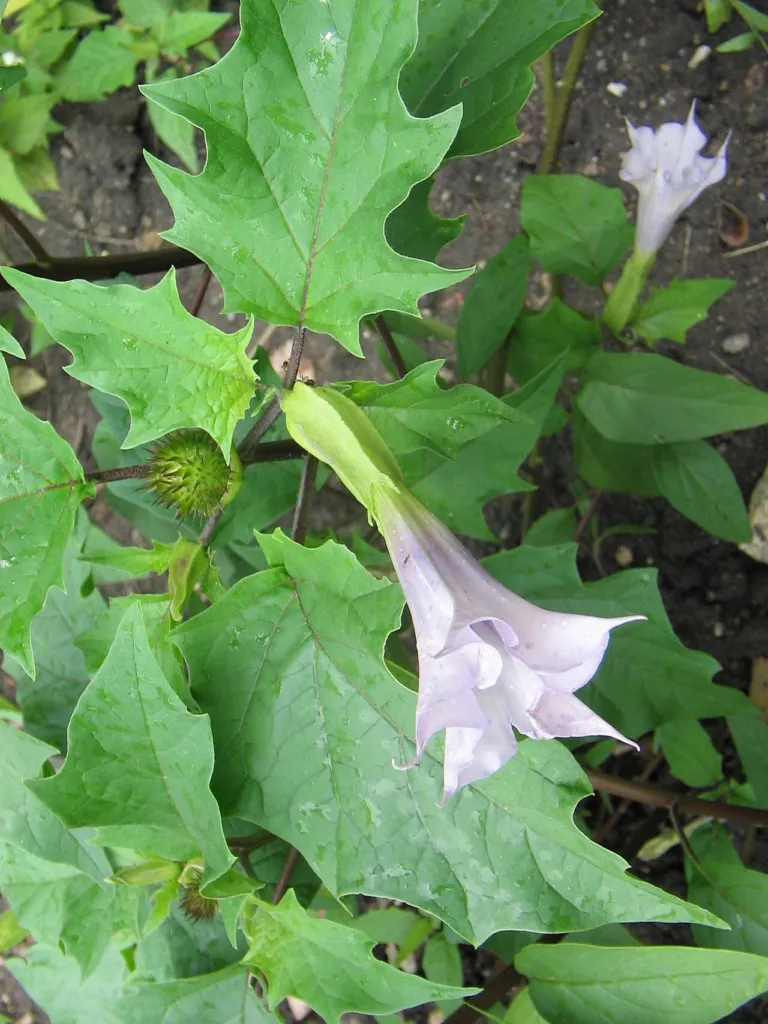
Photo: Taka · CC BY-SA 3.0 · Wikimedia Commons
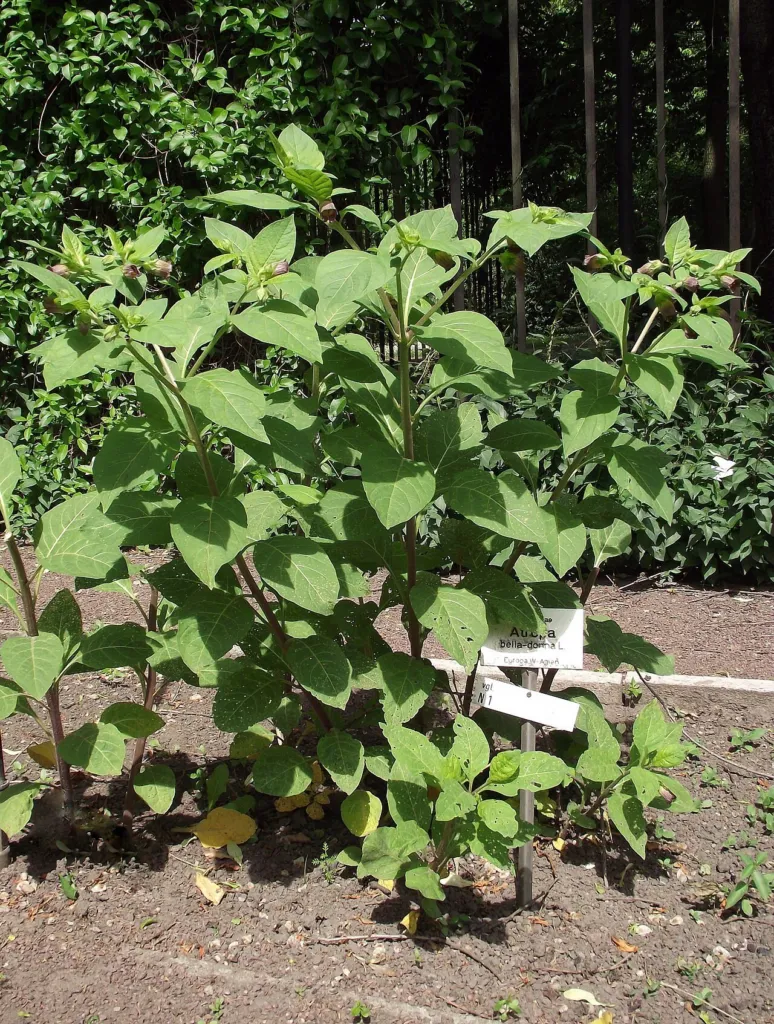
Photo: Rillke · CC BY-SA 3.0 · Wikimedia Commons
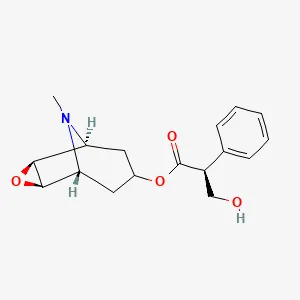
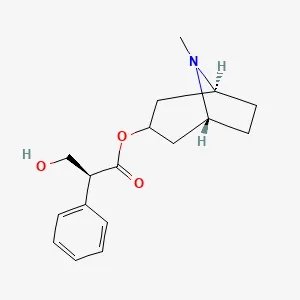
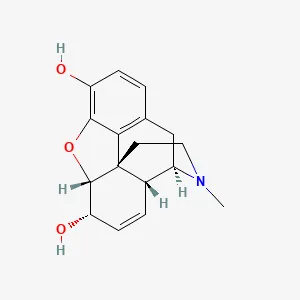
Darnel is more interesting than a clean hit. Its reputation for intoxicating grain is old, but the modern explanation probably involves a seed-borne fungal passenger rather than the grass alone, and the responsible compound has not been pinned down. Nutmeg genuinely intoxicates in case reports, but the familiar myristicin story is too neat: the mechanism is not established in humans, and the experience is poisoning, not enlightenment in a pantry. Evidence suggests
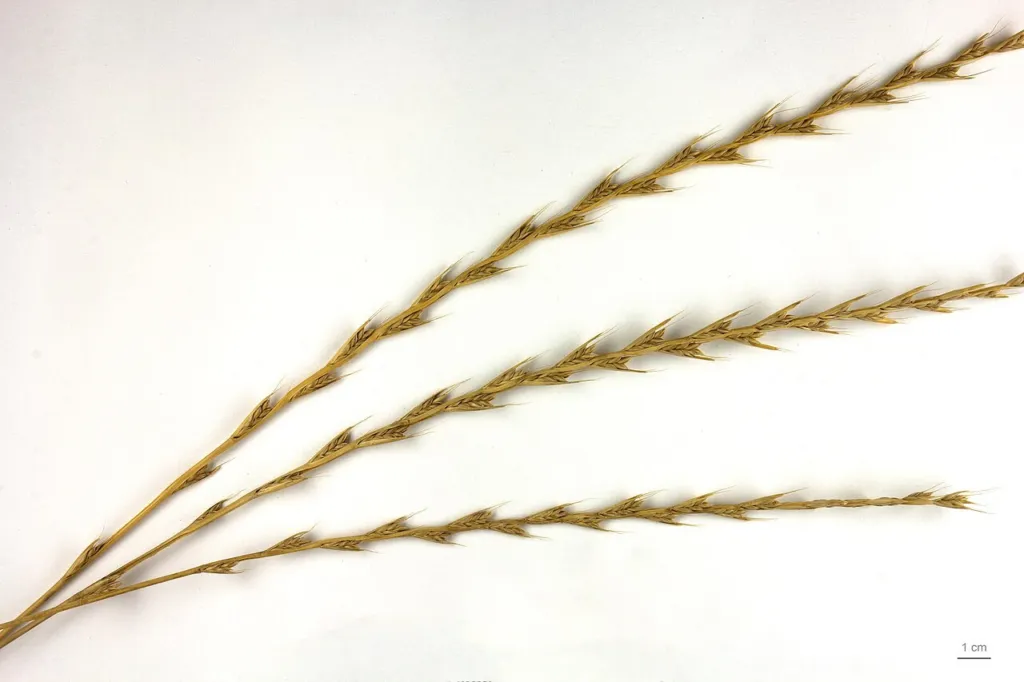
Photo: Roger Culos · CC BY-SA 4.0 · Wikimedia Commons
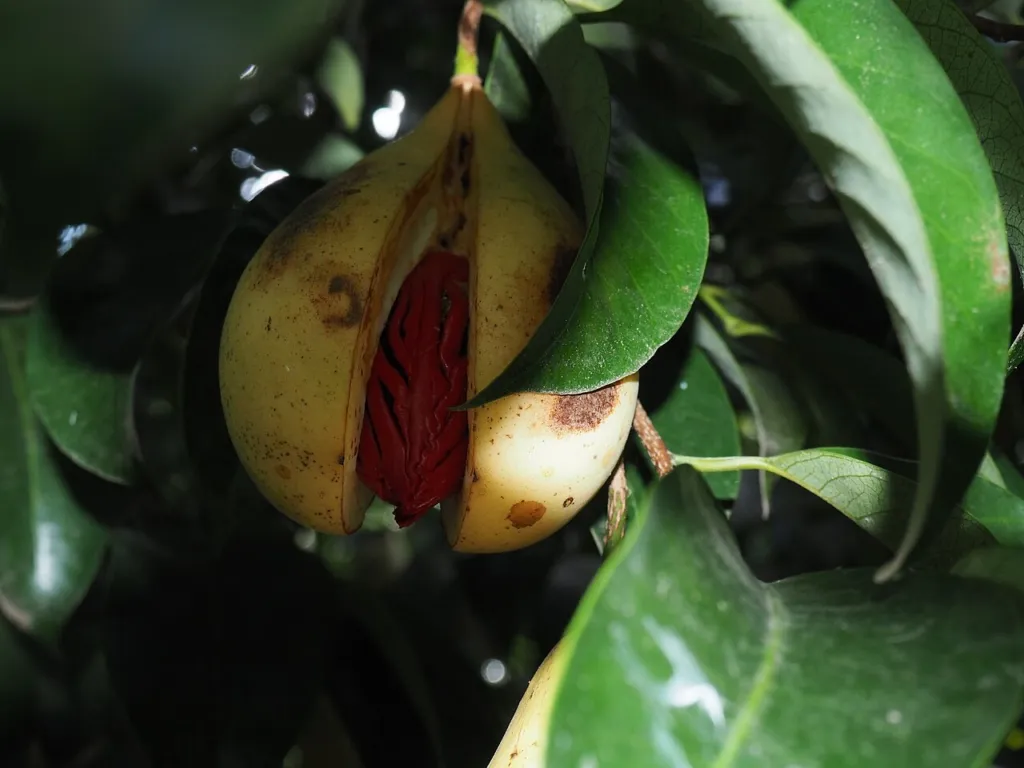
Photo: Schlawensko · CC BY-SA 4.0 · Wikimedia Commons
The poisons are clearer. Coniine from poison hemlock causes ascending paralysis. Aconitine holds voltage-gated sodium channels open so they cannot reset, which is why aconite poisoning can end in arrhythmia. Squill contains bufadienolides; black hellebore and white hellebore must be separated because medieval names hide different genera and different toxicologies. One name, two poisons. It is a tidy nuisance, which is scholarship’s natural habitat. Confirmed
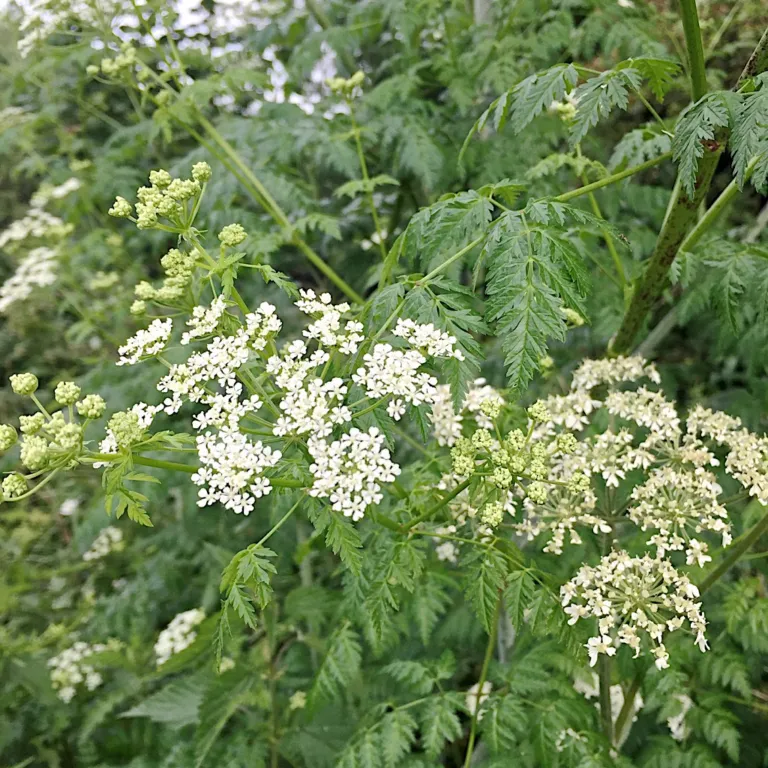
Photo: Robin Stott · CC BY-SA 2.0 · Wikimedia Commons
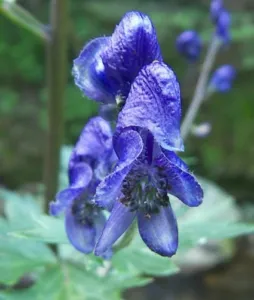
Photo: I.Sáček, senior · Public domain · Wikimedia Commons
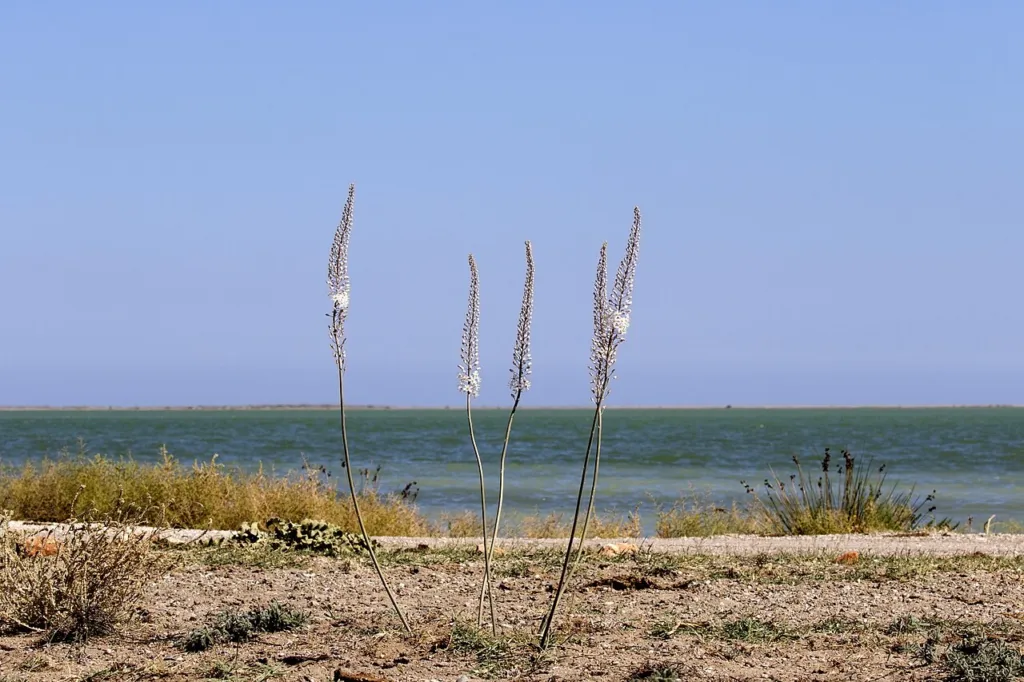
Photo: Zeynel Cebeci · CC BY-SA 4.0 · Wikimedia Commons
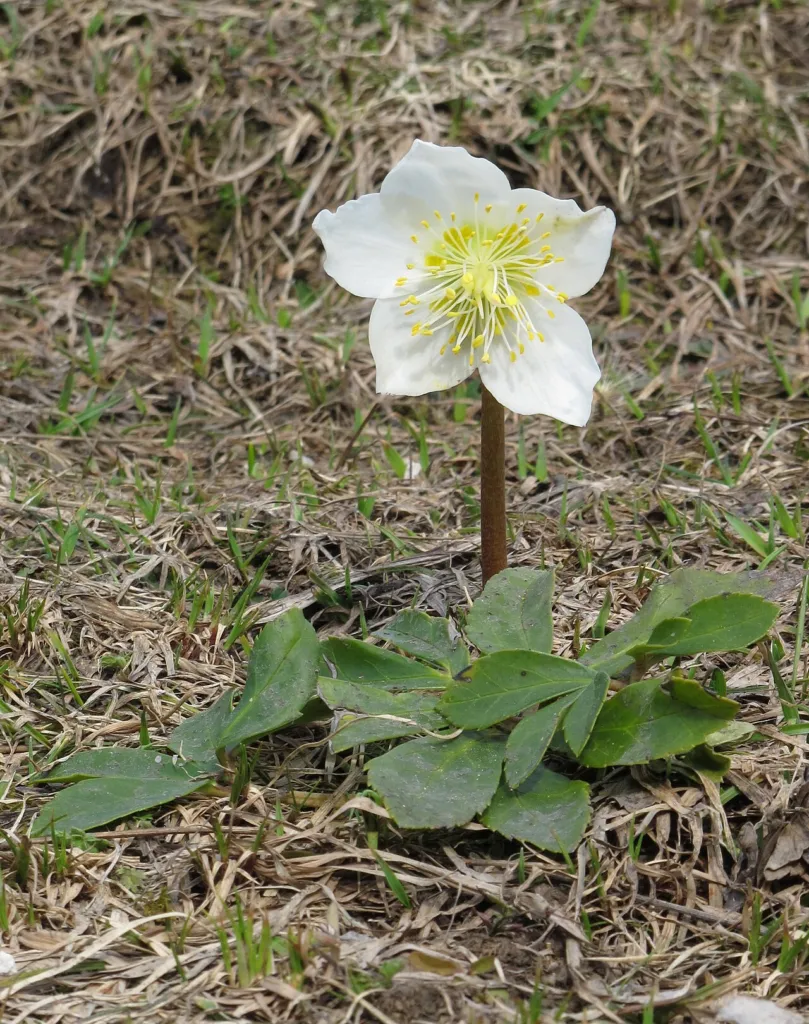
Photo: Robert Flogaus-Faust · CC BY 4.0 · Wikimedia Commons
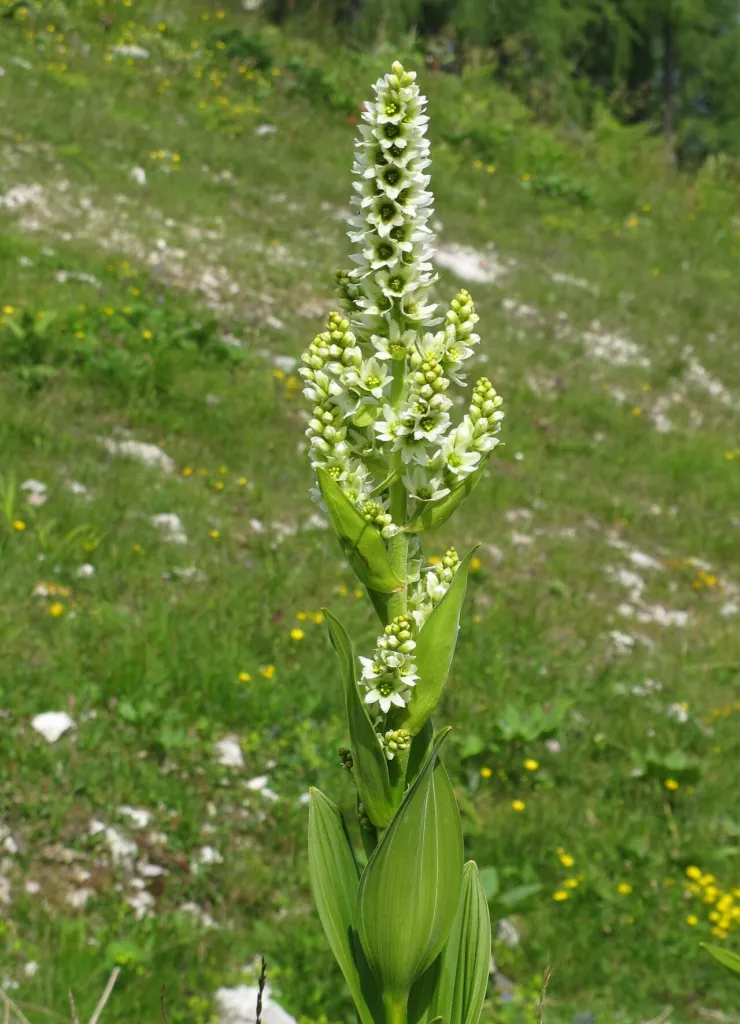
Photo: Robert Flogaus-Faust · CC BY 4.0 · Wikimedia Commons
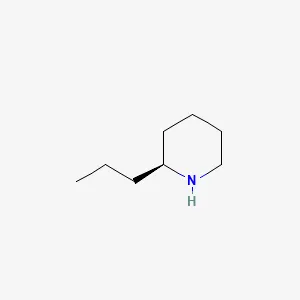
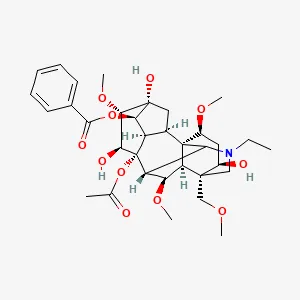
Chapter 5Where The Book Is Poetry
When the text turns to love, favour and kingly success, the pharmacological concordance thins dramatically. Rose, violet, saffron, myrtle, nutmeg, costus and mastic are fragrant, costly and symbolically charged. Pharmacology will grant a pleasant smell, and pleasant smells can change the feeling of a room. It will not grant a binding agent or a demonstrated erotic action. Mechanism
Valerian shows the danger of flattening evidence. Its modern sleep-aid reputation rests on traditional use, laboratory mechanisms around GABA-A, and mixed human trial data. That is not nothing, but it is not a clean claim either. The Picatrix deploys it as a love philtre, pointing it away from the only action anyone has plausibly argued for it. Evidence suggests
Chaste tree is even neater as a warning label for lazy corroboration. It carried an anaphrodisiac reputation for centuries; modern work points instead toward dopaminergic effects at the pituitary and prolactin in specific research contexts. Those are not the same claim. The old reputation is history, the receptor work is mechanism, and neither proves that a smoke can manufacture hatred or chastity on request. Traditional Mechanism
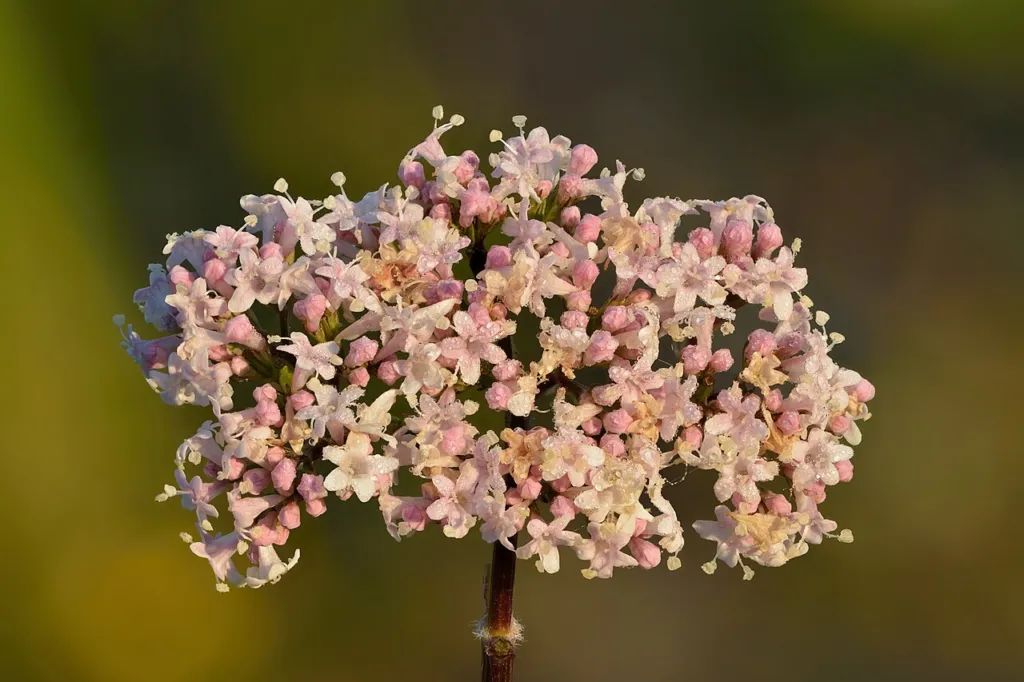
Photo: Ivar Leidus · CC BY-SA 4.0 · Wikimedia Commons
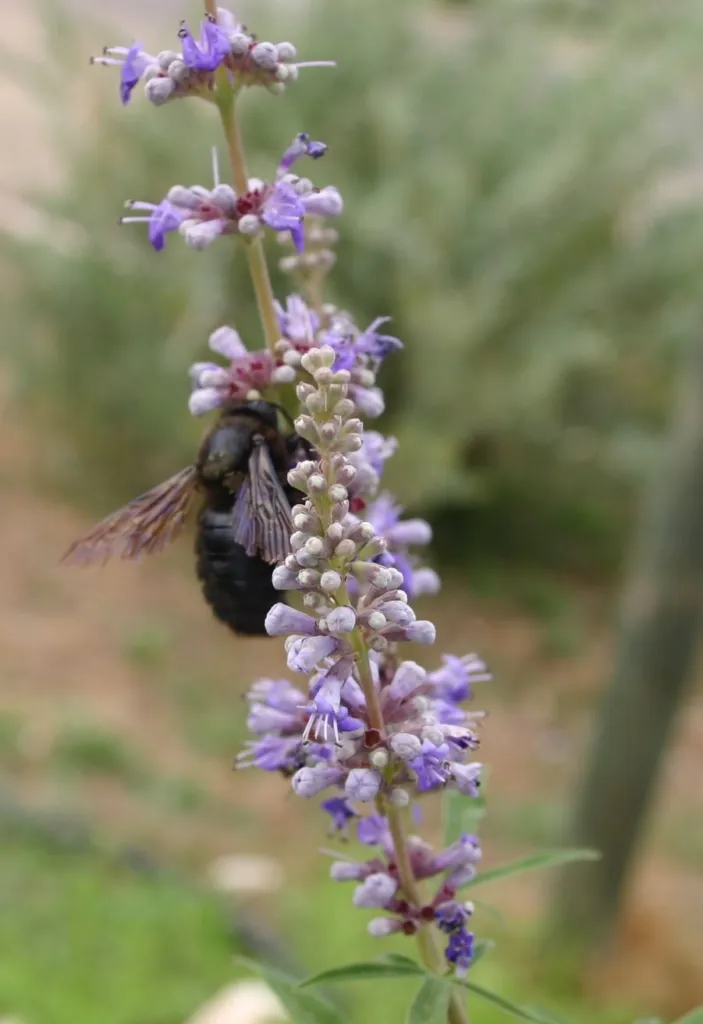
Photo: Sten Porse · CC BY-SA 3.0 · Wikimedia Commons
Chapter 6Where The Book Is Dangerous
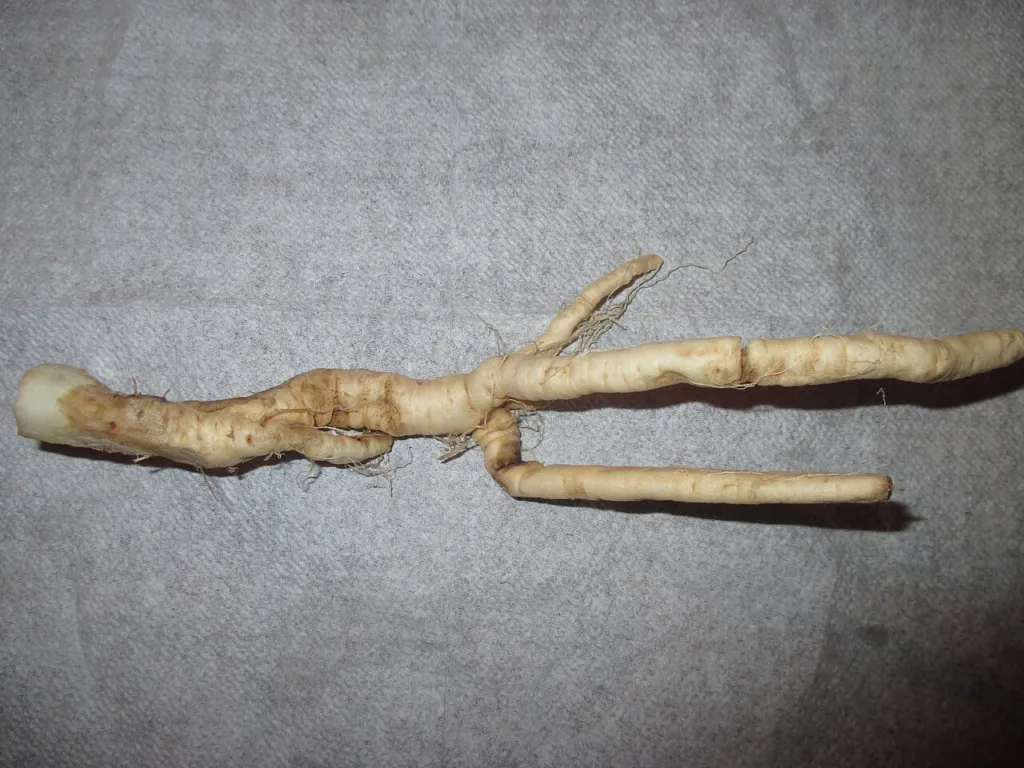
Birthwort is the hard stop. The Picatrix includes round birthwort, Aristolochia rotunda, in a talismanic preparation against adders. Aristolochic acids are nephrotoxic and carcinogenic; the human harms include kidney failure and urothelial cancer. Against snakebite, Aristolochia has never been shown to do anything useful in a human being. Aristolochia is prohibited from use in medicines in Australia today for exactly this reason. Confirmed
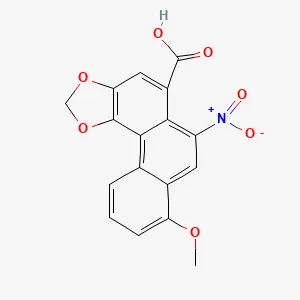
That last sentence must be read in Queensland English, not in medieval Latin. For snakebite in Australia: call 000 immediately, apply a pressure immobilisation bandage, keep the person still, and do not apply, take or burn any plant. Antivenom is the only treatment. If that ruins the atmosphere, splendid; the atmosphere was poisonous.
This is the essay’s central public-safety point. The same historical tradition can preserve a correct warning about poisons and a dangerous false remedy beside it. AIP’s job is not to sneer at the past or baptise it whole. It is to separate observation, symbolism and hazard with enough discipline that nobody confuses a manuscript witness for a clinical instruction.
Chapter 7The Hidden Virtue
The bridge between pharmacy and magic in the Picatrix is the old idea of hidden virtue. Scammony is the useful example: a violent purgative whose effect was observable but not reducible, in medieval terms, to obvious hot-cold-dry-moist qualities. The answer was a specific hidden power of the substance. Attested
Once that category exists, a drug and a talisman can become neighbouring claims. A medicine acts by a hidden virtue in a plant; an image acts by a hidden virtue received from the heavens. The two are not the same to us, but they were not as far apart to the compiler as our filing cabinets would prefer.
This is why the plant register is so valuable. It shows a world in which empirical pharmacy, agricultural lore, textual authority and astral theory could be stitched into one operating system. Some of the stitches hold. Some unravel as soon as touched. Several are best handled with gloves.
Chapter 8What AIP Can Use
What can AIP use from all this? Not a pharmacopoeia. Nobody should take a single instruction in the Picatrix as guidance for doing anything to a human body. Several named plants are toxic, some are controlled or prohibited in therapeutic goods, and a few are ordinary kitchen or garden materials only until someone starts treating a grimoire as an instruction manual.
What it is good for is the history of pharmacognosy: a record of what a learned Mediterranean compiler and his sources noticed about plants, how they sorted those observations, and how a theory of cosmic sympathy absorbed genuine sensory and toxicological knowledge. That is rich material for research, precisely because it is not clean.
The honest shape is simple enough. The Picatrix is right most often where the body gives fast feedback: sleep, purging, delirium, poisoning. It is poetic where the goal is social magic. It is dangerous where a remedy is asserted because a tradition said so. A modern institute can learn from it, provided it keeps one hand on the source and the other on the brake.
Discussion: Conclusions, Hypotheses And Research Still Required
This is the part of the article where the author has to say plainly which claims survive scrutiny, which are merely interesting, and what anyone wanting to take the subject further should actually do. The evidence tags below mean exactly what they mean in the body: a textual reading stays a textual reading, and traditional use never gets promoted to clinical evidence on the way past.
What this article supports
- The register. AIP’s working register counts 153 distinct plant entries across the four books, with disputed names counted conservatively. Resins, gums, incense woods and aromatics form the largest block, and suffumigation – burning – is the dominant route the text prescribes. Attested
- The sorting principle. Planetary allocation in the Ghayat al-Hakim tracks Galenic sensory qualities – hot, cold, dry, moist, bitter, sweet, foul, costly – rather than any independent celestial botany. That is a reading of the text and its sources, not a measurement. Attested
- The concordance pattern. Agreement with modern pharmacology is strongest where the effect is acute and unmistakable – sleep, stupor, delirium, purging, poisoning – and weakest to absent where the aim is social: love, favour, kingship, control of spirits. Mechanism
- The constituents. The plants in that acute group do contain the compound classes named in the body: tropane alkaloids, morphinan alkaloids, coniine, aconitine, cucurbitacins, cardiac glycosides and irritant diterpenes. Those are analytical facts about the plants, established independently of anything the grimoire believed about them. Confirmed
- The uncertainty. Thirteen names in the register remain unidentified or disputed, and a number of the accepted identifications rest on a translator’s conjecture rather than a botanical determination. The article supports the uncertainty, not a resolution of it. Attested
- The limit. None of this is clinical evidence. The text records what was used and why its compilers thought it worked; it does not demonstrate that anything worked. No therapeutic claim is made here about any plant named in it. Traditional
What is hypothesis, not finding
Four propositions run underneath the argument above. They follow from the material, they are worth testing, and they are hypotheses – they are not conclusions and should not be quoted as though they were.
- Hypothesis 1 – sensory classification as a chemical proxy. That a medieval sensory taxonomy (bitter, pungent, cooling, sweet, foetid) sorts plants along axes that correlate with modern constituent classes, so an astral plant list can carry empirical pharmacognostic signal while explaining itself in terms of occult virtue. Testable: score the whole register against constituent classes and see whether planetary group predicts chemistry better than chance. Mechanism
- Hypothesis 2 – smoke is a different question from ingestion. That most suffumigations deliver volatile terpenoids and combustion products at exposures that alter atmosphere and mood rather than producing systemic drug effects, with a small set of genuine exceptions. Nobody should assume the pharmacology of a swallowed plant transfers to its smoke, in either direction. Mechanism
- Hypothesis 3 – accuracy tracks the source stratum. That the entries which hold up toxicologically cluster in the material drawn from the Arabic agricultural and medical tradition, including Ibn Wahshiyya’s Nabataean Agriculture, rather than being spread evenly through the compilation. Testable philologically by mapping each accurate entry to its source layer. Attested
- Hypothesis 4 – identification drift. That some plants now confidently called “Picatrix plants” were fixed by Latin translators and early modern editors rather than by the Arabic text, and that the confidence attaches to the transmission rather than to the original. Testable by collation. Attested
What research is still required
Named work, by discipline. “More research is needed” is not a research agenda.
- Manuscript and textual studies. A three-way collation of the plant-bearing chapters – Book III chapters 7 and 11 and the Book IV material – across Pingree’s 1986 Latin edition (Warburg Studies 39), Ritter and Plessner’s 1962 German translation from the Arabic (Warburg Studies 27) and Attrell and Porreca’s 2019 English, recording every variant plant name against book.chapter.section. Where the Latin and the Arabic diverge, the reading goes back to Ritter’s 1933 Arabic edition (Studien der Bibliothek Warburg 12) and to the witnesses that edition lists. AIP has inspected no manuscript, so this article cites no shelfmark and no folio; building a verified witness list from library catalogues is itself the first task. Attested
- History of materia medica. An entry-by-entry comparison of the register against the Arabic pharmacological corpus the compilation drew on – the Arabic Dioscorides tradition, Ibn al-Baytar’s Kitab al-Jami, al-Biruni’s Kitab al-Saydana and Ibn Wahshiyya – scoring each entry as preserving, altering or inventing the property it assigns. Attested
- Ethnobotany. A structured literature and interview survey of the resins and aromatics still traded and burned around the eastern Mediterranean and the Levant – storax, mastic, frankincense, myrrh, labdanum, galbanum, aloewood – recording use category, preparation and season, so that continuity with the text can be measured instead of assumed. Traditional
- Taxonomy of the uncertain identifications. A confidence-graded identification table for the thirteen disputed names – among them sukk (Latin gallie), cardellum, bericus seed, dar sessahal, arcole sap, lucula mortifera and nux scialte – with every candidate identification attributed to whoever proposed it and every accepted modern name tied to an accessioned herbarium voucher. Determinations are the Head of Botanical’s call, not this department’s. Attested
- Phytochemistry and pharmacology. GC-MS profiling of the volatile fraction of the seven planetary incense groups, run on authenticated reference material and on combustion headspace rather than raw resin, because smoke is the route the text actually uses; plus targeted LC-MS/MS on the sleep-and-stupor group for hyoscyamine and scopolamine (Hyoscyamus, Atropa, Mandragora, Datura), morphinan alkaloids (Papaver somniferum) and coniine (Conium maculatum). Bench chemistry on plant material. No human exposure work is proposed, and none would be designed by this department. Mechanism
- Toxicology and regulatory science. Every poisonous or scheduled plant in the register cross-checked against the current Poisons Standard (SUSMP) and TGA scheduling, and against Queensland biosecurity status for anything that is declared or restricted matter before it is grown, held or photographed on site. Aristolochia is handled separately, because aristolochic acids are an established human nephrotoxin and carcinogen Confirmed – which is precisely why the text’s snakebite remedy is the most dangerous sentence in it. This review belongs to Medicine and Legal, and the Australian position must be rechecked at the date of publication rather than inherited from an overseas summary. Attested
- Medicine and clinical research. Nothing, deliberately. There is no clinical question that can honestly be derived from a grimoire, and no traditional use in this text amounts to evidence of efficacy or safety. Anything touching dose, human exposure, interactions or treatment goes to the Head of Medicine before it goes anywhere at all. Traditional
The honest summary of the research position: the textual work can start tomorrow with three editions and a spreadsheet, the chemistry needs authenticated material and an instrument, and the medicine needs to stay where it is. A reader who wants to move this subject forward should begin with the collation, because every botanical and pharmacological question downstream depends on knowing which plant name the text actually carries.
About the Australian Institute of Pharmacognosy
The Australian Institute of Pharmacognosy is a clinic and research laboratory in Cardwell, far north Queensland, studying medicinal plants and natural products to the same evidentiary standard as any other branch of pharmacology: traditional knowledge taken seriously, and tested honestly.
References
Selected sources – tap to open
- Attrell D, Porreca D, trans. Picatrix: A Medieval Treatise on Astral Magic. Penn State University Press; 2019.
- Pingree D, ed. Picatrix: The Latin Version of the Ghayat al-Hakim. Warburg Institute; 1986.
- Ritter H, Plessner M, trans. Picatrix: Das Ziel des Weisen von Pseudo-Magriti. Warburg Institute; 1962.
- Therapeutic Goods Administration. Aristolochia and aristolochic acids: Australian therapeutic goods restrictions and safety notices. Current status to be rechecked before publication.
- Ritter H, ed. Ghayat al-Hakim wa-ahaqq al-natijatayn bi-l-taqdim (Arabic text). Studien der Bibliothek Warburg 12. Leipzig: Teubner; 1933.
- Ibn al-Baytar. Kitab al-Jami li-mufradat al-adwiya wa-l-aghdhiya. 13th century; named here as a comparator corpus for the history of materia medica, not as a source used in this article.
- al-Biruni. Kitab al-Saydana fi al-tibb. 11th century; likewise a comparator corpus.
- AIP internal plant register: Picatrix – plant register data, Esoteric Studies, 15/09/2026.
Image credits
- 15 th Latin Picatrix Kraków, Jagiellonian Library MS 793 fol 189r.png — Public domain.
- Late Arabic Picatrix manuscript Hamidiye Library, MS 852 fol 45v.jpg — Public domain.
- Warrior with the Plant Kestron, De Materia Medica of Dioscorides, Iraq 1224. Harvard Art Museums.jpg — Unknown 13th-century artist, Harvard Art Museums. Public domain.
- Coffee ceremony of Ethiopia and Eritrea 3.jpg — ProtoplasmaKid. CC BY-SA 4.0.
- Papaver somniferum – Capsule – GBA Viote.jpg — Niccolò Caranti. CC BY-SA 4.0.
- Crocus sativus, saffron.jpg — Emilie40. CC0.
- Aristolochia rotunda Montenegro.JPG — MurielBendel. CC BY-SA 4.0.
- Convolvulus scammonia.JPG — איתן פרמן. CC BY-SA 3.0.
- Mandragora autumnalis Root.jpg — D arckangel. CC BY-SA 4.0.
- Picatrix. – btv1b90781944 (018 of 144).jpg — Public domain.
- 17th century Picatrix man Istanbul, Hagia Sophia 2443 fol 84r.jpg — Public domain.
- 17th century Picatrix frontispiece Istanbul, Hagia Sophia 2443.png — Public domain.
- Citrullus colocynthis fruit.jpg — Mark Marathon. CC BY-SA 3.0.
- Black Pepper (Piper nigrum) fruits.jpg — K Hari Krishnan. CC BY-SA 3.0.
- Rosa damascena 002.JPG — H. Zell. CC BY-SA 3.0.
- Cinnamomum camphora flowers, Downfall Creek Parkland Wavell Heights 01.jpg — John Robert McPherson. CC BY-SA 4.0.
- Euphorbia resinifera.jpg — Valérie & Agnès. CC BY-SA 3.0.
- Boswellia sacra.jpg — Scott Zona from USA. CC BY 2.0.
- Mastic.jpg — Lemmikkipuu. CC BY-SA 3.0.
- Liquidambar orientalis – Turkish sweetgum 01.jpg — Zeynel Cebeci. CC BY-SA 4.0.
- Cistus ladanifer f.JPG — Carsten Niehaus. CC BY-SA 3.0.
- Mandragora officinarum 002.JPG — H. Zell. CC BY-SA 3.0.
- Hyoscyamus niger 0002.JPG — H. Zell. CC BY-SA 3.0.
- Datura stramonium 2 (2005 07 07).jpg — Taka. CC BY-SA 3.0.
- Atropa belladonna 005.jpg — Rillke. CC BY-SA 3.0.
- Lolium temulentum MHNT.BOT.2015.34.16.jpg — Roger Culos. CC BY-SA 4.0.
- Nutmeg fruit with mace.jpg — Schlawensko. CC BY-SA 4.0.
- Flowers of Hemlock (Conium maculatum) – geograph.org.uk – 6078013.jpg — Robin Stott. CC BY-SA 2.0.
- Aconitum napellus 02.jpg — I.Sáček, senior. Public domain.
- Drimia maritima – Sea onion 05-2.jpg — Zeynel Cebeci. CC BY-SA 4.0.
- Helleborus niger RF.jpg — Robert Flogaus-Faust. CC BY 4.0.
- Veratrum album RF.jpg — Robert Flogaus-Faust. CC BY 4.0.
- Valeriana officinalis inflorescence – Niitvälja.jpg — Ivar Leidus. CC BY-SA 4.0.
- Vitex-agnus-castus-flowers.JPG — Sten Porse. CC BY-SA 3.0.
- Chemical structures: PubChem, US National Library of Medicine (public domain).