

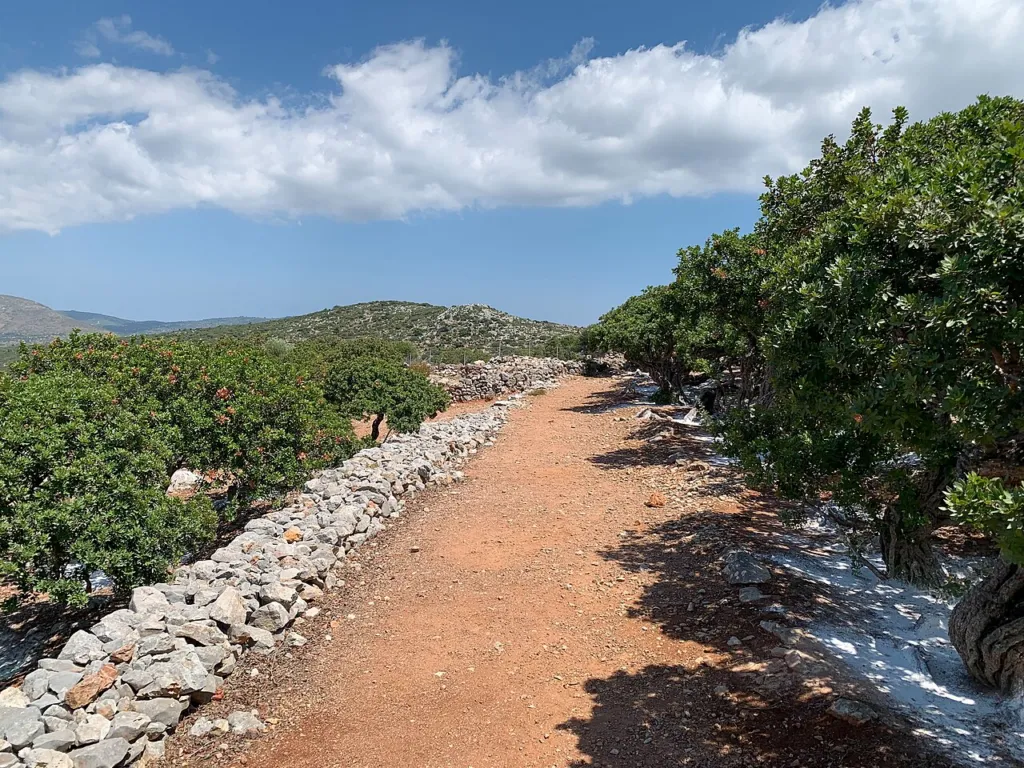
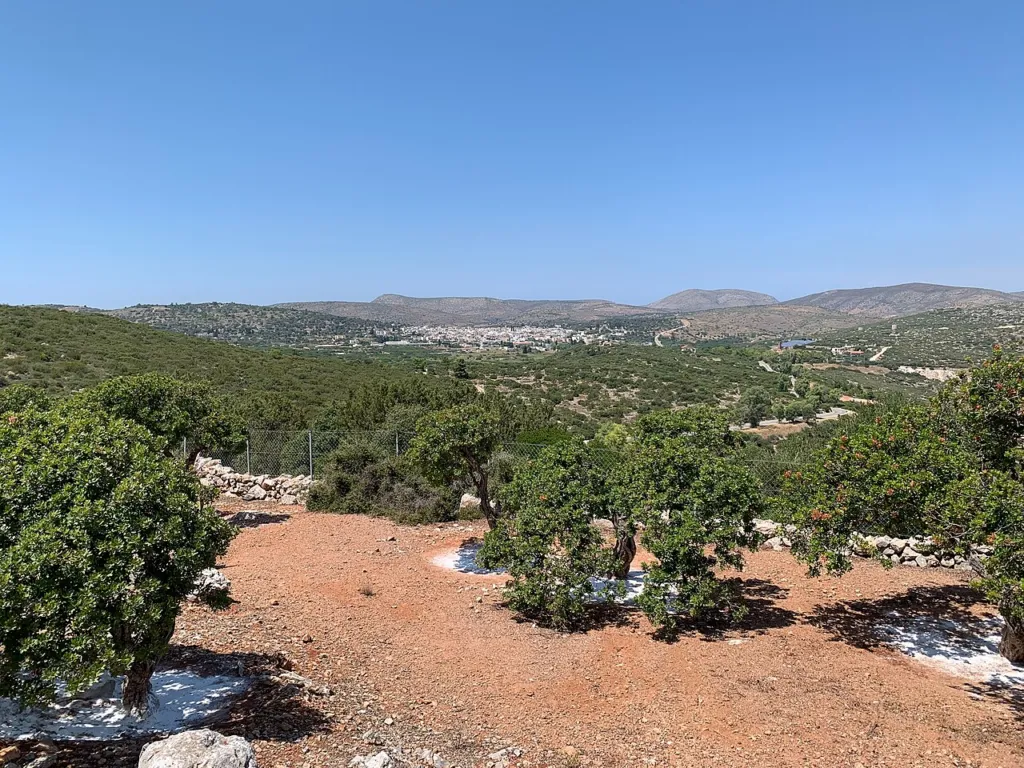
Cover: mastic groves on Chios, Greece, August 2023. Photo: Robot8A · CC BY-SA 4.0 · Wikimedia Commons
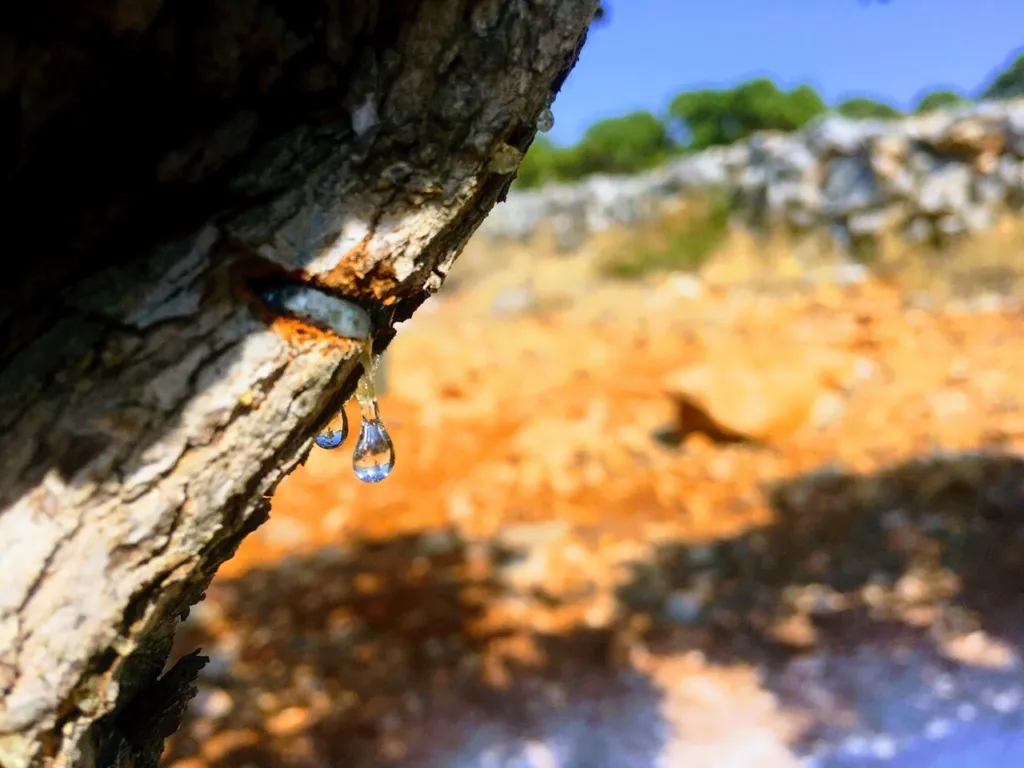
Every summer in the south of Chios, families sweep the ground under their trees, nick the bark with a small iron tool and wait for clear resin to bead, harden and drop. Attested Physicians from Dioscorides to the Byzantine compilers wrote that the resin settles the stomach. Traditional In 2016 the European Medicines Agency’s herbal committee agreed that the tradition was long enough to support registration of mastic for mild indigestion, and said plainly that the trials were too weak to prove it. Confirmed
Mastic is the resin of Pistacia lentiscus, a Mediterranean shrub in the cashew and pistachio family. Most of the world’s supply comes from one cultivated form on one Greek island. Australians meet it as a flavour in Greek sweets, as loose “tears” sold online, as single-herb capsules bought from overseas, and as one ingredient among several in local gut-health powders. It also travels with a reputation, much repeated on forums, as a herbal answer to Helicobacter pylori. This is the Institute’s Literature Review and Critical Analysis AIP-LR-PISLEN. It introduces the plant and the resin, grades every claim by the evidence behind it, and sets out where mastic stands under Australian law.
This article is educational. It is not medical advice, and nothing in it is a recommendation to buy, prepare or take mastic for any condition.
Status. Mastic is not listed in the Poisons Standard and is a permitted ingredient for Australian listed medicines. Confirmed Its record in trials is of good tolerance, with no serious adverse events reported, and the EMA monograph lists no known undesirable effects and no reported interactions. Evidence suggests See §10.
Who should take particular care. Anyone with an allergy to the resin; people allergic to cashew, pistachio or mango, because mastic comes from the same plant family and nobody has tested whether they react to it; and pregnant or breastfeeding women, for whom safety has not been established. The EMA monograph does not support oral use under 18 years.
Symptoms that need a diagnosis first. Reflux or upper abdominal pain that persists, keeps coming back, or comes with weight loss, vomiting, black stools, difficulty swallowing or anaemia needs proper investigation. H. pylori infection is diagnosed by testing and treated with a supervised antibiotic regimen; the published mastic results do not come close to that regimen (§9).
Before taking any botanical medicine, consult a degree-qualified herbalist with competencies and adequate training in pharmacognosy. If someone is seriously unwell, call Triple Zero (000); for poisoning advice call the Poisons Information Centre on 13 11 26 (24 hours, Australia-wide).
| The plant | Pistacia lentiscus L. (Anacardiaceae), the lentisk or mastic tree. Commercial mastic comes from the cultivated Chios form, usually written P. lentiscus var. chia. Confirmed §1, §2 |
| The drug | The dried resin from scored stems and branches. The European Pharmacopoeia (monograph 1876) requires at least 10 mL/kg essential oil. Confirmed §6 |
| Where it comes from | The 24 “mastic villages” of southern Chios. EU protected designation of origin since 1997; the cultivation know-how is on UNESCO’s intangible heritage list (2014). Attested §4 |
| Traditional role | Stomach complaints, oral hygiene and breath, wound dressings and varnishes; a culinary flavour across the eastern Mediterranean. Traditional §5 |
| EU regulatory status | EMA/HMPC monograph (adopted 02/02/2016): traditional use for mild dyspeptic disorders and minor skin inflammation and wounds, granted on long-standing use. Well-established (proven) use was refused. Confirmed §9 |
| Chemistry | Triterpenic acids (masticadienonic, isomasticadienonic, oleanonic, moronic), an essential oil dominated by alpha-pinene, and an insoluble polymer, cis-1,4-poly-beta-myrcene. Confirmed §6 |
| Best clinical evidence | One randomised, double-blind, placebo-controlled trial in 148 people with functional dyspepsia: symptoms improved more on mastic over three weeks. Single trial, unreplicated. Evidence suggests §9 |
| H. pylori | Active in the test tube; partial and inconsistent in animals and people. Best human result: eradication in 5 of 13 people on mastic alone, against 10 of 13 on standard triple therapy. Evidence suggests §8, §9 |
| Safety | Well tolerated in trials; no reported interactions. Pregnancy, lactation and oral use under 18 not established; nut-family allergy untested. Evidence suggests §10 |
| Australia | Not scheduled. A permitted ingredient for listed medicines; found in at least six AUST L gut formulas, and in one export-only single-herb listing that may not be sold here. Confirmed §11 |
- Confirmed: established in humans by trial, or an unambiguous analytical, chemical or regulatory fact.
- Evidence suggests: real published data, but preclinical, observational, small, or not yet replicated in humans.
- Mechanism: a plausible pharmacological inference, not an outcome.
- Traditional: historical, ethnobotanical or culinary use. Evidence of practice, not of efficacy.
- Attested: a documentary fact attested in a named source (a register entry, a specification, a heritage listing). A record, not a claim about what the resin does.
Every PubMed ID links to its record and was checked against PubMed in October 2026; every compound links to its PubChem record. Several of the mastic trials are not open access. Where I have relied on the European Medicines Agency’s assessors’ account of a study, the text says so, and the Institute has requested the full paper. Where I could not trace a claim to a source, it is marked unsourced.
Mastic is the hardened resin of the lentisk, Pistacia lentiscus, a tough evergreen shrub of Mediterranean coasts. On the southern half of Chios a cultivated form has been tapped for resin since antiquity, and the product, Masticha Chiou, carries an EU protected designation of origin. The growing know-how is listed by UNESCO.
Chemically, mastic is a triterpene resin. Its acidic fraction is rich in masticadienonic, isomasticadienonic, oleanonic and moronic acids; its essential oil, one to three per cent of the resin, is mostly alpha-pinene; and up to about a third of crude mastic is a sticky natural polymer, poly-beta-myrcene, which makes the resin chewable and appears to hold back absorption of the acids. That is why “mastic” on a label can mean quite different things: raw tears, powdered resin, the distilled oil, or a polymer-free extract.
The European Medicines Agency accepts mastic as a traditional herbal medicine for mild indigestion and for minor skin inflammation and small wounds. That status rests on documented long use. The agency looked at the trials and judged them too small and too flawed to support proven efficacy. The best single study, a 148-person randomised placebo-controlled trial, found that 350 mg three times a day for three weeks improved functional dyspepsia symptoms more than placebo. It has not been repeated.
The H. pylori story is weaker than its reputation. Mastic kills the organism in a dish. In mice, a polymer-free extract cut bacterial numbers about thirtyfold without healing the gastritis. In the one randomised human pilot, mastic alone cleared the infection in four or five of every thirteen people, while standard antibiotic triple therapy cleared ten of thirteen, and mastic combined with an acid-suppressing drug cleared none. Mastic is no substitute for diagnosis and supervised eradication.
In Australia mastic is unscheduled, permitted in listed medicines, and already present in several locally listed gut formulas. It is tolerated well in the trials so far. The open questions are allergy in people sensitised to cashew or pistachio, use in pregnancy, and what the many products on sale actually contain.
 Chapter 1Names and taxonomy
 Chapter 2The tree: botany
 Chapter 3Distribution and Australian status
 Chapter 4The Chios harvest, PDO and UNESCO
 Chapter 5Traditional and historical use
 Chapter 6Phytochemistry
 Chapter 7Tears, capsules, oil and extracts
 Chapter 8Pharmacology
 Chapter 9Clinical evidence, graded
 Chapter 10Safety and interactions
 Chapter 11Mastic in Australia
 Chapter 12Quality and adulteration
 DiscussionConclusions and research still required
Chapter 1Names and taxonomy
| Field | Detail |
|---|---|
| Accepted name | Pistacia lentiscus L. The European Pharmacopoeia monograph names the species without a variety. Confirmed [1] |
| The Chios form | P. lentiscus var. chia (Desf. ex Poir.) DC., the name used in most of the scientific literature. The Polish botanist Kazimierz Browicz argued in 1987 that it is better treated as a cultivated clone, P. lentiscus cv. Chia. Attested [1] |
| Family | Anacardiaceae, the cashew family, which also holds pistachio (P. vera), cashew (Anacardium occidentale) and mango (Mangifera indica). Confirmed [2] |
| Drug name | Pistaciae lentisci resina; Mastix (Ph. Eur.). EMA lists the drug as “Mastic tree resin” in English and Ρητίνη Μαστίχης Χίου in Greek. Attested [3] |
| Common names | Mastic, mastic gum, Chios mastic gum, mastiha (Greek mastícha); lentisk or lentisco for the plant; sakız in Turkish; Rumimastangi in the Ayurvedic Pharmacopoeia of India (Hindi Rumi mastagee). Attested [1] |
| Protected name | Μαστίχα Χίου (Masticha Chiou), EU protected designation of origin EL/PDO/0017/1558. Attested [4] |
The name game matters more than usual here, because the word “mastic” is used loosely. In English it also means a builder’s sealant; the June 2026 Poisons Standard mentions “silicone rubber mastic”, which has nothing to do with the plant. Confirmed [5] Within botany, several other Pistacia species give resins too, including terebinth (P. terebinthus) and the Atlantic pistachio (P. atlantica), and older trade literature sometimes called these mastic as well. When a paper, a pharmacopoeia or a label says mastic, the honest first question is: resin of which plant, from where?
The relationship to pistachio is close. Both are members of the same genus, and that fact is the root of the one allergy question in this review (§10). Confirmed
Chapter 2The tree: botany
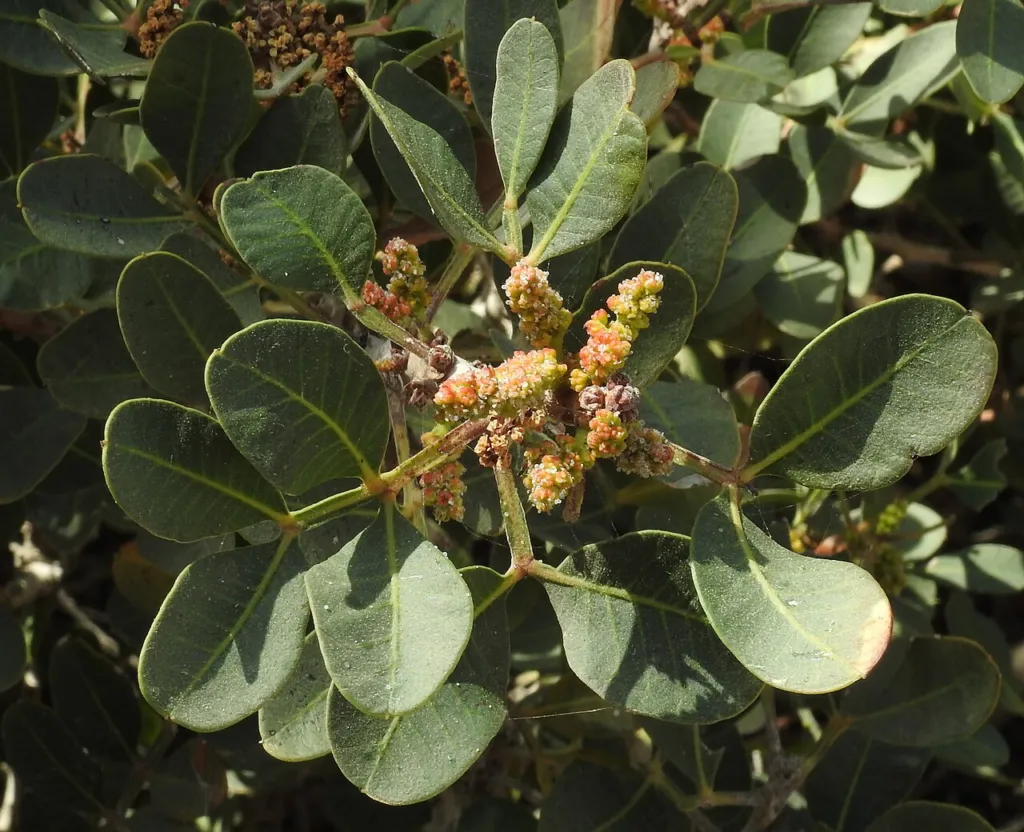
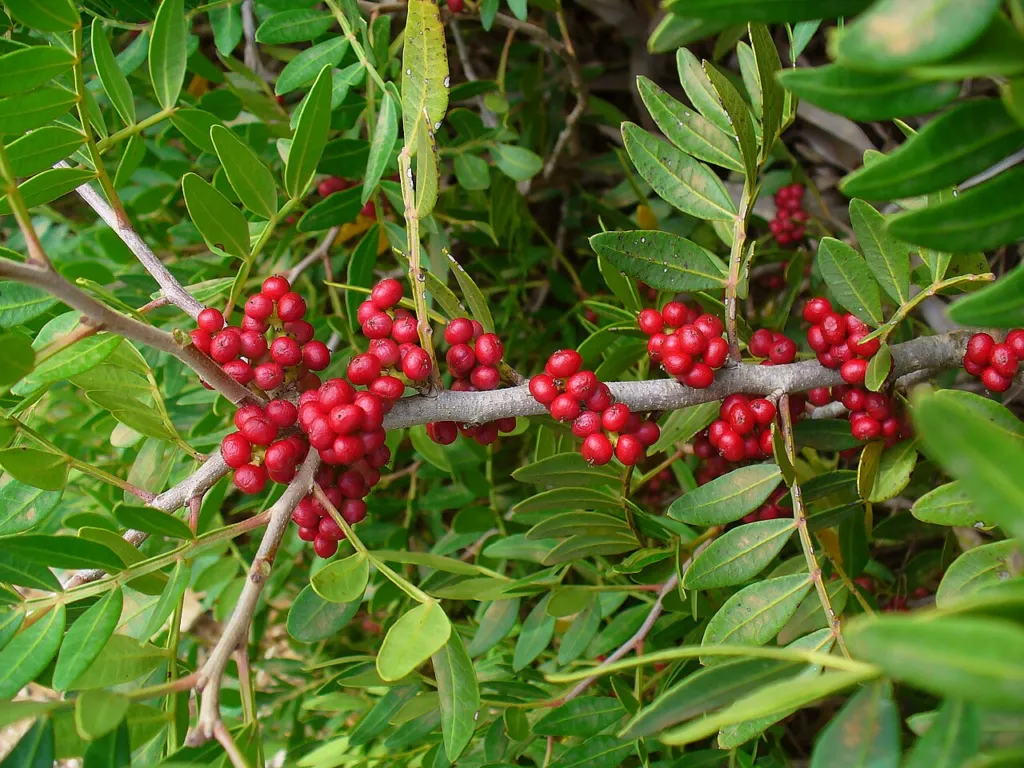
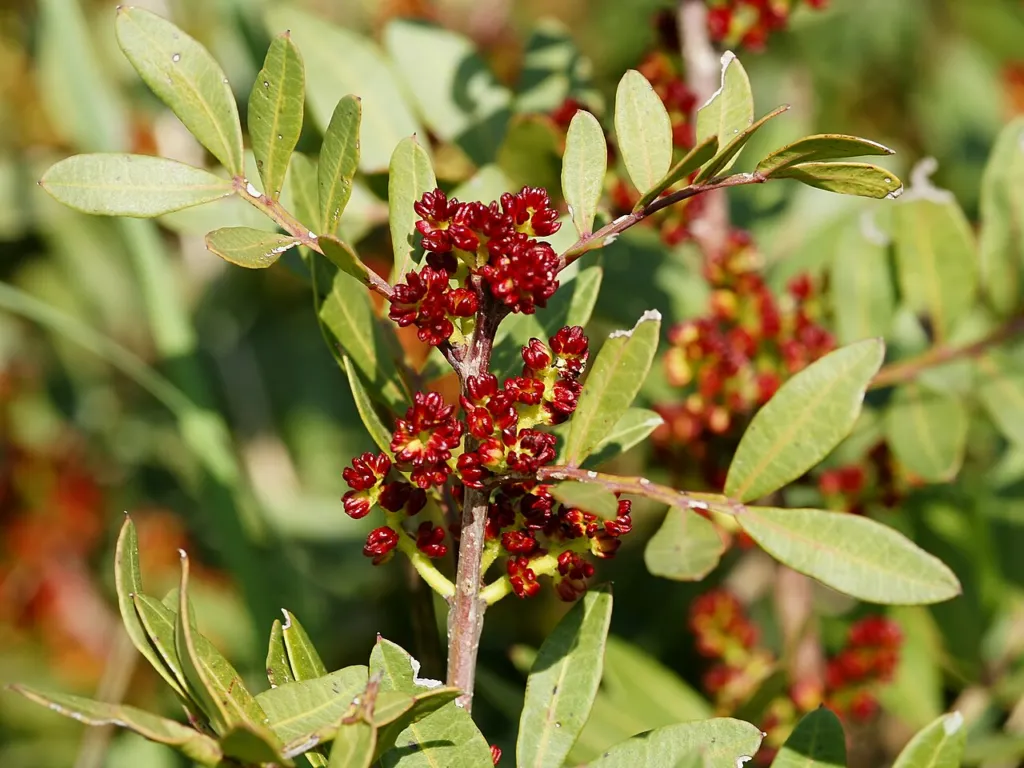
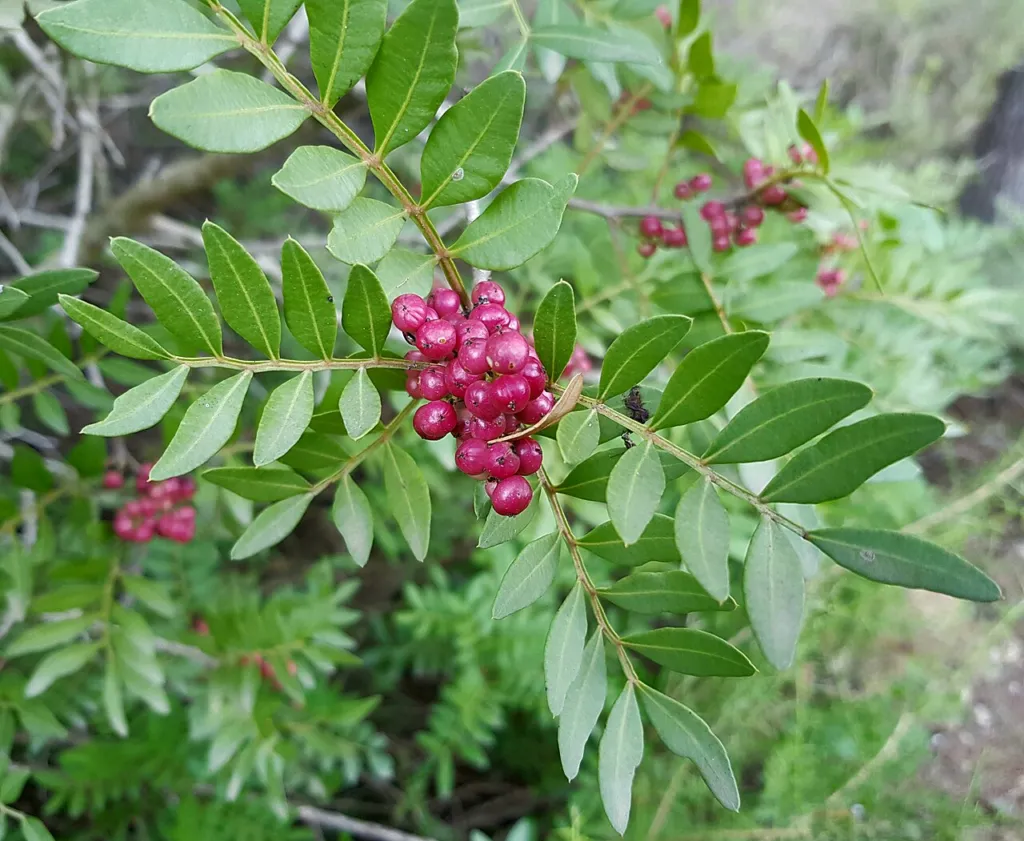
The lentisk is an evergreen, dioecious shrub or small tree, one to eight metres tall, meaning each plant is either male or female. Confirmed [1] Its leaves are pinnate, with eight to twelve leathery, lance-shaped leaflets 1 to 5 cm long, carried on a broadly winged rachis. Confirmed [1] The flowers are tiny, yellowish or purplish, packed into short spike-like clusters in spring. The fruit is a small drupe about 4 mm across that ripens red and then turns black. Confirmed [1]
Anyone who has walked a Mediterranean coast in summer has smelt the plant before they noticed it. Crushed leaves and twigs give a resinous, piney scent, and the volatile oils of leaf and branch differ from the resin’s own oil: one analysis summarised by the HMPC found myrcene dominant in the branches and alpha-pinene dominant in the resin. Evidence suggests [1]
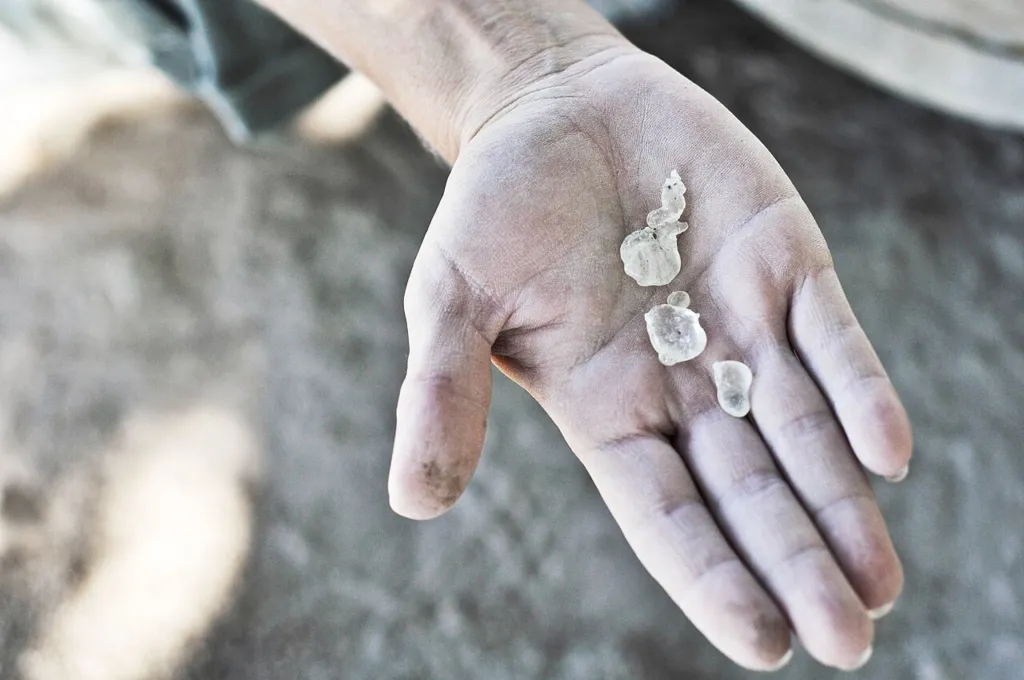
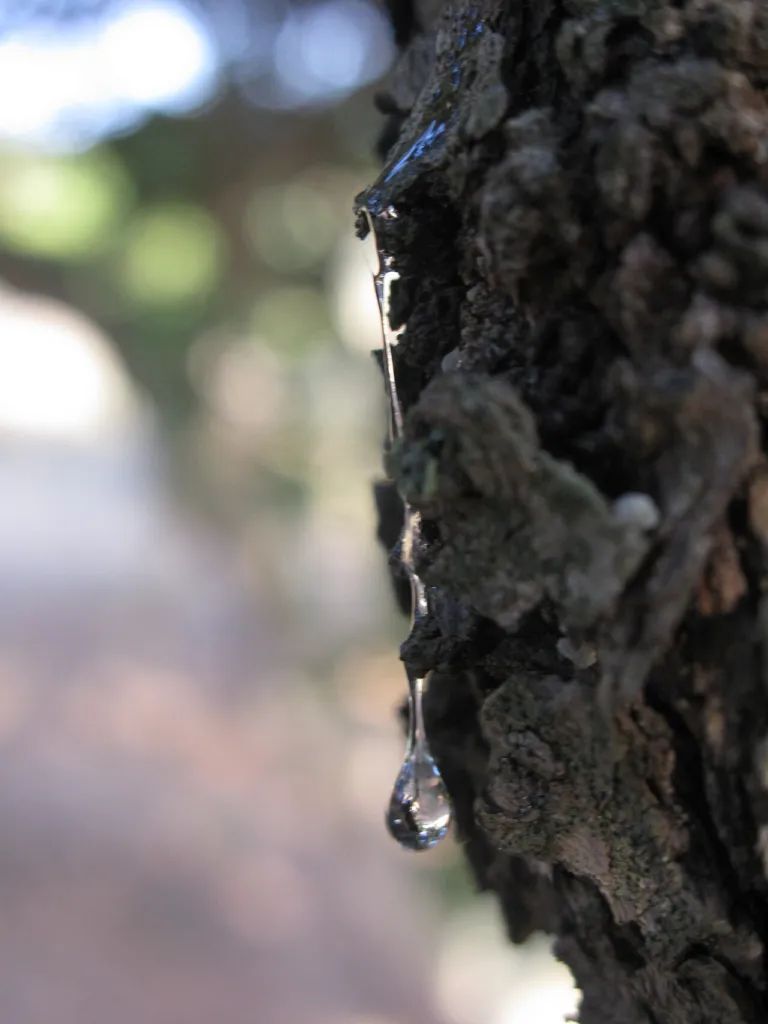
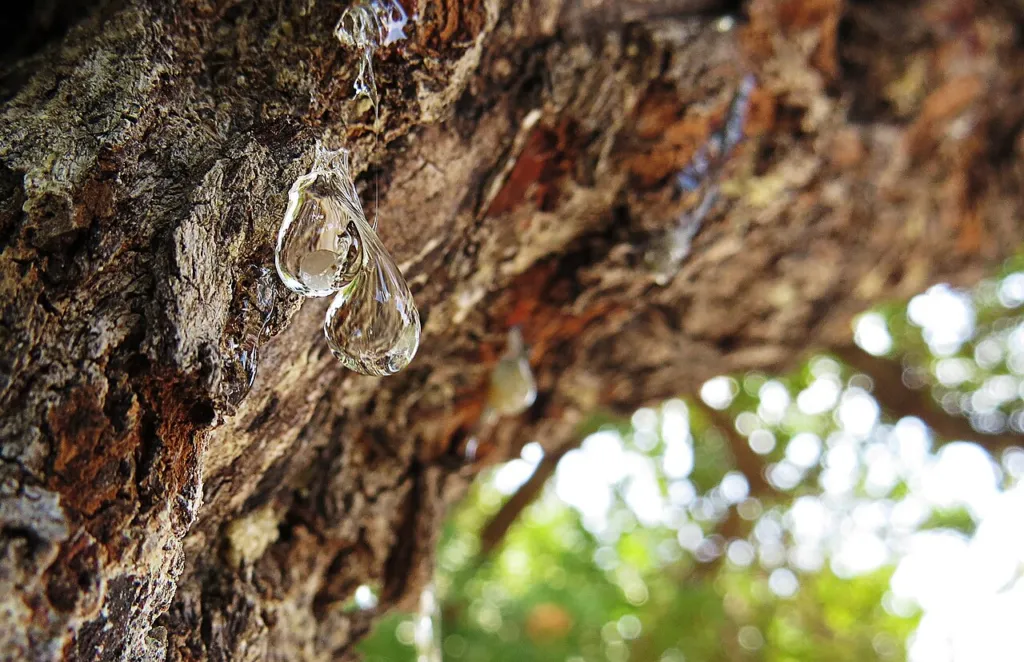
The resin is what pharmacognosy cares about. It is an exudate from the bark of stems and branches, produced in quantity when the bark is wounded. A mature Chios tree yields roughly one kilogram a year. Evidence suggests [1] Liquid at first, sticky and transparent, it hardens in the summer heat over 15 to 20 days into irregular glassy drops, the “tears”. Confirmed [1] Fresh tears taste faintly bitter; the bitterness fades as you chew, leaving a balsamic, pine-like flavour, and the tear softens into a plastic, chewable mass. Confirmed [1] That chewiness is chemistry, and it returns in §6.
Chapter 3Where it grows, and its status in Australia
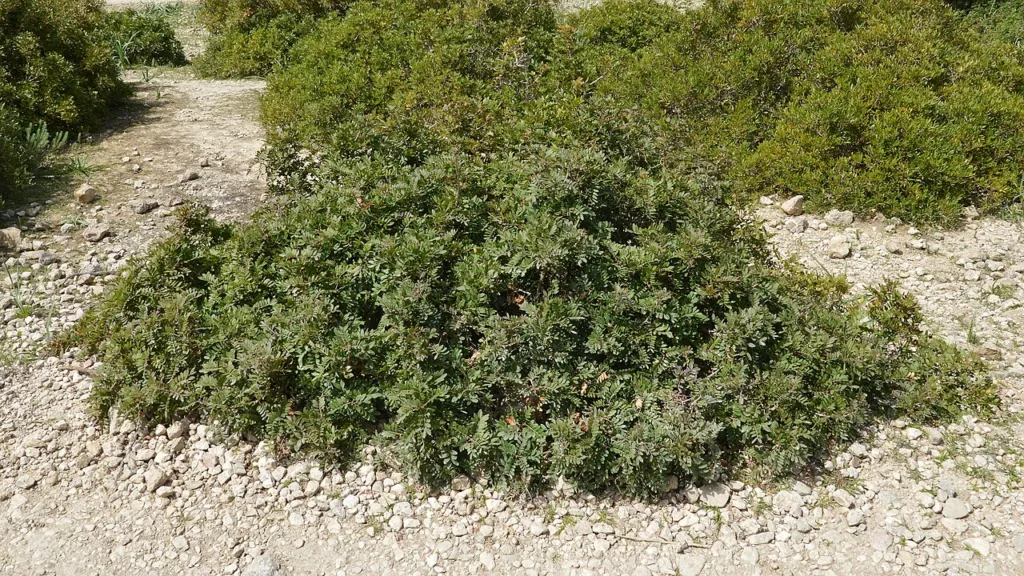
As a wild plant, P. lentiscus grows around the coasts of the Mediterranean and in Portugal, and the HMPC also cites records from tropical Africa. Confirmed [1] It is a common shrub of Mediterranean coastal scrub, as the Mallorca photograph above shows.
Resin production is a different matter. The HMPC assessors found no information on commercial production of the resin anywhere outside Chios. Attested [1] The growers’ own registered specification says the cultivated tree “thrives only in the southern part of the island of Chios”, in the 24 villages and communities known as the Mastihohoria. Attested [4] Why wild lentisks elsewhere in the Mediterranean are not tapped commercially is a fair question with no settled answer in the sources I read. Lower yields, a different resin, and the economics of a labour-intensive harvest are all plausible. That last sentence is my inference, and it is unsourced. Mechanism
In Australia
I found no record of Pistacia lentiscus growing wild in Australia. An Atlas of Living Australia search in October 2026 returned no species-level Australian occurrence records for it; the Pistacia records in the Atlas belong to other species, chiefly the Chinese pistache (P. chinensis), a street and garden tree. Evidence suggests [6] I could not find a published Australian weed risk assessment for it either, and nothing in this review should be read as a weed-risk judgement. Evidence suggests
Climate is a quiet barrier. The tree that makes commercial mastic is adapted to the long, dry, bright Aegean summer that sets the resin. In the wet tropics around Cardwell, with summer rain and high humidity, that cycle would be hard to reproduce, so a local mastic industry is unlikely. This is an inference from the harvest biology in §4, not a tested claim. Mechanism Everything Australians buy as mastic is, for practical purposes, imported.
Chapter 4Chios: the harvest, the PDO and the UNESCO listing
The UNESCO inscription of 2014 describes the work as a family occupation with tasks across the year. Men prune and fertilise the trees in winter. From mid-June, women sweep, level and clean the ground around each trunk so the resin can be recovered cleanly. From July an incision is made in the bark of the trunk and main branches with an iron tool. When the resin has hardened, the larger tears are picked first; the tears are then washed and stored in wooden boxes in a cool place, and older growers teach the cutting and collecting to younger ones. Attested [7] UNESCO’s committee inscribed the “Know-how of cultivating mastic on the island of Chios” on the Representative List of the Intangible Cultural Heritage of Humanity under decision 9.COM 10.18. Attested [7]
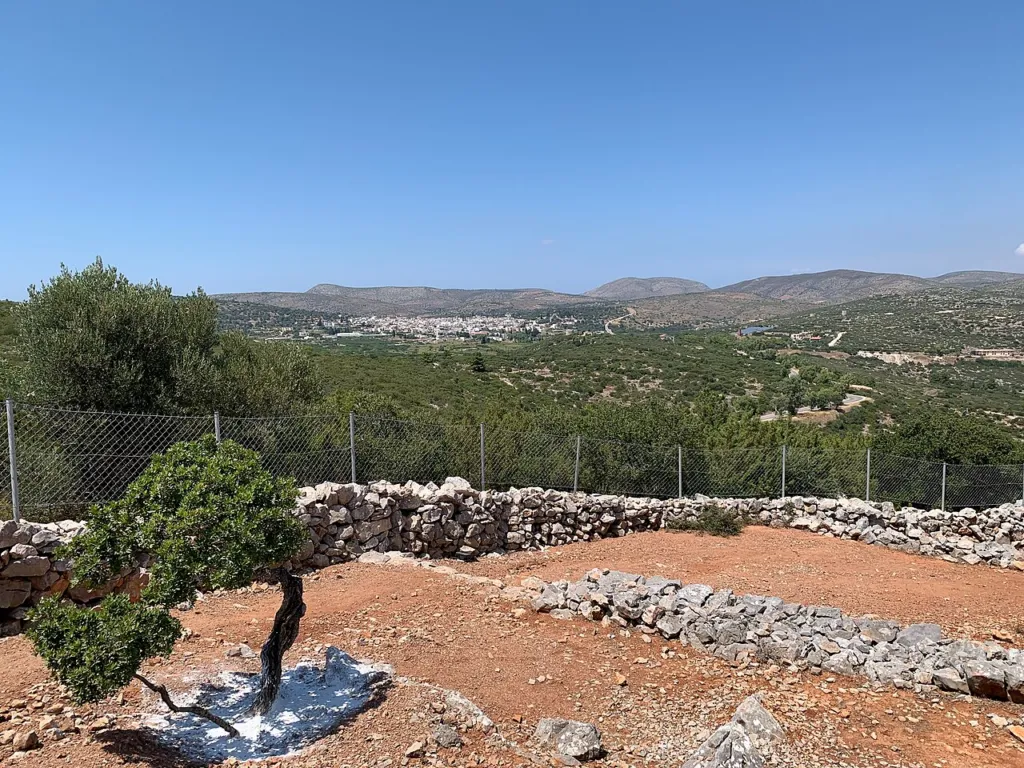
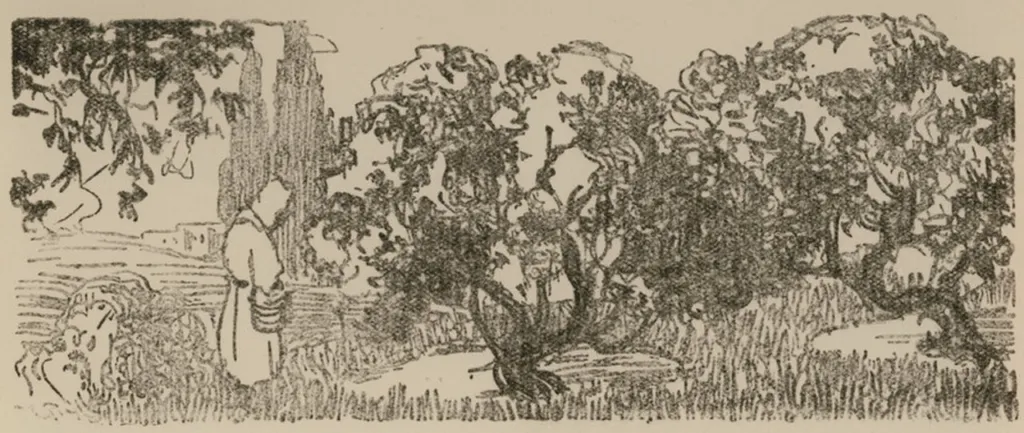
After washing, the resin is sorted and graded by colour and by the size of the granule. Attested [1] Volumes are modest by commodity standards. The HMPC report, citing Greek sources from 1986 and 2006, gives about 250,000 kg exported from Chios each year, with Australia named among the destinations. Attested [1] Those figures are old, and I could not find a more recent primary source.
The protected designation of origin
Μαστίχα Χίου, Masticha Chiou, has been protected in Greece since 14 January 1994 and registered as an EU protected designation of origin since 24 January 1997, under EL/PDO/0017/1558, in the class for natural gums and resins. The applicant was the Chios Gum Mastic Growers Association. Attested [4] The specification limits production to the 24 named villages of the south, from Agios Georgios to Flatsia, and says every step of production must take place inside that zone. Attested [4] The summary I read is published by Australia’s Department of Foreign Affairs and Trade, in its set of technical summaries of EU geographical indications; an EU registration has no direct legal force in Australia.
The specification also gives a technical description: transparent to opaque crystalline grains, yellowish or slightly orange, density 1.06, melting between 60 and 110 °C, and an essential-oil content of 1 to 3 per cent. Attested [4] It lists its acid and resin fractions under old names (alpha- and beta-masticonic acids, alpha- and beta-mastic resin) that predate the modern structural work in §6. Treat those percentages as a historical trade description. They do not map neatly onto today’s compound names. Attested
Chapter 5Traditional and historical use
Mastic’s medical history is long and well documented in secondary sources, and thin in the primary sources I could check myself. The HMPC assessment report, drawing on Greek historical compilations, credits Hippocrates, Dioscorides and Galen with recommending Chios mastic for its flavour and its medicinal properties. Traditional [1] It reports Dioscorides as recommending the resin for indigestion, chronic cough and “blood problems”, for chewing to clean the teeth and sweeten the breath, and the oil for uterine complaints and as a styptic. Traditional [1] I have not checked these attributions against a critical edition of De materia medica, so the specific readings are unsourced at the textual level. The report’s own source for them is a Greek work of 1914.
From the first to the seventh century the resin appears in the Greek medical writers, Galen, Oribasius and Aëtius among them, mainly for stomach pain, indigestion and what was then called ulcer. Traditional [1] The thread runs on through Arabic and Persian medicine, where al-Razi and al-Kindi used it in formulas to fill decayed teeth, strengthen the stomach and aid the liver, and into Europe: Gilbertus Anglicus included it in a thirteenth-century spleen remedy, and Paracelsus prescribed mastic resin for wounds. Traditional [1]
Two later uses take mastic from folk medicine into the pharmacy. The first is dentistry: in the eighteenth and nineteenth centuries mastic dissolved in ether was used to seal carious teeth, and the British Pharmaceutical Codex of 1949 and Martindale still recorded it as a filling and masticatory. Traditional [1] The second is wound care. Early twentieth-century surgeons used “Mastisol”, mastic dissolved in chloroform or benzol with a little linseed oil, painted on wounds and allowed to turn tacky; German field hospitals in the Balkan wars used it, and the Turkish Codex of 1940 to 1948 still carried a 28 per cent mastic solution under that name. Traditional [1] Today’s medical liquid adhesives that carry the same trade name are a different, modern formulation. Attested [1]
In the kitchen, mastic has never needed a clinical rationale. It flavours sweets, breads and drinks across the eastern Mediterranean, and it has long been chewed, especially by women in Turkey and the Arab world, as a breath sweetener. Traditional [1] On Chios itself, the HMPC notes local use of the resin for epigastric pain and as a protection against peptic ulcer. Traditional [1]
Chapter 6Phytochemistry: what the resin contains
Mastic is an oleoresin with three chemically distinct parts, and keeping them apart explains most of what follows. Confirmed [1] The HMPC also notes that the full composition is still not settled, although chemical work on the resin goes back to 1930. Attested [1]
1. The triterpenes
The bulk of the soluble resin is triterpenoid, of four skeletal types: tetracyclic euphane and dammarane, and pentacyclic oleanane and lupane. Confirmed [1] Paraschos and colleagues at the University of Athens separated a polymer-free extract into acidic and neutral fractions and identified the components by NMR and mass spectrometry. Confirmed [8] In the acidic fraction, the two largest components were 24Z-masticadienonic acid (CID 11340012) and 24Z-isomasticadienonic acid, with oleanonic acid (CID 12313704), moronic acid (CID 489941) and the corresponding 3-hydroxy acids in smaller amounts. Confirmed [8] The neutral fraction carried triterpene alcohols and ketones such as tirucallol, dammaradienone and 28-norolean-12-en-3-one. Confirmed [8] Older reviews also list oleanolic acid (CID 10494) among the constituents. Confirmed [1]
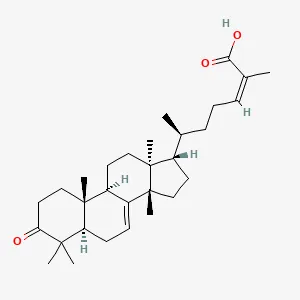
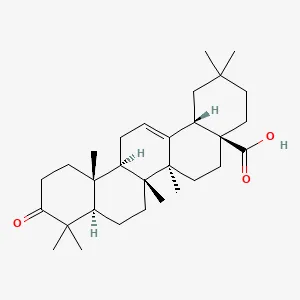
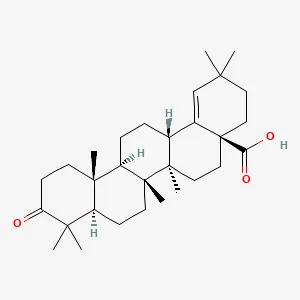
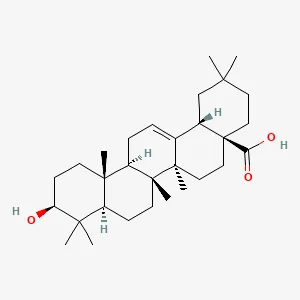
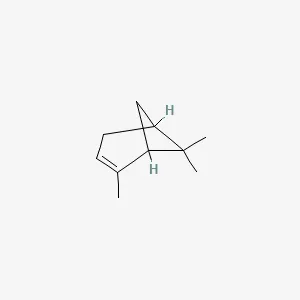
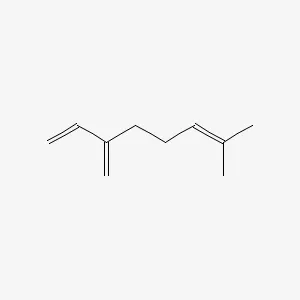
These are large, greasy, weakly acidic molecules, poorly soluble in water. That matters for how they behave in a stomach, as §8 shows. Mechanism
2. The essential oil
Distillation gives mastic oil, one to three per cent of the resin, and the European Pharmacopoeia sets a floor of 10 mL/kg (one per cent) in the dried drug. Confirmed [1] [4] The oil is dominated by alpha-pinene (CID 6654). Analyses summarised by the HMPC give figures of 79 and 66 per cent, and Miyamoto and colleagues in Japan found 82.26 per cent alpha-pinene among twenty identified components, with beta-pinene at about 3 per cent and minor oxygenated terpenes such as alpha-terpineol. Confirmed [1] [9] Myrcene (CID 31253) makes up roughly 2 to 8 per cent in the analyses cited. Confirmed [1] The volatile profile shifts as the resin ages, and the HMPC notes a proposal to use alpha-pinene, myrcene and beta-pinene as markers of storage time. Evidence suggests [1]
3. The polymer
The third part is the one most people never hear about. Crude mastic contains a natural polymer identified as cis-1,4-poly-beta-myrcene, a rubber-like chain built from myrcene units. Confirmed [1] Paraschos’s group put it at about 30 per cent of crude mastic, describing it as insoluble and sticky. Confirmed [8] It is the reason a tear softens into a chewable gum, and it has pharmacological consequences that a label rarely mentions.
Smaller constituents complete the picture: phytosterols, simple phenolic acids, and arabinogalactan proteins, which one research group has studied separately (§8). Confirmed [1] Arabinogalactan proteins carry a protein component, which bears on the allergy question in §10. Mechanism
Chapter 7Tears, powder, capsules, oil and polymer-free extracts
With three chemical parts in mind, the forms on sale stop looking interchangeable. Each one delivers a different mixture, and the trial evidence in §9 applies to some forms and not others.
| Form | What it contains | Evidence that applies |
|---|---|---|
| Raw tears (chewed) | Whole resin: acids, oil and polymer. Chewing releases flavour and some oil; much of the mass stays as gum. Mechanism | Traditional use; small oral-hygiene studies (§9). |
| Powdered resin, capsules | Whole resin, ground and swallowed. The form the EMA monograph covers (“powdered herbal substance”). Confirmed [3] | The dyspepsia trial and most of the H. pylori and ulcer studies. |
| Mastic oil | The volatile fraction only, mostly alpha-pinene. No triterpenic acids, no polymer. Confirmed [9] | Test-tube work only. Not covered by the EMA oral monograph. |
| Polymer-free extract (“TMEWP”) | Resin with the poly-beta-myrcene removed: concentrated acids and neutral triterpenes, better solubility. Confirmed [8] | Mouse studies only, so far. |
| Multi-ingredient formulas | Mastic as one ingredient, in most Australian listings alongside licorice and zinc. Confirmed [10] | No mastic trial evidence applies directly to a combination. |
The polymer question has real data behind it. When Lemonakis and colleagues gave mice either crude mastic or the polymer-free extract, peak plasma levels of 24Z-isomasticadienonic acid were roughly ten times higher after the extract (3,300 against 329 ng/mL), with the same pattern for its 3-hydroxy partner. Evidence suggests [11] The authors concluded that the polymer plays a large part in holding back absorption. Mechanism [11] That is mouse pharmacokinetics, and nobody has repeated it in people. It does mean that “500 mg of mastic” in a capsule of whole resin and “500 mg” of a polymer-free extract are different doses of the acids. Mechanism
Mastic oil deserves a separate word of caution. A concentrated oil that is around 80 per cent alpha-pinene is a different product from a resin chewed as a sweet, and the EMA monograph’s oral posology does not extend to it. Confirmed [3] [9]
Chapter 8Pharmacology: what the laboratory shows
The laboratory record on mastic is broad: antimicrobial, anti-inflammatory, antioxidant and wound-related work, much of it from Greek groups. This chapter concentrates on the work that bears on the digestive claims, because that is where Australians are spending money.
Activity against H. pylori in the dish
The modern interest began with a one-page letter in the New England Journal of Medicine in 1998, from Huwez and colleagues in Nottingham, titled “Mastic gum kills Helicobacter pylori“. As the HMPC summarises it, powdered mastic killed a reference strain and clinical isolates in vitro, with a minimum bactericidal concentration around 60 µg/mL. Evidence suggests [12] [1]
Paraschos’s group took it further and asked which compounds do the work. Against a panel of 11 strains (a reference strain and ten clinical isolates from Greek patients), the acidic fraction was more active than the neutral fraction, and isomasticadienolic acid was the most potent single compound, with a mean minimum bactericidal concentration of 0.202 mg/mL, followed by masticadienolic, oleanonic and moronic acids. Evidence suggests [8] The 3-oxo acids, masticadienonic and isomasticadienonic acid, were less active than their 3-hydroxy counterparts. Evidence suggests [8] Miyamoto’s group tested the oil’s components separately against four drug-resistant clinical strains and found that alpha-terpineol and (E)-methyl isoeugenol, both minor constituents, were the most potent; alpha-pinene, the main constituent, inhibited some strains only at the higher of the two amounts tested. Evidence suggests [9]
In animals
The animal results are where the story softens. Paraschos and colleagues gave mice infected with the mouse-adapted SS1 strain the polymer-free extract in drinking water for three months, at about 0.75 mg a day. Bacterial colonisation in the stomach fell roughly thirtyfold, about 1.5 log units. Evidence suggests [8] The infection was not eradicated, and the chronic gastritis it causes was unchanged: no fall in neutrophil or lymphocyte infiltration, and no change in antibody levels. Evidence suggests [8] The same paper notes that an earlier mouse study, giving crude mastic in ethanol for seven days, failed to eradicate the infection at all. Evidence suggests [8] The authors suggested habitual long-term intake might moderate colonisation; they did not claim a cure, and neither should anyone selling the resin. Mechanism
Other mechanisms proposed
A Thessaloniki group studied arabinogalactan proteins isolated from mastic and their effect on neutrophils exposed to a H. pylori protein (HP-NAP) that switches neutrophils on. In five infected patients and three healthy volunteers who took 1 g of mastic a day for two months, neutrophil activation in the laboratory assay was lower afterwards. Evidence suggests [13] [1] Eight people and an in-vitro readout support a hypothesis about inflammation, nothing more. Mechanism
For the dyspepsia effect itself, which is the best-supported clinical finding, no mechanism has been established. Possible contributors include a direct effect of the triterpenes on the stomach lining, action on gastric microbes, or the volatile terpenes on motility; each is a hypothesis, and I found no study that tests one against another. Mechanism
Toxicology
Formal toxicology is thin. The HMPC cites a 13-week rat feeding study at 0.22, 0.67 and 2 per cent of the diet, with a no-observed-adverse-effect level of 0.67 per cent. Evidence suggests [1] Single-dose toxicity data are absent, and genotoxicity data were judged inadequate, which is why the HMPC declined to place mastic on the EU “list” of traditional herbal substances while still adopting the monograph. Confirmed [1] Reproductive toxicity, genotoxicity and carcinogenicity testing to modern standards has not been done. Confirmed [3]
Chapter 9Clinical evidence, graded
There are three tiers of evidence for mastic as a digestive, and they must not be blended. The tradition is described in §5. The regulatory view comes next. The trials follow it, each graded on its own terms.
The regulator’s view: the EMA monograph
The European Union herbal monograph on Pistacia lentiscus L., resina (mastic), EMA/HMPC/46758/2015, was adopted by the HMPC on 2 February 2016 after a public consultation that drew no comments. Confirmed [3] Its indications, verbatim, are: “Traditional herbal medicinal product used in mild dyspeptic disorders”, and “Traditional herbal medicinal product used for the symptomatic treatment of minor inflammations of the skin and as an aid in healing of minor wounds”. It adds that the product “is a traditional herbal medicinal product for use in the specified indications exclusively based upon long-standing use”. Confirmed [3]
The monograph records an adult posology for the first indication of 0.5 to 1 g of powdered resin twice daily, and for the second, semi-solid preparations containing 9 to 11 per cent powdered resin applied thinly up to three times a day. Confirmed [3] I report these as the regulator’s text. They are not advice for any individual reader.
The assessment report explains why the committee stopped at “traditional”. It counted trials covering roughly 300 people, judged most of them small with methodological weaknesses (poorly defined inclusion criteria, drop-out rates up to 50 per cent, primary endpoints not always defined, no follow-up phase), and concluded the results “are not considered sufficient to support a well-established medicinal use”. They were “potentially supportive” of the traditional oral use. Confirmed [1] It also found that “no constituent with known therapeutic activity or active marker can be recognised”. Confirmed [1] So the EU position is precise: mastic qualifies on documented tradition, and its efficacy is unproven.
Functional dyspepsia: the strongest trial
Dabos and colleagues randomised 148 adults with functional dyspepsia (Rome II criteria) to Chios mastic 350 mg three times a day or placebo for three weeks, double-blind. Symptoms were scored on the Hong Kong index of dyspepsia, twelve symptoms each rated from 0 to 4. Confirmed [14] [1]
- Mean symptom score after treatment was lower on mastic than placebo: 14.78 against 19.96 (p<0.05). Evidence suggests
- Within the mastic group the score fell from 23.68 to 14.78; within the placebo group the fall from 23.27 to 19.96 was not significant. Evidence suggests
- On patients’ own global assessment, 77 per cent (57 of 74) improved on mastic against 40 per cent (30 of 74) on placebo. Evidence suggests
- Four of the twelve symptoms improved significantly: general stomach pain, stomach pain when anxious, dull upper abdominal ache and heartburn. The other eight did not differ. Mastic was well tolerated. Evidence suggests
All figures here are as reported by the HMPC. [1] This is a real, positive, placebo-controlled result, and it is the best evidence that mastic does something for indigestion. It is also one trial, from one group, lasting three weeks, with no follow-up after treatment stopped, and it has not been repeated. A 37-point gap in global improvement is large for a dyspepsia trial, where placebo responses are high, and large effects from single small trials tend to shrink on replication. Mechanism The funding of this particular trial is not stated in the HMPC account, and I have not yet read the paper’s own declaration; I will not assume it. What I can say from papers I have read in full is that the Chios Gum Mastic Growers Association supported at least two of the later Greek mastic trials, covering consumables, with the authors stating it had no role in design or analysis; one co-author of the 2019 paper lists the Association as his affiliation. Attested [15] [16] Industry support is common in herbal research and does not by itself discredit a result. It is a reason to want independent replication.
I grade this as evidence suggests, not confirmed. On this trial alone, mastic is a plausible option for mild functional dyspepsia that has already been properly diagnosed. It is not established. Evidence suggests
Peptic ulcer: the early trials
The oldest controlled trial, published by Al-Habbal and colleagues in 1984, gave 60 people with duodenal ulcer 1 g of mastic or lactose placebo daily for two weeks. Only 38 attended the follow-up endoscopy. Among them, symptoms improved in 80 per cent on mastic and 50 per cent on placebo, and endoscopic healing was 70 per cent against 22 per cent. Evidence suggests [17] [1] The HMPC assessors concluded that the near-50 per cent drop-out, the short treatment and the lack of post-treatment follow-up “preclude any reliable conclusion on efficacy”. Confirmed [1] A follow-up series by the same team gave 2 g a day for four weeks to six people with benign gastric ulcer, with symptom relief in all six and endoscopic improvement in five; there was no control group. Evidence suggests [1] These studies come from before H. pylori testing was routine, and the people in them would not be managed that way today.
H. pylori in people
The one randomised human study I could assess is a 2010 pilot by the same group as the dyspepsia trial. Fifty-two infected people were randomised to four arms for 14 days: mastic 350 mg three times daily; mastic 1.05 g three times daily; mastic 350 mg three times daily with pantoprazole 20 mg twice daily; or standard triple therapy (pantoprazole, amoxicillin and clarithromycin for ten days). Eradication was checked by urea breath test about five weeks after treatment. Confirmed [18] [1]
| Arm (14 days unless stated) | Eradicated |
|---|---|
| Mastic 350 mg three times daily | 4 of 13 (31%) |
| Mastic 1.05 g three times daily | 5 of 13 (38%) |
| Mastic 350 mg three times daily plus pantoprazole | 0 of 13 |
| Triple therapy (10 days) | 10 of 13 (77%) |
Neither mastic-alone arm reached statistical significance (p=0.08 and p=0.064); triple therapy did (p=0.01). Evidence suggests [1] In ten more people on mastic alone the breath-test value fell without clearing. Evidence suggests [1] The authors suggested mastic might be an alternative for people unwilling to take antibiotics, while acknowledging that even the high dose “did not achieve acceptable eradication rates”. Attested [1] Everyone tolerated mastic well. Evidence suggests [1]
The failed combination arm is the most interesting result in the study. Adding an acid-suppressing drug abolished whatever effect mastic had. The authors proposed that raising stomach pH weakens the acidic triterpenes. Mechanism [1] Anyone already taking a proton-pump inhibitor for reflux, and adding mastic in the hope of clearing H. pylori, is in exactly the situation where the single trial found no effect at all. Evidence suggests
Other human data are weaker still. The HMPC describes a 2003 Korean study in 48 breath-test-positive volunteers using mastic chewing gum or placebo gum for 90 days, whose authors reported a benefit; the report gives too little detail to grade it, and I could not find it on PubMed. Evidence suggests [1] Two 2003 papers by Nottingham researchers, including co-authors of the 1998 letter, carry titles reporting that mastic did not eradicate the infection in mice and had no effect on bacterial load in vivo. I have not yet read them, so I do not summarise their methods or grade them; their existence matters, because the record is mixed from its earliest years. A 2026 Indian pilot trial testing mastic as an add-on to bismuth quadruple therapy has also appeared; the Institute has requested it and it is not assessed here.
Inflammatory bowel disease
The most carefully reported mastic trials I could read in full are in inflammatory bowel disease, and they are worth reading for their honesty about a mixed result. Papada and colleagues in Athens randomised 60 people with active Crohn’s disease or ulcerative colitis, most on stable conventional treatment, to mastic tablets at 2.8 g a day (four 700 mg doses) or placebo for three months, double-blind. Confirmed [16] The primary outcome, a clinically important difference between groups in the IBD Questionnaire quality-of-life score, was not met. The score improved significantly within the mastic group, and the difference in mean change between the groups was not statistically significant. Evidence suggests [16] Faecal lysozyme fell and fibrinogen fell on mastic, while faecal calprotectin and lactoferrin rose on placebo. Evidence suggests [16] A companion analysis of the same trial found favourable changes in oxidised LDL ratios. Evidence suggests [15] No adverse events were reported in either arm. Evidence suggests [15] [16] This is supportive, early, biomarker-level evidence in a serious disease, and mastic belongs alongside, never in place of, the medical treatment those patients were already on. Evidence suggests
An earlier open study in ten people with Crohn’s disease and eight controls, six 0.37 g capsules a day for four weeks, reported falls in TNF-alpha secretion from blood cells. Evidence suggests [1]
Other uses with some human data
Small chewing studies, of 10 to 25 volunteers over days to weeks, found less dental plaque, lower salivary bacterial counts and lower Streptococcus mutans counts with mastic gum against placebo gum. Evidence suggests [1] A Greek study of 133 people over 50 taking 5 g a day of powdered mastic, against a low-dose comparison group, reported falls in total and LDL cholesterol and in liver enzymes over 12 to 18 months; there was no placebo arm. Evidence suggests [19] [1] For skin, a mastic-based liquid adhesive held surgical dressings better than tincture of benzoin, with less skin irritation, in 300 plastic-surgery patients; the HMPC judged that this “cannot support any therapeutic indication”, because adhesion is not healing. Confirmed [1]
| Claim | Best evidence | Grade |
|---|---|---|
| Eases mild indigestion | Long tradition; EMA traditional-use monograph; one 148-person RCT | Traditional Evidence suggests |
| Clears H. pylori | In vitro activity; partial effect in mice; 4 to 5 of 13 in one pilot RCT | Evidence suggests, weak and inconsistent |
| Heals peptic ulcer | 1984 trial with ~50% drop-out; six-patient series | Evidence suggests, unreliable |
| Helps inflammatory bowel disease | 60-person RCT, primary outcome not met, biomarker changes | Evidence suggests, early |
| Oral hygiene | Small, short chewing studies | Traditional Evidence suggests |
| Minor skin inflammation, small wounds | Long tradition; EMA traditional-use monograph | Traditional |
Chapter 10Safety and interactions
Mastic’s safety record is good as far as it goes, and the honest limit is how far it goes. Across the trials in §9, mastic was consistently described as well tolerated, and the HMPC found no adverse events, serious adverse events or deaths reported in clinical studies or case reports of oral use. Evidence suggests [1] The monograph lists undesirable effects as “None known” and interactions as “None reported”. Confirmed [3] “None reported” in a literature this small means nobody has looked hard. It does not mean that nothing could happen. Mechanism
Allergy, and the cashew family
The monograph’s one contraindication is hypersensitivity to mastic itself. Confirmed [3] Two case reports describe allergic contact dermatitis from medical adhesive dressings containing a mastic-based liquid adhesive. Evidence suggests [1] Skin reactions to resins are well known in general, and anyone who reacts to a mastic adhesive should avoid the resin by mouth too. Mechanism
The family question is harder. Pistachio allergy is strongly linked to cashew allergy through closely similar seed storage proteins, and mango sits in the same family. Confirmed [2] Mastic is a resin, chemically very different from a seed, and its main constituents are terpenes. Confirmed It does contain arabinogalactan proteins (§6), and resin can carry traces of plant material. Mechanism I found no published study testing whether people allergic to pistachio or cashew react to mastic, and no case report of such a reaction. A 2024 Turkish study on terebinth, another Pistacia, in pistachio-sensitised people has been requested and is not yet read. On present knowledge, the risk is unknown, so it is sensible for anyone with a cashew, pistachio or mango allergy to avoid mastic unless an allergy specialist has advised otherwise. Mechanism
Gut effects
The trials report mastic as well tolerated, and none of the full-text trials I read found more digestive upset on mastic than on placebo. Evidence suggests [15] [16] Swallowed resin is sticky and insoluble, and large amounts of chewed or swallowed gum could in principle cause discomfort or, rarely, a bezoar; I found no report of this with mastic, and the point is unsourced for this resin. Mechanism
Pregnancy, breastfeeding and children
Safety in pregnancy and lactation has not been established, and the EMA monograph says that in the absence of sufficient data its use “is not recommended”. No fertility data exist. Confirmed [3] The monograph does not recommend oral use in children and adolescents under 18, or the skin preparation in children under 12, because adequate data are lacking. Confirmed [3] Mastic used as a flavouring in ordinary foods is a different exposure from daily gram doses, and the monograph’s caution applies to the medicinal use. Mechanism
Interactions
No drug interactions have been reported from trials or case studies. Confirmed [1] Two practical points come from the evidence itself. First, the H. pylori pilot found that combining mastic with pantoprazole removed its effect. Evidence suggests [1] Second, most mastic products listed in Australia are combinations, several with licorice root; licorice has well-known cautions of its own, which depend on whether the glycyrrhizin has been removed, so the whole formula is what matters. Confirmed [10]
Chapter 11Mastic in Australia: TGA, import, labels and food use
Scheduling
Mastic and Pistacia lentiscus do not appear in the Poisons Standard (June 2026). Confirmed [5] There is no scheduling barrier to its sale as a food or a medicine ingredient. The Poisons Standard is amended several times a year, so check the current instrument before relying on this.
Permitted ingredient for listed medicines
Australian listed (AUST L) medicines may only use ingredients from the Permissible Ingredients Determination. The current determination, No. 3 of 2026, which commenced on 16/10/2026 and replaced No. 2, lists MASTIC (item 3234) for use as an active ingredient or in homoeopathic preparations, and PISTACIA LENTISCUS (item 3947) as an active ingredient, an excipient or a homoeopathic ingredient. Neither entry carries specific conditions or required label warnings. Confirmed [20] Listing is a low-risk pathway: the TGA does not assess a listed medicine’s efficacy before it reaches the market, and sponsors must hold evidence for the indications they choose from the permitted list. Confirmed
What is on the ARTG
A search of the Australian Register of Therapeutic Goods in October 2026 found six listed medicines naming mastic or “Pistacia lentiscus gum oleoresin” among their ingredients. All six are multi-ingredient gut formulas, as powders or capsules. Five of the six also contain licorice (Glycyrrhiza glabra) and zinc, and several add aloe, slippery elm, turmeric, calendula, chamomile or milk thistle. In the two capsule products the mastic content is 50 mg and 250 mg per capsule; in the powders it ranges from about 21 to 110 mg per gram. Confirmed [10] For comparison, the dyspepsia trial used 350 mg three times a day of mastic alone. Evidence suggests [1]
The one single-ingredient mastic entry I found, ARTG 431472, is listed as Export Only, and its public summary states that “this product must not be supplied for sale in Australia”. Confirmed [21] As far as the register shows, then, a single-herb mastic capsule bought by an Australian has not come through the Australian listing system. It has been imported. Evidence suggests
Buying from overseas
Online marketplace listings read in October 2026 offer loose tears in several grades, shipped from Greece and from sellers in New South Wales, and international retailers ship mastic capsules to Australia. Evidence suggests Products of this kind may be imported for personal use under the TGA’s Personal Importation Scheme: the goods must be for the importer or their immediate family, must not be sold or given to anyone else, and must not exceed a three-month supply at the manufacturer’s recommended dose. They must not contain a controlled substance or be prohibited under customs or biosecurity rules. Confirmed [22] Plant products also have to meet the import conditions of the Department of Agriculture, Fisheries and Forestry; I have not assessed mastic’s specific conditions, and buyers should check the department’s BICON database. Evidence suggests
A personally imported product has had no Australian assessment of any kind, including for quality and labelling. That is a trade-off the buyer accepts, and it makes the label checks below more important. Confirmed [22]
What to check on a label
- The binomial. Pistacia lentiscus, ideally with “resin” or “gum”. Other Pistacia resins exist (§12). Confirmed
- Origin. Chios, and for Greek-packed product the protected name Μαστίχα Χίου / Masticha Chiou. The specification requires a serial number and the year of manufacture on PDO labels. Attested [4]
- Form. Whole powdered resin, essential oil, or an extract, and if an extract, whether the polymer has been removed (§7). Mechanism
- Dose per capsule. Milligrams of mastic per capsule, so the amount can be compared with the trials and the EMA monograph. Confirmed
- Everything else in it. In combinations, the other ingredients, licorice especially, may matter more for safety than the mastic. Confirmed [10]
- Claims. A product promising to “kill H. pylori” is claiming more than the evidence in §9 supports. Evidence suggests
Food use
Most mastic eaten in Australia is eaten as food: ground into breads and sweets, added to drinks, and chewed as a gum. Used this way, at flavouring levels, it is a traditional ingredient with a long record of culinary use. Traditional [1] Advertising a food or a listed medicine as treating a disease is a separate matter, governed by food-standards rules and the Therapeutic Goods Advertising Code. Confirmed
Chapter 12Quality and adulteration
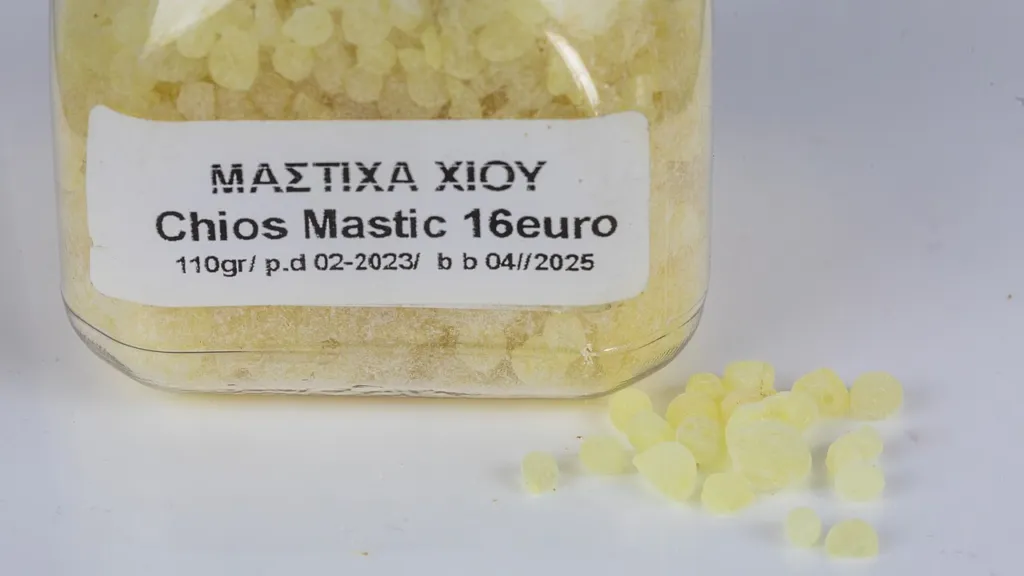
Good mastic comes as yellow or greenish-yellow rounded or pear-shaped tears about 3 mm across, brittle in the hand, turning plastic when chewed, with a faintly balsamic smell and a mild turpentine-like taste. Confirmed [1] The classic adulterant is sandarac, the resin of Tetraclinis articulata, a North African conifer. Sandarac tears differ in shape, stay gritty when chewed and never form a plastic mass, and taste somewhat bitter. Confirmed [1] The chew test is an old pharmacognosy check that anyone can apply to loose tears, and it is still a useful first screen. Traditional
For a laboratory, the European Pharmacopoeia monograph (1876) sets the identity and the essential-oil floor of 10 mL/kg. Confirmed [1] The volatile markers alpha-pinene, myrcene and beta-pinene have been proposed for judging storage age, because the oil evaporates and oxidises over time. Evidence suggests [1] Old, dusty powder may have lost much of its oil. Mechanism
Capsules raise problems that the tears do not. Once the resin is powdered, the chew test and the tear shape are gone, and identity rests entirely on chemistry. The HMPC recognised no active marker for mastic, which makes a meaningful content specification hard to write. Confirmed [1] I found no published survey of mastic products on the Australian market, and no Australian data on whether capsules sold here contain what their labels say. That gap is listed in the discussion below. Evidence suggests
Price is a rough signal. Chios mastic is labour-intensive and produced in limited quantity, so very cheap “mastic” deserves a second look. That is a market observation, not an analytical test. Mechanism
DiscussionDiscussion: conclusions, hypotheses and research still required
What we know
Mastic is a well-characterised triterpene oleoresin from a single cultivated source, with an EU protected origin, a European Pharmacopoeia standard and a UNESCO-recognised harvest tradition. Confirmed Attested Its use as a stomach remedy is documented from late antiquity to the present, and on that basis the EMA accepts it as a traditional herbal medicine for mild dyspepsia and minor skin complaints, while explicitly refusing it proven-efficacy status. Traditional Confirmed One well-designed but unreplicated trial supports a benefit in functional dyspepsia over three weeks. Evidence suggests The H. pylori evidence is consistent in the test tube and weak and inconsistent in animals and people. Evidence suggests Tolerance in trials has been good, with no reported interactions; data for pregnancy, lactation, children and nut-allergic people are missing. Evidence suggests In Australia it is unscheduled, permitted in listed medicines and present in several local combination products, while single-herb capsules reach buyers by personal import. Confirmed
What we can reasonably hypothesise
- The polymer limits what reaches the body. If the tenfold absorption difference seen in mice holds in people, whole-resin products deliver far less triterpenic acid than their milligram figure suggests, and dose-finding work on whole resin may have been aiming at the wrong target. Mechanism
- Stomach acidity matters to the antibacterial effect. The failed mastic-plus-pantoprazole arm points to the acidic triterpenes needing an acidic environment. That is testable in vitro at controlled pH, and it has a practical corollary for people on acid suppressants. Mechanism
- The dyspepsia benefit and the H. pylori effect may be separate. The dyspepsia trial enrolled functional dyspepsia; no evidence I read ties its result to bacterial clearance. A local effect on mucosa or motility is at least as plausible. Mechanism
- Cross-reactivity with nut allergy is probably low but unknown. Resin chemistry differs from seed storage proteins, yet trace proteins exist. Low probability is a hypothesis, not a reassurance. Mechanism
What research is still required
- Clinical research: an independent, adequately powered randomised placebo-controlled replication of the dyspepsia trial, with Rome IV criteria, a pre-registered primary outcome, at least eight weeks of treatment, follow-up after stopping, and a declared, characterised product. Any such trial in Australia would need ethics approval.
- H. pylori: before any further monotherapy trial, a properly powered randomised study of mastic as an adjunct to current guideline therapy, reporting eradication by intention to treat, resistance profiles and adverse events. Monotherapy in infected people is hard to justify given the existing results.
- Pharmacokinetics: human plasma levels of the main triterpenic acids after whole resin and after polymer-free extract, to test the mouse finding.
- Quality analysis: an Australian market survey of mastic capsules and tears by GC-MS (volatile profile, alpha-pinene) and HPLC or LC-MS of the triterpenic acid fingerprint, with checks for sandarac and other Pistacia resins, and comparison with the Ph. Eur. essential-oil floor.
- Allergology: skin-prick or basophil activation testing with mastic extract in people with confirmed pistachio or cashew allergy, and protein profiling of commercial resin.
- Toxicology: the genotoxicity data the HMPC found missing, and reproductive toxicity data, which together would allow an EU list entry and better advice for pregnancy.
- History of medicine: a check of the Dioscorides, Galen and Byzantine attributions against critical editions, separating what the texts say from later Greek compilations.
- Botany: the genetic basis of resin yield in the Chios form compared with wild lentisk, which would explain why commercial production stays on one island.
About AIP and this series
The Australian Institute of Pharmacognosy (AIP) is based in Cardwell, in the wet tropics of far north Queensland. Pharmacognosy is the study of medicines and poisons that come from natural sources: how a plant is identified, what it contains, and what that chemistry does in the body.
The Literature Review and Critical Analysis series is part of our education and research work. Each review follows the same structure and grades every claim by the evidence behind it, so you can see what is tradition, what is laboratory or animal work, and what has actually been tested in people.
Nothing in this series is an offer of treatment, a product or a service, and nothing in it is a reason to use a plant. If you find an error, or a source we have missed, we would like to hear about it: write to the Institute at our contact form, and the Secretary will pass it to the author. More of the Institute’s work is at australian-pharmacognosy.org. Follow the series for the next review.
References
Show all 22 references (every PMID links to PubMed)
Every PMID was checked against PubMed in October 2026, and every compound against PubChem. Listed in order of first citation. Entries marked as reported through the HMPC assessment report are studies whose full text the Institute had requested but not yet read when this review was written; their figures are the HMPC assessors’ account.
- European Medicines Agency, Committee on Herbal Medicinal Products (HMPC). Assessment report on Pistacia lentiscus L., resina (mastic). Final. EMA/HMPC/46756/2015. 2 February 2016. Rapporteur I Chinou. EMA herbal summary page. Read in full, October 2026.
- Tworowska J, Sobieska-Poszwa O, Kowalczyk A. Pistachio allergy: integrating molecular diagnostics and clinical phenotypes. Diagnostics (Basel). 2026;16(4):513. PMID 41750663. DOI 10.3390/diagnostics16040513. Open access: PMC12939335.
- European Medicines Agency, Committee on Herbal Medicinal Products (HMPC). European Union herbal monograph on Pistacia lentiscus L., resina (mastic). Final. EMA/HMPC/46758/2015. Adopted 2 February 2016. EMA herbal summary page. Read in full, October 2026.
- Department of Foreign Affairs and Trade (Australia). Summary technical specifications for registration of geographical indications: Μαστίχα Χίου (Masticha Chiou), EL/PDO/0017/1558. dfat.gov.au. Read October 2026.
- Therapeutic Goods (Poisons Standard, June 2026) Instrument 2026 (Cth), F2026L00633. Federal Register of Legislation. Searched October 2026.
- Atlas of Living Australia. Occurrence and species search for Pistacia lentiscus. ala.org.au. Searched October 2026.
- UNESCO Intergovernmental Committee for the Safeguarding of the Intangible Cultural Heritage. Know-how of cultivating mastic on the island of Chios. Representative List, inscribed 2014, decision 9.COM 10.18, element 00993. ich.unesco.org. Read October 2026.
- Paraschos S, Magiatis P, Mitakou S, Petraki K, Kalliaropoulos A, Maragkoudakis P, et al. In vitro and in vivo activities of Chios mastic gum extracts and constituents against Helicobacter pylori. Antimicrob Agents Chemother. 2007;51(2):551-9. PMID 17116667. DOI 10.1128/AAC.00642-06. Open access: PMC1797732.
- Miyamoto T, Okimoto T, Kuwano M. Chemical composition of the essential oil of mastic gum and their antibacterial activity against drug-resistant Helicobacter pylori. Nat Prod Bioprospect. 2014;4(4):227-31. PMID 25089241. DOI 10.1007/s13659-014-0033-3. Open access: PMC4111869.
- Therapeutic Goods Administration. ARTG public summaries for listed medicines containing mastic or Pistacia lentiscus gum oleoresin: 335339, 350974, 401187, 455591, 520934, 520981. Read October 2026.
- Lemonakis N, Magiatis P, Kostomitsopoulos N, Skaltsounis AL, Tamvakopoulos C. Oral administration of Chios mastic gum or extracts in mice: quantification of triterpenic acids by liquid chromatography-tandem mass spectrometry. Planta Med. 2011;77(17):1916-23. PMID 21870323. DOI 10.1055/s-0031-1279996. Figures quoted in this review are those reported by the HMPC assessment report; the Institute has requested the full text and had not read it when this review was written (October 2026).
- Huwez FU, Thirlwell D, Cockayne A, Ala’Aldeen DA. Mastic gum kills Helicobacter pylori. N Engl J Med. 1998;339(26):1946. PMID 9874617. DOI 10.1056/NEJM199812243392618. Figures quoted in this review are those reported by the HMPC assessment report; the Institute has requested the full text and had not read it when this review was written (October 2026).
- Kottakis F, Kouzi-Koliakou K, Pendas S, Kountouras J, Choli-Papadopoulou T. Effects of mastic gum Pistacia lentiscus var. Chia on innate cellular immune effectors. Eur J Gastroenterol Hepatol. 2009;21(2):143-9. PMID 19212203. DOI 10.1097/MEG.0b013e32831c50c9. Figures quoted in this review are those reported by the HMPC assessment report; the Institute has requested the full text and had not read it when this review was written (October 2026).
- Dabos KJ, Sfika E, Vlatta LJ, Frantzi D, Amygdalos GI, Giannikopoulos G. Is Chios mastic gum effective in the treatment of functional dyspepsia? A prospective randomised double-blind placebo controlled trial. J Ethnopharmacol. 2010;127(2):205-9. PMID 19961914. DOI 10.1016/j.jep.2009.11.021. Figures quoted in this review are those reported by the HMPC assessment report; the Institute has requested the full text and had not read it when this review was written (October 2026).
- Papada E, Forbes A, Amerikanou C, Torović L, Kalogeropoulos N, Tzavara C, et al. Antioxidative efficacy of a Pistacia lentiscus supplement and its effect on the plasma amino acid profile in inflammatory bowel disease: a randomised, double-blind, placebo-controlled trial. Nutrients. 2018;10(11):1779. PMID 30453494. DOI 10.3390/nu10111779. Open access: PMC6267573.
- Papada E, Gioxari A, Amerikanou C, Forbes A, Tzavara C, Smyrnioudis I, et al. Regulation of faecal biomarkers in inflammatory bowel disease patients treated with oral mastiha (Pistacia lentiscus) supplement: a double-blind and placebo-controlled randomised trial. Phytother Res. 2019;33(2):360-9. PMID 30450689. DOI 10.1002/ptr.6229. Read as the authors’ accepted manuscript, UEA repository.
- Al-Habbal MJ, Al-Habbal Z, Huwez FU. A double-blind controlled clinical trial of mastic and placebo in the treatment of duodenal ulcer. Clin Exp Pharmacol Physiol. 1984;11(5):541-4. PMID 6395994. DOI 10.1111/j.1440-1681.1984.tb00864.x. Figures quoted in this review are those reported by the HMPC assessment report; the Institute has requested the full text and had not read it when this review was written (October 2026).
- Dabos KJ, Sfika E, Vlatta LJ, Giannikopoulos G. The effect of mastic gum on Helicobacter pylori: a randomized pilot study. Phytomedicine. 2010;17(3-4):296-9. PMID 19879118. DOI 10.1016/j.phymed.2009.09.010. Figures quoted in this review are those reported by the HMPC assessment report; the Institute has requested the full text and had not read it when this review was written (October 2026).
- Triantafyllou A, Chaviaras N, Sergentanis TN, Protopapa E, Tsaknis J. Chios mastic gum modulates serum biochemical parameters in a human population. J Ethnopharmacol. 2007;111(1):43-9. PMID 17150319. DOI 10.1016/j.jep.2006.10.031. Figures quoted in this review are those reported by the HMPC assessment report; the Institute has requested the full text and had not read it when this review was written (October 2026).
- Therapeutic Goods (Permissible Ingredients) Determination (No. 3) 2026 (Cth), F2026L01382, commenced 16 October 2026, Schedule 1, items 3234 (MASTIC) and 3947 (PISTACIA LENTISCUS). Federal Register of Legislation. Read October 2026.
- Therapeutic Goods Administration. ARTG entry 431472, public summary (Medicine Listed, Export Only; ARTG start date 20/12/2023). tga.gov.au. Read October 2026.
- Therapeutic Goods Administration. Personal Importation Scheme. Last updated 8 September 2026. tga.gov.au. Read October 2026.
Requested and not yet read. These are mentioned in the text for completeness but not summarised or graded: Bebb JR et al., J Antimicrob Chemother 2003 (PMID 12888582); Loughlin MF et al., J Antimicrob Chemother 2003 (PMID 12562704); Tulsian V et al., Indian J Gastroenterol 2026 (PMID 41832367); Çelik V et al., Int Arch Allergy Immunol 2024 (PMID 38880088); Pachi VK et al., J Ethnopharmacol 2020, a review of Chios mastic (PMID 32092498).
Image credits
- Cover: mastic groves on Chios, August 2023. Photo: Robot8A · CC BY-SA 4.0 · Wikimedia Commons
- Wild lentisk, Pistacia lentiscus, near Pollença, Mallorca, in April. Outside Chios the species is a common shrub of Mediterranean scrub. Ryan Hodnett · CC BY-SA 4.0 · source
- Lentisk in spring, north-east Crete. The leathery, evenly pinnate leaves with a winged midrib are typical of the species. Robert Flogaus-Faust · CC BY 4.0 · source
- Male flowers of the lentisk. Each plant bears flowers of one sex only. Hans Hillewaert · CC BY-SA 3.0 · source
- Ripening fruit near Pedreguer, Spain. The drupes darken to black when fully ripe. Joanbanjo · CC BY-SA 4.0 · source
- Mastic groves across a valley on Chios, August 2023. Cultivation for resin is concentrated in the island’s south. Robot8A · CC BY-SA 4.0 · source
- A drop of mastic forming at an incision in the bark on Chios. The cut is made with a small iron tool from July onward. Aggelos1357 · CC0 · source
- A mastic tree on Chios in August, the ground beneath it swept pale. Robot8A · CC BY-SA 4.0 · source
- “Arbres de mastic”, a drawing by Francesco Perilla published in 1929, from his travels in Greece. Francesco Perilla · Public domain · source
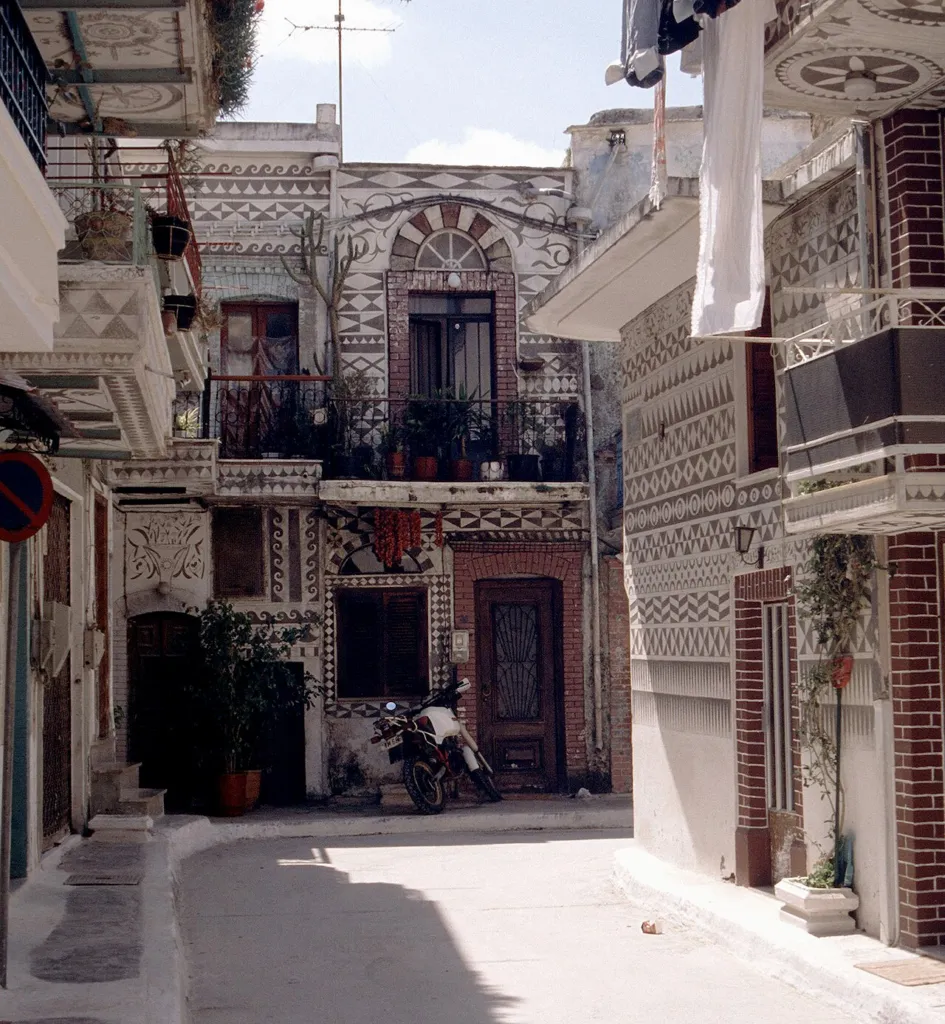
- A lane in Pyrgi, one of the Mastihohoria, where house fronts are decorated in sgraffito. Mätes II. · CC BY-SA 3.0 · source
- Mastic tears in the hand. The clearest, largest tears are picked first and fetch the highest grade. Palden Dorenský · CC BY-SA 4.0 · source
- Structure of 24Z-Masticadienonic acid (PubChem CID 11340012). PubChem, US National Library of Medicine · Public domain (US Government work) · source
- Structure of Oleanonic acid (PubChem CID 12313704). PubChem, US National Library of Medicine · Public domain (US Government work) · source
- Structure of Moronic acid (PubChem CID 489941). PubChem, US National Library of Medicine · Public domain (US Government work) · source
- Structure of Oleanolic acid (PubChem CID 10494). PubChem, US National Library of Medicine · Public domain (US Government work) · source
- Structure of alpha-Pinene (PubChem CID 6654). PubChem, US National Library of Medicine · Public domain (US Government work) · source
- Structure of Myrcene (PubChem CID 31253). PubChem, US National Library of Medicine · Public domain (US Government work) · source
- Graded Chios mastic tears sold loose in a jar. Loose tears are the least processed form on sale. Raimond Spekking · CC BY-SA 4.0 · source
- Fresh resin running from the bark. Laboratory studies on mastic use the hardened resin, its extracts or its isolated compounds. NickKatraris · CC BY-SA 4.0 · source
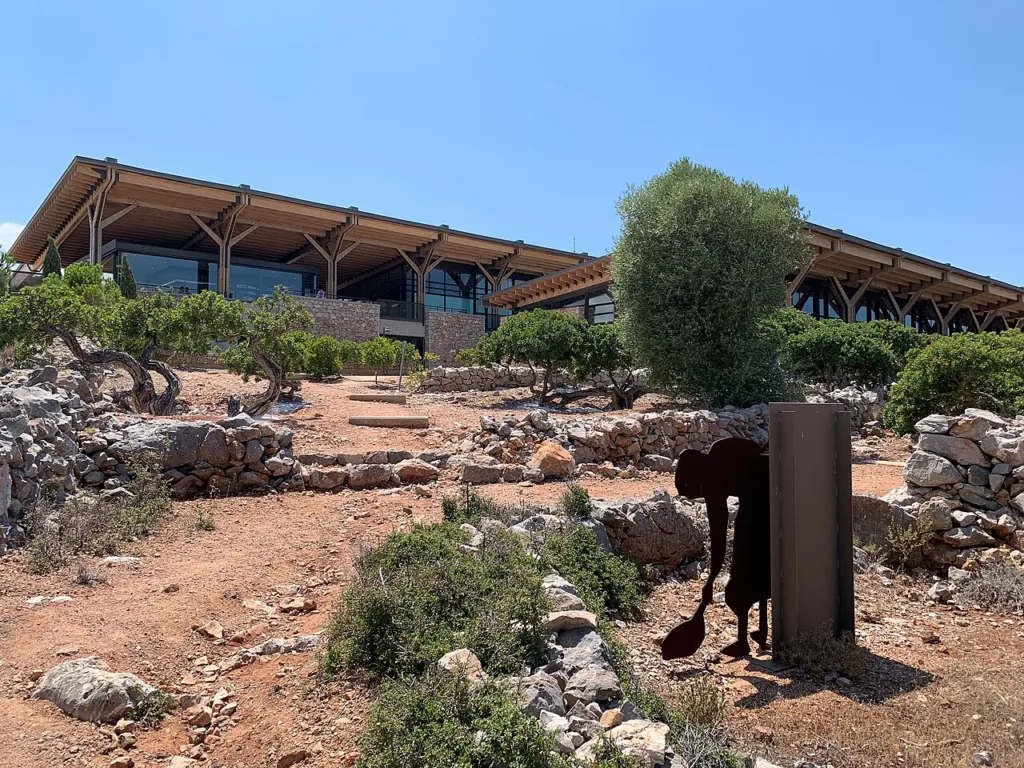
- Mastic trees beside a modern building on Chios, August 2023. Robot8A · CC BY-SA 4.0 · source
- Lentisk fruit. Pistachio, cashew and mango belong to the same family, Anacardiaceae, which is why nut allergy comes up in this chapter. H. Zell · CC BY-SA 3.0 · source
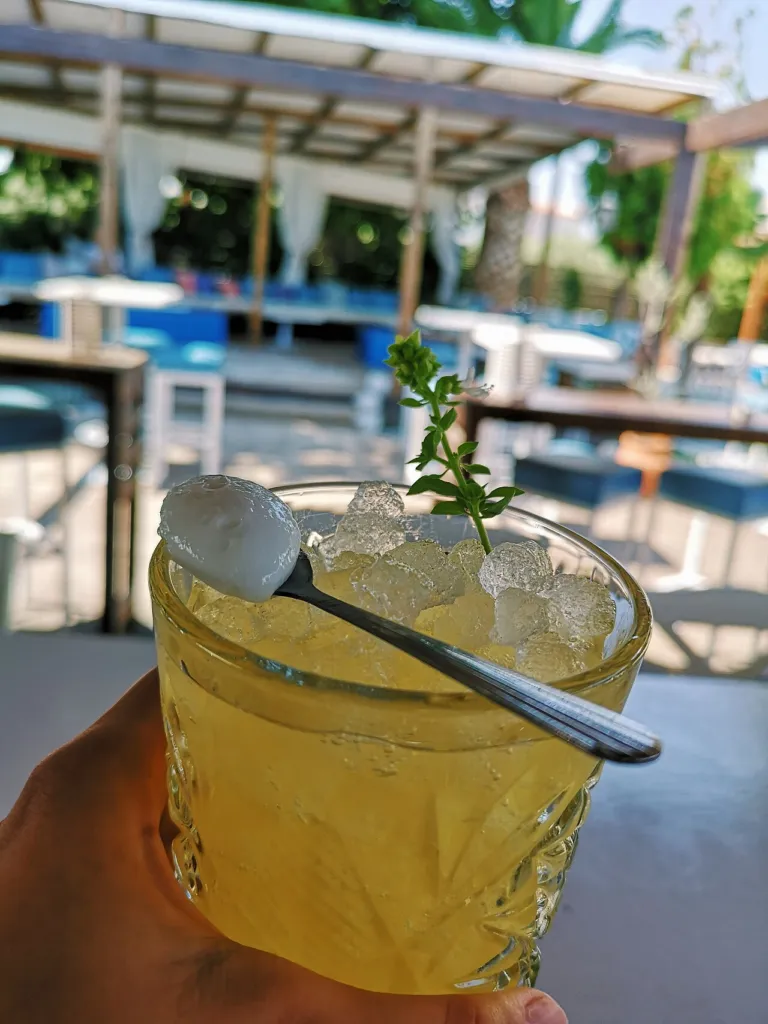
- A mastic-flavoured iced drink. In Australia mastic is sold as a food flavouring, as loose resin and in listed medicines. Lia Sofianopoulou · CC BY-SA 4.0 · source
- Tears hardening on the bark on Chios. Shape, clarity and how a tear behaves when chewed are the classic identity checks. Palden Dorenský · CC BY-SA 4.0 · source
- Mesta, one of the 24 mastic villages of southern Chios. Tash1000 · CC BY-SA 4.0 · source
Series: AIP Literature Review and Critical Analysis · an earlier review in the series: Syrian rue (Peganum harmala) · Australian Institute of Pharmacognosy
Corrections: errors and missing sources to our contact form, via the Institute’s Secretary.
Dr Thomas Ridley
Head of Education and Research
Australian Institute of Pharmacognosy
Cardwell QLD, Australia
australian-pharmacognosy.org · our contact form
Suggested citation: Ridley T. Mastic, Chios mastic gum (Pistacia lentiscus L., resin): a literature review and critical analysis. AIP Literature Review and Critical Analysis AIP-LR-PISLEN. Cardwell (QLD): Australian Institute of Pharmacognosy; 2026.
Educational content only; not medical, legal or regulatory advice. Regulatory information reflects the Poisons Standard, the Permissible Ingredients Determination and ARTG entries as read in October 2026, and may change.
The Institute sets and publishes its own monographs. The catalogue is in Publications.