

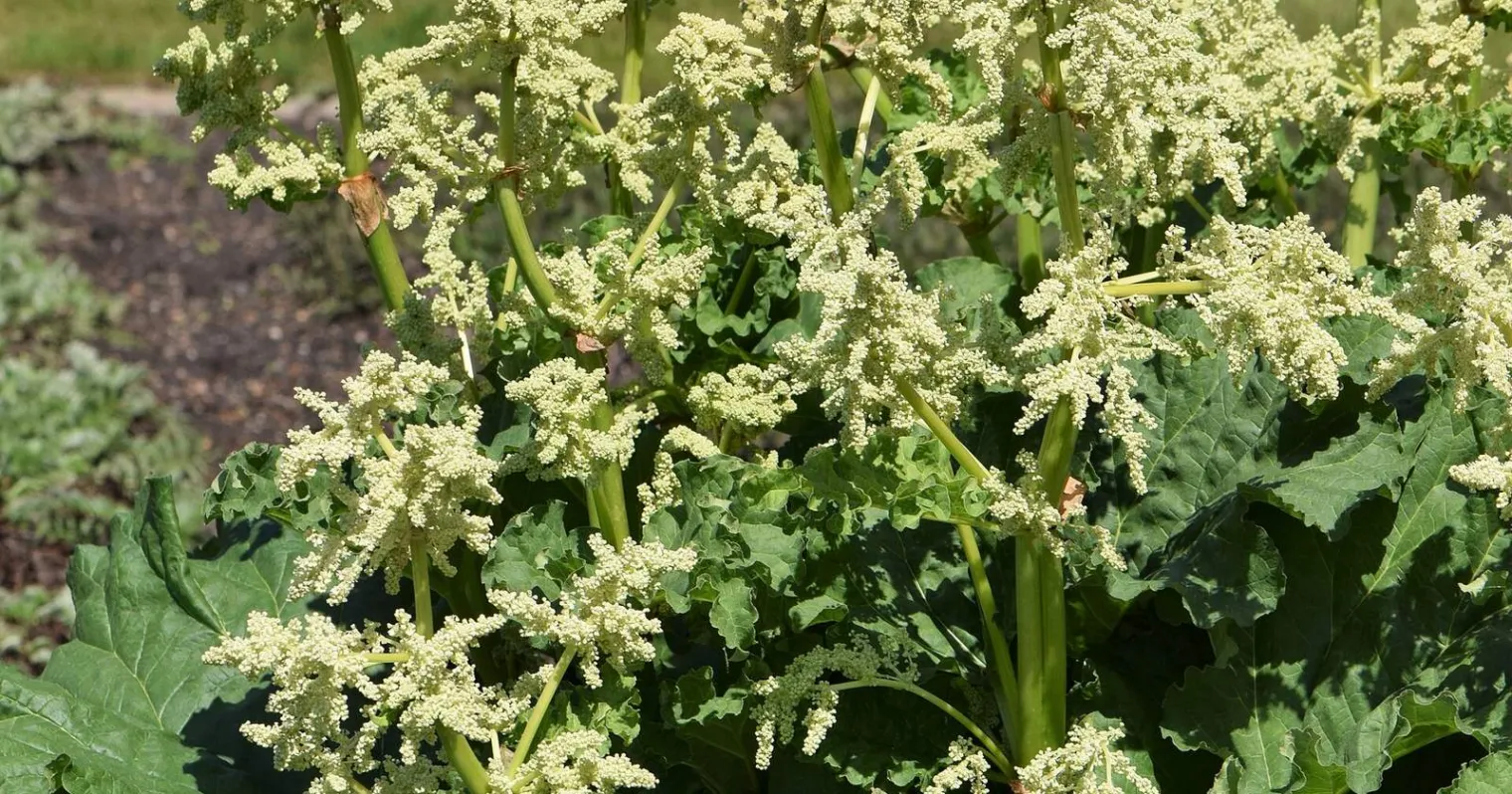
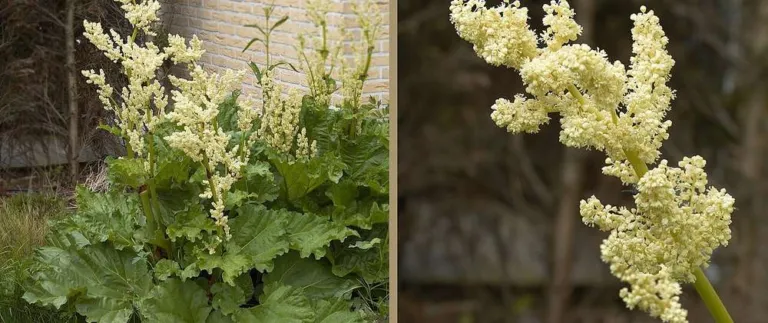
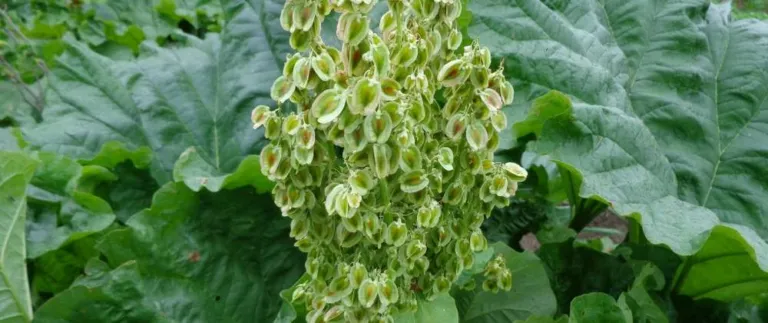
Cover: Rheum rhaponticum flowering in the Botanischer Garten, Berlin-Dahlem. Photo: Krzysztof Ziarnek, Kenraiz · CC BY-SA 4.0 · Wikimedia Commons
Turn over a box of Promensil PERI in an Australian pharmacy and the active ingredient is a rhubarb root: four milligrams of a dry extract of Rheum rhaponticum, sold as ERr 731, with a printed warning that the product contains rhubarb and may have a laxative effect. Confirmed The brand is one many women know from red clover tablets. The plant is a mountain rhubarb whose only wild home is a few high valleys in south-west Bulgaria. Confirmed
This review sorts out which rhubarb is in the tablet and how it differs from the rhubarb in the garden and the rhubarb of Chinese medicine. It sets out what the extract contains, how it is thought to act on oestrogen receptor beta, and what the published human studies show once you count how many separate groups of women were actually studied. It ends with safety, Australian regulation, quality, and a research agenda. We read the studies in full where the full text was open to us, and we say plainly where it was not.
This article is educational. It is not medical advice, and nothing in it is a recommendation to take, stop or change any medicine or supplement.
Rhapontic rhubarb root extract is a TGA-listed ingredient in Australia and is not scheduled in the Poisons Standard. Confirmed The extract acts on oestrogen receptors in laboratory studies, so women with a past or current hormone-sensitive cancer, women who are pregnant or breastfeeding, and anyone on hormone therapy, tamoxifen, an aromatase inhibitor or hormonal contraception are outside what the trials studied. Mechanism Rhubarb leaves are never used as medicine or food. Before taking any botanical drug, consult a degree-qualified herbalist with competencies and adequate training in pharmacognosy.
In an emergency call 000. For poisoning advice anywhere in Australia, the Poisons Information Centre is on 13 11 26, 24 hours a day.
| Plant | Rheum rhaponticum L., Polygonaceae. Rhapontic rhubarb; sold in Australia as “Siberian rhubarb”. Confirmed §1 |
| Wild range | South-west Bulgaria (Rila Mountains) only; grown elsewhere in gardens. Confirmed §2 |
| Part used | Root. The leaf is excluded from Australian medicines and from food. Confirmed §10 |
| Main constituents | Hydroxystilbenes: rhaponticin, desoxyrhaponticin and their aglycones. The crude root also carries anthraquinones. Confirmed §6 |
| Proposed action | Selective activation of oestrogen receptor beta (ERβ) in cell and rat studies. Mechanism §7 |
| Human evidence | Two randomised placebo-controlled trials of one extract (ERr 731, 4 mg daily), about 220 women, plus open follow-ons and one single-arm study; all industry-linked. Evidence suggests §8 |
| Safety record | Few, mostly mild reports across decades of German sales; one serious liver case; under-reporting likely. Evidence suggests §9 |
| Australian status | Listed medicine ingredient (Permissible Ingredients Determination, item 4321); not in the Poisons Standard. Confirmed §10 |
| Traditional use | Thin in the record; mainly a substitute for, and adulterant of, Chinese rhubarb. Traditional §4 |
- Confirmed, established in humans by trial, or an unambiguous analytical, chemical or legal fact.
- Evidence suggests: real published data, but preclinical, observational, small, or not yet replicated in humans.
- Mechanism: a plausible mechanistic or pharmacological inference, not an outcome.
- Traditional: historical, ethnobotanical or folk use. Evidence of practice, not of efficacy.
- Attested: a documentary fact found in a named edition or record. A textual reading, not a claim about what a plant does.
Every PubMed ID (PMID) links to its PubMed record and was checked against PubMed in November 2026; every chemical record was checked against PubChem. Where a claim is widely repeated but could not be traced to a primary source, it is marked unsourced and left as such.
Three different plants share the English word rhubarb. Garden rhubarb is a vegetable grown for its leaf stalks. Chinese rhubarb (Rheum palmatum and R. officinale) is an anthraquinone laxative root with a long pharmacopoeial record. Rhapontic rhubarb, R. rhaponticum, is a mountain species from Bulgaria whose root is rich in stilbenes, compounds related to resveratrol. Confirmed The perimenopause product on Australian shelves is a standardised extract of that third plant, made by one German manufacturer and sold under several brand names worldwide.
Cell and rat studies show the extract and its stilbenes switch on oestrogen receptor beta strongly and receptor alpha weakly or not at all. Evidence suggests That pattern is the basis for the hope that it could ease menopausal symptoms without the womb and breast effects of oestrogen, and it is still an inference from laboratory work. Mechanism
Two placebo-controlled trials, each of a little over a hundred perimenopausal women and each run for 12 weeks, reported large improvements on a standard symptom scale. Evidence suggests Every published human study we found has authors or funding tied to the makers or distributors of the extract. A 2024 meta-analysis pooled four “trials”, but two of the four appear to be later reports on the same women, so the independent randomised evidence is two cohorts. No independent group has repeated the trials.
The safety record from German sales since 1993 is reassuring in volume and thin in detail. Evidence suggests Breast-cancer data come from one sponsor-funded prescription-database study. There are no interaction studies. The laxative line on the label comes from how Australian rules treat every rhubarb root, and the trials did not report laxative effects as a problem.
Our reading: a plausible, well-characterised extract with promising but narrow evidence. Before taking any botanical drug, consult a degree-qualified herbalist with competencies and adequate training in pharmacognosy.
 1 · Which plant is this?
 2 · Botany and distribution
 3 · Three rhubarbs
 4 · Traditional and historical use
 5 · Why it is not red clover
 6 · Phytochemistry
 7 · Pharmacology
 8 · Clinical evidence
 9 · Safety and interactions
 10 · Australian regulation
 11 · Quality and adulteration
 D · Discussion and research agenda
1. Which plant is this? Names and taxonomy
The plant in the tablet is Rheum rhaponticum L., in the dock and buckwheat family, Polygonaceae. Confirmed Kew’s Plants of the World Online accepts the name and gives its native range as south-west Bulgaria alone, with introduced records from Germany, Norway, Czechia and Slovakia, and Colombia. Confirmed[17] In English it is rhapontic rhubarb. In German pharmacy it is Rhapontikrhabarber. On Australian shelves it is sold as “Siberian rhubarb”.
That last name is the first knot to untie. The species does not grow wild in Siberia. Confirmed[17] We could not find where the trade name began; it appears in some research papers, including a rat study part-funded by a distributor, which calls ERr 731 “a standardized botanical extract of Siberian rhubarb Rheum rhaponticum L.” Attested[5] The origin of the name is unsourced. It is a marketing name for one plant. It says nothing reliable about where that plant comes from.
A name with a borrowed history
The second knot is older. For two centuries gardeners and botanists used “Rheum rhaponticum” for ordinary culinary rhubarb as well, and nurseries still do. Rhubarb cultivars are sold under the name, and plants in public photo archives labelled R. rhaponticum are often garden rhubarb. Evidence suggests Present-day botanical usage separates the two. The culinary plant is a hybrid, usually written Rheum × hybridum and often listed as R. rhabarbarum; the wild Bulgarian species keeps the name R. rhaponticum. Confirmed[17,9]
For anyone reading a label this matters for one reason. Research on ERr 731 is research on one defined extract of R. rhaponticum root. It tells us nothing directly about garden rhubarb root, about teas sold as rhapontic rhubarb, or about extracts made by other methods. Confirmed We return to this in the quality chapter.
2. Botany and distribution, including Australia
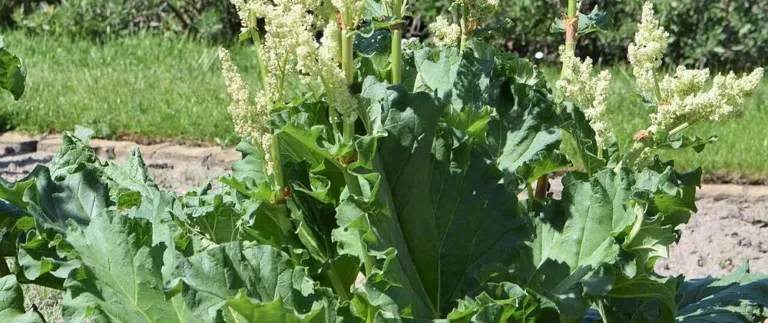
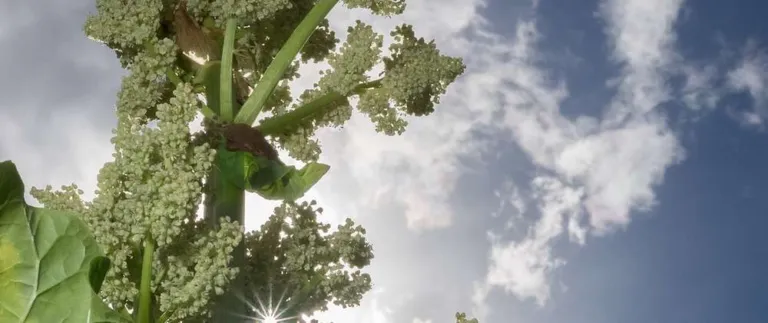
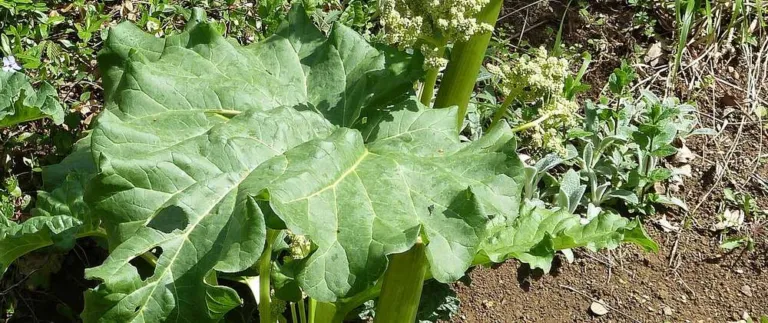
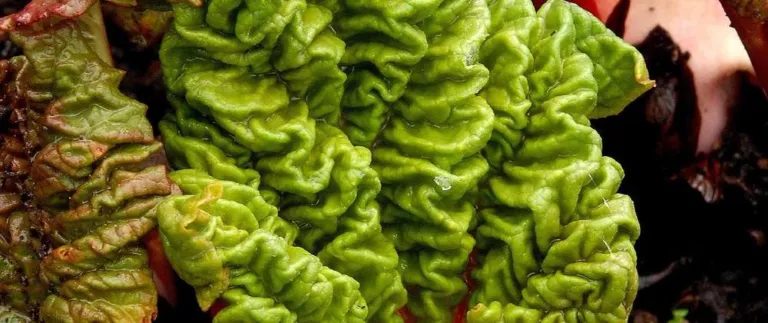
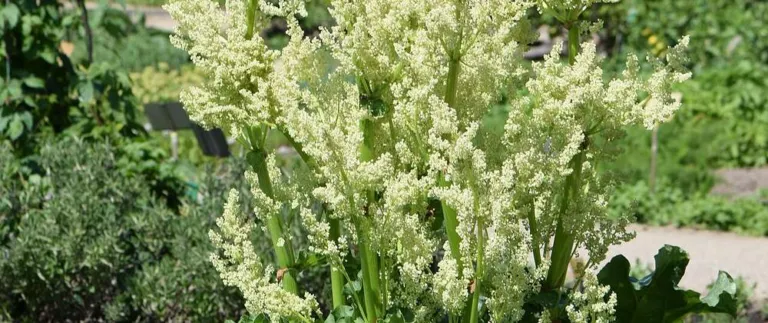
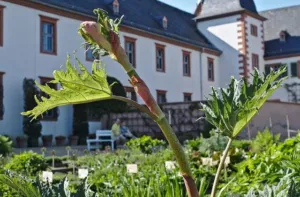
Rheum rhaponticum is a large herbaceous perennial. It dies back each winter to a thick, branched rootstock and in spring sends up a rosette of long-stalked, broad, rounded leaves with wavy margins, then a tall branched stem of small cream flowers that set winged, three-sided fruits typical of the genus. Confirmed The photographs in this article from Berlin-Dahlem show the habit well.
Its wild population is small and high. Plants of the World Online places it in the north-west and central Rila Mountains. Confirmed[17] Bulgarian botanical accounts describe it on wet, acid ground beside streams and lakes above the tree line, at around 2,000 metres. That habitat detail is repeated widely online; we did not reach a primary Bulgarian flora to confirm it, so it is marked unsourced here.
A plant with a tiny wild range cannot supply a world market from the wild. Where the root for the commercial extract is grown, and from what stock, is not stated in any paper we read. Confirmed That is a gap, and we list it in the research agenda.
Status in Australia
Rheum rhaponticum is not native to Australia and we found no wild records of it. Rhubarb in Australia means the garden hybrid, grown as a cool-season vegetable. Confirmed Neither name appears in the Queensland Biosecurity Regulation 2016 as prohibited or restricted matter, which we searched in November 2026. Confirmed The Food Standards Code lists rhubarb among stem vegetables and defines the edible portion as “leaf stems only”. Confirmed[15] The root comes to Australia as an ingredient in finished, imported medicines.
In Cardwell the plant would struggle. It is a cold-climate alpine with a winter dormancy, and garden rhubarb itself is a marginal crop in the wet tropics. That is our inference from the climate and is unsourced; the Institute has not tried to grow it. Mechanism
3. Three rhubarbs: garden, Chinese and rhapontic
Most of the confusion on the shelf comes from treating “rhubarb” as one thing. Chemically and medicinally there are three.
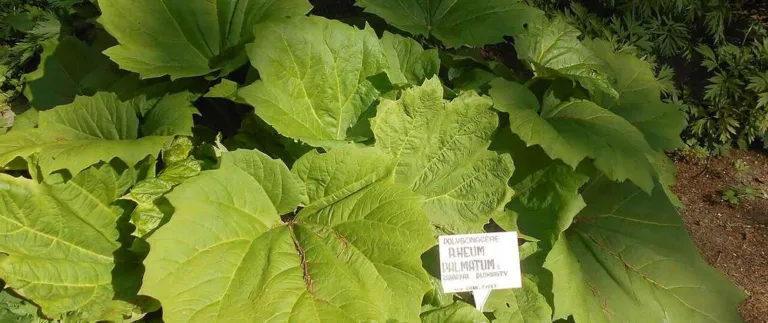
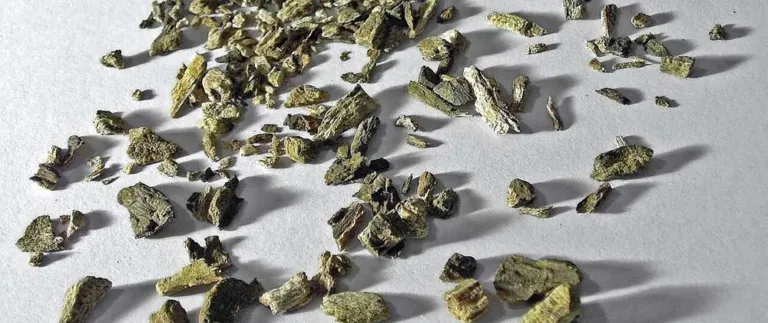
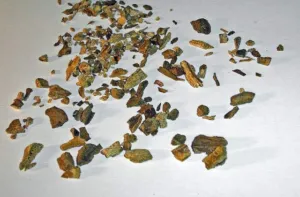
Chinese rhubarb is the dried root and rhizome of Rheum palmatum, R. officinale and, in Chinese and Korean pharmacopoeias, R. tanguticum, under the drug name Dahuang. Confirmed[9] Its signature compounds are hydroxyanthracene derivatives: anthraquinones such as emodin, rhein, aloe-emodin and chrysophanol, and the dianthrone glycosides called sennosides. Confirmed[9,11] The European Medicines Agency’s monograph accepts it for well-established use in short-term treatment of occasional constipation, for no more than a week, not in children under 12, and not in pregnancy or breastfeeding. Confirmed[10]
Garden rhubarb is grown for its sour red or green leaf stalks. The leaf blades are high in oxalate and are cut off before cooking; Australian food and medicine rules both exclude the leaf. Confirmed[9,12,15] Its root is little used as medicine.
Rhapontic rhubarb is the plant in the perimenopause product. Its root is dominated by hydroxystilbenes, above all rhaponticin. Confirmed[7,1] The European assessment report on Chinese rhubarb notes that genuine R. palmatum and R. officinale roots do not contain stilbenes such as rhaponticin, and that the European Pharmacopoeia requires Chinese rhubarb to be shown free of rhaponticin. Confirmed[11] Rhaponticin is, in effect, the pharmacopoeial fingerprint of the rhapontic plant.
| Common name | Species | Part used | Main chemistry | Main use |
|---|---|---|---|---|
| Garden rhubarb | Rheum × hybridum (syn. R. rhabarbarum) | Leaf stalk (food) | Organic acids; oxalate in leaf blades | Vegetable; leaf blades never eaten |
| Chinese rhubarb | R. palmatum, R. officinale, R. tanguticum | Root and rhizome | Anthraquinones, sennosides, tannins | Short-term laxative (EMA well-established use) |
| Rhapontic rhubarb | R. rhaponticum | Root | Stilbenes (rhaponticin, desoxyrhaponticin); some anthraquinones in crude root | ERr 731 extract for menopausal complaints |
There is overlap at the edges. A 2023 Polish study profiled botanic-garden roots of both R. rhaponticum and garden rhubarb by high-resolution mass spectrometry and found the two very similar, sharing over half their detected metabolites, with emodin and its glycosides among the anthraquinones in both. Evidence suggests[8] So the crude rhapontic root is a stilbene-rich root that still carries some anthraquinones. Whether the finished extract does is a separate question, taken up in chapter 6.
4. Traditional and historical use
Rhapontic rhubarb has a European record as a cheaper, home-grown stand-in for imported Chinese rhubarb. The best evidence for that trade is the reverse side of it: European pharmacists spent a long time catching rhapontic root in parcels of Chinese rhubarb. The EMA assessment report still discusses rhaponticin finds in market samples of “Chinese rhubarb” as probable falsification with R. rhaponticum. Attested[11]
The plant also earned a place in French domestic herbals. The nineteenth-century editions of F.-J. Cazin’s Traité pratique et raisonné des plantes médicinales indigènes, a practical treatise on France’s home-grown medicinal plants, illustrate “Rhapontic” on plate XXXIV, between the buttercups and the castor-oil plant. Attested[19] Cazin’s inclusion tells us French practitioners used the root as an indigenous drug. Traditional We have not yet read Cazin’s text entry, so the uses he gave are not reported here.
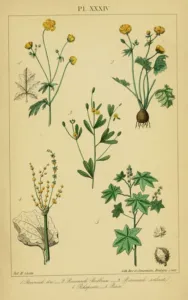
The menopause use is modern. An extract of the root has been sold in Germany since the 1950s, first for disturbances of ovarian function such as absent or scanty periods and for menstrual complaints, and later for climacteric complaints. Attested[1,6,7] The standardised version, ERr 731, was registered in Germany in July 1993 as Phytoestrol N and has since been sold as femi-loges, as Estrovera in North America and South Africa. Attested[6] In Australia it is sold under the Promensil PERI name. Confirmed[18]
Some reviews describe rhapontic rhubarb as “traditionally used” for menopausal symptoms. Traditional The only source behind that phrase in the papers we read is the German medical use since the 1950s, which is a record of modern prescribing. We found no ethnobotanical record of the root being used for menopause before then; that claim is unsourced.
None of this is evidence that the root works. The traditional record shows that Europeans valued the plant as a rhubarb; the clinical record, which is recent and narrow, is where the menopause question has to be settled.
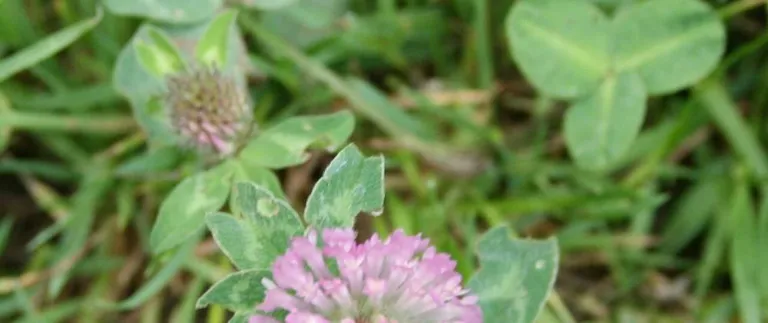
5. Why a “Promensil” product is not red clover
Promensil began as a red clover product, and its original menopause tablets are still described by retailers as a standardised isoflavone extract from red clover, Trifolium pratense. Confirmed[18] Red clover isoflavones such as formononetin (CID 5280378) and biochanin A (CID 5280373) are flavonoids from a legume. Confirmed
Promensil PERI shares the brand and nothing else. Its label lists one active ingredient: “Rheum rhaponticum extract dry concentrate 4mg equiv. to dry root 84mg (ERr 731®)”. Confirmed[18] The listing number printed on retail packs is AUST L 410522, and the TGA’s public register indexes that number under the name “Peri Menopause” with Rheum rhaponticum as the ingredient. Confirmed[18] We could not open the full public summary on the TGA site in November 2026, so the sponsor and indications are not reported here from the register itself.
So a shopper picking up “Promensil” gets either a legume isoflavone or a rhubarb stilbene, depending on the word that follows. Both act on oestrogen receptors in laboratory work, by different molecules and with different evidence bases. Mechanism For readers comparing products, our reviews of black cohosh and shatavari cover two other herbs on the same shelf.
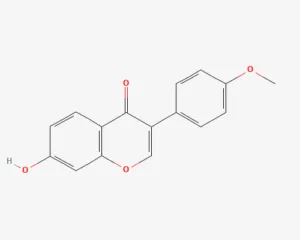
A red clover isoflavone. Structure: PubChem, US National Library of Medicine
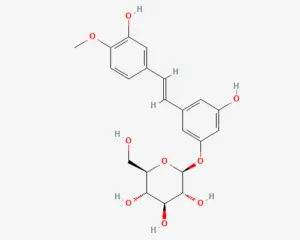
The main stilbene of rhapontic rhubarb. Structure: PubChem, US National Library of Medicine
Same brand, different chemistry: an isoflavone from red clover beside the stilbene glycoside of rhapontic rhubarb.
6. Phytochemistry: stilbenes in front, anthraquinones behind
The constituents that define ERr 731 are hydroxystilbenes: two glycosides, rhaponticin (CID 637213) and desoxyrhaponticin (CID 5316606), and their sugar-free forms (aglycones), rhapontigenin (CID 5320954) and desoxyrhapontigenin (CID 6255462). Confirmed[1,5,6,7] All four are built on the same two-ring stilbene frame as resveratrol (CID 445154), the grape-skin compound, and share its biosynthetic pathway in the plant. Confirmed[7]
Glycoside; the dominant stilbene of the extract. Structure: PubChem, US National Library of Medicine
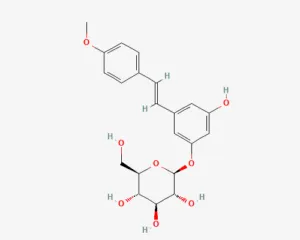
Glycoside lacking one ring hydroxyl. Structure: PubChem, US National Library of Medicine
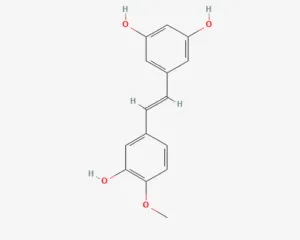
Aglycone of rhaponticin. Structure: PubChem, US National Library of Medicine
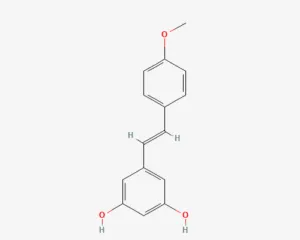
Aglycone of desoxyrhaponticin. Structure: PubChem, US National Library of Medicine
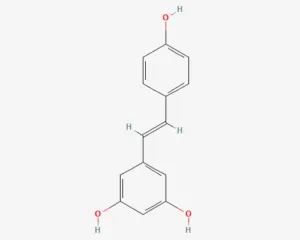
Parent stilbene, for comparison. Structure: PubChem, US National Library of Medicine
The four ERr 731 stilbenes and resveratrol. Click a structure for its PubChem record.
What the specification says
The fullest published description of the extract is in the 2026 report of the Ukrainian trial follow-on. Each 400 mg enteric-coated tablet carries 4 mg of dry extract as its only active ingredient, at a drug-to-extract ratio of 16 to 26 parts root to one part extract, made with calcium oxide and water (1:38 by mass) as the extraction solvent. Confirmed[1] Australian labels express the same 4 mg as “equiv. to dry root 84mg”, which sits inside that ratio range. Confirmed[18]
The papers disagree in a small but telling way about proportions. A 2010 review describes the extract as consisting “mainly of rhaponticin (<90%) and aglycones (5%) of rhaponticin and desoxyrhaponticin”. Attested[7] A 2021 rat study says rhaponticin and desoxyrhaponticin glycosides are the main constituents with about 5% aglycones. Attested[5] Neither gives a full assay with method and limits, and we found no independent laboratory analysis of the commercial extract. The marker content of a 4 mg dose is therefore known only in outline.
Where the anthraquinones went
Several papers state that the extract, or the roots it is made from, contain no anthraquinones. Attested[5] The independent Polish profiling of whole R. rhaponticum roots found emodin, its anthrone and several glycosides. Evidence suggests[8] Both statements can be true. Lime water is an unusual solvent, and alkaline extraction followed by purification could leave much of the anthraquinone fraction behind. That is a reasonable chemical inference. Mechanism No paper we read reports a hydroxyanthracene assay of the finished extract, and that is the measurement that would settle why Australian rules attach a laxative statement to it (chapter 10).
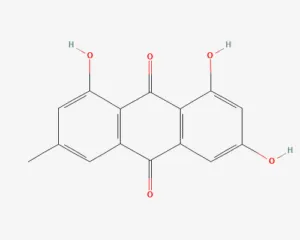
An anthraquinone of Chinese rhubarb, also found in crude rhapontic root. Structure: PubChem, US National Library of Medicine
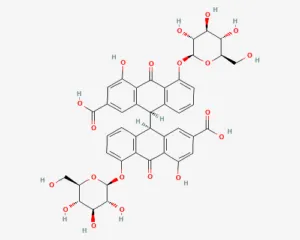
A dianthrone glycoside; a main laxative principle of Chinese rhubarb. Structure: PubChem, US National Library of Medicine
The laxative chemistry of Chinese rhubarb. These hydroxyanthracene derivatives are what the TGA’s rhubarb label rules are written around.
One more compound sits in the background of every rhubarb conversation: oxalic acid (CID 971), concentrated in the leaf blades. It is the reason Australian law excludes the leaf from both food and medicine. Confirmed[12,15]
A 2010 review makes a point worth repeating plainly: the synthetic oestrogen diethylstilboestrol has a stilbene-like shape, and these natural hydroxystilbenes resemble it structurally. Attested[7] Shape alone predicts little about potency, and the review reports no adverse events in human use of the extract. Evidence suggests[7] We mention it because it explains why pregnancy data matter for this class (chapter 9).
7. Pharmacology: oestrogen receptor beta
Oestrogen acts mainly through two nuclear receptors, ERα and ERβ. They are distributed differently: ERα dominates in the womb lining and drives much of oestrogen’s growth effect on breast and endometrium, while ERβ is prominent in brain, bone, blood vessels and other tissues. Confirmed[7] A compound that activates ERβ while leaving ERα quiet could, in theory, ease some symptoms of falling oestrogen without stimulating the endometrium. Mechanism That idea is the scientific case for this extract.
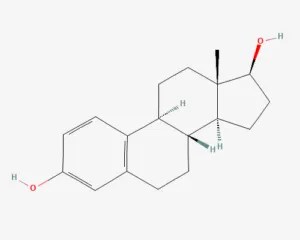
Cell studies
Two 2007 studies from the Dresden group of Günter Vollmer, with the manufacturer’s director among the authors, tested the extract and its stilbenes in reporter-gene assays. As summarised in the group’s 2010 review and in the 2026 trial report, the extract and its aglycones did not activate ERα in yeast, Ishikawa or HEC-1B endometrial cells, but produced ERβ-dependent activity comparable to oestradiol. Evidence suggests[7,1] In U2OS bone-derived cells the picture was ERβ-dominant with weak ERα activity. Evidence suggests[1]
Selectivity measured in transfected cells is a property of the assay as well as the molecule. Receptor binding differences were reported as modest; the selectivity appears in what happens after binding, which the authors attribute to different co-regulator recruitment. Mechanism[1,7]
Animal studies
In ovariectomised rats, the standard model of menopause, the extract given for three days at doses from about the human equivalent up to 100 mg/kg did not cause womb growth or switch on proliferation genes, and a 90-day study at up to 1 g/kg also found no uterotrophic effect. Evidence suggests[6] A 2021 study from North Carolina, part-funded by the North American distributor, found that ERr 731 lowered tail-skin temperature in ovariectomised rats by about 1 °C within two days at 1 and 3 mg/kg/day, an accepted animal proxy for hot flushes, and acted as an ERβ agonist in the rat hypothalamus. Evidence suggests[5]
The 2026 trial report adds a further hypothesis: that hydroxystilbenes from Rheum may inhibit monoamine oxidase A and that ERβ signalling links to oxytocin pathways, which together could explain reported mood effects. Mechanism[1] These are proposals built on other compounds and other models. No study has measured MAO-A inhibition after a 4 mg human dose.
The missing piece: what reaches the receptor
We found no human pharmacokinetic study of ERr 731 in PubMed in November 2026: no published blood levels of rhaponticin or its aglycones after a 4 mg dose, no half-life, and no data on gut conversion of the glycosides. Confirmed Stilbene glycosides are generally thought to be cleaved by gut bacteria before absorption, so the aglycones may be the forms that matter. That is an inference by analogy with resveratrol and its glucosides, and it has not been tested for this extract. Mechanism
8. Clinical evidence: what the trials can carry
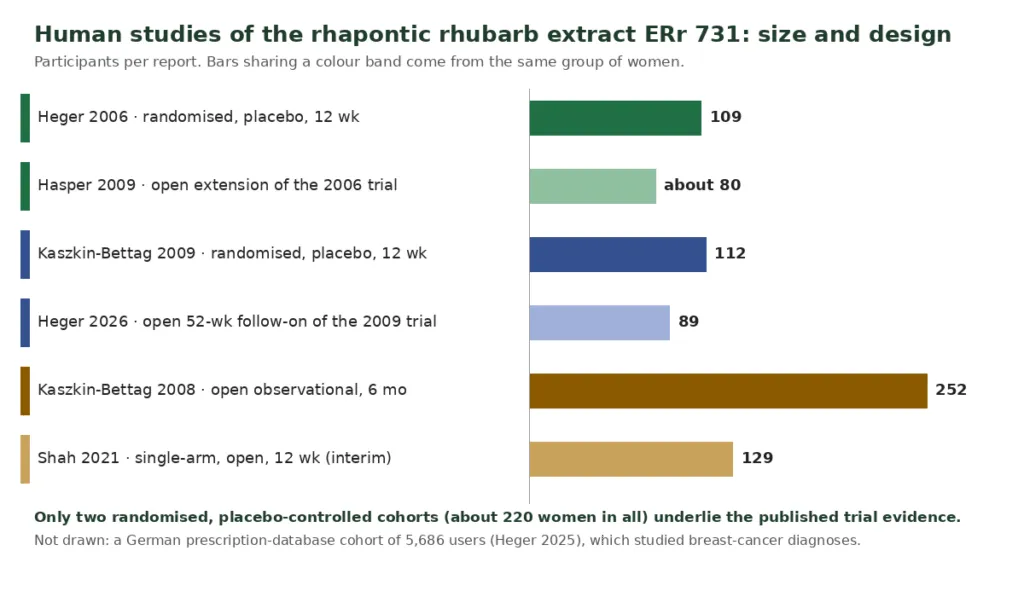
Retail copy for the Australian product speaks of clinical trials and long-term efficacy. Those trials are real and published. The useful question for a reader is how much independent evidence they add up to, and our answer comes from counting the women.
Trial one: Heger and colleagues, 2006
The first placebo-controlled trial randomised 109 perimenopausal women to 4 mg ERr 731 or placebo daily for 12 weeks. As described in later full-text sources, the extract group improved more on the Menopause Rating Scale II, hot flushes fell in number and severity from week four, menopause-specific quality of life improved, and anxiety scores fell. Evidence suggests[6,7] Endometrial biopsies, bleeding, blood pressure and laboratory safety tests did not differ from placebo, and no adverse events were judged related to the extract. Evidence suggests[6,7]
About 80 of these women then took the extract openly for up to 96 weeks, reported in 2009. Symptom scores stayed low, no endometrial hyperplasia was found, and no related adverse events were recorded. Evidence suggests[3,6,7] An open extension has no comparison group, so it tells us about tolerability over time more than about efficacy.
Trial two: Kaszkin-Bettag and colleagues, 2009
The second trial, run at seven sites in Ukraine between 2004 and 2007, randomised 112 women aged 45 to 55 with a Menopause Rating Scale score of at least 18. It used a three-stage group-sequential design with sample-size adjustment at two interim analyses. Confirmed[1] It reported a significant reduction in climacteric complaints with the extract compared with placebo. Evidence suggests[1,3] Eighty-nine women continued into a 52-week open phase in which everyone took ERr 731.
The 2026 report of that follow-on gives secondary symptoms rated by investigators on a 0 to 4 scale. At 12 weeks, headache or migraine scores fell from 2.5 to 0.9 with the extract and from 2.3 to 2.1 with placebo; dizziness and pins-and-needles followed the same pattern; vaginal discharge did not change. Evidence suggests[1] After a year on open treatment, the former placebo group had caught up. Evidence suggests[1] The authors own or work for the contract research company that funded the work, and they list the loss of randomisation after week 12 and the risk of sponsorship bias among the limitations. Confirmed[1]
One detail deserves a second look. In this trial the placebo group barely moved on most measures over 12 weeks. Placebo groups in menopause trials often improve noticeably; that general point is the reviewer’s experience and is unsourced here. We have not found a published explanation for why these placebo arms were so flat. That is our reading of the reported numbers, and it is a question for the trialists, which we raise without implying any fault. Evidence suggests
Open and single-arm studies
A six-month open observational study in 70 German gynaecology practices followed 252 women taking the extract and recorded one adverse event, judged unrelated. Evidence suggests[6] An Indian single-arm, open study funded by the pharmaceutical company Lupin gave 4 mg ERr 731 to 129 perimenopausal women for 12 weeks and reported a 67% fall in Menopause Rating Scale II score, with no significant change in endometrial thickness. Evidence suggests[4] Without a control group, a fall of that size cannot be separated from placebo response, the natural course of symptoms and regression to the mean, and the authors call for larger randomised trials.
The 2024 meta-analysis, and why four became two
A 2024 systematic review and meta-analysis pooled four “randomised controlled” studies with 390 participants and reported a mean reduction in Menopause Rating Scale score of 15.1 points compared with control (95% CI 11.2 to 19.0 points lower). Evidence suggests[3] The authors registered their protocol and reported very high heterogeneity (I² = 93%) and possible small-study bias on Egger’s test (p = 0.022). Confirmed[3]
Look at the four studies in its own table, though. One is the 2006 trial (54 versus 55 women). One is the 2009 trial (56 versus 56). One is the 2009 extension of the 2006 trial (39 versus 41), which is the same women followed further. The fourth is a 2017 conference abstract (44 versus 45) whose group sizes match the 2009 trial’s follow-on cohort exactly. Attested[3,1] The pooled analysis therefore appears to count some women twice, and the independent randomised evidence is the two trials: roughly 220 women, one extract, one dose, 12 weeks. Evidence suggests The review authors work for an Indian nutraceutical company and declared no conflict of interest; whether that company sells the extract was not stated.
Independence
Every human study we found has a link to the extract’s commercial chain. The director of the German manufacturer is an author on the 2006 and 2009 trials and on the extension. Confirmed[6][20] The 2026 report and the 2025 breast-cancer study were funded by the contract research company that provides services for ERr 731. Confirmed[1,2,6] The Indian study was funded by Lupin, and the rat vasomotor study was part-funded by the North American distributor. Confirmed[4,5] Industry funding is normal for a proprietary herbal extract and is no reason to dismiss the results. What the record lacks is replication by a group with no stake in the extract.
| What the trials support | Short-term (12-week) reduction in overall climacteric symptom scores with ERr 731 4 mg daily in perimenopausal women, in two sponsor-linked trials. Evidence suggests |
| What they do not show | Effects in postmenopausal women, effects of other R. rhaponticum products, comparison with hormone therapy or other non-hormonal options, outcomes beyond 12 weeks under randomisation. |
| What would strengthen them | An independent, adequately powered, preregistered randomised trial with a hot-flush diary as primary outcome, outside the original trial network. |
The Institute has no practitioner observations of its own on this extract to report. Readers interested in mood-related menopausal symptoms may also find our review of saffron and mood useful for comparison of evidence quality.
9. Safety and interactions
For a product sold over decades, the safety literature is short. What there is comes in three kinds: trial safety data, post-marketing reports, and one database study of breast cancer.
Trial and post-marketing data
In the two trials and their extensions, no adverse events were judged related to the extract, and endometrial findings did not differ from placebo. Evidence suggests[1,6,7] A 2016 post-marketing review counted about 140 million daily doses sold in Germany between July 1993 and June 2014 and 124 adverse-event reports. The commonest were hypersensitivity reactions such as rash and itch (74 reactions) and stomach and bowel symptoms such as nausea, cramps and diarrhoea (47). Evidence suggests[6] One German case was serious: a sharp rise in liver enzymes with liver damage, after which the product was stopped; viral and autoimmune hepatitis and alcohol were excluded, and no further detail was available. Evidence suggests[6]
In North America and South Africa, about 13 million tablets sold between 2009 and 2014 produced 79 consumer complaints, mostly gastrointestinal symptoms or the product “not working”, and one serious report of endometrial cancer in a 53-year-old woman after less than a year of use, where causality could not be assessed. Evidence suggests[6] The review’s authors include employees of the distributor, the manufacturer and the marketing-authorisation holder, and they note that under-reporting limits all such data. Confirmed[6] The same review explains that the tablets are enteric-coated because the active ingredients can irritate the stomach lining. Attested[6]
A long-term toxicity study in dogs reported no adverse effects at 1,000 mg/kg body weight daily, roughly 15,000 times the human 4 mg dose by body weight. Evidence suggests[3,7]
Breast cancer
A 2025 retrospective cohort study used German gynaecology records (IQVIA Disease Analyzer) to compare 5,686 women prescribed ERr 731 between 1993 and 2022 with 17,058 matched non-users and, in a second analysis, 2,616 of those users with 7,848 matched hormone-therapy users. It found no association with later breast-cancer diagnosis (odds ratio 1.01, 95% CI 0.81 to 1.26 against non-users; 0.96, 0.69 to 1.33 against hormone therapy). Evidence suggests[2] The limitations are real. The extract became non-prescription in Germany in 2005, so later users buying it over the counter are invisible to the database and true duration of use is unknown. Women with any prior breast neoplasm were excluded. The study was funded by the contract research company linked to the extract. It is reassuring for women without a cancer history; it says nothing about women who have had breast cancer.
Who sits outside the evidence
- Hormone-sensitive cancers. Women with a history of breast, endometrial or ovarian cancer were not studied. The extract acts on oestrogen receptors in the laboratory, so the question is open in both directions. Mechanism
- Pregnancy and breastfeeding. No human data. The product is aimed at perimenopause, and the oestrogen-receptor activity and stilbene structure give reason for caution. Perimenopausal women can still conceive, so this group overlaps with the product’s intended users. Mechanism
- Children and adolescents. No data, and the product is not intended for them. The EMA/HMPC monograph for the laxative rhubarb root contraindicates that root under 12 years. Confirmed[10]
- Liver disease. People with existing liver disease were not studied, and one serious liver injury appears in the post-marketing record. Evidence suggests[6]
- Hormone therapy and other hormonal medicines. No study has combined ERr 731 with menopausal hormone therapy, hormonal contraception, tamoxifen, raloxifene or aromatase inhibitors. Additive or opposing receptor effects are theoretically possible. Mechanism
- Other medicines. We found no drug-interaction study in PubMed in November 2026, and no data on liver enzyme induction or inhibition at the 4 mg dose. Confirmed Missing data leave the question open.
- Potassium-sensitive medicines. For anthranoid laxative rhubarb root, the EMA/HMPC monograph warns that potassium loss from long-term laxative use can strengthen the effect of cardiac glycosides such as digoxin and interact with antiarrhythmics, and that diuretics, corticosteroids and liquorice root add to the loss. Confirmed[10] Whether this applies to a 4 mg extract is unknown, because its anthranoid content has not been published. Mechanism
- Long-term use. Randomised data stop at 12 weeks; open data reach about two years in around 80 women. Evidence suggests
The laxative note on the label
Rhubarb root is the classic anthraquinone laxative, and Australian rules write their label rules for every rhubarb root ingredient around it. The label warning on Promensil PERI matches statements the TGA’s ingredient rules attach to Rheum rhaponticum (chapter 10). Confirmed[12,18] The trials did not report laxative effects as a problem, though stomach and bowel symptoms are the second most common post-marketing report. Evidence suggests[6] Whether a 4 mg lime-water extract contains enough hydroxyanthracenes to act as a laxative is unknown because no assay has been published.
For anyone thinking about this product alongside other medicines, the right person to talk to is a degree-qualified herbalist with competencies and adequate training in pharmacognosy, who knows both the herb and the pharmaceuticals. Unexpected vaginal bleeding, bleeding after menopause, a new breast lump, or yellowing of the skin or eyes with dark urine should be assessed promptly in person and never put down to the supplement without investigation. In a suspected poisoning, including a child or pet eating rhubarb leaves, call the Poisons Information Centre on 13 11 26, and in an emergency call 000.
10. Australian regulatory status
A listed medicine
In Australia the product is a listed complementary medicine, shown by the AUST L number on the pack. Confirmed[18] Listed medicines may contain only ingredients on the TGA’s permissible list, may make only pre-approved low-level indications, and are entered on the Australian Register of Therapeutic Goods on the sponsor’s certification that the product meets the rules and that the sponsor holds evidence for its claims. Confirmed[16] The TGA does not evaluate a listed medicine’s efficacy before it goes on sale; it checks compliance after listing, selectively. Confirmed[16] A listing number shows the product is lawfully supplied. Substantiating its claims is the sponsor’s responsibility, checked by the TGA only if the product is reviewed.
The ingredient entry
Rheum rhaponticum is item 4321 in Schedule 1 of the Therapeutic Goods (Permissible Ingredients) Determination (No. 3) 2026, registered 13/10/2026. Confirmed[12] The entry allows it as an active ingredient in listed medicines, excludes the leaf, and makes hydroxyanthracene derivatives a mandatory component for oral use, meaning they must be accounted for in the product’s formulation. Confirmed[12] Where the daily dose carries more than 10 mg of hydroxyanthracene derivatives, labels must carry child, prolonged-use and abdominal-pain warnings; and, as we read the entry, where a product is not promoted as a laxative it requires the statements “This product contains [name of the herb]” and “This product may have laxative effect”. Confirmed[12] The Promensil PERI label wording follows those last two statements. The rule is written for the species as a whole, so the warning tells you how the ingredient is classed and gives no measurement of the anthraquinone content of a 4 mg extract.
The Medicines Advisory Statements Specification 2021 carries the same family of rhubarb warnings for products containing hydroxyanthracene derivatives from aloe, buckthorn, cascara, frangula, rhubarb and senna. Confirmed[13]
Scheduling, import and food
- Poisons Standard. Neither Rheum nor rhubarb appears in the Poisons Standard (October 2026 instrument), which we searched in November 2026. The root is unscheduled. Confirmed[14]
- Office of Drug Control. The ODC licenses imports of controlled and scheduled drugs. An unscheduled herb needs no ODC permit. Confirmed[14]
- Biosecurity. Imports of plant material are subject to the federal agriculture department’s import conditions. We did not check a case for this root, so personal import conditions are not stated here.
- Food. The Food Standards Code defines the edible portion of rhubarb as “leaf stems only”. Confirmed[15]
- Advertising. Claims for listed medicines must stay within the permitted indications and the Therapeutic Goods Advertising Code. This article makes no claim for any product. Confirmed[16]
Overseas for comparison only, and without force here: in Germany the extract has held a medicinal-product authorisation since 1993, and in North America it is sold as a dietary supplement. Attested[6] We found no EMA/HMPC monograph for R. rhaponticum among the EU herbal monographs held in the Institute’s library. Confirmed
11. Quality and adulteration
Rhubarb has an old adulteration problem, and in pharmacopoeial history the rhapontic plant was the adulterant. The European Pharmacopoeia test for Chinese rhubarb requires the absence of rhaponticin, because rhaponticin flags rhapontic root in a lot sold as Chinese rhubarb. Confirmed[11] For a rhapontic product the logic runs the other way: rhaponticin is the identity marker to look for, and the content of anthraquinones from Chinese or garden rhubarb is the impurity to measure.
Three quality questions follow for anyone buying a rhapontic rhubarb product in Australia.
- Is it the same extract? The clinical work is on ERr 731 alone. A product listing “Rheum rhaponticum root” without that extract name, ratio and solvent is a different preparation, and the trial results do not transfer. Confirmed
- Is it the right species? Because the name has been used for garden rhubarb, raw root sold as rhapontic could be garden rhubarb. Identity needs a stilbene fingerprint (HPLC for rhaponticin and desoxyrhaponticin) and, ideally, DNA confirmation against a vouchered reference. Mechanism
- What else is in it? Hydroxyanthracene content, and the usual heavy-metal and microbial limits for a root drug. We found no published market survey of rhapontic rhubarb products anywhere. Confirmed
For ERr 731 itself, the manufacturer controls a single proprietary process. That is a quality strength, because one specification is easier to hold steady than a commodity herb, and it is also why independent analytical data would add so much. Evidence suggests
Discussion: conclusions, hypotheses and research still required
What the evidence supports
- The perimenopause product sold in Australia as Promensil PERI contains a 4 mg standardised root extract of Rheum rhaponticum, a stilbene-rich species distinct from garden rhubarb and from the anthraquinone Chinese rhubarbs. It has no ingredient in common with red clover products under the same brand. Confirmed
- The extract’s stilbenes activate ERβ selectively in cell assays and do not stimulate the womb in ovariectomised rats. Evidence suggests
- Two sponsor-linked randomised trials, about 220 women in total, found short-term reductions in perimenopausal symptom scores. Evidence suggests
- Post-marketing data over two decades show mostly mild hypersensitivity and gastrointestinal reports, one serious liver case, and the usual under-reporting. Evidence suggests
- In Australia it is an unscheduled, listed ingredient, and its laxative label statement follows from the ingredient rules for rhubarb root. Confirmed
Hypotheses and musings
- The aglycones rhapontigenin and desoxyrhapontigenin, released by gut bacteria, may be the forms that act in the body. Mechanism
- Alkaline lime-water extraction may be what separates the stilbene fraction from the root’s anthraquinones, which would make ERr 731 chemically unlike a simple rhubarb root powder. Mechanism
- If the ERβ selectivity seen in cells holds in women, the extract could suit women for whom endometrial stimulation is a concern. That stays a hypothesis until it is tested clinically in that group. Mechanism
- The flat placebo responses in the Ukrainian trial may reflect the population, the rating method or the investigator-rated scales. We do not know which. Evidence suggests
Where research should begin
- Clinical research: an independent, preregistered, adequately powered randomised trial of ERr 731 against placebo, with daily hot-flush frequency and severity as the primary outcome, at least 12 weeks randomised and a 12-month safety extension; run outside the original trial network, ideally including Australian women.
- Clinical pharmacology: a human pharmacokinetic study measuring rhaponticin, desoxyrhaponticin and their aglycones and conjugates in plasma after a 4 mg dose; an in vitro cytochrome P450 and transporter screen, followed by a probe-drug interaction study if signals appear.
- Quality analysis: independent HPLC assay of commercial ERr 731 tablets for the four stilbenes and for total hydroxyanthracene derivatives (calculated as rhein), with the method published; a market survey of other R. rhaponticum products sold online to Australians.
- Botany and authentication: vouchered reference material of wild Rila R. rhaponticum and of the cultivated source of commercial root, with DNA barcodes, to separate it from garden rhubarb in trade.
- Pharmacoepidemiology: a breast and endometrial cancer study in a dataset that captures non-prescription use, with exposure duration, independent of the sponsor.
- Toxicology: reproductive and developmental toxicity data for the extract, which would answer the pregnancy question properly.
- Evidence synthesis: a re-analysis of the published trials that counts each cohort of women once, with risk-of-bias assessment by reviewers without commercial ties.
- History of materia medica: reading Cazin’s text entry for “Rhapontic” and the older European pharmacopoeias, to document what the root was actually used for before 1950.
Before taking any botanical drug, consult a degree-qualified herbalist with competencies and adequate training in pharmacognosy.
About the Australian Institute of Pharmacognosy
The Australian Institute of Pharmacognosy is a clinic and research laboratory in Cardwell, far north Queensland, studying medicinal plants and natural products to the same evidentiary standard as any other branch of pharmacology: traditional knowledge taken seriously, and tested honestly. Read more at australian-pharmacognosy.org. Follow the series for a new evidence review each morning.
AIP Literature Reviews and Critical Analyses grade every substantive claim by the kind of evidence behind it. We would rather tell you a claim is unsourced than repeat it. If you find an error, or a source we have missed, write to the Institute at our contact form and the Secretary will pass it to the author.
Dr Thomas Ridley
Head of Education and Research
Australian Institute of Pharmacognosy
Cardwell QLD, Australia
australian-pharmacognosy.org · our contact form
Suggested citation: Ridley T. Siberian rhubarb (Rheum rhaponticum L.) and perimenopause: an evidence-graded review. Literature Review and Critical Analysis AIP-LR-RHERHA. Cardwell (QLD): Australian Institute of Pharmacognosy; 2026.
Educational content only; not medical, legal or regulatory advice. Regulatory information reflects the Poisons Standard and Permissible Ingredients Determination as read in November 2026 and may change.
References
20 references, plus 10 primary reports, tap to open
- Heger PW, Meinert I, Hotz D. The special extract ERr 731® from the root of rhapontic rhubarb (Rheum rhaponticum): efficacy in headache/migraine and further climacteric complaints in women in the perimenopause. Front Pharmacol. 2026;17:1831343. doi:10.3389/fphar.2026.1831343. PMID 42416823. Read in full.
- Heger PW, Hotz D, Kalder M, Kostev K. Association between Extract Rheum rhaponticum 731 (ERr 731) prescription and subsequent breast cancer. Breast Cancer Res Treat. 2025;212:139-148. doi:10.1007/s10549-025-07711-9. PMID 40358648. Read in full.
- Dubey VP, Sureja VP, Kheni DB. Efficacy evaluation of standardized Rheum rhaponticum root extract (ERr 731®) on symptoms of menopause: a systematic review and meta-analysis study. J Biomed Res. 2024;38(3):278-286. doi:10.7555/JBR.37.20230219. PMID 38646867. Read in full.
- Shah J, Chandanani S, Reddy J, Kirubamani H, Boruah AM, Jain A, et al. Evaluation of the efficacy and safety of Rheum rhaponticum root extract (ERr 731) for menopausal symptoms in perimenopausal Indian women: an interim analysis. J Midlife Health. 2021;12(2):108-115. doi:10.4103/jmh.jmh_86_21. PMID 34526744. Read in full.
- Wilson M, Konda V, Heidt K, Rathinasabapathy T, Desai A, Komarnytsky S. Rheum rhaponticum root extract improves vasomotor menopausal symptoms and estrogen-regulated targets in ovariectomized rat model. Int J Mol Sci. 2021;22(3):1032. doi:10.3390/ijms22031032. PMID 33494167. Read in full.
- Chang JL, Montalto MB, Heger PW, Thiemann E, Rettenberger R, Wacker J. Rheum rhaponticum extract (ERr 731): postmarketing data on safety surveillance and consumer complaints. Integr Med (Encinitas). 2016;15(3):34-39. PMID 27547165. Read in full.
- Vollmer G, Papke A, Zierau O. Treatment of menopausal symptoms by an extract from the roots of rhapontic rhubarb: the role of estrogen receptors. Chin Med. 2010;5:7. doi:10.1186/1749-8546-5-7. PMID 20170496. Read in full.
- Liudvytska O, Ponczek MB, Ciesielski O, Krzyżanowska-Kowalczyk J, Kowalczyk M, Balcerczyk A, Kolodziejczyk-Czepas J. Rheum rhaponticum and Rheum rhabarbarum extracts as modulators of endothelial cell inflammatory response. Nutrients. 2023;15(4):949. doi:10.3390/nu15040949. PMID 36839307. Read in full.
- Xiang H, Zuo J, Guo F, Dong D. What we already know about rhubarb: a comprehensive review. Chin Med. 2020;15:88. doi:10.1186/s13020-020-00370-6. PMID 32863857. Read in full.
- European Medicines Agency, Committee on Herbal Medicinal Products. European Union herbal monograph on Rheum palmatum L. and Rheum officinale Baillon, radix. Final, Revision 1. EMA/HMPC/113700/2019; 6 May 2020. EMA: Rhei radix. Read in full.
- European Medicines Agency, Committee on Herbal Medicinal Products. Assessment report on Rheum palmatum L. and Rheum officinale Baillon, radix. Final, Revision 1. EMA/HMPC/113701/2019; 6 May 2020. EMA: Rhei radix. Read in full (sections cited).
- Therapeutic Goods (Permissible Ingredients) Determination (No. 3) 2026 (Cth), F2026L01382, registered 13/10/2026, Schedule 1, volume 5, item 4321 (Rheum rhaponticum). Federal Register of Legislation. Read November 2026.
- Therapeutic Goods (Medicines Advisory Statements) Specification 2021 (Cth), F2021L01888, Schedule 1, items 121-123 (hydroxyanthracene derivatives). Federal Register of Legislation. Read November 2026.
- Therapeutic Goods (Poisons Standard—October 2026) Instrument 2026 (Cth), F2026L01327, in force 30/09/2026. Federal Register of Legislation. Searched for Rheum, rhubarb and related terms in November 2026; no entry found.
- Australia New Zealand Food Standards Code, Schedule 22 Foods and classes of foods, compilation F2026C00422. Federal Register of Legislation. Read November 2026.
- Therapeutic Goods Act 1989 (Cth), Part 3-2 (listing of therapeutic goods; sponsor certifications). Federal Register of Legislation. Read November 2026.
- Royal Botanic Gardens, Kew. Rheum rhaponticum L. Plants of the World Online. POWO record. Accessed November 2026.
- Promensil PERI and Promensil Menopause Original product label text (active ingredient, warnings, AUST L 410522) as displayed on Australian pharmacy retail listings, and the TGA public register search index entry “Peri Menopause (410522)”. Read November 2026. Retail pages are not linked under the house rule on vendor links.
- Cazin F-J, Cazin H. Traité pratique et raisonné des plantes médicinales indigènes. Atlas, planche XXXIV (Renoncule âcre; Renoncule bulbeuse; Renoncule scélérate; Rhapontic; Ricin). Scan: Biodiversity Heritage Library. Wikimedia Commons. Plate viewed; text entry not yet read.
- Author lists of the primary trial reports, as indexed in PubMed (see the list of primary reports below). Checked November 2026.
Primary reports described through the sources above. The Institute had not read the full text of these papers when this review was written; their full texts have been requested for the Institute’s library. Every statement about them in this article comes from the full-text sources numbered above, which describe them, and is cited to those sources. Author lists and bibliographic details were checked against PubMed.
- Heger M, Ventskovskiy BM, Borzenko I, Kneis KC, Rettenberger R, Kaszkin-Bettag M, Heger PW. Efficacy and safety of a special extract of Rheum rhaponticum (ERr 731) in perimenopausal women with climacteric complaints: a 12-week randomized, double-blind, placebo-controlled trial. Menopause. 2006;13(5):744-759. PMID 16894335.
- Kaszkin-Bettag M, Ventskovskiy BM, Kravchenko A, Rettenberger R, Richardson A, Heger PW, Heger M. The special extract ERr 731 of the roots of Rheum rhaponticum decreases anxiety and improves health state and general well-being in perimenopausal women. Menopause. 2007;14(2):270-283. PMID 17213754.
- Kaszkin-Bettag M, Beck S, Richardson A, Heger PW, Beer AM. Efficacy of the special extract ERr 731 from rhapontic rhubarb for menopausal complaints: a 6-month open observational study. Altern Ther Health Med. 2008;14(6):32-38. PMID 19043936.
- Hasper I, Ventskovskiy BM, Rettenberger R, Heger PW, Riley DS, Kaszkin-Bettag M. Long-term efficacy and safety of the special extract ERr 731 of Rheum rhaponticum in perimenopausal women with menopausal symptoms. Menopause. 2009;16(1):117-131. PMID 18978638.
- Kaszkin-Bettag M, Ventskovskiy BM, Solskyy S, Beck S, Hasper I, Kravchenko A, Rettenberger R, Richardson A, Heger PW. Confirmation of the efficacy of ERr 731 in perimenopausal women with menopausal symptoms. Altern Ther Health Med. 2009;15(1):24-34. PMID 19161045.
- Kaszkin-Bettag M, Richardson A, Rettenberger R, Heger PW. Long-term toxicity studies in dogs support the safety of the special extract ERr 731 from the roots of Rheum rhaponticum. Food Chem Toxicol. 2008;46(5):1608-1618. PMID 18267351.
- Wober J, Möller F, Richter T, Unger C, Weigt C, Jandausch A, Zierau O, Rettenberger R, Kaszkin-Bettag M, Vollmer G. Activation of estrogen receptor-beta by a special extract of Rheum rhaponticum (ERr 731), its aglycones and structurally related compounds. J Steroid Biochem Mol Biol. 2007;107(3-5):191-201. PMID 17692514.
- Möller F, Zierau O, Jandausch A, Rettenberger R, Kaszkin-Bettag M, Vollmer G. Subtype-specific activation of estrogen receptors by a special extract of Rheum rhaponticum (ERr 731), its aglycones and structurally related compounds in U2OS human osteosarcoma cells. Phytomedicine. 2007;14(11):716-726. PMID 17935960.
- Papke A, Kretzschmar G, Zierau O, Kaszkin-Bettag M, Vollmer G. Effects of the special extract ERr 731 from Rheum rhaponticum on estrogen-regulated targets in the uterotrophy model of ovariectomized rats. J Steroid Biochem Mol Biol. 2009;117(4-5):176-184. PMID 19808094.
- Keiler AM, Papke A, Kretzschmar G, Zierau O, Vollmer G. Long-term effects of the rhapontic rhubarb extract ERr 731® on estrogen-regulated targets in the uterus and on the bone in ovariectomized rats. J Steroid Biochem Mol Biol. 2012;128(1-2):62-68. PMID 21946530.
Image credits
- Krzysztof Ziarnek, Kenraiz · CC BY-SA 4.0 · source
- Krzysztof Ziarnek, Kenraiz · CC BY-SA 4.0 · source
- Untravelled · CC BY-SA 4.0 · source
- Salicyna · CC BY-SA 4.0 · source
- Nic McPhee · CC BY-SA 2.0 · source
- Alexander Klink · CC BY 4.0 · source
- Rillke · CC BY-SA 3.0 de · source
- Wouter Hagens · Public domain · source
- F.-J. Cazin and H. Cazin, scan by the Biodiversity Heritage Library · CC BY 2.0 · source
- Remi Jouan · CC BY-SA 3.0 · source
- Rillke · CC BY-SA 3.0 de · source
- Hermann Hammer · CC BY-SA 4.0 · source
- Prosopee · CC BY-SA 3.0 · source
- Andrew from Sheffield, UK · CC BY 2.0 · source
- Michiel1972 · CC BY-SA 3.0 · source
- Krzysztof Ziarnek, Kenraiz · CC BY-SA 4.0 · source
- AfroBrazilian · CC BY-SA 3.0 · source
- Chemical structure depictions · PubChem, US National Library of Medicine (CIDs as captioned).
- Evidence map diagram · Australian Institute of Pharmacognosy, drawn from published figures (references 1, 3, 4, 6).
The Institute sets and publishes its own monographs. The catalogue is in Publications.