

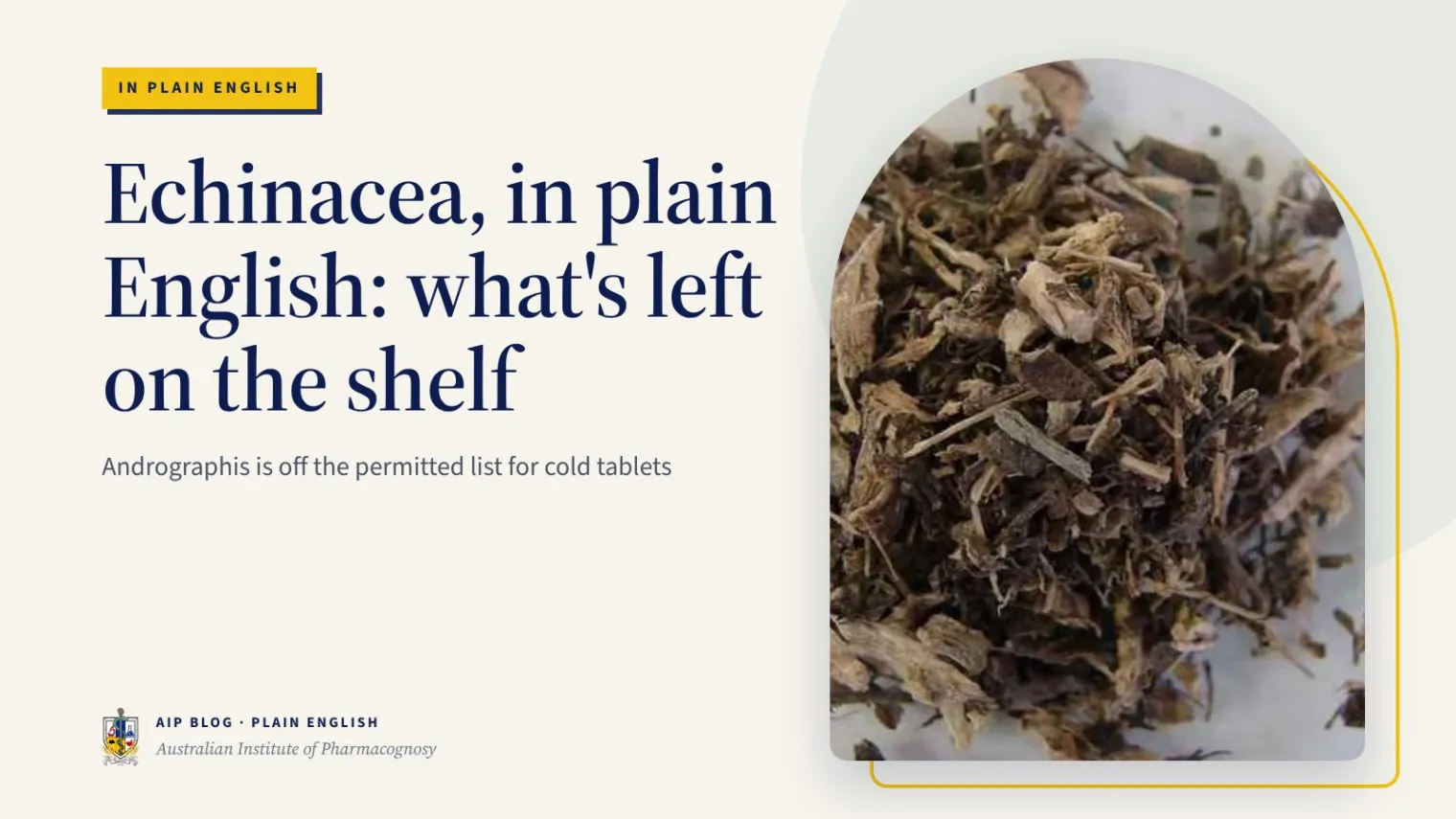
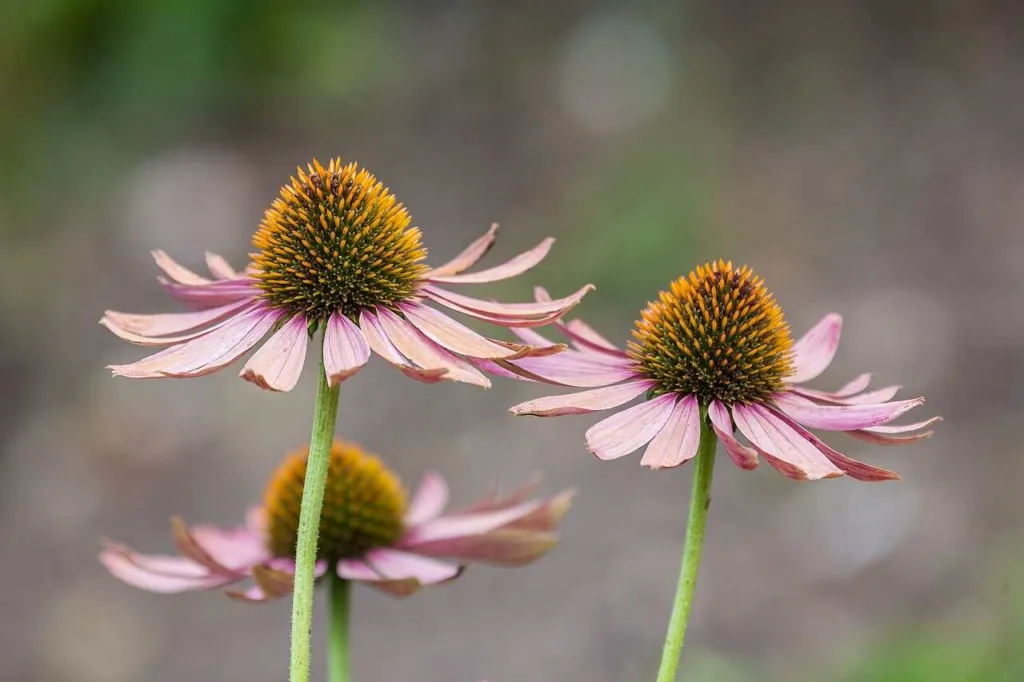
Cover photograph: Diego Delso, Munich · CC BY-SA 3.0 · Wikimedia Commons
There’s a half-finished strip of cold-and-flu tablets in a lot of Australian bathroom cabinets. Echinacea, zinc, vitamin C, and andrographis, bought last winter for the first scratch in the throat.
In September the national regulator struck andrographis off the list of herbs those tablets may carry, after hundreds of reports of severe allergic reactions. Echinacea stayed. Before you reach for it next winter, here is what it can do for a cold, and who should leave it alone.
Educational only: not advice, and no preparation or dosing detail. Legal passages are the Institute’s reading of national rules, October 2026.
If you react to any herbal product, stop taking it. Swollen lips, tongue or throat, wheezing, trouble breathing or speaking, dizziness or collapse is an emergency: phone Triple Zero (000).
Possible poisoning or overdose: the Poisons Information Centre, 13 11 26, 24 hours, Australia-wide. Suspected side effects can be reported to the TGA.
Allergy. Echinacea is generally well tolerated; allergy is the main issue. It is in the daisy family. Allergic reactions, rarely anaphylaxis, are reported, mostly in people with asthma, hay fever, eczema or a known daisy-family allergy. If you have reacted to an echinacea product before, don’t take it again.
Children. In the one large trial in children aged 2 to 11, a pressed-juice syrup didn’t help and more of the children got a rash.
Medicines. Echinacea modestly speeds the clearance of some drugs. If you take warfarin, chemotherapy, transplant or other immune-suppressing medicines, or have an autoimmune disease, don’t choose it for yourself. On warfarin, any new medicine warrants a blood-clotting (INR) check.
Pregnancy and breastfeeding. There is little human information. Make the decision with a qualified herbalist.
Before taking any botanical drug, consult a degree-qualified herbalist with competencies and adequate training in pharmacognosy.
- “Echinacea” on a box could mean several plants, parts and preparations.
- For catching fewer colds, trials lean slightly towards some products, in adults.
- Once a cold has started, the best evidence shows no clear help.
- Allergy is the main risk, mostly for people already prone to allergies.
- On warfarin, chemotherapy or transplant medicines, with an autoimmune disease, pregnant or breastfeeding? Ask a qualified herbalist first.
One word on the box, several medicines inside
Three plants, two parts, many remedies.
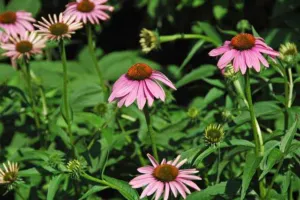
Three North American wildflowers share the name, each with pink petals around a prickly dome. The garden one, purple coneflower, is in almost every product sold here. Its flowering tops are pressed fresh or soaked in alcohol; its root is dried. The other two are prairie plants, used for their dried roots.
The root carries alkamides, oily compounds that make your tongue tingle and that your body absorbs well. Juice from the tops leans on bigger sugar-like molecules.
So a trial result belongs to the product that was tested. It says little about the mixed tablets on Australian shelves, where echinacea usually sits beside zinc and vitamin C.
A trial result belongs to the product that was tested.
The national register records only the species; look on the box for the part and method. A herbalist can make up echinacea for you after a consultation, from a known plant and part.
Will it keep a cold away, or shorten one?
A small lean one way, a clear gap the other.
Keeping colds away is the better-supported half, though only just. Pooled together, the prevention trials hint that some products might trim an adult’s chance of catching one, by an amount the most careful reviewers called small and of uncertain value. More upbeat analyses lump unlike products together; the newest was part-funded by an echinacea maker.
Shortening a cold you already have is where the record runs thin. The largest independent trial used dried-root tablets made in Warwick, Queensland. Colds on them ran about half a day shorter, a gap small enough to be chance.
In the one big trial in young children, a syrup from the flowering tops made no difference to how long or how badly they were sick, and more of them came out in a rash. For flu there is a single manufacturer’s trial with no dummy-pill group, nowhere near enough; flu in babies, older people, pregnant women or anyone with a long-term illness needs proper medical care.
The evidence allows a small hope for fewer colds with some products, in adults. If you took andrographis at the first scratchy throat, echinacea has a weaker record for that job.
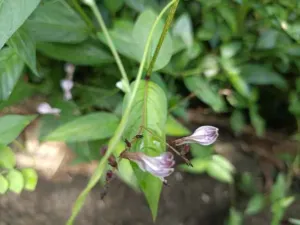
Two herbs that shared a tablet
Andrographis left. The regulator found echinacea was not the main cause.
Bitter Asian andrographis and North American echinacea differ in chemistry, and so did their trials: andrographis was mostly tried on colds already under way, echinacea mostly on stopping them.
Because echinacea sat in most of the andrographis tablets, the regulator checked whether it was the real cause. Over twenty years it had received only ten reports of anaphylaxis, the dangerous whole-body allergic reaction, for products holding echinacea without andrographis, and it decided echinacea was not the main culprit.
Reassuring, in proportion. Echinacea is still a daisy, related to ragweed and chamomile, and its allergies gather in people with asthma, hay fever or eczema. Under the national rules as the Institute read them in October 2026, it needs no label warning and has no age limit. A missing warning is a fact about the rules, and says nothing about who might react.
Check the ingredient list for andrographis as well: that month some combinations were still on the national register. If the red box describes you, ask a qualified herbalist before you buy.
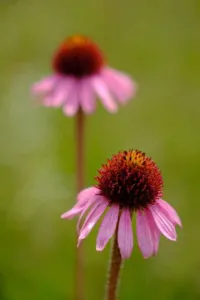
A root for toothache, long before the cold aisle
Prairie healers, a Nebraska doctor and a snake.
On the North American plains the narrow-leaved coneflower was medicine for generations. Omaha, Lakota, Cheyenne and Blackfoot healers used the root for pain, burns, sore mouths and snakebite, and Blackfoot people chewed it to numb an aching tooth, probably thanks to that same alkamide tingle.
In 1870s Nebraska a country doctor, H. C. F. Meyer, sold the root in a secret “blood purifier”, swore it beat rattlesnake venom, and once let a snake bite him to make his case. By the 1890s a leading American medical text named it the standout new remedy of its time. Colds hardly came into it; we could not pin down when it became a cold remedy.
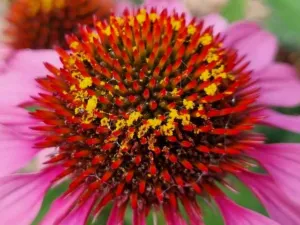
In Australia it is a garden flower, with no record of it growing wild.
If a coneflower grows by your back step, enjoy it; it is no declared weed in Queensland. In a box, the plant, the part and the method still decide what you are taking.
This page is the short version of Dr Thomas Ridley’s evidence review. Every trial, figure, law and reference behind it is here:
- Dr Luke Iggulden, Chief Scientific Officer — Senior author. Commissioned the Explainer series, set its direction and approved it
- Jesse Kirby — Took notes from Dr Ridley’s review in his own shorthand, chose the four things a reader holding a cold-and-flu pack needs, and wrote every sentence with the review closed, keeping the safety box at full strength
- Zoe Bennett — Wrote the page title, the search description and the labels, and framed how it will be shared around the tablet strip already in people’s cupboards
- Theo Karras — Picked the cover coneflowers, the four section banners and the Victorian garden photograph from the review’s licensed set, checked each by eye and wrote alt text describing what it shows
- Leah Bianchi — Assembled the page: the safety box, the one-minute card, the pull quote, the four what-this-means cards and the card back to the review, laid out to read on a phone
Contributors
- Dr Thomas Ridley — Wrote the evidence review this page retells, and checks the science
Image credits. Cover: Diego Delso, CC BY-SA 3.0. Purple coneflowers in bloom: James St. John, CC BY 2.0. Dried root: Maša Sinreih in Valentina Vivod, CC BY-SA 3.0. Andrographis: Deoxyribose12, CC BY-SA 4.0. Narrow-leaved coneflower: Jasper Shide, CC0. All via Wikimedia Commons. Glen Waverley garden: Elaine Fieth, CC BY 4.0, via iNaturalist. Resized for the web by AIP; no other changes.
AIP Explainers are the plain-language editions of the Institute’s technical articles, published alongside the original. Everything on this page is carried by the full review, where the evidence, the references and the regulatory sources are set out. Regulatory information was read in October 2026 and may change; it is the Institute’s published reading, not legal advice. Spotted an error? Write to our contact form. We would rather correct a claim than repeat it.
Jesse Kirby
Head of Community Outreach
Australian Institute of Pharmacognosy
Cardwell QLD, Australia
australian-pharmacognosy.org · our contact form
The Institute sets and publishes its own monographs. The catalogue is in Publications.