

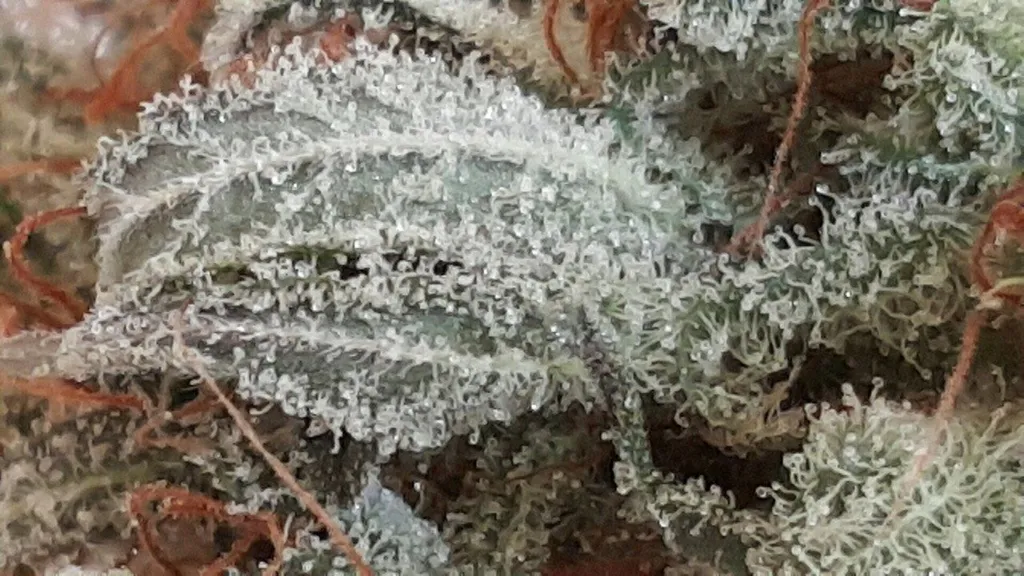
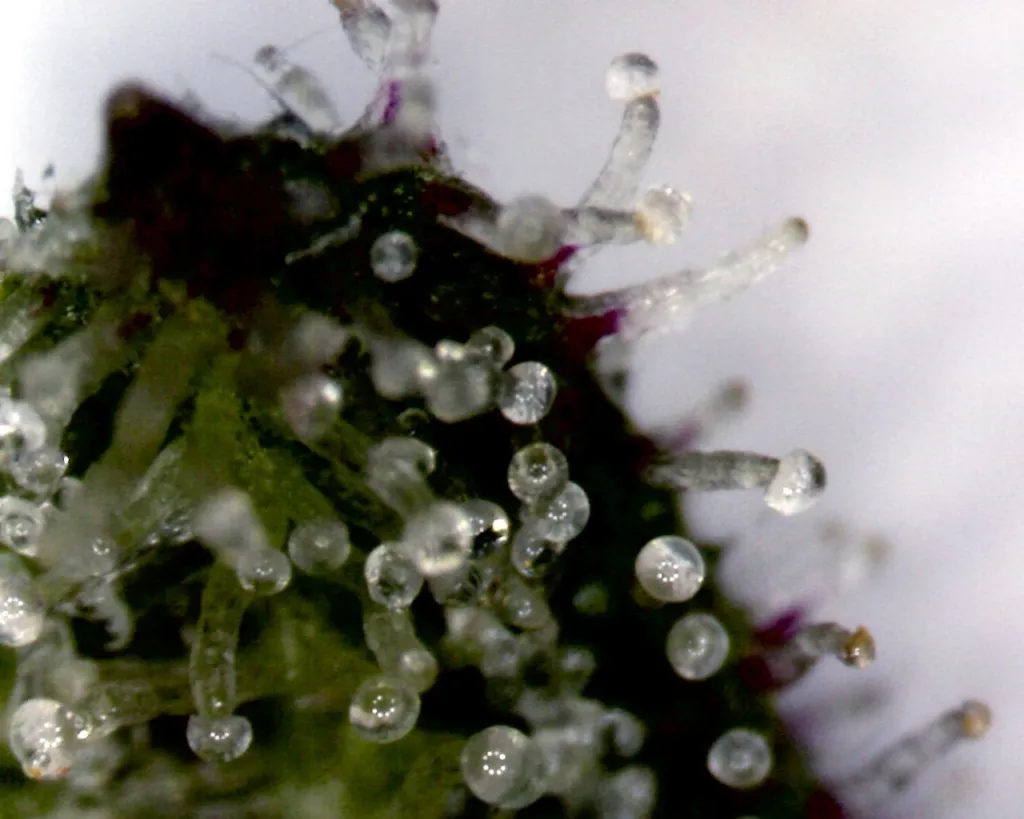
Cover: glandular trichomes on a cannabis flower. Photo: Cannabis Pictures · CC BY 2.0 · Wikimedia Commons
In 2019 about 18,000 Australians held a prescription for cannabis. By January 2024 the Medical Board put the number at more than a million.[1] No other botanical drug has moved from the criminal courts into Australian medicine so quickly, and almost none of it went through the evaluation every other medicine faces.
This report looks at the whole system, ten years after the Commonwealth passed the law that made it possible. We read the regulator’s own papers, the Australian survey and audit literature, the prescribing data and the clinical trials, and we graded what we found. Some of it is good news for patients. A good deal of it is uncomfortable. The last third of the report makes an argument: the people prescribing cannabis in Australia are rarely trained in the pharmacognosy of the plant they prescribe, and the profession that does study it, degree-qualified herbal medicine, has no formal place in the system. We think it should.
We have tried to keep three things apart throughout: what is confirmed, what the evidence suggests, and what is opinion. Where a source is a newspaper report or a law-firm summary, we say so. Where we looked for evidence and found none, we say that too.
Cannabis medicines are prescription-only. THC products are Schedule 8 controlled drugs and most CBD products are Schedule 4. Supply outside a lawful prescription is an offence under Commonwealth and state law, including Queensland’s Drugs Misuse Act 1986.
High-THC products carry real risks, above all for young people and anyone with a personal or family history of psychosis. In Queensland it is an offence to drive with any THC in your system, even with a prescription. CBD changes the blood levels of several medicines, including clobazam and warfarin.
Emergency: call Triple Zero (000). Poisons Information Centre: 13 11 26, 24 hours. For advice on botanical medicines, consult a degree-qualified herbalist with competencies and adequate training in pharmacognosy. This report is educational and gives no dosing advice.
1. How the system was built
The Narcotic Drugs Amendment Act 2016 received Royal Assent on 29 February 2016 and its cannabis scheme came into force on 30 October that year. It set up licences for growing cannabis and making cannabis medicines under the Office of Drug Control.[2] Scheduling did the rest. THC products became Schedule 8 controlled drugs. CBD products with at least 98% CBD sit in Schedule 4. A Schedule 3 pharmacist-only entry for low-dose CBD has existed since February 2021, but no product has ever been registered to use it.[3, 4] Confirmed
Two cannabis medicines are on the Australian Register of Therapeutic Goods: Epidyolex, a purified CBD for certain childhood epilepsies, and Sativex (nabiximols) for spasticity in multiple sclerosis. Everything else is unapproved. The TGA’s own figure is that more than 99% of the cannabis products prescribed in Australia have never been assessed for safety, quality and efficacy as finished medicines, and more than 1,000 of them are on the market.[4] Confirmed
Unapproved products reach patients through two doors. Under the Special Access Scheme (Category B) a doctor or nurse practitioner applies to the TGA for one patient. Under the Authorised Prescriber scheme a medical practitioner gets approval to prescribe a category of product to many patients, normally with an ethics committee or specialist college behind them, though that step is waived where the product and condition sit on the TGA’s “established history of use” lists.[3, 5] Since November 2021 approvals have been given by product category rather than by named product. The five categories are defined by one number: the share of CBD in the total cannabinoids. Category 1 is at least 98% CBD. Category 5 is less than 2% CBD, which in practice means THC-dominant.[6]
One fact about that system matters for everything that follows. No cannabis-specific training or qualification is required of the prescriber. Ahpra’s guidance asks practitioners to make sure they have “the necessary knowledge, skill and training”, and leaves it there.[7] Confirmed
2. What the system gets right
It would be easy to write this report as a list of failures, and it would be wrong. Legal access has done real good, and the data show it.
The first gain is that people who were already using cannabis as medicine moved out of the illicit market. The Cannabis as Medicine Surveys, run out of the University of Sydney, track this better than anything else. In 2018–19 only 2.7% of people using cannabis for a health condition had ever had a legal prescription. By 2020–21, 37.6% were getting it on prescription. By 2022–23, 73% were mainly using prescribed products.[8, 9, 10] Confirmed
The second gain is knowing what is in the bottle. In the 2022–23 survey, people on prescribed products were about 25 times more likely than people buying illicit cannabis to be sure of what they were taking.[10] The Therapeutic Goods Order 93 sets limits for cannabinoid content, pesticides, microbes, mycotoxins and plant misidentification, and since 2023 good manufacturing practice has been compulsory for local and overseas makers alike.[4] When the TGA’s laboratories tested the 22 best-selling products in 2020, 19 met their label limits. A 2024 round of 21 high-THC oils found no synthetic delta-8-THC in any of them, and one failed its THC content.[11, 12] Confirmed
The third gain is research. Australia now has one of the best-documented medicinal cannabis populations in the world, and much of the sharpest science in this report, on terpenes, driving, potency and prescribing, comes from Sydney, Melbourne and Brisbane groups who could not have done it before 2016. Finally, the regulators have started to act on the problems below. That is late, but it counts.
3. Strength without a ceiling
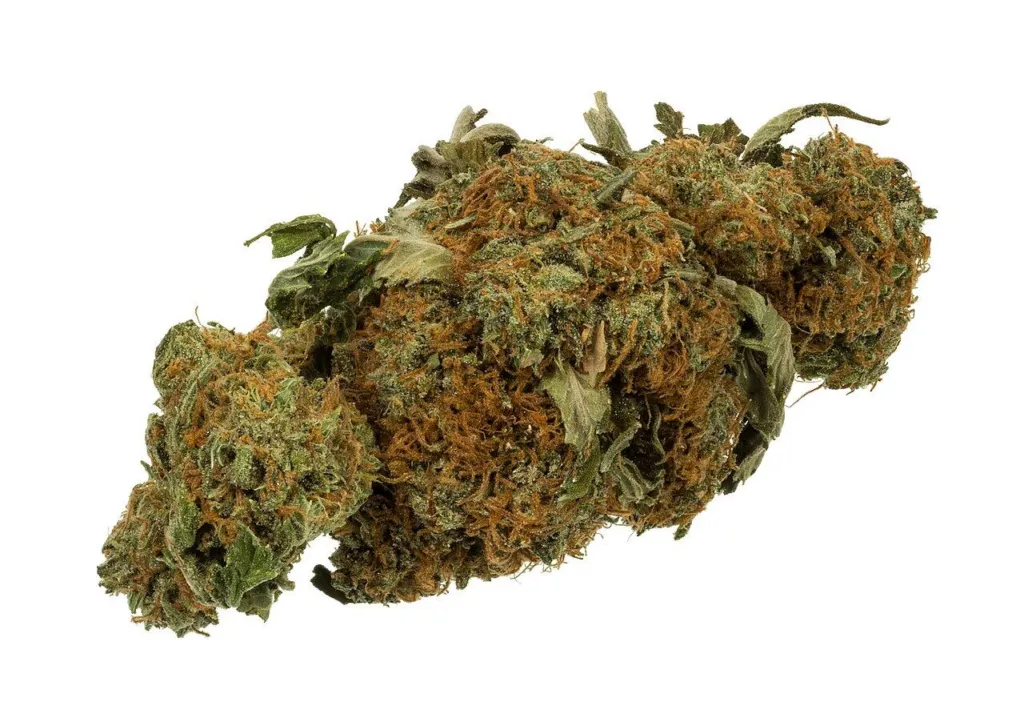
When THC was moved into Schedule 8, nobody set a maximum strength. The TGA’s 2025 consultation paper lists unapproved products on the Australian market at up to 88% THC for extracts and 60% for dried herb, which it describes as far above what a cannabis plant produces naturally.[4] By the first half of 2025, 85% of all cannabis units sold were Category 5.[6] Confirmed
For a sense of scale, Australian street cannabis tested in a 2025 study averaged 12% THC.[13] Two Queensland audits looked at patients who ended up in psychiatric care. In a Brisbane inpatient unit, 97% of those who had been prescribed cannabis were on a THC product, the mean labelled THC was 24%, and 89% were admitted with psychosis. In an early-psychosis service, the mean THC of prescribed products was 16.9% before a first psychotic episode and 31.4% after it.[14, 15] These are small audits and they cannot show cause. They do show that the products in circulation are strong, and that some people with psychosis keep being prescribed stronger ones.
The wider evidence on potency is consistent. In a European case-control study of 901 people with first-episode psychosis, daily use of high-potency cannabis carried about five times the odds of psychosis compared with never using.[16] A 2022 systematic review found higher potency linked with more psychosis and more cannabis use disorder.[17] Evidence suggests Among Australians using cannabis for a medical condition, most of them using illicit products, 32% met the criteria for cannabis use disorder, and the risk was higher with inhaled use and with mental health indications.[18]
The harm signals are rising. Calls to the NSW Poisons Information Centre about cannabis grew by 12.8% a year from 2014 to 2024, with gummies appearing only after 2019.[19] The TGA had 1,101 adverse event reports on file by July 2025, a quarter of them serious, and it says under-reporting is “highly likely”.[4] Cannabinoid hyperemesis syndrome, a cycle of severe vomiting in heavy daily users, is turning up in emergency departments.[20] A 2026 Australian case series described three young men whose prescriptions continued in the face of hyperemesis, dependence and paranoia, in two cases after a specialist asked for them to stop.[21]
The hardest finding is this one. A 2026 rapid review written for the TGA’s expert working group found no evidence at all on the safety or efficacy of Category 5 products above 22% THC.[22] Most of the flower being prescribed sits above that line. The Institute is pro-cannabis as medicine. We are against prescribing doses nobody has studied. Confirmed
4. What it is prescribed for, and what the trials say
Between 2016 and 2022 about a third of Special Access approvals were for psychiatric conditions, and two-thirds of those were for anxiety.[23] Chronic pain and sleep make up most of the rest.
For chronic non-cancer pain, an Australian-led meta-analysis found that 24 people need to be treated for one extra person to get a 30% reduction in pain, and that one extra person in six has an adverse event.[24] The 2026 Cochrane update on neuropathic pain reached a similar place: small gains with balanced THC and CBD products that the authors judged not clinically relevant, more side effects, and no clear benefit from THC-dominant products on the main outcome.[25] Evidence suggests
For anxiety the trial evidence is thin. The 2019 Lancet Psychiatry review found very low certainty evidence of a small benefit in people whose anxiety came with another medical condition, and scarce evidence for anxiety disorders themselves.[26] Its 2026 update, 54 randomised trials, found no significant effect for anxiety, PTSD or psychosis, and no trials at all for depression. There was low-certainty benefit for sleep, tics and cannabis use disorder.[27] Unproven
None of those trials used 25% THC flower. Patients and clinicians report benefit in daily practice, and observational data matter. As things stand, the largest indication in Australian cannabis prescribing has the weakest trial support, and the most commonly prescribed product type has no trial support at all.
5. The prescribing business
The growth since 2020 did not come from family doctors. It came from clinics built around a single medicine. Special Access approvals rose from 57,711 in 2020 to 177,762 in 2024, and Authorised Prescriber approvals and notifications peaked at 428,841 in the first half of 2024 alone.[4, 6] In a 2025 national survey of 2,394 people on prescribed cannabis, 79% were treated through dedicated cannabis clinics. Compared with patients treated in general practice, they were younger, more likely to have cannabis use disorder, more likely to be treated for a mental health condition, and less satisfied with the length of their consultation, the harm information they were given, and the cost.[28] Confirmed
In 2025 Ahpra released the figures that made the news. Eight practitioners had each written more than 10,000 scripts for Category 5 products in six months, one of them more than 17,000, about one every four minutes of a working day. One pharmacist dispensed 959,000 cannabis products in a year.[29, 30] Ahpra’s July 2025 guidance says that patient demand is not an indication, that cannabis “should never be a first line treatment”, that prescribing without a real-time consultation is not supported, and that conflicts of interest are “inherent” in businesses that prescribe and dispense a single medicine.[7] The RACGP, the Pharmacy Guild, the Pharmaceutical Society and the AMA in NSW wrote jointly in October 2025 about vertically integrated clinics that steer patients to an affiliated pharmacy.[30]
Advertising has been a running problem. The TGA issued 165 infringement notices and started two civil penalty cases over unlawful cannabis advertising in the two years to June 2024, with more than $2.3 million in fines.[31] Once Ahpra started acting on high-volume prescribers, unit sales fell 28.5% in the second half of 2025.[32]
Is the industry corrupt? We looked for evidence of that and did not find it in any source we could verify. What the record does document is a structure with conflicts of interest the regulator itself calls inherent, a regulatory framework that 790 submissions to the TGA broadly agreed was not fit for purpose, and a lighter set of obligations on sponsors of unapproved products, who have little reason to run the trials that would get a product registered.[33, 4] That is a design problem, and it is fixable.
6. The cost of getting in, and the price patients pay
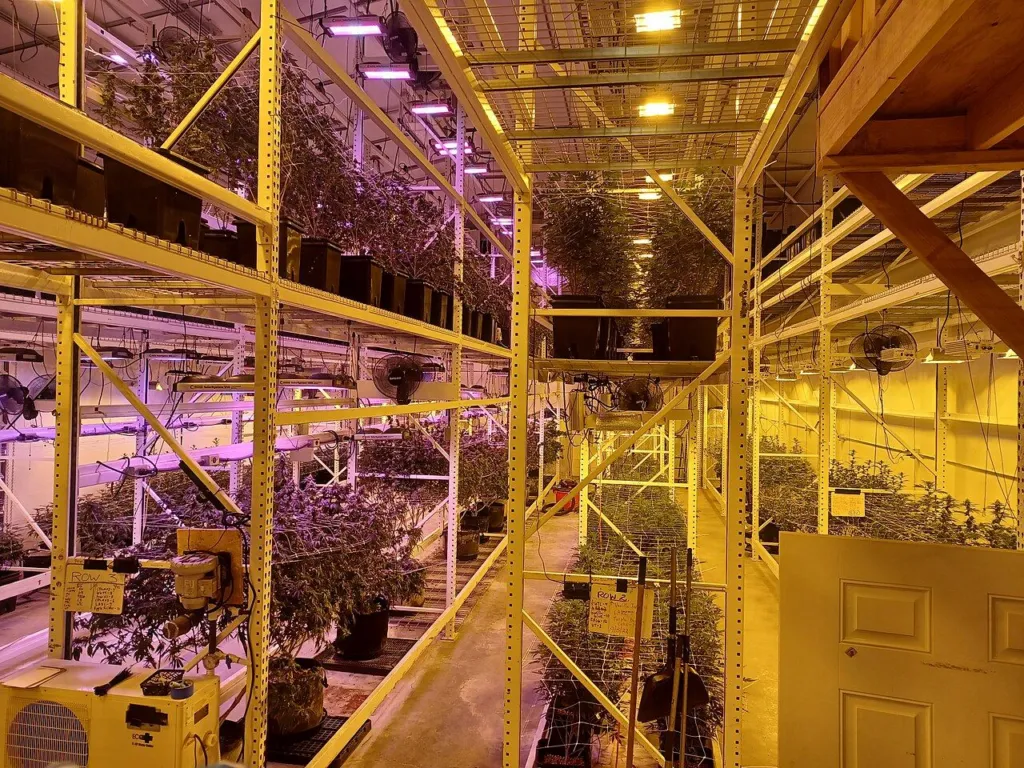
Entering the legal market is expensive by design. As of July 2026 the Office of Drug Control charges $14,290 to apply for a licence, $12,800 for a first cultivation permit, $29,190 a year to hold a licence and $13,360 for each routine inspection.[34] Applicants, their business associates and in some cases their relatives must pass a fit and proper person test, the site needs an approved security system, and production has to meet pharmaceutical manufacturing standards.[35, 4] We could find no credible published figure for the capital needed to build a compliant facility. Even so, the fees alone shut out the small grower. Domestic producers complain of an uneven field: in 2024 Australia imported 77.4 tonnes of medicinal cannabis, 80% of it from Canada, against 42.4 tonnes grown here, and local growers say imports face less scrutiny before they reach the market.[6] Confirmed
On price, the evidence is more mixed than the common view. The CAMS-20 authors put THC-dominant prescribed flower at $15–20 a gram, and noted that this was close to what consumers reported paying on the street.[9] The Australian Criminal Intelligence Commission’s most recent national median we could obtain, for 2020–21, was $22.50 a gram, or $300 an ounce for hydroponic head.[36] That ounce price works out at about $10.70 a gram. So a patient buying in bulk on the street pays roughly half to two-thirds of the prescribed price, while a patient buying by the gram pays about the same. In the 2022–23 survey, people who paid for both reported spending slightly less a week on prescribed cannabis than on illicit cannabis.[10]
Cost still drives people back to the street. There is no PBS subsidy for unapproved products, and monthly costs run at roughly $200–600.[37] In a 2024 survey of Australians with endometriosis, the median spend was $300 a month on product alone. Cost led 76% to cut their dose and 43% to use illicit cannabis despite holding a prescription.[38] Evidence suggests
Some long-time patients say the best home and illicit growers care more about their plants than a commercial facility does. Nobody has studied grower care, so we cannot grade the claim. What can be measured points both ways. Street cannabis in Australia is weaker, at around 12% THC, and its composition is unknown to the person using it.[13, 10] Illicit product has never been tested for pesticides, moulds or heavy metals.
7. What prescribers are taught
Australian medical degrees carry no required teaching on cannabis or the endocannabinoid system. The Senate committee that examined patient access in 2020 recommended making it mandatory in medical school curricula. The government replied that it had no mandate over the Australian Medical Council, and could only encourage it. It answered a second recommendation, for accredited prescriber training, by saying demand first needed to be established.[39, 40] Confirmed
The prescribers say the same. In 2017 only 28.8% of surveyed GPs were comfortable discussing medicinal cannabis with patients.[41] In 2021–22, 66.9% rated their knowledge inadequate, and many wrongly believed CBD was addictive and impaired driving.[42] Among pharmacists, 67.8% scored under 60% on a knowledge test and 94% wanted more training.[43] In a Sydney cancer hospital only 10% of clinicians felt they knew enough to discuss it, and 79% said they lacked knowledge of herbs and supplements.[44]
The training that exists is optional, short and commercial. We found no study, in Australia or anywhere else, of what prescribers know about cannabis chemovars or terpenes. That gap in the literature is a finding in itself, and the Institute intends to fill it.
The prescribing system reinforces the narrow view. The only chemistry a TGA category records is the CBD-to-THC ratio. It does not record THC strength, so 10% and 30% flower sit in the same category. It does not record any other cannabinoid or a single terpene.[6, 3]
8. The pharmacognosy that goes missing
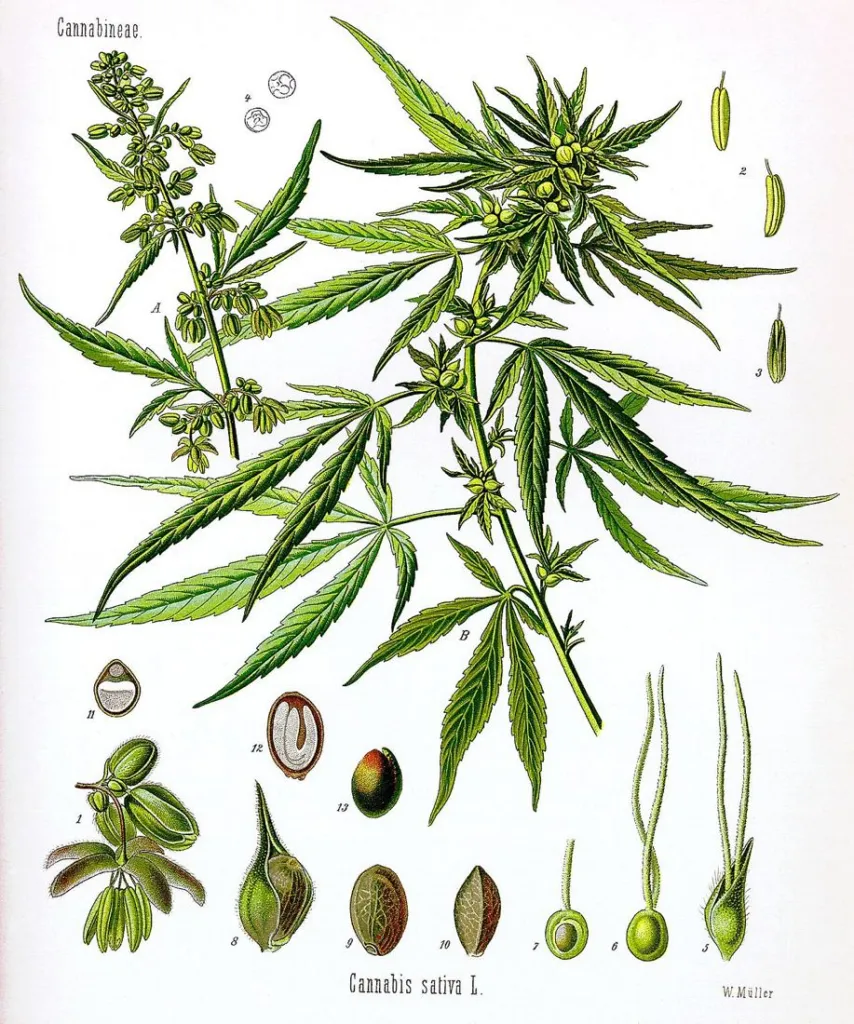
Pharmacognosy is the study of drugs of natural origin: the plant, its chemistry, how the chemistry varies, how it is extracted and standardised, and what it does in the body. Cannabis is a hard test of it. A single flower holds more than a hundred cannabinoids and a large set of terpenes, and the mix changes with genetics, growing conditions, harvest and storage.
Start with the names. A US analysis of commercial samples found that “strain” labels did not line up consistently with chemistry.[45] A genomic study of more than a hundred samples found that plants sold as “sativa” and “indica” were indistinguishable across the genome, and that the labels tracked a handful of terpene synthase genes, in other words the smell.[46] A prescriber who chooses a product for its name is choosing at random. Confirmed
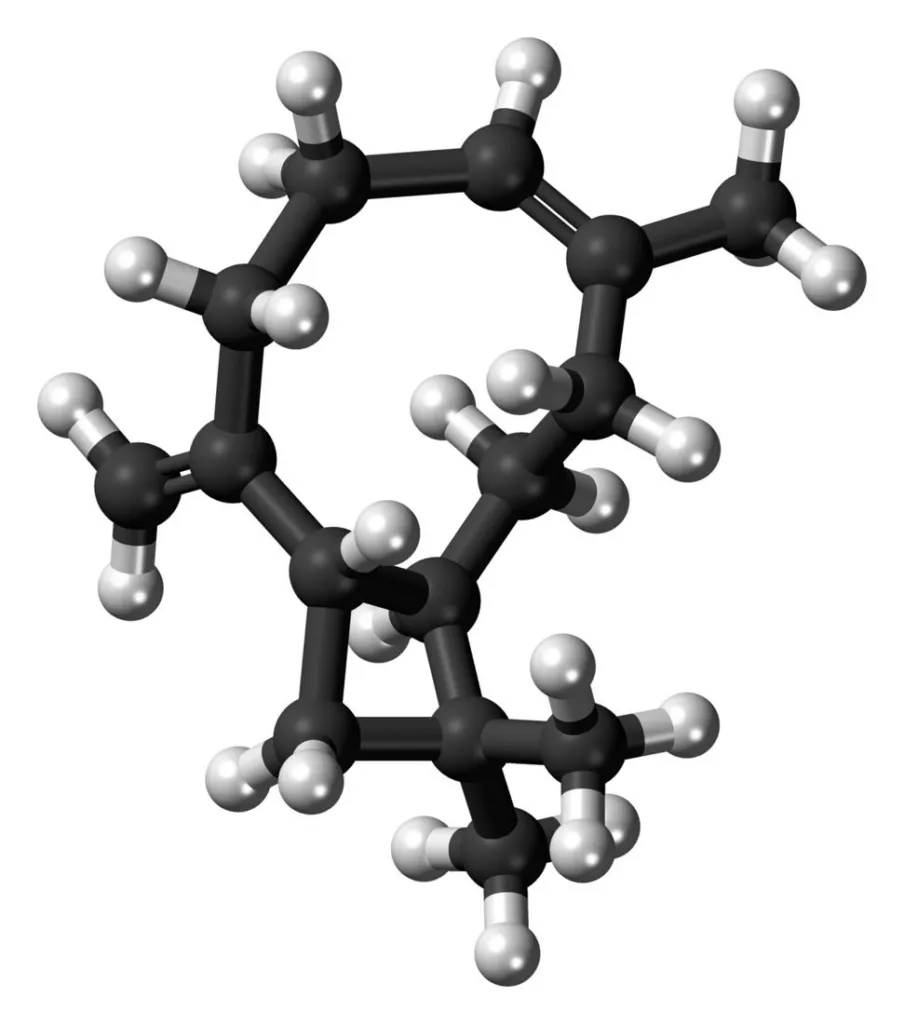
Some of the terpene pharmacology is real. Beta-caryophyllene is a selective agonist at the CB2 receptor, a dietary cannabinoid in its own right.[47] In a 2024 human trial, vaporised limonene taken with THC reduced THC’s anxiety and paranoia without changing its other effects.[48] Evidence suggests The wider “entourage effect”, the idea that terpenes and minor cannabinoids shape what THC does, is a hypothesis.[49] Laboratory work in Sydney and New Zealand found the common terpenes had no effect at CB1 or CB2 receptors and did not modify THC there, while a US mouse study found some of them cannabimimetic.[50, 51, 52] Unproven An honest teacher would tell a prescriber that terpene profiles are worth knowing and that most of the clinical claims made for them in marketing are ahead of the evidence.
Each of the main terpenes also has pharmacology of its own, whatever it does or does not do to THC. Myrcene, one of the commonest terpenes in commercial flower, reduced pain responses in mice in a way that naloxone blocked, and at high doses it sedated mice and lengthened barbiturate sleep.[45, 53, 54] Alpha-pinene inhibits acetylcholinesterase in the test tube, the enzyme that the dementia drug donepezil targets, though weakly.[55] Linalool, the main alcohol in lavender oil, calmed mice that only smelled it, through benzodiazepine-sensitive GABA-A receptors, and the effect disappeared in mice with no sense of smell.[56] In people, an oral lavender oil rich in linalool (Silexan, 80 mg a day) beat placebo for anxiety across five randomised trials with 1,213 patients, in a meta-analysis written with its manufacturer.[57] Evidence suggests A University of Wollongong review sets out the case for pinene and linalool as candidate medicines for anxiety, sleep, pain and memory, and says plainly that well-designed clinical trials are still missing.[58] Most of this work is in animals or cells, at doses well above what a dose of flower delivers. A prescriber still needs to know it. Patients ask for products by their smell and their reputation, “the myrcene one for sleep”, and someone on the team should be able to say which of those claims has data behind it and which is shop talk.
A herbalist has met most of these terpenes before, in plants already on the dispensary shelf. Myrcene is a sedative constituent of hops (Humulus lupulus), which German practice gives for sleep. Linalool carries much of the calming action of lavender. Alpha-pinene runs through the conifers, rosemary and the sages, and the acetylcholinesterase finding above came from Spanish sage oil. Beta-caryophyllene gives black pepper and copaiba balsam their bite, caryophyllene oxide turns up in lemon balm, and limonene is citrus peel. Russo’s 2011 review in the British Journal of Pharmacology sets out each one this way, with its pharmacology and the herbs it shares.[49, 55] Read like that, a terpene line on a certificate of analysis becomes a set of actions a herbalist already prescribes for. Myrcene and linalool are sedative and anxiolytic, beta-caryophyllene is anti-inflammatory and in animal work protective of the stomach lining, and low-level pinene opened the airways of human volunteers. Myrcene-heavy flower sits in the same corner of the materia medica as hops. A chart rich in limonene and pinene sits nearer the citrus peels and rosemary.[49] Mechanism
Tradition reached one of these interactions first. In tenth-century Persia al-Razi advised sour fruit against the harms of hashish. In 1848 the Edinburgh physician Robert Christison recorded a patient whose next-day torpor and poor memory cleared within minutes of a glass of lemonade. Russo collects lemon, pine nuts, calamus root and black pepper as old antidotes to too much cannabis and reads them as limonene, pinene and caryophyllene at work.[49] The 2024 limonene trial described above is a controlled test of the lemon remedy, and the lemon passed.[48] Evidence suggests Bone and Mills treat a long, clinically close tradition as “human bioassay data”, and this is a clean example of tradition and trial agreeing.[59]
The same habits of reading tell us what the negative studies mean. The Sydney and New Zealand experiments put single purified terpenes on cloned CB1 and CB2 receptors in cultured cells. That is a fair test of one mechanism, and on that mechanism the answer was no.[50, 51] They did not test whole flower, the doses a patient actually inhales, or the targets where these terpenes act on their own account, GABA-A receptors for linalool and cholinesterase for pinene. Bone and Mills ask four questions of any study: is it the right plant and preparation, does the finding reach a human at a realistic dose, was it well run, and is the product equivalent to what practitioners use. The receptor studies were well run and answered their own question. On the clinical question they fail on preparation and equivalence.[59] The honest label is “receptor synergy tested and not supported; whole-plant synergy never properly tested”. The same authors warn that the effect of a whole plant is rarely predicted from its parts. That cuts both ways: a dish of isolated compounds can neither prove the entourage effect nor rule it out. Unproven
That is what a herbalist brings to a cannabis clinic. A terpene line is read as an action, a tradition is weighed as evidence, and a null result is read for the question it actually answered. Australian prescriber training requires none of it.
The strongest case for pharmacognostic training is in the parts of the chemistry that are already proven. CBD is often prescribed alongside THC on the assumption that it softens it. In a 2023 randomised trial, CBD at ratios up to 3:1 did not reduce THC’s effects on memory or psychotic symptoms.[60] A 2026 meta-analysis found that adding CBD raised blood levels of THC and its active metabolite 11-hydroxy-THC (very low certainty for THC, moderate for 11-hydroxy-THC).[61] Evidence suggests In 13 children with epilepsy, CBD raised blood levels of clobazam by 60% and of its active metabolite by about 500%. It has also been reported to raise INR in a patient on warfarin, and INR monitoring is advised when CBD is started.[62, 63] Confirmed The labelled content of cannabis flower is allowed to vary from 80% to 120%, and the TGA’s own testing has found products below that band.[11]
Herbalists work with this kind of variability every day: the same species with different chemistry depending on where it grew, constituents that change one another’s blood levels, a drug that is a whole plant extract. Pharmacists train in interactions. Doctors train in diagnosis and in single-molecule pharmaceuticals. A whole-plant drug with a variable profile needs all three kinds of knowledge, and at present the system requires only the third.
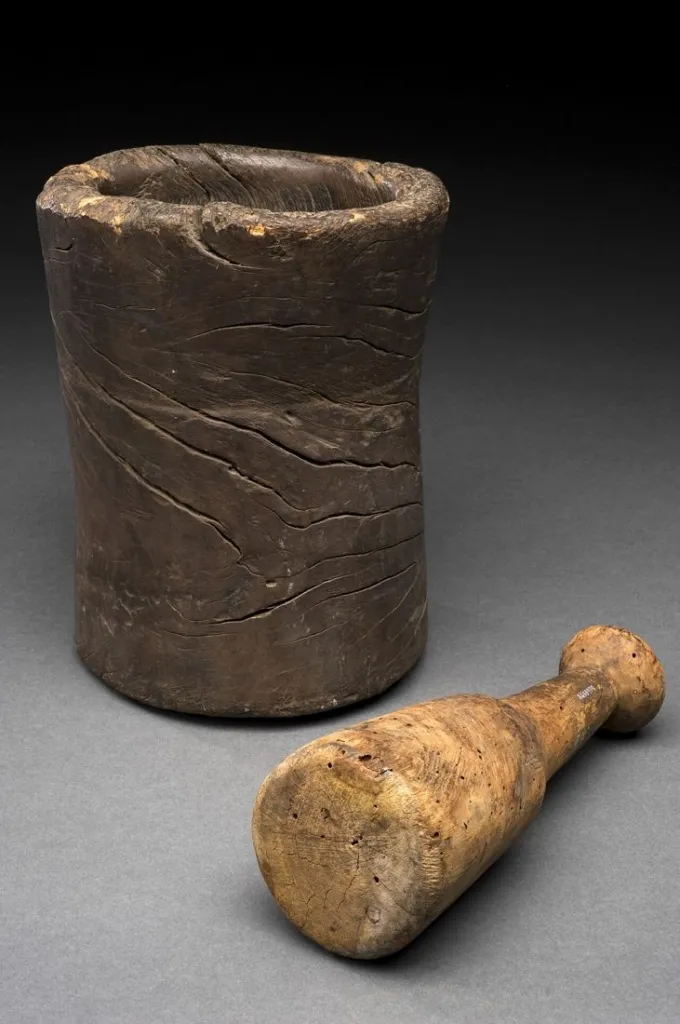
9. Who already studies the plant
Australia trains Western herbalists and naturopaths at bachelor level. Torrens University’s Bachelor of Health Science (Western Herbal Medicine) is an AQF Level 7 degree with subjects in herbal pharmacology, integrated pharmacology, materia medica, botany and herbal manufacturing, and 460 hours of supervised clinical practice.[64] Endeavour College’s naturopathy degree includes a unit in herbal medicine pharmacology and pharmacognosy, and clinical herbal medicine cases involving patients on prescription drugs.[65] Southern Cross University’s botanical medicine unit covers herbal pharmacognosy and the pharmacokinetics of medicinal plants.[66] Confirmed
The Commonwealth has also moved. Private health insurance rebates for Western herbal medicine and naturopathy were removed in April 2019. The 2024 Natural Therapies Review found moderate-certainty evidence of efficacy for both and recommended their return, and the rebates were legally restored from 1 July 2025.[67, 68]
There are limits, and we should state them plainly. Herbalists are not registered with Ahpra. Their professional associations regulate them. They hold no right to prescribe scheduled medicines. The workforce is small, about 2,400 naturopaths and 150 people who list themselves as Western herbalists in the 2021 Census, and many hold diplomas, not degrees.[69, 70] None of the course pages we read mentions cannabis, so herbal graduates would need cannabis-specific training as much as anyone. Our argument is about the foundation they start from. A herbal medicine graduate has spent three or four years learning to think about whole-plant drugs, chemical variability and herb–drug interactions. Most medical graduates have spent no time on it.
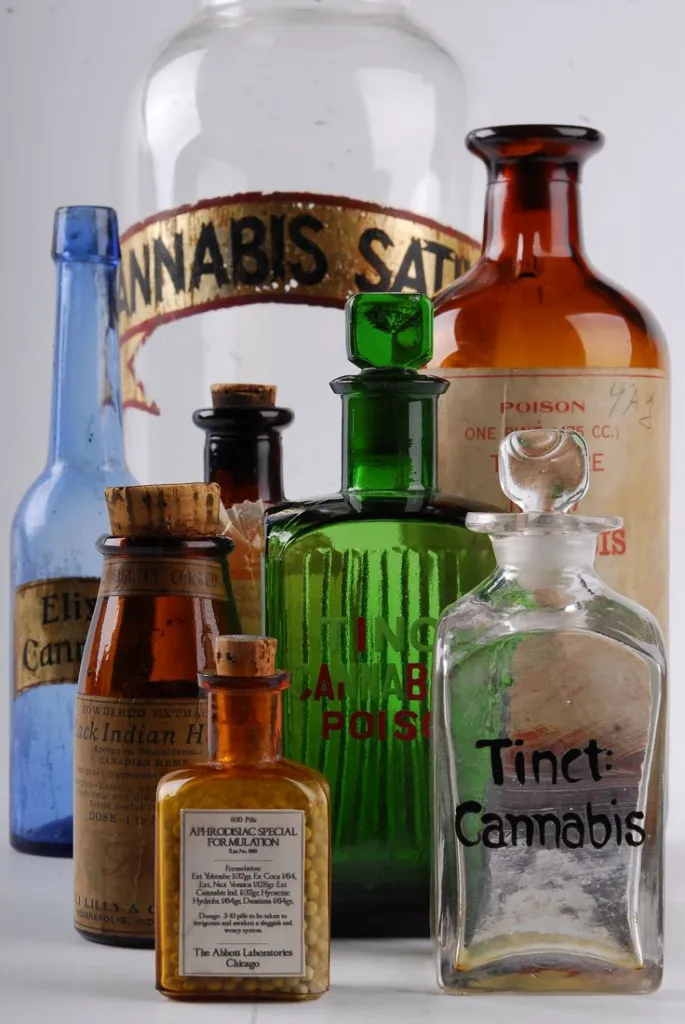
10. A proposal: put the plant people on the team
We propose two steps, one that could happen now and one that needs law reform.
Now: herbalists in the clinic. Nothing stops a clinic from employing a degree-qualified herbalist trained in pharmacognosy to take part in cannabis care: reviewing chemovar and product choice, checking herb–drug and drug–drug interactions, following up on dose and adverse effects, and educating the patient. Regulators could go further and make a pharmacognosy-trained member a condition of high-volume Authorised Prescriber approvals. Overseas experience shows that education before prescribing changes what patients choose. A Canadian program that required a pharmacist-led session before authorisation moved patients toward lower-THC, higher-CBD products.[71] A Sydney cancer hospital survey found most clinicians would be more willing to allow herbs and supplements if someone checked the interactions for them.[44] Evidence suggests
Later: a prescribing pathway for herbalists. Australia already lets non-medical professions prescribe once they hold registration and complete approved extra study. Designated registered nurse prescribers complete approved units and prescribe in partnership with an authorised prescriber. Podiatrists earn an endorsement for scheduled medicines through approved programs or supervised case studies.[72, 73] Every one of these routes rests on national registration first. Chinese medicine shows a herbal profession can get there: Victoria registered its practitioners from 2000 and national registration followed in 2012.[74] A Western herbal medicine board, a degree-level entry standard and a cannabis prescribing endorsement of a few units would give Australia prescribers who already understand the plant.
Overseas, Washington State lets naturopaths authorise medical cannabis. One finding from there is a warning: in a 2020 survey every respondent who had written more than 500 authorisations was a naturopath.[75] The volume problem described in section 5 comes from the business model, and any profession can fall into it. A herbalist pathway should come with the same guardrails Ahpra now applies to medical prescribers: real-time consultation, no prescribing tied to a single supplier, and audits of high volumes.[7]
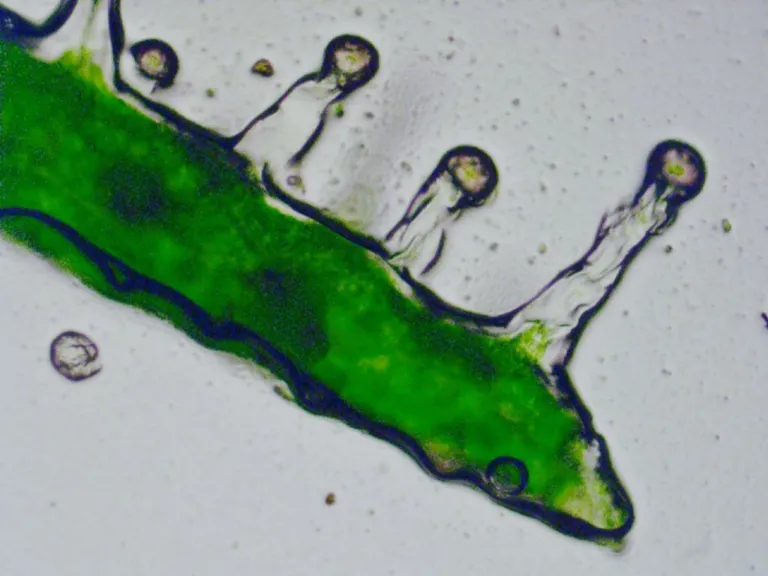
11. What we still do not know
Several gaps came up again and again in our reading. No published study gives the average THC content of prescribed flower across the Australian market. No study has measured what prescribers know about chemovars or terpenes. Neither TGA testing round assayed terpenes, and we found no Australian data on contamination in prescribed products. There is no Australian survey of herbalists or naturopaths about cannabis. The illicit price data we could obtain are five years old. And the trials that would tell us whether high-THC flower helps anxiety, pain or sleep in the doses being prescribed have not been done.[22, 11, 12]
Some of these questions sit squarely in the Institute’s field, and we intend to work on them: a survey of prescriber knowledge of cannabis pharmacognosy, and a chemical profile of what is actually on the Australian market.
About the Australian Institute of Pharmacognosy
The Australian Institute of Pharmacognosy studies medicinal plants and the molecules that come from them, holding traditional knowledge and modern pharmacology to the same standard of evidence. Our head office is in Cardwell, far north Queensland.
Suggested citation: Iggulden L, Ridley T. Medicinal Cannabis in Australia: a report card on ten years of legal access. AIP Journal. Cardwell (QLD): Australian Institute of Pharmacognosy; 2026.
Educational content only; not medical, legal or regulatory advice. Australian law and figures are as read in October 2026 and may change. Overseas material is labelled and does not govern Australian law. No product, company, clinic or sponsor is endorsed.
References
75 references: tap to open
Listed in order of first citation. PMIDs were checked against PubMed and web sources read from their own pages in October 2026. Figures from news reports are named as such in the text.
- Medical Board of Australia. Medicinal cannabis treatment [communiqué]. 20 February 2024. medicalboard.gov.au
- Commonwealth of Australia. Narcotic Drugs Amendment Act 2016 (No. 12, 2016). Federal Register of Legislation. legislation.gov.au
- Therapeutic Goods Administration. Medicinal cannabis: access pathways and usage data. Read by the Institute in October 2026. tga.gov.au
- Therapeutic Goods Administration. Consultation: Reviewing the safety and regulatory oversight of unapproved medicinal cannabis products, version 1.0. Canberra: TGA; August 2025. consultations.tga.gov.au
- Therapeutic Goods Administration. Becoming an authorised prescriber of unapproved therapeutic goods in Australia. Updated 23 December 2025. tga.gov.au
- Penington Institute. Cannabis in Australia 2025. Melbourne: Penington Institute; November 2025. penington.org.au
- Australian Health Practitioner Regulation Agency and National Boards. Medicinal cannabis prescribing. Guidance issued 9 July 2025. ahpra.gov.au
- Lintzeris N, Mills L, Suraev A, et al. Medical cannabis use in the Australian community following introduction of legal access: the 2018–2019 Online Cross-Sectional Cannabis as Medicine Survey (CAMS-18). Harm Reduct J. 2020;17:37. PMID 32513180.
- Lintzeris N, Mills L, Abelev SV, Suraev A, Arnold JC, McGregor IS. Medical cannabis use in Australia: consumer experiences from the online Cannabis as Medicine Survey 2020 (CAMS-20). Harm Reduct J. 2022;19:88. PMID 35907959.
- Mills L, Arnold JC, Suraev A, et al. Medical cannabis use in Australia seven years after legalisation: findings from the online Cannabis as Medicine Survey 2022–2023 (CAMS-22). Harm Reduct J. 2024;21:104. PMID 38807133.
- TGA Laboratories. Testing of medicinal cannabis products being supplied via SAS in Australia, version 1.3. December 2020. tga.gov.au
- TGA Laboratories. Testing of medicinal cannabis products being supplied via SAS in Australia: content of cannabinoids and presence of delta-8-THC. 12 June 2024. tga.gov.au
- Lorenzetti V, Goodwin I, Christensen E, et al. Cannabis in the wild: analysis of street cannabis and cannabinoid composition in Australia. Int J Drug Policy. 2025;145:104974. PMID 40907061.
- Bodnar N, Tanzer T, Smith L, Puris F, Winckel K. Medicinal cannabis prescription before an inpatient psychiatric admission. J Psychiatr Pract. 2026;32(2):46–50. PMID 41894185.
- McArdle P, Trott M, Warren N, et al. Stimulant and medicinal cannabis prescribing in patients referred to an early psychosis service in Queensland. Australas Psychiatry. 2026;34(3):253–7. PMID 41389186.
- Di Forti M, Quattrone D, Freeman TP, et al. The contribution of cannabis use to variation in the incidence of psychotic disorder across Europe (EU-GEI): a multicentre case-control study. Lancet Psychiatry. 2019;6(5):427–36. PMID 30902669.
- Petrilli K, Ofori S, Hines L, Taylor G, Adams S, Freeman TP. Association of cannabis potency with mental ill health and addiction: a systematic review. Lancet Psychiatry. 2022;9(9):736–50. PMID 35901795.
- Mills L, Lintzeris N, O’Malley M, Arnold JC, McGregor IS. Prevalence and correlates of cannabis use disorder among Australians using cannabis products to treat a medical condition. Drug Alcohol Rev. 2022;41(5):1095–108. PMID 35172040.
- Cairns R, Allaf S, Buckley NA. Cannabis poisonings in Australia following the legalisation of medicinal cannabis, 2014–24: analysis of NSW Poisons Information Centre data. Med J Aust. 2025;222(3):155–7. PMID 39854088.
- Stjepanović D, Kirkman J, Hall W, et al. Rare but relevant: cannabinoid hyperemesis syndrome. Addiction. 2025;120(2):380–4. PMID 39402864.
- Bradlow R, Sorensen J, Cunningham A, et al. Potential iatrogenic harms from medicinal cannabis prescribing in Australia: a case series. Drug Alcohol Rev. 2026;45(6):e70255. PMID 42675819.
- Graham M, Assefa D, Cong-Lem N, Nielsen S. Higher THC concentration medicinal cannabis products efficacy and safety considerations: a rapid review. Drug Alcohol Rev. 2026;45(4):e70145. PMID 41918345.
- Cairns EA, Benson MJ, Bedoya-Pérez MA, et al. Medicinal cannabis for psychiatry-related conditions: an overview of current Australian prescribing. Front Pharmacol. 2023;14:1142680. PMID 37346297.
- Stockings E, Campbell G, Hall WD, et al. Cannabis and cannabinoids for the treatment of people with chronic noncancer pain conditions: a systematic review and meta-analysis of controlled and observational studies. Pain. 2018;159(10):1932–54. PMID 29847469.
- Ateş G, Welsch P, Klose P, et al. Cannabis-based medicines for chronic neuropathic pain in adults. Cochrane Database Syst Rev. 2026;1:CD012182. PMID 41548880.
- Black N, Stockings E, Campbell G, et al. Cannabinoids for the treatment of mental disorders and symptoms of mental disorders: a systematic review and meta-analysis. Lancet Psychiatry. 2019;6(12):995–1010. PMID 31672337.
- Wilson J, Dobson O, Langcake A, et al. The efficacy and safety of cannabinoids for the treatment of mental disorders and substance use disorders. Lancet Psychiatry. 2026;13(4):304–15. PMID 41856154.
- Lintzeris N, Arnold JC, McGregor IS, et al. Consumer perspectives of accessing medicinal cannabis treatment from cannabis clinics versus generalist health settings in Australia. J Cannabis Res. 2025;7:83. PMID 41146248.
- Smith P. Eight doctors wrote 80,000 medicinal cannabis scripts in six months: Ahpra. AusDoc. 20 May 2025. ausdoc.com.au
- Royal Australian College of General Practitioners. Health bodies urge crackdown on rogue operators [media release]. 1 October 2025. racgp.org.au
- Therapeutic Goods Administration. More than $600,000 in fines issued for alleged unlawful medicinal cannabis advertising [media release]. 26 June 2024. tga.gov.au
- Penington Institute. Medicinal cannabis sales fall nearly 30% as enforcement crackdown takes effect [media release]. 16 April 2026. penington.org.au
- Madar S, Tan R, MacRae D. The TGA’s medicinal cannabis products review: what stakeholders said and what comes next. King & Wood Mallesons. 19 March 2026. pulse.mallesons.com
- Office of Drug Control. Fees and charges. Read by the Institute in October 2026. odc.gov.au
- Office of Drug Control. Guideline: fit and proper persons and suitable staff. Read by the Institute in October 2026. odc.gov.au
- Australian Criminal Intelligence Commission. Illicit Drug Data Report 2020–21: cannabis. Canberra: ACIC; 2023. acic.gov.au
- Lim ECN, Lim CED. Evolving health policy and regulatory oversight of medicinal cannabis in Australia: lessons for sustainable integration. J Cannabis Res. 2026;8:31. PMID 41593734.
- Proudfoot A, Duffy S, Sinclair J, et al. A survey of cost, access and outcomes for cannabinoid-based medicinal product use by Australians with endometriosis. Aust N Z J Obstet Gynaecol. 2024;64(4):411–5. PMID 38415783.
- Senate Community Affairs References Committee. Current barriers to patient access to medicinal cannabis in Australia. Canberra: Parliament of Australia; March 2020. aph.gov.au
- Australian Government. Australian Government response to the Senate Community Affairs References Committee report: Current barriers to patient access to medicinal cannabis in Australia. 2021. odc.gov.au
- Karanges EA, Suraev A, Elias N, Manocha R, McGregor IS. Knowledge and attitudes of Australian general practitioners towards medicinal cannabis: a cross-sectional survey. BMJ Open. 2018;8(7):e022101. PMID 29970456.
- Bawa Z, McCartney D, Manocha R, McGregor IS. Knowledge, experiences, and attitudes of Australian general practitioners towards medicinal cannabis: a 2021–2022 survey. BMC Prim Care. 2022;23:330. PMID 36529730.
- Bawa Z, Saini B, McCartney D, Bedoya-Pérez M, McLachlan AJ, McGregor IS. A cross-sectional survey exploring the knowledge, experiences and attitudes of Australian pharmacists toward medicinal cannabis. Int J Clin Pharm. 2023;45(2):375–86. PMID 36446995.
- Grant SJ, Gonzalez M, Heller G, et al. Knowledge and attitudes towards medicinal cannabis and complementary and integrative medicine (CIM): a survey of healthcare professionals working in a cancer hospital in Australia. Support Care Cancer. 2023;31:623. PMID 37819556.
- Smith CJ, Vergara D, Keegan B, Jikomes N. The phytochemical diversity of commercial Cannabis in the United States. PLoS One. 2022;17(5):e0267498. PMID 35588111.
- Watts S, McElroy M, Migicovsky Z, et al. Cannabis labelling is associated with genetic variation in terpene synthase genes. Nat Plants. 2021;7:1330–4. PMID 34650264.
- Gertsch J, Leonti M, Raduner S, et al. Beta-caryophyllene is a dietary cannabinoid. Proc Natl Acad Sci USA. 2008;105(26):9099–104. PMID 18574142.
- Spindle TR, Zamarripa CA, Russo E, et al. Vaporized D-limonene selectively mitigates the acute anxiogenic effects of Δ9-tetrahydrocannabinol in healthy adults who intermittently use cannabis. Drug Alcohol Depend. 2024;257:111267. PMID 38498958.
- Russo EB. Taming THC: potential cannabis synergy and phytocannabinoid-terpenoid entourage effects. Br J Pharmacol. 2011;163(7):1344–64. PMID 21749363.
- Santiago M, Sachdev S, Arnold JC, McGregor IS, Connor M. Absence of entourage: terpenoids commonly found in Cannabis sativa do not modulate the functional activity of Δ9-THC at human CB1 and CB2 receptors. Cannabis Cannabinoid Res. 2019;4(3):165–76. PMID 31559333.
- Finlay DB, Sircombe KJ, Nimick M, Jones C, Glass M. Terpenoids from cannabis do not mediate an entourage effect by acting at cannabinoid receptors. Front Pharmacol. 2020;11:359. PMID 32269529.
- LaVigne JE, Hecksel R, Keresztes A, Streicher JM. Cannabis sativa terpenes are cannabimimetic and selectively enhance cannabinoid activity. Sci Rep. 2021;11:8232. PMID 33859287.
- Rao VS, Menezes AM, Viana GS. Effect of myrcene on nociception in mice. J Pharm Pharmacol. 1990;42(12):877–8. PMID 1983154.
- do Vale TG, Furtado EC, Santos JG Jr, Viana GS. Central effects of citral, myrcene and limonene, constituents of essential oil chemotypes from Lippia alba (Mill.) N.E. Brown. Phytomedicine. 2002;9(8):709–14. PMID 12587690.
- Perry NS, Houghton PJ, Theobald A, Jenner P, Perry EK. In-vitro inhibition of human erythrocyte acetylcholinesterase by Salvia lavandulaefolia essential oil and constituent terpenes. J Pharm Pharmacol. 2000;52(7):895–902. PMID 10933142.
- Harada H, Kashiwadani H, Kanmura Y, Kuwaki T. Linalool odor-induced anxiolytic effects in mice. Front Behav Neurosci. 2018;12:241. PMID 30405369.
- Dold M, Bartova L, Volz HP, et al. Efficacy of Silexan in patients with anxiety disorders: a meta-analysis of randomized, placebo-controlled trials. Eur Arch Psychiatry Clin Neurosci. 2023;273(7):1615–28. PMID 36717399.
- Weston-Green K, Clunas H, Jimenez Naranjo C. A review of the potential use of pinene and linalool as terpene-based medicines for brain health: discovering novel therapeutics in the flavours and fragrances of cannabis. Front Psychiatry. 2021;12:583211. PMID 34512404.
- Bone K, Mills S. Principles and Practice of Phytotherapy: Modern Herbal Medicine. 2nd edn. Edinburgh: Churchill Livingstone/Elsevier; 2013. pp. xvii, 95, 97–98.
- Englund A, Oliver D, Chesney E, et al. Does cannabidiol make cannabis safer? A randomised, double-blind, cross-over trial of cannabis with four different CBD:THC ratios. Neuropsychopharmacology. 2023;48(6):869–76. PMID 36380220.
- Chester LA, Sharafi H, Mahroug A, et al. Does co-administration of cannabidiol (CBD) influence the plasma availability of delta-9-tetrahydrocannabinol (THC) and its active metabolite in humans? A systematic review and meta-analysis. Neurosci Biobehav Rev. 2026;190:106910. PMID 42623982.
- Geffrey AL, Pollack SF, Bruno PL, Thiele EA. Drug–drug interaction between clobazam and cannabidiol in children with refractory epilepsy. Epilepsia. 2015;56(8):1246–51. PMID 26114620.
- Grayson L, Vines B, Nichol K, Szaflarski JP. An interaction between warfarin and cannabidiol, a case report. Epilepsy Behav Case Rep. 2018;9:10–11. PMID 29387536.
- Torrens University Australia. Bachelor of Health Science (Western Herbal Medicine), course page. Read by the Institute in October 2026. torrens.edu.au
- Endeavour College of Natural Health. Bachelor of Health Science (Naturopathy), course page. Read by the Institute in October 2026. endeavour.edu.au
- Southern Cross University. NATM2001 Botanical Medicine, unit handbook 2026. handbook.scu.edu.au
- Department of Health and Aged Care. Natural Therapies Review 2024: report and recommendations. Canberra; 2025. health.gov.au
- Department of Health and Aged Care. PHI 51/25: Private Health Insurance Legislation Amendment Rules (No. 5) 2025. health.gov.au
- Jobs and Skills Australia. Occupation profiles: Naturopaths (ANZSCO 252213) and Herbalists (Western) (ANZSCO 451513), 2021 Census data. jobsandskills.gov.au
- Grace S, Baltrotsky K. Australian National Complementary Medicine Workforce Survey: a profile of practitioners and their practices. J Integr Complement Med. 2024;30(7):682–90. PMID 38150321.
- Parihar V, Katz L, Siyam MA, et al. Mandatory pharmacist-led education session for patients seeking medical cannabis. Pharm Pract (Granada). 2020;18(4):2088. PMID 33343771.
- Nursing and Midwifery Board of Australia. Endorsements and notations (designated registered nurse prescriber). Read by the Institute in October 2026. nursingmidwiferyboard.gov.au
- Podiatry Board of Australia. Endorsement for scheduled medicines. Read by the Institute in October 2026. podiatryboard.gov.au
- Li Q, Liang J, Xue D, et al. Is Chinese medicine facing a potential workforce crisis in Australia? Demographic changes in the profession over the last decade. J Integr Complement Med. 2024;30(11):1072–81. PMID 38770628.
- Kaplan L, Klein T, Wilson M, Graves J. Knowledge, practices, and attitudes of Washington State health care professionals regarding medical cannabis. Cannabis Cannabinoid Res. 2020;5(2):172–82. PMID 32656349.
Image credits
- Cover: Cannabis Pictures, CC BY 2.0. Cannabis leaf: Elsa Olofsson, CC BY 2.0.
- Parliament House: Thennicke, CC BY-SA 4.0. Flower room: Beeblebrox, CC BY-SA 4.0.
- Dried flowers: Scrinterlocked, CC BY-SA 3.0. Trichomes: Indirectantagonist, CC BY-SA 3.0. Museum bottles: Didier le Ger, CC BY-SA 3.0.
- Mortar and pestle: Wellcome Collection, CC BY 4.0. Glandular trichomes: rodzief, CC BY 4.0. Beta-caryophyllene model: Jynto, CC0.
- One gram: Evan-Amos; hemp field: Nabokov; hospital pharmacy: Mattes; Köhler plate: Walther Otto Müller. All public domain.
- All images via Wikimedia Commons.
The Institute sets and publishes its own monographs. The catalogue is in Publications.