Medicinal Cannabis in Australia, Ten Years On: What Worked, What Didn't and What Comes Next
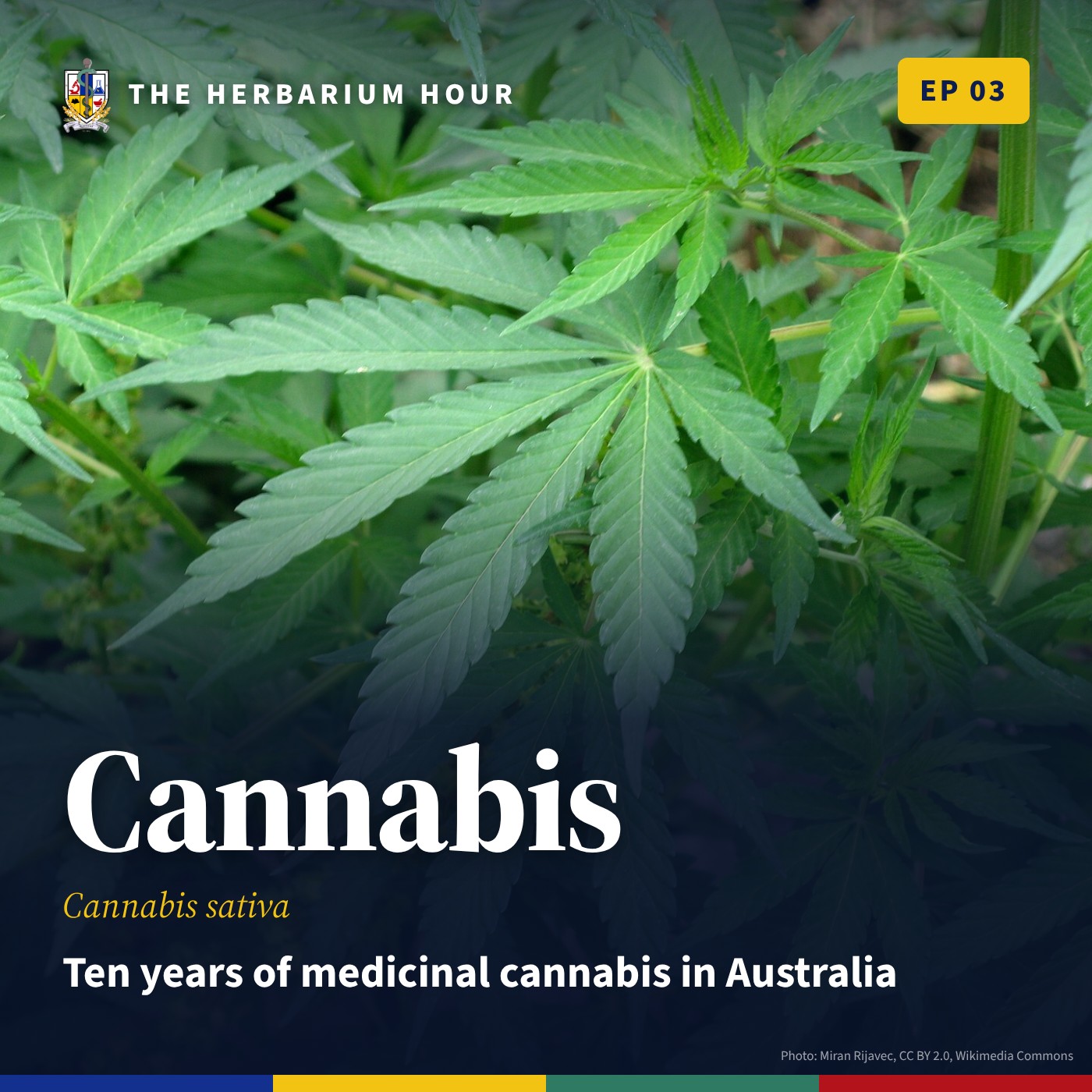
Medicinal cannabis (Cannabis sativa) in Australia after ten years of legal access, worked through the Institute's 2026 report card on the industry. Medicinal cannabis is a prescription medicine here, with THC in Schedule 8 and most CBD in Schedule 4.
The episode closes on the report's recommendations for the next decade: one step clinics can take now under current law, and a second that needs law reform, held to the Ahpra guardrails.
In this episode: (00:00) A medicine with no tested dose; (04:41) The Institute's report card; (06:32) How the system was built; (14:05) What legal access got right; (20:59) No ceiling on THC strength; (29:46) Single-medicine clinics; (35:20) Fees, imports and price; (39:00) What the trials show; (44:56) What prescribers are taught; (49:41) Sativa, indica and terpenes; (57:40) CBD interactions; (1:01:58) Who is on the clinic team; (1:05:06) Recommendations for the next decade; (1:10:25) Summing up.
Read more in the Institute's Journal: https://www.australian-pharmacognosy.org/blog/medicinal-cannabis-australia-industry-report-card/
About this episode: The Herbarium Hour is a third-party production based on the Institute's published papers. It is not produced in-house, and the hosts are not Institute staff. Where they get a technical detail wrong, the correction is listed here.
Corrections. The podcast hosts misinterpreted the following from our papers:
(52:22) The hosts said: Limonene also lowered heart rate and kept THC's pain relief. Correct: The trial found less anxiety and paranoia; the report gives no heart rate or pain data.
(58:21) The hosts said: CBD significantly raises THC levels and intoxication. Correct: Certainty was very low for THC and moderate for 11-hydroxy-THC, and intoxication was not reported.
(56:38) The hosts said: The report calls the entourage effect mostly marketing. Correct: The report finds whole-plant effects never properly tested.
(57:48) The hosts said: CBD lattes and gummies sell freely at markets. Correct: CBD is a Schedule 4 prescription medicine in Australia.
(40:51) The hosts said: An NNT of 24 means 23 in 24 get no relief. Correct: One extra person in 24 gets a 30% pain reduction over placebo.
(41:00) The hosts said: One in six has a severe adverse event. Correct: One extra person in six has an adverse event of any severity.
(36:59) The hosts said: Street cannabis costs about $10.70 a gram. Correct: That is the bulk ounce price; the street median per gram was $22.50.
(32:59) The hosts said: Ahpra said almost never first line. Correct: Ahpra said never first line.
(1:05:11) The hosts said: Clinics should be mandated to bring this expertise onto staff now. Correct: Clinics may do this now; a requirement would be for regulators to set.
(59:29) The hosts said: The report urgently advises INR monitoring with warfarin. Correct: It cites one case report and notes monitoring is advised.
(34:00) The hosts said: The fines were for cancer and Alzheimer's claims. Correct: The report does not say what the advertisements claimed.
(50:28) The hosts said: Sativa and indica plants are genetically identical. Correct: One study found the labels indistinguishable across the genome.
(16:55) The hosts said: Mycotoxin spores can cause fatal lung infections. Correct: Mycotoxins are mould chemicals; the report makes no lung infection claim.
Nothing in this episode is a prescription or a dose. If you want to use a herb, consult a degree-qualified herbalist with competencies and adequate training in pharmacognosy.
Dr Eleanor Whitcombe, Head of Medicine, checked the episode against the report for the corrections.
The Herbarium Hour, from the Australian Institute of Pharmacognosy, Cardwell, Queensland.