

Cover photograph by Jaana Siitonen, via Wikimedia Commons · CC BY 4.0
Pick up a box of sea buckthorn capsules and you are holding the oil of a thorny bush from Europe and Asia. The front may say “omega-7”. The back may promise help for dry eyes.
Part of that stands up. Part leans on one unrepeated study, a trial its journal withdrew, or capsules made from fish. If your eyes feel gritty, or you take a blood thinner, that gap is yours to know about.
Educational only: no advice and no dosing detail. Legal lines are the Institute’s reading of Australian national rules, November 2026, not legal advice.
A child into someone’s capsules, or a large overdose: phone the Poisons Information Centre, 13 11 26, 24 hours, Australia-wide. Collapse, trouble breathing or heavy bleeding: 000.
On warfarin, apixaban, rivaroxaban, aspirin, clopidogrel or similar: in one small study the berry oil made platelets (the cells that start a clot) clump less. An added bleeding effect is possible and has never been tested. Unusual bruising, nosebleeds or black stools need prompt medical care. Before surgery, tell the team about every supplement.
A painful red eye, one that shies from light, or any change in sight: be seen the same day. Vaginal bleeding after menopause: prompt assessment, whatever else you use.
On diabetes medicine: in rats, high extract doses raised blood sugar, so keep up your usual checks. Nothing is known from people about pregnancy, breastfeeding or capsules for children. Any plant can trigger allergy. If a supplement disagrees with you, stop. Before taking sea buckthorn for a health problem, consult a degree-qualified herbalist with competencies and adequate training in pharmacognosy.
- A sour orange berry from Europe and Asia, imported here.
- Seed oil and fruit oil differ. Only the fruit carries much omega-7.
- Omega-7 is a fat your body makes anyway, and some capsules are fish.
- Best lead: dry eyes, from one unrepeated trial.
- Gentle short-term; take care with a blood thinner.
One berry, two oils
The most useful word on the label is often missing.
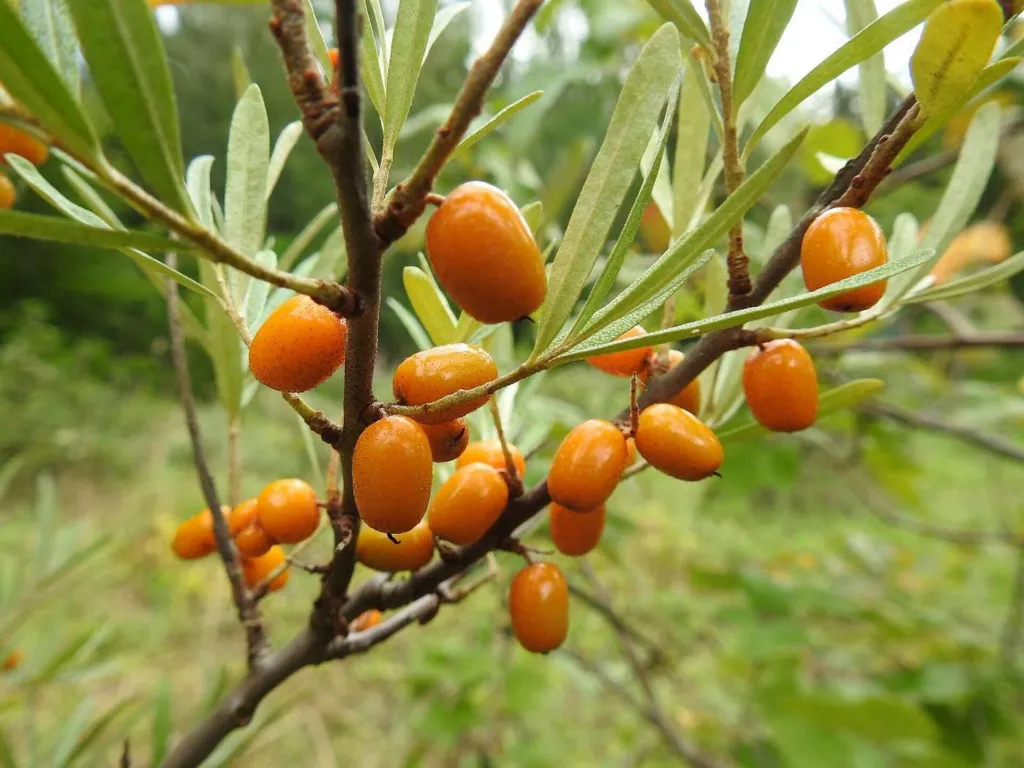
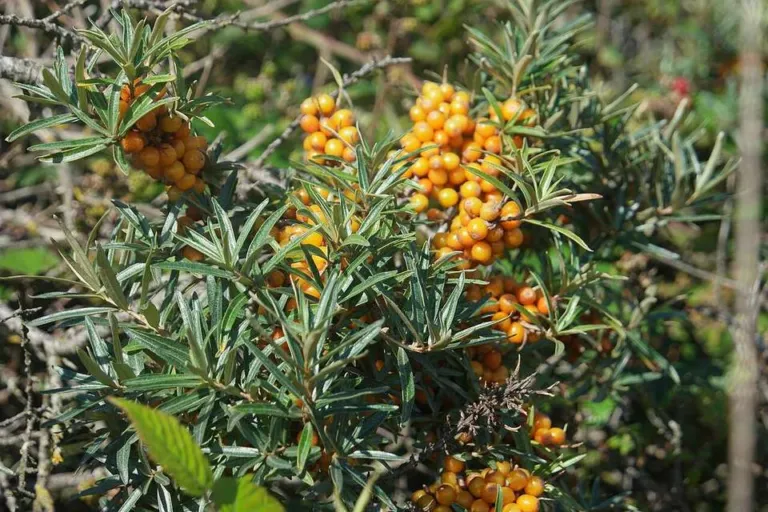
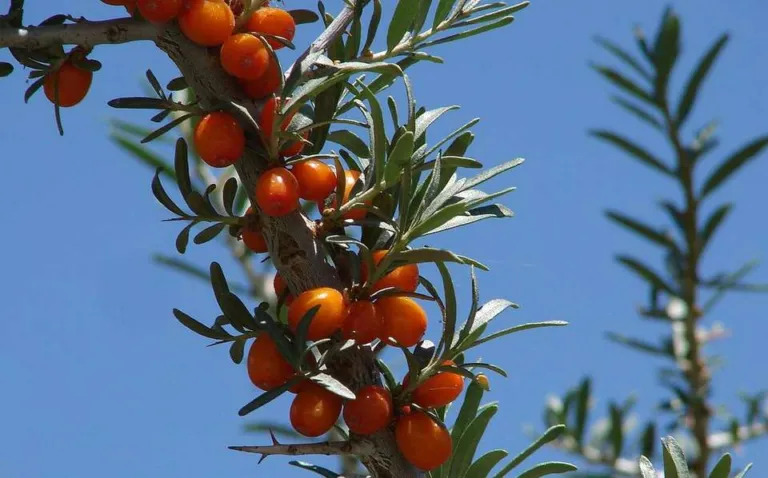
Picture a spiny bush with leaves that flash silver underneath, at home on windy dunes and mountain valleys from the Baltic to Tibet. Nobody has recorded one growing in Australia, and everything we found on our shelves was made overseas.
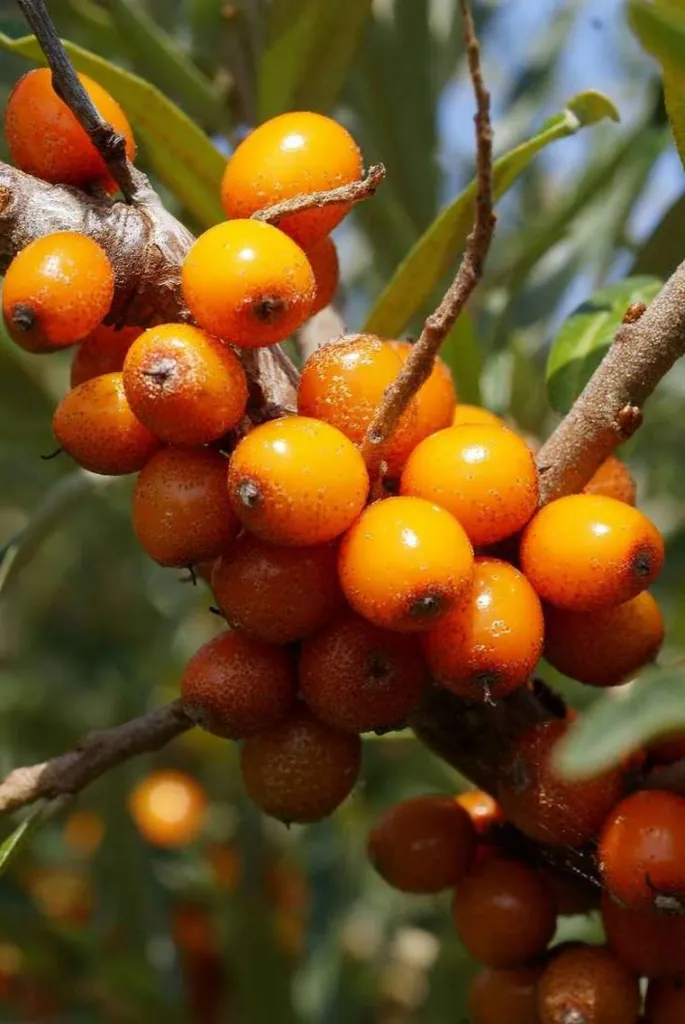
Its small, fiercely sour berries give two separate oils. The seed gives one, mostly the plant omega-3 and omega-6 fats many seeds share. The soft flesh and skin give an orange one, rich in the fat sold as omega-7. Seed oil has next to none of it.
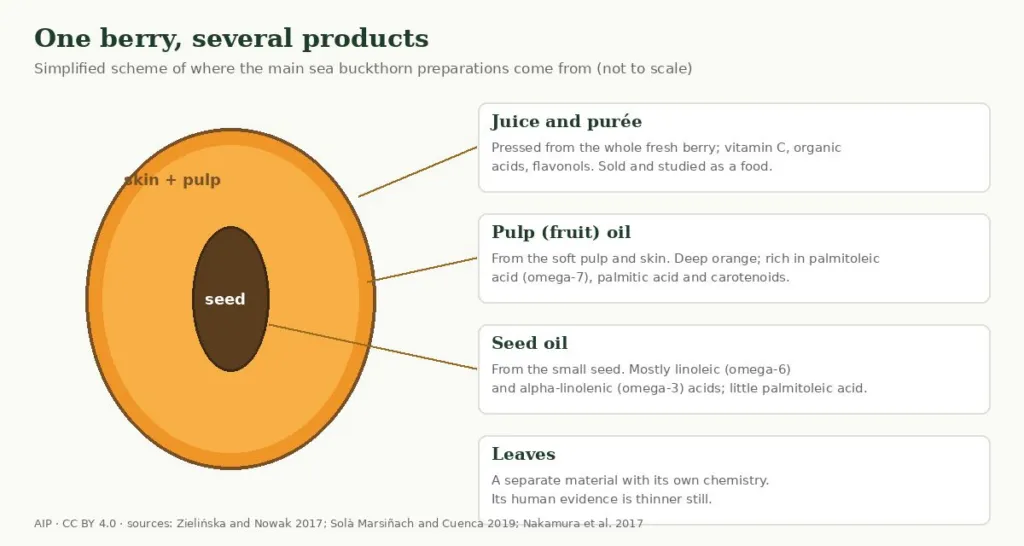
Turn the box over. Look for an AUST L number, the plant part (fruit, pulp or seed) and the amount. “Sea buckthorn oil” alone hides which oil it is, and the eye work in mice points to the fruit oil.
Omega-7 is a borrowed name
Your body makes it already.
Omega-3 and omega-6 are famous because your body can’t build them. Omega-7 is mostly one fat, palmitoleic acid, and you make that yourself. Seafood carries it, and so do macadamias.
Omega-7 borrows the ring of omega-3 for a fat your body can make on its own.
The two recent omega-7 capsule trials we read used sea oils, one pressed from a fish called pollock. Neither calmed inflammation in the blood. The older study that raised hopes was withdrawn by its journal over doubts about its data, and no trial we found showed any weight loss.
Bought omega-7 to cool inflammation or trim down? The human trials don’t back you. Want more of it? Macadamias are the home-grown way.
Dry eyes: a real lead, still a thin one
A cautious yes, for two kinds of dryness.
In a Finnish trial, adults with dry eye took the oil or a dummy capsule through the cold months. On the oil their tears stayed less concentrated, a sign the dryness was held off, with hints of less burning and redness. A second trial, in women past menopause with vaginal dryness, saw the lining lean towards improvement: a lead, not yet a rival to proven treatments.
Each rests on one trial from the same Finnish team, unrepeated by anyone else. We have only read them second-hand.
For eczema, one small trial saw no gain over a dummy, though too small to rule out a modest one. Heart studies are small and disagree, and one blood pressure trial was pulled this year. Immunity claims lean on a trial we haven’t read, so we make none.
Dry eyes? Sea buckthorn is a hopeful lead worth asking about, nothing firmer. Lasting dryness deserves an eye check first. And “relieve dry eyes” is wording the TGA permits on listed medicines without evaluating the claim first.
Gentle, with one clear flag
A food first.
Trial complaints were small, wind or loose stools, about as common as on dummy capsules. Nobody has followed long-term users, and jam says nothing about a concentrated capsule.
The flag is clotting: the oil made platelets less sticky in healthy men, so on top of a blood thinner bleeding could rise. Nobody has checked.
On a blood thinner or diabetes medicine, pregnant, breastfeeding, or buying for a child? Ask the herbalist named in the red box first. Otherwise: if it upsets you, stop.
A horse’s shine and a burn ointment
Older than the capsules.
The name supposedly means shining horse, for glossy coats on horses fed the leaves. No ancient text we found tells that tale, so enjoy it as folklore.
Tibetan and Mongolian healers gave the fruit for coughs and phlegm, and across Mongolia, Russia and China the orange oil went on burns. That is custom, not a finding. In Buryatia it is simply the fruit families eat.
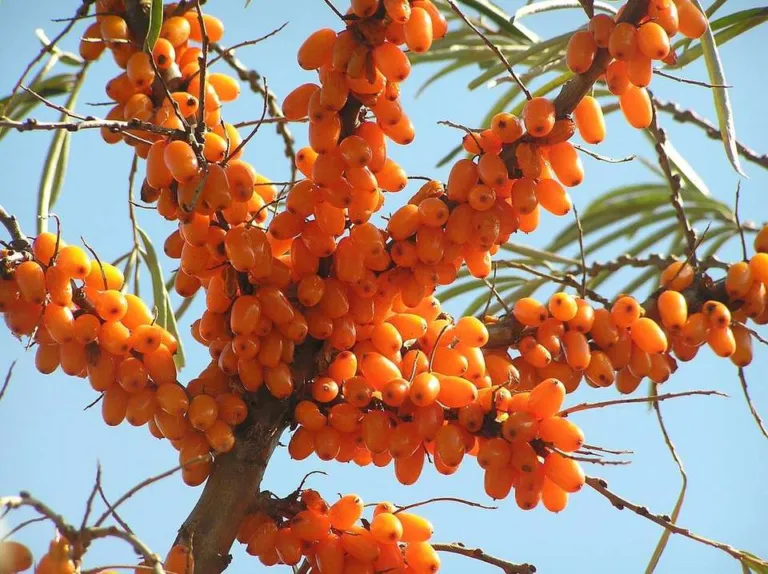
Drawn in by the history? Start where those families do, with the sour juice or a jar of jam.
The short version of Dr Thomas Ridley’s review. The evidence is there:
- Dr Luke Iggulden, Chief Scientific Officer — Senior author. Commissioned the Explainer series, set its direction and approved it
- Jesse Kirby — Wrote this edition from his own notes with the review shut: chose the five things a shopper holding the box needs, the order, every sentence, and rewrote the safety box without dropping a warning
- Zoe Bennett — Set the title, search description and labels around the capsule box a reader may already have in the cupboard, which is how the page will be shared
- Theo Karras — Picked the cover, the five section banners and the berry diagram from the review’s licensed set, checked each by eye on a contact sheet and rewrote the alt text to match what is in frame
- Leah Bianchi — Built the page: the red safety box, the one-minute card, a pull quote, five what-this-means cards and the card back to the review, checked for a phone-width read
Contributors
- Dr Thomas Ridley — Wrote the literature review this page retells, and checks the science here
Image credits. Cover: Jaana Siitonen, CC BY 4.0. British coast: Bob Harvey, CC BY-SA 2.0. Leh valley: Karunakar Rayker, CC BY 2.0. Belgian coast: Hans Hillewaert, CC BY-SA 3.0. Russia: Paul144, public domain. Buryatia: Bgelo777, CC BY-SA 4.0. All via Wikimedia Commons, resized by the Institute. Berry diagram: Australian Institute of Pharmacognosy, CC BY 4.0.
AIP Explainers are the plain-language editions of the Institute’s technical articles, published alongside the original. Everything on this page is carried by the full review, where the trials, the references and the regulatory sources are set out. Regulatory information was read in November 2026 and may change. Spotted an error? Write to our contact form. We would rather correct a claim than repeat it.
Jesse Kirby
Head of Community Outreach
Australian Institute of Pharmacognosy
Cardwell QLD, Australia
australian-pharmacognosy.org · our contact form
The Institute sets and publishes its own monographs. The catalogue is in Publications.