

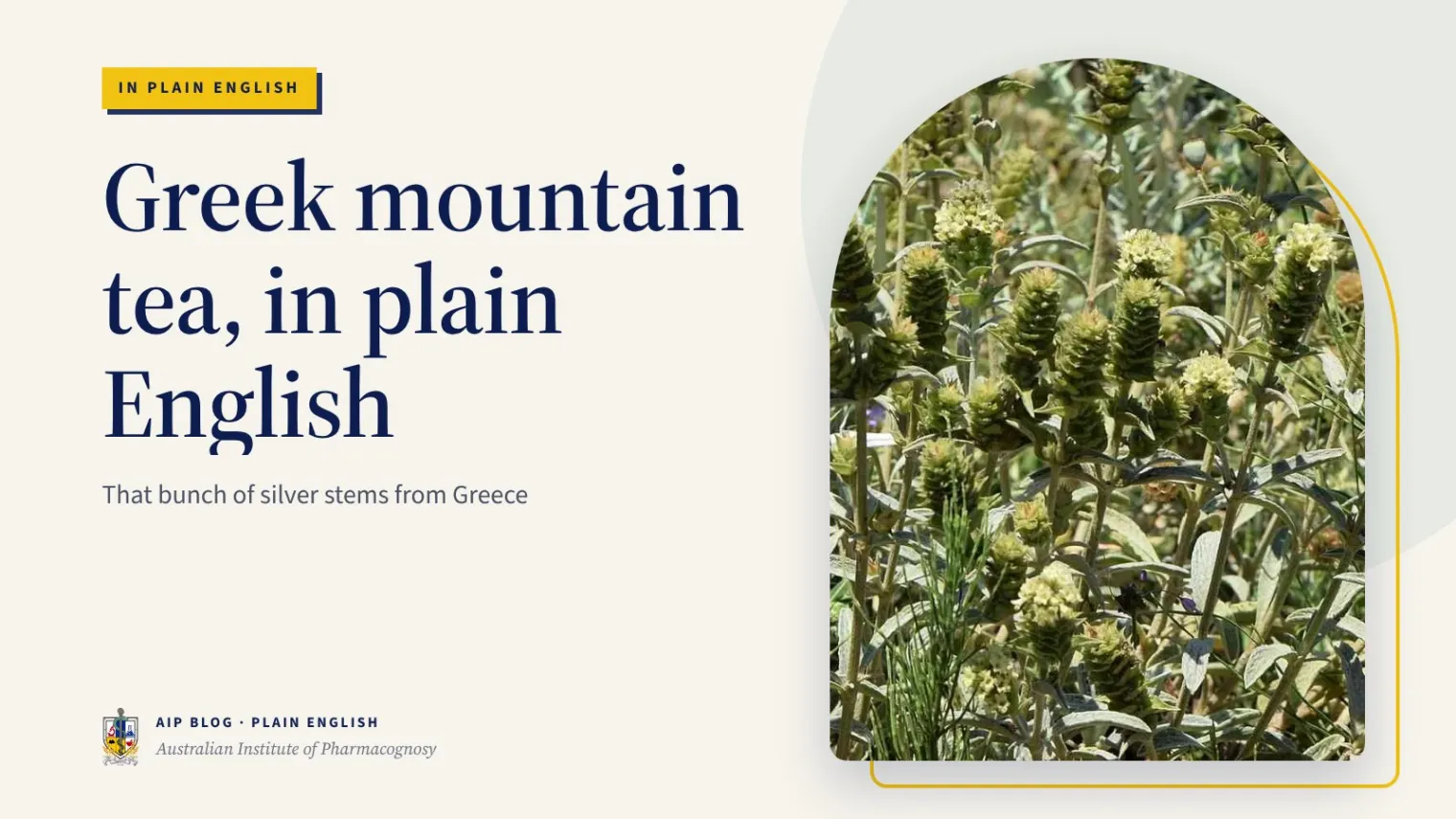
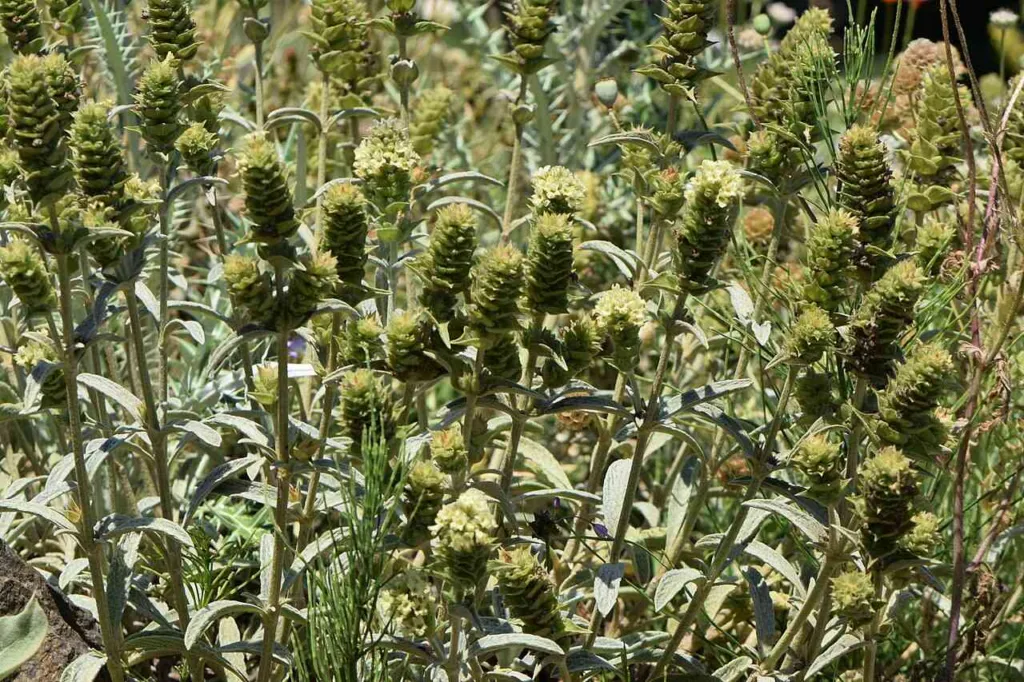
Photo: Krzysztof Ziarnek, Kenraiz, Botanischer Garten Berlin-Dahlem · CC BY-SA 4.0 · Wikimedia Commons
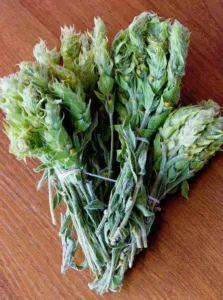
It turns up in a paper bag at the back of the pantry: a bundle of grey, furry stems with dry yellow heads, carried home from a Greek summer or pressed on you by a friend’s mother when you had a cold.
Boiled up with honey and lemon, it has been the Balkan answer to a winter cough for generations. Now it comes in capsules too. So which plant is in the bag, what has been tested, and is it safe for you and the people you brew it for?
Educational only: no medical or legal advice, no preparation or dose. Legal passages are our reading of Australian rules in October 2026.
Emergency: phone 000. For a suspected poisoning, phone the Poisons Information Centre on 13 11 26 (24 hours, Australia-wide) and follow its advice.
Phone 000 for trouble breathing, chest pain, blue lips, or a child who is struggling to breathe. Coughing up blood needs urgent care.
Don’t keep treating these with tea; get them seen promptly: a high fever that won’t settle, a cough that has gone past three weeks, vomiting blood, black stools, bad or lasting stomach pain, or weight loss you can’t explain. A cough or upset stomach that gets worse while you are drinking it needs a professional look.
Allergic to mint, sage, oregano or thyme? Avoid mountain tea: same plant family. Safety has not been established in pregnancy, while breastfeeding or under 18.
Report a suspected side effect to the TGA. Before taking any botanical drug, and especially alongside regular medicines (above all antidepressants) or before trying a concentrated extract, consult a degree-qualified herbalist with competencies and adequate training in pharmacognosy.
- “Mountain tea” covers several close cousins, and crosses between them.
- Europe’s medicines regulator accepts it for a cough with a cold and a mildly upset stomach, on long use alone. Nobody has trialled it for either.
- Both human trials used concentrated extracts and company money. One found anxiety eased a little in healthy older adults; no independent repeat has turned up.
- No harm reported. If mint-family herbs give you a reaction, skip it; pregnancy, breastfeeding and children are untested.
- Sold here as a tea. Declare it at the airport; never plant its seed.
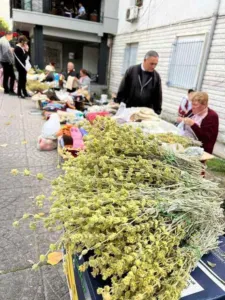
One name on the bag, several plants inside
The label tells you less than you would hope.
On an Albanian market stall the bunches sit heaped up, grey-green and dusty-gold, all sold as mountain tea. Botanists see four main species of ironwort, each from its own mountains, and more get brewed. They interbreed, and dried they look alike. Many packets never say which is inside.
Europe treats the four as one herb, with the same compounds in differing amounts. Each trial used a single species, though, and its result belongs to that plant.
Look for a botanical name and origin, and take both as the seller’s word. Buy whole stems if you can; chopped leaf hides what it is.
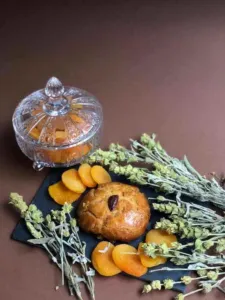
A grandmother’s remedy that Europe signed off on
Accepted on tradition, before any trial.
Across Greece, Bulgaria and Albania it is an everyday caffeine-free drink, and in winter the first thing reached for against coughs, colds and an unsettled stomach. In Bulgaria’s Rhodopes it is the tea of longevity, though nobody has measured that.
A decade ago Europe’s medicines regulator accepted two uses, a cough with a cold and mild stomach discomfort, on decades of written household use. Its own report found no clinical evidence and asked for trials. The ruling covers the tea only, with a self-treatment limit of about a week for a cough and two for the stomach. Memory, mood and capsules are not in it.
A capsule sold for calm on the strength of that ruling is borrowing a verdict about cough tea.
Tea for a cold sits inside a recognised custom, which is no proof it shortens the cold, and Europe’s rules have no force here. Not better in that time? Stop leaning on the tea.
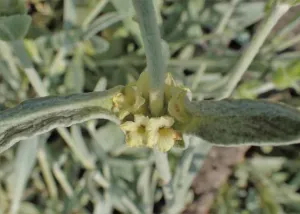
What the trials tested, and what they skipped
Capsules, healthy volunteers, a few weeks, a sponsor each time.
Only two proper trials, tested against a dummy pill, have been run in people. Both used a concentrated extract, and neither paper says how many cups of tea a dose would match.
In the larger, healthy people in their fifties and sixties took it for four weeks. On the higher dose, in-the-moment anxiety eased a little more than on the dummy, and false alarms on one attention test fell at one time point. Careful work, but one study, paid for by the extract’s maker, and no independent repeat has been found. A smaller Greek trial, also company-funded, found one blood marker differing from the dummy.
Nobody has tested the tea itself, or any form of it for coughs or stomachs. Rat and mouse work hints at how it might act and shows nothing in a person.
If you drink it because you like it, nothing here says stop. A capsule promising calm rests on one small company-funded result, still waiting on a repeat.
At the airport, at the shop, in the garden
Easy to buy, harder to bring in, never to plant.
Here it is sold as a herbal tea, which makes it food, and its packet may not claim to cure anything. As our authors read the national records in October 2026, it is not on the national register of therapeutic goods, not yet allowed in low-risk listed medicines, and not on the poisons list.
Herbal teas and seeds go on your arrival card. Overseas herb parcels that fail the import conditions can be destroyed. And a cousin, hairy ironwort, has taken over patches of a few farms near Inverell in New South Wales, and spraying has only partly worked. A late-picked bunch can carry seed.
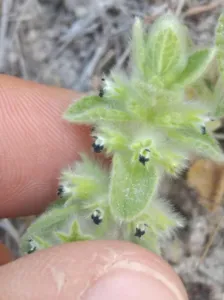
Declare it when you fly home, check import conditions before ordering, and bin any seed. Queensland’s biosecurity rules list none of these plants; elsewhere, check your state’s.
A clean record, with three gaps in it
Nothing bad on file, and some people nobody has studied.
For a herb drunk daily across a region, the safety file is quiet: no reported side effects or overdoses, and no harm in animal or gene-damage tests.
The gaps. Anyone allergic to the mint family, which takes in sage, oregano and thyme, should treat it as a possible trigger. Reactions to that family are rare, but they run from an itchy mouth to a swollen face and throat. Pregnancy, breastfeeding and under-18s are unstudied; no harm has turned up, there is simply no data. And only one small study has looked at medicines, missing the enzymes that clear most prescriptions. Lab work raises a question about strong extracts with antidepressants; no such case has been reported in a person.
Allergic to mint? Pick another cup. Pregnant, breastfeeding, brewing for a child, or on regular medicines? Talk first to the herbalist in the red box. And if the bunch came from someone who learnt to brew it from their mother, the record gives you no reason to bin it. Ask how they make it.
The short version of Dr Thomas Ridley’s evidence review. The full detail and every reference:
Greek mountain tea (Sideritis scardica): trials, safety, law
- Dr Luke Iggulden, Chief Scientific Officer — Senior author. Commissioned the Explainer series, set its direction and approved it
- Jesse Kirby — Took notes from the review with the review shut, chose the five things this page covers and their order, wrote every sentence, and rebuilt the red box so the emergency numbers and warning signs lose none of their force
- Zoe Bennett — Wrote the page title, the search line and the labels, and set the share angle on the bunch of stems already sitting in a reader’s pantry
- Theo Karras — Picked the flowering cover, the Albanian market stall, the served cup, the flower close-up, the silver leaves, the tied bunch and the hairy ironwort shoot from the review’s licensed photographs, checked each by eye and wrote alt text to match what is in the frame
- Leah Bianchi — Built the page: the safety box, the one-minute card, the one pull quote, the five what-this-means cards and the card back to the full review, and read it through on a phone screen
Contributors
- Dr Thomas Ridley — Wrote the evidence review this page retells, AIP-LR-SIDSCA
Image credits. Cover and flower close-up: Krzysztof Ziarnek, Kenraiz, CC BY-SA 4.0, via Wikimedia Commons. Market stall, Gjirokastër, Albania: Sharon Hahn Darlin, CC BY 2.0, via Wikimedia Commons. Mountain tea with sheqerpare: Kikiviii, CC BY-SA 4.0, via Wikimedia Commons. Silver leaves: George Papademetriou, CC BY 4.0, via iNaturalist. Dried bunch: Deyan Vasilev (Dido3), CC BY-SA 4.0, via Wikimedia Commons. Hairy ironwort: Ben Costamagna, CC BY 4.0, via iNaturalist. All resized for the web by AIP; no other changes.
AIP Explainers are the plain-language editions of the Institute’s technical articles, published alongside the original. Everything on this page is carried by the full review, where the evidence, the references and the regulatory sources are set out. Regulatory information was read in October 2026 and may change. Spotted an error? Write to our contact form. We would rather correct a claim than repeat it.
Jesse Kirby
Head of Community Outreach
Australian Institute of Pharmacognosy
Cardwell QLD, Australia
australian-pharmacognosy.org · our contact form
The Institute sets and publishes its own monographs. The catalogue is in Publications.