
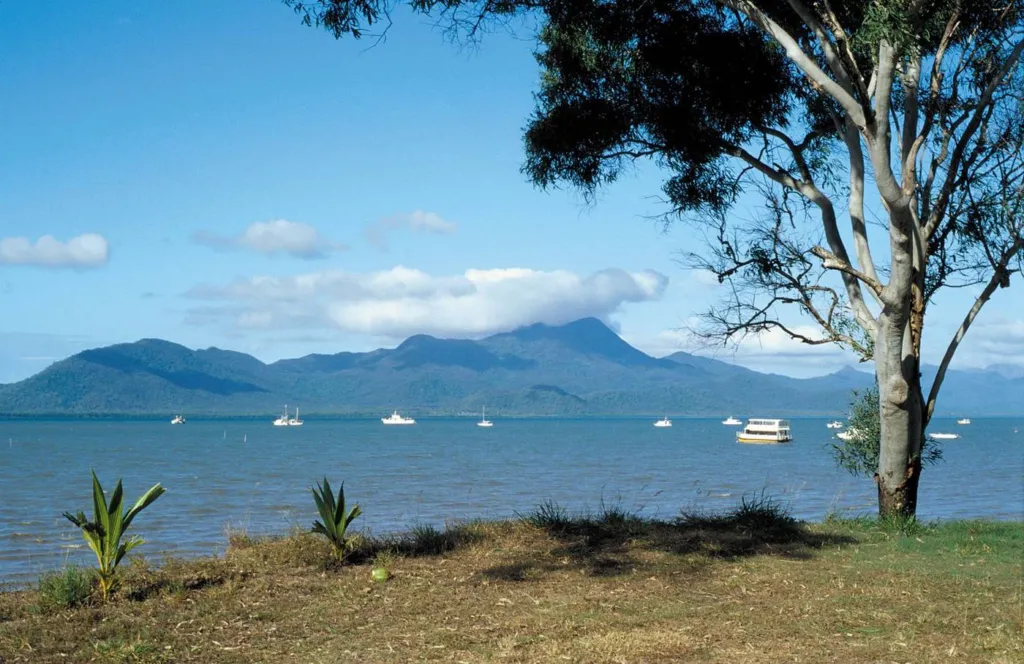
Cover: Hinchinbrook Island from Cardwell, Queensland. Photo: Willem van Aken, CSIRO · CC BY 3.0 · Wikimedia Commons
Most of what we publish is about plants. This one is about you. A research institute with no readers is a filing cabinet, and we would much rather be a conversation.
The Australian Institute of Pharmacognosy is a small, independent, not-for-profit research and education institute in Cardwell, in the wet tropics of far north Queensland. Confirmed We are not a shop. There is nothing to buy here, and nobody on the team is paid a commission when you read a monograph. What we need is harder to get than money: people who know we exist, read what we write, and pass it on. This post is Marketing’s attempt to explain why that matters and to make it easy.
This article is about the Institute and its work. It is educational and is not medical advice.
We study medicines that come from plants, and we publish what we find for free, with every claim labelled by how strong the evidence behind it is.
New AIP Monographs are being added in number order, and we plan at least one new article on this blog every week. Research does not stop between posts. Surveys, library work and lab preparation carry on in the background.
We are not asking for donations, and gifts to the Institute are not tax-deductible. The support we are asking for costs nothing: subscribe to the newsletter, read the monographs, share the ones you find useful, and tell people we are here.
 1 · An institute, not a business
 2 · Monographs that keep coming
 3 · Research between the posts
 4 · How to back us for free
 5 · Where this goes next
1. An institute, not a business
In marketing, the easy job is selling something. You find the product, you find the buyer, you close the gap. An institute doesn’t work like that, and it took our marketing team a while to put the sales playbook away.
Pharmacognosy is the scientific study of medicines that come from natural sources, mostly plants. Ethnobotany is the study of how people use plants. Our Constitution sets out the Institute’s purposes, and the heart of them is advancing scientific knowledge of drugs of botanical origin, and publishing the research. Confirmed That is the whole brief. Nobody here is trying to get you to try a herb. Some of our longest work is about why a plant is dangerous.
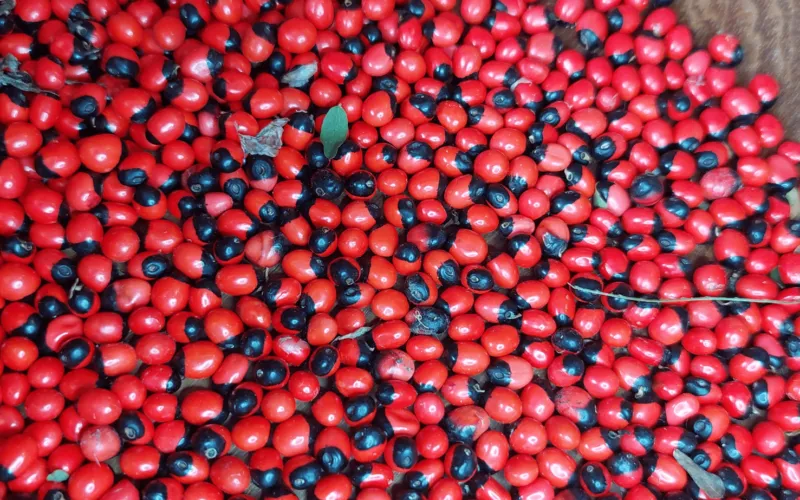
It also means our honesty is the product. When the Syrian rue monograph spends pages on poisonings and Australian scheduling, that isn’t a detour. That is what we are for. We would rather tell you a plant hasn’t been tested properly than dress it up.
We are young, and we say so. The Institute has no research partnerships yet Confirmed, and a lot of what we want to do is still in the planning stage. You can read exactly where things stand on our research page.
2. Monographs that keep coming
An AIP Monograph is a public profile of one plant. Each statement in it carries a tag showing how strong the evidence is, so you can tell a laboratory finding from a clinical trial, and both from traditional use. Every monograph ends by saying where the evidence stops and what research is still needed. Confirmed
They are numbered in the order they go live. So far there are three:
- No. 1, Abrus precatorius (rosary pea)
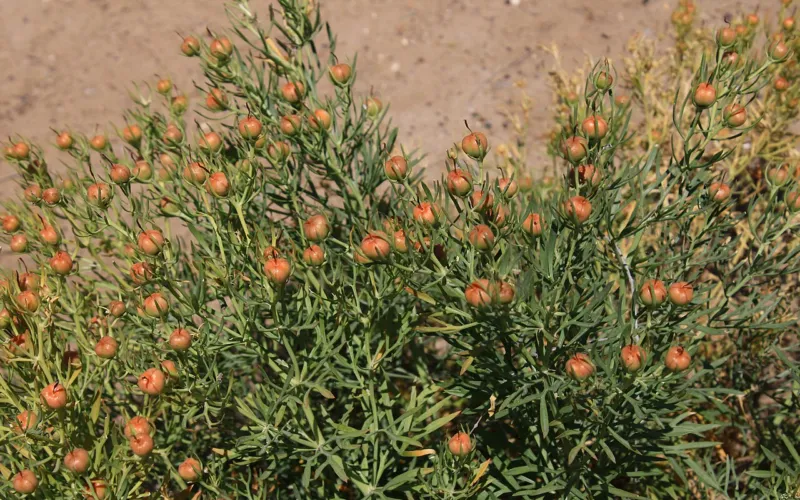
- No. 2, Peganum harmala (Syrian rue)
- No. 3, Andrographis paniculata (andrographis)
Numbers 2 and 3 both went up this month, and No. 1 is being rebuilt to the current standard. Confirmed More are on the way. The team is now adding them on a regular cycle rather than whenever someone has a free weekend, and the plan is at least one new article on the blog every week on top of that. If you only remember one thing from this post, make it this: check back, because there will be something new.
We write traditional use down as history and culture. It is not clinical evidence, and we never present it as proof that a plant is safe or works. Before taking any botanical medicine, consult a degree-qualified herbalist with competencies and adequate training in pharmacognosy.
3. Research between the posts
What you see on the blog is the finished end. Most of the work happens where nobody is watching, and that part deserves a bit of daylight.
In the field
The Institute’s iNaturalist account now holds 29 field observations of 27 different organisms. Confirmed We look, photograph and record, and the Botanical department has since added those species to our reference library. You can see what we have found on our observations map. If something there catches your eye, please photograph it rather than pick it. Many native plants are protected in Queensland.
In the library
The research library the Institute works from holds 868 catalogued volumes on herbal medicine, ethnobotany, pharmacopoeias and the history of plant use, and our botanical reference library has 31 plant and fungus records with photographs. Confirmed Those numbers were checked for this post and will keep changing.
Getting ready for the bench
Reference microscopy profiles, compiled from published pharmacopoeial descriptions, are in place for four dried herbs: chamomile, damiana, senna leaf and thyme. Confirmed The next step is adding laboratory microscopy to those specimen records. Thin-layer chromatography for routine identity checks is planned, and it has not started yet.
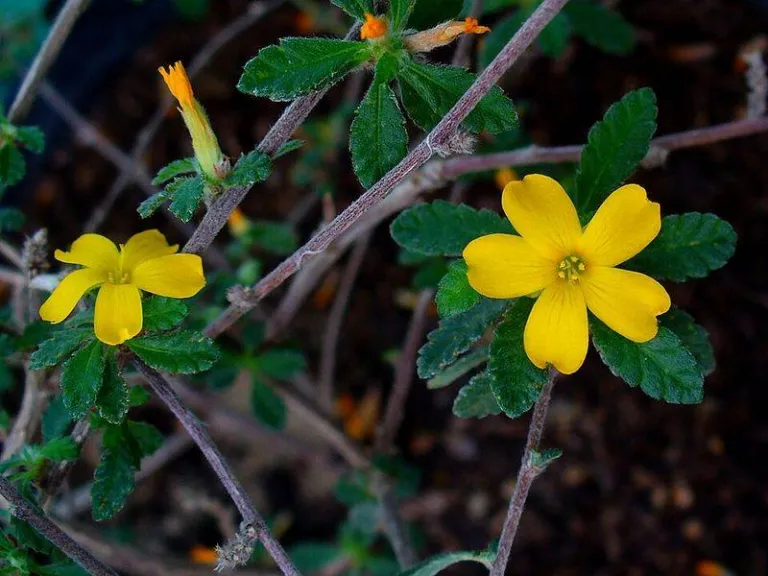
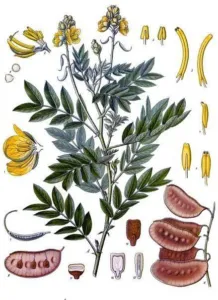
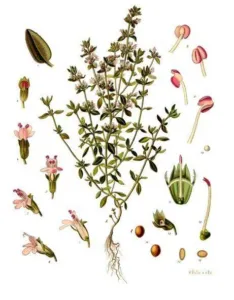
We picked these four for a practical reason. They are common, easy to buy dried, and their descriptions are well established. That gives us a solid baseline to check real samples against before we move on to harder material.
4. How to back us for free
First, the plain facts: the Institute is not asking for donations, and gifts to it are not tax-deductible. Confirmed So when we say support, we mean something that costs you a couple of minutes.
Subscribe to the newsletter. It is the simplest way to hear when a new monograph goes up, and it tells us people want this work to continue. You can unsubscribe with one click from any issue.
Read a monograph, then send it to one person who would care. A herbalism student, a friend who grows medicinal plants, a relative who keeps asking about something they saw online. One good share does more for us than any ad we could run.
Follow along as we get our video channels going. We are planning short films from the lab and the field, and we will post the links here and in the newsletter when they are ready.
And if you spot a mistake in something we have published, tell us through our contact form. Corrections make the work better, and we would much rather hear it from you.
Discussion: what we can say, what we hope, and what comes next
What the record supports
Three AIP Monographs are live, two of them published this month. The library and reference records exist and are growing, and four herbs have reference microscopy profiles. Confirmed All of that can be checked on this site.
What we hope, and haven’t proven
We believe clear, evidence-labelled writing about medicinal plants will find an audience in Australia, and that readers will help it grow by sharing it. That is a hope, not a result. The honest measure will be newsletter subscribers and returning readers over the next year, and we will report those numbers rather than guess at them.
Where the work goes next
- Pharmacognosy: add laboratory microscopy to the four reference herbs, then set up thin-layer chromatography for identity checks.
- Botany and field work: confirm provisional photo identifications to research grade and add them to the reference library.
- Publishing: rebuild Monograph No. 1 to the current standard and keep new monographs coming in number order.
- Community: start the video series and report newsletter growth openly in a future institute update.
About the Australian Institute of Pharmacognosy
The Australian Institute of Pharmacognosy (formerly the Australian Institute of Ethnobotanical Research) is an independent, not-for-profit research and education institute based in Cardwell, far north Queensland. It studies medicines of botanical origin and publishes what the evidence says, including the risks. The departments named on this site are run on the Institute’s in-house systems. The Institute is responsible for everything it publishes. Read more on our research page.
References
4 references — tap to open
- Australian Institute of Pharmacognosy. Constitution. australian-pharmacognosy.org/legal/constitution/
- Australian Institute of Pharmacognosy. Research programmes. australian-pharmacognosy.org/research/
- Australian Institute of Pharmacognosy. AIP Monographs Nos. 1–3 (see links in section 2), accessed 17/09/2026.
- Australian Institute of Pharmacognosy. Observations map. australian-pharmacognosy.org/observations-map/
Image credits
Hinchinbrook Island as seen from Cardwell, QLD. — Willem van Aken, CSIRO — CC BY 3.0 — source
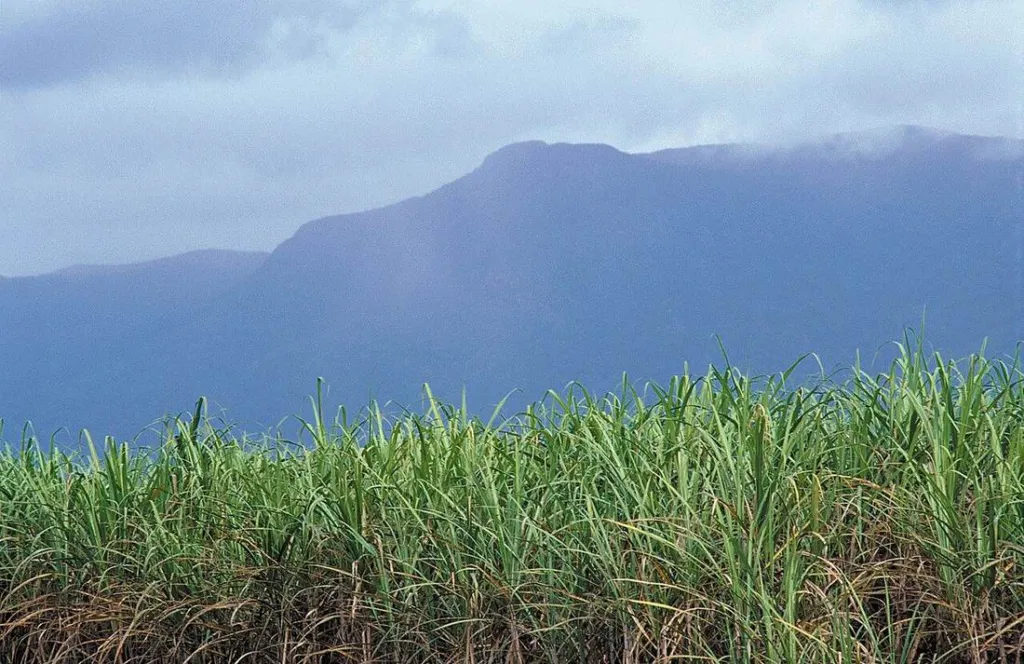
Tropical rainforest ranges with sugar crop in foreground, north of Cardwell. QLD. — Willem van Aken, CSIRO — CC BY 3.0 — source
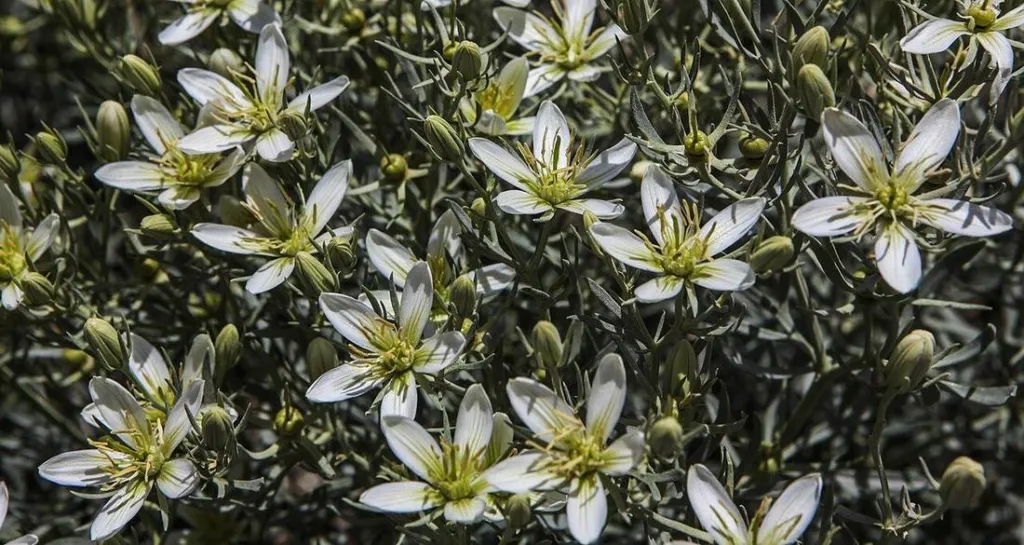
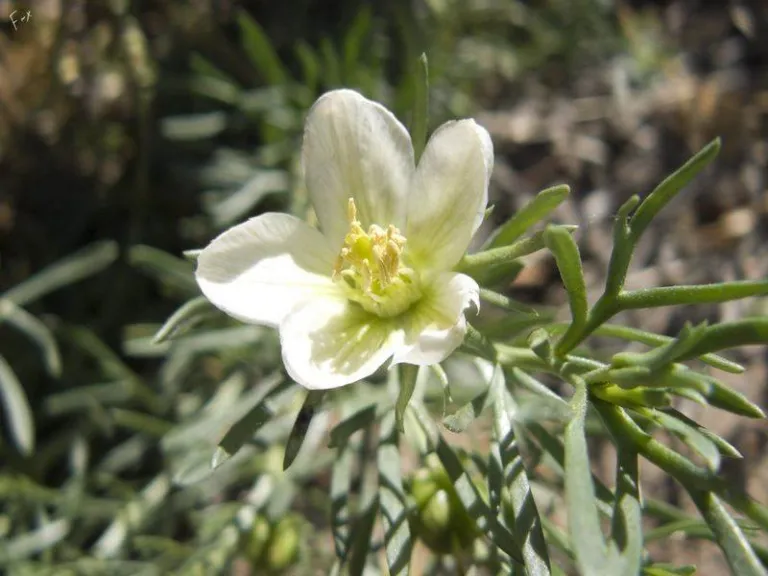
Wildflowers, Nandal, Mazandaran Province, Iran. Peganum harmala — Ninara from Helsinki, Finland — CC BY 2.0 — source
Peganum harmala — Ostenfuchs — CC BY 2.0 — source
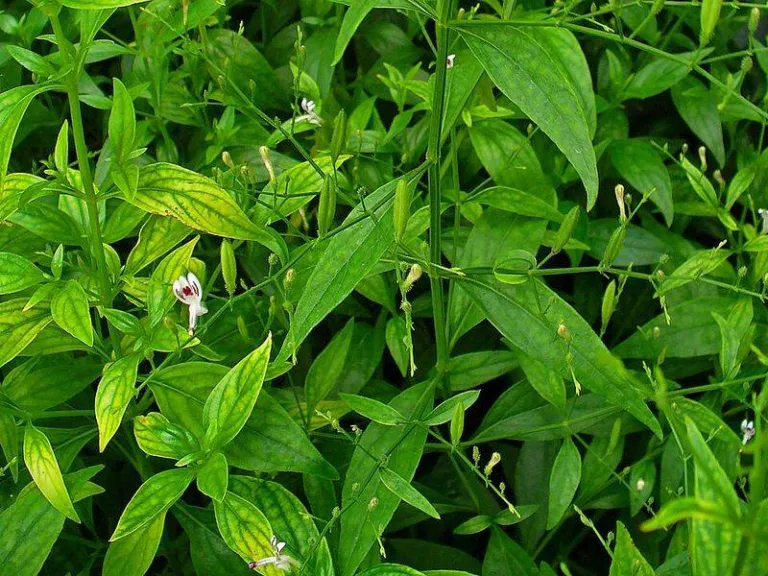
Andrographis paniculata, Acanthaceae, Green Chirayta, Creat, King of Bitters, India Echina — H. Zell — CC BY-SA 3.0 — source
Illustration of Matricaria recutita — Franz Eugen Köhler, in Köhler’s Medizinal-Pflanzen — Public domain — source
Turnera diffusa var. aphrodisiaca, Turneraceae, Damiana, flowers. — H. Zell — CC BY-SA 3.0 — source
Senna alexandrina (syn.: Cassia acutifolia and Cassia angustifolia) — Franz Eugen Köhler, Köhler’s Medizinal-Pflanzen — Public domain — source
Echter Thymian. A blühende Pflanze, natürl. Grösse; 1 Blatt, vergrössert; 2 Kelch, desgl.; — Walther Otto Müller — Public domain — source
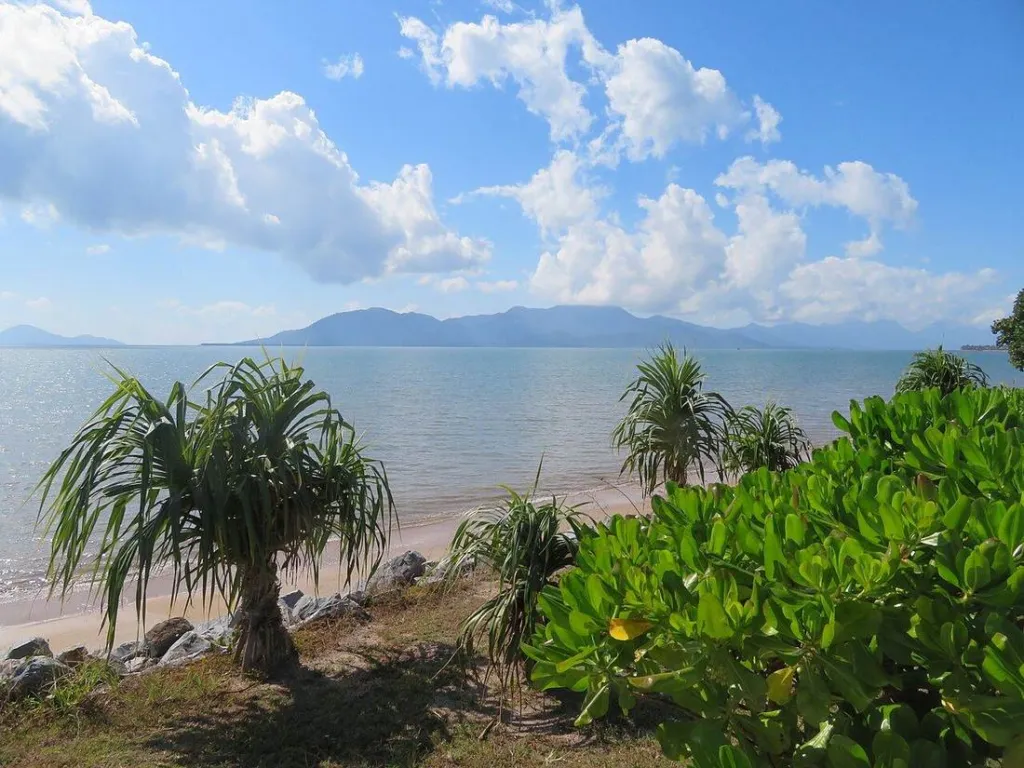
Hinchinbrook Channel, Cardwell, Queensland, Australia — Torbenbrinker — CC BY-SA 4.0 — source
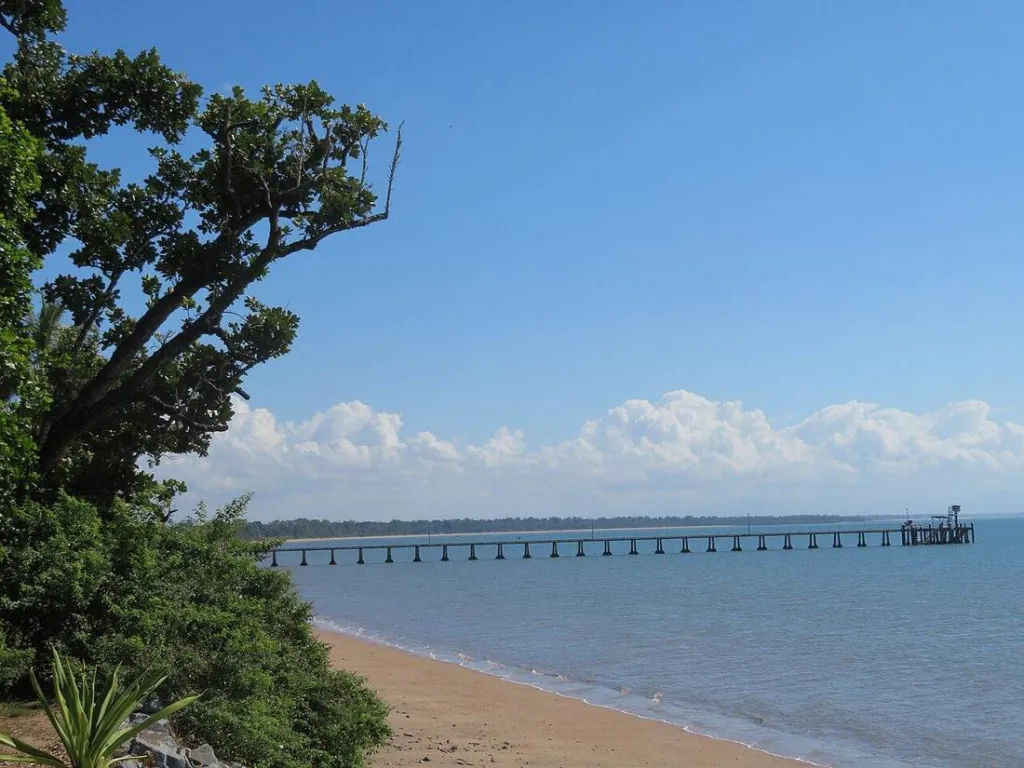
Jetty, Hinchinbrook Channel, Cardwell, Queensland, Australia — Torbenbrinker — CC BY-SA 4.0 — source