

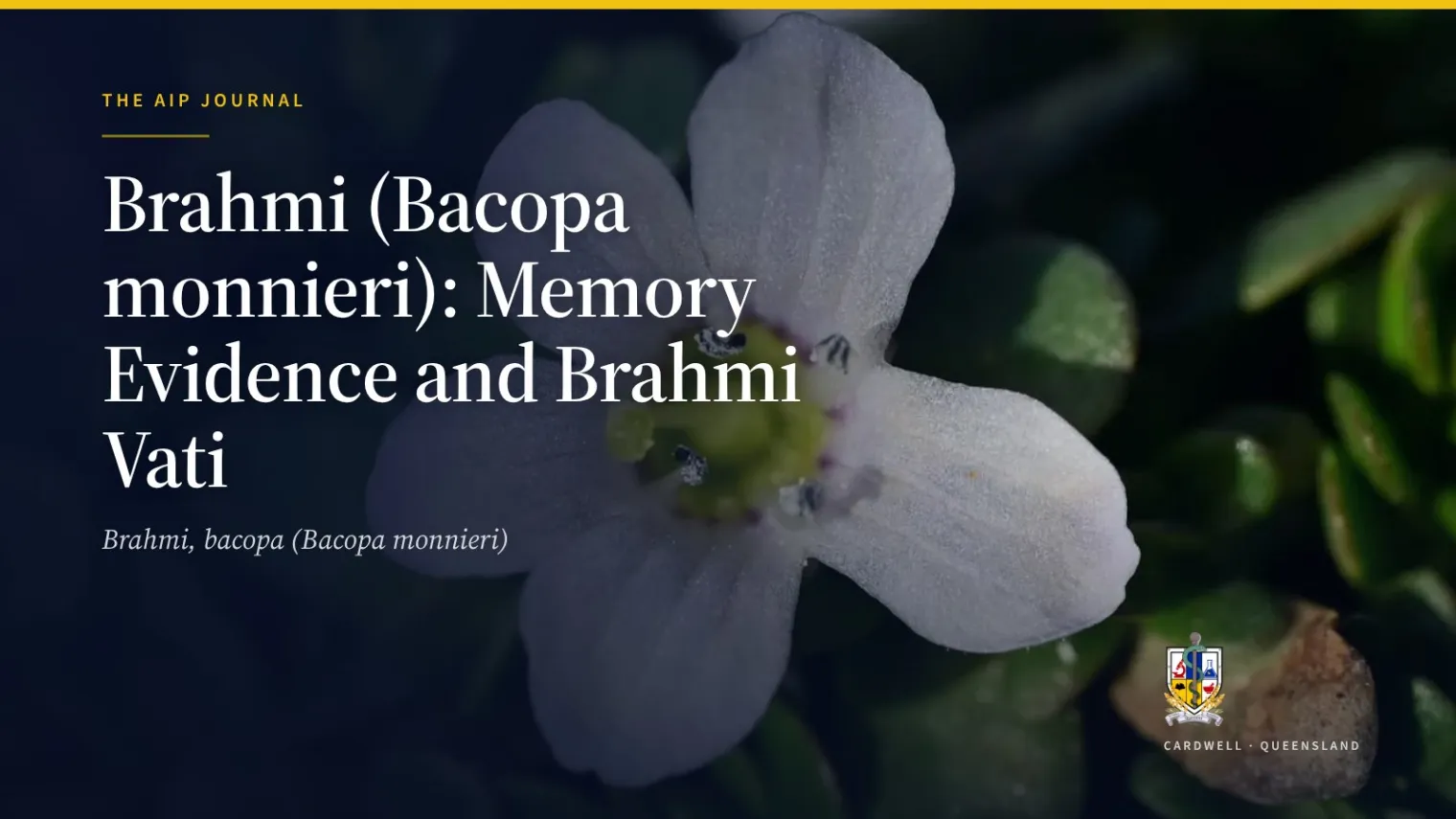
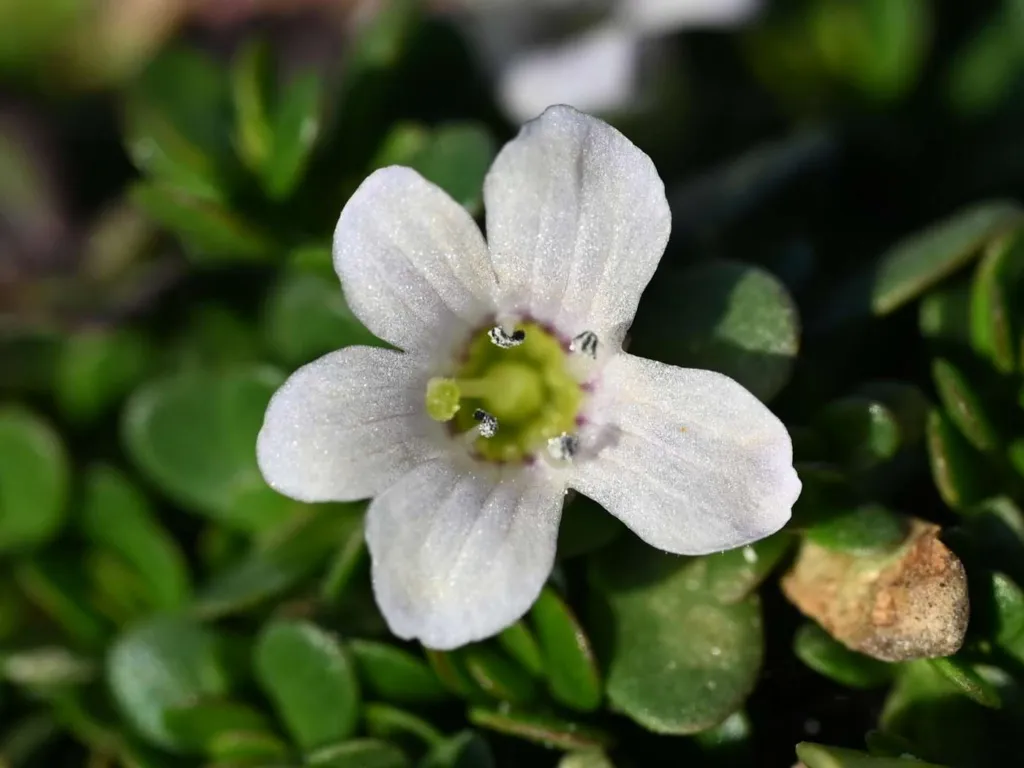
Cover: Bacopa monnieri in flower, Dhofar, Oman. Photo: Krzysztof Ziarnek, Kenraiz · CC BY-SA 4.0 · Wikimedia Commons
Two products called “brahmi” were in the Australian news at once. One was an imported Ayurvedic tablet the TGA told people to stop taking after its testing found mercury, lead, arsenic and cadmium (TGA, Brahmi Vati advisory [1]). Confirmed The other is a small native wetland herb, Bacopa monnieri, that has sat in Australian pharmacy memory and focus ranges for years and has been tested in a series of Australian clinical trials.
This Literature Review and Critical Analysis from the Australian Institute of Pharmacognosy separates them. It explains what the plant is (and why gotu kola is sometimes sold under the same name), what Brahmi Vati is and what the TGA actually reported, and what the human trials of bacopa extracts found for memory, attention and mood. It closes with safety, interactions, Australian law and a plain guide to recognising a legally supplied product. We cite only papers we have read in full. Several of the early Australian trials are still waiting in our library queue, so where we describe them we say which full-text paper we are relying on.
This article is educational. It is not medical advice and does not recommend any product, dose or treatment.
1. Brahmi Vati tablets made by Unjha Ayurvedic Pharmacy. On 10 December 2025 the TGA advised that these tablets “pose a serious risk to your health and should not be taken”, after its testing found “extremely high concentrations” of mercury, lead, arsenic and cadmium. The product is not on the ARTG and its place of manufacture is not approved by the TGA (TGA, Brahmi Vati advisory [1]). Confirmed The TGA asks people to stop using it and take any remaining tablets to a pharmacy for disposal. Anyone who has taken it, or another Brahmi Vati product, can call the Poisons Information Centre on 13 11 26 (TGA, Brahmi Vati advisory [1]).
2. Vacha (Acorus calamus). The TGA notes that many Brahmi Vati formulas declare vacha, which is in Schedule 10 of the Poisons Standard for human therapeutic use and is prohibited for supply and use in Australia (TGA, Brahmi Vati advisory [1]; Poisons Standard, October 2026 [2]). Confirmed See §5.
3. Bacopa itself. The plant is a permitted ingredient for Australian listed medicines and has no Poisons Standard entry (Permissible Ingredients Determination No. 3, 2026 [3]; Poisons Standard, October 2026 [2]). Confirmed Its main side effects in trials are stomach upset, nausea and loose stools; cholinergic, thyroid and drug-metabolism cautions are covered in §11.
Before taking any botanical drug, consult a degree-qualified herbalist with competencies and adequate training in pharmacognosy. In an emergency call Triple Zero (000); for poisoning advice call the Poisons Information Centre on 13 11 26 (24 hours, Australia-wide).
| The plant | Bacopa monnieri (L.) Wettst., Plantaginaceae; water hyssop, bacopa, brahmi. A creeping herb of wet ground. Confirmed §1, §2 |
| Same name, other plant | Centella asiatica (gotu kola) is also called brahmi in India and is a known substitute in trade. Confirmed §1, §13 |
| In Australia | Native to Queensland and New South Wales; naturalised in Western Australia. Confirmed §3 |
| Traditional role | An Ayurvedic medhya rasayana, a tonic for memory and intellect. Traditional §4 |
| Brahmi Vati | A compound Ayurvedic tablet. Published formulas contain bacopa, vacha, mercuric sulfide and other herbs and minerals. The TGA warned against Unjha Brahmi Vati in December 2025. Confirmed §5, §6 |
| Chemistry | Dammarane triterpenoid saponins (the bacosides), with bacoside A3 and bacopaside II the largest. Confirmed §7 |
| Memory evidence | Small 12-week trials of standardised extracts often report gains on one or two memory tests; a pooled analysis found the effect inconsistent. Evidence suggests §9 |
| Thinner areas | Single-dose effects, mood, anxiety, children and dementia rest on very low certainty evidence. Evidence suggests §10 |
| Main side effects | Nausea, cramps and more frequent stools, more often on bacopa than placebo. Confirmed §11 |
| Australian law | Permitted ingredient for listed medicines; not scheduled. Look for AUST L, AUST L(A) or AUST R on the pack. Confirmed §12 |
- Confirmed: established in humans by trial, or an unambiguous analytical, chemical or regulatory fact.
- Evidence suggests: real published data, but preclinical, observational, small, inconsistent or not yet replicated.
- Mechanism: a plausible pharmacological inference, not an outcome measured in people.
- Traditional: historical or ethnomedical use. Evidence of practice, not of efficacy.
- Attested: a documentary fact attested in a named edition or record. A textual reading, not a claim about what a plant does.
Every PubMed ID (PMID) links to its PubMed record and was checked against PubMed in November 2026, and every compound links to its PubChem record. We cite only papers we read in full. Where a trial is known to us only through another paper, the text names that paper. A claim we could not trace to a source is marked unsourced.
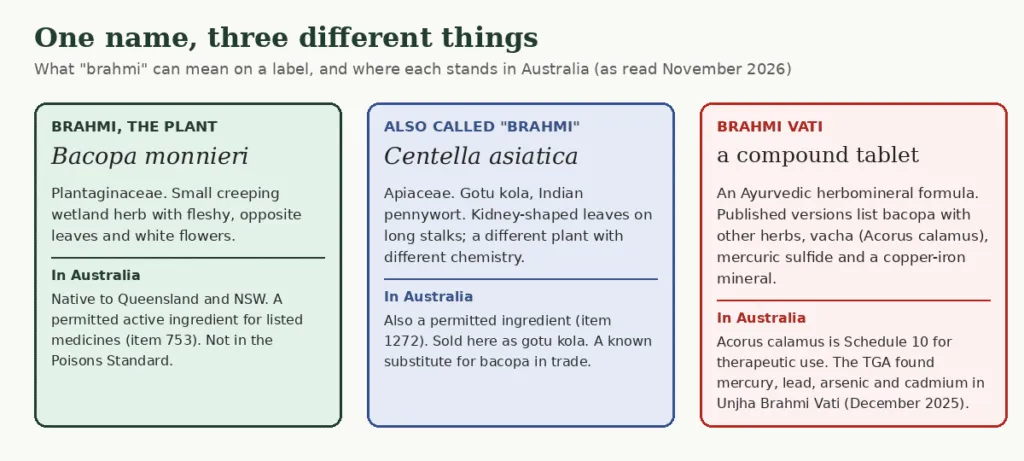
“Brahmi” names a plant and a family of products. The plant is Bacopa monnieri, a creeping herb of wet ground that grows wild in Queensland and New South Wales and has been used in Ayurveda for memory and intellect for many centuries (Australian Plant Census [4]; Ayurvedic Pharmacopoeia of India [5]). Traditional In India the same name is also given to gotu kola, Centella asiatica, a different plant (Bone and Mills 2013 [6]; Biltes et al. 2025, PMID 41008247 [7]). Confirmed
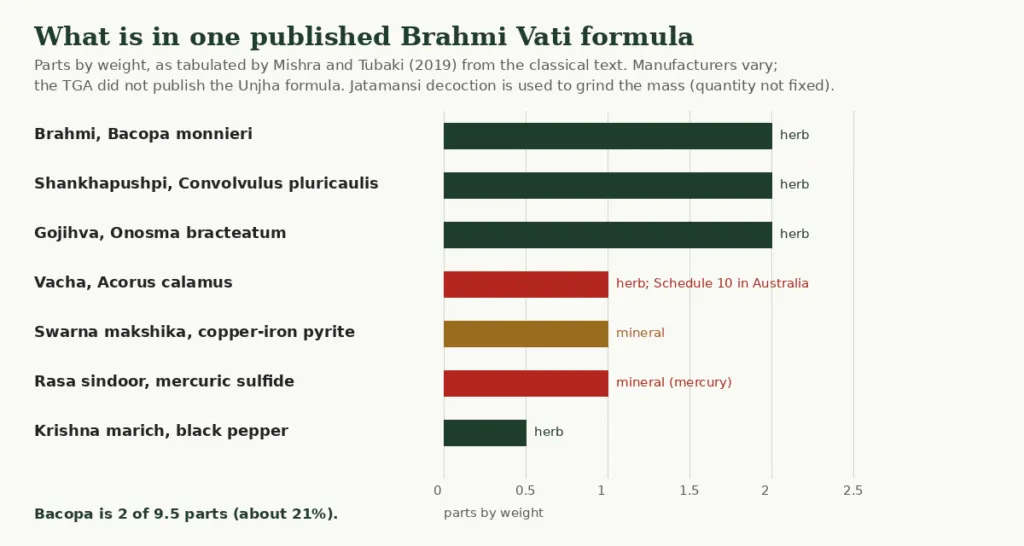
Brahmi Vati is a compound Ayurvedic tablet. Published versions grind bacopa with several other herbs, vacha (Acorus calamus), a copper-iron mineral and mercuric sulfide (Mishra and Tubaki 2019, PMID 29242090 [8]). Confirmed In December 2025 the TGA found very high levels of mercury, lead, arsenic and cadmium in one imported brand, Unjha, and noted that many Brahmi Vati formulas declare vacha, a Schedule 10 substance in Australia (TGA, Brahmi Vati advisory [1]). Confirmed Nothing in that advisory concerns bacopa as a herb or the bacopa products on the ARTG.
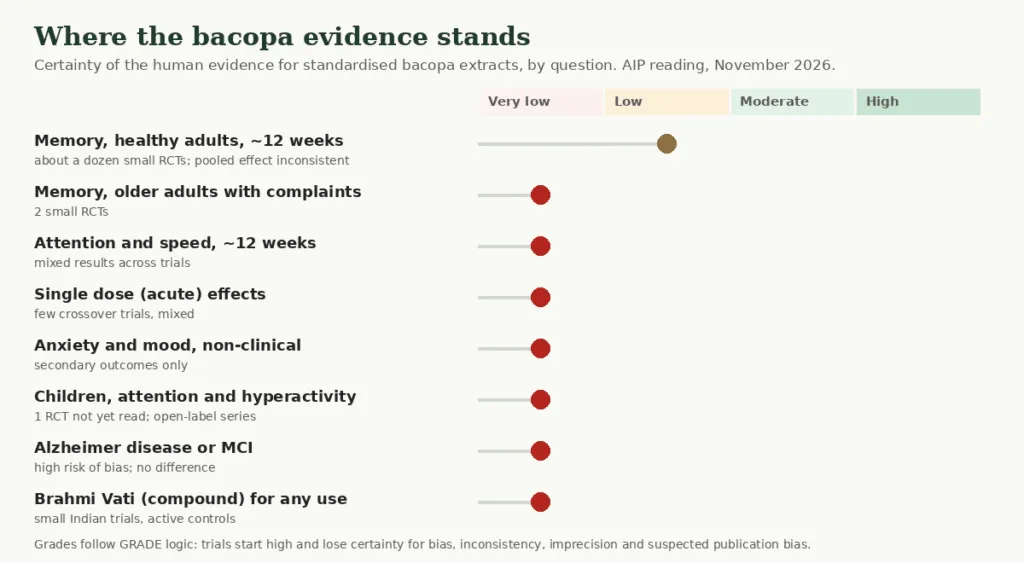
On memory, about a dozen small randomised trials of standardised bacopa extracts, several of them Australian, mostly ran for 12 weeks at around 300 mg a day. Most found an improvement on one or two memory tests, but rarely the same test twice, and a 2021 meta-analysis found only one of eleven pooled measures improved (Brimson et al. 2021, PMID 33436817 [9]; Morgan and Stevens 2010, PMID 20590480 [10]). Evidence suggests Effects after a single dose, on mood and anxiety, in children and in dementia are less certain still (Brimson et al. 2021, PMID 33436817 [9]; Basheer et al. 2022, PMID 35612544 [11]). Evidence suggests
The common side effects are stomach upset, nausea and more frequent stools (Morgan and Stevens 2010, PMID 20590480 [10]). Confirmed Cautions with thyroid medicines, cholinergic drugs and some drugs cleared by liver enzymes rest on animal and laboratory work and one case report (§11). An Australian product carries an AUST L, AUST L(A) or AUST R number; a tablet without one is outside the system that checks ingredients and manufacturing (TGA, How we regulate medicines [12]). Confirmed Before taking bacopa for a health problem, consult a degree-qualified herbalist with competencies and adequate training in pharmacognosy.
 Chapter 1One name, three things
 Chapter 2The plant
 Chapter 3Where it grows, and Australia
 Chapter 4Traditional use in Ayurveda
 Chapter 5What the TGA found in Brahmi Vati
 Chapter 6Metals in Ayurvedic medicines
 Chapter 7Chemistry: the bacosides
 Chapter 8Pharmacology
 Chapter 9Memory trials, including Australia’s
 Chapter 10Single doses, mood, children, dementia
 Chapter 11Safety and interactions
 Chapter 12Australian law and the AUST number
 Chapter 13Quality, identity and adulteration
 Chapter 14Discussion and research still required
Also: About AIP · References · Image credits
Chapter 1One name, three things: bacopa, gotu kola and Brahmi Vati
The herb in this review is Bacopa monnieri (L.) Wettst., accepted under that name by the Australian Plant Census (Australian Plant Census [4]). Confirmed In English it is water hyssop, bacopa or brahmi. It was long placed in the foxglove family, Scrophulariaceae, and older books and most clinical papers still say so; current classifications put it in the plantain family, Plantaginaceae (Australian Plant Census [4]; Braun and Cohen 2007 [13]). Confirmed Spellings drift. “Bacopa monniera” turns up on labels and in trial titles, and the Australian Plant Census records it as a spelling variant of the same name (Australian Plant Census [4]). Attested
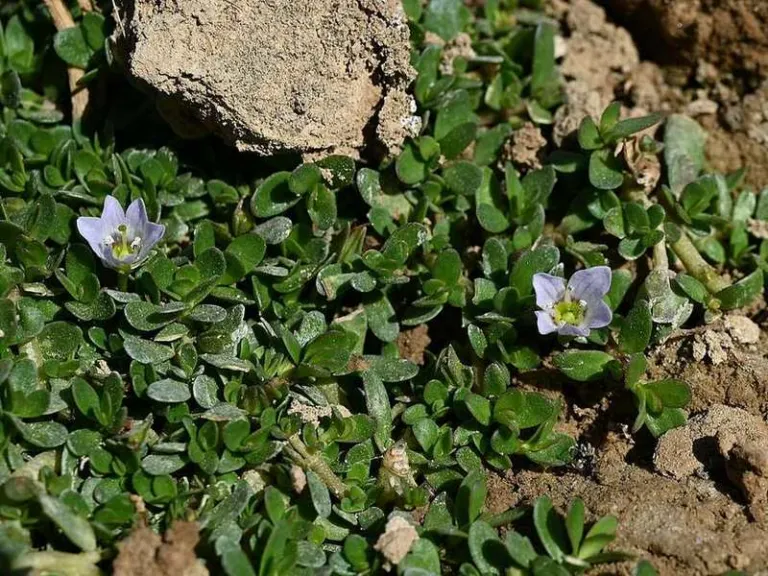
Its Sanskrit name is brahmi, and the Ayurvedic Pharmacopoeia of India gives Sarasvati, the name of the goddess of learning, as one of its synonyms (Ayurvedic Pharmacopoeia of India [5]). Attested The trouble is that the name travels. In much of India “brahmi” is also used for gotu kola, Centella asiatica (Apiaceae), a creeping herb with kidney-shaped leaves on long stalks, and Braun and Cohen add a third plant, Merremia gangetica, to those given the name (Braun and Cohen 2007 [13]). Attested Bone and Mills, a standard text for Australian herbal practitioners, warn that the confusion over which plant is brahmi can lead to unintentional adulteration (Bone and Mills 2013 [6]). Evidence suggests A Portuguese laboratory that tested commercial products in 2025 made the same point: in India the two plants “are often sold under the same common name” (Biltes et al. 2025, PMID 41008247 [7]). Confirmed
Gotu kola has its own evidence and its own review in this series, Gotu kola (Centella asiatica): evidence, safety, Australia. For this article the practical point is narrow. The memory trials discussed in §9 used extracts of Bacopa monnieri. A product labelled “brahmi” that turns out to be Centella is a different medicine, and the bacopa trials say nothing about it.
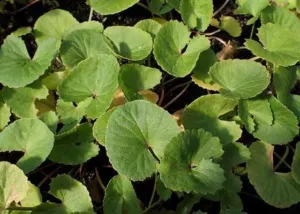
Then there is Brahmi Vati. Vati means a tablet or pill, and Brahmi Vati is a compound formula named after its lead herb. Published versions list bacopa with shankhapushpi (Convolvulus pluricaulis), gojihva (Onosma bracteatum), vacha (Acorus calamus), black pepper, jatamansi (Nardostachys jatamansi) and two minerals: swarna makshika, a copper and iron pyrite, and rasa sindoor, a prepared mercuric sulfide (Mishra and Tubaki 2019, PMID 29242090 [8]; Sarhyal et al. 2024, PMID 39631219 [14]). Confirmed In the formula tabulated by Mishra and Tubaki, bacopa makes up 2 of 9.5 parts by weight (Mishra and Tubaki 2019, PMID 29242090 [8]). Confirmed A buyer who reads “brahmi” on a Brahmi Vati box is reading the name of one ingredient in about five.
| Name on the label | What it is | Status in Australia (read November 2026) |
|---|---|---|
| Bacopa, brahmi, water hyssop, Bacopa monnieri or B. monniera | The herb or an extract of its aerial parts | Permitted ingredient for listed medicines, item 753; no Poisons Standard entry (Permissible Ingredients Determination No. 3, 2026 [3]; Poisons Standard, October 2026 [2]) |
| Gotu kola, brahmi, Indian pennywort, Centella asiatica | A different plant, Apiaceae | Permitted ingredient, item 1272 (Permissible Ingredients Determination No. 3, 2026 [3]) |
| Brahmi Vati, Brahmi Bati | A compound Ayurvedic tablet; herbs plus mineral preparations | Unjha brand: subject of a TGA advisory and absent from the ARTG; vacha content is Schedule 10 (TGA, Brahmi Vati advisory [1]; Poisons Standard, October 2026 [2]) |
Chapter 2The plant: a small succulent creeper of wet places
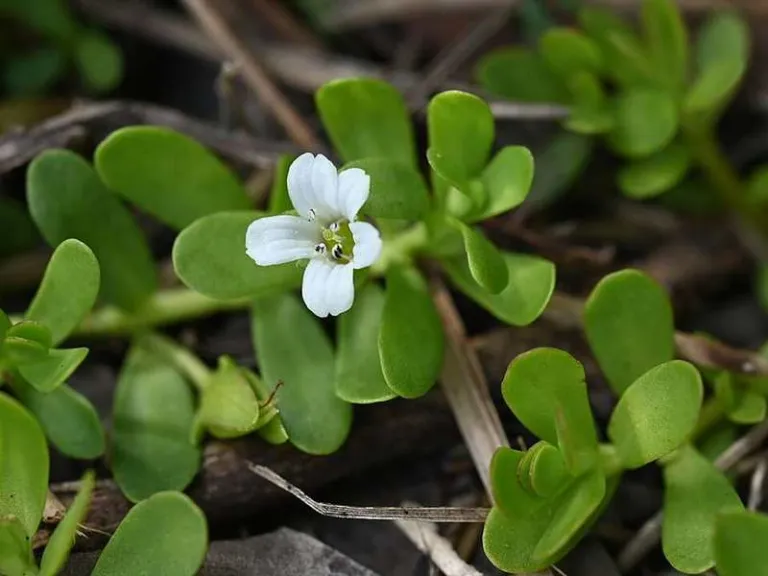
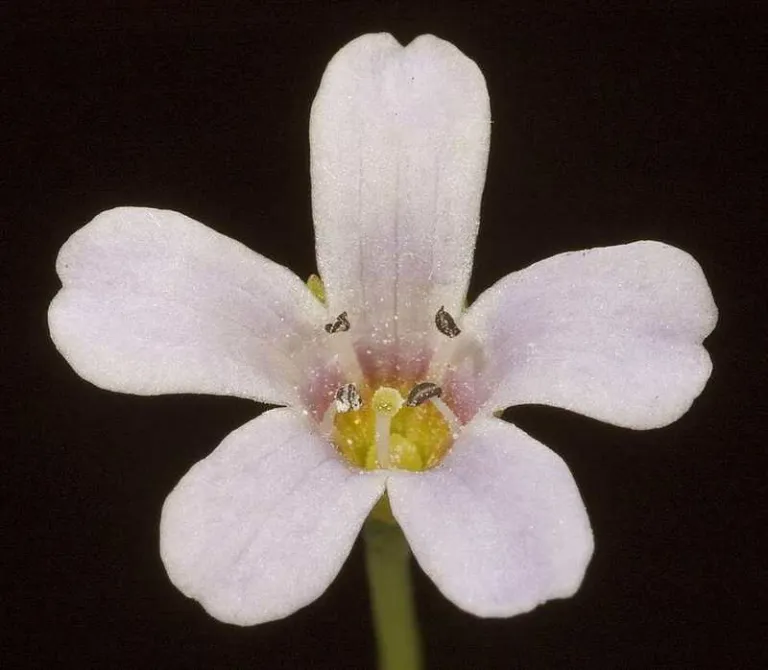
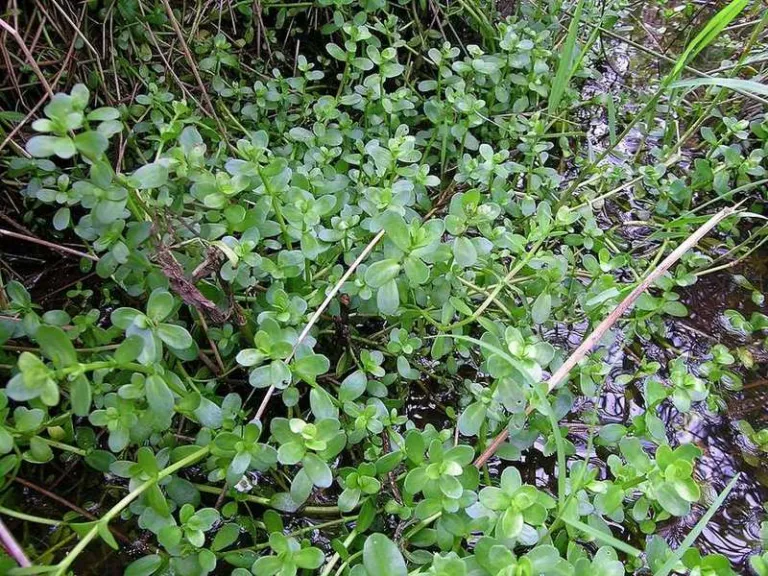
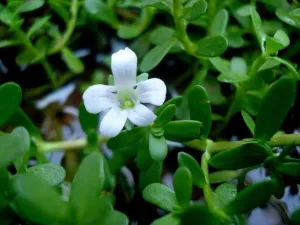
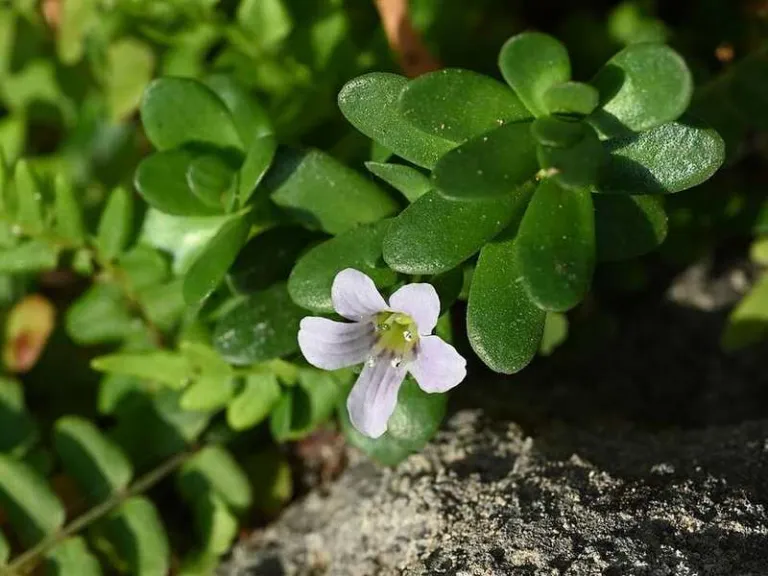
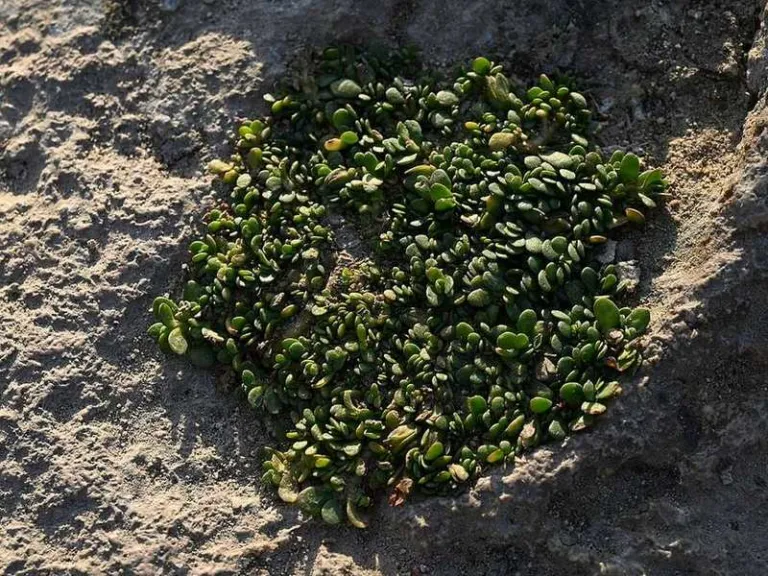
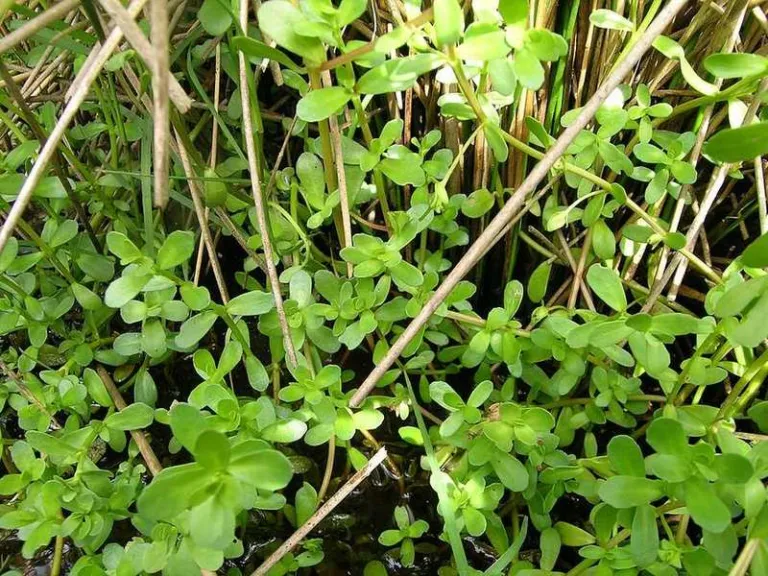
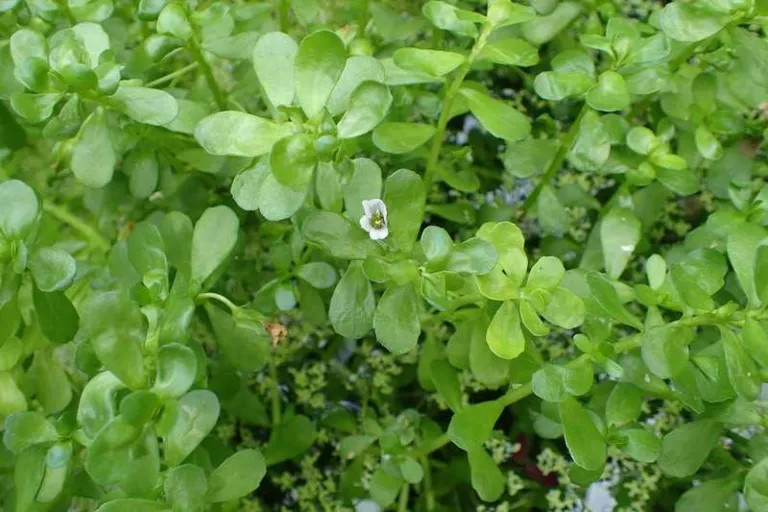
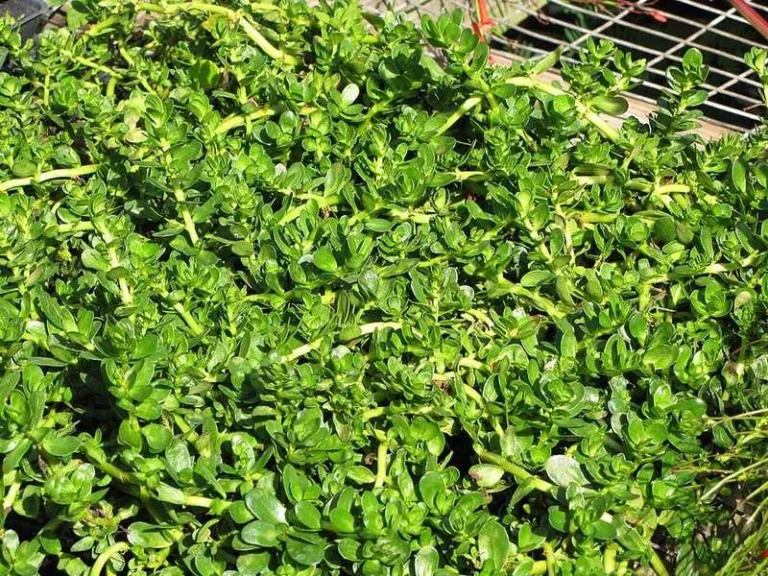
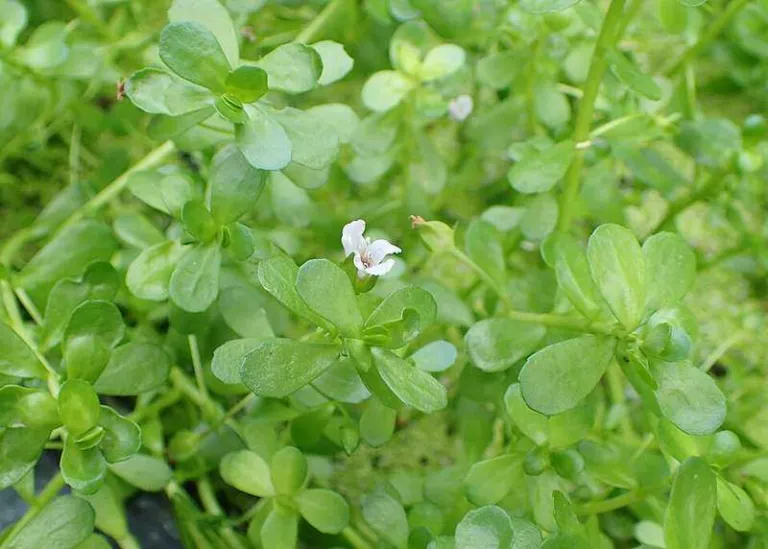
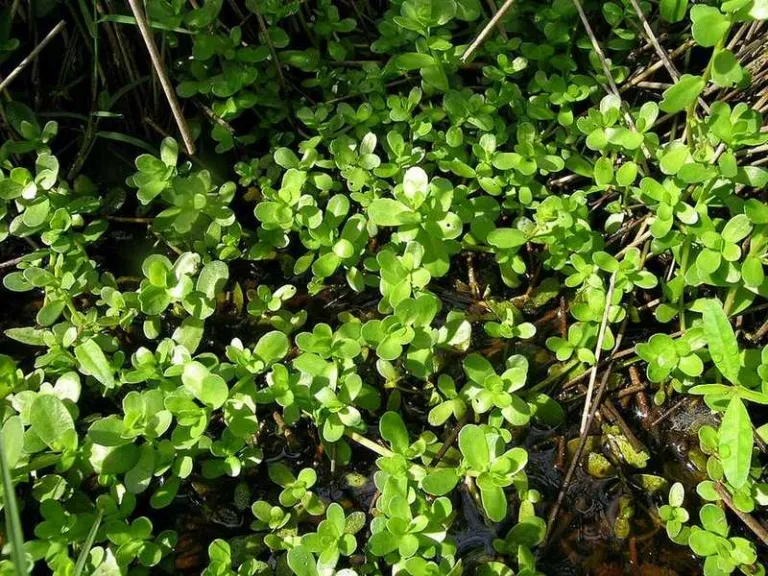
Bacopa is easy to walk past. It is a prostrate, hairless, slightly succulent herb that roots at every node and forms mats along the edges of pools, swamps, creeks and wet sand (Ayurvedic Pharmacopoeia of India [5]; Braun and Cohen 2007 [13]). Confirmed The Ayurvedic Pharmacopoeia of India describes “a glabrous, succulent, small, prostrate or creeping annual herb, found throughout India in wet and damp places” (Ayurvedic Pharmacopoeia of India [5]). Attested The leaves are opposite, stalkless and spoon-shaped, fleshy enough to feel slightly rubbery between the fingers, with a smooth margin. Single flowers stand on slender stalks in the leaf axils: white or faintly mauve, five-lobed, with a yellow throat, opening for most of the warm months.
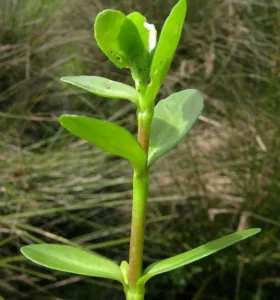
In trade the drug is the dried aerial part, and Indian material often includes some of the thin roots (Ayurvedic Pharmacopoeia of India [5]). Confirmed Dried bacopa is a tangle of brown, brittle stems with shrivelled opposite leaves, and in powdered form it cannot be told from gotu kola by eye. That is why identity testing matters so much for this herb, a point we return to in §13.
The plant’s taste for wet ground has a consequence worth stating early. Bacopa takes up metals from the water it grows in. In a laboratory study plants grown in cadmium solutions absorbed large amounts within days, and the authors cite earlier reports of heavy-metal accumulation in the species (Gupta et al. 2014, PMID 24672380 [15]). Evidence suggests This is an ordinary quality issue for any wetland herb, and it is a separate matter from the mineral ingredients deliberately added to some compound tablets (§6).
Chapter 3Where it grows, and its place in Australia
Bacopa is one of the few herbs in the Australian practitioner range that grows wild here. The Australian Plant Census records it as native in Queensland and New South Wales and naturalised in Western Australia (Australian Plant Census [4]). Confirmed Elsewhere it is native across the tropics and subtropics of Asia, Africa and the Americas. When the Institute searched the Atlas of Living Australia in September 2026 it found a little over a thousand records, roughly 400 each from Queensland and New South Wales, clustered in south-east Queensland and along the New South Wales coast (Atlas of Living Australia [16]). Confirmed Only two came from the Wet Tropics bioregion around Cardwell, which probably says more about where botanists have looked than about where the plant grows.
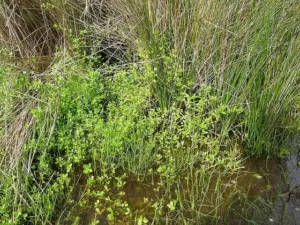
Its legal standing in Queensland is quiet. B. monnieri is not a declared weed under the Biosecurity Regulation 2016, and the state’s WildNet database lists it as least concern under the Nature Conservation Act 1992 (Queensland biosecurity and WildNet records [17]). Confirmed A related species, hairy water hyssop (Bacopa lanigera), is restricted invasive matter in Queensland, and the aquarium plant B. caroliniana is sold under the same “water hyssop” name, so anyone buying plants to grow should check the species (Queensland biosecurity and WildNet records [17]). Confirmed Because bacopa is a native plant, wild collection in Queensland falls under the Nature Conservation Act; we have not confirmed whether a licence is needed for this least-concern species, and nobody should harvest it from the wild until that is clear.
Almost everything sold in Australia is still made from imported, mostly Indian, material, much of it as standardised extracts. The extract in the Southern Cross University trial in Lismore, for example, was made by an Indian company (Morgan and Stevens 2010, PMID 20590480 [10]). Confirmed Even so, the Australian research on bacopa, described in §9, has run for more than two decades. A native plant, an imported raw material and a local research tradition make bacopa an unusual case among Ayurvedic herbs.
Chapter 4Traditional use: a medhya rasayana
In Ayurveda bacopa is a medhya rasayana, a rejuvenating medicine for the intellect and memory (Braun and Cohen 2007 [13]). Traditional The Ayurvedic Pharmacopoeia of India lists its actions as medhya (promoting intellect), rasayana (rejuvenating), ayushya (promoting longevity) and svarya (good for the voice), among others, and its uses as skin disease, fever, swelling, anaemia, urinary disorders and mental disorders (Ayurvedic Pharmacopoeia of India [5]). Traditional The same entry gives a dose of 1 to 3 g of the powdered herb and names the classical formulas built on it, among them Sarasvatarishta, Brahmi Ghrita, Sarasvata Churna and Brahmi Vati (Ayurvedic Pharmacopoeia of India [5]). Attested
That list explains the confusion in the shops. In the Ayurvedic system, a formula named for brahmi is a multi-ingredient medicine in which bacopa is one partner. A ghee, a fermented tonic and a mineral-containing tablet can all carry the name. Braun and Cohen summarise the classical uses of the herb itself as a nerve tonic in anxiety, nervous exhaustion, epilepsy and recovery from stroke (Braun and Cohen 2007 [13]). Traditional Bone and Mills describe its “strong traditional reputation for improving cognitive function and intelligence” (Bone and Mills 2013 [6]). Traditional
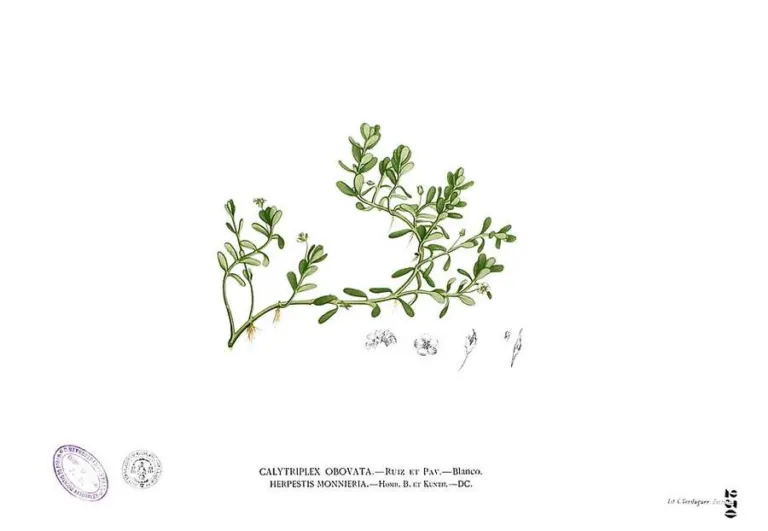
Western herbal practice took bacopa from Ayurveda in the late twentieth century, and it has no earlier European history in the texts we read (Bone and Mills 2013 [6]; Braun and Cohen 2007 [13]). Traditional We found no published record of Aboriginal or Torres Strait Islander use of this native species in the sources we read, and we make no claim about one. Traditional use is evidence of long practice. It is a reason to test a plant, and the Australian and Indian trials in §9 were designed from exactly this reputation for memory.
Chapter 5What the TGA found in Brahmi Vati tablets
On 10 December 2025 the TGA published three safety advisories on the same day: Brahmi Vati and Kumar Kalyan Rasa tablets, both made by Unjha Ayurvedic Pharmacy, and Manasamitra Vadakam tablets made by SKM Siddha and Ayurvedha (TGA, Brahmi Vati advisory [1]; TGA, Kumar Kalyan Rasa advisory [18]; TGA, Manasamitra Vadakam advisory [19]). Confirmed For each, the TGA said it had tested the product and found “extremely high concentrations of heavy metals, including mercury, lead, arsenic, and cadmium” (TGA, Brahmi Vati advisory [1]). Confirmed None of the three had been assessed by the TGA for quality, safety or efficacy, and their places of manufacture were not approved (TGA, Brahmi Vati advisory [1]). Confirmed
It helps to read the Brahmi Vati advisory for what it says and what it leaves out. It names one brand and one manufacturer. It reports four metals and describes their concentrations as extremely high, but it does not publish the figures, the batch, or whether the metals came from the declared mineral ingredients or from contamination (TGA, Brahmi Vati advisory [1]). Confirmed It adds a broader warning that “many Brahmi Vati formulations are also declared to contain Vacha”, Acorus calamus, which is in Schedule 10 of the Poisons Standard and prohibited for supply and use in Australia (TGA, Brahmi Vati advisory [1]). Confirmed The Manasamitra Vadakam advisory goes further for that product: the TGA’s testing “confirmed the presence of labelled ingredient acorus calamus” (TGA, Manasamitra Vadakam advisory [19]). Confirmed
Nowhere does the advisory say that bacopa is unsafe, and it does not mention the bacopa medicines on the ARTG (TGA, Brahmi Vati advisory [1]). Confirmed Its consumer advice is about where a medicine comes from. “Importing and supplying any unregistered Ayurvedic products is illegal, even if they don’t contain prescription-only ingredients,” it says, and it tells readers to look for an AUST R or AUST L number on the pack (TGA, Brahmi Vati advisory [1]). Confirmed
Why vacha is prohibited here
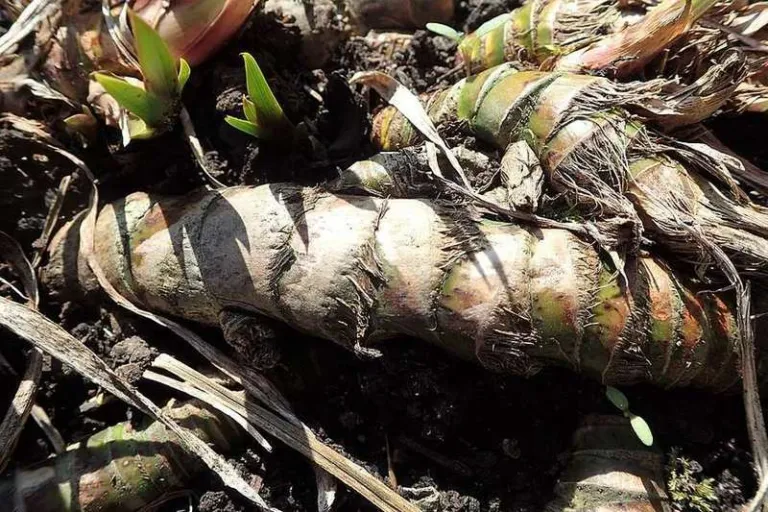
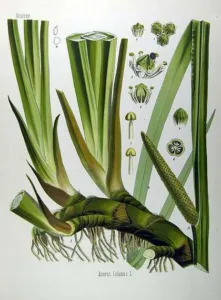
Vacha, sweet flag or calamus, is the rhizome of Acorus calamus, an aromatic wetland plant valued in Ayurveda as a medicine for the mind and the voice. Narayana and Mukne, writing from India in 2025, list a long run of classical recipes that contain it (Narayana and Mukne 2025, PMID 40844059 [20]). Traditional The Australian Poisons Standard lists “ACORUS CALAMUS (calamus) for human therapeutic use” in Schedule 10, the schedule for substances “of such danger to health as to warrant prohibition of supply and use” (Poisons Standard, October 2026 [2]). Confirmed
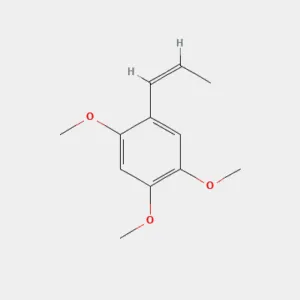
The concern centres on β-asarone, a phenylpropanoid in the rhizome oil. The same Indian authors summarise the animal record: rat studies have shown that β-asarone can induce liver cancer at high doses given over long periods, in work mostly done between 1980 and 1990 (Narayana and Mukne 2025, PMID 40844059 [20]). Evidence suggests Their own experiment found that Indian calamus rhizome, its water extracts and pure β-asarone were not mutagenic in the Ames bacterial test, and they called for chronic toxicity and carcinogenicity studies to settle the question (Narayana and Mukne 2025, PMID 40844059 [20]). Evidence suggests Content of β-asarone varies widely between the different chromosome races of the plant, which is part of the argument Indian researchers make for their own material (Narayana and Mukne 2025, PMID 40844059 [20]). Evidence suggests Australian law does not draw that distinction: for human therapeutic use the whole species is in Schedule 10 (Poisons Standard, October 2026 [2]). Confirmed
Chapter 6Why a compound tablet can carry metals: rasa shastra
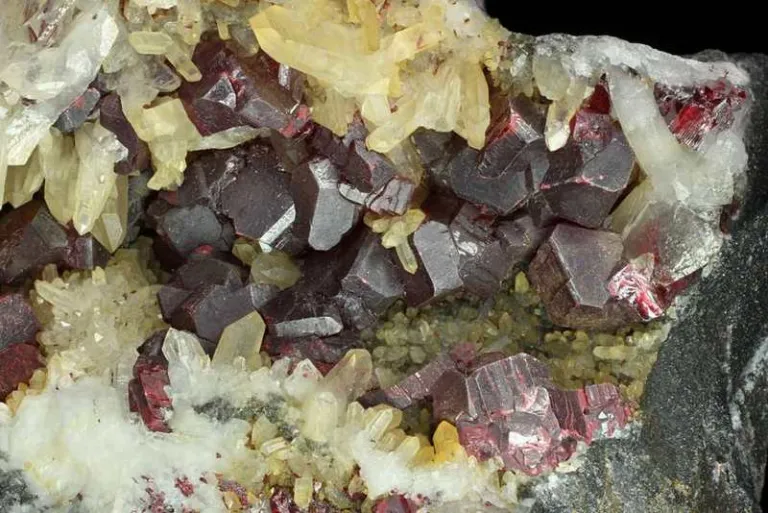
Readers may ask how a herbal tablet comes to contain mercury at all. Part of the answer is a branch of Ayurveda called rasa shastra, which combines herbs with specially processed metals, minerals and gems. Saper and colleagues, writing in JAMA, describe how many rasa shastra medicines are made with bhasmas, elaborately prepared forms of metals including cinnabar (mercuric sulfide), galena (lead sulfide) and realgar (arsenic sulfide) (Saper et al. 2008, PMID 18728265 [21]). Confirmed Brahmi Vati as published is a rasa shastra formula: its rasa sindoor is mercuric sulfide and its swarna makshika is a copper-iron sulfide mineral (Mishra and Tubaki 2019, PMID 29242090 [8]). Confirmed Mercury in such a tablet may therefore be a declared ingredient as well as, or instead of, a contaminant. Lead, arsenic and cadmium are not listed in the formula, and if present they would point to contaminated minerals or herbs. The TGA advisory does not say which applied to the Unjha product (TGA, Brahmi Vati advisory [1]). Mechanism
Practitioners of rasa shastra hold that properly prepared bhasmas are safe, and Saper’s team reports that view fairly: advocates in India attribute metal poisonings to poor commercial manufacture or a lack of supervision by a practitioner trained in rasa shastra (Saper et al. 2008, PMID 18728265 [21]). Traditional The three Indian trials of Brahmi Vati read for this review, which ran for 30 to 60 days, reported few or no adverse effects and kidney and liver tests within normal limits where these were measured (Khot et al. 2022, PMID 35325682 [22]; Mishra and Tubaki 2019, PMID 29242090 [8]; Gonugade et al. 2024, PMID 39626587 [23]). Evidence suggests None of those trials measured blood mercury or lead, so they cannot answer the question the TGA raised. Two different safety questions are in play: whether the classical preparation, made as its tradition intends, is safe; and whether a particular commercial batch contains what it should and nothing else. The TGA’s testing answered the second question for one brand.
What the market looks like matters too. Saper and colleagues bought 193 Ayurvedic medicines online in 2005 and found lead, mercury or arsenic in 20.7% of them (Saper et al. 2008, PMID 18728265 [21]). Confirmed Rasa shastra products were more than twice as likely to contain metals as other Ayurvedic products (40.6% against 17.1%), every metal-containing product would have exceeded at least one standard for acceptable daily intake if taken as directed, and 75% of the metal-containing products came from manufacturers claiming good manufacturing practice or metal testing (Saper et al. 2008, PMID 18728265 [21]). Confirmed That study was American and is twenty years old, so its numbers do not describe the Australian market today. It shows why a manufacturer’s claim is no substitute for a regulator’s check.
Australian cases
Australian health departments see the harm directly. Victoria’s Chief Health Officer reported in January 2025 that the department “continues to receive notifications of cases of lead poisoning caused by the ingestion of imported Ayurvedic medicines”, some also contaminated with mercury and arsenic (Victorian Department of Health 2025 [24]). Confirmed The advisory lists symptoms of longer, lower-level lead exposure, among them “difficulties with memory and concentration” (Victorian Department of Health 2025 [24]). Confirmed For someone taking an imported tablet to help their memory, that is a bitter irony. The TGA’s September 2025 advisory named six more imported Ayurvedic products found by state laboratories to contain lead, mercury or arsenic, and listed vacha, neem and white cedar among the Schedule 10 plants it keeps intercepting at the border (TGA, September 2025 advisory [25]). Confirmed
None of this is a verdict on Ayurveda, or on bacopa. Ayurvedic herbs, bacopa among them, are supplied in Australia as listed medicines under the same ingredient and manufacturing rules as any other complementary medicine, and both the TGA and the Victorian department say so (TGA, Brahmi Vati advisory [1]; Victorian Department of Health 2025 [24]). Confirmed The problem in the advisories is a set of unregistered imports whose contents nobody in Australia had checked.
Chapter 7Chemistry: the bacosides
The constituents that define bacopa are triterpenoid saponins of the dammarane type, built on two closely related aglycones, jujubogenin and pseudojujubogenin, with chains of sugars attached (Ramasamy et al. 2015, PMID 25965066 [26]; Murthy et al. 2006, PMID 16755069 [27]). Confirmed The trade calls them bacosides. “Bacoside A” is a mixture of four compounds: bacoside A3, bacopaside II, bacopaside X and bacopasaponin C (Ramasamy et al. 2014, PMID 24566323 [28]; Ramasamy et al. 2015, PMID 25965066 [26]). Confirmed A fifth, bacopaside I, carries a sulfate group and is usually measured with them (Murthy et al. 2006, PMID 16755069 [27]). Confirmed
Murthy and colleagues separated twelve saponins by HPLC and found 5.1 to 6.0% total saponins in three Indian samples of the herb, almost all of it bacoside A3 (1.76 to 2.62%), bacopaside II (0.78 to 1.55%), bacopaside X, bacopasaponin C and bacopaside I (Murthy et al. 2006, PMID 16755069 [27]). Confirmed Content varies with the season, the plant line and growing conditions; cadmium stress, for one, raised bacoside A in the laboratory (Gupta et al. 2014, PMID 24672380 [15]). Evidence suggests Minor constituents reported include the flavones apigenin and luteolin and small amounts of alkaloids (Kumar et al. 2016, PMID 27803728 [29]; Braun and Cohen 2007 [13]). Evidence suggests
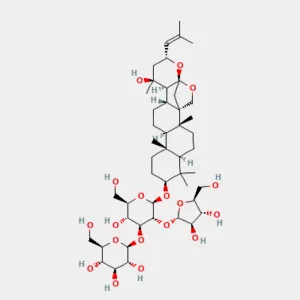
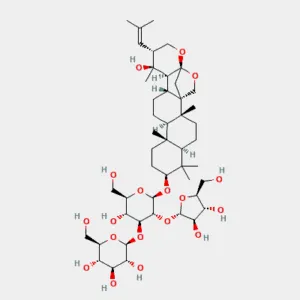
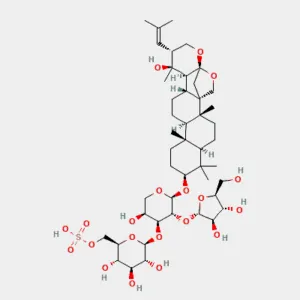
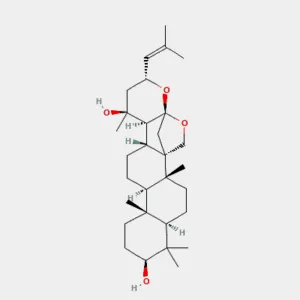
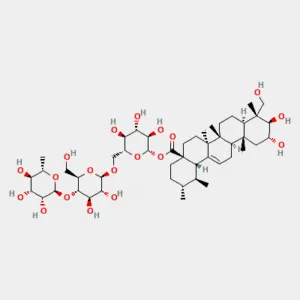
Two pieces of chemistry matter to a shopper. The first is that “bacosides” on a label usually means a spectrophotometric figure. Kumar and colleagues measured the same trial extract both ways: 45% saponins by the UV method on the label, 11.38% for the four bacoside A components by HPLC (Kumar et al. 2016, PMID 27803728 [29]). Confirmed One extract does not give a conversion factor, but it shows that percentages from different methods cannot be compared. The second is that gotu kola has its own marker saponins, asiaticoside and madecassoside, which true bacopa lacks, so a chromatographic test can tell the two plants apart even as powders (Suksawat et al. 2025, PMID 40594828 [30]). Confirmed
Which of these compounds act in the body is not settled. Ramasamy and colleagues found that the intact glycosides fitted poorly into the brain receptors and enzymes they modelled and had poor predicted ability to cross into the brain, while the aglycones and their breakdown products did better in computer and test-tube assays (Ramasamy et al. 2015, PMID 25965066 [26]). Mechanism They suggest the saponins work after gut bacteria strip off their sugars. No human study has measured those aglycones in blood, so this remains a hypothesis.
Chapter 8Pharmacology: what the laboratory and animal work suggests
The best-documented action is on the cholinergic system, the acetylcholine signalling that supports attention and memory. Bacopa extracts inhibit acetylcholinesterase, the enzyme that breaks acetylcholine down, in the test tube, and reverse memory deficits caused by the anticholinergic drug scopolamine in rodents, as reviewed by Aguiar and Borowski (Aguiar and Borowski 2013, PMID 23772955 [31]). Evidence suggests In the Thai trial of Peth-Nui and colleagues, plasma acetylcholinesterase activity fell in older adults taking bacopa for 12 weeks, the only human measurement of this action we found (Peth-Nui et al. 2012, PMID 23320031 [32]). Evidence suggests
The reviews also describe antioxidant effects in rat brain, reduced β-amyloid in transgenic mice, antidepressant-like behaviour in rodents and a range of anti-inflammatory and gut actions (Aguiar and Borowski 2013, PMID 23772955 [31]; Gościniak et al. 2025, PMID 40507208 [33]). Evidence suggests We read these as reviews; the primary animal papers behind them are not assessed here, and the doses used are often well beyond anything a person would take. The Australian team that ran the McPhee trial set out to test a further idea, that bacopa increases signalling molecules involved in forming new synapses, and found their imaging results hard to reconcile with their behavioural ones (§9) (McPhee et al. 2021, PMID 33692683 [34]). Evidence suggests
Two findings bear on safety more than on benefit. A leaf extract raised the thyroid hormone thyroxine (T4) by 41% in male mice, a result reported in Braun and Cohen and in the 2025 review by Gościniak and colleagues (Braun and Cohen 2007 [13]; Gościniak et al. 2025, PMID 40507208 [33]). Evidence suggests And in human liver enzyme assays a standardised extract inhibited CYP3A4, CYP2C9, CYP2C19 and CYP1A2, with half-maximal concentrations of 24 to 84 µg/mL (Ramasamy et al. 2014, PMID 24566323 [28]). Evidence suggests Those concentrations are far above anything likely to reach the blood, but the authors estimated gut concentrations at a 300 mg dose of around 600 µg/mL, enough to suppress several of these enzymes in the intestinal wall (Ramasamy et al. 2014, PMID 24566323 [28]). Mechanism The isolated bacosides themselves inhibited the enzymes only weakly (Ramasamy et al. 2014, PMID 24566323 [28]). Evidence suggests
How well any of this is absorbed is a gap. A 2025 review describes bacoside A as poorly water-soluble with low oral bioavailability, and reports formulation work aimed at improving it (Gościniak et al. 2025, PMID 40507208 [33]). Evidence suggests We found no published human pharmacokinetic study of the bacosides or their aglycones.
Chapter 9Memory trials, including Australia’s
Bacopa has a fuller clinical record than most memory herbs, and Australian researchers built a good part of it. Con Stough’s group in Melbourne, later based at Swinburne University, published a 12-week trial in 2001; a University of Wollongong group under Steven Roodenrys followed in 2002; Southern Cross University ran one in Lismore in 2005; and the Swinburne group has continued with acute, children’s and imaging studies since. The original 2001 and 2002 papers are on the Institute’s full-text request list and we have not yet read them. Their main results are described here as summarised by Morgan and Stevens, who reviewed them in the introduction to their own trial (Morgan and Stevens 2010, PMID 20590480 [10]).
In the 2001 Melbourne trial, 46 healthy adults took 300 mg a day of a bacopa extract for 12 weeks; the bacopa group improved in speed of information processing, learning rate and memory consolidation, and reported less state anxiety (Morgan and Stevens 2010, PMID 20590480 [10]). Evidence suggests In the Wollongong trial, 76 healthy adults on the same dose for the same time retained new information better than those on placebo (Morgan and Stevens 2010, PMID 20590480 [10]). Evidence suggests Two shorter studies came out the other way. A single 300 mg dose had no effect on cognition two hours later in 38 people, and a combined bacopa and ginkgo tablet showed no effect after two and four weeks in 85 adults (Morgan and Stevens 2010, PMID 20590480 [10]). Evidence suggests Morgan and Stevens drew the obvious inference: if bacopa does anything for memory, it seems to take weeks of daily use (Morgan and Stevens 2010, PMID 20590480 [10]). Mechanism
The Lismore trial, read in full
Morgan and Stevens’s own trial is the Australian bacopa study we have read in full, and it shows both the promise and the problems. Ninety-eight healthy people over 55 were recruited in Lismore, New South Wales, between February and July 2005 and randomised to 300 mg a day of a standardised extract (BacoMind, made in India) or an identical placebo for 12 weeks; 81 completed it (Morgan and Stevens 2010, PMID 20590480 [10]). Confirmed The bacopa group improved more than the placebo group on several scores of the Rey Auditory Verbal Learning Test, a word-list task, including learning across trials and delayed recall after 20 minutes (Morgan and Stevens 2010, PMID 20590480 [10]). Confirmed There was no significant difference on visual memory (the Rey complex figure), on the Trail Making Test, or on the participants’ own rating of their memory (Morgan and Stevens 2010, PMID 20590480 [10]). Confirmed
Three details temper the result. The trial’s tables report one-tailed significance; a two-tailed test, the usual convention, would give p-values twice as large. Thirteen people dropped out of the bacopa group against four from placebo. And gastrointestinal side effects were common on bacopa: 15 people reported more frequent stools (1 on placebo), 9 nausea (1) and 8 abdominal cramps (none) (Morgan and Stevens 2010, PMID 20590480 [10]). Confirmed The authors suggest the gut effects may reflect cholinergic activity or the high saponin content of the extract, one tablet being equivalent to about 6 g of dried herb (Morgan and Stevens 2010, PMID 20590480 [10]). Mechanism People who stop taking a tablet because it upsets them do not finish the memory tests, so uneven dropout can flatter the active group.
The wider set of trials
Overseas trials of similar design point the same way, modestly. In an American trial of adults aged 65 and over, 300 mg a day of an extract made to the specification of a Queensland company, given for 12 weeks after a placebo run-in, improved delayed word recall and Stroop test performance against placebo, with few adverse events (9 people on bacopa and 10 on placebo, mostly stomach upset) (Calabrese et al. 2008, PMID 18611150 [35]). Evidence suggests Kerry Bone, one of the trial’s authors, is also co-author of one of the practitioner texts cited in this review (Calabrese et al. 2008, PMID 18611150 [35]; Bone and Mills 2013 [6]). In India, 125 mg twice a day for 12 weeks improved several subtests of memory in 40 older people with age-associated memory impairment (Raghav et al. 2006, PMID 20703343 [36]), and a 6-week trial in 60 medical students reported gains on several cognitive tests (Kumar et al. 2016, PMID 27803728 [29]). Evidence suggests In Thailand, 300 or 600 mg a day for 12 weeks improved working memory and attention in 60 healthy older adults and lowered plasma acetylcholinesterase (Peth-Nui et al. 2012, PMID 23320031 [32]). Evidence suggests
The most recent Australian trial we have read is small and instructive. McPhee and colleagues at Swinburne gave 28 healthy adults over 55 either bacopa (two 160 mg tablets a day) or placebo for 12 weeks, alongside three hours a week of cognitive training (McPhee et al. 2021, PMID 33692683 [34]). Confirmed The bacopa group was slower on an image discrimination task and more accurate on it, which the authors read as a shift in the trade-off between speed and accuracy; no other outcome reached significance, and the exploratory brain-imaging changes did not match the behavioural ones (McPhee et al. 2021, PMID 33692683 [34]). Evidence suggests The authors themselves call for a larger study.
What the pooled analyses say
Counting positive trials makes bacopa look stronger than it is. Brimson and colleagues pooled 11 randomised trials in healthy adults or adults with memory complaints, all using at least 200 mg a day for at least six weeks (Brimson et al. 2021, PMID 33436817 [9]). Confirmed Every trial but one had found at least one significant improvement, yet no two trials found significant changes on the same set of tests, and of the 11 measures they could pool only one, logical memory, improved overall (standardised mean difference 1.11, 95% confidence interval 0.43 to 1.80, from three trials with high heterogeneity) (Brimson et al. 2021, PMID 33436817 [9]). Confirmed Delayed word recall, the outcome most often quoted, did not reach significance (0.85, −0.22 to 1.91), and reaction times did not change (Brimson et al. 2021, PMID 33436817 [9]). Confirmed The authors point out that trials measuring many outcomes are prone to chance findings. Their paper also contains some internal inconsistencies in its participant totals, which we noted when reading it; they do not change its conclusions.
An Australian systematic review from Western Sydney University’s NICM Health Research Institute looked at 21 trials of herbal and nutritional medicines in older adults, including the Lismore bacopa trial, and judged 14 of them at high risk of bias (Cave et al. 2023, PMID 37592293 [37]). Confirmed Two earlier meta-analyses, by Pase and colleagues at Swinburne (2012) and by Kongkeaw and colleagues in Thailand (2014), are on our request list; we do not report their findings until we have read them in full.
Our reading is this. A modest improvement in learning and delayed recall of new verbal material after about 12 weeks of a standardised extract is possible and has been seen repeatedly in small trials, including Australian ones (Morgan and Stevens 2010, PMID 20590480 [10]; Calabrese et al. 2008, PMID 18611150 [35]; Brimson et al. 2021, PMID 33436817 [9]). Evidence suggests It has not been shown consistently enough to call it established, and nobody has shown that it makes a difference people notice in daily life; the Lismore participants’ own rating of their memory did not change (Morgan and Stevens 2010, PMID 20590480 [10]). Evidence suggests Listed medicines in Australia may carry indications such as supporting memory, but the TGA does not assess a listed medicine’s efficacy before it goes on sale (TGA, How we regulate medicines [12]). Confirmed
| Trial (read in full) | People | Extract and dose | Length | Main finding |
|---|---|---|---|---|
| Morgan and Stevens 2010, Lismore NSW (Morgan and Stevens 2010, PMID 20590480 [10]) | 98 healthy, over 55; 81 completed | BacoMind 300 mg/day | 12 weeks | Better word-list learning and delayed recall; no change in visual memory or self-rated memory; more GI effects and dropouts on bacopa |
| McPhee 2021, Melbourne (McPhee et al. 2021, PMID 33692683 [34]) | 28 healthy, over 55, with cognitive training | CDRI 08, 2 × 160 mg/day | 12 weeks | Slower but more accurate on one task; nothing else significant |
| Calabrese 2008, USA (Calabrese et al. 2008, PMID 18611150 [35]) | 54 aged 65+; 48 completed | 50:1 extract, 300 mg/day | 12 weeks | Better delayed recall and Stroop; similar adverse events |
| Peth-Nui 2012, Thailand (Peth-Nui et al. 2012, PMID 23320031 [32]) | 60 healthy older adults | 300 or 600 mg/day | 12 weeks | Better working memory and attention; plasma AChE fell |
| Raghav 2006, India (Raghav et al. 2006, PMID 20703343 [36]) | 40 with age-associated memory impairment | 125 mg twice daily | 12 weeks + 4 off | Several memory subtests improved; one rash |
| Kumar 2016, India (Kumar et al. 2016, PMID 27803728 [29]) | 60 medical students | 150 mg twice daily | 6 weeks | Several cognitive tests improved |
Chapter 10Single doses, mood, children and dementia: thinner evidence
Some of the claims attached to bacopa in shops and online go well past the memory trials. Each rests on a smaller and weaker base.
Within hours of a dose
The one acute trial we can describe from a paper we have read found no effect on cognition two hours after a single 300 mg dose (Morgan and Stevens 2010, PMID 20590480 [10]). Evidence suggests Swinburne researchers later ran two crossover studies of single 320 mg and 640 mg doses of the CDRI 08 extract, on sustained attention (Downey and colleagues, 2013) and on multitasking, stress reactivity and mood (Benson and colleagues, 2014). Both are on our request list; we have not read them and do not report their results. On what we have read, a product promising a sharper mind within the hour is ahead of the evidence.
Anxiety and mood
Anxiety and depression scores have usually been secondary outcomes in trials of healthy people. Brimson and colleagues found no two trials that used the same measures, so they could not pool them; only one single-herb trial showed a statistically significant effect on depression and anxiety against placebo, and the effect was small (Brimson et al. 2021, PMID 33436817 [9]). Evidence suggests That trial was the American study in older adults, where depression and anxiety scores fell on bacopa and rose on placebo (Calabrese et al. 2008, PMID 18611150 [35]). Evidence suggests An Indian trial using the same anxiety measure found no difference, and the Lismore and Wollongong trials found no change in depression scores (Brimson et al. 2021, PMID 33436817 [9]; Morgan and Stevens 2010, PMID 20590480 [10]). Evidence suggests The 2001 Melbourne finding of reduced state anxiety, reported second-hand above, has not been reliably repeated in the trials we have read. Readers interested in herbs for low mood will find a stronger human evidence base for saffron, reviewed in Saffron (Crocus sativus): mood evidence and safety.
Children
In a large Indian trial, 300 children aged 7 to 12 drank a beverage containing bacopa extract with micronutrients, or a placebo drink, twice a day for four months; there was no difference in the primary or secondary cognitive outcomes, and the drink was well tolerated (Mitra-Ganguli et al. 2017, PMID 29204115 [38]). Confirmed Because it combined bacopa with vitamins and minerals, its null result cannot be carried straight over to bacopa alone. A 2022 systematic review of herbs for attention deficit hyperactivity disorder found a “fair indication” for bacopa, but that rested largely on an uncontrolled open-label series (Dutta et al. 2022, PMID 35592415 [39]). Evidence suggests The Swinburne randomised trial of CDRI 08 in boys aged 6 to 14 with inattention and hyperactivity (Kean and colleagues, 2022) is on our request list; a 2025 review reports only brief gastrointestinal discomfort in it, with no withdrawals for that reason (Gościniak et al. 2025, PMID 40507208 [33]). Evidence suggests
Dementia
A 2022 systematic review found five trials of bacopa in Alzheimer disease or mild cognitive impairment, all at high risk of bias, three of them using bacopa mixed with other herbs; the certainty was very low and none showed a difference from placebo or donepezil (Basheer et al. 2022, PMID 35612544 [11]). Confirmed An Indian head-to-head trial of 300 mg bacopa against donepezil was stopped early for slow recruitment and dropouts, with no difference on the main cognitive scale (Prabhakar et al. 2020, PMID 33688125 [40]). Confirmed There is no basis for using bacopa in place of dementia treatment.
Brahmi Vati itself
The compound tablet has its own small trial record, all from one Indian research group, in generalised anxiety disorder, major depression and hypertension (Khot et al. 2022, PMID 35325682 [22]; Gonugade et al. 2024, PMID 39626587 [23]; Sarhyal et al. 2024, PMID 39631219 [14]; Mishra and Tubaki 2019, PMID 29242090 [8]). Evidence suggests Each compared Brahmi Vati, or Brahmi Vati with a second Ayurvedic medicine, against an active treatment (another Ayurvedic formula, the antidepressant escitalopram, or Sarpagandha Ghana Vati) in 50 to 68 patients for 30 to 60 days, and each found the groups broadly comparable (Khot et al. 2022, PMID 35325682 [22]; Gonugade et al. 2024, PMID 39626587 [23]; Sarhyal et al. 2024, PMID 39631219 [14]; Mishra and Tubaki 2019, PMID 29242090 [8]). Evidence suggests Without placebo groups these trials cannot show how much of the improvement came from the tablets, and because the formula contains bacopa, vacha, jatamansi and a mercury compound, they say nothing about bacopa on its own. In Australia the vacha content alone puts such a formula outside the law (Poisons Standard, October 2026 [2]). Confirmed
Chapter 11Safety and interactions
Taken as standardised extracts at trial doses, bacopa has a mild side-effect profile, and the effects people notice are mostly in the gut. Across the pooled trials, gastrointestinal effects were reported as a few cases, “predominantly seen in the B. monnieri groups as opposed to the placebo” (Brimson et al. 2021, PMID 33436817 [9]). Confirmed The Lismore trial gave the clearest numbers: more frequent stools, nausea and cramps were reported far more often on bacopa than on placebo (§9) (Morgan and Stevens 2010, PMID 20590480 [10]). Confirmed In the American trial adverse events were similar in both groups (Calabrese et al. 2008, PMID 18611150 [35]), and a review of trials in older adults found adverse events reported in both active and placebo arms (Cave et al. 2023, PMID 37592293 [37]). Confirmed One participant in an Indian trial stopped bacopa because of a rash around the mouth that began in the eighth week (Raghav et al. 2006, PMID 20703343 [36]). Confirmed No serious adverse event attributed to bacopa was reported in the trials we read.
Animal toxicology is reassuring. A Thai ethanol extract caused no toxicity in rats as a single 5,000 mg/kg dose or at up to 1,500 mg/kg a day for 270 days, on blood tests and tissue examination (Sireeratawong et al. 2016, PMID 27460904 [41]). Evidence suggests Reversible suppression of sperm production and fertility has been reported in male mice, as summarised in a 2025 review (Gościniak et al. 2025, PMID 40507208 [33]). Evidence suggests There are no human data for pregnancy or breastfeeding: Braun and Cohen record insufficient reliable information, and the 2025 review found no clinical or animal study addressing it (Braun and Cohen 2007 [13]; Gościniak et al. 2025, PMID 40507208 [33]). Confirmed Children’s safety data are limited to the short trials described in §10, which ran for four months or less. The heavy-metal findings matter most for these same groups: Victoria’s health department notes that “some groups, such as children or pregnant women, may be at higher risk” from the metals found in unapproved Ayurvedic medicines (Victorian Department of Health 2025 [24]). Confirmed An unregistered compound tablet such as Brahmi Vati carries that risk whatever its bacopa content.
Thyroid
The thyroid caution comes from a single animal finding, a 41% rise in thyroxine in male mice given a leaf extract (Braun and Cohen 2007 [13]; Gościniak et al. 2025, PMID 40507208 [33]). Evidence suggests Practitioner texts advise caution in people with an overactive thyroid (Braun and Cohen 2007 [13]). Traditional We found no human trial that measured thyroid hormones, which is an easy gap to close. It is reasonable for anyone taking thyroxine or an antithyroid medicine to have their thyroid function checked as usual if they start bacopa. Mechanism
Cholinergic medicines
Because bacopa inhibits acetylcholinesterase in the laboratory and lowered its plasma activity in one trial (Aguiar and Borowski 2013, PMID 23772955 [31]; Peth-Nui et al. 2012, PMID 23320031 [32]), Evidence suggests it could add to the effect of medicines that boost acetylcholine. Morgan and Stevens suggested caution with the cholinesterase inhibitors used in dementia, such as donepezil (Morgan and Stevens 2010, PMID 20590480 [10]). Mechanism One published case describes a 58-year-old woman with Sjögren’s syndrome, taking the cholinergic drug cevimeline, who developed sweating, nausea, a racing heart and malaise the night after she took a supplement of bacopa with phosphatidylserine; the authors suspected an interaction but could not establish cause, and the product’s composition was not known (Acquarulo et al. 2022, PMID 35765109 [42]). Evidence suggests A single case does not prove an interaction, though it fits the mechanism. By the same pharmacology, and with no reported cases, the Institute would extend the caution to conditions that extra acetylcholine can worsen: a slow heart rate or heart block, asthma, an active peptic ulcer, and bowel or urinary obstruction. Anticholinergic medicines could, in principle, blunt the effect. Mechanism
Drug metabolism
The laboratory CYP findings in §8 suggest that bacopa could raise blood levels of some drugs absorbed through the gut wall and cleared by CYP3A4, CYP2C9 or CYP2C19 (Ramasamy et al. 2014, PMID 24566323 [28]). Mechanism The authors also list CYP1A2, which the extract inhibited less strongly and which works mainly in the liver, where concentrations this high are unlikely; CYP2D6 was barely affected (Ramasamy et al. 2014, PMID 24566323 [28]). Evidence suggests No human pharmacokinetic interaction study has been published that we could find, so this is a theoretical caution, most relevant to medicines with a narrow margin between effective and toxic doses. Readers who follow the TGA’s safety communications may remember the Institute’s review of ashwagandha and the TGA liver warnings, another herb where the regulator’s findings and the trial record needed reading side by side.
| Medicine or group | Basis of the caution | Strength |
|---|---|---|
| Cholinesterase inhibitors (donepezil and others), cholinergic agonists (cevimeline, pilocarpine) | AChE inhibition in vitro and in one trial; one suspected case (Aguiar and Borowski 2013, PMID 23772955 [31]; Acquarulo et al. 2022, PMID 35765109 [42]) | Theoretical, one case report |
| Slow heart rate, asthma, active peptic ulcer, bowel or urinary obstruction | Institute inference from acetylcholinesterase inhibition; no reported cases | Theoretical (mechanism) |
| Thyroxine, antithyroid drugs | T4 rise in male mice (Braun and Cohen 2007 [13]) | Theoretical (animal) |
| Narrow-margin drugs cleared by CYP3A4, CYP2C9, CYP2C19 | Enzyme inhibition at estimated gut concentrations (Ramasamy et al. 2014, PMID 24566323 [28]) | Theoretical (in vitro) |
| Any Brahmi Vati or other unregistered Ayurvedic tablet | Heavy metals and Schedule 10 ingredients found by Australian regulators (TGA, Brahmi Vati advisory [1]; Victorian Department of Health 2025 [24]) | Regulatory finding |
Anyone thinking of taking bacopa who is pregnant, breastfeeding, trying to conceive, or taking thyroid, cholinergic or narrow-margin medicines should first consult a degree-qualified herbalist with competencies and adequate training in pharmacognosy. Anyone who has taken Brahmi Vati or another unregistered Ayurvedic tablet and feels unwell should call the Poisons Information Centre on 13 11 26, or 000 in an emergency, and can report the problem to the TGA (TGA, reporting page [43]). Victoria’s health department advises clinicians to “consider testing for elevated blood lead for anyone taking unapproved Ayurvedic medicines”, so a blood lead test is a reasonable request after taking one, even without symptoms (Victorian Department of Health 2025 [24]). Confirmed
Chapter 12Australian law, and how to read the AUST number
Bacopa sits comfortably inside the Australian system. Bacopa monnieri is item 753 in the current Permissible Ingredients Determination, allowed as an active ingredient and in homoeopathic preparations, with no ingredient-specific conditions (Permissible Ingredients Determination No. 3, 2026 [3]). Confirmed It has no entry in the Poisons Standard (Poisons Standard, October 2026 [2]). Confirmed When the Institute searched the TGA website for “bacopa” in September 2026 it found ARTG entries, cancellations and guidance, and no safety alert, recall or safety update about bacopa itself. Confirmed
Brahmi Vati as published brings in three things the system keeps out. Vacha is in Schedule 10 for human therapeutic use; mercury and arsenic for therapeutic use are in Schedule 4, prescription-only (Poisons Standard, October 2026 [2]). Confirmed And the Unjha product had never been assessed by the TGA or made in an approved facility (TGA, Brahmi Vati advisory [1]). Confirmed The TGA says plainly that importing and supplying unregistered Ayurvedic products is illegal, and that it refers risky products intercepted at the border to the Australian Border Force to be seized and destroyed (TGA, Brahmi Vati advisory [1]). Confirmed Its September 2025 advisory adds that some ingredients of products of this kind are also prohibited imports under the Customs (Prohibited Imports) Regulations 1956 (TGA, September 2025 advisory [25]). Confirmed
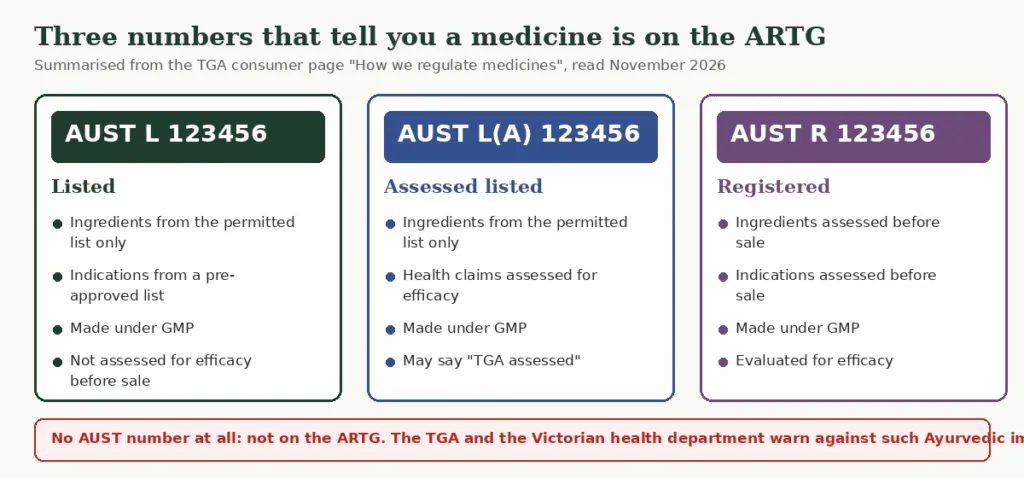
For a shopper the test is quick. Every medicine lawfully supplied in Australia is on the Australian Register of Therapeutic Goods, and its pack carries an AUST L, AUST L(A) or AUST R number (TGA, How we regulate medicines [12]). Confirmed Most complementary medicines, bacopa products among them, are listed (AUST L): their ingredients come from the permitted list, their indications from a pre-approved list, they are made under good manufacturing practice, and they are subject to compliance reviews after sale, but their efficacy is not assessed before they go on sale (TGA, How we regulate medicines [12]). Confirmed Assessed listed medicines (AUST L(A)) have had their health claims assessed for efficacy; registered medicines (AUST R) are evaluated before sale (TGA, How we regulate medicines [12]). Confirmed You can type the number into the TGA’s ARTG search to see the sponsor and ingredients (TGA, ARTG search [44]). Confirmed
An AUST L number tells you the ingredients are permitted and the product was made under Australian manufacturing rules. It does not tell you the product works. A box with no AUST number at all, bought online, from a grocery shelf or in a parcel from overseas, has had none of these checks. That is the gap the Brahmi Vati advisory was about, and it is the gap Victoria’s health department warns about when it tells people to stop taking Ayurvedic medicines without an AUST R or AUST L number (Victorian Department of Health 2025 [24]). Confirmed
Chapter 13Quality, identity and adulteration
Bacopa has three quality problems, and a buyer can only see the first of them. The first is identity. Gotu kola substitution is a known hazard (Bone and Mills 2013 [6]; Biltes et al. 2025, PMID 41008247 [7]). Confirmed Biltes and colleagues developed a quantitative DNA test for bacopa in 2025 and applied it to commercial products sold as bacopa or brahmi; four of the six they tested showed bacopa absent or reduced (Biltes et al. 2025, PMID 41008247 [7]). Confirmed Six products bought in Portugal and online is a small sample and does not give a rate for the Australian market. A Thai study combining microscopy, chromatography and DNA melting analysis found one “Centella” product that was actually Hydrocotyle umbellata, and showed that the three plants can be separated reliably in the laboratory (Suksawat et al. 2025, PMID 40594828 [30]). Confirmed
The second is strength. Labels quote “bacosides” percentages from methods that do not agree with each other (§7) (Kumar et al. 2016, PMID 27803728 [29]). Confirmed The United States Pharmacopeia’s dietary supplement monograph sets a minimum of 2.5% of five named saponins in the dried herb, a compound-specific figure that sits below the 5 to 6% Murthy and colleagues measured in Indian samples (USP-NF Bacopa monograph [45]; Murthy et al. 2006, PMID 16755069 [27]). Confirmed That is an American standard, cited here for comparison; Australian listed medicines must meet the TGA’s own quality requirements. A label that states a bacoside percentage without the test method tells you little.
The third is contamination. As a wetland plant that accumulates metals (Gupta et al. 2014, PMID 24672380 [15]), Evidence suggests bacopa should be tested for cadmium, lead, mercury and arsenic batch by batch, and material from drains, rice-paddy margins or industrial water should be refused. The TGA states that Ayurvedic medicines supplied in Australia as listed medicines “must not contain dangerous substances or heavy metals at levels that pose a risk to health”; an unregistered import carries no such assurance (TGA, Brahmi Vati advisory [1]). Confirmed
What a buyer can do is modest and worth doing. Check for an AUST number. Check that the ingredient list gives the botanical name, Bacopa monnieri (or B. monniera); the word “brahmi” on its own could mean gotu kola. Note whether the product states the plant part, the extract ratio or the herb equivalent, which lets it be compared with the trials. And treat any tablet named Brahmi Vati, Brahmi Bati or similar that lacks an AUST number as the TGA advises: do not take it.
Chapter 14 · DiscussionDiscussion: conclusions, hypotheses and research still required
What we know
Bacopa monnieri is a native Australian wetland herb with a long Ayurvedic history as a tonic for memory and intellect. Traditional It is a permitted ingredient for listed medicines and is not scheduled. Confirmed Its characteristic constituents are dammarane saponins, and the label figure for “bacosides” depends heavily on the test method. Confirmed The TGA’s December 2025 advisory concerned an unregistered compound tablet, Unjha Brahmi Vati, found to contain very high levels of four heavy metals; published Brahmi Vati formulas include a mercury compound and vacha, a Schedule 10 plant in Australia. Confirmed The advisory does not concern bacopa as an ingredient or the bacopa products on the ARTG. Confirmed In small trials lasting about 12 weeks, standardised bacopa extracts have repeatedly produced modest gains on one or two verbal memory measures, but the pooled evidence is inconsistent and its certainty low; single-dose, mood, child and dementia claims rest on very low certainty evidence. Evidence suggests At trial doses the common side effects are gastrointestinal and more frequent than on placebo. Confirmed
What we can reasonably hypothesise
Hypothesis 1. If bacopa has a real effect on memory, it is a slow effect on the acquisition and retention of new verbal material, consistent with the 12-week pattern and the null single-dose result. A cholinergic action, possibly from aglycones formed in the gut, would fit both the memory findings and the gut side effects. Mechanism This is an inference from the pattern of results and from laboratory work; the mechanism has not been demonstrated in people.
Hypothesis 2. Part of the inconsistency between trials may come from the extracts themselves. Trials used different products, standardised by methods that disagree by a factor of about four, so “300 mg of bacopa” may not mean the same dose of saponins from one trial to the next. Mechanism Reporting extracts by a compound-specific HPLC assay would test this directly.
Hypothesis 3. The higher dropout on bacopa in the Lismore trial may have biased its result in bacopa’s favour, if those who stopped were also those who responded least. Mechanism Intention-to-treat analyses with sensitivity analyses for missing data would show whether the memory effect survives.
Hypothesis 4. Metals found in classical rasa shastra formulas may arise from two routes, the declared bhasmas and contamination of herbs and minerals, and the two need different remedies: one a question for the tradition and its regulators, the other a matter of manufacturing control. Mechanism Published metal speciation for a range of Brahmi Vati products would separate them.
What research is still required
Medicine and clinical research. An adequately powered, preregistered, placebo-controlled trial of a single standardised bacopa extract over 12 to 24 weeks in older Australians, with one primary outcome (delayed verbal recall), a daily-function measure, intention-to-treat analysis and thyroid function (TSH and free T4) measured at baseline and at the end. Publication of the completed Australian trials on the ANZCTR that have not yet reported.
Pharmacology and pharmacokinetics. A human pharmacokinetic study measuring the bacosides and their aglycones (jujubogenin, pseudojujubogenin and their derivatives) in plasma after a standard dose, and a clinical interaction study with a CYP3A4 probe drug. A replication of the mouse thyroid finding at doses scaled to human use.
Quality analysis and regulatory science. A survey of bacopa products on the Australian market combining DNA identity testing for Centella substitution, HPLC of the five named saponins against the labelled “bacosides”, and heavy metals by an accredited laboratory. Publication by regulators of the measured metal concentrations in products named in safety advisories, which would let researchers judge exposure and help clinicians assess people who took them.
Botany and phytochemistry. Vouchered collections from native Queensland and New South Wales populations, lodged with the Queensland Herbarium, and HPLC of their saponins against imported Indian material, harvested in the wet and dry seasons. Whether Australian bacopa makes the same chemistry is unknown and is a question Australian laboratories can answer.
Toxicology and Ayurvedic pharmaceutics. Chronic toxicity and carcinogenicity studies of Acorus calamus rhizome by chromosome race, as Indian researchers have themselves proposed, and blood metal monitoring in any future clinical trial of a rasa shastra formula.
Evidence synthesis. The Australian trials of Stough (2001, 2008), Roodenrys (2002), Nathan (2001), Downey (2013), Benson (2014) and Kean (2022), and the meta-analyses of Pase (2012) and Kongkeaw (2014), are on the Institute’s library request list. Reading them in full is the first gap this review should close.
About AIP and this series
The Australian Institute of Pharmacognosy is a clinic and research laboratory in Cardwell, far north Queensland, studying medicinal plants and natural products to the same evidentiary standard as any other branch of pharmacology: traditional knowledge taken seriously, and tested honestly.
The Literature Reviews and Critical Analyses are the Institute’s evidence-graded reviews of herbs Australians are buying, searching for or asking about. Each one grades every claim by the evidence behind it, so you can see what is tradition, what is laboratory or animal work, and what has been tested in people. Nothing in the series is an offer of treatment, a product or a service. More reviews are on the Institute’s journal, and the Institute itself is at australian-pharmacognosy.org. Follow the series there for the next review.
Corrections. If you find an error, or a source we have missed, please write to the Institute at our contact form; the Secretary passes every message to the author, and corrections are made openly.
Dr Thomas Ridley
Head of Education and Research
Australian Institute of Pharmacognosy
Cardwell QLD, Australia
australian-pharmacognosy.org · our contact form
Suggested citation: Ridley T. Brahmi (Bacopa monnieri (L.) Wettst.): a literature review and critical analysis. Literature Review and Critical Analysis AIP-LR-BACMON. Cardwell (QLD): Australian Institute of Pharmacognosy; 2026.
Educational content only; not medical, legal or regulatory advice. The TGA advisories, Poisons Standard, Permissible Ingredients Determination and ARTG guidance are described as read by the Institute in November 2026 and may change.
References
Show all 45 references (every PMID links to PubMed)
All PMIDs verified against PubMed in November 2026, and every cited paper read in full. Regulatory and web sources read the same month unless stated. Listed in order of first citation. Trials named in the text as on the Institute’s request list have not been read in full and are not listed here.
- Therapeutic Goods Administration. Brahmi Vati tablets (Ayurvedic medicine). Safety advisory, published 10 December 2025. Read November 2026. https://www.tga.gov.au/safety/safety-monitoring-and-information/safety-alerts/brahmi-vati-tablets-ayurvedic-medicine
- Therapeutic Goods (Poisons Standard—October 2026) Instrument 2026 (Cth), F2026L01327, in force from 30 September 2026. Schedule 10 entry ACORUS CALAMUS (calamus) for human therapeutic use; Schedule 4 entries MERCURY and ARSENIC for therapeutic use; no entry for bacopa or Bacopa monnieri. Full text searched November 2026. https://www.legislation.gov.au/F2026L01327/asmade/text
- Therapeutic Goods (Permissible Ingredients) Determination (No. 3) 2026 (Cth), F2026L01382, registered and in force 13 October 2026. Schedule 1, item 753 BACOPA MONNIERI (purposes A, H); item 1272 CENTELLA ASIATICA (A, E, H). Read November 2026. https://www.legislation.gov.au/F2026L01382/asmade/text
- Council of Heads of Australasian Herbaria. Australian Plant Census: Bacopa monnieri (L.) Wettst., distribution Qld, NSW, WA (naturalised). Read by the Institute in September 2026. https://id.biodiversity.org.au/node/apni/2910010
- Government of India, Department of AYUSH. The Ayurvedic Pharmacopoeia of India, Part I, vol. II. Brahmi (whole plant), pp. 25-26. Read in the Institute’s reference library, September 2026. https://www.ayush.gov.in/
- Bone K, Mills S. Principles and Practice of Phytotherapy: Modern Herbal Medicine. 2nd ed. Edinburgh: Churchill Livingstone Elsevier; 2013. Bacopa, pp. 277, 283-285; gotu kola and the name brahmi, p. 658. ISBN 978-0-443-06992-5. https://search.worldcat.org/search?q=9780443069925
- Biltes R, Villa C, Costa J, Mafra I. Exploiting marker genes for reliable botanical authentication of Bacopa monnieri products. Foods. 2025;14(18):3275. PMID 41008247. DOI 10.3390/foods14183275.
- Mishra D, Tubaki BR. Effect of Brahmi vati and Sarpagandha Ghana vati in management of essential hypertension: a randomized, double blind, clinical study. J Ayurveda Integr Med. 2019;10(4):269-276. PMID 29242090. DOI 10.1016/j.jaim.2017.04.001.
- Brimson JM, Brimson S, Prasanth MI, Thitilertdecha P, Malar DS, Tencomnao T. The effectiveness of Bacopa monnieri (Linn.) Wettst. as a nootropic, neuroprotective, or antidepressant supplement: analysis of the available clinical data. Sci Rep. 2021;11(1):596. PMID 33436817. DOI 10.1038/s41598-020-80045-2.
- Morgan A, Stevens J. Does Bacopa monnieri improve memory performance in older persons? Results of a randomized, placebo-controlled, double-blind trial. J Altern Complement Med. 2010;16(7):753-759. Read in full from the Southern Cross University repository copy. PMID 20590480. DOI 10.1089/acm.2009.0342.
- Basheer A, Agarwal A, Mishra B, Gupta A, Padma Srivastava MV, Kirubakaran R, et al. Use of Bacopa monnieri in the treatment of dementia due to Alzheimer disease: systematic review of randomized controlled trials. Interact J Med Res. 2022;11(2):e38542. PMID 35612544. DOI 10.2196/38542.
- Therapeutic Goods Administration. How we regulate medicines (consumer information). Read November 2026. https://www.tga.gov.au/resources/consumer-information-and-resources/medicines-safety-and-general-information-consumers/how-we-regulate-medicines
- Braun L, Cohen M. Herbs and Natural Supplements: An Evidence-Based Guide. 2nd ed. Sydney: Elsevier Australia; 2007. Brahmi, pp. 139-146. https://search.worldcat.org/search?q=Braun+Cohen+Herbs+and+Natural+Supplements+2007
- Sarhyal A, Chate S, Tubaki BR, Thakur R. Efficacy of Brahmi vati and Aswagandharista in major depressive disorder: a randomized controlled trial. J Ayurveda Integr Med. 2024;15(6):101022. PMID 39631219. DOI 10.1016/j.jaim.2024.101022.
- Gupta P, Khatoon S, Tandon PK, Rai V. Effect of cadmium on growth, bacoside A, and bacopaside I of Bacopa monnieri (L.), a memory enhancing herb. ScientificWorldJournal. 2014;2014:824586. PMID 24672380. DOI 10.1155/2014/824586.
- Atlas of Living Australia. Occurrence records for Bacopa monnieri, by state and IBRA region. Searched by the Institute in September 2026. https://biocache.ala.org.au/occurrences/search?q=Bacopa%20monnieri
- Queensland Government. Biosecurity Regulation 2016 (Qld), Schedule 1A Part 2 (Bacopa lanigera restricted invasive matter, categories 3 and 5; B. monnieri not listed); WildNet taxon 17884, Bacopa monnieri, least concern under the Nature Conservation Act 1992. Read by the Institute in October 2026. https://www.legislation.qld.gov.au/view/html/inforce/current/sl-2016-0075
- Therapeutic Goods Administration. Kumar Kalyan Rasa tablets (Ayurvedic medicine). Safety advisory, published 10 December 2025. Read November 2026. https://www.tga.gov.au/node/545764
- Therapeutic Goods Administration. Manasamitra Vadakam tablets (Ayurvedic medicine). Safety advisory, published 10 December 2025. Read November 2026. https://www.tga.gov.au/node/545763
- Narayana DBA, Mukne A. Reporting negative Ames test results for Indian Acorus calamus L., rhizome, extracts, and beta asarone. Indian J Pharmacol. 2025;57(5):302-307. PMID 40844059. DOI 10.4103/ijp.ijp_391_24.
- Saper RB, Phillips RS, Sehgal A, Khouri N, Davis RB, Paquin J, et al. Lead, mercury, and arsenic in US- and Indian-manufactured Ayurvedic medicines sold via the Internet. JAMA. 2008;300(8):915-923. PMID 18728265. DOI 10.1001/jama.300.8.915.
- Khot SG, Tubaki BR, Gonugade VB. Efficacy of Brahmi vati in generalised anxiety disorder: randomized double blind comparative clinical trial. J Ayurveda Integr Med. 2022;13(2):100552. PMID 35325682. DOI 10.1016/j.jaim.2022.100552.
- Gonugade VB, Chate SS, Tubaki BR, Thakur R. Efficacy of ayurveda medications, Brahmi vati and Saraswatarista, in generalized anxiety disorder: a randomized controlled trial. J Ayurveda Integr Med. 2024;15(6):101033. PMID 39626587. DOI 10.1016/j.jaim.2024.101033.
- Victorian Department of Health. Ayurvedic medicines possibly containing scheduled poisons and heavy metals. Health advisory 170125, issued 17 January 2025 (update to advisory of 10 July 2023). Read November 2026. https://www.health.vic.gov.au/health-advisories/ayurvedic-medicines-possibly-containing-scheduled-poisons-and-heavy-metals
- Therapeutic Goods Administration. Imported Ayurvedic products found to contain dangerous heavy metals. Safety advisory, published 10 September 2025. Read November 2026. https://www.tga.gov.au/safety/safety-monitoring-and-information/safety-alerts/imported-ayurvedic-products-found-contain-dangerous-heavy-metals
- Ramasamy S, Chin SP, Sukumaran SD, Buckle MJ, Kiew LV, Chung LY. In silico and in vitro analysis of bacoside A aglycones and its derivatives as the constituents responsible for the cognitive effects of Bacopa monnieri. PLoS One. 2015;10(5):e0126565. PMID 25965066. DOI 10.1371/journal.pone.0126565.
- Murthy PB, Raju VR, Ramakrisana T, Chakravarthy MS, Kumar KV, Kannababu S, et al. Estimation of twelve bacopa saponins in Bacopa monnieri extracts and formulations by high-performance liquid chromatography. Chem Pharm Bull (Tokyo). 2006;54(6):907-911. PMID 16755069. DOI 10.1248/cpb.54.907.
- Ramasamy S, Kiew LV, Chung LY. Inhibition of human cytochrome P450 enzymes by Bacopa monnieri standardized extract and constituents. Molecules. 2014;19(2):2588-2601. PMID 24566323. DOI 10.3390/molecules19022588.
- Kumar N, Abichandani LG, Thawani V, Gharpure KJ, Naidu MU, Venkat Ramana G. Efficacy of standardized extract of Bacopa monnieri (Bacognize) on cognitive functions of medical students: a six-week, randomized placebo-controlled trial. Evid Based Complement Alternat Med. 2016;2016:4103423. PMID 27803728. DOI 10.1155/2016/4103423.
- Suksawat M, Jittachai W, Gavichai O, Pophanmuen T, Vimolmangkang S, Sitthithaworn W. Integrated microscopic, HPTLC, and HRM analyses for differentiating Centella asiatica (L.) Urb., Bacopa monnieri (L.) Wettst, and Hydrocotyle umbellata L. Sci Rep. 2025;15(1):21370. PMID 40594828. DOI 10.1038/s41598-025-06188-2.
- Aguiar S, Borowski T. Neuropharmacological review of the nootropic herb Bacopa monnieri. Rejuvenation Res. 2013;16(4):313-326. PMID 23772955. DOI 10.1089/rej.2013.1431.
- Peth-Nui T, Wattanathorn J, Muchimapura S, Tong-Un T, Piyavhatkul N, Rangseekajee P, et al. Effects of 12-week Bacopa monnieri consumption on attention, cognitive processing, working memory, and functions of both cholinergic and monoaminergic systems in healthy elderly volunteers. Evid Based Complement Alternat Med. 2012;2012:606424. PMID 23320031. DOI 10.1155/2012/606424.
- Gościniak A, Stasiłowicz-Krzemień A, Szeląg M, Pawlak J, Skiera I, Kwiatkowska H, et al. Bacopa monnieri: preclinical and clinical evidence of neuroactive effects, safety of use and the search for improved bioavailability. Nutrients. 2025;17(11):1939. PMID 40507208. DOI 10.3390/nu17111939.
- McPhee GM, Downey LA, Wesnes KA, Stough C. The neurocognitive effects of Bacopa monnieri and cognitive training on markers of brain microstructure in healthy older adults. Front Aging Neurosci. 2021;13:638109. PMID 33692683. DOI 10.3389/fnagi.2021.638109.
- Calabrese C, Gregory WL, Leo M, Kraemer D, Bone K, Oken B. Effects of a standardized Bacopa monnieri extract on cognitive performance, anxiety, and depression in the elderly: a randomized, double-blind, placebo-controlled trial. J Altern Complement Med. 2008;14(6):707-713. PMID 18611150. DOI 10.1089/acm.2008.0018.
- Raghav S, Singh H, Dalal PK, Srivastava JS, Asthana OP. Randomized controlled trial of standardized Bacopa monniera extract in age-associated memory impairment. Indian J Psychiatry. 2006;48(4):238-242. PMID 20703343. DOI 10.4103/0019-5545.31555.
- Cave AE, Chang DH, Münch GW, Steiner-Lim GZ. A systematic review of the safety and efficacy on cognitive function of herbal and nutritional medicines in older adults with and without subjective cognitive impairment. Syst Rev. 2023;12(1):143. PMID 37592293. DOI 10.1186/s13643-023-02301-6.
- Mitra-Ganguli T, Kalita S, Bhushan S, Stough C, Kean J, Wang N, et al. A randomized, double-blind study assessing changes in cognitive function in Indian school children receiving a combination of Bacopa monnieri and micronutrient supplementation vs. placebo. Front Pharmacol. 2017;8:678. PMID 29204115. DOI 10.3389/fphar.2017.00678.
- Dutta T, Anand U, Mitra SS, Ghorai M, Jha NK, Shaikh NK, et al. Phytotherapy for attention deficit hyperactivity disorder (ADHD): a systematic review and meta-analysis. Front Pharmacol. 2022;13:827411. PMID 35592415. DOI 10.3389/fphar.2022.827411.
- Prabhakar S, Vishnu VY, Modi M, Mohanty M, Sharma A, Medhi B, et al. Efficacy of Bacopa monnieri (brahmi) and donepezil in Alzheimer’s disease and mild cognitive impairment: a randomized double-blind parallel phase 2b study. Ann Indian Acad Neurol. 2020;23(6):767-773. PMID 33688125. DOI 10.4103/aian.AIAN_610_19.
- Sireeratawong S, Jaijoy K, Khonsung P, Lertprasertsuk N, Ingkaninan K. Acute and chronic toxicities of Bacopa monnieri extract in Sprague-Dawley rats. BMC Complement Altern Med. 2016;16:249. PMID 27460904. DOI 10.1186/s12906-016-1236-4.
- Acquarulo B, Tandon P, Macica CM. Suspected cholinergic toxicity due to cevimeline hydrochloride and Bacopa monnieri interaction: a case report. J Med Case Rep. 2022;16(1):253. PMID 35765109. DOI 10.1186/s13256-022-03479-4.
- Therapeutic Goods Administration. Report an adverse event or safety problem. Read November 2026. https://www.tga.gov.au/safety/report-problem/report-adverse-event-or-safety-problem
- Therapeutic Goods Administration. Australian Register of Therapeutic Goods (ARTG) search. Read November 2026. https://www.tga.gov.au/resources/artg
- United States Pharmacopeia. Dietary Supplement Monographs: Bacopa. USP-NF. Rockville (MD): United States Pharmacopeial Convention. Definition and reference standards read from the open preview by the Institute in September 2026; the full tests are subscription text and were not read. United States; overseas. DOI 10.31003/USPNF_M3527_02_01. https://doi.org/10.31003/USPNF_M3527_02_01
Image credits
- Bacopa monnieri kz04.jpg · Krzysztof Ziarnek, Kenraiz · CC BY-SA 4.0 · resized by the Institute.
- Bacopa monnieri kz09.jpg · Krzysztof Ziarnek, Kenraiz · CC BY-SA 4.0 · resized by the Institute.
- Centella asiatica kz01.jpg · Krzysztof Ziarnek, Kenraiz · CC BY-SA 4.0 · resized by the Institute.
- Bacopa monnieri – Flickr – Kevin Thiele.jpg · Kevin Thiele from Perth, Australia · CC BY 2.0 · resized by the Institute.
- Bacopa monnieri leaf4 (8407021116).jpg · Harry Rose from South West Rocks, Australia · CC BY 2.0 · resized by the Institute.
- Bacopa monnieri habit2 (8405940441).jpg · Harry Rose from South West Rocks, Australia · CC BY 2.0 · resized by the Institute.
- Bacopa monnieri habit5 (8405949263).jpg · Harry Rose from South West Rocks, Australia · CC BY 2.0 · resized by the Institute.
- ബ്രഹ്മി…Bacopa monnieri.jpg · Ks.mini · CC BY-SA 3.0 · resized by the Institute.
- Herpestis monniera Blanco1.230.jpg · Francisco Manuel Blanco (O.S.A.) · Public domain · resized by the Institute.
- Acorus calamus kz01.jpg · Krzysztof Ziarnek, Kenraiz · CC BY-SA 4.0 · resized by the Institute.
- Acorus calamus (Köhler).jpg · Hermann Adolf Köhler (1834 – 1879) · Public domain · resized by the Institute.
- Cinnabar-1cm- xl-Almaden.jpg · Bergminer · CC BY-SA 4.0 · resized by the Institute.
- Bacopa monnieri kz05.jpg · Krzysztof Ziarnek, Kenraiz · CC BY-SA 4.0 · resized by the Institute.
- Bacopa monnieri kz06.jpg · Krzysztof Ziarnek, Kenraiz · CC BY-SA 4.0 · resized by the Institute.
- Bacopa monnieri habit10 (8405956849).jpg · Harry Rose from South West Rocks, Australia · CC BY 2.0 · resized by the Institute.
- Bacopa monnieri kz02.jpg · Krzysztof Ziarnek, Kenraiz · CC BY-SA 4.0 · resized by the Institute.
- Bacopa monnieri kz07.jpg · Krzysztof Ziarnek, Kenraiz · CC BY-SA 4.0 · resized by the Institute.
- Starr-110215-1190-Bacopa monnieri-habit-KiHana Nursery Kihei-Maui (24982486491).jpg · Forest and Kim Starr · CC BY 3.0 us · resized by the Institute.
- Bacopa monnieri kz03.jpg · Krzysztof Ziarnek, Kenraiz · CC BY-SA 4.0 · resized by the Institute.
- Bacopa monnieri habit6 (8407042666).jpg · Harry Rose from South West Rocks, Australia · CC BY 2.0 · resized by the Institute.
- Chemical structures of bacoside A3, bacopaside II, bacopaside I, jujubogenin, asiaticoside and β-asarone: PubChem (NCBI, US National Library of Medicine), CIDs 91827005, 9876264, 21599442, 15515703, 11954171 and 5281758 · structure depictions from a US Government database, public domain.
- Diagrams of the three products called brahmi, the Brahmi Vati formula, the evidence map and the ARTG numbers: original figures by the Australian Institute of Pharmacognosy, CC BY 4.0, from the sources cited in their captions.
The Institute sets and publishes its own monographs. The catalogue is in Publications.