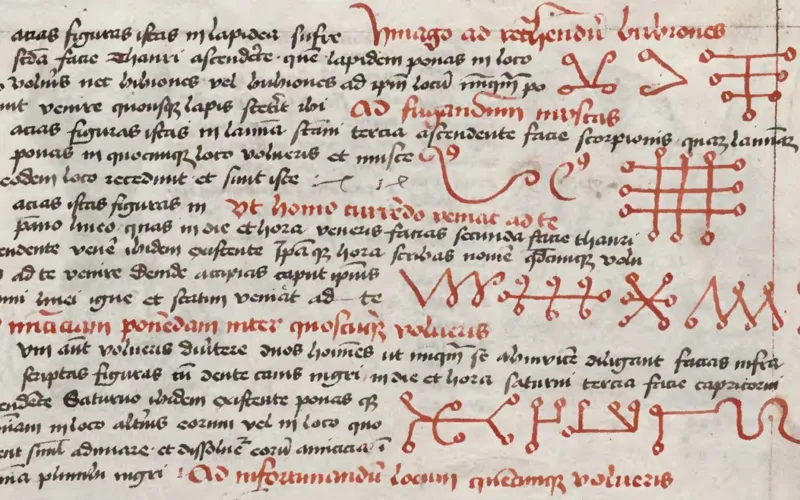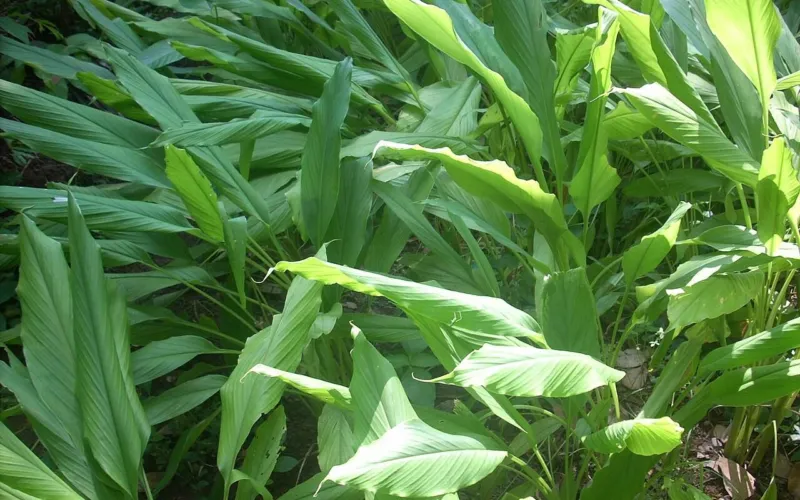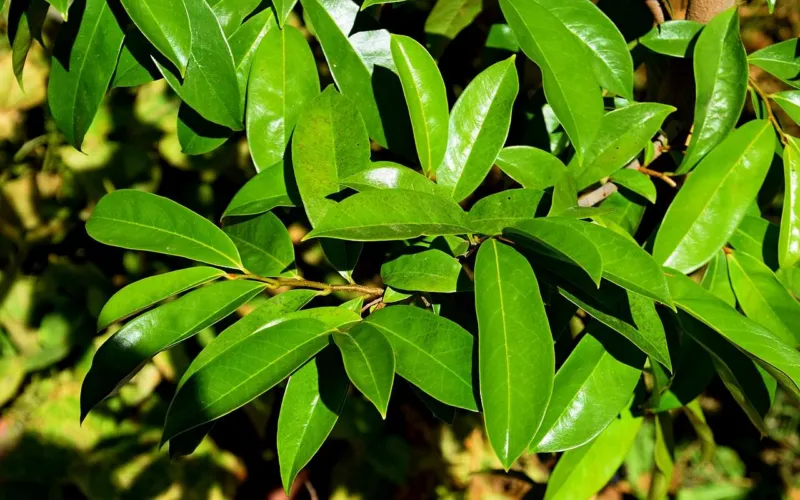

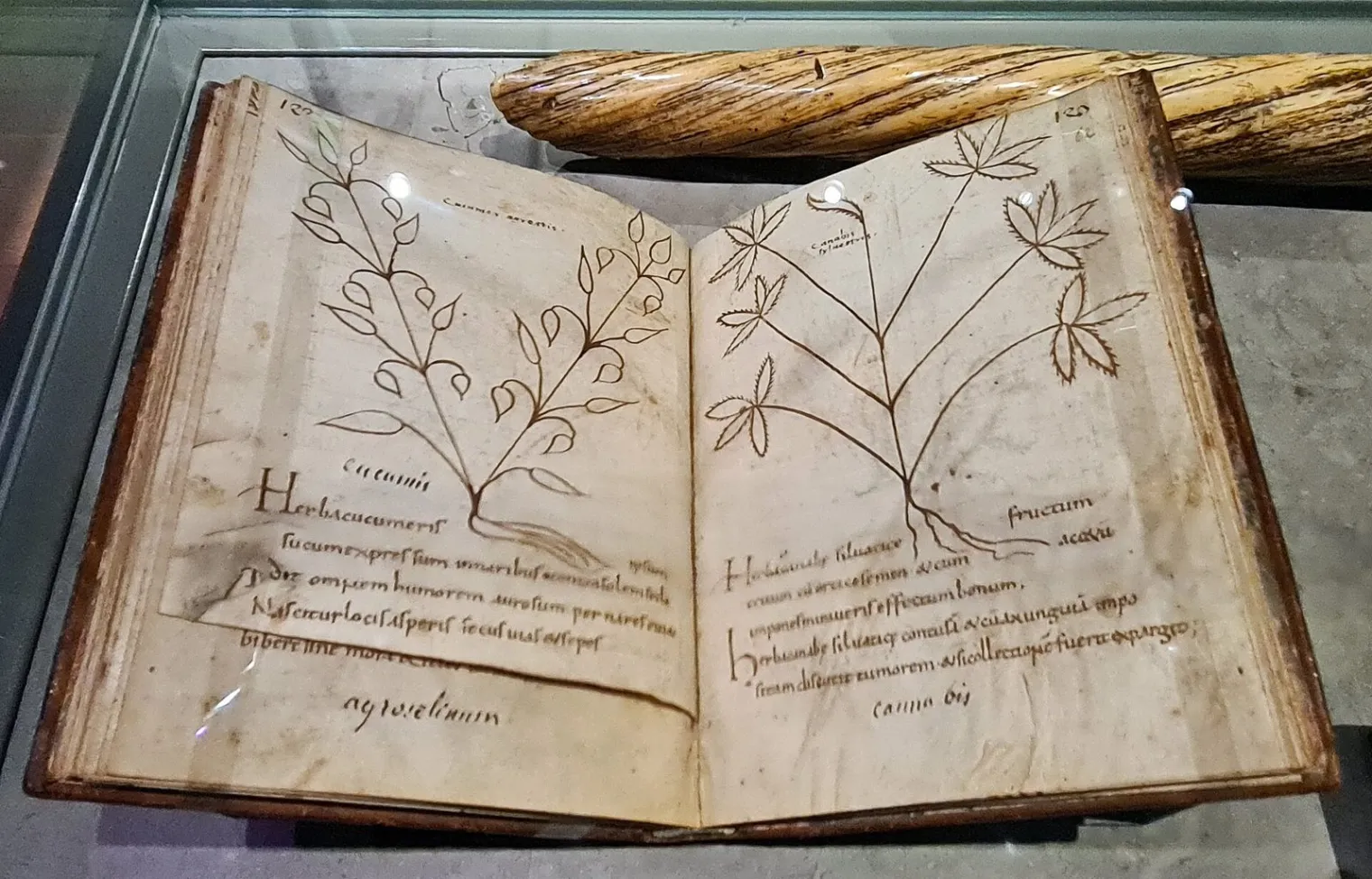
Cover: a pseudo-Apuleius herbarium of about the year 1000, shown at the Rijksmuseum van Oudheden, Leiden. This is the kind of illustrated plant book Agrippa’s sources grew out of. Photo: Kleon3 · CC BY-SA 4.0 · Wikimedia Commons
Heinrich Cornelius Agrippa was about twenty-three when he drafted the most quoted handbook of Renaissance magic, and he spent much of the rest of his life explaining that he had not quite meant it. The book outlived his explanations. Its first volume, on natural magic, is at bottom a herbal. It sorts roses, poppies, hellebores and onions among the planets with the confidence of someone who had read everything and tested almost nothing.
This is the second essay in AIP’s Grimoire Herbal series, after Picatrix Herbs: Magic, Poison and Pharmacology. It asks the same question of a later and far more widely read text. Which plants does De occulta philosophia name? Why does it put each one where it does? And where, under the astrology, is there something a pharmacologist would recognise?
This article is educational. It is not medical advice, and nothing in it is a recommendation to obtain, prepare, burn, inhale, ingest or apply any plant, resin or product named here.
Several plants in Agrippa’s lists are seriously poisonous, and some are controlled or banned from medicines in Australia. Among them are hemlock, henbane, mandrake, monkshood, both hellebores, savin, pennyroyal oil, castor seed and birthwort. For suspected poisoning by any plant, call the Poisons Information Centre on 13 11 26, 24 hours a day, anywhere in Australia, or 000 in an emergency. Agrippa’s smoke recipes are described here as history. Several of them would put a modern reader in hospital, and the spirits would not be the problem.
| Text | De occulta philosophia libri tres, Heinrich Cornelius Agrippa von Nettesheim (1486-1535). Drafted around 1509-10; printed in full at Cologne in 1533. Attested §1 |
| Where the plants are | Book I, on natural magic: the planetary lists (chapters 23-29), the fifteen fixed stars (chapter 32), sympathy and antipathy (17-18) and the planetary fumes (43-44). Books II and III add only a few scattered plant lists. Attested §3 |
| Core finding | The Saturn and Mars lists hang together pharmacologically: stupefying plants on one side, burning and blistering ones on the other. Venus, Jupiter and Mercury are sorted mostly by taste, scent, leaf shape and myth. Mechanism §6 |
| Safety line | The fume recipes combine tropane-alkaloid plants with hemlock. That is a recipe for poisoning, and nobody should try it. Confirmed §8 |
The table records what the 1533 text says, and AIP publishes it as textual history. Several of these ingredients are toxic when burned in an enclosed room. Nothing here is a method, and AIP does not reproduce it as one.
De occulta philosophia is esoteric literature. It is a learned Renaissance synthesis of Neoplatonic, Hermetic, Kabbalistic and Arabic astral magic, with named sources and a theory of how the heavens act on matter. Its bound-in companion, the so-called Fourth Book, was written by someone else.
Book I sorts plants into planetary families by colour, smell, taste, how they behave, and what mythology they already carried. The families that describe a fast bodily effect are the ones that hold up. Saturn gets the plants that stupefy and Mars gets the plants that burn.
Where the category is social or aesthetic, as with Venus’s sweet scents and Jupiter’s pleasant, nourishing things, the lists record taste and myth. That is still worth knowing, though you will find no chemistry in it, however handsome the typesetting.
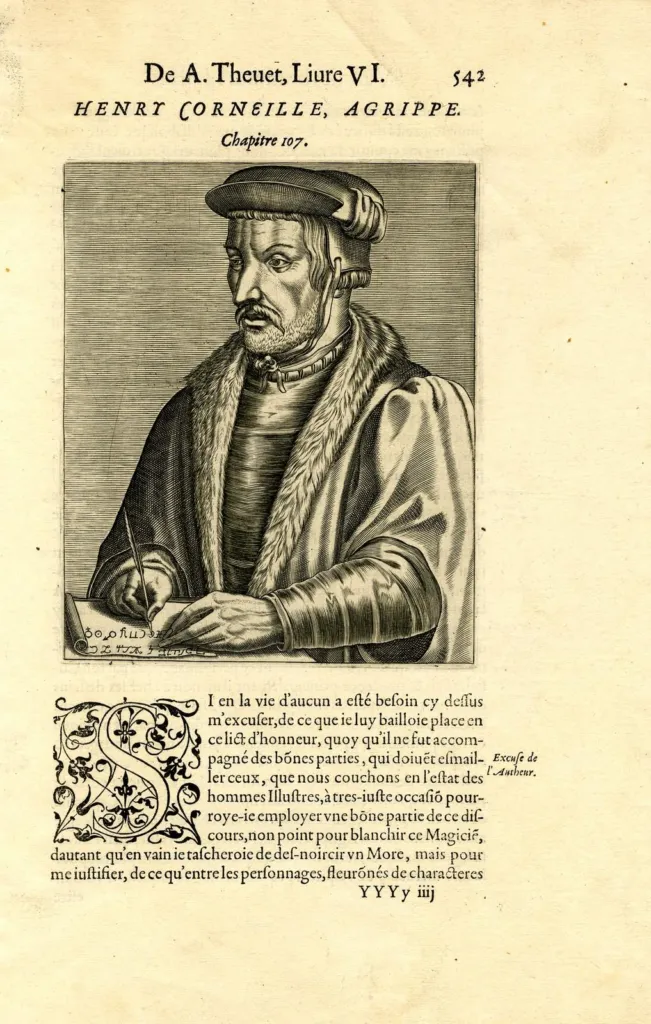 1 · The Man And The Book
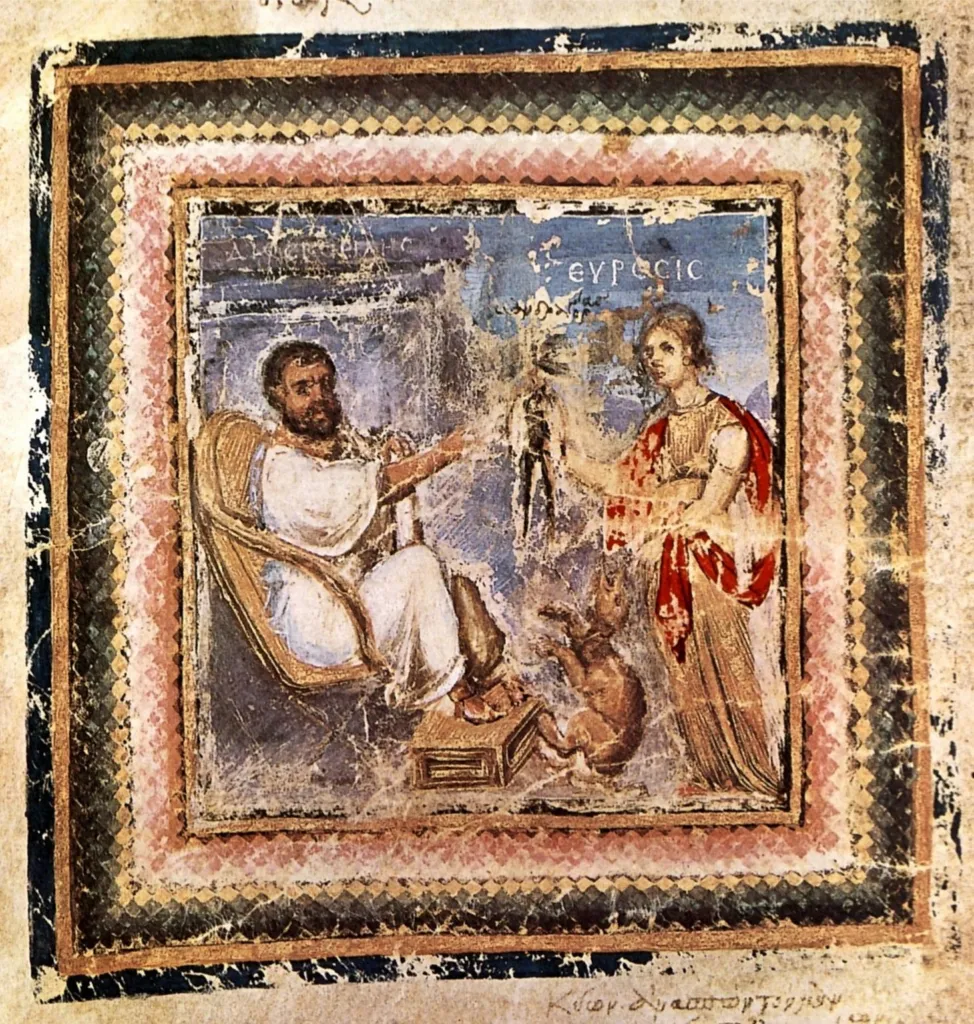 2 · Where The Virtues Come From
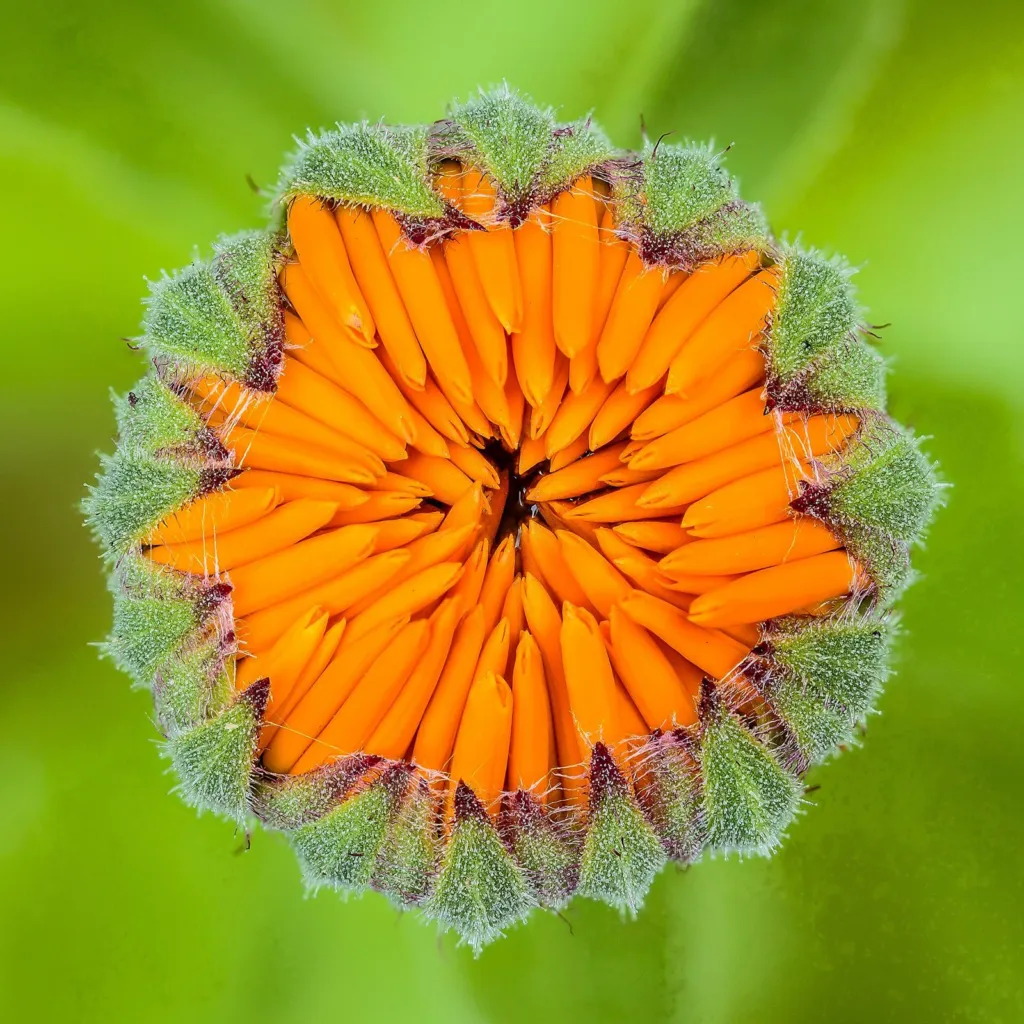 3 · Seven Planetary Gardens
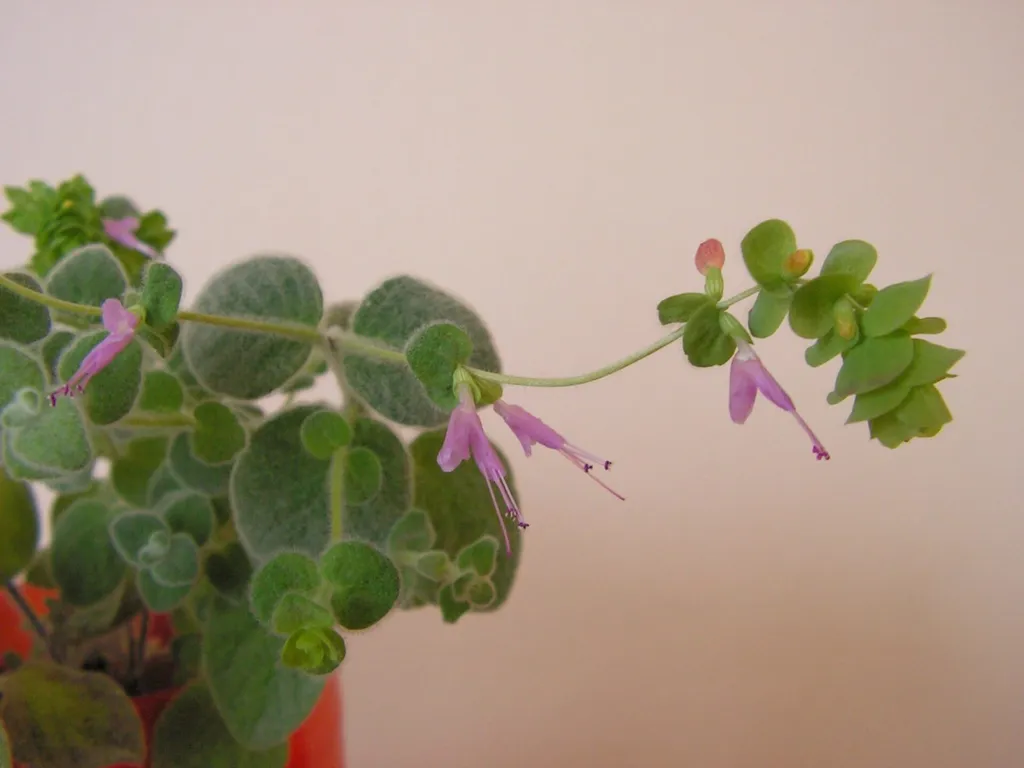 4 · Friends, Enemies And Animal Doctors
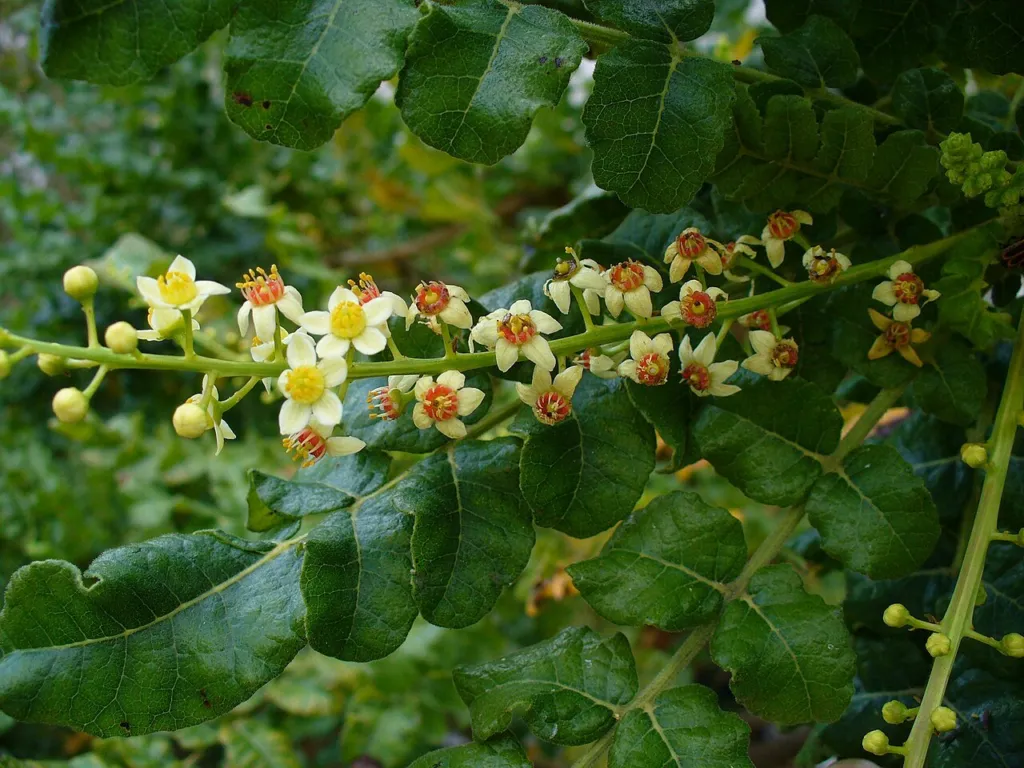 5 · The Planetary Fumes
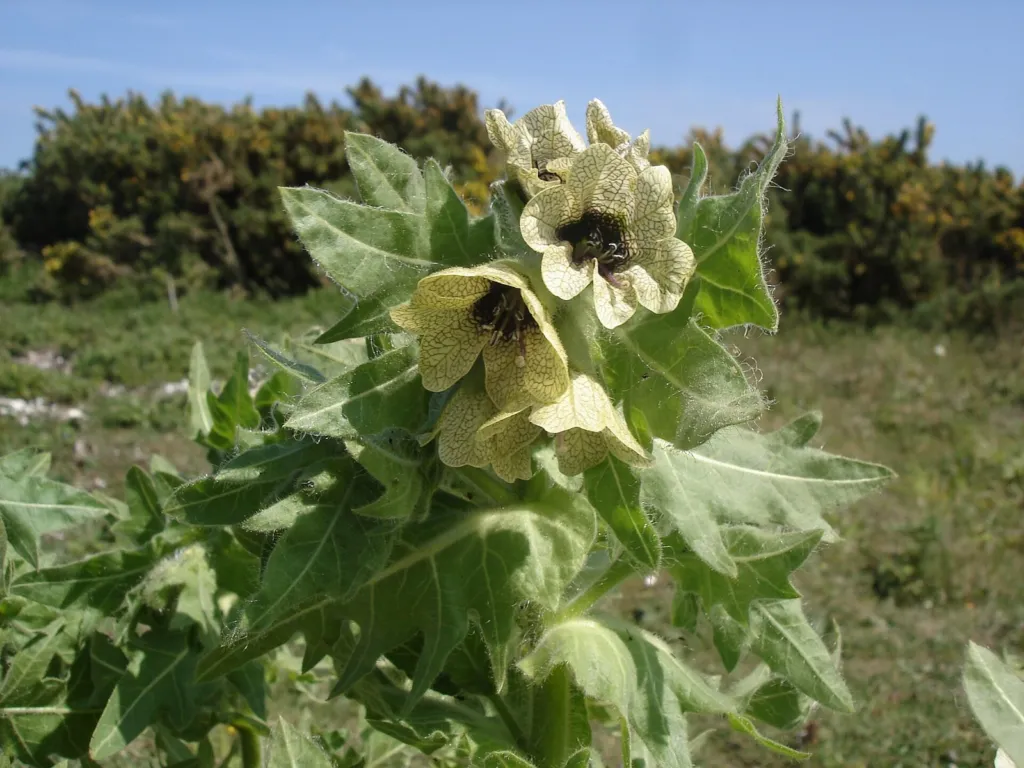 6 · Where The Book Is Right
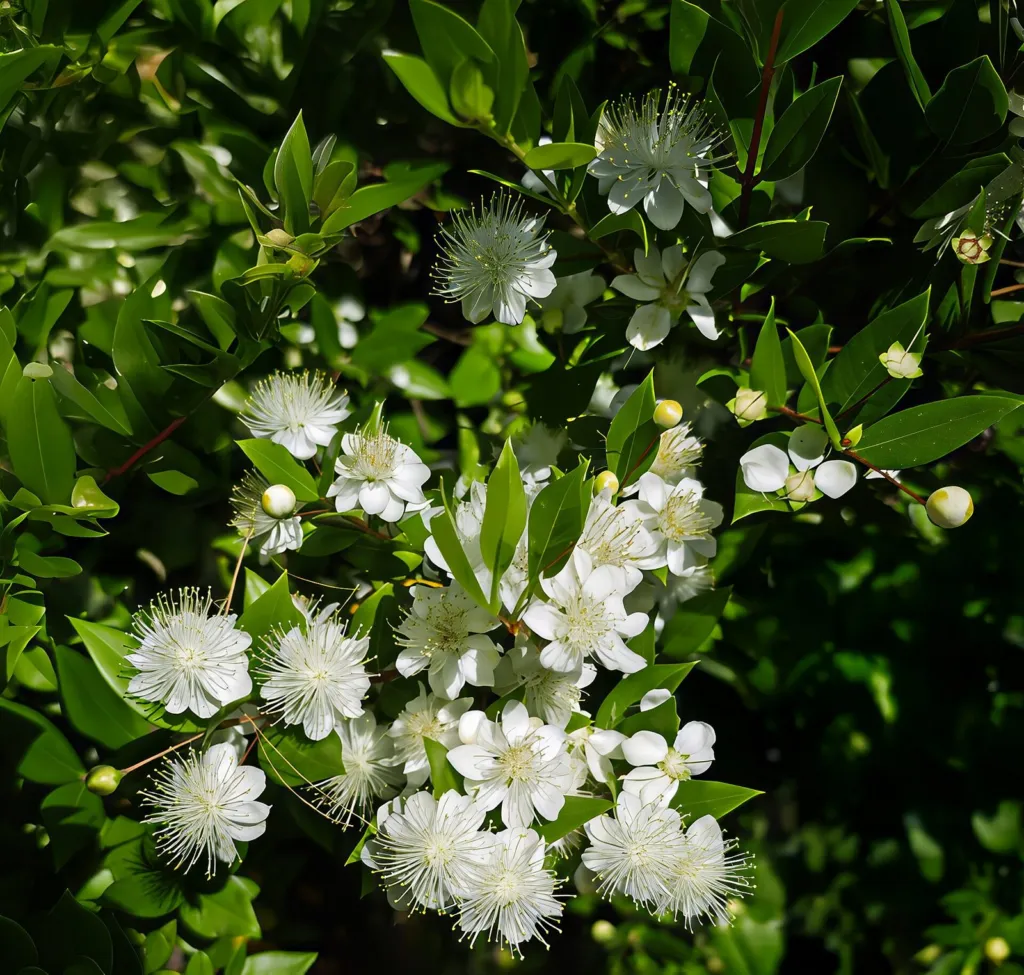 7 · Where The Book Is Poetry
 8 · Where The Book Is Dangerous
 9 · Discussion And Research Agenda
Chapter 1The Man And The Book
Agrippa was born in Cologne in 1486 and died in Grenoble, probably in 1535. Between those dates he was a soldier, a physician, a town orator, a jurist, a lecturer on Reuchlin’s Kabbalah and, briefly, archivist and historian to the Emperor Charles V. He also found time to be thrown out of more cities than most men visit. Attested
He drafted De occulta philosophia around 1509-10 and sent it to the abbot Johannes Trithemius, whose reply is printed with the book. For twenty years it circulated in manuscript. An early version survives at Würzburg and was edited alongside the printed text by Vittoria Perrone Compagni in 1992. Book I appeared in print in 1531 and all three books in 1533, much expanded. Between the draft and the print, in 1530, Agrippa published De incertitudine et vanitate scientiarum, an attack on every art and science, magic included. Three years later he revised the magic book anyway, printed it, and put a short note to the reader in front of it. Attested
English readers met it in 1651, in a translation signed only “J.F.” The initials are usually taken to be John French, the physician and alchemist, but no document settles the point, so this essay leaves them as initials. Modern readers mostly use Donald Tyson’s annotated edition of that translation (Llewellyn, 1993) or Joseph H. Peterson’s online edition, which prints Latin readings where the English goes astray. AIP’s library also holds Willis F. Whitehead’s 1897 reprint of Book One. The plant material in this essay was checked against Peterson’s text of the 1651 English, with its Latin notes. Attested
Image · Public domain · Wikimedia Commons
Image: The Portable Antiquities Scheme · CC BY 2.0 · Wikimedia Commons
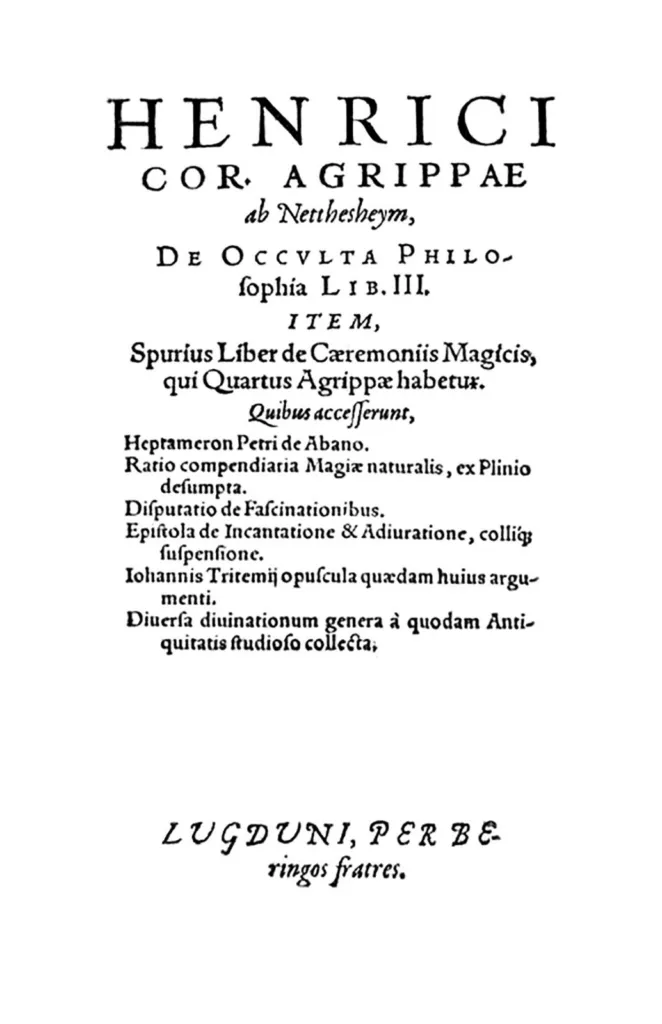
That title page matters for provenance. The so-called Fourth Book, a practical manual of spirit conjuration, was first printed in the 1550s, long after Agrippa’s death, and sold under his name. His former pupil Johann Weyer rejected it in print as not his master’s work. It is a grimoire in the strict sense and a legitimate object of esoteric study. Agrippa did not write it, so nothing from it should be quoted as his. The Three Books read more like an encyclopaedia of magical theory. They belong to the learned esoteric literature, with named sources, a system and an author, and filing them under folklore muddies both fields. Attested
Chapter 2Where The Virtues Come From
Agrippa divides the world into three: the elemental, the celestial and the intellectual. Book I deals with the lowest of these, natural things and their powers. His central idea is the hidden virtue. A plant has its obvious qualities, hot or cold, wet or dry, as Galen taught. It also has a hidden power that does not follow from those qualities. That power flows into it from the stars, through the soul of the world, carried by a fine medium he calls the spirit of the world (chapters 10-14). Magnetism was his favourite example. Nothing in a lodestone’s heat or dryness explains why it pulls iron. Attested
The hidden virtue was a respectable category in medieval and Renaissance natural philosophy. It was the name for any effect that was real but had no mechanism anyone could explain, and purgatives, poisons and the magnet all sat in it. Most of what Agrippa calls hidden virtue in plants, a modern reader would call pharmacology that had not yet been discovered. Mechanism
How do you find a hidden virtue? Agrippa gives three methods. The first is similitude: a thing that looks like the sun, turns toward the sun or smells as the sun ought to smell carries the sun’s virtue (chapter 15). The second is friendship and enmity: what a thing seeks and what it flees (chapters 17-18). The third is experience, often somebody else’s. His lists come largely from Pliny, Albertus Magnus and the pseudo-Albertine books of secrets, and from Marsilio Ficino’s De vita (1489), which had already made astral medicine respectable in Florence. Peterson’s notes trace the Jupiter list, for example, to Ficino and pseudo-Albert. Behind them, and never far away, is the Arabic astral magic of the Picatrix. Attested
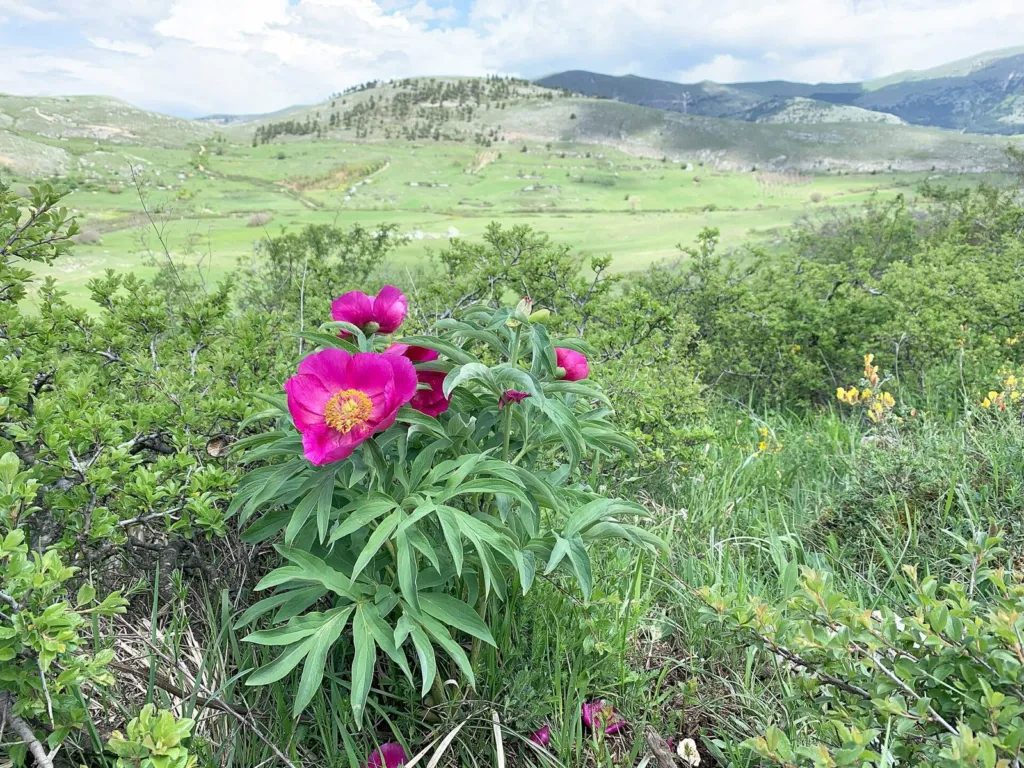
Photo: Bouke ten Cate · CC BY 4.0 · Wikimedia Commons
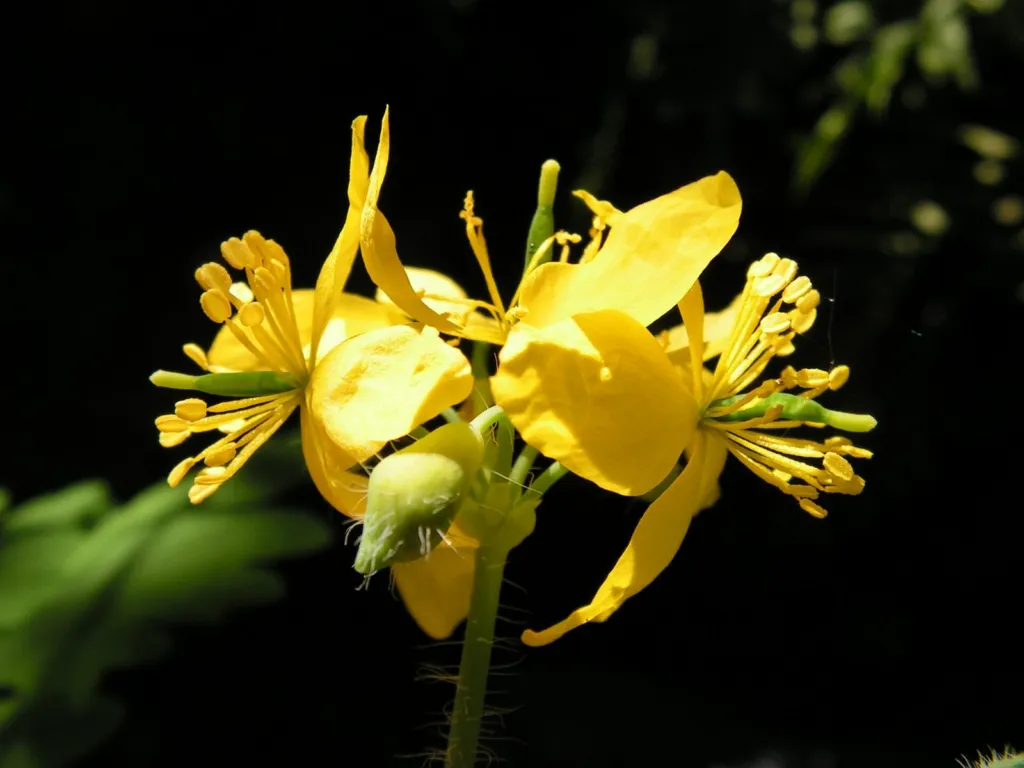
Photo: Falcoperegrinus (Matthieu Gauvain) · CC BY-SA 3.0 · Wikimedia Commons
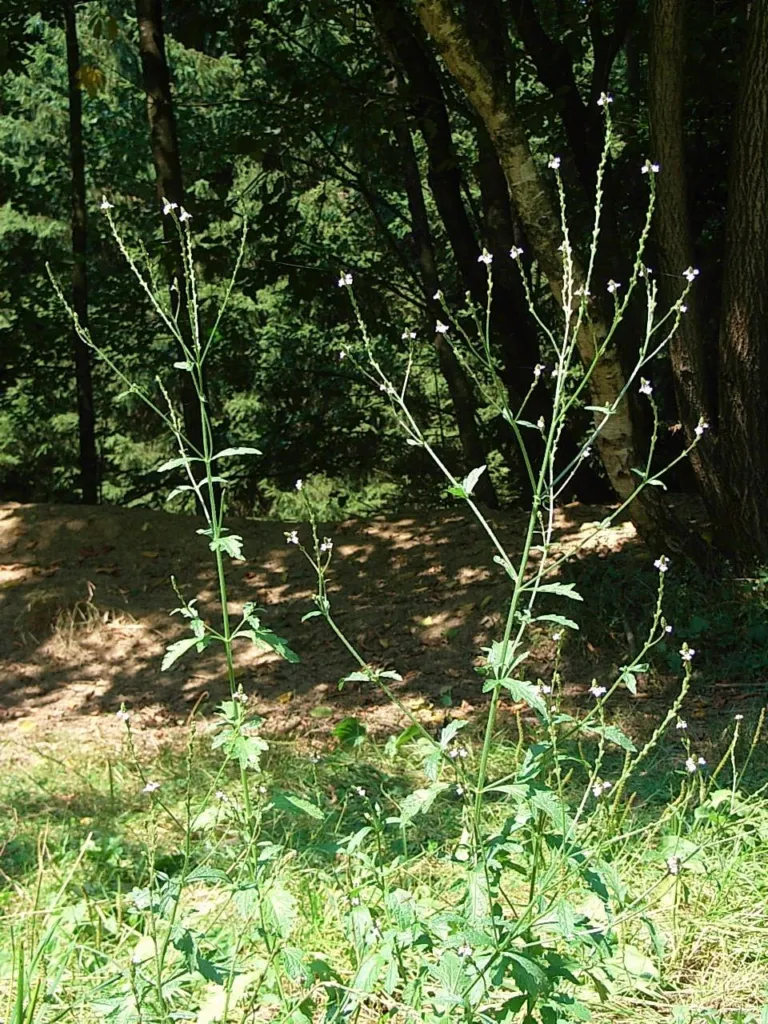
Photo: Konrad Lackerbeck · CC BY-SA 2.5 · Wikimedia Commons
Chapter 3Seven Planetary Gardens
Chapters 23 to 29 give each planet its elements, humours, tastes, metals, stones, plants and animals. The plant lists are short enough to show nearly whole. The table below follows the 1651 English with modern names added where the identification is secure. Where it is not secure, the old name stays. Attested
| Planet | Plants named | What decides the placement |
|---|---|---|
| Sun (ch. 23) | Marigold, lotus tree, peony, celandine, balm, ginger, gentian, dittany, vervain, bay, cedar, palm, ash, ivy, vine, mint, mastic, zedoary, saffron, balsam, lignum aloes (agarwood), cloves, cinnamon, calamus, pepper, frankincense, sweet marjoram | Turns to the sun; aromatic, warming, costly; evergreen; said to repel poison and lightning |
| Moon (ch. 24) | Hyssop, rosemary, chaste tree (agnus castus), olive, palm; “Chinosta”, which waxes and wanes with the moon | Moist, cool; follows the moon’s phases |
| Saturn (ch. 25) | Daffodil, dragonwort, rue, cumin, hellebore, the benzoin tree, mandrake, opium; plants never sown or bearing black fruit (black fig, pine, cypress); a funeral tree sacred to Pluto | Things that stupefy; sour, dead tastes; dark, heavy, mournful |
| Jupiter (ch. 26) | Basil, bugloss, mace, spike, mints, mastic, elecampane, violet, “darnell”, henbane, poplar, oak, beech, hazel, fruit trees, olive; grain, raisins, liquorice, sugar, nuts, peony root, myrobalans, rhubarb, manna, storax | Sweet and pleasant; nourishing; temperate; “lucky trees” |
| Mars (ch. 27) | Hellebore, garlic, euphorbium, gum ammoniac, radish, laurel, wolfsbane, scammony; thistle, nettle, crowfoot; onion, shallot, leek, mustard seed; all thorny trees | Poisonous “by too much heat”; stinging, blistering, tear-causing; bitter and burning |
| Venus (ch. 28) | Vervain, violet, maidenhair, valerian (“phu”), thyme, labdanum, sandalwood, coriander, sweet pears, figs, pomegranate, rose, myrtle; ambergris and musk | Sweet, unctuous, delightful; all sweet perfumes |
| Mercury (ch. 29) | Hazel, cinquefoil (“five-leaved grass”), herb mercury, fumitory, pimpernel, marjoram, parsley | Small leaves, mixed natures, varied colours |
The rule for sorting is sensory and behavioural. Sweet goes to Jupiter and Venus, sour and deadening to Saturn, burning and tear-making to Mars. A plant that tracks the sun is solar, and one whose sap is thought to swell with the moon is lunar. Mythology does the rest. The bay was Apollo’s before it was the Sun’s, the myrtle and the rose were Venus’s before anyone drew a horoscope, and the oak had been Jupiter’s since Dodona. Chapter 24 makes the method explicit with a small exception: onions, it says, grow against the moon’s rhythm, and that is why they belong to Mars. Attested
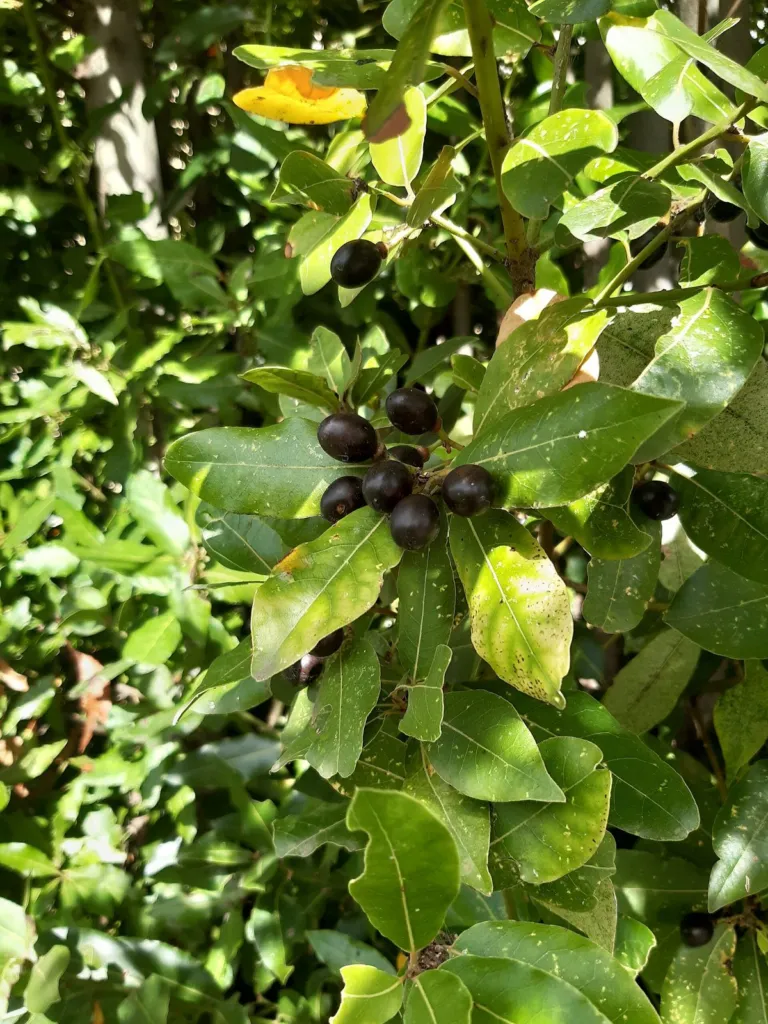
Photo: Harlock81 · CC BY 4.0 · Wikimedia Commons
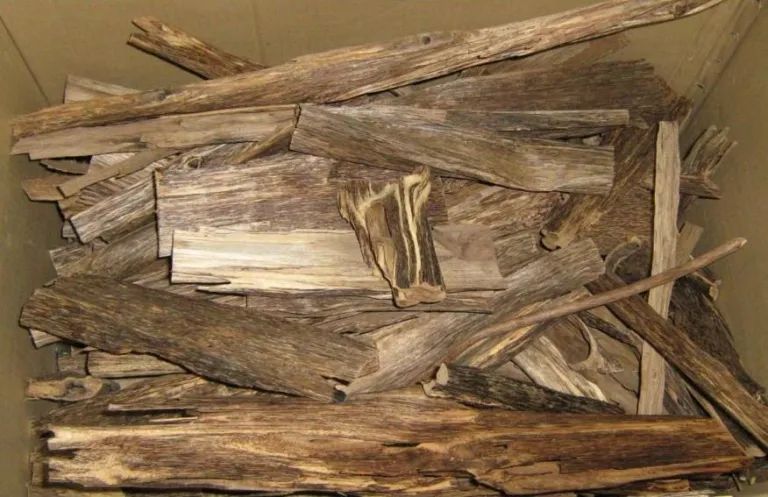
Photo: Hafizmuar at English Wikipedia · CC BY-SA 3.0 · Wikimedia Commons
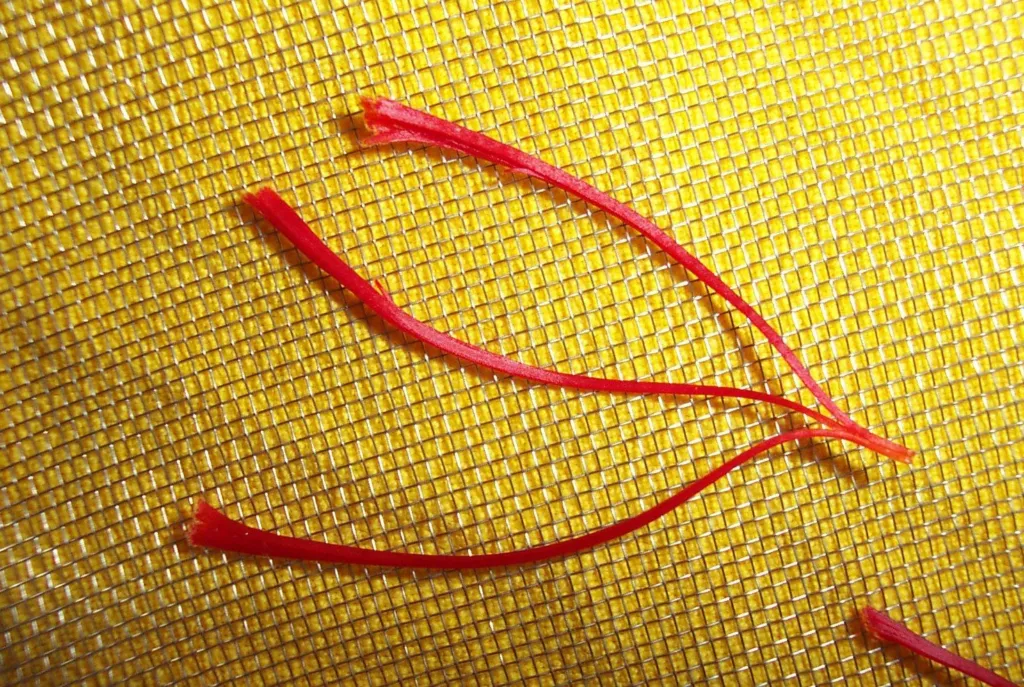
Photo: Emilie40 · CC0 · Wikimedia Commons
Chapter 32 adds a second system that is older and stranger: fifteen fixed stars, taken, Agrippa says, from “Hermes and Thebit”. Thebit is Thabit ibn Qurra, the ninth-century Baghdad astronomer, and this is the medieval Hermetic tradition of the Behenian stars. Each star gets a stone and a few plants. Algol takes black hellebore and mugwort, Sirius takes savin, mugwort and dragonwort, Procyon takes marigold flowers and pennyroyal, Spica takes sage, trefoil, periwinkle, mugwort and mandrake, and Antares takes long birthwort and saffron. Attested
Two things stand out. Mugwort, Artemisia vulgaris, the old “mother of herbs”, turns up under six of the fifteen stars, and mandrake under three. The star list is a short roll of the plants European magic already treated as powerful. It also includes two plants, savin and pennyroyal, that were notorious in early modern Europe for a much more earthly reason, which chapter 8 comes back to. Attested
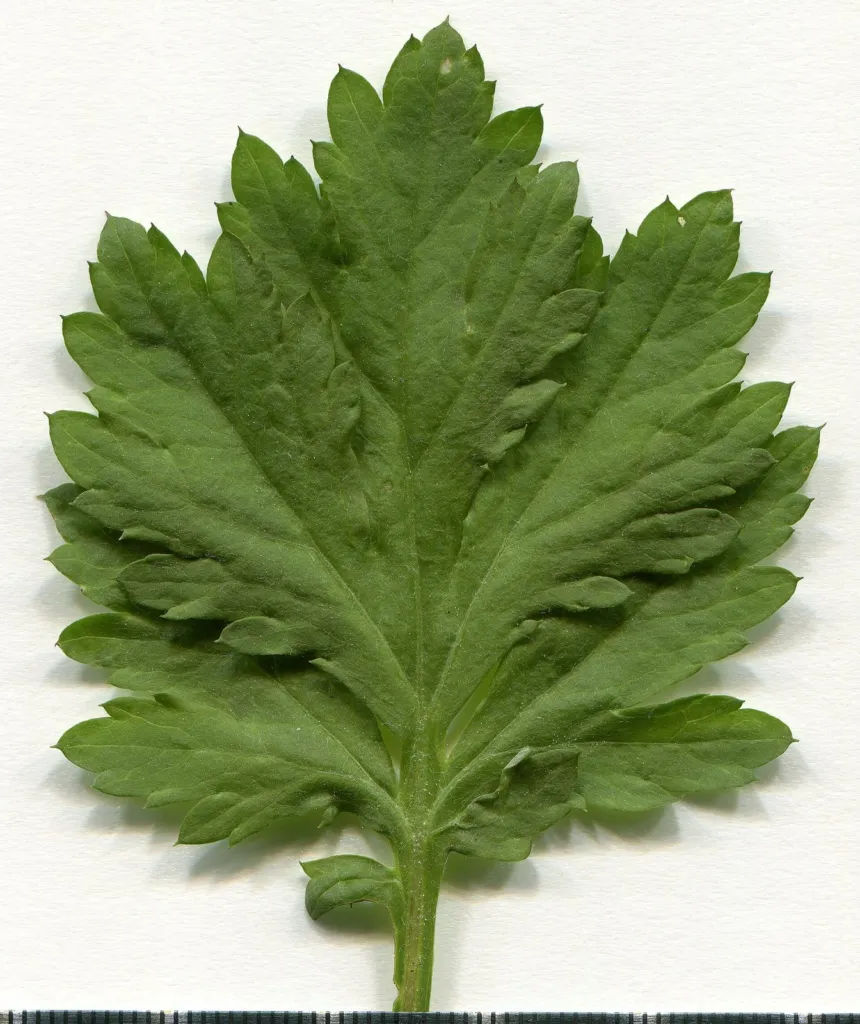
Photo: Dmitry Makeev · CC BY-SA 4.0 · Wikimedia Commons
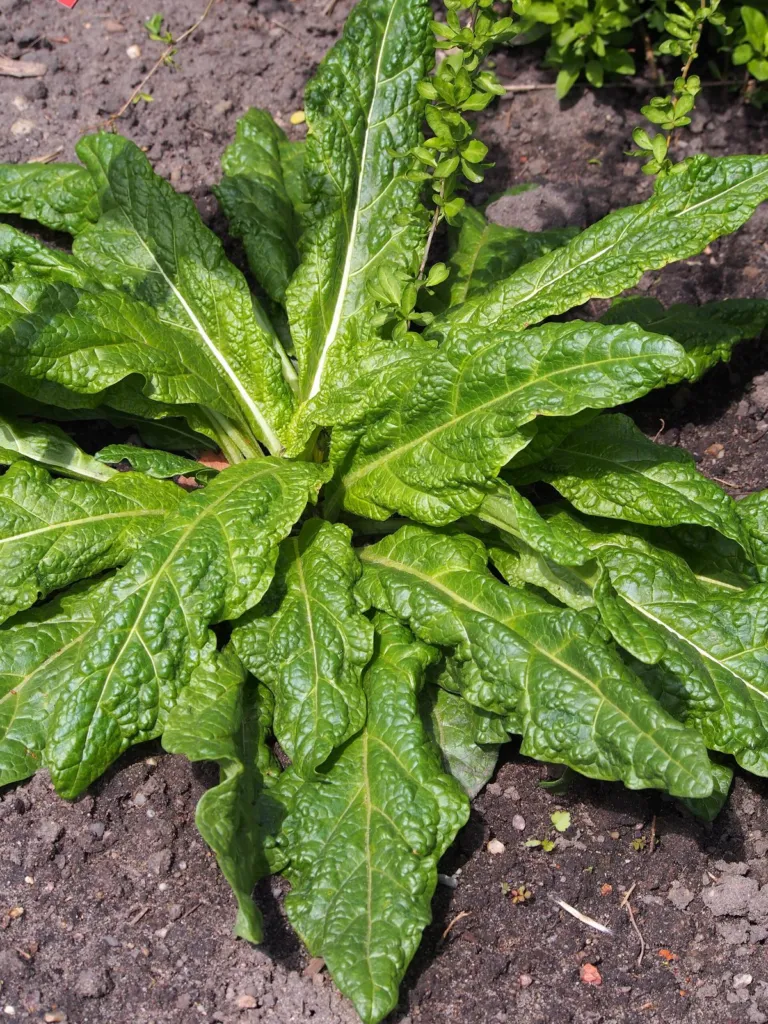
Photo: Agnieszka Kwiecień, Nova · CC BY-SA 4.0 · Wikimedia Commons
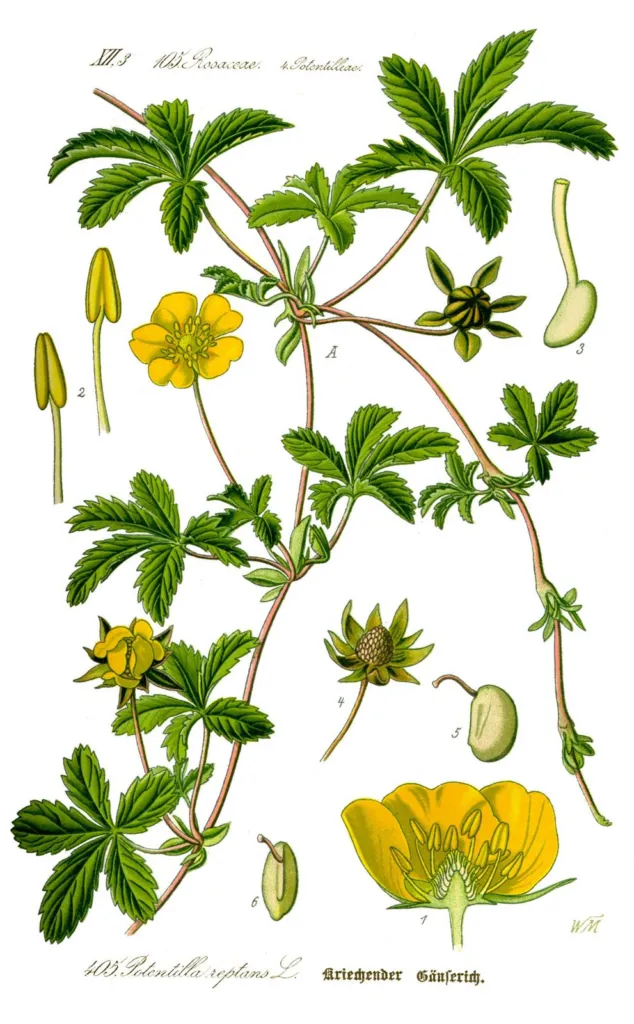
Image · Public domain · Wikimedia Commons
Chapter 4Friends, Enemies And Animal Doctors
Chapters 17 and 18 are the liveliest in the book. Everything, Agrippa says, has something it loves and something it dreads, and a thing’s virtues can be found by watching both. The vine loves the elm. The olive loves the myrtle. The male and female palm lean toward each other, and the female bears no fruit without the male. Goats hate basil, and cucumbers curl away from oil. The cat delights in catnip. Attested
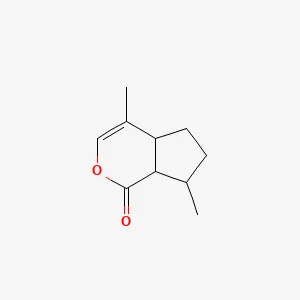
Some of this is plainly true, and was known long before him. The date palm has separate male and female trees, and people in the ancient Near East hand-pollinated it; Agrippa’s chapter 46 describes gardeners tying cords between male and female trees. Cats really do respond to catnip, and the compound responsible, nepetalactone, is well characterised. The claim that a cat can conceive by rolling in it is where Agrippa’s source parted from observation. Confirmed
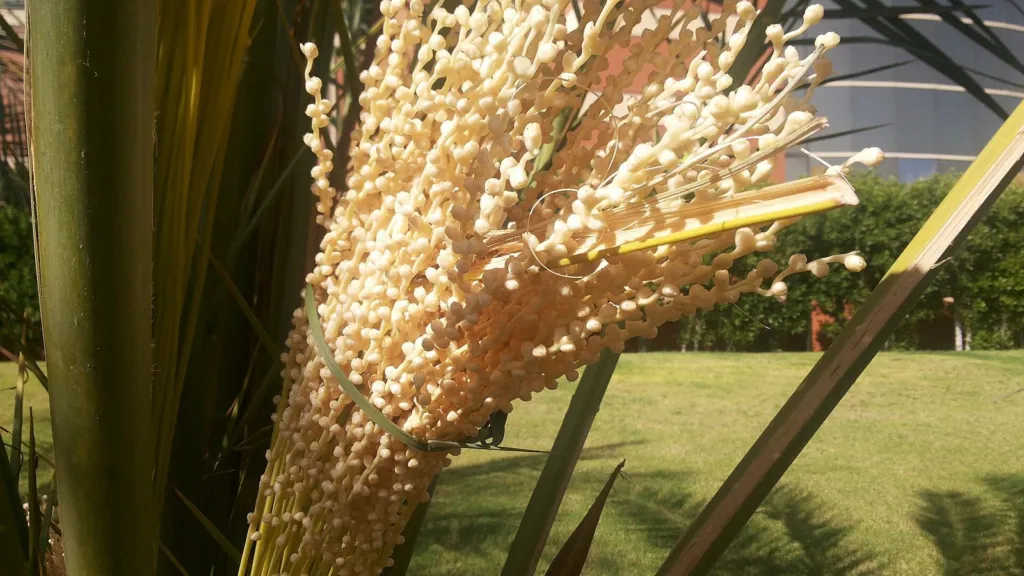
Photo: Ahmed1251985 · CC BY-SA 4.0 · Wikimedia Commons
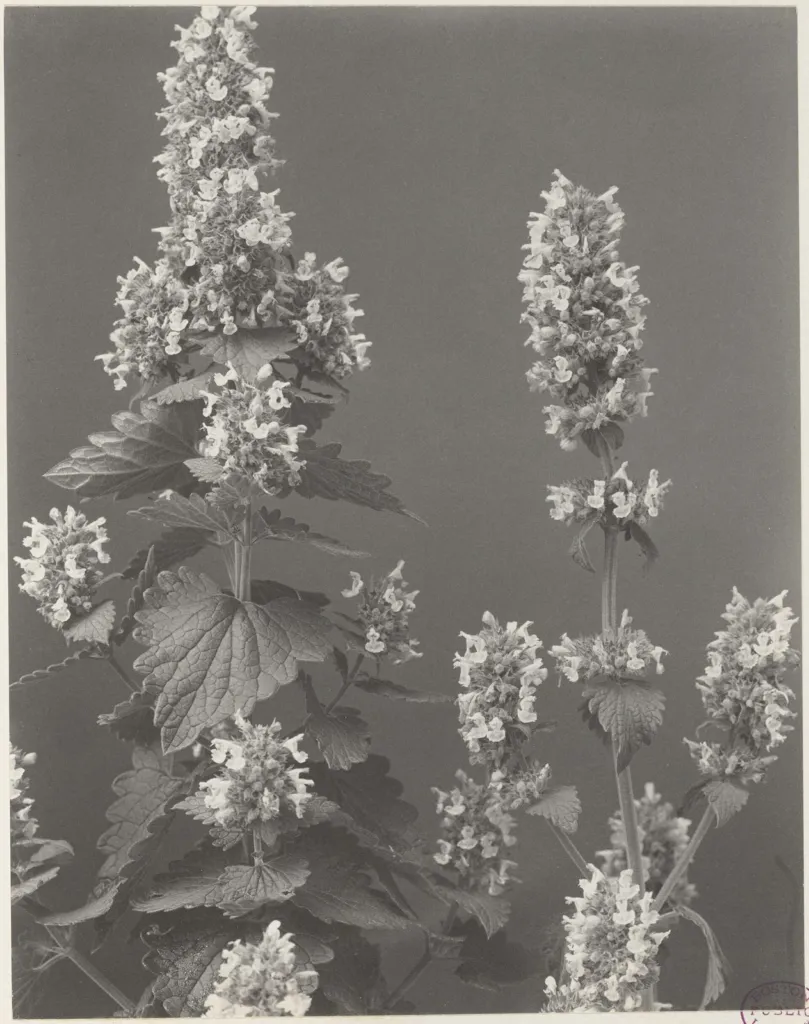
Image: Lincoln, Edwin Hale · Public domain · Wikimedia Commons
The best passage lists animals that treat themselves. The weasel eats rue before it fights the basilisk. The tortoise eats origanum when the adder hunts it. Swallows heal their chicks’ eyes with celandine. Wounded deer find dittany. The magpie puts a bay leaf in its nest when it is sick. “So men have learned many excellent remedies of diseases,” Agrippa writes, “from brutes.” Traditional
Most of these stories come from Pliny and Aristotle, and none of them is evidence that rue or dittany does anything for anyone. The underlying idea, though, is now a research field. Zoopharmacognosy studies animals that use plants in ways that look like self-medication. Michael Huffman’s work on chimpanzees swallowing bitter pith and rough leaves is the classic case, and in 2024 researchers described a wild Sumatran orangutan applying a chewed medicinal liana to a facial wound. Agrippa’s animal doctors are fables. The method behind them, watching what animals choose, has turned out to be a serious one. Evidence suggests
One line in chapter 18 is worth a second look. Sheep, it says, flee “frog-parsley” as a deadly thing, and “nature hath pictured the sign of this death in the livers of sheep”, where the figure of the plant appears. The liver fluke, Fasciola hepatica, is flat and leaf-shaped. Its snail host lives on the same wet ground as marsh plants of the parsley and buttercup families, and sheep that graze such ground get fluke. We read this as a sound observation, sheep from wet pasture with a leaf-shaped thing in the liver, wrapped in the doctrine of signatures. That reading is our own, and Agrippa never makes it. Mechanism
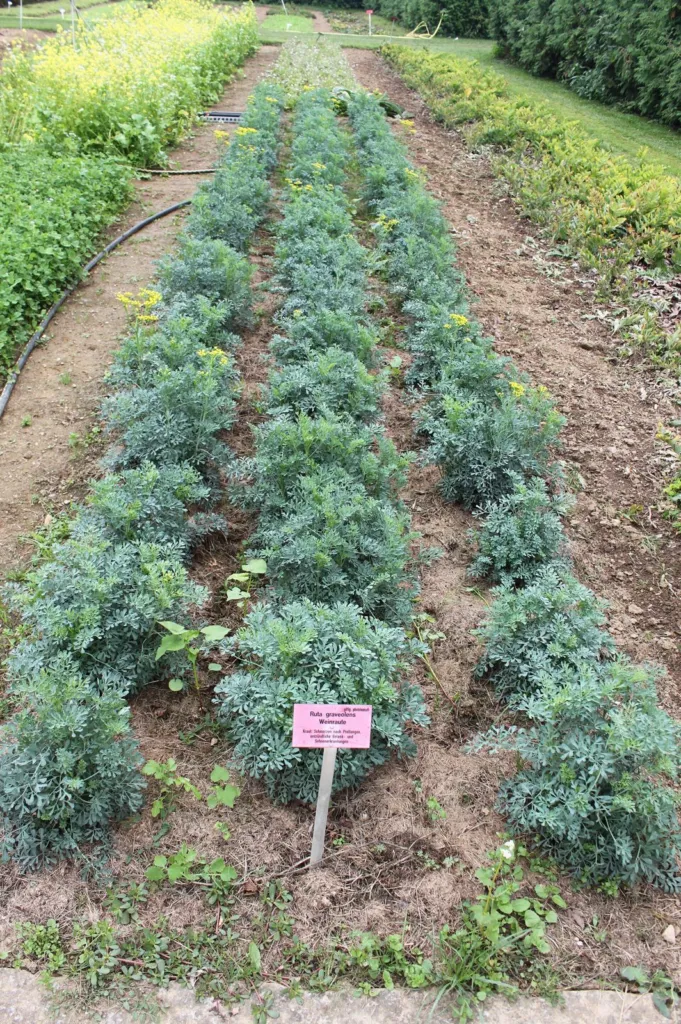
Photo: Karatecoop · CC BY-SA 4.0 · Wikimedia Commons
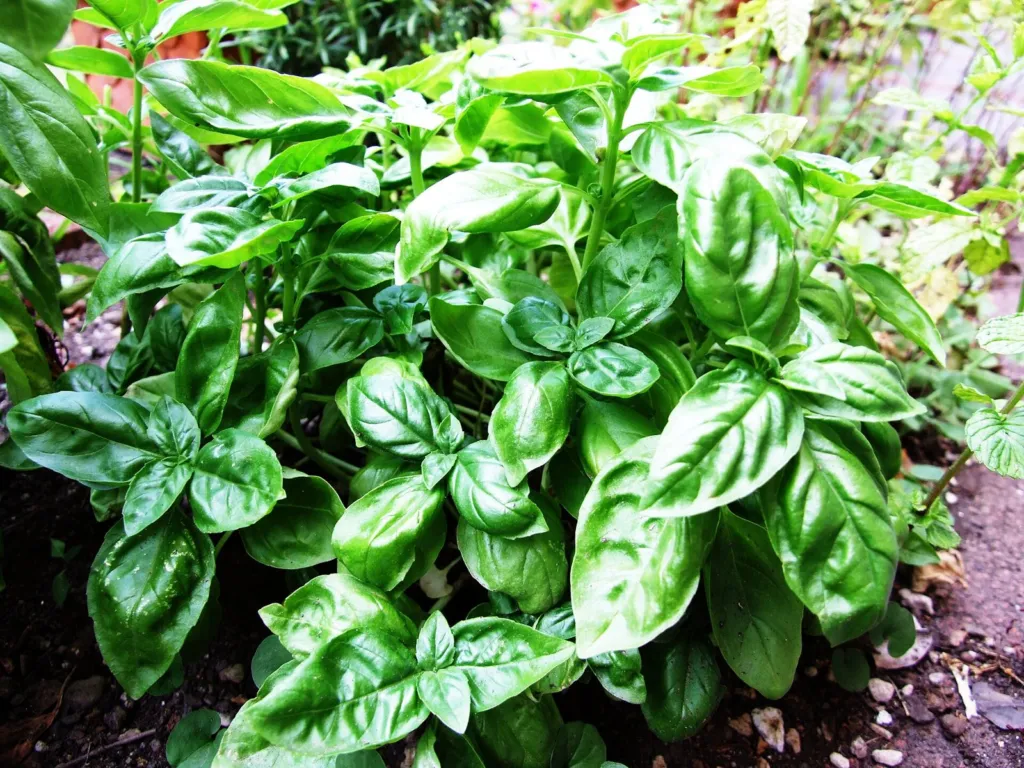
Photo: Castielli · CC BY-SA 3.0 · Wikimedia Commons
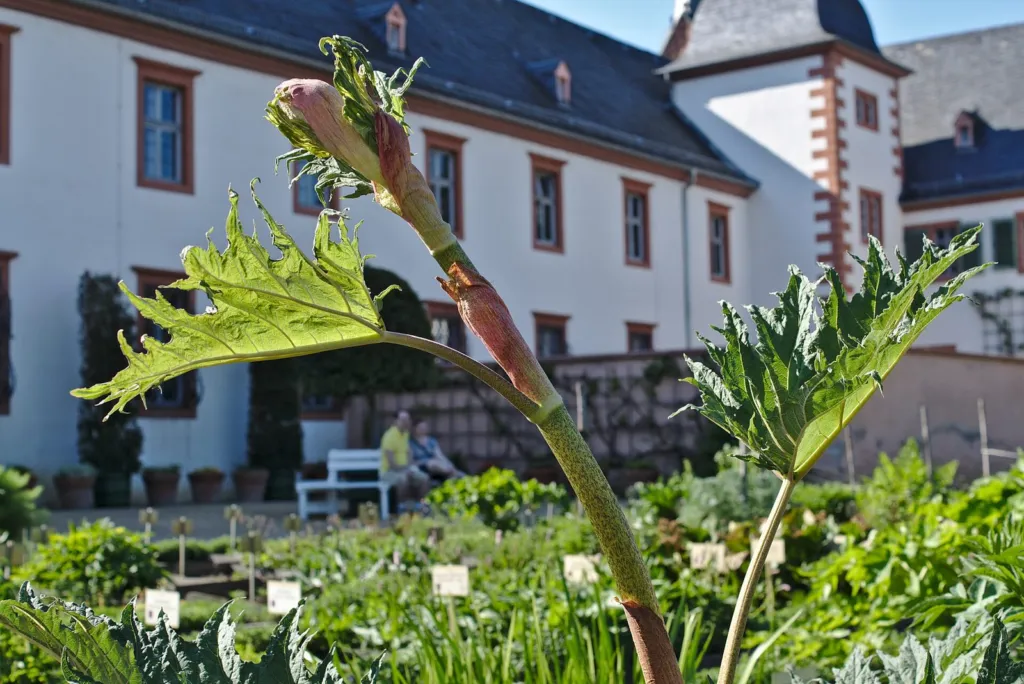
Photo: Alexander Klink · CC BY 4.0 · Wikimedia Commons
Chapter 5The Planetary Fumes
Chapter 43 explains why smoke matters. Fumes change the air, the air changes the breath, and the breath changes the spirit, which Agrippa, following Galen and Ficino, understood as a fine vapour of the blood that links body and soul. A fume matched to a planet therefore fits the practitioner to receive that planet’s gifts. Chapter 44 gives the recipes. Attested
| Planet | Plant and mineral ingredients (chapter 44) |
|---|---|
| Sun | Saffron, ambergris, musk, lignum aloes, balsam wood, bay fruit, cloves, myrrh, frankincense |
| Moon | White poppy seed, frankincense, camphor, with animal parts |
| Saturn | Black poppy seed, henbane seed, mandrake root, lodestone, myrrh |
| Jupiter | Ash seed, lignum aloes, storax, benzoin, lapis lazuli, peacock feather tips |
| Mars | Euphorbium, bdellium, gum ammoniac, the roots of both hellebores, lodestone, a little sulphur |
| Venus | Musk, ambergris, lignum aloes, red roses, red coral |
| Mercury | Mastic, frankincense, cloves, cinquefoil, agate |
Each recipe is then bound with the brain or blood of an animal that belongs to the same planet: an eagle or white cock for the Sun, a cat or bat for Saturn, sparrows and pigeons for Venus. We record that because it is in the text and because it shows the design. Every ingredient, animal, vegetable or mineral, was chosen by the same rules of correspondence. Attested
Chapter 44 then gives a neater scheme by plant part. Saturn takes fragrant roots, Jupiter fragrant fruits such as nutmeg and cloves, Mars fragrant woods, the Sun gums, Venus flowers, Mercury barks and peels, and the Moon leaves. Each zodiac sign gets a single aromatic, from myrrh for Aries to red storax for Pisces. The “most powerful fume”, attributed to Hermes, takes one aromatic from each planet: pepperwort, nutmeg, lignum aloes, mastic, saffron, cinnamon and myrtle. Attested
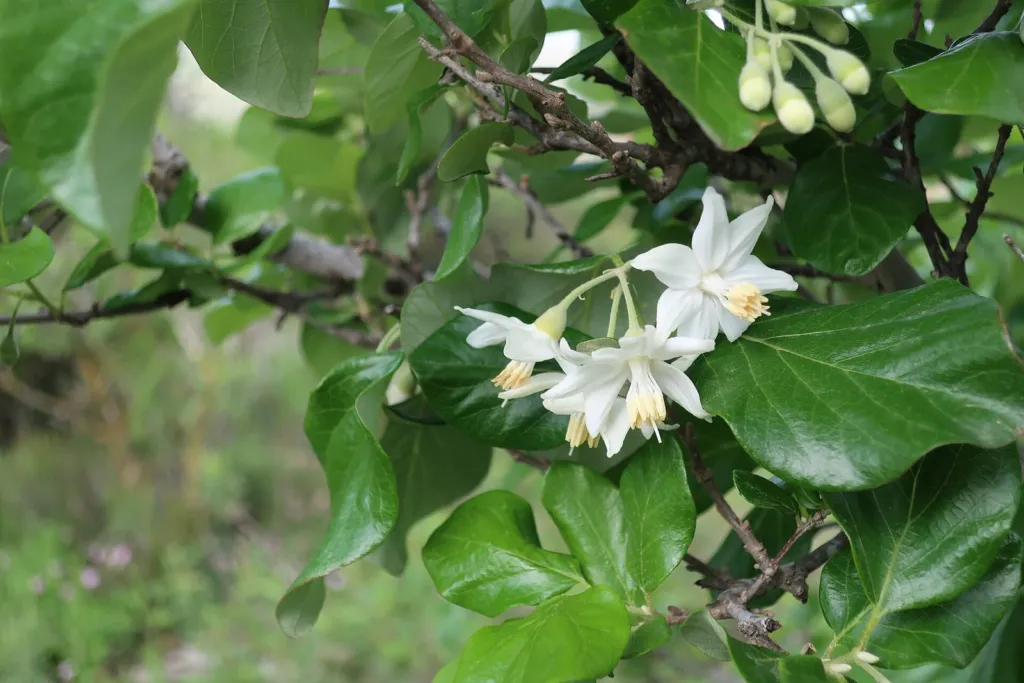
Photo: Davidbena · CC BY-SA 4.0 · Wikimedia Commons
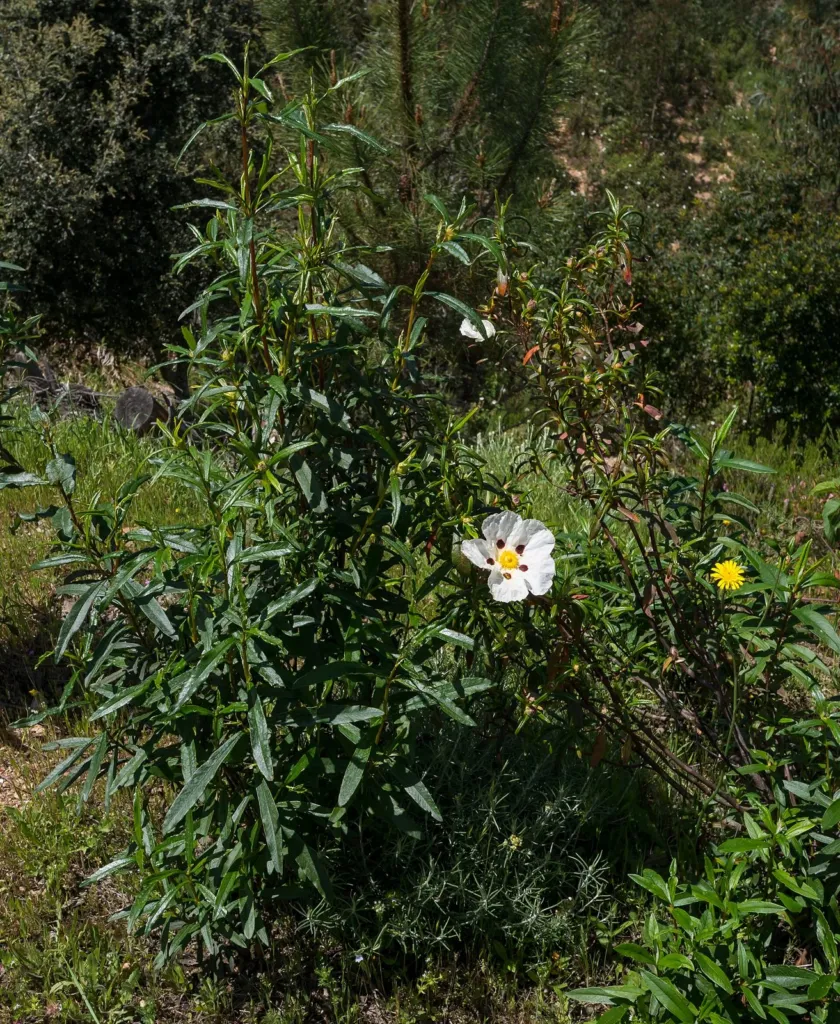
Photo: Basotxerri · CC BY-SA 4.0 · Wikimedia Commons
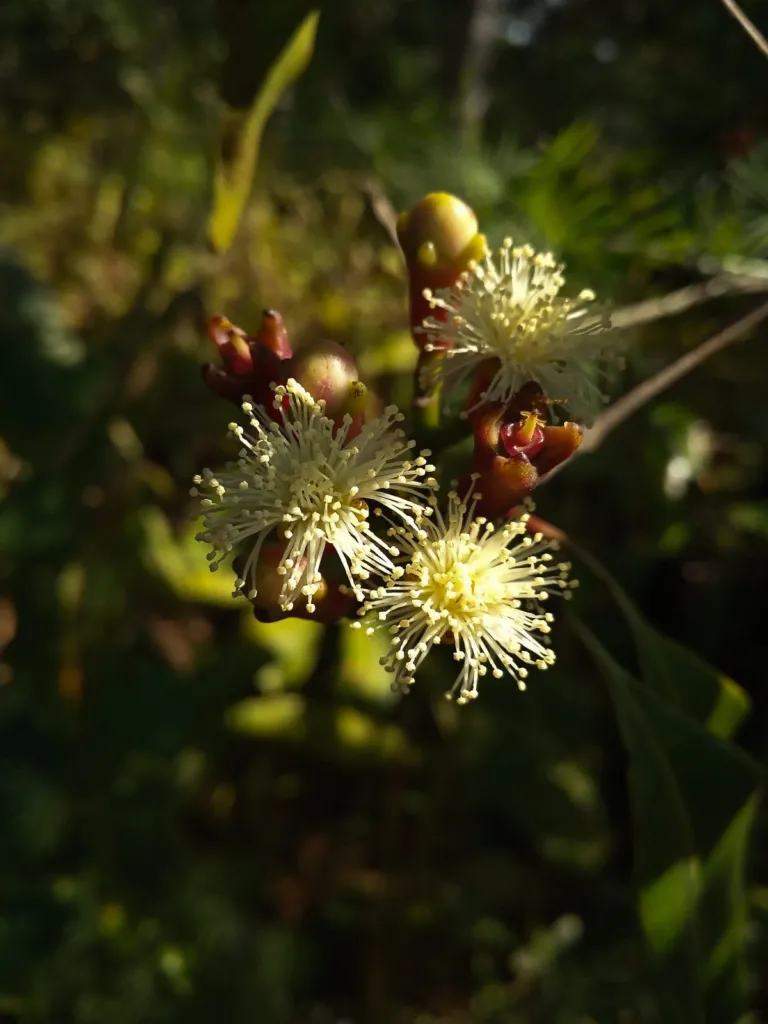
Photo: Bayu Nugroho · CC BY-SA 4.0 · Wikimedia Commons
Photo: Didier Descouens · CC BY-SA 4.0 · Wikimedia Commons
Chapter 43 also names the “spirit herbs”: coriander, smallage (wild celery), henbane and hemlock, which burned together are said to make spirits gather. A second fume adds sagapenum gum, mullein, red sanders and black poppy to hemlock and henbane juice, and “makes spirits and strange shapes appear”. A fume of calamint, peony, mints and castor-oil plant drives them away. Chapter 45 adds a mugwort-smeared steel mirror for seeing spirits. Traditional
This is what Agrippa wrote down in 1533. Henbane and hemlock burned in a closed room cause anticholinergic poisoning, which section 8 sets out in detail. Do not attempt any of it.
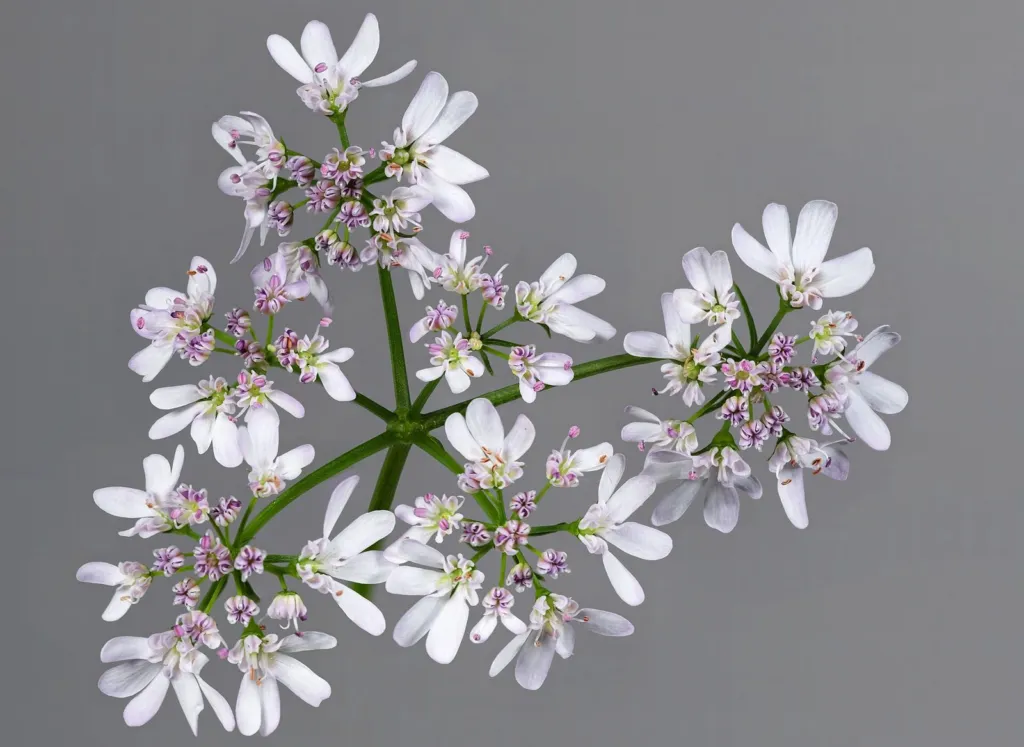
Photo: Didier Descouens · CC BY-SA 4.0 · Wikimedia Commons
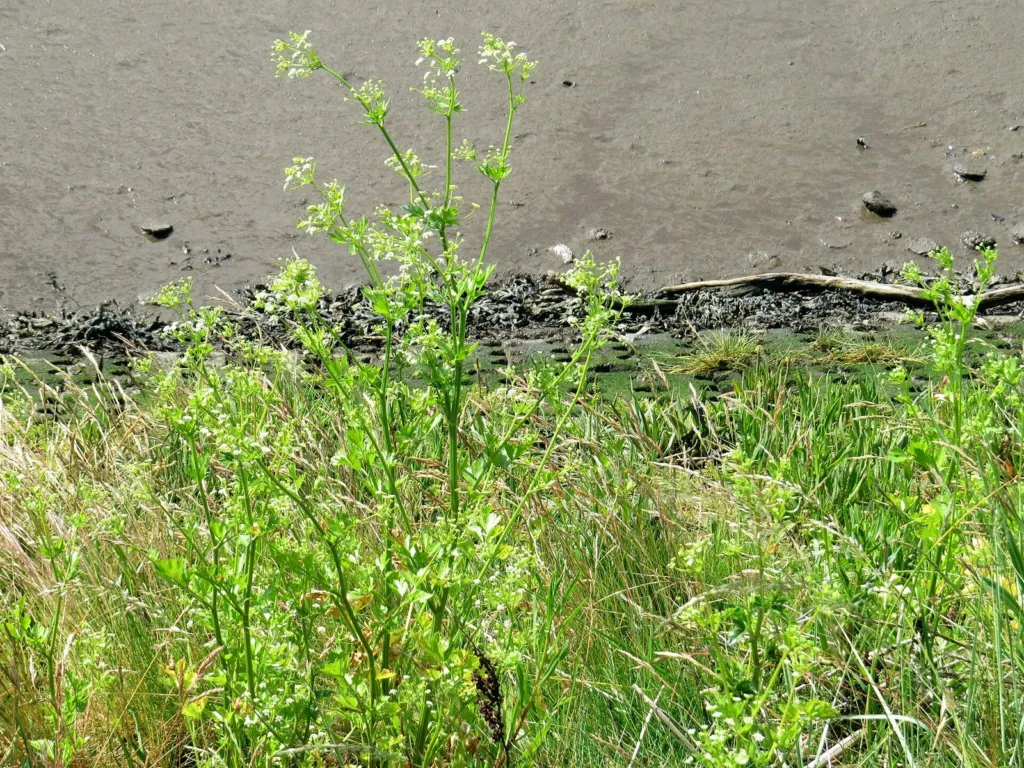
Photo: MPF · CC BY-SA 4.0 · Wikimedia Commons
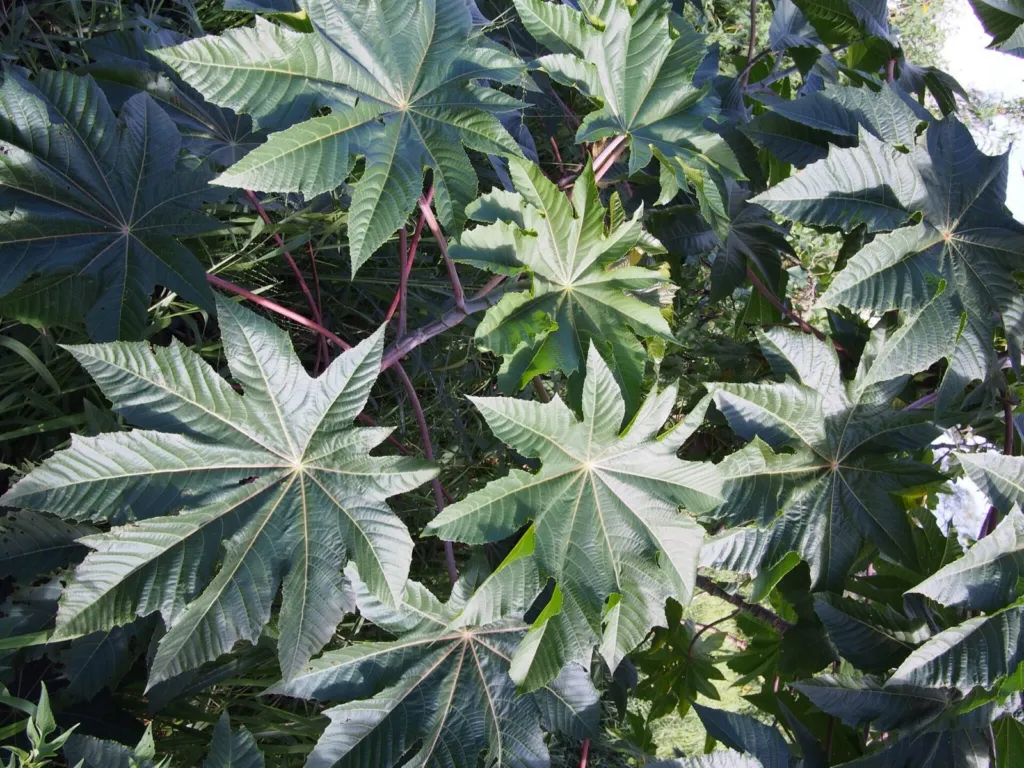
Photo: User:Btcpg · CC BY-SA 3.0 · Wikimedia Commons
A few translation notes, because this is where names drift. Peterson’s Latin shows that the 1651 English “pepperwort” in the chapter 43 recipe renders costus, an aromatic root. The “red sanders” of the spirit fume is red sandalwood, Pterocarpus santalinus, a legume and no relation of the true sandalwoods. The Latin ambra in the Sun and Venus fumes is ambergris from the sperm whale, as Peterson notes. Fossil amber has no place in these recipes. Anyone building a modern ingredient table from the English alone will get at least three of these wrong. Attested
Chapter 6Where The Book Is Right
Take Agrippa’s categories at face value and test them against what the plants contain. Two planets come out well. Mechanism
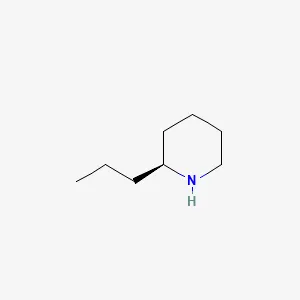
Saturn: the stupefying plants. Agrippa defines this group by effect: “those things which stupefy”. He then names mandrake and opium, and the Saturn fume adds black poppy seed and henbane seed. Mandrake and henbane contain the tropane alkaloids hyoscyamine and scopolamine, which block muscarinic acetylcholine receptors and cause sedation, confusion and, at higher exposure, delirium with hallucinations. Opium’s principal alkaloid is morphine. The hellebores on the same list are toxic in a different way. This is the one planetary list that reads like a real pharmacological class: central nervous system depressants and deliriants, grouped by an effect nobody could miss. Confirmed
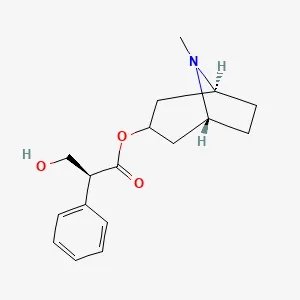
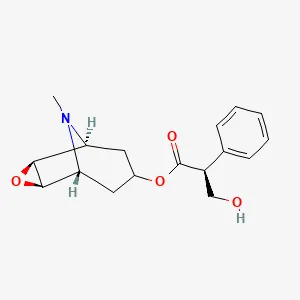
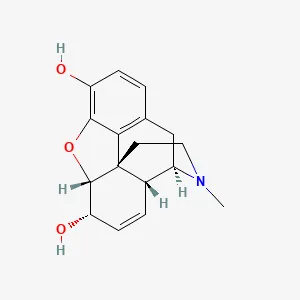
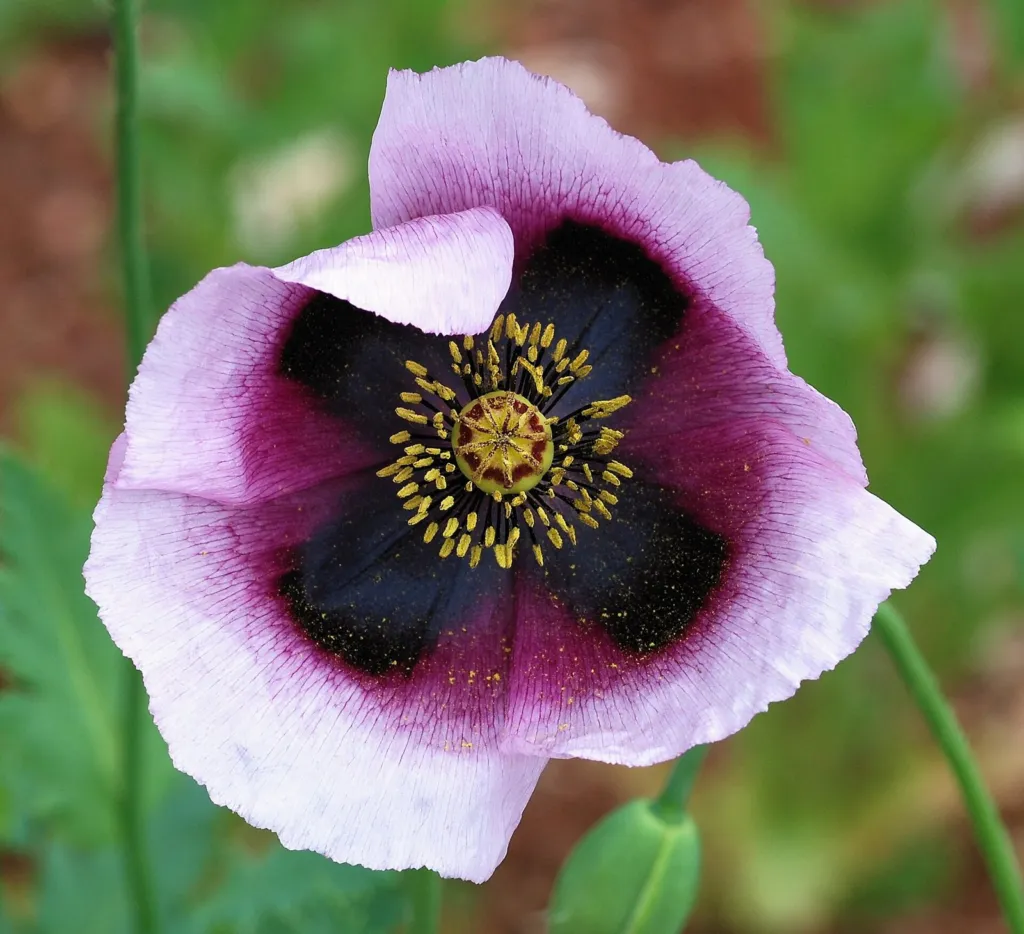
Photo: Alvesgaspar · CC BY-SA 3.0 · Wikimedia Commons
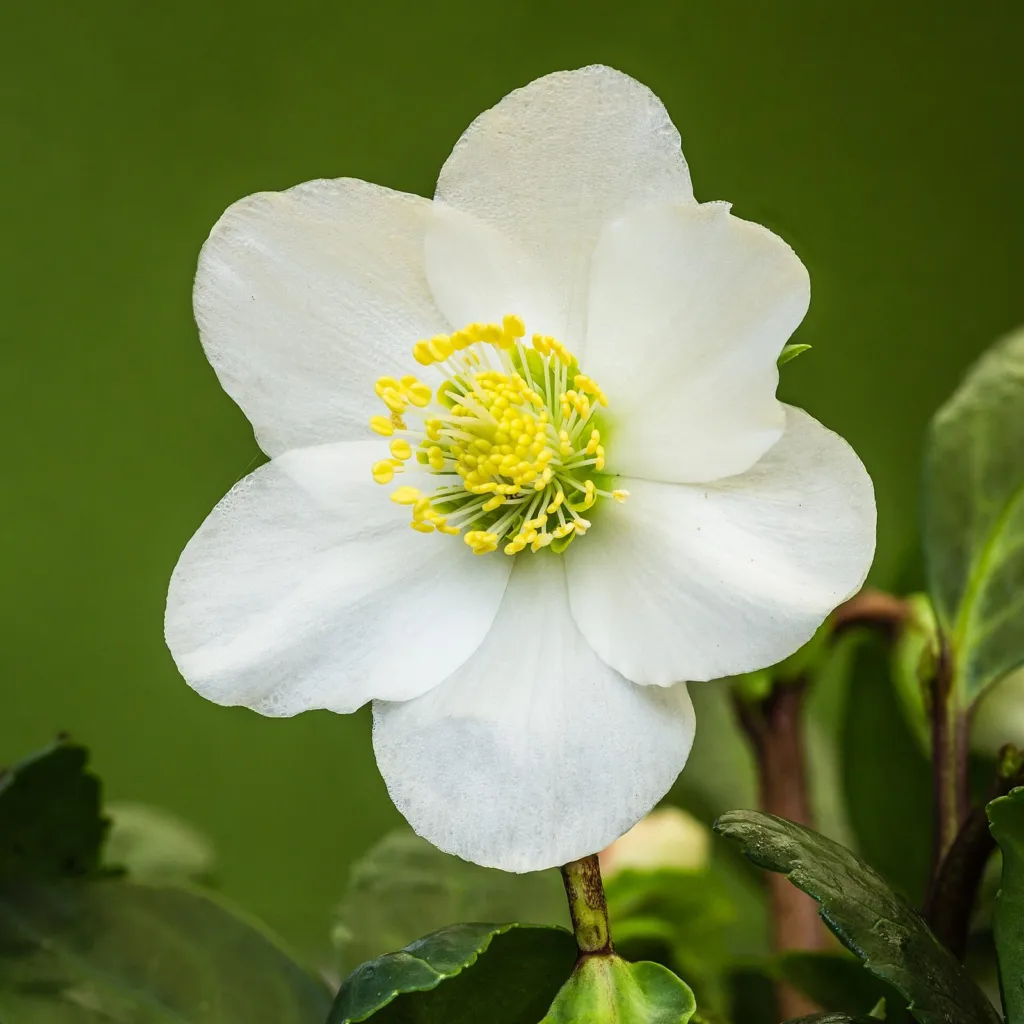
Photo: Dominicus Johannes Bergsma · CC BY-SA 4.0 · Wikimedia Commons
Mars: the burning plants. Agrippa’s Martial plants are those that are “poisonous by reason of too much heat”, those that “burn, prick, or make the skin swell”, and those that “being eaten cause tears”. That is a fair description of plants that act on the body’s chemical heat and irritant sensors, especially the TRPV1 and TRPA1 ion channels. Mustard seed releases allyl isothiocyanate, a classic TRPA1 activator, and garlic’s allicin acts on the same channel. Cut onions give off a tear-producing gas. Nettle stings inject histamine and acetylcholine, among other irritants. Crowfoot, the buttercups, releases protoanemonin, which blisters the skin. Euphorbium, the dried latex of Euphorbia resinifera, contains resiniferatoxin, one of the most potent TRPV1 activators known. Confirmed
Galen’s “heat” was a quality felt on the tongue and skin, and much of what he called hot we would now describe as chemical irritation. Agrippa’s Mars list inherits that and turns it into a coherent group. The same list also holds wolfsbane (aconite), a heart and nerve poison, and scammony, a violent purgative. Both are dangerous, so they fit the “poisonous by heat” heading even if the mechanism is different. Mechanism
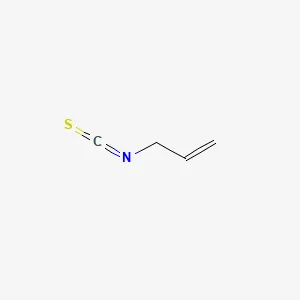
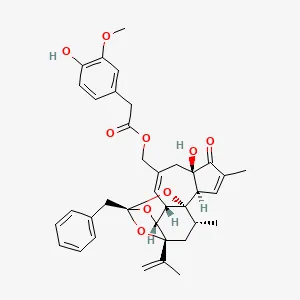
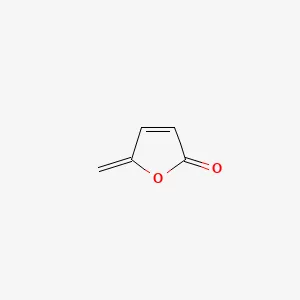
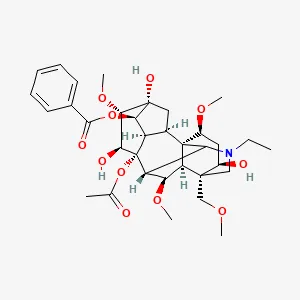
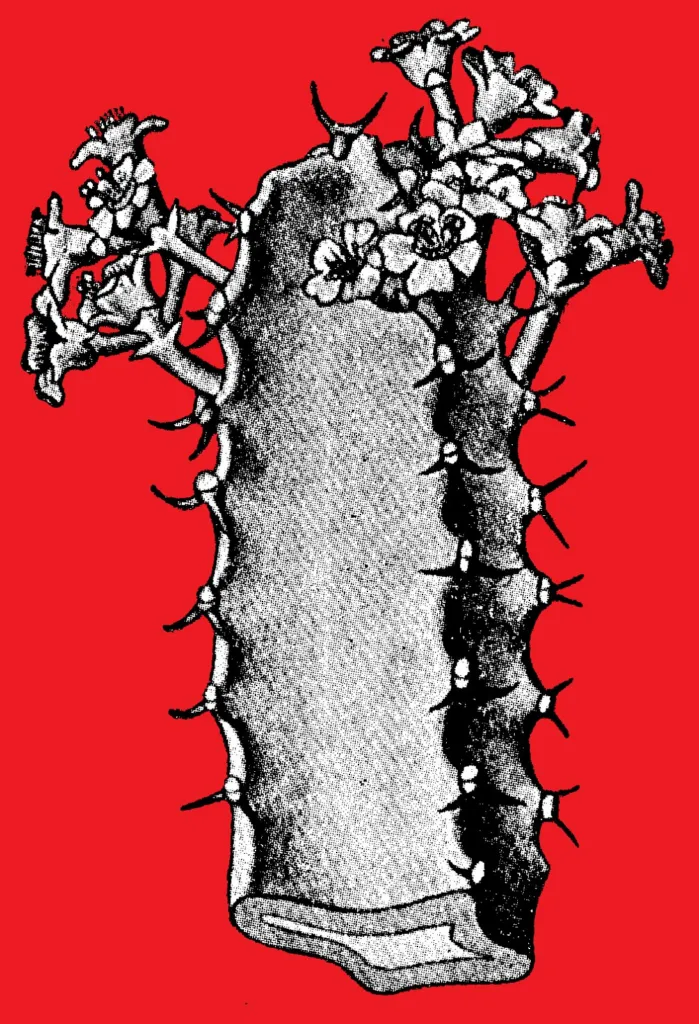
Image: Nordisk familjebok (1907) · Public domain · Wikimedia Commons
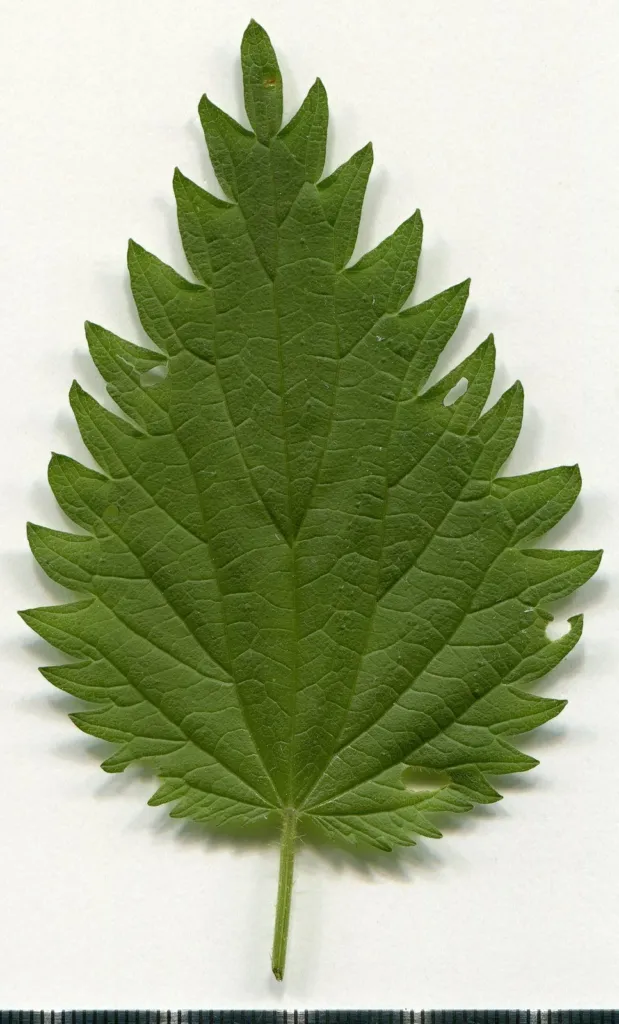
Photo: Dmitry Makeev · CC BY-SA 4.0 · Wikimedia Commons
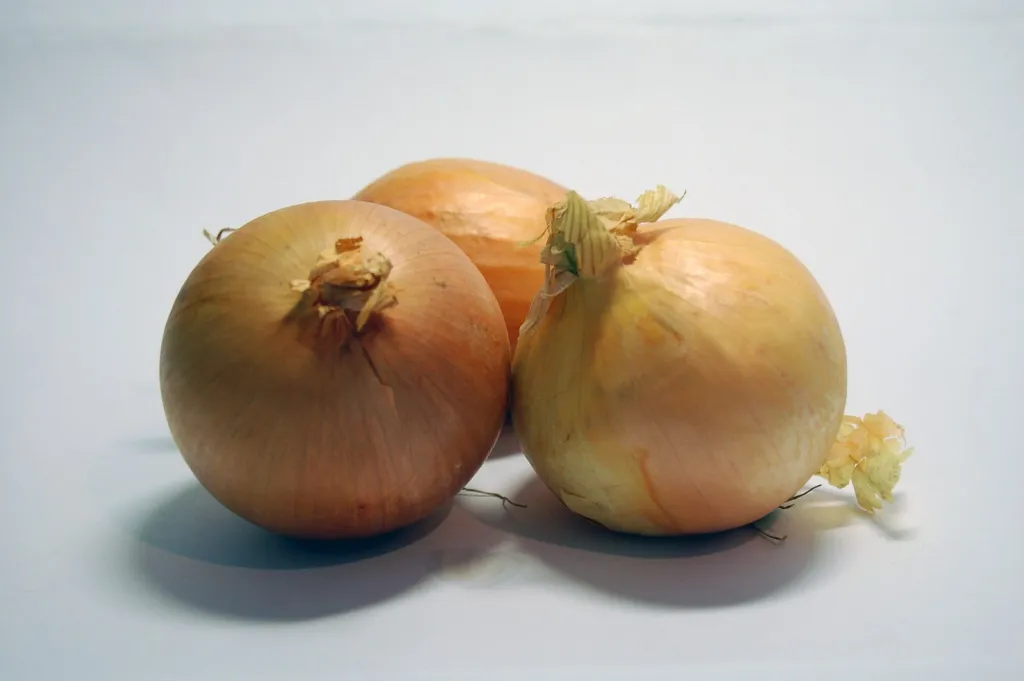
Photo: Alex Lomas · CC BY 2.0 · Wikimedia Commons
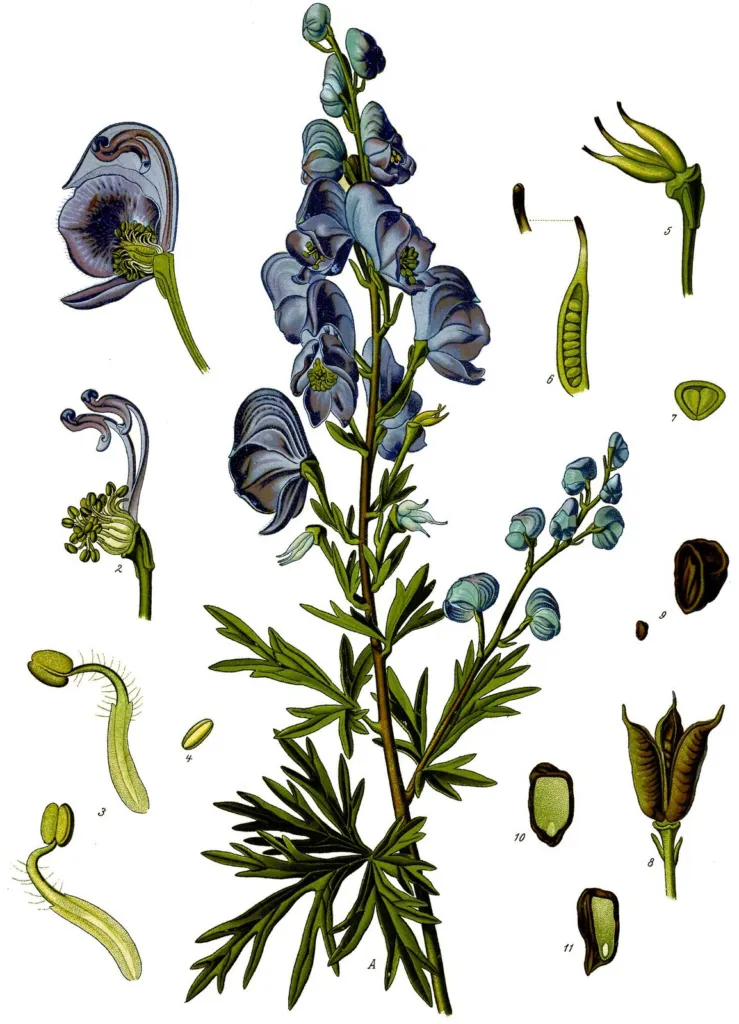
Image: Franz Eugen Köhler, Köhler's Medizinal-Pflanzen (1887) · Public domain · Wikimedia Commons
Jupiter’s gentle purges. One smaller agreement is worth noting. Jupiter, the temperate planet, gets rhubarb and manna, two of the mildest laxatives in the old pharmacy. Rhubarb works through anthraquinones and manna through mannitol. Mars gets scammony and hellebore, two of the most violent. The planetary scheme separates gentle purging from dangerous purging the same way an apothecary did. It is sorting by severity of effect, and the effects are real. Mechanism
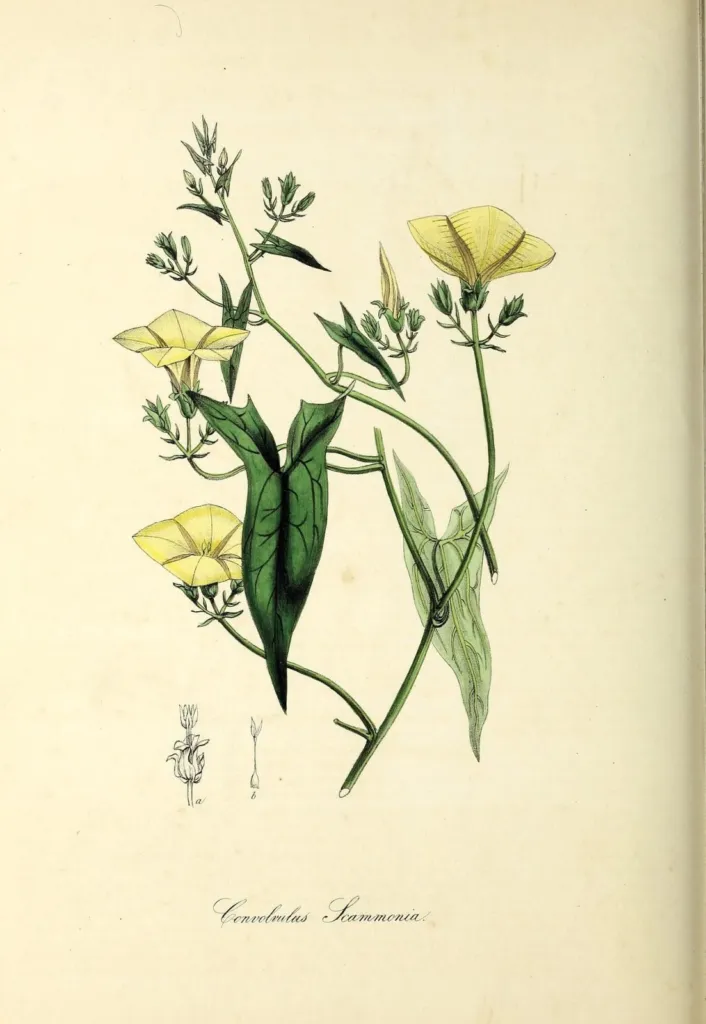
Image: Biodiversity Heritage Library · CC BY 2.0 · Wikimedia Commons
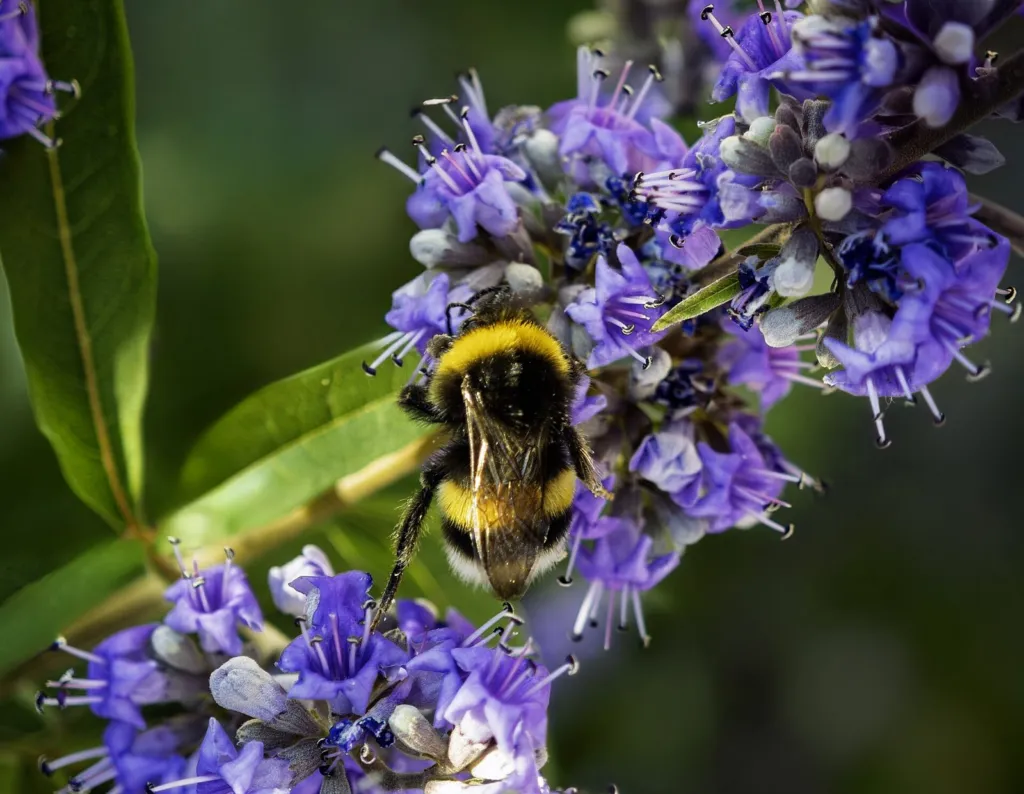
Photo: Didier Descouens · CC BY-SA 4.0 · Wikimedia Commons
The Moon’s chaste tree. Chapter 18 says agnus castus works “against lust”, and the Moon, cool and moist, takes it in chapter 24. Its reputation as a plant for chastity goes back to antiquity, which is where the name comes from. Laboratory work has found dopaminergic compounds in the fruit that act on prolactin release. That is a mechanism in specific research settings, and it is a long way from proving the old reputation. It is still a better match than most. Evidence suggests
Chapter 7Where The Book Is Poetry
Venus gets everything sweet, soft and fragrant: rose, myrtle, violet, vervain, maidenhair, thyme, labdanum, sandalwood, coriander, figs, pomegranates. Many of these are genuinely aromatic. Coriander seed oil is mostly linalool, and rose and sandalwood are perfumery staples. But the category is aesthetic. Pleasant smells were supposed to draw down a pleasant planet, and what the list records is a Renaissance nose. There is no evidence that any of it produces love, favour or friendship, which is what the Venus operations are for. Traditional
The Venus list also contains valerian, “which by the Arabian is called Phu”. Anyone who has opened a jar of valerian root will find it a strange choice for the planet of sweet smells. Its odour comes largely from isovaleric acid, and cats are fond of it. The name phu is Greek, the name Dioscorides uses, and only later passed into Arabic pharmacy. A small slip in attribution, of the kind this field is full of. Attested
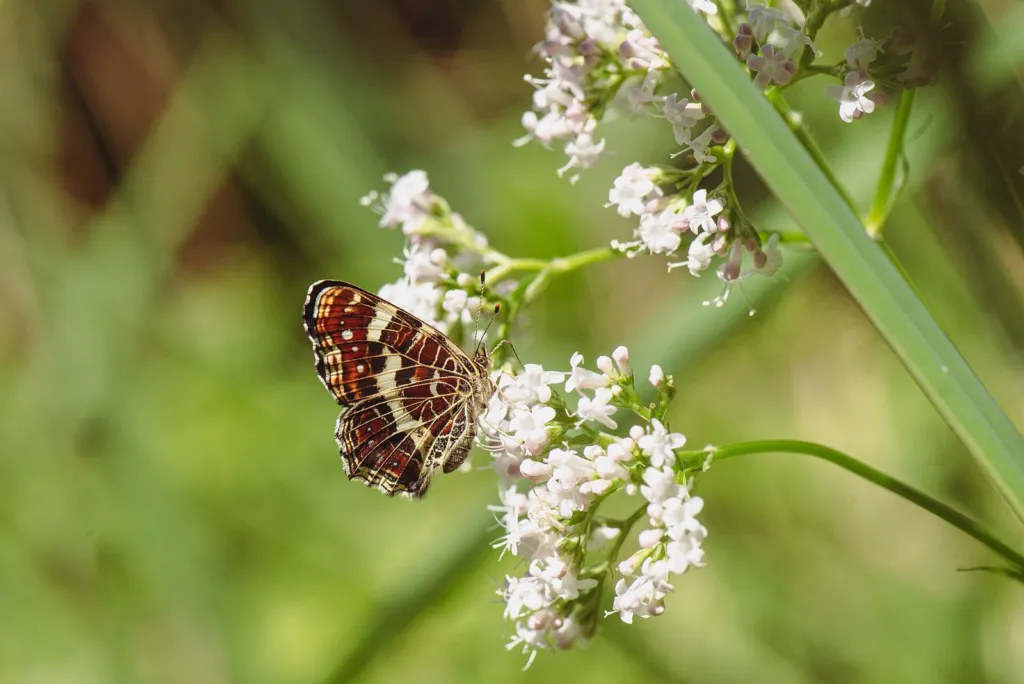
Photo: Flocci Nivis · CC BY 4.0 · Wikimedia Commons
Photo: Didier Descouens · CC BY-SA 4.0 · Wikimedia Commons
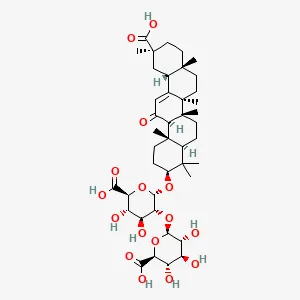
Jupiter’s list is sweet and nourishing: grain, raisins, liquorice, sugar, nuts, fruit trees. Liquorice gets its sweetness from glycyrrhizin, which is many times sweeter than sugar, so on taste alone the placement is perfectly consistent. Jupiter is also given henbane and “darnell”, which fit his temperate, benevolent character very badly. Peterson’s Latin note helps with one of them: where the English has “Darnell”, the Latin list reads lilium, the lily. The darnel on Jupiter’s list is a translator’s creation, and it has been copied into modern correspondence tables ever since. Attested
Mercury’s list is the thinnest pharmacologically: hazel, cinquefoil, herb mercury, fumitory, pimpernel, marjoram, parsley. The rule is about form, “shorter and less leaves” and “mixed natures”, so no chemical pattern should be expected, and none appears. Fumitory does contain isoquinoline alkaloids such as protopine, and herb mercury (Mercurialis) is poisonous. Neither fact is the reason they are on the list. Mechanism
The Sun’s list mixes two logics. Some plants are there for how they behave: marigold and the other flowers that open and close with the sun. Most are there because they are warm, fragrant, costly and evergreen: saffron, cinnamon, cloves, frankincense, bay, cedar. The text says solar plants “repel poisons”, which no pharmacology supports for the group as a whole. What these plants have in common is a large share of the old spice trade. The Sun got the luxury goods. Traditional
Photo: Aqua1975 · CC BY-SA 3.0 · Wikimedia Commons
Photo: Dominicus Johannes Bergsma · CC BY-SA 4.0 · Wikimedia Commons
Chapter 8Where The Book Is Dangerous
The pattern Agrippa got right is also where his book becomes dangerous. The “spirit herbs” fume burns henbane with hemlock, and the second spirit fume adds hemlock juice and black poppy. Henbane and its relative thornapple were smoked in Europe and elsewhere well into the twentieth century, and anticholinergic poisoning from smoking these plants is documented. Anticholinergic delirium commonly includes vivid visual hallucinations. A closed room, a brazier, henbane and poppy could plausibly produce “strange shapes”, which may be the most literal reading of chapter 43 on offer. It is also a description of poisoning. Mechanism
Hemlock contains coniine, which causes an ascending paralysis. Whatever burning does to it, no one should be handling or heating the plant. The same goes for the hellebores in the Mars fume. Black hellebore contains irritant and cardioactive compounds, and white hellebore, Veratrum album, a different plant under the same old name, contains steroidal alkaloids that cause severe vomiting, slow heart rate and low blood pressure. Confirmed
Savin and pennyroyal, which appear under Sirius and Procyon, have a darker early modern history. Both were notorious as abortifacients. Savin, Juniperus sabina, is a severe irritant poison, and pennyroyal oil, rich in pulegone, has caused fatal liver failure. Both facts come from poisoning cases. Confirmed
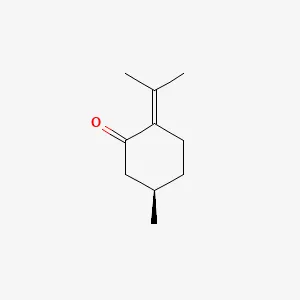
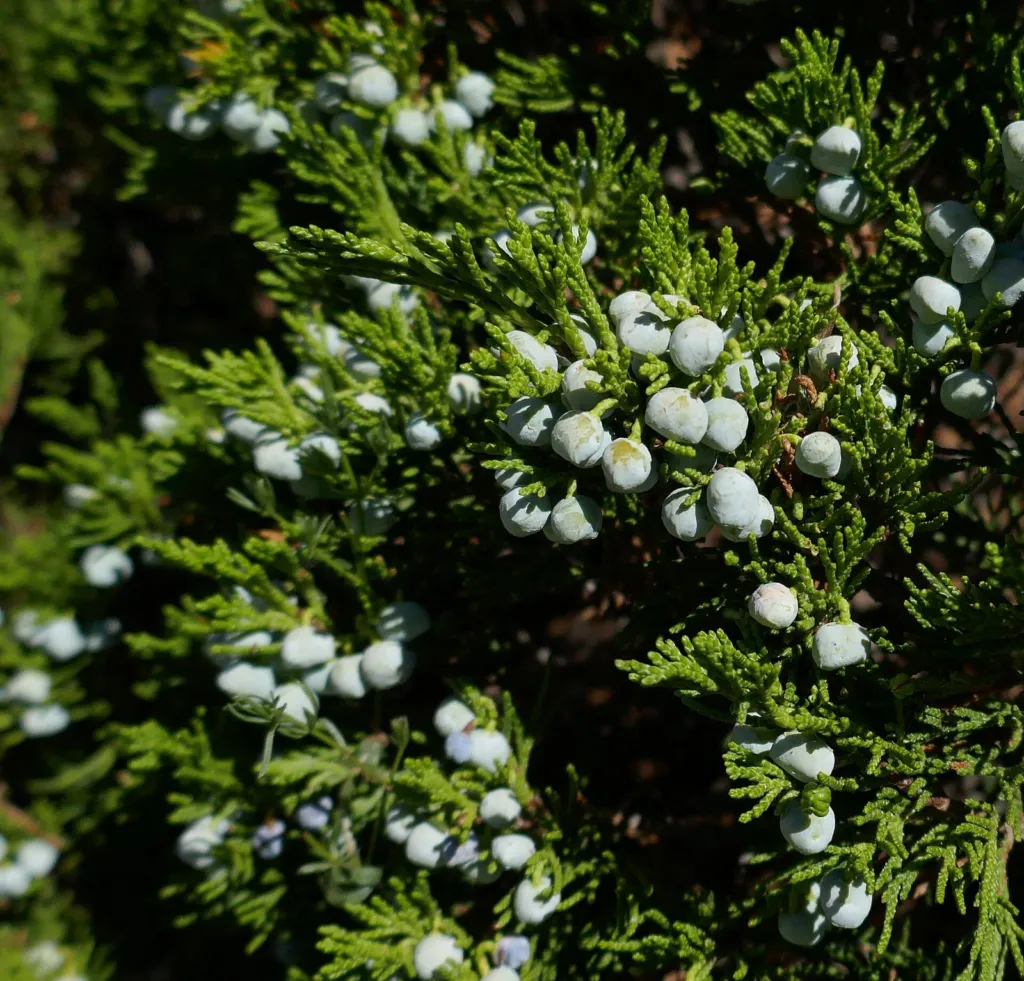
Photo: Tiia Monto · CC BY-SA 4.0 · Wikimedia Commons
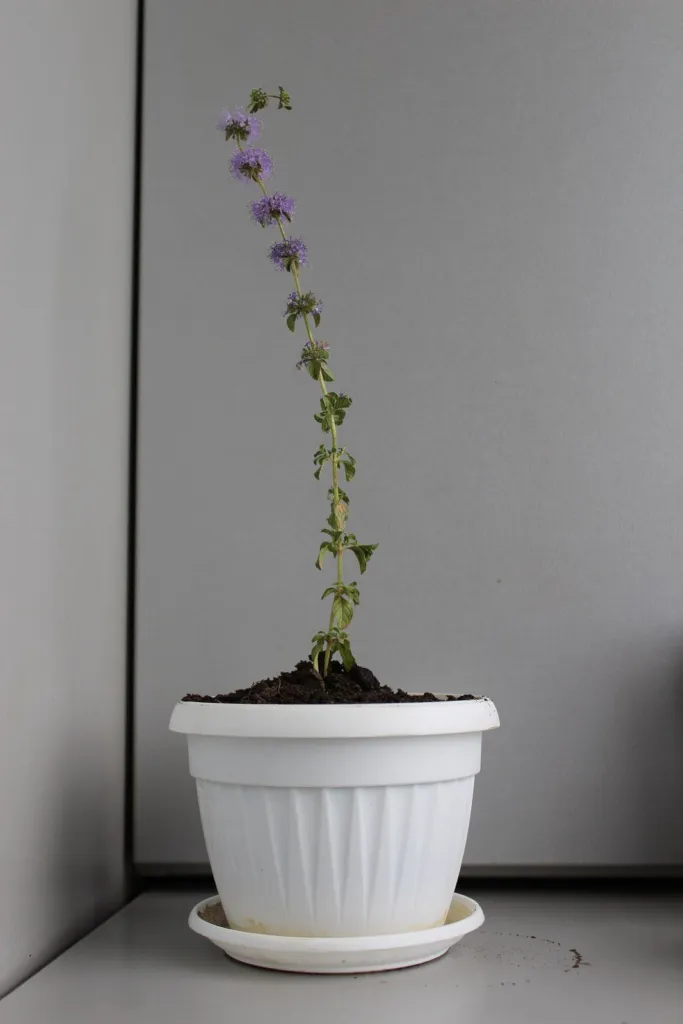
Photo: EmirDzaferovic · CC0 · Wikimedia Commons
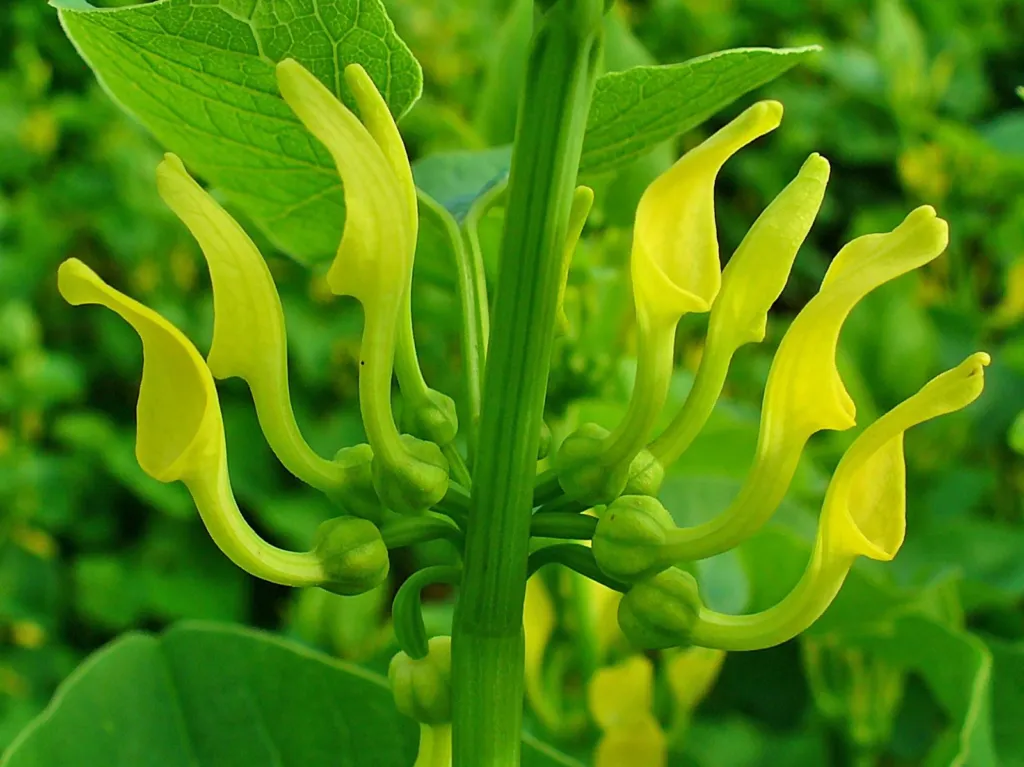
Photo: H. Zell · CC BY-SA 3.0 · Wikimedia Commons
Birthwort appears twice: “long aristolochy” under Antares, and “aristolochy” among the twelve zodiacal plants of Book II. Aristolochic acids cause kidney failure and urinary tract cancer in humans. The TGA prohibits Aristolochia species in therapeutic goods in Australia and has issued a practitioner alert setting out why. That prohibition was current when this article was checked on 20 September 2026. Castor, Agrippa’s “Palma Christi”, has seeds that contain ricin. Castor is an environmental weed through northern Queensland and grows freely around Cardwell. It carries no restricted-matter listing under the Biosecurity Act 2014 (Qld), so control sits with the general biosecurity obligation and with whatever the local council's biosecurity plan requires. Camphor, in the Moon fume, is poisonous if swallowed, especially for children. The camphor laurel it comes from is a category 3 restricted invasive plant under the Biosecurity Act 2014 (Qld) and a major environmental weed in northern New South Wales. Confirmed
Chapter 17 mentions the plant whose eater “shall die with laughing”. This is the classical herba Sardonia, the source of the phrase “sardonic grin”, and the 1651 name for it, “pas-flower”, is not a reliable identification. Older writers pointed to celery-leaved buttercup. A 2009 study from Sardinia argued for a water-dropwort, Oenanthe, whose polyacetylene toxins cause the facial spasm that the ancient descriptions record. The water-dropworts are among the most toxic plants in Europe. Evidence suggests
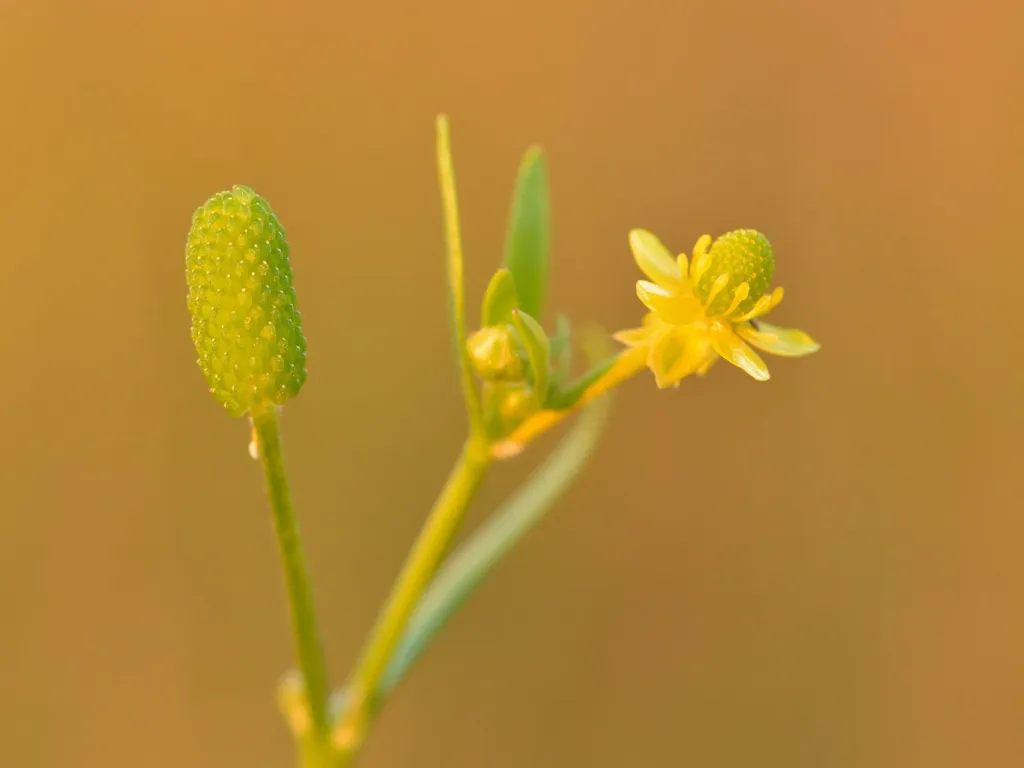
Photo: Ivar Leidus · CC BY-SA 3.0 · Wikimedia Commons
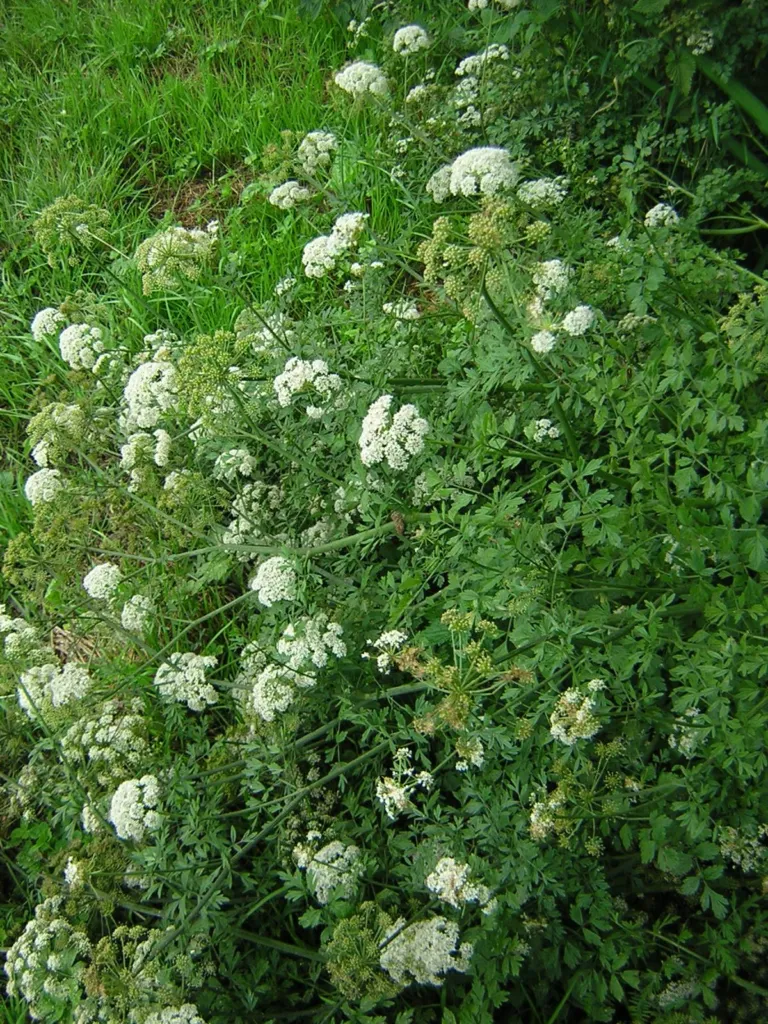
Photo: Aroche · CC BY-SA 2.5 · Wikimedia Commons
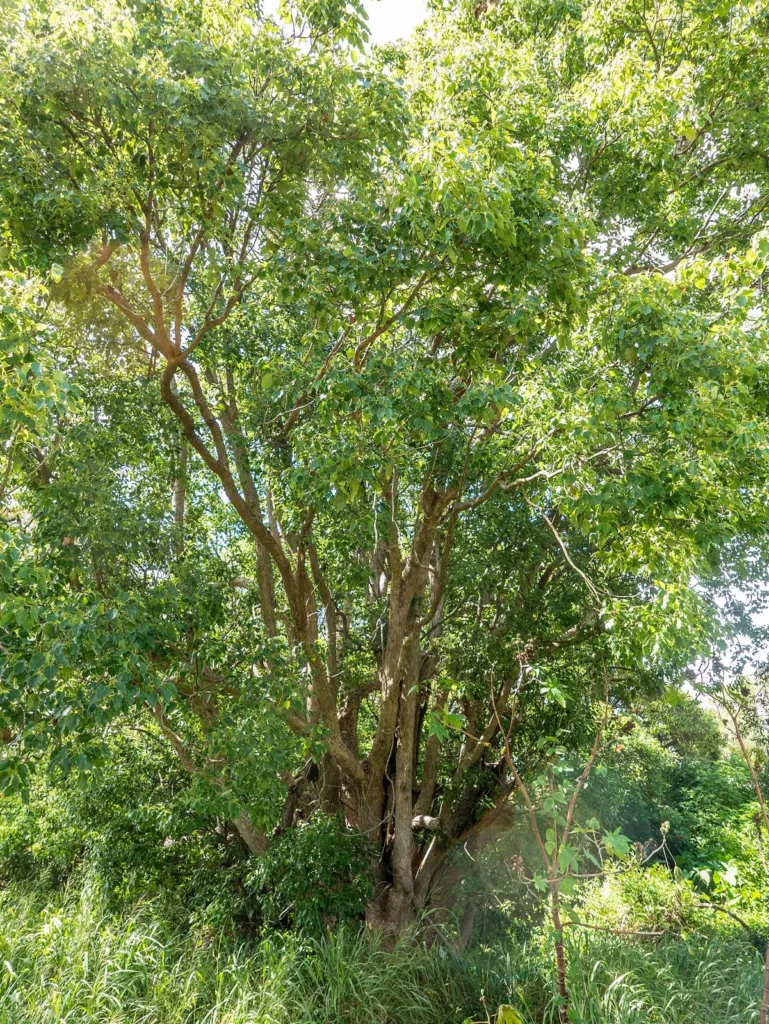
Photo: John Robert McPherson · CC BY-SA 4.0 · Wikimedia Commons
Several of these plants grow wild or in gardens here, including castor oil plant, camphor laurel, thornapple and, in cooler districts, hemlock. Do not burn, brew or handle them on the strength of an old book. If anyone has eaten, inhaled or been exposed to one, call the Poisons Information Centre on 13 11 26. Opium poppy is a legal matter as well as a toxic one: Papaver somniferum is a prohibited plant under the Drugs Misuse Act 1986 (Qld), and cultivation is licensed at Commonwealth level through the Office of Drug Control. Growing it without that licence is a criminal offence. If you want to know whether a herb is safe for you, consult a degree-qualified herbalist with competencies and adequate training in pharmacognosy. A Renaissance astrologer is not the right person to ask.
Discussion: Conclusions, Hypotheses And Research Still Required
This is where the author has to say plainly which claims hold up, which are only interesting, and what anyone taking the subject further should do. The evidence tags keep their meaning here. A textual reading stays a textual reading, and traditional use is never upgraded to clinical evidence.
What this article supports
- The plant material. Book I of De occulta philosophia names roughly a hundred and thirty distinct plants and plant products across the planetary chapters (23-29), the fixed-star chapter (32), the sympathy chapters (17-18) and the fume chapters (43-44). A few more appear in Books II and III, mainly the twelve zodiacal plants and the purifying herbs of Book III, chapter 57. The count is approximate because several names are unidentified. Attested
- The sorting principle. Planetary placement follows sensory quality (taste, smell, heat), behaviour (following the sun or moon), plant part (in the fume rules) and existing mythology. None of it rests on independent knowledge of what the plants do in the body. Attested
- The concordance. Where the category is defined by a fast, unmistakable bodily effect, the groups are pharmacologically coherent. Saturn’s stupefying plants and Mars’s burning and blistering plants are the clear cases. Where the category is social or aesthetic, as with Venus, Jupiter’s pleasantness and Mercury’s leaf shape, there is no pharmacological pattern. Mechanism
- The constituents. The compounds named here, tropane alkaloids, morphine, coniine, aconitine, allyl isothiocyanate, resiniferatoxin, protoanemonin, pulegone, glycyrrhizin and nepetalactone, are established constituents of the plants named, known independently of Agrippa. Confirmed
- The translation problem. The 1651 English introduces at least three plant errors that matter: darnel for lily on Jupiter’s list, pepperwort for costus, and the unreliable “pas-flower”. Modern correspondence tables built on the English inherit them. Attested
- The limit. None of this is clinical evidence. The text records what was used and why its author thought it worked. It shows nothing about whether anything worked, and no therapeutic claim is made here for any plant named in it. Traditional
Ideas still to be tested
Four ideas sit under the argument above. They follow from the material and are worth testing, but nobody has tested them yet, so please don’t quote them as findings.
- Hypothesis 1: Galenic heat is a rough map of chemical irritation. If so, plants classed as hot in the fourth degree should be over-represented among TRPV1 and TRPA1 activators and vesicants compared with plants classed as temperate. This can be tested by scoring a Galenic degree list against published channel pharmacology. Mechanism
- Hypothesis 2: effect-defined categories carry more chemical signal. Across Renaissance correspondence systems, lists defined by bodily effect should show more chemical coherence than lists defined by shape, colour or myth. Agrippa gives a small natural test with seven categories. Mechanism
- Hypothesis 3: the spirit fumes describe anticholinergic intoxication. The visions promised in chapter 43 may record the experience of people exposed to tropane-alkaloid smoke in closed rooms. This is a historical and toxicological reading, testable only against other period accounts and never by exposure. Mechanism
- Hypothesis 4: the fixed-star plants are a ranking of reputed power. The repeated appearance of mugwort and mandrake in chapter 32 may simply reflect how the Hermetic star tradition was put together. This can be tested by comparing Agrippa’s list with the medieval Latin Behenian star texts. Attested
What research is still required
Here is the specific work we would like to see, by discipline.
- Textual studies. A full plant-by-plant collation of Book I, chapters 17-18, 23-29, 32 and 43-46, across Perrone Compagni’s 1992 critical edition (which includes the Würzburg manuscript version), the 1533 Cologne printing and the 1651 English, recording every point where the English plant name departs from the Latin. AIP has not inspected the Würzburg manuscript, so this essay cites no folio. Attested
- Source studies. For each plant, the immediate source: Pliny, Dioscorides, Albertus Magnus, pseudo-Albert, Ficino’s De vita, the Picatrix, or the Behenian star texts. The aim is to measure how much of the list Agrippa inherited and how much he assembled himself. Attested
- Taxonomy. A confidence-graded identification table for the uncertain names, among them Chinosta, Cartabana, Diacedon, Quadraginus, Matry-silva, the Saturnine funeral tree and the “pas-flower”, with every candidate credited to whoever proposed it. Final determinations are for AIP’s Head of Botanical to make. Attested
- Phytochemistry. Bench analysis of what the seven planetary fumes actually release when burned: GC-MS of combustion headspace from authenticated resins and aromatics, and targeted measurement of tropane alkaloids surviving combustion of henbane seed. Plant material only. No human exposure work is proposed, and this department would never design any. Mechanism
- Toxicology and regulation. Every poisonous, scheduled or declared plant in the lists checked against the current Poisons Standard, TGA requirements and Queensland biosecurity status before anything is grown, held or photographed on site. This belongs to Medicine and Legal and must be rechecked at the date of any future revision. Attested
- Medicine and clinical research. None, deliberately. No honest clinical question can be taken from a book of planetary magic, and no traditional use in it is evidence of safety or effect. Anything touching dose, exposure or treatment goes to AIP’s Head of Medicine first. Traditional
In short: the textual work can start tomorrow with three editions and a spreadsheet, the chemistry needs authenticated material and an instrument, and the medicine should stay where it is. Agrippa would probably have approved of the first two. He spent his life collecting the virtues of things, and he was honest enough, in 1530, to doubt that he had understood them.
About the Australian Institute of Pharmacognosy
The Australian Institute of Pharmacognosy is a clinic and research laboratory in Cardwell, far north Queensland, studying medicinal plants and natural products to the same evidentiary standard as any other branch of pharmacology: traditional knowledge taken seriously, and tested honestly.
References
Selected sources – tap to open
- Agrippa von Nettesheim HC. De occulta philosophia libri tres. [Cologne]; 1533.
- Perrone Compagni V, ed. Cornelius Agrippa, De occulta philosophia libri tres. Leiden: Brill; 1992. (Studies in the History of Christian Thought 48.)
- Agrippa HC. Three Books of Occult Philosophy. Translated by J.F. London: Gregory Moule; 1651.
- Tyson D, ed. Three Books of Occult Philosophy, written by Henry Cornelius Agrippa of Nettesheim. St Paul, MN: Llewellyn; 1993.
- Peterson JH, ed. Heinrich Cornelius Agrippa: Of Occult Philosophy, Books I-III (digital edition of the 1651 English with Latin notes). Twilit Grotto: Esoteric Archives; 2000, updated 2020. esotericarchives.com
- Whitehead WF, ed. Three Books of Occult Philosophy or Magic, Book One: Natural Magic. Chicago; 1897. (AIP library copy.)
- Agrippa HC. De incertitudine et vanitate scientiarum. Antwerp; 1530.
- Ficino M. De vita libri tres. Florence; 1489. Kaske CV, Clark JR, eds and trans. Three Books on Life. Tempe, AZ: MRTS; 1989.
- Lehrich CI. The Language of Demons and Angels: Cornelius Agrippa’s Occult Philosophy. Leiden: Brill; 2003.
- Nauert CG. Agrippa and the Crisis of Renaissance Thought. Urbana: University of Illinois Press; 1965.
- Huffman MA. Current evidence for self-medication in primates: a multidisciplinary perspective. Yearbook of Physical Anthropology. 1997;40:171-200.
- Laumer IB, et al. Active self-treatment of a facial wound with a biologically active plant by a male Sumatran orangutan. Scientific Reports. 2024.
- Appendino G, et al. Polyacetylenes from Sardinian Oenanthe fistulosa: a molecular clue to risus sardonicus. Journal of Natural Products. 2009;72(5):962-965.
- Fenwick A. Picatrix Herbs: Magic, Poison and Pharmacology. AIP Grimoire Herbal No. 1. Australian Institute of Pharmacognosy; 2026.
- Therapeutic Goods Administration and the Poisons Standard (SUSMP), current at the date of publication, for the Australian status of Aristolochia and other scheduled plants named here.
Image credits
- 2024 RMO, Het jaar 1000, herbarium pseudo-Apuleius.jpg — Kleon3. CC BY-SA 4.0.
- Henry Corneille, Agrippe (BM 1879,1213.276).jpg — Public domain.
- Phys m 6 tb 1.jpg — Public domain.
- AMULET (FindID 755270).jpg — The Portable Antiquities Scheme. CC BY 2.0.
- Dioscorides Vienna (detail).jpg — Public domain.
- Boerenpioen – common peony – Paeonia officinalis italica.jpg — Bouke ten Cate. CC BY 4.0.
- Chelidonium majus, fleurs (Matthieu Gauvain).JPG — Falcoperegrinus (Matthieu Gauvain). CC BY-SA 3.0.
- Eisenkraut, Passau.JPG — Konrad Lackerbeck. CC BY-SA 2.5.
- Bloemknop van een goudsbloem (Calendula officinalis) 03-07-2020 (d.j.b.) 02.jpg — Dominicus Johannes Bergsma. CC BY-SA 4.0.
- Fruits of Laurus nobilis-2024-09-28.jpg — Harlock81. CC BY 4.0.
- Agarwood top grade.jpg — Hafizmuar at English Wikipedia. CC BY-SA 3.0.
- Crocus sativus, saffron(5).jpg — Emilie40. CC0.
- 2020 year. Herbarium. Artemisia vulgaris. img-001.jpg — Dmitry Makeev. CC BY-SA 4.0.
- Mandragora lekarska Mandragora officinarum 2017-05-01 01.jpg — Agnieszka Kwiecień, Nova. CC BY-SA 4.0.
- Illustration Potentilla reptans clean.JPG — Public domain.
- Origanum-dictamnus-1.jpg — Aqua1975. CC BY-SA 3.0.
- A pollinated date palm female inflorescence (close-up).jpg — Ahmed1251985. CC BY-SA 4.0.
- 176. Nepeta cataria, catnip, catmint – DPLA – 58ff424ab4a8dc41ff34a423cf0f63fa.jpg — Lincoln, Edwin Hale. Public domain.
- Medicinal Plant Gardens Weleda Schwaebisch Gmuend Ruta graveolens.jpg — Karatecoop. CC BY-SA 4.0.
- Basil-Basilico-Ocimum basilicum-albahaca.jpg — Castielli. CC BY-SA 3.0.
- Apothekergarten Seligenstadt Rheum Palmatum Medizinalrhabarber1.jpg — Alexander Klink. CC BY 4.0.
- Boswellia sacra.jpg — Scott Zona from USA. CC BY 2.0.
- Blossoms of the Storax tree (Styrax officinalis).jpg — Davidbena. CC BY-SA 4.0.
- Aracena – Cistus ladanifer 01.jpg — Basotxerri. CC BY-SA 4.0.
- Cengkih.jpg — Bayu Nugroho. CC BY-SA 4.0.
- (MHNT) Myrtus communis subsp. tarentina.jpg — Didier Descouens. CC BY-SA 4.0.
- (MHNT) Coriandrum sativum – inflorescence.jpg — Didier Descouens. CC BY-SA 4.0.
- 2023-06-22 Apium graveolens (Wild Celery), Elswick, Northumberland 1.jpg — MPF. CC BY-SA 4.0.
- Castor oil plant, Ricinus communis, Townsville, Queensland, Australia 2014-08-09 10-56.jpg — User:Btcpg. CC BY-SA 3.0.
- Henbane – Hyoscyamus niger – geograph.org.uk – 2259014.jpg — Ian Cunliffe. CC BY-SA 2.0.
- Papaver April 2010-13 crop.jpg — Alvesgaspar. CC BY-SA 3.0.
- Bloem van een kerstroos (Helleborus niger) 16-12-2021. (d.j.b) 01.jpg — Dominicus Johannes Bergsma. CC BY-SA 4.0.
- Euphorbia resinifera, Nordisk familjebok.png — Nordisk familjebok (1907). Public domain.
- 2020 year. Herbarium. Urtica dioica. img-001.jpg — Dmitry Makeev. CC BY-SA 4.0.
- Allium cepa (2944502550).jpg — Alex Lomas. CC BY 2.0.
- Aconitum napellus – Köhler–s Medizinal-Pflanzen-151.jpg — Franz Eugen Köhler, Köhler's Medizinal-Pflanzen (1887). Public domain.
- BD n261 w1150 (37917754416).jpg — Biodiversity Heritage Library. CC BY 2.0.
- (MHNT) Vitex agnus-castus with Bombus lucorum.jpg — Didier Descouens. CC BY-SA 4.0.
- 20220702 Araschnia levana 02.jpg — Flocci Nivis. CC BY 4.0.
- Conium maculatum, 2023-05-30, South Side Park, 01.jpg — Cbaile19. CC0.
- Juniperus sabina, Lillaz, Valle d'Aosta, Italy.jpg — Tiia Monto. CC BY-SA 4.0.
- Mentha Pulegium 11.jpg — EmirDzaferovic. CC0.
- Aristolochia clematitis 002.JPG — H. Zell. CC BY-SA 3.0.
- Ranunculus sceleratus – mürktulikas Keilas.jpg — Ivar Leidus. CC BY-SA 3.0.
- Oenanthe crocata1.jpg — Aroche. CC BY-SA 2.5.
- Cinnamomum camphora 7th Brigade Park Chermside L1040580.jpg — John Robert McPherson. CC BY-SA 4.0.
- Chemical structures: PubChem, US National Library of Medicine (public domain).
- Image handling: the Wikimedia Commons photographs have been resized for the web, and the cover and section thumbnails are cropped to fit their frames. No other alteration was made. The PubChem structure images are reproduced unaltered.
- Quoted text: every English quotation from De occulta philosophia is taken from the public-domain 1651 translation attributed to “J.F.”. No text from Donald Tyson's 1993 Llewellyn edition is reproduced. Joseph Peterson's editorial findings are paraphrased with attribution wherever they are used.