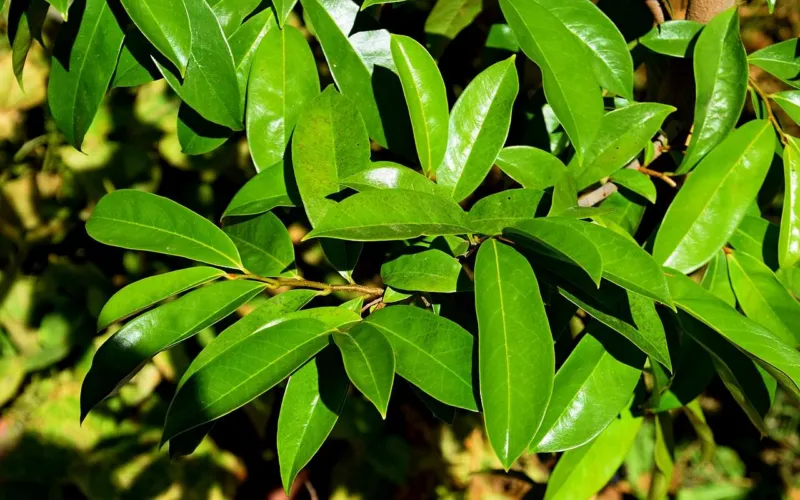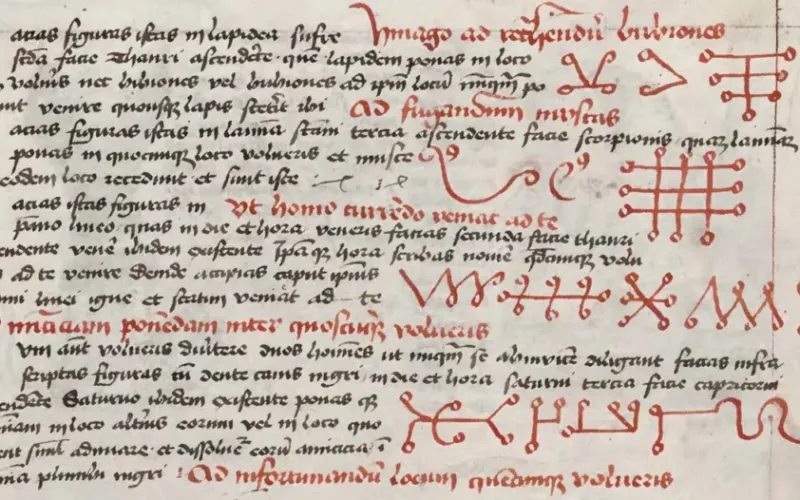

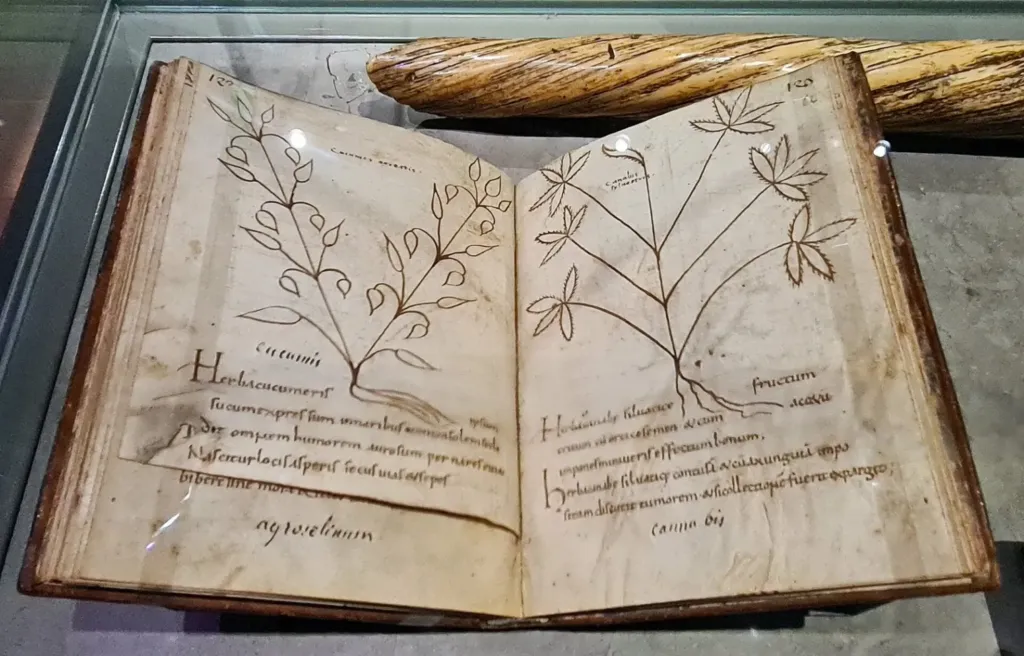
Cover: a medieval herbarium. Photo: Kleon3 · CC BY-SA 4.0 · Wikimedia Commons
Pinned up in a crystal shop, or in the back of a spell book, there is often a chart: rosemary for the Moon, bay for the Sun, the rose for Venus.
Some of it, mistakes included, comes from a book a German scholar called Agrippa printed in 1533. Two of his planet lists match what plants really do to a body. They include some of the plants that can put you in hospital.
Educational only, not medical or legal advice, and not a recommendation to use any plant named here. Legal passages are the Institute’s published reading as at 20/09/2026.
Ring the Poisons Information Centre on 13 11 26, 24 hours a day, anywhere in Australia, and follow what they tell you. In an emergency ring 000.
Several plants in Agrippa’s lists are seriously poisonous, and some are controlled or banned from medicines in Australia. Among them are hemlock, henbane, mandrake, monkshood, both hellebores, savin, pennyroyal oil, castor seed and birthwort.
His smoke recipes appear here as history only. Do not attempt any of them.
- Agrippa gave plants to planets by look, smell and myth.
- Saturn’s plants that stupefy and Mars’s that burn hold up. Several of them are dangerous.
- None of it proves any plant works as a medicine.
- His spirit smoke burns henbane with hemlock: a recipe for poisoning.
- After any exposure, ring 13 11 26.
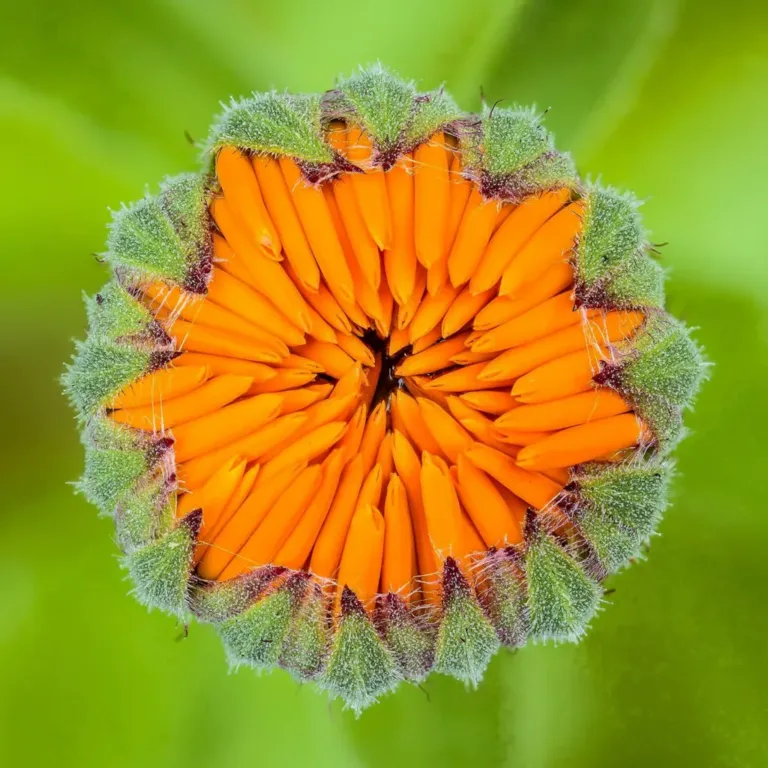
The marigold belongs to the Sun
How one scholar sorted the garden.
To Agrippa, “occult” meant hidden: each plant held a power from the stars, found largely by likeness. The marigold opens to the sun, so it went to the Sun. The rose was Venus’s long before any horoscope.
Where the 1651 English translation puts darnel on Jupiter’s list, his Latin says lily, and modern charts have copied the darnel ever since.
A planet beside a herb tells you how that plant struck a scholar five centuries ago. It says nothing about what it will do for you, and a chart copied from the English may name the wrong plant.
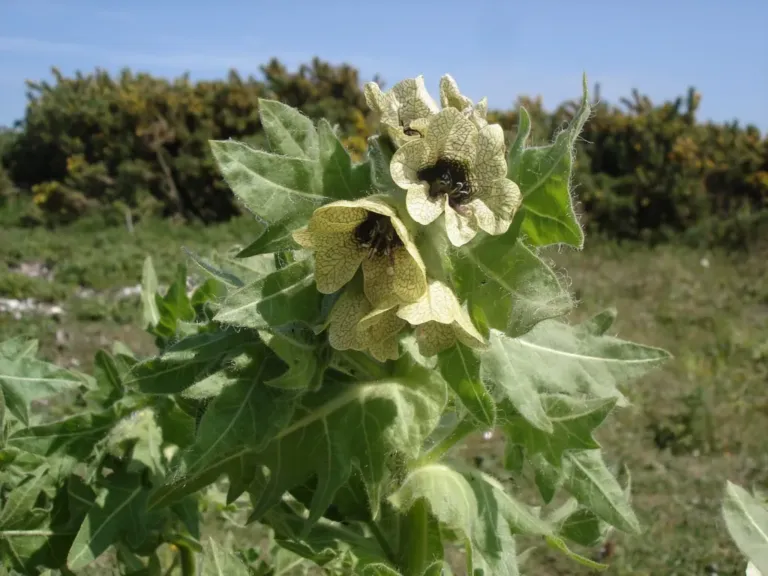
He got two lists right, and they are the dangerous ones
Where the effect was too strong to miss.
Saturn got the plants that “stupefy”, mandrake and opium among them. That holds up: mandrake, and the henbane in Saturn’s smoke recipe, block receptors for one of the nerves’ chemical messengers, bringing drowsiness, confusion and, with more exposure, delirium.
Mars got the plants that burn, sting or make you cry, and mustard and garlic really do set off the body’s irritant sensors. Wolfsbane, a heart and nerve poison, sits there too.
His smoke for calling spirits burns henbane with hemlock. People have been poisoned smoking henbane, commonly with vivid hallucinations. Hemlock’s poison causes a paralysis that creeps upward. Nobody should handle or heat it.
Venus, Jupiter and Mercury were sorted by scent, sweetness and leaf shape, with no chemical pattern underneath. The book shows what people used, never whether it worked.
The lists he got right are the lists that can hurt you.
For any question about using a herb, consult a degree-qualified herbalist with competencies and adequate training in pharmacognosy.
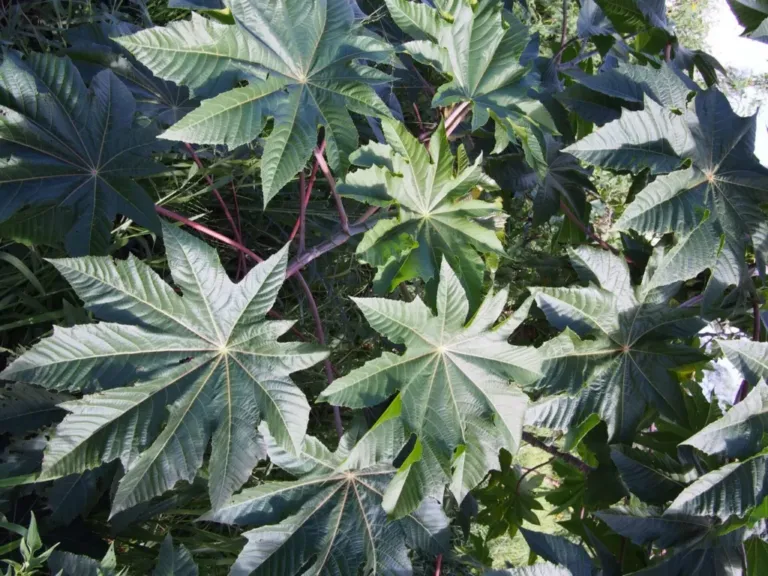
Some of Agrippa’s garden grows wild here
Castor on a Cardwell roadside.
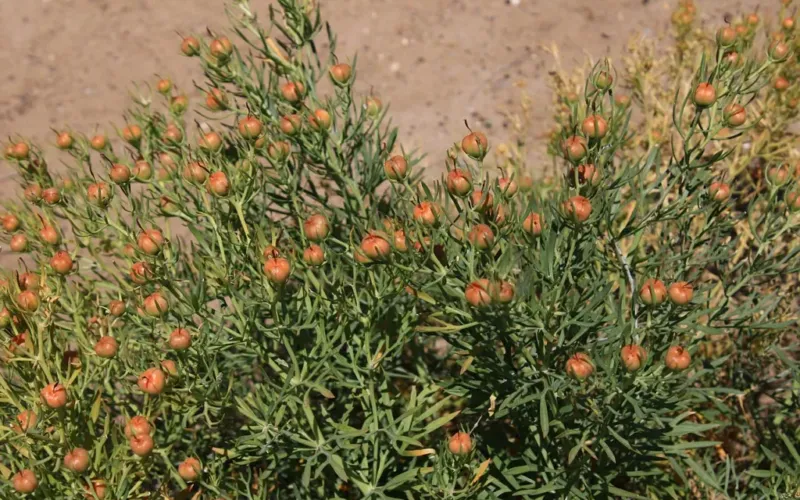
The castor oil plant grows freely around Cardwell, and its seeds contain ricin. Camphor is poisonous if swallowed, children most of all. In Queensland the camphor laurel is a restricted invasive plant and must not be given away, sold or released. Thornapple grows here too, wild or in gardens, and hemlock in cooler districts.
Pennyroyal oil has caused fatal liver failure. Birthwort (Aristolochia) causes kidney failure and urinary tract cancer, and the TGA, Australia’s medicines regulator, prohibits all species in therapeutic goods, as at 20/09/2026. Opium poppy, on Saturn’s list, is a prohibited plant in Queensland; growing it without a Commonwealth licence is a crime.
Don’t burn, brew or handle any of these on the strength of an old book.
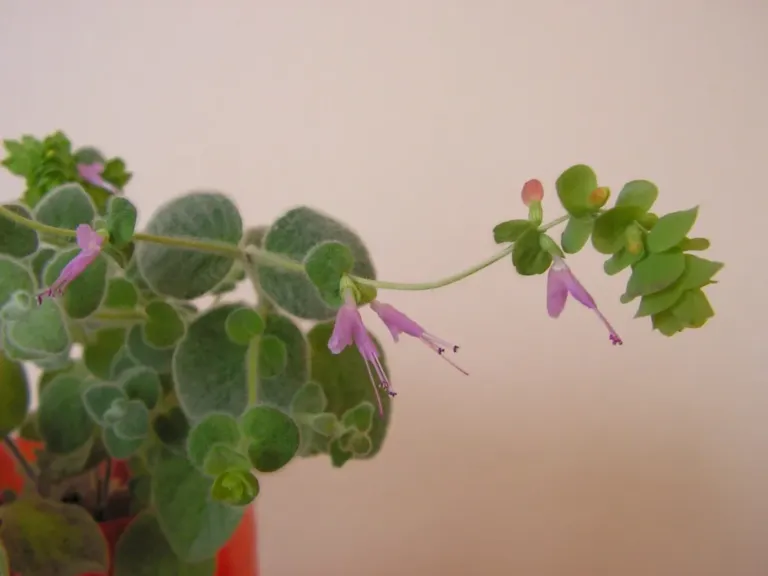
The deer and the orangutan
The old stories, and what came true.
Agrippa lists animals that treat themselves, like the wounded deer seeking dittany. That is a fable, and no evidence dittany helps anyone. Yet watching which plants animals choose is now a field of research. In 2024 researchers described a wild orangutan in Sumatra applying a chewed medicinal vine to a wound on its face.
Enjoy the deer as a story. Agrippa spent his life collecting the hidden virtues of things, and in 1530 he was honest enough to doubt he had understood them.
The short version of Ambrose Fenwick’s essay. The full one:
- Jesse Kirby — wrote this edition from scratch, starting from the planet charts readers actually meet, and built it on four things: where the charts come from, the two lists that hold up and the smoke made from them, the plants growing wild around Cardwell and in Australia, and the deer and the orangutan
- Zoe Bennett — set the title and the search description around the rosemary-for-the-Moon chart, so it is found by people who have seen one, and chose “the lists he got right are the lists that can hurt you” as the line it is shared with
- Theo Karras — chose the herbarium cover and the four section banners from the essay’s own licensed photographs, put henbane on the section about the stupefying plants, and put the Townsville castor photograph on the Cardwell section so the local weed is the one readers see
- Leah Bianchi — built the page: the red safety box with 13 11 26 first, the one-minute card, the pull quote and the what-this-means cards, and checked it reads cleanly on a phone
Contributors
- Ambrose Fenwick — wrote AIP Grimoire Herbal No. 2, the essay this page retells, and checks the simplification against it
- Geoffrey Larkin — Legal and regulatory review of this edition; restored the all-species scope of the birthwort prohibition and checked the image licences against the essay
Direction and oversight
- Dr Luke Iggulden — Commissioned the Explainer series, set its direction and approved it
Image credits. All photographs are the parent essay’s own, from Wikimedia Commons, resized and cropped to fit their frames with no other alteration. Pseudo-Apuleius herbarium, Rijksmuseum van Oudheden, Leiden: Kleon3, CC BY-SA 4.0. Pot marigold: Dominicus Johannes Bergsma, CC BY-SA 4.0. Henbane: Ian Cunliffe, CC BY-SA 2.0. Castor oil plant, Townsville: User:Btcpg, CC BY-SA 3.0. Dittany of Crete: Aqua1975, CC BY-SA 3.0. The resized and cropped images are shared under the same licences as the originals.
AIP Explainers are the plain-language editions of the Institute’s technical articles, published alongside the original. Everything here is carried by the full essay, where the sources and the evidence are set out. Regulatory information was read on 20/09/2026 and may change; it is the Institute’s published reading and not legal advice. Found an error? Write to our contact form. We would rather correct a claim than repeat it.
Jesse Kirby
Head of Community Outreach
Australian Institute of Pharmacognosy
Cardwell QLD, Australia
australian-pharmacognosy.org · our contact form