
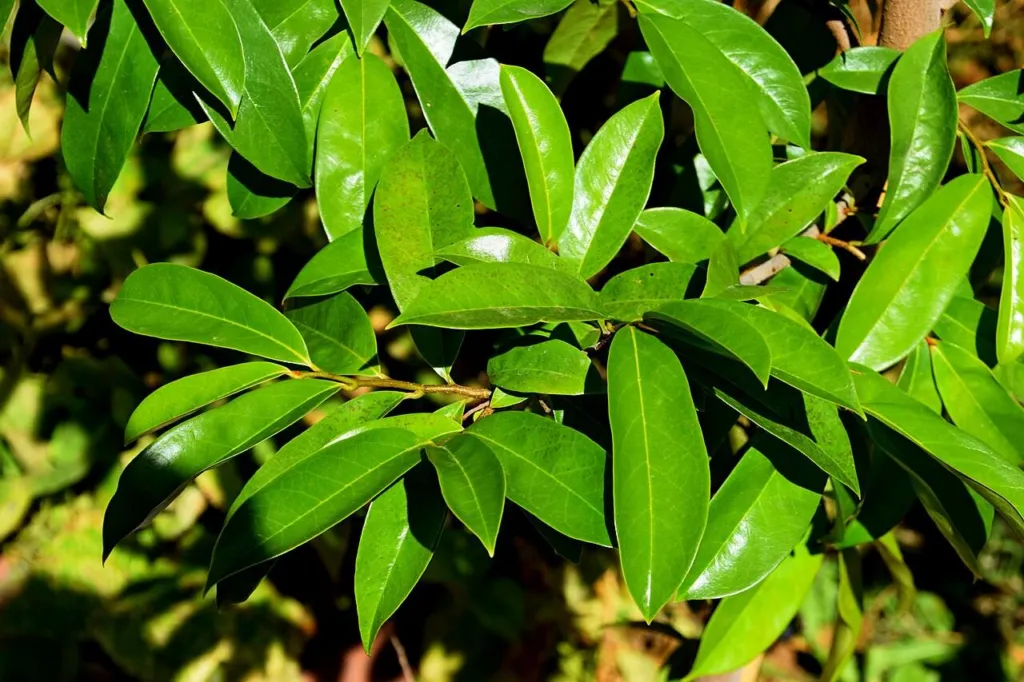
Cover: Jardin des Plantes, Toulouse. Photo: Krzysztof Golik · CC BY-SA 4.0 · Wikimedia Commons
North of Cardwell, back yards hold soursop trees hung with green fruit the size of a rugby ball. Cut one open and it is white and sharp-sweet. Type “graviola” into a search bar and the same tree comes back as capsules and leaf tea, sold worldwide as a cure for cancer.
Nobody has shown that it treats cancer in a person. The one serious worry about this plant, slow harm to the nerves after years of heavy use, is the part the sellers leave out. If there is a packet of leaf in your cupboard, read on.
Educational only: not medical, legal or regulatory advice, or a recommendation to take soursop. Legal passages are the Institute’s reading of Australian rules as at 20/09/2026.
For collapse, a seizure, severe confusion, difficulty breathing or a sudden inability to move or speak, ring Triple Zero (000).
For a swallowed overdose, a child who has eaten seeds or any soursop preparation, or any poisons question, ring the Poisons Information Centre on 13 11 26, 24 hours, anywhere in Australia.
The warning signs are in the nerves, not the stomach: slowness, stiffness, early falls, trouble moving the eyes up or down, trouble swallowing, or changes in thinking. These have many commoner causes and are not a Triple Zero call. If they are new or getting worse, get a prompt neurological assessment, and mention any long-running leaf tea or capsule.
Anyone with cancer belongs with their oncology team, and should tell them what they take. Seeds are not food. Report any reaction to the TGA.
- The fruit is food. Graviola on a bottle usually means dried leaf, which is different.
- The cancer evidence is cells in dishes and animals. No trial has checked tumours or survival.
- The real worry is slow nerve damage, suspected but unproven, after decades of heavy use on one Caribbean island.
- No authority has set a safe amount.
- No soursop medicine is approved in Australia, and nobody checks the capsules.
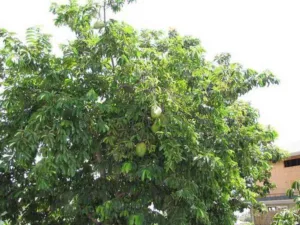
The fruit in the bowl, the leaf in the capsule
One tree, two different things.
Soursop, graviola, guanábana and sirsak all name one tree. A soursop in a shop is fruit flesh. A graviola capsule or leaf tea is almost always dried leaf, and now and then has ground seed in it. Each carries different chemicals in different amounts.
From Papua New Guinea to the Caribbean, the leaf is a household remedy for the stomach, fever and sleep. Two World Health Organization records of these uses never mention cancer. Long use shows people valued it; it is no safety test.
With any leaf, tea or capsule, find out which part of the tree is in it. If the label won’t say, you don’t know.
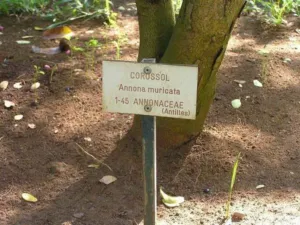
Where the cancer story came from
Real laboratory work, and a slogan off a label.
The laboratory part is true. Soursop’s main chemicals, acetogenins, shut down the tiny power plants inside a cell, and cancer cells in a dish die.
We found one small trial, in people whose bowel cancer had been removed. It measured their nutrition and what their blood did to cancer cells in a dish. No trial anywhere has measured tumours shrinking or survival.
The famous “10,000 times stronger than chemotherapy” line came off a seller’s own label, quoted back at them by an American regulator. We found no study behind it and treat it as unsourced.
People take it anyway, often without telling their cancer team. Computer and cell studies hint it could change how the body handles some medicines, cancer drugs among them; nobody has measured that in a patient.
If you have cancer, stay with your oncology team and tell them about every herbal product you take. Advertising herbal products as cancer treatments is against the law in Australia.

The island that counted its patients
The weightiest evidence about soursop came from a hospital ward.
On Guadeloupe, a French Caribbean island, neurologists found most people with a Parkinson’s-type illness had unusual forms that the usual medicine does not help. Those patients had eaten far more fruit of the soursop family, and drunk far more herbal tea, than others.
Suspicion fell on annonacin, soursop’s main acetogenin, which jams the same power plants in nerve cells. Dripped into rats’ veins, it damaged the brain in a pattern like the island illness. Mice drinking soursop juice for a year built up tau, the abnormal brain protein found in the island patients.
French and European food-safety reviewers, ten years apart, would not say soursop causes the illness, and neither could set any safe amount. Both are overseas, with no force here.
Nobody, not us, not a seller, not a label, can tell you how much leaf tea is safe over years.
The counterweight: in rats, swallowed annonacin is poorly absorbed (one study, and nobody has checked how much reaches the brain), and the island exposure was lifelong: fruit, nectar and daily tea for decades, alongside other chemicals that jam the same power plants.
A soursop from a Cairns market is a long way from that island. A strong leaf brew every day, year after year, is a great deal closer, and nobody knows where the line is.
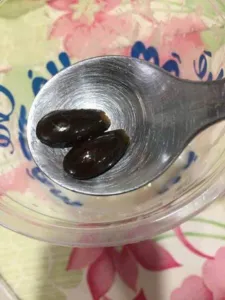
Who should leave it alone
Some people have more reason than others.
Most reason to avoid the leaf, capsules and extracts: people with Parkinson’s or another illness where nerve cells wear out, people on chemotherapy or targeted cancer treatment, and children. Pregnancy and breastfeeding too: there is no human information either way, and silence is no reassurance.
There are no data on children. By our reasoning a small body gets more from the same juice, though no harm has been measured. That is no reason to take fruit off the family table.
In animals the leaf lowers blood pressure and blood sugar and sedates, so it may add to medicines that do the same or to an anaesthetic; mention it before surgery. It is unmeasured in people.
The seeds carry the most acetogenin in the tree and are traditionally an insecticide. Spit them out, and leave alone any product with ground seed in it.
If someone who has taken the leaf for years grows slower, stiffer or starts falling, get a prompt neurological assessment and mention the tea. Other causes are far likelier. Stopping the tea is the part you control.
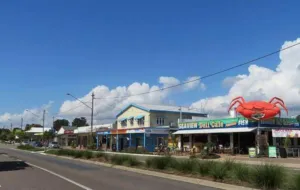
What the law allows, and what is in the packet
Lawful to grow and eat. Never approved as a medicine.
As we read the rules on 20/09/2026, growing, selling and eating the fruit is lawful, and soursop is on no national poisons list. It may not go into the listed herbal medicines on pharmacy shelves, and no approved medicine in Australia contains it.
So soursop sold here with any medicinal claim is an unapproved medicine. Posted capsules can come in under a scheme for a limited personal supply, never for resale. That scheme checks nothing about the product, and biosecurity rules still apply to dried plant material.
A capsule bought online arrives with nobody having checked it.
Before taking soursop leaf or any botanical medicine, consult a degree-qualified herbalist with competencies and adequate training in pharmacognosy. Report any bad reaction to the TGA yourself; your report may be the only one they get. And if the tree over the back fence is fruiting, enjoy it and spit out the seeds.
The short version of AIP Monograph No. 5 by Dr Thomas Ridley. The full one:
- Jesse Kirby — wrote the words, retelling the monograph around five questions a soursop buyer actually has, from the back-yard tree to the capsule in the post
- Zoe Bennett — wrote the page title and search description, and chose to lead the share on the fruit-versus-leaf split so it doesn’t read as a scare story
- Theo Karras — picked the cover and the five section banners from the monograph’s licensed photographs, running from a fruiting tree through Guadeloupe to Cardwell, and cut the in-body figures so the page stays short
- Leah Bianchi — built the page: the red safety box with the nerve warning signs, the one-minute card, the two pull quotes and the what-this-means cards, and checked it reads on a phone
Contributors
- Dr Thomas Ridley — wrote AIP Monograph No. 5, the article this page retells
Direction and oversight
- Dr Luke Iggulden — Commissioned the Explainer series, set its direction and approved it
Image credits. All photographs are reused from AIP Monograph No. 5 and were resized and re-encoded for the web by AIP, with no other changes. Cover, soursop in the Jardin des Plantes, Toulouse: Krzysztof Golik, CC BY-SA 4.0. Fruiting tree: Forest and Kim Starr, CC BY 3.0 us. Labelled soursop, Réunion: Damien Boilley, CC BY 2.0. Pointe-à-Pitre harbour: Filo gèn', CC BY-SA 4.0. Seeds: Zenyrgarden, CC BY-SA 4.0. Cardwell: Torbenbrinker, CC BY-SA 4.0. All via Wikimedia Commons.
AIP Explainers are the plain-language editions of the Institute’s technical articles, published alongside the original. Everything here is carried by the full article, where the references, the evidence and the regulatory sources are set out. Regulatory information was read on 20/09/2026 and may change; French, European and United States documents mentioned are overseas material and do not apply in Australia. Found an error? Write to our contact form. We would rather correct a claim than repeat it.
Jesse Kirby
Head of Community Outreach
Australian Institute of Pharmacognosy
Cardwell QLD, Australia
australian-pharmacognosy.org · our contact form