

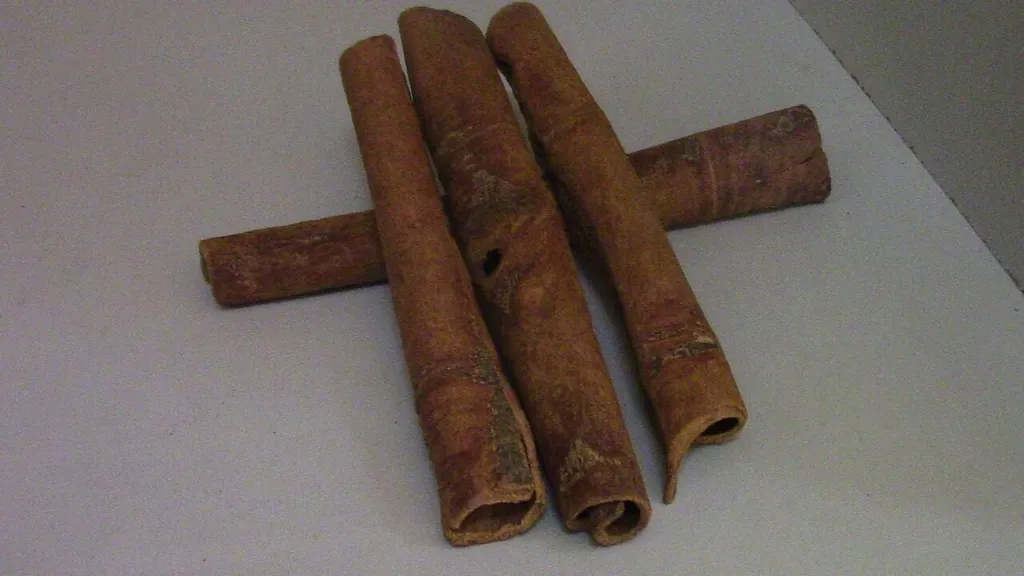
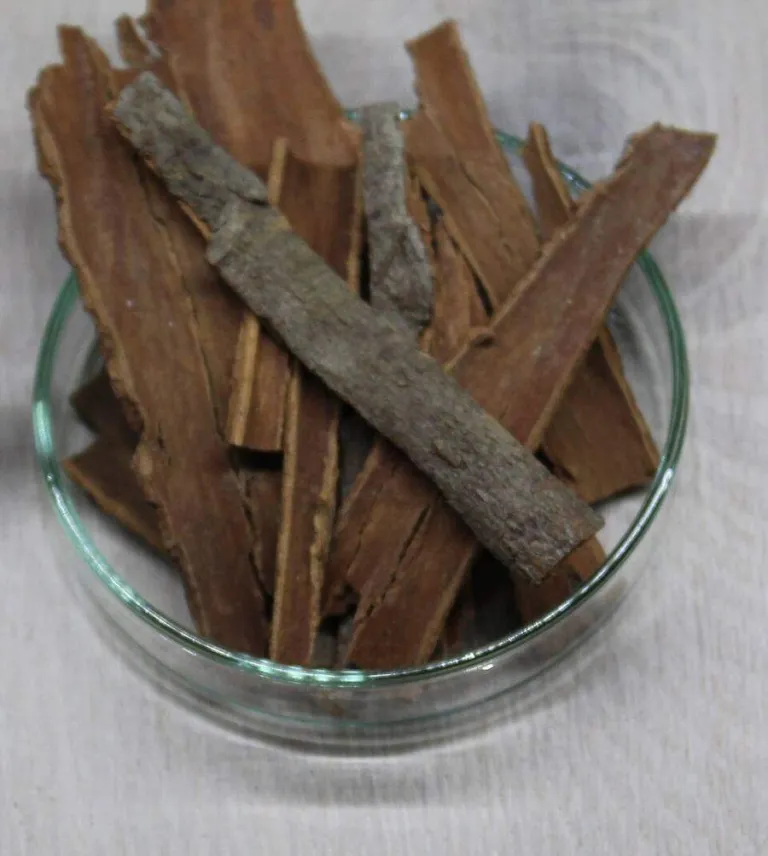
Cover: quills of cassia inner bark. Photo: NanaYawBotar · CC BY-SA 4.0 · Wikimedia Commons
The jar marked “cinnamon” in most Australian pantries most likely holds cassia, the thick, spicy bark of Cinnamomum cassia and its close relatives. Evidence suggests It has flavoured food and filled Chinese medicine prescriptions for close to two thousand years Traditional, and in 2026 it is being sold on social media as a fat-burning coffee trick and a kitchen-cupboard version of a GLP-1 weight-loss drug. The trials tell a quieter story, and a more useful one.
This is a Literature Review and Critical Analysis from the Australian Institute of Pharmacognosy. We read the randomised trials and meta-analyses in full, along with the Australian and European regulatory documents on coumarin, and set out what cassia does in people, what has only been seen in the laboratory, where the long culinary and medical tradition sits, and what Australian law says about the spice, the supplements and the oil. Cassia is a good spice and a genuinely interesting medicinal bark. It deserves to be understood on its own terms.
This article is educational. It is not medical advice and does not recommend any product, dose or treatment.
1. Cassia carries coumarin. Cassia bark contains coumarin, a natural flavour compound that can injure the liver in a small number of sensitive people. European regulators set a tolerable daily intake (TDI) of 0.1 mg per kg of body weight. German monitoring found an average of about 3 g of coumarin per kg of cassia, and up to 10 g/kg, so a 60 kg adult reaches the TDI at about 2 g of cassia a day and a 15 kg child at about 0.5 g (BfR 2012 [1]). Confirmed Ceylon cinnamon (Cinnamomum verum) contains very little. See §9. The EMA herbal committee does not recommend medicinal cinnamon bark in pregnancy, breastfeeding or under 18 years (§9).
2. Glucose-lowering medicines. If you take metformin, a sulfonylurea, insulin or a GLP-1 medicine, adding a concentrated cinnamon supplement could add to their effect on blood glucose. Mechanism No trial we found has tested cinnamon alongside the GLP-1 medicines. Keep monitoring as you have been advised, and make sure everyone involved in your diabetes care knows what you are taking.
3. Do not swap. Cinnamon does not replace a prescribed diabetes or weight-loss medicine. The size of its effect, where there is one, is small next to those drugs (§7, §8).
If someone is unwell after swallowing a large amount of cinnamon powder or oil, or a child has inhaled powder, call Triple Zero (000) in an emergency, or the Poisons Information Centre on 13 11 26 (24 hours, Australia-wide).
| The plant | Cinnamomum cassia (L.) J.Presl (Lauraceae), Chinese cinnamon or cassia; the bark is Rou Gui in Chinese medicine. An evergreen tree of southern China and South-East Asia. Confirmed §1, §2 |
| In Australia | No wild or naturalised records found; the genus is represented here by native rainforest species and the weedy camphor laurel. Evidence suggests §3 |
| Traditional role | A major spice worldwide, and a warming bark in Chinese medicine recorded since the Eastern Han dynasty. Traditional §4 |
| Chemistry | Cinnamaldehyde dominates the flavour; procyanidins and coumarin matter for the pharmacology and the safety. Cassia carries far more coumarin than Ceylon cinnamon. Confirmed §5 |
| Blood sugar | Pooled trials show a fall in fasting glucose in type 2 diabetes but no clear change in HbA1c; trial quality is mostly low. Evidence suggests §7 |
| “Nature’s Ozempic” | No evidence that cinnamon acts on the GLP-1 receptor; effects on weight are very small. Evidence suggests §8 |
| Safety | Coumarin is the main concern at daily teaspoon amounts; liver injury is rare and usually reversible. Additive effects with diabetes medicines are possible. Confirmed §9 |
| Australian law | A food. Coumarin for therapeutic use is Schedule 4; cassia oil and cinnamon bark oil are Schedule 5 with exemptions. Listed medicines with cassia must declare coumarin. Confirmed §10 |
- Confirmed: established in humans by trial, or an unambiguous analytical, chemical or regulatory fact.
- Evidence suggests: real published data, but preclinical, observational, small, inconsistent or not yet replicated.
- Mechanism: a plausible pharmacological inference, not an outcome measured in people.
- Traditional: historical, culinary or ethnomedical use. Evidence of practice, not of efficacy.
- Attested: a documentary fact attested in a named edition or record. A textual reading, not a claim about what a plant does.
Every PubMed ID (PMID) links to its PubMed record and was checked against PubMed in November 2026, and every compound was checked against PubChem. We cite only papers we read in full. Where a widely repeated claim could not be traced to a primary source, it is marked unsourced.
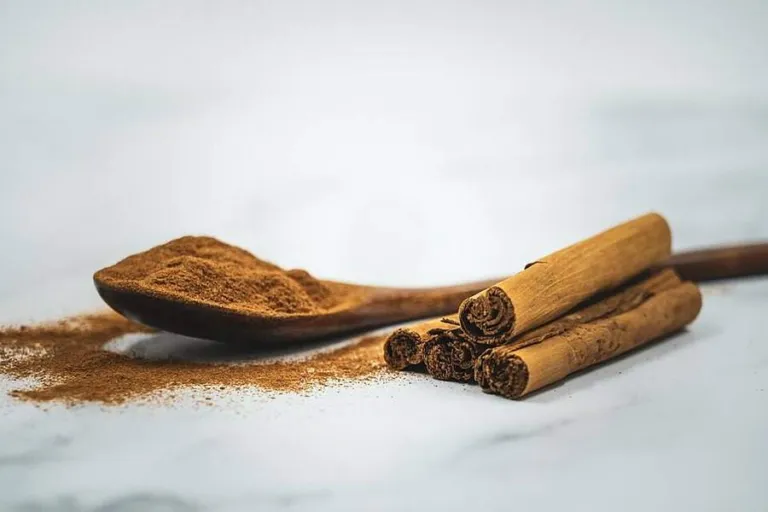
Most supermarket cinnamon in Australia, and most cinnamon in blood-sugar supplements, is cassia: Cinnamomum cassia or its trade relatives Indonesian and Vietnamese cinnamon. “True” or Ceylon cinnamon, Cinnamomum verum, is a different species with a softer flavour, a paper-thin layered quill and very little coumarin. Many Australian spice labels simply say “cinnamon”.
The blood-sugar story is real but modest. Ten randomised trials pooled in 2013 found that cinnamon lowered fasting glucose in type 2 diabetes by about 1.4 mmol/L on average, with a confidence interval from about 0.5 to 2.2 mmol/L, and did not significantly change HbA1c, the three-month average that matters most for complications (Allen 2013, PMID 24019277 [2]). A Cochrane review by University of South Australia researchers found the trials too small and too poorly blinded to support cinnamon for diabetes (Leach and Kumar 2012, PMID 22972104 [3]). Reviews published in 2025 still rate the certainty as weak or very low (Gou 2025, PMID 41256917 [4]; Jafari 2025, PMID 40611215 [5]).
Cinnamon is not a GLP-1 medicine and does not work like one. Semaglutide is a modified hormone that binds the GLP-1 receptor directly and, in its main weight trial, produced about 15% weight loss over 68 weeks (Australian PI, semaglutide [6]). We found no evidence that anything in cinnamon binds that receptor, and the trials of cinnamon on body weight show very small changes (Mantzioris 2024 [7]).
The practical issue is dose and type. A sprinkle on porridge is a spice. Daily teaspoons of cassia, every day for months, can put an adult over the European tolerable intake for coumarin, and people already taking glucose-lowering medicines may see an added effect. For a regular, larger amount, Ceylon cinnamon removes most of the coumarin question. Before taking any botanical drug for blood sugar, consult a degree-qualified herbalist with competencies and adequate training in pharmacognosy.
 Chapter 1Names, identity and the other cinnamons
 Chapter 2The tree and the bark you buy
 Chapter 3Where it grows, and its Australian relatives
 Chapter 4Kitchen, trade route and Chinese medicine
 Chapter 5Chemistry: cinnamaldehyde, procyanidins, coumarin
 Chapter 6Pharmacology: what the laboratory shows
 Chapter 7Clinical evidence: glucose, HbA1c and lipids
 Chapter 8Coffee hacks and “nature’s Ozempic”
 Chapter 9Safety and interactions
 Chapter 10In Australia: law, listings and labels
 Chapter 11Quality, adulteration and contaminants
 Chapter 12Discussion and research still required
Also: About AIP · References · Image credits
Chapter 1Names, identity and the other cinnamons
“Cinnamon” is a trade name, and it covers at least four species of Cinnamomum, a genus of about 250 aromatic trees and shrubs in the laurel family, Lauraceae (Mancak 2025, PMID 40104311 [8]). Confirmed Botanically, true cinnamon is the dried inner bark of Cinnamomum verum J.Presl (synonym C. zeylanicum), native to Sri Lanka and sold as Ceylon or Sri Lankan cinnamon. The other three are grouped in trade as “cassia”: C. cassia (Chinese cinnamon), C. burmannii (Indonesian cinnamon) and C. loureiroi (Vietnamese or Saigon cinnamon) (Mancak 2025, PMID 40104311 [8]; Ranasinghe 2013, PMID 24148965 [9]). Confirmed
This review is about C. cassia itself, and about the cassia group where the evidence does not separate the species, which is often. Many trials do not say which cinnamon they used, and several used Indonesian or mixed material while being reported as “cinnamon”. We flag the species wherever the paper gives it, because the chemistry differs and the coumarin load differs most of all.
| Field | Detail |
|---|---|
| Accepted name | Cinnamomum cassia (L.) J.Presl. Older literature uses Cinnamomum aromaticum Nees, which the TGA treats as a synonym (TGA 2019 [10]). Confirmed |
| Family | Lauraceae (the laurel family, which also holds bay laurel, avocado and camphor laurel). |
| Common names | Cassia, Chinese cinnamon, cassia bark. In Chinese medicine the bark is Rou Gui (Cinnamomi Cortex) and the young twig Gui Zhi (Cinnamomi Ramulus). |
| Part used | Bark (spice and medicine), twigs (Chinese medicine), and the distilled oil of bark and leaves (flavour and fragrance) (Zhang 2019, PMID 31557828 [11]). Confirmed |
| Pharmacopoeial status | The bark has been listed in the Pharmacopoeia of the People’s Republic of China since 1963, with cinnamaldehyde as the quality marker (Zhang 2019, PMID 31557828 [11]). Attested The European Medicines Agency’s herbal committee has a monograph for Ceylon cinnamon bark (C. verum) under gastrointestinal disorders, and none for cassia (EMA HMPC [12]). Confirmed |
| Trade relatives | C. burmannii (Indonesian), C. loureiroi (Vietnamese, Saigon). Both are cassia-type barks. |
One naming trap is worth knowing about. “Cassia” also names an unrelated legume genus, Cassia (Fabaceae), and the senna laxatives once filed under it. Cassia bark and senna leaf have nothing in common but the word, and the Latin binomial is the only safe way to tell which one a label means.
Chapter 2The tree and the bark you buy
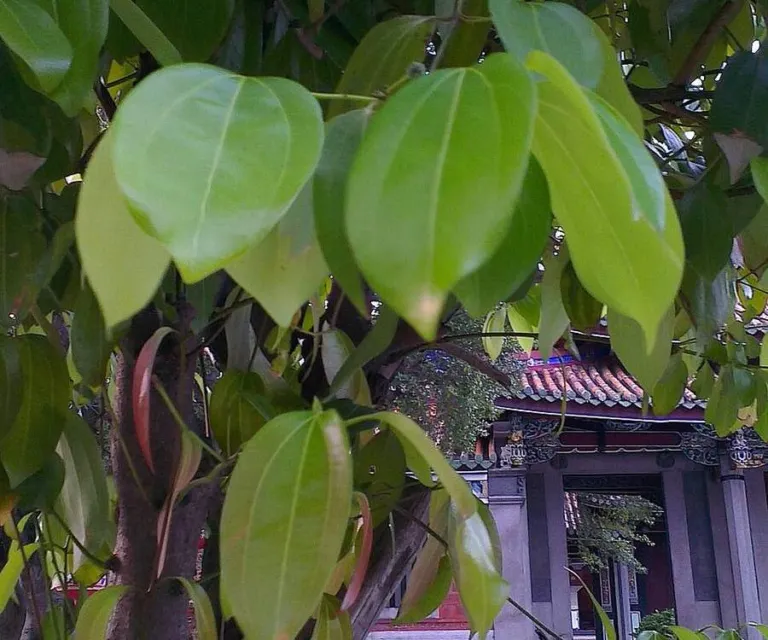
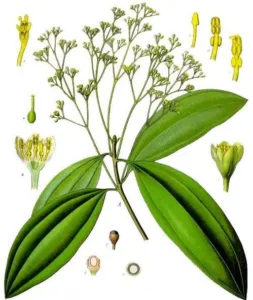
Cinnamomum cassia is a tropical, aromatic evergreen tree (Zhang 2019, PMID 31557828 [11]). Confirmed The leaves are stiff and glossy, with the three strong veins running up from near the base that mark most of the genus, and the whole plant smells of cinnamon when bruised. The small flowers are pale yellow-green, in loose clusters, and the fruit is a small dark berry sitting in a cup, the pattern of the laurel family. The Köhler plate below shows each of those parts.
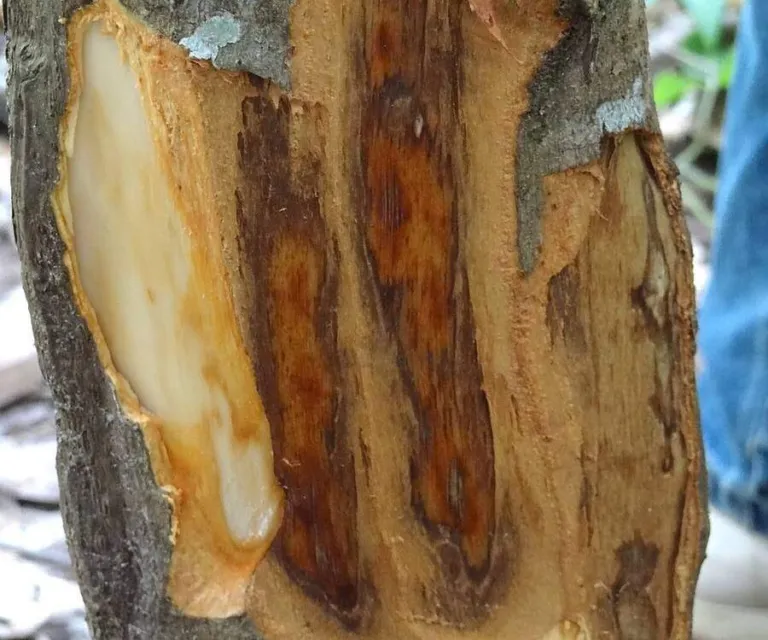
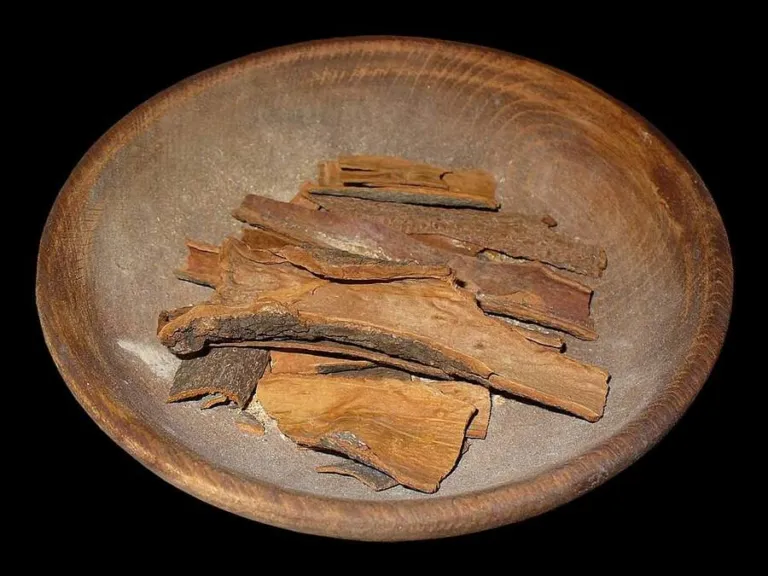
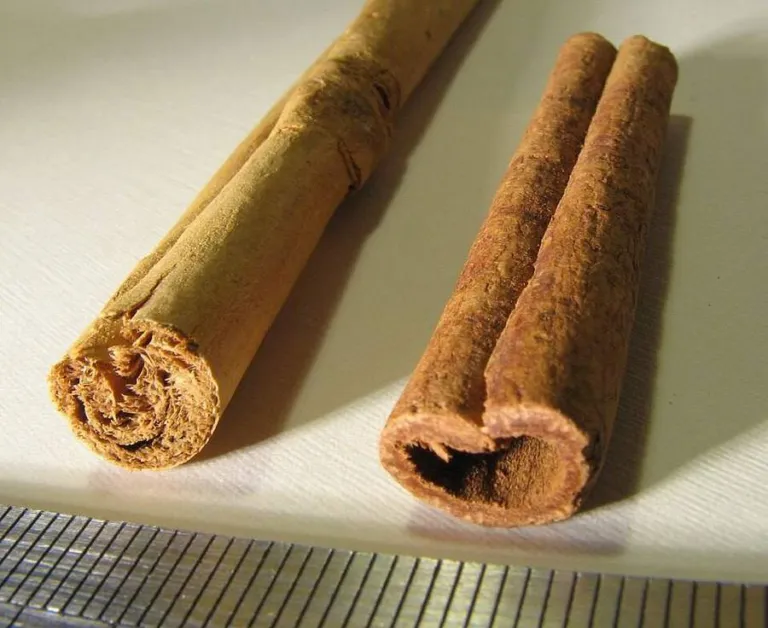
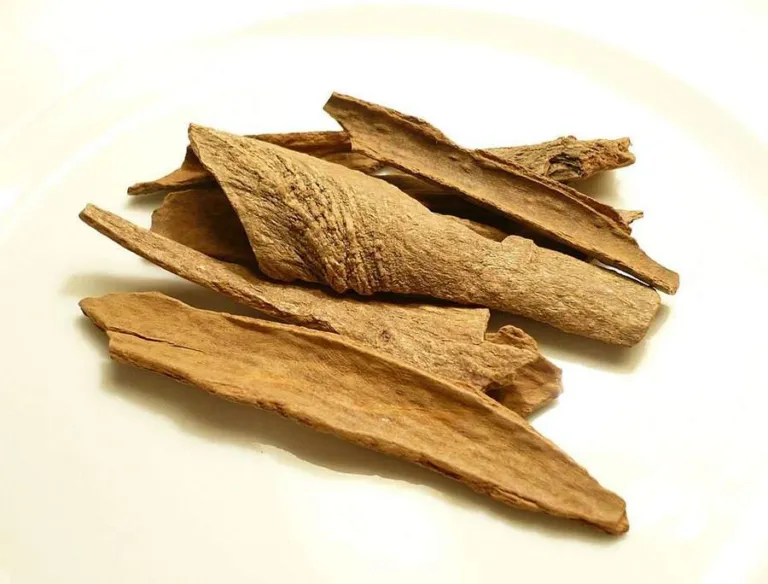
The bark is the commercial product. On a plantation, branches or coppiced stems are cut and the bark is stripped off in long pieces, then dried, during which it curls inward. The difference between a cassia stick and a Ceylon stick comes from how much of the bark is kept. Ceylon cinnamon is made by peeling away the outer cork and keeping only the thin inner bark, which is rolled into a quill of many paper-thin layers, “like a cut cigar” in the German risk assessors’ description. Cassia keeps a thicker bark, which rolls into a single hard, woody layer (BfR 2012 [1]; Mancak 2025, PMID 40104311 [8]). Confirmed Turkish pharmacognosists describing market samples in 2025 found Ceylon quills fragile, aromatic and sweet-tasting, with thin intertwined layers, easily told apart from the cassia-type sticks (Mancak 2025, PMID 40104311 [8]). Evidence suggests
That one physical difference is the most useful identification test a shopper has. Ground cinnamon gives you nothing to see. The German Federal Institute for Risk Assessment says plainly that powdered Ceylon and cassia are “hardly possible” for consumers to tell apart, and that the only reliable guide for powder is a label that names Ceylon cinnamon (BfR 2012 [1]). Confirmed Chapter 10 comes back to this for Australian labels.
Chapter 3Where it grows, and its Australian relatives
Cassia is grown in China, India, Vietnam and Indonesia; Chinese production is concentrated in Guangxi, Guangdong, Fujian and Hainan (Zhang 2019, PMID 31557828 [11]). Confirmed Ceylon cinnamon is grown mainly in Sri Lanka, and Indonesian and Vietnamese cassia come from those countries (Mancak 2025, PMID 40104311 [8]).
When we searched the Atlas of Living Australia in November 2026 we found no occurrence records under the name Cinnamomum cassia, and the only Australian records of Ceylon cinnamon we saw were three from Queensland (ALA records [13]). Evidence suggests The spice Australians buy is imported; we have not surveyed import data, so we give no figures.
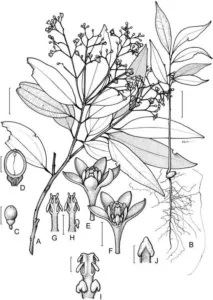
The genus itself is well at home in Australia. Two native species stand out in herbarium and observation records. Oliver’s sassafras, Cinnamomum oliveri, a tree of New South Wales and Queensland, has more than 1,600 records, and Cinnamomum laubatii has about 380 records, all of those with a state recorded from Queensland (ALA records [13]). Evidence suggests Neither is a source of commercial cinnamon, and we found no clinical literature on either. Their chemistry has had little attention, which is one of the more interesting gaps in this whole subject for a laboratory in the Wet Tropics.
The species most Queenslanders actually meet is the introduced camphor laurel, Cinnamomum camphora, with more than 11,900 Atlas records, most from New South Wales and about 1,300 from Queensland (ALA records [13]). Evidence suggests It matters to this review for one reason: the Food Standards Code restricts C. camphora (and C. micranthum) from sale as food because of their natural toxicants (TGA 2019 [10]). Confirmed Camphor laurel is a relative of cassia, and it is not a cinnamon.
Chapter 4Kitchen, trade route and Chinese medicine
Cinnamon and cassia are among the most widely used spices in the world, and Europe’s trade in Ceylon cinnamon grew after the Portuguese reached Sri Lanka in the early sixteenth century (Mancak 2025, PMID 40104311 [8]). Traditional The detail of that history is often repeated online with confident dates and quotations that we could not trace to a primary source, so we leave them out. Claims that particular ancient texts recommended cinnamon “for diabetes” are, as far as we could find, unsourced.
Chinese medicine
The documented medical history is Chinese. A 2019 review from Chengdu University of Traditional Chinese Medicine traces cassia to the Shennong Bencao Jing, the classic materia medica of the Eastern Han dynasty (25 to 220 AD), where it was used for joint complaints (“arthritis” in the review’s translation). Later texts gave it an analgesic role (Mingyi Bielu) and used it for abdominal pain and painful periods (Yaoxing Lun) (Zhang 2019, PMID 31557828 [11]). Traditional The same review counts more than 500 formulas containing Cinnamomi Cortex and lists modern Chinese patent medicines such as Gui Fu Li Zhong pills, used for abdominal pain, diarrhoea and vomiting attributed to “deficient cold of spleen and stomach” (Zhang 2019, PMID 31557828 [11]). Traditional
In Chinese medical terms cassia bark is a warming herb, used where the pattern is described as cold. The twig, Gui Zhi, is a separate drug with a separate role, and modern writers sometimes merge the two. That distinction matters when a supplement maker cites “two thousand years of use”: the traditional use was of bark or twig as one part of a formula chosen for a pattern, not of a single-herb capsule taken for blood glucose. Traditional The same review notes that cassia is now used in China for diabetes among other conditions (Zhang 2019, PMID 31557828 [11]), and that is a modern clinical use, recorded as practice, with its own evidence to answer to in chapter 7.
Europe and the herbal tradition
In European herbal regulation the bark that has been reviewed is Ceylon cinnamon. The European Medicines Agency’s herbal committee lists Ceylon cinnamon bark under gastrointestinal disorders, and has no equivalent for cassia (EMA HMPC [12]). Confirmed We treat that as a statement about what European regulators have reviewed, and the absence of a cassia monograph does not mean cassia was found wanting. It was simply not the bark the European tradition used.
Chapter 5Chemistry: cinnamaldehyde, procyanidins, coumarin
More than 160 compounds have been isolated from C. cassia: terpenoids, phenylpropanoids, glycosides, lignans, lactones and polyphenols (Zhang 2019, PMID 31557828 [11]). Confirmed Three groups carry almost everything that matters for a reader weighing the blood-sugar claims and the safety questions.
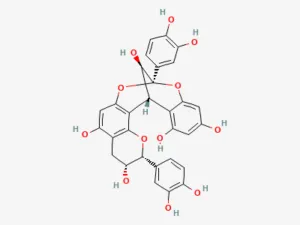
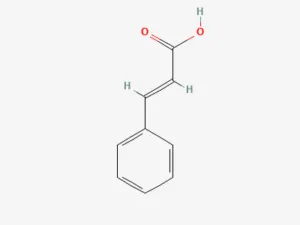
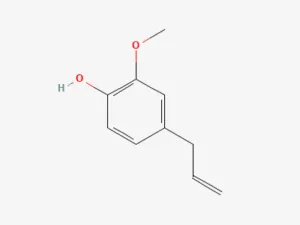
Cinnamaldehyde
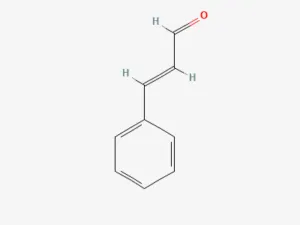
Cinnamaldehyde (PubChem CID 637511) is the compound that tastes and smells like cinnamon, and the indicator the Chinese Pharmacopoeia uses to judge the quality of Cinnamomi Cortex (Zhang 2019, PMID 31557828 [11]). Confirmed In a 2025 HPLC study of cinnamon sticks and products bought in Turkey, extracts held between 7.7 and 333.7 mg of trans-cinnamaldehyde per gram, depending on species and extraction method, and cassia gave the highest content of the water extracts (Mancak 2025, PMID 40104311 [8]). Confirmed Popular summaries put cinnamaldehyde at about 95% for cassia and 50 to 60% for Ceylon, without saying whether the figure refers to the bark or its essential oil (Mantzioris 2024 [7]); we did not trace it to an analytical source, so treat it as indicative and unsourced.
Procyanidins
Cinnamon bark is rich in procyanidins, chains of catechin and epicatechin units. Cinnamon’s are notable for “A-type” links, an extra bond between units that gives a more rigid molecule; procyanidin A2 (CID 124025) is the simplest example. Zhang and colleagues list several procyanidins from cassia bark, including procyanidin C1 (Zhang 2019, PMID 31557828 [11]). Confirmed These polyphenols are the compounds most often proposed as the insulin-sensitising fraction (chapter 6). The founding paper on A-type polymers from cinnamon is on our reading list; we have not yet read it in full and do not cite it here.
Coumarin
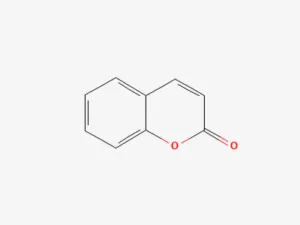
Coumarin (CID 323) is the sweet, new-mown-hay compound also found in tonka bean, sweet woodruff and melilot (BfR 2012 [1]; TGA 2019 [10]). Confirmed It is the reason the type of cinnamon matters. German food monitoring found cassia averaged about 3,000 mg of coumarin per kg, with the highest samples near 10,000 mg/kg, while Ceylon cinnamon contains “low levels” (BfR 2012 [1]). Confirmed A University of South Australia dietitian, writing for The Conversation, put the gap as up to 1% coumarin in cassia against roughly 0.004% in Ceylon (Mantzioris 2024 [7]). In the Turkish market study, thin-layer chromatography found no coumarin in any Ceylon extract and found it in every cassia, Indonesian and Vietnamese stick; HPLC measured up to 43.7 mg of coumarin per gram of extract (Mancak 2025, PMID 40104311 [8]). Confirmed
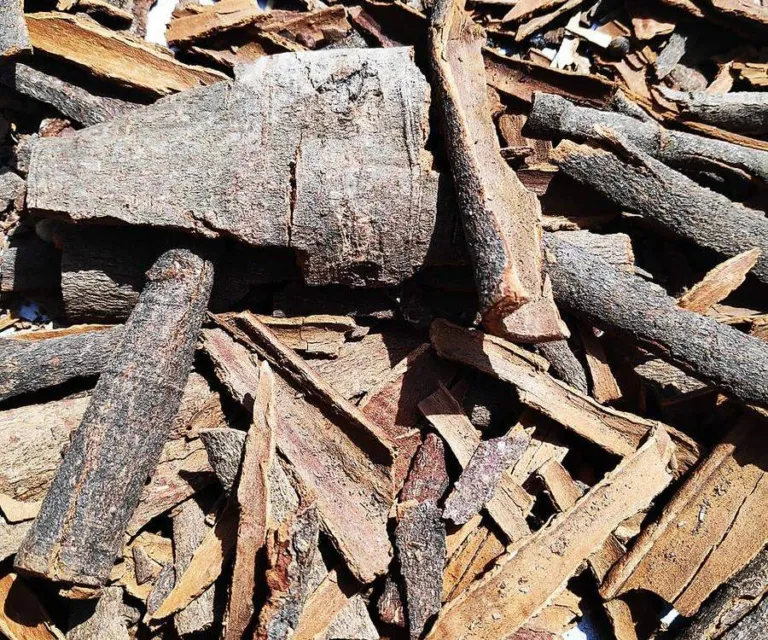
The variation inside cassia is as important as the gap between species. A heap of bark like the one in the photograph above can differ several-fold from the next lot, and nothing on a supermarket label tells you where in that range a jar sits. That single fact sits behind most of the safety advice in chapter 9.
| Feature | Cassia (C. cassia and relatives) | Ceylon (C. verum) |
|---|---|---|
| Stick | Thick single layer, hard, forming a small roll | Many thin, fragile layers, packed like a cigar |
| Flavour | Strong, hot, slightly bitter | Milder, sweeter, more floral |
| Coumarin Confirmed | High and variable: average about 3 g/kg, up to about 10 g/kg in German monitoring | Low; not detected by TLC in Turkish market samples |
| Where most trials sit | Most diabetes trials that name a species used cassia | A minority of trials; separate review literature |
| Cost in Australia | The cheaper, everyday supermarket cinnamon | Usually sold at a premium and labelled as Ceylon |
Sources for the table: (BfR 2012 [1]; Mancak 2025, PMID 40104311 [8]; Leach and Kumar 2012, PMID 22972104 [3]). The cost row is a general observation of Australian retail, not a price survey.
Chapter 6Pharmacology: what the laboratory shows
Laboratory work on cassia is extensive and mostly positive, which is exactly why it needs reading carefully. The findings below are real, and they come from cells, enzymes and diabetic rodents. They tell us where to look for an effect in people. They do not tell us that the effect happens at a culinary or capsule dose.
Carbohydrate digestion
An acetone extract of cassia bark inhibited rat intestinal α-glucosidase, maltase and sucrase, the enzymes that break starch and sugar into absorbable glucose (Zhang 2019, PMID 31557828 [11]). Evidence suggests The 2025 Turkish study found that cinnamon samples inhibited α-amylase, α-glucosidase and aldose reductase in vitro (Mancak 2025, PMID 40104311 [8]). Evidence suggests Slower digestion of carbohydrate would blunt the rise in glucose after a meal, which is one plausible route to the small effects seen in some trials. Mechanism
Insulin signalling and glucose uptake
Polyphenols from cassia lowered blood glucose in mice made diabetic with streptozotocin, and a decoumarinated cassia extract altered blood glucose, insulin and lipid levels in diabetic rats (Zhang 2019, PMID 31557828 [11]). Evidence suggests The authors of the 2013 meta-analysis summarise the proposed mechanisms as activation of PPARs (the nuclear receptors targeted by some diabetes and lipid drugs) and increased movement of the GLUT4 glucose transporter to the cell surface (Allen 2013, PMID 24019277 [2]). Mechanism Those are reasonable hypotheses with laboratory support. None of them has been shown to operate in people taking cinnamon.
What the laboratory work does not show
We found no study in the reviews we read reporting that any cinnamon constituent binds or activates the GLP-1 receptor. Evidence suggests That matters for chapter 8. The rodent work also says little about dose: animal studies give extract amounts per kilogram that would be hard to reach with a spice, and several used extracts with the coumarin removed, which is not what people buy. The Chengdu review itself calls for systematic studies of the toxicity and side effects of cassia extracts and compounds (Zhang 2019, PMID 31557828 [11]).
Chapter 7Clinical evidence: glucose, HbA1c and lipids
Interest in cinnamon for diabetes took off after a 2003 trial in Pakistan that compared 1, 3 and 6 g a day with placebo for 40 days (Leach and Kumar 2012, PMID 22972104 [3]). That trial has been pooled into the later meta-analyses, and its influence on the pooled numbers is part of the story below. We have not yet read the 2003 paper itself in full, so we describe it only through the reviews that analysed it.
The pooled evidence in type 2 diabetes
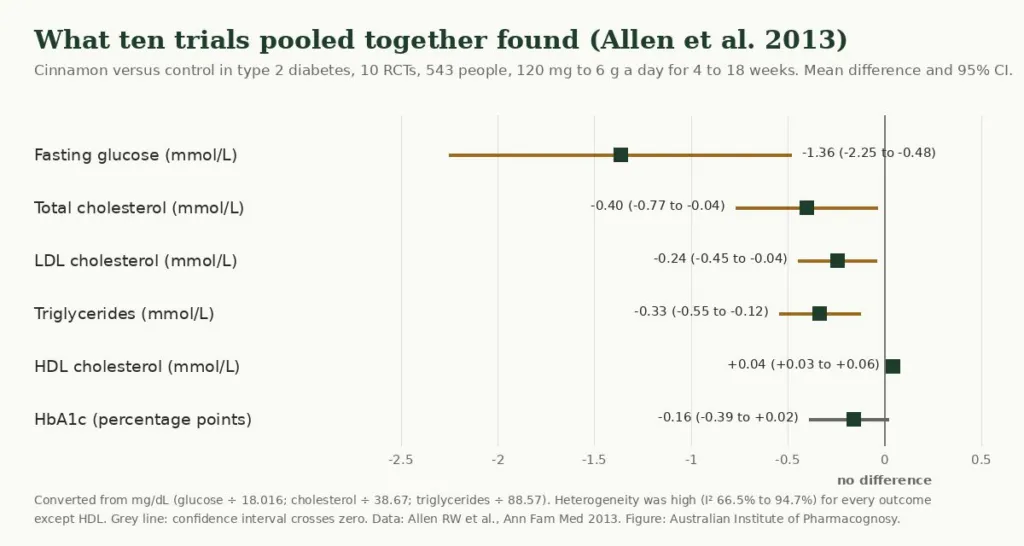
The most cited pooled analysis, by Allen and colleagues in 2013, combined 10 randomised controlled trials with 543 people with type 2 diabetes. Doses ranged from 120 mg to 6 g a day, for 4 to 18 weeks. Six of the trials used C. cassia, one used cassia combined with zinc and calcium, one used C. aromaticum (another name for cassia), and two did not say which cinnamon (Allen 2013, PMID 24019277 [2]). Confirmed Against control, cinnamon lowered:
| Outcome | Pooled difference (95% CI) | In Australian units |
|---|---|---|
| Fasting plasma glucose | −24.59 mg/dL (−40.52 to −8.67) | about −1.36 mmol/L (−2.25 to −0.48) |
| Total cholesterol | −15.60 mg/dL (−29.76 to −1.44) | about −0.40 mmol/L (−0.77 to −0.04) |
| LDL cholesterol | −9.42 mg/dL (−17.21 to −1.63) | about −0.24 mmol/L (−0.45 to −0.04) |
| Triglycerides | −29.59 mg/dL (−48.27 to −10.91) | about −0.33 mmol/L (−0.55 to −0.12) |
| HDL cholesterol | +1.66 mg/dL (1.09 to 2.24) | about +0.04 mmol/L (0.03 to 0.06) |
| HbA1c | −0.16% (−0.39 to 0.06) | not statistically significant |
Data from (Allen 2013, PMID 24019277 [2]); the HbA1c interval is the one in the paper’s results section (its abstract prints the upper limit as 0.02); conversions by the Institute (glucose ÷ 18.016, cholesterol ÷ 38.67, triglycerides ÷ 88.57).
Read alone, a fall in fasting glucose of more than 1 mmol/L sounds substantial. Three things temper it. Heterogeneity was high for every outcome except HDL, with I² between 66.5% and 94.7%, which means the trials disagreed with each other much more than chance alone would explain. The authors found a high likelihood of publication bias for fasting glucose and suggested it was driven partly by treating the 2003 Pakistani trial as three separate comparisons. And HbA1c, the measure that reflects glucose over about three months and predicts complications, did not move significantly. The authors judged that “an unrealistically large sample size” would be needed to show a significant HbA1c effect and that any such effect would be unlikely to be clinically significant (Allen 2013, PMID 24019277 [2]). Evidence suggests
The Cochrane review by Matthew Leach and Saravana Kumar at the University of South Australia covered 10 trials with 577 people with type 1 or type 2 diabetes, mostly given cassia at a mean of 2 g a day for 4 to 16 weeks. Risk of bias was high or unclear in all but two. The effect on fasting glucose was inconclusive, and there was no significant difference in HbA1c, insulin or post-meal glucose. Adverse reactions were infrequent and generally mild. The authors concluded there was insufficient evidence to support cinnamon for diabetes and called for better-blinded trials measuring outcomes that matter to patients (Leach and Kumar 2012, PMID 22972104 [3]). Confirmed
Individual trials worth knowing
A trial at a United States military base gives a sense of the best case. Crawford randomised 109 people with type 2 diabetes and HbA1c above 7% to usual care alone, or usual care plus 1 g a day of C. cassia capsules, for 90 days. HbA1c fell 0.83 percentage points with cinnamon and 0.37 with usual care (Crawford 2009, PMID 19734396 [14]). Evidence suggests The trial was open: neither participants nor investigators were blinded, though the laboratory measuring HbA1c was; there was no placebo because the capsules taste of cinnamon, and the author notes that the daily reminder to take a capsule could itself have helped. It is a useful signal in people with poorly controlled diabetes, and it is one trial.
In prediabetes, a double-blind trial in Korea and the United States randomised 54 adults to placebo or to capsules of 300 mg cinnamon extract plus 200 mg C. burmannii powder, three times a day, for 12 weeks. Fasting glucose rose slightly on placebo and stayed level on cinnamon, a between-group difference of 5 mg/dL (about 0.28 mmol/L). Glucose tolerance improved against baseline on cinnamon, and there were no serious adverse events (Romeo 2020, PMID 33123653 [15]). Evidence suggests Note the species: Indonesian cassia and an unspecified extract, not C. cassia bark.
What the 2025 reviews add
Two large reviews published in 2025 pool many more trials and still rate the evidence poorly. An umbrella review of 21 meta-analyses found cinnamon associated with lower fasting glucose (standardised mean difference −0.61) and HbA1c (−0.26), with larger effects in diabetes and metabolic syndrome. But it graded the credibility of these associations as “weak”, found funnel-plot asymmetry and excess significance in many comparisons, and noted that 13 of 15 fasting-glucose meta-analyses had substantial internal heterogeneity (Gou 2025, PMID 41256917 [4]). Evidence suggests A GRADE-assessed meta-analysis of 49 trials on cardiovascular risk factors reported significant improvements in glucose, HbA1c, lipids and blood pressure, and concluded that, “given the very low certainty of evidence and the high risk of bias”, the benefits should be “considered as possible rather than definitive” (Jafari 2025, PMID 40611215 [5]). Evidence suggests
Our reading of the whole body of trials is this. Cinnamon, mostly cassia, probably lowers fasting glucose modestly in people with type 2 diabetes, particularly when control is poor, and may nudge blood lipids. The HbA1c effect is small and uncertain. The trials are short, small, varied in species and dose, and often poorly blinded, so the size of any true effect remains unknown. No trial we read measured complications, quality of life or long-term outcomes. Evidence suggests
Chapter 8Coffee hacks and “nature’s Ozempic”
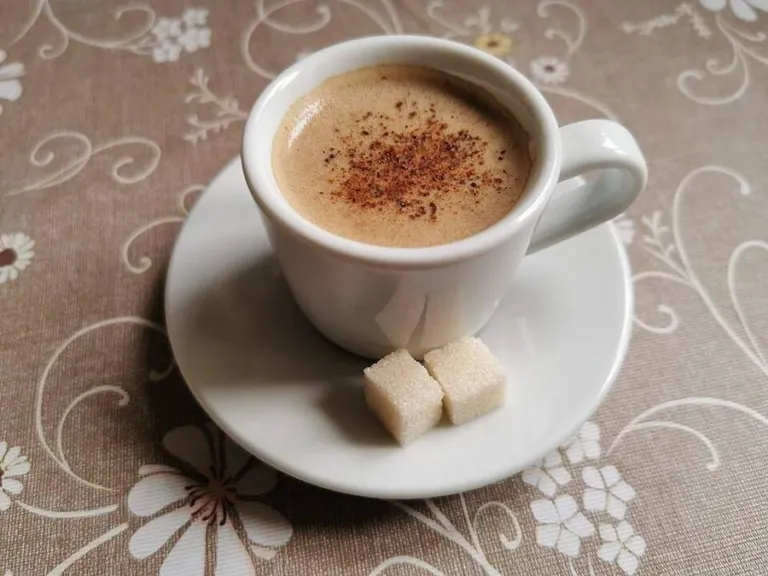
Two claims drive the current interest. The first, popular on TikTok, is that a teaspoon of cinnamon stirred into coffee every day burns fat. The second, on wellness sites, calls cinnamon “nature’s Ozempic”. Both borrow credibility from the blood-sugar trials and from the success of the GLP-1 medicines, and both outrun the evidence.
Weight
Evangeline Mantzioris, an Accredited Practising Dietitian and Program Director of Nutrition and Food Sciences at the University of South Australia, reviewed the cinnamon coffee trend for The Conversation in 2024. Meta-analyses and trials showed only very small changes in weight, mostly without changes in body composition, using products that differ from supermarket cinnamon. Her conclusion was that cinnamon “may have a very small effect on weight” and is unlikely to bring meaningful weight loss on its own, and that taking more does not add benefit (Mantzioris 2024 [7]). Evidence suggests She also pointed out that two teaspoons of cassia, about 6 g, would put an adult over the European coumarin limit. The 2025 GRADE review reported a small fall in waist circumference with very low certainty (Jafari 2025, PMID 40611215 [5]). Evidence suggests
How GLP-1 medicines work
Semaglutide, sold in Australia as Ozempic and Wegovy, is a GLP-1 analogue with 94% sequence homology to the human hormone. It binds and activates the GLP-1 receptor, has a half-life of about a week because it binds to albumin and resists breakdown, and acts on receptors in the pancreas and brain to raise insulin, lower glucagon, slow stomach emptying and reduce appetite. In the 68-week STEP 1 trial of 1,961 adults with obesity or overweight, body weight fell by 14.9% on semaglutide against 2.4% on placebo, as reported in the Australian Product Information (Australian PI, semaglutide [6]). Confirmed Semaglutide is a Schedule 4 prescription-only medicine (Poisons Standard [16]). Confirmed
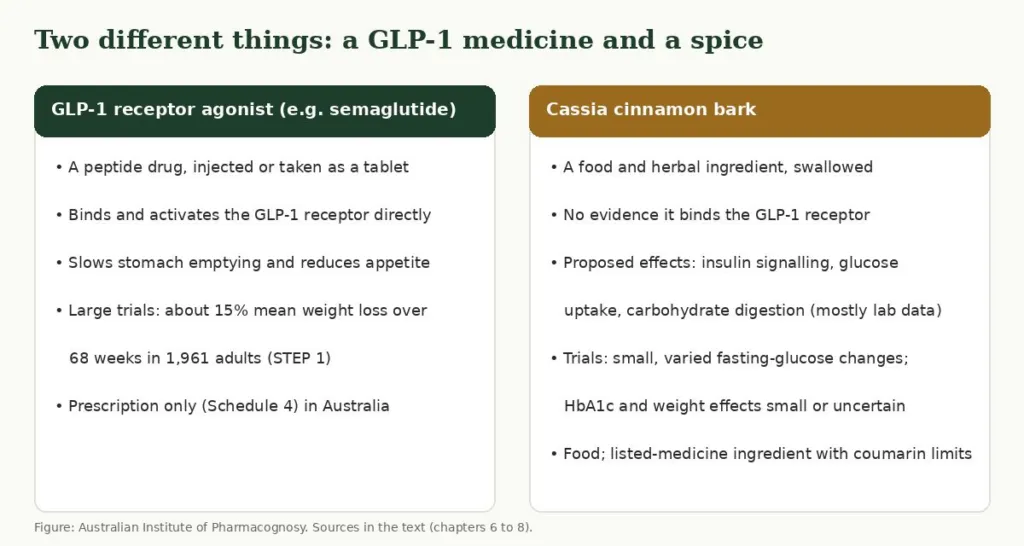
Where cinnamon sits
Cinnamon has been tested against the body’s own gut hormones in only a handful of trials. A 2023 systematic review found six clinical trials (363 participants) on cinnamon and appetite-regulating hormones, and the authors judged that the hormone effects had not been shown consistently across studies (Gheflati 2023, PMID 38089418 [17]). Evidence suggests Only one of the six measured GLP-1 and the related hormone GIP: a small Swedish crossover study in healthy adults given rice pudding with 1 or 3 g of cinnamon. The review reports that 3 g raised GLP-1 concentrations without a significant effect on GIP (Gheflati 2023, PMID 38089418 [17]). Evidence suggests That is a single small study of hormone secretion after one meal, and a rise in the body’s own GLP-1 is a different thing from a drug that binds the receptor for a week at a time. We have requested the study’s full text and do not report its numbers here.
So the honest comparison is this. A GLP-1 medicine is a receptor agonist with large, reproducible effects on weight and HbA1c in trials of thousands of people. Cinnamon is a spice with possible small effects on glucose through other routes, measured in trials of dozens. Evidence suggests Calling it “nature’s Ozempic” credits it with a mechanism it has not been shown to have and an effect size it has never approached. That is a disservice to cinnamon, which has a real and interesting pharmacology of its own, and to anyone weighing up whether they need a medicine.
There is one more practical point. Some people are taking cinnamon supplements alongside a GLP-1 medicine, hoping to boost the effect. We found no trial of that combination in PubMed when we searched in November 2026. Evidence suggests Any added glucose-lowering effect would come on top of the medicine’s, and that is a question of monitoring, discussed next.
Chapter 9Safety and interactions
Cinnamon used as a spice has a long and largely uneventful safety record. The trials report few adverse effects: the 2013 meta-analysis noted that every included trial reported no significant side effects, though safety reporting was inconsistent (Allen 2013, PMID 24019277 [2]), and the Cochrane review found adverse reactions infrequent and generally mild (Leach and Kumar 2012, PMID 22972104 [3]). Confirmed The questions arise when people move from a sprinkle to daily spoonfuls or concentrated supplements, and they come down to four things: coumarin, other medicines, the liver, and contaminants.
Coumarin and the tolerable daily intake
The European Food Safety Authority set a TDI for coumarin of 0 to 0.1 mg per kg of body weight per day in 2004, on the basis of liver toxicity in a two-year dog study, and kept it in 2008 with the concession that 0.3 mg/kg/day for up to two weeks is not a safety concern. The TGA summarised that history in its 2019 safety review (TGA 2019 [10]). Confirmed The German BfR applies the same TDI and stresses that it protects especially sensitive people as well (BfR 2012 [1]). Confirmed These are overseas figures, used here because Australia has not published a separate TDI for coumarin that we could find.
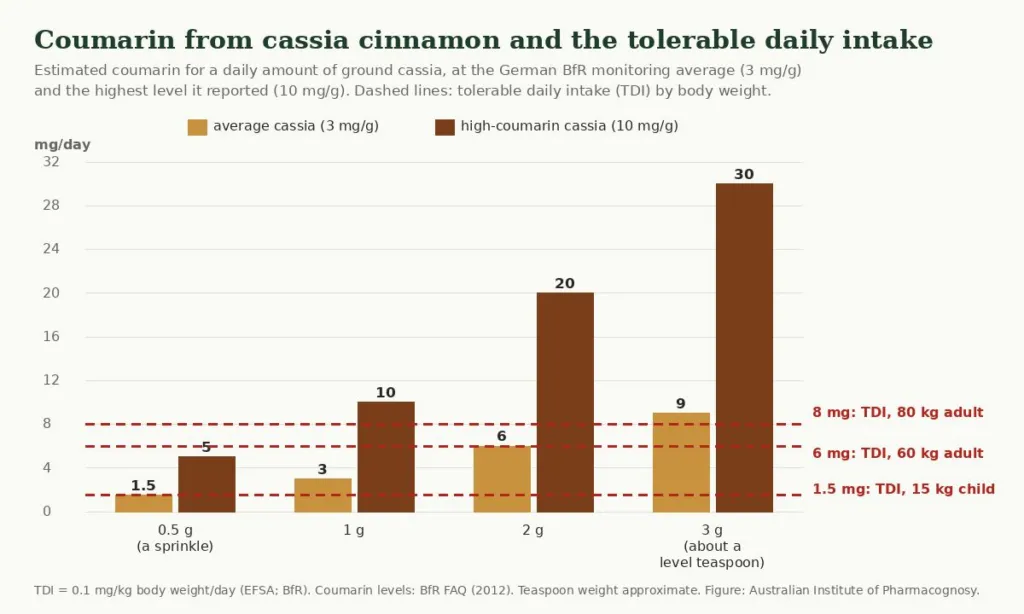
The arithmetic is simple and it is the most useful thing in this article. At the BfR’s average of 3 mg of coumarin per gram of cassia, a 60 kg adult reaches the TDI at about 2 g of cassia a day, and a 15 kg child at about 0.5 g (BfR 2012 [1]). Confirmed A level teaspoon of ground cinnamon weighs roughly 3 g (The Conversation’s figure is two teaspoons to about 6 g (Mantzioris 2024 [7])), so one teaspoon of average cassia a day puts a 60 kg adult over the TDI, and one teaspoon of high-coumarin cassia puts them at several times it. A sprinkle on toast, a cinnamon scroll or a curry is a small fraction of the TDI. The BfR’s own example: a small child eating rice pudding with 0.5 g of cinnamon twice a week reaches only 29% of the TDI (BfR 2012 [1]).
The BfR does not regard short excursions above the TDI as a risk. It states that exceeding it for one to two weeks can be regarded as safe, and that risk arises only with “very large amounts of Cassia cinnamon with high coumarin contents over an extended period of time” (BfR 2012 [1]). Confirmed The daily-supplement pattern, every day for months, is exactly that extended period.
The liver
Australia has its own history here. Coumarin was registered as a prescription medicine for lymphoedema in July 1993. During its use, 10 cases of liver toxicity, including 2 deaths, were reported to the Australian Drug Evaluation Committee, and about three years later the registrations were cancelled (TGA 2019 [10]). Confirmed Those were medicinal doses of pure coumarin, far higher than food exposure. They are the reason Australian and European regulators take coumarin seriously.
The BfR describes the pattern: in a small group of sensitive people, coumarin taken for a few weeks can raise liver enzymes and, in severe cases, cause hepatitis with jaundice; the effect is usually reversible, and the mechanism is not fully known. In 2012 it noted that no case of liver damage from eating cinnamon had been described in the scientific literature (BfR 2012 [1]). Confirmed Since then at least one case report has appeared: a 73-year-old woman in the United States developed acute hepatitis about a week after starting cinnamon supplements while on a long-term statin; it resolved when both were stopped, the statin was restarted without problems, and the authors judged the cinnamon-statin combination a probable cause (Brancheau 2015, PMID 25923145 [18]). Evidence suggests A single case cannot establish cause, and it does show why people with liver disease, or taking medicines that stress the liver, should be careful with concentrated cassia.
On cancer, coumarin caused tumours in rats and mice at very large doses over long periods; the BfR states there are no indications that it causes tumours in humans (BfR 2012 [1]). Evidence suggests One frequently repeated confusion is worth clearing up. The anticoagulant drugs such as warfarin (CID 54678486) are 4-hydroxycoumarins, chemically modified coumarins of a different class, as their PubChem structures show. Confirmed Pharmacology texts generally describe plain coumarin as lacking the anticoagulant action of those drugs, while some herbal reviews still list coumarins as anticoagulant (Ranasinghe 2013, PMID 24148965 [9]). None of the papers we read tested coumarin’s own effect on clotting, so that point is unsourced here. Mechanism
Glucose-lowering medicines
Several trials required participants to keep taking their oral diabetes medicines alongside cinnamon (Allen 2013, PMID 24019277 [2]), and the reviews describe adverse reactions as infrequent and mild (Leach and Kumar 2012, PMID 22972104 [3]). Evidence suggests Even so, if cinnamon lowers glucose at all, it adds to whatever else is lowering it. Mechanism The sensible course for anyone on metformin, a sulfonylurea, insulin or a GLP-1 medicine who starts a cinnamon supplement is to keep monitoring their glucose as they have been advised, and to make sure everyone involved in their care knows. Insulin and the sulfonylureas are known to cause hypoglycaemia in their own right, which is why the Australian Product Information for semaglutide advises care when it is combined with them (Australian PI, semaglutide [6]). Confirmed We found no interaction study of cinnamon with any specific diabetes drug.
Other cautions
Pregnancy and breastfeeding. We found no trial evidence on cinnamon supplements in pregnancy or breastfeeding, and several of the diabetes trials in the Cochrane review excluded pregnant or breastfeeding women (Leach and Kumar 2012, PMID 22972104 [3]). Evidence suggests The EMA herbal committee’s monograph on Ceylon cinnamon bark states that safety in pregnancy and lactation has not been established and, in the absence of sufficient data, does not recommend use during either (EMA HMPC [12]). Confirmed That monograph covers Ceylon bark. Cassia has no European monograph and carries far more coumarin, so we see no reason to treat cassia supplements more leniently in pregnancy or breastfeeding. Mechanism Cinnamon in ordinary cooking is a different matter from capsules.
Children and adolescents. The same EMA monograph does not recommend medicinal cinnamon bark under 18 years of age, because adequate data are lacking (EMA HMPC [12]). Confirmed The coumarin margin is also narrow for a small child: a 15 kg child reaches the TDI at about 0.5 g of average cassia a day (BfR 2012 [1]). Confirmed Cassia supplements and cinnamon oils belong out of children’s reach.
Allergy and the mouth. The EMA monograph lists hypersensitivity to cinnamon or to Peru balsam as its one contraindication (EMA HMPC [12]). Confirmed The 2013 meta-analysis lists allergy and contact reactions among possible effects (Allen 2013, PMID 24019277 [2]), and the Crawford trial cites perioral dermatitis and stomatitis with high intake (Crawford 2009, PMID 19734396 [14]). Evidence suggests
Inhaling powder. The “cinnamon challenge”, swallowing a spoonful of dry powder for a video, led to 178 calls to United States poison centres in the first half of 2012, and at least 30 participants nationwide had needed medical attention; inhaled powder can cause choking, aspiration and lung inflammation (Grant-Alfieri 2013, PMID 23610205 [19]). Confirmed
Cinnamon oils. Cassia oil and cinnamon bark oil are concentrated and are scheduled poisons in Australia above low concentrations (chapter 10). They are for flavouring and fragrance, not for swallowing by the dropper.
Signs to act on. Anyone taking cassia regularly who develops yellowing of the skin or eyes, dark urine, pale stools, or persistent nausea or pain under the right ribs should stop it and have their liver function checked promptly. The BfR describes coumarin hepatitis with jaundice in severe cases, usually reversible once exposure stops (BfR 2012 [1]). Someone on insulin or a sulfonylurea who becomes shaky, sweaty or confused should follow their own hypoglycaemia plan. If the person is drowsy, cannot swallow safely or is unconscious, call Triple Zero (000).
Chapter 10In Australia: law, listings and labels
As a food
Cinnamon is sold in Australia as a food and spice, and many labels give no species. The Australia New Zealand Food Standards Code sets a maximum coumarin level of 10 mg/kg in alcoholic beverages (Schedule 19) and restricts Cinnamomum camphora and C. micranthum from sale as food because of coumarin and related natural toxicants (Schedule 24), as summarised by the TGA (TGA 2019 [10]). Confirmed We did not find a general Australian limit on coumarin in cinnamon or cinnamon-flavoured foods. The European Union does set limits for cinnamon-flavoured foods (50 mg/kg in traditional and seasonal bakery ware, 5 mg/kg in desserts) but none for cinnamon itself (BfR 2012 [1]); those are overseas rules and do not apply here.
As a medicine ingredient
Cassia appears as an ingredient in listed (AUST L) complementary medicines. Since September 2017 the Therapeutic Goods (Permissible Ingredients) Determination has required sponsors of listed medicines to declare the coumarin content when the medicine contains Cinnamomum cassia, cassia cinnamon bark, Cinnamomum verum, cinnamon bark or leaf oil, or several other coumarin-bearing herbs such as tonka bean and melilot. The TGA describes a coumarin concentration limit of 0.001% that applies to coumarin present in certain herbal ingredients, including Cinnamomum species (TGA 2019 [10]). Confirmed We read the 2019 review and not the current Determination’s full schedule entry; the exact current wording should be checked in the latest Determination before anyone relies on it.
Listed medicines are low-risk products that consumers choose for themselves, and the TGA keeps them low-risk mainly by controlling which ingredients they may contain (TGA 2019 [10]). Confirmed A cinnamon capsule on the register has met those ingredient and labelling rules. That is a statement about the product’s ingredients, and it is separate from evidence that the capsule lowers blood glucose.
The Poisons Standard
Reading the February 2025 Poisons Standard (Poisons Standard [16]): Confirmed
| Substance | Schedule | Exemptions and notes |
|---|---|---|
| Coumarin | Schedule 4 (prescription only) | When for therapeutic use, excluding when present as an excipient. Spice and food use are unaffected. |
| Cassia oil | Schedule 5 (caution) | Except in food additives; in dermal rubefacients at 5% or less; or in other preparations at 2% or less. |
| Cinnamon bark oil | Schedule 5 (caution) | Except in food additives, or in preparations at 2% or less. |
| Cinnamon leaf oil | Schedule 6 (poison) | With exemptions, including medicines in small containers fitted with a restricted-flow insert. |
| Semaglutide | Schedule 4 (prescription only) | For comparison with chapter 8. |
The Poisons Standard is amended several times a year; check the current instrument before relying on this table. The bark and powder sold as spice are not scheduled, and we found no Office of Drug Control controls on cinnamon or its oils.
Telling cassia from Ceylon on the shelf
Practical points, drawn from the BfR and the market studies (BfR 2012 [1]; Mancak 2025, PMID 40104311 [8]): Confirmed
- Read the name. “Ceylon cinnamon”, “Sri Lankan cinnamon”, “true cinnamon” or Cinnamomum verum / C. zeylanicum indicates Ceylon. “Cassia”, “Chinese”, “Saigon”, “Vietnamese” or “Indonesian” indicates a cassia type. Plain “cinnamon” is most likely cassia.
- Look at the stick. Many thin, crumbly layers rolled together: Ceylon. A single thick, hard curl: cassia.
- Powder tells you nothing by eye. Only the label, or a laboratory, can tell.
- Supplements. The ingredient list on a listed medicine gives the species. Look for Cinnamomum cassia, C. burmannii, C. loureiroi or C. verum, and for the amount of bark or extract equivalent per daily dose.
Chapter 11Quality, adulteration and contaminants
Species substitution
The commonest quality problem with cinnamon is a quiet one: one species sold as another. Cassia is cheaper than Ceylon, and the powder looks the same. Zhang and colleagues note that other species, including Ceylon and Indonesian cinnamon, are used as alternatives to C. cassia in many countries, and call for morphology and chemistry to be used to tell them apart (Zhang 2019, PMID 31557828 [11]). Confirmed For the shopper the risk runs one way: cassia labelled or assumed to be Ceylon delivers coumarin the buyer was trying to avoid.
Products without the marker compounds
The Turkish market study turned up a more pointed finding. Capsules and tea bags bought from a herbalist showed neither cinnamaldehyde nor coumarin on HPLC, while a pharmacy capsule held about 4 mg of cinnamaldehyde per capsule (Mancak 2025, PMID 40104311 [8]). Evidence suggests A cinnamon product with no detectable cinnamaldehyde is hard to explain as cinnamon bark. That study was overseas and small, and we know of no equivalent Australian market survey. The authors’ conclusion applies anywhere: products sold for blood sugar need checking, not assuming.
Lead and other contaminants
In the United States in 2023, cinnamon-flavoured apple purée pouches were found to contain lead and chromium. The CDC identified 566 cases of lead poisoning across 44 states, the District of Columbia and Puerto Rico, linked to the product (Troeschel 2025, PMID 40273027 [20]). Confirmed According to the US Food and Drug Administration, the cinnamon in the pouches measured 2,270 to 5,110 parts per million of lead (FDA 2024 [21]). In March 2024 the US Food and Drug Administration warned about ground cinnamon from six distributors, with lead at 2.03 to 3.40 ppm, and advised consumers to discard them (FDA 2024 [21]). Confirmed These are United States events and United States regulatory actions, and they do not apply directly in Australia.
In searches of Australian sources in November 2026 we did not find a lead-related recall of cinnamon in Australia. We cannot rule out alerts we missed, and anyone concerned should check the current recall lists published by Food Standards Australia New Zealand and the TGA. Evidence suggests Heavy metals in imported spices are a known global issue, and testing is the only way to know.
Chapter 12Discussion: conclusions, hypotheses and research still required
What the evidence supports
- “Cinnamon” in Australian shops is mostly cassia, and cassia carries much more coumarin than Ceylon cinnamon, with large lot-to-lot variation Confirmed.
- At daily teaspoon amounts of average cassia, an adult exceeds the European tolerable daily intake for coumarin; at culinary sprinkle amounts, they do not Confirmed.
- Cinnamon, mostly cassia, probably lowers fasting glucose modestly in type 2 diabetes; the HbA1c effect is small and uncertain, and overall certainty is low Evidence suggests.
- Cinnamon is not a GLP-1 medicine. Nothing we read shows it acting on the GLP-1 receptor, and its effects on weight are very small Evidence suggests.
- Coumarin for therapeutic use is Schedule 4 in Australia, cassia and cinnamon bark oils are Schedule 5 above low concentrations, and listed medicines containing cassia must declare their coumarin content Confirmed.
What we can reasonably hypothesise
- The modest glucose effects seen in trials may come from slower carbohydrate digestion and better insulin sensitivity together, with procyanidins doing more of the work than cinnamaldehyde Mechanism. This is a hypothesis built on laboratory data.
- Part of the scatter between trials is probably species and lot: trials using unidentified “cinnamon” may have tested quite different chemistry. If so, the true effect of a standardised cassia preparation could be larger or smaller than the pooled average Mechanism.
- A low-coumarin preparation (Ceylon bark, or a decoumarinated cassia extract) could in principle keep whatever glycaemic benefit exists while removing the main safety question. No trial has compared the two head to head Mechanism.
- Australia’s native Cinnamomum species, C. oliveri and C. laubatii, may hold chemistry of interest; nothing in the literature we read tells us either way Mechanism.
What research is still required
- Clinical research. A properly blinded, adequately powered trial of a chemically characterised preparation, species declared, coumarin measured, lasting at least six months, with HbA1c as the primary outcome and hypoglycaemia, liver function and adherence recorded. A separate trial in people already on metformin or a GLP-1 medicine, since that is how people are using it.
- Pharmacology. Direct receptor and secretion studies to settle whether any cinnamon constituent affects GLP-1 release or signalling in human tissue, and human pharmacokinetics of cinnamaldehyde and the procyanidins at realistic doses.
- Quality analysis. An Australian market survey of ground cinnamon and cinnamon supplements: species identity by microscopy and DNA, coumarin and cinnamaldehyde by validated HPLC, and lead, cadmium and chromium by ICP-MS.
- Toxicology. Better data on who is sensitive to coumarin and why, including the role of the liver enzyme CYP2A6 that the TGA review identifies as untested in people with coumarin hepatotoxicity.
- Pharmacovigilance. A search of the TGA’s Database of Adverse Event Notifications for cinnamon-containing medicines, to see whether Australian reports exist.
- Botany and phytochemistry. Voucher-backed chemical profiles of C. laubatii and C. oliveri, which grow in Queensland and New South Wales and have hardly been studied.
- History of medicine. A close reading of the classical Chinese sources in critical editions, to separate what they say about Rou Gui and Gui Zhi from what modern summaries attribute to them.
For readers, the practical summary is short. Enjoy cinnamon as a spice. If you want to take it daily in larger amounts, Ceylon cinnamon removes most of the coumarin question, and cinnamon will not do the work of a prescribed medicine. Before taking any botanical drug for blood sugar or weight, consult a degree-qualified herbalist with competencies and adequate training in pharmacognosy, who can look at the whole picture, including the medicines you already take.
About AIP and this series
The Australian Institute of Pharmacognosy is a clinic and research laboratory in Cardwell, far north Queensland, studying medicinal plants and natural products to the same evidentiary standard as any other branch of pharmacology: traditional knowledge taken seriously, and tested honestly.
The Literature Reviews and Critical Analyses are the Institute’s evidence-graded reviews of herbs Australians are buying, searching for or asking about. Each one grades every claim by the evidence behind it, so you can see what is tradition, what is laboratory or animal work, and what has been tested in people. Nothing in the series is an offer of treatment, a product or a service. More reviews are on the Institute’s journal, and the Institute itself is at australian-pharmacognosy.org. Follow the series there for the next review.
Corrections. If you find an error, or a source we have missed, please write to the Institute at our contact form; the Secretary passes every message to the author, and corrections are made openly.
Dr Thomas Ridley
Head of Education and Research
Australian Institute of Pharmacognosy
Cardwell QLD, Australia
australian-pharmacognosy.org · our contact form
Suggested citation: Ridley T. Cassia cinnamon (Cinnamomum cassia (L.) J.Presl): a literature review and critical analysis. Literature Review and Critical Analysis AIP-LR-CINCAS. Cardwell (QLD): Australian Institute of Pharmacognosy; 2026.
Educational content only; not medical, legal or regulatory advice. The Poisons Standard, TGA documents and Atlas of Living Australia records are described as read by the Institute in November 2026 and may change.
References
Show all 21 references (every PMID links to PubMed)
All PMIDs verified against PubMed in November 2026, and every cited paper read in full; regulatory and web sources read the same month. Listed in order of first citation. Papers we requested but had not yet read in full when this review was written are not cited.
- German Federal Institute for Risk Assessment (BfR). FAQ on coumarin in cinnamon and other foods. Updated version of the FAQ of 27 September 2012. Berlin: BfR. Overseas source; read by the Institute in November 2026. https://www.bfr.bund.de/cm/349/faq-on-coumarin-in-cinnamon-and-other-foods.pdf
- Allen RW, Schwartzman E, Baker WL, Coleman CI, Phung OJ. Cinnamon use in type 2 diabetes: an updated systematic review and meta-analysis. Ann Fam Med. 2013;11(5):452-459. PMID 24019277. DOI 10.1370/afm.1517.
- Leach MJ, Kumar S. Cinnamon for diabetes mellitus. Cochrane Database Syst Rev. 2012;(9):CD007170. PMID 22972104. DOI 10.1002/14651858.CD007170.pub2.
- Gou H, Zhong L, Wei Q, Fan Y. The effects of cinnamon on patients with metabolic diseases: an umbrella review of meta-analyses of randomized controlled trials. Front Nutr. 2025;12:1683477. PMID 41256917. DOI 10.3389/fnut.2025.1683477.
- Jafari A, Mardani H, Faghfouri AH, AhmadianMoghaddam M, Musazadeh V, Alaghi A. The effect of cinnamon supplementation on cardiovascular risk factors in adults: a GRADE assessed systematic review, dose-response and meta-analysis of randomized controlled trials. J Health Popul Nutr. 2025;44:233. PMID 40611215. DOI 10.1186/s41043-025-00967-3.
- Australian Product Information: Wegovy (semaglutide) solution for injection, as approved with AusPAR PM-2022-04980-1-5 (finalised 4 September 2024). Therapeutic Goods Administration. Read by the Institute in November 2026. https://www.tga.gov.au/sites/default/files/2024-09/auspar-wegovy-240904-pi.pdf
- Mantzioris E. Is TikTok right? Can adding a teaspoon of cinnamon to your coffee help you burn fat? The Conversation, 10 October 2024; republished by The Nightly. Read by the Institute in November 2026. https://thenightly.com.au/lifestyle/wellbeing/weightloss-tips-is-tiktok-right-can-adding-a-teaspoon-of-cinnamon-to-your-coffee-help-you-burn-fat-c-16347691
- Mancak M, Çalişkan UK. Are cinnamon derivatives effective and safe for diabetes? Turk J Med Sci. 2025;55(1):313-327. PMID 40104311. DOI 10.55730/1300-0144.5972.
- Ranasinghe P, Pigera S, Premakumara GA, Galappaththy P, Constantine GR, Katulanda P. Medicinal properties of ‘true’ cinnamon (Cinnamomum zeylanicum): a systematic review. BMC Complement Altern Med. 2013;13:275. PMID 24148965. DOI 10.1186/1472-6882-13-275.
- Therapeutic Goods Administration. Safety review: coumarin for use in topical listed medicines. Version 1.0. Canberra: Commonwealth of Australia; December 2019. Read by the Institute in November 2026. https://www.tga.gov.au/sites/default/files/safety-review-coumarin-listed-medicines.pdf
- Zhang C, Fan L, Fan S, Wang J, Luo T, Tang Y, et al. Cinnamomum cassia Presl: a review of its traditional uses, phytochemistry, pharmacology and toxicology. Molecules. 2019;24(19):3473. PMID 31557828. DOI 10.3390/molecules24193473.
- European Medicines Agency, Committee on Herbal Medicinal Products. Cinnamomi cortex: European Union herbal monograph page (Cinnamomum verum J. S. Presl), with the Community herbal monograph on Cinnamomum verum J. S. Presl, cortex (EMA/HMPC/246774/2009), sections 4.2 to 4.6. Overseas source; read by the Institute in November 2026. https://www.ema.europa.eu/en/medicines/herbal/cinnamomi-cortex
- Atlas of Living Australia. Occurrence records for Cinnamomum laubatii, C. oliveri, C. camphora, C. verum and C. cassia, queried by the Institute in November 2026. Counts change as records are added. https://biocache.ala.org.au/occurrences/search?q=taxon_name%3A%22Cinnamomum%20laubatii%22
- Crawford P. Effectiveness of cinnamon for lowering hemoglobin A1C in patients with type 2 diabetes: a randomized, controlled trial. J Am Board Fam Med. 2009;22(5):507-512. PMID 19734396. DOI 10.3122/jabfm.2009.05.080093.
- Romeo GR, Lee J, Mulla CM, Noh Y, Holden C, Lee BC. Influence of cinnamon on glycemic control in individuals with prediabetes: a randomized controlled trial. J Endocr Soc. 2020;4(11):bvaa094. PMID 33123653. DOI 10.1210/jendso/bvaa094.
- Therapeutic Goods (Poisons Standard, February 2025) Instrument 2025 (F2025L00049). Federal Register of Legislation. Entries for coumarin, cassia oil, cinnamon bark oil and semaglutide read by the Institute in November 2026; the Standard is amended several times a year. https://www.legislation.gov.au/F2025L00049/asmade/text
- Gheflati A, Pahlavani N, Nattagh-Eshtivani E, Namkhah Z, Ghazvinikor M, Ranjbar G, et al. The effects of cinnamon supplementation on adipokines and appetite-regulating hormones: a systematic review of randomized clinical trials. Avicenna J Phytomed. 2023;13(5):463-474. PMID 38089418. DOI 10.22038/AJP.2022.21538.
- Brancheau D, Patel B, Zughaib M. Do cinnamon supplements cause acute hepatitis? Am J Case Rep. 2015;16:250-254. PMID 25923145. DOI 10.12659/AJCR.892804.
- Grant-Alfieri A, Schaechter J, Lipshultz SE. Ingesting and aspirating dry cinnamon by children and adolescents: the “cinnamon challenge”. Pediatrics. 2013;131(5):833-835. PMID 23610205. DOI 10.1542/peds.2012-3418.
- Troeschel AN, Buser MC, Winquist A, Ruckart P, Yeh M, Kuai D, et al. Investigation of lead and chromium exposure after consumption of contaminated cinnamon-containing applesauce: United States, November 2023 to April 2024. MMWR Morb Mortal Wkly Rep. 2025;74(14):239-244. PMID 40273027. DOI 10.15585/mmwr.mm7414a2.
- US Food and Drug Administration. FDA alert concerning certain cinnamon products due to presence of elevated levels of lead. First issued 6 March 2024. Overseas source; read by the Institute in November 2026. https://www.fda.gov/food/alerts-advisories-safety-information/fda-alert-concerning-certain-cinnamon-products-due-presence-elevated-levels-lead
Image credits
- Cassia sticks.jpg · NanaYawBotar · CC BY-SA 4.0 · resized by the Institute.
- Cinnamomum cassia Leaf.jpg · Honmingjun · CC BY-SA 3.0 · resized and cropped by the Institute.
- Cassia bark stripped away – spice plantation, outside Stone Town, Zanzibar, Tanzania (8868687649).jpg · Adam Jones from Kelowna, BC, Canada · CC BY-SA 2.0 · resized and cropped by the Institute.
- Cinnamomum aromaticum – Köhler–s Medizinal-Pflanzen-039 cropped.jpg · Franz Eugen Köhler, Köhler's Medizinal-Pflanzen · Public domain · resized by the Institute.
- Cinnamomum camphora Abbott St New Farm P1400049.jpg · John Robert McPherson · CC BY-SA 4.0 · resized by the Institute.
- Cinnamomum laubatii illustration.jpg · T.Nolan · CC BY 4.0 · resized by the Institute.
- Cinnamomum cassia IMG 9774.jpg · Deror_avi · CC BY-SA 3.0 · resized by the Institute.
- Cinnamomum cassia 003.jpg · H. Zell · CC BY-SA 3.0 · resized by the Institute.
- Cassia bark, Nepal 1.jpg · Gaurav Dhwaj Khadka · CC BY-SA 4.0 · resized and cropped by the Institute.
- Кофе с корицей и молоком.jpg · Flamel123 · CC BY-SA 4.0 · resized by the Institute.
- Ground Cinnamon Powder and a Cinnamon Stick.jpg · formulatehealth · CC BY 2.0 · resized by the Institute.
- Cinnamomum verum vs Cinnamomum burmanni.jpg · Antti Vähä-Sipilä · CC BY-SA 1.0 fi · resized by the Institute.
- Saigoncinnamon.jpg · Badagnani · CC BY 3.0 · resized by the Institute.
- Traditional preparation of cinnamon bark in Balapitiya, Sri Lanka, 20260207 0852 9188.jpg · Jakub Hałun · CC BY 4.0 · resized and cropped by the Institute.
- Chemical structures of cinnamaldehyde, coumarin, procyanidin A2, cinnamic acid and eugenol: PubChem (NCBI, US National Library of Medicine), CIDs 637511, 323, 124025, 444539 and 3314 · structure depictions from a US Government database, public domain.
- Diagrams of pooled trial effects, coumarin intake and the GLP-1 comparison: original figures by the Australian Institute of Pharmacognosy, from the sources cited in their captions.
The Institute sets and publishes its own monographs. The catalogue is in Publications.