

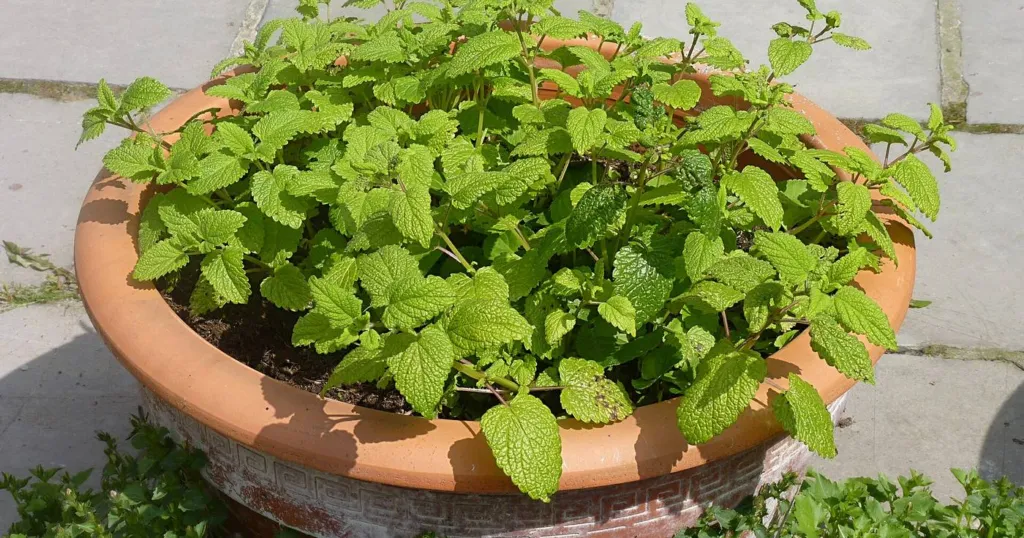
Cover: Melissa officinalis in leaf, Belgium. Photo: Jamain · CC BY-SA 3.0 · Wikimedia Commons
Lemon balm is one of the easiest medicinal herbs to grow in an Australian backyard and one of the gentlest to drink. Late in 2025 it also became a weight-loss trend, when short videos began calling the tea a “natural Ozempic”. I could find no study, in people or in animals, that has measured what lemon balm does to GLP-1, the gut hormone whose receptor semaglutide activates. Confirmed The plant does have a real record of small human trials on calm, sleep and blood lipids, and that record deserves a fair hearing of its own. Evidence suggests
This is a Literature Review and Critical Analysis from the Australian Institute of Pharmacognosy, code AIP-LR-MELOFF. It sets out what Melissa officinalis is, how it has been used, what is in it, and what each human trial actually tested, with every claim tagged by the kind of evidence behind it. It then looks at the weight-loss claim directly, at the dose gap between a cup of tea and the extracts used in trials, at safety and interactions, and at how lemon balm products are regulated in Australia.
This article is educational. It is not medical advice and makes no recommendation to use any product. Before taking any botanical drug, consult a degree-qualified herbalist with competencies and adequate training in pharmacognosy.
| The plant | Melissa officinalis L., lemon balm, of the mint family (Lamiaceae). The medicinal part is the leaf. A Mediterranean perennial, naturalised in New South Wales, Victoria and Tasmania. Confirmed §1, §3 |
| Traditional role | A calming herb for the nerves and sleep, and a digestive for wind and bloating, recorded in European handbooks and in Culpeper’s seventeenth-century herbal. Traditional §4 |
| Chemistry | Hydroxycinnamic acids, chiefly rosmarinic acid, and a small amount of volatile oil rich in citral (geranial and neral) and citronellal. Confirmed §6 |
| How it may act | Rosmarinic acid slows the enzyme that breaks down GABA in laboratory tests; extracts bind brain cholinergic receptors in tissue preparations. Mechanism §7 |
| Mood, stress, sleep | Several small trials of concentrated extracts report calmer mood and better sleep scores, mostly short and product-specific. Evidence suggests §8 |
| Blood lipids and sugar | A 2024 meta-analysis of five small trials found lower total cholesterol, triglycerides and LDL; fasting glucose did not change in the trial that measured it. Evidence suggests §9 |
| Weight and GLP-1 | No human trial shows weight loss. No study has measured an effect on GLP-1. Two mouse papers from the main anti-obesity extract programme have been retracted. Confirmed §9, §10 |
| Safety | Generally well tolerated in trials. A theoretical thyroid question from test-tube work, possible added drowsiness with sedatives, and too little data for pregnancy and breastfeeding. Evidence suggests §11 |
| In Australia | A permitted active ingredient for listed medicines (AUST L), which the TGA does not evaluate for efficacy before sale. The tea is also sold as a food. Confirmed §12 |
- Confirmed established in humans by trial, or an unambiguous analytical, chemical or documentary fact.
- Evidence suggests real published data, but preclinical, observational, small, or not yet replicated in people.
- Mechanism a plausible pharmacological inference, not an outcome.
- Traditional historical or ethnobotanical use. Evidence of practice, not of efficacy.
- Attested a textual fact attested in a named edition or document.
Every PubMed ID (PMID) links to its PubMed record and was checked against PubMed in November 2026. Each trial described here was read in full text, or is reported through a regulator’s assessment or a review that was read in full and is named where it is used. Where a claim is widely repeated but I could not trace it to a primary source, it is marked unsourced.
Lemon balm (Melissa officinalis) is a lemon-scented perennial of the mint family from the Mediterranean and western Asia. It grows readily in temperate Australian gardens and is naturalised in three south-eastern states. Its leaf has a long European record as a calming herb and a digestive, and the European Medicines Agency accepts both uses as traditional, on the strength of long-standing use. Traditional
The leaf contains rosmarinic acid and related hydroxycinnamic acids, flavonoids, triterpenes and a small amount of citral-rich volatile oil. Confirmed In laboratory work, rosmarinic acid slows the breakdown of the calming brain messenger GABA. Mechanism Small human trials of concentrated extracts point to calmer mood under stress and better sleep scores, and a pooled analysis of five small trials found modest falls in blood cholesterol and triglycerides. Evidence suggests
None of this makes lemon balm a GLP-1 drug. No study has measured lemon balm’s effect on GLP-1, the trials that weighed people found no change in body weight, and two of the most-cited mouse papers on weight have been retracted. Confirmed The trials also used extracts and powders at doses well above what a cup of tea delivers. Mechanism
It is generally well tolerated. The points to know are a theoretical thyroid effect seen only in the test tube and in animals, possible extra drowsiness alongside sedative medicines, and too little data to recommend it in pregnancy or while breastfeeding. Evidence suggests In Australia lemon balm is a permitted ingredient in listed (AUST L) medicines, which are not evaluated by the TGA for efficacy before sale, and the tea is also sold as a food. Confirmed
 Chapter 1Names and identity
 Chapter 2What lemon balm looks like
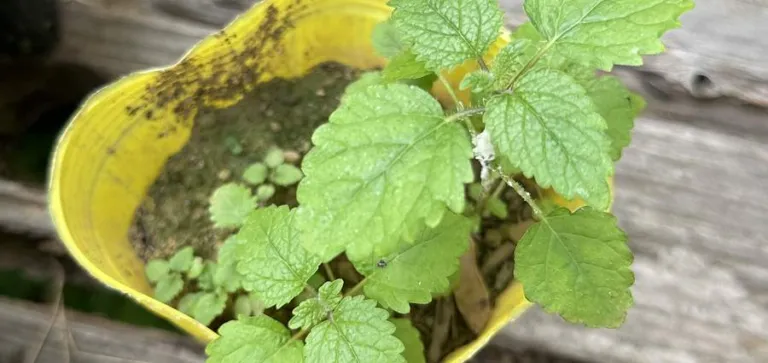 Chapter 3Where it grows, and its status in Australia
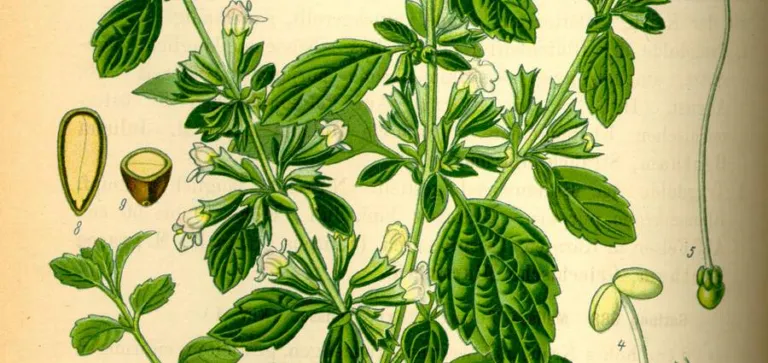 Chapter 4Traditional and historical use
 Chapter 5The “natural Ozempic” claim
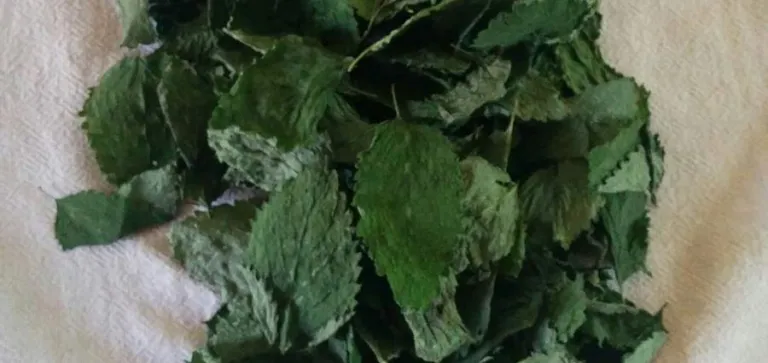 Chapter 6What is in lemon balm: phytochemistry
 Chapter 7Pharmacology: what the laboratory work shows
 Chapter 8Human evidence: mood, stress, sleep and memory
 Chapter 9Human evidence: blood lipids, blood sugar and body weight
 Chapter 10A cup of tea and a capsule: the dose question
 Chapter 11Safety and interactions
 Chapter 12In Australia: listed medicines, teas and advertising
 Chapter 13Quality, identity and adulteration
 DiscussionDiscussion: conclusions, hypotheses and research still required
Also: About the Institute · References · Image credits
Chapter 1Names and identity
The accepted name in the Australian Plant Census is Melissa officinalis L., and the plant belongs to the Lamiaceae, the mint family that also gives us sage, rosemary, thyme and peppermint (Australian Plant Census). Confirmed In English it is lemon balm, balm or common balm. The trade and the older literature also call it melissa, and the leaf drug of the European Pharmacopoeia is Melissae folium. Confirmed The genus name is usually explained as the Greek word for honeybee, a reference to how bees crowd its flowers; that etymology is widely repeated, and I have not traced it to a primary lexicographic source here, so it stays unsourced.
| Feature | Detail |
|---|---|
| Accepted name | Melissa officinalis L. (Lamiaceae) Confirmed |
| Common names | Lemon balm, balm, common balm, melissa. “Bee balm” is also used for lemon balm, and for the unrelated American genus Monarda. Confirmed |
| Subspecies in the literature | subsp. officinalis, with a citral-rich oil, and subsp. altissima, whose oil carries little citral (Petrisor 2022, PMID 35408950). Evidence suggests |
| Part used | The dried leaf, Melissae folium (EMA/HMPC monograph, 2013). Commercial “aerial parts” may include stem and flower. Confirmed |
| Easily confused with | Other lemon-scented herbs with citral in their oil: lemon verbena (Aloysia citrodora, Verbenaceae), lemongrass (Cymbopogon citratus, Poaceae) and the Australian native lemon myrtle (Backhousia citriodora, Myrtaceae). Each is a different plant with its own chemistry and evidence. Confirmed |
The confusion with other lemon herbs matters for anyone reading the trend content. A “lemon tea” in a supermarket may be lemongrass, lemon myrtle or lemon verbena, and none of the lemon balm trials tells us anything about them. Mechanism
Chapter 2What lemon balm looks like
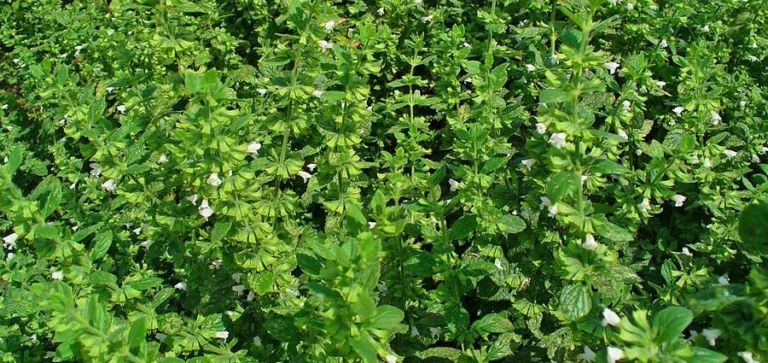
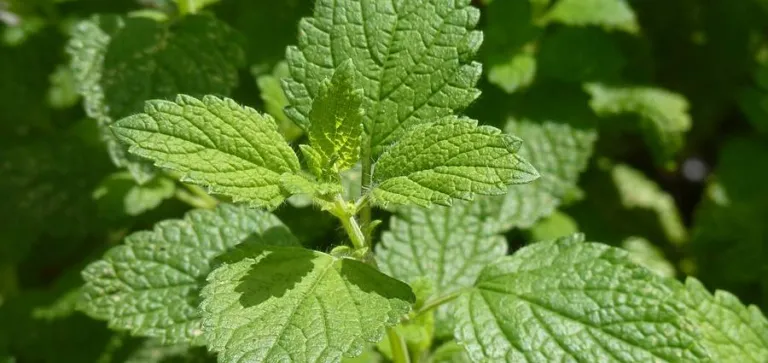
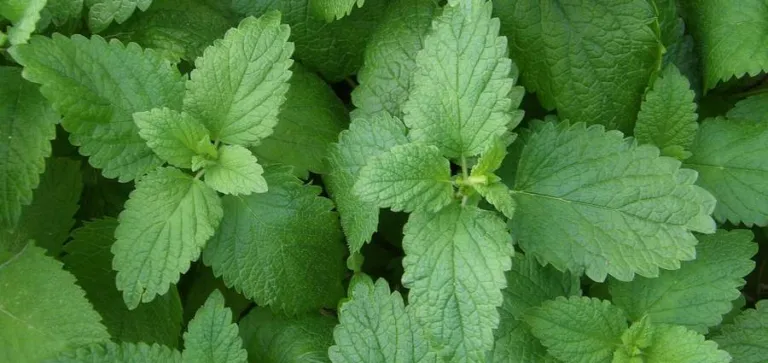
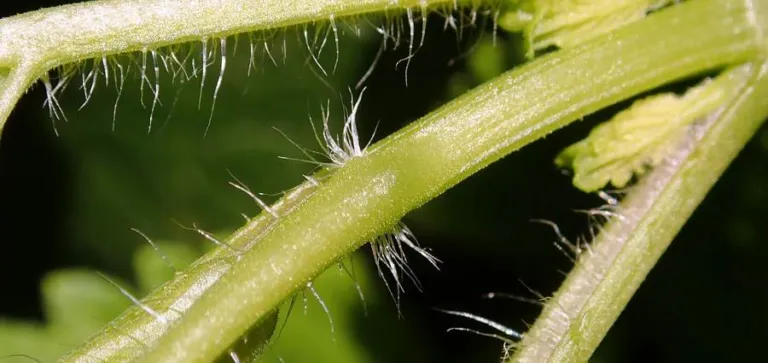
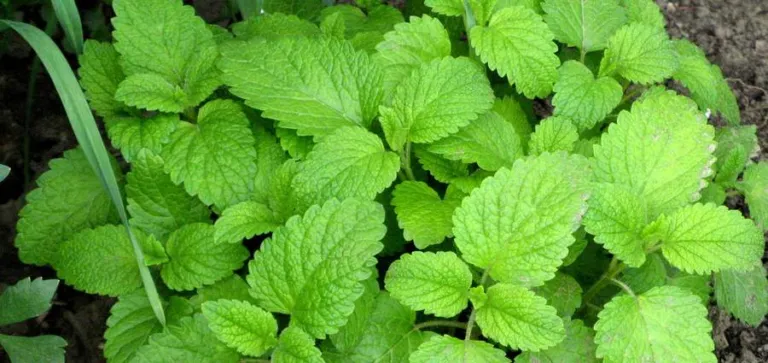
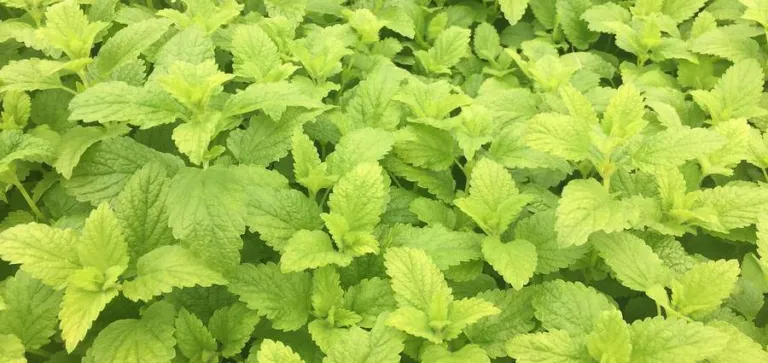
Lemon balm is a bushy, upright perennial, usually 30 to 150 cm tall, with soft hairs on most of its above-ground parts and the four-angled stem shared by many of the mint family (Cîmpeanu 2026, PMID 41754356). Confirmed The leaves sit in opposite pairs on short stalks. They are ovate, roughly 2 to 8 cm long, heart-shaped or wedge-shaped at the base, round-toothed at the margin and often deeply veined, with glandular hairs or dotted glands on the underside (Cîmpeanu 2026; Petrisor 2022, PMIDs 41754356, 35408950). Confirmed Crushed, they smell clearly of lemon.
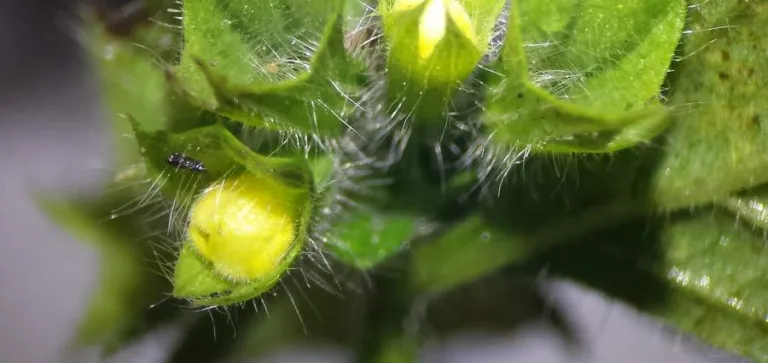
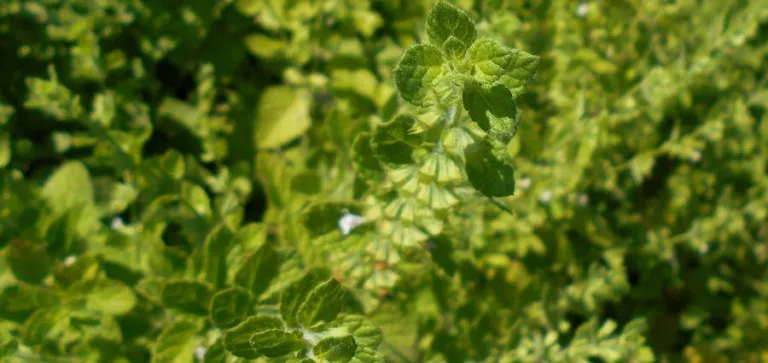
The small flowers are white to very pale pink or lilac and two-lipped, carried in loose whorls in the upper leaf axils. In the Italian flora they open from June to August, which in Australia translates to late spring and summer. Confirmed They are well known as a bee plant, as the photograph below shows.
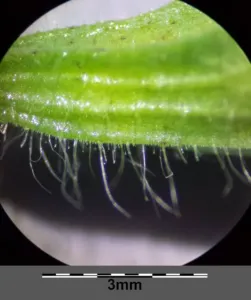
Photo: Stefan.lefnaer · CC BY-SA 4.0 · Wikimedia Commons
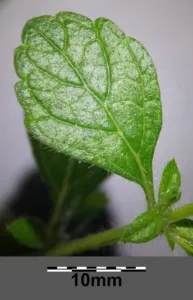
Photo: Stefan.lefnaer · CC BY-SA 4.0 · Wikimedia Commons
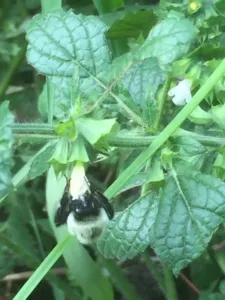
Photo: Potentillarecta · CC0 · Wikimedia Commons
The volatile oil sits in those glandular hairs on the leaf and calyx surface (Cîmpeanu 2026, PMID 41754356). Confirmed This has a practical consequence. The oil is a small fraction of the leaf, it evaporates, and rough handling or long storage of the dried herb loses it. A stale tea can still carry rosmarinic acid, which is not volatile, while having lost much of its scent. Mechanism
Chapter 3Where it grows, and its status in Australia
Lemon balm is native to the Mediterranean region and western Asia, and it has been cultivated across Europe and beyond for a long time (Mathews 2024; Petrisor 2022, PMIDs 39458539, 35408950). Confirmed The Italian distribution chart below shows the pattern in one part of its home range: present in almost every region, from the plains up to about 800 m, and flowering in early to late summer.
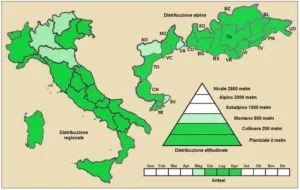
Photo: Enrico Blasutto · CC BY-SA 4.0 · Wikimedia Commons
The Australian Plant Census records Melissa officinalis as naturalised in New South Wales, Victoria and Tasmania, and as doubtfully naturalised in South Australia and Queensland (APC distribution note). Confirmed The Atlas of Living Australia held about 414 occurrence records for the species when I read it in November 2026 (ALA species page). Confirmed
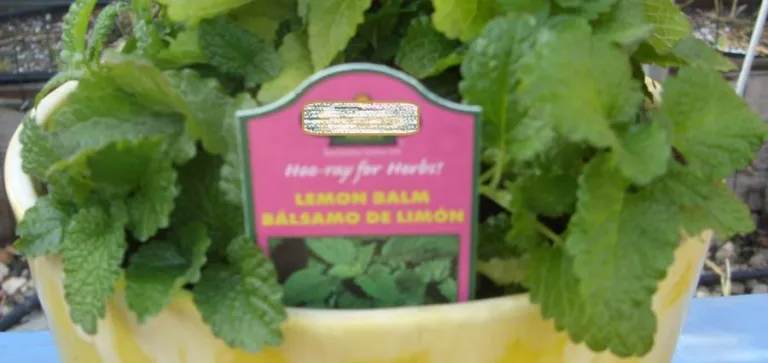
I found no listing of lemon balm in the Queensland Biosecurity Act 2014 or the Biosecurity Regulation 2016 as read in November 2026 (Queensland legislation). Confirmed It is sold freely as a garden herb. As a spreading member of the mint family it self-seeds, so gardeners near bushland may want to keep it in pots. Mechanism
Australians who grow it are usually growing it for tea. That is worth keeping in mind for the rest of this article, because the home-grown cup and the capsule in a clinical trial are very different exposures (§10).
Chapter 4Traditional and historical use
Lemon balm’s reputation as a cheering, calming herb is old and well recorded. Nicholas Culpeper’s Complete Herbal, first published in the 1650s, says that “the Arabian physicians have extolled the virtues thereof to the skies”, and reports Serapion’s view that “it causes the mind and heart to become merry, and revives the heart, faintings and swoonings”, which, he adds, “Avicen also confirms”. The same entry calls it “very good to help digestion” (Culpeper, The Complete Herbal, entry “Balm”, Project Gutenberg eBook #49513). Attested These sentences tell us what was believed and practised in early modern England and in the Arabic medical authorities Culpeper drew on. They are evidence of use, and I report them as that. Traditional
Culpeper also passes on uses that have dropped out of modern practice: leaves soaked in wine against scorpion stings and dog bites, which he attributes to Dioscorides, and poultices for boils. Attested I have not checked those attributions against a critical edition of Dioscorides, so the attribution itself is Culpeper’s and stays unsourced beyond him.
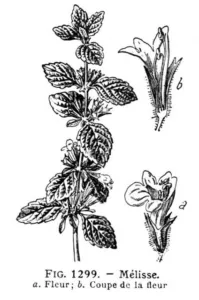
Photo: Galtier-Boissière (org.) · Public domain · Wikimedia Commons
The modern European record is set out by the Committee on Herbal Medicinal Products (HMPC) of the European Medicines Agency. Its assessment report traces the internal use of the leaf as a mild sedative and for minor digestive complaints through German and British handbooks, from Madaus in 1938 to the British Herbal Pharmacopoeia of 1983 and ESCOP in 2003, and notes that it is often used in combination products (HMPC assessment report, 2007). Traditional The current HMPC monograph, adopted on 14 May 2013, accepts two traditional uses: relief of mild symptoms of mental stress and to aid sleep, and symptomatic treatment of mild digestive complaints including bloating and flatulence (EMA/HMPC/196745/2012). Confirmed
That second sentence needs reading carefully. The HMPC states that these are traditional herbal medicinal products “for use in specified indications exclusively based upon long-standing use”. Under the European traditional-use rules, the HMPC accepted that the leaf had been in medicinal use for at least 30 years, 15 of them within the European Community, and found no clear signal of harm in that time. It is a statement about the history of use, and the clinical trials in §8 and §9 are a separate body of evidence. Confirmed In March 2024 the HMPC opened a call for scientific data for its periodic review of this monograph, and the EMA lists the assessment as ongoing (call for data, EMA/HMPC/130926/2024; EMA Melissae folium page). Confirmed
Nowhere in this traditional record did I find lemon balm used as a slimming herb. The weight-loss use is new, and it arrived through social media. Traditional
Chapter 5The “natural Ozempic” claim
The trend took off on short-video platforms overseas in late 2025. Creators made lemon balm tea, often with lemon or other herbs, and described it as a “natural Ozempic” that curbs appetite and helps weight come off. Press coverage that followed quoted dietitians saying there was no convincing evidence that the tea helps with weight. Australian supplement retailers have run “natural Ozempic” content of their own alongside it. That account is the Institute’s own reading of the public coverage. I give it as observation, without links to commercial pages, so it is marked unsourced here.
Ozempic is a brand of semaglutide, a modified peptide hormone that activates the receptor for GLP-1 (glucagon-like peptide-1), a hormone released by the gut after eating (PubChem CID 56843331). Confirmed Semaglutide is a Schedule 4 prescription-only medicine in the Poisons Standard (Poisons Standard October 2026). Confirmed Australians have watched GLP-1 medicines through shortages, cost and changing rules on compounded copies, and the appeal of a cheap garden alternative is easy to understand.
So the question is concrete. Is there evidence that lemon balm raises GLP-1, acts on its receptor, or produces weight loss in people? I searched PubMed in November 2026 for lemon balm, Melissa or rosmarinic acid together with GLP-1, glucagon-like peptide, incretin or semaglutide. No study of lemon balm turned up. Confirmed The evidence that does exist concerns calm, sleep and blood lipids, and it is set out in §8 and §9.
- Supported, at small-trial level: calmer self-rated mood under laboratory stress, better sleep questionnaire scores, and modest falls in blood lipids with concentrated extracts or powdered leaf. Evidence suggests
- Not supported: any effect on GLP-1, any action like semaglutide, or weight loss in people. The human trials that weighed participants found no change. Confirmed
- Untested: whether ordinary lemon balm tea, at the strength people brew at home, changes appetite, blood sugar or weight. Confirmed
Chapter 6What is in lemon balm: phytochemistry
The HMPC assessment report summarises the leaf’s constituents from ESCOP, the WHO and standard pharmacognosy texts. The phenylpropanoids include caffeic and chlorogenic acids and, above all, rosmarinic acid at up to about 6 percent of the dried leaf (HMPC assessment report). Confirmed The volatile oil makes up only 0.06 to 0.8 percent and is dominated by the monoterpene aldehydes citral (a mixture of geranial and neral) and citronellal, with β-caryophyllene and germacrene D as the main sesquiterpenes. Confirmed The leaf also carries flavonoid glycosides of luteolin, quercetin, apigenin and kaempferol, the triterpenes ursolic and oleanolic acid, and tannins. Confirmed
As quoted in the 2007 assessment report, the European Pharmacopoeia set a minimum content of hydroxycinnamic derivatives, expressed as rosmarinic acid, of 4.0 percent. Confirmed I have quoted that figure from the HMPC report and have not checked it against the current Pharmacopoeia text, which may have been revised since.
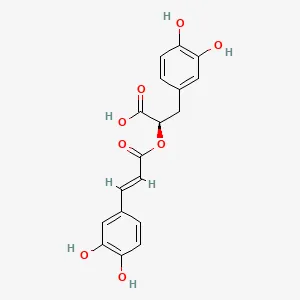
The main hydroxycinnamic acid; the usual quality marker.
Structure: PubChem CID 5281792 · public domain (US NLM)
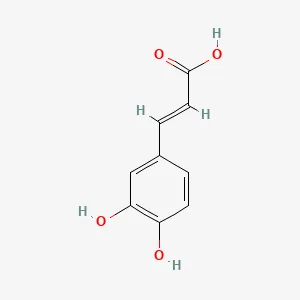
The building block of rosmarinic acid.
Structure: PubChem CID 689043 · public domain (US NLM)
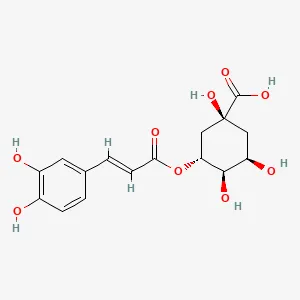
A caffeic-quinic acid ester, also common in coffee.
Structure: PubChem CID 1794427 · public domain (US NLM)
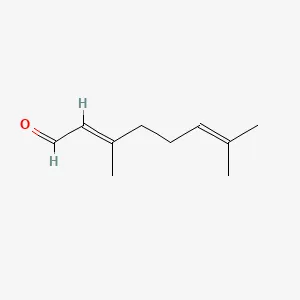
Citral a, the main lemon note of the oil.
Structure: PubChem CID 638011 · public domain (US NLM)
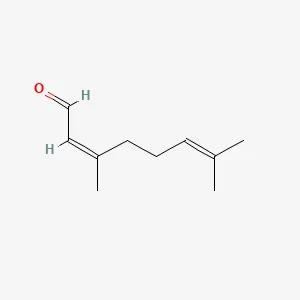
Citral b, the cis isomer of geranial.
Structure: PubChem CID 643779 · public domain (US NLM)
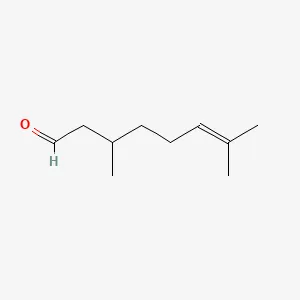
A second lemon-scented monoterpene aldehyde.
Structure: PubChem CID 7794 · public domain (US NLM)
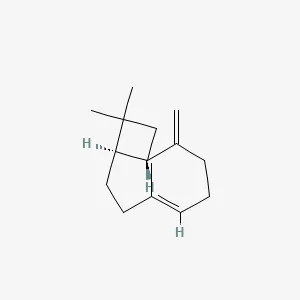
A major sesquiterpene of the oil.
Structure: PubChem CID 5281515 · public domain (US NLM)
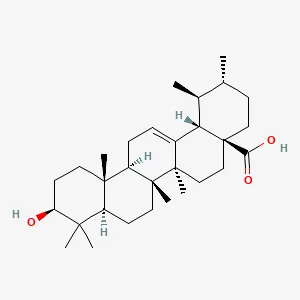
A pentacyclic triterpene acid of the leaf.
Structure: PubChem CID 64945 · public domain (US NLM)
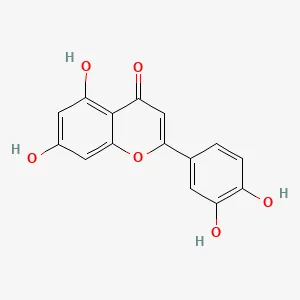
One of the flavones present as glycosides.
Structure: PubChem CID 5280445 · public domain (US NLM)
All structures, depictions and identifiers from PubChem (US National Library of Medicine), checked November 2026.
Two chemical points shape everything that follows. First, the oil is variable. Reviews describe a citral chemotype and a germacrene D chemotype, and oil contents ranging from 0.01 to 0.72 percent between samples, while subsp. altissima carries little citral at all (Petrisor 2022, PMID 35408950). Evidence suggests Second, rosmarinic acid is a non-volatile, water-soluble acid, so it is the constituent most likely to survive drying and reach a cup of tea in quantity. Mechanism It is also the marker that a 2026 review asks trialists to report for every extract they test (Cîmpeanu 2026, PMID 41754356). Confirmed
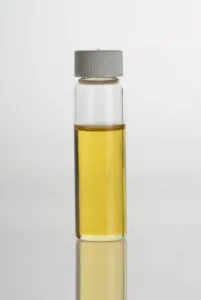
Photo: Itineranttrader · Public domain · Wikimedia Commons
Chapter 7Pharmacology: what the laboratory work shows
Calming and sleep pathways
The best-supported mechanism concerns GABA, the main inhibitory messenger in the brain. In rat brain preparations, a lemon balm extract inhibited GABA transaminase, the enzyme that breaks GABA down, and rosmarinic acid was identified as the main active constituent (studies tabulated by Petrisor 2022, PMID 35408950). Mechanism A 2024 review of the clinical literature describes the same pathway and also reports binding of lemon balm compounds to GABAA receptors in laboratory work (Mathews 2024, PMID 39458539). Mechanism Less GABA breakdown would mean more GABA available, which fits a calming effect. It is an inference from enzyme and tissue studies, and it has not been shown directly in the human brain. Mechanism
The HMPC report adds two further strands from ESCOP. Ethanolic and methanolic extracts displaced nicotinic and muscarinic ligands from receptors in human cerebral cortex tissue, and a 30 percent ethanol extract given to mice by injection was sedating and prolonged pentobarbital-induced sleep (HMPC assessment report). Evidence suggests The essential oil and citral relaxed isolated gut and airway muscle, which fits the traditional use for wind and cramping. Mechanism The HMPC assessor’s own judgement was cautious: pharmacodynamic data on the traditionally used water and ethanol extracts were “at best, inconclusive” and could not be taken to support the traditional indications. Confirmed
Rosmarinic acid in the human body
A small Japanese study gave eleven healthy adults a single dose of a lemon balm extract containing 500 mg of rosmarinic acid. Blood levels of rosmarinic acid peaked about one hour later, at roughly 162 nmol/L in the fasted state, food increased total exposure and slowed absorption, and no adverse events were reported (Noguchi-Shinohara 2015, PMID 25978046). Confirmed This matters for the dose discussion in §10: the compound is absorbed, and 500 mg is the amount the same group then used every day in their dementia trial.
Metabolic effects in animals
In hyperlipidaemic rats, an aqueous leaf extract at 2 g per kg of body weight daily for 28 days lowered total cholesterol and liver enzymes (Bolkent and colleagues, 2005, as reported in the HMPC assessment report). Evidence suggests That is a very large dose for a small animal, far beyond anything a person drinks. Mechanism
Most of the anti-obesity literature comes from one Korean research programme on ALS-L1023, an anti-angiogenic fraction prepared from lemon balm leaf. Two of its mouse papers have been retracted by the journal. The 2020 paper on obesity and insulin sensitivity was withdrawn after duplicated figures were found across it and two other articles, and the authors could not supply raw data for the editorial board to evaluate (Lee 2020, retracted; retraction notice 2025, PMIDs 32549364, 39959987). Confirmed A 2017 paper from the same programme, on fatty liver in mice fed a high-fat diet, was retracted in 2026 after the journal found image duplication with earlier figures from a similar group of authors, who did not respond to its enquiries (PMIDs 28420164, 42378369). Confirmed Other mouse studies of lemon balm extracts report less weight gain on high-fat diets, for example a 2025 study in female mice, whose authors note that they did not analyse the composition of their extracts (Kim 2025, PMID 39968272). Evidence suggests Animal weight studies are a reasonable place to start. They are a long way from a human result, and part of this particular evidence base can no longer be relied on.
The thyroid observation
Test-tube and animal studies published from 1982 onward found that water extracts of lemon balm can interfere with the binding and action of thyroid-stimulating hormone (TSH). The HMPC assessment report lists the work of Auf’mkolk and colleagues (1984, 1985), Sourgens and colleagues (1982), Benvenga (2003) and Santini and colleagues (2003) (HMPC assessment report), and the monograph concludes that “the clinical relevance of these findings is not known” (HMPC monograph, section 5.3). Evidence suggests I have not yet read those primary papers in full; they are cited here through the HMPC’s assessment. Its practical meaning is taken up in §11.
Chapter 8Human evidence: mood, stress, sleep and memory
This is the strongest part of the lemon balm record, and also where the details matter most. Nearly every trial used a specific extract, many were sponsored or co-authored by the companies that make those extracts, and most were small and short. I describe them one at a time so the reader can see exactly what was tested.
Single doses in healthy volunteers
The first controlled studies were published by Kennedy and colleagues in the early 2000s. As summarised in the HMPC assessment report, they gave 20 healthy volunteers single doses of 300, 600 or 900 mg of a 30 percent methanol leaf extract. The 600 mg dose improved the quality of attention; the higher doses reduced working and secondary memory for a few hours; the lowest dose raised self-rated calmness; and self-rated alertness was lower at every time point tested (Kennedy 2003). Evidence suggests In a second study with 18 volunteers under a laboratory stressor, 600 mg raised self-rated calmness, and 300 mg sped up mental arithmetic without loss of accuracy (Kennedy 2004). Evidence suggests The HMPC noted that these were methanol extracts, outside the preparations covered by its monograph, and judged them insufficient for a well-established-use monograph. Confirmed
An Australian group followed this up. Scholey and colleagues at Swinburne University in Melbourne ran two double-blind, placebo-controlled crossover studies in healthy young adults (25 participants in the first), giving a standardised lemon balm extract in a drink and in a yoghurt before a multi-tasking stress battery. Both active preparations were “generally associated with improvements in mood and/or cognitive performance”, with some behavioural costs at other doses and effects that depended partly on the food used to deliver the extract (Scholey 2014, PMID 25360512). Evidence suggests Several authors worked for the companies supplying the extract and the drinks, which the paper declares.
Repeated dosing for stress, anxiety and sleep
An open-label pilot study gave a standardised extract to 20 stressed volunteers with mild-to-moderate anxiety and sleep disturbance for 15 days. Clinician-rated anxiety fell by 18 percent and insomnia by 42 percent (Cases 2011, PMID 22207903). Evidence suggests With no placebo group, this tells us the extract was tolerated and worth testing properly. The authors say so themselves.
A larger randomised, placebo-controlled trial in Pakistan enrolled 104 adults with moderate emotional distress or poor sleep, of whom 100 finished. A phospholipid-bound aqueous extract at 200 mg twice daily for three weeks improved depression, anxiety and stress scores, wellbeing, quality of life and sleep quality compared with placebo, with no serious adverse events (Bano 2023, PMID 37927585). Evidence suggests The extract group started with worse sleep scores than the placebo group, which leaves room for some of the sleep difference to be regression towards the average. Mechanism An Italian crossover trial in 30 adults with unrefreshing sleep gave two tablets of a phospholipid-formulated extract each evening for two weeks. Insomnia Severity Index scores averaged 6.8 on the extract against 9.7 on placebo, and 87 percent of participants reported better sleep on the extract against 30 percent on placebo (Di Pierro 2024, PMID 39683592). Evidence suggests
In Iran, 60 adults with type 2 diabetes and depressive symptoms took 700 mg a day of a hydroalcoholic extract or placebo for 12 weeks, and 44 completed the trial. Depression and anxiety scores improved more on the extract, while sleep quality did not differ between groups (Safari 2023, PMID 37131158). Evidence suggests
Memory and dementia
A 16-week Iranian trial in people with mild to moderate Alzheimer’s disease reported better cognitive scores on a lemon balm tincture than on placebo (Akhondzadeh 2003, as reported in the HMPC assessment report). Evidence suggests A later Japanese trial in 23 people with mild Alzheimer’s dementia gave an extract containing 500 mg of rosmarinic acid daily for 24 weeks. It was safe and well tolerated. Cognitive scores did not differ from placebo, while a neuropsychiatric symptom score improved slightly on the extract and worsened slightly on placebo (Noguchi-Shinohara 2020, PMID 33122694). Evidence suggests
Taken together, the mood and sleep trials point the same way: calmer self-ratings and better sleep scores with concentrated extracts. Evidence suggests The weaknesses are just as consistent. Groups are small, follow-up runs from a single afternoon to a few months, the extracts differ from trial to trial, and several are proprietary products studied by their makers. A result for one standardised extract does not automatically transfer to another, or to tea.
Two systematic reviews with meta-analyses have pooled parts of this literature (Ghazizadeh 2021 on depression and anxiety, and Heshmati 2020 on cardiometabolic outcomes). I have requested their full texts and have not relied on them here, because I have not yet read them in full.
Chapter 9Human evidence: blood lipids, blood sugar and body weight
The metabolic trials are fewer, smaller and more varied than the mood trials, and the claim being made online sits closer to this chapter than to any other.
Blood lipids
A 2024 meta-analysis pooled five randomised controlled trials with 302 participants. Compared with placebo, lemon balm lowered total cholesterol (standardised mean difference −0.42), triglycerides (−0.40) and LDL cholesterol (−0.23), with no significant effect on HDL cholesterol (Shahsavari 2024, PMID 38575930). Evidence suggests The authors list the limits themselves: few eligible studies, small samples, and participants with quite different conditions.
| Trial | Participants | Preparation and dose | Lipid result (significant changes) |
|---|---|---|---|
| Asadi 2019 | Type 2 diabetes, 62 | Hydroalcoholic extract, 700 mg/day, 12 weeks | Triglycerides fell; HDL rose |
| Jandaghi 2016 | Borderline high blood lipids, 58 | Powdered leaf, 3 g/day, 2 months | LDL fell |
| Javid 2018 | Chronic stable angina, 73 | Powdered leaf, 3 g/day, 8 weeks | All four lipid measures improved |
| Kheirkhah 2021 | Premature ventricular beats, 59 | Tea bags, 2 g twice daily, 12 weeks, open-label | Total cholesterol and triglycerides fell |
| Kim 2023 | Fatty liver disease, 60 randomised, 57 analysed | ALS-L1023 fraction, 1200 or 1800 mg/day, 24 weeks | Lipids fell at 1200 mg |
Table compiled from the study-characteristics table of Shahsavari 2024 (PMID 38575930), which was read in full; the individual trial reports other than Kim 2023 were not available to me in full text and are not cited separately. Evidence suggests
One of these trials used tea. In the open-label Kheirkhah study, people with frequent premature heartbeats drank two 2 g tea bags a day for 12 weeks, and their total cholesterol and triglycerides fell (as tabulated by Shahsavari 2024, PMID 38575930). Evidence suggests That is four grams of leaf a day, every day, for three months, in a trial without blinding, and it remains the only lipid result for a tea-based preparation I found.
Blood sugar
The diabetes trial that I could read in full measured fasting blood sugar and found no significant difference between extract and placebo after 12 weeks (Safari 2023, PMID 37131158). Evidence suggests The companion glycaemic paper from the same research group (Asadi 2019) has been requested in full text and is not relied on here.
Body weight
No human trial I read shows weight loss. In the 12-week diabetes trial, body weight, BMI and waist measurements did not differ between extract and placebo (Safari 2023, PMID 37131158). Confirmed The same paper reports that in the Jandaghi trial, 3 g of powdered lemon balm daily for two months did not change body weight or BMI, and that the Javid trial (3 g a day for eight weeks) and a 12-week trial by Nayebi and colleagues in 32 people with type 2 diabetes found no effect on BMI. Evidence suggests The phase 2a trial of the ALS-L1023 fraction, which randomised 60 Korean adults with fatty liver disease (57 in the full analysis set), found a 15 percent relative fall in liver fat at the higher dose. Its outcomes were liver fat, stiffness and liver enzymes, it was funded by the company developing the extract (AngioLab), it did not report body weight, and it was not designed as a weight-loss study (Kim 2023, PMID 37111380). Evidence suggests
In every controlled trial I could check that weighed or measured its participants, weight or BMI did not change on lemon balm. Confirmed
Chapter 10A cup of tea and a capsule: the dose question
The HMPC’s traditional-use dose for the tea is 1.5 to 4.5 g of dried leaf in 150 mL of boiling water, one to three times a day (HMPC monograph, section 4.2). Confirmed Take a single 2 g tea bag, the size used in the Kheirkhah trial. At the 4.0 percent pharmacopoeial minimum for hydroxycinnamic derivatives quoted in §6, that leaf holds about 80 mg of them, and at the 6 percent upper figure for rosmarinic acid about 120 mg; a hot-water infusion extracts only part of this. Mechanism The dementia trial gave 500 mg of rosmarinic acid a day in a defined extract. Three strong cups at the top of the traditional range (13.5 g of leaf) could in principle hold a similar amount in the leaf, but nobody has measured how much reaches the cup. That arithmetic is my own, worked from published figures. It is not a measurement of any tea.
| Preparation | Daily amount | What it was tested for |
|---|---|---|
| Traditional tea (HMPC) | 1.5–4.5 g dried leaf per cup, 1–3 cups a day | Traditional use only |
| Kheirkhah 2021 | 4 g leaf a day as tea bags | Lipids; open-label |
| Jandaghi 2016; Javid 2018 | 3 g powdered leaf swallowed daily | Lipids |
| Asadi 2019; Safari 2023 | 700 mg hydroalcoholic extract daily | Lipids, mood |
| Noguchi-Shinohara 2020 | Extract delivering 500 mg rosmarinic acid daily | Dementia, safety |
| Kim 2023 | 1200–1800 mg ALS-L1023 fraction daily | Fatty liver |
Two things stand out. Most trial preparations were concentrated extracts or swallowed powder, so their dose was larger than an everyday cup and, above all, known, which a home brew is not. Mechanism And even at those doses, the trials that weighed people saw no weight change (§9). Confirmed A cup of lemon balm tea is a pleasant drink with a respectable traditional standing. On the published evidence it is not a weight-loss treatment, and it has nothing in common pharmacologically with a GLP-1 receptor agonist. Confirmed
Is there any route by which the tea might help with weight indirectly? It is possible to argue that a calmer evening and better sleep might ease stress-related eating. That is a hypothesis. No trial has tested it, and it should not be presented as an effect. Mechanism
Chapter 11Safety and interactions
Tolerability
Lemon balm is generally well tolerated. The HMPC monograph lists no known undesirable effects and no reported case of overdose (HMPC monograph, sections 4.8 and 4.9). Confirmed In the trials read for this review, no serious adverse events were reported. The pharmacokinetic and distress trials reported none due to treatment, and where adverse events were counted they occurred at similar rates on placebo, for example 41.6 percent on extract against 45.5 percent on placebo over 24 weeks in the dementia trial (Bano 2023; Noguchi-Shinohara 2015; Noguchi-Shinohara 2020; Kim 2023, PMIDs 37927585, 25978046, 33122694, 37111380). Confirmed The HMPC is candid that formal safety data are thin: conventional clinical safety data are “virtually absent”, although long-standing use has produced no clear signal of harm under normal conditions of use (HMPC assessment report). Confirmed The only contraindication the monograph lists is hypersensitivity to the leaf, and anyone who reacts to other mint-family herbs should keep that in mind (HMPC monograph, section 4.3). Confirmed Tinctures and liquid extracts are made with 45 to 53 percent ethanol, and the monograph requires ethanol labelling on them (HMPC monograph, section 4.4). Confirmed The alcohol matters for children, in pregnancy, for anyone avoiding alcohol, and for people on medicines that react with alcohol, such as metronidazole or disulfiram; tea and alcohol-free extracts avoid it. Mechanism
The thyroid question
The TSH-binding observations in §7 come from test-tube and animal work. No human study I found shows lemon balm altering thyroid function, and the HMPC calls the clinical relevance unknown. Evidence suggests There is also a gap in the evidence worth stating: the sleep trial of Di Pierro (2024) excluded people with an underactive or overactive thyroid, and Bano (2023) excluded people with an overactive thyroid, so these trials cannot reassure us about that group either way (PMIDs 39683592, 37927585). Confirmed For someone with an underactive or overactive thyroid, or taking thyroid medicine, the question is theoretical but open. It is a good reason to talk the herb through with a qualified practitioner before using concentrated extracts regularly. Mechanism
Sedatives, alcohol and driving
The HMPC monograph warns that lemon balm “may impair ability to drive and use machines” (section 4.7). Confirmed Single-dose trials found lower self-rated alertness, and in mice an extract prolonged sleep induced by a barbiturate (§7, §8). Evidence suggests From these findings it is reasonable to expect added drowsiness when concentrated lemon balm is combined with sedative medicines, such as benzodiazepines, sleeping tablets and sedating antihistamines, with alcohol, or with other sedative herbs. No clinical interaction study exists; the HMPC records “no data available” on interactions. Mechanism For the same reason, anyone due for surgery or a procedure under sedation should tell the surgical team about any herbal product they take, lemon balm included. Mechanism
Diabetes medicines
Because extracts are being promoted for blood sugar, people taking glucose-lowering medicines may wonder about an additive effect. The one diabetes trial read in full found no change in fasting glucose (§9), so the risk appears low on current evidence, but it has not been studied directly. Mechanism People using insulin or a sulfonylurea who start a concentrated extract can sensibly keep up their usual glucose checks for the first few weeks. Mechanism
Pregnancy, breastfeeding and children
The HMPC states that safety in pregnancy and lactation has not been established and, in the absence of sufficient data, does not recommend use. It also notes that use in children under 12 has not been established for lack of adequate data (HMPC monograph, sections 4.4 and 4.6). Confirmed No fertility data are available, and tests for reproductive toxicity, carcinogenicity and adequate genotoxicity testing have not been performed (HMPC monograph, sections 4.6 and 5.3). Confirmed That is a statement about missing evidence. It is not a finding of harm, and it is the reason a cautious practitioner will advise against concentrated products in these groups. Confirmed
Essential oil
The HMPC monograph covers the leaf and its teas, tinctures and extracts. It does not cover the essential oil (HMPC monograph, section 2). Confirmed Melissa oil is a concentrate rich in citral, and citral is a recognised skin sensitiser, so the oil should be well diluted on skin and should not be taken by mouth without guidance from a practitioner trained in its use. Evidence suggests Like every essential oil, it should be stored out of reach of children, because a small amount swallowed by a young child can cause harm. Mechanism
- Before taking any botanical drug, consult a degree-qualified herbalist with competencies and adequate training in pharmacognosy, especially if you take prescription medicines, have a thyroid condition, or are pregnant or breastfeeding.
- Lemon balm may make you drowsy. Take care with driving and machinery, alcohol and other sedatives. Confirmed
- Keep essential oils, including melissa oil, out of reach of children. Alcohol-based tinctures are best avoided for children and in pregnancy. Mechanism
- A prescribed GLP-1 medicine should never be swapped for a herbal tea without the prescriber’s involvement. Mechanism
- If someone becomes unwell after taking any herbal product, call 000 in an emergency, or the Poisons Information Centre on 13 11 26 (24 hours, Australia-wide).
Chapter 12In Australia: listed medicines, teas and advertising
A permitted ingredient
The Therapeutic Goods (Permissible Ingredients) Determination (No. 3) 2026, which commenced on 16 October 2026, lists MELISSA OFFICINALIS (item 3252), LEMON BALM LEAF DRY (item 2987) and LEMON BALM LEAF POWDER (item 2988) as ingredients that may be used in listed medicines, including as active ingredients, with no specific requirements attached (F2026L01382, volume 4). Confirmed I found no entry for lemon balm in the Poisons Standard of October 2026, so it is unscheduled (F2026L01327). Confirmed
What a listing does and does not mean
Most lemon balm medicines in Australia are listed medicines, carrying an AUST L number. The TGA’s own description is plain: “Listed medicines are not individually evaluated by the TGA for quality, safety and efficacy before they are supplied in the marketplace. Instead, sponsors (product owners) certify that their listed medicine meets requirements” (TGA, Listed medicines). Confirmed Their ingredients must come from the permitted list, their indications must be chosen from a fixed list of permitted indications, and the sponsor must hold evidence for those indications, either scientific or of traditional use, which the TGA can check on request. Confirmed An AUST L number therefore tells you the ingredients are on the low-risk list and the product is on the register. It does not tell you the TGA has checked that the product works. Confirmed Products marked AUST L(A), assessed listed medicines, have had their efficacy claims assessed before sale.
A keyword search of the public Australian Register of Therapeutic Goods for “melissa officinalis” returned 160 entries when I ran it in November 2026 (ARTG search). Confirmed Among the first 25 results were mostly combination formulas for sleep, calm and mood, and digestion, which matches the European picture of lemon balm as a component of mixed products. I have not audited the entries individually, and a keyword count includes some products where lemon balm is a minor ingredient. Confirmed
Teas sold as food
Loose lemon balm and lemon balm tea bags are also sold as foods. They then fall under the Australia New Zealand Food Standards Code administered by Food Standards Australia New Zealand, where health claims on labels and in advertising are governed by Standard 1.2.7, Nutrition, health and related claims (FSANZ, Food Standards Code). Confirmed The same plant can therefore reach a shopper as a garden seedling, a food tea or a listed medicine, under three different sets of rules.
The advertising question
Because semaglutide is a Schedule 4 prescription-only medicine (§5), content that markets a herbal product by reference to it raises questions under the therapeutic goods advertising rules, and a listed medicine may only make claims that fall within its permitted indications and are backed by the evidence its sponsor holds. Confirmed Whether a given post breaches those rules is a matter for the TGA. Anyone who thinks a product’s advertising is misleading can report it to the TGA, which invites such reports on its listed-medicines page. Confirmed
Chapter 13Quality, identity and adulteration
Three quality problems run through the lemon balm literature.
Which plant. Lemon balm can be confused with other lemon-scented herbs, and lemon verbena in particular is sold and drunk in the same way. Lemon verbena (Aloysia citrodora) belongs to a different family, has its own chemistry and has its own HMPC monograph (EMA, Verbenae citriodorae folium). Confirmed Leaf shape tells them apart quickly: lemon balm leaves are broad, paired and round-toothed, while lemon verbena leaves are narrow, pointed and borne in whorls of three or four. Confirmed
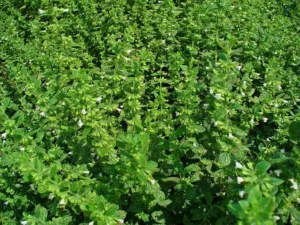
Photo: H. Zell · CC BY-SA 3.0 · Wikimedia Commons
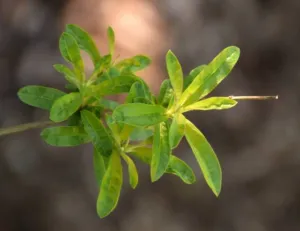
Photo: Krzysztof Golik · CC BY-SA 4.0 · Wikimedia Commons
Which chemotype. As §6 showed, the oil varies widely between subspecies, chemotypes and growing conditions (Petrisor 2022, PMID 35408950). Evidence suggests Rosmarinic acid content varies too, which is why reviewers now ask trialists to report the plant part, extraction method, marker compound content and batch-to-batch variability (Cîmpeanu 2026, PMID 41754356). Confirmed
Which preparation. Clinical results attach to the preparation tested. The HMPC made this point about a highly purified 70:1 aqueous extract used for cold sores, whose data it considered “not transferable to other products” (HMPC assessment report). Confirmed The same logic applies to the phospholipid-bound extracts in the sleep trials and the ALS-L1023 fraction in the liver trial. Mechanism With an oil yield below one percent, true lemon balm essential oil is expensive, and the trade has a reputation for stretching it with cheaper citral-rich oils. I did not find a primary analytical survey of this for the review, so that claim is unsourced here.
Discussion: conclusions, hypotheses and research still required
What the evidence supports
Lemon balm is a mint-family herb whose leaf carries rosmarinic acid and related hydroxycinnamic acids, flavonoids, triterpenes and a small, variable citral-rich oil. Confirmed It has a long and well documented traditional standing as a calming herb and a digestive, which the European regulator accepts on the basis of long-standing use. Traditional Small randomised trials of concentrated extracts support calmer mood and better sleep scores, and a meta-analysis of five small trials supports modest falls in blood lipids. Evidence suggests It is well tolerated in the trials that have been run. Confirmed
The weight-loss claim fails on every count I could check. There is no study of GLP-1, no human trial showing weight loss, the human trials that weighed participants found no change, and part of the animal literature has been retracted. Confirmed
Hypotheses worth keeping alive
Indirect effects on eating. If lemon balm reduces stress and improves sleep, it could plausibly reduce stress-related eating in some people. This is a hypothesis with no direct test. Mechanism
Gut hormone signalling. Polyphenols can act on enteroendocrine cells in the gut wall. Whether lemon balm extracts or rosmarinic acid change GLP-1 secretion in those cells is unknown and could be tested cheaply in cell models before anyone makes a claim either way. Mechanism
Lipids. The lipid signal is the most promising metabolic result. It may come from rosmarinic acid, from other constituents, or from whole-leaf fibre in the powdered-leaf trials; the trials as reported cannot separate these. Mechanism
Research still required
- Clinical research: a pre-registered randomised trial with body weight and appetite as primary outcomes, using a chemically characterised lemon balm tea at an everyday dose and a matched concentrated extract, with GLP-1 and glucose measured after a standard meal.
- Clinical research (lipids): a blinded, adequately powered replication of the lipid findings in people with mildly raised cholesterol, reporting rosmarinic acid dose and diet.
- Endocrinology and toxicology: TSH and free thyroxine measured routinely in lemon balm trials, and a small study in people with treated thyroid disease, so the in-vitro observation can be resolved.
- Phytochemistry and quality analysis: an HPLC survey of rosmarinic acid in lemon balm teas sold in Australia, with extraction efficiency into a home infusion, and GC-MS authentication of oils sold as melissa oil.
- Botany: vouchered reference material of Australian garden and commercial stock, identified to subspecies, for chemotype comparison.
- Pharmacology: enteroendocrine cell assays of GLP-1 secretion with lemon balm extract and rosmarinic acid, alongside the existing GABA-transaminase work.
- Regulatory science: a review of Australian “natural Ozempic” marketing against the permitted indications held for the products concerned.
About the Australian Institute of Pharmacognosy
The Australian Institute of Pharmacognosy is a clinic and research laboratory in Cardwell, far north Queensland, studying medicinal plants and natural products to the same evidentiary standard as any other branch of pharmacology: traditional knowledge taken seriously, and tested honestly. The Literature Review and Critical Analysis series grades what is known about one plant at a time. More at australian-pharmacognosy.org. Corrections and comments are welcome at our contact form.
Head of Education and Research
Australian Institute of Pharmacognosy
Cardwell QLD, Australia
australian-pharmacognosy.org · our contact form
Educational content only; not medical, legal or regulatory advice. Regulatory information reflects the instruments and TGA pages as read in November 2026 and may change.
References
Show all 31 references (every PMID links to PubMed)
Journal articles first, in order of first citation, then regulatory, historical and database sources. Every PMID was checked against PubMed in November 2026. Each article listed was obtained in full text, and the passages relied on were read there. Older primary studies that I could not obtain in full text (Kennedy 2002, 2003 and 2004; Akhondzadeh 2003; Bolkent 2005; Auf’mkolk 1984 and 1985; Sourgens 1982; Benvenga 2003; Santini 2003; and the individual lipid trials of Asadi 2019, Jandaghi 2016, Javid 2018 and Kheirkhah 2021) are cited through the HMPC assessment report or the Shahsavari 2024 meta-analysis, both read in full, and are named by author and year in the text. Their full texts have been requested.
- Petrisor G, Motelica L, Craciun LN, Oprea OC, Ficai D, Ficai A. Melissa officinalis: Composition, Pharmacological Effects and Derived Release Systems-A Review. Int J Mol Sci. 2022;23(7). PMID 35408950. DOI 10.3390/ijms23073591.
- Cîmpeanu IA, Boru C, Dehelean CA, Liga S, Cosoroabă RM, Ardelean S, et al. Melissa officinalis L. (Lemon Balm): An Integrative Review of Phytochemistry and Evidence from Preclinical Research to Clinical Studies. Plants (Basel). 2026;15(4). PMID 41754356. DOI 10.3390/plants15040650.
- Mathews IM, Eastwood J, Lamport DJ, Cozannet RL, Fanca-Berthon P, Williams CM. Clinical Efficacy and Tolerability of Lemon Balm (Melissa officinalis L.) in Psychological Well-Being: A Review. Nutrients. 2024;16(20). PMID 39458539. DOI 10.3390/nu16203545.
- Noguchi-Shinohara M, Ono K, Hamaguchi T, Iwasa K, Nagai T, Kobayashi S, et al. Pharmacokinetics, Safety and Tolerability of Melissa officinalis Extract which Contained Rosmarinic Acid in Healthy Individuals: A Randomized Controlled Trial. PLoS One. 2015;10(5):e0126422. PMID 25978046. DOI 10.1371/journal.pone.0126422.
- Lee D, Shin Y, Roh JS, Ahn J, Jeoong S, Shin SS, et al. RETRACTED: Lemon Balm Extract ALS-L1023 Regulates Obesity and Improves Insulin Sensitivity via Activation of Hepatic PPARα in High-Fat Diet-Fed Obese C57BL/6J Mice. Int J Mol Sci. 2020;21(12). PMID 32549364. DOI 10.3390/ijms21124256.
- Lee D, Shin Y, Roh JS, Ahn J, Jeoong S, Shin SS, et al. RETRACTED: Lee et al. Lemon Balm Extract ALS-L1023 Regulates Obesity and Improves Insulin Sensitivity via Activation of Hepatic PPARα in High-Fat Diet-Fed Obese C57BL/6J Mice. Int. J. Mol. Sci. 2020, 21, 4256. Int J Mol Sci. 2025;26(4). PMID 39959987. DOI 10.3390/ijms26041696.
- Kim J, Lee H, Lim J, Oh J, Shin SS, Yoon M. RETRACTED: The Angiogenesis Inhibitor ALS-L1023 from Lemon-Balm Leaves Attenuates High-Fat Diet-Induced Nonalcoholic Fatty Liver Disease through Regulating the Visceral Adipose-Tissue Function. Int J Mol Sci. 2017;18(4). PMID 28420164. DOI 10.3390/ijms18040846.
- Kim J, Lee H, Lim J, Oh J, Shin SS, Yoon M. RETRACTED: Kim et al. The Angiogenesis Inhibitor ALS-L1023 from Lemon-Balm Leaves Attenuates High-Fat Diet-Induced Nonalcoholic Fatty Liver Disease Through Regulating the Visceral Adipose-Tissue Function. Int. J. Mol. Sci. 2017, 18, 846. Int J Mol Sci. 2026;27(13). PMID 42378369. DOI 10.3390/ijms27135852.
- Kim JG, Park J, Baek S, Won S, Cho J. Effects of Melissa officinalis Extracts on Obesity and Anxiety. Clin Nutr Res. 2025;14(1):65-77. PMID 39968272. DOI 10.7762/cnr.2025.14.1.65.
- Scholey A, Gibbs A, Neale C, Perry N, Ossoukhova A, Bilog V, et al. Anti-stress effects of lemon balm-containing foods. Nutrients. 2014;6(11):4805-21. PMID 25360512. DOI 10.3390/nu6114805.
- Cases J, Ibarra A, Feuillère N, Roller M, Sukkar SG. Pilot trial of Melissa officinalis L. leaf extract in the treatment of volunteers suffering from mild-to-moderate anxiety disorders and sleep disturbances. Med J Nutrition Metab. 2011;4(3):211-218. PMID 22207903. DOI 10.1007/s12349-010-0045-4.
- Bano A, Hepsomali P, Rabbani F, Farooq U, Kanwal A, Saleem A, et al. The possible "calming effect" of subchronic supplementation of a standardised phospholipid carrier-based Melissa officinalis L. extract in healthy adults with emotional distress and poor sleep conditions: results from a prospective, randomised, double-blinded, placebo-controlled clinical trial. Front Pharmacol. 2023;14:1250560. PMID 37927585. DOI 10.3389/fphar.2023.1250560.
- Di Pierro F, Sisti D, Rocchi M, Belli A, Bertuccioli A, Cazzaniga M, et al. Effects of Melissa officinalis Phytosome on Sleep Quality: Results of a Prospective, Double-Blind, Placebo-Controlled, and Cross-Over Study. Nutrients. 2024;16(23). PMID 39683592. DOI 10.3390/nu16234199.
- Safari M, Asadi A, Aryaeian N, Huseini HF, Shidfar F, Jazayeri S, et al. The effects of melissa officinalis on depression and anxiety in type 2 diabetes patients with depression: a randomized double-blinded placebo-controlled clinical trial. BMC Complement Med Ther. 2023;23(1):140. PMID 37131158. DOI 10.1186/s12906-023-03978-x.
- Noguchi-Shinohara M, Ono K, Hamaguchi T, Nagai T, Kobayashi S, Komatsu J, et al. Safety and efficacy of Melissa officinalis extract containing rosmarinic acid in the prevention of Alzheimer's disease progression. Sci Rep. 2020;10(1):18627. PMID 33122694. DOI 10.1038/s41598-020-73729-2.
- Shahsavari K, Shams Ardekani MR, Khanavi M, Jamialahmadi T, Iranshahi M, Hasanpour M. Effects of Melissa officinalis (lemon balm) consumption on serum lipid profile: a meta-analysis of randomized controlled trials. BMC Complement Med Ther. 2024;24(1):146. PMID 38575930. DOI 10.1186/s12906-024-04442-0.
- Kim GA, Cho HC, Jeong SW, Kang BK, Kim M, Jung S, et al. A Phase 2a, Randomized, Double-Blind, Placebo-Controlled Study to Assess the Efficacy and Safety of ALS-L1023 in Non-Alcoholic Fatty Liver Disease. Pharmaceuticals (Basel). 2023;16(4). PMID 37111380. DOI 10.3390/ph16040623.
- Committee on Herbal Medicinal Products (HMPC). Community herbal monograph on Melissa officinalis L., folium. EMA/HMPC/196745/2012. London: European Medicines Agency; 14 May 2013. EMA document.
- Committee on Herbal Medicinal Products (HMPC). Assessment report on Melissa officinalis L., folium. EMEA/HMPC/5342/2007. London: European Medicines Agency; 2008 (superseded 2013). EMA document.
- Committee on Herbal Medicinal Products (HMPC). Call for scientific data for the periodic review of the monograph on Melissae folium. EMA/HMPC/130926/2024. Amsterdam: European Medicines Agency; 20 March 2024. EMA document; status page Melissae folium, read November 2026.
- European Medicines Agency. Verbenae citriodorae folium (lemon verbena leaf). EMA herbal medicine page, read November 2026.
- Culpeper N. The Complete Herbal. Entry “Balm”. Project Gutenberg eBook #49513, released 24 July 2015, from a later printed edition. Project Gutenberg.
- Council of Heads of Australasian Herbaria. Australian Plant Census: Melissa officinalis L., APC distribution note. APC record, read November 2026.
- Atlas of Living Australia. Melissa officinalis L. species page. ALA, read November 2026.
- Therapeutic Goods (Permissible Ingredients) Determination (No. 3) 2026 (Cth), F2026L01382, commenced 16 October 2026, Schedule 1, items 2987, 2988 and 3252. Federal Register of Legislation.
- Therapeutic Goods (Poisons Standard, October 2026) Instrument 2026 (Cth), F2026L01327: entry SEMAGLUTIDE, Schedule 4. Federal Register of Legislation.
- Therapeutic Goods Administration. Listed medicines (last updated 15 November 2023). TGA, read November 2026.
- Therapeutic Goods Administration. Australian Register of Therapeutic Goods, public search, keyword “melissa officinalis”. ARTG, searched November 2026.
- Food Standards Australia New Zealand. Australia New Zealand Food Standards Code, Standard 1.2.7 Nutrition, health and related claims. FSANZ, read November 2026.
- Biosecurity Act 2014 (Qld) and Biosecurity Regulation 2016 (Qld), current versions. Queensland legislation, read November 2026.
- National Center for Biotechnology Information. PubChem Compound Summary for CID 56843331, semaglutide. PubChem, read November 2026.
Image credits
- Melissa officinalis J1.jpg: Jamain. CC BY-SA 3.0. Wikimedia Commons (cropped, resized and recompressed for the web).
- Melissa officinalis 001.JPG: H. Zell. CC BY-SA 3.0. Wikimedia Commons (cropped, resized and recompressed for the web).
- Melissa officinalis sl9.jpg: Stefan.lefnaer. CC BY-SA 4.0. Wikimedia Commons (cropped, resized and recompressed for the web).
- Lemon balm in a pot – Kanagawa Japan – 2023 June 20 pd.jpeg: Nesnad. CC0. Wikimedia Commons (cropped, resized and recompressed for the web).
- Illustration Melissa officinalis0.jpg: Otto Wilhelm Thomé, Flora von Deutschland, Österreich und der Schweiz (1885). Public domain. Wikimedia Commons (cropped, resized and recompressed for the web).
- Lemon Balm Tisane.jpg: Andrea_44 from Leamington, Ontario , Canada. CC BY 2.0. Wikimedia Commons (cropped, resized and recompressed for the web).
- Melissa leafs.jpg: Numahell. CC BY-SA 3.0. Wikimedia Commons (cropped, resized and recompressed for the web).
- Melissa officinalis J2.jpg: Jamain. CC BY-SA 3.0. Wikimedia Commons (cropped, resized and recompressed for the web).
- Lemon Balm Foliage.JPG: Broly0. CC0. Wikimedia Commons (cropped, resized and recompressed for the web).
- Melissa officinalis 2020-05-22 9097.jpg: Salicyna. CC BY-SA 4.0. Wikimedia Commons (cropped, resized and recompressed for the web).
- Lemon Balm (5744694087).jpg: Andrea_44 from Leamington, Ontario , Canada. CC BY 2.0. Wikimedia Commons (cropped, resized and recompressed for the web).
- Melissa officinalis in early June.JPG: Betty Cai. CC BY-SA 4.0. Wikimedia Commons (cropped, resized and recompressed for the web).
- Lemon Balm Plant.jpg: Marlene Bertrand. CC BY-SA 4.0. Wikimedia Commons (cropped, resized and recompressed for the web).
- Melissa officinalis subsp. altissima 2018-07-09 4908.jpg: Salicyna. CC BY-SA 4.0. Wikimedia Commons (cropped, resized and recompressed for the web).
- Melissa officinalis shoots.jpg: Eiku. CC BY-SA 4.0. Wikimedia Commons (cropped, resized and recompressed for the web).
- Melissa officinalis sl12.jpg: Stefan.lefnaer. CC BY-SA 4.0. Wikimedia Commons (cropped, resized and recompressed for the web).
- Melissa officinalis sl8.jpg: Stefan.lefnaer. CC BY-SA 4.0. Wikimedia Commons (cropped, resized and recompressed for the web).
- Bumblebee on Melissa flower.jpg: Potentillarecta. CC0. Wikimedia Commons (cropped, resized and recompressed for the web).
- Melissa officinalis – Distribuzione.png: Enrico Blasutto. CC BY-SA 4.0. Wikimedia Commons (cropped, resized and recompressed for the web).
- Melisse-LarousseMedical.jpg: Galtier-Boissière (org.). Public domain. Wikimedia Commons (cropped, resized and recompressed for the web).
- MelissaEssentialOil.png: Itineranttrader. Public domain. Wikimedia Commons (resized).
- Aloysia citrodora 01.jpg: Krzysztof Golik. CC BY-SA 4.0. Wikimedia Commons (cropped, resized and recompressed for the web).
- Chemical structure depictions: PubChem, US National Library of Medicine, public domain (CIDs as captioned).
The Institute sets and publishes its own monographs. The catalogue is in Publications.