
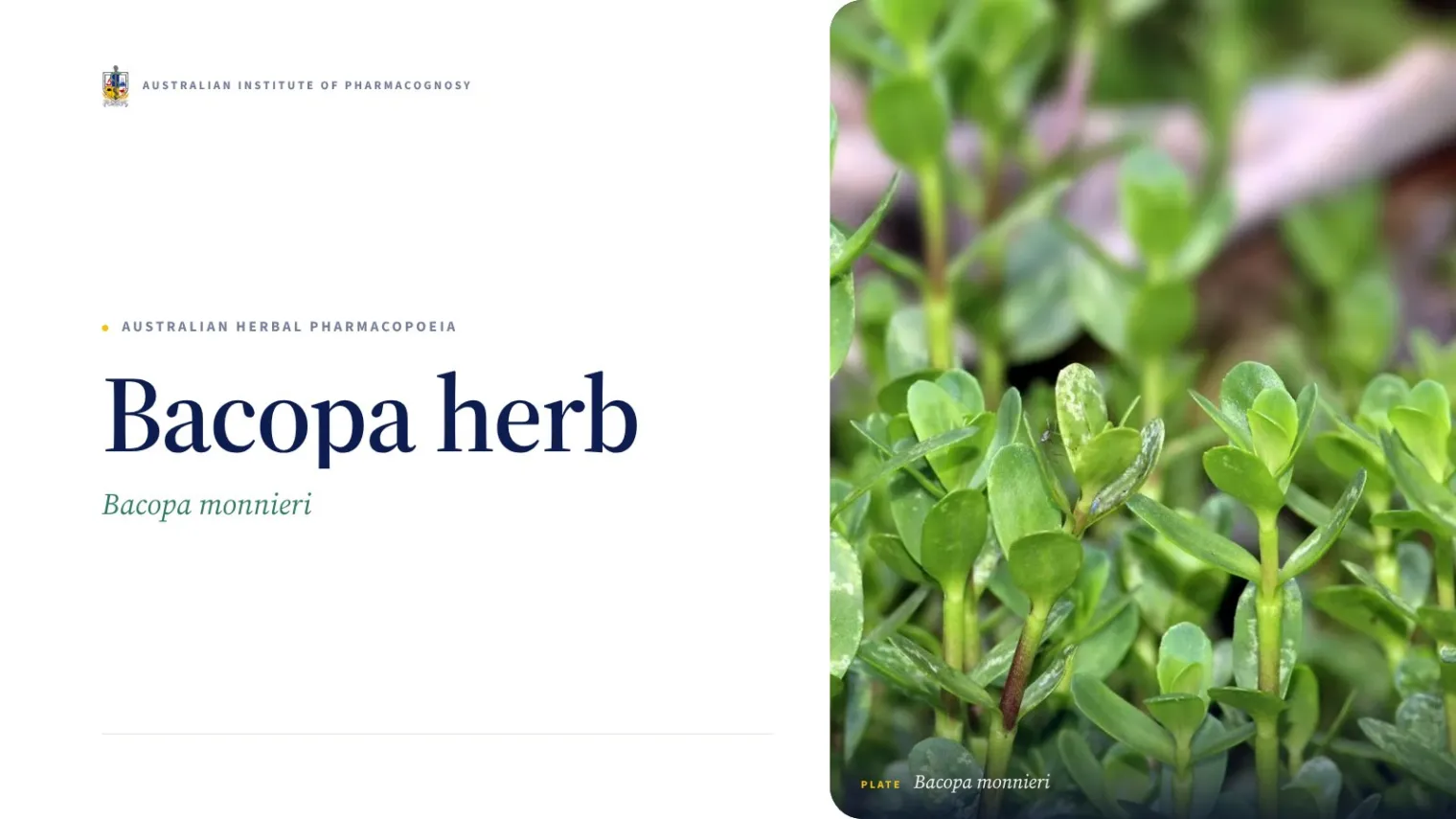
Bacopa herb (Bacopa monnieri (L.) Wettst.; brahmi, water hyssop; MediHerb name Bacopa monniera), Plantaginaceae
Australian Herbal Pharmacopoeia (working title) · Monograph AIP-PH-BACMON · Version 1.0 draft
Date: 2026
Status: working document, version 1.0. Not a statutory standard.
Prepared by: Dr Thomas Ridley, Head of Education and Research, Australian Institute of Pharmacognosy, Cardwell, Queensland.
0. Free-teaser block
0.1 Identity card
| Series code | AIP-PH-BACMON (MediHerb A–Z list No. 9) |
| Title | Bacopa herb (Bacopa monnieri (L.) Wettst.), Bacopae monnieri herba |
| Version / year | 1.0 draft, 2026. Next review 2029, or sooner if a registered trial reports (section 13) |
| Accepted binomial | Bacopa monnieri (L.) Wettst., in Engler and Prantl, Nat. Pflanzenfam. 4(3b): 77 (1891); IPNI 1072674-2. Basionym Lysimachia monnieri L. Accepted in the World Checklist of Vascular Plants (WCVP) version 16.0, read through ChecklistBank on 29/09/2026 [1]; accepted in the Australian Plant Census [2] |
| Family | Plantaginaceae (formerly placed in Scrophulariaceae, the family most older texts and trial papers still give) [1,2,5] |
| Plant part | Dried aerial parts (herb): stems, leaves and flowers; the Ayurvedic Pharmacopoeia of India takes the whole plant, roots included [5,7] |
| Latin drug name | Bacopae monnieri herba (AIP form for the aerial-part drug); Brahmi (whole plant) in the Ayurvedic Pharmacopoeia of India [5] |
| Principal synonyms | Herpestis monnieri (L.) Rothm.; Herpestis monnieria (L.) Kunth; Gratiola monnieri (L.) L.; Moniera monnieri (L.) Britton; Bramia indica Lam.; Calytriplex obovata Ruiz & Pav.; orthographic variant Bacopa monniera Wettst. (the MediHerb spelling; the Permissible Ingredients Determination uses BACOPA MONNIERI) [1,2,7,9] |
| Common names | English: bacopa, water hyssop, herb of grace, thyme-leaved gratiola. Sanskrit: brahmi, sarasvati. Hindi: manduka parni [5,8]. The name "brahmi" is also given to Centella asiatica (gotu kola), a separate drug [6,8] |
| Pharmacopoeial status elsewhere | USP–NF: yes, dietary-supplement monograph Bacopa (dried stems and leaves), not less than 2.5 per cent triterpene glycosides; definition read, method text not read (subscription) [45]. Ayurvedic Pharmacopoeia of India: yes, Brahmi (whole plant), Part I vol. II [5]. Ph. Eur.: no monograph in the library’s 8th Edition or the supplement 11.8 index; Ph. Eur. text no. 2850 recorded as in preparation (2021) [40,49]. WHO Monographs on Selected Medicinal Plants, volumes one to four: none. JP XVIII: none. BP, BHP 1996, HMPC monograph: not searched for this draft |
| Australian status | Permissible Ingredients Determination: yes, item 754 BACOPA MONNIERI, purposes A and H, no specific requirements [9]. Poisons Standard: not scheduled (June 2026 instrument searched 29/09/2026) [10]. Native to Queensland and New South Wales, naturalised in Western Australia (Australian Plant Census) [2]; 1,047 Atlas of Living Australia records, 2 in the Wet Tropics bioregion [3]. Not a restricted invasive plant in Queensland; a congener, B. lanigera, is [12]. Wild collection of a native plant falls under the Nature Conservation Act 1992 (Qld) [12] |
| Named markers | Bacoside A3 (CID 91827005), bacopaside II (CID 9876264), bacopaside X (CID 10629555), bacopasaponin C (CID 21599443) and bacopaside I (CID 21599442): HPLC identity and assay markers [13,22]. Pharmacopoeial limit: USP–NF, not less than 2.5 per cent as the sum of these five, dried basis [45]; published HPLC totals for the herb are 5.1–6.0 per cent (12 saponins, 3 Indian samples) [13]. Label claims of "45–55 per cent bacosides" on extracts are spectrophotometric figures where a method is named and are not comparable with HPLC (section 7) [23–25] |
| Evidence snapshot | Memory and cognition in healthy adults (chronic use, 6–16 weeks): Tier B, 11 RCTs pooled, 645 completers, 1 of 11 measures significant; low certainty [35]. Age-associated memory impairment: Tier C, 2 small RCTs [25,35]. Alzheimer disease and MCI: Tier C, 5 trials, very low certainty, no difference from placebo or donepezil [29]. Anxiety and mood in non-clinical samples: Tier C [24,35]. ADHD in children: Tier C [31]. Memory and intellect tonic (medhya rasayana): Tier T [5]. Cholinesterase inhibition, antioxidant and anti-amyloid effects: Tier P [34] |
| Suggested citation | Ridley T. Bacopa herb (Bacopa monnieri (L.) Wettst.), Bacopae monnieri herba. AIP-PH-BACMON, version 1.0 draft. Cardwell: Australian Institute of Pharmacognosy; 2026. DOI to be assigned |
| Provenance | Original AIP data: none. Every analytical figure, limit, method and trial result belongs to the source cited beside it. Sections 4, 5, 7, 8, 9 and 10 carry AIP bench data pending (no AIP voucher, section, plate or run yet). The distribution map (Figure 9), the charts (Figures 10–14) and the drawings (Figures 5, 7c, 8c) are AIP drawings from cited data |
| Compiler and review | Compiled by Dr Thomas Ridley (Education and Research). Technical review: Dr Fiona MacAllister (Botanical, sections 1-5, 10), reviewed in 2026; Dr Hana Suzuki (QA, sections 6-10), reviewed in 2026; Dr Eleanor Whitcombe (Medicine, sections 12, 13, 15), reviewed in 2026; Dr Thomas Ridley (Education and Research, independent evidence and citation audit, all sections and figures), reviewed in 2026; Jesse Kirby (Community Outreach, figure placement, captions, credit lines and page layout), reviewed in 2026. Published: not yet. Last modified: 2026. Version 1.0 draft |
| Canonical URL | /pharmacopoeia/bacopa-monnieri/ (on publication) |
0.2 Summary
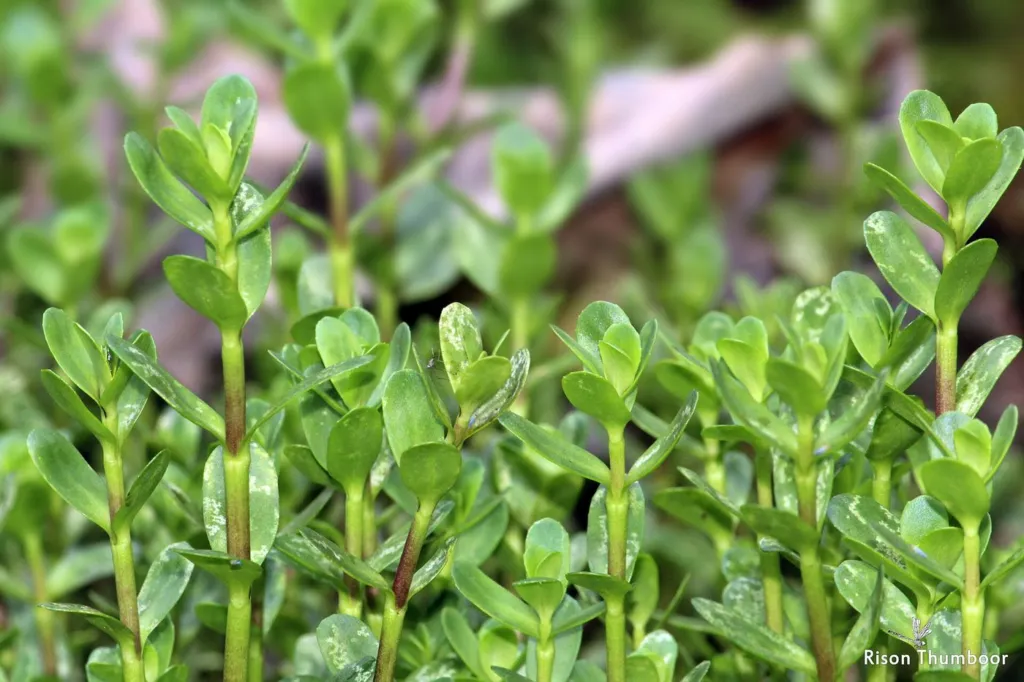
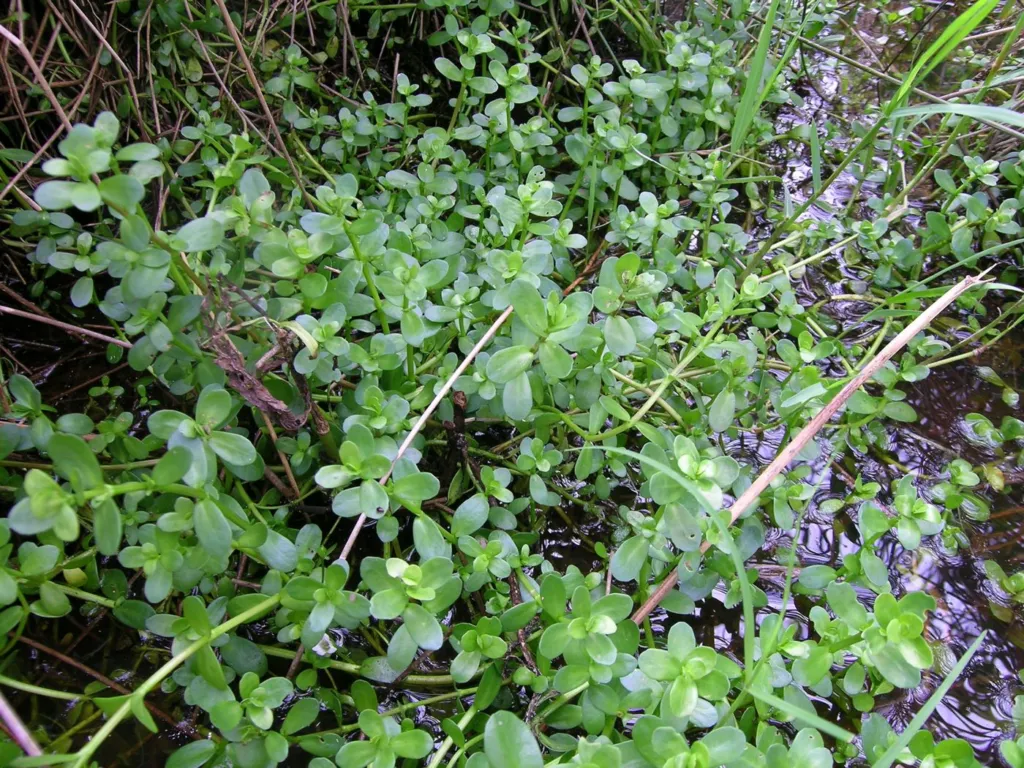
Bacopa herb is the dried aerial part of Bacopa monnieri, a small creeping herb of wet ground across the tropics and subtropics. It is native to Queensland and New South Wales, so this is one of the few herbs in the Australian practitioner range that grows wild here. Almost all trade material comes from India.
The United States Pharmacopeia–National Formulary carries a dietary-supplement monograph that sets a minimum of 2.5 per cent of five named saponins in the dried herb. The Ayurvedic Pharmacopoeia of India describes the whole plant and sets ash and extractive limits but no assay. The European Pharmacopoeia had none as of its supplement 11.8. The quality markers used in practice are five dammarane saponins (bacoside A3, bacopaside II, bacopaside X, bacopasaponin C and bacopaside I), measured by HPLC at 205 nm. Extract labels quote "bacosides" by a spectrophotometric method that gives much higher figures than HPLC: the one trial extract measured both ways read 45 per cent by UV and 11.4 per cent for four named saponins by HPLC. The two cannot be compared. The drug is confused in trade with gotu kola, which shares the name brahmi, and DNA testing of commercial "brahmi" products has found bacopa absent or reduced in most samples tested.
About a dozen small placebo-controlled trials, most using standardised extracts at 300 mg a day for 12 weeks, report improvement on one or two memory tests each, rarely the same test twice. A pooled analysis found no consistent effect. The main safety points are nausea, loose stools and cramps, reported more often on bacopa than on placebo; a raised thyroxine level and reversible loss of fertility in male mice; in vitro CYP inhibition; and no data in pregnancy or breastfeeding.
0.3 Contents with extent
| Section | Estimated extent (A4 pages, draft) |
|---|---|
| 0 Free-teaser block | 3 |
| 1 Nomenclature | 2 |
| 2 Definition | 1 |
| 3 Source and Australian supply, with 3.1 origin, climate and chemistry | 4 |
| 4 Macroscopy | 4 |
| 5 Microscopy | 2.5 |
| 6 Chemistry | 3 |
| 7 Named markers and assay limits | 2 |
| 8 TLC fingerprint | 2 |
| 9 HPLC fingerprint | 2.5 |
| 10 Identity, purity, adulterants and contaminants | 3 |
| 11 Traditional use | 1 |
| 12 Current practice | 2 |
| 13 Clinical evidence | 5 |
| 14 Pharmacology | 2 |
| 15 Safety | 3 |
| 16–18 Discussion, conclusions, research needed | 4 |
| 19 References | 3 |
| 20 Document control | 1.5 |
| Totals (draft) | About 50 pages. 36 embedded figures: 14 licensed plant photographs (Wikimedia Commons), 1 public-domain botanical plate (Blanco, Flora de Filipinas), 2 public-domain (CC0) herbarium sheets with scale bars, 6 licensed figures from open-access papers (1 stem section photomicrograph, 1 scanning electron micrograph, 1 TLC plate, 2 HPLC chromatograms, 1 structure panel), 2 AIP composites of PubChem structures, 10 AIP drawings and data charts. About 18 tables. 0 AIP photomicrographs, 0 AIP chromatograms, 0 AIP plates. 12 trials or systematic reviews appraised; registered trials listed from ClinicalTrials.gov and ANZCTR. 53 numbered references |
Gaps stated plainly. AIP holds no vouchered sample and has made no section, plate or run: sections 4, 5, 7, 8, 9 and 10 carry "AIP bench data pending". No licensed transverse section of the leaf, and no licensed powder photomicrograph under the light microscope, was found; the stem section in Figure 4 is a fluorescence image from a plant-physiology paper, and Figure 5 is a drawing. The TLC plate (Figure 7) and the chromatograms (Figure 8) are research runs, not a pharmacopoeial test. The pivotal Australian trials (Stough 2001 and 2008, Roodenrys 2002, Nathan 2001), the Morgan and Stevens trial, the Kongkeaw and Pase reviews, the mouse thyroid study and the BacoMind phase I and rat studies are on the library fetch queue and are reported here only as other authors describe them, with that stated each time. Europe PMC and GBIF were intermittently unavailable on 29/09/2026. ClinicalTrials.gov and ANZCTR were searched (20 of 23 ANZCTR records read) and the WHO ICTRP portal returned an incomplete set (section 13); Cochrane CENTRAL, Embase, the Clinical Trials Registry – India and DAFF BICON were not searched, and the TGA Database of Adverse Event Notifications still needs a manual search. The USP–NF Bacopa monograph’s identification, assay and tests are subscription text and were not read.
0.4 Contributors and access
Compiled by Dr Thomas Ridley, Head of Education and Research. The Botanical review (Dr Fiona MacAllister, sections 1–5 and adulterant species in section 10) is on record. The QA review (Dr Hana Suzuki, sections 6–10) and the Medicine review (Dr Eleanor Whitcombe, sections 12, 13 and 15) are on record, as is the Education and Research evidence and citation audit of every section, reference and figure. The Librarian’s reference audit, the History and Philosophy check of section 11 and the Legal review are to come; each reviewer is credited once their review is on record (section 20). The first five printed pages are free to read; the full text is for Scholar members and above, under the terms set out on the AIP site.
30 more pages follow · 14,796 words, 33 figures, 11 tables
Still to come in this monograph
- 1. Nomenclature
- 2. Definition
- 3. Source and Australian supply
- 4. Macroscopy
- 5. Microscopy
- 6. Chemistry
- 7. Named markers and assay limits
- 8. TLC fingerprint
- 9. HPLC fingerprint
- 10. Identity, purity, adulterants and contaminants
- 11. Traditional use
- 12. Current practice: use, preparations and doses
- 13. Clinical evidence
- 14. Pharmacology
- 15. Safety
- 16. Discussion
- 17. Conclusions
- 18. Research still needed
- 19. References
- 20. Document control
The rest of this monograph is open to members. One membership covers every members’ feature on the site.
Checking your membership…
Report an error or submit evidence
If something in this monograph is wrong, out of date or missing, tell us and show us the evidence. Every report is logged under the AIP Evidence Charter and assessed on the evidence alone; the outcome is kept on the record, and an upheld report is corrected with a dated notice on this page.
Open the report form
The Institute sets and publishes its own monographs. The catalogue is in Publications.