

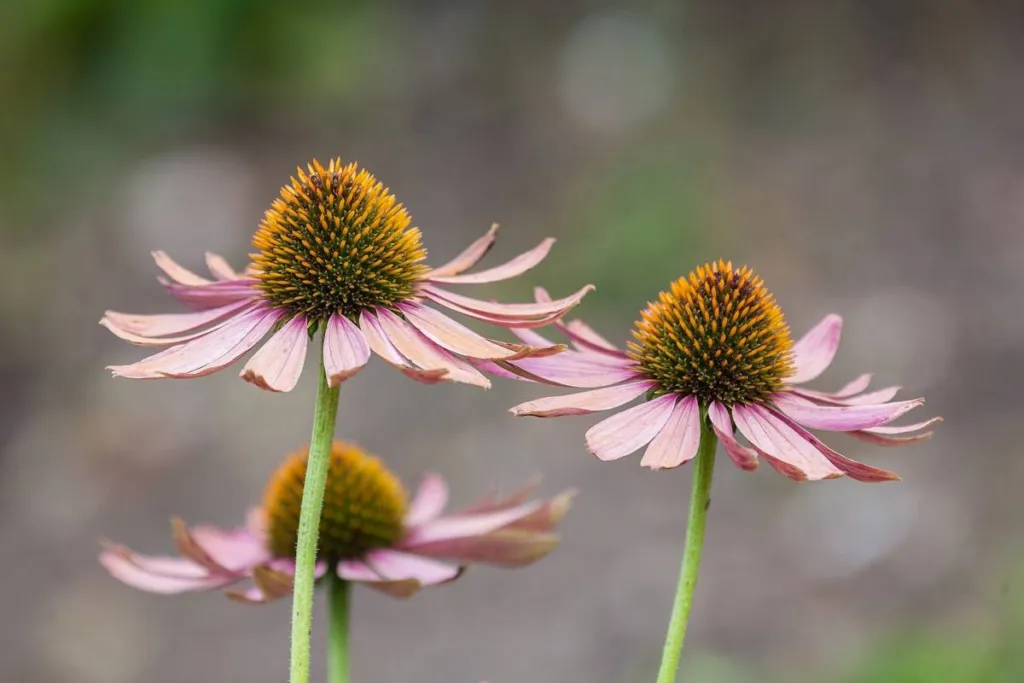
Cover: purple coneflower, Echinacea purpurea. Photo: Diego Delso · CC BY-SA 3.0 · Wikimedia Commons
In 1977 a Cambridge graduate in medical sciences opened a herbal practice in Exeter. In 1978 a young biologist began seeing patients with herbs in west Wales. In 1980 a first-class chemistry graduate from Melbourne enrolled in a four-year herbal medicine diploma in England. Between them, Simon Mills, David Hoffmann and Kerry Bone went on to write many of the books that Western herbalists in the English-speaking world now train on. Attested
This essay is about those three men and the way they think. It began as a study assignment. Dr Luke Iggulden, AIP’s Chief Scientific Officer, set me Bone and Mills’s Principles and Practice of Phytotherapy and Hoffmann’s Medical Herbalism and told me to learn to reason as a herbalist. I am a historian of medicine and of the Western esoteric traditions, and I have spent most of my working life on texts. This is the public version of what I found: who these men are and how they got there, what their books argue, how a herbalist reasons through a patient, and why that reasoning matters for anyone who designs research on medicinal plants.
This article is educational. It describes how herbal practitioners reason and what their textbooks argue. It is not medical advice and gives no doses or treatment recommendations.
| The three | Simon Mills (practising since 1977, Exeter), Kerry Bone (MediHerb, Warwick QLD, founded 1986), David Hoffmann (practising since 1978; California since 1986). Attested §1-4 |
| The books | Bone and Mills, Principles and Practice of Phytotherapy, 2nd ed. 2013; Hoffmann, Medical Herbalism, 2003. Attested §5 |
| Shared method | Person first; the cause of illness in this individual; herbal actions; few herbs covering several actions; the whole life treated. Attested §6 |
| Against the drug model | Support and enhancement of physiology, with compensation used when needed. Attested §7 |
| Research gap | Single compounds, unrepresentative doses and preparations, and fixed formulas for diagnostic categories. Evidence suggests §8 |
Confirmed Established in humans by trial, or a plain analytical or published fact about a study.
Evidence suggests Real published data that are preclinical, small, observational or unreplicated.
Mechanism A plausible pharmacological inference. It describes how something might work and makes no claim that it does.
Traditional Historical or traditional practice. Evidence of use, not of efficacy.
Attested A documentary fact: what a named book, interview or record says, with its source.
Three different men. Simon Mills is a Cambridge-trained herbalist who has practised in Exeter since 1977 and spent decades building herbal medicine into British universities and health policy. Kerry Bone is a Melbourne chemist turned herbalist who co-founded MediHerb at Warwick, Queensland, in 1986 and spent his career on the quality and evidence of herbal products. David Hoffmann trained in Britain, practised in Wales and Scotland, and from 1986 taught a generation of North American herbalists from California.
One method. All three start from the person, ask what is causing the illness in this individual, choose herbal actions to support what the body is failing to do, use a few herbs that each cover several actions, and treat the life around the illness as part of the prescription.
A different logic from single-drug prescribing. Mainstream pharmacology mostly tests one compound, at one dose, against one disease. Herbalists prescribe whole plant extracts, usually several together, adjusted to the person over time. Bone and Mills call the first approach compensation and the second support.
Why it matters for research. When a herb is studied as if it were a drug, the trial may use a plant part, preparation, dose or patient group that no herbalist would choose. A disappointing result then tells us about that product in that design, and much less about herbal practice. Better research would test herbal medicine the way it is practised.
 A dying profession
 Simon Mills
 Kerry Bone
 David Hoffmann
 Two books
 How a herbalist reasons
 Herbalist and mainstream prescribing
 One molecule at a time
 A historian at the bench
 Discussion
A dying profession, and the three who joined it
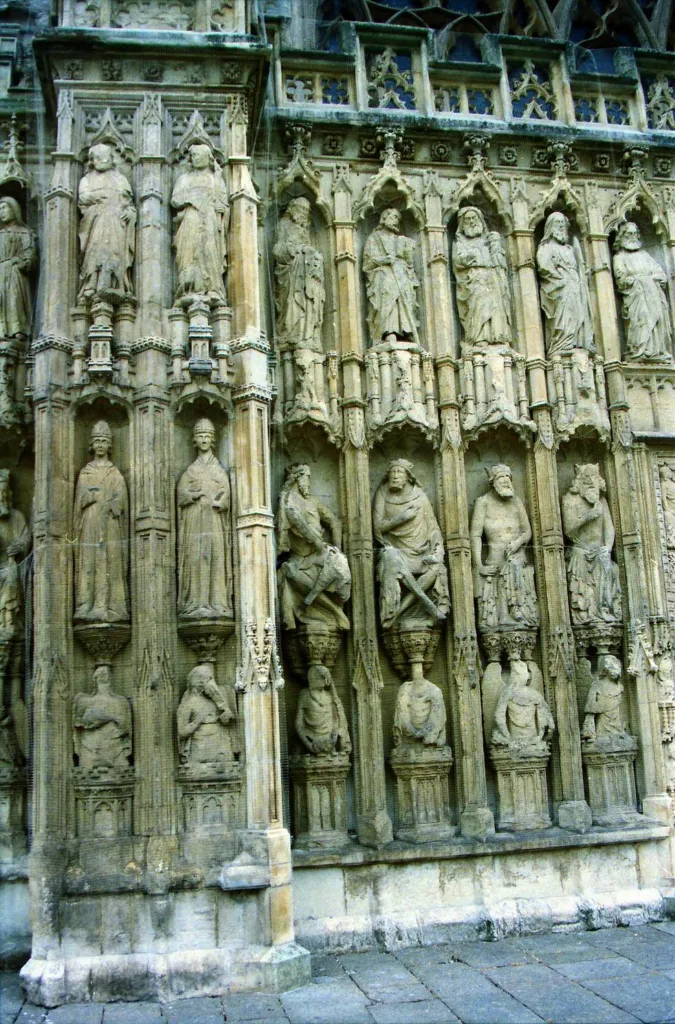
It helps to know what British herbal medicine looked like when these men walked into it. Simon Mills remembers his first interview, with the herbalist Fred Fletcher Hyde, who “had carried the torch of herbal medicine through from the war years”. By then, Mills says, there were “about, I think 20 people calling themselves herbalists in the UK and they were all over 50. It was a dying profession.”[1] Attested The National Institute of Medical Herbalists, founded in 1864, still trained practitioners, and its teaching leaned on the physiomedical tradition imported from nineteenth-century America.[2] Attested
In 1977 a Dutch-born herbalist named Hein Zeylstra took over the Institute’s education and set up the School of Herbal Medicine at Tunbridge Wells in Kent. It brought plant chemistry and simpler prescriptions into the training, and through the late 1970s and 1980s it was, in one later account, “really the only serious place to study herbal medicine at practitioner level in the UK”.[2] Attested Mills taught physiology there two days a week for six or seven years. Kerry Bone came from Melbourne to study there from 1980 to 1984. David Hoffmann trained through the Institute in the same years and qualified in 1979.[1, 3, 4] Attested Within a generation the three of them had written a large part of the shelf every English-speaking herbal student now reads.
None of them chose an easy path to get there. “If you ask a herbalist how they became a herbalist,” Mills says, “it would always be an interesting story because … it’s not a simple career path. You don’t get offered it at school as an option.”[1] Attested
Simon Mills: the physiologist from Exeter
Mills grew up, in his words, “as a nomad”. His father was posted around the world, and when Simon was about nine the family moved to New Zealand and ran a fruit farm. They were among the first to grow Chinese gooseberries commercially, “which was a failure because we hadn’t thought of the word kiwi fruit for them.” He won a place at Cambridge from New Zealand and reached it in the 1960s partly by bus, overland from Mumbai through Afghanistan, Iran and Iraq to London.[1] Attested
At Cambridge he moved from natural sciences into medical sciences. “I was really interested in how humans worked. So I did physiology and remain an avid physiologist ever since … I was never interested in diseases.” After graduating he travelled again, spent time in a village in Mexico and in North Africa, and watched people treating themselves with plants: “that sowed a little seed.” A small legacy took him to a smallholding in Cornwall, where a neighbour’s herb nursery pointed him to the National Institute of Medical Herbalists. Having already studied medicine, he went through the training quickly. “I became a practitioner in 1977 and have been in practise ever since.”[1] Attested
He has explained why herbs suited a physiologist. “It was fundamentally a physiological medicine. Conventional medicine is all about diseases and fixing diseases, whereas herbs allow you a way of working with the functions of the body, nudging self correcting physiological functions.”[1] Attested That sentence is the seed of everything he later wrote.
How he became a figure in the field
Mills settled in Exeter, commuted to Tunbridge Wells to teach, and sat up with Zeylstra “until 2 or 3 in the morning” planning how to give herbal medicine “proper education, research, professional standards”. He became President of the National Institute in 1983 and held the office for about eight years. In the same year he became the first chair of the Council for Complementary and Alternative Medicine and a founding trustee of the Research Council for Complementary Medicine.[1, 5] Attested
In 1987 he co-founded the Centre for Complementary Health Studies at the University of Exeter, described as the first university centre of its kind. “We built a research and postgraduate teaching programme from scratch.”[6, 7] Attested From there the list grows long: a European Commission herbal medicine project across more than twenty centres from 1992 to 1995, Secretary of the European Scientific Cooperative on Phytotherapy (ESCOP) since 1997, special adviser to the House of Lords Select Committee on complementary medicine in 1999-2000, the first integrated medicine course at a British medical school, and in 2001 the direction of the first master’s degree in herbal medicine in the United States.[7, 5] Attested He funded much of this, his own biography notes, by consulting to the consumer health industry. From 2016 he worked as Herbal Strategist at Pukka Herbs, and he now writes and teaches through Herbal Reality and the Mills & Bone Academy.[7, 6] Attested
His books began with The Dictionary of Modern Herbalism (Thorsons, 1985) and Out of the Earth (Viking Arkana, 1991). The second title comes from a verse Fletcher Hyde quoted to him at that first interview: “the Lord hath created medicines out of the earth”.[1] Attested His career shows a piece of advice he gives younger herbalists: “If you really are a small fish, find a very small pond, and then you can make yourself into a big fish.”[1] Attested He found a small pond and kept making it bigger.
Kerry Bone: the chemist in the goat shed
Bone grew up in Geelong, Victoria, and was born on 17 October 1951.[8, 3] Attested He went to the University of Melbourne on a chemistry scholarship that would have sent him to work for a power company, and took first-class honours in 1973 with the Masson Memorial Prize.[3, 9] Attested Living at Ormond College among medical students, he began to wonder whether he should be doing medicine. Then, at nineteen, he saw a notice in the student union for a talk on natural medicine. “That was the first I had ever heard of it … So it’s not just about drugs and surgery, there are natural alternatives.”[9] Attested
He studied naturopathy part-time at night at the Southern School of Naturopathy in Melbourne, and did student time at the clinic of Alf and Judy Jacka. When the night classes stopped, he planned to study medicine and naturopathy together in Sydney. An older doctor talked him out of it: “Kerry, don’t do medicine … you’ll end up a medical researcher … And you’ll forget where you came from.” The same doctor told him to study overseas and “specialize in the one thing”.[9, 8] Attested Bone spent a year and a half writing letters to schools in France, Germany, Britain and the United States. The one that won was Zeylstra’s school at Tunbridge Wells. “I loved Hein, and I loved what he was doing … it was what Hein had to offer that sent me along on the path of herbs.”[9] Attested He completed the Diploma in Phytotherapy there between 1980 and 1984, while his wife earned the household income through four English winters.[3, 9] Attested
Warwick, and the 1:2 extract
He came home to practise, with “no other intention than establishing myself as a practicing herbalist”. The products on offer disappointed him. The old 1:1 fluid extracts had been concentrated with heat until they “all tasted of caramel because they’d been boiled up for so long”. Zeylstra’s 1:5 tinctures were well made but dilute and, in his view, “fundamentally lent to under dosing”. So he worked out a middle course for his own clinic: a 1:2 extract made by cold percolation, as strong as a dried herb allows without heat or vacuum.[9, 10] Attested
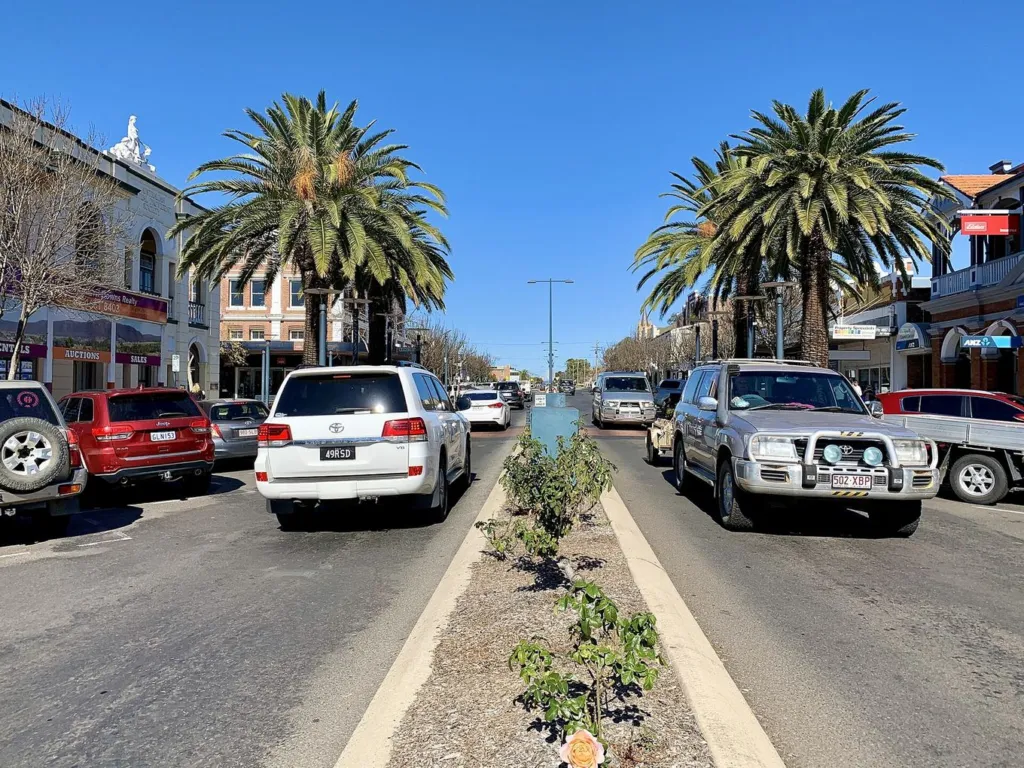
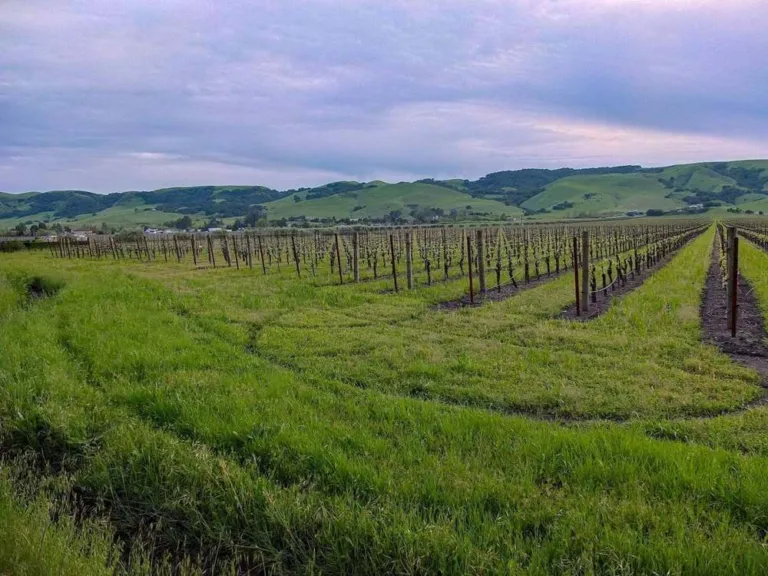
A group of local people with money to invest asked him to start a herbal business, “because you seem to know what you’re doing”. MediHerb was founded at Warwick, on the Darling Downs of southern Queensland, in 1986. Bone dates the first percolation to 1987, “in a converted goat shed”.[9, 11] Attested Two years later Australia’s new therapeutic goods legislation required full pharmaceutical manufacturing standards, and Bone recalls lobbying in Canberra “once, twice, even three times a month” to keep practitioner-only herbal medicines viable. MediHerb received its TGA manufacturing licence in 1991, “three and a bit years after we started the first percolations in a converted goat shed”.[9] Attested The 1:2 liquid extract he designed for one clinic became the common standard of Australian practitioner herbal medicine, which he calls “kind of ironic … because that was never my intention.”[9] Attested
The rest of his career shows how a herbalist becomes a figure in the field in Australia: by doing the work regulators and universities need done. He served on the Traditional Medicines Evaluation Committee that advised the TGA from 1990 to 1997 and chaired the industry’s herbal taskforce with the TGA from 1998 to 2000. He set up the Master of Health Science in herbal medicine at the University of New England and held associate professor posts there until 2012. He directed MediHerb’s research from 1999 and chaired its board from 2004 to 2008. MediHerb is now a brand of Integria Healthcare, and Standard Process has distributed it in the United States for more than twenty years.[3, 11, 12] Attested
He still keeps a clinical practice, in Toowoomba, where he has seen patients for more than thirty-five years.[7] Attested His books carry the clinic into print: Clinical Applications of Ayurvedic and Chinese Herbs (1997), A Clinical Guide to Blending Liquid Herbs (2003), The Essential Guide to Herbal Safety with Mills (2005), and Functional Herbal Therapy (2021).[3] Attested Mills, who taught at the school while Bone studied there, calls him “my longest established working partner in herbal medicine”. Bone’s answer, in the same 2022 conversation: “you’ve been my mentor, we’ve worked together on so many major projects and we’re still going.”[9] Attested
David Hoffmann: the ecologist who went west
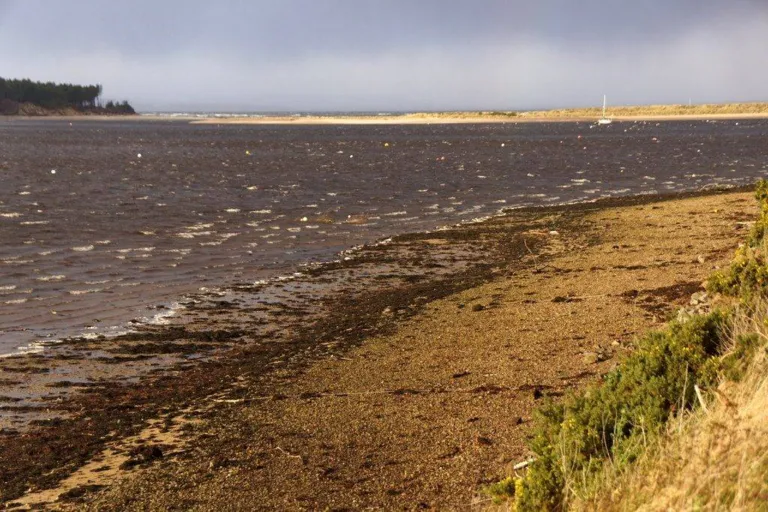
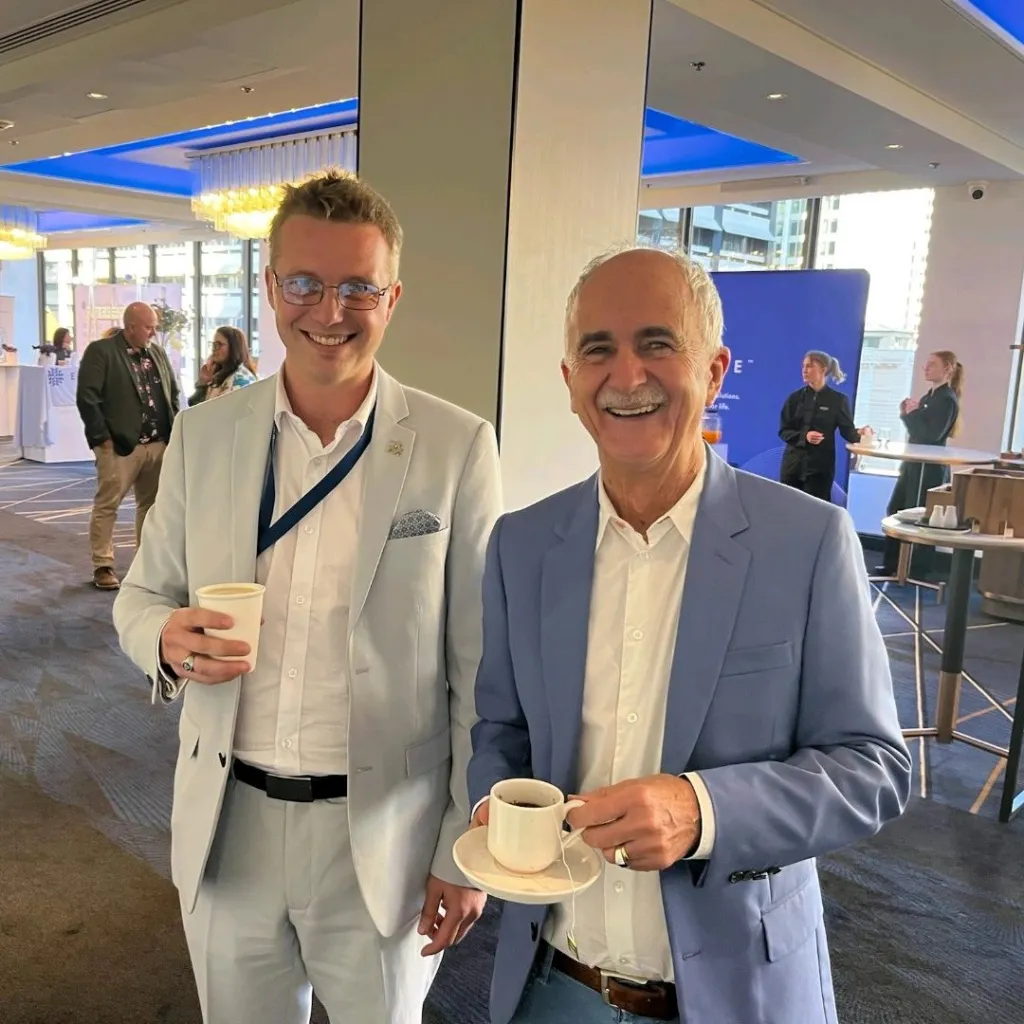
Hoffmann was born in 1951 into a family, in the words of one profile, “decimated by anti-Semitism and recuperating in an exhausted, post-war Great Britain”. His mother’s family had fled the pogroms of late nineteenth-century Russia. His father, the photographer Dezo Hoffmann, came to England from Slovakia after his family was killed in the Holocaust, and went on to photograph the Beatles and the Rolling Stones.[4] Attested “I grew up in a left-wing type of family,” Hoffmann says. “So everything in my life was in the context of ‘we can change it.’”[4] Attested
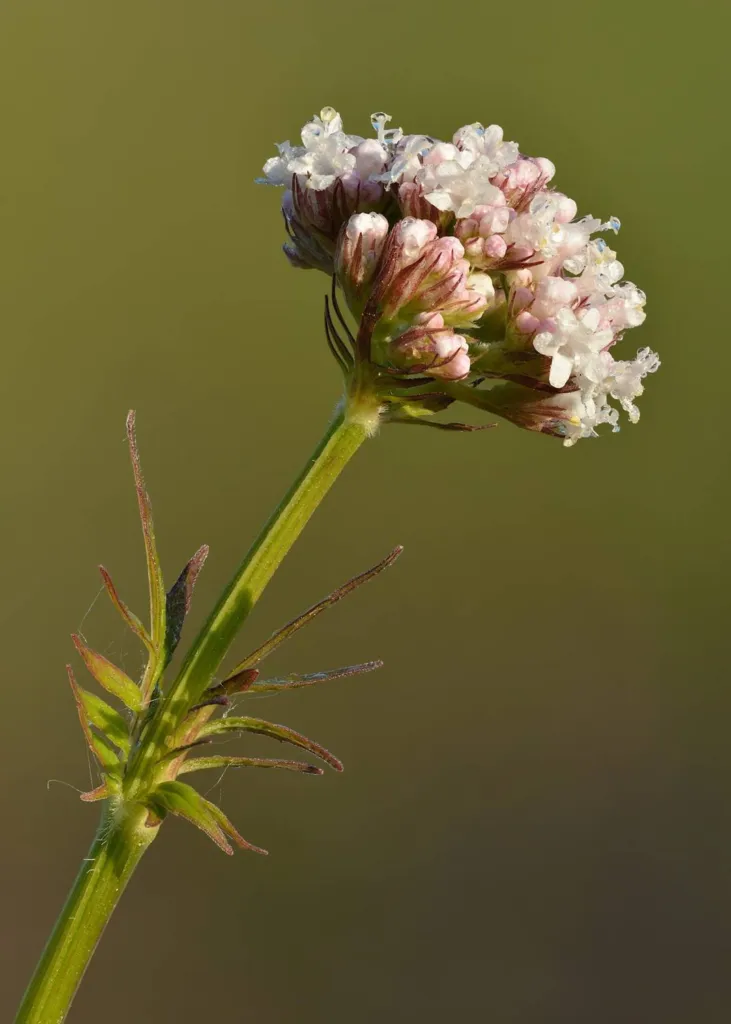
After a pilgrimage to India in 1970 he took a degree in ecology at the University of Sussex and began lecturing on ecology at the University of Wales. Offered a PhD on freshwater snails in Ethiopia, he chose an intentional community in Wales instead. His turn to herbs came during a Welsh heatwave, with a cup of valerian. “As a man of science, I wasn’t interested in that nonsense … but after many hours of the most refreshing, transformative sleep I’ve ever had, I had a realization that the planet was healing me so I could heal the planet.”[4] Attested He enrolled with the National Institute of Medical Herbalists, opened his practice in 1978 and qualified in 1979. He later said that in none of his training “was there any mention of conservation”, and that he “could have earned [his] degree without ever seeing a plant!”[4, 13] Attested
He practised in Wales and then at the Findhorn community in Scotland, and Findhorn Press published his first major book, The Holistic Herbal, in 1983.[14, 15] Attested The same year he stood for Parliament as a Green Party candidate. “After that, Thatcher won, and I gave up on England.”[4] Attested
California
In 1985 he travelled the world, through China, Russia and North America. In California he met Rosemary Gladstar, who offered him teaching at the California School of Herbal Studies. In 1986 he gave away his British practice and moved. “I came to this country without knowing anyone except Rosemary and created a new life.”[4] Attested He became the school’s director in 1987. In February 1989 he was one of the twenty herbalists who met in the Santa Cruz mountains to found the American Herbalists Guild, and he served as one of its early presidents.[4, 16] Attested He later spent many years as chief herbal formulator at Traditional Medicinals and taught as visiting faculty at Bastyr University and other colleges.[4, 17] Attested
That is how a British herbalist became a central teacher of the American herbal revival. He brought the Institute’s clinical method to a country whose own herbal schools had largely closed after the 1910 Flexner report, and he married it to the old Eclectic and Physiomedical literature those schools had left behind.[18] Attested He describes himself with some relish: “If Rosemary is the Godmother of Herbalism, I guess you could call me its weird uncle!” And he sums up his philosophy in four words: “Herbalism is ecology in practice.”[4] Attested In Medical Herbalism he calls himself an “escapee from Thatchers’ Britain”.[18] Attested
Two books on the same shelf
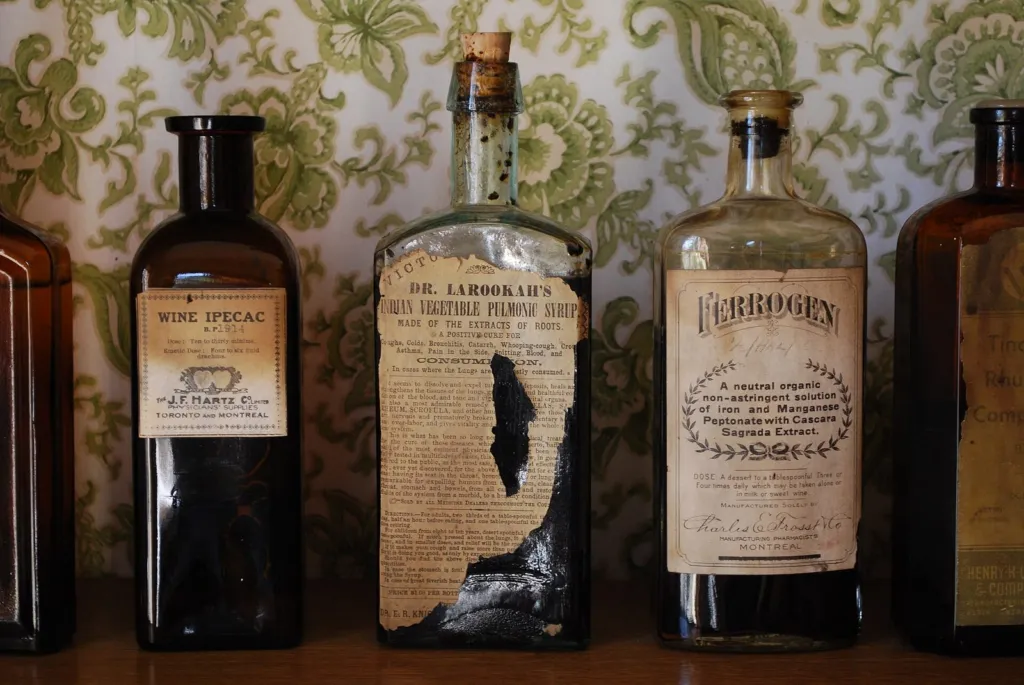
Dr Iggulden set me two books to read as a student would, cover to cover: Bone and Mills, Principles and Practice of Phytotherapy, in its second edition of 2013, and Hoffmann’s Medical Herbalism of 2003.[10, 18] I have spent thirty years reading grimoires that list a plant and say nothing useful about it. These two do the opposite. They are long, argued, page-referenced, and each one tells you exactly whose shoulders it stands on.
The Mills and Bone volume first came out from Churchill Livingstone in 2000 and returned in 2013 at more than a thousand pages, now with Bone’s name first.[19, 10] Attested It is laid out in three parts: principles, the body systems, and fifty monographs. Hoffmann’s book came from Healing Arts Press in Rochester, Vermont, and runs to two halves: the science herbalists should know, then practical therapeutics by body system, closing with a chapter of herbal actions and a materia medica of about 150 plants.[18] Attested
What Bone and Mills argue
The textbook opens with history, and it is good history. The authors take Galen’s eight conditions for establishing a remedy’s powers seriously, call King’s American Dispensatory “the best traditional use data in existence for Western herbal medicine” and admit that some old systems were “squeezed to justify the cosmology” (pp. 4, 5, 12).[10] Attested Then they make the move that carries the rest of the book. Health, they suggest, is “a biological attractor, the state to which living systems revert”, and so “all recovery is self-repair” and “medicines in themselves do not heal” (p. 15). Attested
All recovery is self-repair.Bone and Mills, Principles and Practice of Phytotherapy, 2013, p. 15
Chapter 2 is the pharmacology, and it has a sceptic sewn into every seam. “There is a fundamental difference between administering a pure chemical and the same chemical in a plant matrix” (p. 19), they write, and they lay out synergy, additive effects, polyvalence and the “intelligent mixture”. The next page reins it in: “Often synergy is invoked to explain experimental results that can be readily explained by additive effects” (p. 21). Attested Their section on bitters walks from the folk habit of a bitter before meals, through a 1915 laboratory quarrel, to the much later discovery of bitter taste receptors in the gut and airways, and leaves the old practitioners looking well observed (pp. 39-41). Attested
Chapter 7 holds the prescribing method, and I come back to it below. Chapter 9, on the body systems, is the book’s boldest idea. The authors propose that most herbal remedies act first on the gut and its linings, and that the gut relays the signal onward through reflexes, hormones, immune tissue and the circulation of bile. They call this “acupharmacology” (p. 187).[10] Mechanism It is a hypothesis, they present it as one, and it explains a great deal of traditional practice if it holds.
What Hoffmann argues
Hoffmann tells you on page 1 where his therapeutics come from: his “own 25 years of clinical experience”, the Eclectic and Physiomedical physicians of nineteenth-century America, and the practice of the National Institute of Medical Herbalists.[18] Attested He opens with the Eclectic John King warning against a “great proneness to run after new remedies” and calls herbalism “a fundamentally conservative activity”. His definition of a herb is the most generous I have read: “a plant in relationship with humanity” (p. 8). Around the self-healing person he draws a “therapeutic ecology” of four kinds of help: medicine, bodywork, psychology and spiritual practice (p. 9). Attested
Holism is a context, not a belief system or a specific physical form, and as such, herbal products are not and cannot be holistic in their own right.Hoffmann, Medical Herbalism, 2003, p. 16
He is also the sharpest critic of the three. He takes apart the claim that horsetail works through silica, a marketing line that a pine bark extract is “50 times more powerful than vitamin E”, and the oxalate nobody mentions in the sheep sorrel of the Essiac formula (pp. 13-15). Attested His point each time is narrow and fair: “I am questioning not the efficacy of the herb but the explanation of mechanism” (p. 14). On page 13 he reprints Kerry Bone’s checklist for spotting pseudoscience. The three of them are in the same argument and they know it.
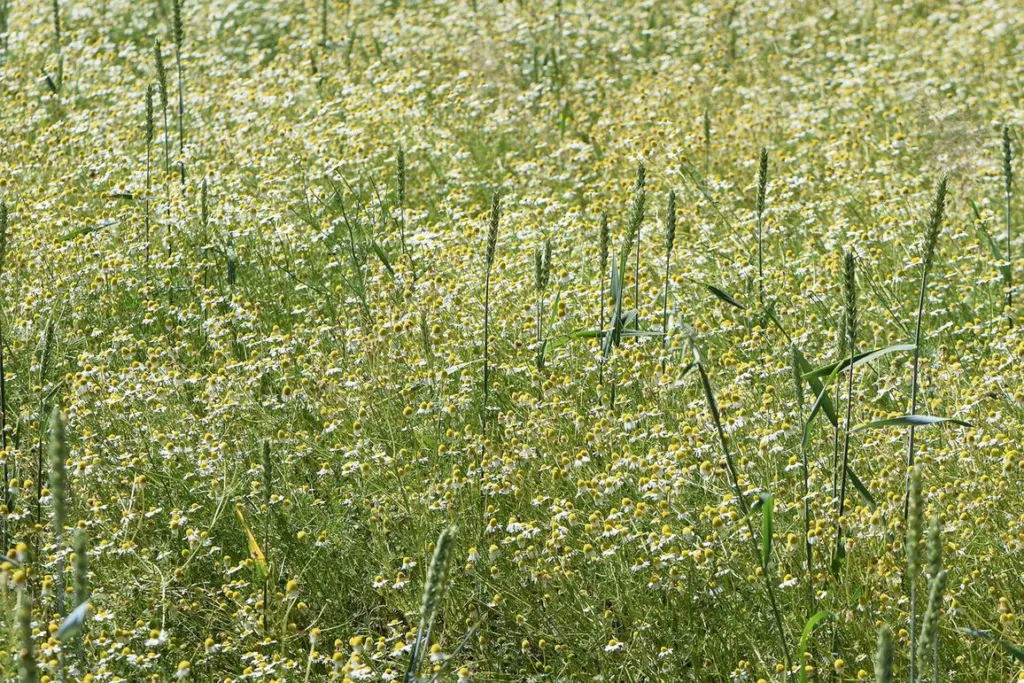
Chapter 12, “A Model of Holistic Herbal Medicine”, is the one I would hand a student first. Hoffmann ranks his sources for choosing a herb: herbal actions, then affinity for a body system, then the traditional specific, then biochemistry, and last of all intuition, which must always be “checked against reference materials” (pp. 235-236). Attested His materia medica quotes the old Eclectic authors in their Victorian wording, untouched, and gives his reason in one line I copied out: “Knowing the chemistry of sesquiterpenes is not the same as knowing chamomile” (p. 522). Attested
How a herbalist reasons through a patient
Here is the part I most needed to learn, and the part a pharmacologist reading these books most often misses. A herbalist does not start with a disease and look up its herb. All three men start with a person and ask what that person’s body is failing to do.
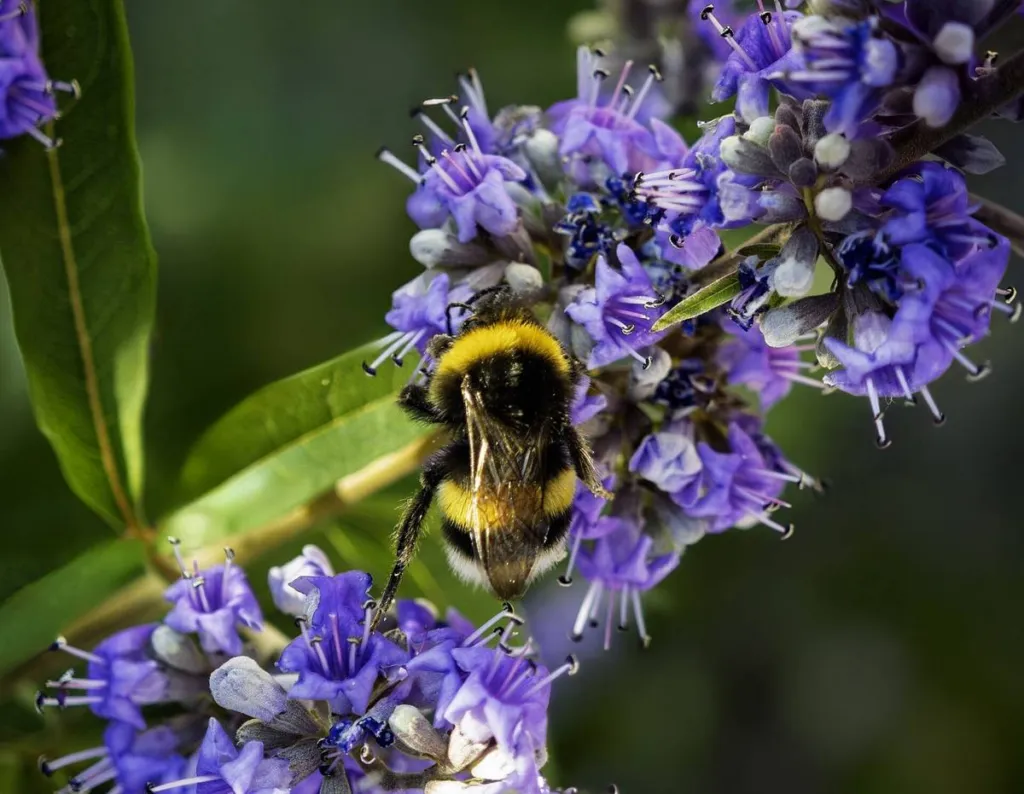
Bone and Mills put the question in plain words and ask it “at the outset and through all stages of treatment”: “What is the cause of disease in this individual?” (p. 136).[10] Attested They then lay the causes out as a chain. Predisposing causes come first: stress, poor sleep, poor diet, low reserves. An exciting cause tips the person over, such as an infection or an injury. Sustaining causes then keep the illness going, such as catarrh, chronic inflammation or a gut that has stopped absorbing well. Their worked example runs from stress to insomnia, lowered vitality, weakened immunity, a viral infection, a catarrhal state and finally a cough. The herbalist treats every link in that chain that will respond, and the cough syrup is the smallest part of the job (Table 7.1). Attested
The case history decides which of all this applies. It “acts as a filter” on everything else the practitioner knows (p. 137). From the filtered picture comes a list of goals, and from the goals a list of actions: bitter, nervine tonic, immune stimulant, anti-inflammatory, astringent, alterative, carminative and so on. The herbs come last. Herbs that cover several goals at once rise to the top of the list. Bone and Mills’s worked case, a woman of 38 with two miscarriages and raised prolactin, picks out chaste tree and St John’s wort that way, because each turns up under more than one goal (pp. 138-139). Attested
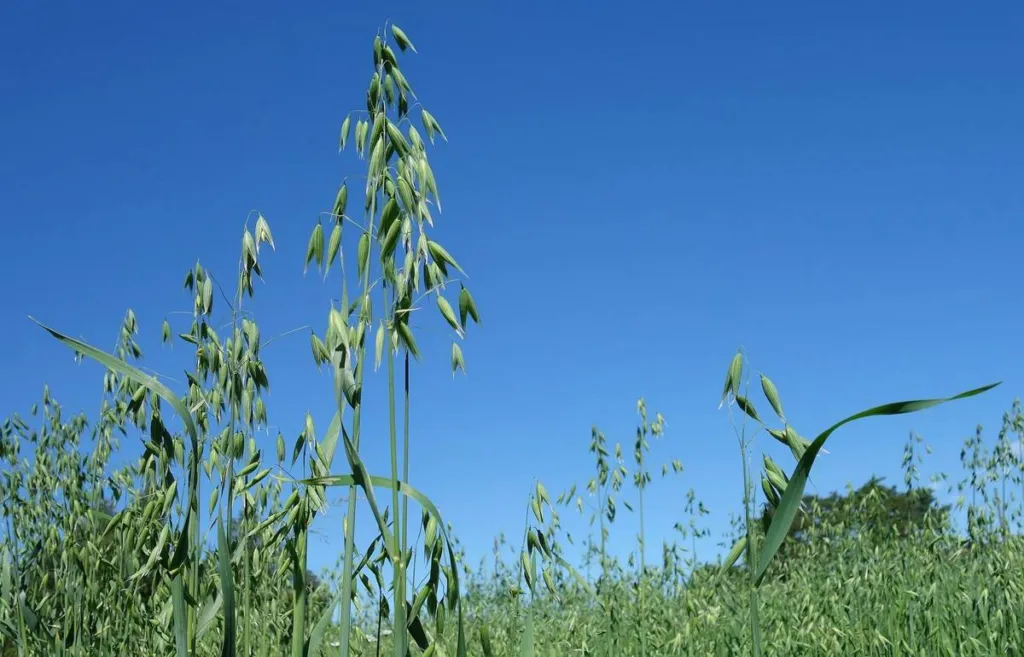
Hoffmann’s sequence is close to theirs. List the signs and symptoms; interpret the processes behind them; choose the actions; find the herbs whose primary and secondary actions overlap; add a tonic for each system involved; check the chemistry for indications and contraindications; write the prescription; then write down the rest of the person’s life (pp. 245-251).[18] Attested He adds a distinction I find useful. Normalizers are tonics and food-like herbs, nettle, cleavers, chickweed, oats, that support the body’s own processes. Effectors make an observable change, and the strongest of them, foxglove or the opium poppy, act through single potent chemicals and are kept for sparing use. Tonics come first, he argues, because the body is the thing doing the healing (pp. 236-238). Attested
Three habits follow from this way of thinking, and all three men share them.
- Few herbs, each doing several jobs. Bone and Mills warn that too many herbs in a formula “will compromise their individual doses” and may cause “undefined interactions”, and they put the practical ceiling for a weekly liquid formula at about six or seven herbs (pp. 132, 138).[10] Attested
- Pace. In long illness the practitioner “will peel the onion layers with care, only proceeding at a pace the body can stand” (p. 160), and in severe fatigue “the treatment … must be marked by extreme gentleness and patience” (p. 168). Their rule of thumb for a chronic complaint is three months of treatment for a problem of a year’s standing and a month for each further year (p. 86). Attested
- The life around the illness. Every one of Hoffmann’s condition chapters ends with a section on the broader context, diet, structure, movement and emotional life, and without it, he says, phytotherapy “cannot be holistic” (p. 257).[18] Attested
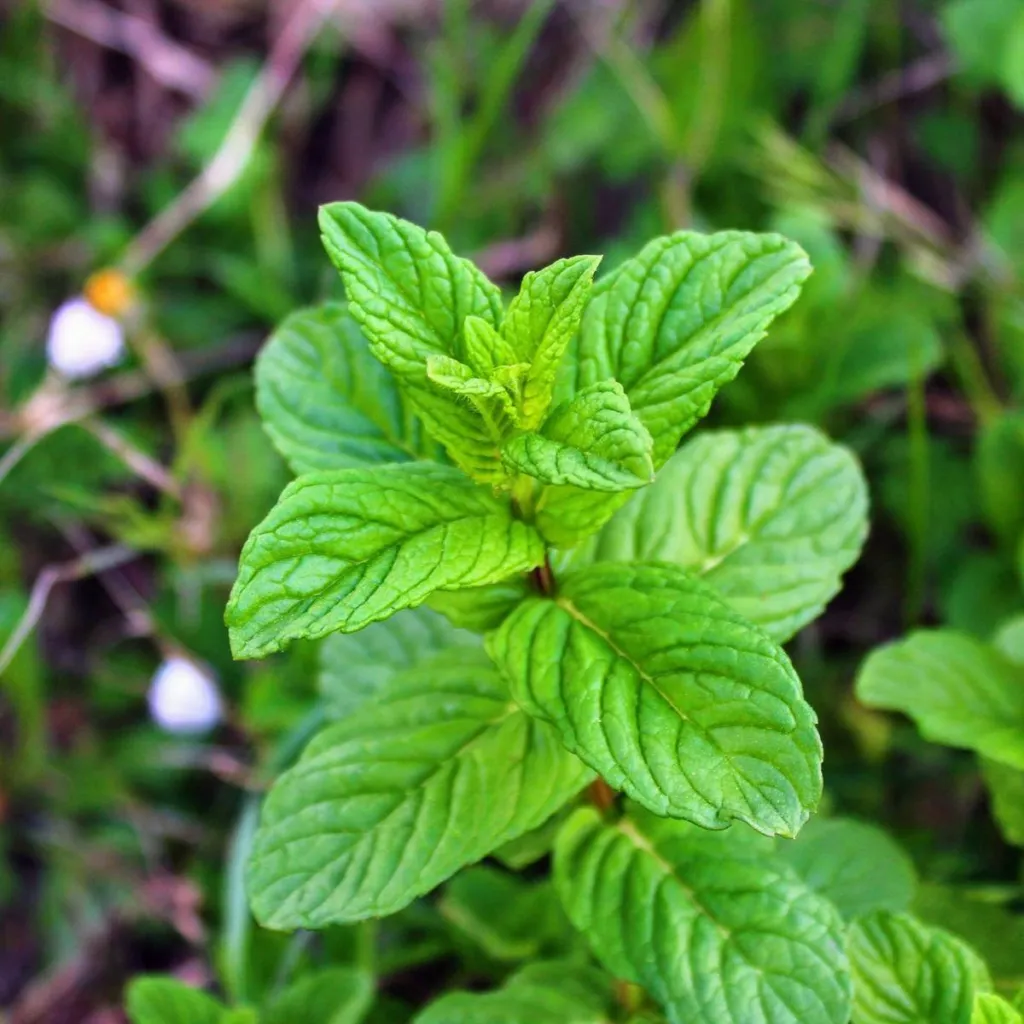
A short worked example shows the shape. Hoffmann’s treatment of irritable bowel syndrome begins with a list of actions: astringent, bitter, anti-inflammatory, carminative, antispasmodic, healing to the gut lining and calming to the nerves. Chamomile and peppermint are the nearest things to specifics, and he says plainly that neither is a true one. The prescription is short and written in proportions. Then come the food and situation journal, smaller and more frequent meals, a careful look at dairy and fibre, and attention to stress (pp. 276-278).[18] Attested The herbs are one strand of six.
Herbalist thinking and mainstream prescribing
Bone and Mills draw the line between the two traditions in a single paragraph. Orthodox medicine, they write, is increasingly a system of physiological compensation. It supplies what the body lacks or blocks what it overproduces, and it often “requires the constant presence of the medicine”. Traditional herbal medicine aims at “physiological support or enhancement”, which “can, in time, lead to a permanent correction” (p. 134).[10] Attested They are careful to add that herbal practice uses compensation too when a patient needs it. Sedatives, anti-inflammatories and the old specifics are compensating tools, and a good herbalist reaches for them without embarrassment.
Set side by side, the two habits of mind differ at nearly every step. I have tried to put the difference fairly in the table below. Each column describes a style of reasoning. Plenty of doctors think like herbalists in their own work, and plenty of herbalists slip into a drug-substitution habit. Hoffmann warns against exactly that slip when he says that using a tincture as a “natural alternative” to a prescription drug “relegates the herb to the status of an organic drug delivery system” (p. 16).[18] Attested
| Single-drug prescribing | Herbalist prescribing | |
|---|---|---|
| Starting point | The diagnosis | The person, then the diagnosis |
| Unit of treatment | One molecule, one main target | A whole plant extract with many constituents, often several plants together |
| Aim | Correct a measured abnormality | Support the processes that keep the person well, and treat each link of the causal chain that will respond |
| Choice of medicine | By disease and guideline | By action, system affinity and the individual case |
| Dose | Fixed by trials, titrated to a measured endpoint | Set by the herb’s strength, the person’s constitution and the stage of illness, and changed as the person changes |
| Time | Often indefinite for chronic disease | Treatment in stages, tonic and convalescent phases, then withdrawal when no longer needed |
| Evidence prized | Randomised trials of a defined product | Trials where they fit, plus the long clinical record, case-based observation and the practitioner’s own follow-up |
Table 1. Two styles of prescribing, summarised from Bone and Mills 2013 (chapters 3, 6 and 7) and Hoffmann 2003 (chapters 1 and 12). The table describes reasoning styles. It makes no claim about the outcomes of either.
Neither style is foolish. Single-drug prescribing gave the world insulin, antibiotics and anaesthesia, and the herbal books respect that. Bone and Mills write that herbal practitioners “can admit this gracefully and be grateful they no longer have to attempt to thwart life-threatening infectious diseases” (p. 149).[10] Attested The trouble starts when one style’s habits are used to judge the other’s medicines. That is where research comes in.
One molecule at a time: what herbalist thinking means for research
Dr Iggulden put the problem to me in one breath, and it is the right one. Most research on medicinal plants studies them one compound at a time, often at doses a herbalist would not use, in preparations a herbalist would not prescribe, for conditions a herbalist would not treat with that plant. Each of those four gaps is visible in the published record.
The isolated compound
Pharmacology grew up by isolating the active principle: morphine from opium, salicin from willow bark, digitoxin from foxglove. It is a powerful method and it has a built-in assumption, that the plant’s effect lives in one molecule. Bone and Mills dispute that assumption for most herbs: “For most if not all herbal extracts the ‘active constituent’ is the whole extract itself” (p. 21).[10] Attested A body of pharmacological work describes how mixtures of plant compounds can act additively or synergistically, at several targets at once.[20, 21, 22, 23] Mechanism
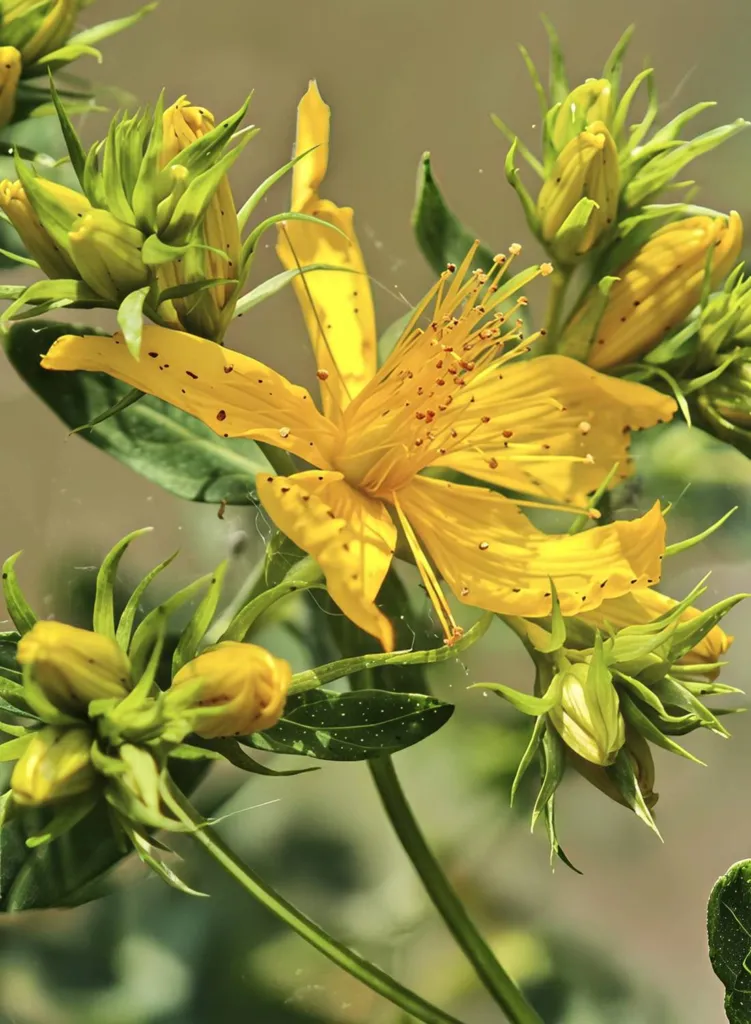
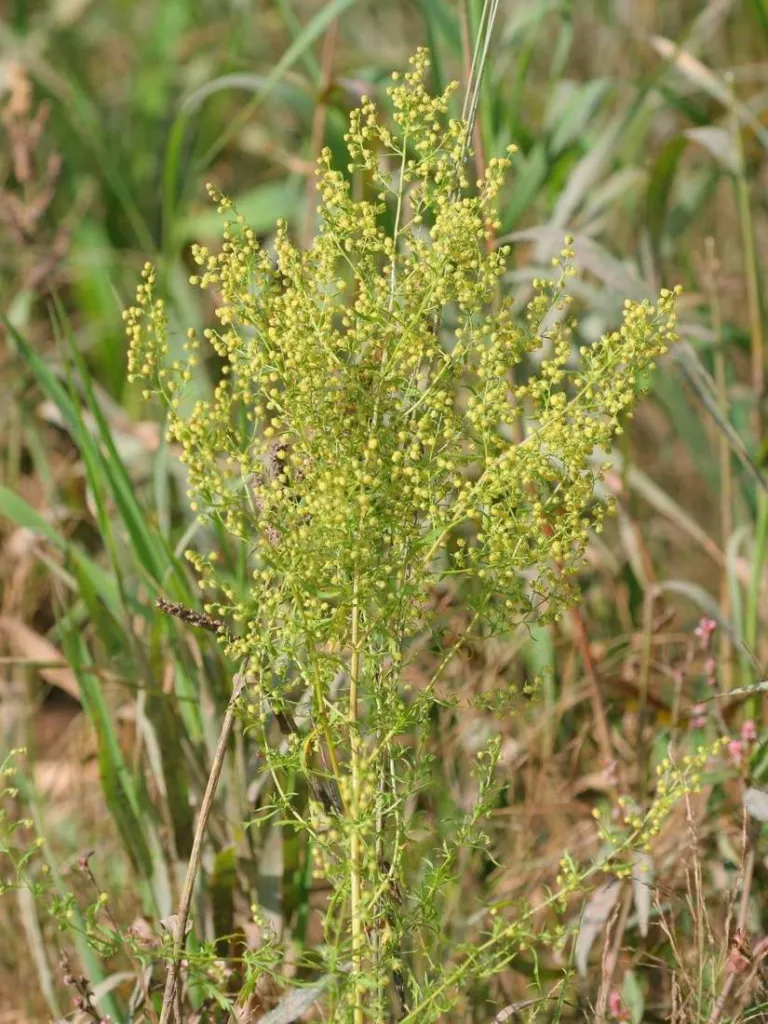
St John’s wort is the textbook case. Hypericin, then hyperforin, were each put forward as “the” antidepressant constituent, and a 2003 review concluded that the evidence points to several constituent groups contributing together, flavonoids included.[24] Evidence suggests Hyperforin also drives the herb’s best-documented drug interactions: it activates the pregnane X receptor, which speeds the liver’s metabolism of other medicines, oral contraceptives and cyclosporin among them.[35] Confirmed Artemisia annua gives a sharper example from the laboratory. In mice infected with rodent malaria, the dried whole plant reduced parasite levels more effectively than a matched dose of pure artemisinin; the authors link part of the gain to far higher blood levels of artemisinin when it was eaten in the plant.[25] Evidence suggests A review of antimalarial plants found similar interactions in other species.[26] Evidence suggests These are animal and laboratory findings, and they do not tell anyone how to treat malaria. They do show that a result for the isolated compound is a result for that compound.
The wrong dose, part or preparation
Echinacea shows how far a single word on a trial report can travel. Under that name sit three species, roots and tops, fresh-pressed juices, alcoholic extracts and dried powders, with different chemistry. The Cochrane reviewers note that the preparations tested in trials vary so much that results for one cannot be carried over to another.[27] Confirmed A widely reported 2005 trial in the New England Journal of Medicine tested extracts of Echinacea angustifolia root against experimental rhinovirus infection and found no clinically significant effect.[28] Confirmed Letters to the journal questioned aspects of the trial’s design, including the dose.[29, 30] Attested Bone and Mills’s “phytoequivalence” filter exists for this reason: before a study can inform practice, the reader must ask whether the product tested is equivalent to the product a practitioner would use (pp. 97-98).[10] Attested
Dose is the other half of it. Bone and Mills call dose “probably the most controversial aspect of contemporary Western herbal medicine”, and their review of Chinese, Ayurvedic, Eclectic and modern European practice finds a convergence toward the higher end of the range (pp. 121-124).[10] Attested A trial that gives a modest amount of a dilute preparation may simply be testing too little of the plant. I state this as a question each trial must answer for itself. It is no general excuse for negative results.
The wrong question
Hoffmann makes the subtlest point. When research asks for “herbal alternatives to Prozac”, he writes, it lets the drug model “set the herbal agenda” (p. 15).[18] Attested A herbalist rarely treats a diagnosis with one herb. They treat a person with a formula chosen for the causes that person shows, and they change it as the person changes. A trial that randomises a diagnostic category to one fixed product leaves most of that reasoning out. Researchers in complementary medicine have argued for “whole systems” research for this reason.[31] Attested
The best-known test of the herbalist’s way is an Australian one. In 1998 Alan Bensoussan and colleagues in Sydney randomised 116 people with irritable bowel syndrome to an individually written Chinese herbal prescription, a standard formula, or placebo. Both herbal groups improved more than placebo over sixteen weeks, and during treatment the individualised prescriptions did no better than the standard formula. At follow-up fourteen weeks after treatment ended, only the individualised group kept its gains.[32] Confirmed A sceptical systematic review in 2007 found very few such trials and judged the overall evidence for individualised herbal medicine insufficient.[33] Confirmed Both findings stand. Together they say that individualised prescribing has hardly been tested, and that where it has been, the design was workable. Guidelines now exist for trials that want to keep the practitioner’s reasoning inside the study.[34] Attested
None of this makes the herbs exempt from evidence. Bone and Mills call randomised trials “by far the most valuable” research for clinical judgement and scold practitioners who resist them (p. 92).[10] Attested Their request, and mine, is for trials that test herbal medicine as herbalists practise it: the right plant part, a proper preparation, a realistic dose, for the people a herbalist would actually treat, and where possible with the prescription written for the person. “Human experience,” they conclude, “is all that counts in the end” (p. 98). Attested
What a historian learned at the herbalist’s bench
Dr Iggulden asked me to study these books so that I could begin to think as a herbalist, and I should say honestly what has changed in my head. I came to them as a historian of texts. I know how a remedy travels from Dioscorides to a Renaissance herbal to a Victorian dispensatory, and I know how often it is copied without anyone checking. I did not know how a practitioner decides, on a Tuesday afternoon, what to give the person sitting opposite.
The first lesson is that the unit of herbal medicine is the prescription for a person, and the herb is a part of it. A monograph tells you what valerian can do. Only a case tells you whether valerian belongs in this bottle, in what proportion, beside which other plants, and for how long. Bone and Mills say it in a line I have pinned above my desk: “clinicians do not use ‘herbs’ in their clinics, they use herbal products” (p. 97).[10] Attested Hoffmann would add that they use them for people.
The second is that the herbal actions are a working vocabulary with a long history behind them, and a herbalist thinks in it the way a pharmacologist thinks in receptors. Alterative, bitter, carminative, demulcent, nervine tonic, trophorestorative: each word compresses generations of bedside observation into a usable category. Several have since found a physiological correlate, the bitters most clearly, and some still wait for one. Traditional Learning to think as a herbalist means learning to read a case in actions before reaching for names of plants.
The third lesson is about tradition, and here my own trade has something to give back. Hoffmann writes that “traditional use implies demonstrable efficacy” (p. 256), because generations tested remedies at the sickbed with nothing to sell.[18] Attested Bone and Mills ask for more: themes extracted across cultures, then filtered for identity, relevance, reliability and phytoequivalence (pp. 95-98).[10] Attested A historian sides with neither and helps both. The clinical record is rich and it also preserves copying errors, misidentified plants and the occasional nineteenth-century flourish passed off as ancient. Sorting one from the other, source by source, is work the history department can do for AIP’s herbalists, and I intend to.
The fourth is humility about the three men themselves. I expected to find a scientist, a philosopher and a romantic. What I found were three practitioners who read each other, quote each other and disagree on a handful of points while agreeing on the method. Mills gave the profession its history and its place in universities and policy. Bone gave it products a pharmacist could trust and a body of evidence it could defend before a regulator. Hoffmann gave it a conscience about the person, the cost of the medicine and the wild plants it comes from. A herbalist trained today in Australia, Britain or North America works inside all three contributions whether they have read the books or not.
Discussion: conclusions, hypotheses and research still required
What the reading supports
- Mills, Bone and Hoffmann share one prescribing method: start from the person and the cause of their illness, choose herbal actions to support what the body is failing to do, cover several actions with few herbs, and treat the life around the illness. Their books state this method in their own words, with page references given above.[10, 18] Attested
- They differ on the weight of tradition (strong evidence to be filtered, for Bone and Mills; evidence in its own right, for Hoffmann), on commerce (Bone built a manufacturing company on the need for reliable products; Hoffmann argues that market forces and healing pull apart) and on standardised extracts, which Bone and Mills judge case by case and Hoffmann distrusts. Attested
- Clinical trials of herbal medicines often test a single product, at a fixed dose, for a disease category, without individualising the prescription. Several published critiques argue that this design can understate or misstate what herbal practice does.[31, 34] Evidence suggests
What we can reasonably hypothesise
- That some negative or weak trial results for herbs reflect a mismatch between the trial’s dose, plant part, preparation or patient group and the way practitioners actually prescribe the herb. This is a hypothesis about trial design, to be tested trial by trial, and it does not presume that any given herb works. Evidence suggests
- That whole extracts and multi-herb formulas can act through additive or synergistic effects at several targets, so that a single isolated compound underperforms the extract in some cases. Bone and Mills themselves warn that additive effects are probably more common than true synergy.[10, 20, 23] Mechanism
- That Bone and Mills’s “acupharmacology”, the idea that many herbs act first on the gut and signal outward, explains a share of traditional practice. The bitter taste receptor findings are consistent with it; most of the rest awaits testing.[10] Mechanism
What research is still required
- Clinical research. Pragmatic trials that compare individualised herbal prescribing, as a practitioner would actually deliver it, with usual care, with the herbal prescriptions recorded in full so that they can be analysed afterwards. Bensoussan’s 1998 design, with an individualised arm, a standard-formula arm and a placebo arm, is a model worth repeating in Australian herbal practice.[32] Evidence suggests
- Pharmacology. Paired testing of the whole extract against its best-known isolated constituent, at matched doses and by the route of administration used in practice, with isobologram analysis to separate synergy from simple addition.[20] Mechanism
- Quality analysis. Trials that report the full identity of the product tested: species, plant part, extraction solvent and ratio, and a chemical profile. Without this, Bone and Mills’s “phytoequivalence” filter cannot be applied, and a result for one product is wrongly read as a result for the herb.[10] Attested
- Clinical documentation. Structured case series from practising herbalists, recording the reasoning (goals, actions, herbs) as well as outcomes. Bone and Mills already argue for n-of-1 and observational designs (pp. 93-95).[10] Attested
- History of medicine and textual studies. A provenance check of the traditional indications that modern herbal texts carry forward, tracing each to the Eclectic, Physiomedical, British or older source it came from, and marking where an indication entered the record. The Eclectic dispensatories that both books lean on are the place to start. Attested
Before taking any botanical medicine, consult a degree-qualified herbalist with competencies and adequate training in pharmacognosy. This essay describes how three practitioners reason. It gives no dosing or treatment advice.
About the Australian Institute of Pharmacognosy
The Australian Institute of Pharmacognosy studies medicinal plants and natural products: their botany, chemistry, pharmacology, history and clinical use. Its head office is in Cardwell, far north Queensland, and its team works across Australia. Corrections and comments on this article are welcome at our contact form.
Head of History and Philosophy
Australian Institute of Pharmacognosy
Cardwell QLD, Australia
australian-pharmacognosy.org · our contact form
Suggested citation: Fenwick A. Mills, Bone and Hoffmann: how herbalists think. Australian Institute of Pharmacognosy Journal; 2026.
References
Full numbered references – tap to open
Page numbers in the text are the printed pages of Bone and Mills 2013 and Hoffmann 2003, read by the Institute in October 2026. Every PMID was checked against PubMed in October 2026. Web sources were read in October 2026.
- Pole S. Introductory episode 1: Meet Simon [podcast, with transcript]. Herbcast, Herbal Reality; 15 June 2022. herbcast.captivate.fm.
- Herbal Reality. Herbal education in the UK: a reflection of the plants themselves [web article]. herbalreality.com.
- Bone K. Curriculum vitae [PDF]. Northeast College of Health Sciences. northeastcollege.edu.
- Traditional Medicinals. Plant people: medical herbalist David Hoffmann [web article]; 18 November 2016. Archived copy. web.archive.org.
- Botanical Medicine (Medicines from the Earth). Simon Mills [speaker biography]. botanicalmedicine.org.
- Eatweeds. Simon Mills [biography page]. eatweeds.co.uk.
- Mills & Bone Academy. Biographies [web page]. millsandboneacademy.com.
- Claridge Naturopathics. Talk to us: Kerry Bone [interview]; 15 April 2018. claridgenaturopathics.com.au.
- Mills S. The journey into phytotherapy with Professor Kerry Bone [podcast audio]. Herbcast episode 8, Herbal Reality; 26 August 2022. Quotations transcribed by the Institute from the recording. herbcast.captivate.fm.
- Bone K, Mills S. Principles and Practice of Phytotherapy: Modern Herbal Medicine. 2nd ed. Edinburgh: Churchill Livingstone/Elsevier; 2013. ISBN 978-0-443-06992-5.
- MediHerb. Our story [web page]. mediherb.com.
- Chiropractic Economics. Standard Process and Integria Healthcare renew MediHerb agreement; 17 November 2020. chiroeco.com.
- Howell PK. Interview with David Hoffmann. American Herbalists Guild; 21 March 2020. americanherbalistsguild.com.
- Herb Rally. David Hoffmann [podcast episode 54]; 22 March 2018. herbrally.com.
- Hoffmann D. The Holistic Herbal. Forres: Findhorn Press; 1983. Library record, Erowid. erowid.org.
- American Herbalists Guild. History of the AHG [web page]. americanherbalistsguild.com.
- Hachette Book Group. David Hoffmann [contributor page]. hachettebookgroup.com.
- Hoffmann D. Medical Herbalism: The Science and Practice of Herbal Medicine. Rochester, VT: Healing Arts Press; 2003. ISBN 978-0-89281-749-8.
- Mills S, Bone K. Principles and Practice of Phytotherapy: Modern Herbal Medicine. Edinburgh: Churchill Livingstone; 2000.
- Williamson EM. Synergy and other interactions in phytomedicines. Phytomedicine. 2001;8(5):401-9. PMID: 11695885.
- Wagner H, Ulrich-Merzenich G. Synergy research: approaching a new generation of phytopharmaceuticals. Phytomedicine. 2009;16(2-3):97-110. PMID: 19211237.
- Efferth T, Koch E. Complex interactions between phytochemicals. The multi-target therapeutic concept of phytotherapy. Curr Drug Targets. 2011;12(1):122-32. PMID: 20735354.
- Gertsch J. Botanical drugs, synergy, and network pharmacology: forth and back to intelligent mixtures. Planta Med. 2011;77(11):1086-98. PMID: 21412698.
- Butterweck V. Mechanism of action of St John’s wort in depression: what is known? CNS Drugs. 2003;17(8):539-62. PMID: 12775192.
- Elfawal MA, Towler MJ, Reich NG, Golenbock D, Weathers PJ, Rich SM. Dried whole plant Artemisia annua as an antimalarial therapy. PLoS One. 2012;7(12):e52746. PMID: 23289055.
- Rasoanaivo P, Wright CW, Willcox ML, Gilbert B. Whole plant extracts versus single compounds for the treatment of malaria: synergy and positive interactions. Malar J. 2011;10 Suppl 1:S4. PMID: 21411015.
- Karsch-Völk M, Barrett B, Kiefer D, Bauer R, Ardjomand-Woelkart K, Linde K. Echinacea for preventing and treating the common cold. Cochrane Database Syst Rev. 2014;(2):CD000530. PMID: 24554461.
- Turner RB, Bauer R, Woelkart K, Hulsey TC, Gangemi JD. An evaluation of Echinacea angustifolia in experimental rhinovirus infections. N Engl J Med. 2005;353(4):341-8. PMID: 16049208.
- Blumenthal M, Farnsworth NR. Echinacea angustifolia in rhinovirus infections [letter]. N Engl J Med. 2005;353(18):1971-2. PMID: 16267331.
- Leach M. Echinacea angustifolia in rhinovirus infections [letter]. N Engl J Med. 2005;353(18):1971-2. PMID: 16270425.
- Verhoef MJ, Lewith G, Ritenbaugh C, Boon H, Fleishman S, Leis A. Complementary and alternative medicine whole systems research: beyond identification of inadequacies of the RCT. Complement Ther Med. 2005;13(3):206-12. PMID: 16150375.
- Bensoussan A, Talley NJ, Hing M, Menzies R, Guo A, Ngu M. Treatment of irritable bowel syndrome with Chinese herbal medicine: a randomized controlled trial. JAMA. 1998;280(18):1585-9. PMID: 9820260.
- Guo R, Canter PH, Ernst E. A systematic review of randomised clinical trials of individualised herbal medicine in any indication. Postgrad Med J. 2007;83(984):633-7. PMID: 17916871.
- Flower A, Witt C, Liu JP, Ulrich-Merzenich G, Yu H, Lewith G. Guidelines for randomised controlled trials investigating Chinese herbal medicine. J Ethnopharmacol. 2012;140(3):550-4. PMID: 22210103.
- Moore LB, Goodwin B, Jones SA, Wisely GB, Serabjit-Singh CJ, Willson TM, Collins JL, Kliewer SA. St. John’s wort induces hepatic drug metabolism through activation of the pregnane X receptor. Proc Natl Acad Sci U S A. 2000;97(13):7500-2. PMID: 10852961.
Image credits
- Echinacea: Photo: Diego Delso · CC BY-SA 3.0 · Wikimedia Commons
- Exeter: Photo: Jeff Buck · CC BY-SA 2.0 · Wikimedia Commons
- White willow: Photo: Hans-Jürgen Neubert · CC BY 4.0 · Wikimedia Commons
- Warwick qld: Photo: Kgbo · CC BY-SA 4.0 · Wikimedia Commons
- Findhorn: Photo: Mike Pennington · CC BY-SA 2.0 · Wikimedia Commons
- Dispensary: Photo: France3470 · Public domain · Wikimedia Commons
- Chamomile: Photo: Krzysztof Ziarnek, Kenraiz · CC BY-SA 4.0 · Wikimedia Commons
- Vitex: Photo: Didier Descouens · CC BY-SA 4.0 · Wikimedia Commons
- Valerian: Photo: Ivar Leidus · CC BY-SA 4.0 · Wikimedia Commons
- Peppermint: Photo: Kızıl · CC BY-SA 4.0 · Wikimedia Commons
- St johns wort: Photo: Didier Descouens · CC BY-SA 4.0 · Wikimedia Commons
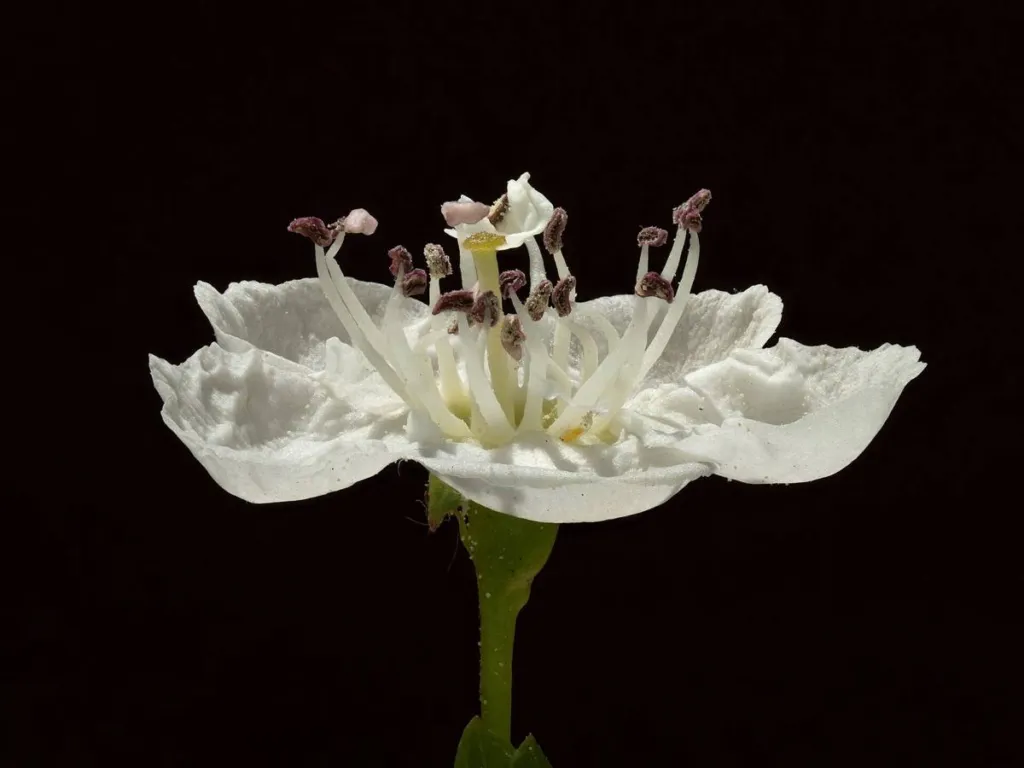
- Hawthorn: Photo: Ermell · CC BY-SA 4.0 · Wikimedia Commons
- Artemisia annua: Photo: Kristian Peters (Fabelfroh) · CC BY-SA 3.0 · Wikimedia Commons
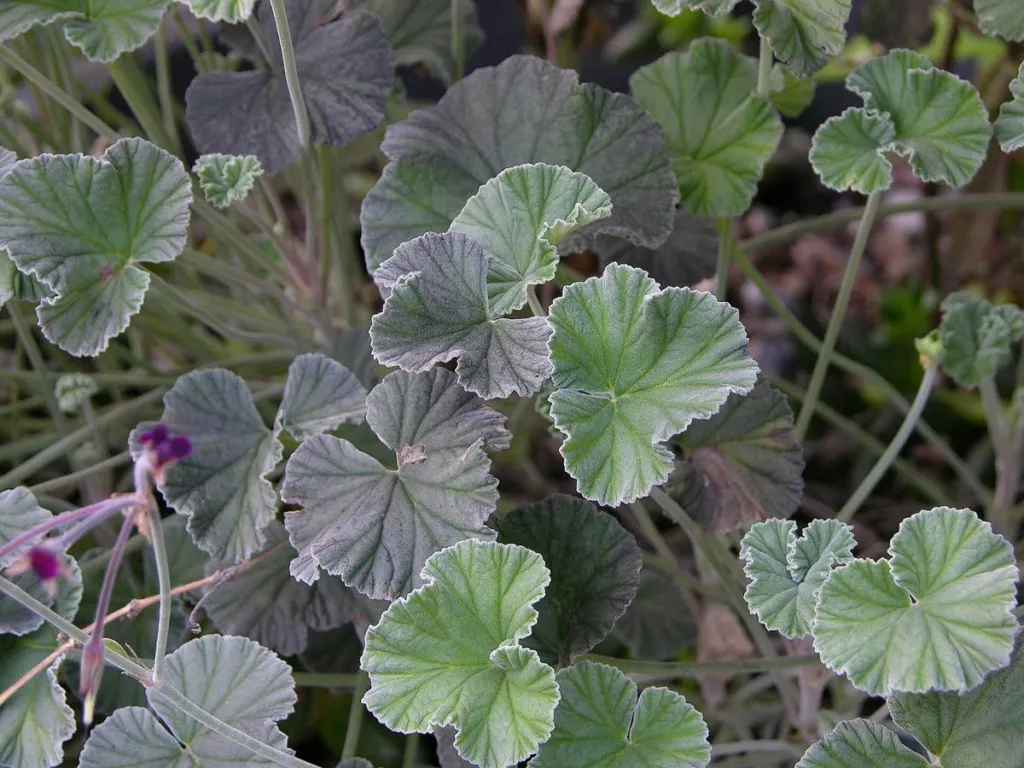
- Pelargonium sidoides: Photo: Derek Ramsey (Ram-Man) · CC BY-SA 3.0 · Wikimedia Commons
- Sonoma: Photo: Fred Hsu · CC BY-SA 3.0 · Wikimedia Commons
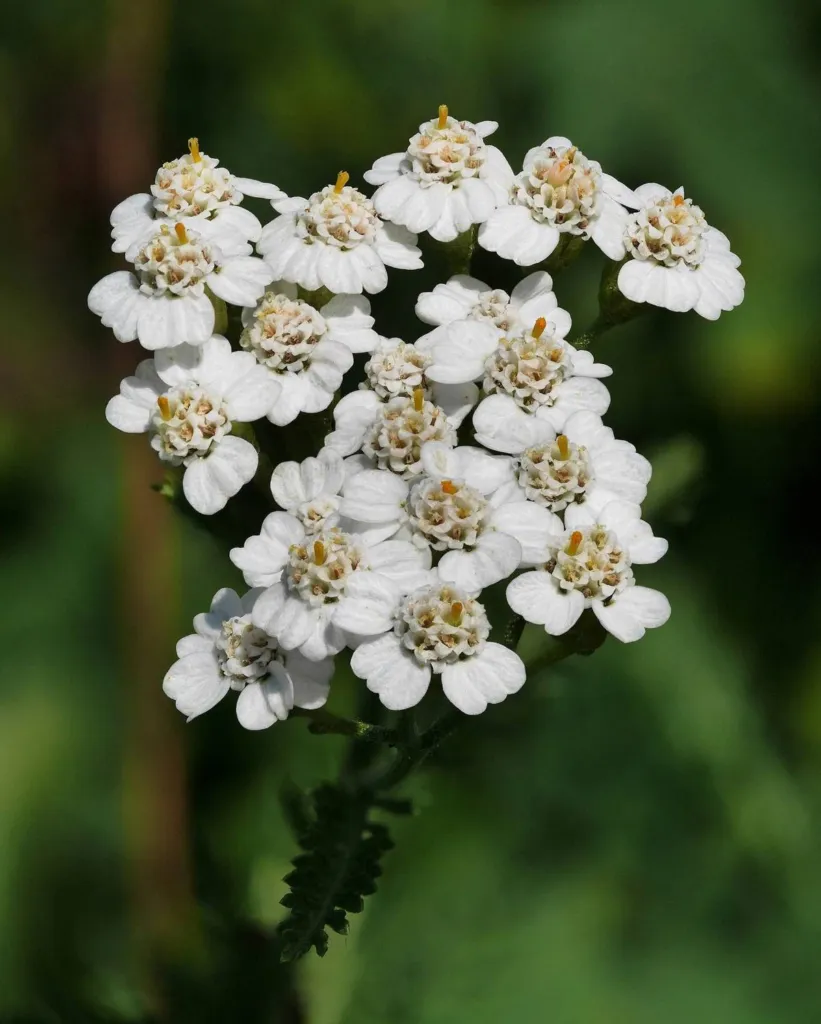
- Yarrow: Photo: Petar Milošević · CC BY-SA 4.0 · Wikimedia Commons
- Oats: Photo: W.carter · CC BY-SA 4.0 · Wikimedia Commons
The Institute sets and publishes its own monographs. The catalogue is in Publications.