
Australian Herbal Pharmacopoeia (working title), Monograph AIP-HP 005
Status: version 1.0, live at https://www.australian-pharmacognosy.org/pharmacopoeia/echinacea-purpurea/, all reviews and the pre-publication final test on record. Published at first draft under the CEO’s order of 23/09/2026. Botanical, QA and Medicine technical reviews, the Education and Research evidence audit and the Community Outreach layout review done 23/09/2026; Librarian reference audit pending; not reviewed by Legal (internal draft).
Date: 23/09/2026 (AEST). Next review: on sign-off, then three-yearly or sooner if a major trial, safety signal or new pharmacopoeial text appears.
Prepared by: Dr Thomas Ridley, Head of Education and Research, Australian Institute of Pharmacognosy, Cardwell QLD.
Contributors: Dr Thomas Ridley (library and literature search, registry search, synthesis, drafting, figure sourcing and placement, AIP schematics and charts, reference verification). Section reviewers named in 0.1 are credited once they have reviewed. Dr Luke Iggulden set the scope of the series in the CEO directive of 22/09/2026; he did not write this monograph.
0. Free teaser
0.1 Identity card
| Monograph | AIP-HP 005, Echinacea purpurea root. Version 1.0, 23/09/2026. Next review: on sign-off |
| Accepted name | Echinacea purpurea (L.) Moench (1794), Asteraceae (APG IV). Accepted in WCVP, the checklist behind POWO (release 16/09/2026 via ChecklistBank dataset 2000, IPNI 1174497-2, read 23/09/2026) [1] |
| Synonyms | Basionym Rudbeckia purpurea L. Others include Brauneria purpurea (L.) Britton, Echinacea intermedia Lindl. ex Paxton, E. purpurea var. arkansana Steyerm., E. serotina (Nutt.) D.Don ex G.Don, Rudbeckia hispida Hoffmanns., R. serotina (Nutt.) Sweet [1,11,6]. MediHerb label botanical name: Echinacea purpurea [8]; trials: Echinacea purpurea [16]. TGA ingredient name not re-read for this draft (QA to confirm in the TGA ingredient database before release) |
| Drug name | Echinaceae purpureae radix, purple coneflower root (Ph. Eur. 1824; EU herbal monograph) [3,4] |
| Common names | Purple coneflower, eastern purple coneflower, broad-leaved purple coneflower, red sunflower, combflower (English); Purpursonnenhutwurzel (German); échinacée pourpre, racine d’ (French) [2,4,7] |
| Pharmacopoeial status | Ph. Eur.: monograph 01/2008:1824, corrected 6.0 (read in the Ph. Eur. 8.0 library copy) [3]. EMA/HMPC: EU herbal monograph, traditional use, 2017 (first adopted 2010) [4,5]. USP-NF and BP: monographs recorded by Mills and Bone (USP31-NF26 2008; BP 2012) [2]. American Herbal Pharmacopoeia: monograph on the root listed by Barnes [6]. WHO: the WHO vol. 1 Radix Echinaceae covers E. angustifolia and E. pallida only; no WHO root monograph for this species |
| Australian status | Present in Australian listed medicines, including the MediHerb root tablet used in two trials (ANZCTR 083687 registration for one) [16,17]. Permissible Ingredients Determination and Poisons Standard entries not re-read for this draft (QA and Legal to confirm before release). Not native to Australia; no Atlas of Living Australia occurrence records in Australia [12] |
| Assay marker | Caftaric acid (CID 6440397) plus cichoric acid (CID 5281764): not less than 0.5 per cent in sum, dried drug (Ph. Eur. 1824, HPLC at 330 nm) [3] |
| Identity markers | Cichoric acid as the principal HPLC peak; TLC with no echinacoside and no cynarin zone; N-isobutyldodecatetraenamide (CID 6440539) on the lipophilic TLC [3]. Total alkylamides are MediHerb’s standardisation marker (1:2 liquid, minimum 1.0 mg/mL) [8] |
| Evidence snapshot | Cold prevention, E. purpurea root alone: Tier C, 2 RCTs (one a trial arm, one unpublished), neither significant. Cold and influenza-like illness treatment, root alone: Tier C, 2 RCTs, conflicting. Cold treatment, E. purpurea plus E. angustifolia root tablets: Tier B, 1 large RCT, non-significant trend. Respiratory symptoms in air travel (same tablets): Tier C, 1 RCT, borderline. Acne and skin: Tier T. Immune modulation: Tier P |
| Main safety point | Allergy, including anaphylaxis, with Asteraceae sensitivity the main risk factor. The TGA 2024 andrographis advisory records that most andrographis reactions came from products also containing echinacea [21]. Human pharmacokinetic study: modulates CYP3A and inhibits CYP1A2 (midazolam, caffeine) [5] |
| Suggested citation | Ridley T. Echinacea purpurea root (Echinacea purpurea (L.) Moench). Australian Herbal Pharmacopoeia monograph AIP-HP 005 (v1.0). Cardwell (QLD): Australian Institute of Pharmacognosy; 2026. DOI to be assigned |
| Compiler and review | Compiled by Dr Thomas Ridley (Education and Research). Technical review: Dr Fiona MacAllister (Botanical, sections 1-5, 10), reviewed 23/09/2026; Dr Hana Suzuki (QA, sections 6-10), reviewed 23/09/2026; Dr Eleanor Whitcombe (Medicine, sections 12, 13, 15), reviewed 23/09/2026; Dr Thomas Ridley (Education and Research, evidence and citation audit, sections 1-3, 6-9 sources, 11-19 and figures), reviewed 23/09/2026; Jesse Kirby (Community Outreach, free-sample and whole-document layout, figure placement, captions and credit lines), reviewed 23/09/2026. Published: 23/09/2026. Last modified: 23/09/2026. Version 1.0 |
| Provenance | Original AIP data: none. Every limit, method, measurement and trial result comes from the cited pharmacopoeias, regulators, reference works and papers; sections 4, 5, 8, 9 and 10 are marked "AIP bench data pending" |
| Canonical URL | /pharmacopoeia/echinacea-purpurea/ |
0.2 Summary
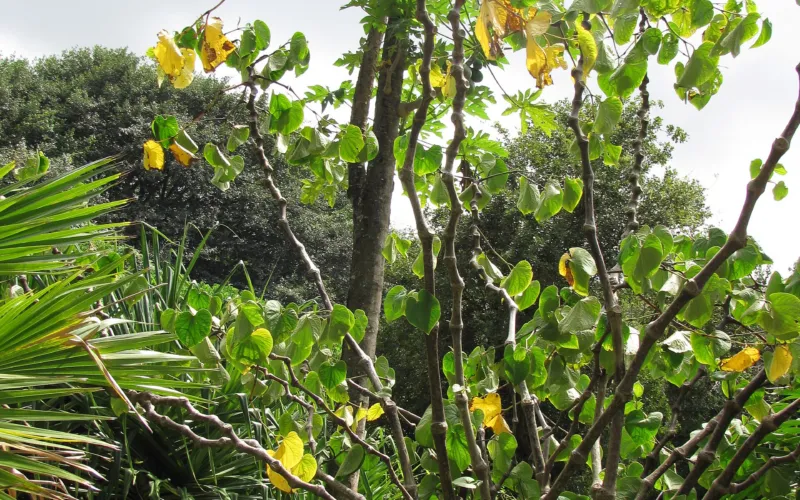
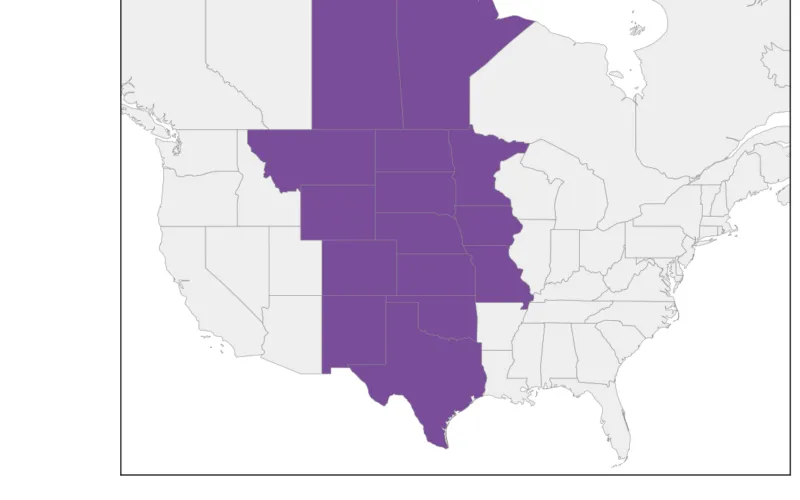
Echinacea purpurea root is the dried rhizome and root of purple coneflower, a perennial daisy of the eastern and central United States and Ontario, now grown as a crop in Europe, North America and elsewhere. The crude drug is a branched, reddish-brown to dark brown rhizome with a white fibrous interior and many spirally twisted roots. Under the microscope its light-brown fibre bundles carry no black phytomelanin deposit, which separates it from E. angustifolia and E. pallida roots. The European Pharmacopoeia identifies it by two thin-layer chromatograms and a liquid chromatogram in which cichoric acid is the main peak, and requires at least 0.5 per cent caftaric plus cichoric acid. Echinacoside and cynarin should be absent. Parthenium integrifolium is the historical substitute. Australian practitioners use the root, alone or blended 60:40 with E. angustifolia root, as a 1:2 liquid or tablet to prevent and treat upper respiratory infections and for boils and skin complaints. The root-alone trials are few, old and conflicting; the best trial of a root blend showed a non-significant trend. The EU accepts only traditional use. Allergy is the main safety point, and the root changes CYP3A and CYP1A2 activity in people. Anyone considering it should consult a degree-qualified herbalist with competencies and adequate training in pharmacognosy.
0.3 Contents and extent (draft)
| Section | Approx. pages |
|---|---|
| 1-3 Nomenclature, definition, source and Australian supply (1 map) | 2.5 |
| 4-5 Macroscopy and microscopy (4 figures, 1 placeholder) | 3 |
| 6-7 Chemistry, markers and limits (9 structures) | 3 |
| 8-9 TLC and HPLC (4 figures) | 3 |
| 10 Identity, purity, adulterants, contaminants | 1.5 |
| 11 Traditional use | 1 |
| 12 Current practice and doses | 1.5 |
| 13 Clinical evidence (search, graded trials, registries, 2 charts) | 4 |
| 14 Pharmacology | 2 |
| 15 Safety | 2.5 |
| 16-18 Discussion, conclusions, research needed | 2 |
| 19-20 References and document control | 2.5 |
| Totals (draft) | About 28 A4 pages before layout; 17 tables; 20 embedded figures plus 1 captioned placeholder (1 licensed photograph of the living plant, 1 public-domain plate, 9 PubChem structures, 4 AIP schematics labelled as redrawn from Ph. Eur. text, 1 licensed published HPTLC plate, 1 licensed published chromatogram, 1 AIP range map, 2 AIP data charts); 0 photomicrographs; 1 chromatogram and 1 HPTLC plate (both published, refs 13, 14). Gaps: F3 is an AIP schematic because no licensed photograph of a vouchered E. purpurea crude root was found (AIP photograph pending); F4 photomicrographs are AIP bench data pending, no licensed alternative found; AIP TLC plate and HPLC run pending. Trials: 7 randomised trials containing the root tabulated in 13.4, 6 graded for this drug, plus 1 Cochrane review. 28 references, all read in full; trial reports not held in full are described only as reported in the HMPC assessment report and Mills and Bone, which were read in full |
0.4 Contributors and access
Prepared by Dr Thomas Ridley, Head of Education and Research. Botanical, QA and Medicine reviews, the Education and Research evidence audit and the Community Outreach layout review done 23/09/2026; Librarian reference audit pending; A Legal read is advisory only and does not gate publication (CEO order 22/09/2026). The Australian Herbal Pharmacopoeia is AIP’s own series and carries no statutory, TGA or government standing. The full monograph is for subscribers (paywall wording to come from Legal and Community Outreach).
1. Nomenclature
- Accepted name: Echinacea purpurea (L.) Moench (Asteraceae), published 1794 (IPNI 1174497-2). Accepted in WCVP, the checklist behind POWO (release of 16/09/2026, ChecklistBank dataset 2000, read 23/09/2026) [1], and in the Catalogue of Life (dataset 3LR, taxon 6DW3C, read 23/09/2026) [11]. The POWO web page itself refused an automated read on 23/09/2026; the WCVP record is the same data.
- Basionym and synonyms: Rudbeckia purpurea L. is the basionym. The Catalogue of Life lists, among others, Brauneria purpurea (L.) Britton, Helichroa purpurea (L.) Raf., Lepachys purpurea (L.) Raf., Echinacea intermedia Lindl. ex Paxton, E. purpurea f. ligettii Steyerm., E. purpurea var. arkansana Steyerm., E. purpurea var. serotina (Nutt.) L.H.Bailey, E. serotina (Nutt.) D.Don ex G.Don, Rudbeckia hispida Hoffmanns., R. aspera Pers. and R. serotina (Nutt.) Sweet, plus eight further Rafinesque names in Helichroa (21 synonyms in all); WCVP gives the same 21 names [1,11]. WCVP spells the forma ligettii; IPNI spells it liggettii (IPNI 87157-2). Barnes gives a shorter list [6].
- Taxonomic position: McGregor’s 1968 revision recognised nine species; the 2001-2002 morphometric revision placed E. purpurea alone in subgenus Echinacea, with E. pallida, E. atrorubens and E. laevigata in subgenus Pallida [2]. E. purpurea keeps species rank in every treatment we read [1,2,11], so the name is stable for this monograph.
- Family: Asteraceae (Compositae), order Asterales, as in APG IV; WCVP places the genus there [1]. No recent change.
- Common names: purple coneflower, eastern purple coneflower, broad-leaved purple coneflower (English) [2]; combflower, red sunflower [7]; Purpursonnenhutwurzel (German), échinacée pourpre (racine d’) (French), Echinacea purpurea radice (Italian), rød solhatt rot (Norwegian) [4].
- Drug name and state: Echinaceae purpureae radix, the dried, whole or cut underground parts (rhizome and roots) [3]. Practitioners also use fresh-root preparations; the Ph. Eur. definition covers the dried drug only [3].
- Trade names in Australia: MediHerb "Echinacea Purpurea Root 1:2" (botanical name Echinacea purpurea, plant part root), "Echinacea Purpurea Glycetract 1:3" (root) and "Echinacea Premium Blend 1:2" (60% E. purpurea root 1:2 with 40% E. angustifolia root 1:2) [8]. The A-Z work list records Echinacea Premium, Sinus Forte and Broncafect tablets; their panels were not re-read for this draft. The TGA ingredient name used on ARTG entries was not re-read for this draft; QA is to confirm it before release.
- Name confusion: "Echinacea" on a label names neither species nor plant part. Many E. purpurea products are made mainly from the aerial parts (fresh-pressed herb juice, or 95% herb with 5% root) and are a different drug from this monograph [2,5]. "Echinacea Regular Blend" in the MediHerb range contains E. purpurea fresh whole plant, not root alone [8].
2. Definition
The dried, whole or cut underground parts of Echinacea purpurea (L.) Moench, containing not less than 0.5 per cent of the sum of caftaric acid (C13H12O9; Mr 312.2) and cichoric acid (C22H18O12; Mr 474.3), calculated with reference to the dried drug.
Basis: Ph. Eur. monograph 01/2008:1824, corrected 6.0, as printed in the 8.0 edition held in the library (p. 1359) [3]; the HMPC assessment report quotes the same definition [5]. The two acids are the assay markers; neither has been shown to carry a clinical effect (sections 6.4 and 14). QA is asked to confirm the definition against the Ph. Eur. edition in force before release.
25 more pages follow · 12,545 words, 20 figures, 18 tables
Still to come in this monograph
- 3. Source and Australian supply
- 4. Macroscopy
- 5. Microscopy
- 6. Chemistry
- 7. Named markers and assay limits
- 8. TLC fingerprint
- 9. HPLC fingerprint
- 10. Identity, purity, adulterants and contaminants
- 11. Traditional use
- 12. Current practice: use, preparations and doses
- 13. Clinical evidence
- 14. Pharmacology
- 15. Safety
- 16. Discussion
- 17. Conclusions
- 18. Research still needed
- 19. References
- 20. Document control
The rest of this monograph is open to members. One membership covers every members’ feature on the site.
Checking your membership…
Report an error or submit evidence
If something in this monograph is wrong, out of date or missing, tell us and show us the evidence. Every report is logged under the AIP Evidence Charter and assessed on the evidence alone; the outcome is kept on the record, and an upheld report is corrected with a dated notice on this page.