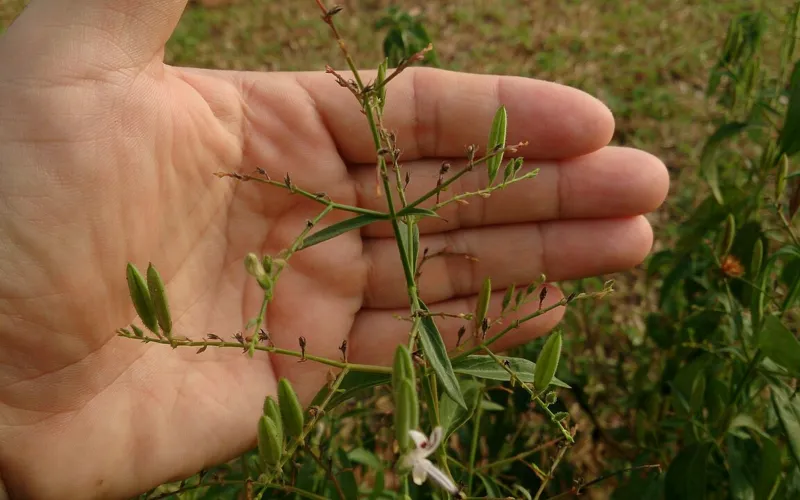

Cover: fruiting harmal, Bukhara region, Uzbekistan. Photo: Humoyun Mehridinov · CC BY-SA 4.0 · Wikimedia Commons
In Iran, Turkey and the Maghreb, dark seeds crackle on hot charcoal and the smoke is passed over newborns and brides to keep the evil eye away. Traditional The same seeds turn up in medical case reports of fatal poisoning (PMID 34401132). Confirmed Syrian rue lives both lives at once, and this article is about telling them apart.
Burnt as esfand against the evil eye from Morocco to Xinjiang, and one of the richest readily available botanical sources of the β-carboline alkaloids, Syrian rue is a plant whose cultural life is larger than its medical one, and whose pharmacology is more serious than its reputation. This is No. 2 in the Australian Institute of Pharmacognosy’s evidence-graded monograph series: what is traditional, what is preclinical, what has actually been shown in people, and what Australian law says.
This article is educational. It is not medical advice, and nothing in it is a recommendation to obtain, prepare or use Peganum harmala or its alkaloids.
Is Syrian rue legal in Australia? Harmala alkaloids and Schedule 9
1. Legal status in Australia. Harmala alkaloids are Schedule 9 (Prohibited Substance) in the Poisons Standard, with two narrow exemptions: herbs or preparations for therapeutic use containing 0.1% or less of harmala alkaloids, or divided preparations containing 2 mg or less of harmala alkaloids per recommended daily dose. Dry P. harmala seed has been measured at 4.3% harmine and 5.6% harmaline (w/w) (Herraiz 2010, PMID 20036304) — around a hundredfold above the 0.1% exemption threshold. On the Institute’s reading of the entry, raw seed and any meaningful extract fall outside both exemptions and are captured by Schedule 9. Confirmed — Poisons Standard, Schedule 9, entry “HARMALA ALKALOIDS”; DMT is separately listed in Schedule 9. In Queensland, harmaline, harmalol and DMT are also dangerous drugs under Schedule 2 of the Drugs Misuse Regulation 1987 (Qld), and the Drugs Misuse Act 1986 (Qld) defines a dangerous drug to include a listed substance contained in a natural substance, such as seed. Possessing, producing (which includes cultivating) or supplying a dangerous drug without authority is a serious criminal offence. These instruments are amended regularly, so check the current Queensland legislation and the current Poisons Standard via the TGA before relying on this summary.
2. Pharmacological hazard. Harmine and harmaline are potent reversible MAO-A inhibitors. Anything that raises serotonin or depends on MAO-A for clearance is a real interaction risk: SSRIs/SNRIs, triptans, tramadol, pethidine, dextromethorphan, St John’s wort, 5-HTP, and sympathomimetic decongestants. Tyramine-rich foods matter less with a reversible inhibitor than with an irreversible one, but a crude seed extract is not a measured dose. Fatal human poisonings are documented. See §8.
If someone is unwell after taking harmal: call Triple Zero (000) in an emergency, or the Poisons Information Centre on 13 11 26 (24 hours, Australia-wide).
| The plant | Peganum harmala L. (Nitrariaceae): Syrian rue, harmal, esfand. A perennial of arid country, naturalised in Australia and treated as an agricultural weed. Evidence suggests §1, §5 |
| Traditional role | Burnt as incense against the evil eye from Morocco to Xinjiang, and a “hot” drug in Persian and Arabic medicine. Traditional §2–§4 |
| Chemistry | Dry seed measured at 5.6% harmaline and 4.3% harmine (w/w), roughly 10% MAO-A-inhibiting alkaloid by mass (PMID 20036304). Confirmed §7 |
| Main action | A potent, reversible inhibitor of the enzyme MAO-A (PMID 20036304). Confirmed §8.1 |
| Evidence in people | No controlled clinical trial of the plant for any therapeutic use has been found. The human studies that do exist test isolated harmine given with DMT to healthy volunteers (PMIDs 38089057, 39774840, 39923404). Confirmed §9, §11 |
| Most active research | Isolated harmine (not the herb) as a DYRK1A inhibitor for human β-cell regeneration. Preclinical only (PMID 38985854). Evidence suggests §8.2 |
| Main dangers | Serious interactions with serotonergic and other medicines, and documented fatal poisonings, including in pregnancy (PMID 34401132). Confirmed §8.1, §8.5 |
| Australian law | Harmala alkaloids are Schedule 9 (Prohibited Substance), with two narrow exemptions. In Queensland, harmaline and harmalol are also scheduled dangerous drugs. See the box above. Confirmed |
- Confirmed — established in humans by trial or by unambiguous analytical/chemical fact.
- Evidence suggests — real published data, but preclinical, observational, small, or not yet replicated in humans.
- Mechanism — a plausible mechanistic or pharmacological inference, not an outcome.
- Traditional — historical, ethnobotanical or ritual use. Evidence of practice, not of efficacy.
Every PubMed ID (PMID) links to its PubMed record and was checked against PubMed in September 2026; every chemical record was checked against PubChem. Where a claim is widely repeated but I could not trace it to a primary source, it is marked unsourced and left as such.
Peganum harmala L. (Nitrariaceae; long placed in Zygophyllaceae) is a perennial of arid steppe from the eastern Mediterranean to Central Asia and north-west India, naturalised as a serious rangeland weed in North America, southern Africa and Australia. It is simultaneously one of the most culturally embedded plants of the Persianate and Islamic world — burnt as esfand against the evil eye — and one of the most pharmacologically consequential, because its seeds are the densest readily available botanical source of the β-carboline alkaloids harmine, harmaline and harmalol.
Three distinct pharmacologies live in one plant, and conflating them is the commonest error in the literature.
- (i) The β-carbolines are reversible MAO-A inhibitors — the basis of the plant’s psychoactivity, its entire interaction profile, and its role as the MAOI half of ayahuasca analogues.
- (ii) Harmine is also a potent DYRK1A inhibitor, which is a wholly separate and currently the most translationally serious line of work on the compound: it is the lead scaffold in human β-cell regeneration for diabetes.
- (iii) The aerial parts carry quinazoline alkaloids (vasicine, vasicinone, deoxyvasicine) with bronchodilator and expectorant activity that has nothing to do with MAO at all.
Human clinical evidence for therapeutic use of the whole plant is, at the time of writing, effectively absent.
What exists in humans is controlled pharmacokinetic and pharmacodynamic work on isolated harmine co-administered with DMT. Everything else — antidiabetic, antileishmanial, anti-inflammatory, hepatoprotective, anticancer — is preclinical. That gap between a very large preclinical literature and a very small clinical one is the single most important thing to hold in mind when reading about this plant.
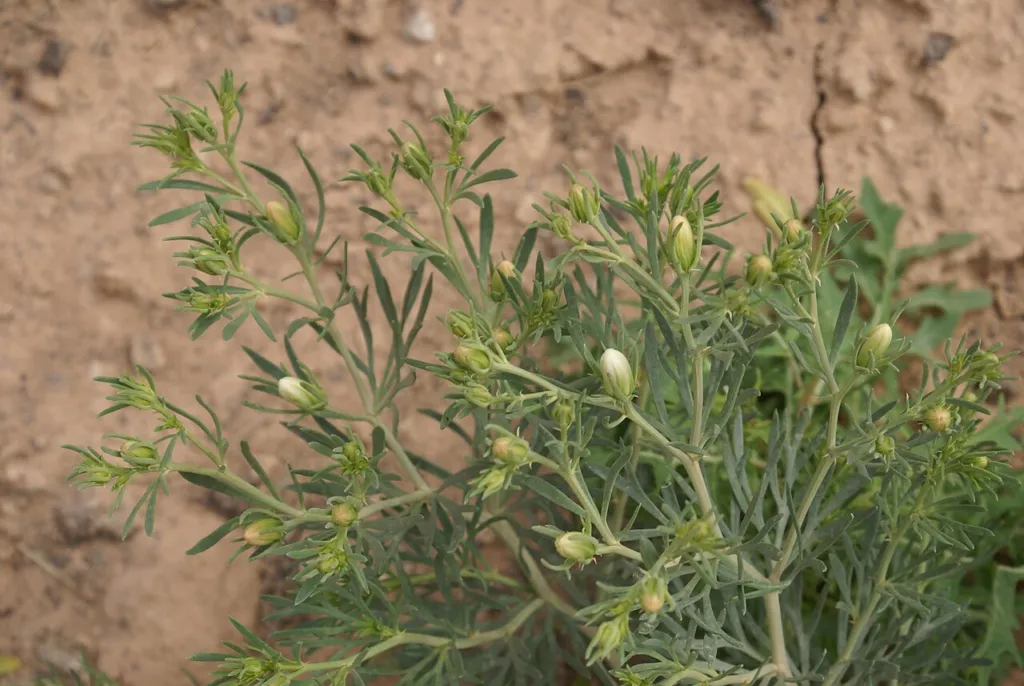
Chapter 1What it’s called: names and taxonomy
| Field | Detail |
|---|---|
| Accepted name | Peganum harmala L., Sp. Pl. 1: 444 (1753) |
| Family | Nitrariaceae under APG IV. Most of the pharmacological literature, including the standard reviews, still writes Zygophyllaceae — that is the older placement, not an error of identification. Expect both in the literature; this article uses Nitrariaceae. |
| Genus | Peganum L. — small genus of arid-zone perennials; P. nigellastrum and P. multisectum are the species most often confused with it in Chinese and Central Asian material. |
| English | Syrian rue, wild rue, harmal; African rue and Mexican rue in North America (the weed-science names); Turkish rue — see the dye note in §7. |
| Persian | esfand / espand (اسفند), also sipand, berg-e esfand for the seed capsules burnt as incense. |
| Arabic | harmal / harmel (حرمل) — the root of every alkaloid name in §7. |
| Turkish | üzerlik (üzerlik otu) — the strung seed-capsule charm is nazarlık. |
| Urdu / Hindi | isband, hurmal, harmal. |
| Chinese | 骆驼蓬 (luò tuo péng) — “camel bush”; used in Uyghur medicine, where it is yüzerlik. |
| Berber / Maghreb | harmel, bendeqouq (regional). |
A naming caution that matters clinically. “Rue” in English normally means Ruta graveolens (Rutaceae) — a different plant, different chemistry (furanocoumarins, rutin), different toxicity. Peganum is not related to it. Any historical source that says “rue” without a binomial is ambiguous, and a good deal of loose internet material silently merges the two. Confirmed
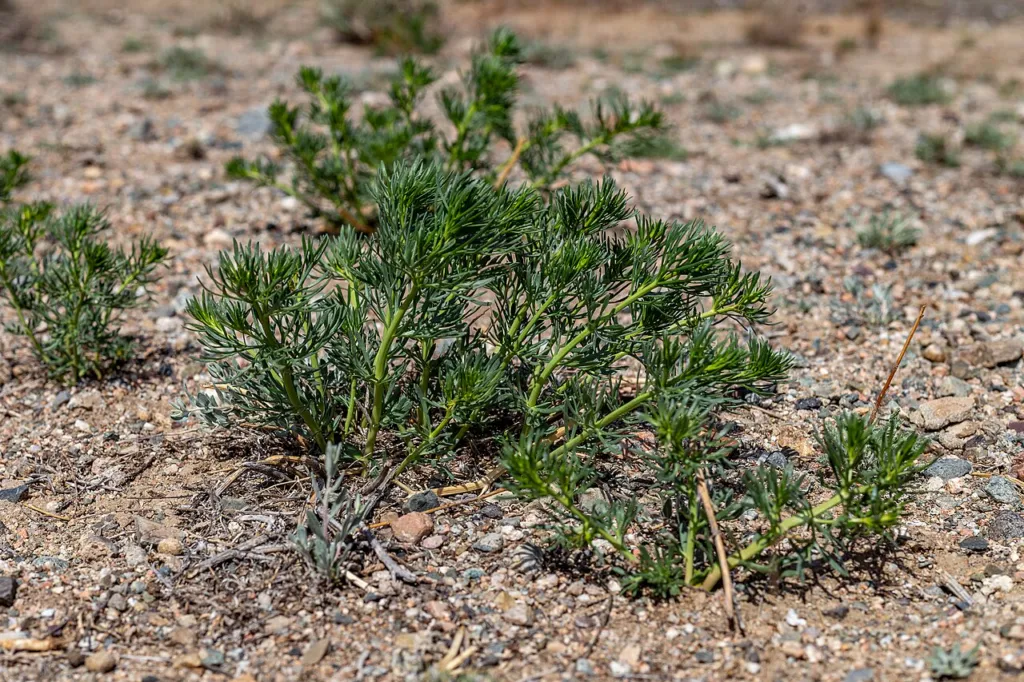
Chapter 2Where it comes from: history and origin
The species is native to the arid and semi-arid belt running from the eastern Mediterranean and North Africa through Iran and the Central Asian steppe to north-west India, on saline, sandy and disturbed soils that suit almost nothing else. Confirmed
It has been introduced and has naturalised in the Americas (where it arrived in the early twentieth century, reportedly as a dye plant in New Mexico — a frequently repeated origin story I could not trace to a primary source, so treat it as unsourced), in southern Africa, and in Australia (§5).
Its documentary history is unusually deep. Harmal appears across the classical Greco-Arabic and Persian materia medica — Dioscorides’ moly/peganon agrion is conventionally identified with it, and it runs continuously through Avicenna’s Canon, al-Razi, and later the Indo-Persian Makhzan al-Adwiya — as a “hot” drug for “cold” conditions: joint pain, colic, worms, amenorrhoea and menstrual obstruction. Traditional
One gap is worth flagging honestly: I have not been able to locate a classical text that prescribes harmal specifically for hemicrania (shaqīqa), despite the classical literature discussing shaqīqa at length. Until the primary Persian and Arabic sources are read closely, the “traditional use for migraine” claim is unsourced.
Archaeologically, the plant now has a hard data point in the psychoactive record: multi-analytical work on a Ptolemaic Egyptian Bes vase reported residues consistent with Peganum harmala alongside other psychotropic constituents (PMID 39537764). Evidence suggests — residue analysis, single vessel, so it evidences presence, not a defined ritual practice.
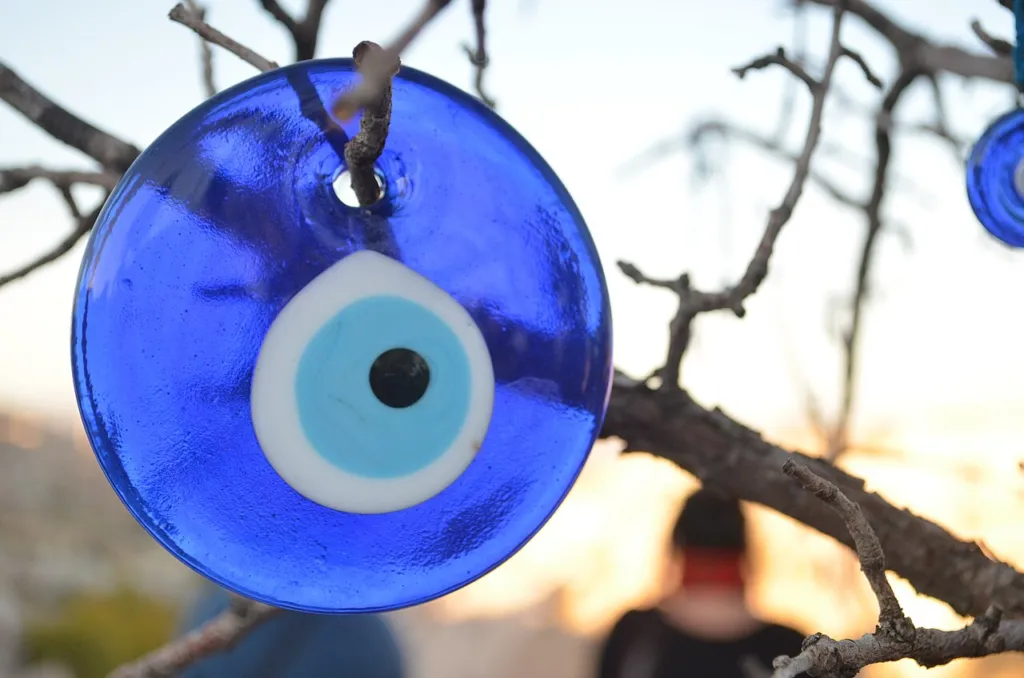
Chapter 3Esfand: Syrian rue smoke against the evil eye
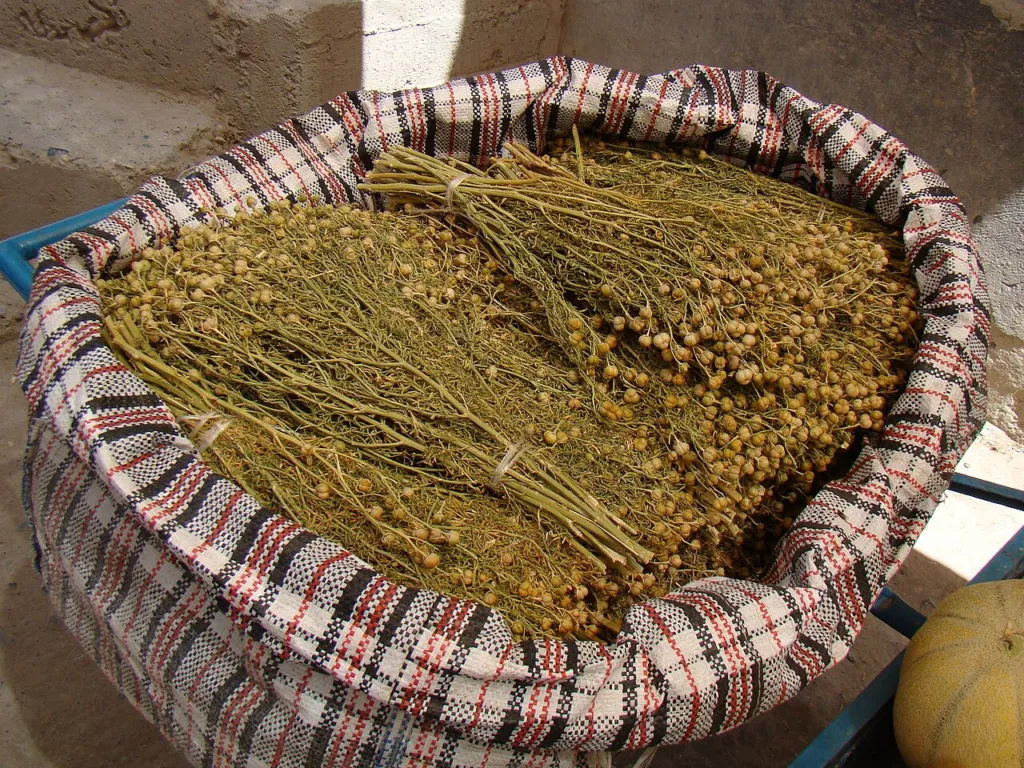
No other species in this monograph series will have quite this profile: a plant whose cultural life is larger than its medical one. Across Iran, Afghanistan, Central Asia, Turkey, the Kurdish regions and the Maghreb, esfand seed is burnt on charcoal and the smoke passed over people, doorways, shops, newborns, brides and new cars to avert the evil eye (cheshm-e bad, nazar). Traditional
It is sold on street corners, given at weddings, and accompanied by a spoken formula. This is a living practice, carried on in households today.
The ritual use and the pharmacological use are not the same event.
The pharmacognostic point is that the ritual use and the pharmacological use are not the same event. Burning seed in a brazier and standing in the smoke is a low-dose, largely non-systemic exposure dominated by aroma and the crackle of the capsules; ingesting a seed decoction is a fundamentally different pharmacological act. Sources that treat the incense tradition as evidence of traditional psychoactive dosing are overreading it.
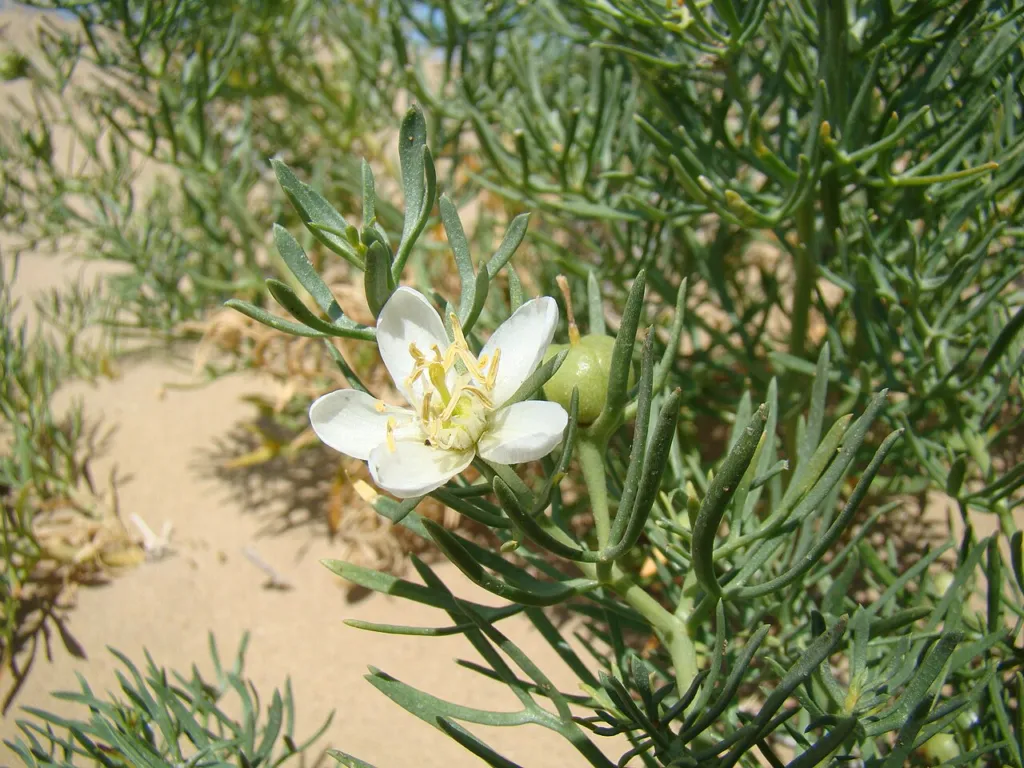
Chapter 4In religion and ritual
- Islamic-world apotropaic use. The dominant tradition: seed capsules burnt as incense against the evil eye and for blessing and purification, from Morocco to Xinjiang. A hadith commonly circulated in this context attributes protective properties to harmal; its authentication is a question for Islamic-studies scholarship, not for me, and I mark it unsourced here rather than repeat it as fact. Traditional
- Zoroastrian and pre-Islamic Iranian continuity. Harmal smoke is widely described as continuous with pre-Islamic Iranian purificatory fire practice, and the identification of esfand with the Zoroastrian Spenta Armaiti is frequently asserted. The etymological link is plausible and the continuity argument is respectable, but I have not verified it against primary Avestan or Middle Persian scholarship — flagged as unsourced.
- The haoma/soma candidacy. P. harmala has been proposed as the identity of the Indo-Iranian ritual haoma/soma, most prominently by David Flattery and Martin Schwartz (Haoma and Harmaline, 1989). It is one contested hypothesis among several (ephedra, Amanita muscaria, and others), not a settled identification. Present it as a debate, never as a conclusion. Traditional
- Grimoire and ritual-magic corpus. Harmal appears in the Arabic magical literature, including the Ghāyat al-Ḥakīm, as a suffumigation ingredient. Its place there is ritual and symbolic, and it should not be read as clinical instruction.
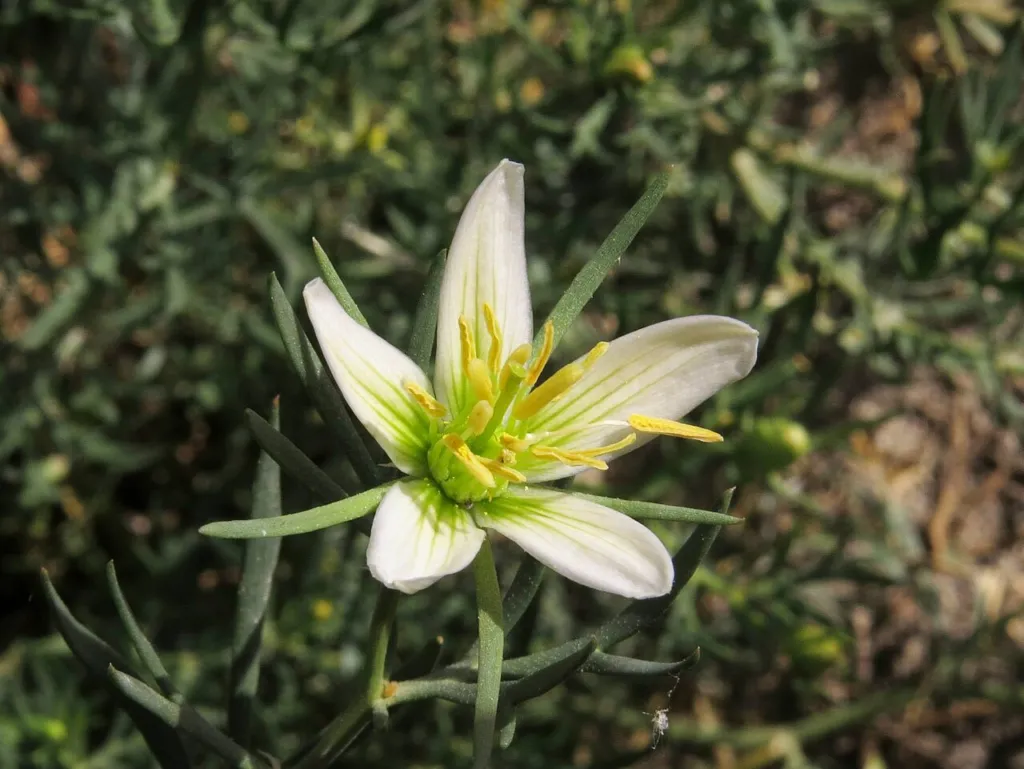
Chapter 5What Syrian rue looks like: botanical description
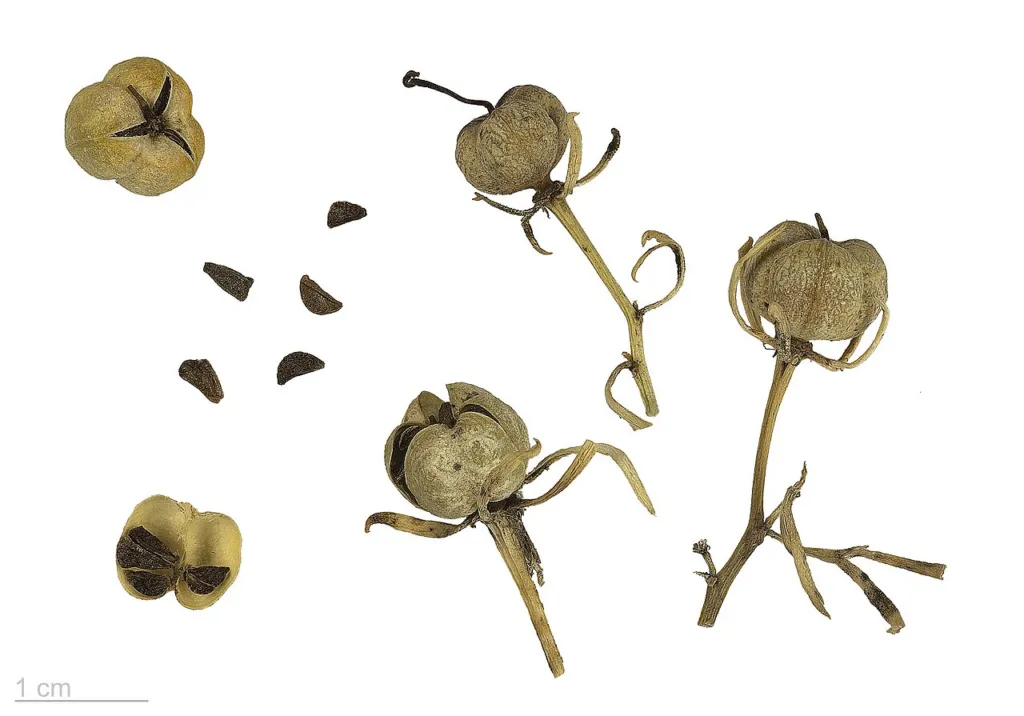
Photo: Roger Culos · CC BY-SA 3.0 · Wikimedia Commons
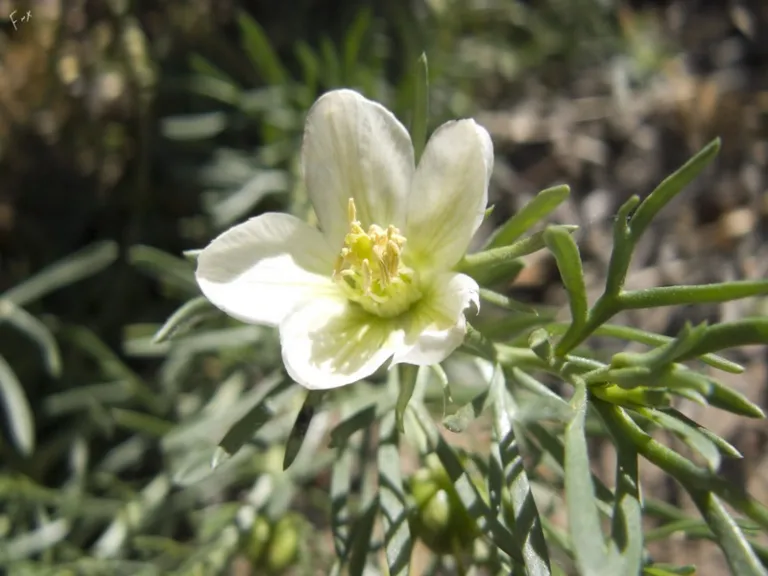
Photo: Ostenfuchs · CC BY 2.0 · Wikimedia Commons
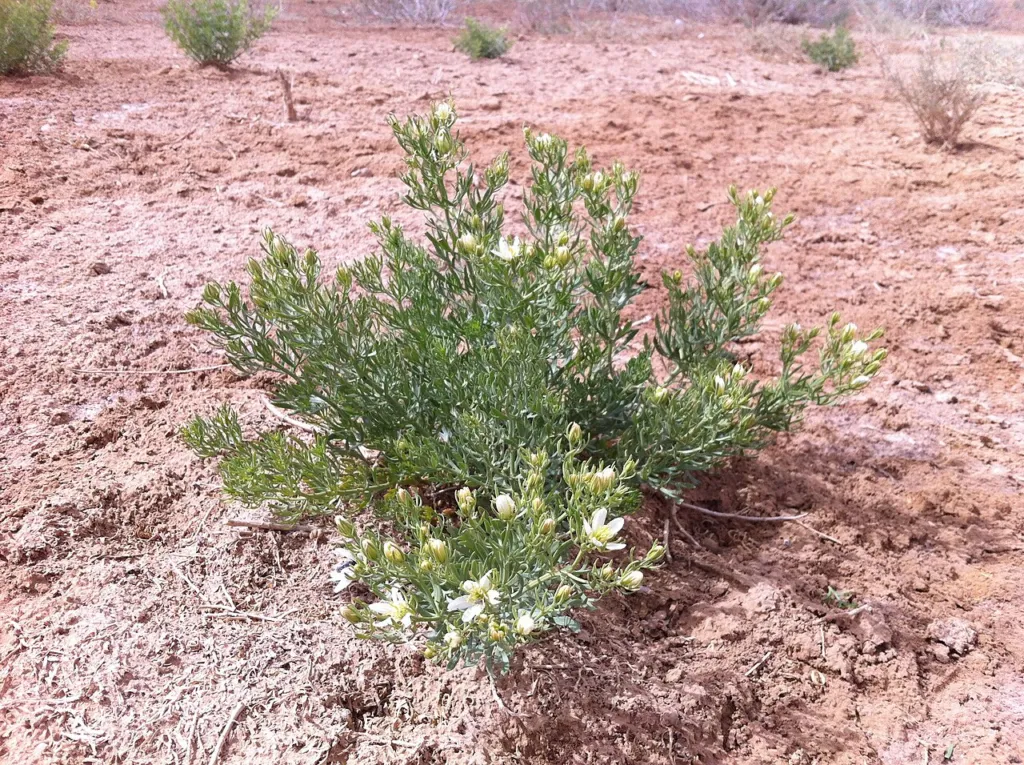
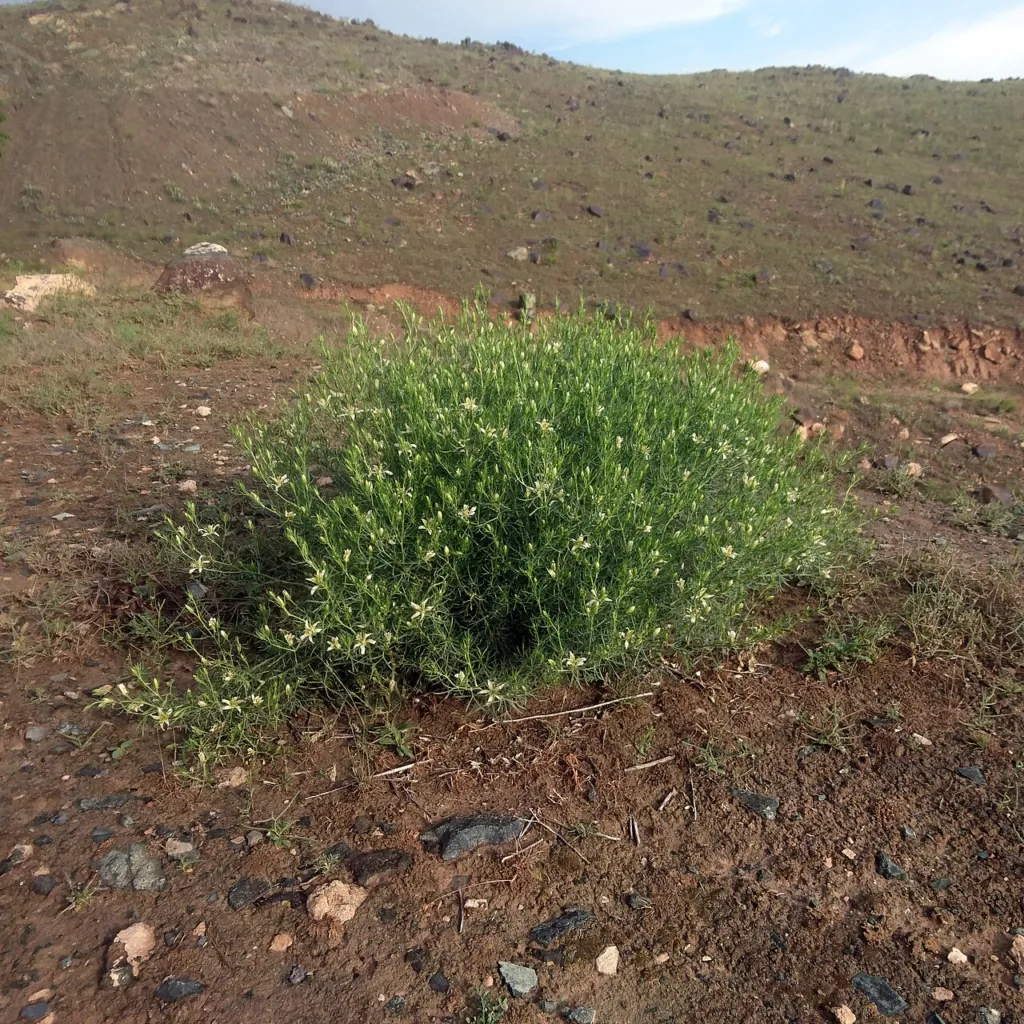
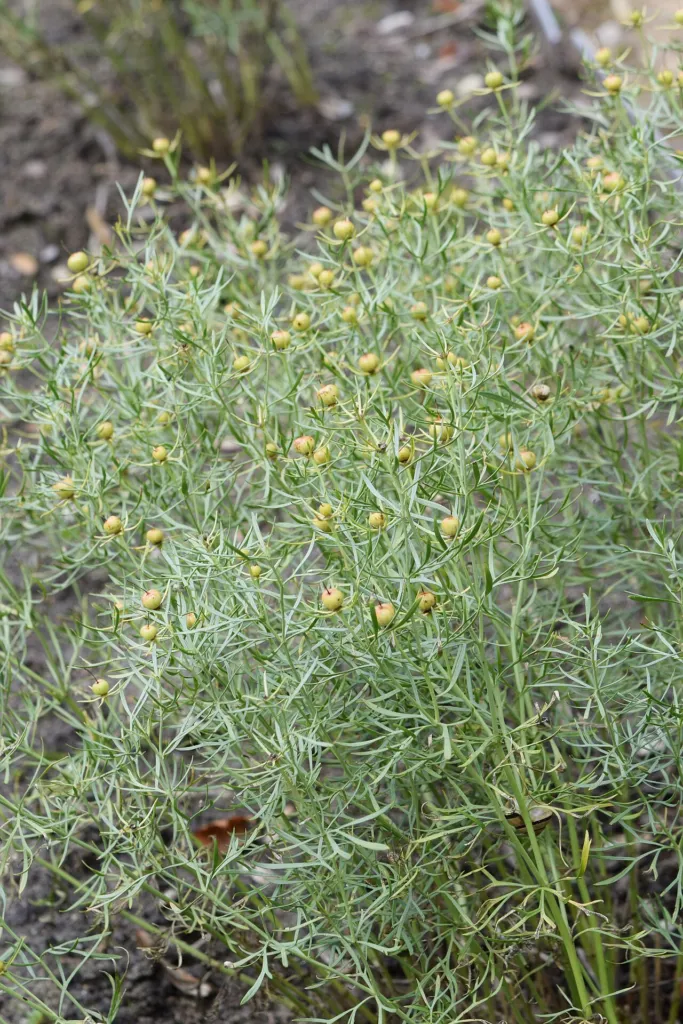
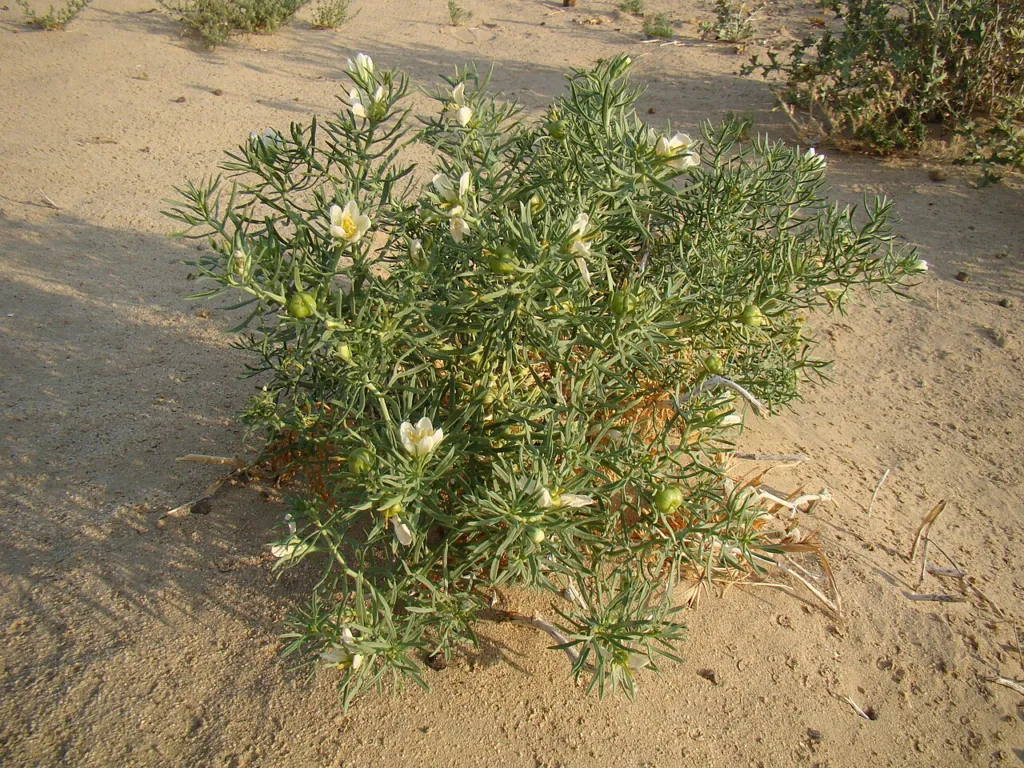
Habit. Perennial, glabrous, many-stemmed herb or subshrub, typically 30–80 cm tall, forming a dense bushy clump from a deep, woody, creeping taproot system that can reach several metres and makes the plant both drought-proof and, as a weed, nearly ineradicable. Confirmed
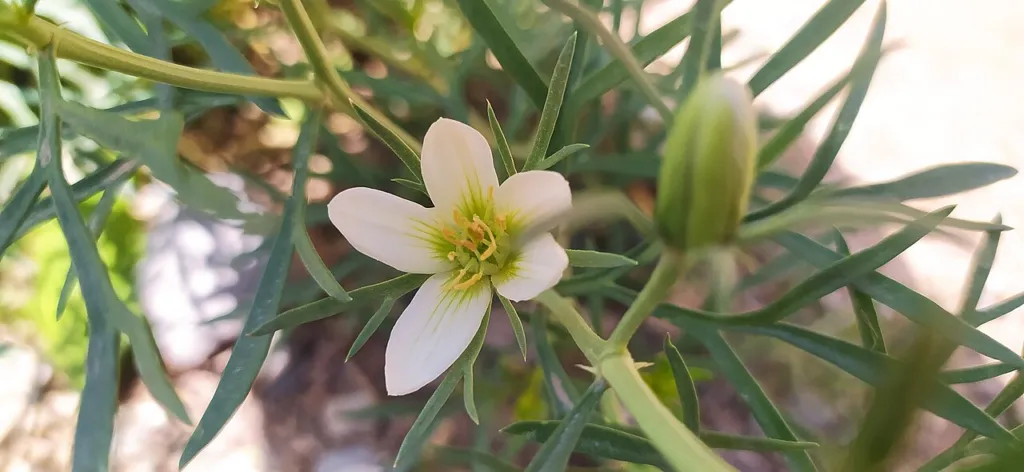
Leaves. Alternate, sessile, 4–8 cm, deeply and irregularly dissected into narrow linear lobes — the “wild rue” look that drives the English common name. Bright green, fleshy-textured, strongly and unpleasantly aromatic when crushed.
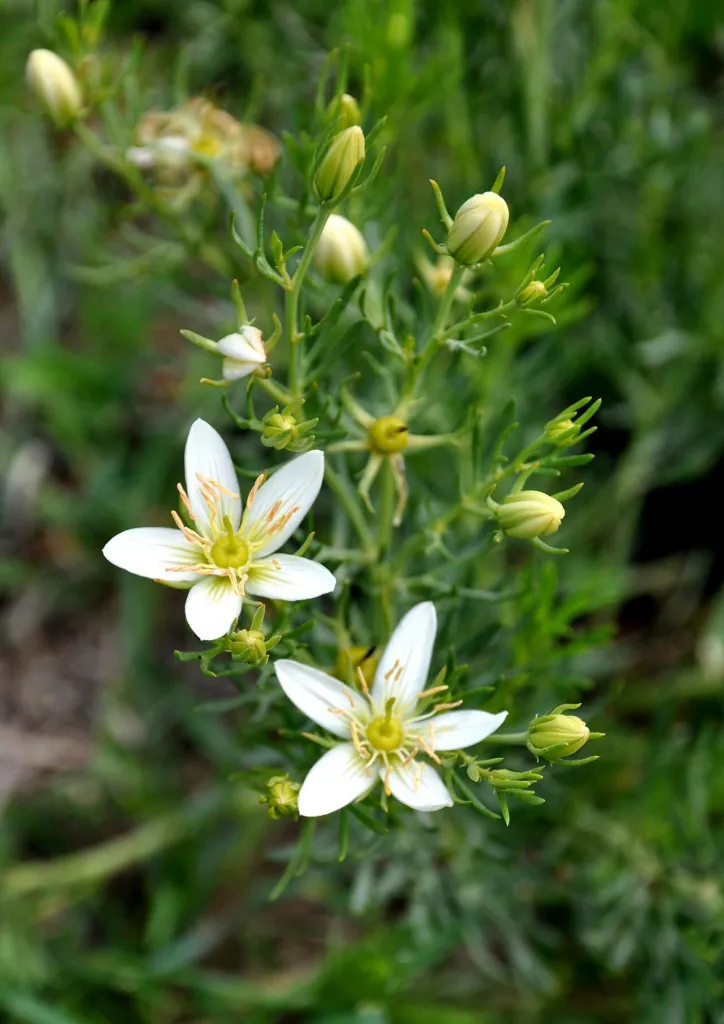
Flowers. Solitary, terminal, 2.5–3 cm across; 5 (occasionally 4) white to cream petals, narrowly oblong; 12–15 stamens with flattened filaments; sepals linear and often divided, frequently exceeding the petals. Flowering in the arid spring–early summer.
Fruit and seed. A globose, 3-locular (occasionally 4-locular) capsule 6–10 mm diameter, dehiscing at maturity, each capsule carrying roughly 35–60 seeds. Seeds are small (2–4 mm), angular-triangular to obpyramidal, dark brown to blackish, with a characteristically pitted/reticulate testa. The seed is the pharmacologically important organ. Confirmed
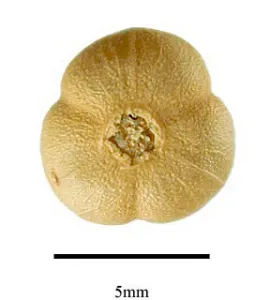
Photo: J.H. Kirkbride Jr, C.R. Gunn & M.J. Dallwitz (2006) · Public domain · Wikimedia Commons
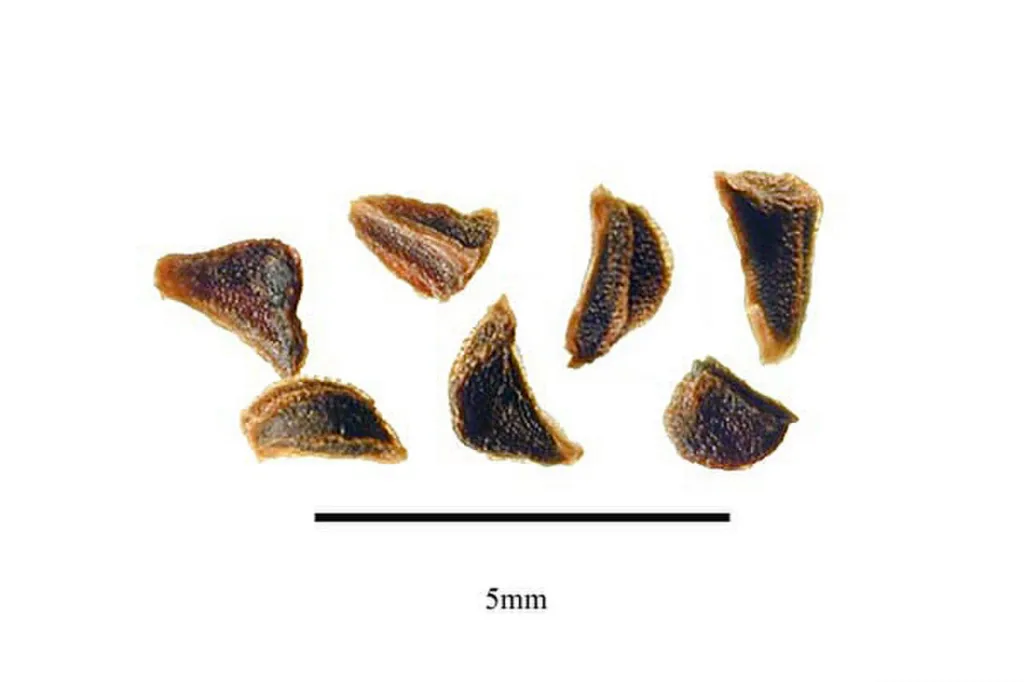
Photo: J.H. Kirkbride Jr, C.R. Gunn & M.J. Dallwitz (2006) · Public domain · Wikimedia Commons
Habitat and ecology. Arid and semi-arid steppe, saline flats, overgrazed rangeland, roadsides and disturbed ground; strongly drought- and salt-tolerant; allelopathic, suppressing the germination and growth of neighbouring species — which is both an ecological weapon and a documented research interest in its own right. Unpalatable to stock and toxic to them, so grazing pressure selects for it: overgrazed country fills with harmal.
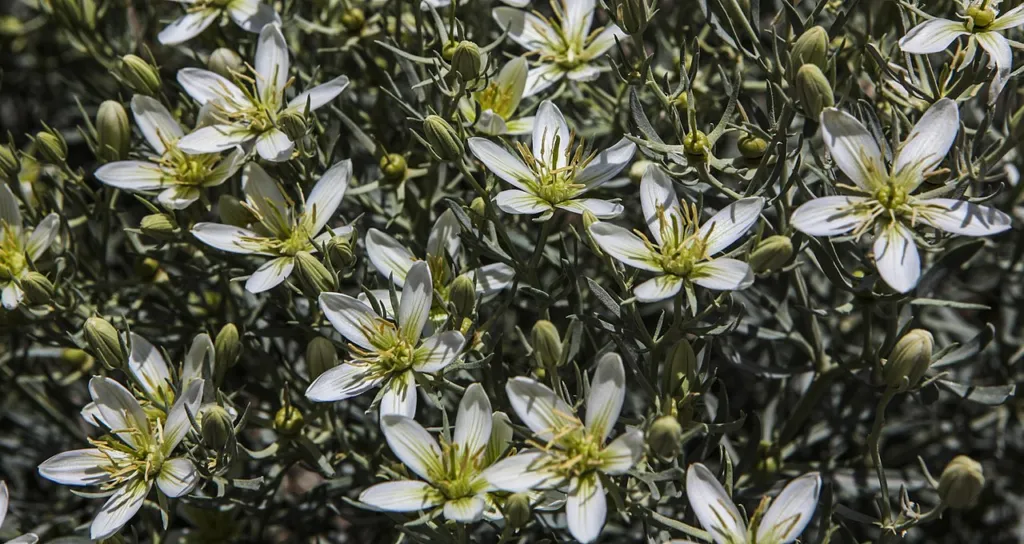
Photo: Ninara · CC BY 2.0 · Wikimedia Commons
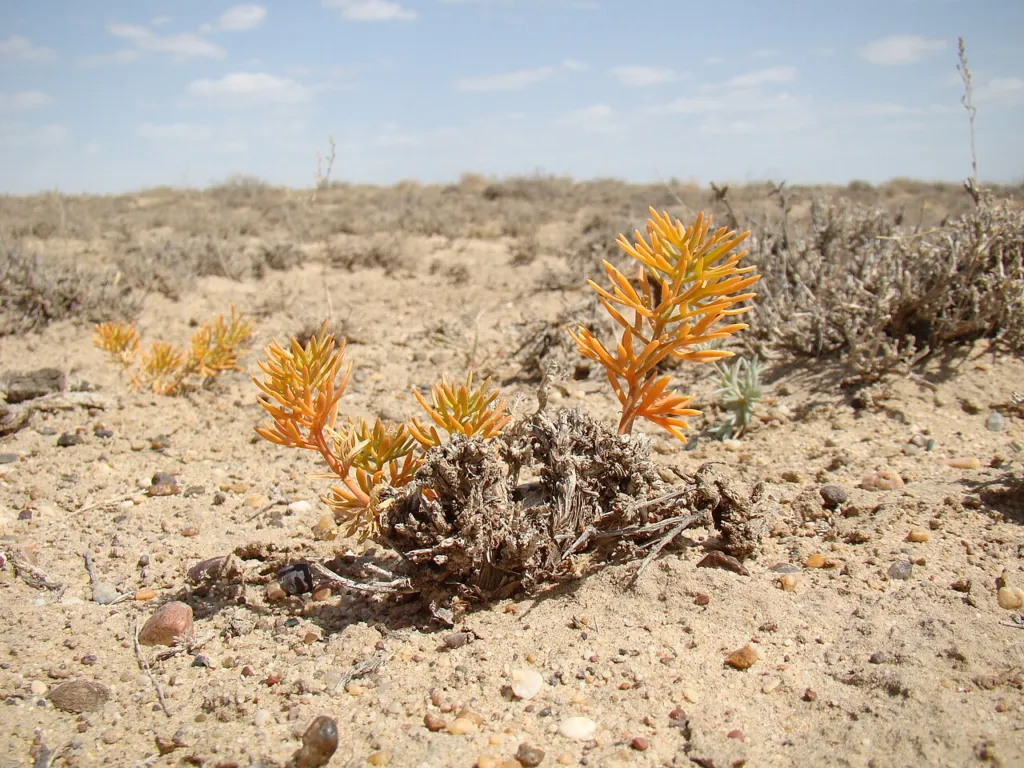
Photo: Yuriy75 · CC BY-SA 3.0 · Wikimedia Commons
Peganum harmala is naturalised in Australia and is treated as an agricultural weed, recorded chiefly in South Australia with records from drier parts of Victoria and New South Wales; it is profiled on Weeds Australia as African rue / Syrian rue, and is toxic to livestock. Declared-weed status differs between states, and biosecurity rules are only one layer. The seed carries harmala alkaloids well above the Schedule 9 exemption levels, and harmaline is a scheduled dangerous drug in Queensland, so do not grow, collect, move or hold the plant without first obtaining legal advice and any authority the law requires. Evidence suggests (weed listing verified; state declaration categories not independently verified).
Chapter 6How to tell real Peganum harmala from a substitute
This section is deliberately conservative. I will not invent micrometre figures for testa cells that I have not measured. What follows is the authentication strategy and the diagnostic characters that are genuinely established.
By eye and by smell (macroscopic and organoleptic)
- Seeds 2–4 mm, angular/obpyramidal with 3–4 flattened faces, dark brown to blackish, testa distinctly pitted-reticulate. Confirmed
- Characteristic acrid odour on crushing. Do not taste-test: this is a toxic plant.
- Capsule fragments in commercial “esfand” are 3-locular and dehisced — a useful gross check that the material is capsule-and-seed, not adulterated seed of another species.
In the laboratory (chemical authentication)
β-Carbolines fluoresce strongly blue under long-wave UV (365 nm). A methanolic extract of genuine P. harmala seed gives an unmistakable blue fluorescence, and on TLC the harmine and harmaline bands fluoresce brightly. This is fast, cheap, and highly indicative — it will not distinguish P. harmala from another β-carboline-rich source (e.g. Banisteriopsis caapi), but it will immediately separate genuine harmal seed from an inert substitute. Confirmed (standard β-carboline photophysics; the analytical chemistry is exploited directly in the spectrofluorimetric assay of PMID 41108932).
- HPLC-DAD/MS against reference standards for harmine, harmaline, harmalol, harmol, tetrahydroharmine — this is the definitive identity-plus-potency assay and the only reliable way for a laboratory to establish what a given batch contains. A Chinese quality-standard study exists for the herb (PMID 23270245). Analytical methods for seed infusions specifically have been published (CE-UV, PMID 27377797). Confirmed
- Chemical fingerprinting by UV-Vis/FTIR/GC-MS/XRD of seeds has been published as a characterisation package (PMID 41038291) — useful as a batch-comparison tool rather than an identity test on its own.
- Organ-specific alkaloid distribution is itself an authentication tool (see §7 table). If a sample sold as “seed” assays low in harmine/harmaline but high in vasicine, it is aerial material, not seed. That is a real adulteration/substitution signature. Mechanism — the distribution data are confirmed; using them diagnostically is my inference.
Chapter 7What’s in Syrian rue: harmine, harmaline and the rest
Two alkaloid families, in different organs, doing different things. This is the section most often got wrong in secondary sources.
7.1 The β-carbolines: the MAO-active alkaloids
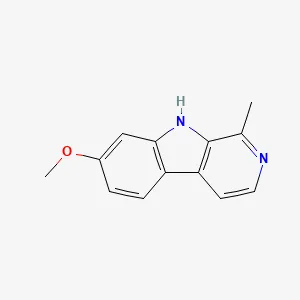
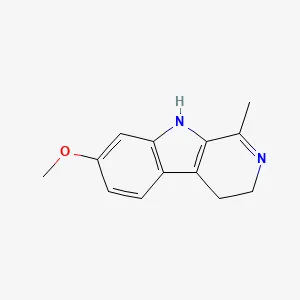
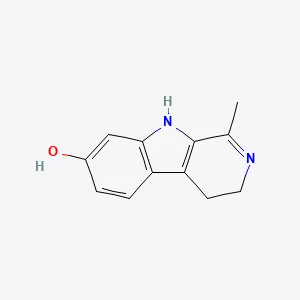
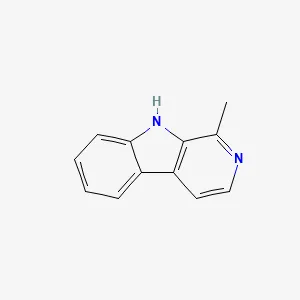
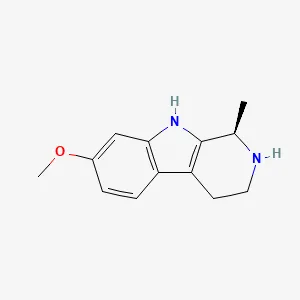
All structures, depictions and identifiers from PubChem (US National Library of Medicine), retrieved September 2026. The structural logic of the family: a fully aromatic β-carboline (harmine, harmane), its 3,4-dihydro partner (harmaline), the 7-demethylated phenol (harmalol/harmol), and the fully reduced tetrahydro form (THH). Degree of ring saturation and the 7-substituent are what move MAO-A potency and receptor selectivity.
Content and organ distribution — the best single dataset is Herraiz et al. 2010 (PMID 20036304), which quantified the family across organs and tied it directly to MAO inhibition:
| Organ | Principal β-carbolines (% w/w, dry) | MAO-A inhibition (extract IC50) |
|---|---|---|
| Seed | Harmaline 5.6%; harmine 4.3%; harmalol 0.6%; tetrahydroharmine 0.1% | 27 µg/L — potent, reversible, competitive |
| Root | Harmine 2.0%; harmol 1.4% | 159 µg/L — strong |
| Stem / leaf | Low | Poor inhibitors |
| Flower | Absent | — |
Source: Herraiz T, González D, Ancín-Azpilicueta C, Arán VJ, Guillén H. Food Chem Toxicol 2010;48(3):839–45. PMID 20036304. Inhibition of MAO-A by seed extract was quantitatively attributable to harmaline and harmine; all extracts were poor MAO-B inhibitors. Confirmed
Roughly 10% of dry seed mass is MAO-A-inhibiting alkaloid, and the harmaline:harmine ratio is about 1.3:1 in favour of harmaline — the more emetic, more tremorgenic, more acutely toxic of the pair. A “small pinch” of seed is not a small dose. Batch-to-batch variation in wild-collected seed means the alkaloid content of any sample is unknown until a laboratory assays it, which is why research and quality-control work on this plant relies on HPLC assay (§6).
7.2 The quinazolines: the respiratory and uterine alkaloids
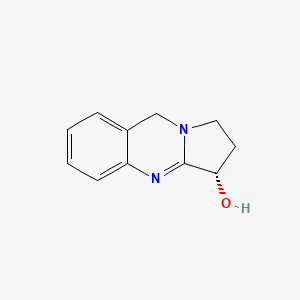
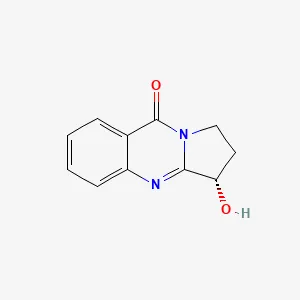
Herraiz et al. 2017 (PMID 28279698) isolated and characterised the three major quinazolines — peganine (= vasicine), deoxypeganine (deoxyvasicine) and a newly described peganine β-D-glucopyranosyl-(1→6)-β-D-glucopyranoside. Distribution: peganine high in flowers and leaves; deoxypeganine and peganine high in immature/green fruit; in dry seed, peganine reaches ~1% and the peganine glycoside up to 3.9% w/w; roots and stems low. Confirmed
Critically, the same paper showed that the quinazolines do not contribute to MAO inhibition — that is entirely the β-carbolines. So the psychoactive/MAOI pharmacology and the quinazoline pharmacology are genuinely separable, and the quinazolines are the plausible carriers of the bronchodilator and abortifacient effects reported for the plant. Confirmed (for the MAO finding) / Mechanism (for the attribution of the abortifacient effect).
7.3 Everything else: minor alkaloids, oils and dye
- Novel and minor alkaloids. The seed is chemically far richer than the textbook four. Wang et al. (J Nat Prod 2017;80(2):551–9, PMID 28128938) reported two racemic pyrroloindole alkaloids (peganines A–B), two rare thiazole derivatives (peganumals A–B), six new β-carbolines (pegaharmines F–K) and 12 known analogues, with moderate HL-60 cytotoxicity (IC50 4.36–9.25 µM) for four of them. Evidence suggests
- Harmalacidine — an under-studied harmala constituent recently characterised as a potent MAO-A inhibitor in its own right (PMID 41108932). Worth watching; it complicates the assumption that harmine + harmaline account for all MAO activity in a crude extract. Evidence suggests
- Flavonoids and phenolics. Present, and carry most of the radical-scavenging activity of seed extracts (Herraiz 2017 showed the quinazolines are poor scavengers while whole seed extract is good, which points at the phenolic fraction). Phytochemical content, mineral profile and antioxidant/antidiabetic/anticholinergic profiling with docking has been published (PMID 39960309). I am not going to list specific flavonoid glycosides here: the reports are inconsistent between provenances and I have not verified a definitive set. Partly unsourced.
- Seed oil. A real and under-appreciated fraction. Essential oil from seeds at different maturation stages has been characterised with antioxidant/antimicrobial testing (PMID 42241271); volatile profiling by multiple preparation methods with an antidepressant-like behavioural readout has also been done (PMID 38971075). The fixed oil has been worked up as a biodiesel feedstock (PMID 38048811) — which tells you the seed carries a substantial non-polar lipid fraction, and is a genuine valorisation angle for a weed biomass. Evidence suggests
- Dye chemistry — and the “Turkish red” question. Harmal seed yields a red-orange to yellow dye, historically used on wool for carpets across Anatolia, Iran and Central Asia, and the plant’s American common name “Turkish rue” derives from this use. Traditional A modern study demonstrated microwave-assisted extraction and dyeing of chemically and bio-mordanted cotton with harmal seed as the colourant source (PMID 29411282). Confirmed
The terminological trap: “Turkey red” in textile history means the madder process (Rubia tinctorum, alizarin) — an entirely different dye, plant and chemistry. Harmal dye and Turkey red are not the same thing, and conflating them is a common error. The chromophore of harmal dye is the β-carboline/harmalol fraction rather than an anthraquinone; I have not verified a definitive structural attribution, so the precise chromophore is unsourced.
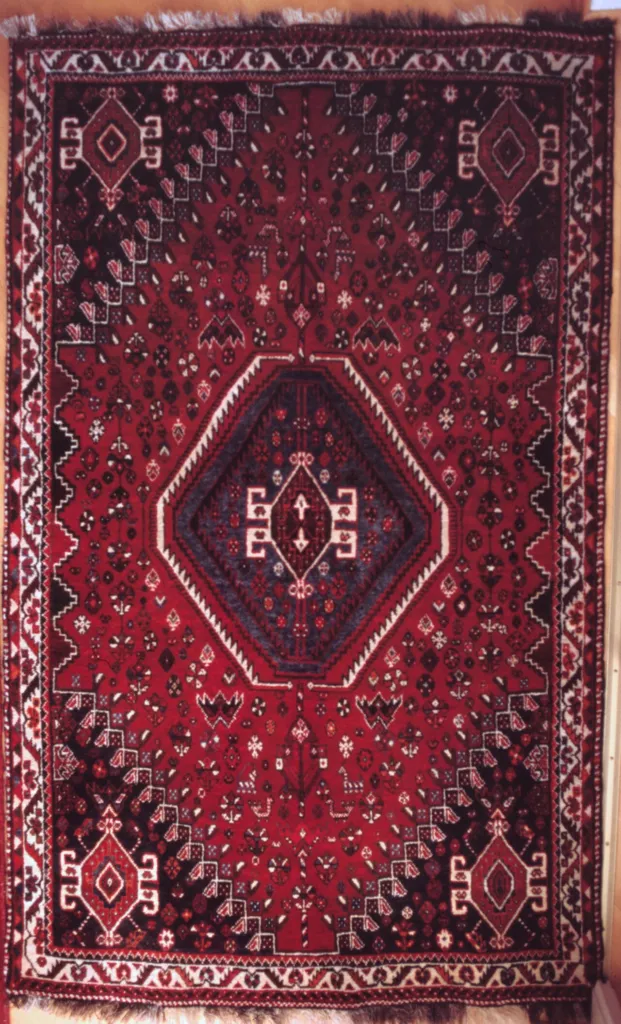
Photo: Berndt Fernow · CC BY-SA 3.0 · Wikimedia Commons
Chapter 8How it acts and how it harms: pharmacology and toxicity
8.1 How it works: MAO-A inhibition (why harmine is an MAOI)
Harmine and harmaline are potent, reversible, competitive inhibitors of human MAO-A with relative sparing of MAO-B; seed extract IC50 27 µg/L (PMID 20036304). Confirmed
Reversibility is the clinically important word: unlike phenelzine or tranylcypromine, the block lifts as the compound clears, which makes the dietary tyramine risk lower — but lower is not zero, and it does nothing to reduce the serotonergic-drug interaction risk during the exposure window.
The broader β-carboline MAOI pharmacology, including the tobacco and ayahuasca contexts, is reviewed in PMID 35600851.
Contraindicated / high risk: SSRIs, SNRIs, MAOIs, triptans (sumatriptan, rizatriptan and zolmitriptan are MAO-A substrates — this is a listed contraindication for MAOIs), tramadol, pethidine, dextromethorphan, St John’s wort, 5-HTP/tryptophan, linezolid, sympathomimetic decongestants (pseudoephedrine, phenylephrine).
Caution: other serotonergic or sedating botanicals — Hypericum, Rhodiola, Passiflora, Panax ginseng, kava, valerian; tyramine-rich foods (aged cheese, cured meat, soy sauce, tap beer) in any substantial dose.
Overdose signature: nausea and vomiting, tremor, ataxia, bradycardia, agitation, visual disturbance, hallucination. Harmaline is the usual driver.
This is pharmacology, not personal medical advice. Anyone taking a prescription medicine should consult a degree-qualified herbalist with competencies and adequate training in pharmacognosy before using any herbal product. Syrian rue seed is not a herbal product for personal use: see the legal box at the top of this article.
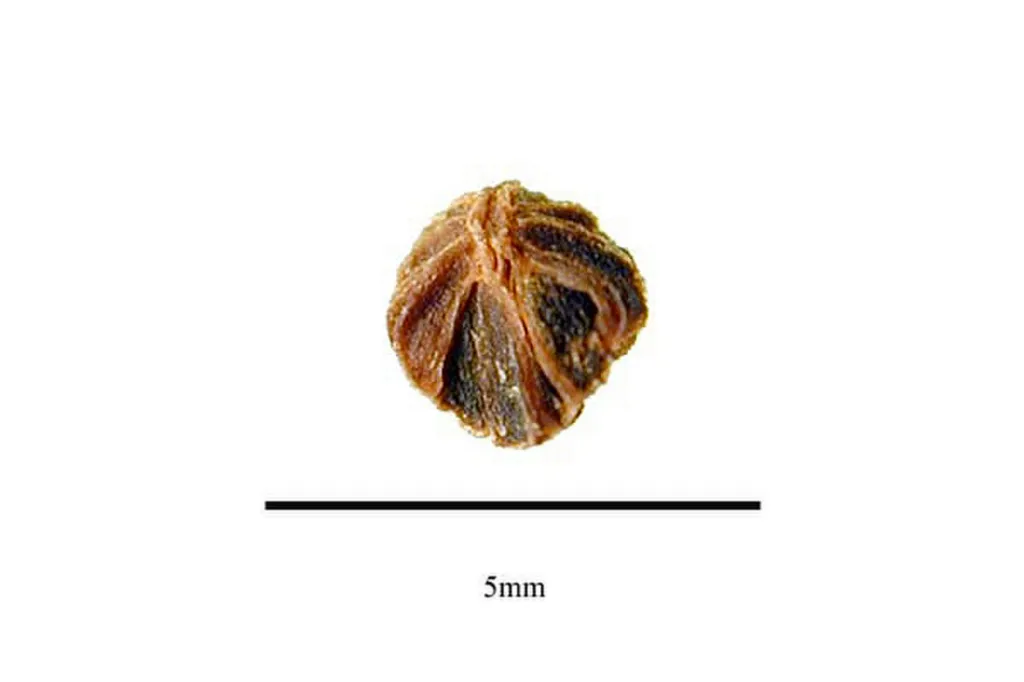
Photo: Kirkbride, J.H., Jr., C.R. Gunn, and M.J. Dallwitz. 2006. · Public domain · Wikimedia Commons
8.2 The diabetes research: DYRK1A inhibition
Separate from MAO entirely: harmine is a potent inhibitor of the kinase DYRK1A, and DYRK1A inhibition is currently the leading pharmacological route to human β-cell proliferation. The chain of evidence is strong and comes from a serious group:
- Combined DYRK1A + SMAD (TGF-β) + trithorax pathway inhibition drives robust replication in adult human β cells (PMID 30581122). Evidence suggests
- Genetic and pharmacological dissection confirming DYRK1A as the mitogenic target (PMID 31821176).
- A CNS-avoidant, selective harmine-derived DYRK1A inhibitor was designed and validated specifically to keep the β-cell effect and lose the β-carboline CNS pharmacology (PMID 32003560) — i.e. the field is actively engineering the psychoactivity out.
- Harmine + exendin-4 expanded human β-cell mass in vivo in a mouse xenograft, a combination the authors describe as safe in that model (PMID 38985854, Sci Transl Med 2024). Evidence suggests
- Mechanistic follow-up: harmine drives human β-cell differentiation and function via PKA pathways (PMID 41573826, preprint — flagged as bioRxiv, not peer-reviewed); α-cell origin of regenerated β cells (PMID 39626675).
This is the one area where “Peganum harmala for diabetes” has a real mechanistic spine.
Note carefully what it does not license: none of this is evidence that eating harmal seed regenerates β cells in a person. The work is on isolated harmine and engineered analogues, at controlled exposures, largely in xenograft models.
8.3 Other targets in the body
- Benzodiazepine/GABAA site. β-Carbolines have a genuine, historically important relationship with the benzodiazepine site — norharman binding sites were characterised in rat brain (PMIDs 3366173, 2156525, 8232719), carboline interactions with GABA and BZD receptors were studied directly (PMID 3031382), and flumazenil-sensitive behaviour has been demonstrated with harmine (PMID 2846933). Evidence suggests — this literature is old, largely rodent, and the affinities are modest; it justifies saying “these are not purely MAO drugs”, not a claim of anxiolytic action.
- Harmaline and the inferior olive. Harmaline is the standard pharmacological model of essential tremor, acting through olivocerebellar rhythmicity — used as a model, not proposed as a therapy (PMIDs 39368533, 34925722, 33048308). Confirmed as a model system. This is also the mechanistic basis of tremor as an overdose sign.
- Efflux transporters. Harmane, harmine and norharman inhibit MDR1 and MRP1 in cancer cells (PMID 41276548) — relevant both as an anticancer angle and as an under-recognised interaction mechanism. Mechanism
8.4 How the body handles it: pharmacokinetics
Human PK is known mainly from the DMT/harmine co-administration work (§11): oral harmine is subject to heavy first-pass metabolism (primarily CYP-mediated O-demethylation to harmol, then conjugation), which is why the route of administration dominates the exposure.
Population PK-PD modelling of co-administered DMT and harmine in healthy subjects (PMID 40639043) and a PBPK model spanning rats and humans (PMID 40839168) are the current best descriptions; a PBPK model predicting ayahuasca-alkaloid/SSRI interactions has also been published (PMID 41788629). Confirmed (human PK data exist and are controlled) — with the caveat that all of it describes isolated harmine or a defined formulation, not a seed decoction.
8.5 Side effects, poisoning and overdose in people
- Fatal poisoning of pregnant women by P. harmala — case report series, PMID 34401132 (Ann Med Surg 2021). Confirmed
- P. harmala intoxication in a pregnant woman — PMID 24955262 (Case Rep Emerg Med 2014). Confirmed
- The traditional abortifacient/emmenagogue use (§2) and the quinazoline uterotonic pharmacology (§7.2) are the direct route to this harm. Pregnancy is an absolute contraindication.
- Herraiz’s 2017 paper explicitly notes the plant is “increasingly involved in toxic cases” as recreational ayahuasca-analogue use spreads. Confirmed
- In mice, central inhibition prevents the acute toxicity of harmine (PMID 34078836) — i.e. the acute lethality is CNS-mediated. Mechanism
On hepatic effects the literature is genuinely two-directional, which is worth stating plainly rather than cherry-picking: rodent studies report hepatoprotective activity against ethanol-induced damage (PMID 25974007) and seed oil protecting against plasticiser-induced hepatic/cardiac/brain injury (PMID 33396140), while high-dose alkaloid exposure is hepatotoxic and neurotoxic. Dose decides. Evidence suggests
Chapter 9Is Syrian rue used in medicine today?
As of September 2026 I can find no controlled clinical trial of Peganum harmala, or of any whole-plant preparation of it, for any therapeutic indication. The human trial literature on its constituents consists of pharmacokinetic and pharmacodynamic studies of isolated harmine co-administered with DMT in healthy volunteers (§11) — safety and exposure work in a psychedelic-development context, not therapeutic trials of the herb. Every therapeutic claim below is therefore preclinical, traditional, or both. Anyone who tells you otherwise — including us — is wrong.
9.1 Traditional uses
Evidence of practice, not of efficacy.
Traditional throughout. Across Persian, Unani, Arabic-Islamic, Uyghur/Chinese and North African systems, harmal is classed as a “hot, dry” drug used for: joint pain and rheumatic complaints; colic and digestive spasm; intestinal worms; amenorrhoea and menstrual obstruction (and, explicitly, as an abortifacient — see §8.5); cough and asthma (aerial parts, in Chinese practice — this is the quinazoline indication and the one with the best mechanistic support); low mood; lice and skin parasites; and as fumigation for purification and against the evil eye.
The standard modern review of traditional use is Moloudizargari et al. (Pharmacogn Rev 2013;7(14):199–212, PMID 24347928). A more recent botany/traditional-use/phytochemistry/pharmacology/quality-marker/toxicity review is Li (PMID 37350001).
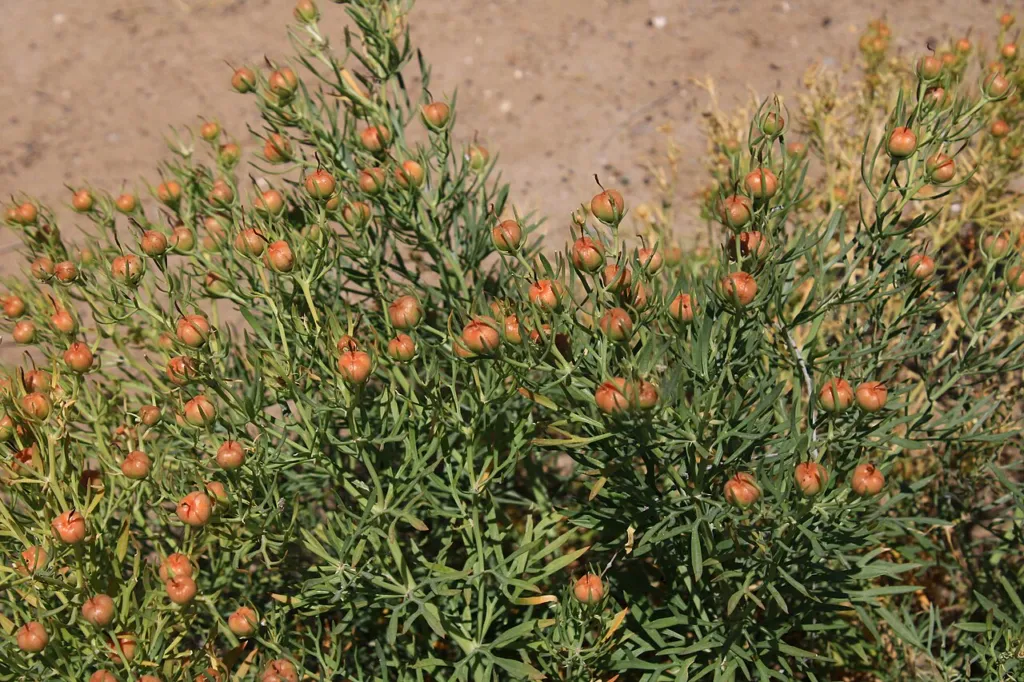
Photo: Humoyun Mehridinov · CC BY-SA 4.0 · Wikimedia Commons
9.2 Where the laboratory and animal evidence is strongest
| Area | What actually exists | Grade |
|---|---|---|
| Respiratory (antitussive, expectorant, bronchodilator) | The best-characterised non-CNS activity. Vasicine, deoxyvasicine and vasicinone from aerial parts, dosed orally at 5/15/45 mg/kg in mice and guinea pigs: significant cough suppression (comparable to codeine phosphate 30 mg/kg at the top dose), increased phenol-red secretion, and prolonged pre-convulsive time against acetylcholine/histamine bronchoconstriction (aminophylline comparator). PMID 26547531. Consistent with the long use of vasicine-bearing Adhatoda vasica and with bromhexine/ambroxol being vasicine-derived. | Evidence suggests (animal) |
| Antiparasitic / antileishmanial | A coherent, multi-decade line: harmine in vesicular delivery systems (PMID 15203896); peganine HCl dihydrate as an orally active antileishmanial with structure-based target work (PMIDs 19339182, 18694906); P. harmala vs L. major in vitro/ex vivo (PMID 34598403); anti-amoebic activity against Acanthamoeba (PMID 34357992). Broad antimicrobial review: PMID 35807407. | Evidence suggests |
| Metabolic / antidiabetic | Rodent: seed extract in streptozotocin-diabetic rats (PMID 40365181); hippocampal apoptosis modulation in diabetic rats (PMID 36915407); harmine reducing diabetic testicular damage (PMID 38757277); α-amylase/α-glucosidase inhibition in vitro (PMIDs 39135016, 32164186). Plus the entire DYRK1A β-cell programme (§8.2) — mechanistically the most important, and the least about the herb. | Evidence suggests (animal/in vitro) |
| Anti-inflammatory / antiarthritic | P. harmala appraised for anti-arthritic and anti-inflammatory potential (PMID 33563161); harmaline in a rheumatoid-arthritis context with a novel HOCl-probe angle (PMID 39096720); harmine modulating macrophage polarisation and osteogenic differentiation in inflammatory bone destruction (PMID 34079546); harmine enhancing type-H vessel formation and preventing bone loss in ovariectomised mice (PMID 29721090). | Evidence suggests (animal) |
| Oncology | Large and growing in vitro/in vivo literature: harmine derivatives with selective antileukaemic activity (PMID 41668452); harmine in ovarian cancer EMT via HDAC7/RECK (PMID 41061932); network-pharmacology plus validation in gastric cancer (PMID 41942580); harmane inducing apoptosis via RRM2B in colorectal cancer (PMID 42262096); MDR1/MRP1 inhibition to address chemoresistance (PMID 41276548). Structure–activity review: PMID 40024888. | Evidence suggests (preclinical only — no human oncology trial) |
| Neuro / psychiatric | Neuroprotective mechanisms of harmine reviewed (PMID 38758470); harmaline and the gut–brain–immune axis in neuroinflammation/ulcerative colitis (PMID 42417936); antidepressant-like activity of the volatile fraction in animals (PMID 38971075); β-carboline MAOI psychopharmacology reviewed (PMID 35600851). | Evidence suggests |
9.3 What the evidence does and does not support
- Supported: P. harmala is a major traditional medicine of the Persianate and Islamic world; its seeds are an exceptionally rich source of reversible MAO-A-inhibiting β-carbolines; and its constituents are under active, serious pharmaceutical investigation — most notably harmine in β-cell regeneration.
- Not supported: any claim that it treats diabetes, cancer, arthritis, depression, leishmaniasis or migraine in humans. There is no clinical evidence for any of those, and in Australia the Schedule 9 position makes therapeutic promotion a regulatory matter as well as a scientific one.
- Migraine, specifically. The serotonin-depletion model of migraine makes a fast-acting reversible MAO-A inhibitor mechanistically interesting. But there is no trial of harmala in migraine, the plant’s emetic and other acute effects would confound any informal observation, and the traditional-use claim is itself unsourced (§2). Mechanism — a hypothesis, not a finding.
Chapter 10Where the research is heading
- DYRK1A inhibitors for β-cell regeneration — the one genuinely translational programme. The field has already produced CNS-avoidant harmine analogues (PMID 32003560) and combination regimens expanding human β-cell mass in vivo (PMID 38985854); a 2026 medicinal-chemistry review surveys the scaffold landscape (PMID 42634309). Watch for first-in-human dosing. This is the most likely route by which a Peganum-derived molecule becomes a registered medicine.
- Harmine as a psychedelic-adjunct pharmacological tool — the DMT/harmine formulation work (§11) is being pursued explicitly to make DMT clinically tractable; harmine there serves as enabling pharmacology for DMT, which is the agent under study.
- Quinazoline respiratory agents — vasicine chemistry already gave medicine bromhexine and ambroxol; P. harmala aerial parts are an alternative, weed-abundant source.
- Chemoresistance reversal — β-carboline inhibition of MDR1/MRP1 (PMID 41276548) is an under-explored adjunct hypothesis.
- Weed-biomass valorisation — a naturalised weed that is simultaneously a dye source, a seed-oil/biodiesel feedstock (PMID 38048811) and an alkaloid source is an unusual circular-economy proposition.
- Allelopathy / bioherbicide — the alkaloids have differential effects on dicot and monocot crops, which is a real agronomic research line.
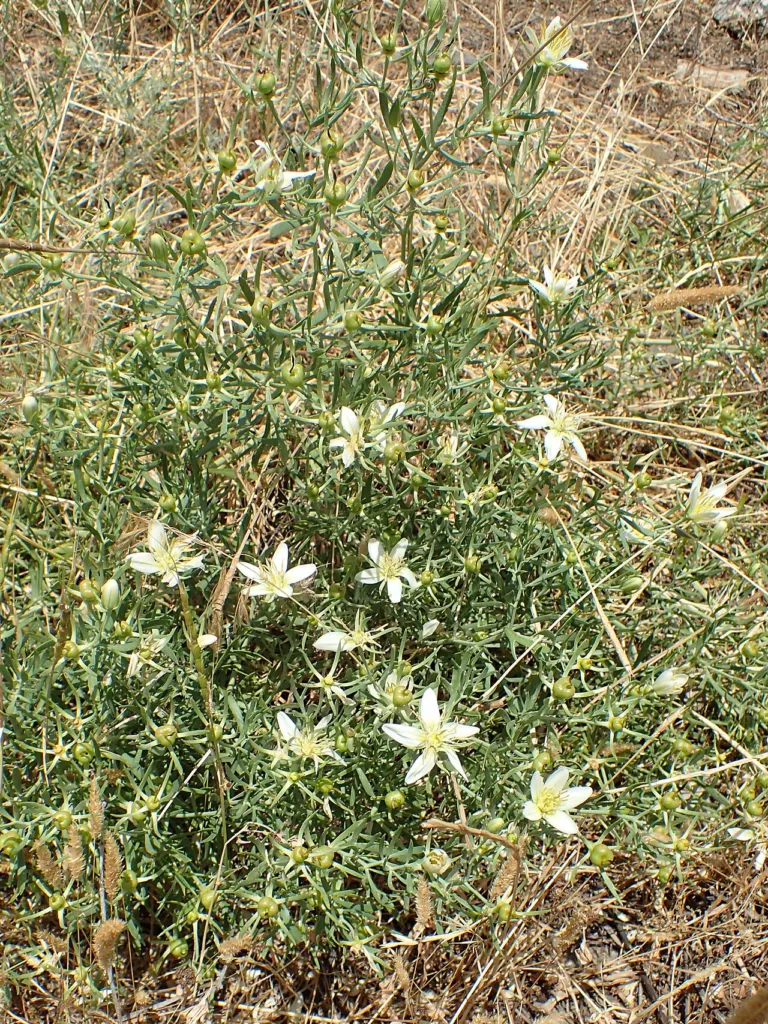
Photo: Krzysztof Ziarnek, Kenraiz · CC BY-SA 4.0 · Wikimedia Commons
Chapter 11Ayahuasca analogues and “underground” use
The mechanism, stated plainly. Orally ingested DMT is inactive because gut and hepatic MAO-A destroy it before it reaches the systemic circulation. A reversible MAO-A inhibitor present at the same time blocks that first-pass degradation, which is the pharmacological basis of ayahuasca.
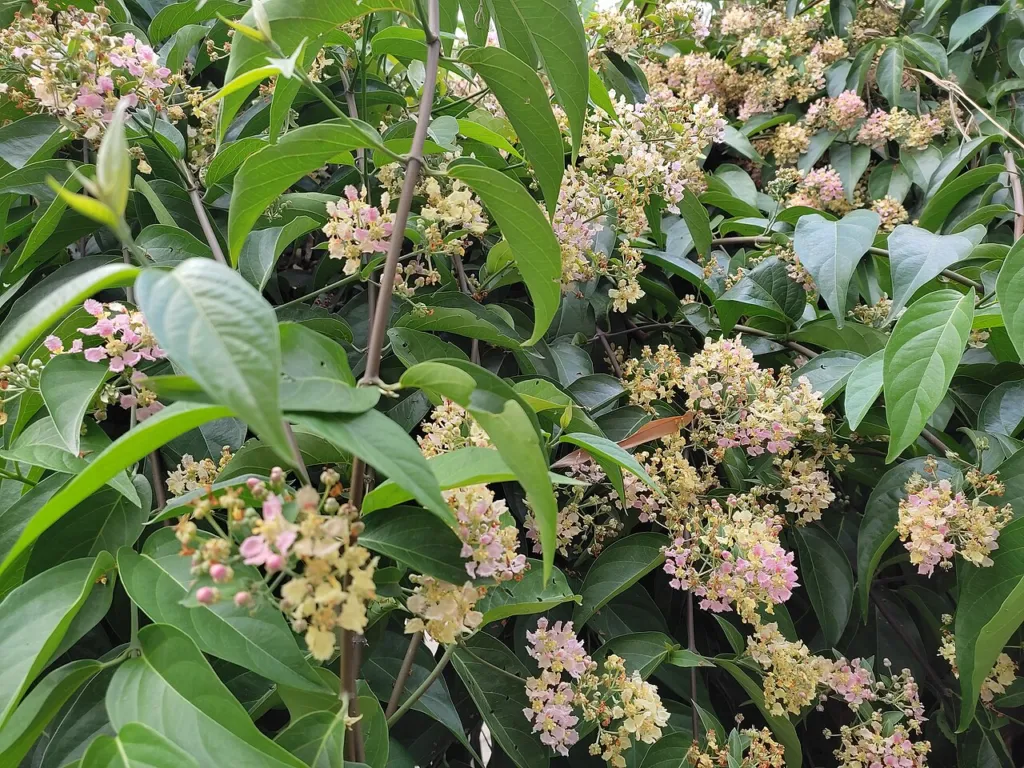
In traditional Amazonian ayahuasca the MAOI comes from Banisteriopsis caapi; in the globalised “anahuasca” or “pharmahuasca” practice, P. harmala seed is the commonest substitute because it is widely traded and far more alkaloid-dense. It is not a lawful substitute in Australia: see the legal box at the top of this article. Confirmed
Comparative chemistry of traditional versus analogue ayahuasca has been published (PMID 32896230), as have analytical methods for harmala seed infusions specifically (PMID 27377797) and salivary/serum kinetics of DMT and β-carbolines after oral ayahuasca in a religious context (PMID 33119972).
The controlled clinical work. This is where the only real human trial data on harmine sit:
- First-in-human trial of novel administration routes for DMT and harmine, aimed at overcoming the clinical limitations of traditional ayahuasca (PMID 38089057).
- Randomised controlled PK/PD of an innovative DMT/harmine formulation in healthy participants (PMID 39774840).
- Factorial dose-escalation examining the DMT–harmine interaction in healthy volunteers (PMID 39923404), with population PK-PD modelling (PMID 40639043).
Confirmed — these are genuine human studies, in healthy volunteers, on defined isolated compounds under clinical supervision. They are not evidence that self-prepared seed decoctions are safe.
- Dose uncertainty is the core hazard. Wild seed at ~10% β-carboline w/w varies widely from batch to batch, so no home preparation of the seed has a predictable or safe dose.
- Harmaline dominates the seed and is the more emetic, tremorgenic and toxic of the pair — the adverse-effect profile of harmal-based analogues is worse than that of B. caapi-based traditional brews at comparable MAOI effect.
- The MAOI window is the drug-interaction window. Serotonin toxicity with SSRIs/SNRIs/triptans/tramadol is the realistic fatal-adverse-event pathway, and PBPK modelling of exactly this interaction now exists (PMID 41788629).
- Australian law: harmala alkaloids and DMT are both Schedule 9. Nothing in this section is advice to obtain or use either.
- If someone is unwell: call 000 in an emergency, or the Poisons Information Centre on 13 11 26.
Chapter 12Related plants and medicines
| Property or use | Related plant or medicine | Note |
|---|---|---|
| Reversible MAO-A inhibition, clinically | Moclobemide | A prescription-only medicine in Australia: dose-defined and not a β-carboline. Whether it suits anyone is a decision for their prescriber. |
| β-Carboline MAOI in a traditional context | Banisteriopsis caapi | Harmine/harmaline/THH, but a markedly higher THH fraction and a gentler adverse profile; also Schedule 9 in Australia by virtue of its alkaloids. |
| Vasicine/quinazoline respiratory action | Adhatoda vasica (malabar nut); bromhexine/ambroxol | The same chemistry with a far better safety record and, for the semi-synthetics, registered products. |
| Trace β-carboline / mild sedative-anxiolytic | Passiflora incarnata | Contains harman-type alkaloids at trace level; not an MAOI at herbal doses. Do not combine with harmal. |
| Anthelmintic, emmenagogue, antiparasitic traditional roles | Species-appropriate registered agents | The traditional indications are precisely where harmal’s toxicity did its historical damage. |
| Red-orange natural dye | Rubia tinctorum (madder) | The actual “Turkey red” chemistry — see §7.3. |
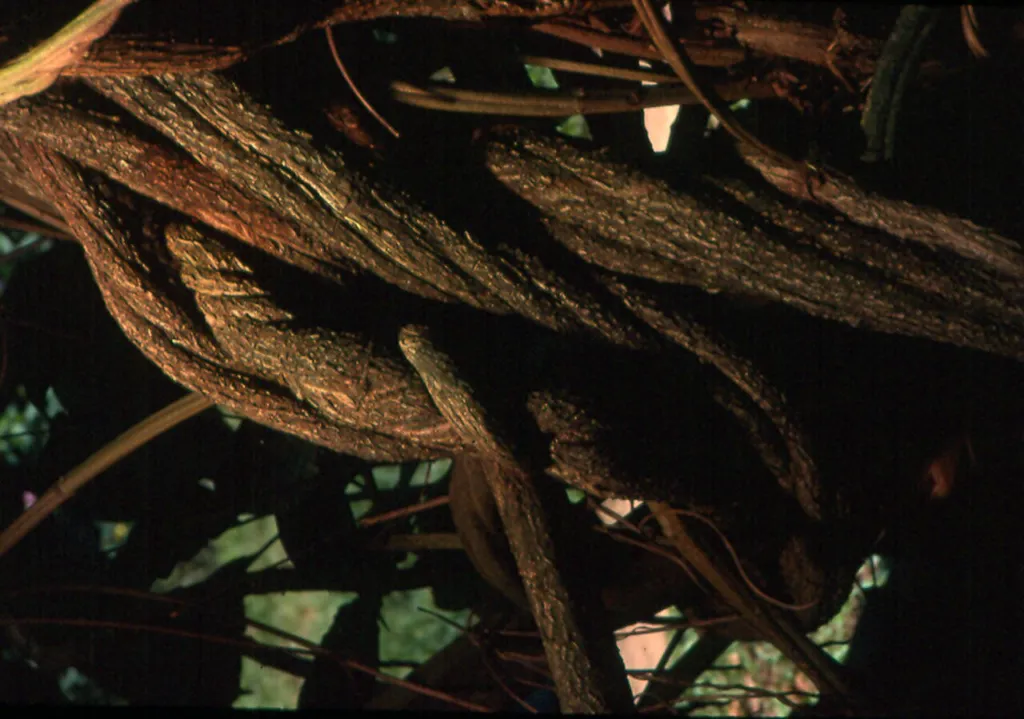
Photo: Jaime Torres/Archivo Centro Takiwasi · CC BY-SA 4.0 · Wikimedia Commons
Discussion: conclusions, hypotheses and research still required
What the evidence supports
Confirmed Syrian rue is chemically unusual because its seeds are rich in β-carboline alkaloids, chiefly harmine and harmaline, with reversible MAO-A inhibition as the central pharmacological fact. Traditional The cultural record also supports a separate conclusion: Peganum harmala is a major plant in Persianate, Islamic, North African and Central Asian ritual and household practice, especially as protective smoke. Evidence suggests The biomedical literature is strongest for isolated constituents and preclinical models; it does not establish the whole plant as a human treatment for diabetes, cancer, arthritis, depression, migraine or infection.
Hypotheses and musings worth keeping alive
Mechanism The cleanest translational hypothesis is harmine-like DYRK1A inhibition as a medicinal-chemistry scaffold for β-cell regeneration. It does not extend to the whole plant as a medicine. Mechanism The quinazoline fraction also deserves more attention as a respiratory-pharmacology lead, because vasicine chemistry has a better safety precedent than the seed β-carbolines. Mechanism Harmal’s cultural use as smoke may preserve observations about scent, ritual state and household protection, but that is a different exposure route from ingestion and should be studied as fumigation chemistry and ethnobotany. It gives no basis for therapeutic advice.
Where research should begin
- Botany / QA: secure authenticated voucher material and build a local microscopy and HPLC reference set for seed, aerial parts and likely substitutes.
- Phytochemistry: map batch-to-batch alkaloid variation across geography, plant part, season and storage, including harmine:harmaline ratios and quinazoline markers.
- Pharmacology: separate β-carboline, quinazoline and whole-extract effects instead of treating “harmal” as one pharmacological object.
- Toxicology / medicine: collate Australian poison-centre and hospital presentations, especially interactions with serotonergic medicines, and only then consider any ethics-approved clinical question.
- Ethnobotany / history: trace Persian, Arabic, Uyghur and North African primary sources for smoke, headache, melancholia, childbirth and protection claims, separating attested practice from later internet repetition.
- Regulatory science: keep the Schedule 9 position and any research-permit pathway current before any specimen handling, teaching display or analytical work is planned.
About AIP and this series
The Australian Institute of Pharmacognosy (AIP) is based in Cardwell, in the wet tropics of far north Queensland. Pharmacognosy is the study of medicines and poisons that come from natural sources: how a plant is identified, what it contains, and what that chemistry does in the body.
This monograph series is part of our education and research work. Each monograph follows the same structure and grades every claim by the evidence behind it, so you can see what is tradition, what is laboratory or animal work, and what has actually been tested in people.
Nothing in this series is an offer of treatment, a product or a service, and nothing in it is a reason to use a plant. If you find an error, or a source we have missed, we would like to hear about it.
References
Show all 69 references (every PMID links to PubMed)
All PMIDs verified against PubMed on 12 September 2026; chemical identifiers verified against PubChem the same day. Listed in order of first citation.
- Herraiz T, González D, Ancín-Azpilicueta C, Arán VJ, Guillén H. beta-Carboline alkaloids in Peganum harmala and inhibition of human monoamine oxidase (MAO). Food Chem Toxicol. 2010 Mar;48(3):839-45. PMID 20036304. DOI 10.1016/j.fct.2009.12.019.
- Tanasi D, van Oppen de Ruiter BF, Florian F, Pavlovic R, Chiesa LM, Fochi I, et al. Multianalytical investigation reveals psychotropic substances in a ptolemaic Egyptian vase. Sci Rep. 2024 Nov 13;14(1):27891. PMID 39537764. DOI 10.1038/s41598-024-78721-8.
- Alossaimi MA, ElNaggar MH, Magdy G, Mourenza Á, Mateos L, Letek M, et al. Ultrasensitive spectrofluorimetric analysis of harmalacidine HCl: A potent underexplored MAO-A inhibitor from Peganum harmala L. Spectrochim Acta A Mol Biomol Spectrosc. 2026 Feb 15;347:127056. PMID 41108932. DOI 10.1016/j.saa.2025.127056.
- Wen FF, Zheng LM, Li XJ, Li Y, Zhang L, Cheng XM, et al. [Research on quality standards of herbs of Peganum harmala]. Zhongguo Zhong Yao Za Zhi. 2012 Oct;37(19):2971-6. PMID 23270245.
- Tascón M, Benavente F, Vizioli NM, Gagliardi LG. A rapid and simple method for the determination of psychoactive alkaloids by CE-UV: application to Peganum Harmala seed infusions. Drug Test Anal. 2017 Apr;9(4):596-602. PMID 27377797. DOI 10.1002/dta.1989.
- Sunil S, P A. Chemical fingerprinting of Peganum harmala seeds via UV-Vis, XRD, TGA, FTIR, and GC-MS techniques; In vitro assessment of cytotoxic properties. Toxicon. 2025 Dec;268:108606. PMID 41038291. DOI 10.1016/j.toxicon.2025.108606.
- Herraiz T, Guillén H, Arán VJ, Salgado A. Identification, occurrence and activity of quinazoline alkaloids in Peganum harmala. Food Chem Toxicol. 2017 May;103:261-269. PMID 28279698. DOI 10.1016/j.fct.2017.03.010.
- Wang KB, Li DH, Bao Y, Cao F, Wang WJ, Lin C, et al. Structurally Diverse Alkaloids from the Seeds of Peganum harmala. J Nat Prod. 2017 Feb 24;80(2):551-559. PMID 28128938. DOI 10.1021/acs.jnatprod.6b01146.
- İzol E, Turhan M, Yapıcı İ, Necip A, Abdullah Yılmaz M, Zengin G. Research of Peganum harmala: Phytochemical Content, Mineral Profile, Antioxidant, Antidiabetic, Anticholinergic Properties, and Molecular Docking. Chem Biodivers. 2025 Jul;22(7):e202403178. PMID 39960309. DOI 10.1002/cbdv.202403178.
- Herchi W, Salem N, Slimani N, Khammassi S, Hfaiedh N, Flamini G. First investigation on the chemical composition, antioxidant, antimicrobial and molecular docking studies of the essential oil obtained from Peganum harmala L. seeds at different stages of maturation. Nat Prod Res. 2026 Jun 4:1-8. PMID 42241271. DOI 10.1080/14786419.2026.2683110.
- Zhu Y, Cheng F, Lu X, Ma X, Reyanggu A, Bakri M, et al. Profiling the volatile compounds of Peganum harmala L. Based on multiple sample preparation coupled with gas chromatography-mass spectrometry analysis and explored its antidepressants-like activity. J Chromatogr B Analyt Technol Biomed Life Sci. 2024 Aug 1;1243:124232. PMID 38971075. DOI 10.1016/j.jchromb.2024.124232.
- Alhomaidi E, Aljabri M, Alsharari SS, Alsam A. Chromatographic assessment of biodiesel production from Peganum harmala seed oil using environmentally benign nano-catalysts. Biomed Chromatogr. 2024 Mar;38(3):e5794. PMID 38048811. DOI 10.1002/bmc.5794.
- Adeel S, Zuber M, Fazal-Ur-Rehman, Zia KM. Microwave-assisted extraction and dyeing of chemical and bio-mordanted cotton fabric using harmal seeds as a source of natural dye. Environ Sci Pollut Res Int. 2018 Apr;25(11):11100-11110. PMID 29411282. DOI 10.1007/s11356-018-1301-2.
- Berlowitz I, Egger K, Cumming P. Monoamine Oxidase Inhibition by Plant-Derived β-Carbolines; Implications for the Psychopharmacology of Tobacco and Ayahuasca. Front Pharmacol. 2022;13:886408. PMID 35600851. DOI 10.3389/fphar.2022.886408.
- Wang P, Karakose E, Liu H, Swartz E, Ackeifi C, Zlatanic V, et al. Combined Inhibition of DYRK1A, SMAD, and Trithorax Pathways Synergizes to Induce Robust Replication in Adult Human Beta Cells. Cell Metab. 2019 Mar 5;29(3):638-652.e5. PMID 30581122. DOI 10.1016/j.cmet.2018.12.005.
- Ackeifi C, Swartz E, Kumar K, Liu H, Chalada S, Karakose E, et al. Pharmacologic and genetic approaches define human pancreatic β cell mitogenic targets of DYRK1A inhibitors. JCI Insight. 2020 Jan 16;5(1). PMID 31821176. DOI 10.1172/jci.insight.132594.
- Kumar K, Wang P, Wilson J, Zlatanic V, Berrouet C, Khamrui S, et al. Synthesis and Biological Validation of a Harmine-Based, Central Nervous System (CNS)-Avoidant, Selective, Human β-Cell Regenerative Dual-Specificity Tyrosine Phosphorylation-Regulated Kinase A (DYRK1A) Inhibitor. J Med Chem. 2020 Mar 26;63(6):2986-3003. PMID 32003560. DOI 10.1021/acs.jmedchem.9b01379.
- Rosselot C, Li Y, Wang P, Alvarsson A, Beliard K, Lu G, et al. Harmine and exendin-4 combination therapy safely expands human β cell mass in vivo in a mouse xenograft system. Sci Transl Med. 2024 Jul 10;16(755):eadg3456. PMID 38985854. DOI 10.1126/scitranslmed.adg3456.
- Wang P, Kumar K, Lambertini L, Liu H, Wood O, Chen S, et al. Harmine Selectively Drives Human Beta Cell Differentiation and Function Via Protein Kinase A Pathways. bioRxiv. 2025 Dec 8. PMID 41573826. DOI 10.64898/2025.12.07.692818.
- Karakose E, Wang X, Wang P, Carcamo S, Demircioglu D, Lambertini L, et al. Cycling alpha cells in regenerative drug-treated human pancreatic islets may serve as key beta cell progenitors. Cell Rep Med. 2024 Dec 17;5(12):101832. PMID 39626675. DOI 10.1016/j.xcrm.2024.101832.
- Pawlik M, Rommelspacher H. Demonstration of a distinct class of high-affinity binding sites for [3H]norharman [( 3H]beta-carboline) in the rat brain. Eur J Pharmacol. 1988 Mar 1;147(2):163-71. PMID 3366173. DOI 10.1016/0014-2999(88)90775-3.
- Pawlik M, Kaulen P, Baumgarten HG, Rommelspacher H. Quantitative autoradiography of [3H]norharman [( 3H]beta-carboline) binding sites in the rat brain. J Chem Neuroanat. 1990 Jan-Feb;3(1):19-24. PMID 2156525.
- Greube A, Rommelspacher H. [3H]norharman ([3H]beta-carboline) binds reversibly and with high affinity to a specific binding site in rat liver. Neurochem Res. 1993 Sep;18(9):1029-31. PMID 8232719. DOI 10.1007/BF00966764.
- Mousah H, Jacqmin P, Lesne M. Interaction of carbolines and some GABA receptor ligands with the GABA and the benzodiazepine receptors. J Pharmacol. 1986 Oct-Dec;17(4):686-91. PMID 3031382.
- Moroi K, Takashi K, Kuga T. Involvement of GABAergic systems and benzodiazepine receptors in the jumping behavior induced by harmine and apomorphine in rats. Jpn J Pharmacol. 1988 Aug;47(4):367-78. PMID 2846933. DOI 10.1254/jjp.47.367.
- Loomis S, Samoylenko E, Virley D, McCreary AC. Nabiximols (NBX) suppresses tremor in a rat Harmaline model of essential tremor. Exp Neurol. 2024 Dec;382:114988. PMID 39368533. DOI 10.1016/j.expneurol.2024.114988.
- Maneshian M, Nasirinezhad F, Mohammadi F, Behzadi M, Asadi-Shekaari M, Shabani M. Minocycline Mitigation of Tremor Syndrome and Defect of Cognitive and Balance Induced by Harmaline. Basic Clin Neurosci. 2021 Mar-Apr;12(2):255-268. PMID 34925722. DOI 10.32598/bcn.12.2.1980.1.
- Handforth A, Lang EJ. Increased Purkinje Cell Complex Spike and Deep Cerebellar Nucleus Synchrony as a Potential Basis for Syndromic Essential Tremor. A Review and Synthesis of the Literature. Cerebellum. 2021 Apr;20(2):266-281. PMID 33048308. DOI 10.1007/s12311-020-01197-5.
- Abdi N, Banitalebi A, Heidari R, Zahedian S, Mirzaei SA, Elahian F. Investigating of harmane, harmine, and norharman as inhibitors of MDR1 and MRP1 to overcome chemotherapy resistance in cancer cells. Sci Rep. 2025 Nov 23;15(1):45162. PMID 41276548. DOI 10.1038/s41598-025-28479-4.
- Äbelö A, Smallridge JW, von Rotz R, Dornbierer DA, Egger K, Ashton M, et al. Population pharmacokinetic-pharmacodynamic modeling of co-administered N,N-dimethyltryptamine and harmine in healthy subjects. Biomed Pharmacother. 2025 Aug;189:118329. PMID 40639043. DOI 10.1016/j.biopha.2025.118329.
- Wittayakarn N, Tan YM, Choomalaiwong P, Chen S, Hoer D, Thaoboonruang N, et al. Development of a physiologically based pharmacokinetic model of N,N-dimethyltryptamine, harmine, and their interactions from ayahuasca in rats and humans. Toxicol Sci. 2025 Nov 1;208(1):48-60. PMID 40839168. DOI 10.1093/toxsci/kfaf118.
- Ribeiro GSG, Paranhos BAPB, Dörr F, Yonamine M, Villanova B, Guerra LTL, et al. Predicting drug-drug interactions between ayahuasca alkaloids and SSRIs using physiologically based pharmacokinetic modeling. Front Mol Biosci. 2026;13:1768402. PMID 41788629. DOI 10.3389/fmolb.2026.1768402.
- Ghizlane EA, Manal M, Ines HA, Soufiane D, Moussa L, Houssam B, et al. Fatal poisoning of pregnant women by peganum harmala L.: A case reports. Ann Med Surg (Lond). 2021 Aug;68:102649. PMID 34401132. DOI 10.1016/j.amsu.2021.102649.
- Berdai MA, Labib S, Harandou M. Peganum harmala L. Intoxication in a Pregnant Woman. Case Rep Emerg Med. 2014;2014:783236. PMID 24955262. DOI 10.1155/2014/783236.
- Lv Y, Liang H, Li J, Li X, Tang X, Gao S, et al. Central inhibition prevents the in vivo acute toxicity of harmine in mice. J Toxicol Sci. 2021;46(6):289-301. PMID 34078836. DOI 10.2131/jts.46.289.
- Bourogaa E, Jarraya RM, Damak M, Elfeki A. Hepatoprotective activity of Peganum harmala against ethanol-induced liver damages in rats. Arch Physiol Biochem. 2015 May;121(2):62-7. PMID 25974007. DOI 10.3109/13813455.2015.1016974.
- Behairy A, Abd El-Rahman GI, Aly SSH, Fahmy EM, Abd-Elhakim YM. Di(2-ethylhexyl) adipate plasticizer triggers hepatic, brain, and cardiac injury in rats: Mitigating effect of Peganum harmala oil. Ecotoxicol Environ Saf. 2021 Jan 15;208:111620. PMID 33396140. DOI 10.1016/j.ecoenv.2020.111620.
- Moloudizargari M, Mikaili P, Aghajanshakeri S, Asghari MH, Shayegh J. Pharmacological and therapeutic effects of Peganum harmala and its main alkaloids. Pharmacogn Rev. 2013 Jul;7(14):199-212. PMID 24347928. DOI 10.4103/0973-7847.120524.
- Li LN. Peganum harmala L.: A Review of Botany, Traditional Use, Phytochemistry, Pharmacology, Quality Marker, and Toxicity. Comb Chem High Throughput Screen. 2024;27(6):797-822. PMID 37350001. DOI 10.2174/1386207326666230622164243.
- Liu W, Wang Y, He DD, Li SP, Zhu YD, Jiang B, et al. Antitussive, expectorant, and bronchodilating effects of quinazoline alkaloids (±)-vasicine, deoxyvasicine, and (±)-vasicinone from aerial parts of Peganum harmala L. Phytomedicine. 2015 Nov 15;22(12):1088-95. PMID 26547531. DOI 10.1016/j.phymed.2015.08.005.
- Lala S, Pramanick S, Mukhopadhyay S, Bandyopadhyay S, Basu MK. Harmine: evaluation of its antileishmanial properties in various vesicular delivery systems. J Drug Target. 2004 Apr;12(3):165-75. PMID 15203896. DOI 10.1080/10611860410001712696.
- Khaliq T, Misra P, Gupta S, Reddy KP, Kant R, Maulik PR, et al. Peganine hydrochloride dihydrate an orally active antileishmanial agent. Bioorg Med Chem Lett. 2009 May 1;19(9):2585-6. PMID 19339182. DOI 10.1016/j.bmcl.2009.03.039.
- Misra P, Khaliq T, Dixit A, SenGupta S, Samant M, Kumari S, et al. Antileishmanial activity mediated by apoptosis and structure-based target study of peganine hydrochloride dihydrate: an approach for rational drug design. J Antimicrob Chemother. 2008 Nov;62(5):998-1002. PMID 18694906. DOI 10.1093/jac/dkn319.
- Rokni N, Faridnia R, Esboei BR, Eslami S, Fakhar M, Youssefi MR, et al. Peganum harmala and Nigella sativa: anti-leishmanial activity against Leishmania major promastigotes and amastigotes: in vitro and ex vivo experiment. Ann Parasitol. 2021;67(2):313-319. PMID 34598403. DOI 10.17420/ap6702.344.
- Boonhok R, Sangkanu S, Chuprom J, Srisuphanunt M, Norouzi R, Siyadatpanah A, et al. Peganum harmala Extract Has Antiamoebic Activity to Acanthamoeba triangularis Trophozoites and Changes Expression of Autophagy-Related Genes. Pathogens. 2021 Jul 4;10(7). PMID 34357992. DOI 10.3390/pathogens10070842.
- Zhu Z, Zhao S, Wang C. Antibacterial, Antifungal, Antiviral, and Antiparasitic Activities of Peganum harmala and Its Ingredients: A Review. Molecules. 2022 Jun 29;27(13). PMID 35807407. DOI 10.3390/molecules27134161.
- Khazaei M, Meskaraf-Asadabadi M, Ghanbari E, Khazaei AH. Antidiabetic effects of Peganum harmala seed extract on streptozotocin-induced diabetes in rats. Avicenna J Phytomed. 2025 May-Jun;15(3):1193-1203. PMID 40365181. DOI 10.22038/ajp.2024.25241.
- Fahimi S, Oryan S, Ahmadi R, Eidi A. Downregulation of Bax/Bcl-2 Expression During Apoptosis in the Hippocampus of Diabetic Male Wistar Rats: Ameliorative Effects of Peganum harmala Seed Extract. Iran J Pharm Res. 2022 Dec;21(1):e132071. PMID 36915407. DOI 10.5812/ijpr-132071.
- Ghanbari A, Jalili C, Shahveisi K, Akhshi N. Harmine exhibits anti-apoptotic properties and reduces diabetes-induced testicular damage caused by streptozotocin in rats. Clin Exp Reprod Med. 2024 Dec;51(4):324-333. PMID 38757277. DOI 10.5653/cerm.2023.06254.
- Jaradat N, Hawash M, Sharifi-Rad M, Shakhshir A, Sobuh S, Hussein F, et al. Insights into free radicals scavenging, α-Amylase inhibition, cytotoxic and antifibrotic activities unveiled by Peganum harmala extracts. BMC Complement Med Ther. 2024 Aug 12;24(1):299. PMID 39135016. DOI 10.1186/s12906-024-04602-2.
- Hellal K, Maulidiani M, Ismail IS, Tan CP, Abas F. Antioxidant, α-Glucosidase, and Nitric Oxide Inhibitory Activities of Six Algerian Traditional Medicinal Plant Extracts and (1)H-NMR-Based Metabolomics Study of the Active Extract. Molecules. 2020 Mar 10;25(5). PMID 32164186. DOI 10.3390/molecules25051247.
- Akhtar MF, Raza SA, Saleem A, Hamid I, Ashraf Baig MMF, Sharif A, et al. Appraisal of Anti-Arthritic and Anti-Inflammatory Potential of Folkloric Medicinal Plant Peganum harmala. Endocr Metab Immune Disord Drug Targets. 2022;22(1):49-63. PMID 33563161. DOI 10.2174/1871530321666210208211310.
- Zheng D, Zuo Y, Li L, McDowell A, Cao Y, Ye X, et al. Natural harmaline acts as novel fluorescent probe for hypochlorous acid and promising therapeutic candidate for rheumatoid arthritis. J Photochem Photobiol B. 2024 Sep;258:112995. PMID 39096720. DOI 10.1016/j.jphotobiol.2024.112995.
- Wang L, Wang Q, Wang W, Ge G, Xu N, Zheng D, et al. Harmine Alleviates Titanium Particle-Induced Inflammatory Bone Destruction by Immunomodulatory Effect on the Macrophage Polarization and Subsequent Osteogenic Differentiation. Front Immunol. 2021;12:657687. PMID 34079546. DOI 10.3389/fimmu.2021.657687.
- Huang J, Yin H, Rao SS, Xie PL, Cao X, Rao T, et al. Harmine enhances type H vessel formation and prevents bone loss in ovariectomized mice. Theranostics. 2018;8(9):2435-2446. PMID 29721090. DOI 10.7150/thno.22144.
- Timbilla AA, Pidany F, Kohelova E, Kroustkova J, Kralovec K, Rataj J, et al. Harmine Derivatives as Anticancer Agents Endowed With Potent and Selective Antileukemia Activity: Synthesis, Biological Evaluation, Proapoptotic and Genotoxic Activity. Arch Pharm (Weinheim). 2026 Feb;359(2):e70197. PMID 41668452. DOI 10.1002/ardp.70197.
- Bao Y, Zhu J, Mao X, Zhang M, Ao Q, Zhu H, et al. Harmine inhibits ovarian cancer migration and invasion and epithelial-mesenchymal transition (EMT) by inhibiting HDAC7 to restore RECK expression. Biochem Pharmacol. 2025 Dec;242(Pt 4):117391. PMID 41061932. DOI 10.1016/j.bcp.2025.117391.
- Hu Y, Li Y, Wang H, Ma S, Liu J, Wei Q, et al. Network pharmacology analysis and experimental validation of the gastric cancer-related targets of harmine. Sci Rep. 2026 Apr 6;16(1). PMID 41942580. DOI 10.1038/s41598-026-45985-1.
- Li G, Li L, Shen P, Wang J, Feng Y, Yu Y, et al. Harmane induces apoptosis through RRM2B and suppresses colorectal cancer progression. mSystems. 2026 Jul 21;11(7):e0170425. PMID 42262096. DOI 10.1128/msystems.01704-25.
- Liu Q, Yang C, Qi J, Shen Q, Ye M, Li H, et al. Bioactivities and Structure-Activity Relationships of Harmine and Its Derivatives: A Review. Chem Biodivers. 2025 Jul;22(7):e202402953. PMID 40024888. DOI 10.1002/cbdv.202402953.
- Kadyan P, Singh L. Unraveling the mechanistic interplay of mediators orchestrating the neuroprotective potential of harmine. Pharmacol Rep. 2024 Aug;76(4):665-678. PMID 38758470. DOI 10.1007/s43440-024-00602-8.
- Giri M, Arya S, Grover M, Yadav D, Chatterjee S, Rath SK. Harmaline and the gut-brain-immune axis: a novel therapeutic avenue in neuroinflammation and ulcerative colitis. Inflammopharmacology. 2026 Aug;34(8):5047-5067. PMID 42417936. DOI 10.1007/s10787-026-02322-2.
- Zhou H, Wang Y, Bai J, Wang Y. Small-molecule DYRK1A Inhibitors for β-Cell Regeneration in Diabetes: Structural Insights and Medicinal Chemistry Advances. Mini Rev Med Chem. 2026 Aug 6. PMID 42634309. DOI 10.2174/0113895575482415260727114835.
- Kaasik H, Souza RCZ, Zandonadi FS, Tófoli LF, Sussulini A. Chemical Composition of Traditional and Analog Ayahuasca. J Psychoactive Drugs. 2021 Jan-Mar;53(1):65-75. PMID 32896230. DOI 10.1080/02791072.2020.1815911.
- Lanaro R, Mello SM, da Cunha KF, Silveira G, Corrêa-Neto NF, Hyslop S, et al. Kinetic profile of N,N-dimethyltryptamine and β-carbolines in saliva and serum after oral administration of ayahuasca in a religious context. Drug Test Anal. 2021 Mar;13(3):664-678. PMID 33119972. DOI 10.1002/dta.2955.
- Dornbierer DA, Marten L, Mueller J, Aicher HD, Mueller MJ, Boxler M, et al. Overcoming the clinical challenges of traditional ayahuasca: a first-in-human trial exploring novel routes of administration of N,N-Dimethyltryptamine and harmine. Front Pharmacol. 2023;14:1246892. PMID 38089057. DOI 10.3389/fphar.2023.1246892.
- Mueller MJ, Aicher HD, Dornbierer DA, Marten L, Suay D, Meling D, et al. Pharmacokinetics and pharmacodynamics of an innovative psychedelic N,N-dimethyltryptamine/harmine formulation in healthy participants: a randomized controlled trial. Int J Neuropsychopharmacol. 2024 Dec 28;28(1). PMID 39774840. DOI 10.1093/ijnp/pyaf001.
- Egger K, Jareño Redondo J, Müller J, Dornbierer J, Smallridge J, Aicher HD, et al. Examining the pharmacokinetic and pharmacodynamic interaction of N,N-dimethyltryptamine and harmine in healthy volunteers: Α factorial dose-escalation study. Biomed Pharmacother. 2025 Mar;184:117908. PMID 39923404. DOI 10.1016/j.biopha.2025.117908.
- Flattery DS, Schwartz M. Haoma and Harmaline: The Botanical Identity of the Indo-Iranian Sacred Hallucinogen “Soma” and Its Legacy in Religion, Language, and Middle Eastern Folklore. Berkeley: University of California Press; 1989. (University of California Publications: Near Eastern Studies, vol. 21.)
Image credits
- Peganum harmala MHNT.BOT.2015.34.29.jpg — Roger Culos. CC BY-SA 3.0.
- Peganum-harmala-flower.jpg — Ostenfuchs. CC BY 2.0.
- Peganum-harmala-fruit (cropped).jpg — J.H. Kirkbride Jr, C.R. Gunn & M.J. Dallwitz (2006). Public domain.
- Peganum-harmala-seeds.jpg — J.H. Kirkbride Jr, C.R. Gunn & M.J. Dallwitz (2006). Public domain.
- Nature of Iran IMG 4726 Flora of Iran (16795779256).jpg — Ninara. CC BY 2.0.
- Peganum harmala Baikonur 05.jpg — Yuriy75. CC BY-SA 3.0.
- Peganum harmala in Syria.jpg — Anas A. Emad. CC BY-SA 4.0.
- Алтын-Эмель, адыраспан.jpg — Nikolai Bulykin. CC BY-SA 4.0.
- Kapadokya'dan Nazar Boncuğu.jpg — Alev Akın. CC BY-SA 4.0.
- Peganum harmala Baikonur 01.jpg — Yuriy75. CC BY-SA 3.0.
- Peganum harmala 20140604.jpg — Adrián Pablo Rodríguez Quiroga. CC0.
- Peganum harmala; Kentau.jpg — Yuriy75. CC BY-SA 3.0.
- Peganum harmala Tozeur Tunisia.JPG — MurielBendel. CC BY-SA 4.0.
- Peganum harmala absnd (1).jpg — Amirh. absnd. CC0.
- Peganum harmala in Akmachit.jpg — Mirishkorlik. CC BY-SA 4.0.
- Peganum harmala kz01.jpg — Krzysztof Ziarnek, Kenraiz. CC BY-SA 4.0.
- Banisteriopsis caapi flower.jpg — Maria Gabriela Yejo. CC0.
- Peganum harmala Baikonur 08.jpg — Yuriy75. CC BY-SA 3.0.
- Peganum harmala Harmel, Wild Rue მარიამსაკმელა.JPG — Lazaregagnidze. CC BY-SA 3.0.
- Ghashghai rug.jpg — Berndt Fernow. CC BY-SA 3.0.
- Peganum-harmala-seed-cluster.jpg — Kirkbride, J.H., Jr., C.R. Gunn, and M.J. Dallwitz. 2006.. Public domain.
- Wild rue (Peganum Harmala).jpg — Humoyun Mehridinov. CC BY-SA 4.0.
- Peganum harmala kz03.jpg — Krzysztof Ziarnek, Kenraiz. CC BY-SA 4.0.
- Tronco de Ayahuasca (banisteriopsis caapi).jpg — Jaime Torres/Archivo Centro Takiwasi. CC BY-SA 4.0.
- Chemical structure depictions — PubChem, US National Library of Medicine (CIDs as captioned).
AIP monographs are written to a fixed thirteen-section standard and grade every substantive claim by the kind of evidence behind it. We would rather tell you a claim is unsourced than repeat it. If you find an error, or a source we have missed, we want to hear about it.
Suggested citation: Ridley T. Syrian rue (Peganum harmala L.): an evidence-graded monograph. AIP Monograph No. 2. Cardwell (QLD): Australian Institute of Pharmacognosy; 2026.
Educational content only; not medical, legal or regulatory advice. Scheduling information reflects the Poisons Standard as read in September 2026 and may change.